Get 20% OFF All Premium 3D & STL Models!

“`html
A high-fidelity 3D car model is more than just a collection of polygons; it’s a digital canvas brimming with potential. Whether you’re an automotive designer chasing photorealistic renders for a marketing campaign, a game developer building an immersive racing experience, or an engineer prototyping a new concept, the journey from a raw mesh to a final, polished asset is a multi-stage process demanding both artistic vision and technical precision. A masterfully crafted model is the essential first step, but understanding how to prepare, optimize, and deploy it for your specific application is what truly unlocks its power. This comprehensive guide will walk you through the entire pipeline, from the fundamental principles of topology and UV mapping to the advanced workflows for photorealistic rendering, real-time game optimization, and even physical 3D printing. We’ll dive deep into the technical nuts and bolts, offering industry-proven techniques and practical advice to help you transform any high-quality 3D car model into a stunning, production-ready asset, regardless of your chosen medium.
Topology, the underlying structure and flow of polygons on a 3D mesh, is the single most important factor determining a model’s quality and versatility. Great topology isn’t just about looks; it dictates how a model subdivides, deforms, reflects light, and accepts textures. For automotive models, with their blend of long, flowing surfaces and sharp, precise details, pristine topology is non-negotiable. It’s the bedrock upon which all subsequent work—UV mapping, texturing, and rendering—is built. A model with flawed topology will cause endless headaches down the line, from rendering artifacts to texturing distortions.
The industry standard for professional hard-surface models, including vehicles, is an all-quad mesh. Quads (four-sided polygons) are predictable and subdivide cleanly, which is crucial when using modifiers like Turbosmooth or OpenSubdiv to increase detail for high-resolution renders. Triangles (tris) can disrupt this smooth subdivision, causing pinching and artifacts. While they are unavoidable in real-time game engines (which ultimately triangulate all geometry), they should be minimized during the modeling phase. Ngons (polygons with more than four sides) are even more problematic, often leading to unpredictable shading, non-planar faces, and errors during UV unwrapping or exporting. When you acquire professional 3D car models from a marketplace like 88cars3d.com, you’re investing in a solid foundation of clean topology that has been meticulously crafted to avoid these issues.
Edge flow refers to the direction and arrangement of edge loops across the model’s surface. For cars, proper edge flow is what defines the vehicle’s character.
The ideal polygon count depends entirely on the application. A “hero” car for a 4K cinematic render might have millions of polygons after subdivision to capture every minute detail. In contrast, a game asset needs to be carefully optimized. A typical high-quality base mesh for rendering might range from 300,000 to 800,000 polygons. For real-time applications, this would be considered the highest Level of Detail (LOD0), with lower-poly versions created for assets further from the camera. The key is to achieve maximum perceived detail with the minimum necessary geometry, a principle known as “polygon efficiency.”
If a 3D model is a sculpture, UV mapping is the process of creating the flat pattern that allows you to paint or apply a texture onto it. For a complex object like a car, this is a critical and often challenging step. Poor UVs result in stretched, distorted textures, visible seams, and inconsistent detail, instantly breaking the illusion of realism. A professional UV layout is clean, efficient, and tailored to the model’s texturing needs.
The first step in unwrapping is defining “seams,” which tell the software where to “cut” the 3D mesh to lay it flat in 2D UV space. The goal is to place these seams in the least conspicuous locations. For cars, ideal places include:
By placing seams logically, you can unwrap large, curved panels like a car door or hood into a single, contiguous UV island with minimal texture stretching or distortion.
For achieving extremely high-resolution textures, especially for cinematic or close-up rendering, a single UV tile (the standard 0-1 UV space) may not provide enough pixel real estate. This is where the UDIM (U-Dimension) workflow comes in. UDIMs allow you to spread your model’s UV islands across multiple UV tiles. For a car, you could dedicate one UDIM tile to the main body, another to the interior, one for the wheels, and another for smaller details like lights and grills. This allows you to use multiple 4K or 8K texture maps on a single object, ensuring every bolt and badge is rendered with crystal-clear detail. While more complex, the UDIM workflow is standard in VFX and high-end automotive rendering.
Texel density is the ratio of texture resolution to surface area. Consistent texel density across a model is crucial for realism; it ensures that a texture on the door has the same level of detail as a texture on the bumper. When packing your UV islands into the UV space, you should:
Physically Based Rendering (PBR) is a methodology for shading and rendering that provides a more accurate representation of how light interacts with materials in the real world. A PBR workflow uses a set of texture maps to control a material’s properties, resulting in incredible realism. For cars, with their diverse materials—gleaming metallic paint, rough plastic trim, smooth glass, and textured leather—a PBR approach is essential.
Understanding the fundamental PBR texture maps is key to creating any material:
Standard PBR materials work well for plastics and metals, but car paint is a unique, multi-layered material. In renderers like Corona, V-Ray, or Blender’s Cycles, you can build a layered shader to replicate it accurately:
With a perfectly modeled and textured car, the final step to achieving a jaw-dropping image is the rendering process. This involves setting up lighting, cameras, and render settings to create a scene that is both technically accurate and artistically compelling. High-quality assets, such as those found on 88cars3d.com, often come with pre-made PBR materials and multiple file formats (FBX, OBJ, GLB), saving you hours of setup time and letting you jump straight into lighting and rendering.
Lighting is everything in rendering. The two most common approaches for automotive scenes are:
Often, the best results come from a hybrid approach, using an HDRI for realistic ambient light and reflections, supplemented with a few area lights to add dramatic highlights.
While the principles are similar, each major render engine has its strengths.
Using a 3D car model in a game engine like Unreal Engine or Unity requires a completely different approach focused on performance. A model that renders beautifully in V-Ray would grind a game to a halt. The goal of real-time optimization is to preserve maximum visual fidelity while staying within a strict performance budget (measured in polygon count, draw calls, and memory usage).
The core of game asset creation is the high-poly to low-poly workflow.
A single low-poly model isn’t enough. In a game, a car close to the camera needs to be detailed, but one far in the distance can be much simpler. This is handled with a Level of Detail (LOD) system. A typical car asset will have a chain of models:
The game engine automatically switches between these LODs based on the car’s distance from the player, drastically improving performance.
The versatility of a well-made 3D car model extends beyond traditional screens. Emerging platforms like Augmented Reality (AR), Virtual Reality (VR), and 3D printing present unique technical challenges and opportunities.
AR and VR applications run on devices with limited processing power, like mobile phones and standalone headsets. Optimization is even more critical here. Models must be extremely low-poly (often under 50,000 polygons) and use highly efficient textures. The key is to leverage modern file formats designed for this purpose:
Converting a model for AR involves aggressive polygon reduction and baking all PBR materials into a single texture set to fit within strict file size limits (often just a few megabytes).
Preparing a model for 3D printing requires a shift in thinking from visual representation to physical object engineering.
The journey of a 3D car model from its initial form to a finalized asset is a testament to the convergence of art and technology. We’ve seen how a foundation of clean topology is paramount, how meticulous UV mapping sets the stage for flawless texturing, and how PBR materials breathe life and realism into the digital surface. Whether your goal is a breathtaking automotive render, an optimized game asset that performs flawlessly in real-time engines, or a tangible 3D-printed prototype, the core principles of preparation and optimization remain the same. Each application demands a unique workflow, from the high-polygon intensity of cinematic rendering to the strict performance budgets of AR/VR and the physical constraints of 3D printing. By mastering these diverse techniques, you can ensure that your final product is not only visually stunning but also technically sound and perfectly suited for its purpose. Starting with a professionally crafted model provides a massive head start, allowing you to focus your energy on the creative and technical refinement that truly makes a project shine.
“`

Texture: Yes
Material: Yes
Download the Mercedes-Benz SLK 350 2005 3D Model featuring clean geometry, realistic detailing, and a fully modeled interior. Includes .blend, .fbx, .obj, .glb, .stl, .ply, .unreal, and .max formats for rendering, simulation, and game development.
Price: $9.99

Texture: Yes
Material: Yes
Download the Mercedes-Benz SL 65 AMG 3D Model featuring clean geometry, realistic detailing, and a fully modeled interior. Includes .blend, .fbx, .obj, .glb, .stl, .ply, .unreal, and .max formats for rendering, simulation, and game development.
Price: $9.99

Texture: Yes
Material: Yes
Download the Mercedes-Benz S500 3D Model featuring clean geometry, realistic detailing, and a fully modeled interior. Includes .blend, .fbx, .obj, .glb, .stl, .ply, .unreal, and .max formats for rendering, simulation, and game development.
Price: $9.99

Texture: Yes
Material: Yes
Download the Mercedes-Benz S55 W220 AMG 1999 3D Model featuring clean geometry, realistic detailing, and a fully modeled interior. Includes .blend, .fbx, .obj, .glb, .stl, .ply, .unreal, and .max formats for rendering, simulation, and game development.
Price: $9.99
Texture: Yes
Material: Yes
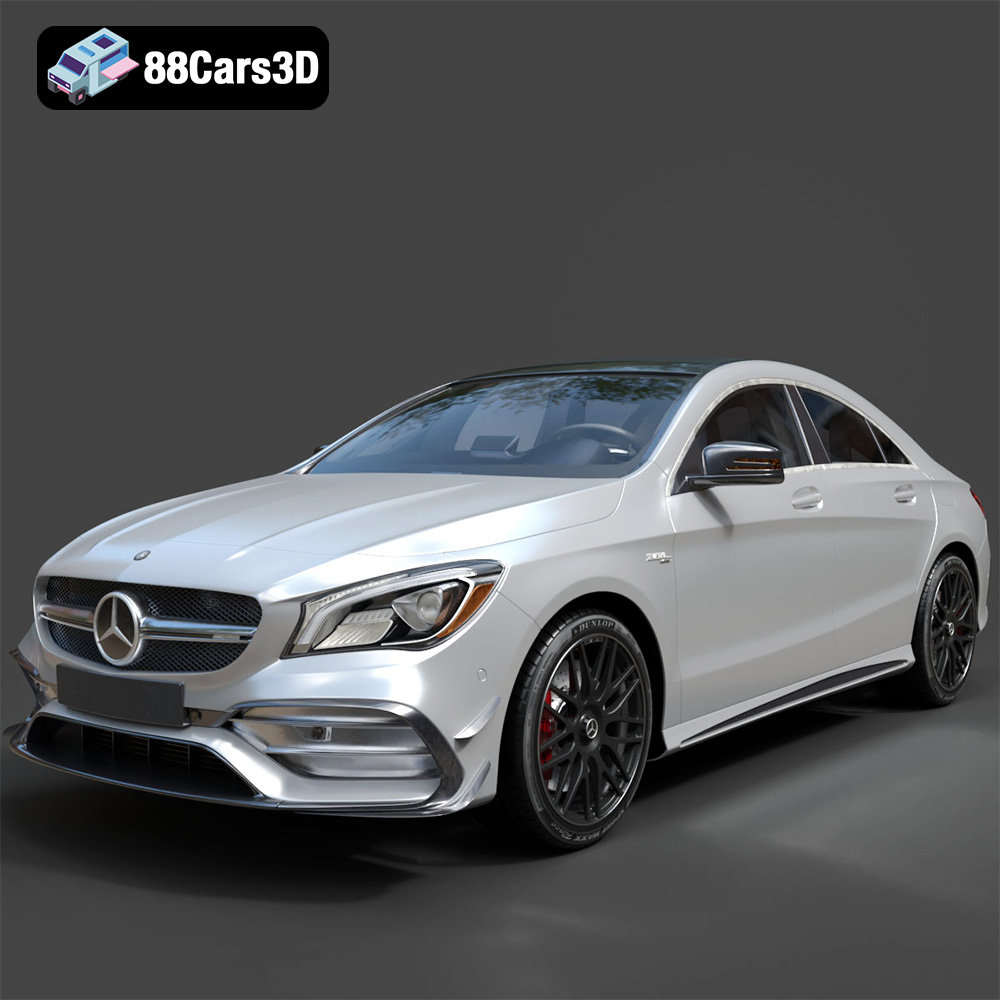
Download the Mercedes-Benz CLA45 AMG 2017 3D Model featuring clean geometry, realistic detailing, and a fully modeled interior. Includes .blend, .fbx, .obj, .glb, .stl, .ply, .unreal, and .max formats for rendering, simulation, and game development.
Price: $29.99
Texture: Yes
Material: Yes
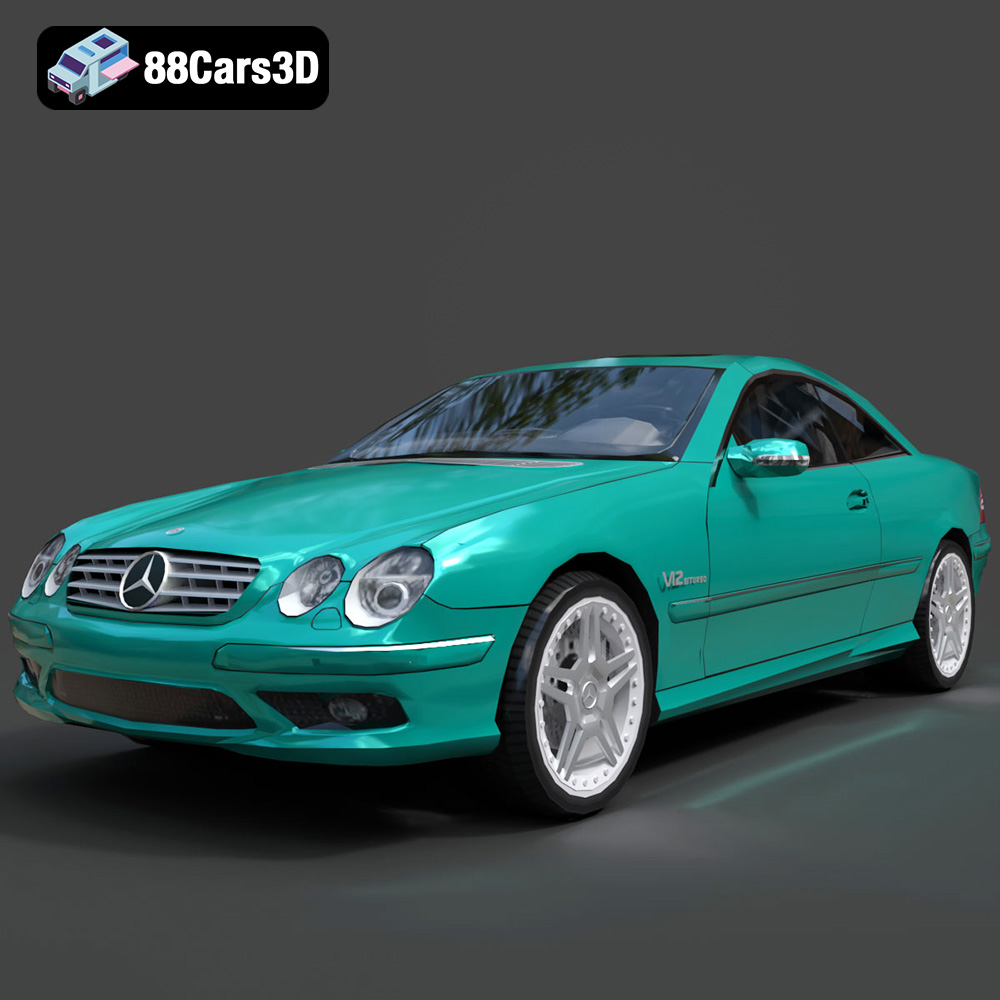
Download the Mercedes-Benz CL65 C215 AMG 3D Model featuring clean geometry, realistic detailing, and a fully modeled interior. Includes .blend, .fbx, .obj, .glb, .stl, .ply, .unreal, and .max formats for rendering, simulation, and game development.
Price: $9.99
Texture: Yes
Material: Yes
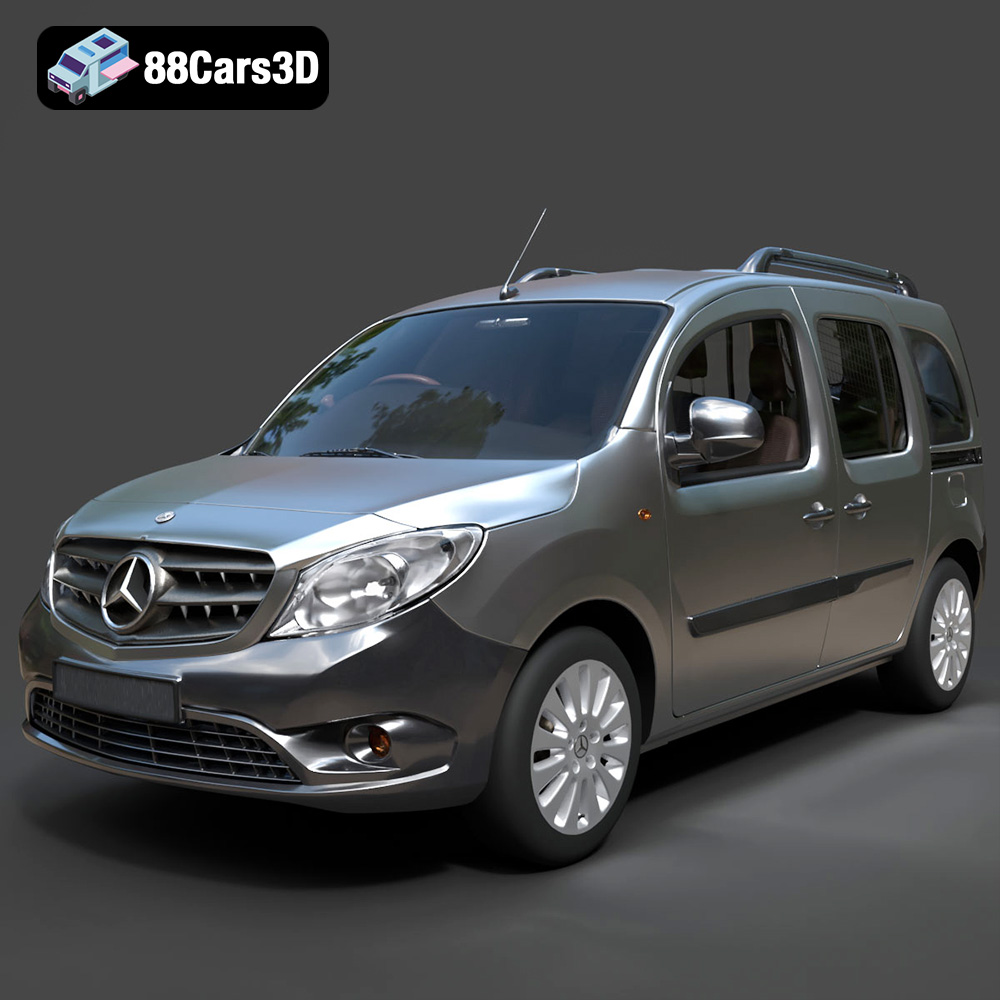
Download the Mercedes-Benz Citan 2025 3D Model featuring clean geometry, realistic detailing, and a fully modeled interior. Includes .blend, .fbx, .obj, .glb, .stl, .ply, .unreal, and .max formats for rendering, simulation, and game development.
Price: $14.99
Texture: Yes
Material: Yes
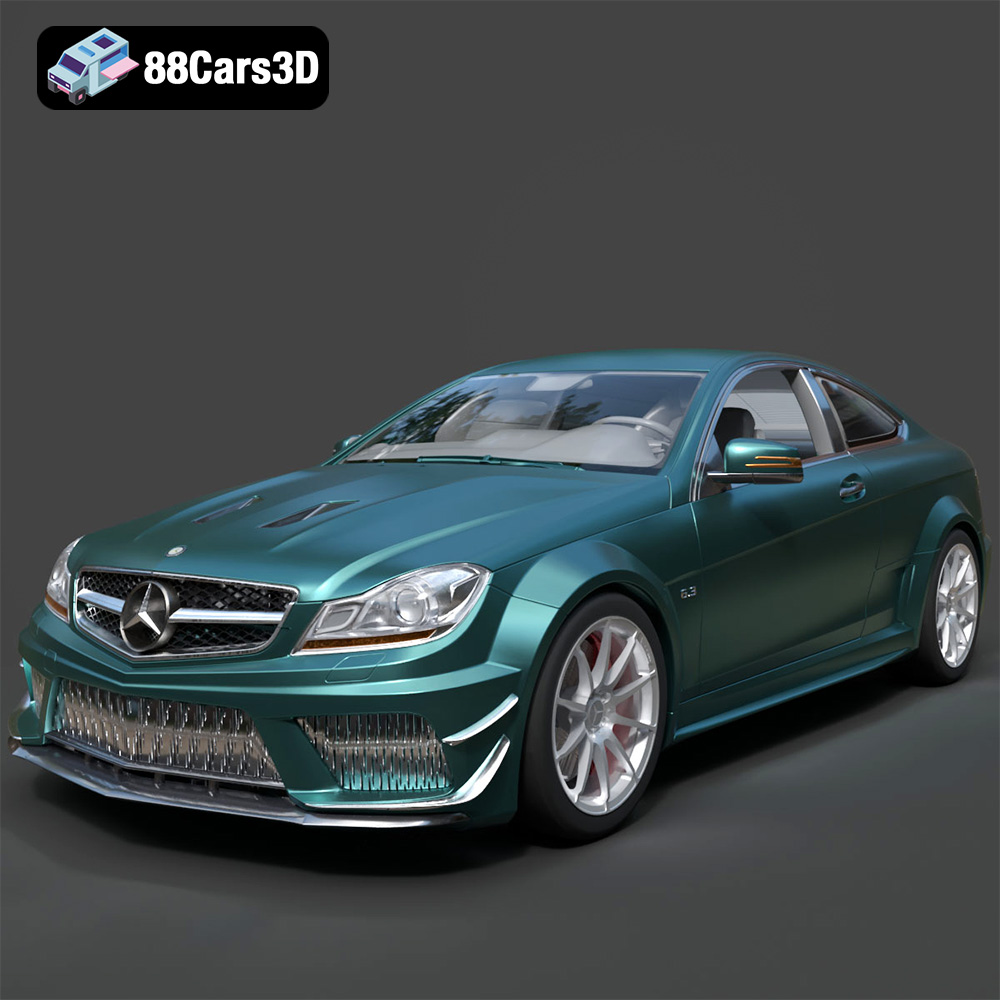
Download the Mercedes-Benz C63 AMG 2012 3D Model featuring clean geometry, realistic detailing, and a fully modeled interior. Includes .blend, .fbx, .obj, .glb, .stl, .ply, .unreal, and .max formats for rendering, simulation, and game development.
Price: $14.99
Texture: Yes
Material: Yes
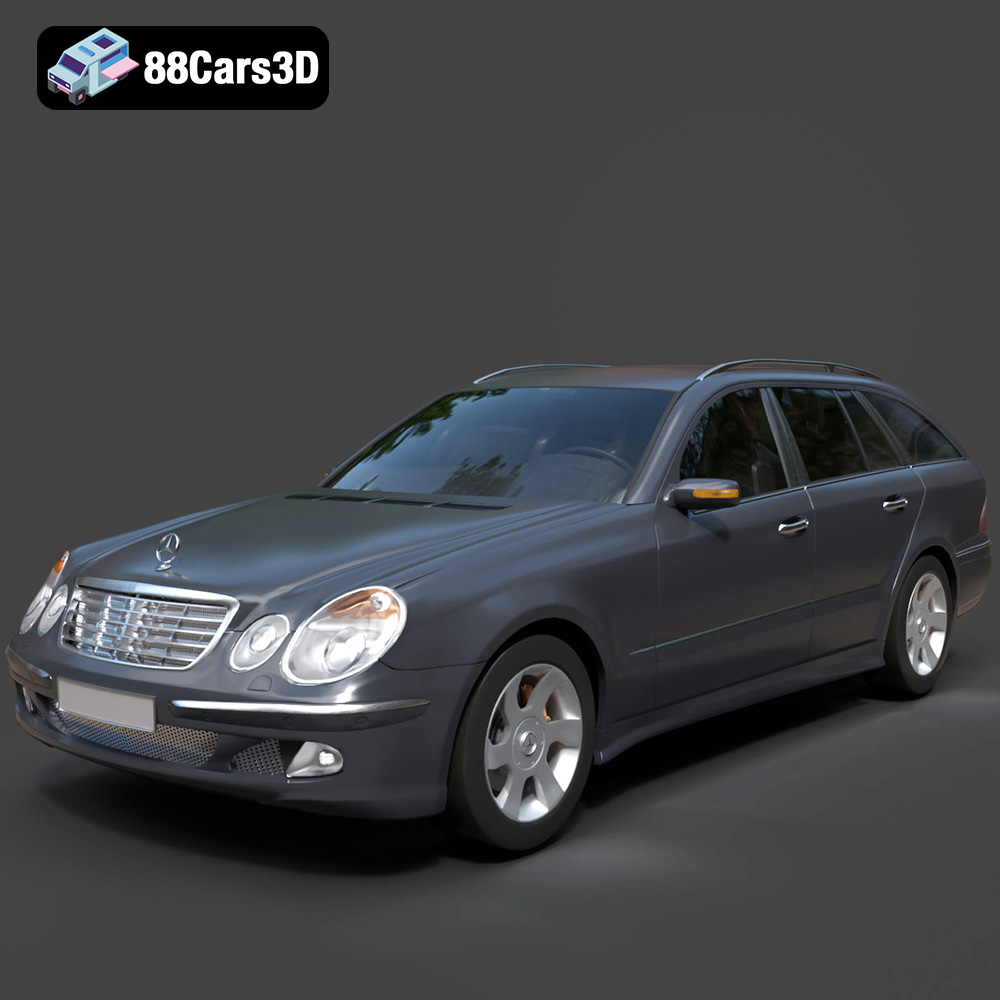
Download the Mercedes-Benz E-Class S211 3D Model featuring clean geometry, realistic detailing, and a fully modeled interior. Includes .blend, .fbx, .obj, .glb, .stl, .ply, .unreal, and .max formats for rendering, simulation, and game development.
Price: $14.99
Texture: Yes
Material: Yes
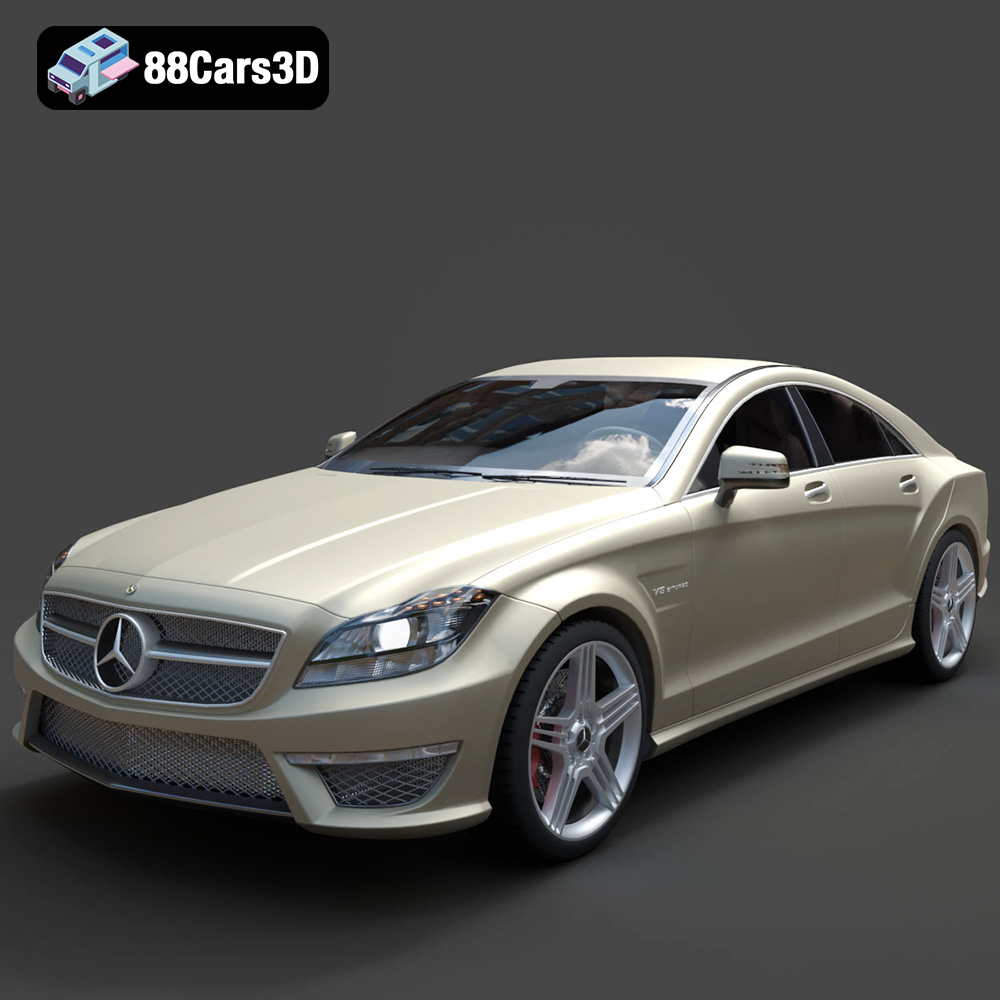
Download the Mercedes-Benz CLS63 AMG (C218) 2014 3D Model featuring clean geometry, realistic detailing, and a fully modeled interior. Includes .blend, .fbx, .obj, .glb, .stl, .ply, .unreal, and .max formats for rendering, simulation, and game development.
Price: $14.99

