Get 20% OFF All Premium 3D & STL Models!

“`html
The allure of a perfectly rendered automobile is undeniable. Whether it’s a gleaming supercar in a cinematic shot, a customizable vehicle in a high-octane video game, or an interactive model in an augmented reality showroom, 3D car models are at the heart of modern digital creation. However, acquiring a high-polygon model is just the first step on a long and technical road. The raw digital clay must be expertly sculpted, painted, and optimized to fit its final purpose. A model destined for a 4K marketing render has vastly different requirements than one built for a 90 FPS virtual reality experience.
This comprehensive guide will navigate you through the entire professional pipeline of preparing 3D car models. We will move beyond basic principles and dive deep into the technical workflows that separate amateur work from studio-quality results. You will learn how to assess and refine topology for perfect reflections, master strategic UV mapping for complex surfaces, build photorealistic PBR materials, and optimize your assets for everything from photorealistic rendering and real-time game engines to AR/VR and 3D printing. Consider this your roadmap to transforming a beautiful 3D car model into a versatile, high-performance digital asset, ready for any project you can imagine.
Before any texturing or rendering can begin, the structural integrity of your 3D car model—its topology—must be flawless. Topology refers to the arrangement of vertices, edges, and polygons that form the mesh. For automotive models, which rely on smooth, sweeping curves and crisp reflections, clean topology is non-negotiable. It dictates how light interacts with the surface, how the model subdivides for higher detail, and whether it can be efficiently optimized for other applications. Starting with a model that has poor topology is like building a skyscraper on a foundation of sand; the problems will only compound as you progress.
Exceptional automotive topology is characterized by a deliberate and logical edge flow. This means the lines of polygons follow the natural contours and character lines of the vehicle. A proper edge flow ensures that when the model is subdivided (using modifiers like TurboSmooth in 3ds Max or a Subdivision Surface in Blender), the curves remain taut and accurate, without bumps or pinching. The vast majority of the mesh should be comprised of quadrilaterals (quads), as they subdivide cleanly and are predictable. Triangles are acceptable in flat, hidden areas, but should be avoided on curved surfaces. N-gons (polygons with more than four sides) are a major red flag, as they can cause significant shading artifacts and unpredictable subdivision results. When inspecting a model, look for edge loops that define key features like wheel arches, panel gaps, and headlight housings. These loops act as “holding edges” that maintain sharp creases during subdivision.
There is no single “correct” polygon count; it’s entirely dependent on the application. A “hero” model for cinematic close-ups or high-resolution marketing stills might have 500,000 to over 2 million triangles. This high density allows for incredible detail, from the fine bevels on trim pieces to the intricate mesh of the front grille. Conversely, a primary game asset for a platform like Unreal Engine or Unity needs to be much more conservative, typically ranging from 50,000 to 150,000 triangles for the highest level of detail (LOD0). This optimization ensures the game can render the vehicle in real-time without dropping frames. The key is to use polygons efficiently. A large, flat door panel doesn’t need a dense mesh, whereas a curved fender or complex wheel rim requires more geometry to define its shape.
Even high-quality models can sometimes have minor issues that need addressing. Here are common problems and how to fix them:
Sourcing your assets from professional marketplaces like 88cars3d.com can save you hours of remedial work, as these models are typically built with clean, quad-based topology from the outset.
If topology is the model’s skeleton, UV mapping is its blueprint for texturing. A UV map is a 2D representation of the 3D mesh, dictating how textures are applied to its surface. While automatic unwrapping tools have improved, they are rarely sufficient for the precision required in automotive visualization. A strategic, manual unwrap is essential for achieving high-fidelity textures, hiding seams, and optimizing performance.
The first step is to break the model down into logical UV islands or shells. Think like a car manufacturer: group parts that would be made of the same material. For example, all the main body panels (doors, hood, fenders) could be on one UV map, the interior leather on another, and the wheel components on a third. The placement of seams is the most critical part of this process. The goal is to hide them where they won’t be seen. Ideal locations for seams include:
For a car door, you would place seams along the sharp character lines and the bottom edge, allowing the main face of the door to unwrap as a single, clean shell with minimal distortion.
Texel density is a measure of texture resolution on the surface of a model. It’s crucial to maintain a consistent texel density across the entire vehicle to avoid some parts looking sharp while others appear blurry. For example, if a 2048×2048 texture is applied to the door and a 512×512 texture is applied to the side mirror of the same size, the mirror will look significantly lower in quality. Most UV tools have features to help you visualize and equalize texel density across all your UV shells. For ultimate quality in cinematic rendering, professionals use a UDIM (U-Dimension) workflow. This technique allows you to use multiple high-resolution textures (e.g., multiple 4K maps) on a single object, assigning each UV shell to a different “tile” in UV space. This is how artists achieve pixel-perfect detail on hero car models without resorting to a single, impossibly large 16K texture.
Let’s take a complex car fender as an example:
Achieving realism in automotive rendering hinges on Physically Based Rendering (PBR) materials. The PBR workflow simulates how light behaves in the real world, using a set of texture maps to define a surface’s properties. This approach ensures that your car model looks correct and believable under any lighting condition, from a bright studio to a dusky road.
While shaders can become complex, most PBR materials are built upon a few core texture maps:
Standard PBR materials fall short when creating convincing car paint. Real automotive paint is a multi-layered material, and to replicate it, your shader needs to be as well. The typical setup involves three distinct layers:
A perfectly clean car looks fake. Realism is born from imperfections. Use grayscale maps to subtly vary the Roughness of the clear coat, simulating faint smudges or water spots. For logos, badges, and racing liveries, use decal techniques. This involves creating textures with an alpha channel (like a PNG or TGA file) and layering them on top of your base materials using a “Decal” object or by blending them in the shader network. Adding a slight normal map detail to these decals can give them the impression of thickness, making them look like they are sitting on the surface rather than being projected.
Preparing a 3D car model for a game engine like Unreal Engine or Unity is a completely different discipline than preparing it for a cinematic render. In real-time applications, every polygon and texture byte counts. The goal is to preserve as much visual fidelity as possible while maintaining a high and stable frame rate. This is the art of optimization.
A player doesn’t need to see a 150,000-triangle car when it’s a tiny speck in the distance. This is where Levels of Detail (LODs) come in. An LOD chain is a series of progressively lower-polygon versions of the same model that the game engine swaps in and out based on the object’s distance from the camera. A typical vehicle LOD structure might be:
Creating these LODs requires a process of manual or automated poly reduction. While automated tools can be fast, a skilled artist will manually create LODs to preserve the car’s silhouette more effectively.
In a game engine, a draw call is a command sent from the CPU to the GPU to render a group of polygons. Each material on an object typically results in a separate draw call. A car model with 50 different materials can be a performance nightmare. The solution is texture atlasing. This is the process of combining textures for multiple parts onto a single, larger texture sheet. For example, instead of having separate materials for the headlights, taillights, grille, and badges, you would unwrap all of those parts and arrange their UVs onto a single UV space, which uses one material and one set of PBR textures. This can reduce the draw calls for a complex car from several dozen down to just two or three (e.g., one for the exterior, one for the interior, one for glass), providing a massive performance boost.
The choice of file format is crucial for a smooth workflow. FBX is the industry standard for exporting models from 3D software to game engines. It’s a robust format that reliably preserves mesh data, UVs, smoothing groups, material assignments, and even complex animation rigs. For web and mobile applications, GLB/glTF is rapidly becoming the preferred format. Its major advantage is that it’s a self-contained package—the mesh, materials, and textures are all packed into a single file, making it incredibly easy to load and display. When you obtain 3D car models from a well-stocked library, having access to multiple file formats like FBX, OBJ, and GLB is a significant time-saver, ensuring compatibility with your chosen engine.
The utility of a 3D car model extends beyond traditional renders and games. Emerging technologies like Augmented Reality (AR), Virtual Reality (VR), and 3D printing present new opportunities and a unique set of technical challenges for asset preparation.
AR and VR applications are even more demanding than traditional games. To prevent motion sickness and maintain immersion, these experiences must run at a rock-solid 72, 90, or even 120 frames per second (FPS). This leaves absolutely no room for unoptimized assets. The optimization techniques are similar to game development but taken to the extreme.
Preparing a model for 3D printing shifts the focus from visual appearance to physical viability. The rules are entirely different, and a beautiful render-ready model will almost certainly fail to print without proper preparation.
We’ve journeyed from the fundamental structure of a 3D car model to its final application across a spectrum of digital and physical media. It’s clear that a high-quality model is not a one-size-fits-all product but a versatile digital asset whose true potential is unlocked through thoughtful, application-specific preparation. The process requires a deep understanding of the end goal, whether it’s the flawless reflections of an automotive rendering, the lean efficiency of a game asset, or the structural solidity of a 3D print.
The key takeaways are universal: a foundation of clean topology is paramount; strategic UV mapping enables detailed and realistic texturing; a PBR-based material workflow is the key to photorealism; and meticulous optimization is non-negotiable for any real-time application. Before you begin your next automotive project, define your target platform. This single decision will inform every technical choice you make, from the initial polygon budget to the final export format. By mastering these diverse workflows, you can ensure that your 3D vehicle assets deliver stunning visuals and peak performance, no matter the destination. Starting with professionally crafted 3D car models from a trusted source like 88cars3d.com provides an invaluable head start, freeing you to focus on the creative and technical refinement that brings your vision to life.
“`

Texture: Yes
Material: Yes
Download the Mercedes-Benz SLK 350 2005 3D Model featuring clean geometry, realistic detailing, and a fully modeled interior. Includes .blend, .fbx, .obj, .glb, .stl, .ply, .unreal, and .max formats for rendering, simulation, and game development.
Price: $9.99
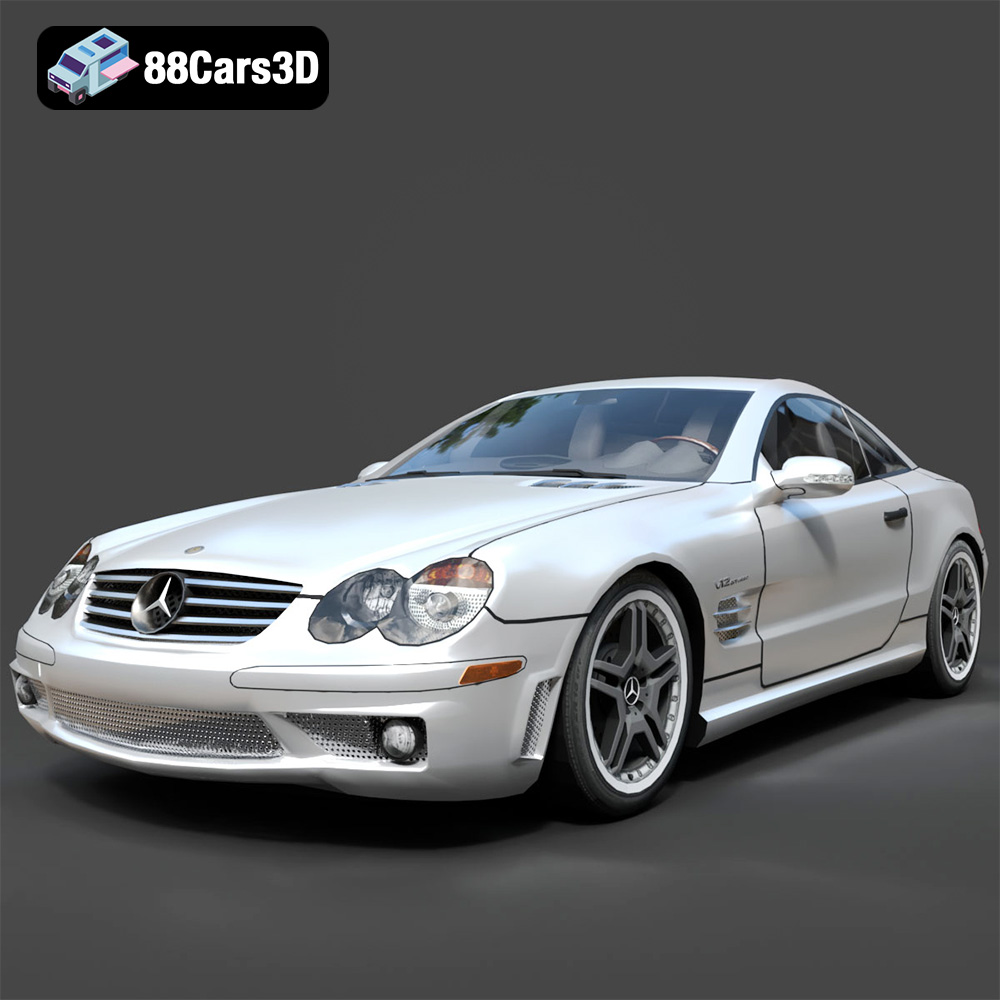
Texture: Yes
Material: Yes
Download the Mercedes-Benz SL 65 AMG 3D Model featuring clean geometry, realistic detailing, and a fully modeled interior. Includes .blend, .fbx, .obj, .glb, .stl, .ply, .unreal, and .max formats for rendering, simulation, and game development.
Price: $9.99
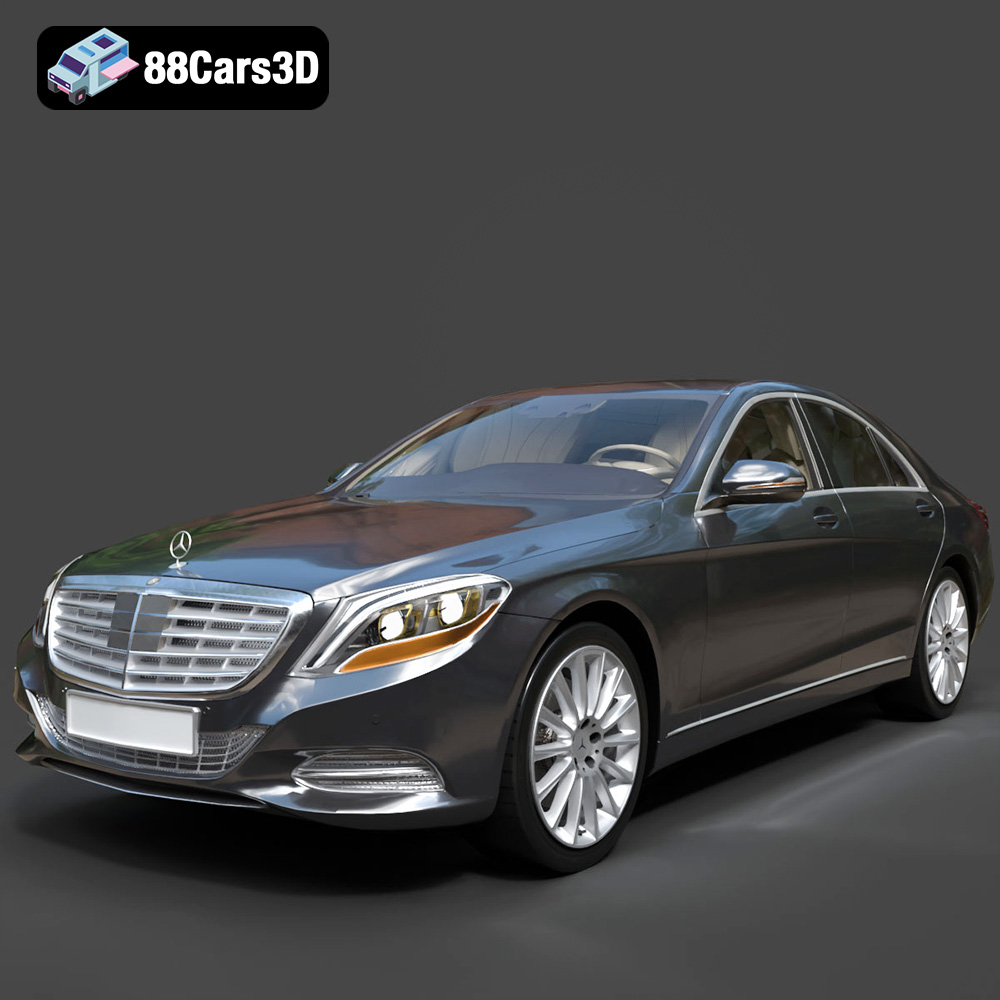
Texture: Yes
Material: Yes
Download the Mercedes-Benz S500 3D Model featuring clean geometry, realistic detailing, and a fully modeled interior. Includes .blend, .fbx, .obj, .glb, .stl, .ply, .unreal, and .max formats for rendering, simulation, and game development.
Price: $9.99
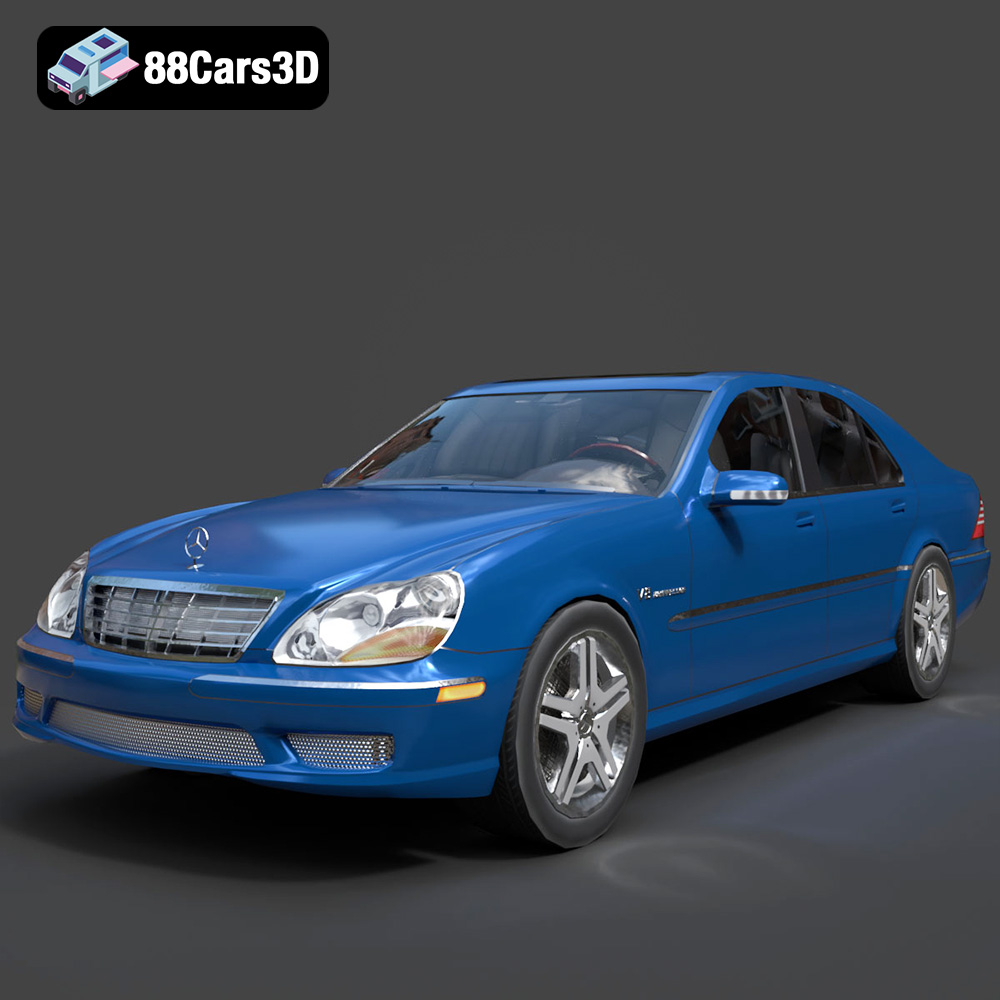
Texture: Yes
Material: Yes
Download the Mercedes-Benz S55 W220 AMG 1999 3D Model featuring clean geometry, realistic detailing, and a fully modeled interior. Includes .blend, .fbx, .obj, .glb, .stl, .ply, .unreal, and .max formats for rendering, simulation, and game development.
Price: $9.99
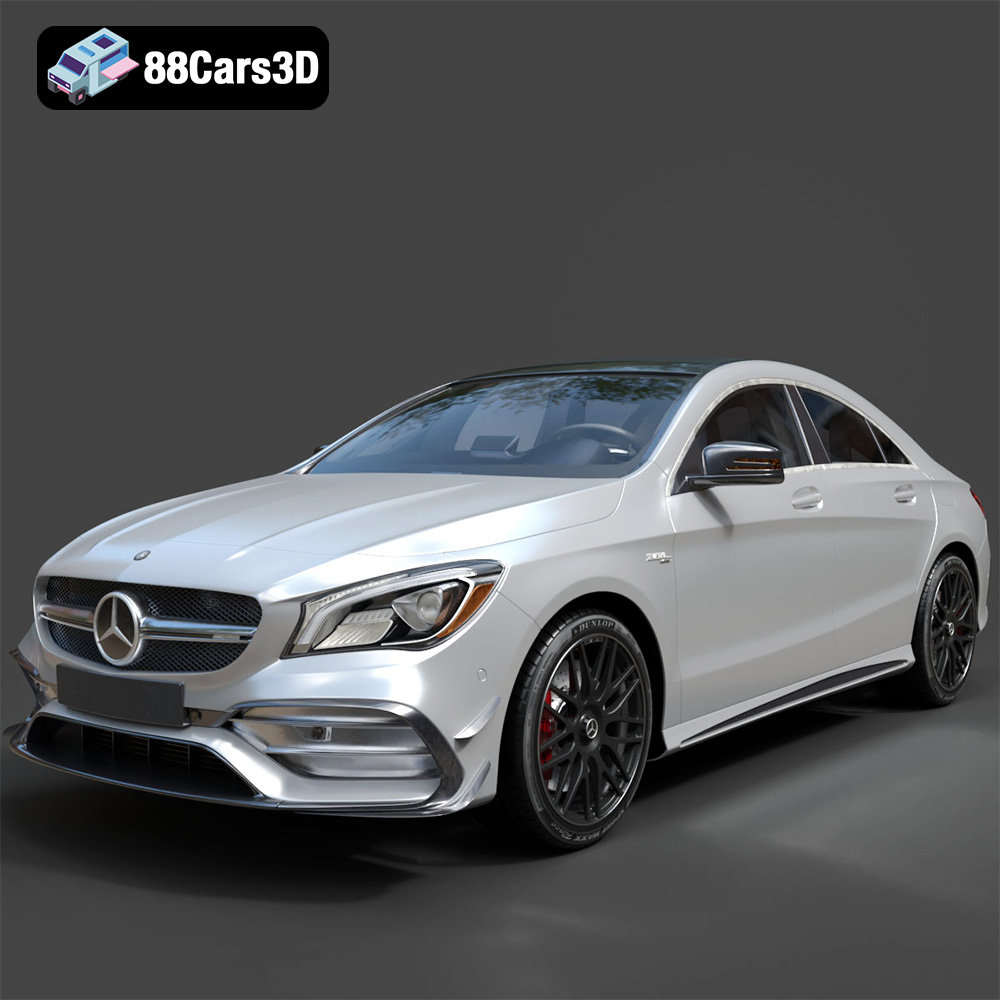
Texture: Yes
Material: Yes
Download the Mercedes-Benz CLA45 AMG 2017 3D Model featuring clean geometry, realistic detailing, and a fully modeled interior. Includes .blend, .fbx, .obj, .glb, .stl, .ply, .unreal, and .max formats for rendering, simulation, and game development.
Price: $29.99
Texture: Yes
Material: Yes
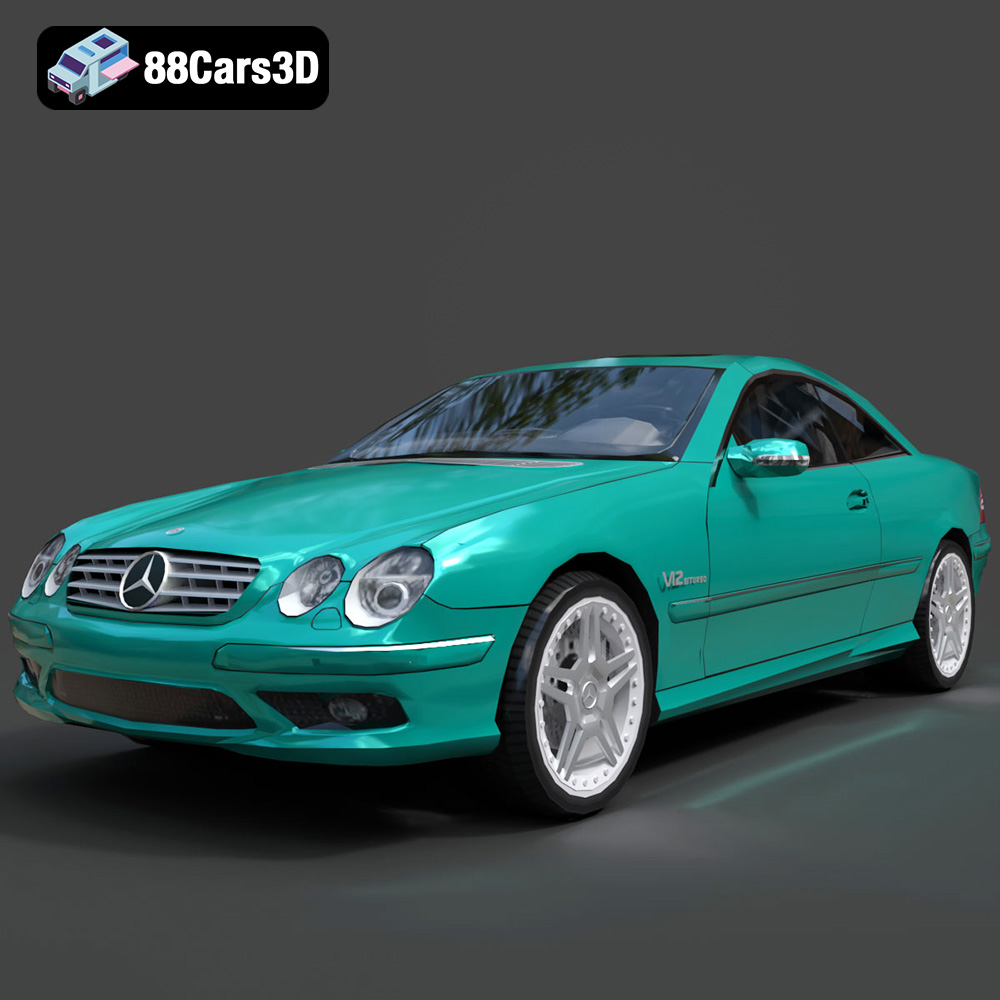
Download the Mercedes-Benz CL65 C215 AMG 3D Model featuring clean geometry, realistic detailing, and a fully modeled interior. Includes .blend, .fbx, .obj, .glb, .stl, .ply, .unreal, and .max formats for rendering, simulation, and game development.
Price: $9.99
Texture: Yes
Material: Yes
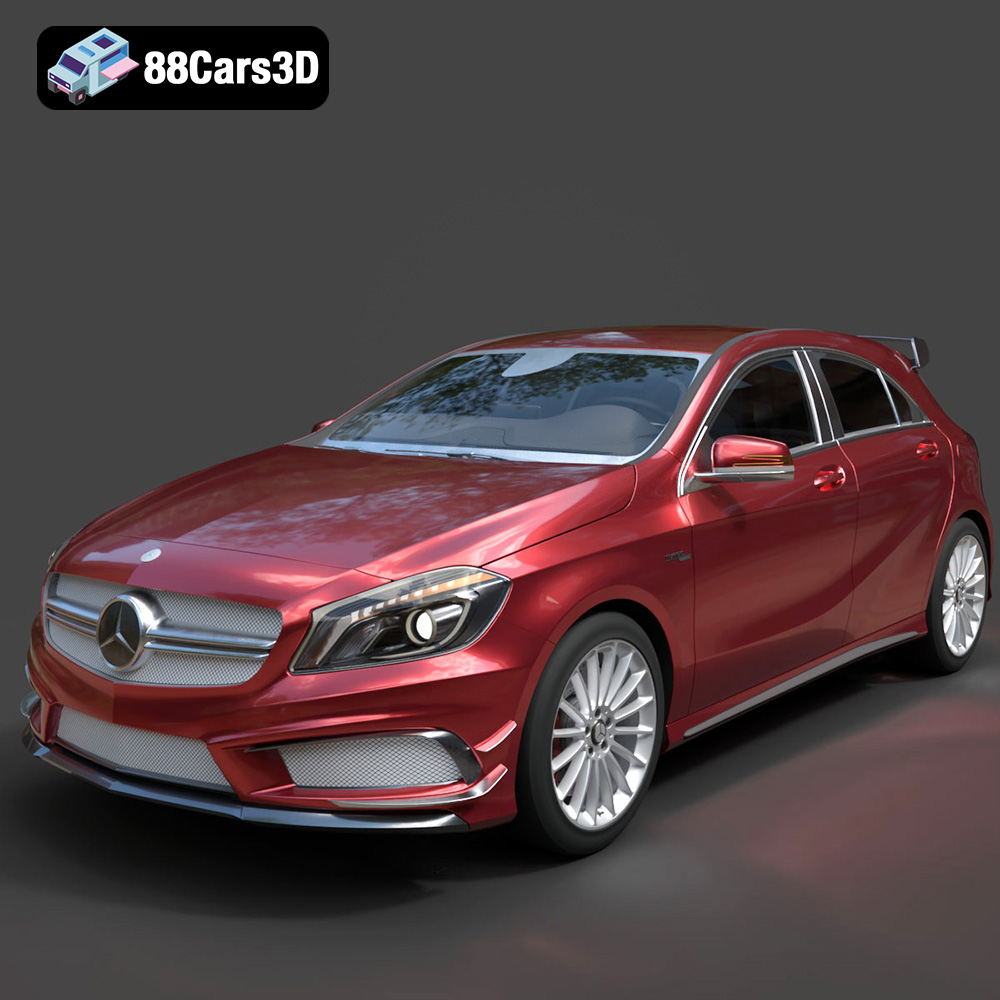
Download the Mercedes-Benz A45 2021 3D Model featuring clean geometry, realistic detailing, and a fully modeled interior. Includes .blend, .fbx, .obj, .glb, .stl, .ply, .unreal, and .max formats for rendering, simulation, and game development.
Price: $9.99
Texture: Yes
Material: Yes
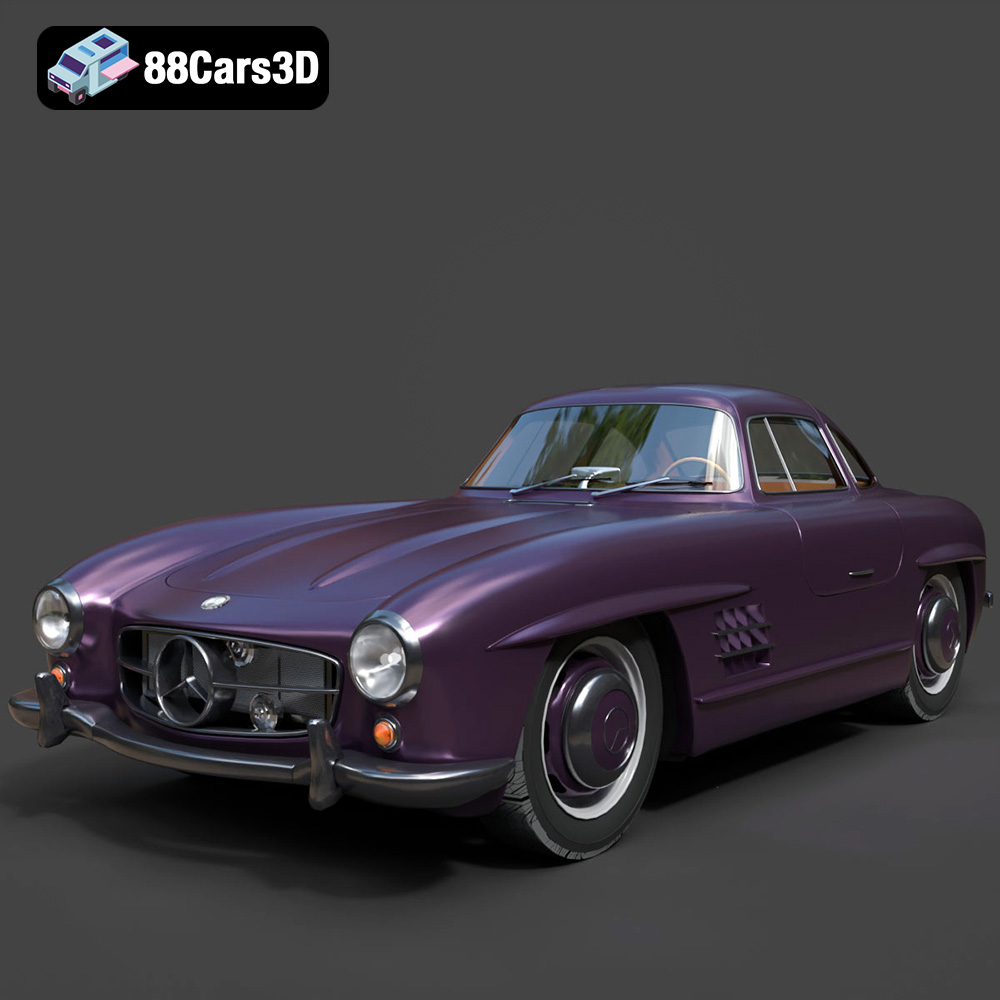
Download the Mercedes-Benz 300SL 1955 3D Model featuring clean geometry, realistic detailing, and a fully modeled interior. Includes .blend, .fbx, .obj, .glb, .stl, .ply, .unreal, and .max formats for rendering, simulation, and game development.
Price: $9.99
Texture: Yes
Material: Yes
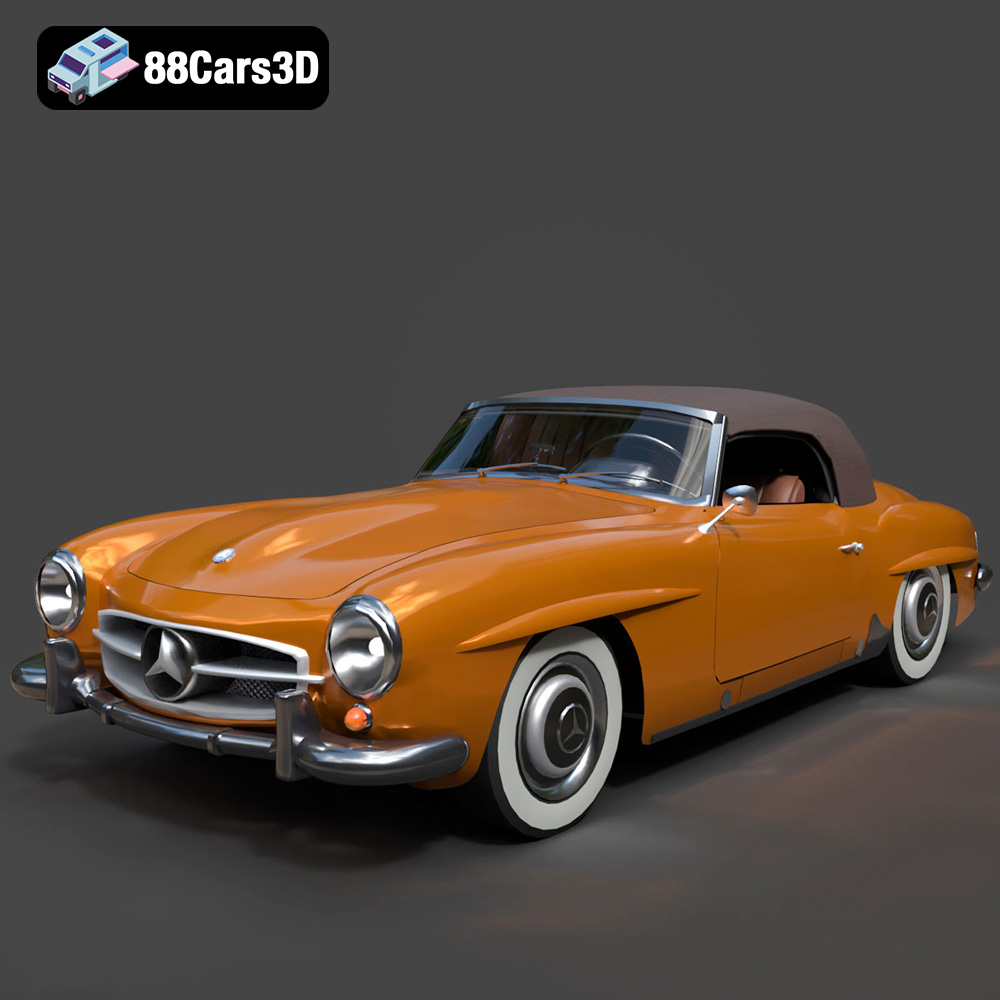
Download the Mercedes-Benz 190SL 1955 3D Model featuring clean geometry, realistic detailing, and a fully modeled interior. Includes .blend, .fbx, .obj, .glb, .stl, .ply, .unreal, and .max formats for rendering, simulation, and game development.
Price: $9.99
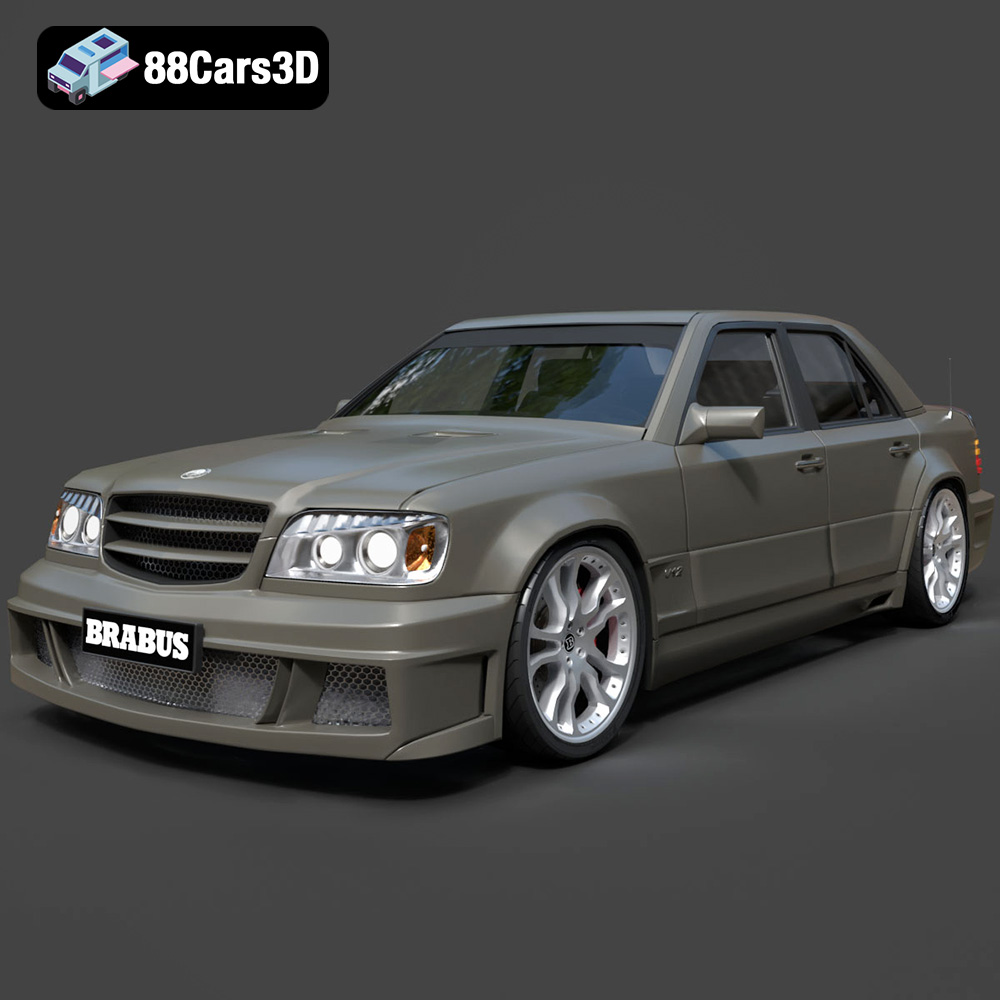
Texture: Yes
Material: Yes
Download the Mercedes-Benz W124 Brabus V12 3D Model featuring clean geometry, realistic detailing, and a fully modeled interior. Includes .blend, .fbx, .obj, .glb, .stl, .ply, .unreal, and .max formats for rendering, simulation, and game development.
Price: $9.99

