Get 20% OFF All Premium 3D & STL Models!

From the gleaming reflections on a hyper-realistic render to the fluid performance of a vehicle in a video game, the quality of a 3D car model is paramount. It’s the digital foundation upon which stunning visuals and immersive experiences are built. But creating a versatile, high-fidelity 3D car that works flawlessly across different applications—from cinematic rendering and game development to AR/VR and 3D printing—is a complex art form. It requires a deep understanding of topology, meticulous UV mapping, sophisticated material creation, and strategic optimization. Many artists spend hundreds of hours perfecting a single vehicle, navigating a minefield of technical challenges along the way. This guide is your roadmap through that process.
Whether you are a seasoned 3D artist aiming to refine your automotive modeling workflow, a game developer needing to optimize vehicles for peak performance, or an automotive designer looking to master digital visualization, this comprehensive deep-dive has you covered. We will deconstruct the entire lifecycle of a professional 3D car model, breaking down the essential pillars of its creation and application. We’ll explore the secrets behind clean topology, the strategies for efficient UV mapping, the art of photorealistic PBR materials, and the critical techniques for optimization across various platforms. By the end, you’ll have the expert knowledge to either build your own world-class 3D car models or intelligently select and modify pre-made assets for any project imaginable.
Before any texture is applied or a single render is cast, the success of a 3D car model lies in its underlying geometry, or topology. This is the arrangement of vertices, edges, and polygons that form the mesh. For automotive models, which are defined by a mix of large, flowing surfaces and sharp, precise details, clean topology isn’t just a best practice—it’s a necessity. It dictates how the model subdivides, how it catches light, and how easily it can be modified or optimized later. Poor topology leads to rendering artifacts, shading errors, and animation nightmares.
The golden rule of automotive modeling is to work with a quad-based mesh whenever possible. Quads (polygons with four sides) are predictable and subdivide cleanly, which is crucial when using modifiers like Turbosmooth or OpenSubdiv to create high-resolution surfaces for rendering. Triangles (three-sided polygons) can terminate edge flow and cause pinching artifacts when subdivided. Ngons (polygons with more than four sides) are even more problematic, often leading to unpredictable shading and triangulation issues when exporting to game engines or other software. Focus on maintaining a consistent grid of quads across the main body panels, ensuring the flow of polygons follows the car’s natural curves and contours.
Edge flow is the directional logic of your polygon layout. For a car, the edge loops should follow the main character lines, wheel arches, and panel gaps. This serves two purposes: it accurately defines the vehicle’s shape, and it makes selecting and modifying sections of the model intuitive. To create sharp, crisp edges on panels without adding excessive geometry, use support loops or control edges. These are extra edge loops placed close to a hard edge. When a subdivision modifier is applied, these support loops “hold” the geometry in place, creating a tight, controlled bevel or crease instead of a soft, rounded corner. The distance between the support loop and the primary edge dictates the sharpness of the final result.
The required polygon count varies drastically based on the model’s intended use.
When sourcing models from marketplaces such as 88cars3d.com, pay close attention to the provided topology wireframes and polygon counts. A well-constructed base mesh offers the most flexibility for all these applications.
If topology is the skeleton of your model, UV mapping is its skin. This process involves “unfolding” the 3D mesh into a 2D space so that textures can be accurately applied. For a complex object like a car, with its intricate panels, interior components, and small details, UV unwrapping can be a daunting task. A strategic approach is essential for achieving high-quality textures, minimizing distortion, and ensuring efficient use of texture memory, which is especially critical for game assets and real-time applications.
The first step in UV unwrapping is defining seams—edges on the 3D model where the mesh will be “cut” to lay it flat. The goal is to place seams in inconspicuous locations, such as along hard edges, panel gaps, or on the underside of the car. This hides the inevitable texture transition that occurs at a seam. Once seams are placed, the mesh is unwrapped into UV islands or shells. It is crucial to check for and correct texture distortion. Most 3D software provides a checkerboard pattern overlay for this purpose. The squares on the pattern should appear uniform and undistorted across the entire model surface. Use relaxation tools and manual UV vertex adjustments to ensure the 2D UV shell accurately represents the 3D surface area.
Texel density refers to the number of texture pixels (texels) per unit of 3D surface area. Maintaining a consistent texel density across the entire model is key to a uniform, high-quality appearance. You wouldn’t want the door panel to be blurry while a tiny bolt next to it is razor-sharp. For cinematic or high-end visualization projects, a multi-tile UV workflow like UDIM (U-Dimension) is the industry standard. This allows you to spread your UV islands across multiple UV tiles (e.g., 1001, 1002, 1003). Each tile can then have its own high-resolution texture map (e.g., 4K or 8K). This technique is perfect for capturing extreme detail on hero vehicles without being limited to a single texture map. For instance, you could dedicate one UDIM tile to the main body, another to the wheels, and another to the interior dashboard.
For real-time applications, UV layout is all about performance.
Efficiently packing your UV shells into the 0-1 UV space is crucial to avoid wasting texture memory. Automated packing tools are good, but manual adjustments are often needed for a truly optimized layout.
A perfect model is nothing without believable materials. The modern standard for creating realistic surfaces is the Physically Based Rendering (PBR) workflow. PBR aims to simulate how light interacts with materials in the real world, resulting in stunningly accurate and consistent visuals across different lighting conditions. For automotive rendering, mastering PBR is essential for creating convincing car paint, chrome, glass, leather, and plastics.
The most common PBR workflow is the Metallic/Roughness model. It relies on a few key texture maps:
Standard car paint is more complex than a single surface. It’s a layered material, and replicating it requires a more advanced shader network. In render engines like Corona, V-Ray, or Blender’s Cycles, a typical car paint shader consists of:
This layered approach is what gives car paint its characteristic depth and the “flip-flop” color effect seen in some metallic paints.
With a pristine model and realistic materials, the final step to creating a stunning image is the automotive rendering process. This stage involves setting up lighting, cameras, and render engine settings to produce a final, photorealistic image or animation. The choice of render engine and lighting setup can completely change the mood and impact of your final shot.
While many render engines can produce great results, some are favored for their speed, features, and ease of use in automotive visualization.
The secret to realistic automotive renders is realistic lighting, which primarily comes from reflections.
Treat your virtual camera like a real one. Use realistic focal lengths (e.g., 35mm-85mm) to avoid distortion. Enable Depth of Field (DoF) with a shallow aperture (low f-stop) to draw the viewer’s eye to a specific part of the car. Render out different passes like reflections, ambient occlusion, and a clown pass (material IDs). These passes give you immense control in post-processing software like Photoshop or After Effects, allowing you to fine-tune reflections, adjust colors, and add effects like lens flare and chromatic aberration to complete the shot.
Creating a 3D car model for a game engine like Unreal Engine or Unity, or for an AR/VR experience, presents a completely different set of challenges. Here, performance is king. Every polygon, every texture, and every material must be carefully optimized to ensure a smooth, high-frame-rate experience. Sourcing professionally optimized game assets can be a huge time-saver, but understanding the underlying principles is vital for any developer.
A 500,000-polygon model that looks great in a V-Ray render will cripple a game engine. The first step is creating a game-ready mesh. This often involves manually remodeling a high-poly version into a lower-poly one, a process called retopology. The goal is to retain the car’s silhouette and key details while drastically reducing the polygon count. From this base game mesh (LOD0), even lower-poly versions are created. These are Levels of Detail (LODs).
The game engine automatically switches between these LODs based on the camera’s distance, saving immense processing power.
High-resolution textures consume vast amounts of VRAM (Video RAM). For real-time applications, textures must be optimized.
As discussed in the UV section, using texture atlases to combine multiple parts into a single material is one of the most effective ways to reduce draw calls and improve performance.
The utility of a well-made 3D car model extends beyond digital screens. With the rise of accessible fabrication technologies, these assets are now frequently used for creating physical prototypes, scale models, and custom parts via 3D printing. Furthermore, the expansion of the web and augmented reality requires specialized file formats like GLB and USDZ. Preparing a model for these use cases involves a unique set of technical considerations.
A 3D printer needs unambiguous instructions on what is “solid” and what is “empty space.” To achieve this, a mesh must be watertight (or manifold). This means it must be a completely enclosed volume with no holes. Common issues to check for include:
Software like Blender’s 3D-Print Toolbox, Autodesk Meshmixer, or Netfabb can automatically detect and help repair these issues. Additionally, very thin parts like mirrors or antennas may need to be thickened to ensure they print successfully without breaking.
Choosing the right file format is crucial for compatibility and performance.
Converting a model from a source format like .MAX or .BLEND to these delivery formats requires careful export settings to ensure materials and textures transfer correctly. PBR material values often need to be baked into the final textures for GLB and USDZ.
We’ve journeyed through the intricate lifecycle of a professional 3D car model, from the foundational principles of topology to the specialized demands of rendering, gaming, and 3D printing. Creating a truly versatile asset is a testament to both artistic skill and technical precision. The highest quality models are not just visually stunning; they are intelligently constructed, meticulously organized, and strategically optimized for a multitude of applications. A model built with clean, quad-based topology and logical UVs can be seamlessly adapted for a cinematic render one day and a real-time game asset the next.
The key takeaways are clear: prioritize clean geometry, master the PBR workflow for hyper-realistic materials, understand the unique optimization requirements of your target platform, and choose the right tools and file formats for the job. Whether you are embarking on the rewarding journey of building your own models from scratch or seeking to accelerate your projects, this knowledge is your key to success. For those who need to deliver world-class results on a tight deadline, leveraging professionally crafted assets from a curated marketplace like 88cars3d.com provides an invaluable head start, offering a foundation of quality that is ready to be deployed into any creative pipeline. Now, take these principles and apply them to your next automotive project, pushing the boundaries of realism and performance.

Texture: Yes
Material: Yes
Download the Mercedes-Benz SLK 350 2005 3D Model featuring clean geometry, realistic detailing, and a fully modeled interior. Includes .blend, .fbx, .obj, .glb, .stl, .ply, .unreal, and .max formats for rendering, simulation, and game development.
Price: $9.99
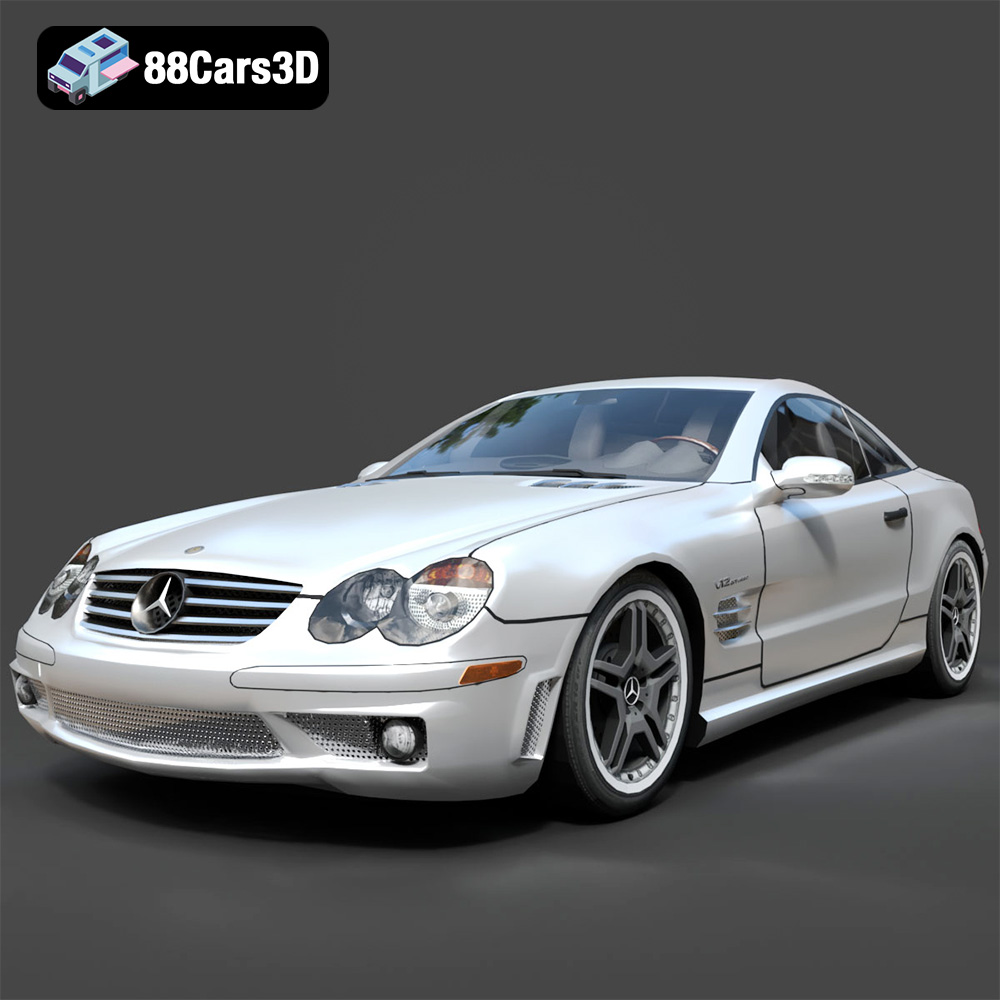
Texture: Yes
Material: Yes
Download the Mercedes-Benz SL 65 AMG 3D Model featuring clean geometry, realistic detailing, and a fully modeled interior. Includes .blend, .fbx, .obj, .glb, .stl, .ply, .unreal, and .max formats for rendering, simulation, and game development.
Price: $9.99
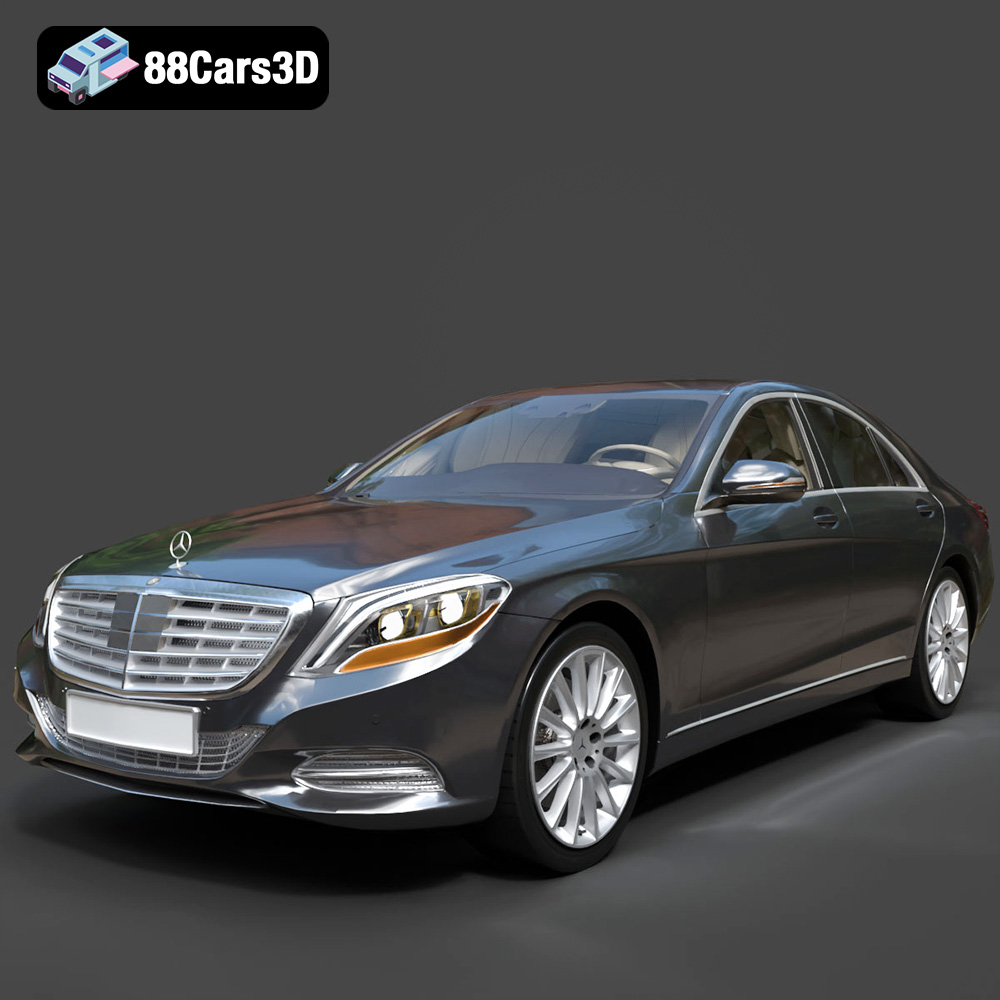
Texture: Yes
Material: Yes
Download the Mercedes-Benz S500 3D Model featuring clean geometry, realistic detailing, and a fully modeled interior. Includes .blend, .fbx, .obj, .glb, .stl, .ply, .unreal, and .max formats for rendering, simulation, and game development.
Price: $9.99
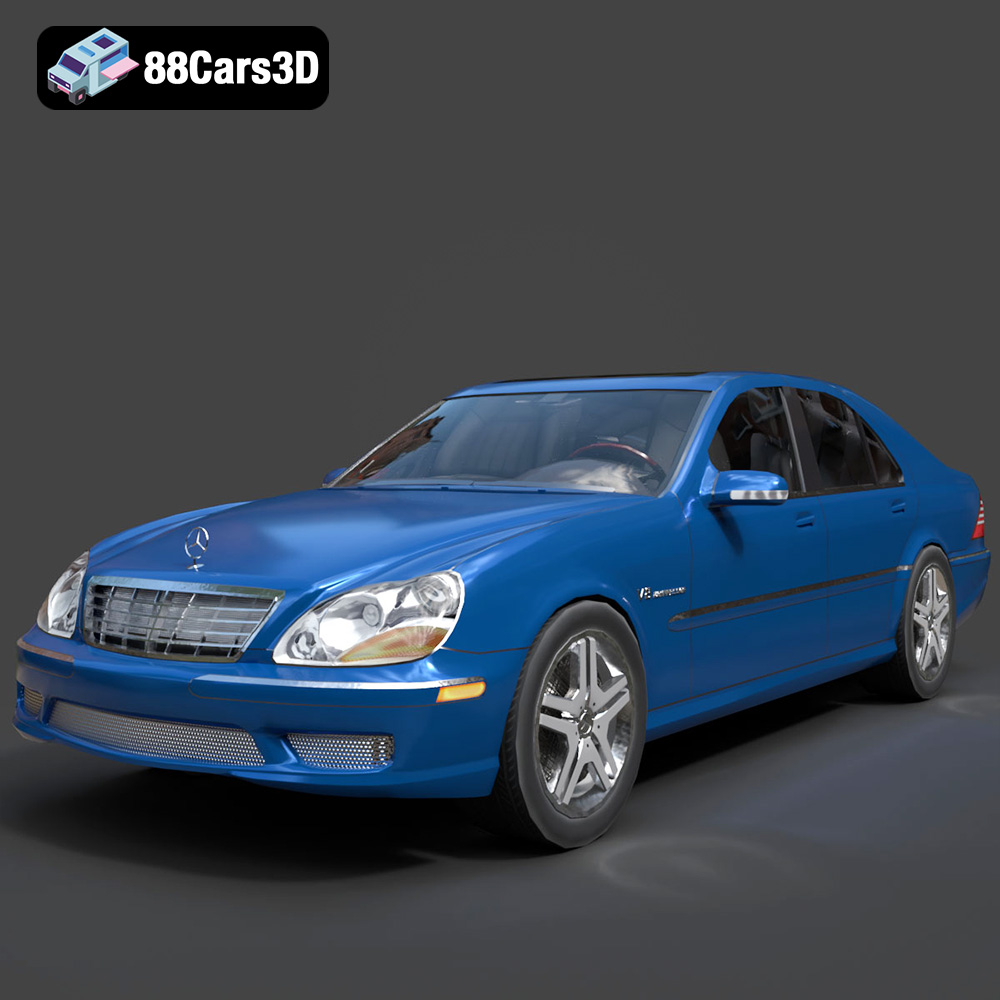
Texture: Yes
Material: Yes
Download the Mercedes-Benz S55 W220 AMG 1999 3D Model featuring clean geometry, realistic detailing, and a fully modeled interior. Includes .blend, .fbx, .obj, .glb, .stl, .ply, .unreal, and .max formats for rendering, simulation, and game development.
Price: $9.99
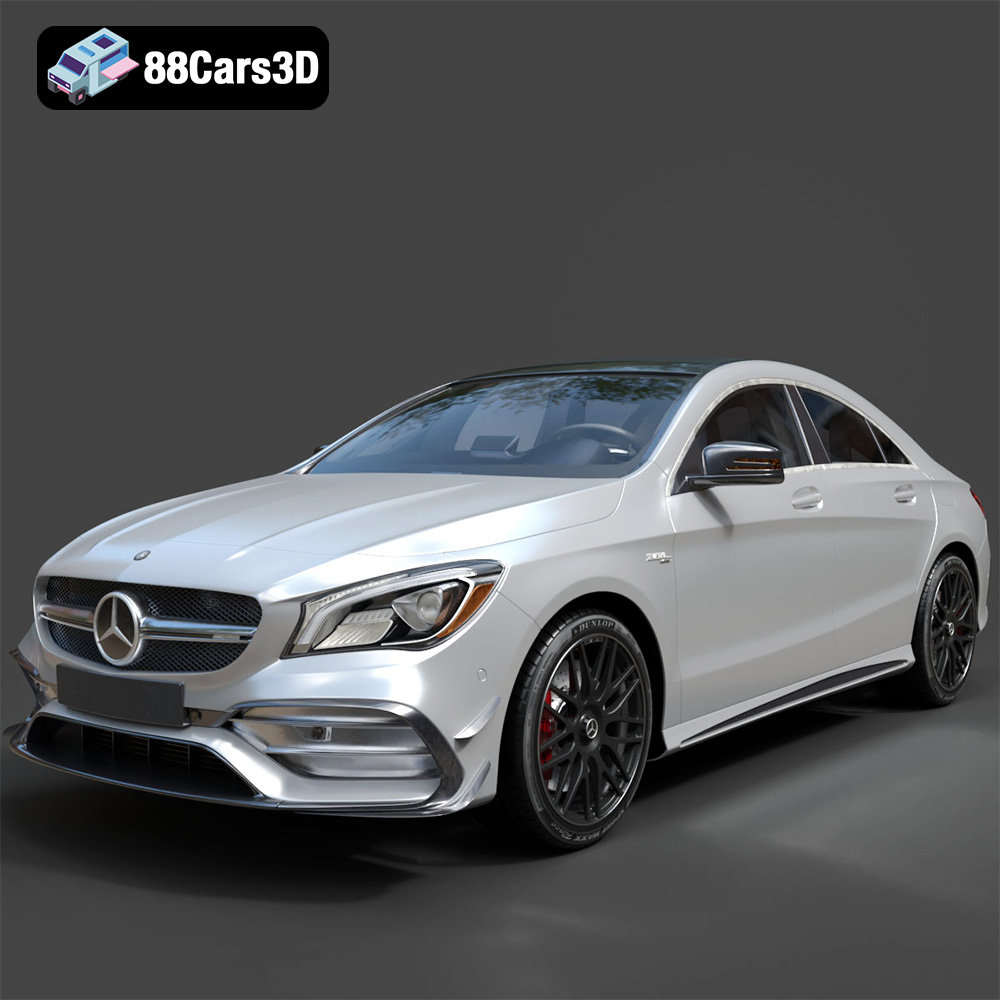
Texture: Yes
Material: Yes
Download the Mercedes-Benz CLA45 AMG 2017 3D Model featuring clean geometry, realistic detailing, and a fully modeled interior. Includes .blend, .fbx, .obj, .glb, .stl, .ply, .unreal, and .max formats for rendering, simulation, and game development.
Price: $29.99
Texture: Yes
Material: Yes
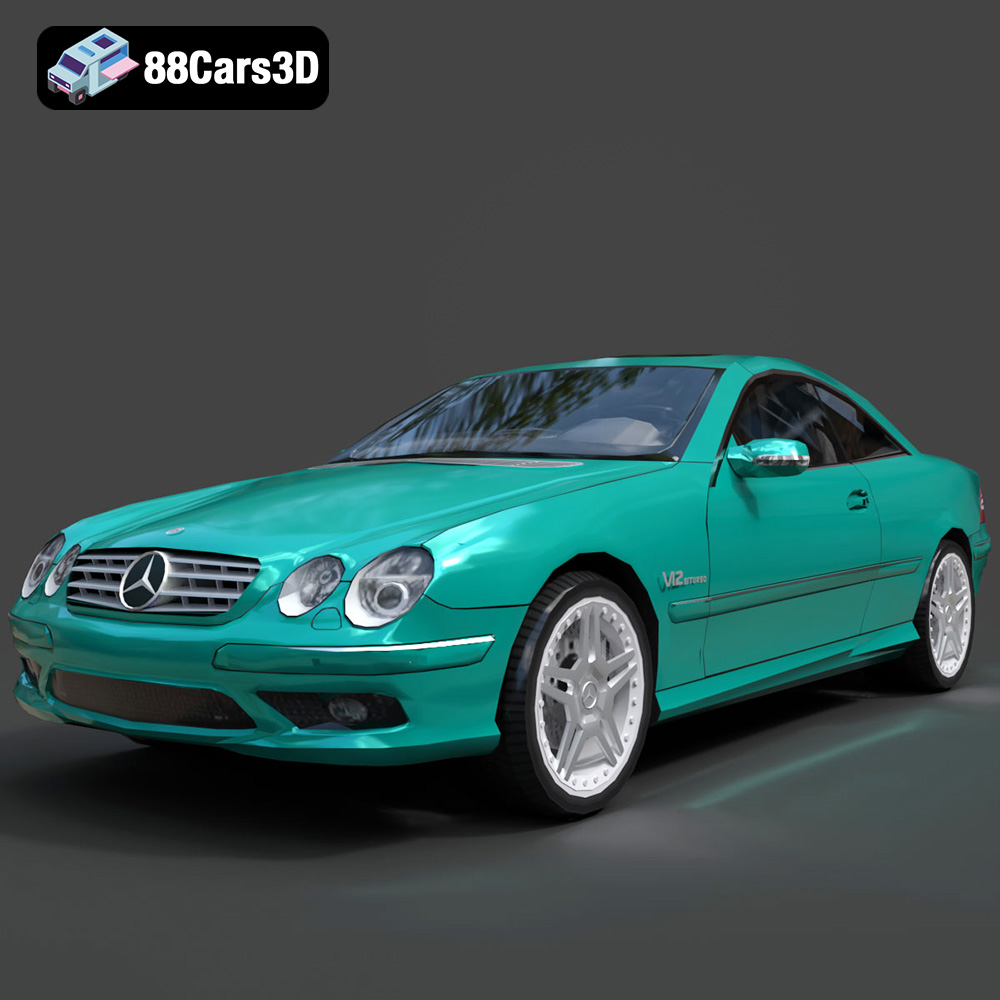
Download the Mercedes-Benz CL65 C215 AMG 3D Model featuring clean geometry, realistic detailing, and a fully modeled interior. Includes .blend, .fbx, .obj, .glb, .stl, .ply, .unreal, and .max formats for rendering, simulation, and game development.
Price: $9.99
Texture: Yes
Material: Yes
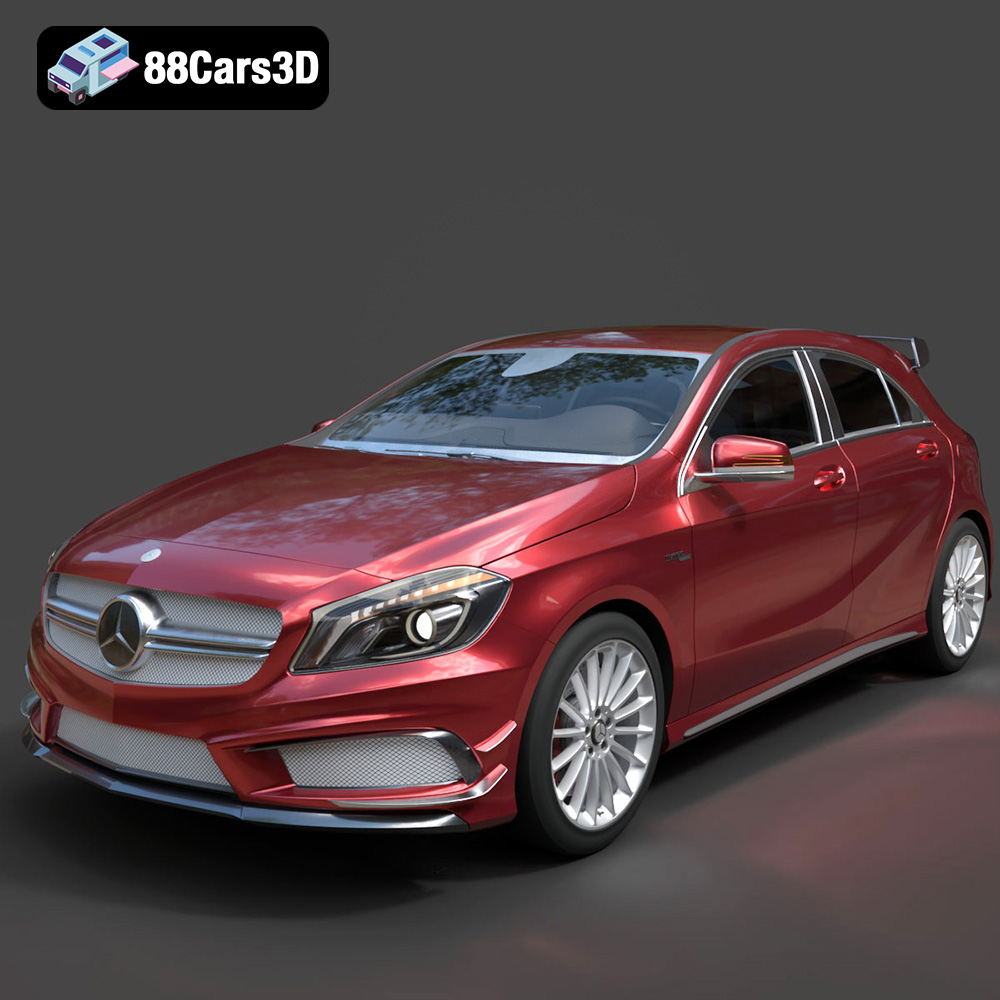
Download the Mercedes-Benz A45 2021 3D Model featuring clean geometry, realistic detailing, and a fully modeled interior. Includes .blend, .fbx, .obj, .glb, .stl, .ply, .unreal, and .max formats for rendering, simulation, and game development.
Price: $9.99
Texture: Yes
Material: Yes
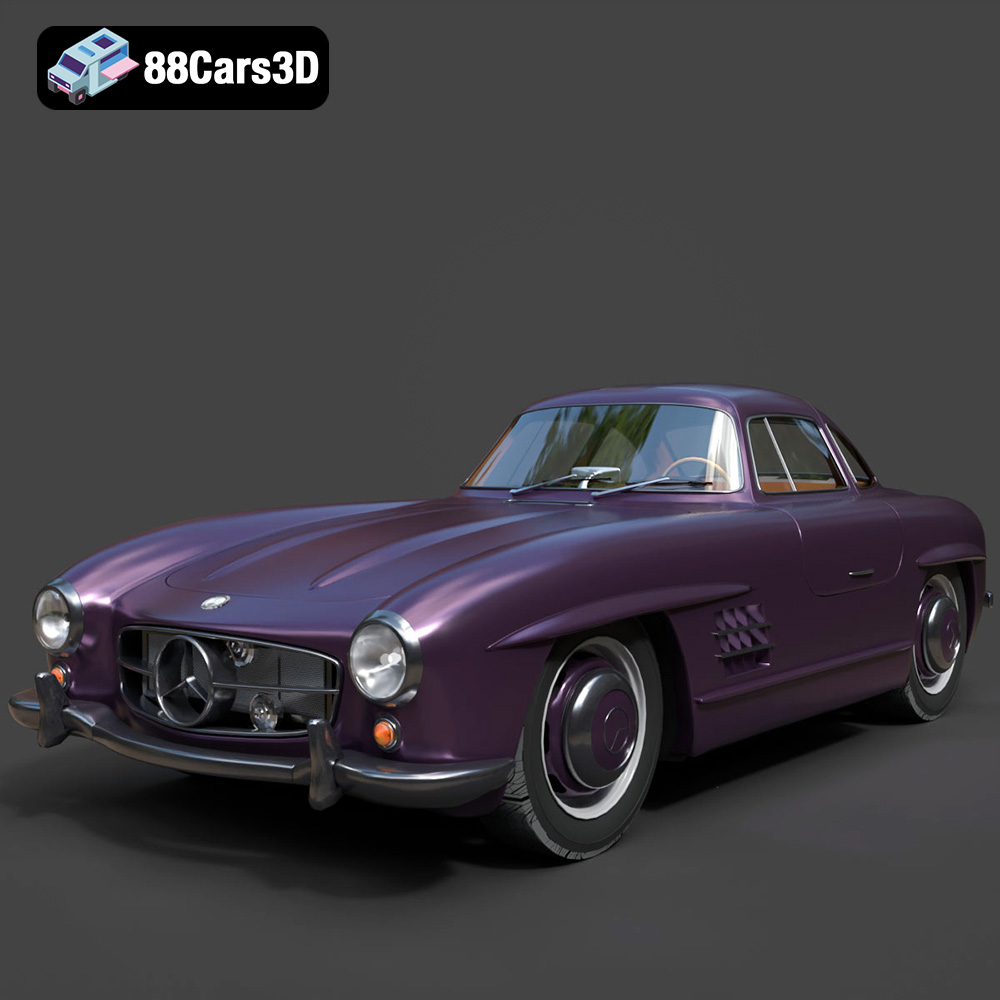
Download the Mercedes-Benz 300SL 1955 3D Model featuring clean geometry, realistic detailing, and a fully modeled interior. Includes .blend, .fbx, .obj, .glb, .stl, .ply, .unreal, and .max formats for rendering, simulation, and game development.
Price: $9.99
Texture: Yes
Material: Yes
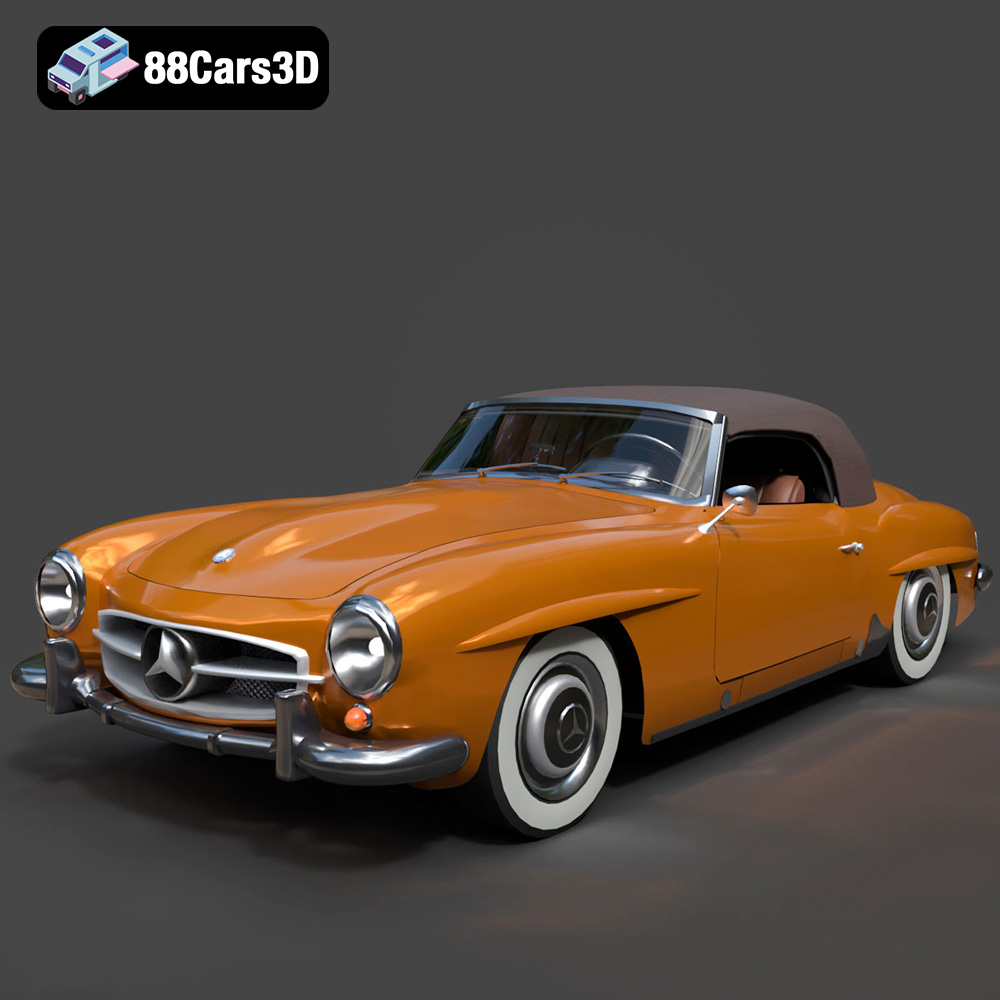
Download the Mercedes-Benz 190SL 1955 3D Model featuring clean geometry, realistic detailing, and a fully modeled interior. Includes .blend, .fbx, .obj, .glb, .stl, .ply, .unreal, and .max formats for rendering, simulation, and game development.
Price: $9.99
Texture: Yes
Material: Yes
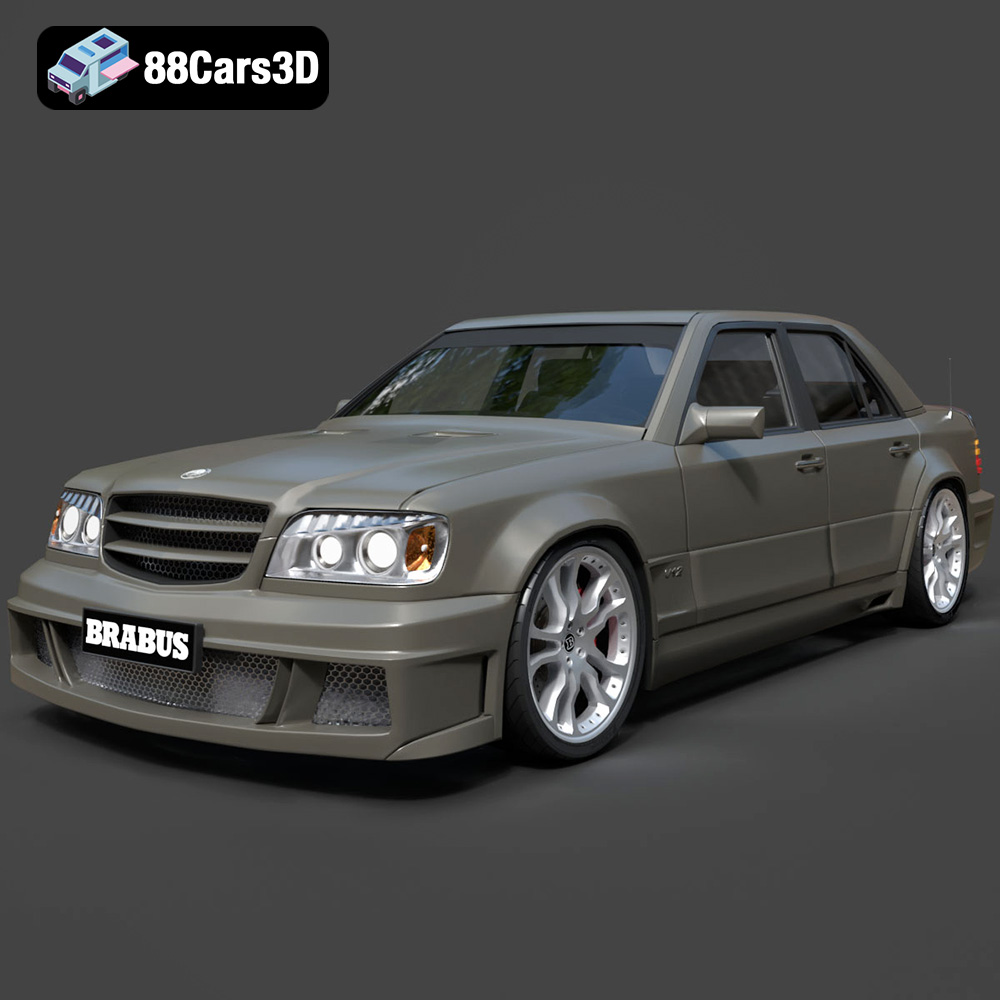
Download the Mercedes-Benz W124 Brabus V12 3D Model featuring clean geometry, realistic detailing, and a fully modeled interior. Includes .blend, .fbx, .obj, .glb, .stl, .ply, .unreal, and .max formats for rendering, simulation, and game development.
Price: $9.99

