Get 20% OFF All Premium 3D & STL Models!

From hyper-realistic automotive commercials to adrenaline-pumping racing games, high-quality 3D car models are the driving force behind some of the most visually stunning digital content today. They are more than just digital replicas; they are complex assets that blend artistic craftsmanship with rigorous technical precision. Whether you are an automotive designer visualizing a new concept, a game developer building an immersive world, or a visual effects artist crafting a cinematic sequence, understanding the anatomy of a superior 3D car model is crucial. This comprehensive guide will take you under the hood, exploring every critical stage of the pipeline—from the foundational mesh and topology to advanced rendering, real-time optimization, and emerging applications like AR/VR and 3D printing. We will delve into the specific techniques and industry best practices that separate an amateur model from a professional, production-ready asset. Prepare to explore the intricacies of clean edge flow, strategic UV mapping, photorealistic PBR materials, and the optimization strategies required to make these digital vehicles perform flawlessly across any platform.
The quality of any 3D car model begins with its most fundamental element: the geometry. A model’s topology—the flow and structure of its polygons—dictates everything from how it catches light to how smoothly it deforms and how efficiently it can be optimized. For automotive models, where pristine reflections and perfect curves are paramount, topology isn’t just a technical requirement; it’s an art form. The goal is to create a mesh that is both incredibly detailed and exceptionally clean, using the fewest polygons necessary to define the shape accurately. This principle, known as quad-based modeling, is the industry standard. Using four-sided polygons (quads) ensures predictable subdivision, easier UV unwrapping, and cleaner shading, avoiding the rendering artifacts often caused by triangles (tris) and especially N-gons (polygons with more than four sides) on curved surfaces.
On a car’s body, edge flow is king. The loops of polygons should follow the natural contours and curvature of the vehicle’s panels. This is critical for achieving smooth, uninterrupted highlights and reflections. A poorly constructed mesh with inconsistent edge flow will result in pinched or warped reflections, immediately breaking the illusion of realism. When modeling, artists meticulously place edge loops to define sharp creases, such as those around headlights or door seams, while maintaining a smooth, even distribution of polygons across large, curved surfaces like the hood or roof. A common technique is to use subdivision surface modeling (like 3ds Max’s TurboSmooth or Blender’s Subdivision Surface modifier), where a low-resolution “cage” mesh controls a high-resolution, smooth final surface. This workflow allows for efficient editing while ensuring a perfectly smooth result.
The ideal polygon count for a 3D car model depends entirely on its intended application. A “hero” car for a cinematic close-up or a high-resolution automotive rendering might have several million polygons after subdivision to capture every minute detail. In contrast, a car intended for a real-time game engine needs to be far more optimized. A typical high-quality game vehicle might range from 100,000 to 300,000 triangles. This is where creating Levels of Detail (LODs) becomes essential. LODs are a series of lower-polygon versions of the same model. The game engine automatically swaps them out based on the camera’s distance from the object:
This technique is fundamental for maintaining high frame rates in complex scenes.
Once the model’s geometry is finalized, the next critical step is UV mapping. This process is akin to creating a flattened 2D pattern of the 3D model’s surface, which allows textures to be applied accurately. For a complex object like a car, with its countless individual parts and intricate surfaces, UV mapping is a challenging but vital task. A poor UV map can lead to stretched, distorted textures, visible seams, and inconsistent texture resolution, ruining an otherwise perfect model. The primary goals of UV mapping a car are to minimize distortion, hide seams in less visible areas, and maintain a consistent texel density across the entire vehicle. Texel density refers to the number of texture pixels per unit of 3D space, and keeping it uniform ensures that all parts of the car appear equally sharp and detailed.
The key to a clean UV map is placing “seams” intelligently. These seams define where the 3D mesh will be “cut” to lay it flat. For a car, seams should be placed along the natural hard edges or panel gaps—for example, around the edges of doors, the hood, and bumpers. This makes the seams virtually invisible in the final render. Software like 3ds Max, Maya, and Blender offer powerful unfolding algorithms that relax the flattened UV “shells” to minimize stretching. It’s common practice to separate a car model into multiple material groups (e.g., car paint, chrome, glass, rubber, interior leather) and then create distinct UV layouts for each. This organizational approach simplifies the texturing process and allows for more efficient use of texture space.
For achieving maximum detail, two primary UV workflows are used: UDIMs and texture atlasing.
With a solid model and clean UVs, the next step is to create the materials that give the car its realistic appearance. The modern standard for this is the Physically Based Rendering (PBR) workflow. PBR is not just a trend; it’s a methodology that aims to simulate how light interacts with materials in the real world. This approach ensures that materials look correct and consistent under any lighting condition. Instead of artists faking reflections and highlights, they define a material’s core physical properties using a series of texture maps. This data-driven approach is what makes PBR materials so powerful and versatile, whether for offline rendering or real-time game assets.
A typical PBR material for a car component consists of several key texture maps:
Car paint is one of the most challenging materials to replicate digitally. It’s a multi-layered material, typically consisting of a base paint coat, a metallic flake layer, and a clear coat on top. In render engines like Corona and V-Ray, dedicated “Car Paint” shaders make this easier. These shaders often include parameters for:
Achieving this in a game engine often involves using a specialized “Clear Coat” shader model in engines like Unreal Engine 4/5, which is designed specifically for materials like car paint and carbon fiber.
Rendering is where all the hard work of modeling and texturing culminates in a final, stunning image. For automotive visualization, the goal is almost always photorealism. This requires a powerful render engine, a well-crafted lighting setup, and a keen eye for detail in post-processing. The choice of render engine often comes down to artist preference and pipeline integration, with several industry leaders dominating the space. Marketplaces like 88cars3d.com often provide models pre-configured for popular renderers, saving artists significant time on material setup.
While many great renderers exist, a few are particularly favored for automotive work:
A car model will only look as good as the light that illuminates it. The most common and effective technique for lighting cars is Image-Based Lighting (IBL) using a High Dynamic Range Image (HDRI). An HDRI is a 360-degree panoramic image that contains a vast range of light intensity data. When used as an environment map, it projects realistic lighting and reflections onto the model, instantly grounding it in a believable context. For studio shots, artists often use a combination of an HDRI for ambient light and reflections, supplemented with manually placed 3D area lights to act as key, fill, and rim lights. This hybrid approach offers precise control over highlights, allowing the artist to sculpt the light to best accentuate the car’s form and design lines.
The raw render is rarely the final image. Post-processing is the final 10% of the work that adds 50% of the polish. This is typically done in software like Adobe Photoshop or Foundry Nuke. By rendering out separate passes (known as Render Elements or AOVs), artists gain immense control. Common passes include:
Final adjustments like color grading, contrast enhancement, adding lens flare, and sharpening are applied to tie the image together and give it a signature look.
Preparing a 3D car model for a game engine like Unity or Unreal Engine is a different discipline than preparing it for a cinematic render. In real-time applications, performance is paramount. Every polygon, texture, and material must be ruthlessly optimized to ensure the game runs at a smooth frame rate, typically 60 FPS or higher. This optimization process involves a careful balancing act between visual quality and performance efficiency, ensuring the car looks fantastic without crippling the hardware.
Game assets almost always start as ultra-high-poly models, sculpted with millions of polygons to capture every detail. This “high-poly” model is then used to create the final, low-poly, in-game model through a process called retopology. The goal is to build a clean, efficient mesh (the LOD0 we discussed earlier) that perfectly matches the silhouette of the high-poly version. The fine details from the high-poly model (like small bolts, vents, and panel seams) are then “baked” into texture maps, primarily the Normal Map and Ambient Occlusion map. This baking process transfers the illusion of high-resolution detail onto the low-poly mesh, creating a model that looks incredibly detailed but is computationally inexpensive to render.
A “draw call” is a command the CPU sends to the GPU to draw an object. Each object with a unique material generates at least one draw call. In a scene with many cars, this can quickly become a performance bottleneck. The primary strategy to combat this is to reduce the number of materials on the car. This is where texture atlasing shines. By combining materials for the wheels, brakes, chassis, and various exterior trim pieces into a single material using one set of atlas textures, you can reduce dozens of draw calls to just a few. Furthermore, game engines have specific shader optimizations. Using instanced materials, where a master material’s parameters are slightly changed for variations, is far more efficient than creating dozens of unique materials from scratch.
The use cases for 3D car models extend far beyond traditional screens. Augmented Reality (AR), Virtual Reality (VR), and 3D printing present unique technical challenges and opportunities. For AR/VR, performance is even more critical than in traditional games, as maintaining a high and stable frame rate (typically 90 FPS) is essential to prevent motion sickness. For 3D printing, the model’s geometry must be prepared for physical manufacturing.
For AR applications on mobile devices, performance is the absolute priority. Polygon counts must be kept extremely low (e.g., 30k-70k triangles for a detailed AR car). Texture resolutions are often capped at 2K (2048×2048) and compiled into efficient, web-friendly formats. The two dominant file formats for AR are:
When preparing a model, converting it to these formats requires careful optimization of textures (using compression) and mesh data. High-quality asset providers like 88cars3d.com are increasingly offering models in these AR-ready formats to meet growing demand.
Preparing a car model for 3D printing involves a different set of rules. The visual tricks used in rendering, like normal maps, are irrelevant here. What matters is the physical structure of the mesh itself. A 3D model for printing must be:
Specialized software like Meshmixer or the 3D-Print Toolbox in Blender can be used to analyze and repair meshes to ensure they are manifold and ready for slicing and printing.
As we’ve seen, a 3D car model is not a one-size-fits-all asset. The perfect model is one that is purpose-built for its final application. A model crafted for a cinematic render in Corona, with its UDIM-based textures and multi-million polygon count, is fundamentally different from a game-ready asset optimized with LODs and texture atlases for Unreal Engine, or a watertight mesh prepared for 3D printing. Understanding these core principles—from the importance of clean topology and strategic UVs to the nuances of PBR materials and platform-specific optimization—empowers you to make informed decisions as a creator. Whether you are building a model from scratch or sourcing it from a professional marketplace, look for technical transparency. Check the polygon counts, texture resolutions, file formats, and render engine compatibility. By investing in a high-quality, technically sound 3D car model, you are laying the foundation for a seamless workflow and a spectacular final result, no matter what road your project takes you down.

Texture: Yes
Material: Yes
Download the Mercedes-Benz SLK 350 2005 3D Model featuring clean geometry, realistic detailing, and a fully modeled interior. Includes .blend, .fbx, .obj, .glb, .stl, .ply, .unreal, and .max formats for rendering, simulation, and game development.
Price: $9.99
Texture: Yes
Material: Yes
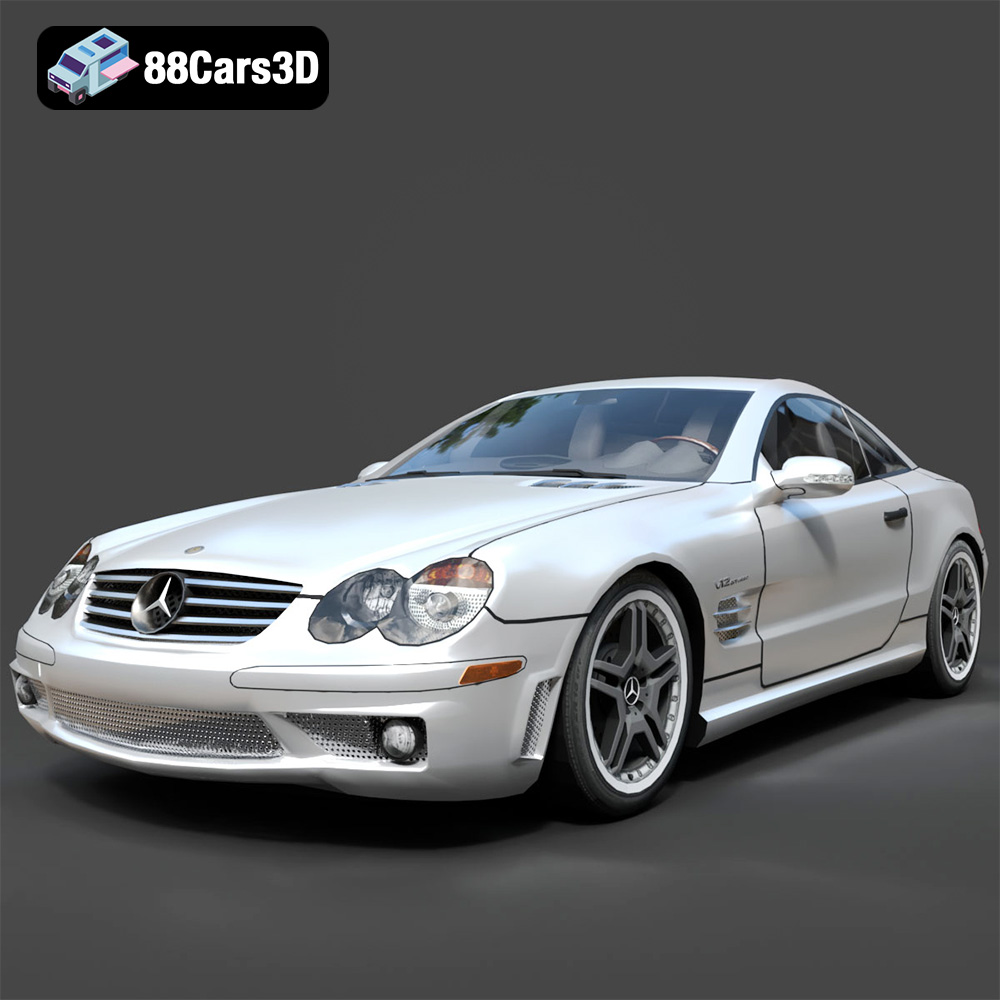
Download the Mercedes-Benz SL 65 AMG 3D Model featuring clean geometry, realistic detailing, and a fully modeled interior. Includes .blend, .fbx, .obj, .glb, .stl, .ply, .unreal, and .max formats for rendering, simulation, and game development.
Price: $9.99
Texture: Yes
Material: Yes
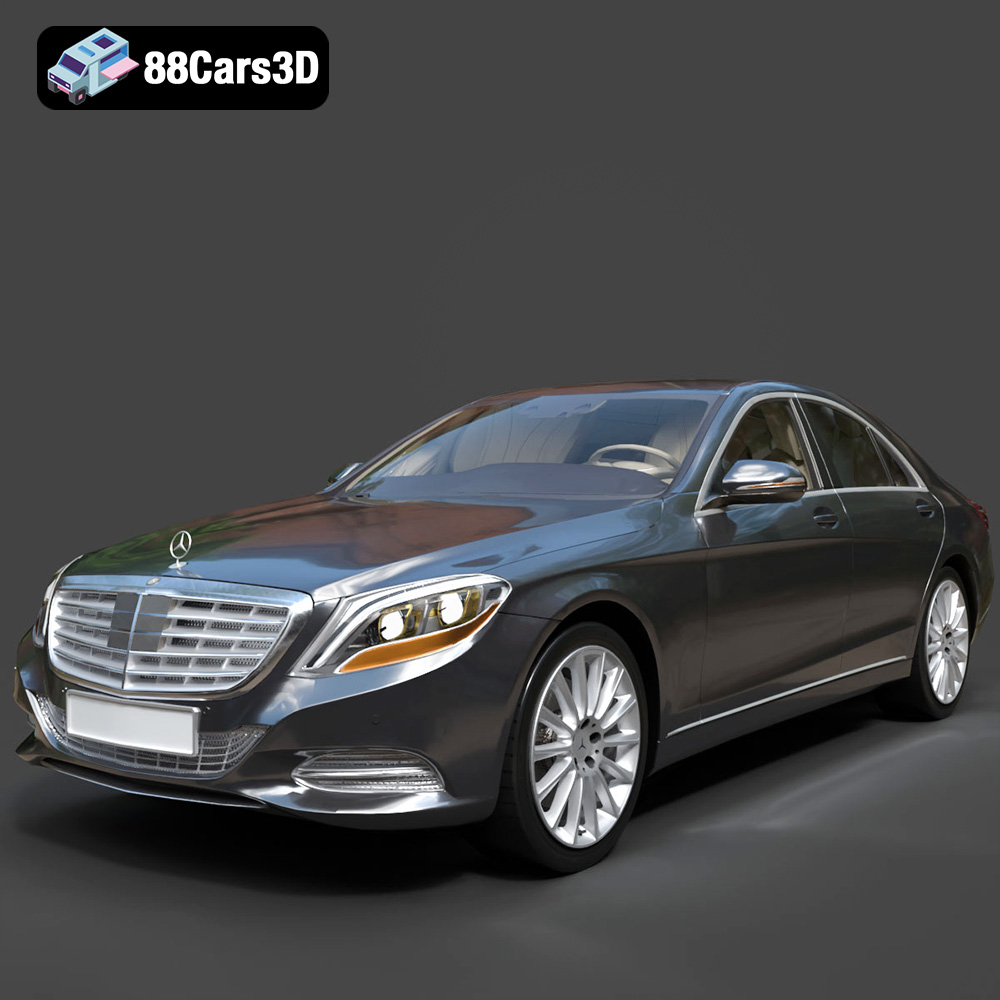
Download the Mercedes-Benz S500 3D Model featuring clean geometry, realistic detailing, and a fully modeled interior. Includes .blend, .fbx, .obj, .glb, .stl, .ply, .unreal, and .max formats for rendering, simulation, and game development.
Price: $9.99
Texture: Yes
Material: Yes
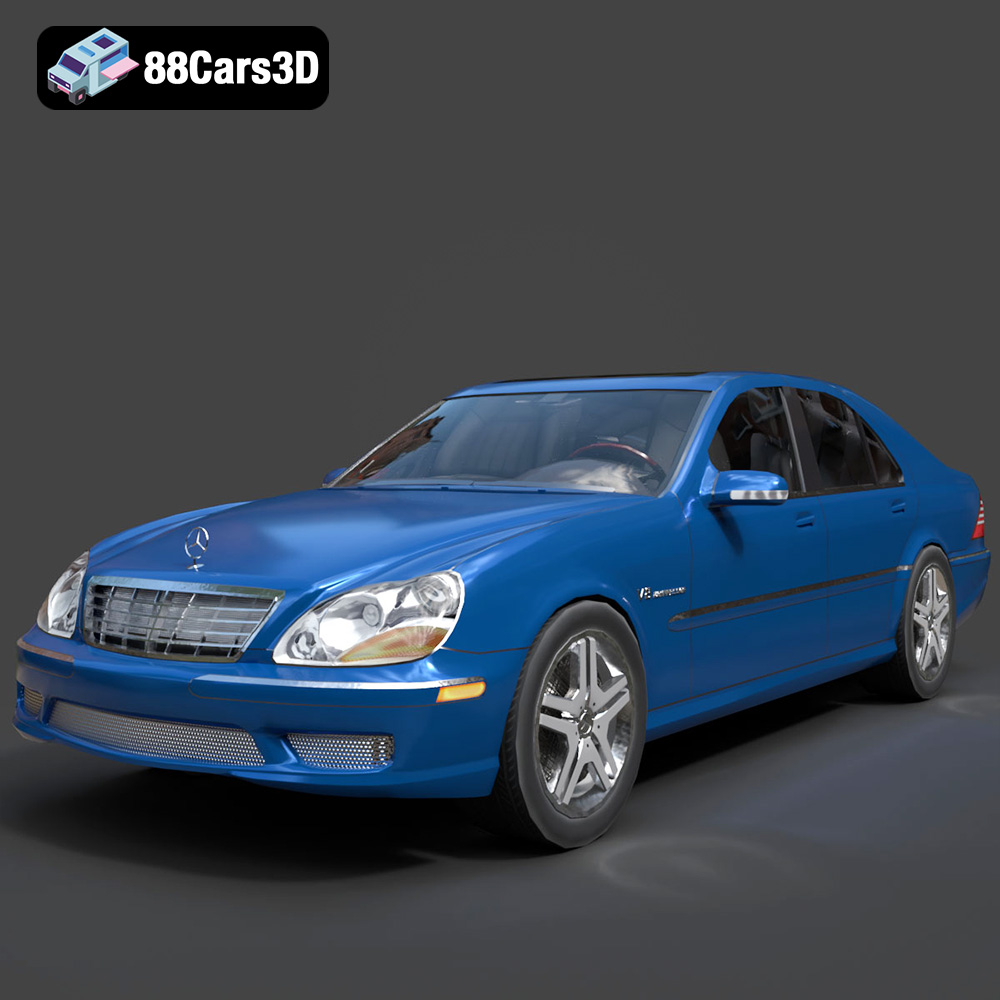
Download the Mercedes-Benz S55 W220 AMG 1999 3D Model featuring clean geometry, realistic detailing, and a fully modeled interior. Includes .blend, .fbx, .obj, .glb, .stl, .ply, .unreal, and .max formats for rendering, simulation, and game development.
Price: $9.99
Texture: Yes
Material: Yes
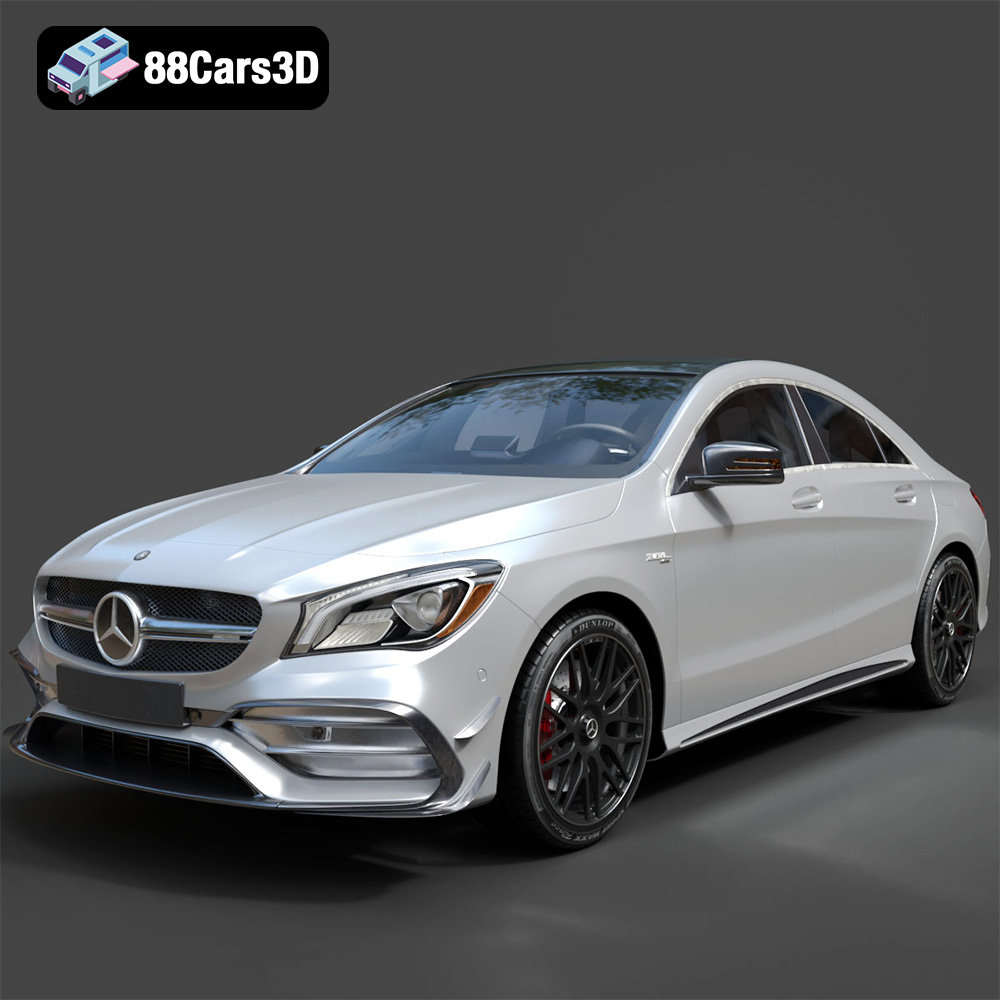
Download the Mercedes-Benz CLA45 AMG 2017 3D Model featuring clean geometry, realistic detailing, and a fully modeled interior. Includes .blend, .fbx, .obj, .glb, .stl, .ply, .unreal, and .max formats for rendering, simulation, and game development.
Price: $29.99
Texture: Yes
Material: Yes
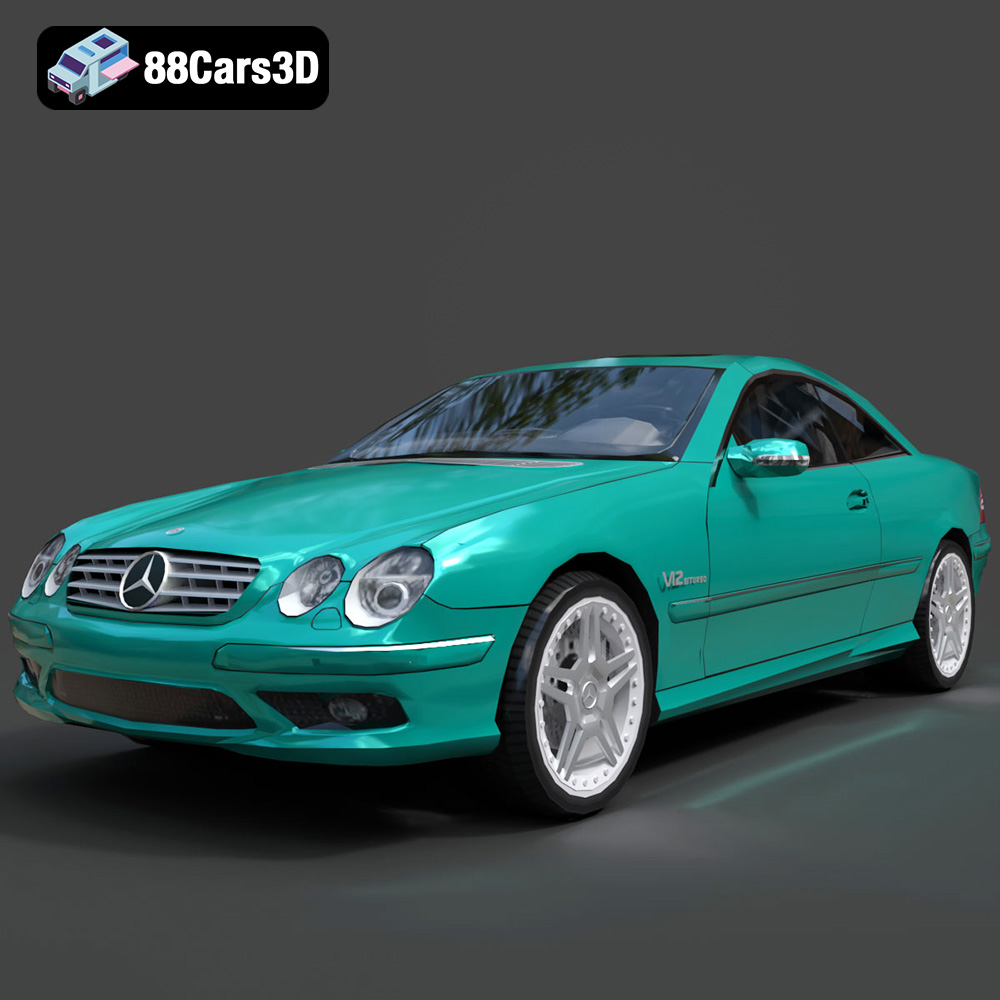
Download the Mercedes-Benz CL65 C215 AMG 3D Model featuring clean geometry, realistic detailing, and a fully modeled interior. Includes .blend, .fbx, .obj, .glb, .stl, .ply, .unreal, and .max formats for rendering, simulation, and game development.
Price: $9.99
Texture: Yes
Material: Yes
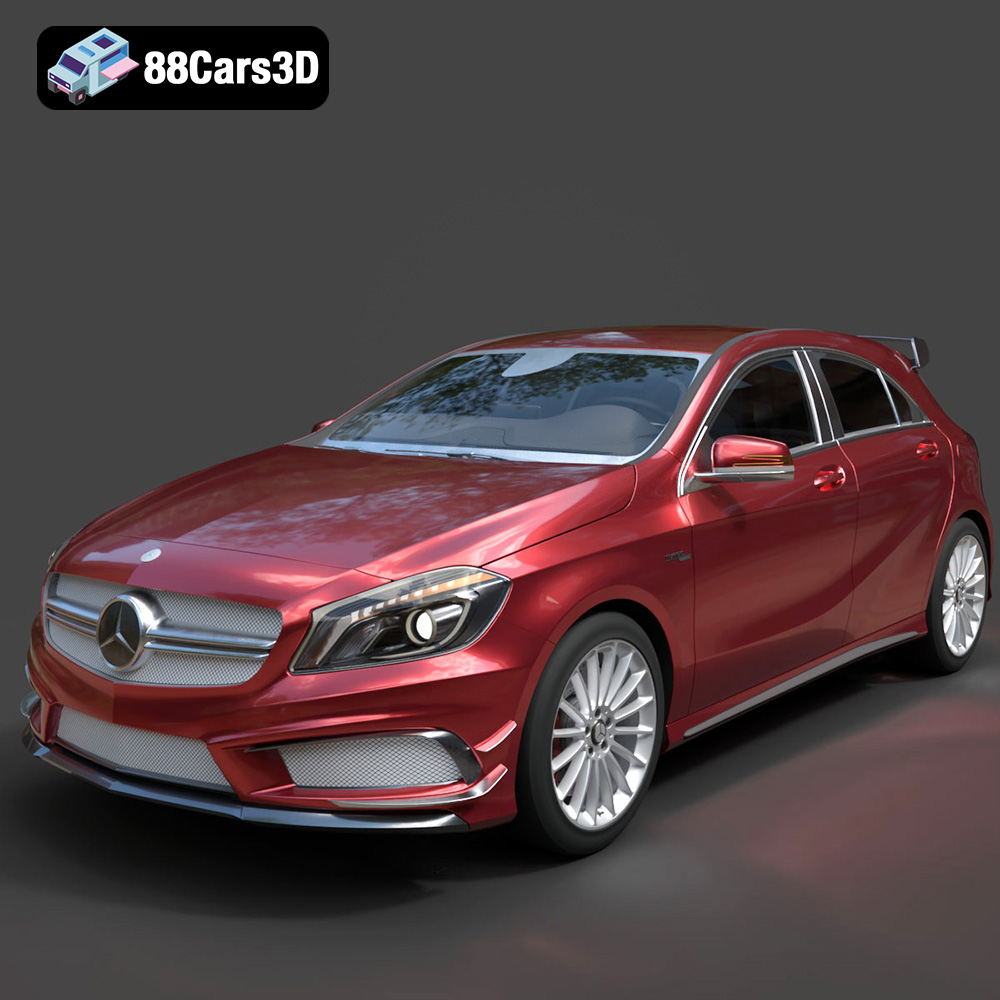
Download the Mercedes-Benz A45 2021 3D Model featuring clean geometry, realistic detailing, and a fully modeled interior. Includes .blend, .fbx, .obj, .glb, .stl, .ply, .unreal, and .max formats for rendering, simulation, and game development.
Price: $9.99
Texture: Yes
Material: Yes
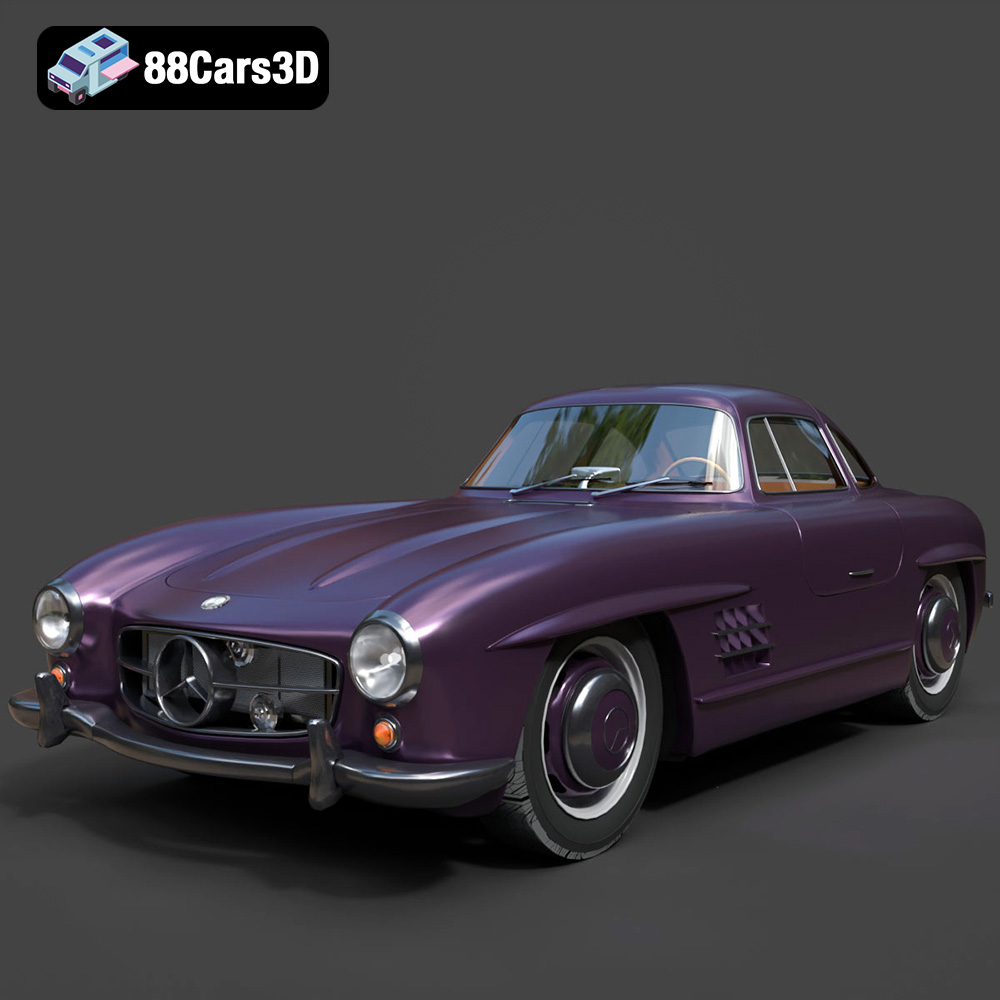
Download the Mercedes-Benz 300SL 1955 3D Model featuring clean geometry, realistic detailing, and a fully modeled interior. Includes .blend, .fbx, .obj, .glb, .stl, .ply, .unreal, and .max formats for rendering, simulation, and game development.
Price: $9.99
Texture: Yes
Material: Yes
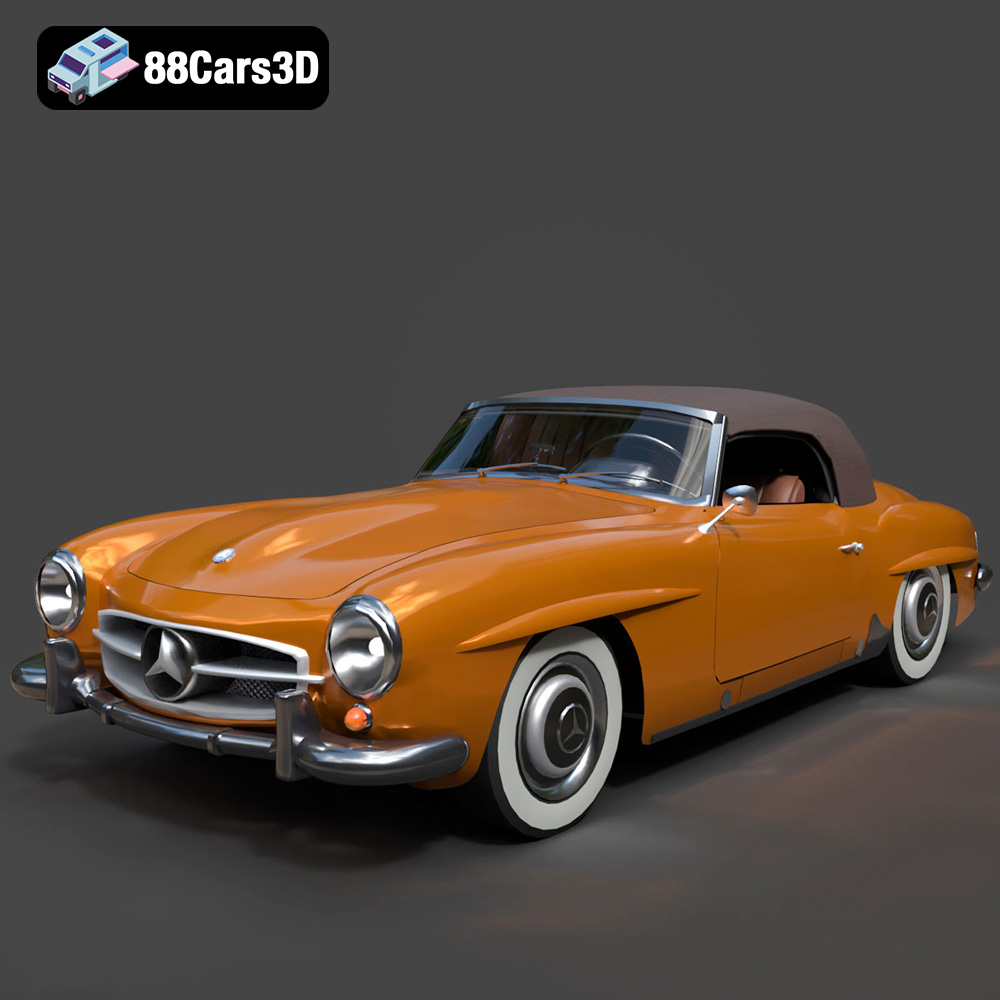
Download the Mercedes-Benz 190SL 1955 3D Model featuring clean geometry, realistic detailing, and a fully modeled interior. Includes .blend, .fbx, .obj, .glb, .stl, .ply, .unreal, and .max formats for rendering, simulation, and game development.
Price: $9.99
Texture: Yes
Material: Yes
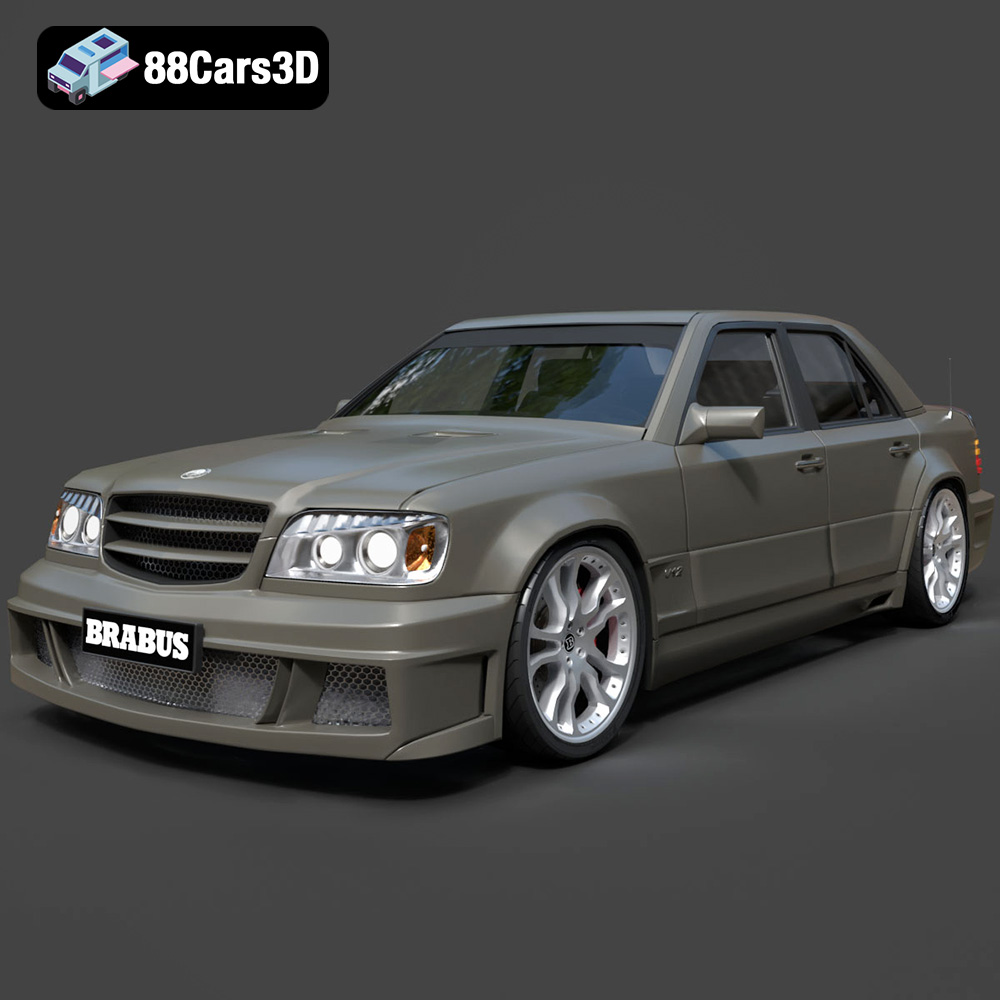
Download the Mercedes-Benz W124 Brabus V12 3D Model featuring clean geometry, realistic detailing, and a fully modeled interior. Includes .blend, .fbx, .obj, .glb, .stl, .ply, .unreal, and .max formats for rendering, simulation, and game development.
Price: $9.99

