“`html
The Ultimate Guide to Mastering 3D Car Models: From Polygon to Photorealism
There’s an undeniable magic to a perfectly rendered 3D car. Whether it’s a sleek sports car gleaming under studio lights, a rugged off-roader kicking up dust in a game engine, or an interactive model spinning in an AR application, high-quality 3D car models are the cornerstone of compelling digital experiences. But transforming a collection of polygons into a photorealistic, performance-optimized asset is a complex, multi-stage process that demands both artistic skill and deep technical knowledge. Many artists and developers hit roadblocks, struggling with messy topology, unrealistic materials, or poor real-time performance. This guide is your roadmap to navigating that complexity. We will dissect the complete professional workflow, from the foundational importance of clean geometry to the final polish of post-processing. You’ll learn the industry-standard techniques for modeling, UV mapping, texturing, rendering, and optimization, empowering you to take any 3D car model and push it to its absolute visual and functional limits, regardless of your final application.
The Foundation: Understanding Automotive 3D Model Topology
Before a single material is applied or a light is placed, the success of a 3D car model is determined by its topology—the underlying structure and flow of its polygons. Clean, deliberate topology isn’t just an aesthetic preference; it’s a technical requirement that impacts every subsequent stage of the pipeline, from UV unwrapping and shading to deformation and rendering. A model with poor topology will exhibit shading artifacts, be difficult to texture, and perform inefficiently. Investing time in understanding and refining a model’s mesh is the single most important step toward a professional result.
Why Clean Topology is Non-Negotiable
Clean topology, characterized by evenly spaced quads (four-sided polygons) that follow the contours of the car’s body, is paramount for several reasons. Firstly, it dictates how light and reflections behave across a surface. Inconsistent or messy geometry with random triangles and high-valence poles (vertices where many edges meet) will cause visible pinching and artifacts in your final automotive rendering. Secondly, it drastically simplifies the UV mapping process. A logical flow of polygons can be easily unwrapped into flat, efficient UV islands, whereas a chaotic mesh is a nightmare to work with. Finally, for applications involving animation or deformation (like wheel suspension or crash physics), clean topology ensures smooth, predictable results.
Key Principles of Automotive Edge Flow
Edge flow refers to the direction of the edge loops that make up the mesh. For automotive models, the goal is to have the edge flow perfectly trace the defining character lines and curves of the vehicle.
- Panel Lines and Creases: Every major crease or panel gap on the car body should be defined by at least three parallel edge loops. This “support loop” technique allows subdivision surfaces (like 3ds Max’s TurboSmooth or Blender’s Subdivision Surface modifier) to create sharp, defined lines without pinching.
- Curved Surfaces: On large, curved panels like doors and hoods, polygons should be as square and evenly distributed as possible. This prevents distortion in reflections and ensures a smooth “Class-A” surface finish, a term borrowed from real-world automotive design.
- Wheel Arches and Windows: These circular or curved cutouts must be defined by concentric edge loops that radiate outwards. This maintains the smooth curvature and prevents faceting or jagged edges when the model is smoothed.
Polygon Count: High-Poly for Renders vs. Low-Poly for Games
The required polygon density varies wildly based on the target application.
- High-Poly for Visualization: For cinematic shots or marketing stills, detail is king. These models are often built using subdivision workflows and can easily exceed 500,000 to several million polygons. The focus is on perfect surface smoothness and capturing minute details like bolts and grille meshes.
- Low-Poly for Real-Time/Game Assets: For game engines like Unreal Engine or Unity, performance is the priority. A “hero” car (the main player vehicle) might range from 80,000 to 150,000 triangles. This lower count is achieved through careful manual retopology or by “baking” the details from a high-poly model onto the low-poly model’s normal maps.
The Canvas: Advanced UV Mapping and Texturing Strategies
With a solid topological foundation, the next step is to create the “canvas” for your materials through UV mapping. This process involves unwrapping the 3D mesh into a 2D space, allowing you to apply textures with precision. For a complex object like a car, a strategic approach to UVs and texturing is essential for achieving realism and maintaining performance.
Unwrapping Complex Automotive Surfaces
The goal of UV mapping a car is to minimize distortion and hide seams. A common professional workflow involves separating the model into logical UV islands.
- Body Panels: Major panels like doors, the hood, and the roof should be unwrapped as large, separate islands. Use planar projections and then relax the UVs to reduce stretching. Seams should be placed along natural panel gaps or on the underside of the model where they won’t be visible.
- Interior and Mechanical Parts: The interior can be broken down into components: seats, dashboard, steering wheel, etc. Mechanical parts like brakes, suspension, and engine components can often be unwrapped using cylindrical or automatic mapping methods, as their visibility is lower.
- UDIMs for Ultimate Detail: For high-end cinematic models, the UDIM (U-Dimension) workflow is standard. This allows you to spread your UV islands across multiple texture tiles (e.g., 1001, 1002, 1003). This means you can assign multiple 4K or 8K textures to a single object, achieving incredible resolution for close-up shots without managing dozens of separate materials.
PBR Workflows for Ultimate Realism
Physically Based Rendering (PBR) is the industry standard for creating realistic materials. It simulates how light interacts with surfaces in the real world using a set of standardized texture maps. For a car, the essential PBR materials maps are:
- Albedo/Base Color: The pure color of the surface, free of any lighting or shadow information (e.g., the red of the paint, the black of the tire).
- Metallic: A black and white map that defines which parts are metal (white) and which are non-metal/dielectric (black). Car paint is a complex case, often treated as a dielectric with metallic flakes underneath.
- Roughness/Glossiness: Arguably the most important map for realism. It controls how rough or smooth a surface is, which dictates how sharp or blurry reflections are. A polished chrome bumper would be black (smooth), while a rubber tire would be light grey (rough).
- Normal/Bump: This map adds fine surface detail without adding extra polygons. It’s used for things like leather grain on seats, tire treads, or the texture on plastic trim.
Building a Complex Car Paint Shader
A simple red PBR material won’t cut it for car paint. A professional car paint shader is a layered material that mimics its real-world counterpart. In renderers like Corona or V-Ray, this is typically built using a layered material node.
- Base Coat: This is the main color of the car.
- Metallic Flakes: A noise texture, often a cellular or granite map, is used to simulate the small metallic flakes within the paint. These are layered over the base coat using a blend or additive mode. The flakes should have their own low roughness value to make them sparkle.
- Clear Coat Layer: A top layer is added with a very low roughness (e.g., 0.0-0.05) and a high Index of Refraction (IOR) of around 1.5-1.6. This simulates the protective lacquer, giving the car its characteristic glossy, wet look and sharp reflections.
Bringing it to Life: Photorealistic Automotive Rendering Workflows
Rendering is where your meticulously modeled and textured car is placed into a virtual environment and captured by a virtual camera. The right lighting, camera settings, and render parameters are crucial for transforming a technically correct model into an emotionally resonant, photorealistic image.
Choosing Your Render Engine
While most modern render engines can produce stunning results, they have different strengths. When working with 3D car models from marketplaces like 88cars3d.com, which are often built for high-end rendering, your choice of engine matters.
- Corona Renderer: Known for its ease of use and incredibly fast, beautiful results with minimal tweaking. Its interactive light mixing and material library make it a favorite for automotive studio shots.
- V-Ray: A powerful, production-proven engine offering immense control over every aspect of the rendering process. It’s a top choice for complex scenes and animation pipelines.
- Blender Cycles: A highly capable, GPU-accelerated path tracer integrated directly into Blender. It’s a fantastic, free option that can go toe-to-toe with its commercial counterparts, especially with its robust node-based shader editor.
- Arnold: The standard in the VFX industry, known for its stability and ability to handle extremely complex geometry and textures with ease.
Mastering Lighting: HDRI and Studio Setups
Lighting is what creates mood, defines shape, and makes your render believable.
- Image-Based Lighting (IBL): The fastest way to achieve realistic lighting is with a High Dynamic Range Image (HDRI). A high-quality HDRI of an outdoor environment or a professional photo studio captures real-world lighting and reflection information. Simply load it into your scene’s dome light or environment slot for instant, natural results.
- Manual Studio Lighting: For complete creative control, a manual 3-point lighting setup is classic. Use large area lights (softboxes) as your key light (main light source), fill light (to soften shadows), and rim light (to define the car’s silhouette). This approach allows you to precisely sculpt the reflections and highlights across the car’s body panels.
Essential Render Settings and Post-Processing
Getting a clean render out of the engine is only half the battle.
- Render Settings: Ensure your final render resolution is high (e.g., 4K or higher for stills). Use adaptive sampling to let the renderer focus its power on noisy areas. Enable and export essential render passes (or AOVs), such as reflections, specular, ambient occlusion, and a clown/crypto matte pass for easy selection in post.
- Post-Processing: Raw renders often look flat. Import your render and key passes into Adobe Photoshop or Fusion.
- Color Grading: Adjust curves, levels, and color balance to set the mood.
- Glow and Bloom: Add a subtle glow to highlights (headlights, bright reflections) to mimic lens effects.
- Ambient Occlusion: Multiply your AO pass over the beauty pass to add contact shadows and ground the car in its environment.
- Sharpening: Apply a final, gentle sharpening pass to make the details pop.
Performance is Paramount: Optimizing 3D Cars for Real-Time Applications
When moving from pre-rendered visualization to real-time applications like games or AR/VR, the focus shifts dramatically from ultimate visual fidelity to maximum performance. A model that renders beautifully in V-Ray will bring even the most powerful gaming PC to its knees if it’s not properly optimized for a game engine.
The Art of Creating Level of Detail (LODs)
Level of Detail (LOD) is the most critical optimization technique. It involves creating multiple versions of the car model, each with a progressively lower polygon count. The game engine automatically swaps these versions based on the car’s distance from the camera.
- LOD0: The highest quality version, visible only when the player is very close. This is your main game asset, typically 80k-150k triangles.
- LOD1: A version at ~50-60% of LOD0’s poly count. Fine details like interior stitching, small bolts, and complex grille patterns are removed.
- LOD2: A version at ~25-30% of LOD0’s poly count. The interior may be replaced with a simple textured plane, and wheels become simpler cylinders.
- LOD3/Impostor: The lowest quality version, visible at a great distance, often just a few hundred triangles or even a 2D billboard image.
The key is to make the transition between LODs seamless and unnoticeable to the player.
Draw Call Reduction: Texture Atlasing and Material Consolidation
A “draw call” is a command from the CPU to the GPU to draw an object on the screen. Too many draw calls create a CPU bottleneck, crippling performance. The primary cause of high draw calls is having too many separate materials on a single object.
- Material Consolidation: A car model for rendering might have 30-40 different materials (chrome, glass, rubber, leather, etc.). For a game asset, this must be reduced. The goal is to consolidate as many parts as possible into a single material.
- Texture Atlasing: This is the process of combining the UVs and textures for multiple different parts onto a single, larger texture sheet (an “atlas”). For example, the dashboard, seats, and door panels could all share one material and one set of PBR texture maps. This drastically reduces the model’s draw call count from dozens to just a handful.
Mobile and VR/AR Performance Budgets
Optimizing for mobile and AR/VR platforms is even more stringent due to hardware limitations.
- Poly Count: The entire car model, including wheels, should ideally be under 50,000 triangles for mobile and VR.
- Materials and Textures: Aim for a maximum of 2-3 materials for the entire car (e.g., one for the body, one for the interior/trim, one for glass). Texture resolutions should be capped at 1K (1024×1024) or 2K (2048×2048) at the absolute most.
- Shader Complexity: Avoid complex, multi-layered shaders. Stick to the standard, optimized PBR shaders provided by the game engine. Features like a separate clear coat layer are often too computationally expensive for mobile GPUs.
Starting with a high-quality, cleanly modeled asset from a marketplace such as 88cars3d.com provides an excellent base, as the clean topology and separated parts make the process of creating LODs and texture atlases much more straightforward.
The Universal Language: Navigating 3D File Formats
The 3D world speaks many languages, and file formats are its dialects. Choosing the right format is crucial for ensuring compatibility between software, preserving data integrity, and optimizing for specific platforms like the web or AR. Understanding the strengths and weaknesses of each format will save you countless hours of troubleshooting.
The Workhorses: FBX vs. OBJ
These two formats are the most widely used for asset exchange between 3D modeling applications.
- OBJ (.obj): One of the oldest and most universally supported formats. It’s simple and reliable for transferring static mesh geometry and UV data. However, its major limitation is its poor support for complex materials, lighting, and animation data. It’s a great choice for sending a model for 3D printing or a quick transfer where only the mesh is needed.
- FBX (.fbx): Autodesk’s Filmbox format is the industry standard for a reason. It’s a robust container that can reliably store not only mesh data but also complex PBR materials, textures, scene hierarchy, lighting, cameras, and full animation rigs. When transferring a fully textured and organized car model from 3ds Max to Unreal Engine, FBX is the definitive choice.
The Future: GLB and USDZ for Web and AR
With the rise of interactive web-based 3D and augmented reality, new formats have emerged that are optimized for efficient delivery and rendering.
- GLB (.glb): This is the binary container format for glTF (GL Transmission Format), often described as the “JPEG of 3D.” It packages the model, textures, and other data into a single, compact file. This makes it perfect for web viewers (like Sketchfab), e-commerce product configurators, and Android-based AR applications.
- USDZ (.usdz): Developed by Apple and Pixar, Universal Scene Description is the format of choice for AR on iOS devices. It’s a highly efficient format designed for sharing and experiencing AR content. If you want your 3D car model to be viewable in AR on an iPhone, you need to convert it to USDZ.
Best Practices for Exporting and Importing
A clean transfer is a happy transfer. Before exporting your model:
- Clean the Scene: Delete any unnecessary objects, cameras, or lights.
- Freeze Transformations: Reset the scale, rotation, and position of your model to avoid import errors.
- Check Normals: Ensure all your polygon normals are facing outwards. Flipped normals can cause rendering and lighting issues.
- Use Correct Export Settings: When exporting an FBX for a game engine, make sure to enable options like “Embed Media” to pack textures into the file and ensure the correct axis conversion (e.g., Z-up for 3ds Max, Y-up for Unreal Engine).
Conclusion: Your Blueprint for Professional Results
We’ve journeyed through the entire lifecycle of a professional 3D car model, from the foundational grid of its topology to its final, gleaming render or real-time deployment. The key takeaway is that excellence at each stage builds upon the last. A perfect PBR material cannot save a model with flawed topology, and a stunning high-poly render is useless for a game if it isn’t optimized for performance. By mastering the core pillars—clean topology, strategic UV mapping, realistic PBR materials, thoughtful lighting, and rigorous optimization—you elevate your work from hobbyist-level to industry-standard.
The path to mastery is one of continuous learning and practice. Take these principles and apply them to your next project. Deconstruct models from professional sources to see how they are built. Experiment with different lighting setups and render engines. Challenge yourself to optimize a high-poly model into a lean, performant game asset. Whether you’re creating breathtaking portfolio pieces, developing the next hit racing game, or building immersive AR experiences, this comprehensive workflow is your blueprint for success. By investing in a solid understanding of these technical and artistic principles, you unlock the full potential of your 3D car models and set a new standard for your own creative output.
“`
Featured 3D Car Models

Texture: Yes
Material: Yes
Download the Mercedes-Benz SLK 350 2005 3D Model featuring clean geometry, realistic detailing, and a fully modeled interior. Includes .blend, .fbx, .obj, .glb, .stl, .ply, .unreal, and .max formats for rendering, simulation, and game development.
Price: $9.99
View Product
Texture: Yes
Material: Yes
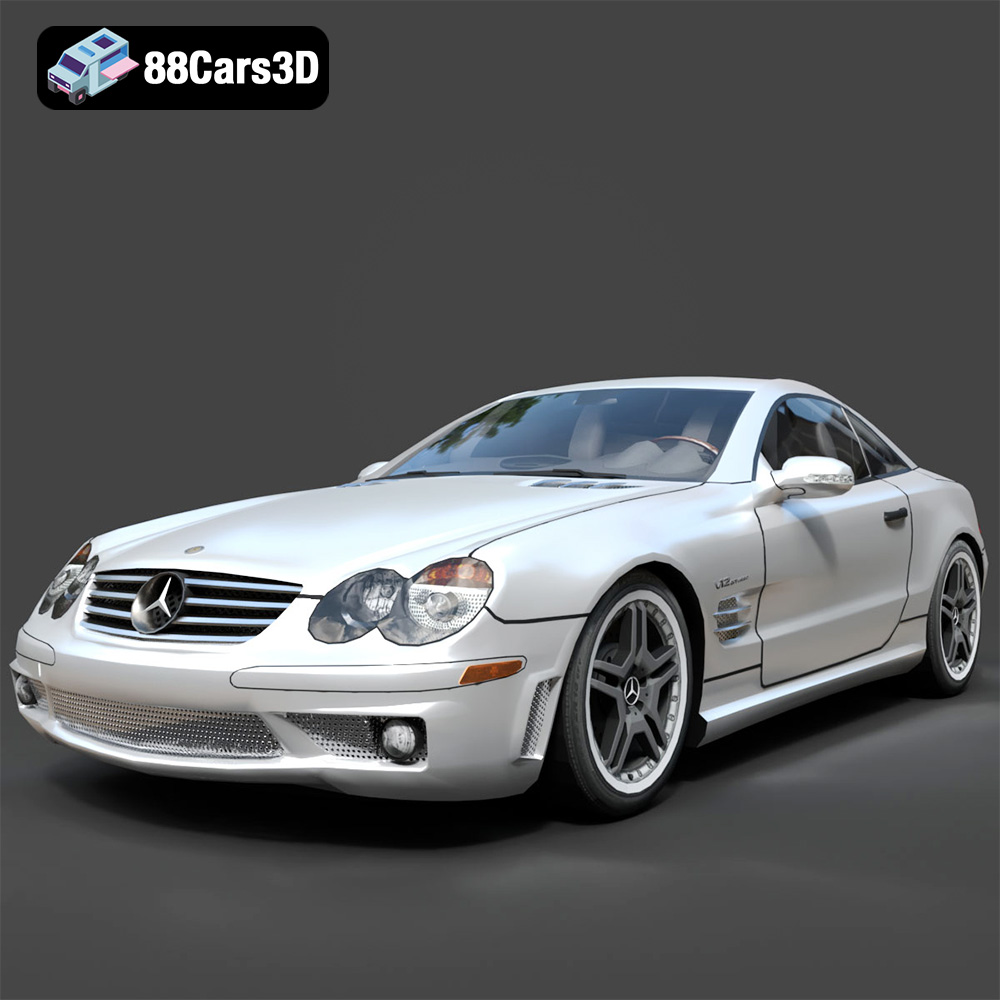
Download the Mercedes-Benz SL 65 AMG 3D Model featuring clean geometry, realistic detailing, and a fully modeled interior. Includes .blend, .fbx, .obj, .glb, .stl, .ply, .unreal, and .max formats for rendering, simulation, and game development.
Price: $9.99
View Product
Texture: Yes
Material: Yes
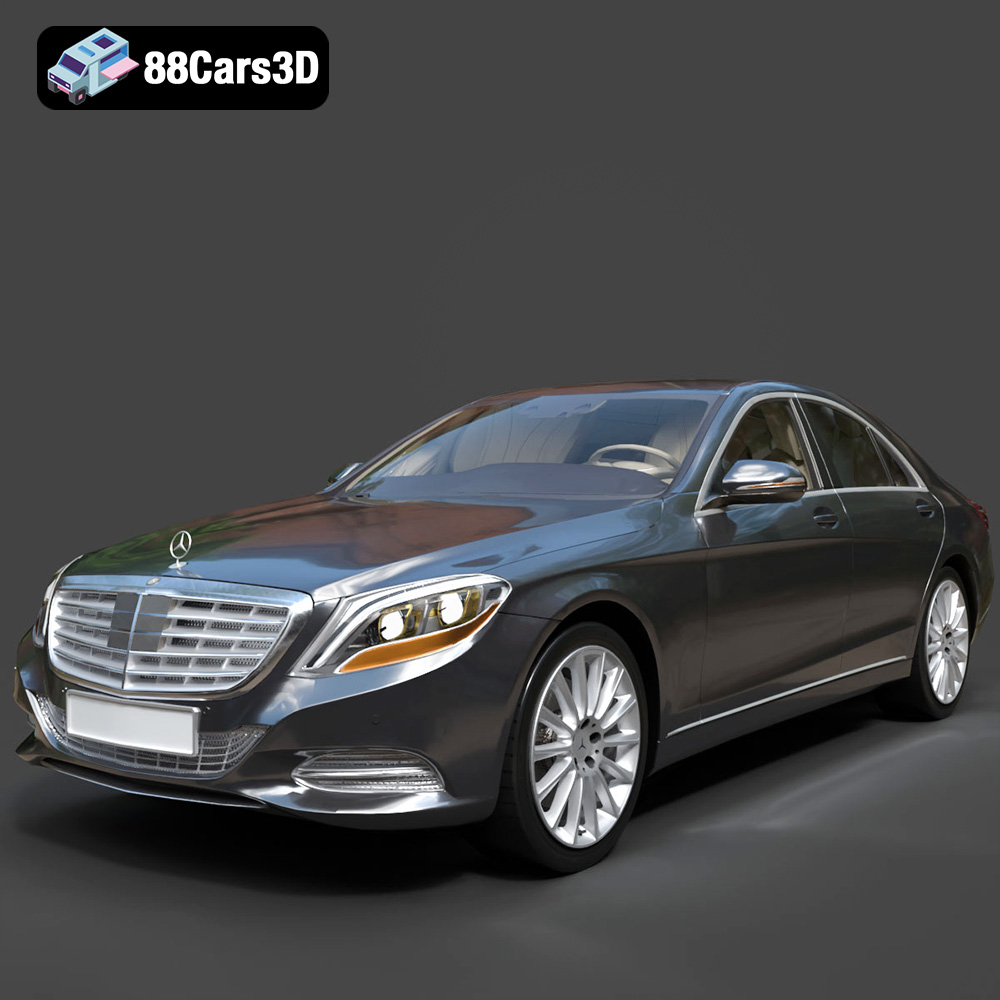
Download the Mercedes-Benz S500 3D Model featuring clean geometry, realistic detailing, and a fully modeled interior. Includes .blend, .fbx, .obj, .glb, .stl, .ply, .unreal, and .max formats for rendering, simulation, and game development.
Price: $9.99
View Product
Texture: Yes
Material: Yes
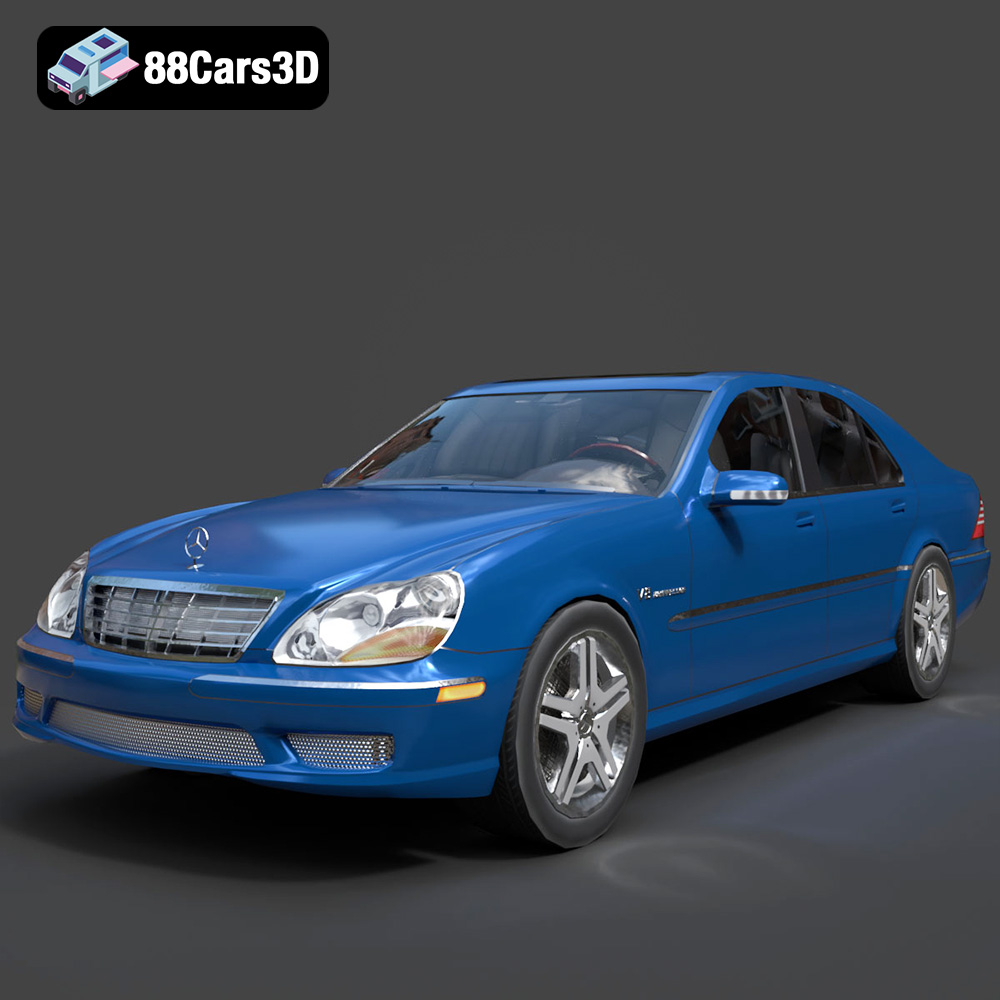
Download the Mercedes-Benz S55 W220 AMG 1999 3D Model featuring clean geometry, realistic detailing, and a fully modeled interior. Includes .blend, .fbx, .obj, .glb, .stl, .ply, .unreal, and .max formats for rendering, simulation, and game development.
Price: $9.99
View Product
Texture: Yes
Material: Yes
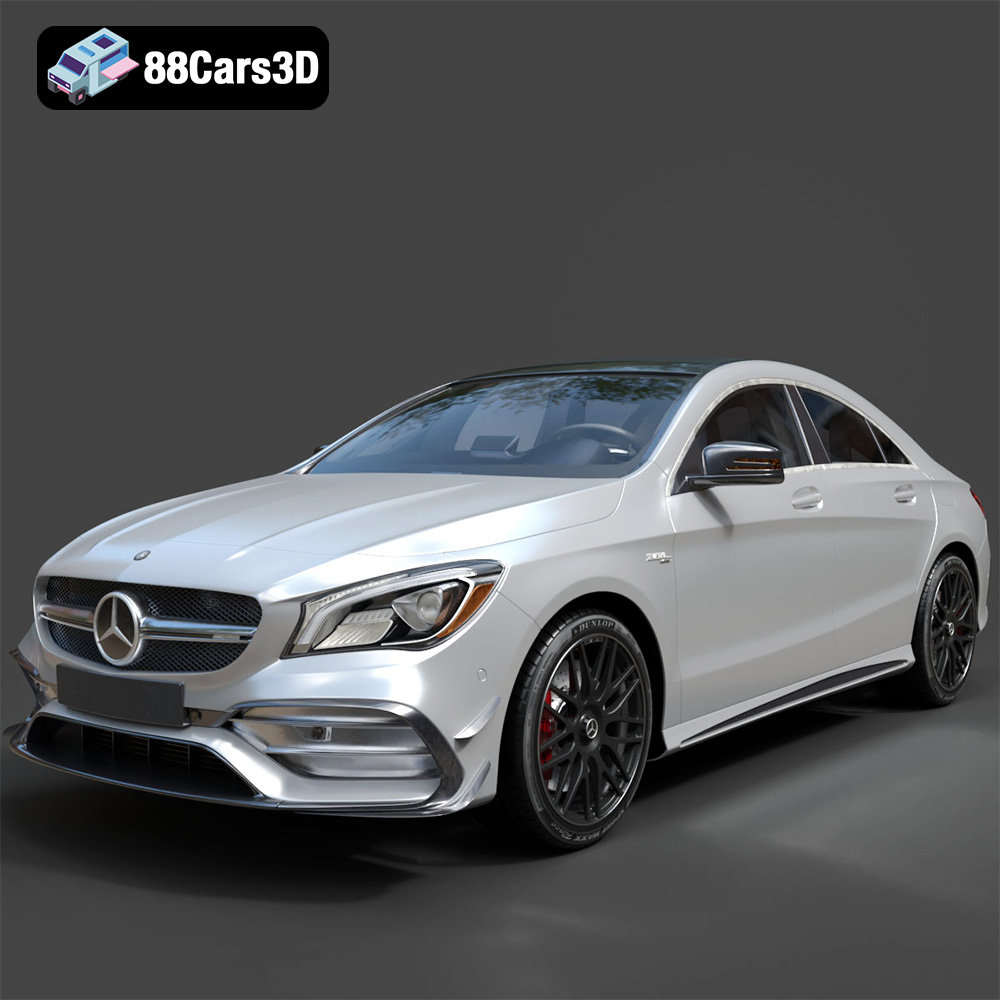
Download the Mercedes-Benz CLA45 AMG 2017 3D Model featuring clean geometry, realistic detailing, and a fully modeled interior. Includes .blend, .fbx, .obj, .glb, .stl, .ply, .unreal, and .max formats for rendering, simulation, and game development.
Price: $29.99
View Product
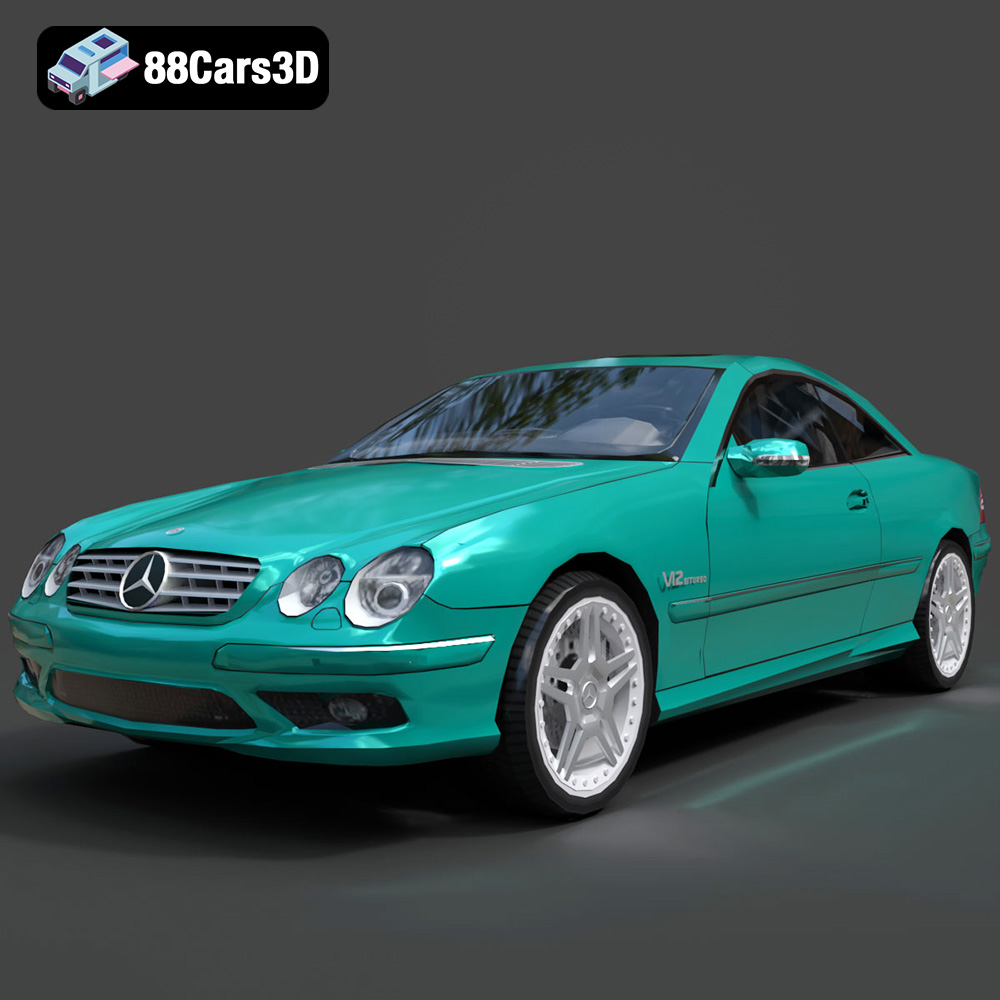
Texture: Yes
Material: Yes
Download the Mercedes-Benz CL65 C215 AMG 3D Model featuring clean geometry, realistic detailing, and a fully modeled interior. Includes .blend, .fbx, .obj, .glb, .stl, .ply, .unreal, and .max formats for rendering, simulation, and game development.
Price: $9.99
View Product
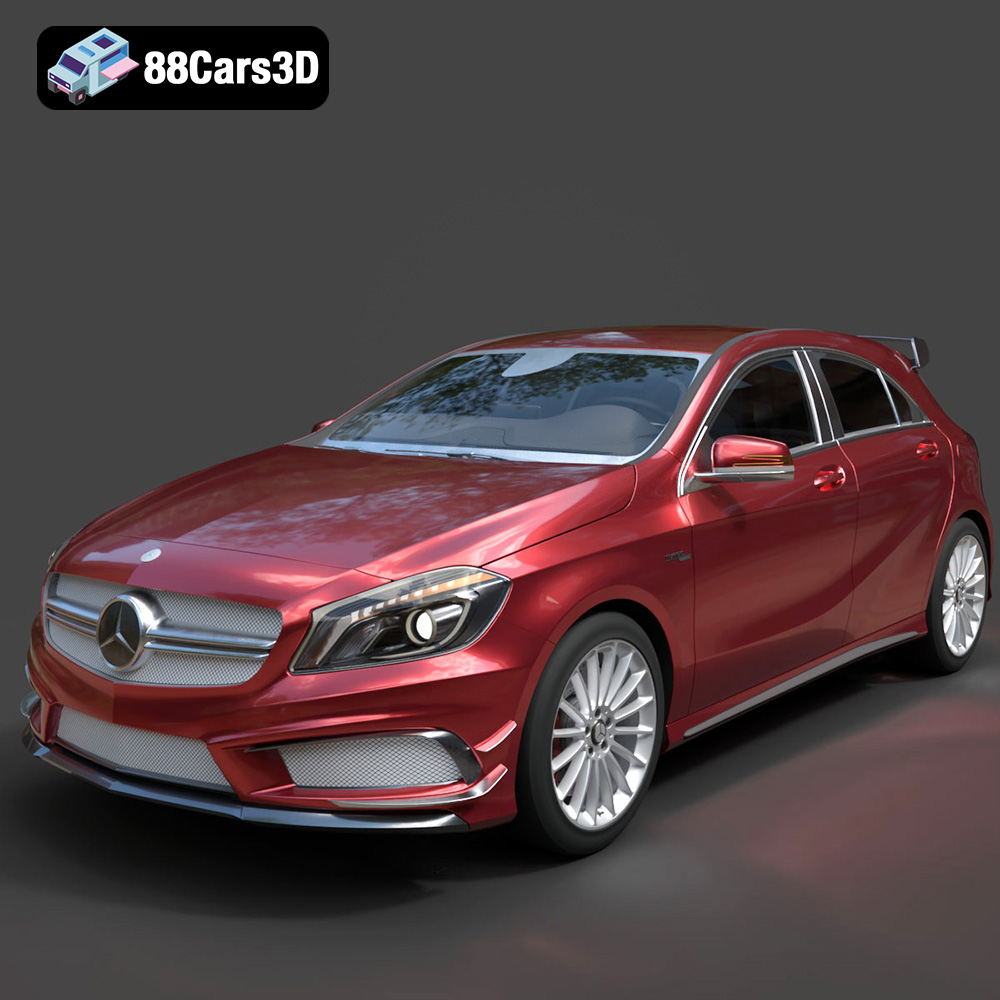
Texture: Yes
Material: Yes
Download the Mercedes-Benz A45 2021 3D Model featuring clean geometry, realistic detailing, and a fully modeled interior. Includes .blend, .fbx, .obj, .glb, .stl, .ply, .unreal, and .max formats for rendering, simulation, and game development.
Price: $9.99
View Product
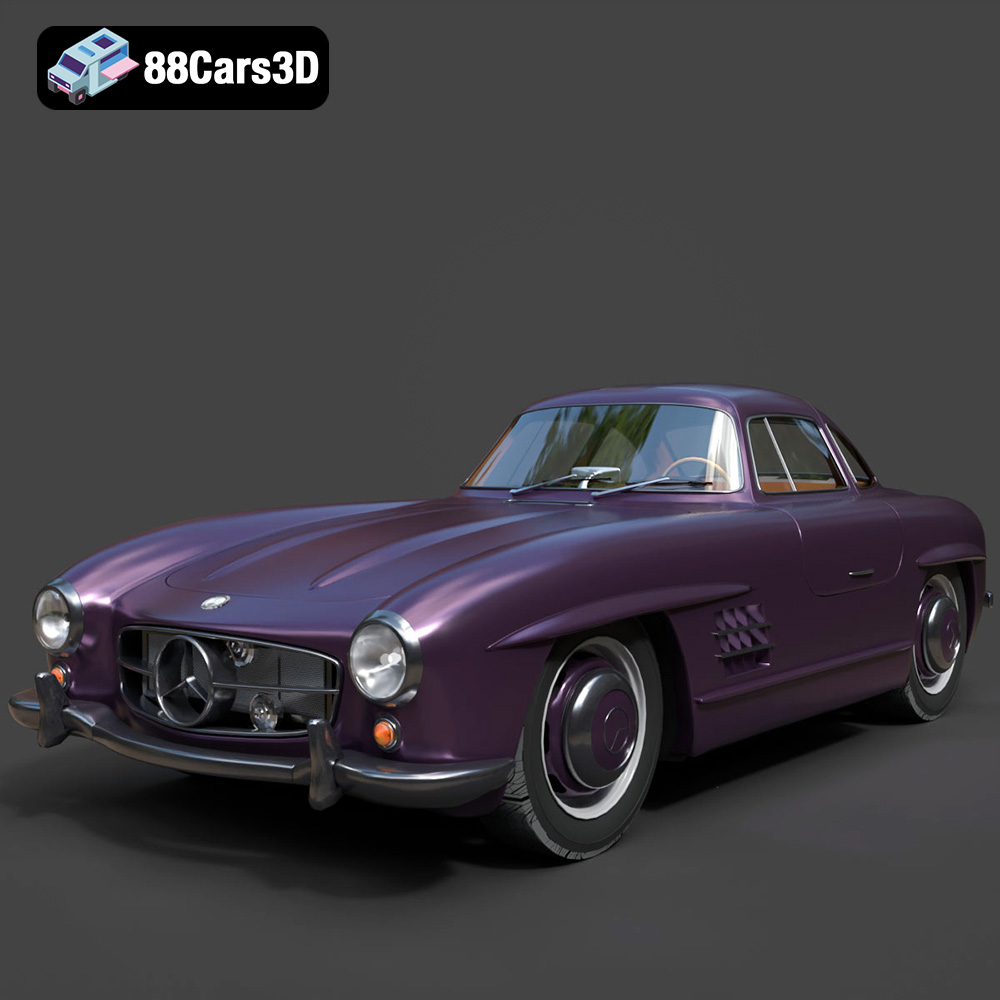
Texture: Yes
Material: Yes
Download the Mercedes-Benz 300SL 1955 3D Model featuring clean geometry, realistic detailing, and a fully modeled interior. Includes .blend, .fbx, .obj, .glb, .stl, .ply, .unreal, and .max formats for rendering, simulation, and game development.
Price: $9.99
View Product
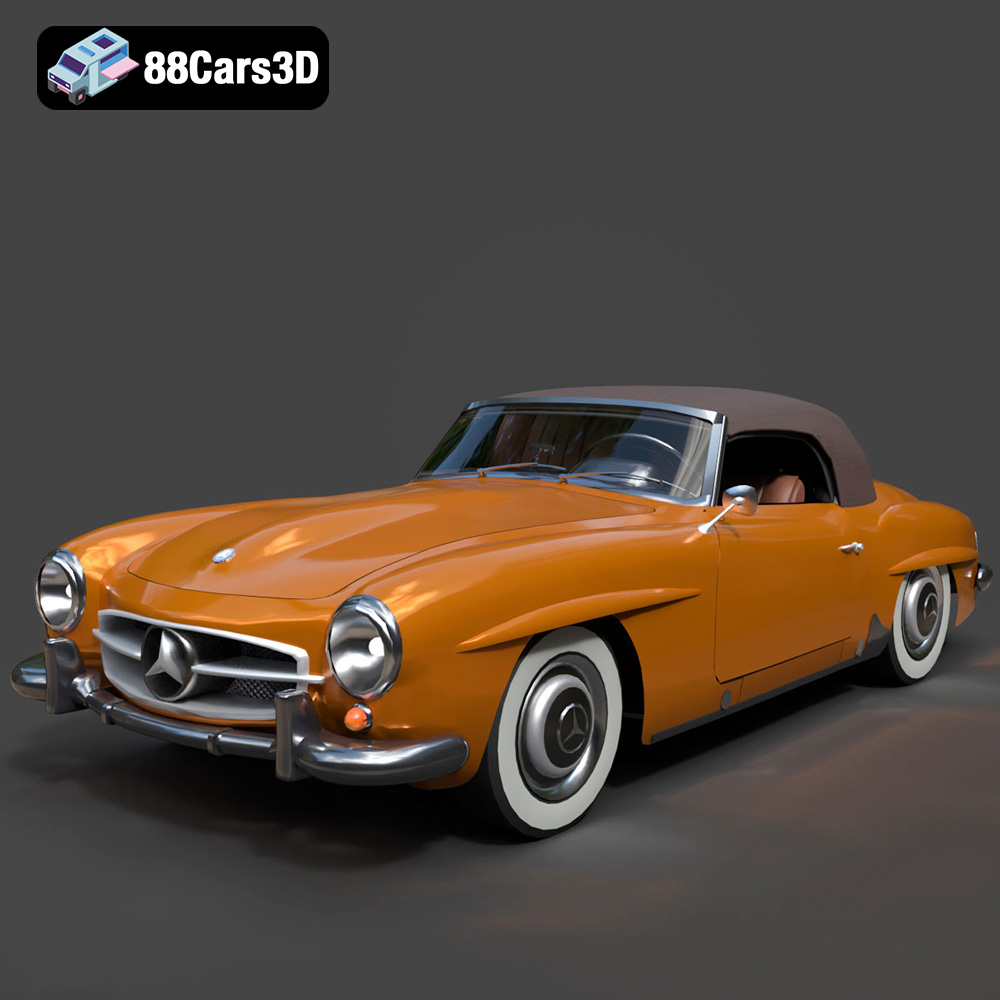
Texture: Yes
Material: Yes
Download the Mercedes-Benz 190SL 1955 3D Model featuring clean geometry, realistic detailing, and a fully modeled interior. Includes .blend, .fbx, .obj, .glb, .stl, .ply, .unreal, and .max formats for rendering, simulation, and game development.
Price: $9.99
View Product
Texture: Yes
Material: Yes
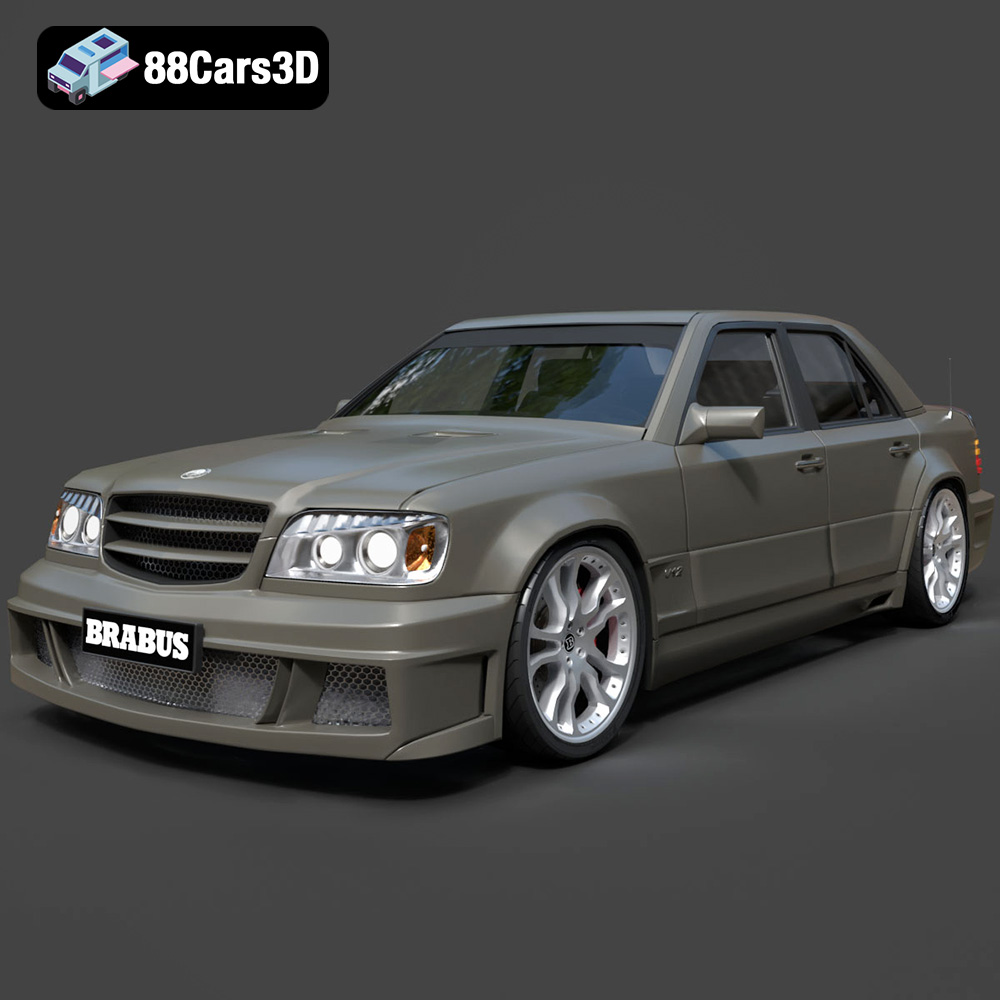
Download the Mercedes-Benz W124 Brabus V12 3D Model featuring clean geometry, realistic detailing, and a fully modeled interior. Includes .blend, .fbx, .obj, .glb, .stl, .ply, .unreal, and .max formats for rendering, simulation, and game development.
Price: $9.99
View Product


