Get 20% OFF All Premium 3D & STL Models!

A high-quality 3D car model is a marvel of digital craftsmanship, a versatile asset with boundless potential. But unlocking that potential requires more than just importing a file and hitting ‘render’. Whether you’re an automotive designer creating portfolio-defining visuals, a game developer building an immersive racing experience, or an AR specialist bringing virtual showrooms to life, the journey from a raw 3D model to a polished final product is paved with crucial technical steps. A single, well-constructed vehicle asset can serve countless purposes, but only if you know how to prepare, optimize, and adapt it for each specific use case. This comprehensive guide will walk you through the entire process, transforming you from a model user into a model master.
In this deep dive, we’ll deconstruct the professional pipeline for preparing 3D car models for any application imaginable. We will explore the non-negotiable fundamentals of clean topology and strategic UV mapping. We’ll delve into the art and science of creating photorealistic PBR materials, from flawless car paint to weathered tires. From there, we’ll branch into specialized workflows: preparing models for cinematic offline rendering in V-Ray and Corona, optimizing them for peak performance in Unreal Engine and Unity, and adapting them for the unique constraints of AR/VR and 3D printing. Get ready to learn the industry-standard techniques that separate amateur results from professional-grade output.
Before any texturing or rendering can begin, the geometric foundation of the model—its topology—must be flawless. For automotive models, topology isn’t just about the general shape; it’s about controlling how light reflects off curved surfaces. Clean, deliberate edge flow is the single most important factor in achieving realistic reflections and highlights. A model with poor topology will exhibit pinching, artifacts, and unpredictable shading, no matter how sophisticated your materials or lighting are. When you acquire assets from professional sources like 88cars3d.com, you are investing in a meticulously crafted foundation built on these principles, saving you countless hours of fixing and rework.
A car’s body is a collection of vast, flowing surfaces and sharp, designed crease lines. Your model’s topology must respect this design language. Edge flow refers to the direction of the polygon loops across the model’s surface. On a car, these loops should follow the natural contours and curves of the body panels. For example, edge loops should flow smoothly around a wheel arch or run parallel along a sharp character line on the door. This ensures that when a subdivision modifier (like TurboSmooth in 3ds Max or a Subdivision Surface in Blender) is applied, the surface remains taught and reflects light in a smooth, continuous manner, just like real sheet metal. Poor edge flow results in wobbles and distortions in reflections, instantly breaking the illusion of realism.
The industry standard for high-fidelity “source” models is quad-based topology. Quads (polygons with four sides) are predictable, subdivide cleanly, and are easy to create smooth UV unwraps from. While the final model rendered in a game engine is always triangulated under the hood, the source asset should be kept in quads for as long as possible. N-gons (polygons with more than four sides) should be avoided at all costs, as they cause significant shading, texturing, and subdivision errors. Triangles are acceptable in specific situations where they are needed to terminate an edge loop or on a perfectly flat, non-deforming surface, but they should be used sparingly and intentionally.
When assessing a 3D car model, look for these topological green flags:
UV mapping is the process of translating the 3D surface of your model into a 2D map, allowing you to apply textures accurately. For a complex object like a car, this is a critical and often time-consuming stage. A poor unwrap can lead to stretched textures, visible seams, and inconsistent detail levels across the vehicle. A professional UV layout is organized, efficient, and tailored to the model’s specific texturing needs, whether it’s for a unique livery in a racing game or for applying subtle dust and grime in a cinematic render.
The key to a good unwrap is smart seam placement. UV seams are the edges on your 3D model where the 2D UV map will be “cut.” The goal is to hide these seams as effectively as possible.
Texel density refers to the resolution of your texture map relative to the size of the model’s surface area. For a realistic result, the texel density should be consistent across the entire vehicle. You don’t want a blurry door next to a razor-sharp fender. Most 3D software has tools to visualize and equalize texel density. A common workflow is to pick a key component (like a door), unwrap it, and apply a checkerboard texture. You then unwrap the rest of the car parts, scaling their UV islands so the checker pattern matches the size on the reference part. This ensures that a 4K texture provides uniform detail everywhere on the car.
For hero assets in film or high-end automotive rendering, a single texture map may not provide enough resolution for extreme close-ups. This is where a Multi-Tile UV workflow, or UDIM (U-Dimension), comes in. Instead of packing all UV islands into the standard 0-1 UV space, UDIMs allow you to use multiple UV tiles (1001, 1002, etc.). You can assign different parts of the car to different tiles. For instance:
This allows you to use separate 4K or 8K texture sets for each part of the car, resulting in phenomenal detail without having to manage a single, impossibly large 16K texture file. Modern renderers like V-Ray, Corona, and Arnold have native support for the UDIM workflow.
Physically Based Rendering (PBR) is a methodology for shading and rendering that provides a more accurate representation of how light interacts with materials. This approach is now standard across all modern 3D applications, from offline renderers to real-time game engines. Creating convincing materials for a 3D car model requires a solid understanding of the core PBR principles and how to apply them to recreate everything from multi-layered car paint to gritty tire rubber.
A PBR material is typically composed of several texture maps that control different surface attributes:
Real car paint is not a simple material; it’s a layered system. To replicate this digitally, you need a shader that can simulate these layers. Most modern renderers (like Corona and V-Ray) offer a “Layered” or “Blend” material. A typical car paint shader is built like this:
This layered approach is the secret to achieving that deep, lustrous finish that is characteristic of high-end automotive rendering.
Perfection is unrealistic. To truly sell the realism of a 3D car model, you must add imperfections. This can be done procedurally or with textured maps. Use ambient occlusion (AO) maps or curvature maps to generate masks that place dust and grime in the crevices of the model. Use splatter textures and grunge maps, lightly layered into the roughness channel, to simulate water spots or subtle wear. For decals and logos, you can use a separate geometry plane projected onto the surface or dedicated decal systems available in most software, which allow you to layer textures without disrupting your base material setup.
When your goal is to create stunning, photorealistic marketing images or cinematic animations, you’ll be using an offline path-tracing renderer like V-Ray, Corona, Arnold, or Blender’s Cycles. These renderers simulate the physics of light with incredible accuracy but require careful setup to achieve clean, noise-free results in a reasonable amount of time. The focus here is on maximum detail and realism, often at the expense of render time.
For high-fidelity renders, you will almost always use a subdivision workflow. The base model, which might be a few hundred thousand polygons, is smoothed at render time to millions of polygons using a modifier like TurboSmooth or OpenSubdiv. This creates perfectly smooth surfaces and highlights. For extreme detail, like tire treads or complex grille patterns, displacement mapping can be used. Unlike a normal map, which only fakes surface detail, displacement actually modifies the geometry at render time based on a grayscale height map. This creates real shadows and silhouettes, providing an unmatched level of realism for close-up shots, but it is computationally expensive.
Lighting is everything in automotive rendering. The two primary methods are:
Balancing render time and quality is a constant battle. Key settings to focus on include sample counts, noise thresholds, and ray depth. It’s best practice to render out multiple passes, known as Render Elements or AOVs (Arbitrary Output Variables). These include passes like direct lighting, reflections, specular, and an object ID mask. Rendering these passes allows for immense flexibility in post-processing software like Adobe Photoshop or Foundry Nuke. You can precisely adjust the brightness of reflections, tweak the color of the paint, or enhance shadows without having to re-render the entire image, a process that could take hours.
Preparing a 3D car model for a game engine like Unreal or Unity is a completely different discipline from offline rendering. Here, the primary concern is performance. Every polygon, texture, and material must be ruthlessly optimized to ensure the game runs at a smooth, consistent frame rate (typically 60 FPS or higher). This involves a process of simplification and clever technical tricks to maintain visual fidelity while staying within a strict performance budget.
A cinematic model with millions of polygons is unusable in a real-time environment. The first step is retopology, the process of creating a new, low-polygon mesh that mimics the shape of the high-poly source model. This low-poly “game-res” model is what will actually be used in the game. Details from the high-poly model are then “baked” into texture maps (like normal and ambient occlusion maps) and applied to the low-poly model. Furthermore, you must create Levels of Detail (LODs). These are a series of progressively lower-polygon versions of the model.
The game engine automatically switches between these LODs based on the car’s distance from the camera, dramatically improving performance.
In a game engine, every separate material applied to an object can result in a separate “draw call”—an instruction from the CPU to the GPU to draw something. Too many draw calls can cripple performance. To combat this, multiple textures are combined into a single, larger texture sheet called a texture atlas. For example, instead of having separate materials and textures for the headlights, taillights, grille, and badges, you would unwrap all of these components into a single UV space and use one material and one set of textures for all of them. This significantly reduces draw calls. Well-optimized game assets, which can be found on marketplaces like 88cars3d.com, often come pre-packaged with efficient texture atlases.
For a car to function correctly in a game, it needs two more components. First, a collision mesh, which is an extremely simple, invisible mesh that roughly matches the car’s shape. This is what the physics engine uses to calculate collisions, as using the high-poly visual mesh would be far too slow. Second, within the game engine (like Unreal’s Chaos Vehicle system or Unity’s Wheel Colliders), you must set up the vehicle’s physics properties: defining the location of the wheels, suspension settings, engine torque, and center of mass. This is what makes the car drive and handle realistically.
The worlds of Augmented/Virtual Reality and 3D printing present their own unique sets of challenges and requirements. Both demand extreme optimization, but in different ways. For AR/VR, performance is tied to maintaining a high, judder-free frame rate on often-limited mobile hardware. For 3D printing, the digital model must be converted into a physically sound, solid object that can be manufactured in the real world.
AR and VR applications, especially those running on standalone headsets or mobile phones, have even stricter performance budgets than traditional PC or console games. The model must be rendered twice (once for each eye), and any drop in frame rate can cause motion sickness.
To deploy 3D models on the web or in AR applications, you need standardized, efficient file formats. The two dominant formats are:
Converting a standard FBX or OBJ file to these formats requires careful export processes, often using tools like Blender, Adobe Substance 3D Stager, or specialized conversion software to ensure materials and textures translate correctly.
Preparing a model for 3D printing is about making it physically viable. A visual 3D model is often just a collection of surfaces with no thickness. To be 3D printed, it must be a “watertight” or “manifold” solid.
We’ve journeyed through the entire lifecycle of a professional 3D car model, from the fundamental importance of its topology to the specialized preparations required for vastly different outputs. The key takeaway is that the value of a high-quality 3D asset lies not just in its initial appearance, but in its adaptability. A model built with clean geometry, thoughtful UVs, and PBR-compliant materials is a powerful starting point for any creative or technical endeavor.
Whether you are setting up a breathtaking automotive rendering, building the next great racing game, or creating an innovative AR car configurator, the principles remain the same: understand your target platform’s requirements and apply the right optimization techniques. By mastering these workflows—subdivision for rendering, retopology for games, and mesh solidification for 3D printing—you can take a single, expertly crafted 3D vehicle and deploy it across a universe of applications. The next time you begin a project, start with the best possible foundation and use this guide to confidently prepare your 3D car models for any challenge you can imagine.

Texture: Yes
Material: Yes
Download the Mercedes-Benz SLK 350 2005 3D Model featuring clean geometry, realistic detailing, and a fully modeled interior. Includes .blend, .fbx, .obj, .glb, .stl, .ply, .unreal, and .max formats for rendering, simulation, and game development.
Price: $9.99
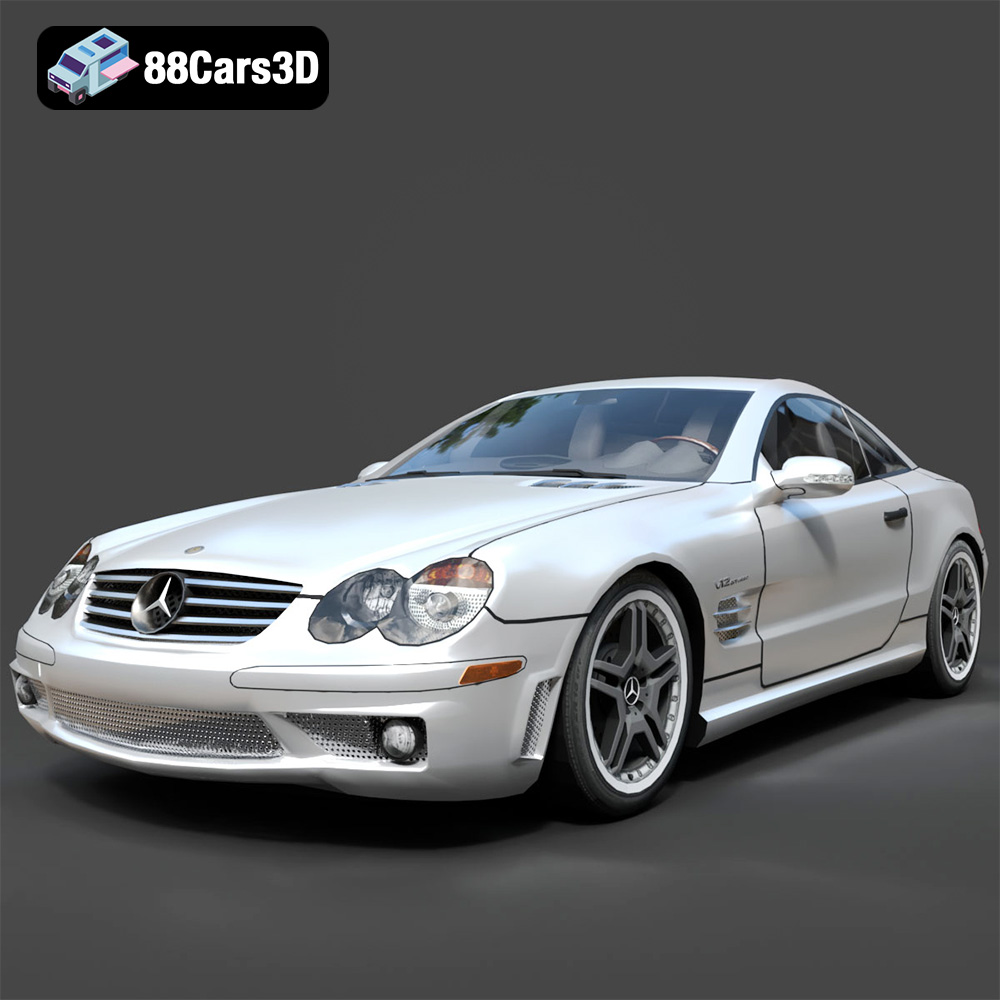
Texture: Yes
Material: Yes
Download the Mercedes-Benz SL 65 AMG 3D Model featuring clean geometry, realistic detailing, and a fully modeled interior. Includes .blend, .fbx, .obj, .glb, .stl, .ply, .unreal, and .max formats for rendering, simulation, and game development.
Price: $9.99
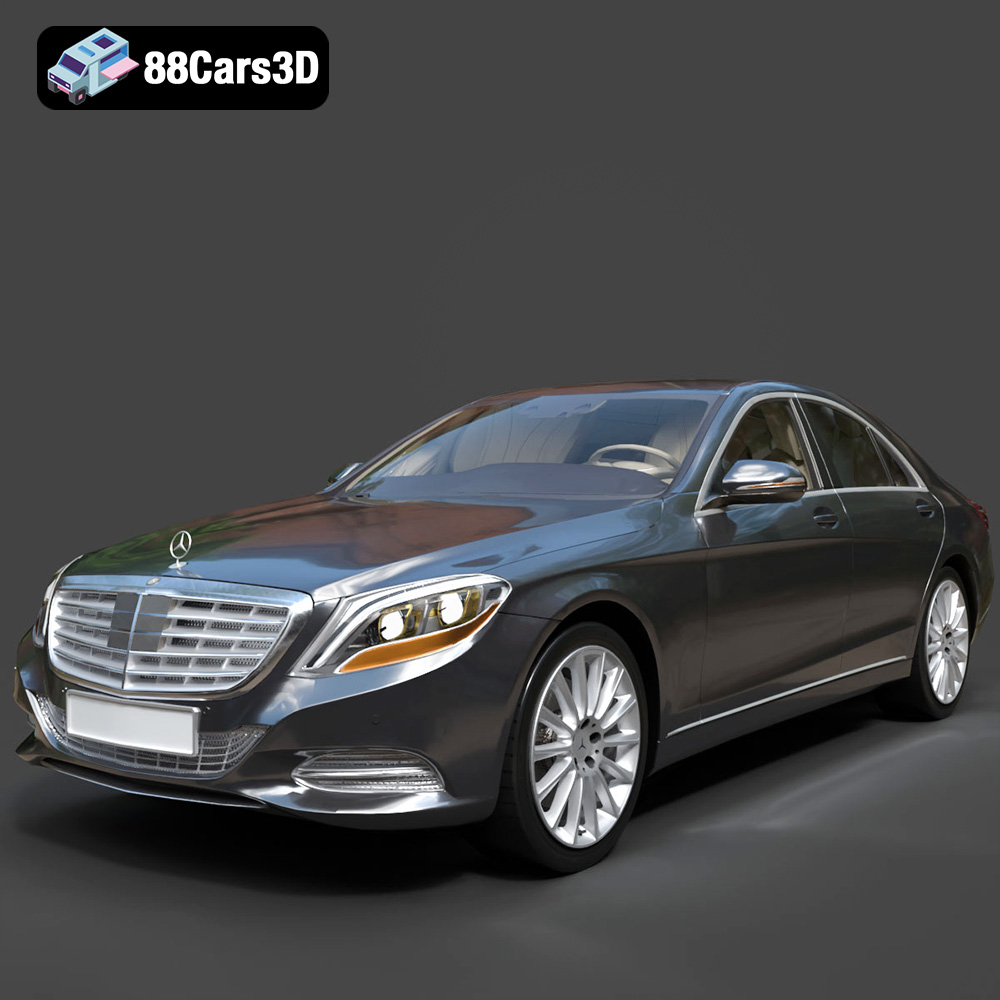
Texture: Yes
Material: Yes
Download the Mercedes-Benz S500 3D Model featuring clean geometry, realistic detailing, and a fully modeled interior. Includes .blend, .fbx, .obj, .glb, .stl, .ply, .unreal, and .max formats for rendering, simulation, and game development.
Price: $9.99
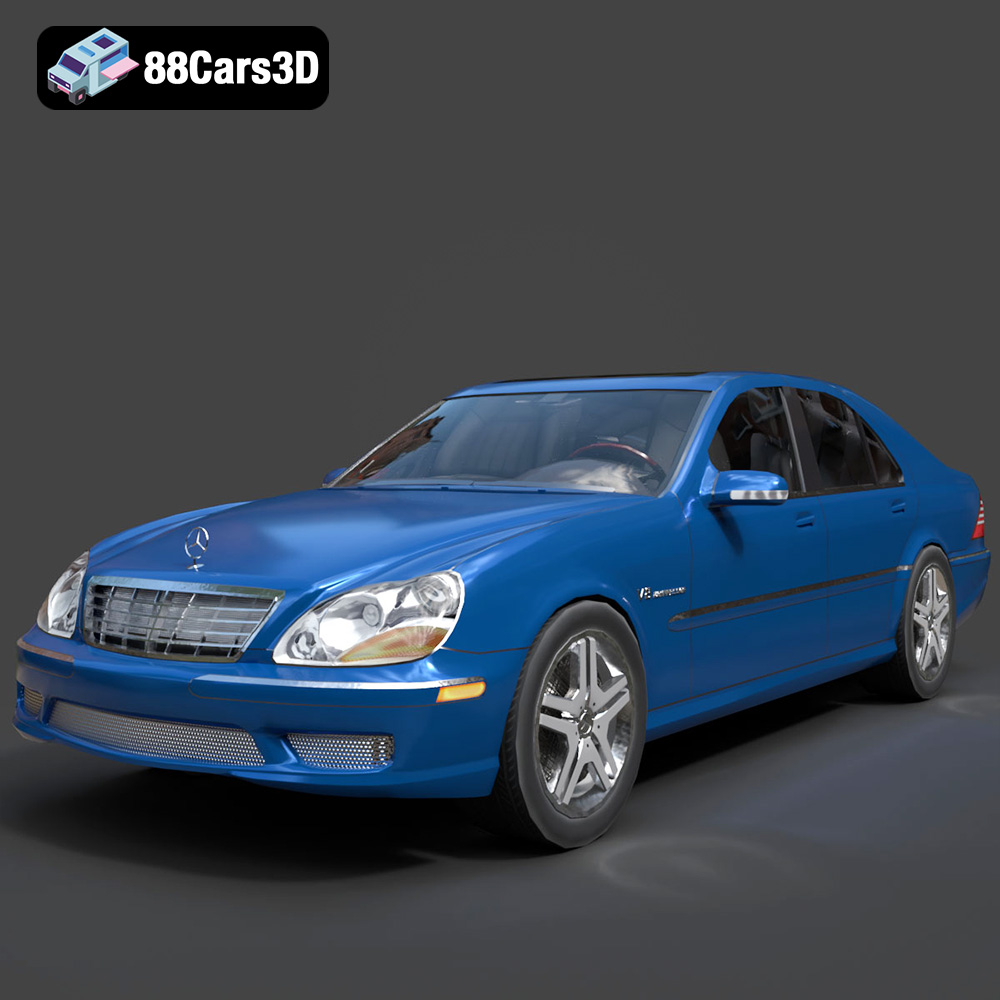
Texture: Yes
Material: Yes
Download the Mercedes-Benz S55 W220 AMG 1999 3D Model featuring clean geometry, realistic detailing, and a fully modeled interior. Includes .blend, .fbx, .obj, .glb, .stl, .ply, .unreal, and .max formats for rendering, simulation, and game development.
Price: $9.99
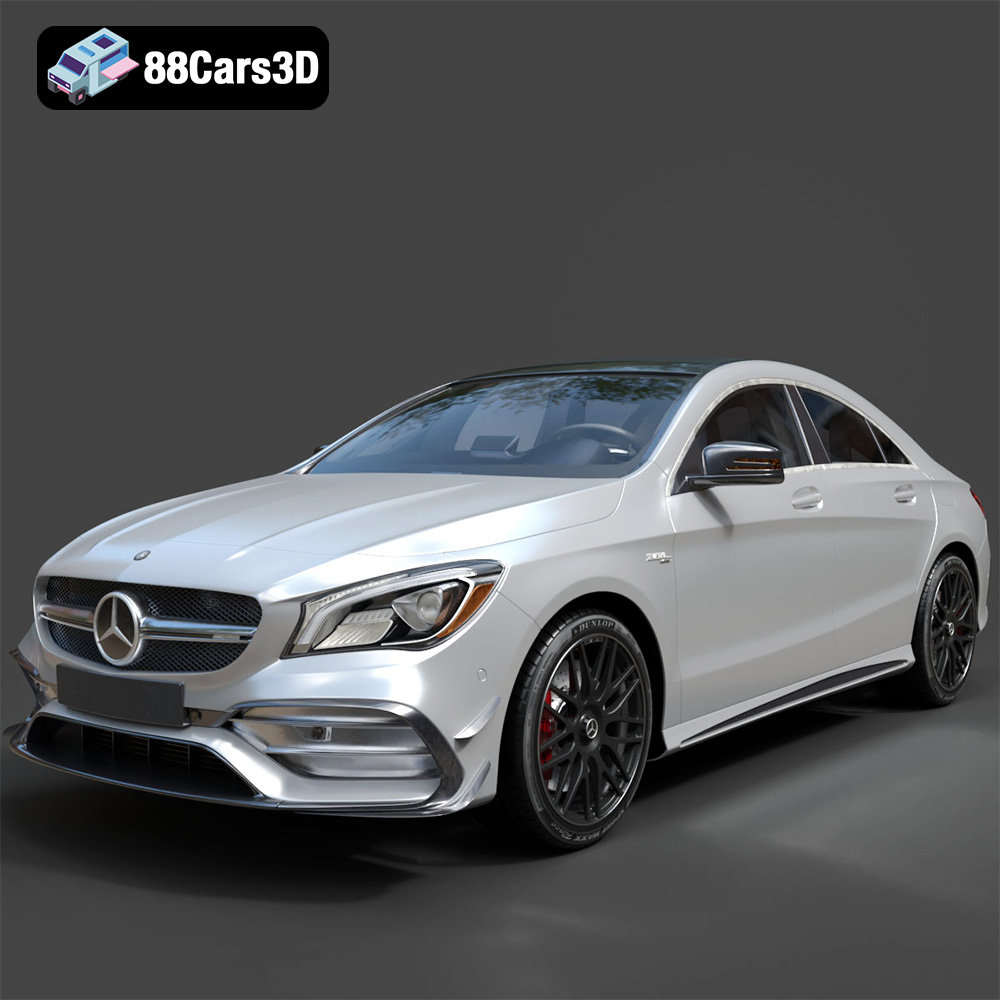
Texture: Yes
Material: Yes
Download the Mercedes-Benz CLA45 AMG 2017 3D Model featuring clean geometry, realistic detailing, and a fully modeled interior. Includes .blend, .fbx, .obj, .glb, .stl, .ply, .unreal, and .max formats for rendering, simulation, and game development.
Price: $29.99
Texture: Yes
Material: Yes
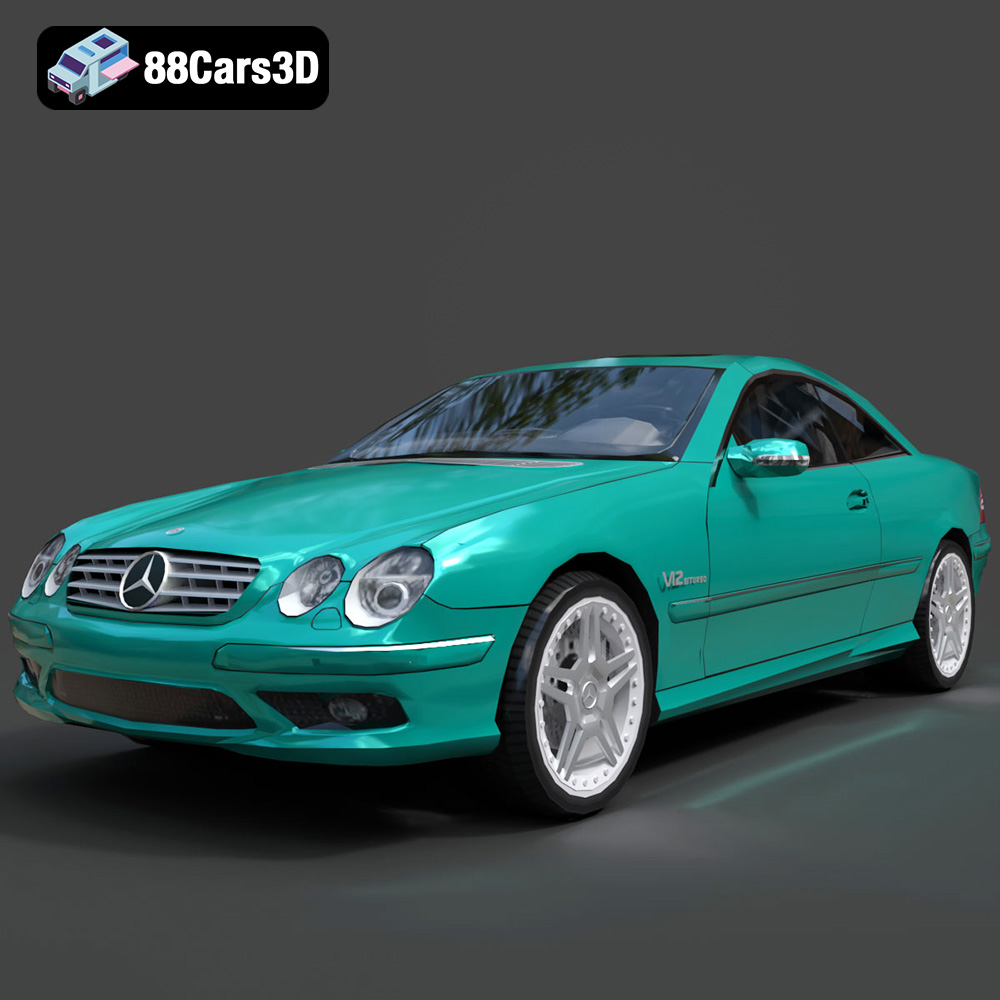
Download the Mercedes-Benz CL65 C215 AMG 3D Model featuring clean geometry, realistic detailing, and a fully modeled interior. Includes .blend, .fbx, .obj, .glb, .stl, .ply, .unreal, and .max formats for rendering, simulation, and game development.
Price: $9.99
Texture: Yes
Material: Yes
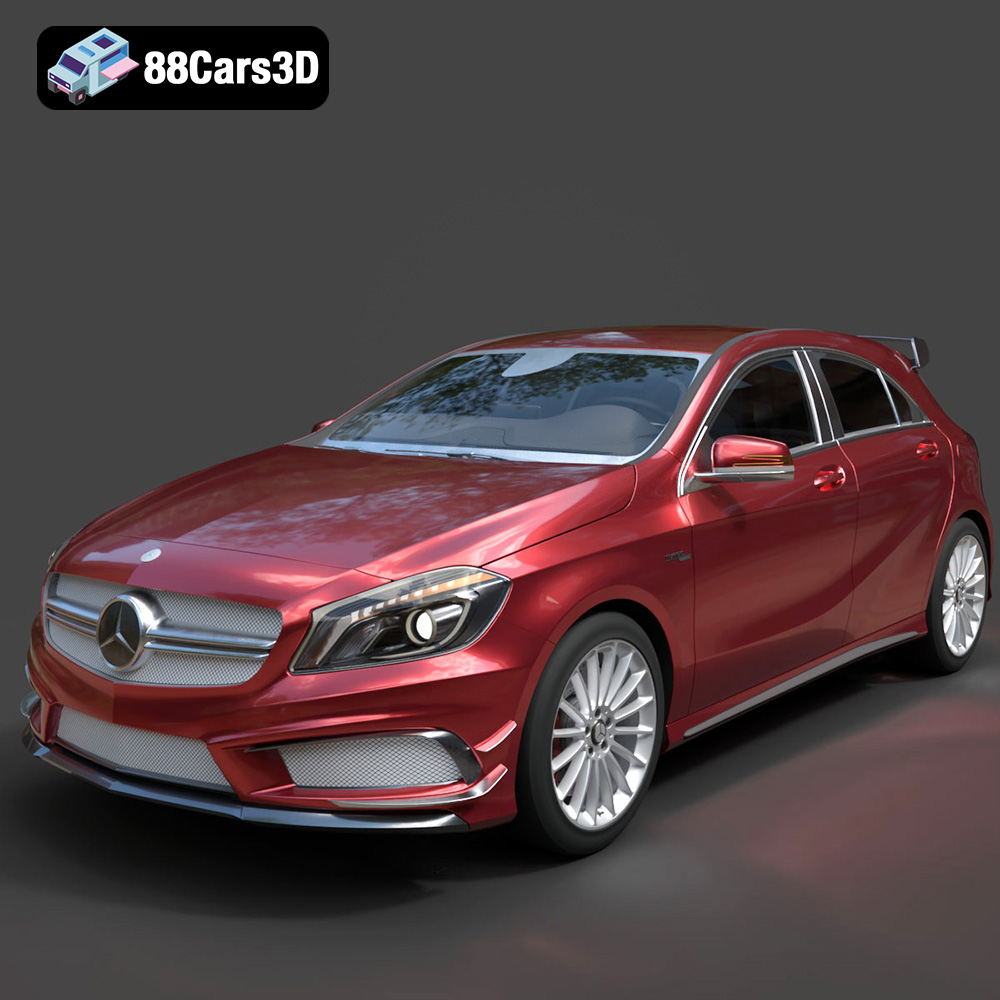
Download the Mercedes-Benz A45 2021 3D Model featuring clean geometry, realistic detailing, and a fully modeled interior. Includes .blend, .fbx, .obj, .glb, .stl, .ply, .unreal, and .max formats for rendering, simulation, and game development.
Price: $9.99
Texture: Yes
Material: Yes
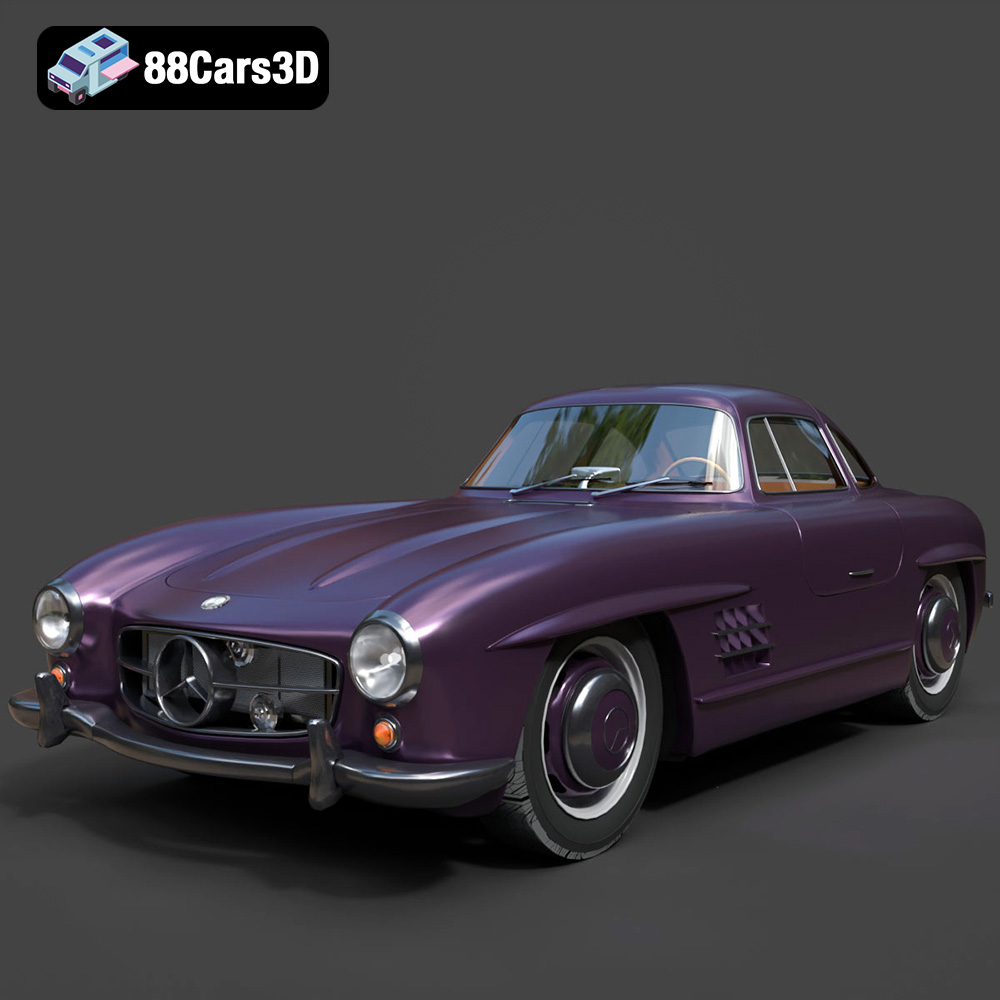
Download the Mercedes-Benz 300SL 1955 3D Model featuring clean geometry, realistic detailing, and a fully modeled interior. Includes .blend, .fbx, .obj, .glb, .stl, .ply, .unreal, and .max formats for rendering, simulation, and game development.
Price: $9.99
Texture: Yes
Material: Yes
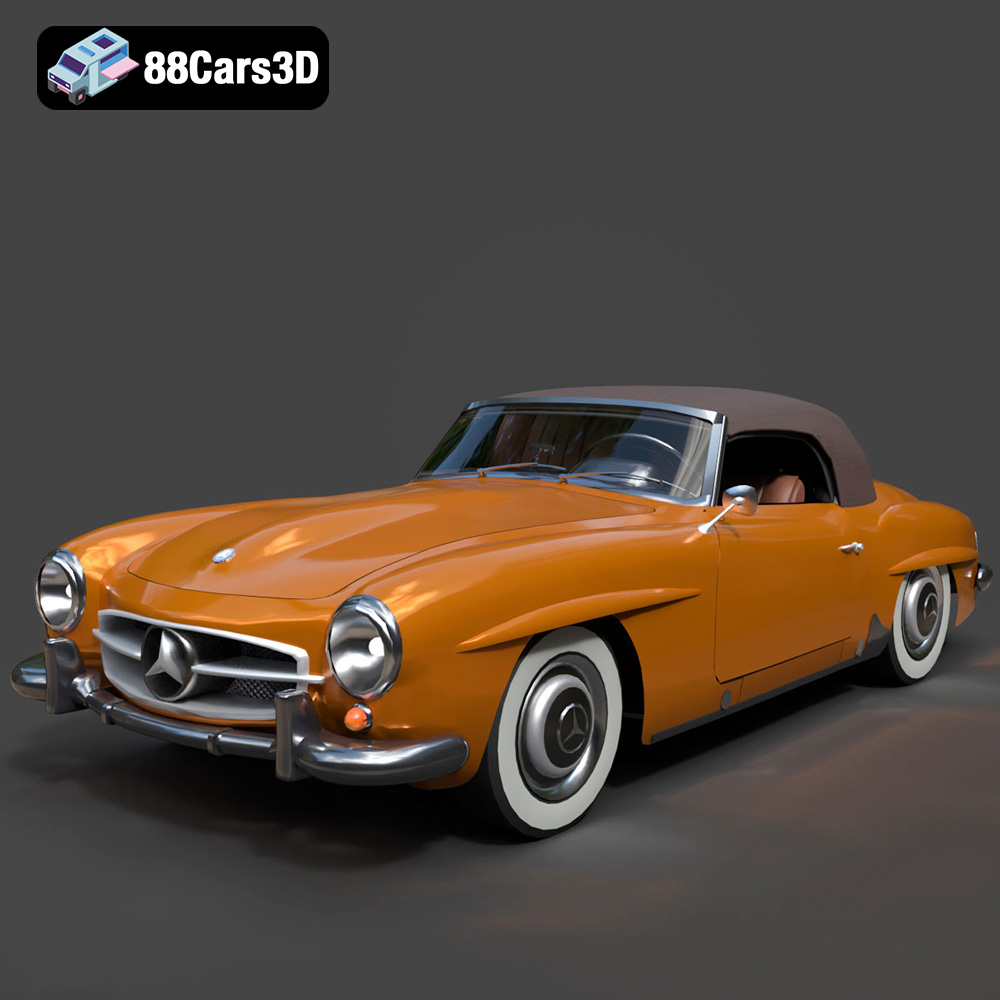
Download the Mercedes-Benz 190SL 1955 3D Model featuring clean geometry, realistic detailing, and a fully modeled interior. Includes .blend, .fbx, .obj, .glb, .stl, .ply, .unreal, and .max formats for rendering, simulation, and game development.
Price: $9.99
Texture: Yes
Material: Yes
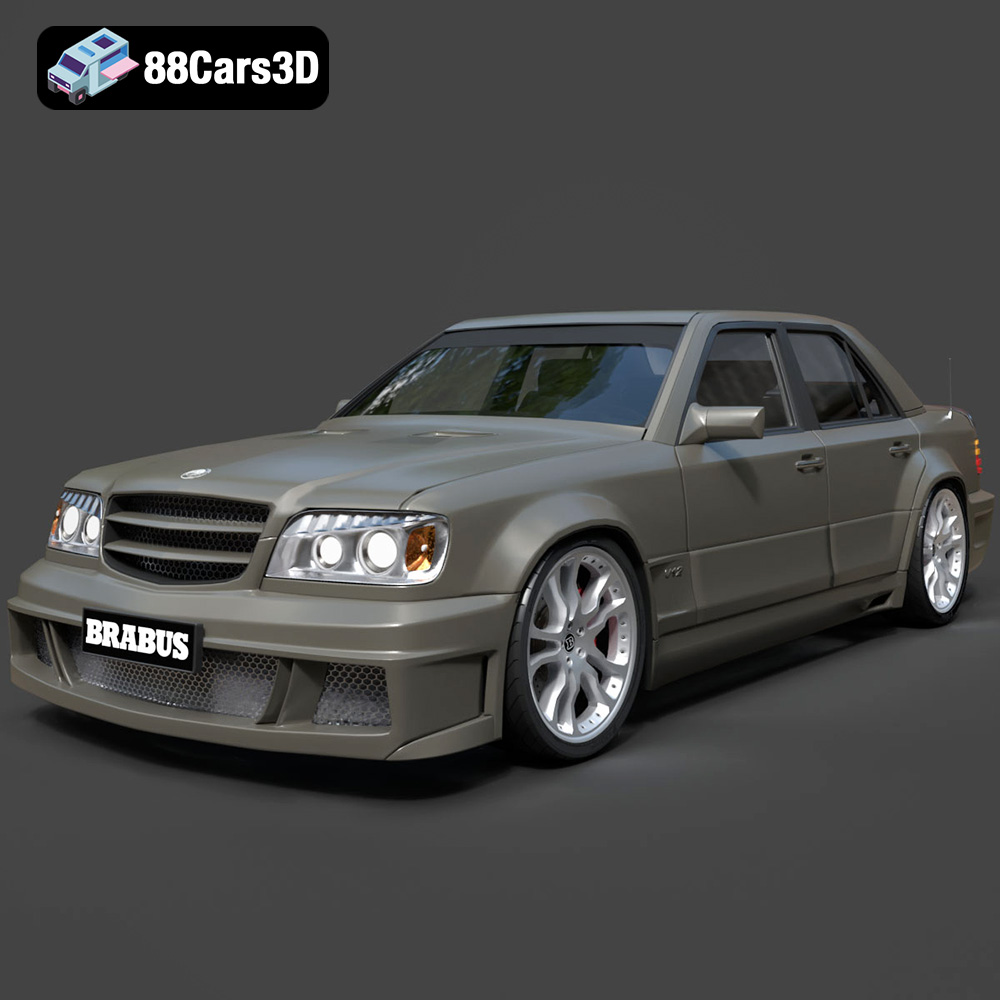
Download the Mercedes-Benz W124 Brabus V12 3D Model featuring clean geometry, realistic detailing, and a fully modeled interior. Includes .blend, .fbx, .obj, .glb, .stl, .ply, .unreal, and .max formats for rendering, simulation, and game development.
Price: $9.99

