Get 20% OFF All Premium 3D & STL Models!

The allure of a perfectly rendered supercar, its flawless paint reflecting a dramatic studio environment, is what draws many of us into the world of 3D. Yet, transforming a raw 3D car model into a photorealistic image, an optimized game asset, or a tangible 3D print is a journey filled with technical challenges and creative decisions. It’s a process that goes far beyond simply importing a file. A professional-grade 3D car model is a sophisticated digital product, and unlocking its full potential requires a deep understanding of topology, UV mapping, material creation, rendering, and optimization. Whether you’re an automotive designer visualizing your next concept, a game developer building an immersive racing experience, or an arch-viz artist adding realism to a scene, mastering these techniques is paramount.
This comprehensive guide will take you deep into the engine bay of digital automotive creation. We’ll deconstruct the entire workflow, from evaluating the quality of a base model to preparing it for a wide array of professional applications. You will learn the industry best practices for creating stunning automotive renderings, the critical optimization strategies for real-time performance in games and VR/AR, and even the specific steps needed to prepare a model for 3D printing. Consider this your roadmap to turning high-quality 3D car models into truly exceptional final products.
Before you even think about materials or lighting, the quality of your final output is determined by the fundamental structure of your 3D model. A well-constructed model is like a perfectly engineered chassis—it provides a stable and reliable foundation for everything that follows. When you acquire a model from a specialized marketplace like 88cars3d.com, you are investing in this foundational quality, which saves countless hours of cleanup and frustration. Understanding what to look for is the first step toward professional results.
Topology refers to the arrangement of polygons (quads and triangles) that form the surface of your 3D model. Clean topology is non-negotiable for automotive models. It consists primarily of four-sided polygons (quads) that flow logically along the car’s contours. This “edge flow” is critical for two main reasons: deformation and shading. While cars are rigid bodies and don’t deform like characters, clean edge flow ensures that smoothing algorithms (like TurboSmooth in 3ds Max or a Subdivision Surface modifier in Blender) produce perfectly smooth, artifact-free highlights. Jagged reflections and pinched surfaces are almost always a symptom of poor topology. Avoid models with excessive triangles or, worse, n-gons (polygons with more than four sides), especially on curved surfaces like fenders and hoods.
The “poly count” is the total number of polygons in your model, and it dictates the level of detail and the performance requirements. There is no single “best” count; it’s entirely dependent on the application.
Once you’ve downloaded your model, take a few minutes to inspect it. Open it in your preferred 3D software and check for key quality indicators. Turn on wireframe view to analyze the topology. Look for consistent quad distribution and clean edge loops around panel edges and lights. Check the object hierarchy—are parts logically named and grouped (e.g., “wheel_front_left,” “door_driver,” “chassis”)? This organization is a hallmark of a professional model and will make your life significantly easier when assigning materials and setting up animations.
If topology is the skeleton of your model, UV mapping is the tailored pattern for its skin. A UV map is a 2D representation of your 3D model’s surface, which tells the software how to apply a 2D texture image onto the 3D object. For complex objects like cars, with their mix of large, curved panels and intricate mechanical parts, proper UV mapping is an art form that directly impacts the final visual quality.
The largest and most visible parts of a car require the most careful UV work. The goal is to “unwrap” the 3D mesh into 2D pieces (UV shells) with minimal stretching and distortion. The key is strategic seam placement. Place UV seams along natural, hard-edged panel gaps—where the hood meets the fender, or the door meets the body. This hides the inevitable texture seam in a place where a real-world seam already exists. For large, continuous surfaces like the roof or hood, use planar or spline mapping tools to create a clean, low-distortion initial projection, then use relaxation algorithms to even out the UVs.
Once unwrapped, the 2D shells must be arranged and packed into the 0-to-1 UV space. This process is crucial for performance and quality.
Tires, grilles, and emblems present unique challenges. For tire sidewalls, a cylindrical unwrap followed by a “flatten” or “unfold” command often works well. For complex grilles with repeating patterns, you can often UV map a single segment and then duplicate it, ensuring the UVs overlap perfectly. This saves immense texture space and is a common technique for creating efficient game assets.
With a solid model and clean UVs, the next step is to breathe life into the car with realistic materials. The industry standard for this is Physically Based Rendering (PBR). PBR isn’t just a buzzword; it’s a methodology for creating materials that accurately simulate how light interacts with real-world surfaces. This approach ensures your car looks correct in any lighting condition, from a sun-drenched desert to a moody underground garage.
A standard PBR workflow uses several texture maps to define a material’s properties:
– Metallic: A simple black-and-white map that tells the shader if a surface is a metal (white) or a non-metal/dielectric (black). This fundamentally changes how light reflects off the surface.
– Normal Map: This map fakes fine surface detail without adding extra polygons. It’s used for things like leather grain on seats, tire treads, or subtle imperfections on the paint.
Car paint is one of the most complex materials to replicate. It’s not a single surface but a composite of multiple layers. In software like 3ds Max with Corona or V-Ray, or using node-based systems in Blender, you can build a layered shader:
Beyond the paint, other materials complete the look. For glass, the key parameters are high transparency and a specific Index of Refraction (IOR)—around 1.52 is physically accurate for glass. For chrome, the recipe is simple: a white albedo, a metallic value of 1, and a roughness value near 0. For rubber tires, use a dark grey albedo (never pure black), a high roughness value (e.g., 0.8-0.9), and a normal map for the sidewall details.
A perfect model with perfect materials will still look flat and uninteresting in poor lighting. The final stage of creating a stunning still image is the interplay of light, shadow, and camera. This is where artistic vision meets technical execution to produce breathtaking automotive rendering results.
While most modern render engines can produce great results, some are favored for automotive work.
– Corona Renderer: Known for its ease of use and incredibly realistic light calculation, making it a favorite for studio shots. Its interactive light mixing and material library are powerful tools.
– V-Ray: A highly versatile and powerful industry-standard. It offers immense control and is optimized for complex scenes, handling high-poly models and vast environments with ease.
– Blender Cycles: A remarkably capable path-tracing engine built into Blender. It’s fantastic for individual artists and small studios, offering GPU acceleration and a flexible node-based shading system that can achieve results rivaling its paid competitors.
Image-Based Lighting (IBL) using a High-Dynamic Range Image (HDRI) is the fastest way to achieve photorealistic lighting. An HDRI is a 360-degree panoramic photo that contains a massive range of light intensity data. When used as an environment map, it projects light onto your scene from all directions, creating incredibly nuanced and realistic reflections and global illumination. For automotive renders, choose an HDRI that complements the car—a studio HDRI for clean, controlled reflections, or an outdoor road/cityscape HDRI for a dynamic, in-situ shot.
For more controlled, artistic shots, you can build a virtual photo studio. The principles of real-world photography apply here. Use large area lights to simulate softboxes. A common setup is the three-point lighting system:
Experiment with the size, intensity, and temperature of these lights to craft the desired mood.
The requirements for real-time applications like games, VR, and AR are fundamentally different from offline rendering. Here, performance is king. The goal is to maintain the highest possible visual fidelity while ensuring a smooth, consistent frame rate (typically 60-90 FPS). This involves a series of careful optimization steps.
A Level of Detail (LOD) system is the most critical optimization for game assets. It involves creating multiple versions of the car model, each with a progressively lower polygon count.
– LOD0: The highest quality version (e.g., 80,000 polygons), visible when the player is very close to the car.
– LOD1: A reduced version (e.g., 40,000 polygons) where smaller details are removed or simplified. It swaps in at a medium distance.
– LOD2: A heavily simplified version (e.g., 15,000 polygons) for distant viewing.
– LOD3: A very basic “impostor” or extremely low-poly mesh (e.g., <2,000 polygons) for when the car is a speck on the horizon.
Game engines like Unreal Engine and Unity automatically switch between these LODs based on the object’s screen size, drastically reducing the rendering load.
A “draw call” is a command from the CPU to the GPU to draw an object. Too many draw calls can create a CPU bottleneck, even with a powerful GPU. To reduce them, you should:
– Merge Meshes: Combine separate objects that use the same material into a single mesh. For example, the four brake calipers can be one object instead of four. The car body, doors, and hood can also be a single object.
– Texture Atlasing: This is the practice of combining multiple smaller texture maps into a single, larger map (an atlas). For example, textures for the dashboard, gauges, steering wheel, and vents can all be laid out on one UV sheet and use one material. This reduces the number of materials on the car, which directly reduces draw calls.
For web-based and mobile AR/VR experiences, specialized file formats are essential. GLB (the binary version of glTF) and USDZ (developed by Apple and Pixar) are ideal. These formats are self-contained “packages” that bundle the 3D mesh, materials, and textures into a single, highly compressed file. This makes them incredibly efficient to load and render on less powerful devices, which is a key requirement for any AR/VR application.
Taking a digital model into the physical world through 3D printing introduces a new set of constraints. A model that looks perfect on screen can fail to print if it’s not properly prepared. The focus shifts from visual appearance to structural integrity and geometry “rules.”
The most important requirement for 3D printing is that the mesh must be “watertight” or “manifold.” This means it must be a completely enclosed volume with no holes. Imagine filling the model with water—if there’s a hole, the water would leak out. 3D software has tools (like the “STL Check” modifier in 3ds Max or the “3D-Print Toolbox” in Blender) to identify non-manifold geometry, such as holes, internal faces, or flipped normals. These errors must be manually repaired before sending the model to the printer.
Printing a large car model as a solid block of plastic would be incredibly time-consuming and expensive. Two techniques solve this:
– Hollowing: Use software like Meshmixer to hollow out the model, creating a shell of a specific thickness (e.g., 2-3mm). This dramatically reduces material usage and print time. Remember to add “escape holes” so that uncured resin (for SLA printers) or unused powder (for SLS printers) can be removed from the inside.
– Splitting: For models larger than the printer’s build volume, you must split them into smaller, interlocking parts. Use boolean operations or plane cuts to divide the model into sections (e.g., body, wheels, chassis) that can be printed separately and assembled later.
We’ve journeyed through the entire lifecycle of a professional 3D car model, from the foundational importance of clean topology to the specialized preparations for rendering, real-time engines, and 3D printing. The key takeaway is that a high-quality 3D model is not just an endpoint but a starting point—a versatile digital asset whose potential is unlocked through a combination of technical skill and artistic vision. Whether you’re chasing photorealism in a high-stakes commercial render or optimizing every polygon for a fluid gaming experience, the principles of meticulous preparation and understanding your end goal remain the same.
The next time you start a project, begin by investing in the best possible foundation. Sourcing your assets from a library of professionally crafted models, such as those on 88cars3d.com, ensures you’re building on a solid chassis. From there, apply the workflows we’ve discussed: perfect your UVs, build layered PBR materials, master your lighting, and optimize intelligently for your target platform. By treating each step with care and precision, you will elevate your work from simply good to truly unforgettable, producing automotive visuals that captivate and inspire.

Texture: Yes
Material: Yes
Download the Mercedes-Benz SLK 350 2005 3D Model featuring clean geometry, realistic detailing, and a fully modeled interior. Includes .blend, .fbx, .obj, .glb, .stl, .ply, .unreal, and .max formats for rendering, simulation, and game development.
Price: $9.99
Texture: Yes
Material: Yes
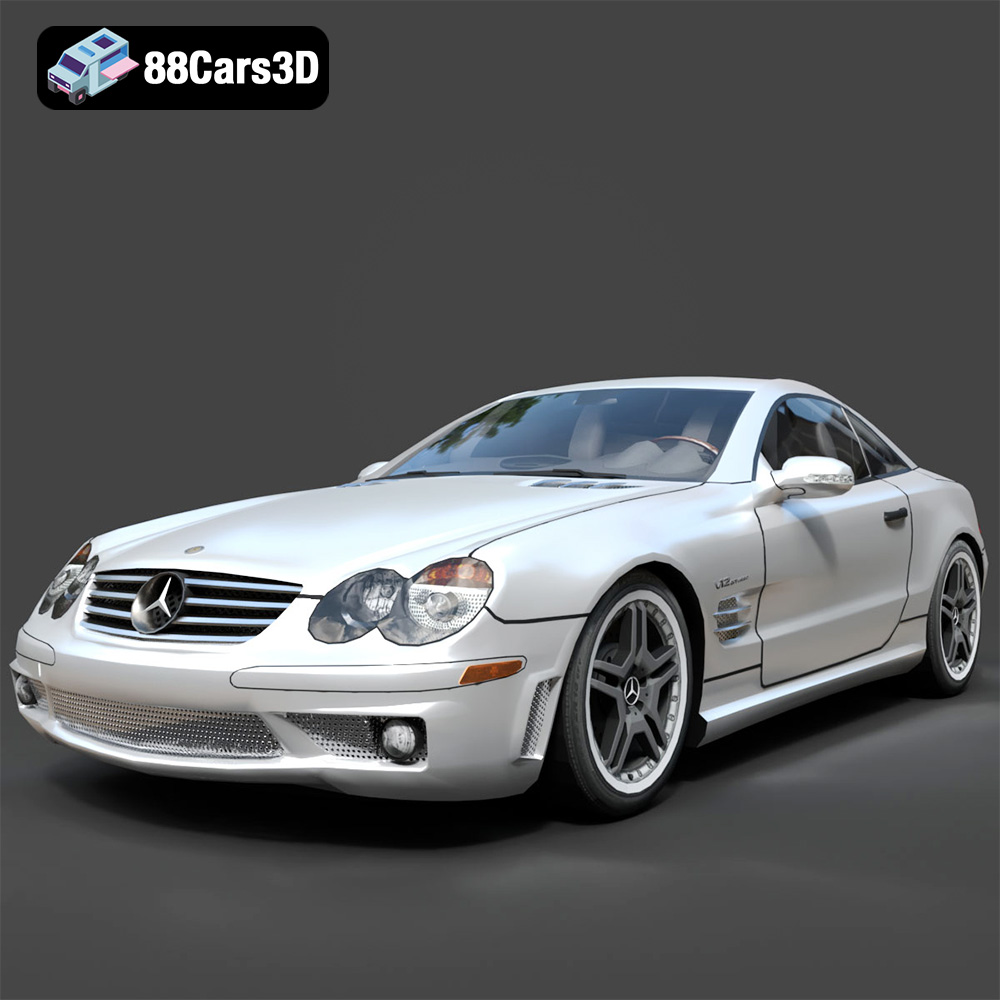
Download the Mercedes-Benz SL 65 AMG 3D Model featuring clean geometry, realistic detailing, and a fully modeled interior. Includes .blend, .fbx, .obj, .glb, .stl, .ply, .unreal, and .max formats for rendering, simulation, and game development.
Price: $9.99
Texture: Yes
Material: Yes
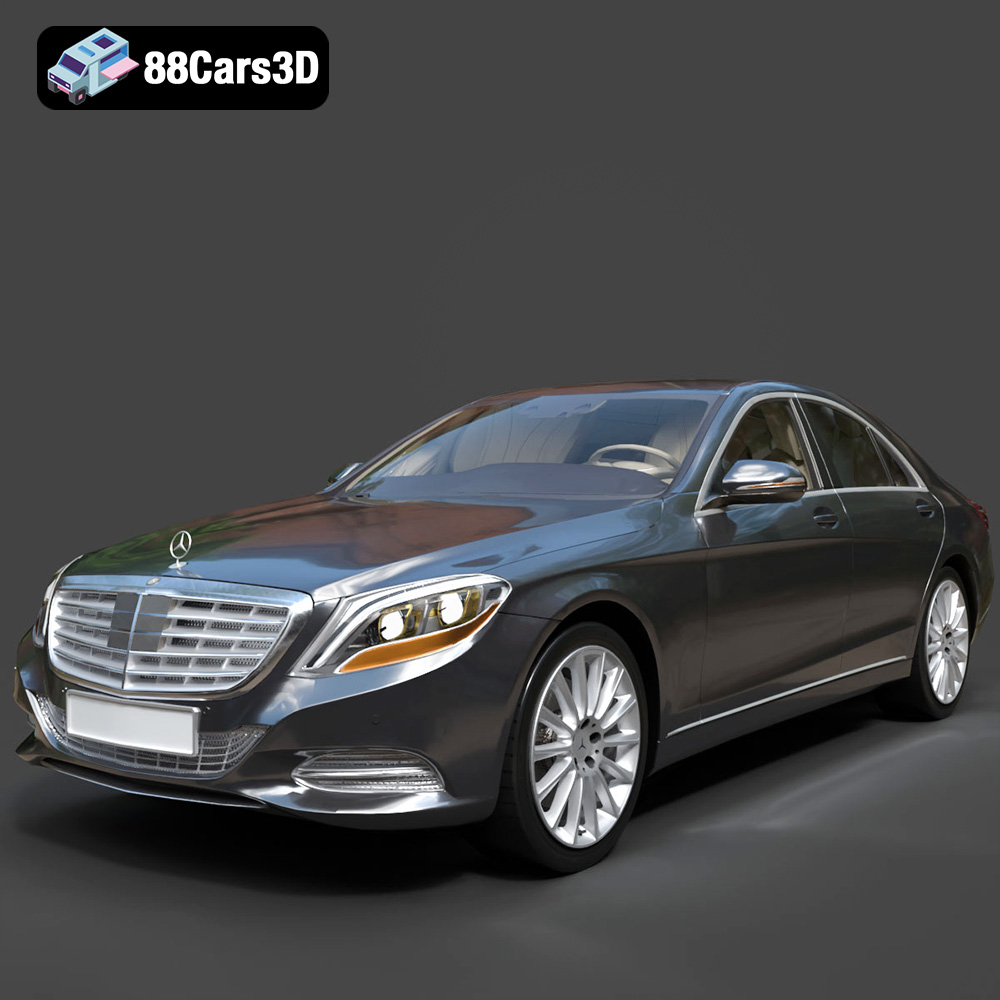
Download the Mercedes-Benz S500 3D Model featuring clean geometry, realistic detailing, and a fully modeled interior. Includes .blend, .fbx, .obj, .glb, .stl, .ply, .unreal, and .max formats for rendering, simulation, and game development.
Price: $9.99
Texture: Yes
Material: Yes
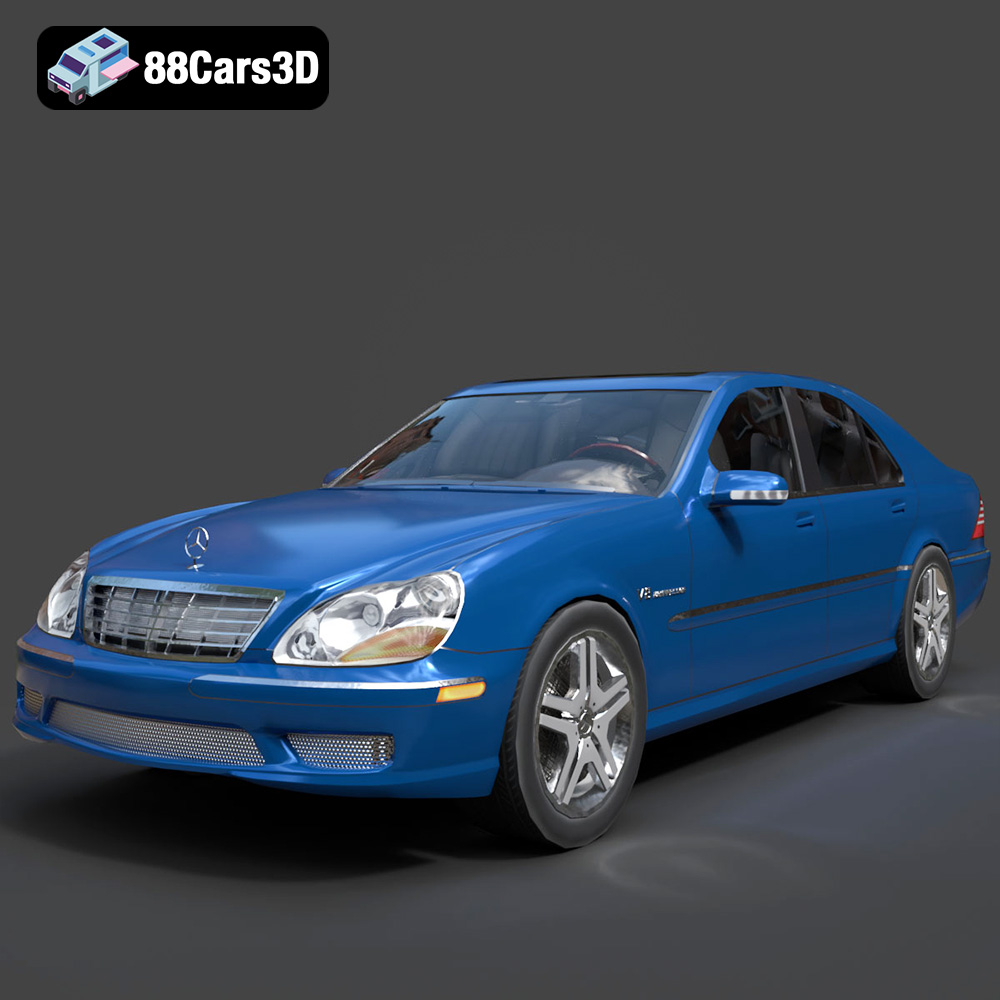
Download the Mercedes-Benz S55 W220 AMG 1999 3D Model featuring clean geometry, realistic detailing, and a fully modeled interior. Includes .blend, .fbx, .obj, .glb, .stl, .ply, .unreal, and .max formats for rendering, simulation, and game development.
Price: $9.99
Texture: Yes
Material: Yes
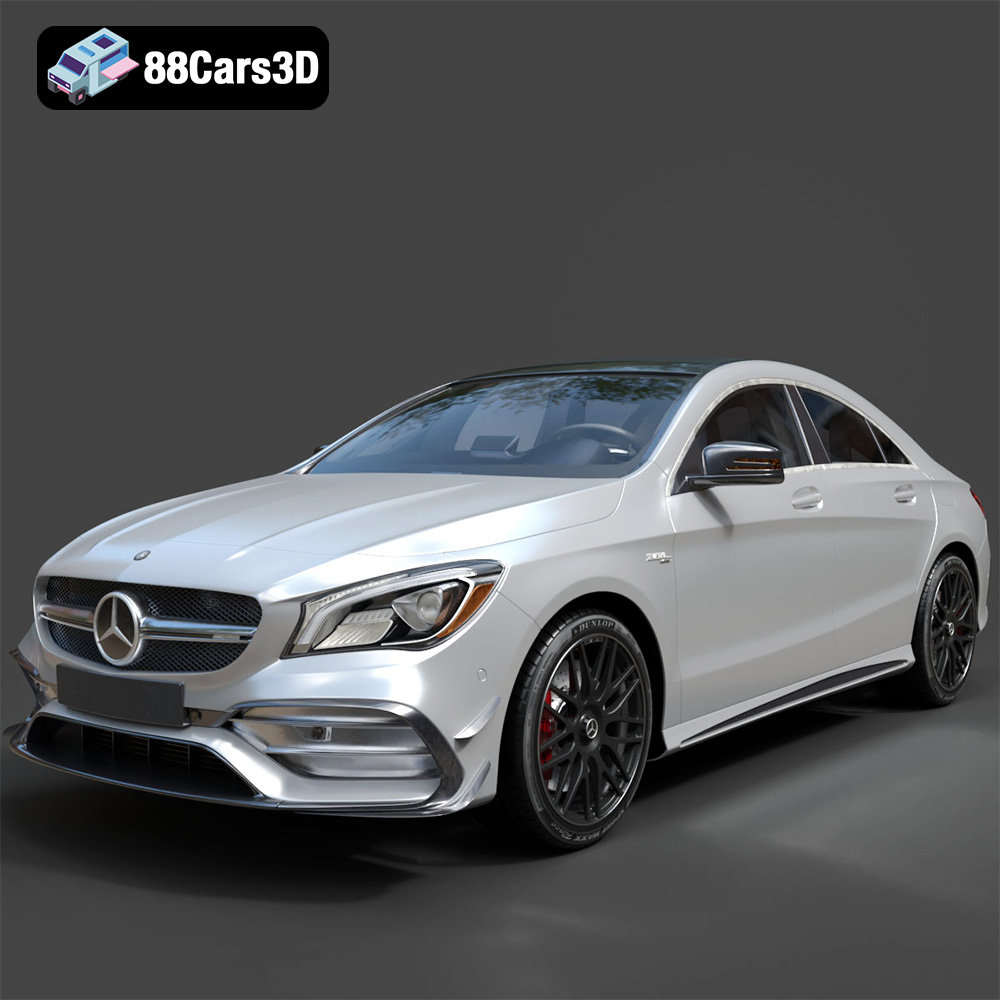
Download the Mercedes-Benz CLA45 AMG 2017 3D Model featuring clean geometry, realistic detailing, and a fully modeled interior. Includes .blend, .fbx, .obj, .glb, .stl, .ply, .unreal, and .max formats for rendering, simulation, and game development.
Price: $29.99
Texture: Yes
Material: Yes
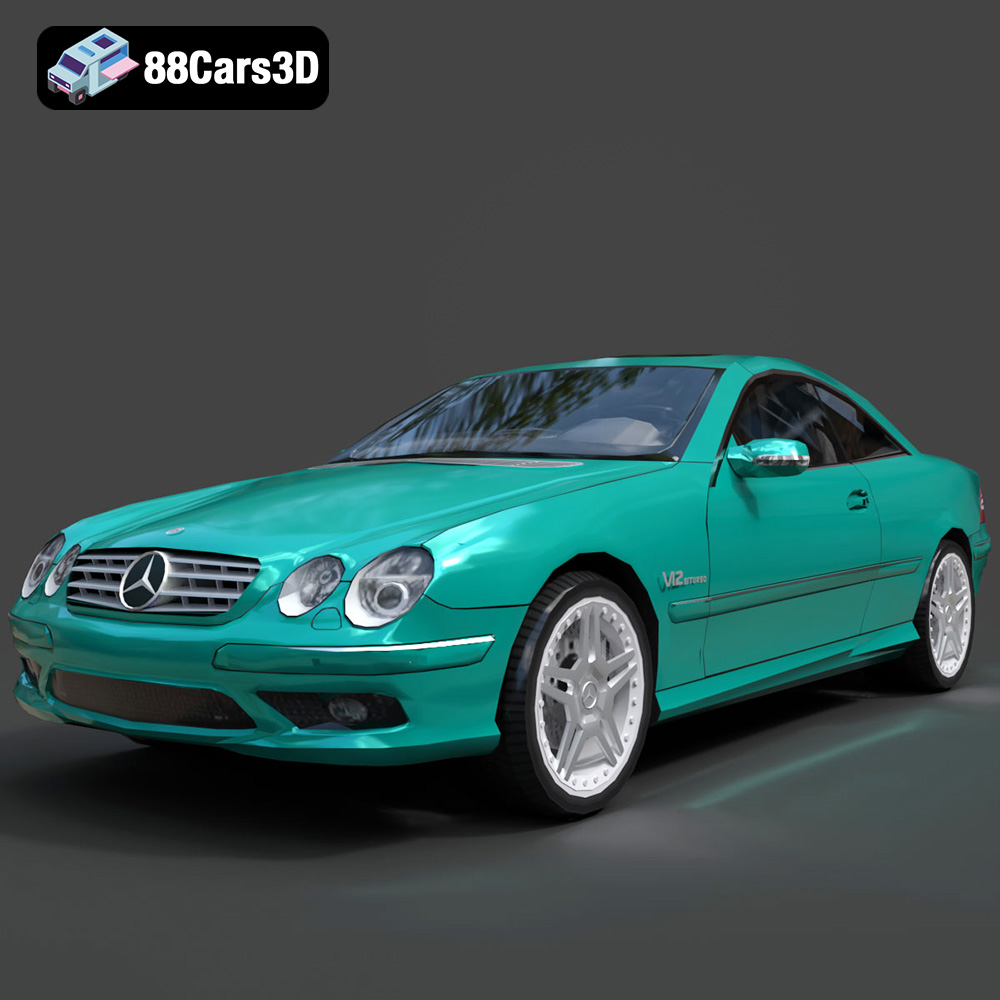
Download the Mercedes-Benz CL65 C215 AMG 3D Model featuring clean geometry, realistic detailing, and a fully modeled interior. Includes .blend, .fbx, .obj, .glb, .stl, .ply, .unreal, and .max formats for rendering, simulation, and game development.
Price: $9.99
Texture: Yes
Material: Yes
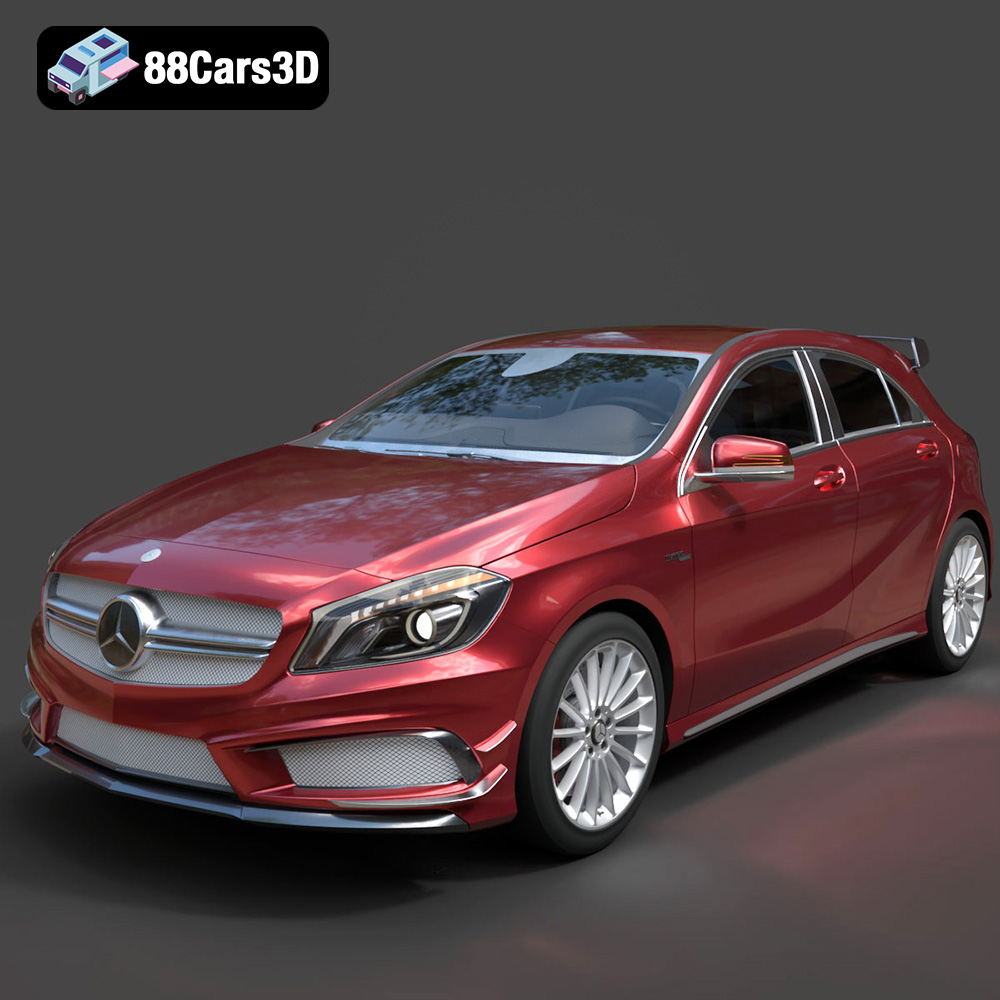
Download the Mercedes-Benz A45 2021 3D Model featuring clean geometry, realistic detailing, and a fully modeled interior. Includes .blend, .fbx, .obj, .glb, .stl, .ply, .unreal, and .max formats for rendering, simulation, and game development.
Price: $9.99
Texture: Yes
Material: Yes
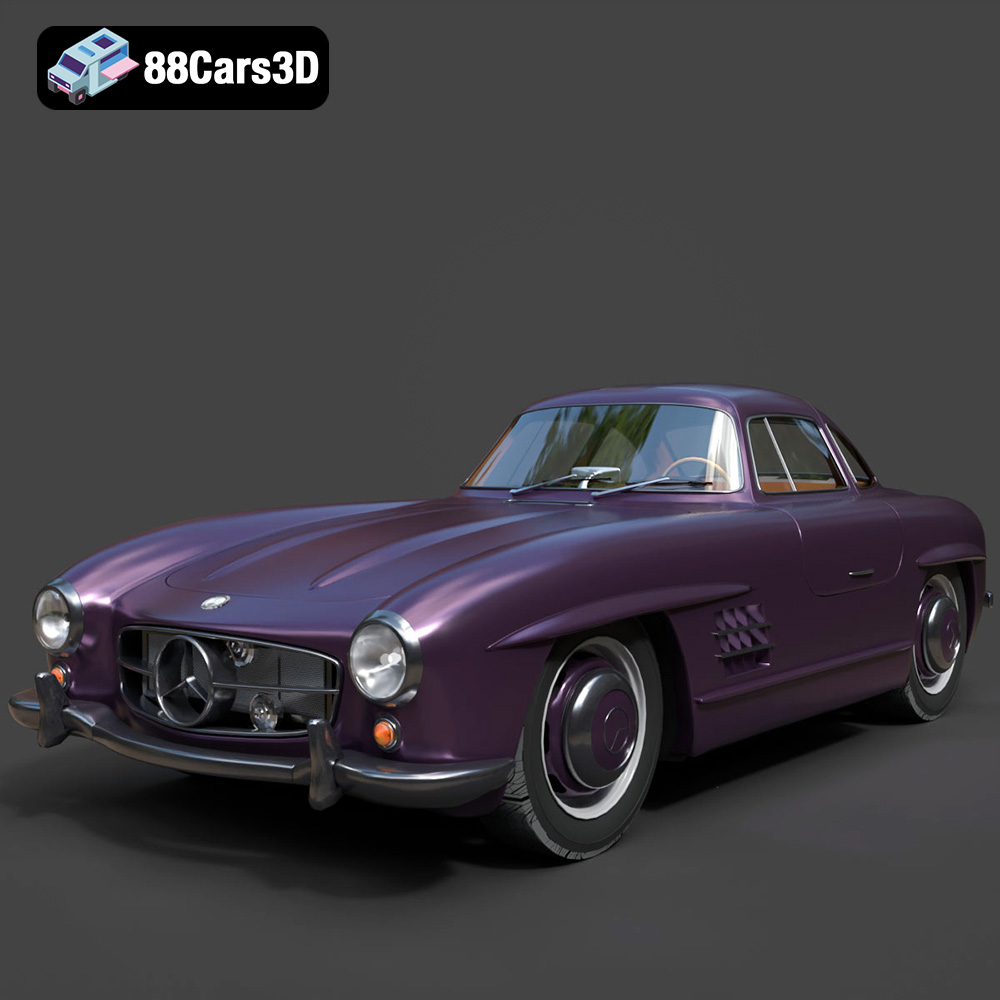
Download the Mercedes-Benz 300SL 1955 3D Model featuring clean geometry, realistic detailing, and a fully modeled interior. Includes .blend, .fbx, .obj, .glb, .stl, .ply, .unreal, and .max formats for rendering, simulation, and game development.
Price: $9.99
Texture: Yes
Material: Yes
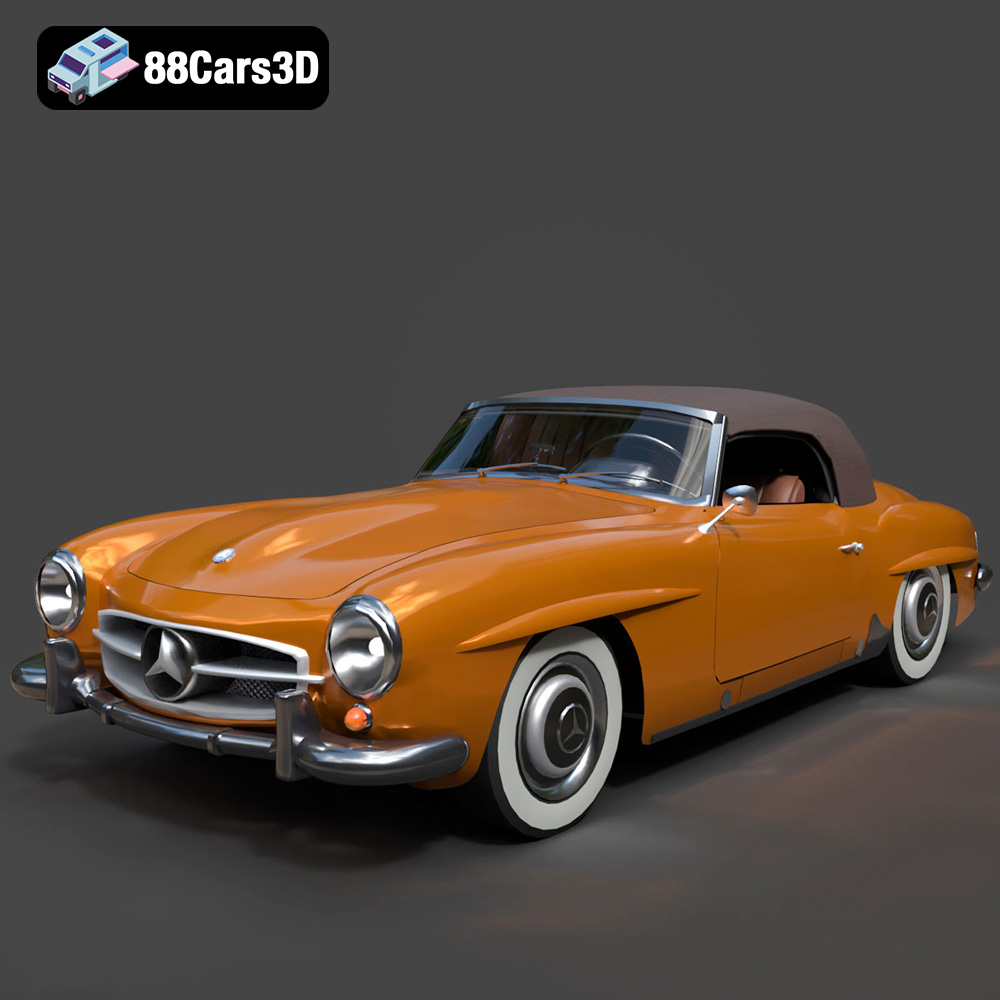
Download the Mercedes-Benz 190SL 1955 3D Model featuring clean geometry, realistic detailing, and a fully modeled interior. Includes .blend, .fbx, .obj, .glb, .stl, .ply, .unreal, and .max formats for rendering, simulation, and game development.
Price: $9.99
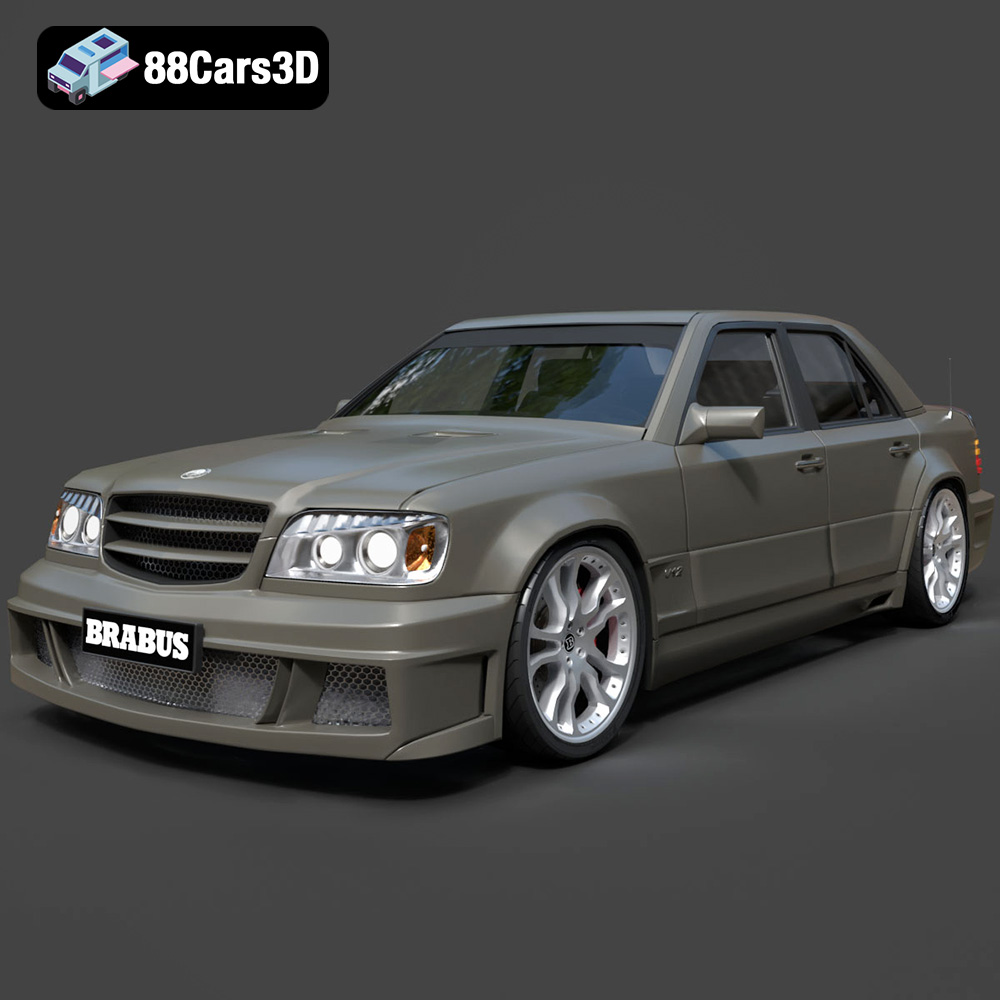
Texture: Yes
Material: Yes
Download the Mercedes-Benz W124 Brabus V12 3D Model featuring clean geometry, realistic detailing, and a fully modeled interior. Includes .blend, .fbx, .obj, .glb, .stl, .ply, .unreal, and .max formats for rendering, simulation, and game development.
Price: $9.99

