Get 20% OFF All Premium 3D & STL Models!

A high-quality 3D car model is a versatile digital asset, capable of serving as the hero in a blockbuster video game, the star of a photorealistic automotive render, or an interactive element in an augmented reality experience. However, a model prepared for a cinematic V-Ray render is fundamentally different from one optimized to run smoothly in Unreal Engine 5 or one destined for a 3D printer. The journey from a raw, high-polygon model to a project-ready asset is a critical process of technical refinement and optimization. Understanding this process unlocks the full potential of your 3D car models, ensuring they perform flawlessly and look stunning, regardless of the application. This guide will take you on a comprehensive deep dive into the professional workflows for preparing and optimizing 3D car models. We will dissect everything from the foundational importance of clean topology and strategic UV mapping to advanced techniques for real-time game engines, photorealistic rendering, AR/VR applications, and even 3D printing. By the end, you’ll have the expert knowledge to transform any 3D car into a perfectly tuned asset for any pipeline.
Before any texturing, lighting, or rendering can begin, the geometric foundation of the model—its topology—must be perfect. For automotive models, characterized by their smooth, sweeping curves and sharp, manufactured details, topology is not just a technical requirement; it’s an art form. The flow of polygons directly dictates how light reflects off the surface, how the model behaves when subdivided, and how cleanly it can be optimized for different applications. A model with poor topology will suffer from shading artifacts, pinching, and unpredictable results, no matter how skilled the lighting artist. This is why professional 3D car models, such as those found on marketplaces like 88cars3d.com, are built with an obsessive focus on clean, quad-based geometry from the very beginning. This initial investment in quality ensures the model is a robust and flexible asset for any future use case.
Clean topology, primarily consisting of four-sided polygons (quads), is the bedrock of a professional 3D car model. Here’s why it’s non-negotiable:
Edge flow refers to the direction of the edge loops across the model’s surface. For cars, the edge flow should always follow and define the vehicle’s form and character lines.
When you acquire a model, the first step is a thorough topology audit. In your 3D software, enable wireframe view and look for red flags: visible triangles on curved surfaces, N-gons, overly dense or unevenly spaced polygons, and edge loops that fight against the car’s natural curves. Most professional software has tools to highlight non-quad polygons. If cleanup is needed, use tools like Quad Remesher or manual retopology techniques to fix problematic areas before proceeding. Starting with a high-quality asset from a trusted source drastically reduces or eliminates this often-tedious step.
If topology is the skeleton of a 3D model, UV unwrapping is its skin, providing the 2D map onto which all surface details are painted. For a complex object like a car, with its mix of large, smooth panels and intricate mechanical parts, a strategic UV layout is essential for high-quality texturing. Poor UVs can lead to distorted textures, visible seams in undesirable places, and inefficient use of texture memory, especially in real-time applications. The goal is to flatten the 3D surface into 2D space with minimal stretching and to place seams where they are least likely to be seen. This process requires a balance between technical precision and artistic consideration, creating a clean and logical blueprint for the texturing artist.
The core of UV unwrapping is deciding where to place “seams” to cut the 3D mesh apart so it can lay flat. For automotive models, the best practice is to mimic real-world manufacturing seams.
The choice between using a single UV tile or a UDIM (U-Dimension) workflow depends entirely on the project’s requirements.
Texel density refers to the number of texture pixels (texels) per unit of physical space on your 3D model (e.g., pixels per meter). Maintaining a consistent texel density across the entire vehicle is crucial for a uniform appearance. If the door has a much higher texel density than the fender next to it, the detail level will look jarringly inconsistent. For game assets, a target is often set (e.g., 1024 px/m for a hero vehicle). You can use UV packing tools and scripts in software like Maya or the Texel Density addon in Blender to automatically scale UV shells to achieve a uniform density, ensuring your decals, dirt, and material details look cohesive across the entire car.
Creating believable materials is where a 3D car model truly comes to life. The Physically Based Rendering (PBR) workflow has become the industry standard because it simulates the properties of real-world materials based on physical principles. This approach ensures that materials react realistically to different lighting conditions. For automotive visualization, mastering PBR shaders for car paint, glass, chrome, and rubber is essential for achieving photorealism. A complex material like modern multi-coat car paint is not a single texture but a sophisticated network of shaders and maps working together to simulate a base color, metallic flakes, and a protective clear coat layer. Attention to these subtle details is what separates an average render from a stunning, showroom-quality image.
A convincing car paint material is typically built in layers. In render engines like Corona, V-Ray, or Arnold, this is often achieved with a layered material or by blending multiple shaders.
A perfectly clean car looks artificial. Realism is found in the imperfections. Use PBR texture maps to introduce subtle details:
Beyond the paint, other materials require specific attention:
Optimizing a 3D car model for real-time applications like video games, AR, and VR is a process of strategic simplification. Unlike offline rendering where visual quality is king and render times can be long, real-time engines must render the scene at 60 frames per second or higher. This imposes a strict “performance budget” on polygon count, texture memory, and the number of draw calls. The goal is to reduce the model’s complexity to its absolute essentials while preserving its visual fidelity from the player’s perspective. This involves creating Levels of Detail (LODs), consolidating materials through texture atlasing, and choosing the right file formats for seamless integration into engines like Unreal and Unity.
A hero car model in a cinematic might be millions of polygons, but this is unsustainable for a game engine. This is where Levels of Detail (LODs) come in. LODs are a series of lower-polygon versions of the same model that the engine swaps in real-time based on the car’s distance from the camera.
Creating these LODs can be done manually for maximum quality control or by using automated tools like Simplygon or built-in modifiers in 3ds Max (ProOptimizer) and Blender (Decimate).
In a game engine, every time the CPU has to tell the GPU to draw an object with a unique material, it’s called a “draw call.” Too many draw calls can create a CPU bottleneck and severely impact performance. A complex car model might have 10-20 different materials (paint, glass, rubber, chrome, lights, plastic trim, etc.), resulting in 10-20 draw calls. Texture atlasing is the process of combining the textures for multiple parts into a single, larger texture set. For example, the plastic trim, grille, and light housing materials could be baked down so they all use one material and one set of PBR textures. This can reduce the car’s draw calls from twenty to just two or three (e.g., one for the body, one for the glass, one for the atlased trim), leading to a massive performance gain.
Choosing the right export format is critical for engine compatibility:
For automotive advertising, virtual showrooms, and portfolio work, the goal is uncompromised photorealism. Here, performance constraints are secondary to achieving breathtaking visual quality. Modern path-tracing render engines like Corona, V-Ray, and Blender’s Cycles excel at simulating the physics of light, which is essential for capturing the complex interplay of reflections and shadows on a car’s surface. A successful high-fidelity render is a symphony of three elements: a meticulously prepared model, a sophisticated lighting environment that brings out its form, and a skilled post-processing workflow to add the final layer of cinematic polish. This process is less about real-time efficiency and more about crafting a single, perfect image.
Lighting is everything in automotive rendering. The two primary approaches are studio lighting and Image-Based Lighting (IBL).
Your digital camera should be treated like a real one. Pay attention to key settings:
The raw render out of the 3D application is rarely the final image. Professional artists render in a high-bit-depth format like 32-bit EXR and include multiple render passes (also called Render Elements or AOVs). These separate passes—like reflections, ambient occlusion, lighting, and Z-depth—provide immense control in post-processing software like Adobe Photoshop or Foundry Nuke.
Taking a digital 3D car model from the screen to a physical object via 3D printing presents a unique set of technical challenges. Unlike rendering or game development where visual tricks can be used, a 3D-printable model must be a perfectly solid, manifold object. The software that slices the model into layers for the printer needs unambiguous geometric data to work with. Issues like internal faces, holes in the mesh, or walls that are too thin can cause print failures, wasting time and material. Preparing a model for 3D printing is a process of validation and repair, ensuring the digital file translates into a robust, high-quality physical replica.
These two terms are paramount in 3D printing. A model must be “watertight,” meaning it has no holes. If you were to hypothetically fill the 3D model with water, none should leak out. The geometry must also be “manifold.” This means that every edge in the mesh must be connected to exactly two faces. Common non-manifold errors include:
Think of the model as a single, continuous, sealed outer surface. A car model designed for rendering often has separate, intersecting parts (like a badge floating slightly above the body), which must be merged and unified into a single solid shell for printing.
Fortunately, powerful tools are available to identify and fix these geometric issues. Many 3D printing slicing programs have built-in repair functions. For more complex problems, dedicated software is invaluable:
Beyond being watertight, a model must adhere to physical constraints:
We’ve journeyed through the entire lifecycle of a 3D car model, from its foundational topology to its final, optimized state for vastly different applications. The key takeaway is that a “one-size-fits-all” model doesn’t exist. True mastery lies in understanding the specific technical requirements of your target platform—be it a high-end render, a fast-paced game engine, an interactive AR experience, or a physical 3D print. The process always begins with a foundation of clean topology and logical UVs. From there, the path diverges into specialized workflows: building complex PBR shaders for rendering, meticulously creating LODs and texture atlases for gaming, exporting to specific file formats like GLB or USDZ for real-time interaction, and ensuring a manifold, watertight mesh for printing. By mastering these distinct optimization pipelines, you transform a single digital car into a truly universal and powerful asset, ready for any creative or technical challenge. Whether you’re starting from scratch or accelerating your workflow with a meticulously crafted model from 88cars3d.com, these principles are the key to unlocking professional-quality results across every medium.

Texture: Yes
Material: Yes
Download the Mercedes-Benz SLK 350 2005 3D Model featuring clean geometry, realistic detailing, and a fully modeled interior. Includes .blend, .fbx, .obj, .glb, .stl, .ply, .unreal, and .max formats for rendering, simulation, and game development.
Price: $9.99

Texture: Yes
Material: Yes
Download the Mercedes-Benz SL 65 AMG 3D Model featuring clean geometry, realistic detailing, and a fully modeled interior. Includes .blend, .fbx, .obj, .glb, .stl, .ply, .unreal, and .max formats for rendering, simulation, and game development.
Price: $9.99

Texture: Yes
Material: Yes
Download the Mercedes-Benz S500 3D Model featuring clean geometry, realistic detailing, and a fully modeled interior. Includes .blend, .fbx, .obj, .glb, .stl, .ply, .unreal, and .max formats for rendering, simulation, and game development.
Price: $9.99

Texture: Yes
Material: Yes
Download the Mercedes-Benz S55 W220 AMG 1999 3D Model featuring clean geometry, realistic detailing, and a fully modeled interior. Includes .blend, .fbx, .obj, .glb, .stl, .ply, .unreal, and .max formats for rendering, simulation, and game development.
Price: $9.99
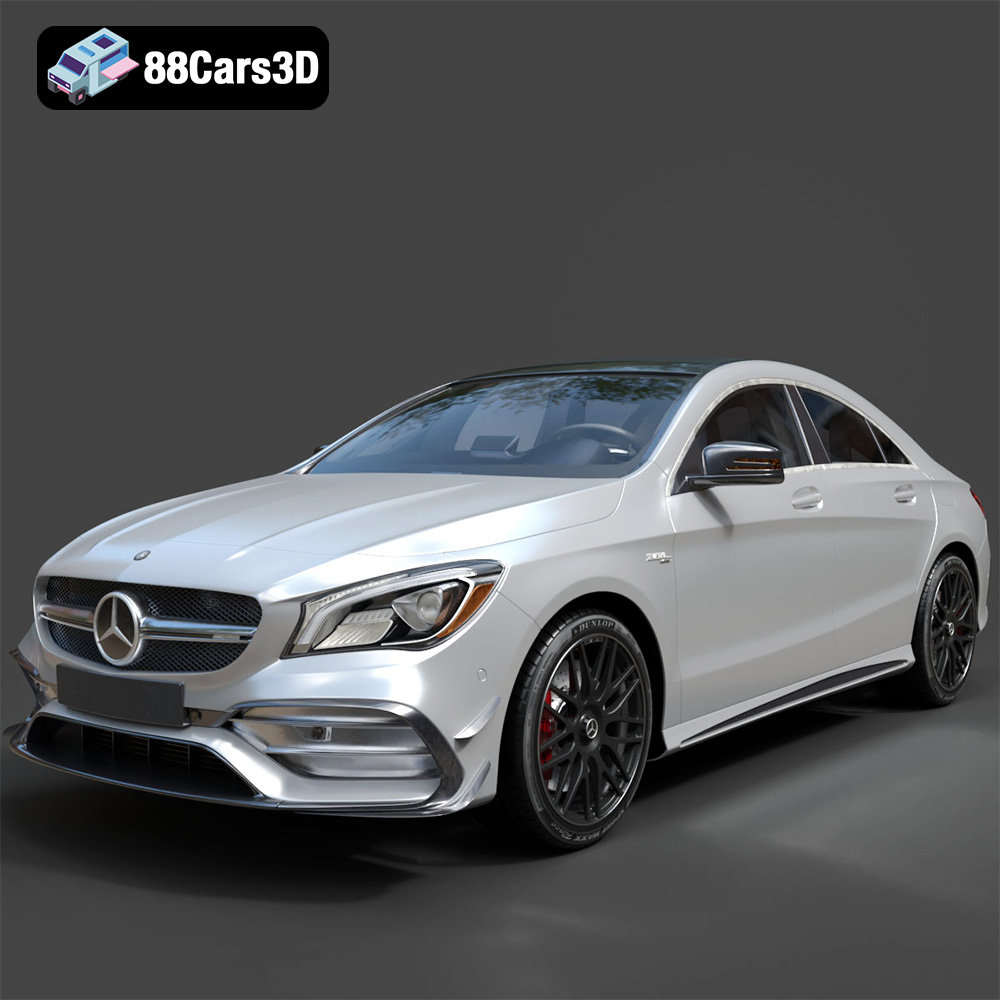
Texture: Yes
Material: Yes
Download the Mercedes-Benz CLA45 AMG 2017 3D Model featuring clean geometry, realistic detailing, and a fully modeled interior. Includes .blend, .fbx, .obj, .glb, .stl, .ply, .unreal, and .max formats for rendering, simulation, and game development.
Price: $29.99
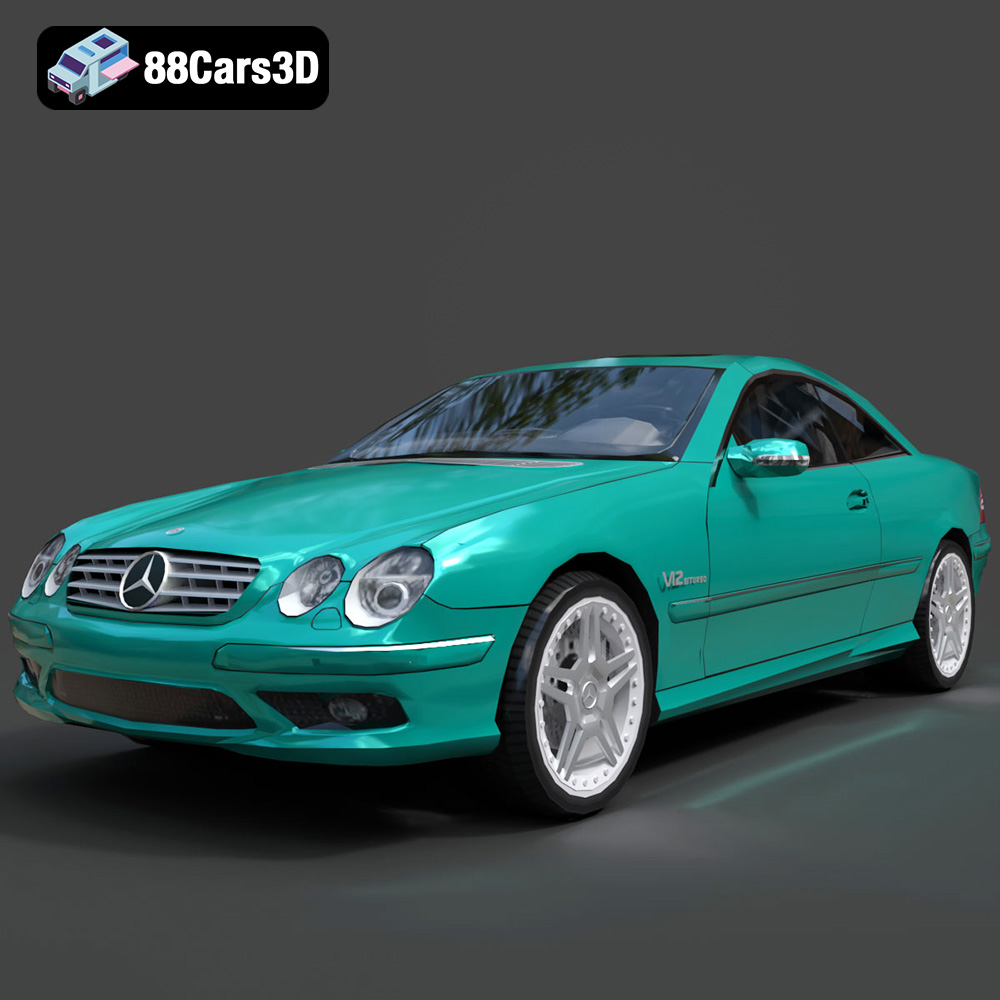
Texture: Yes
Material: Yes
Download the Mercedes-Benz CL65 C215 AMG 3D Model featuring clean geometry, realistic detailing, and a fully modeled interior. Includes .blend, .fbx, .obj, .glb, .stl, .ply, .unreal, and .max formats for rendering, simulation, and game development.
Price: $9.99
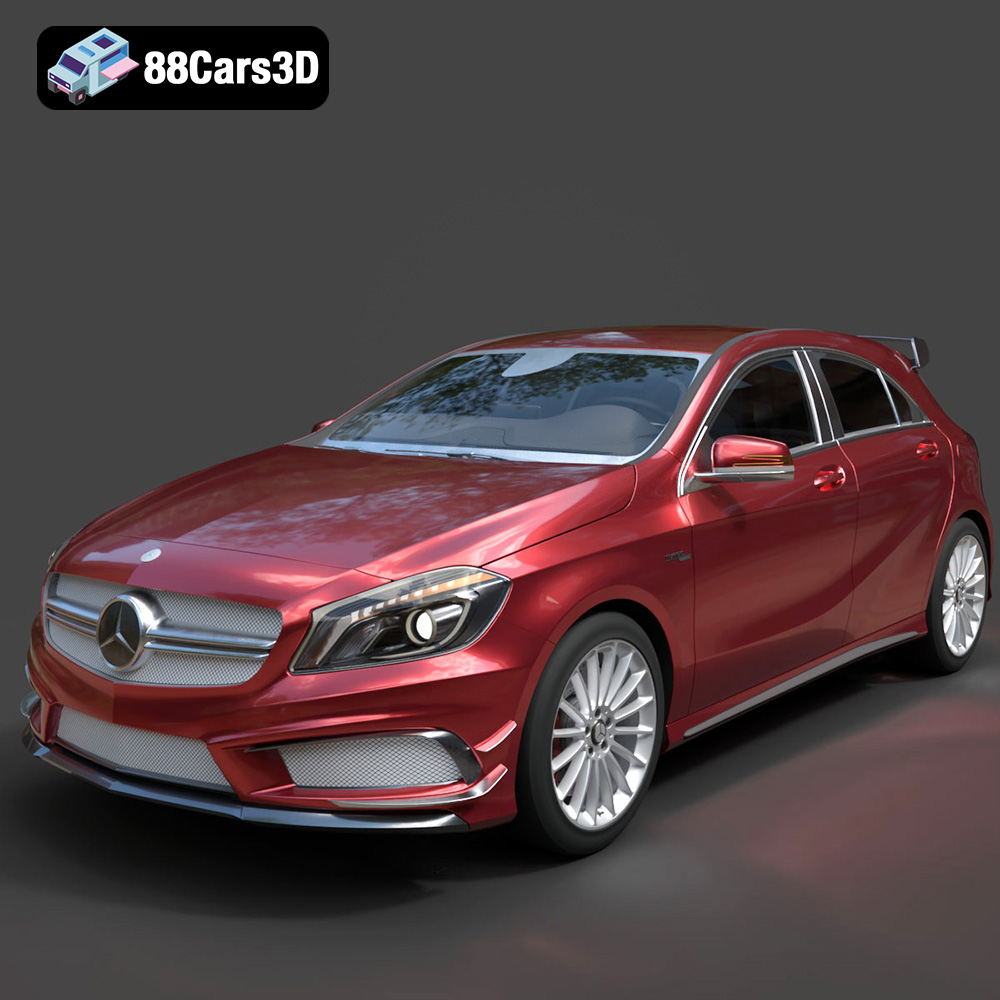
Texture: Yes
Material: Yes
Download the Mercedes-Benz A45 2021 3D Model featuring clean geometry, realistic detailing, and a fully modeled interior. Includes .blend, .fbx, .obj, .glb, .stl, .ply, .unreal, and .max formats for rendering, simulation, and game development.
Price: $9.99
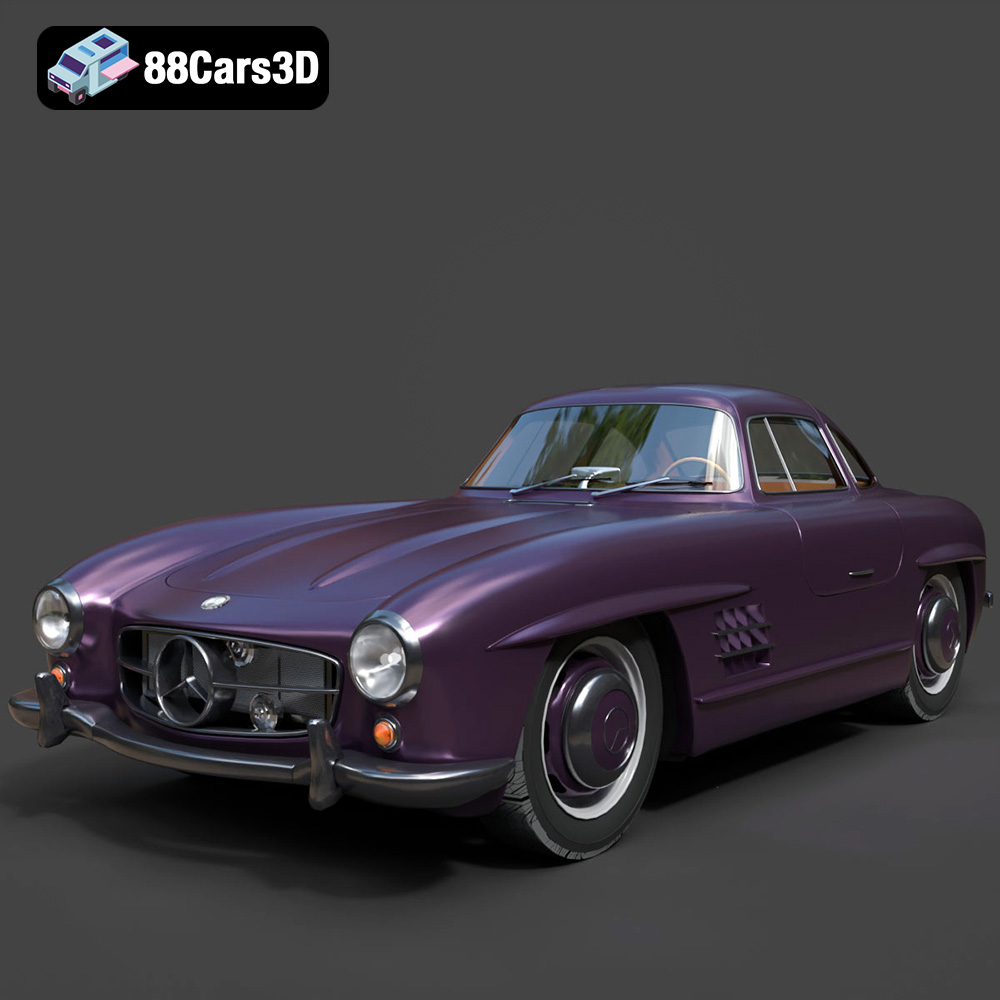
Texture: Yes
Material: Yes
Download the Mercedes-Benz 300SL 1955 3D Model featuring clean geometry, realistic detailing, and a fully modeled interior. Includes .blend, .fbx, .obj, .glb, .stl, .ply, .unreal, and .max formats for rendering, simulation, and game development.
Price: $9.99
Texture: Yes
Material: Yes
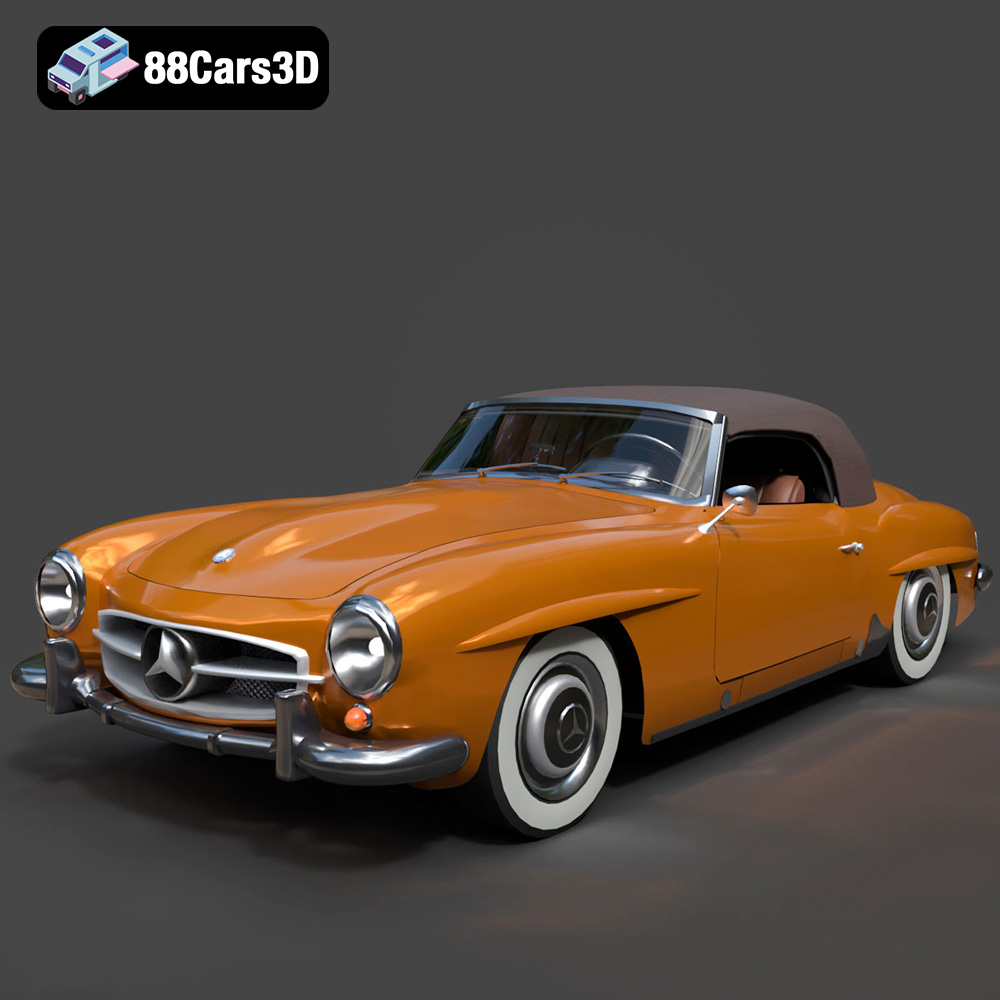
Download the Mercedes-Benz 190SL 1955 3D Model featuring clean geometry, realistic detailing, and a fully modeled interior. Includes .blend, .fbx, .obj, .glb, .stl, .ply, .unreal, and .max formats for rendering, simulation, and game development.
Price: $9.99
Texture: Yes
Material: Yes
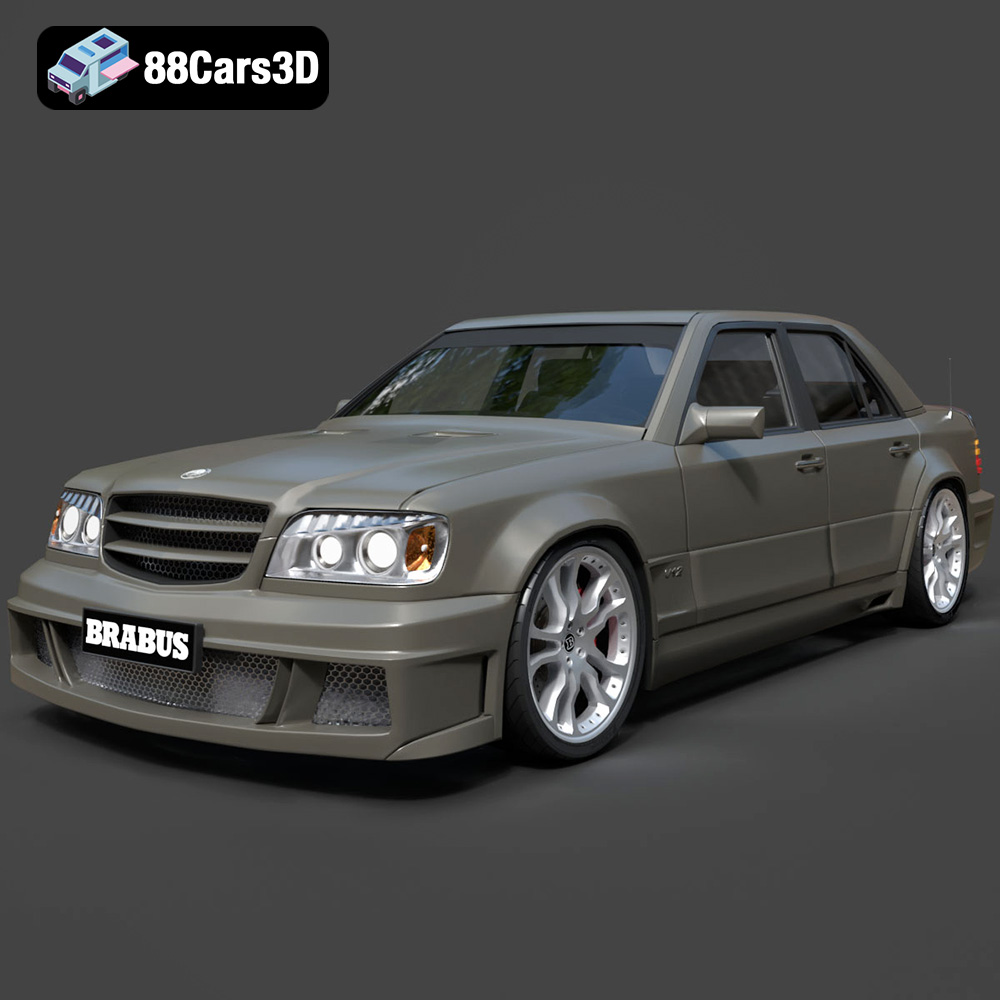
Download the Mercedes-Benz W124 Brabus V12 3D Model featuring clean geometry, realistic detailing, and a fully modeled interior. Includes .blend, .fbx, .obj, .glb, .stl, .ply, .unreal, and .max formats for rendering, simulation, and game development.
Price: $9.99

