Get 20% OFF All Premium 3D & STL Models!

“`html
A high-quality 3D car model is a versatile digital asset, but it’s rarely a “one-size-fits-all” solution. The pristine, high-polygon model perfect for a cinematic automotive rendering in Corona would bring a real-time game engine to its knees. Similarly, a game-optimized asset lacks the geometric detail needed for a close-up shot or a 3D print. The key to unlocking a model’s full potential lies in understanding how to adapt it for different production pipelines. Whether you’re an automotive designer creating stunning visualizations, a game developer building an immersive racing experience, or an AR/VR creator pushing the boundaries of interactive media, mastering asset preparation is a crucial skill.
This comprehensive guide will walk you through the entire process of transforming a detailed 3D car model into a production-ready asset for any application. We’ll dive deep into the technical specifics of topology, UV mapping, PBR texturing, and optimization. You will learn the best practices for preparing models for photorealistic rendering, real-time engines like Unreal and Unity, AR/VR experiences, and even 3D printing. Starting with a meticulously crafted asset, like the 3D car models available on 88cars3d.com, gives you a significant head start, and this guide will show you how to take that foundation and tailor it to your exact needs.
Topology, the underlying structure and flow of polygons that form a 3D mesh, is the bedrock of any high-quality model. For automotive models, with their blend of large, flowing surfaces and sharp, precise details, proper topology is non-negotiable. It directly impacts how light reflects off the surface, how the model deforms, and how easily it can be modified or optimized later. Poor topology leads to shading artifacts, distorted reflections, and immense difficulty when UV unwrapping or creating LODs.
The defining characteristic of a car’s body is its smooth, reflective surface. The quality of these reflections is dictated by the edge flow. A clean, evenly spaced grid of quadrilaterals (quads) allows for perfectly smooth subdivision and interpolation of surface normals, resulting in crisp, uninterrupted highlights. Any pinching, chaotic edge loops, or excessive poles (vertices with more than five connecting edges) will manifest as visible wobbles or dents in the reflections. When modeling or evaluating a model, pay close attention to the main body panels. The edge loops should follow the curvature of the car, defining its form like contour lines on a map. This ensures that when a subdivision modifier (like TurboSmooth in 3ds Max or a Subdivision Surface in Blender) is applied, the surface remains taut and accurate.
The industry standard for modeling hard surfaces like cars is to work exclusively with quads. There are several reasons for this:
While the final model might be triangulated upon export to a game engine (as GPUs ultimately render triangles), the source “master” file should always be kept as a clean quad mesh. This provides the maximum flexibility for future use.
The precision of a car model is often found in its details. Panel gaps between the doors, hood, and fenders must be modeled with consistent width and depth. This is typically achieved by creating separate geometry for each panel. For headlights and taillights, the complexity demands careful attention. The outer glass casing, the inner chrome reflectors, the LED or bulb elements, and any bezels should all be modeled as distinct pieces with clean topology. This not only enhances realism but also simplifies the material application process later on. Intricate grilles can be polygon-heavy; for high-end rendering, they are often modeled geometrically, while for game assets, they may be represented using alpha textures on a simpler plane to save polygons.
UV mapping is the process of translating the 3D surface of your model onto a 2D plane, allowing textures to be applied correctly. For a complex object like a car, a strategic approach to UV unwrapping is vital for achieving high-fidelity results, whether you’re applying a simple paint color or a complex racing livery with decals. It’s a technical process that directly impacts texture resolution and workflow efficiency.
The first step in unwrapping is defining seams, which act as “cuts” that allow the 3D mesh to be flattened. The goal is to place these seams in inconspicuous locations to hide any potential texture mismatches. For a car, ideal places for seams include:
When unwrapping large, curved surfaces like the roof or hood, aim for a single, large UV island with minimal stretching. Tools like 3ds Max’s Peel or Blender’s Smart UV Project can provide a starting point, but manual tweaking is almost always necessary to minimize distortion and ensure straight lines in the UV space correspond to straight lines on the model.
For high-end automotive rendering and film work, the UDIM (U-Dimension) workflow is standard. Instead of cramming all UV islands into a single 0-1 UV space, UDIMs allow you to spread them across multiple tiles. This enables the use of extremely high-resolution textures for different parts of the car. For example, the main body could be on one UDIM tile with an 8K texture map, while smaller details like the brake calipers could be on another tile with a 2K map. This approach maximizes detail where it’s needed most.
For real-time applications and game engines, a single UV tile is generally preferred for performance reasons. This involves carefully arranging all the UV islands for the entire car (or a significant portion of it) into one square texture space. This is more challenging but results in fewer material draw calls, a key metric for real-time performance.
Texel density refers to the number of texture pixels per unit of 3D surface area. Consistent texel density across the model is crucial for a uniform appearance. A steering wheel shouldn’t have a blurrier texture than the dashboard it’s attached to. When packing your UV shells, you should scale them relative to their size on the 3D model. Most 3D software has tools to visualize and equalize texel density. Furthermore, efficient packing—leaving as little empty space in the UV tile as possible—maximizes the use of your texture map, ensuring you get the most detail out of your chosen resolution (e.g., 2048×2048 or 4096×4096 pixels).
Physically Based Rendering (PBR) is a methodology for shading and rendering that provides a more accurate representation of how light interacts with materials. This approach is fundamental to achieving photorealism in 3D car models. A PBR workflow typically uses a series of texture maps to control the different attributes of a surface, such as its color, roughness, and metallicity.
Understanding the role of each primary PBR map is essential for creating convincing materials:
Automotive materials are often more complex than a simple PBR setup. A modern car paint shader, for instance, is a layered material. In 3ds Max with Corona or V-Ray, this involves blending multiple layers:
Glass shaders require correct Index of Refraction (IOR) values (approx. 1.52 for glass) and often need thickness modeled into the geometry to render realistically. Chrome is a simple but powerful material: a neutral white Albedo, a Metallic value of 1.0, and a very low Roughness value (e.g., 0.0-0.05).
When the goal is to create stunning, photorealistic marketing images or cinematic animations, performance takes a back seat to visual fidelity. This pipeline leverages high-polygon models, high-resolution textures, and advanced ray-tracing render engines like Corona, V-Ray, or Blender’s Cycles. The preparation process is focused on maximizing detail and realism.
To achieve perfectly smooth surfaces, the base model is almost always rendered with subdivision. In 3ds Max, this is the TurboSmooth or OpenSubdiv modifier; in Blender, it’s the Subdivision Surface modifier. Typically, a render-time subdivision level of 2 or 3 is sufficient to eliminate any visible faceting on the car body. This workflow keeps the viewport light and responsive while ensuring maximum quality in the final render. For elements like tire treads or complex grille meshes, displacement maps can be used alongside subdivision to add geometric detail at render time without cluttering the base mesh.
Realistic lighting is just as important as a good model and materials. The most common technique for automotive rendering is Image-Based Lighting (IBL) using a High Dynamic Range Image (HDRI). An HDRI map wraps around the entire scene, providing both detailed, realistic reflections and soft, natural ambient light. For a studio look, a three-point lighting setup is often used in addition to or instead of an HDRI. This involves:
The interplay between the lighting and the PBR materials is what brings the car to life, so experimentation with different HDRIs and light placements is key.
Balancing render time and quality is crucial. Modern renderers like Corona and V-Ray use progressive rendering, allowing you to stop the render once the noise level is acceptably low. Key settings include choosing the right Global Illumination (GI) engines and setting appropriate sampling levels. For post-processing flexibility, it’s vital to export render elements (or passes). Essential passes for automotive work include Z-Depth (for depth of field), Ambient Occlusion (to enhance contact shadows), Reflection, and Material/Object IDs for easy masking in Photoshop or After Effects. Compositing these passes gives you fine-grained control over the final image without needing to re-render.
Preparing a 3D car for a game engine like Unreal Engine or Unity is a completely different challenge. Here, performance is paramount. The goal is to maintain the highest possible visual quality while staying within a strict performance budget measured in polygons, draw calls, and memory usage. High-quality source models from platforms like 88cars3d.com provide an excellent starting point for this optimization process.
A high-poly render model can have millions of polygons, which is far too many for real-time rendering. The first step is to create a low-poly version. This can be done through manual retopology, where an artist builds a new, clean, game-ready mesh over the top of the high-poly model, or by using automated tools like ZBrush’s Decimation Master or 3ds Max’s Retopology modifier. The target polygon count varies wildly depending on the platform and use case:
The key is to remove edge loops that don’t contribute to the silhouette while preserving the car’s defining shape. The fine details lost in the geometry reduction are then baked from the high-poly model onto a Normal map for the low-poly model.
Levels of Detail (LODs) are crucial for performance. An LOD system uses different versions of the model at varying levels of detail, swapping them out based on the car’s distance from the camera. A typical setup includes:
Both Unity and Unreal Engine have built-in systems for handling LODs, which are typically generated from the LOD0 mesh and imported as a single FBX file.
A draw call is a command from the CPU to the GPU to draw an object. Every object with a unique material creates at least one draw call. Too many draw calls can severely bottleneck performance. To reduce them, multiple materials are combined into one through a process called texture atlasing. For example, the textures for the dashboard, seats, and steering wheel can be combined into a single “Interior” texture set (Albedo, Normal, Roughness maps) and applied via a single material. This means the entire interior can be rendered in a single draw call. Similarly, all exterior trim pieces could be combined. This requires careful planning during the UV unwrapping phase to pack all the corresponding UV shells into a single tile.
The pipelines for Augmented Reality (AR), Virtual Reality (VR), and 3D printing present their own unique sets of technical constraints. While both AR/VR focus on real-time performance, 3D printing is concerned solely with geometric solidity and physical accuracy. The ability to adapt a core model for these diverse outputs expands its value exponentially.
AR and VR applications, especially those on standalone headsets or mobile devices, have the tightest performance budgets of all. Polycounts must be extremely low (often under 100k triangles for a complex object) and texture sizes must be managed carefully (1K or 2K resolutions are common). The key file formats for web-based and mobile AR are GLB (for Android/general web use) and USDZ (for Apple’s ARKit). These formats are designed to be self-contained, packing the mesh, materials, and textures into a single file. PBR materials are essential, but complex shaders with multiple layers are not supported. Optimization is key: bake lighting and ambient occlusion directly into the albedo texture to reduce rendering overhead and ensure the model looks good under various lighting conditions.
Preparing a model for 3D printing is a purely geometric task. The visual aesthetics of textures and materials are irrelevant. The primary requirements are:
Before sending a model to a 3D printer, it’s critical to run it through mesh analysis and repair software. Tools like Autodesk Meshmixer or the 3D-Print Toolbox addon in Blender can automatically detect and fix common problems like non-manifold edges, inverted normals, and small holes. Once the mesh is clean and verified as a solid volume, it’s exported as an STL or OBJ file and imported into a slicer program (like Cura or PrusaSlicer). The slicer converts the 3D model into hundreds or thousands of horizontal layers (G-code) that the printer can understand. In the slicer, you’ll define settings like layer height, infill density, and whether support structures are needed for overhanging parts like mirrors and bumpers.
We’ve journeyed through the intricate process of adapting a single, high-quality 3D car model for a multitude of professional pipelines. We’ve seen how the same digital blueprint can be meticulously prepared for a breathtaking photorealistic render, optimized for blistering real-time performance in a game engine, streamlined for an immersive AR experience, and solidified for physical creation via 3D printing. The core lesson is that a model’s true value lies in its adaptability, which is unlocked through a deep understanding of technical principles.
The journey from a clean, quad-based mesh to a final, production-ready asset requires a mastery of topology, UV mapping, PBR texturing, and pipeline-specific optimization techniques. By applying the workflows discussed—from setting up layered car paint shaders in V-Ray to creating efficient LODs for Unreal Engine—you can ensure your projects meet the highest standards of quality and performance. The next time you begin a project, remember that starting with a professionally crafted model is the first and most critical step. From there, use these techniques to deconstruct, refine, and repurpose it, transforming a beautiful 3D car model into a truly universal and powerful digital asset for any creative endeavor.
“`

Texture: Yes
Material: Yes
Download the Mercedes-Benz SLK 350 2005 3D Model featuring clean geometry, realistic detailing, and a fully modeled interior. Includes .blend, .fbx, .obj, .glb, .stl, .ply, .unreal, and .max formats for rendering, simulation, and game development.
Price: $9.99

Texture: Yes
Material: Yes
Download the Mercedes-Benz SL 65 AMG 3D Model featuring clean geometry, realistic detailing, and a fully modeled interior. Includes .blend, .fbx, .obj, .glb, .stl, .ply, .unreal, and .max formats for rendering, simulation, and game development.
Price: $9.99
Texture: Yes
Material: Yes
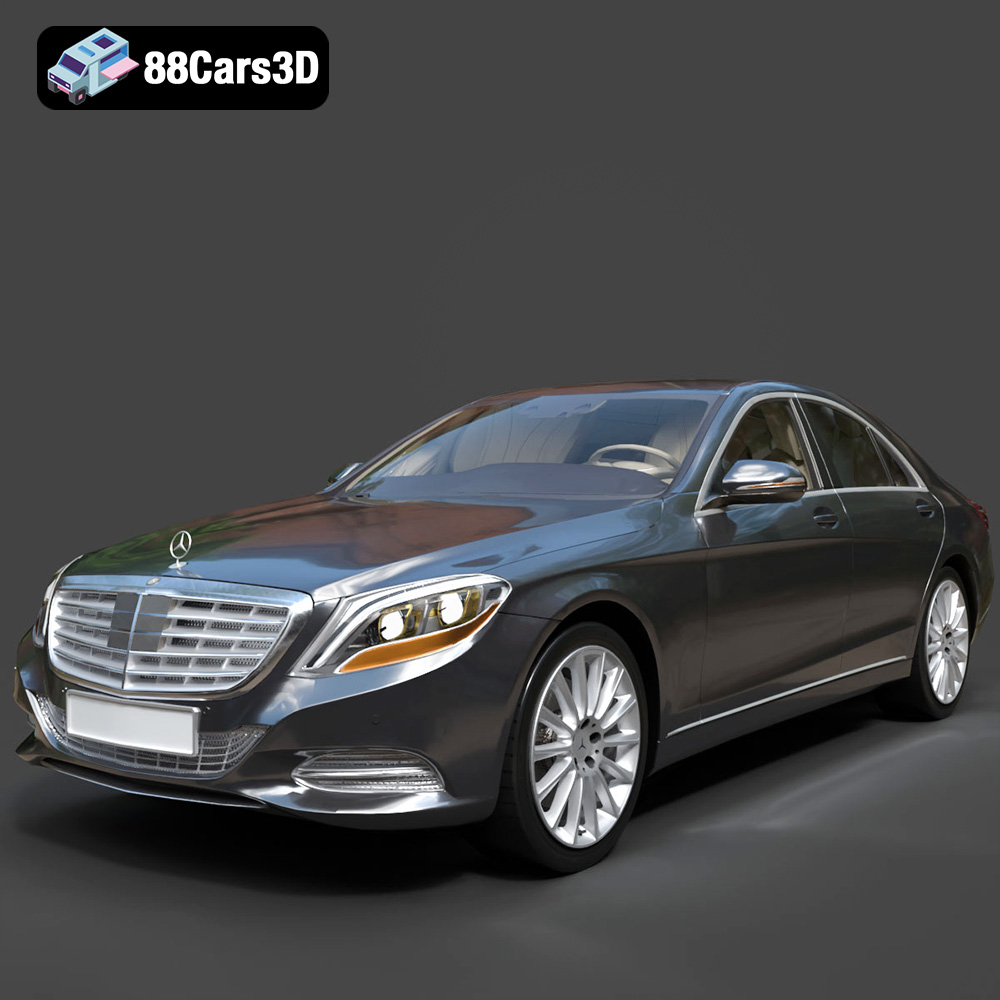
Download the Mercedes-Benz S500 3D Model featuring clean geometry, realistic detailing, and a fully modeled interior. Includes .blend, .fbx, .obj, .glb, .stl, .ply, .unreal, and .max formats for rendering, simulation, and game development.
Price: $9.99
Texture: Yes
Material: Yes
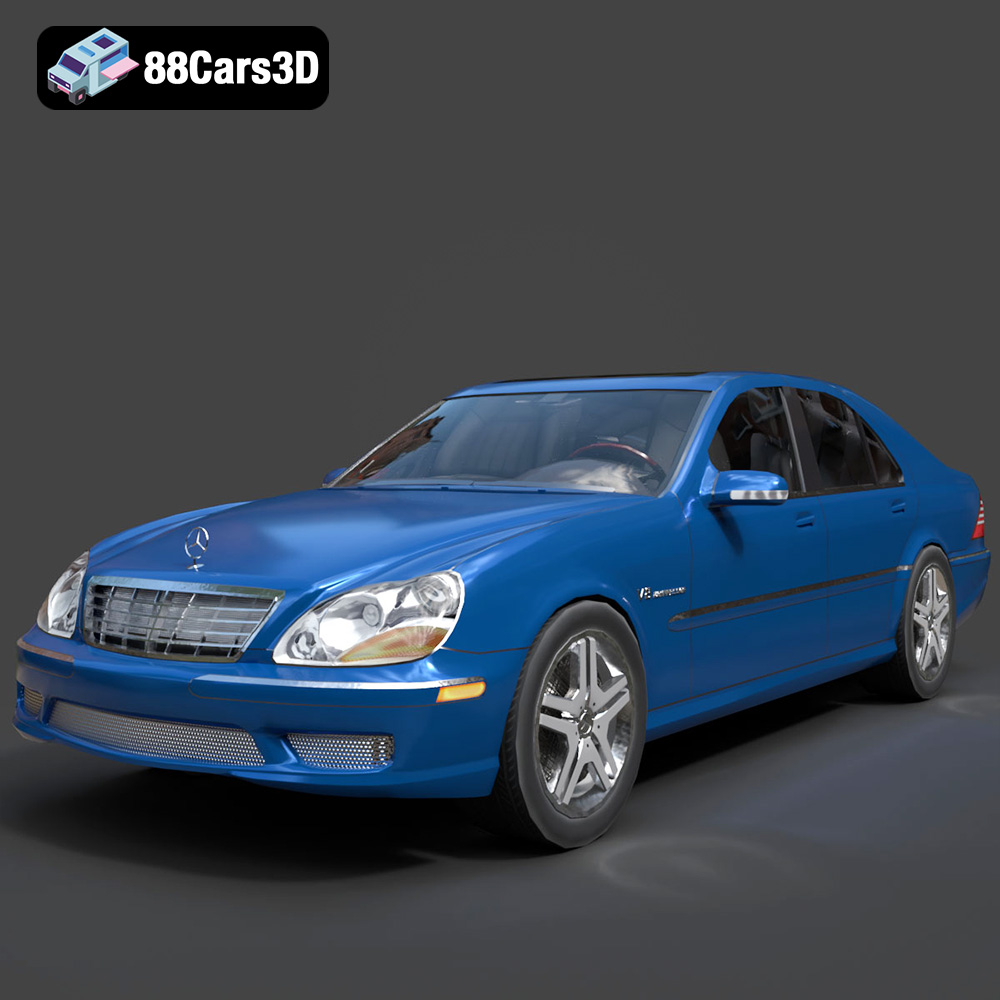
Download the Mercedes-Benz S55 W220 AMG 1999 3D Model featuring clean geometry, realistic detailing, and a fully modeled interior. Includes .blend, .fbx, .obj, .glb, .stl, .ply, .unreal, and .max formats for rendering, simulation, and game development.
Price: $9.99
Texture: Yes
Material: Yes
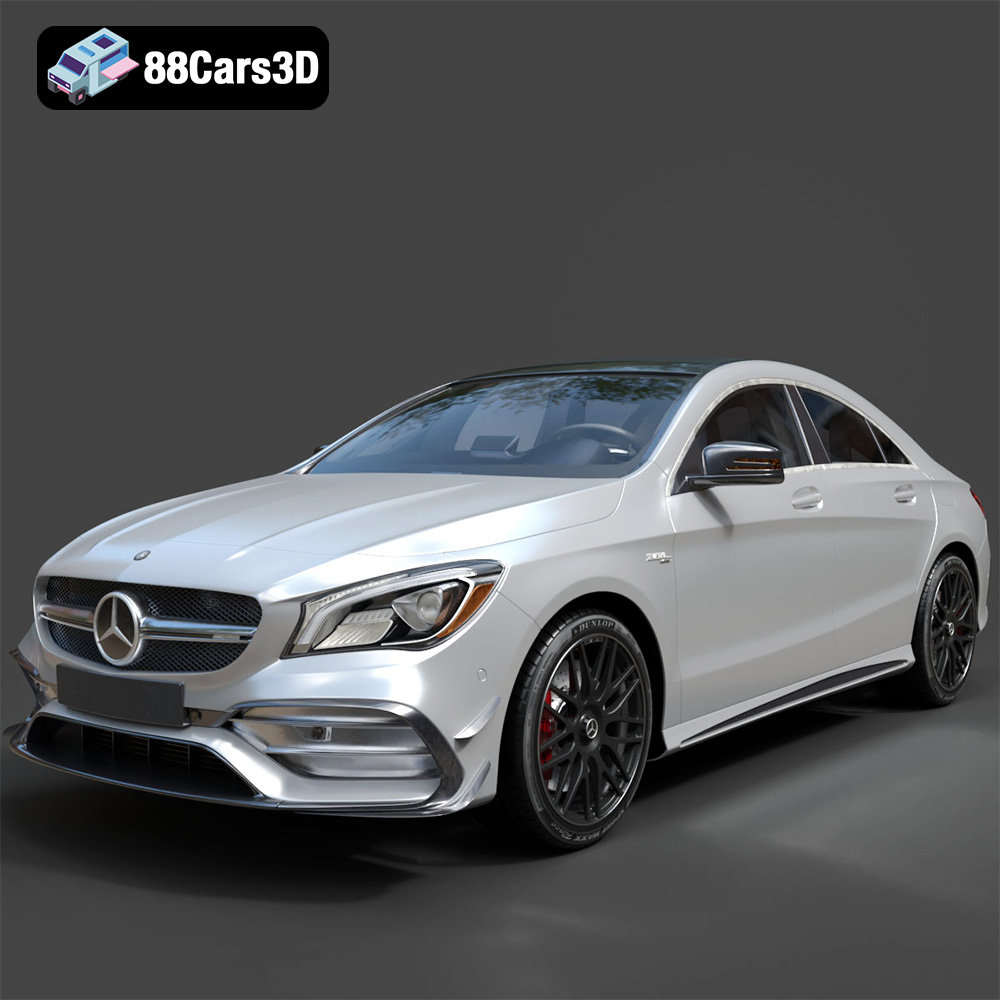
Download the Mercedes-Benz CLA45 AMG 2017 3D Model featuring clean geometry, realistic detailing, and a fully modeled interior. Includes .blend, .fbx, .obj, .glb, .stl, .ply, .unreal, and .max formats for rendering, simulation, and game development.
Price: $29.99
Texture: Yes
Material: Yes
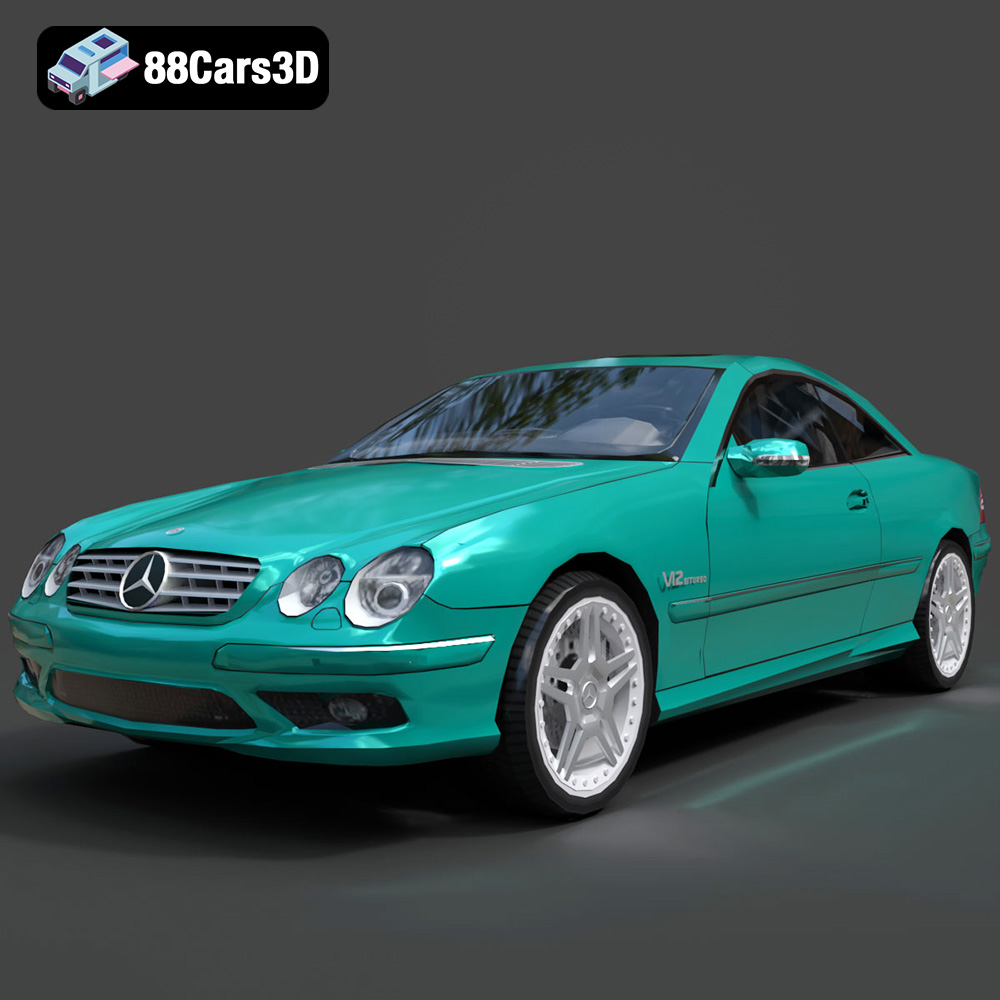
Download the Mercedes-Benz CL65 C215 AMG 3D Model featuring clean geometry, realistic detailing, and a fully modeled interior. Includes .blend, .fbx, .obj, .glb, .stl, .ply, .unreal, and .max formats for rendering, simulation, and game development.
Price: $9.99
Texture: Yes
Material: Yes
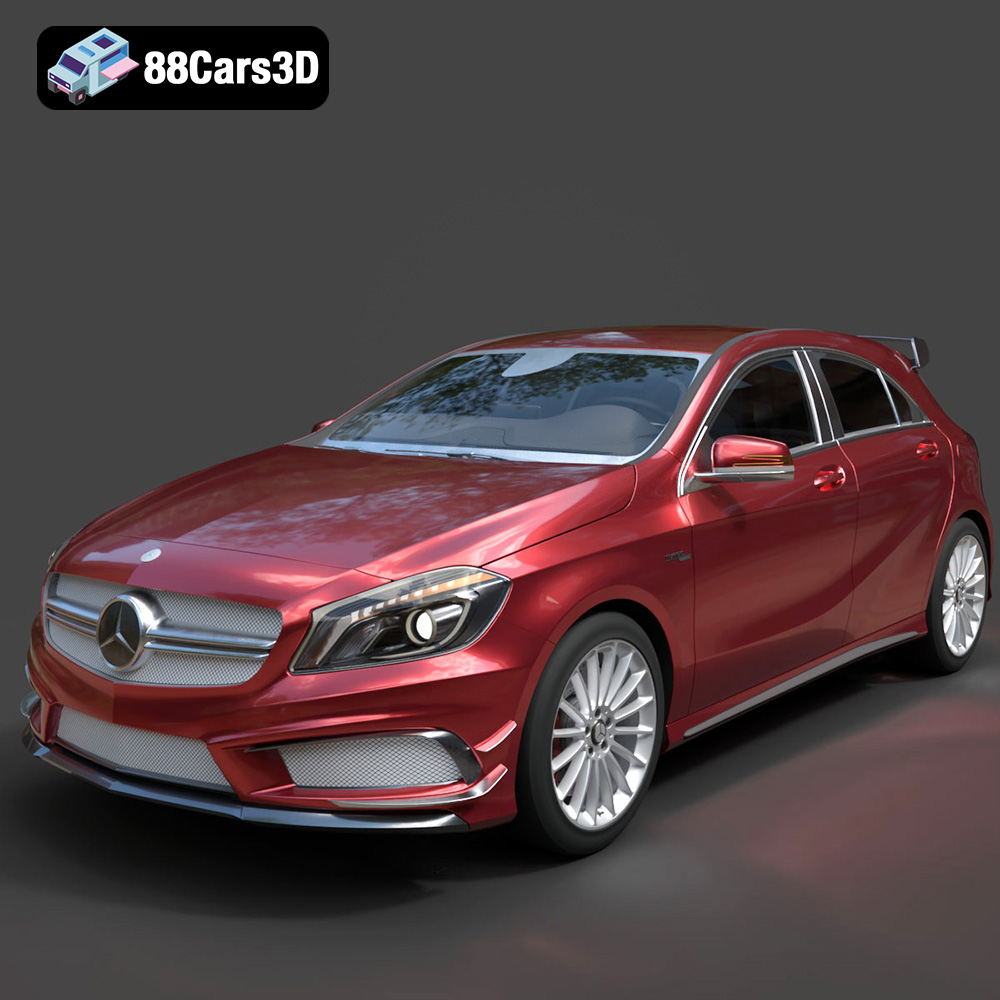
Download the Mercedes-Benz A45 2021 3D Model featuring clean geometry, realistic detailing, and a fully modeled interior. Includes .blend, .fbx, .obj, .glb, .stl, .ply, .unreal, and .max formats for rendering, simulation, and game development.
Price: $9.99
Texture: Yes
Material: Yes
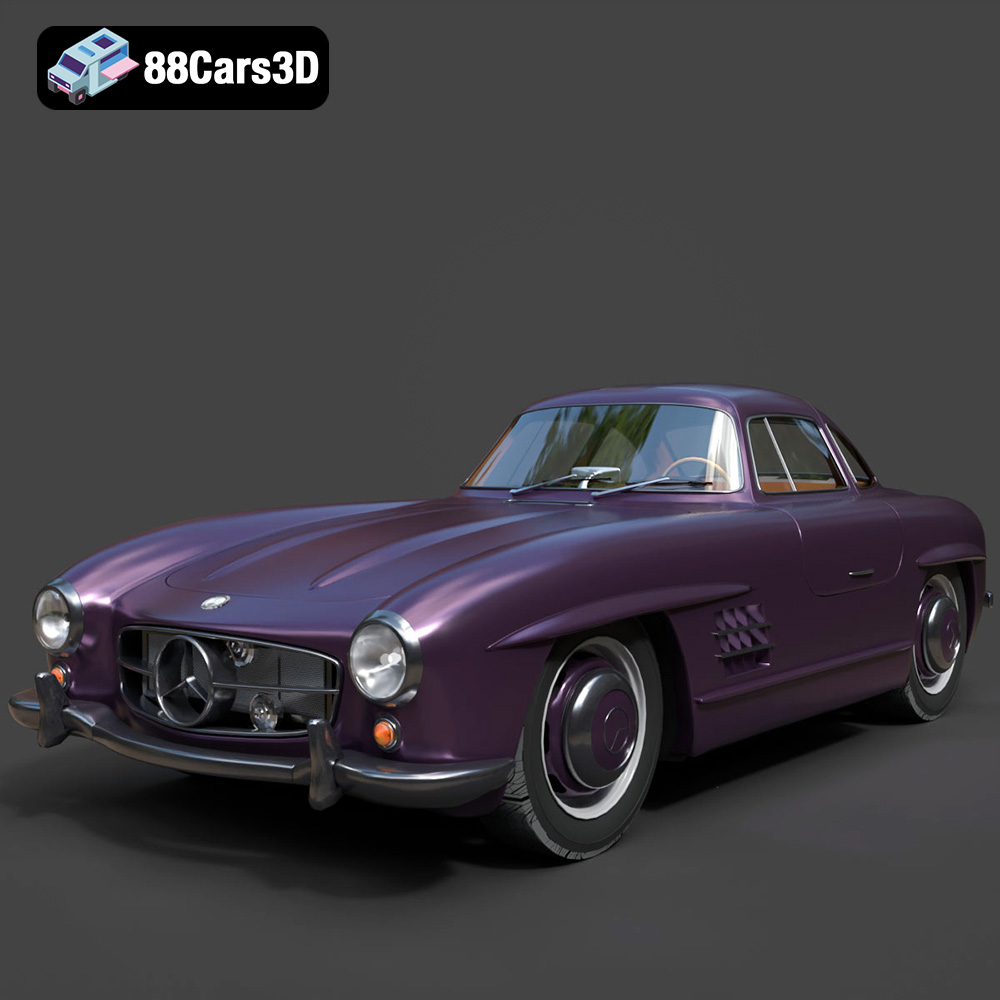
Download the Mercedes-Benz 300SL 1955 3D Model featuring clean geometry, realistic detailing, and a fully modeled interior. Includes .blend, .fbx, .obj, .glb, .stl, .ply, .unreal, and .max formats for rendering, simulation, and game development.
Price: $9.99
Texture: Yes
Material: Yes
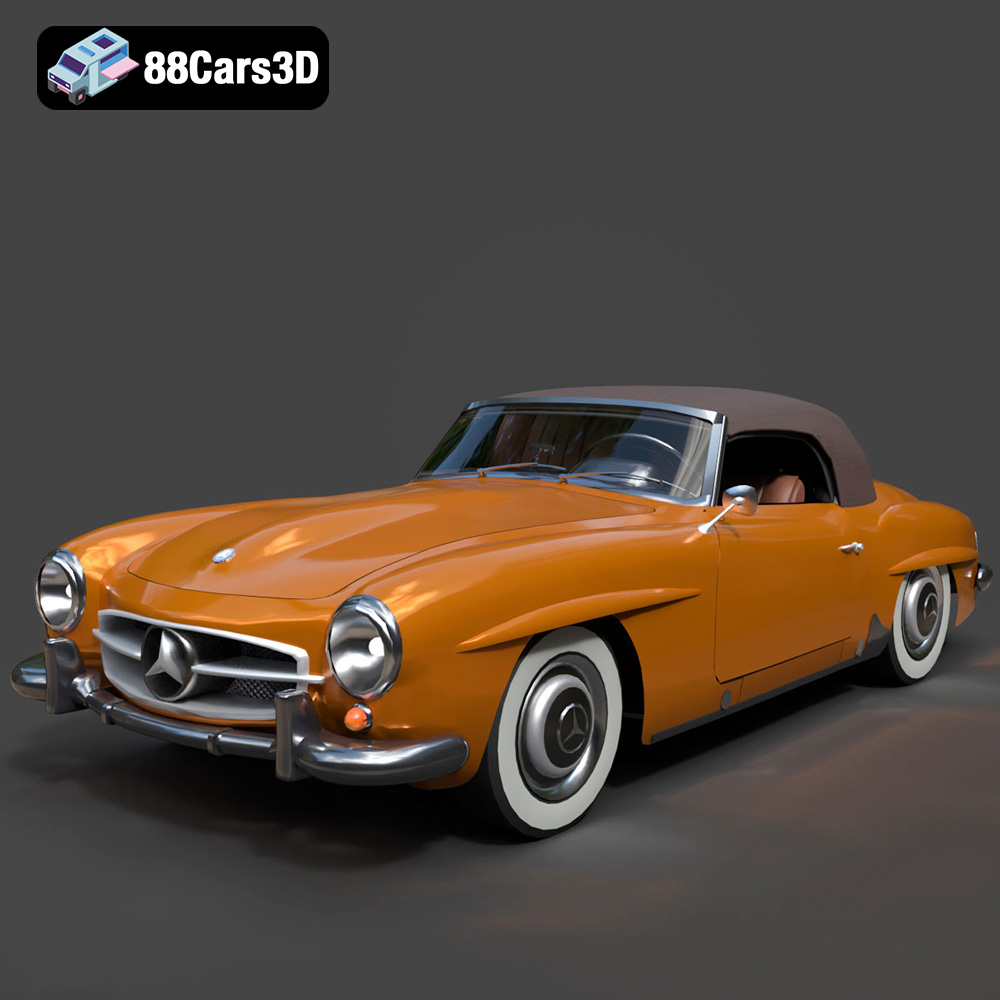
Download the Mercedes-Benz 190SL 1955 3D Model featuring clean geometry, realistic detailing, and a fully modeled interior. Includes .blend, .fbx, .obj, .glb, .stl, .ply, .unreal, and .max formats for rendering, simulation, and game development.
Price: $9.99
Texture: Yes
Material: Yes
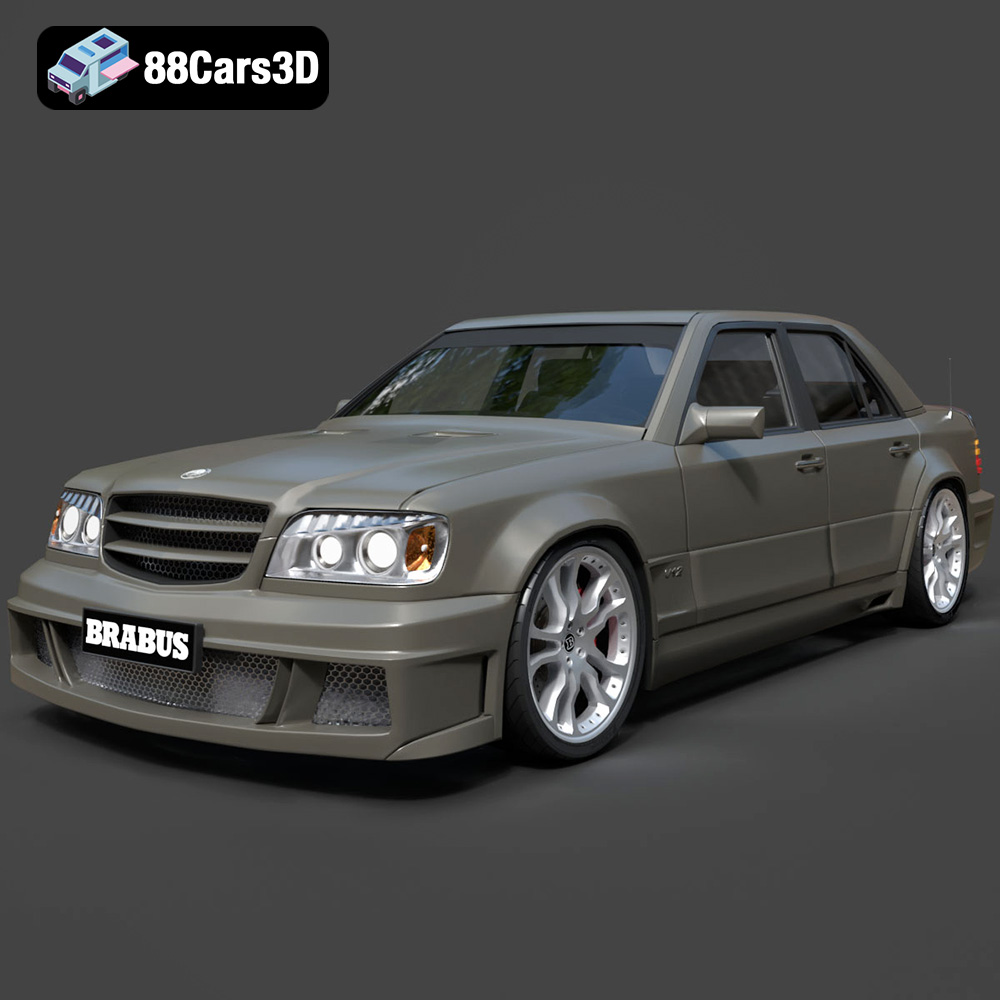
Download the Mercedes-Benz W124 Brabus V12 3D Model featuring clean geometry, realistic detailing, and a fully modeled interior. Includes .blend, .fbx, .obj, .glb, .stl, .ply, .unreal, and .max formats for rendering, simulation, and game development.
Price: $9.99

