Get 20% OFF All Premium 3D & STL Models!

From hyper-realistic cinematic renders that blur the line with reality to interactive vehicles in blockbuster video games and immersive AR/VR experiences, the 3D car model is a cornerstone of modern digital content. Its applications are vast, spanning automotive design, architectural visualization, advertising, and even engineering simulations. However, creating or choosing the right 3D car asset is a complex task riddled with technical challenges. A model perfectly suited for a close-up shot in a V-Ray render might be completely unusable in an Unreal Engine game, and a game-ready asset will lack the geometric detail needed for 3D printing. Understanding the entire pipeline—from the foundational wireframe to the final rendered pixel or optimized game asset—is crucial for success.
This comprehensive guide will walk you through the entire lifecycle of a high-quality 3D car model. We will dissect the critical importance of clean topology, demystify the art of UV mapping and PBR texturing, and explore distinct workflows for photorealistic rendering, real-time game engines, and emerging technologies like AR/VR and 3D printing. Whether you are a 3D artist aiming to perfect your craft or a developer seeking to integrate assets seamlessly, this article will provide the technical knowledge and best practices you need to master the world of 3D car models.
Before any stunning materials or dynamic lighting can be applied, the quality of a 3D car model is defined by its underlying geometry—its topology. Topology refers to the arrangement of vertices, edges, and polygons that form the mesh. For complex, hard-surface objects like vehicles, with their blend of sharp creases and flowing curves, proper topology is not just a recommendation; it is an absolute requirement for achieving professional results. Poor topology leads to shading errors, distorted reflections, difficulties in UV unwrapping, and poor performance during rendering and simulation.
In the world of 3D modeling, you’ll encounter three polygon types: triangles (tris), quadrilaterals (quads), and N-gons (polygons with more than four sides). While triangles are the fundamental unit that GPUs render, a quad-based workflow is the industry standard for modeling automotive assets. Quads provide a clean, predictable grid structure that is ideal for defining smooth surfaces. They are easily subdividable (using modifiers like TurboSmooth in 3ds Max or a Subdivision Surface in Blender), allowing you to increase detail non-destructively. N-gons should be avoided at all costs in a final model as they can cause severe pinching, shading artifacts, and unpredictable behavior with subdivision and texturing. While some triangles are often unavoidable, especially in complex areas, they should be used sparingly and placed strategically on flat surfaces or where they won’t disrupt the surface curvature.
Edge flow is the directional logic of your topology. For a car, the edge loops should follow the natural contours and character lines of the vehicle’s body panels. Think of the sharp crease running along the side of a car, the curve of a wheel arch, or the rounded edge of a hood. Your edge loops must trace these features precisely. Proper edge flow ensures that when the surface is subdivided, the curvature is maintained smoothly without creating bumps, dents, or pinched highlights. A great way to test your edge flow is to apply a simple, highly reflective material to your model and observe the highlights as you rotate it. Any wobbles or distortions in the reflection indicate an issue with the underlying topology that needs to be addressed.
The required polygon count is entirely dependent on the final application. There is no single “correct” number. When evaluating 3D car models on platforms such as 88cars3d.com, it’s crucial to check the polygon count against your project’s needs.
A perfectly modeled car is just a gray sculpture. It’s the materials and textures that give it color, character, and realism. This process begins with UV mapping, a crucial step that translates the 3D surface of your model onto a 2D plane so that textures can be applied correctly. Following this, the Physically Based Rendering (PBR) workflow is used to create materials that react realistically to light, mimicking real-world surfaces like car paint, chrome, glass, and rubber.
UV mapping a car is an art of strategic seams. The goal is to “unwrap” the 3D mesh with minimal distortion and hide the seams in inconspicuous locations (like panel gaps, underbody, or sharp edges). For automotive models, a few key strategies are essential:
Physically Based Rendering (PBR) has revolutionized digital material creation. Instead of faking surface properties, PBR shaders use a set of standardized texture maps to describe how a surface interacts with light based on its physical properties. The most common PBR workflow is the Metallic/Roughness workflow, which uses several key maps:
The resolution of your textures is a balancing act between quality and performance. For high-end automotive rendering, using 4K (4096×4096) or even 8K textures via a UDIM workflow is common to capture every detail. For real-time game assets, this is often overkill and will consume too much video memory (VRAM). A common strategy for games is to use a single 4K texture set for the entire car exterior and a separate 2K or 4K set for the interior. Mobile games may go as low as 1K textures. The guiding principle should always be texel density. Aim for a consistent value across your game world to ensure visual coherence. For example, a target of 1024 pixels per meter is a high-quality standard for a first-person PC or console game.
Creating a jaw-dropping, photorealistic image of a car is the goal of many artists in advertising and automotive design. This process is less about real-time performance and more about achieving absolute physical accuracy in lighting, shading, and optics. It relies on powerful offline render engines that simulate the physics of light, known as ray tracing or path tracing.
The single most important element for a realistic car render is lighting. The easiest and most effective way to achieve lifelike lighting is with a High Dynamic Range Image (HDRI). An HDRI is a 360-degree panoramic image that contains a vast range of light intensity data, from the darkest shadows to the brightest highlights of the sun. When used to light a 3D scene, it projects this light information onto your model, creating incredibly realistic reflections and ambient light. For a final composition, artists often pair an HDRI for lighting and reflections with a high-resolution “backplate” image, which serves as the 2D background. It’s critical that the lighting in the HDRI matches the lighting and perspective of the backplate for a seamless composite.
While many render engines can produce great results, a few have become industry standards for automotive rendering. Choosing the right one often comes down to your primary 3D software and workflow preferences.
The raw render out of the engine is rarely the final image. Post-processing in software like Adobe Photoshop or DaVinci Resolve is where the magic happens. By rendering out separate passes (e.g., reflections, ambient occlusion, lighting, masks for different materials), you gain immense control. You can subtly enhance reflections on the windshield, add lens flare, adjust color grading to create a specific mood, add a slight vignette to draw the eye, and sharpen the final details. This compositing stage is what elevates a great render into a truly cinematic and emotive piece of art.
Preparing a 3D car for a game engine like Unreal Engine or Unity is a completely different challenge than preparing it for a cinematic render. Here, performance is king. Every polygon, texture, and material must be ruthlessly optimized to ensure the game runs at a smooth frame rate (typically 30 or 60+ FPS). Sourcing a pre-optimized model from a vendor that understands these constraints, such as the game-ready assets available on 88cars3d.com, can save hundreds of hours of manual work.
A Level of Detail (LOD) system is the most critical optimization for game vehicles. It’s a simple concept: you use different versions of the model at varying levels of complexity depending on how close it is to the camera. A typical setup might look like this:
Game engines automatically switch between these LODs, drastically reducing the overall polygon count in a scene with many cars.
A “draw call” is a command from the CPU to the GPU to draw an object on screen. Each material on an object typically results in a separate draw call. A single car with 20 different materials (paint, chrome, glass, rubber, plastic, etc.) can be very expensive for the CPU. The solution is to consolidate materials using a texture atlas. This involves combining the UVs of multiple objects (e.g., the entire car body, wheels, and trim) into a single UV layout and using one master material. Different surface types are defined by masks within the PBR texture maps. This can reduce the draw calls for a complex vehicle from dozens down to just one or two, providing a massive performance boost.
For a car to be drivable in a game, it needs a rig. A basic vehicle rig consists of a hierarchy of bones or helpers. You’ll have a root object for the main body, with child objects for each wheel. This allows code to rotate the wheels for movement and steer the front wheels independently. More complex rigs include bones for suspension components, allowing the wheels to react realistically to bumps in the road, as well as bones for interactive elements like doors, a hood, and a trunk that can be opened and closed by the player.
Beyond traditional rendering and gaming, 3D car models are finding new life in augmented reality (AR), virtual reality (VR), and 3D printing. Each of these applications comes with its own unique set of technical requirements and optimization challenges that build upon the principles of real-time performance and model integrity.
For AR and VR applications, performance is even more critical than in traditional games. A stable, high frame rate (typically 90 FPS for VR) is essential to prevent motion sickness and maintain immersion. This means that polygon counts must be kept extremely low (often under 50k polygons for a hero asset) and texture sizes must be managed carefully to fit within the limited memory of mobile devices or standalone VR headsets.
Two file formats have emerged as standards for this space:
Converting a standard FBX file to these formats requires careful optimization of textures and geometry to keep the final file size as small as possible, ideally just a few megabytes.
Taking a 3D car model and turning it into a physical object via 3D printing requires a shift in thinking from visual representation to structural engineering. A model that looks perfect on screen might be completely unprintable. The key is preparing a “watertight” mesh. This means the model must be a single, continuous, closed surface with no holes. All individual parts (body, wheels, windows) must be booleaned or welded together into one solid shell. Elements like side mirrors or spoilers may need to be thickened to meet the printer’s minimum wall thickness requirements to ensure they don’t break off. Details like panel lines may need to be exaggerated (made deeper and wider) so they remain visible after printing and painting.
The biggest technical hurdle in 3D printing preparation is fixing mesh errors. The most common issue is non-manifold geometry. This refers to any edge that is shared by more than two faces, which is physically impossible and will confuse a 3D printer’s slicing software. Other issues include inverted normals (faces pointing inward instead of outward) and internal, overlapping faces. Software like Meshmixer or Windows 3D Builder includes automated tools to detect and repair these issues, but complex models often require manual cleanup in a primary 3D application like Blender or 3ds Max to ensure a clean, printable result.
The journey of a 3D car model is a testament to the versatility of digital art and technology. We’ve seen how a foundation of clean, quad-based topology is the non-negotiable starting point for any professional project. From there, the path diverges: the meticulous layering of PBR textures and HDRI lighting creates photorealistic marketing images, while aggressive optimization through LODs and texture atlasing forges high-performance game assets. For the frontiers of AR and VR, this optimization is pushed to its limits and packaged into efficient file formats like GLB and USDZ. Finally, the process comes full circle as we transform the digital mesh into a physical object through the precise requirements of 3D printing.
Understanding these distinct pipelines is the key to unlocking the full potential of any 3D automotive asset. Whether you are building a model from scratch or sourcing one from a high-quality marketplace, you now have the technical checklist to ensure it is perfectly suited for your project’s unique demands. By focusing on the fundamentals of topology, mastering the art of texturing, and respecting the technical constraints of your target platform, you can consistently produce stunning, efficient, and impactful results for any application imaginable.

Texture: Yes
Material: Yes
Download the Mercedes-Benz SLK 350 2005 3D Model featuring clean geometry, realistic detailing, and a fully modeled interior. Includes .blend, .fbx, .obj, .glb, .stl, .ply, .unreal, and .max formats for rendering, simulation, and game development.
Price: $9.99
Texture: Yes
Material: Yes
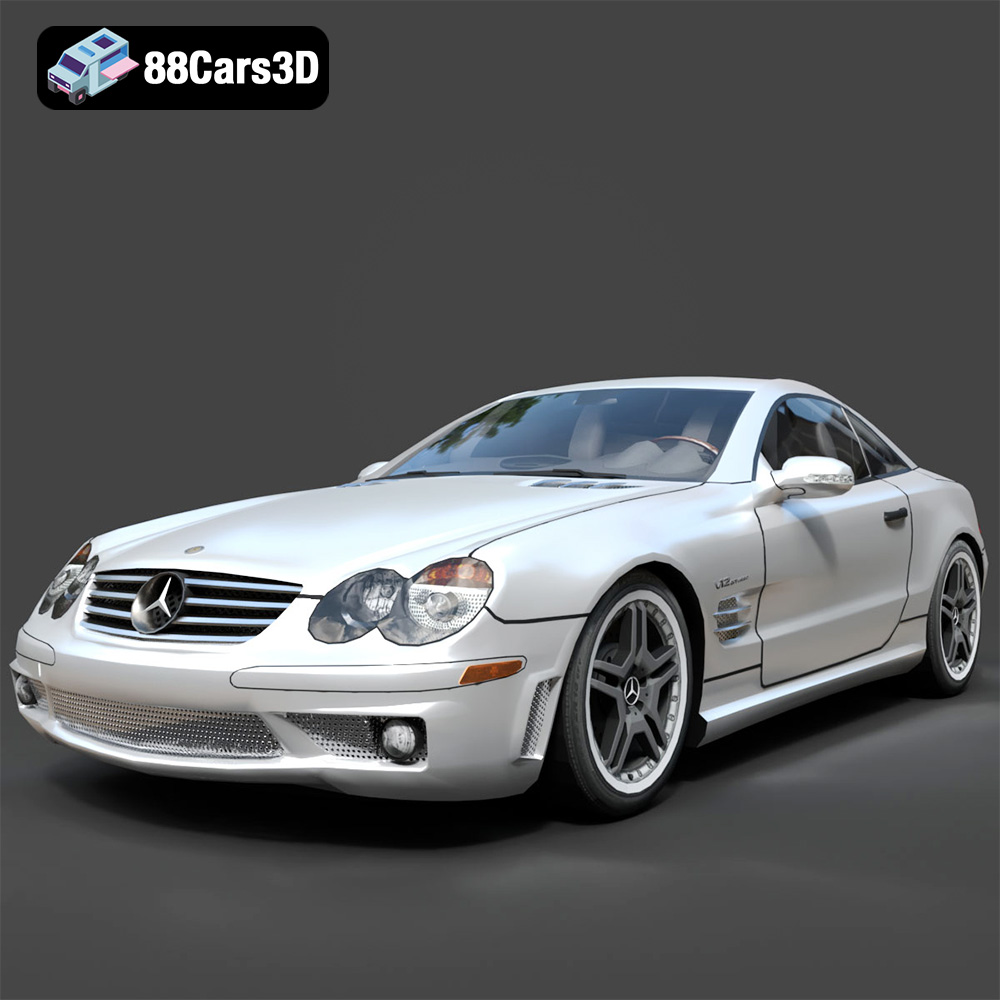
Download the Mercedes-Benz SL 65 AMG 3D Model featuring clean geometry, realistic detailing, and a fully modeled interior. Includes .blend, .fbx, .obj, .glb, .stl, .ply, .unreal, and .max formats for rendering, simulation, and game development.
Price: $9.99
Texture: Yes
Material: Yes
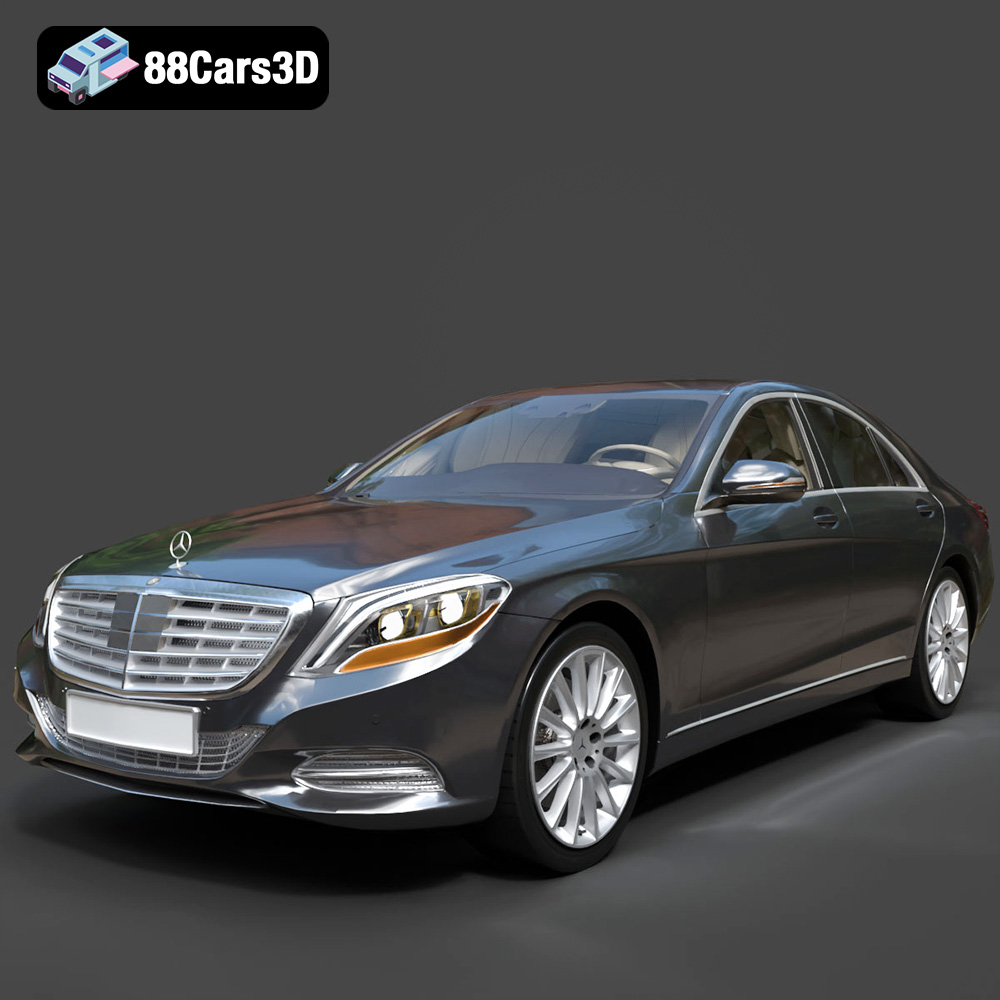
Download the Mercedes-Benz S500 3D Model featuring clean geometry, realistic detailing, and a fully modeled interior. Includes .blend, .fbx, .obj, .glb, .stl, .ply, .unreal, and .max formats for rendering, simulation, and game development.
Price: $9.99
Texture: Yes
Material: Yes
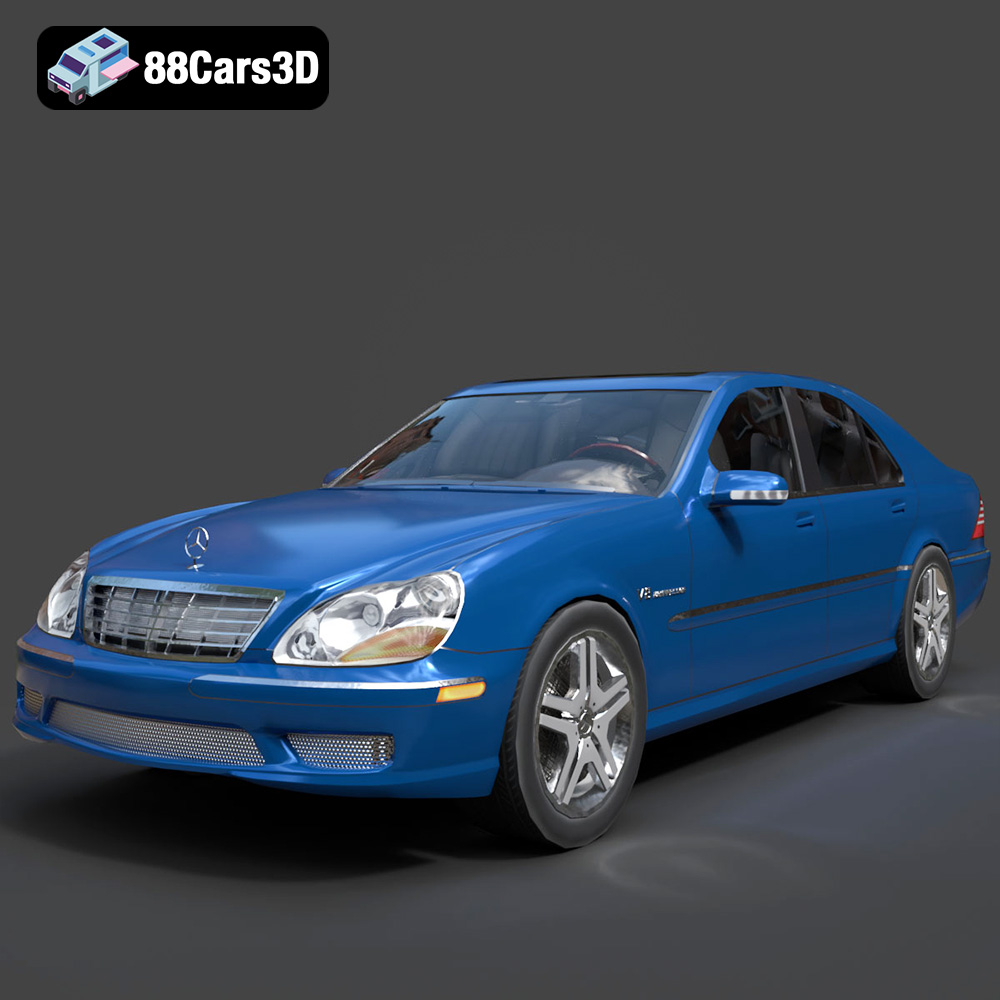
Download the Mercedes-Benz S55 W220 AMG 1999 3D Model featuring clean geometry, realistic detailing, and a fully modeled interior. Includes .blend, .fbx, .obj, .glb, .stl, .ply, .unreal, and .max formats for rendering, simulation, and game development.
Price: $9.99
Texture: Yes
Material: Yes
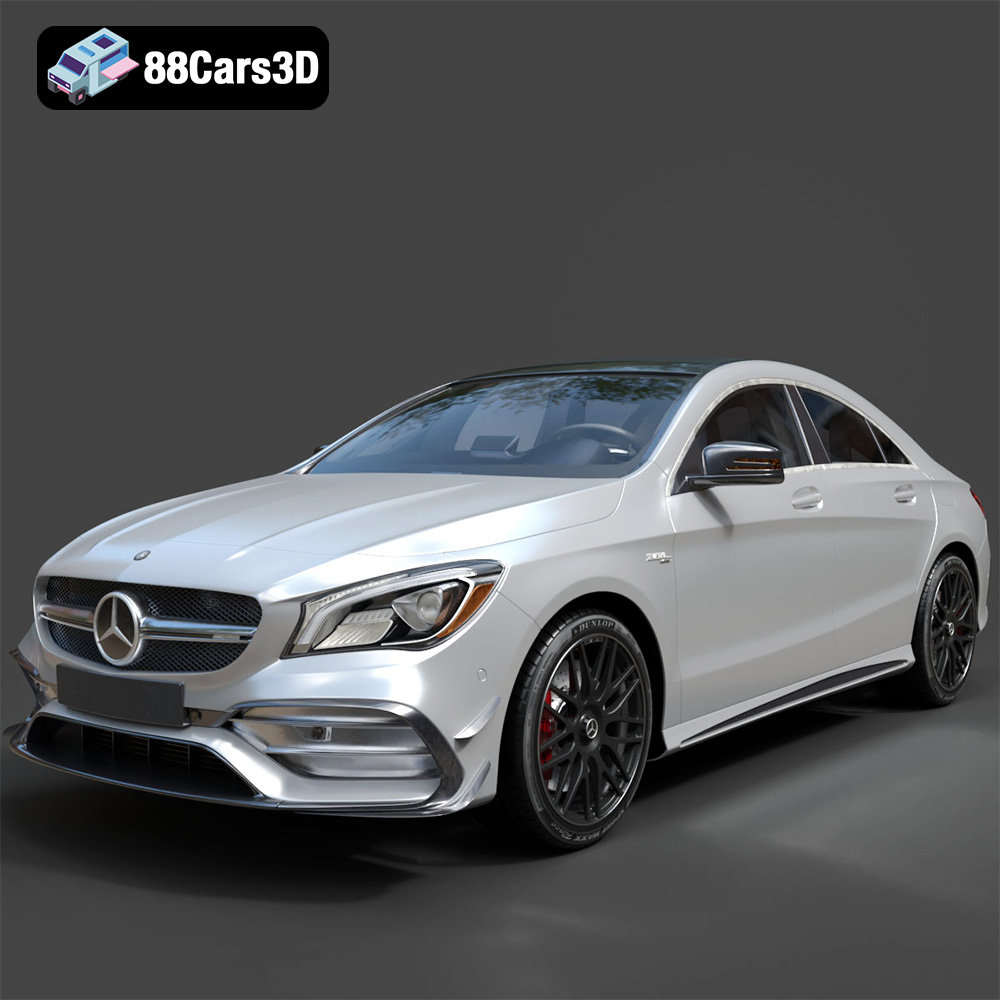
Download the Mercedes-Benz CLA45 AMG 2017 3D Model featuring clean geometry, realistic detailing, and a fully modeled interior. Includes .blend, .fbx, .obj, .glb, .stl, .ply, .unreal, and .max formats for rendering, simulation, and game development.
Price: $29.99
Texture: Yes
Material: Yes
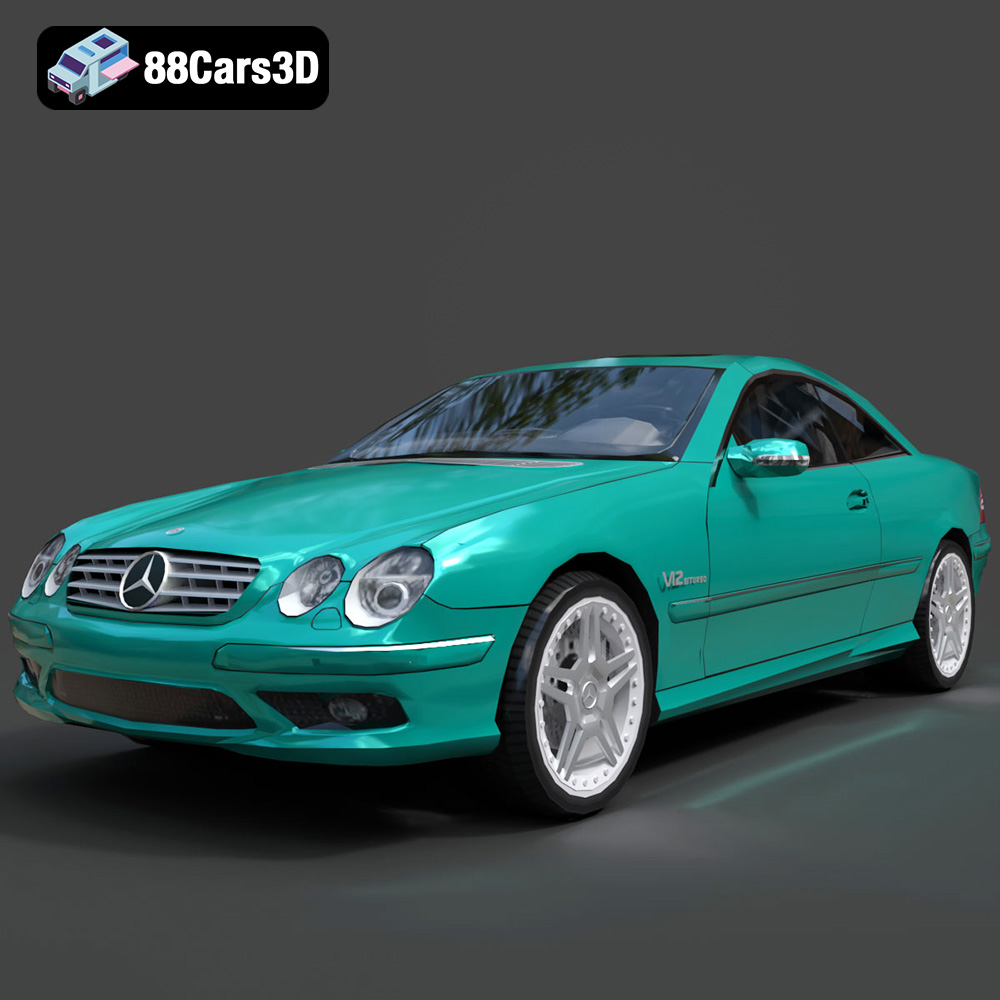
Download the Mercedes-Benz CL65 C215 AMG 3D Model featuring clean geometry, realistic detailing, and a fully modeled interior. Includes .blend, .fbx, .obj, .glb, .stl, .ply, .unreal, and .max formats for rendering, simulation, and game development.
Price: $9.99
Texture: Yes
Material: Yes
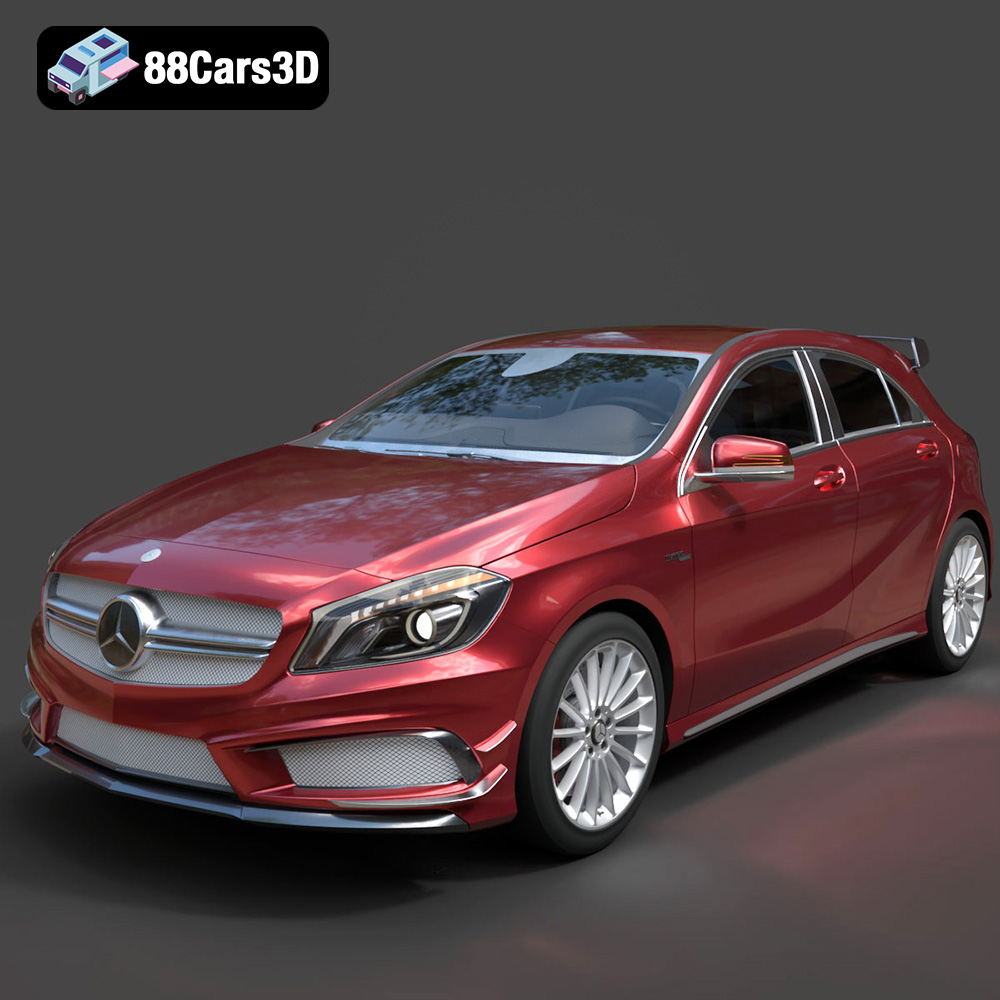
Download the Mercedes-Benz A45 2021 3D Model featuring clean geometry, realistic detailing, and a fully modeled interior. Includes .blend, .fbx, .obj, .glb, .stl, .ply, .unreal, and .max formats for rendering, simulation, and game development.
Price: $9.99
Texture: Yes
Material: Yes
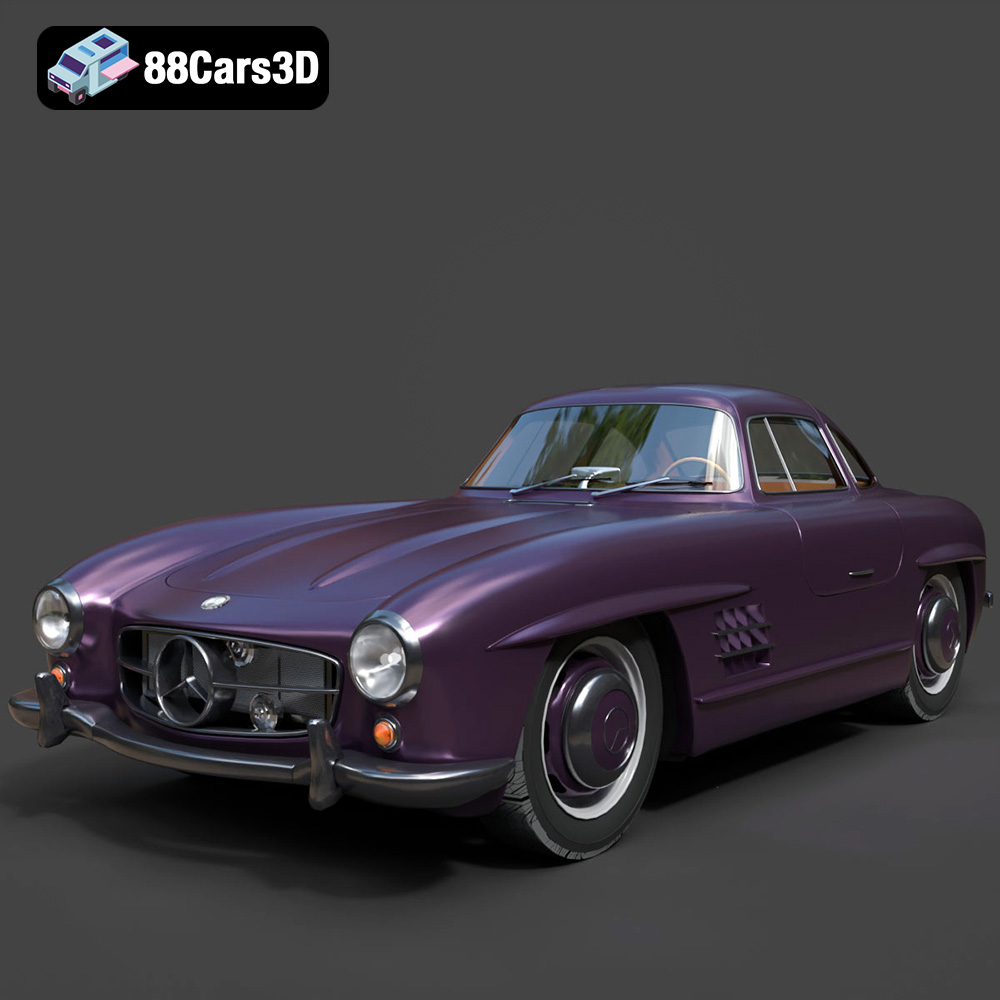
Download the Mercedes-Benz 300SL 1955 3D Model featuring clean geometry, realistic detailing, and a fully modeled interior. Includes .blend, .fbx, .obj, .glb, .stl, .ply, .unreal, and .max formats for rendering, simulation, and game development.
Price: $9.99
Texture: Yes
Material: Yes
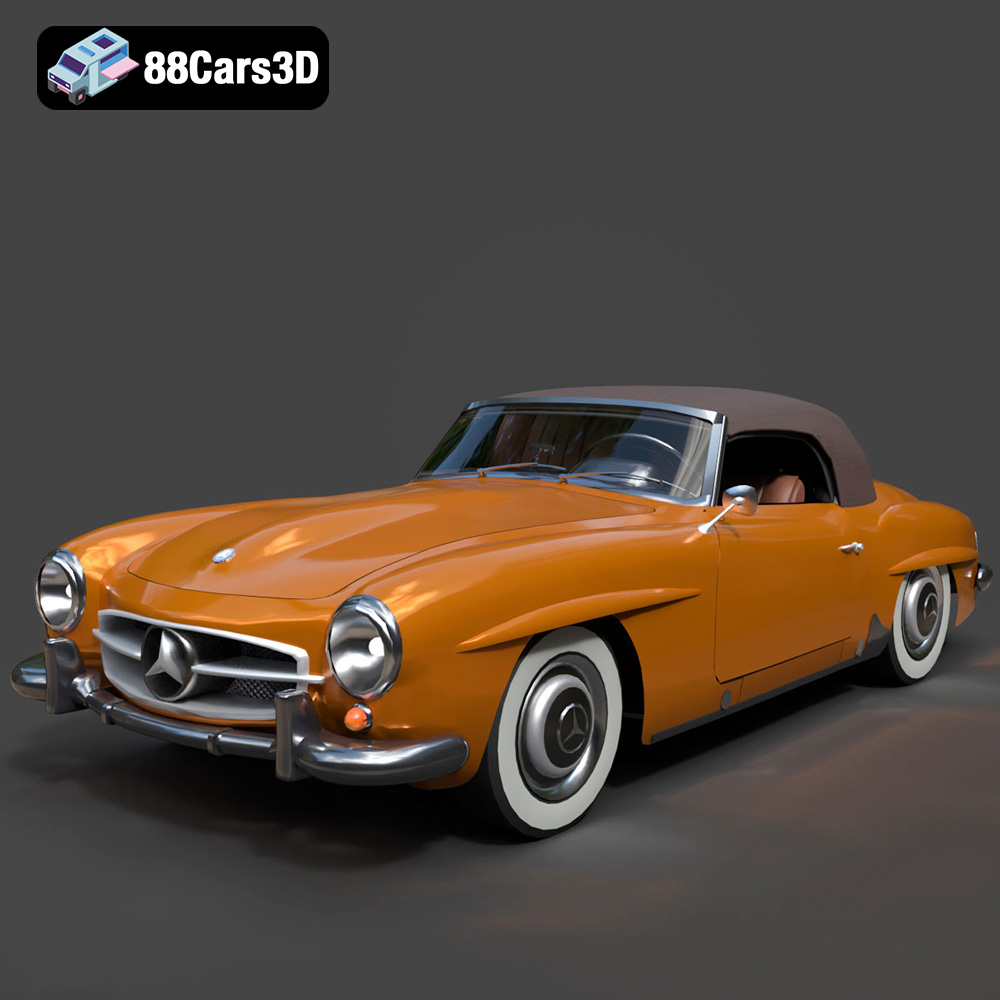
Download the Mercedes-Benz 190SL 1955 3D Model featuring clean geometry, realistic detailing, and a fully modeled interior. Includes .blend, .fbx, .obj, .glb, .stl, .ply, .unreal, and .max formats for rendering, simulation, and game development.
Price: $9.99
Texture: Yes
Material: Yes
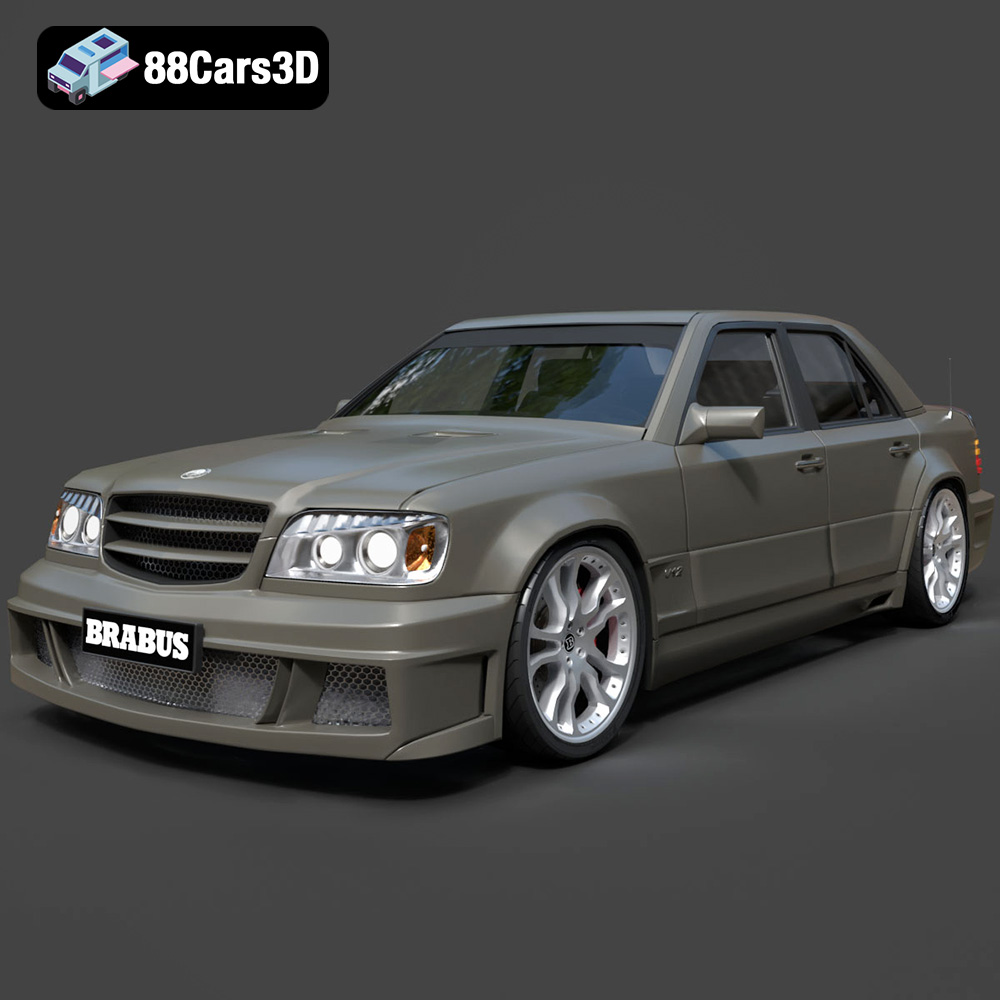
Download the Mercedes-Benz W124 Brabus V12 3D Model featuring clean geometry, realistic detailing, and a fully modeled interior. Includes .blend, .fbx, .obj, .glb, .stl, .ply, .unreal, and .max formats for rendering, simulation, and game development.
Price: $9.99

