Get 20% OFF All Premium 3D & STL Models!

“`html
The allure of a perfectly rendered automobile is undeniable. From the gleam of a flawless clear coat under studio lights to the gritty realism of a rally car tearing through a game environment, high-quality 3D car models are the cornerstone of compelling digital experiences. But acquiring a detailed, high-polygon model is only the first step. The true artistry lies in adapting that master asset for a multitude of professional applications, each with its own unique set of technical demands. Whether you’re an automotive designer creating stunning visualizations, a game developer building the next blockbuster racing title, or an AR creator putting virtual vehicles into the real world, understanding the pipeline from source model to final product is critical.
This comprehensive guide will take you on a deep dive into the entire workflow. We’ll start by dissecting the anatomy of a professional-grade 3D car model, exploring the non-negotiable elements like clean topology and meticulous UV mapping. From there, we’ll navigate the intricate worlds of photorealistic automotive rendering, real-time game engine optimization, and the specific requirements for AR/VR platforms. We’ll even cover how to take your digital creation and prepare it for the physical world through 3D printing. By the end, you’ll have a complete roadmap for transforming a single, high-fidelity car model into a versatile asset for any professional project.
Before you can optimize a model, you must first understand what makes a “good” one. A professional 3D car model is more than just a visually accurate shape; it’s a carefully constructed digital asset built on a foundation of clean geometry, logical organization, and technical precision. When sourcing assets from marketplaces such as 88cars3d.com, these are the fundamental qualities you should look for, as they directly impact how easily the model can be adapted for rendering, animation, or real-time use.
Topology refers to the arrangement of vertices, edges, and polygons that form the 3D mesh. For automotive models, the gold standard is quad-based topology. This means the model is constructed almost entirely from four-sided polygons (quads). Why is this so important? Quads subdivide cleanly and predictably, which is essential for creating the smooth, flowing surfaces of a car’s body without pinching or artifacts. Triangles (tris) and especially N-gons (polygons with more than four sides) can cause serious shading and deformation issues.
Beyond just using quads, the edge flow—the direction in which the edges loop around the model—is paramount. Proper edge flow follows the natural contours of the car, defining sharp creases along body panels, outlining wheel arches, and reinforcing the shape of headlights and grilles. Expert modelers use “holding edges” or “control loops” placed tightly along sharp creases to ensure that the surface remains crisp after subdivision or smoothing, a technique vital for high-fidelity automotive rendering.
If the 3D model is a sculpture, UV mapping is the process of carefully unwrapping its surface into a 2D plane so textures can be applied accurately. For complex objects like cars, this is a painstaking but essential process. Poor UVs can result in stretched, distorted, or misaligned textures. A professional model will have UVs that are logically laid out with minimal distortion and hidden seams.
For hero assets in film or high-end visualization, artists often use a UDIM (U-Dimension) workflow. This technique spreads the UVs across multiple texture tiles, allowing for incredibly high texture resolutions (e.g., multiple 8K maps) for different parts of the car. For game assets, the strategy shifts to maximizing efficiency within a single UV space, often by overlapping UVs for identical, non-unique parts (like the left and right tires) to save texture memory.
A high-quality source model is impeccably organized. This means that different parts of the car are assigned to distinct, clearly named materials (e.g., `Car_Body_Paint`, `Wheel_Rim_Chrome`, `Tire_Rubber`, `Glass_Windshield`). This separation is crucial for easily applying and tweaking shaders in your rendering or game engine. Each of these materials will typically correspond to a set of PBR (Physically Based Rendering) materials, which usually include maps like:
Expect texture resolutions to be 4K (4096×4096) or higher for a source model intended for close-up renders.
This is where the high-poly model truly shines. The goal of photorealistic rendering is to create an image that is indistinguishable from a real photograph. This process combines the high-quality model with advanced lighting, shading, and camera techniques. Modern render engines like Corona, V-Ray, Blender’s Cycles, and Arnold are designed to simulate the physics of light, making incredible realism possible.
Lighting is arguably the most critical element in achieving realism. The most common and effective method for lighting vehicles is Image-Based Lighting (IBL) using a High Dynamic Range Image (HDRI). An HDRI is a 360-degree panoramic photo that contains a vast range of light intensity data. When used as an environment map, it projects realistic lighting and reflections onto your 3D car model, instantly grounding it in a believable context.
For a clean “studio shot” look, you would use an HDRI of a professional photo studio. For a dynamic outdoor scene, an HDRI of a city street or open road would be used. In addition to the HDRI, artists often add key lights:
Creating believable materials is a deep art form. A car paint shader, for example, is not a single layer. It’s a complex multi-layered shader designed to mimic reality:
Other materials require similar attention to detail. Tire rubber needs a high roughness value and a subtle normal map for sidewall lettering. Brake discs often use an anisotropic shader to create the circular brushed metal reflection pattern. Glass requires correct Index of Refraction (IOR) values (approx. 1.52) and might need subtle surface imperfections like dust or smudges for added realism.
The final steps involve configuring your render engine and refining the image in post-production. You’ll need to balance quality with time, adjusting settings like sample count or noise threshold to get a clean image. Instead of just rendering a single “beauty” pass, professionals render multiple render passes or AOVs (Arbitrary Output Variables). These include passes for reflections, ambient occlusion, Z-depth (for fog effects), and object/material IDs (Cryptomatte). These separate images are then layered together in a compositing application like Adobe Photoshop, After Effects, or Blackmagic Fusion. This gives you immense control to fine-tune colors, contrast, reflections, and add effects like lens flares, chromatic aberration, and film grain to push the final image to peak realism.
Taking a million-polygon model and making it run smoothly in a game engine like Unreal Engine or Unity is a process of strategic compromise and technical wizardry. The goal is to drastically reduce the model’s complexity while preserving its visual essence. This is a critical workflow for creating performant game assets.
The first and most important step is retopology. This involves creating a new, clean, low-polygon mesh that sits on top of the original high-poly model. The new mesh must capture the car’s silhouette and key features with a fraction of the geometry. While some automated tools exist (like ZRemesher or Quad Remesher), for hard-surface models like cars, manual retopology often yields the best results, giving the artist full control over the edge flow for optimal shading.
Polygon budgets are strict and depend on the target platform:
How does a low-poly model look so detailed? The magic is in texture baking. This process projects the surface details from the high-poly model onto the UVs of the low-poly model and saves that information into a texture map. The most important baked map is the Normal Map. It fakes the lighting information of the high-poly surface, creating the illusion of intricate detail (panel lines, vents, bolts) on a flat low-poly surface. Other maps are also baked to aid in texturing:
Dedicated tools like Marmoset Toolbag and Adobe Substance 3D Painter are industry standards for baking due to their precision and control features, such as cage projection and skew painting.
To ensure a smooth frame rate, game engines use a Level of Detail (LOD) system. This means that multiple versions of the car model exist, each with a progressively lower polygon count. The engine automatically swaps them out based on the car’s distance from the camera:
Another key optimization is reducing draw calls. A draw call is a command from the CPU to the GPU to draw an object. Each separate material on an object can create a new draw call. To optimize, artists will often combine multiple small parts of the car (e.g., nuts, bolts, emblems) into a single mesh and use a single material with a shared texture map, known as a texture atlas.
Augmented Reality (AR) and Virtual Reality (VR) present a unique challenge: they demand the high visual fidelity of a render with the real-time performance of a game. This is especially true for VR, where maintaining a high and stable frame rate (typically 90 FPS) is crucial to prevent motion sickness. Optimization is not just a goal; it’s a requirement.
The performance budgets for AR/VR are even stricter than for traditional games. Because the engine has to render the scene twice (once for each eye), every polygon and texture read counts double. Models must be extremely efficient. This often means relying heavily on baked lighting information (lightmaps) to reduce the cost of real-time lighting calculations. Shaders must also be simplified. A complex, multi-layered car paint shader that works for a V-Ray render would be too computationally expensive for a mobile VR headset. Instead, artists use highly efficient PBR shaders optimized for mobile GPUs.
For AR applications on the web and mobile devices, two file formats have become the standard: GLB and USDZ.
The conversion workflow typically involves exporting an optimized model as an FBX from a 3D application like Blender or Maya, and then using a converter or another program (like Substance Painter or even Blender’s built-in exporter) to package it as a GLB or USDZ. High-quality models for visualization from platforms like 88cars3d.com often come with these real-time-ready formats included, saving developers a significant amount of preparation time.
AR/VR experiences are often interactive. Users expect to be able to open the doors, look inside the car, or pop the hood. This requires the 3D model to be prepared with interaction in mind. Doors, the hood, the trunk, and wheels must be separate objects with their pivot points set correctly for proper rotation. Furthermore, since a user in VR can physically put their head “inside” the car, the interior must be fully modeled and textured with the same level of care as the exterior—a detail that is often omitted in models made purely for exterior rendering.
Taking a digital asset and turning it into a physical object via 3D printing is another exciting application for high-quality car models. However, a model designed for rendering is not inherently printable. It must be specially prepared to ensure a successful print.
The most important requirement for 3D printing is that the mesh must be “watertight” or “manifold.” This means the mesh must be a completely enclosed volume with no holes. Imagine filling the 3D model with water; if there are any holes, the water would leak out. A 3D printer’s slicing software needs a closed volume to understand what is “inside” and what is “outside” the model. Common problems in render models include:
Tools like Autodesk Meshmixer, Microsoft 3D Builder, or Blender’s 3D-Print Toolbox addon are excellent for automatically detecting and repairing these issues.
Printing a car model as a solid block of plastic or resin would be incredibly slow, expensive, and heavy. For resin (SLA) printing, the model should be hollowed out, leaving a thin outer shell. This saves a huge amount of material. When hollowing, it’s crucial to add drainage holes to let uncured resin escape, preventing pressure buildup and potential print failures.
You must also ensure that every part of the model meets a minimum wall thickness (e.g., 1.5-2mm). Parts that are too thin, like side mirrors or spoilers, will be too fragile and may break during printing or cleaning. The entire model must be scaled to fit within your printer’s build volume before you begin the slicing process.
The final step is to bring the prepared model into a slicing software (like Cura for FDM printers or ChiTuBox/Lychee for resin printers). The slicer “slices” the 3D model into hundreds or thousands of thin horizontal layers and generates the G-code instructions for the printer. The slicer also generates support structures. These are disposable scaffolding lattices that hold up any overhanging parts of the model during the printing process. Strategic placement of supports is key to a successful print, as you want to support the model adequately while minimizing the marks left on the final surface after the supports are removed.
A single, masterfully crafted high-polygon 3D car model is not a one-trick pony. It is the genesis of a dozen different assets, a versatile digital foundation that can be adapted for any creative or technical pipeline. We’ve journeyed from the fundamental principles of clean topology and UVs to the demanding worlds of photorealistic rendering, real-time game assets, immersive AR/VR experiences, and even physical 3D printing. Each application requires a unique approach—a process of transformation that balances fidelity with performance, detail with efficiency.
The key takeaway is that the better the source material, the smoother every subsequent workflow becomes. Investing in or creating a model with impeccable topology, clean UVs, and logical organization will save you countless hours of fixing, re-working, and troubleshooting down the line. Whether you are rendering a hyper-realistic advertisement, developing an immersive driving simulator, or creating a physical scale model, the principles of preparation remain the same. By starting your project with a professional-grade asset, like the meticulously crafted models available at 88cars3d.com, you are setting yourself up for success and empowering your creativity to focus on what truly matters: bringing your vision to life.
“`

Texture: Yes
Material: Yes
Download the Mercedes-Benz SLK 350 2005 3D Model featuring clean geometry, realistic detailing, and a fully modeled interior. Includes .blend, .fbx, .obj, .glb, .stl, .ply, .unreal, and .max formats for rendering, simulation, and game development.
Price: $9.99

Texture: Yes
Material: Yes
Download the Mercedes-Benz SL 65 AMG 3D Model featuring clean geometry, realistic detailing, and a fully modeled interior. Includes .blend, .fbx, .obj, .glb, .stl, .ply, .unreal, and .max formats for rendering, simulation, and game development.
Price: $9.99
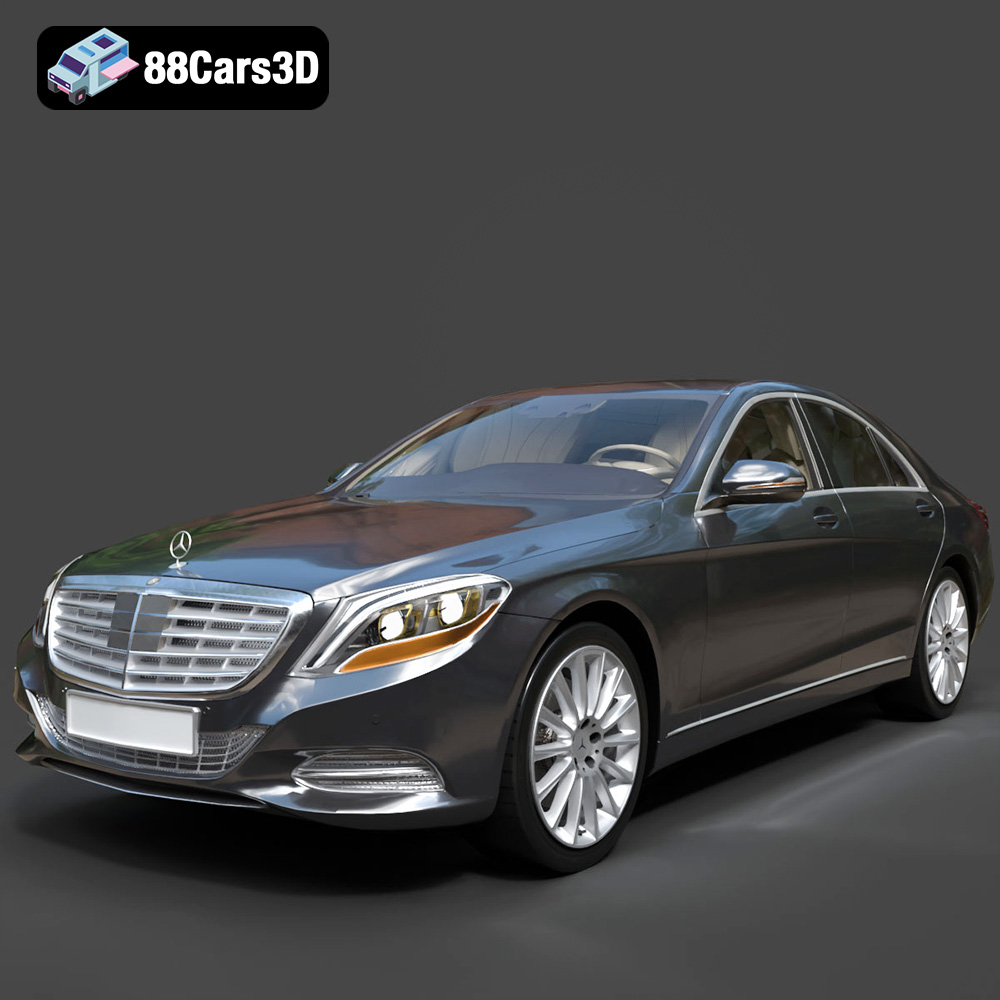
Texture: Yes
Material: Yes
Download the Mercedes-Benz S500 3D Model featuring clean geometry, realistic detailing, and a fully modeled interior. Includes .blend, .fbx, .obj, .glb, .stl, .ply, .unreal, and .max formats for rendering, simulation, and game development.
Price: $9.99
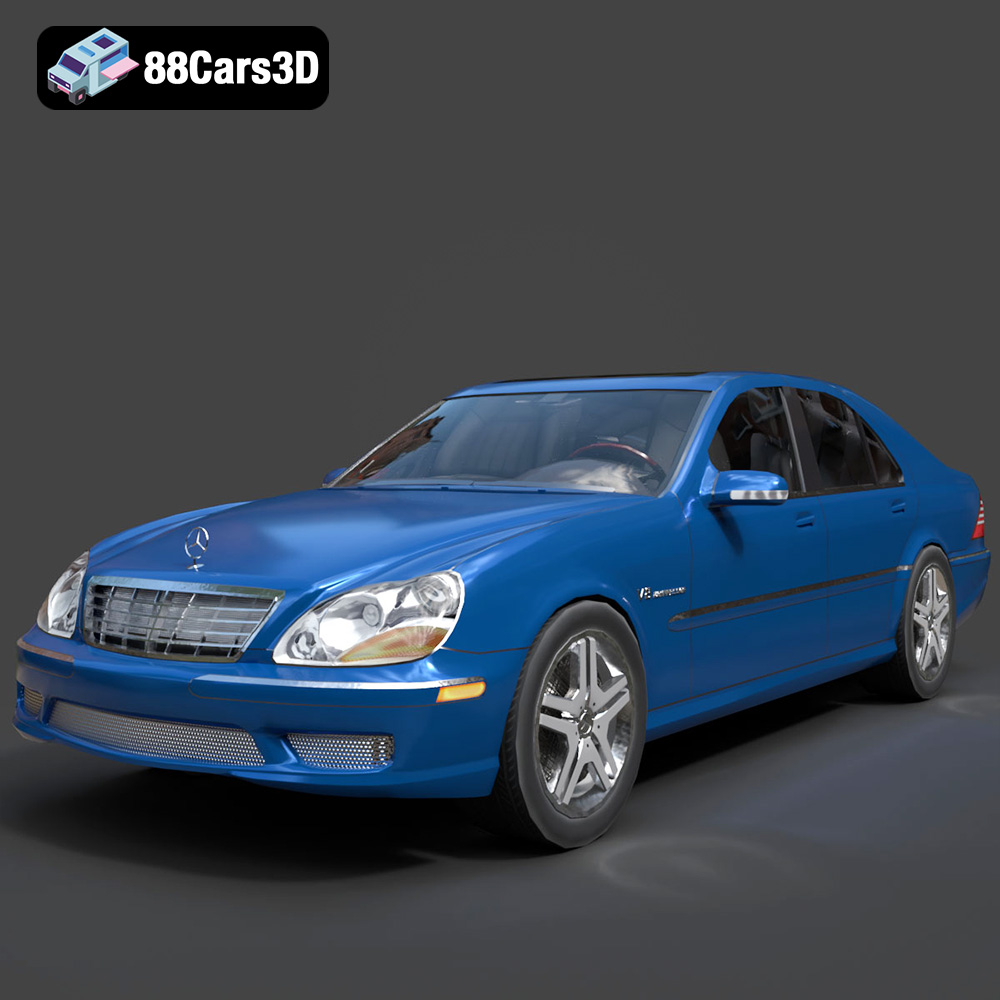
Texture: Yes
Material: Yes
Download the Mercedes-Benz S55 W220 AMG 1999 3D Model featuring clean geometry, realistic detailing, and a fully modeled interior. Includes .blend, .fbx, .obj, .glb, .stl, .ply, .unreal, and .max formats for rendering, simulation, and game development.
Price: $9.99
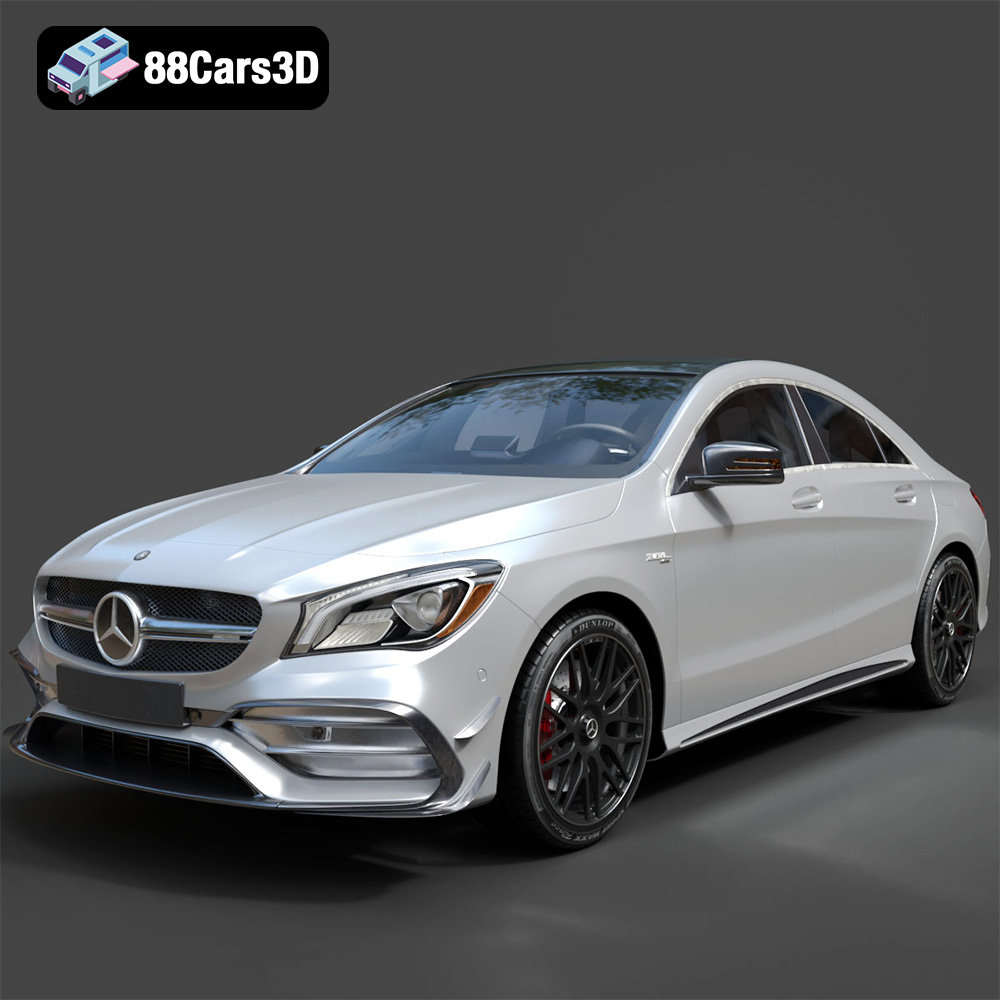
Texture: Yes
Material: Yes
Download the Mercedes-Benz CLA45 AMG 2017 3D Model featuring clean geometry, realistic detailing, and a fully modeled interior. Includes .blend, .fbx, .obj, .glb, .stl, .ply, .unreal, and .max formats for rendering, simulation, and game development.
Price: $29.99
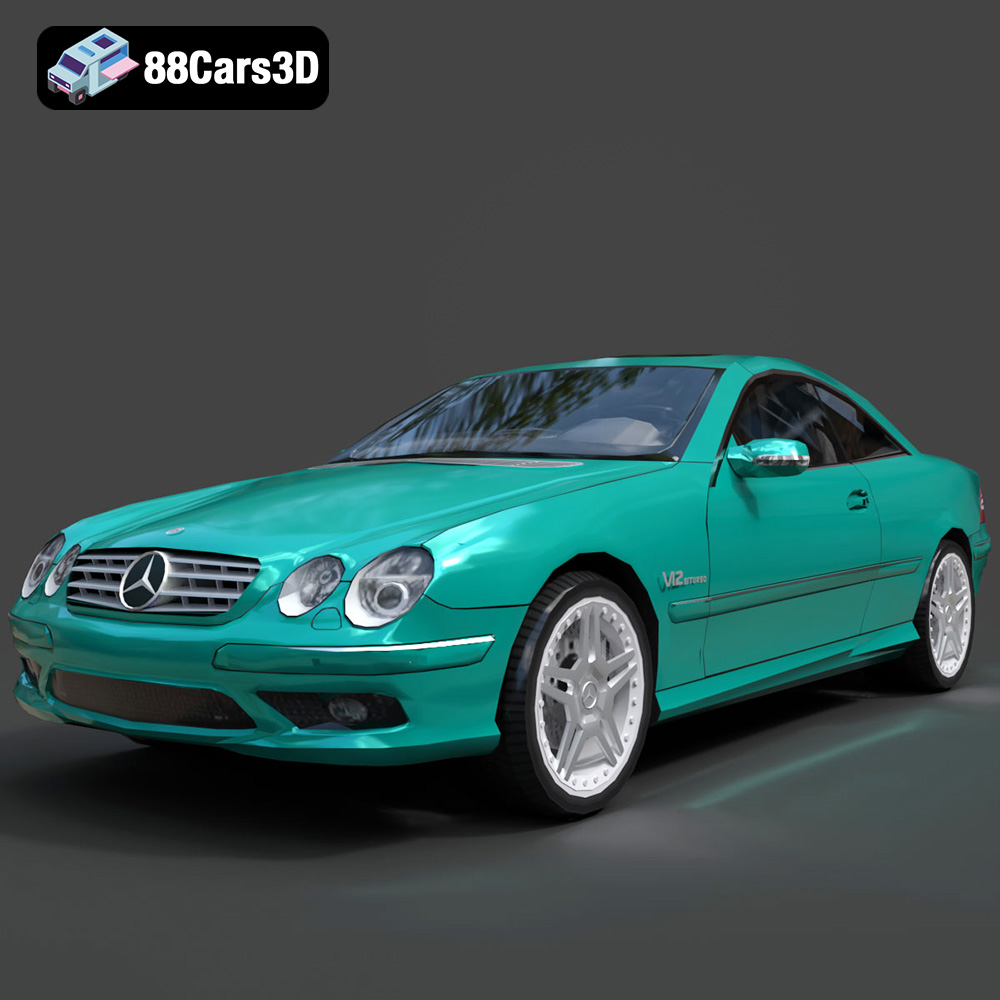
Texture: Yes
Material: Yes
Download the Mercedes-Benz CL65 C215 AMG 3D Model featuring clean geometry, realistic detailing, and a fully modeled interior. Includes .blend, .fbx, .obj, .glb, .stl, .ply, .unreal, and .max formats for rendering, simulation, and game development.
Price: $9.99
Texture: Yes
Material: Yes
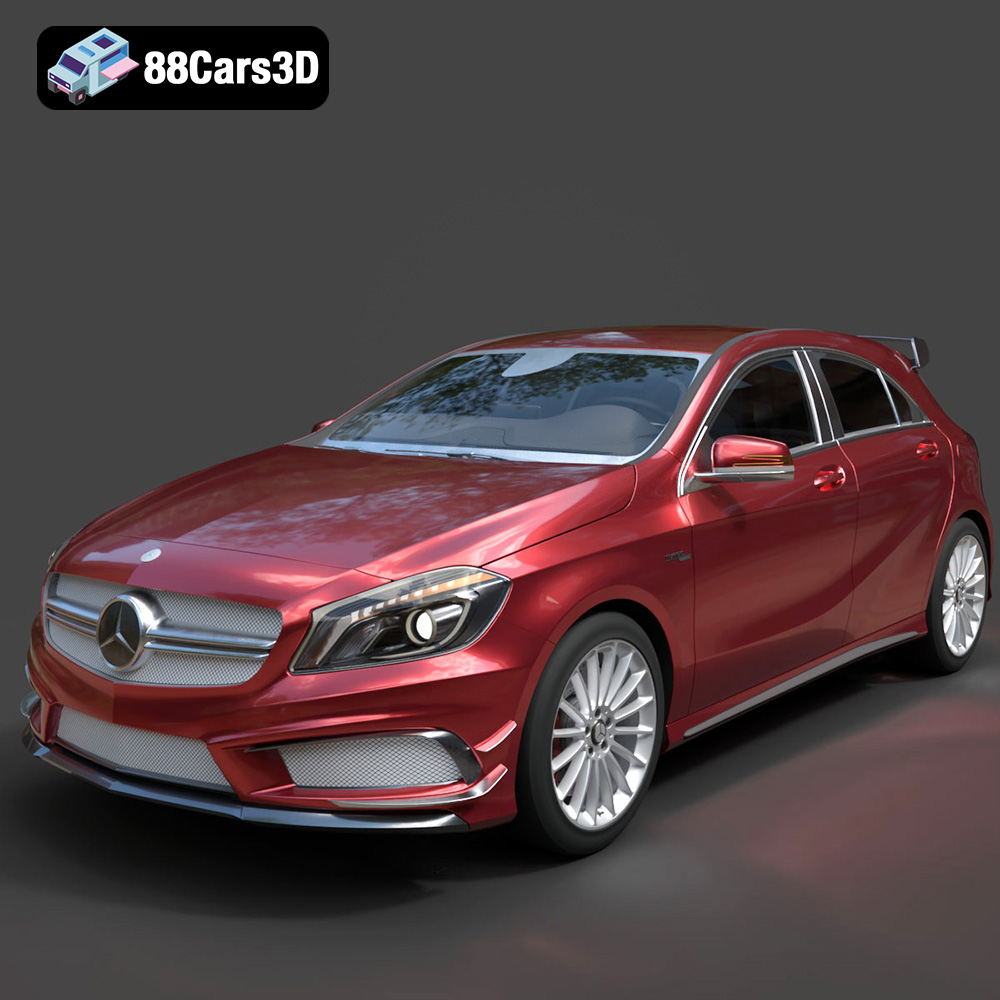
Download the Mercedes-Benz A45 2021 3D Model featuring clean geometry, realistic detailing, and a fully modeled interior. Includes .blend, .fbx, .obj, .glb, .stl, .ply, .unreal, and .max formats for rendering, simulation, and game development.
Price: $9.99
Texture: Yes
Material: Yes
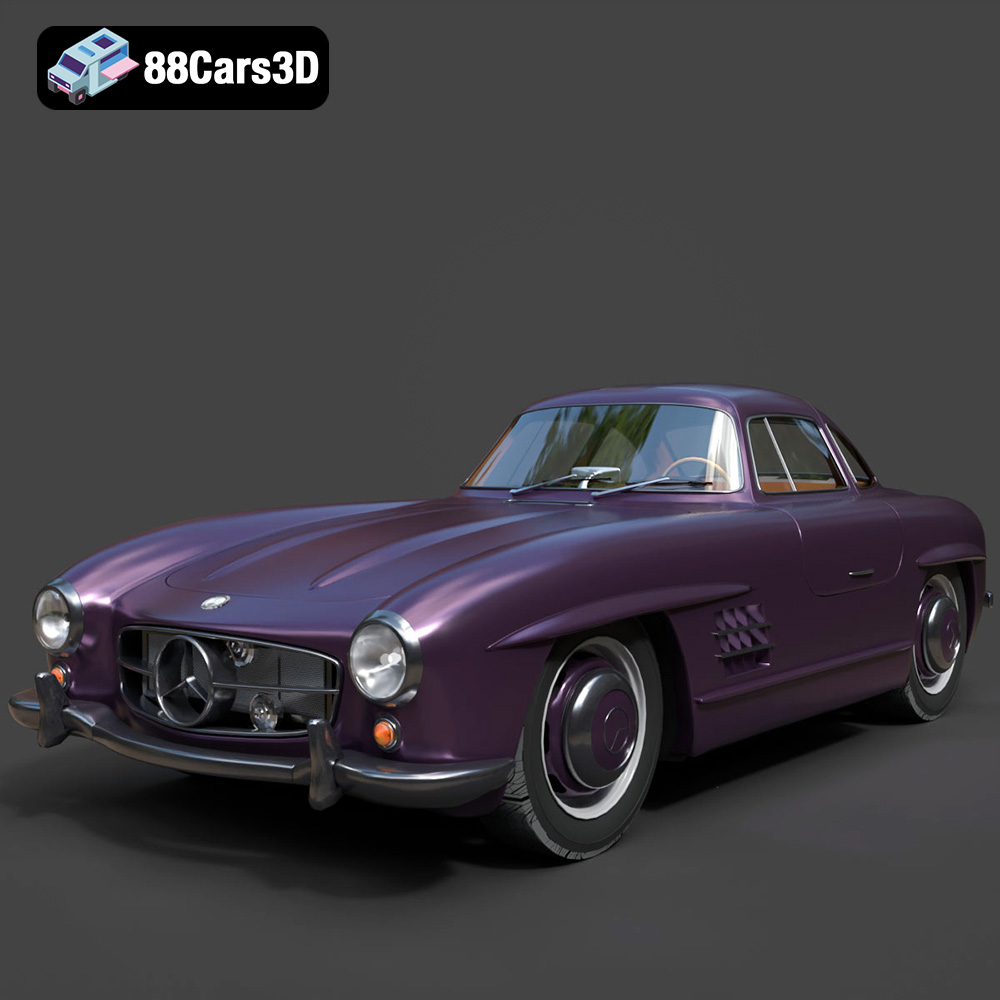
Download the Mercedes-Benz 300SL 1955 3D Model featuring clean geometry, realistic detailing, and a fully modeled interior. Includes .blend, .fbx, .obj, .glb, .stl, .ply, .unreal, and .max formats for rendering, simulation, and game development.
Price: $9.99
Texture: Yes
Material: Yes
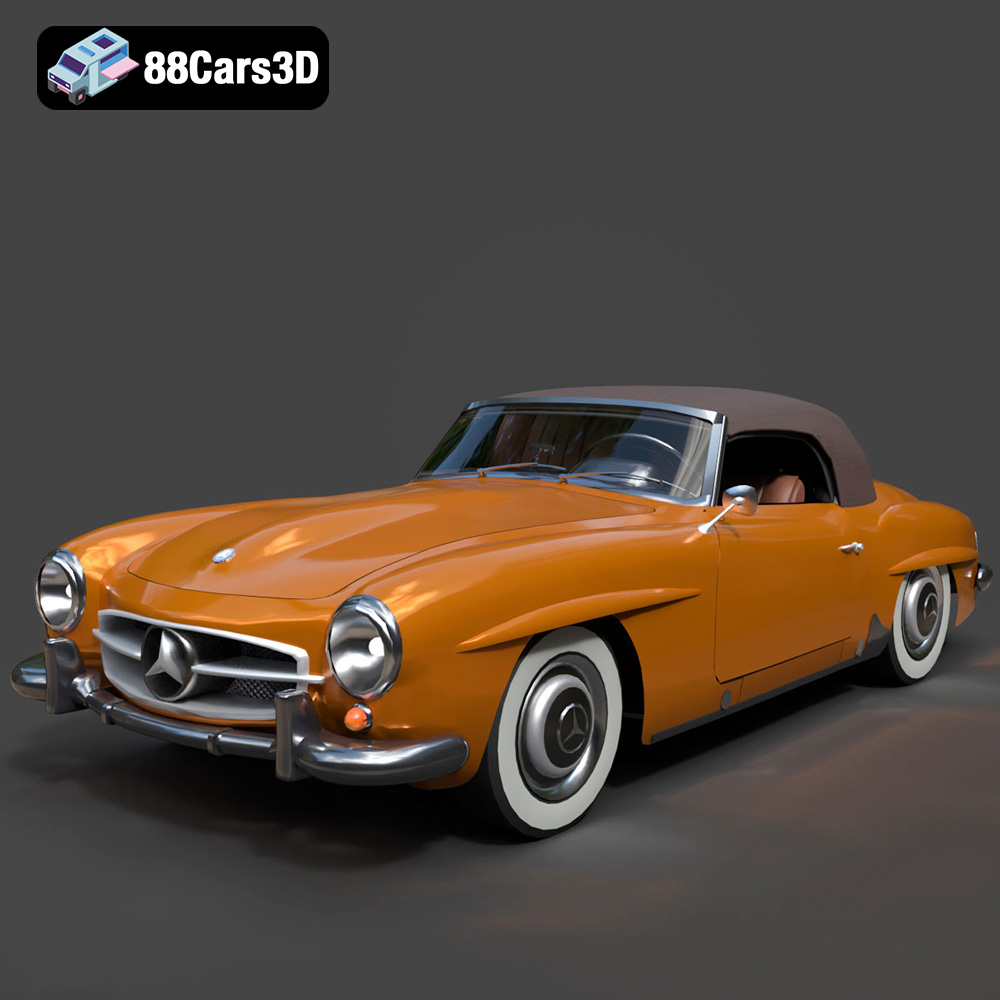
Download the Mercedes-Benz 190SL 1955 3D Model featuring clean geometry, realistic detailing, and a fully modeled interior. Includes .blend, .fbx, .obj, .glb, .stl, .ply, .unreal, and .max formats for rendering, simulation, and game development.
Price: $9.99
Texture: Yes
Material: Yes
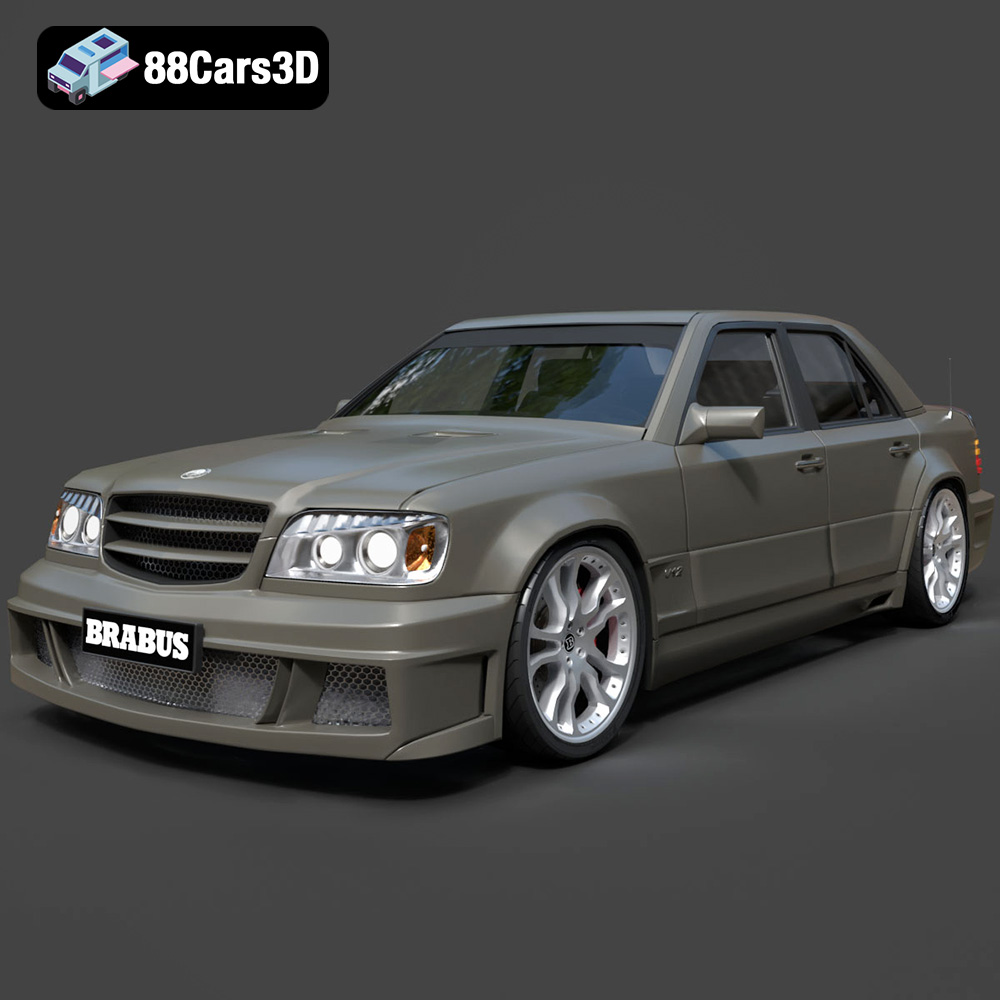
Download the Mercedes-Benz W124 Brabus V12 3D Model featuring clean geometry, realistic detailing, and a fully modeled interior. Includes .blend, .fbx, .obj, .glb, .stl, .ply, .unreal, and .max formats for rendering, simulation, and game development.
Price: $9.99

