From Polygons to Photorealism: The Ultimate Guide to High-Quality 3D Car Models
“`html
From Polygons to Photorealism: The Ultimate Guide to High-Quality 3D Car Models
There’s an undeniable magic to a perfectly rendered car. The way light dances across its curves, the intricate detail in the headlights, the subtle imperfections that sell the realism—it’s a blend of technical artistry and engineering precision. For 3D artists, game developers, and visualization specialists, mastering the creation and utilization of 3D car models is a benchmark of skill. But achieving that showroom-quality result is a complex journey, spanning meticulous modeling, precise texturing, and sophisticated rendering. Whether you’re building a vehicle from a single polygon or integrating a pre-made asset into a bustling game engine, a deep understanding of the entire pipeline is crucial.
This comprehensive guide will take you under the hood of professional automotive 3D asset creation and implementation. We’ll move beyond the basics and dive into the specific techniques that separate amateur models from production-ready assets. You’ll learn the secrets behind flawless surface topology, the strategies for efficient and detailed UV mapping, the art of crafting photorealistic PBR materials, and the science of optimizing your model for any application—from cinematic automotive rendering and interactive AR/VR experiences to real-time game assets and even physical 3D printing. Get ready to shift your skills into high gear and transform your digital garage into a showcase of photorealistic excellence.
The Blueprint: Mastering Automotive Topology and Edge Flow
The foundation of any great 3D car model is its topology—the underlying mesh structure that defines its shape. Clean, efficient, and logical topology isn’t just about aesthetics; it dictates how the model will catch light, how it deforms, and how easily it can be textured and optimized. For automotive models, with their blend of large, smooth surfaces and sharp, defined character lines, this foundation is absolutely critical.
The Importance of Clean Quad-Based Topology
The golden rule in automotive modeling is to work with quadrilaterals (quads) whenever possible. While triangles and n-gons (polygons with more than four sides) have their place, a predominantly quad-based mesh offers significant advantages:
- Predictable Subdivision: Quads subdivide smoothly and cleanly, which is essential when creating high-poly models for rendering using modifiers like TurboSmooth (3ds Max) or a Subdivision Surface (Blender). Triangles and n-gons can introduce pinching, artifacts, and unpredictable smoothing.
- Clean UV Unwrapping: UV unwrapping algorithms work far more effectively with the grid-like structure of quads, making it easier to create distortion-free UV maps.
- Proper Shading: Quads lead to smoother, more accurate surface normals, resulting in pristine reflections and highlights. N-gons, in particular, can cause severe shading errors on curved surfaces.
When you acquire a model from a professional marketplace like 88cars3d.com, you can expect this level of meticulous topology, saving you hours of cleanup and ensuring the asset is ready for immediate use in high-end productions.
Edge Flow for Perfect Reflections and Deformations
Edge flow refers to the direction and arrangement of the polygon edges across the model’s surface. On a car, the edge flow should follow the natural contours and character lines of the vehicle. Good edge flow is the secret to achieving those long, unbroken, liquid-like reflections that define a car’s shape.
- Follow the Curves: Edges should flow parallel to key design lines, such as the curve of a wheel arch, the crease along the door panel, or the sharp edge of a hood.
- Use Support Edges: To maintain sharp creases and panel gaps after subdivision, place “support” or “holding” edges close to the main edge. This tightens the surface during smoothing, creating a crisp, manufactured look without adding unnecessary geometry across flat panels.
- Avoid Spirals and Poles: A “pole” is a vertex where more than five edges meet. While sometimes unavoidable, they should be placed on flat, hidden areas, as they can cause pinching on curved surfaces.
Managing Polygon Density for Different Use Cases
Not all 3D car models are created equal. The required polygon count is dictated entirely by the final application.
- VFX and High-Fidelity Renders: These “hero” models are built for extreme close-ups. They often start with a base mesh of 200,000 – 500,000 polygons, which is then subdivided at render time to several million polygons for perfect smoothness.
- Real-Time Game Assets: Performance is key. A main player vehicle in a modern AAA game might range from 80,000 to 150,000 triangles (polygons are converted to triangles by the engine). Background traffic cars might be as low as 10,000-20,000 triangles.
- AR/VR and Mobile: These platforms have the tightest performance budgets. A target of 20,000 to 60,000 triangles is common, requiring heavy optimization and the use of normal maps to fake surface detail.
Mapping the Surface: Advanced UV Unwrapping for Vehicles
UV mapping is the process of flattening a 3D model’s surface into a 2D space so textures can be applied correctly. For a complex object like a car, with its countless individual panels, lights, and trim pieces, a strategic approach to UV mapping is essential for achieving high-quality results efficiently.
Strategic Seam Placement for Complex Panels
Where you place your UV seams is crucial. Poorly placed seams can be visible in the final render and make texturing difficult. The best practice for vehicles is to hide seams where they would naturally occur on the real object.
- Panel Gaps: The gaps between doors, the hood, and the fenders are the perfect places to hide UV seams.
- Hard Edges: Place seams along hard-edged trim pieces, like chrome window surrounds or black plastic bumpers.
- Underside/Hidden Areas: For large, continuous pieces like the roof, you can often run a seam down the center and place the other seams on the less-visible underside of the car body.
When unwrapping, aim to relax the UV shells to minimize stretching and distortion. Tools like Blender’s UV Squares or 3ds Max’s Peel tools are invaluable for creating perfectly straight, distortion-free UVs for mechanical parts.
Texel Density: Achieving Consistent Detail
Texel density is the ratio of texture resolution to model surface area (e.g., pixels per meter). Maintaining a consistent texel density across your entire model is vital for ensuring that details look uniformly sharp. You don’t want a highly detailed headlight right next to a blurry door panel. A good workflow is:
- Choose a target texel density for your project (e.g., 1024 px/m for a first-person game asset, or 4096 px/m for a cinematic render).
- Unwrap a reference object (like a 1×1 meter plane) and scale its UVs to fill a 1K texture space. This sets your baseline.
- As you unwrap other parts of the car, use tools to match their UV scale to your reference object. Most modern 3D software has tools to automatically set or match texel density.
UDIMs vs. Single UV Layouts
For organizing your UVs, you have two primary choices:
- Single UV Layout: Common for game assets. All UV shells for the entire car (or a specific part, like the exterior) are packed into a single 0-1 UV space. This is efficient for game engines but can limit the maximum texture resolution for any given part. This often requires multiple materials (e.g., one for the body, one for glass, one for the interior).
- UDIM (U-Dimension): The standard for VFX and high-end rendering. UDIMs allow you to use multiple texture maps on a single material by arranging UV shells across multiple UV tiles. For example, you could have one 4K map for the main body on tile 1001, another 4K map for the wheels on tile 1002, and a 2K map for the badges on tile 1003, all controlled by one shader. This provides immense flexibility and allows for extreme texture detail.
The Paint Job: Crafting Realistic PBR Materials
Physically Based Rendering (PBR) workflows have revolutionized 3D art by simulating the real-world flow of light. Creating convincing PBR materials is what brings your perfectly modeled and unwrapped car to life. A car’s materials are a complex interplay of different layers, and recreating them digitally requires a keen eye and technical knowledge.
Deconstructing the Car Paint Shader
Modern car paint is not a simple color; it’s a multi-layered material. In a 3D application like 3ds Max with Corona/V-Ray or Blender with Cycles, you’ll build this by layering shaders or using a specialized car paint material.
- Base Layer: This is the pigment color of the paint. For metallic paints, this layer’s “metalness” value will be set to 1. Its roughness will be relatively low.
- Flake Layer: For metallic and pearlescent paints, this layer simulates the small metallic flakes suspended in the paint. This is often achieved by plugging a procedural noise map (like Cellular or Noise) into the base color or normal map input. You can use a second, finer noise map to control the orientation and color of the flakes for an even more realistic effect.
- Clearcoat Layer: This is the top, transparent varnish layer. All modern PBR shaders have a dedicated “Coat” or “Sheen” setting. This layer has its own IOR (Index of Refraction, typically ~1.5-1.6 for varnish) and roughness value. The clearcoat is what gives the car its deep, glossy reflection. Adding a subtle grunge or scratch map to the clearcoat’s roughness input is key to breaking up perfect reflections and adding realism.
Texturing Imperfections: Dirt, Scratches, and Wear
Nothing makes a 3D model look fake like being perfectly clean. Subtle imperfections are crucial for photorealism. Procedural texturing tools like Substance Painter or built-in node systems are ideal for this.
- Ambient Occlusion (AO): Use a baked AO map to drive the placement of dirt and grime, concentrating it in crevices and panel gaps.
- Curvature Maps: A curvature map identifies the sharp edges of a model. Use it to add subtle scratches and paint chipping along exposed edges where wear would naturally occur.
- Procedural Masks: Use grunge maps and noise textures, layered with procedural generators like “Drip” or “Dust,” to create realistic environmental effects like rain streaks, dust accumulation on flat surfaces, and mud splashes around the wheel wells.
The Photo Shoot: High-Fidelity Automotive Rendering
With a pristine model and realistic materials, the final step is to place it in a virtual photo studio or environment for the final render. Lighting and camera work are just as important as the asset itself in producing a stunning final image. This is where the world of automotive rendering truly shines.
Studio vs. Environment Lighting (HDRI Setups)
The type of lighting you choose will drastically change the mood and look of your render.
- Studio Lighting: This involves using manually placed area lights, just like a real-world photographer. The classic “three-point lighting” setup (key, fill, rim) is a great starting point. Studio lighting gives you complete control over highlights and shadows, perfect for showcasing the specific design features of a car. Use large, soft area lights to create broad, smooth reflections that define the car’s form.
- Image-Based Lighting (IBL): This technique uses a High Dynamic Range Image (HDRI) to illuminate the entire scene. The HDRI captures the light information from a real-world location (an empty road, a hangar, a forest) and projects it onto a virtual dome. This is the fastest way to achieve hyper-realistic lighting and reflections, as your car will look perfectly integrated into the environment captured in the HDRI.
Camera Settings for Automotive Cinematography
Your virtual camera should mimic a real-world DSLR. Don’t just point and shoot; think like a photographer.
- Focal Length: Avoid very wide-angle lenses (below 35mm) as they can distort the car’s proportions. A focal length between 50mm and 100mm provides a natural, pleasing perspective that compresses the features slightly, which is very flattering for cars.
- Aperture (F-Stop): Use a low F-stop (e.g., f/2.8 to f/5.6) to create a shallow depth of field. This blurs the background and foreground, drawing the viewer’s eye to a specific part of the car and adding a cinematic, professional quality to the shot.
- Composition: Use classic photography rules like the Rule of Thirds. Position the car off-center and use leading lines in the environment to guide the viewer’s eye. Get low to the ground for dramatic, powerful shots, or shoot from a high angle to emphasize the car’s shape.
Gearing Up for Real-Time: Optimizing 3D Cars for Game Engines
Using a 3D car model in a game engine like Unreal Engine or Unity requires a completely different approach focused on performance. The goal is to maintain the highest possible visual quality while ensuring the game runs at a smooth frame rate (typically 60 FPS or higher). This is where a well-structured model becomes invaluable.
The Art of LODs (Level of Detail)
A Level of Detail (LOD) system is the most critical optimization for game vehicles. It involves creating multiple versions of the car model at decreasing levels of complexity. The game engine automatically swaps these models based on the car’s distance from the camera.
- LOD0: The highest quality version, seen up close. 80k-150k triangles. Full interior, detailed wheels.
- LOD1: A mid-range version. 30k-60k triangles. Interior is simplified, smaller details are removed.
- LOD2: For distant views. 10k-25k triangles. The interior may be replaced with a simple textured plane. Wheels are heavily simplified.
- LOD3 (and beyond): Extremely low poly. Under 5k triangles. May just be a silhouette-defining “impostor” or a very basic mesh.
Automated tools can generate LODs, but for the best results, they should be created manually by a 3D artist who can make intelligent decisions about which polygons to remove to preserve the car’s silhouette.
Draw Call Reduction: Texture Atlasing and Material Consolidation
A “draw call” is a command from the CPU to the GPU to draw an object. Each object with a unique material generates at least one draw call. Too many draw calls can severely bottleneck performance. To optimize this:
- Material Consolidation: Instead of having separate materials for every little piece of chrome, plastic, and rubber, combine them into one. For example, have a single “Trim_Material” that services all exterior trim pieces.
- Texture Atlasing: This is the process of combining multiple smaller textures into a single, larger texture sheet (an atlas). For the car’s interior, instead of separate textures for the dashboard, seats, and steering wheel, you can unwrap them all to fit onto a single texture atlas. This allows the entire interior to be rendered in a single draw call, providing a massive performance boost.
Beyond the Screen: Preparing Models for AR/VR and 3D Printing
The utility of 3D car models extends beyond traditional screens. Emerging platforms like Augmented Reality (AR), Virtual Reality (VR), and 3D printing present unique technical challenges and requirements.
AR/VR Optimization: GLB/USDZ Formats and Performance Budgets
For AR/VR, performance is paramount to maintain a high frame rate and prevent motion sickness. Models must be extremely lightweight.
- File Formats: The industry standards are GLB (for Android/Web) and USDZ (for Apple iOS). These formats are popular because they are “monolithic”—they package the model, textures, and animation data into a single file, making them easy to distribute and load.
- Performance Budgets: The polycount budget is even stricter than in traditional games. A target of 50,000 triangles and 1-2 materials per car is a good starting point for mobile AR. Texture resolutions are often capped at 1K or 2K.
- PBR Workflow: The GLB/USDZ formats use the metallic/roughness PBR workflow, so ensure your materials are authored correctly. Textures for occlusion, roughness, and metallic are often channel-packed into a single image (e.g., R channel = Occlusion, G = Roughness, B = Metallic) to reduce file size and memory usage.
3D Printing Prep: Ensuring Watertight Meshes and Wall Thickness
Preparing a model for 3D printing is a process of turning a visual asset into a physically viable object.
- Watertight (Manifold) Mesh: The 3D model must be a single, solid, sealed volume with no holes. Imagine it has to hold water without leaking. Tools like the 3D-Print Toolbox in Blender or Autodesk Meshmixer can analyze a mesh for non-manifold edges and holes, and often automatically repair them.
- Wall Thickness: Unlike a render model, which can have paper-thin surfaces, a printable model needs physical thickness. Car body panels must be given depth. A minimum wall thickness of 1-2mm is a safe bet for most desktop printers.
- Separating Parts: For a high-quality print, it’s often best to separate the model into logical components (body, wheels, windows) that can be printed individually and assembled later. This allows for cleaner results and reduces the need for support structures. The windows can be printed with a clear filament, and the wheels can be printed separately to ensure they can rotate.
Conclusion: The Road to Excellence
The journey from a blank viewport to a stunning, versatile 3D car model is a testament to the power of a well-defined, multi-stage workflow. We’ve seen that success lies not in a single skill, but in the mastery and integration of many: the geometric precision of clean topology, the artistic layout of UV mapping, the physical accuracy of PBR materials, the photographic eye required for automotive rendering, and the ruthless efficiency needed for real-time optimization. Each stage builds upon the last, and a weakness in one area can compromise the entire project.
The key takeaway is that quality is paramount from the very beginning. A model built with clean topology and logical UVs is infinitely more valuable because it can be adapted for any purpose—from a 4K cinematic close-up to a lightweight mobile AR experience. Whether you’re building a model from scratch or accelerating your project with a production-ready asset from a curated source like 88cars3d.com, understanding these core principles is what empowers you to achieve professional, breathtaking results every single time. Now, take these techniques, apply them to your next project, and start creating automotive visuals that truly captivate.
“`

Featured 3D Car Models
Mercedes-Benz SL500 AMG (R129) 3D Model
Texture: Yes
Material: Yes
Download the Mercedes-Benz SL500 AMG (R129) 3D Model featuring clean geometry, realistic detailing, and a fully modeled interior. Includes .blend, .fbx, .obj, .glb, .stl, .ply, .unreal, and .max formats for rendering, simulation, and game development.
Price: $9.99
Mercedes-Benz SLK 350 2005 3D Model
Texture: Yes
Material: Yes
Download the Mercedes-Benz SLK 350 2005 3D Model featuring clean geometry, realistic detailing, and a fully modeled interior. Includes .blend, .fbx, .obj, .glb, .stl, .ply, .unreal, and .max formats for rendering, simulation, and game development.
Price: $9.99
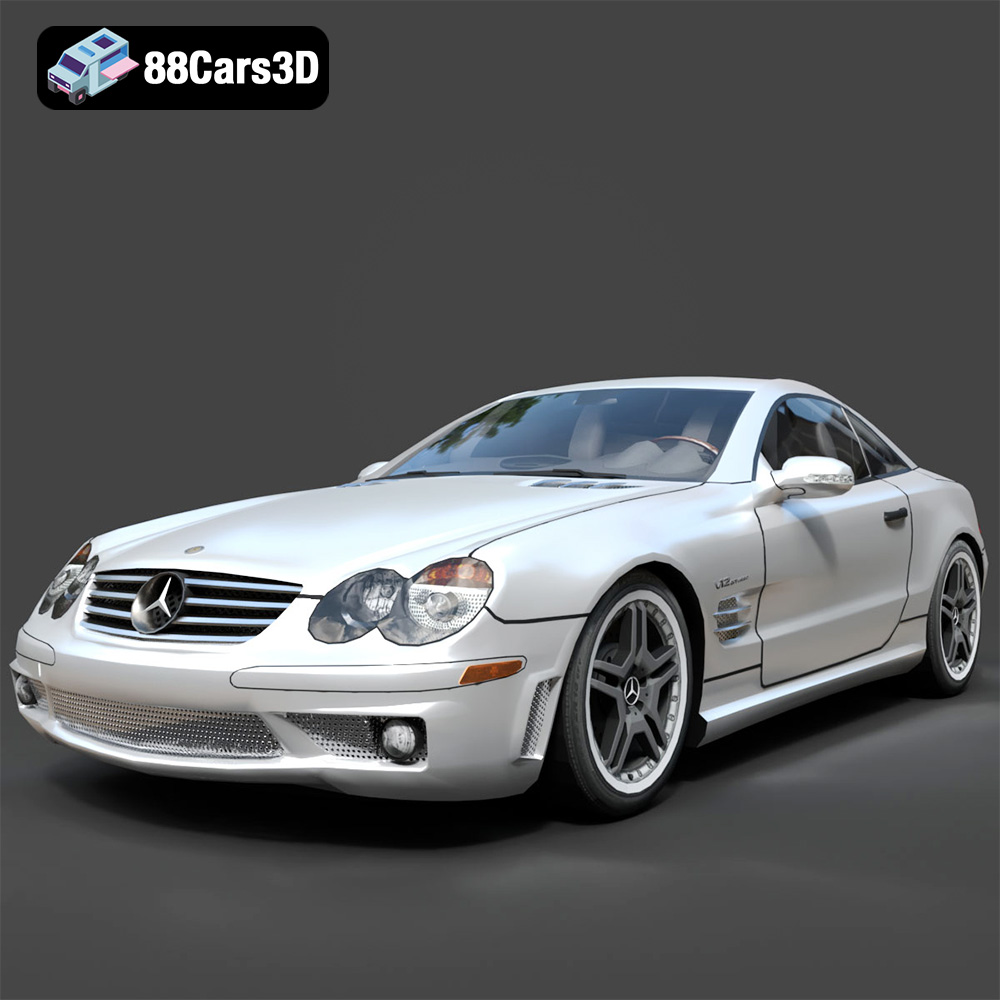
Mercedes-Benz SL 65 AMG 3D Model
Texture: Yes
Material: Yes
Download the Mercedes-Benz SL 65 AMG 3D Model featuring clean geometry, realistic detailing, and a fully modeled interior. Includes .blend, .fbx, .obj, .glb, .stl, .ply, .unreal, and .max formats for rendering, simulation, and game development.
Price: $9.99
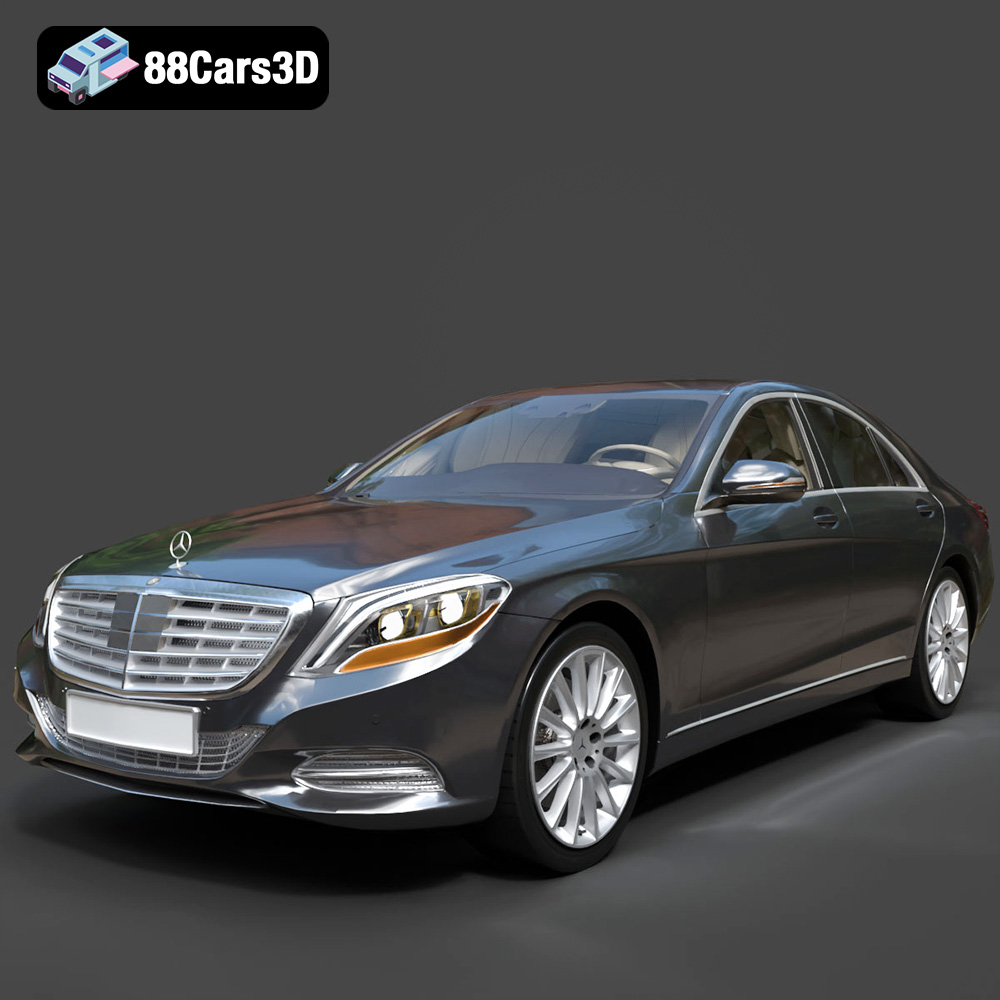
Mercedes-Benz S500 3D Model
Texture: Yes
Material: Yes
Download the Mercedes-Benz S500 3D Model featuring clean geometry, realistic detailing, and a fully modeled interior. Includes .blend, .fbx, .obj, .glb, .stl, .ply, .unreal, and .max formats for rendering, simulation, and game development.
Price: $9.99
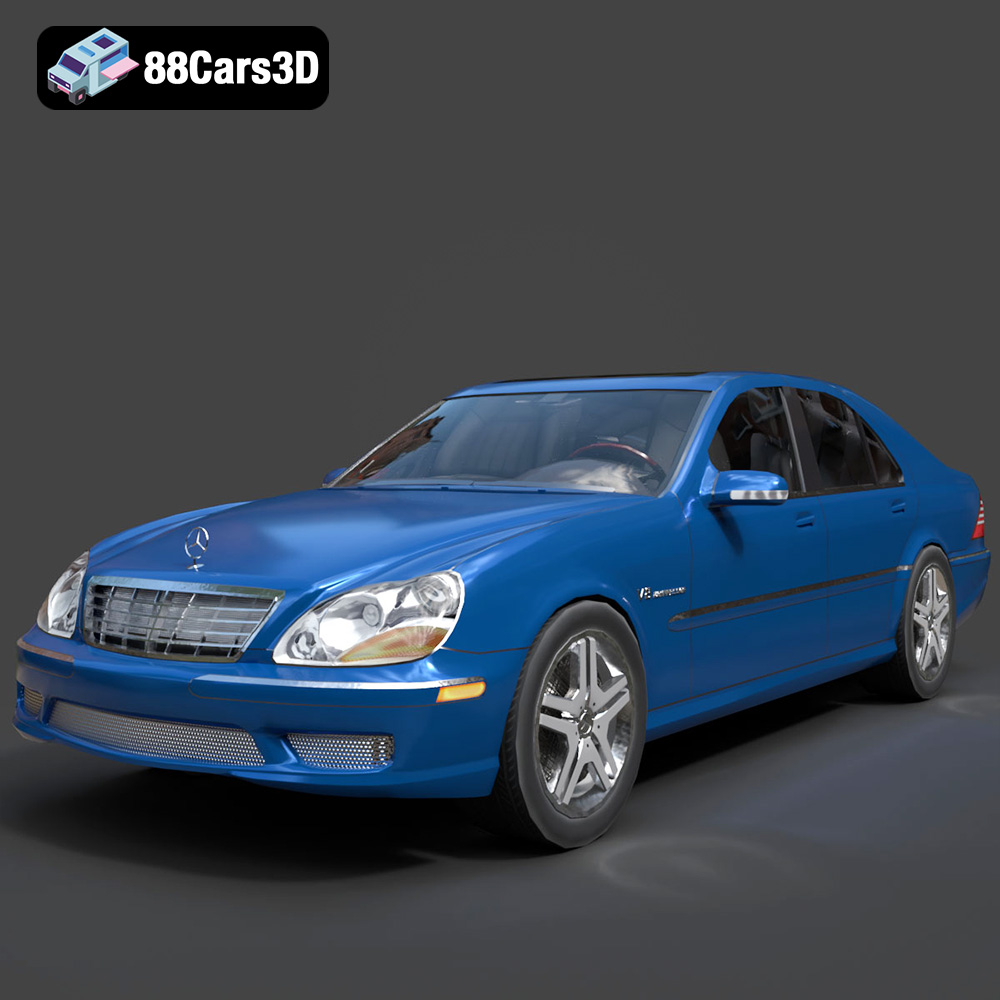
Mercedes-Benz S55 W220 AMG 1999 3D Model
Texture: Yes
Material: Yes
Download the Mercedes-Benz S55 W220 AMG 1999 3D Model featuring clean geometry, realistic detailing, and a fully modeled interior. Includes .blend, .fbx, .obj, .glb, .stl, .ply, .unreal, and .max formats for rendering, simulation, and game development.
Price: $9.99
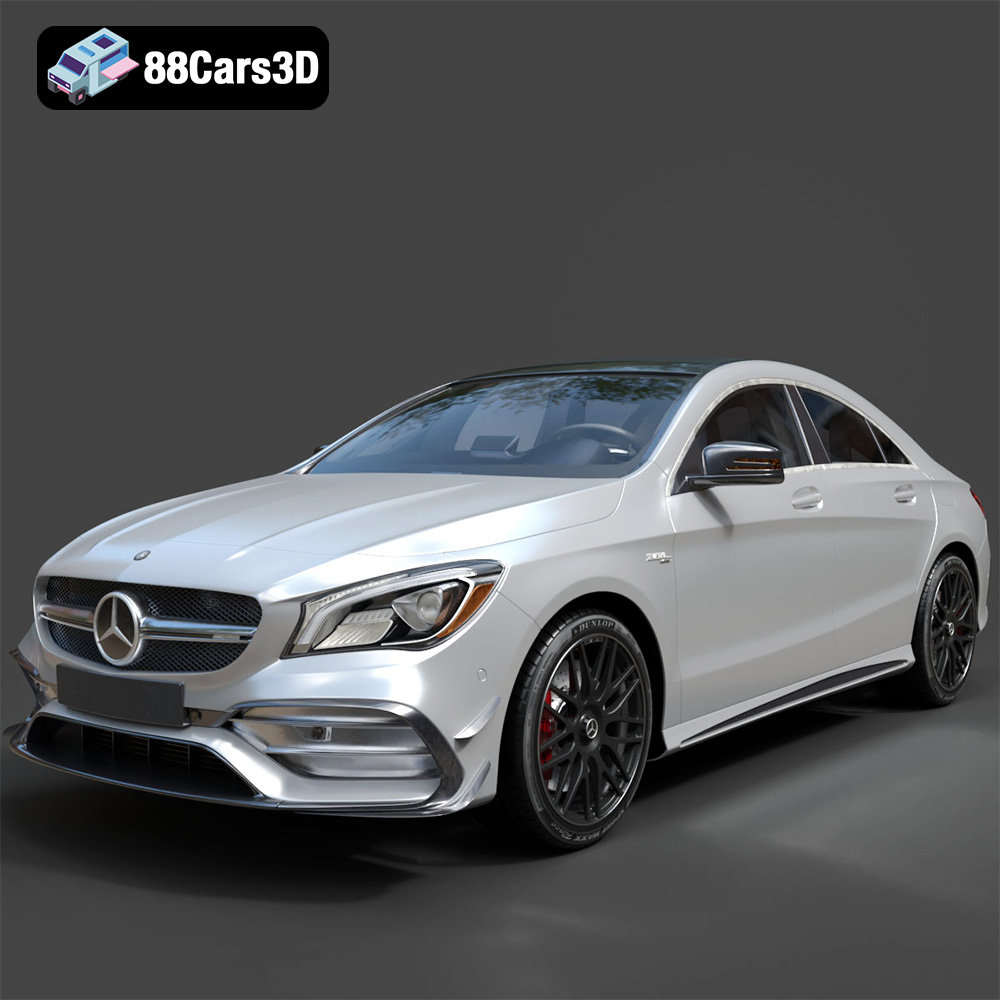
Mercedes-Benz CLA45 AMG 2017 3D Model
Texture: Yes
Material: Yes
Download the Mercedes-Benz CLA45 AMG 2017 3D Model featuring clean geometry, realistic detailing, and a fully modeled interior. Includes .blend, .fbx, .obj, .glb, .stl, .ply, .unreal, and .max formats for rendering, simulation, and game development.
Price: $29.99
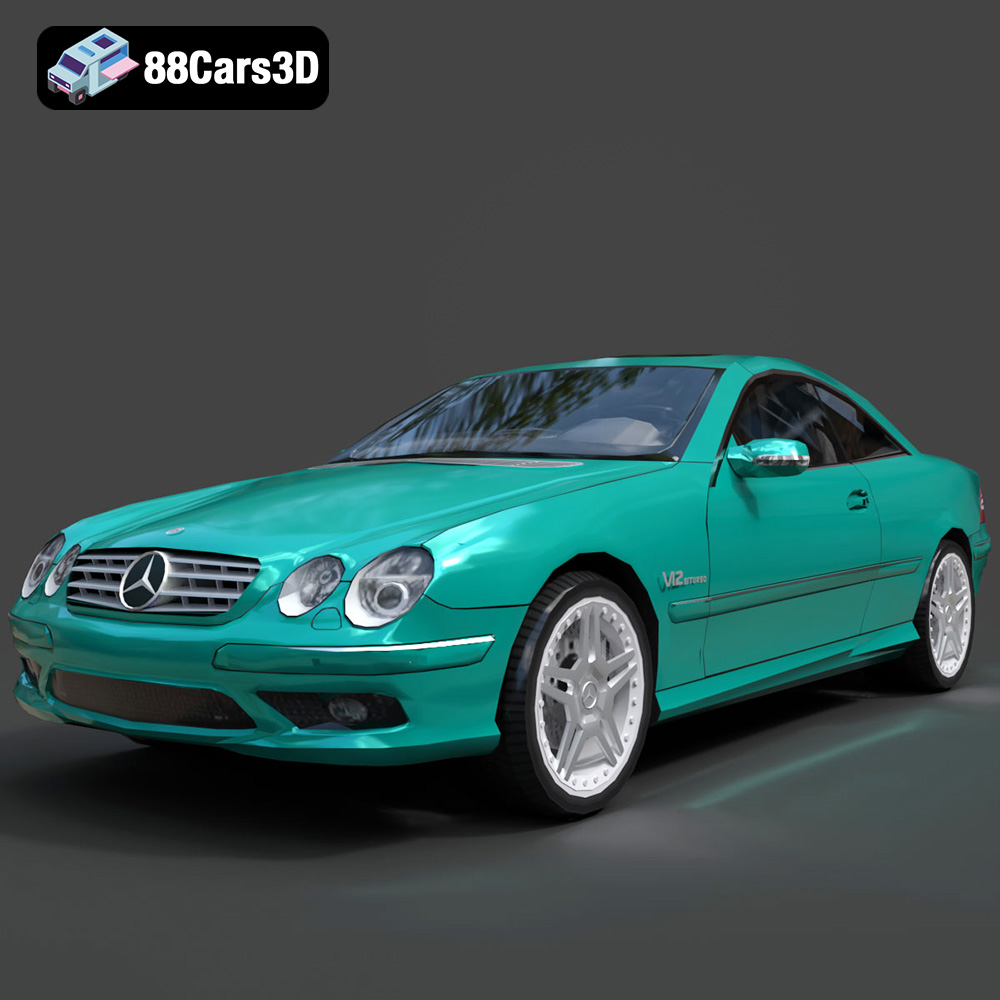
Mercedes-Benz CL65 C215 AMG 3D Model
Texture: Yes
Material: Yes
Download the Mercedes-Benz CL65 C215 AMG 3D Model featuring clean geometry, realistic detailing, and a fully modeled interior. Includes .blend, .fbx, .obj, .glb, .stl, .ply, .unreal, and .max formats for rendering, simulation, and game development.
Price: $9.99
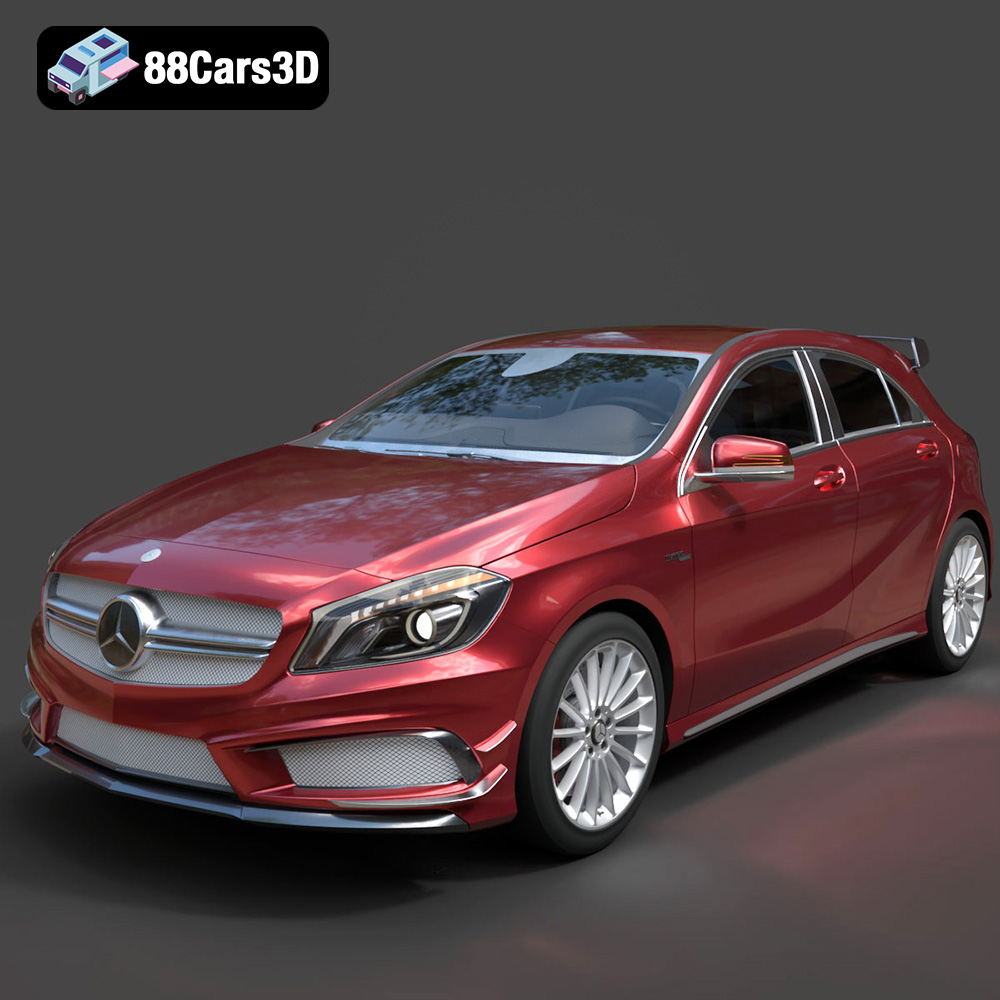
Mercedes-Benz A45 2021 3D Model
Texture: Yes
Material: Yes
Download the Mercedes-Benz A45 2021 3D Model featuring clean geometry, realistic detailing, and a fully modeled interior. Includes .blend, .fbx, .obj, .glb, .stl, .ply, .unreal, and .max formats for rendering, simulation, and game development.
Price: $9.99
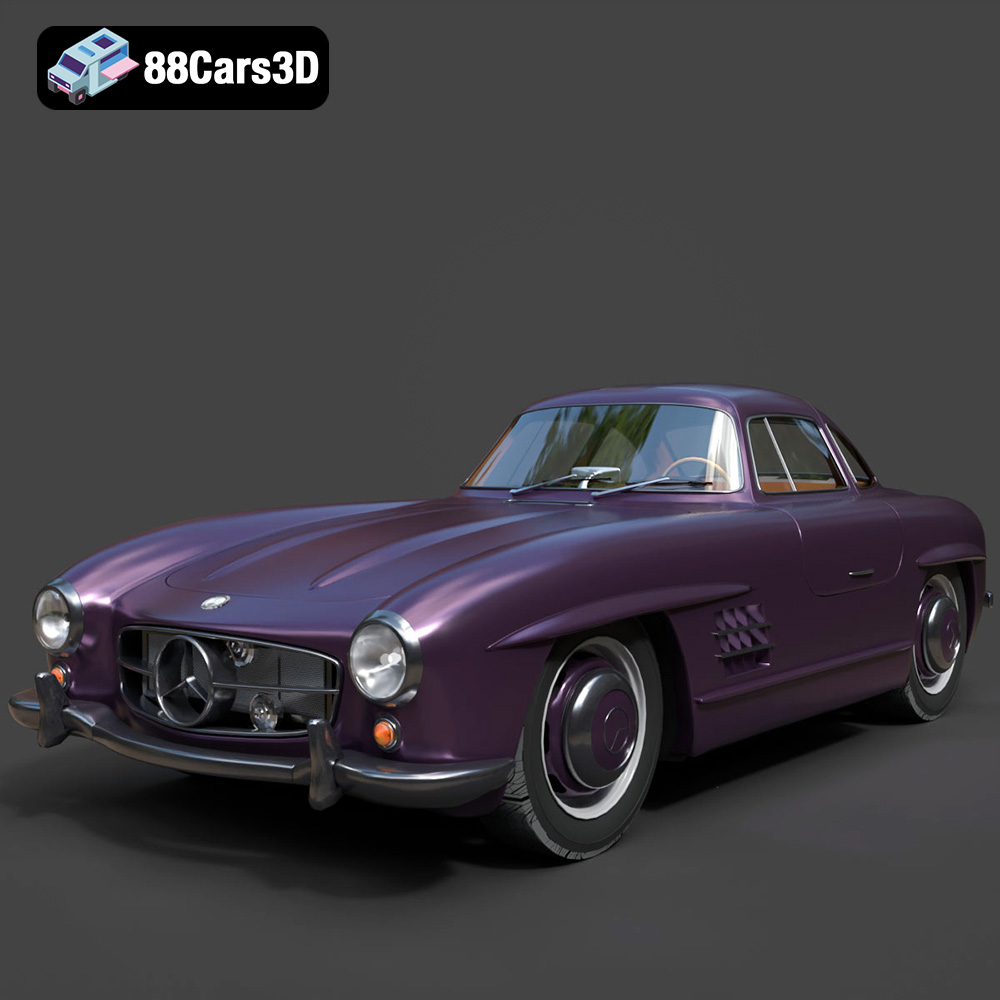
Mercedes-Benz 300SL 1955 3D Model
Texture: Yes
Material: Yes
Download the Mercedes-Benz 300SL 1955 3D Model featuring clean geometry, realistic detailing, and a fully modeled interior. Includes .blend, .fbx, .obj, .glb, .stl, .ply, .unreal, and .max formats for rendering, simulation, and game development.
Price: $9.99
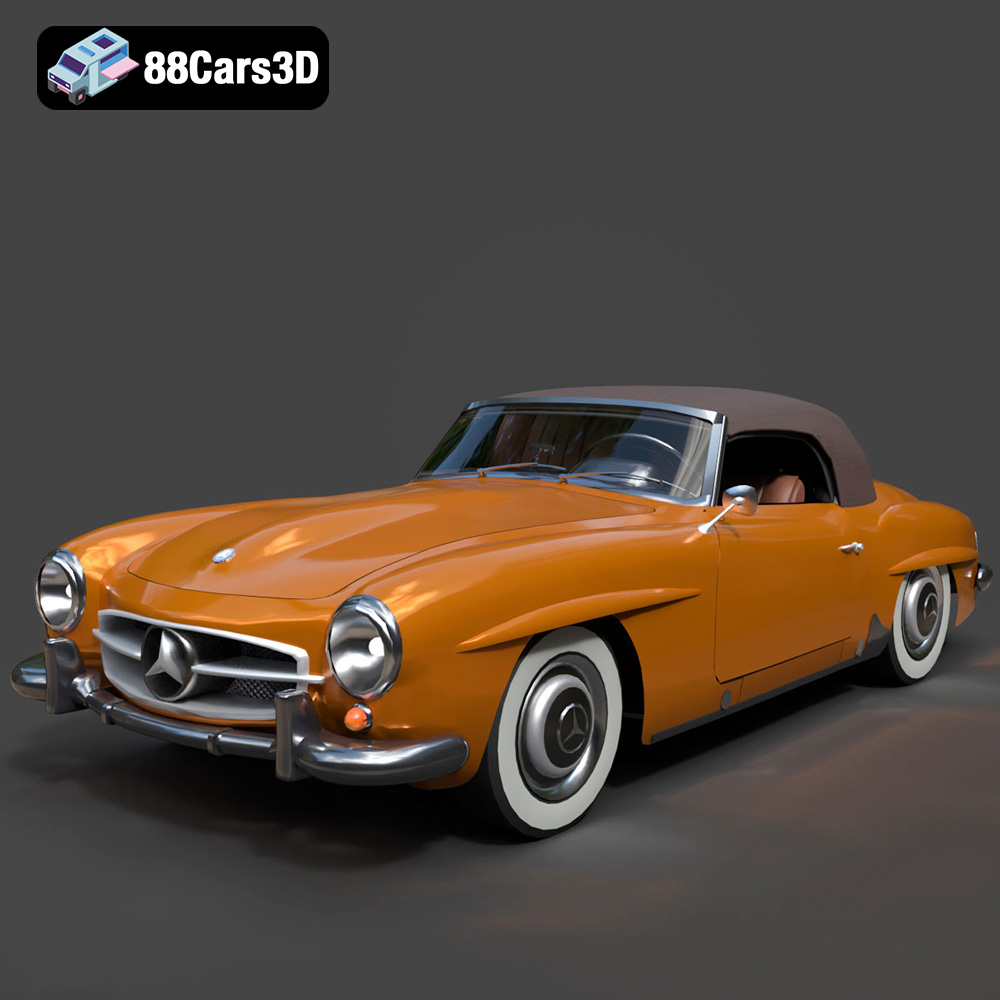
Mercedes-Benz 190SL 1955 3D Model
Texture: Yes
Material: Yes
Download the Mercedes-Benz 190SL 1955 3D Model featuring clean geometry, realistic detailing, and a fully modeled interior. Includes .blend, .fbx, .obj, .glb, .stl, .ply, .unreal, and .max formats for rendering, simulation, and game development.
Price: $9.99
