Get 20% OFF All Premium 3D & STL Models!

From the hyper-realistic reflections in a cinematic car chase to the customizable vehicles in a blockbuster video game, 3D car models are the unsung heroes of digital media. Yet, creating or choosing a production-ready vehicle is a complex art and science. A truly professional 3D car model is more than just a pretty shape; it’s a meticulously crafted asset built on a foundation of clean topology, precise UV mapping, and optimized materials. Whether you’re a 3D artist aiming to build a portfolio piece, a game developer populating a virtual world, or an automotive designer visualizing the next big thing, understanding the entire lifecycle of a 3D car model is crucial for success. This comprehensive guide will illuminate the path from a simple polygon mesh to a versatile, high-performance digital asset.
We will deconstruct the entire process, covering the non-negotiable principles of automotive topology, advanced strategies for UV mapping complex surfaces, and the secrets to achieving photorealistic PBR materials. We’ll then dive into specialized workflows for both offline rendering and real-time game engines, and explore the unique demands of emerging platforms like AR/VR and 3D printing. This is your roadmap to mastering the technical and artistic challenges of working with 3D car models, ensuring your final product not only looks stunning but also performs flawlessly in any production pipeline.
The foundation of any great 3D car model is its topology—the structure and flow of its polygons. Excellent topology is not just about aesthetics; it directly impacts how the model deforms, how it accepts textures, how it catches light, and how efficiently it can be optimized. For automotive models, where smooth, flowing surfaces and crisp reflections are paramount, a mastery of topology is non-negotiable. The industry standard is a quad-based workflow, meaning the model is constructed almost exclusively from four-sided polygons. Quads provide a clean, predictable grid that is ideal for subdivision, UV unwrapping, and creating smooth surface curvature without rendering artifacts like pinching or distortion, which are common with triangles and n-gons (polygons with more than four sides).
Edge flow refers to the direction of the edge loops that make up your model’s surface. For a car, the edge flow must follow the natural contours and design lines of the vehicle. Proper edge flow ensures that when the model is subdivided (using modifiers like TurboSmooth in 3ds Max or a Subdivision Surface in Blender), the curves remain smooth and the hard edges stay crisp. Key areas to focus on include:
A common mistake is to terminate edge loops in visible, flat areas, which can cause subtle shading errors. The best practice is to redirect edge flow into dense, hidden areas like wheel wells or the undercarriage.
The required polygon count, or “poly count,” varies dramatically based on the model’s intended use. There is no single “correct” number. A high-poly model for cinematic rendering or automotive visualization might have anywhere from 500,000 to over 2 million polygons to capture every minute detail. In contrast, a primary game asset (LOD0) for a PC or console title might target 50,000 to 150,000 polygons. For mobile platforms, this number could drop to under 30,000 polygons. When modeling, it’s often best to create a very high-resolution “source” model. This master model can then be used to generate optimized versions for different applications, a process known as creating Levels of Detail (LODs), which we’ll cover later.
Once your model has impeccable topology, the next critical step is UV mapping. Think of this process as carefully skinning the 3D model and laying its surface flat in a 2D space, known as UV space. This 2D map dictates how textures are applied to the 3D surface. For a complex object like a car, with its mix of large, smooth panels and intricate mechanical parts, a strategic approach to UV mapping is essential for achieving professional results and maintaining performance. A poorly unwrapped model will suffer from stretched, distorted, or blurry textures, immediately breaking the illusion of realism.
The first step in unwrapping is defining seams, which are edges on the 3D model where the UV shell will be cut. The goal is to place seams where they are least visible to the viewer. For a car, ideal locations for seams include:
Equally important is maintaining a consistent texel density across the entire model. Texel density is the ratio of texture resolution to surface area. If the density is inconsistent, some parts of the car will appear sharp and detailed while others look blurry and low-resolution. Most 3D software includes tools to visualize and equalize texel density, ensuring that a square inch on the car’s door has the same number of pixels dedicated to it as a square inch on the bumper.
For high-end rendering and “hero” assets that will be seen up close, a single texture map (e.g., 4096×4096 pixels) may not provide enough resolution for the entire car. This is where the UDIM (U-Dimension) workflow comes in. UDIMs allow you to spread your model’s UVs across multiple texture sets, or “tiles.” For example, you could dedicate one entire 4K texture tile just for the front bumper and grille, another for the doors on the left side, and so on. This technique allows for an incredible level of detail without being forced to use impractically massive single textures (like 16K or 32K). Software like Substance Painter, Mari, and modern renderers fully support the UDIM workflow, making it the industry standard for cinematic-quality automotive texturing.
With a perfectly unwrapped model, the next stage is to create materials that convincingly simulate real-world surfaces. The modern standard for this is Physically Based Rendering (PBR). PBR is not just a trend; it’s a methodology that aims to simulate the behavior of light in a physically plausible way. This results in materials that look correct and consistent under any lighting condition. The most common PBR workflow is the Metallic/Roughness workflow, which uses several key texture maps to define a surface.
A convincing car paint material is one of the most complex shaders to create. It’s not a single, simple surface but a multi-layered material. While a basic PBR setup can get you close, a true car paint shader often involves layers:
When sourcing models from marketplaces like 88cars3d.com, look for products that provide properly set up PBR materials, as this saves an enormous amount of time and technical guesswork.
Beyond the paint, a car features a wide variety of materials that require careful PBR texturing:
Rendering is where all the previous hard work culminates in a final, stunning image. For automotive visualization, the goal is almost always photorealism. This is typically achieved using offline, path-traced render engines like Corona Renderer, V-Ray, Arnold, or Blender’s Cycles. These engines simulate the physics of light with incredible accuracy, producing realistic reflections, soft shadows, and complex global illumination that are essential for making a car look believable.
The single most important element for realistic automotive rendering is the lighting. The fastest way to achieve lifelike lighting and reflections is by using a High Dynamic Range Image (HDRI). An HDRI is a 360-degree panoramic image that contains a massive range of light intensity data, from the darkest shadows to the brightest highlights of the sun. When used to light a 3D scene, it projects this light data onto your model, perfectly recreating the lighting and reflection environment of the place where the HDRI was captured. For automotive renders, studio HDRIs with softboxes or outdoor HDRIs of roads or scenic locations are extremely effective. The reflections of the HDRI environment on the car’s body panels are what truly sell the realism.
Your virtual camera should be treated like a real-world DSLR. Pay close attention to settings like:
No render is truly complete without post-processing. A raw render is like a raw photo from a camera; it needs final adjustments. Using software like Adobe Photoshop or After Effects, you can perform color grading, adjust contrast, add lens effects like chromatic aberration or vignetting, and composite the final image for maximum impact.
While offline rendering prioritizes visual fidelity above all else, real-time rendering for game engines like Unreal Engine and Unity is a constant balancing act between quality and performance. The goal is to maintain the highest visual quality possible while ensuring the game runs at a smooth frame rate (typically 30 or 60+ frames per second). This requires a completely different set of optimization strategies.
As mentioned earlier, Levels of Detail (LODs) are crucial. A game engine will dynamically switch between different versions of the car model based on its distance from the camera. The closest version, LOD0, will be the highest quality (e.g., 100,000 polygons). As the car moves further away, the engine swaps to LOD1 (e.g., 40,000 polygons), then LOD2 (e.g., 15,000 polygons), and so on. This process drastically reduces the number of polygons the GPU has to render per frame.
Another key performance metric is draw calls. A draw call is a command from the CPU to the GPU to draw an object. Each separate object with a unique material in your scene generates at least one draw call. A car model made of hundreds of individual parts can cripple performance. To combat this, artists use two main techniques:
Textures are a major consumer of video memory (VRAM). A single 4K PBR material set can use over 100MB of VRAM. To manage this, textures for game assets are almost always compressed. Engines use specialized compression formats like DXT (or BCn) that drastically reduce file size with a manageable loss in quality. Furthermore, it’s essential to use the appropriate texture resolution for each part. While the main body might need a 2K or 4K texture, smaller interior components can often get away with 512×512 or even smaller textures, saving precious memory.
The utility of 3D car models extends beyond traditional screens into the immersive worlds of Augmented Reality (AR) and Virtual Reality (VR), and the physical world through 3D printing. Each of these applications has its own unique set of technical requirements and challenges that must be addressed.
AR and VR, especially on mobile or standalone devices like the Meta Quest, operate under even stricter performance budgets than traditional games. The need to render the scene twice (once for each eye) at a very high frame rate (72-90+ Hz) to avoid motion sickness means that every polygon and texture counts. For AR applications, where a virtual car might be placed in a real-world environment, performance is key. Key considerations include:
Preparing a model for 3D printing is a completely different challenge. The visual appearance is irrelevant; the geometric integrity of the mesh is everything. A model must be “watertight” and “manifold” to be printable. A watertight mesh has no holes. Imagine filling the 3D model with water—if there are any gaps, the water would leak out. A manifold mesh means that every edge is connected to exactly two faces. This ensures the model represents a single, solid volume without any internal faces or disconnected geometry. Before sending a model to print, it must be run through preparation software like Meshmixer or the tools built into slicer programs to check for and repair these issues, as well as to establish proper wall thickness to ensure the printed model is physically durable.
Finally, delivering your 3D car model to a client, a game engine, or a rendering pipeline requires choosing the right file format. Each format has its own strengths and weaknesses, and understanding them is crucial for a smooth workflow and ensuring compatibility between different software packages. Creating a model from scratch or purchasing one from a professional marketplace like 88cars3d.com is only half the battle; you must also be able to transfer it effectively.
When converting between formats, it’s vital to test the results in the target application. Material properties, texture assignments, and even mesh normals can sometimes be misinterpreted during the conversion process, requiring manual cleanup and verification.
A production-ready 3D car model is a testament to technical skill and artistic vision. It is far more than an assembly of polygons; it is a carefully balanced synthesis of clean topology, efficient UVs, realistic materials, and thoughtful optimization. From the foundational edge flow that defines its silhouette to the final choice of file format that determines its destination, every step in the process is interconnected and crucial to the final result. Whether your goal is a jaw-dropping automotive render, an interactive vehicle in a high-octane video game, or an immersive AR product showcase, the principles of quality remain the same: precision, planning, and a deep understanding of the entire pipeline.
This guide provides a comprehensive framework, but mastery comes from practice and continuous learning. For those on tight deadlines or who need a guaranteed level of quality from the start, leveraging professionally crafted assets from dedicated marketplaces like 88cars3d.com can be a powerful strategy. By starting with a model that already adheres to these best practices, you can focus your energy on the creative aspects of your project, confident that the technical foundation is solid, reliable, and ready for any production challenge you throw at it.

Texture: Yes
Material: Yes
Download the Mercedes-Benz SL500 AMG (R129) 3D Model featuring clean geometry, realistic detailing, and a fully modeled interior. Includes .blend, .fbx, .obj, .glb, .stl, .ply, .unreal, and .max formats for rendering, simulation, and game development.
Price: $9.99

Texture: Yes
Material: Yes
Download the Mercedes-Benz SLK 350 2005 3D Model featuring clean geometry, realistic detailing, and a fully modeled interior. Includes .blend, .fbx, .obj, .glb, .stl, .ply, .unreal, and .max formats for rendering, simulation, and game development.
Price: $9.99
Texture: Yes
Material: Yes
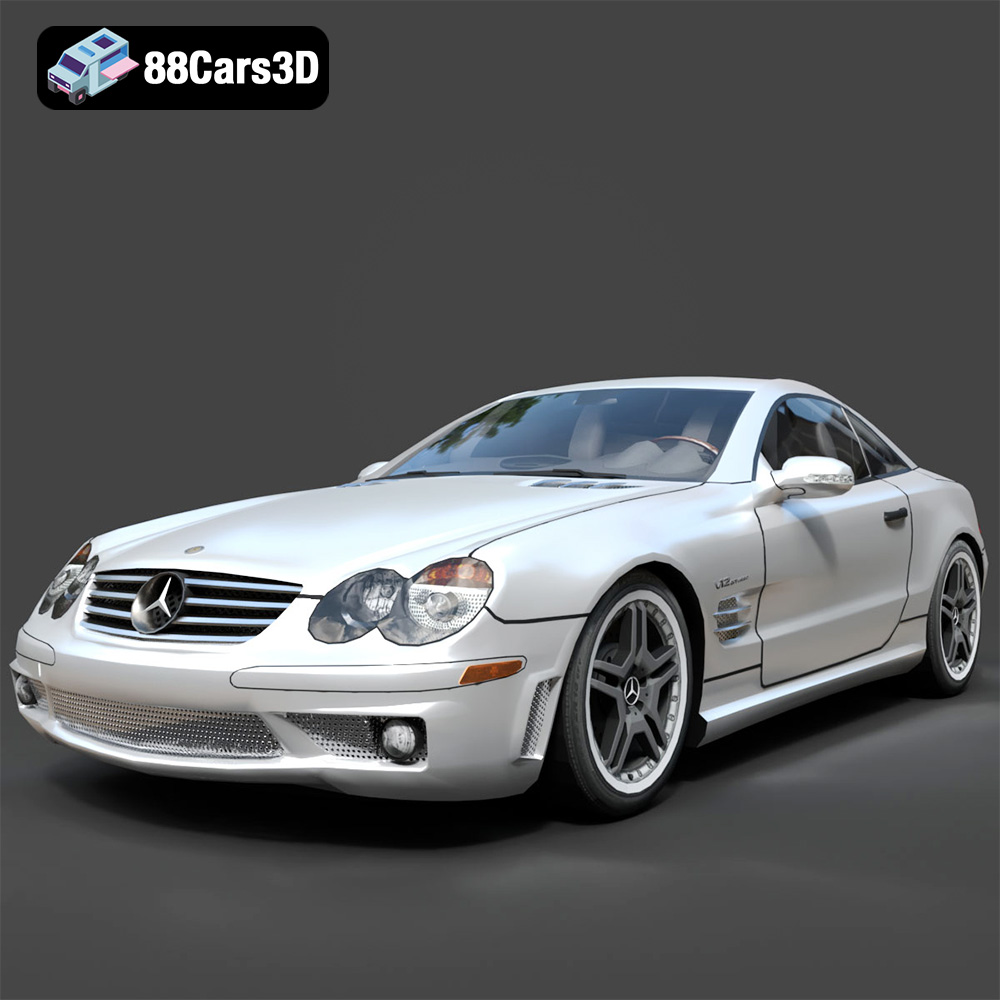
Download the Mercedes-Benz SL 65 AMG 3D Model featuring clean geometry, realistic detailing, and a fully modeled interior. Includes .blend, .fbx, .obj, .glb, .stl, .ply, .unreal, and .max formats for rendering, simulation, and game development.
Price: $9.99
Texture: Yes
Material: Yes
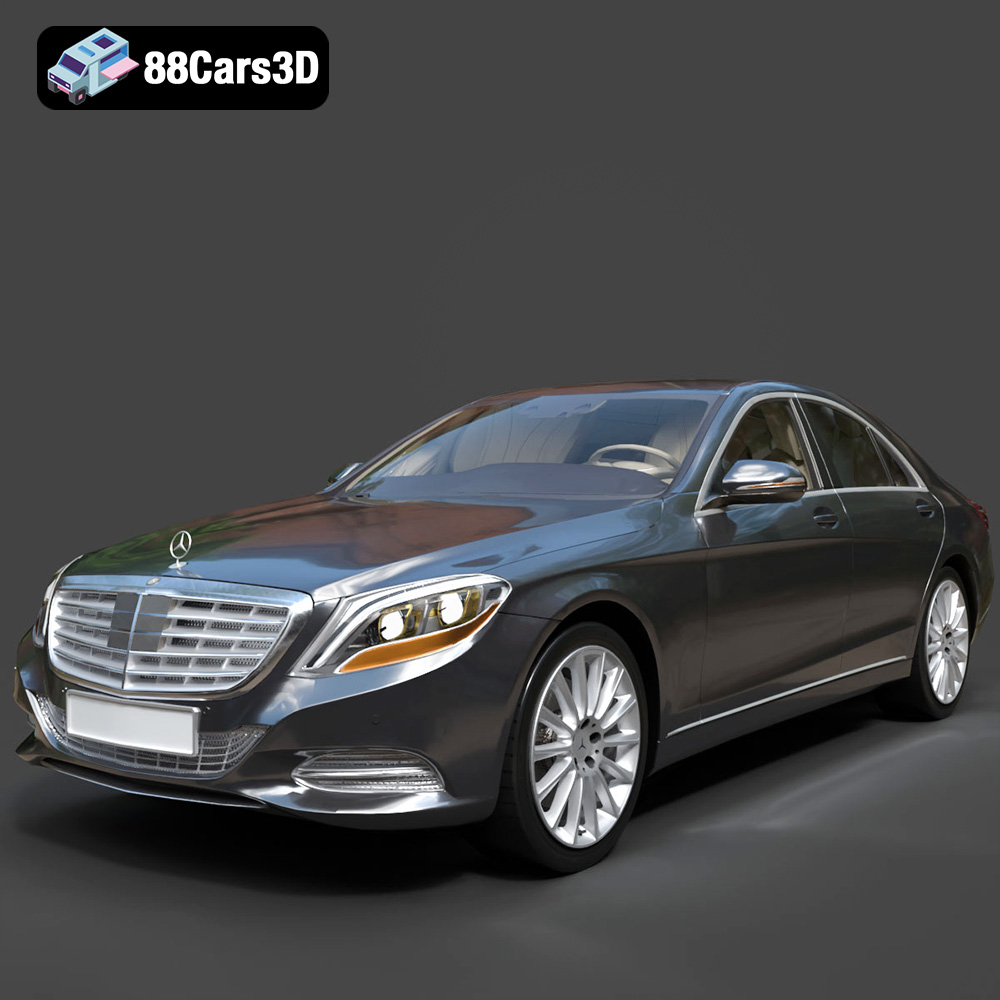
Download the Mercedes-Benz S500 3D Model featuring clean geometry, realistic detailing, and a fully modeled interior. Includes .blend, .fbx, .obj, .glb, .stl, .ply, .unreal, and .max formats for rendering, simulation, and game development.
Price: $9.99
Texture: Yes
Material: Yes
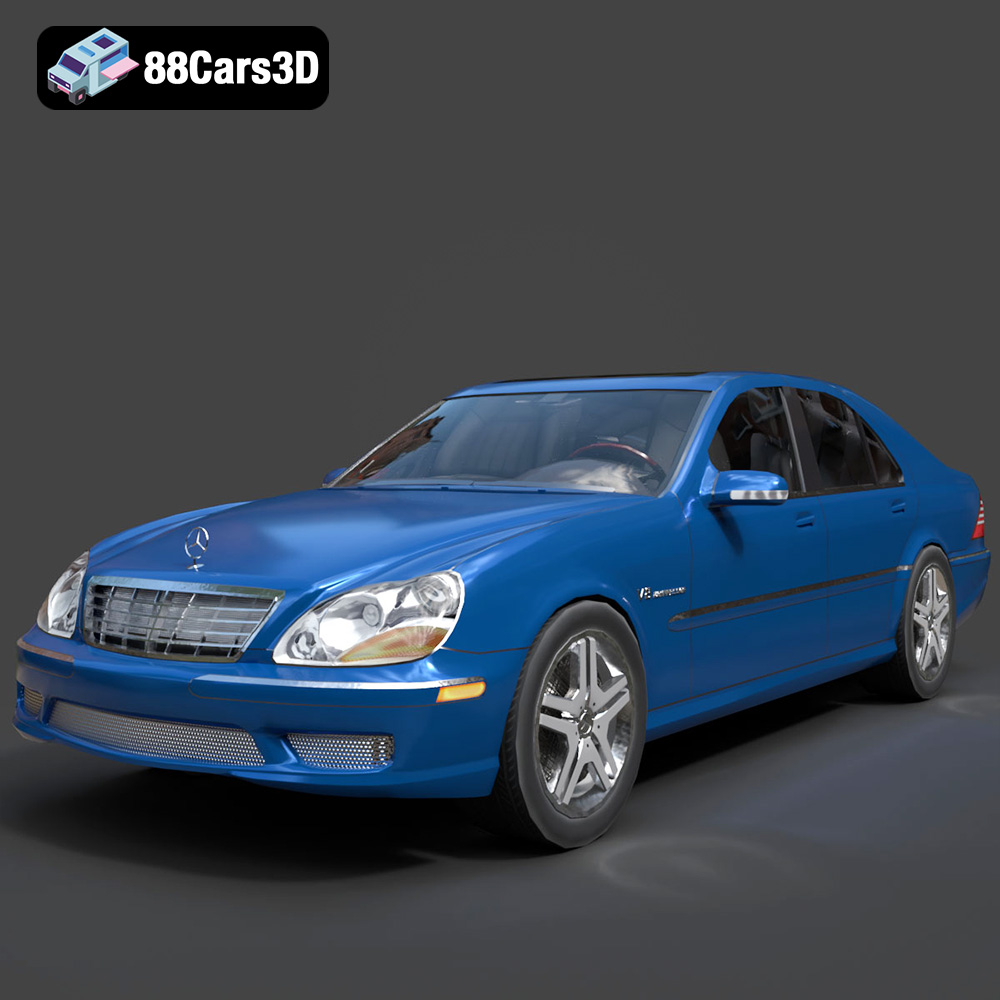
Download the Mercedes-Benz S55 W220 AMG 1999 3D Model featuring clean geometry, realistic detailing, and a fully modeled interior. Includes .blend, .fbx, .obj, .glb, .stl, .ply, .unreal, and .max formats for rendering, simulation, and game development.
Price: $9.99
Texture: Yes
Material: Yes
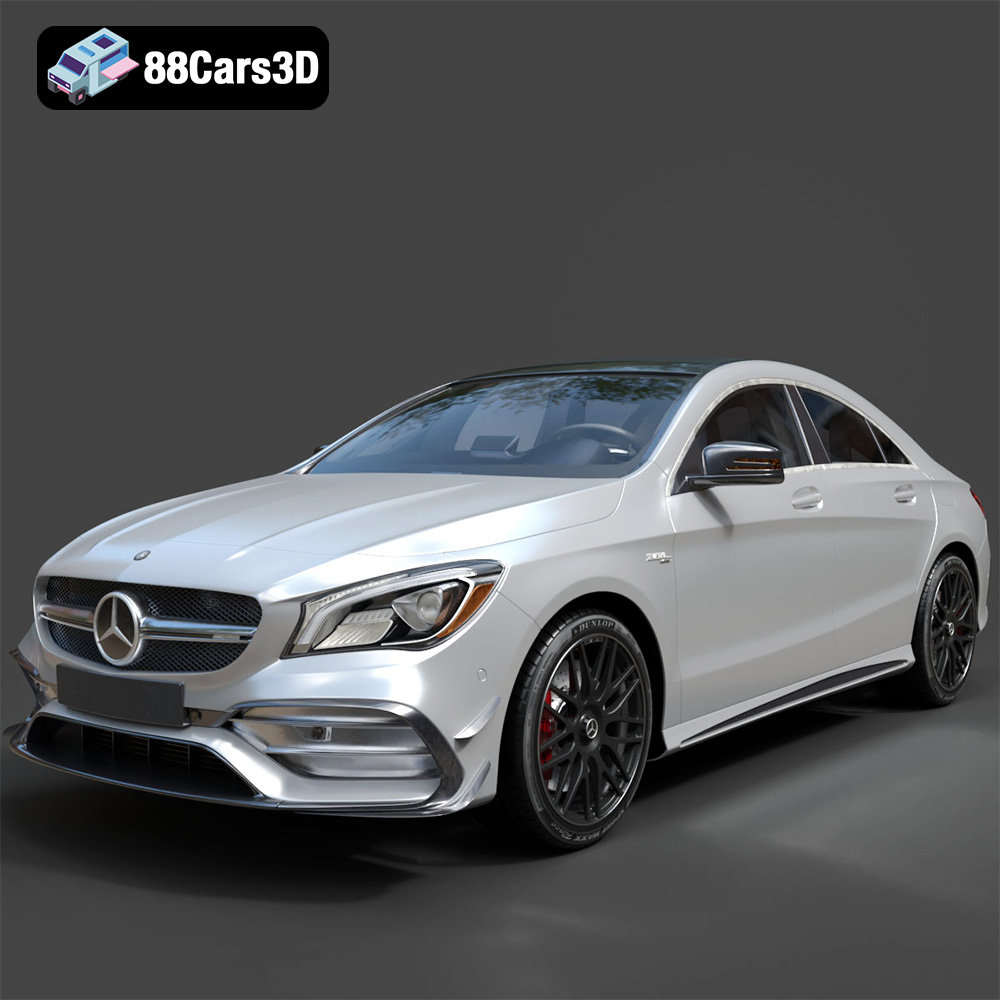
Download the Mercedes-Benz CLA45 AMG 2017 3D Model featuring clean geometry, realistic detailing, and a fully modeled interior. Includes .blend, .fbx, .obj, .glb, .stl, .ply, .unreal, and .max formats for rendering, simulation, and game development.
Price: $29.99
Texture: Yes
Material: Yes
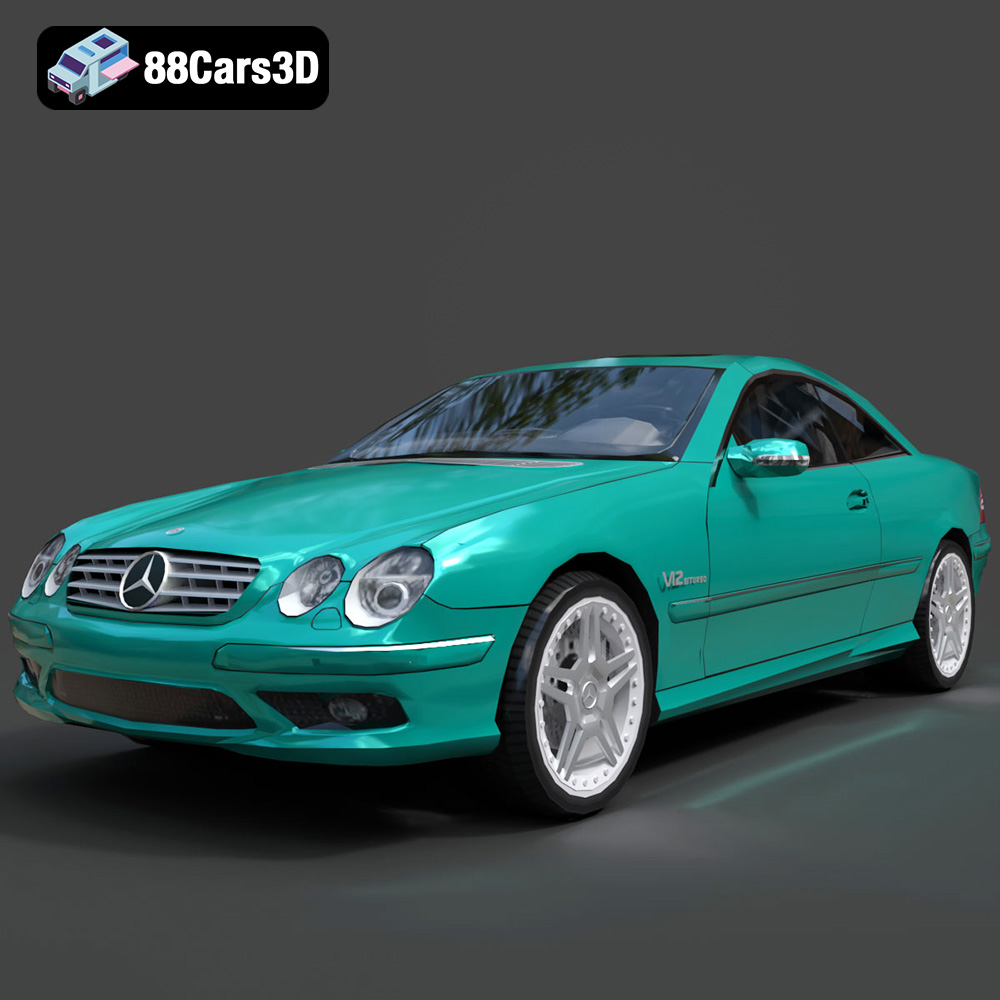
Download the Mercedes-Benz CL65 C215 AMG 3D Model featuring clean geometry, realistic detailing, and a fully modeled interior. Includes .blend, .fbx, .obj, .glb, .stl, .ply, .unreal, and .max formats for rendering, simulation, and game development.
Price: $9.99
Texture: Yes
Material: Yes
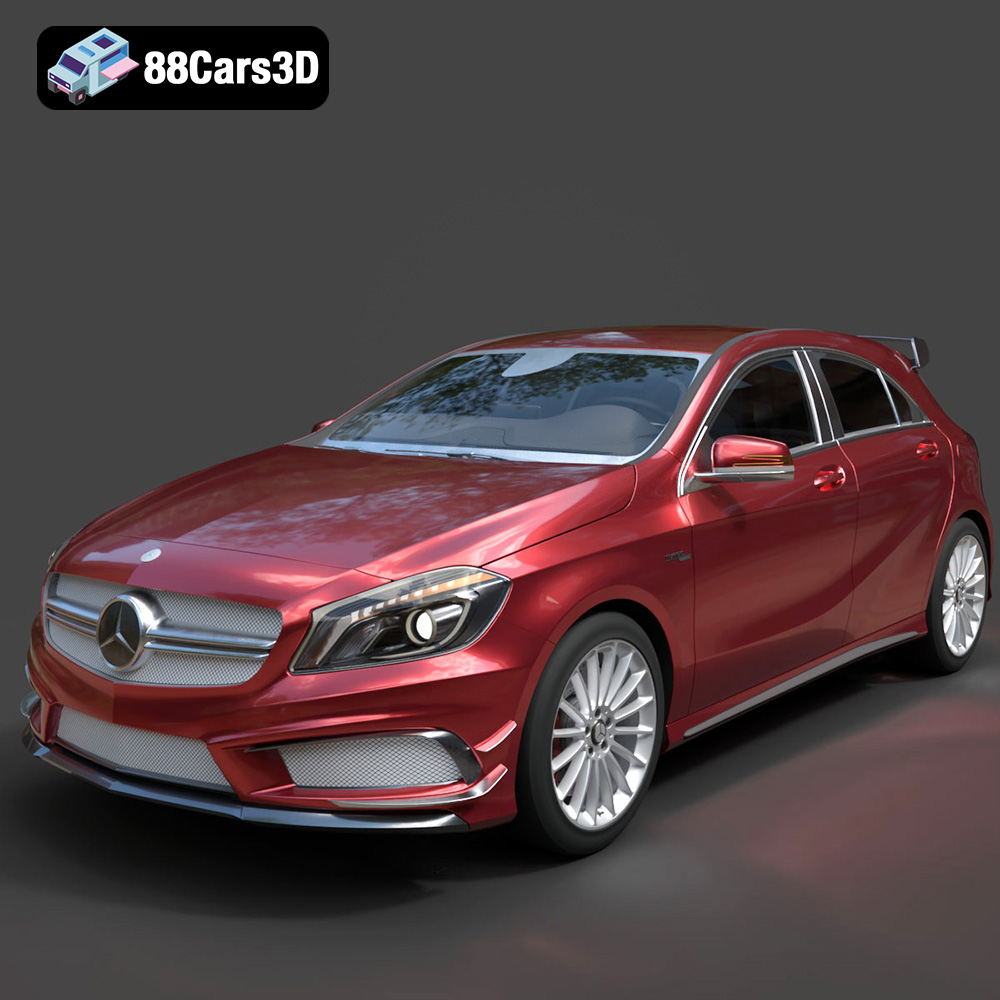
Download the Mercedes-Benz A45 2021 3D Model featuring clean geometry, realistic detailing, and a fully modeled interior. Includes .blend, .fbx, .obj, .glb, .stl, .ply, .unreal, and .max formats for rendering, simulation, and game development.
Price: $9.99
Texture: Yes
Material: Yes
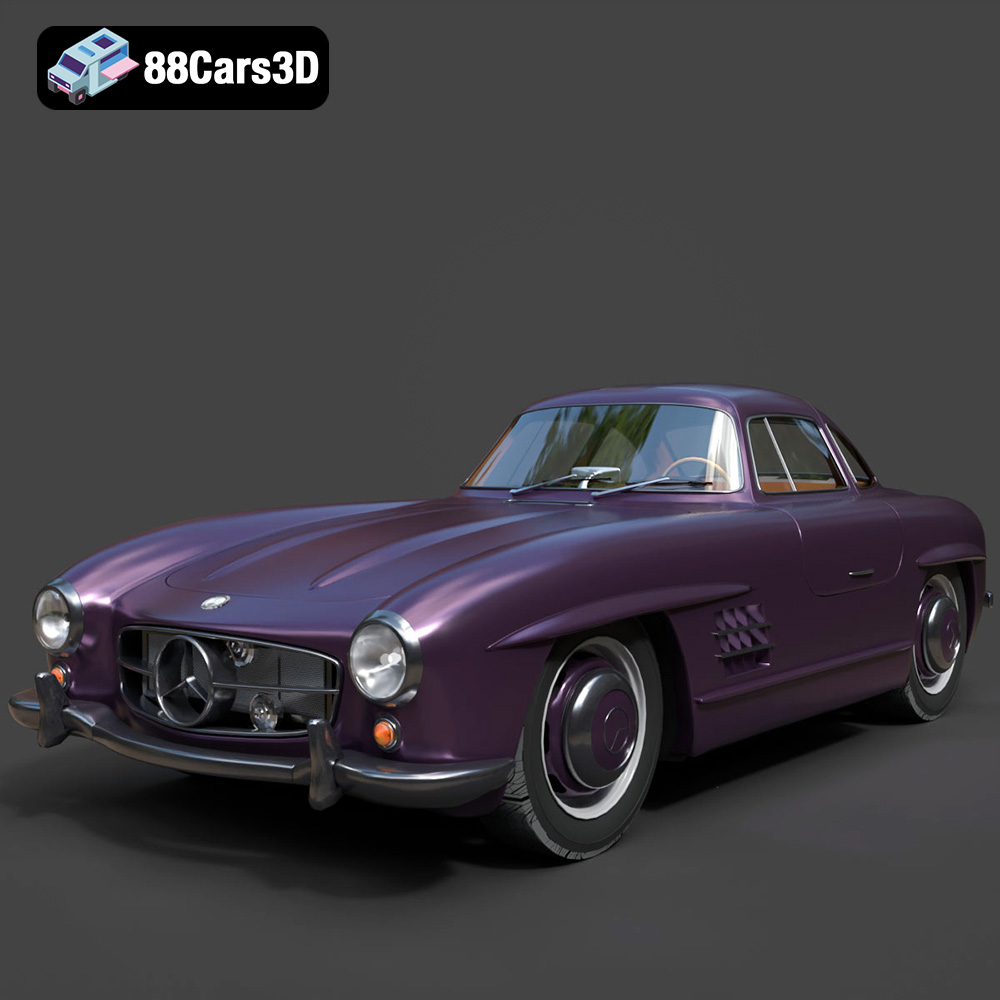
Download the Mercedes-Benz 300SL 1955 3D Model featuring clean geometry, realistic detailing, and a fully modeled interior. Includes .blend, .fbx, .obj, .glb, .stl, .ply, .unreal, and .max formats for rendering, simulation, and game development.
Price: $9.99
Texture: Yes
Material: Yes
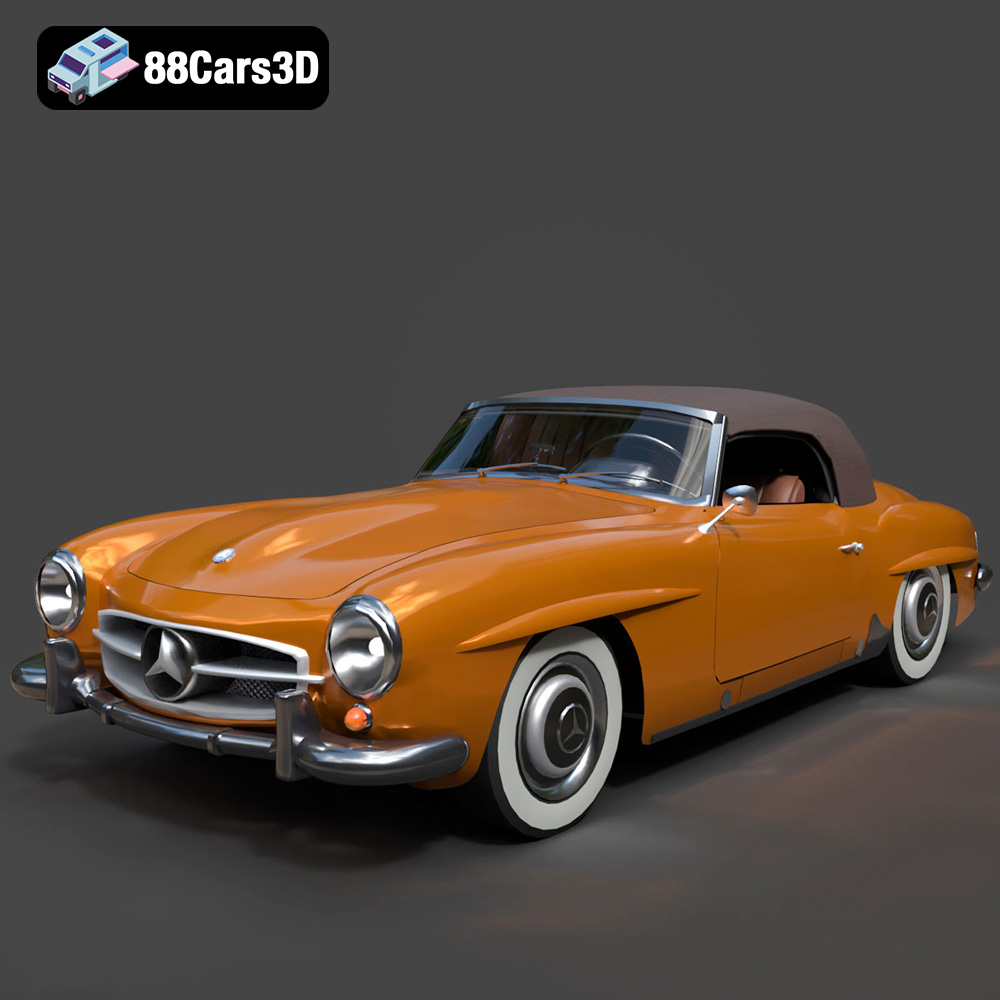
Download the Mercedes-Benz 190SL 1955 3D Model featuring clean geometry, realistic detailing, and a fully modeled interior. Includes .blend, .fbx, .obj, .glb, .stl, .ply, .unreal, and .max formats for rendering, simulation, and game development.
Price: $9.99

