Get 20% OFF All Premium 3D & STL Models!

There’s an undeniable magic to a perfectly rendered 3D car. The way light glints off the clear coat, the subtle imperfections in the tire rubber, the intricate detail of the brake calipers—these elements combine to transform a collection of polygons into a photorealistic automotive masterpiece. For 3D artists, game developers, and visualization specialists, achieving this level of realism is the ultimate goal. However, acquiring a high-quality, high-polygon 3D car model is only the first step on a long and technical journey. The true artistry lies in knowing how to leverage that asset across a spectrum of demanding professional pipelines.
This comprehensive guide will take you under the hood of professional 3D car model utilization. We will move beyond the simple “import and render” mindset, exploring the critical technical workflows required to adapt these detailed assets for various applications. You will learn how to analyze and appreciate clean topology, master the intricacies of UV mapping and PBR texturing for automotive surfaces, and dive deep into optimization techniques for real-time game engines. We’ll cover everything from creating breathtaking cinematic renders in Corona and V-Ray to preparing models for immersive AR/VR experiences and even transforming them into physical objects through 3D printing. Prepare to shift your skills into a higher gear.
Before you even think about materials or lighting, the foundation of any great 3D car model is its topology—the structure and flow of its polygons. A well-constructed mesh is not just about looking good; it’s about functionality, flexibility, and performance. For automotive models, with their unique blend of large, flowing surfaces and sharp, mechanical details, proper topology is non-negotiable. It dictates how the model will catch light, how it will deform if animated, and how efficiently it can be subdivided or optimized. Sourcing models from professional marketplaces like 88cars3d.com often ensures you’re starting with a clean, quad-based mesh, but understanding *why* it’s built that way is crucial for any serious artist.
Edge flow refers to the direction of the polygon edges as they travel across a model’s surface. On a car, this is paramount. Good edge flow follows the natural contours and curvature of the body panels. Think of the strong character line running down the side of a modern sports car or the smooth, sweeping curve of a fender. The polygon edges should run parallel to these features. This ensures that when subdivision modifiers (like TurboSmooth in 3ds Max or a Subdivision Surface modifier in Blender) are applied, the surface remains taut and smooth, producing clean, predictable highlights. Poor edge flow, conversely, leads to pinching, visual artifacts, and unwanted lumps, especially in reflective materials where every surface imperfection is magnified.
High-poly doesn’t always mean high-quality. A common misconception is that more polygons automatically equal a better model. The reality is more nuanced. An expertly crafted model uses polygons efficiently, concentrating density in areas of high curvature or intricate detail (like grilles, emblems, and headlight interiors) while using fewer, larger polygons on flat surfaces like the roof or doors. A typical high-quality hero car model for cinematic rendering might range from 500,000 to 2 million polygons. Anything significantly higher might be bloated with unnecessary subdivisions, making the file heavy and difficult to manage without adding meaningful visual detail.
When you first open a new 3D car model, perform a quick technical audit. Here’s a professional checklist:
– Look for N-gons: Polygons with more than four sides (N-gons) should be avoided entirely on curved surfaces as they are notoriously problematic for rendering and texturing.
With a solid topological foundation, the next step is to breathe life into the model’s surfaces through UV mapping and texturing. This is where the model transitions from a sterile geometric form to a realistic digital replica. For cars, this process involves a complex interplay of pristine, multi-layered paint shaders, weathered metals, textured plastics, and transparent glass. The Physically Based Rendering (PBR) workflow is the industry standard, simulating how light interacts with materials in the real world to achieve stunning realism.
UV mapping is the process of flattening a 3D model’s surface into a 2D space so textures can be applied. For a car, you can’t just use a simple automatic unwrap. A strategic approach is required:
A PBR car material is more than just a color. It’s a complex shader network. The most crucial material, the car paint, typically consists of multiple layers:
Other materials like rubber, plastic, and glass require careful attention to their PBR values—specifically Roughness (how diffuse or glossy a surface is) and Metallic (whether a material is a metal or a dielectric). A tire will have high roughness, while chrome trim will have low roughness and a metallic value of 1.
This is the payoff. All the meticulous modeling and texturing work culminates in the final render, where lighting and atmosphere create a photorealistic image. The process is a blend of technical settings and artistic vision. Whether you’re creating a clean studio shot for a marketing brochure or a dynamic action scene on a winding road, the principles of light, shadow, and reflection are universal. Modern render engines like Corona, V-Ray, and Cycles have made this process more accessible than ever, but mastering them still requires a deep understanding of their core mechanics.
The single most important element for a realistic car render is lighting. The most efficient way to achieve realistic lighting and reflections is through Image-Based Lighting (IBL) using a High Dynamic Range Image (HDRI). An HDRI is a 360-degree panoramic image that contains a vast range of light intensity data. When used as an environment map, it projects light onto your scene from all directions, realistically simulating a real-world location. For studio shots, use an HDRI of a photo studio with softboxes. For outdoor scenes, use an HDRI of a road, a forest, or a city. Complement the HDRI with direct lights (area lights in 3ds Max/Blender) to create key highlights and accentuate the car’s form.
While the principles are similar, each render engine has its own nuances:
The raw render is rarely the final image. Post-processing in software like Adobe Photoshop or DaVinci Resolve is where you add the final layer of polish. This involves adjusting exposure, contrast, and color balance. Adding subtle effects like lens flare, chromatic aberration, and a slight vignette can dramatically increase realism by mimicking the imperfections of a real camera lens. Using render passes (like a reflection pass, specular pass, and ambient occlusion pass) exported from your 3D software gives you maximum control to fine-tune specific elements of the image in the compositing stage.
Using a 2-million-polygon car model directly in a real-time game engine like Unity or Unreal Engine is a recipe for a slideshow. Game development is a constant battle for performance, measured in frames per second (FPS). The key is optimization: intelligently reducing the model’s complexity while preserving its visual fidelity. This process, often called “game-res” modeling, is a distinct skill set that transforms a cinematic asset into a performant game asset.
Level of Detail (LOD) is the most critical optimization technique. It involves creating multiple versions of the car model at decreasing levels of detail. The game engine automatically swaps these versions based on the player’s distance from the car:
This process ensures that the GPU’s resources are spent rendering detail that the player can actually see.
A “draw call” is a command from the CPU to the GPU to draw an object. Each object with a unique material generates at least one draw call. A single car model might have 20-30 different materials (paint, chrome, glass, rubber, plastic, etc.), creating many draw calls and bottlenecking the CPU. The solution is to consolidate materials using a texture atlas. This involves combining the textures for multiple parts into a single, larger texture map. For example, the textures for the dashboard, seats, and door interiors can be baked into one material. This drastically reduces draw calls and improves performance, especially on mobile and lower-end hardware.
Augmented Reality (AR) and Virtual Reality (VR) represent an exciting frontier for 3D automotive models, allowing users to place a virtual car in their driveway or sit inside a virtual showroom. These applications share many of the same performance constraints as game engines but with even stricter requirements, especially for mobile AR. The goal is to strike a perfect balance between visual quality and buttery-smooth, high-framerate performance to maintain immersion and prevent motion sickness.
For AR/VR, the target is often a stable 90 FPS (for VR) or 60 FPS (for mobile AR). This leaves a very tight performance budget. A typical AR-ready car model should be under 100,000 triangles and use as few materials as possible. Textures should be optimized, often at 2K (2048×2048) resolution or lower, and compressed using formats like KTX2 for efficient GPU delivery. Normal maps become essential here, allowing you to bake high-poly details (like panel gaps and bolt heads) onto a low-poly mesh, creating the illusion of detail without the geometric cost.
Compatibility is key for web and mobile deployment. Two file formats have emerged as the industry standards:
Converting a standard FBX file to these formats requires careful attention to material compatibility, as not all complex shader features from a DCC app like 3ds Max will translate perfectly.
Transforming your digital automotive masterpiece into a tangible, physical object through 3D printing is a uniquely rewarding process. It allows designers and hobbyists to create scale models, prototypes, and custom parts. However, a model that is perfect for rendering is almost never ready for 3D printing without significant preparation. The process requires a shift in thinking from visual surfaces to solid, manufacturable volumes.
A 3D printer needs a “watertight” or “manifold” mesh. This means the model must be a single, continuous, sealed surface with no holes. Imagine filling the model with water—if there are any leaks, the mesh is not manifold. Common issues to fix include:
Tools like Meshmixer or the 3D-Print Toolbox in Blender are invaluable for automatically detecting and repairing these issues.
Once the mesh is clean, it’s brought into a “slicer” program (like Cura, PrusaSlicer, or ChiTuBox). The slicer cuts the model into hundreds or thousands of thin horizontal layers and generates the G-code instructions for the printer. Key considerations for a car model include:
A high-quality 3D car model is a powerful and versatile digital asset, but its true potential is only unlocked through technical expertise and a deep understanding of the target application. We’ve journeyed from the fundamental importance of clean topology and PBR materials to the specific, demanding workflows for cinematic rendering, real-time gaming, immersive AR/VR, and physical 3D printing. Each discipline presents its own unique set of challenges and requires a different approach to optimization, file formatting, and execution.
The common thread is that starting with a professionally crafted asset, like those found on marketplaces such as 88cars3d.com, provides a robust foundation that saves countless hours of work. By applying the techniques discussed here—analyzing edge flow, optimizing for draw calls, creating LODs, and ensuring mesh integrity—you can confidently adapt any high-polygon model to fit your project’s needs. The next time you open a 3D car file, look beyond the beautiful render. See it as a starting point for incredible possibilities, ready to be shaped by your skill and vision into a stunning final product, whether on screen or in your hands.

Texture: Yes
Material: Yes
Download the Mercedes-Benz SL500 AMG (R129) 3D Model featuring clean geometry, realistic detailing, and a fully modeled interior. Includes .blend, .fbx, .obj, .glb, .stl, .ply, .unreal, and .max formats for rendering, simulation, and game development.
Price: $9.99

Texture: Yes
Material: Yes
Download the Mercedes-Benz SLK 350 2005 3D Model featuring clean geometry, realistic detailing, and a fully modeled interior. Includes .blend, .fbx, .obj, .glb, .stl, .ply, .unreal, and .max formats for rendering, simulation, and game development.
Price: $9.99

Texture: Yes
Material: Yes
Download the Mercedes-Benz SL 65 AMG 3D Model featuring clean geometry, realistic detailing, and a fully modeled interior. Includes .blend, .fbx, .obj, .glb, .stl, .ply, .unreal, and .max formats for rendering, simulation, and game development.
Price: $9.99

Texture: Yes
Material: Yes
Download the Mercedes-Benz S500 3D Model featuring clean geometry, realistic detailing, and a fully modeled interior. Includes .blend, .fbx, .obj, .glb, .stl, .ply, .unreal, and .max formats for rendering, simulation, and game development.
Price: $9.99
Texture: Yes
Material: Yes
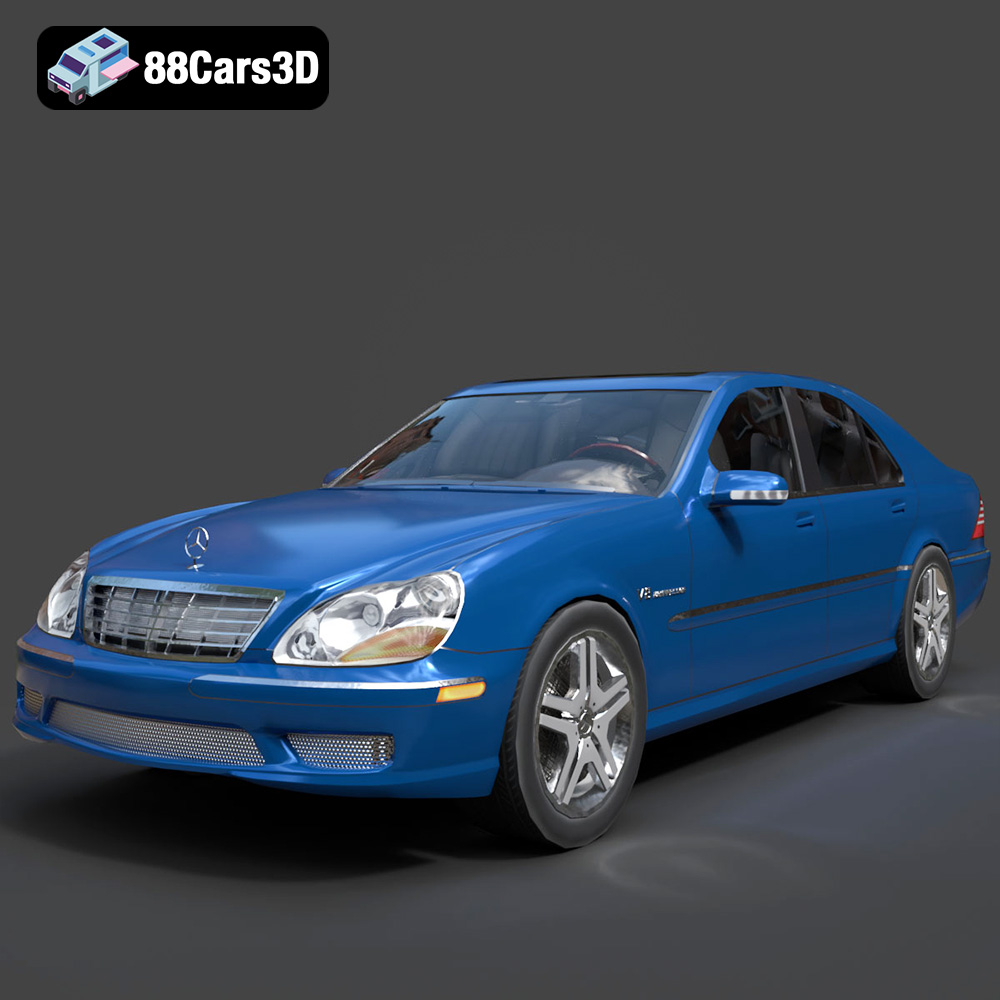
Download the Mercedes-Benz S55 W220 AMG 1999 3D Model featuring clean geometry, realistic detailing, and a fully modeled interior. Includes .blend, .fbx, .obj, .glb, .stl, .ply, .unreal, and .max formats for rendering, simulation, and game development.
Price: $9.99
Texture: Yes
Material: Yes
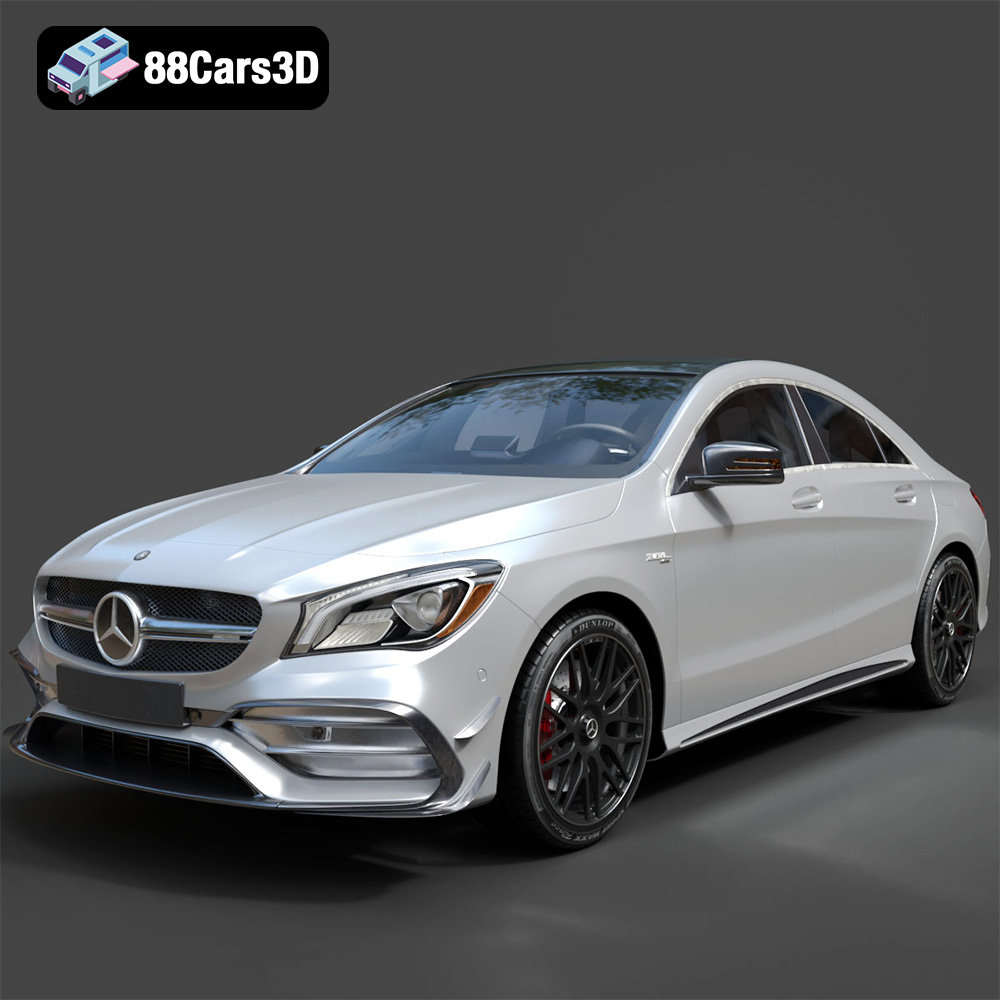
Download the Mercedes-Benz CLA45 AMG 2017 3D Model featuring clean geometry, realistic detailing, and a fully modeled interior. Includes .blend, .fbx, .obj, .glb, .stl, .ply, .unreal, and .max formats for rendering, simulation, and game development.
Price: $29.99
Texture: Yes
Material: Yes
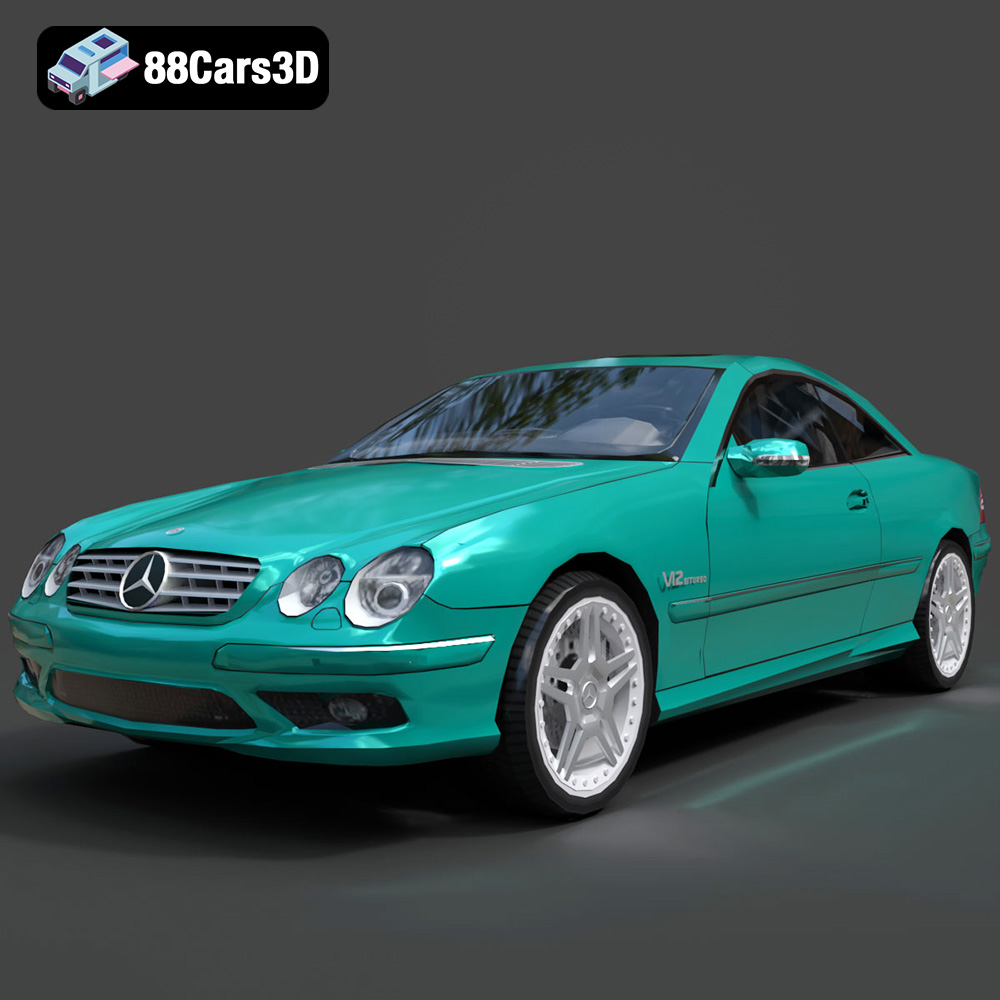
Download the Mercedes-Benz CL65 C215 AMG 3D Model featuring clean geometry, realistic detailing, and a fully modeled interior. Includes .blend, .fbx, .obj, .glb, .stl, .ply, .unreal, and .max formats for rendering, simulation, and game development.
Price: $9.99
Texture: Yes
Material: Yes
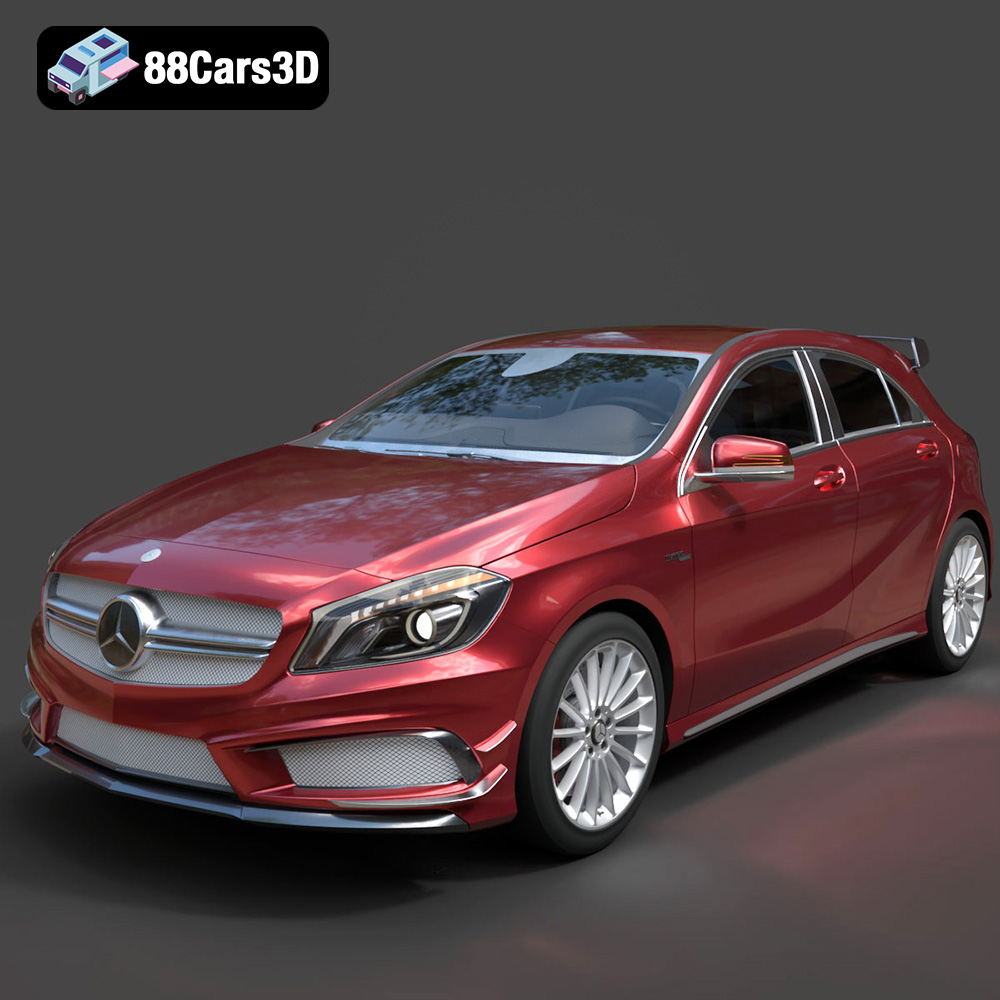
Download the Mercedes-Benz A45 2021 3D Model featuring clean geometry, realistic detailing, and a fully modeled interior. Includes .blend, .fbx, .obj, .glb, .stl, .ply, .unreal, and .max formats for rendering, simulation, and game development.
Price: $9.99
Texture: Yes
Material: Yes
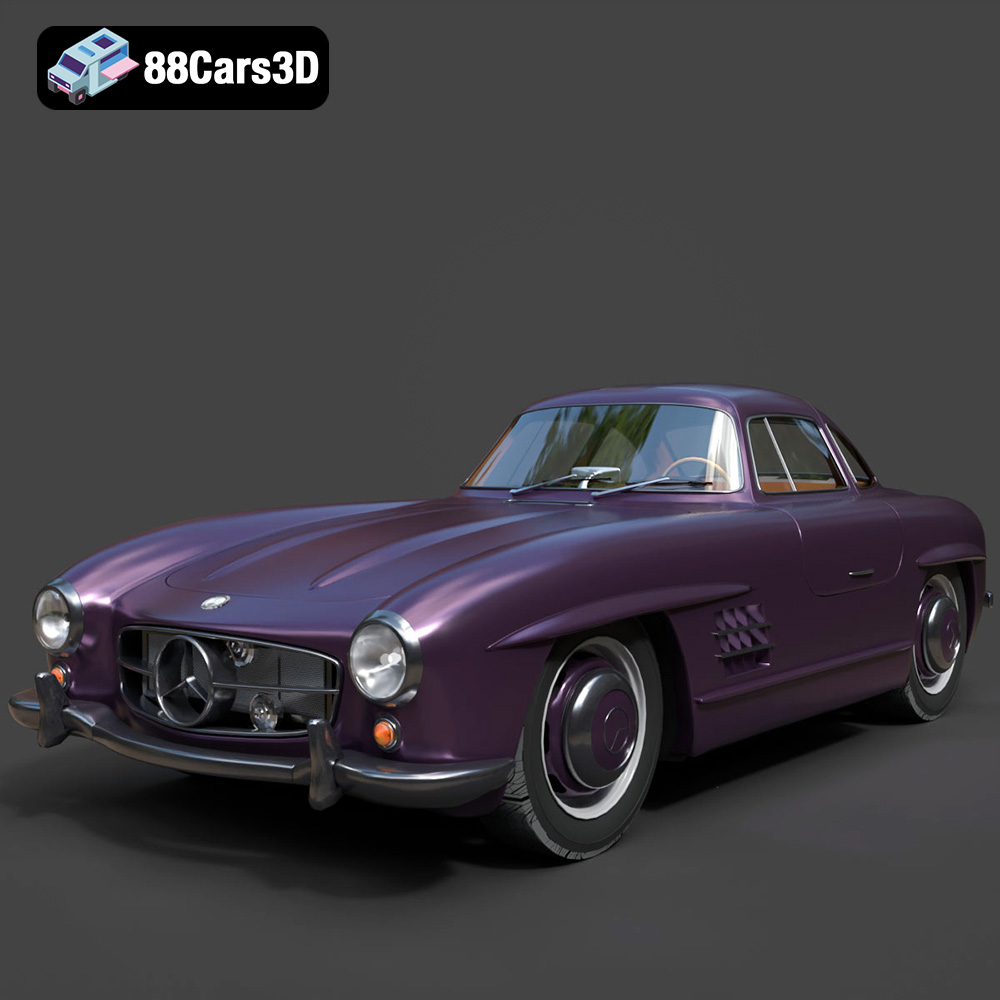
Download the Mercedes-Benz 300SL 1955 3D Model featuring clean geometry, realistic detailing, and a fully modeled interior. Includes .blend, .fbx, .obj, .glb, .stl, .ply, .unreal, and .max formats for rendering, simulation, and game development.
Price: $9.99
Texture: Yes
Material: Yes
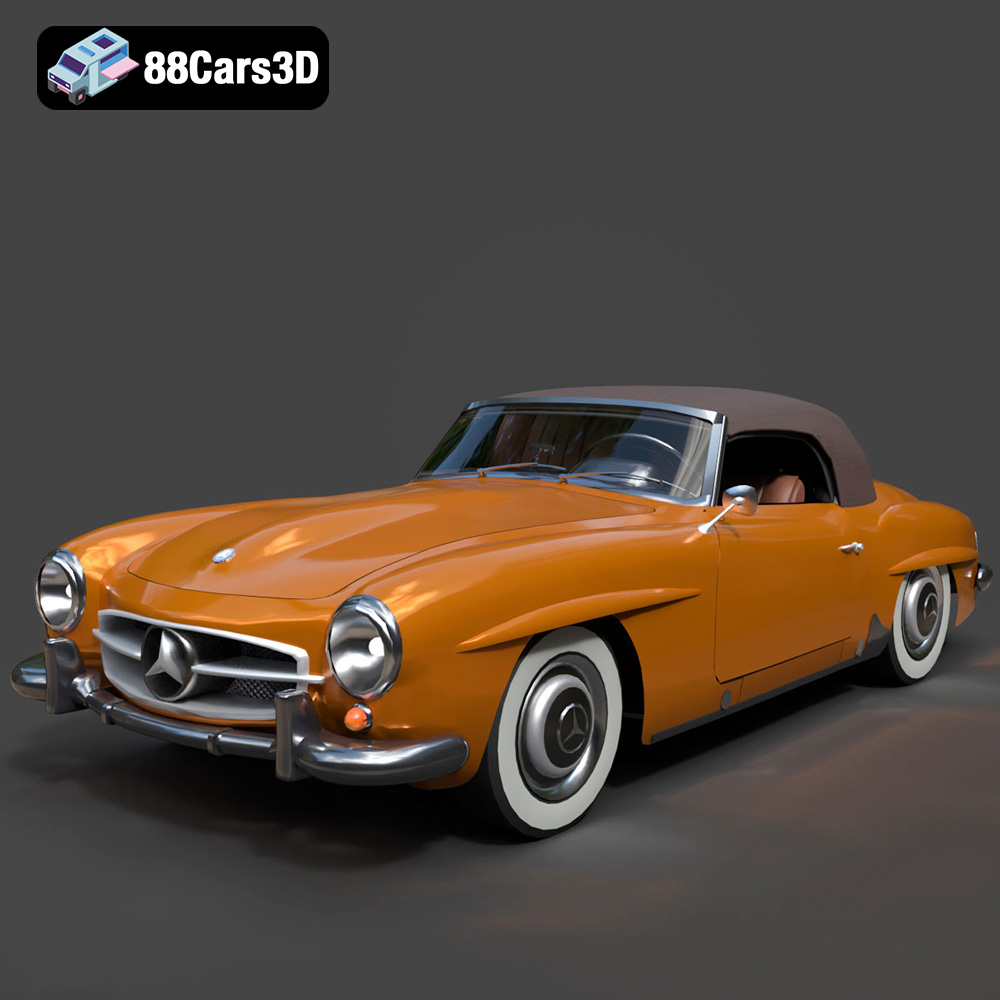
Download the Mercedes-Benz 190SL 1955 3D Model featuring clean geometry, realistic detailing, and a fully modeled interior. Includes .blend, .fbx, .obj, .glb, .stl, .ply, .unreal, and .max formats for rendering, simulation, and game development.
Price: $9.99

