Get 20% OFF All Premium 3D & STL Models!

In the digital world, the 3D car model is a cornerstone asset, a versatile chameleon that adapts to vastly different pipelines. From the gleaming, flawless surfaces in a high-end automotive commercial to the battle-scarred vehicle in a blockbuster video game, the same fundamental object is transformed to serve a specific purpose. But how does a single 3D model navigate these disparate worlds of hyper-realistic rendering, real-time game engines, immersive AR/VR experiences, and even physical 3D printing? The journey is a masterclass in technical artistry, demanding a deep understanding of topology, materials, optimization, and file formats. Whether you are an automotive designer creating a virtual showroom, a game developer building a racing simulator, or a VFX artist integrating a car into a live-action shot, mastering these techniques is paramount. This guide will deconstruct the entire lifecycle of a professional 3D car model, providing a comprehensive roadmap for leveraging these complex digital assets across any industry. We will explore the foundational principles of clean topology, delve into the nuances of PBR material creation, master rendering and lighting workflows, and tackle the critical challenge of real-time optimization.
Before any texture is applied or a single render is cast, the success of a 3D car model lies in its underlying geometry—its topology. Topology refers to the flow and structure of polygons (quads, in this case) that form the model’s surface. For vehicles, with their blend of long, sweeping curves and sharp, machined edges, proper topology isn’t just a best practice; it’s the absolute bedrock upon which realism is built. A model with clean, deliberate topology will subdivide smoothly, catch light realistically, and deform predictably. In contrast, poor topology leads to rendering artifacts, shading errors, and immense difficulty in UV mapping and texturing. Starting with a high-quality base model, such as those found on marketplaces like 88cars3d.com, ensures this critical foundation is already expertly handled, saving you countless hours of fixing and troubleshooting.
The gold standard for hard-surface models like cars is an all-quad mesh. While triangles are the fundamental unit for rendering in a game engine, working with quads during the modeling phase offers significant advantages. Quads create clean, predictable edge loops that are essential for defining surface curvature. They subdivide perfectly using algorithms like Catmull-Clark, resulting in smoother, higher-resolution meshes without pinching or artifacts. Triangles and especially n-gons (polygons with more than four sides) break this predictable flow, causing visible pinching and strange shading artifacts, particularly on reflective surfaces like car paint where every imperfection is magnified.
Edge flow is the art of directing the polygon loops to follow the natural contours and defining lines of the car. For a vehicle, this means:
The ideal polygon count is entirely dependent on the final application. A high-poly model, often used for cinematic renders or automotive configurators, can range from 500,000 to over 2 million polygons. This density allows for incredible detail, perfectly smooth curves, and realistic panel gaps modeled directly into the geometry. Conversely, a low-poly or game-ready model must prioritize real-time performance. A hero car in a modern AAA racing game (its highest Level of Detail, or LOD0) might be between 80,000 and 150,000 polygons. This dramatic reduction is achieved through a process called retopology, where a new, optimized mesh is built over the high-poly version. The fine details from the high-poly model are then “baked” into texture maps (like normal maps) to create the illusion of detail on the low-poly asset.
Once you have a model with impeccable topology, the next technical hurdle is UV mapping. This process involves “unwrapping” the 3D surface into a 2D space so that textures can be applied correctly. For a complex object like a car, with its countless individual parts and vast, curving surfaces, UV mapping is a meticulous task that directly impacts the final quality. Poorly planned UVs can result in visible seams, distorted textures, and inconsistent resolution across the model. A professional approach requires a strategic plan for placing seams, managing texel density, and choosing the right layout method for the job, whether it’s a traditional layout or a more advanced UDIM workflow.
The goal of UV mapping is to hide seams as effectively as possible. For a car, the best places to hide seams are along natural geometric divisions or in less visible areas.
Avoid placing seams down the middle of large, highly visible, and highly reflective surfaces like the hood or the roof, as this can cause noticeable lighting and reflection breaks, even with a perfect texture.
Texel density is a crucial concept that refers to the resolution of your texture map relative to the size of the 3D surface it’s applied to (often measured in pixels per meter). Maintaining a consistent texel density across the entire vehicle is key to achieving a uniform, realistic appearance. If the door has a much higher texel density than the fender next to it, the difference in texture sharpness will be jarring. For a hero asset in a game or a close-up render, a common target might be 1024 px/m or 2048 px/m (a 2k map covering a 1-meter square area). Use a UV checkerboard pattern during the unwrapping process to visually assess and adjust the scale of your UV shells until the squares are uniform across the entire car.
For ultra-high-detail assets, a single texture map (e.g., 4096×4096) may not provide enough resolution for the entire vehicle. This is where the UDIM (U-Dimension) workflow comes in. Instead of cramming all UV shells into one 0-1 UV space, UDIMs allow you to use multiple texture maps on a single material. Each map occupies its own UV tile (1001, 1002, 1003, etc.). This is common in VFX and high-end rendering.
With a perfectly modeled and unwrapped car, the next step is to breathe life into it with realistic materials. The modern standard for this is the Physically Based Rendering (PBR) workflow, which aims to simulate how light interacts with materials in the real world. A car is a fantastic subject for PBR materials, as it features a diverse range of surfaces: complex multi-layered car paint, clear coated carbon fiber, brushed aluminum, bumpy plastic trim, smooth glass, and soft leather. Creating convincing PBR materials requires a keen eye and a technical understanding of shader networks and texture maps like Albedo, Roughness, and Metallic.
Realistic car paint is one of the most complex shaders to create because it’s a multi-layered material. Most render engines (like Corona, V-Ray, and Arnold) have a dedicated car paint material or allow you to build one by layering shaders. The typical components are:
Beyond the paint, a car is defined by its supporting materials.
Creating your PBR texture maps can be done in two main ways. Image-based texturing, often done in software like Substance Painter, involves painting directly onto the 3D model, allowing for artistic control over wear and tear, dirt, and decals. Procedural texturing involves using mathematical nodes and noises within your 3D software (like Blender’s shader editor or 3ds Max’s material editor) to generate textures. Procedural methods are incredibly powerful for creating things like metallic flakes, carbon fiber weaves, and subtle surface imperfections without being limited by texture resolution.
Rendering is where all the meticulous work of modeling, UV mapping, and texturing culminates in a final, stunning image. Automotive visualization demands the highest level of photorealism, and achieving it depends heavily on three things: the render engine you choose, your lighting setup, and your post-processing techniques. Whether you’re creating a marketing shot for a brochure or an animation for a commercial, a disciplined and artistic approach to rendering is what separates a good image from a breathtaking one.
While most modern path-tracing render engines can produce incredible results, some are favored in the automotive industry for their features and speed.
Lighting defines the mood, shape, and realism of your car. There are two primary methods for lighting a vehicle.
Image-Based Lighting (IBL) uses a High Dynamic Range Image (HDRI) to illuminate the entire scene. The HDRI captures the light information from a real-world location (a sunny road, a cloudy sky, a professional photo studio). This is the fastest way to achieve realistic lighting and reflections, as the car will look perfectly integrated into the environment captured by the HDRI.
Manual Studio Lighting involves placing individual area lights around the car, mimicking a real-world photography studio. A classic “three-point lighting” setup (Key, Fill, and Rim light) is a great starting point, but automotive lighting often uses large, soft light sources to create long, elegant reflections that highlight the car’s curves. A common technique is to place large rectangular or circular area lights above and to the sides of the car to sculpt the highlights along its body panels.
Raw renders rarely look perfect straight out of the engine. Post-processing in software like Adobe Photoshop or DaVinci Resolve is the final 10% that elevates the image. This is where you can perform:
Transitioning a 3D car model from the world of pre-rendered visualization to a real-time game engine like Unity or Unreal Engine is a process defined by one word: optimization. In a game, every polygon, every texture, and every draw call counts. The goal is to maintain the highest possible visual fidelity while ensuring the game runs at a smooth, consistent framerate (e.g., 60 FPS). This involves a series of technical steps to dramatically reduce the model’s complexity without the player noticing the difference. High-quality, production-ready game assets found on platforms such as 88cars3d.com have often undergone these rigorous optimization steps, making them ready for immediate integration.
As discussed earlier, a high-poly render model is far too dense for a game engine. The first step is retopology, which is the process of creating a new, clean, low-polygon mesh that perfectly matches the silhouette and form of the original high-poly model. This new mesh is what will actually be used in the game. But what about all the fine details like panel lines, vents, and bolts from the original? This is where normal map baking comes in. A normal map is a special type of texture that stores surface direction information. By baking a normal map from the high-poly model onto the low-poly model, you can trick the game engine’s lighting system into thinking the low-poly surface has all the intricate details of the high-poly one, creating the illusion of high-resolution geometry at a fraction of the performance cost.
Even an optimized main car model can be too heavy to render hundreds of times in a busy scene. This is solved using Levels of Detail (LODs). An LOD system uses multiple versions of the same model at varying polygon counts.
The game engine automatically swaps these models based on the car’s distance from the camera, drastically reducing the total polygon count being rendered at any given moment.
In a game engine, a “draw call” is a command sent from the CPU to the GPU to draw an object. Each object with a unique material generates at least one draw call. Too many draw calls can create a CPU bottleneck and lower performance. Texture atlasing is a primary technique to reduce them. Instead of having separate materials and texture sets for the rubber tires, chrome trim, and plastic bumpers, you combine the UVs for all these parts into one UV layout and use a single material with a single set of textures (an atlas). This allows the GPU to render multiple parts of the car in a single draw call, significantly improving performance, especially for complex vehicles.
The utility of a 3D car model extends beyond traditional screens. Emerging technologies like Augmented Reality (AR), Virtual Reality (VR), and 3D Printing present new opportunities and a unique set of technical challenges. For AR/VR, the core tension is maximizing visual quality on hardware that is often less powerful than a gaming PC, like a mobile phone or a standalone VR headset. For 3D printing, the challenge shifts from visual representation to physical integrity, ensuring the digital model can be successfully translated into a tangible object. Each application requires a specific preparation and optimization workflow.
AR and VR applications demand extremely high framerates (typically 72-90 FPS for VR) to avoid motion sickness, making optimization even more critical than in traditional gaming.
For AR applications, specific file formats are king. They are designed to be compact and self-contained, packaging the model, textures, and materials into a single file for easy distribution and loading on devices.
Converting a standard FBX or OBJ model to these formats requires careful export processes to ensure materials and textures transfer correctly.
Preparing a car model for 3D printing is a completely different challenge. The model must be a “watertight” or “manifold” solid. This means there can be no holes in the mesh, no overlapping faces, and no non-manifold geometry (e.g., edges shared by more than two faces).
We’ve traveled the full lifecycle of a 3D car model, from the foundational importance of clean quad topology to the intricate art of PBR material creation and the rigorous demands of real-time optimization. It’s clear that a 3D car is not a single, static object but a versatile digital asset that must be expertly sculpted, unwrapped, textured, and optimized to meet the unique needs of its final destination. Whether destined for a photorealistic automotive render, a high-octane video game, an immersive AR showroom, or a physical 3D-printed collectible, the core principles of quality and technical precision remain constant. A well-constructed model serves as the perfect canvas for any of these applications.
The key takeaway is that success in any of these fields begins with a high-quality source asset. A clean, well-modeled base saves you from a cascade of problems down the line, allowing you to focus on the creative aspects of lighting, texturing, and final presentation. As a next step, take these technical principles and apply them to your own projects. Analyze the topology of a professional model, practice creating a multi-layered car paint shader, or challenge yourself to optimize a high-poly car for a game engine. By mastering this technical workflow, you can unlock the full potential of these incredible digital assets and create stunning results across any platform.

Texture: Yes
Material: Yes
Download the Mercedes-Benz SL500 AMG (R129) 3D Model featuring clean geometry, realistic detailing, and a fully modeled interior. Includes .blend, .fbx, .obj, .glb, .stl, .ply, .unreal, and .max formats for rendering, simulation, and game development.
Price: $9.99

Texture: Yes
Material: Yes
Download the Mercedes-Benz SLK 350 2005 3D Model featuring clean geometry, realistic detailing, and a fully modeled interior. Includes .blend, .fbx, .obj, .glb, .stl, .ply, .unreal, and .max formats for rendering, simulation, and game development.
Price: $9.99
Texture: Yes
Material: Yes
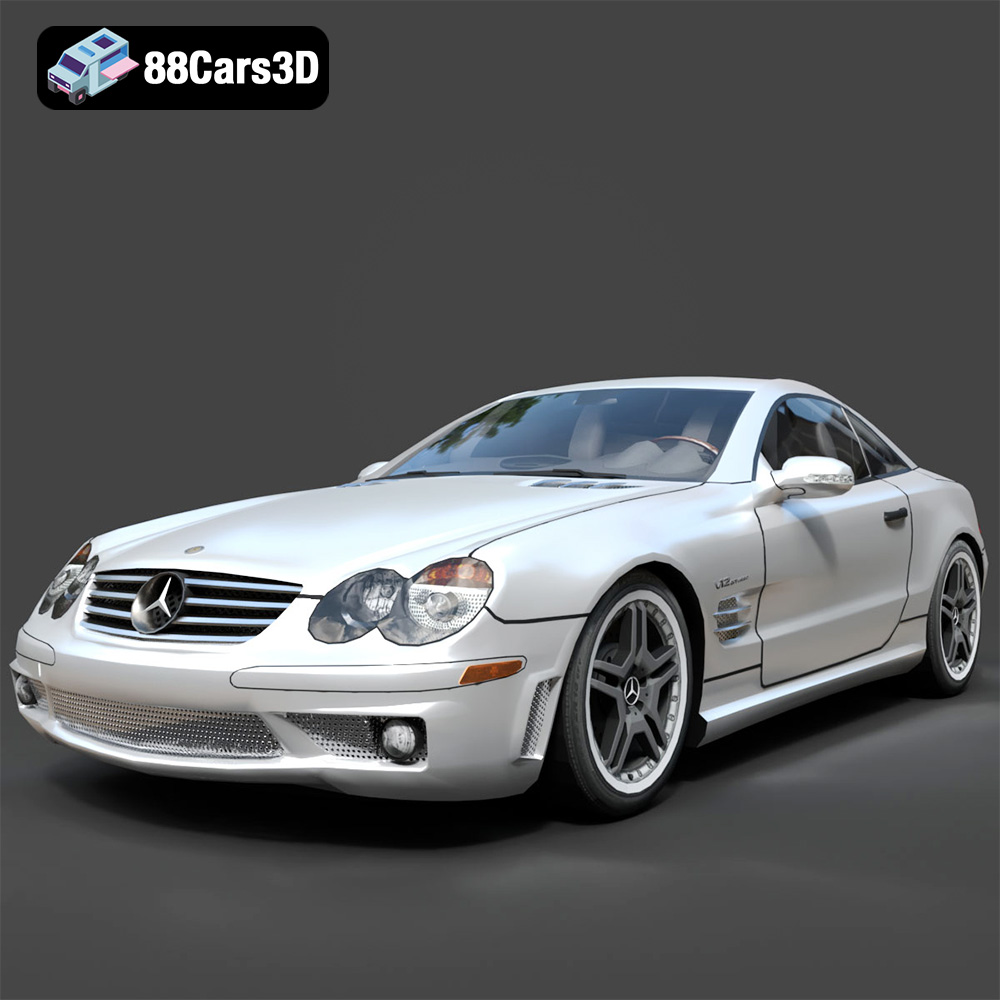
Download the Mercedes-Benz SL 65 AMG 3D Model featuring clean geometry, realistic detailing, and a fully modeled interior. Includes .blend, .fbx, .obj, .glb, .stl, .ply, .unreal, and .max formats for rendering, simulation, and game development.
Price: $9.99
Texture: Yes
Material: Yes
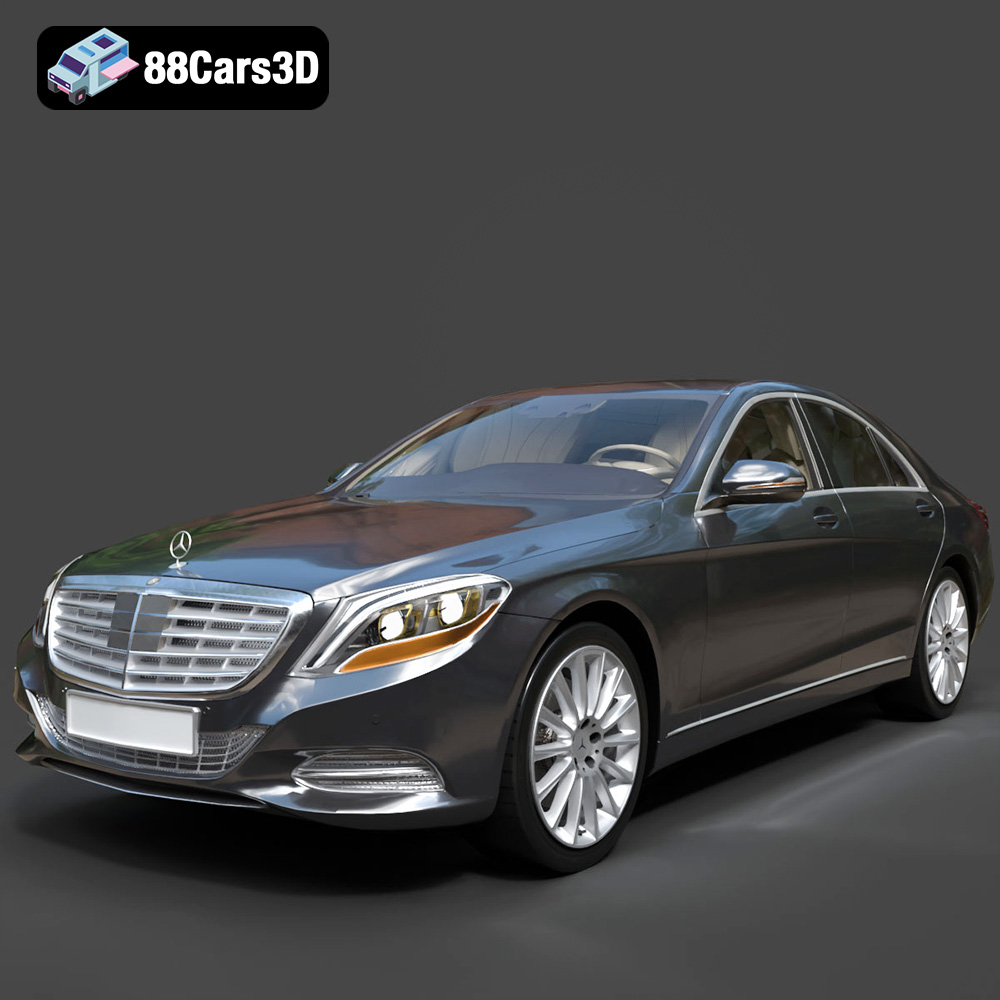
Download the Mercedes-Benz S500 3D Model featuring clean geometry, realistic detailing, and a fully modeled interior. Includes .blend, .fbx, .obj, .glb, .stl, .ply, .unreal, and .max formats for rendering, simulation, and game development.
Price: $9.99
Texture: Yes
Material: Yes
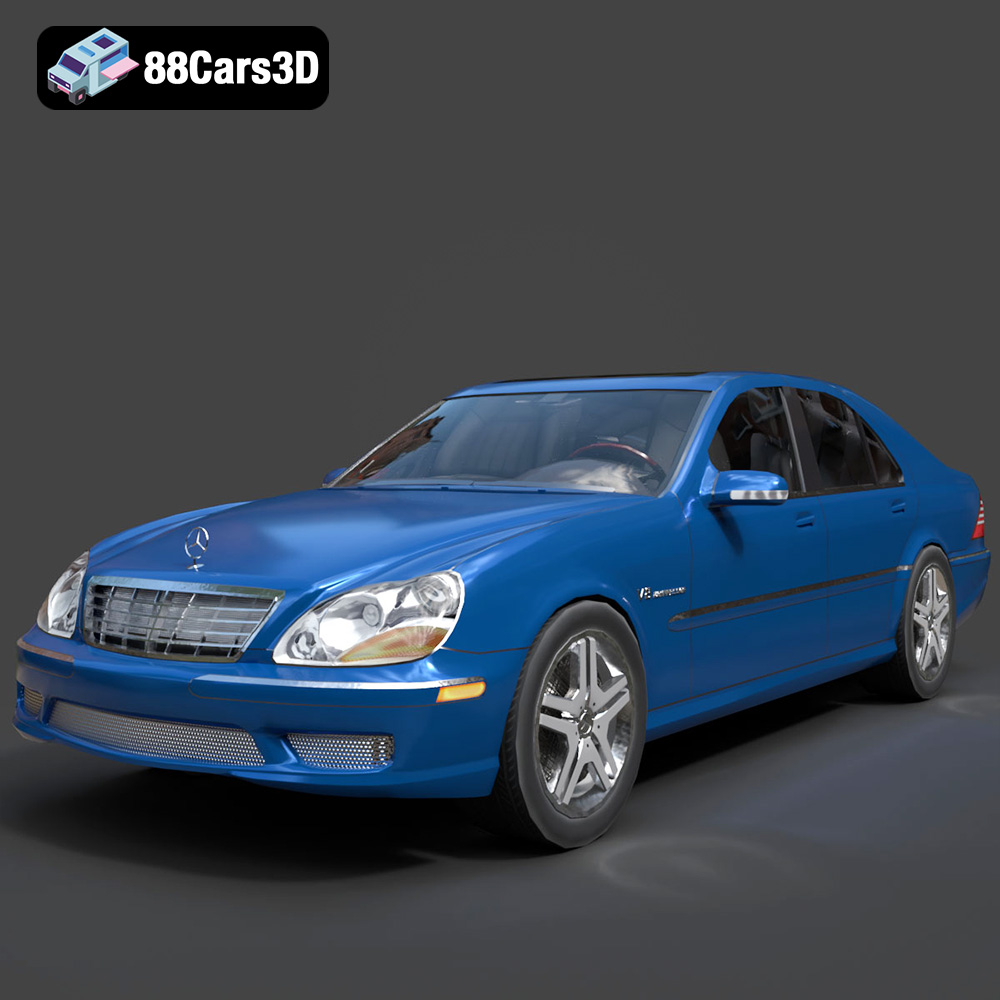
Download the Mercedes-Benz S55 W220 AMG 1999 3D Model featuring clean geometry, realistic detailing, and a fully modeled interior. Includes .blend, .fbx, .obj, .glb, .stl, .ply, .unreal, and .max formats for rendering, simulation, and game development.
Price: $9.99
Texture: Yes
Material: Yes
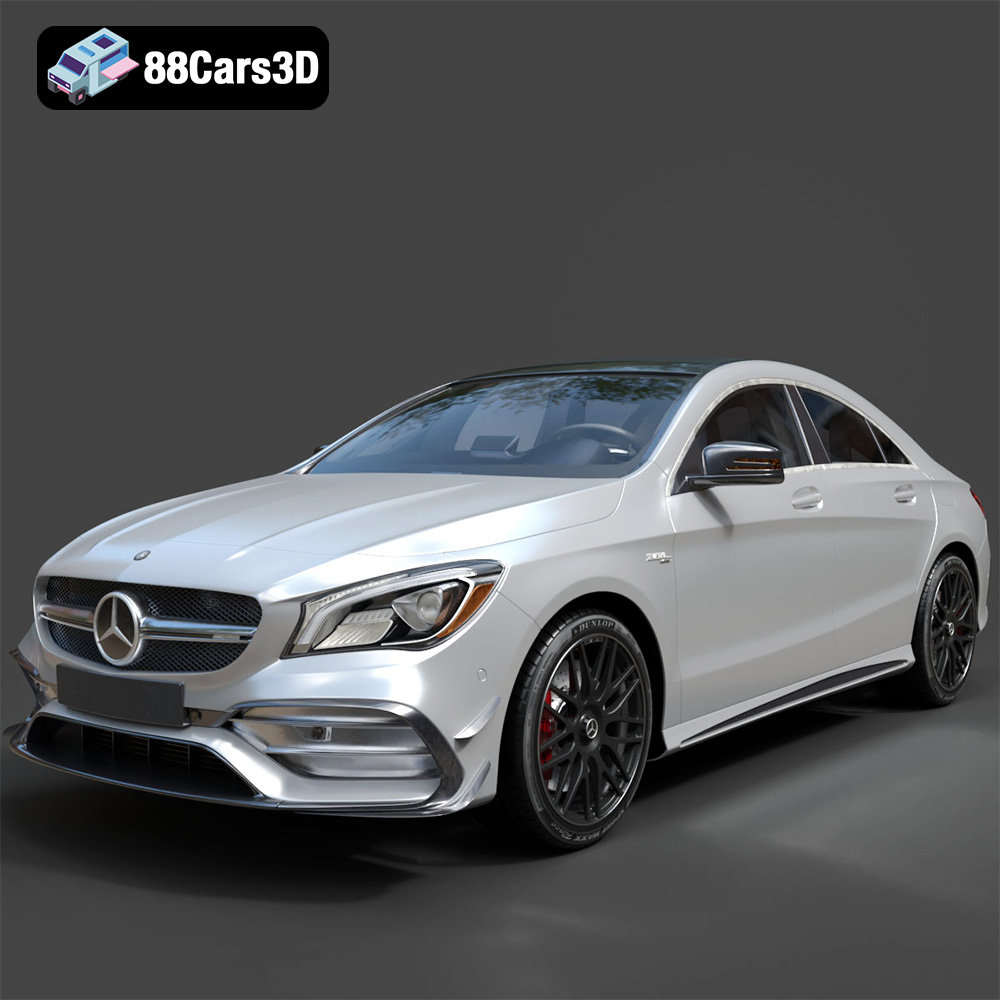
Download the Mercedes-Benz CLA45 AMG 2017 3D Model featuring clean geometry, realistic detailing, and a fully modeled interior. Includes .blend, .fbx, .obj, .glb, .stl, .ply, .unreal, and .max formats for rendering, simulation, and game development.
Price: $29.99
Texture: Yes
Material: Yes
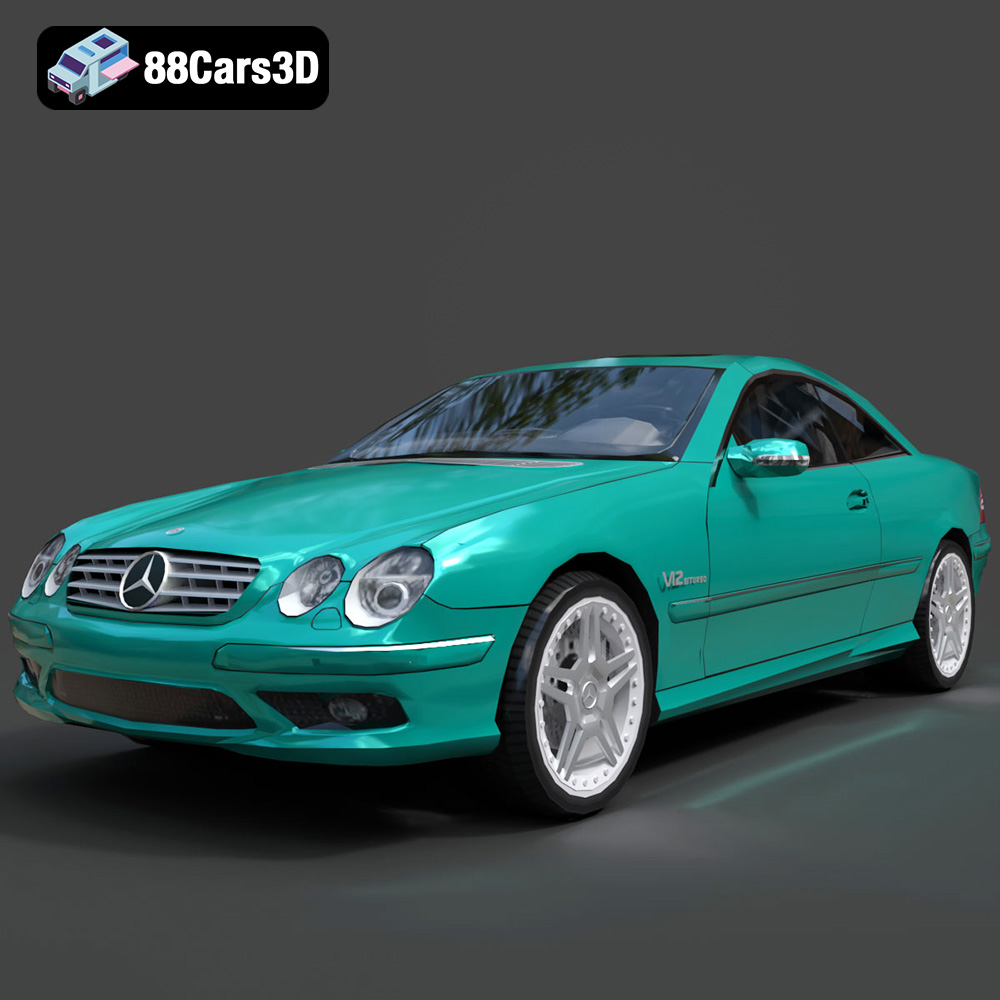
Download the Mercedes-Benz CL65 C215 AMG 3D Model featuring clean geometry, realistic detailing, and a fully modeled interior. Includes .blend, .fbx, .obj, .glb, .stl, .ply, .unreal, and .max formats for rendering, simulation, and game development.
Price: $9.99
Texture: Yes
Material: Yes
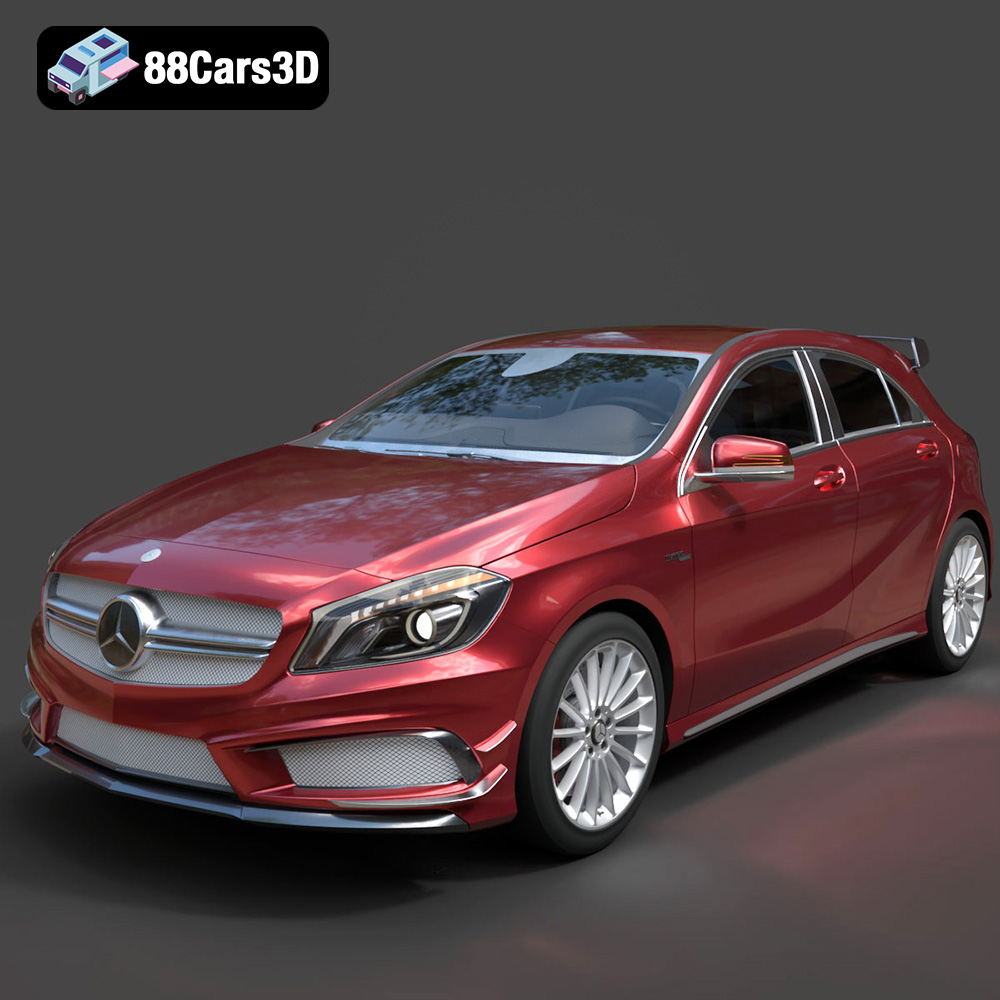
Download the Mercedes-Benz A45 2021 3D Model featuring clean geometry, realistic detailing, and a fully modeled interior. Includes .blend, .fbx, .obj, .glb, .stl, .ply, .unreal, and .max formats for rendering, simulation, and game development.
Price: $9.99
Texture: Yes
Material: Yes
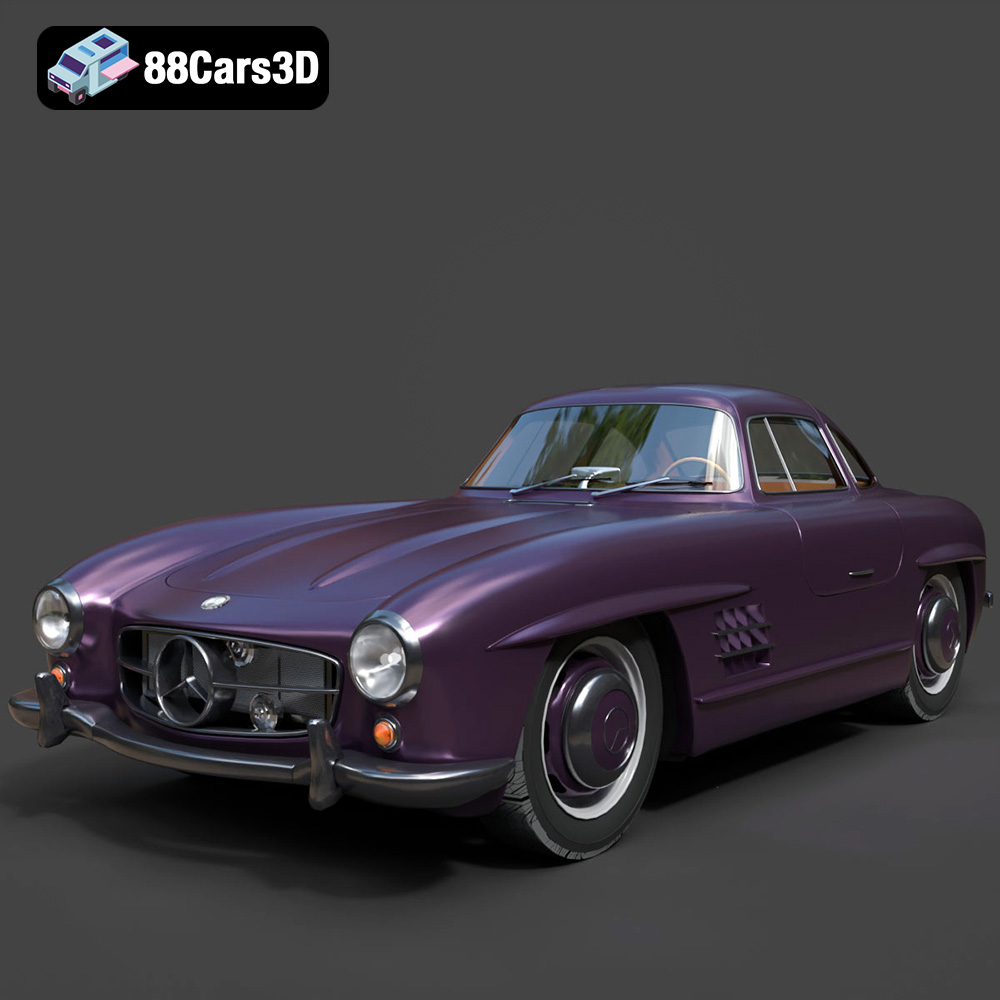
Download the Mercedes-Benz 300SL 1955 3D Model featuring clean geometry, realistic detailing, and a fully modeled interior. Includes .blend, .fbx, .obj, .glb, .stl, .ply, .unreal, and .max formats for rendering, simulation, and game development.
Price: $9.99
Texture: Yes
Material: Yes
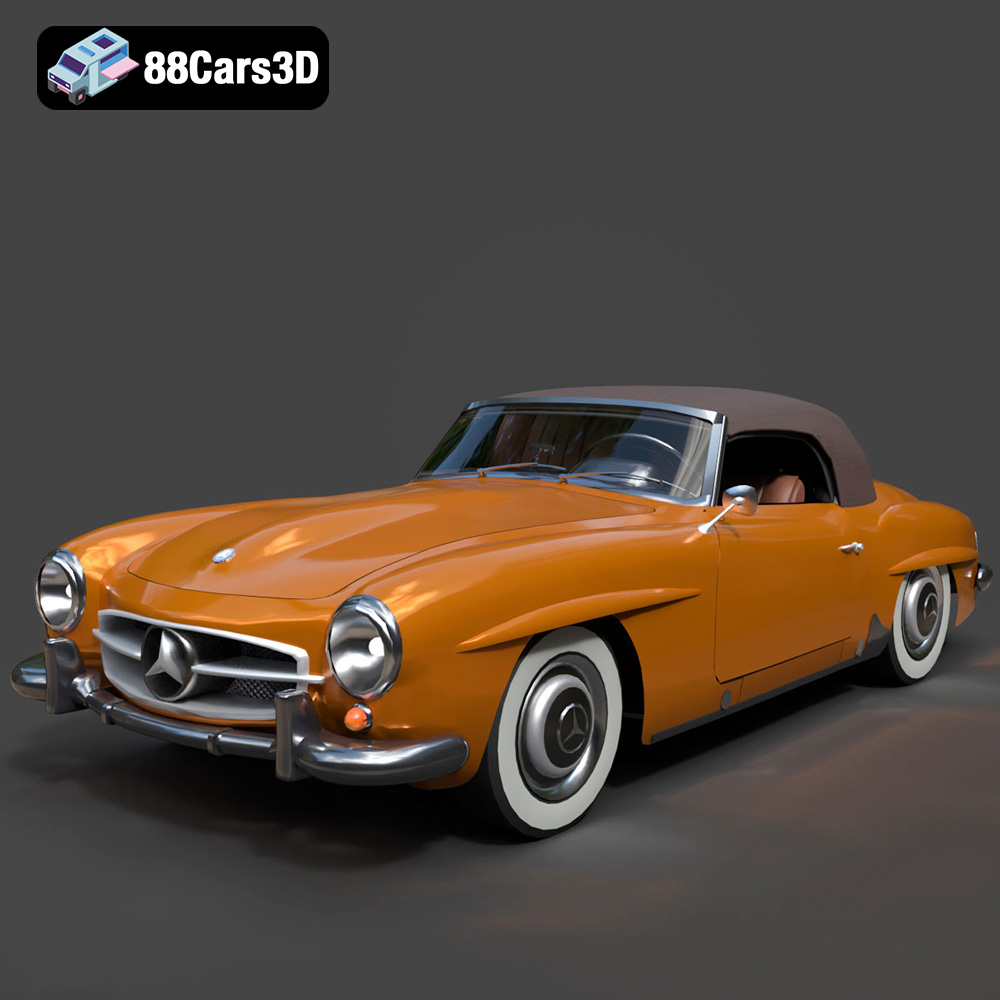
Download the Mercedes-Benz 190SL 1955 3D Model featuring clean geometry, realistic detailing, and a fully modeled interior. Includes .blend, .fbx, .obj, .glb, .stl, .ply, .unreal, and .max formats for rendering, simulation, and game development.
Price: $9.99

