Get 20% OFF All Premium 3D & STL Models!

A meticulously crafted 3D car model is more than just a collection of vertices and polygons; it’s a versatile digital asset with the potential to power stunning marketing visuals, immersive game experiences, and interactive AR applications. For artists, designers, and developers, these models are the starting point for incredible creative work. However, transforming a high-polygon, detail-rich model into a final product requires a specific set of skills and a deep understanding of the technical pipeline. Whether you’re an automotive designer aiming for a photorealistic render, a game developer building the next great racing simulator, or an architect needing a high-quality asset for a visualization, mastering this process is key to success.
This comprehensive guide will walk you through the entire journey of utilizing a 3D car model. We’ll start by deconstructing the anatomy of a high-quality source model, exploring the critical importance of topology and material setup. From there, we’ll dive deep into the world of automotive rendering, covering lighting, shading, and post-processing. We will then shift gears to real-time applications, detailing the essential optimization techniques for creating efficient game assets. Finally, we’ll explore advanced applications in AR/VR, 3D printing, and professional animation. Prepare to move beyond simply downloading a model and learn how to unlock its full potential for any project imaginable.
Before you can render, animate, or optimize, you must start with a superior source asset. The quality of your final output is directly proportional to the quality of your initial 3D model. High-poly models, often intended for cinematic renders and offline visualization, are built with an uncompromising focus on detail and surface fidelity. Starting with a professionally crafted asset, like the ones found on marketplaces such as 88cars3d.com, is the single most important factor for achieving professional results. Understanding the components of such a model is the first step.
Topology refers to the arrangement of polygons (quads, tris, and n-gons) that form the surface of a 3D model. For automotive models, clean, quad-based topology is non-negotiable. Quads (four-sided polygons) deform predictably and subdivide smoothly, which is crucial for creating the flowing, curved surfaces of a car body. Good edge flow means the lines formed by polygon edges follow the natural contours of the car. This ensures that reflections flow correctly across panels and that highlights are crisp and believable. When inspecting a model, look for:
A “high-poly” model is defined by its substantial polygon count, often ranging from 500,000 to over 2 million polygons before any subdivision. This density is necessary to capture every nuance of the vehicle, from the subtle curvature of the fender to the intricate details of the headlight assembly and brake calipers. This level of detail is perfect for close-up shots in automotive rendering where realism is paramount. The model should be logically separated into components (e.g., body, wheels, windows, interior) to make material assignment and animation easier. The interior itself should be a detailed model, not just a textured shell, for shots looking through the windows.
A great model is incomplete without a solid material and UV setup. High-end models typically use a multi/sub-object material approach, where a single material container is applied to the car, with different Material IDs assigned to various parts (e.g., ID 1 for car paint, ID 2 for chrome, ID 3 for glass). This organization is essential for an efficient workflow. Furthermore, any part that requires a texture—like the tire sidewall, dashboard instruments, or brake disc—must have clean, non-overlapping UV mapping. For hyper-realistic rendering, expect texture resolutions of 4K (4096×4096 pixels) or even 8K for hero assets, ensuring details remain sharp even in extreme close-ups.
With a high-quality model in hand, the next stage is bringing it to life through rendering. This process is a blend of technical skill and artistic vision, where lighting, materials, and camera work converge to create a compelling, photorealistic image. Modern render engines have made this more accessible than ever, but mastering the nuances is what separates a good render from a great one.
The choice of render engine often comes down to personal preference and workflow integration, but each has its strengths for automotive visualization:
Physically Based Rendering (PBR) is the standard for creating realistic materials. For cars, a few key material types are essential:
Lighting is what sells the realism of a car render. Reflections on the car body reveal its shape and form, so the environment is just as important as the lights themselves. A High Dynamic Range Image (HDRI) is the most effective tool for this. An HDRI wraps the entire scene in a 360-degree photograph, providing both realistic lighting and detailed reflections. For a classic studio shot, use an HDRI of a professional photo studio. For an outdoor scene, use an HDRI of a dramatic landscape or an urban environment. Complement the HDRI with a few area lights (a key light, fill light, and rim light) to sculpt the car’s shape and create strong, defining highlights.
A 2-million-polygon model that looks beautiful in a V-Ray render would instantly cripple a game engine. The process of converting a high-poly model into a real-time game asset is a careful balancing act of reducing complexity while preserving visual detail. The goal is to maintain a smooth frame rate (typically 60 FPS) in engines like Unreal Engine or Unity.
The first step is a massive reduction in polygon count through a process called retopology. This involves creating a new, low-polygon mesh that mimics the shape of the high-poly original. This “LOD0” (Level of Detail 0) model might have a target of 50,000 to 100,000 polygons for a hero car. The fine details from the high-poly model (like panel lines, vents, and emblems) are then “baked” into a normal map, which is applied to the low-poly mesh to simulate detail without adding geometry.
From there, you create even lower-poly versions called LODs:
The game engine automatically switches between these LODs based on the camera’s distance, drastically improving performance.
In game development, every draw call (a command from the CPU to the GPU to draw something) counts. Using many different materials on a single object creates multiple draw calls. To combat this, we use texture atlasing. This involves combining the UVs of multiple parts of the car (e.g., body, trim, lights) into a single, large UV layout. All the corresponding PBR textures (Base Color, Normal, Roughness) are then baked into a single texture set. This way, the entire car can be rendered with just one material, significantly reducing draw calls. The UV islands should be packed as tightly as possible to maximize the use of texture space (texel density).
Beyond texture atlasing, you can further optimize by managing the mesh itself. While the high-poly model had everything separated for rendering flexibility, the game model should have parts strategically combined. All non-moving exterior parts can be combined into a single mesh. The wheels should be separate objects so they can rotate, and the doors might be separate if they need to open. In Unreal Engine and Unity, this mesh and material consolidation is one of the most effective ways to boost performance for scenes with many vehicles.
Choosing the right file format is crucial for ensuring your 3D car model works seamlessly across different software and platforms. Each format has its own strengths and is designed for specific use cases, from offline rendering to real-time web experiences. High-quality 3D car models from providers like 88cars3d.com often come with multiple formats, giving you a head start for any project.
These two formats are the most widely supported in the 3D industry.
As AR, VR, and web-based 3D become more common, new formats have emerged to meet their specific needs.
Converting between formats is not always a one-click process. Common issues include incorrect model scale, lost material assignments, and flipped normals. To ensure a smooth transition:
The utility of a 3D car model extends far beyond traditional renders and games. Emerging technologies have opened up new frontiers for visualization, prototyping, and interactive experiences, each with its own unique technical requirements.
Augmented Reality (AR) and Virtual Reality (VR) applications run on devices with significant performance constraints, especially mobile phones and standalone headsets. Optimization is paramount.
Turning a digital model into a physical object requires preparing the mesh for the 3D printing process. This is different from visual optimization; the focus here is on creating a solid, printable object.
The journey of a 3D car model is a testament to the incredible flexibility of digital assets. We’ve seen how a single, high-quality source file can be meticulously prepared for stunningly photorealistic renders, optimized into a high-performance game asset, converted for interactive AR/VR experiences, and even transformed into a physical object through 3D printing. Each application requires a unique workflow and a specific set of technical considerations, but the core principles remain the same: understand your target platform, respect its technical limitations, and never compromise on the quality of your source material.
Whether you are rendering a static image or building a complex real-time application, your success begins with a well-constructed model. By mastering the techniques of topology, UV mapping, PBR material creation, and platform-specific optimization, you can ensure that your final product is not only visually impressive but also technically sound. The next time you begin a project, start by identifying your end goal. Will it be a 4K print render or a mobile AR app? Answering that question first will illuminate the entire technical path forward, allowing you to confidently and efficiently transform any 3D car model into the exact asset you need.

Texture: Yes
Material: Yes
Download the Mercedes-Benz SL500 AMG (R129) 3D Model featuring clean geometry, realistic detailing, and a fully modeled interior. Includes .blend, .fbx, .obj, .glb, .stl, .ply, .unreal, and .max formats for rendering, simulation, and game development.
Price: $9.99

Texture: Yes
Material: Yes
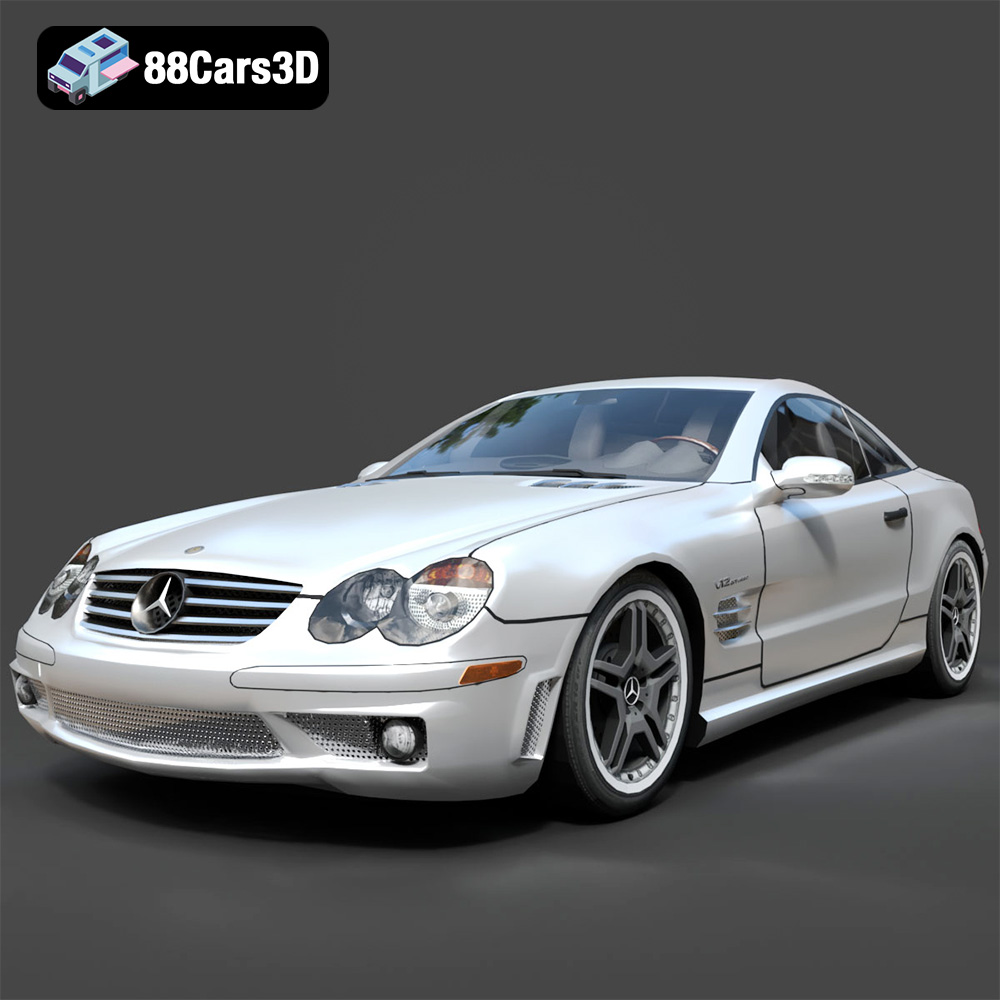
Download the Mercedes-Benz SLK 350 2005 3D Model featuring clean geometry, realistic detailing, and a fully modeled interior. Includes .blend, .fbx, .obj, .glb, .stl, .ply, .unreal, and .max formats for rendering, simulation, and game development.
Price: $9.99
Texture: Yes
Material: Yes
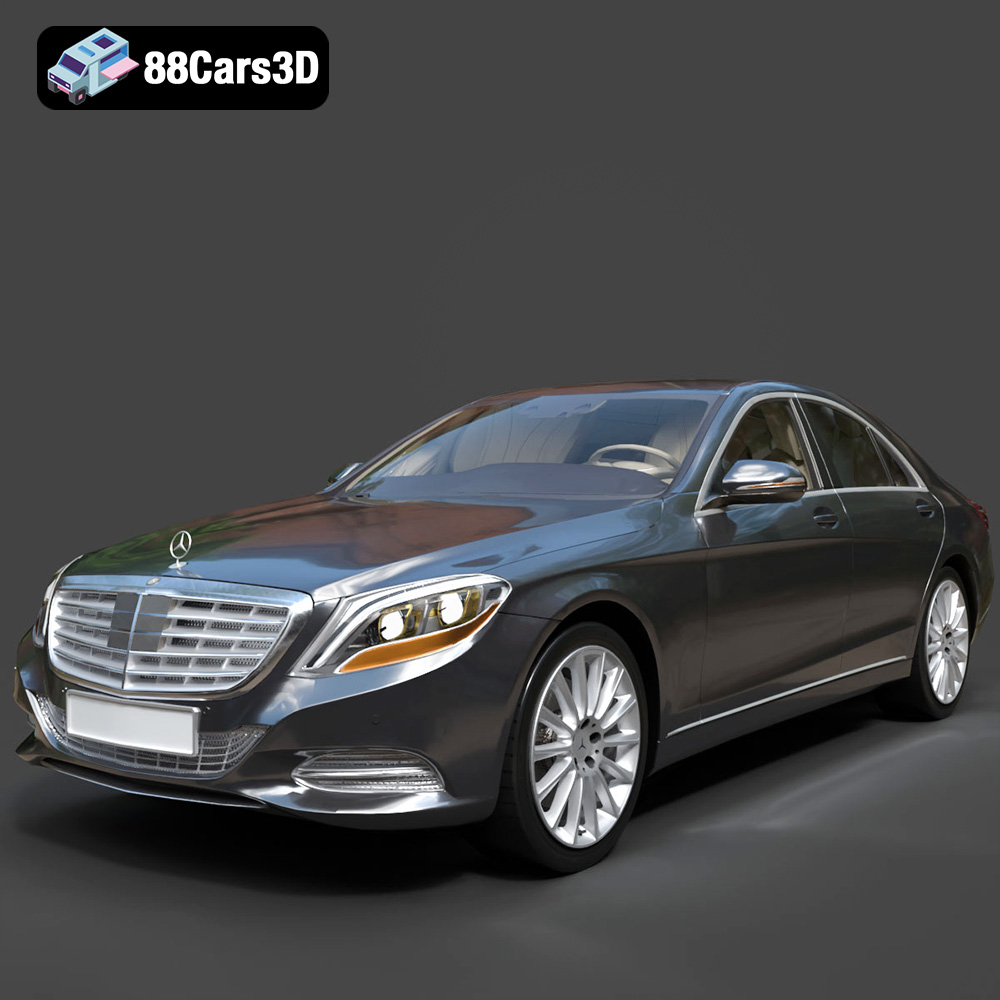
Download the Mercedes-Benz SL 65 AMG 3D Model featuring clean geometry, realistic detailing, and a fully modeled interior. Includes .blend, .fbx, .obj, .glb, .stl, .ply, .unreal, and .max formats for rendering, simulation, and game development.
Price: $9.99
Texture: Yes
Material: Yes
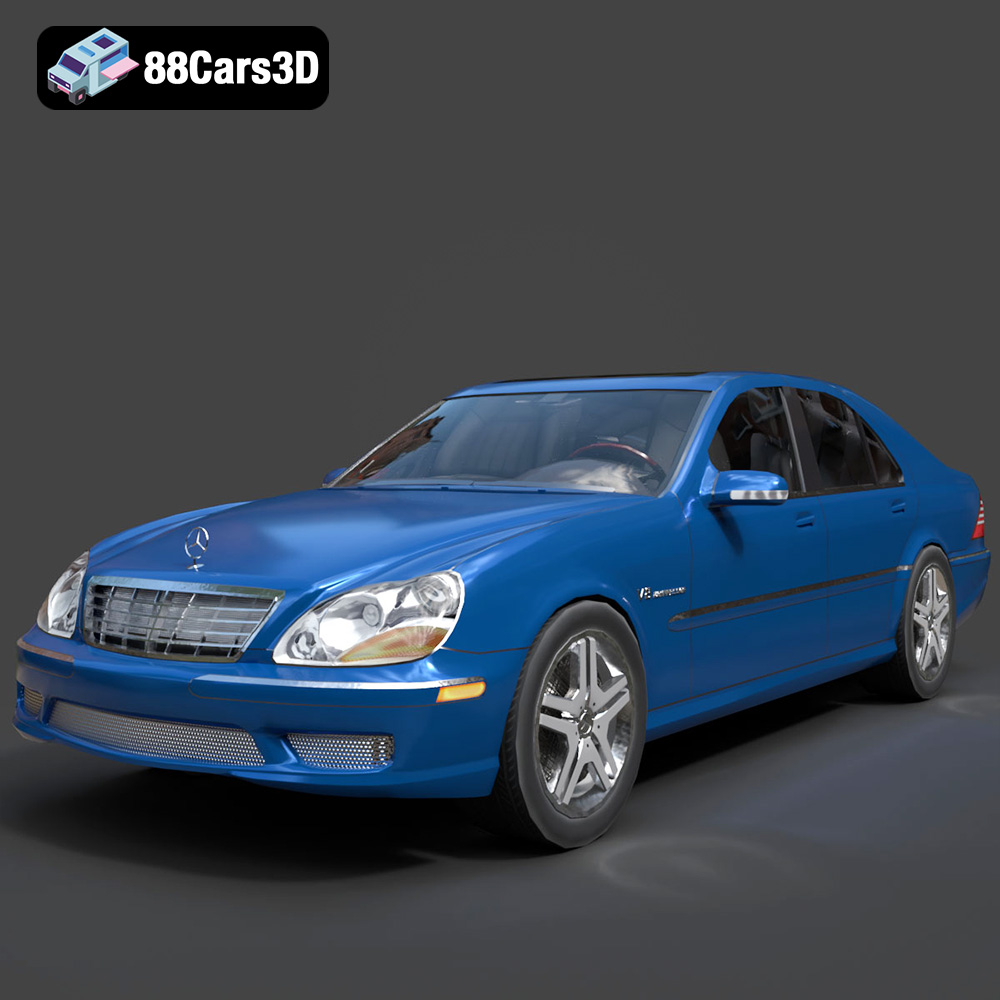
Download the Mercedes-Benz S500 3D Model featuring clean geometry, realistic detailing, and a fully modeled interior. Includes .blend, .fbx, .obj, .glb, .stl, .ply, .unreal, and .max formats for rendering, simulation, and game development.
Price: $9.99
Texture: Yes
Material: Yes
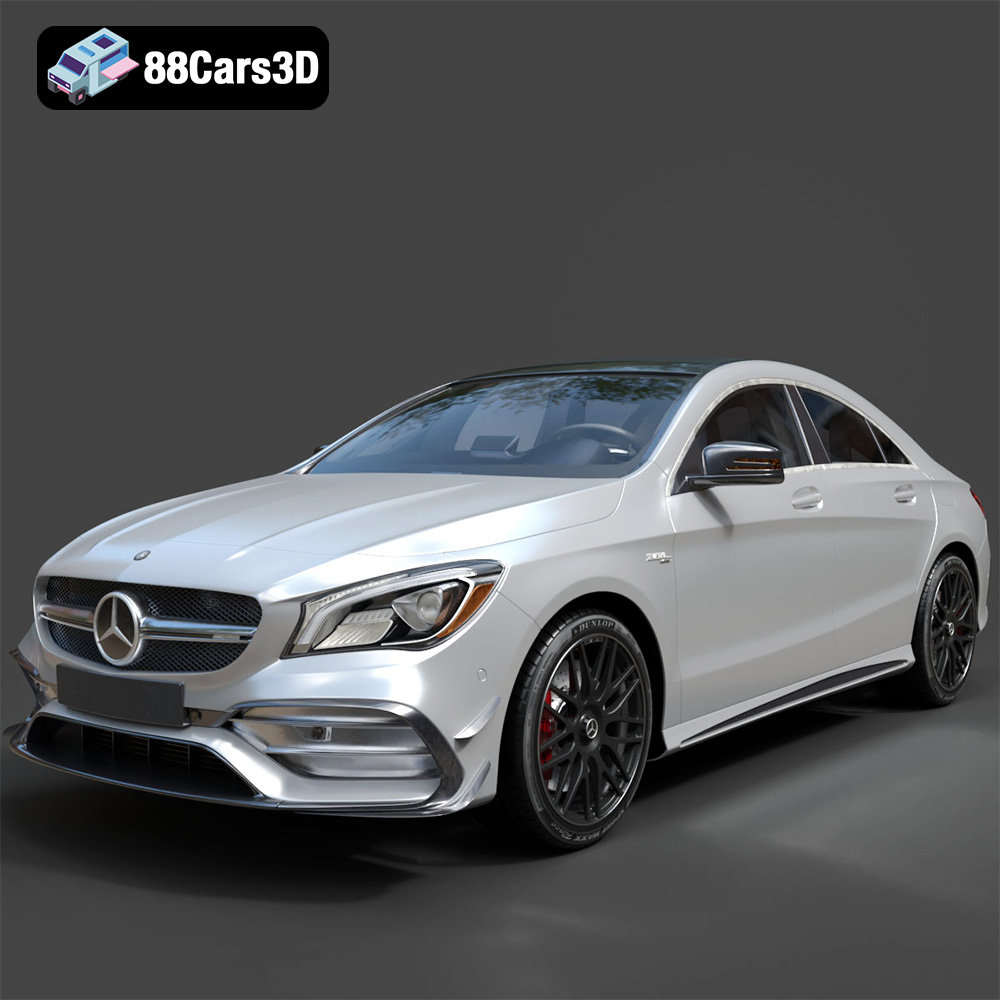
Download the Mercedes-Benz S55 W220 AMG 1999 3D Model featuring clean geometry, realistic detailing, and a fully modeled interior. Includes .blend, .fbx, .obj, .glb, .stl, .ply, .unreal, and .max formats for rendering, simulation, and game development.
Price: $9.99
Texture: Yes
Material: Yes
Download the Mercedes-Benz CLA45 AMG 2017 3D Model featuring clean geometry, realistic detailing, and a fully modeled interior. Includes .blend, .fbx, .obj, .glb, .stl, .ply, .unreal, and .max formats for rendering, simulation, and game development.
Price: $29.99
Texture: Yes
Material: Yes
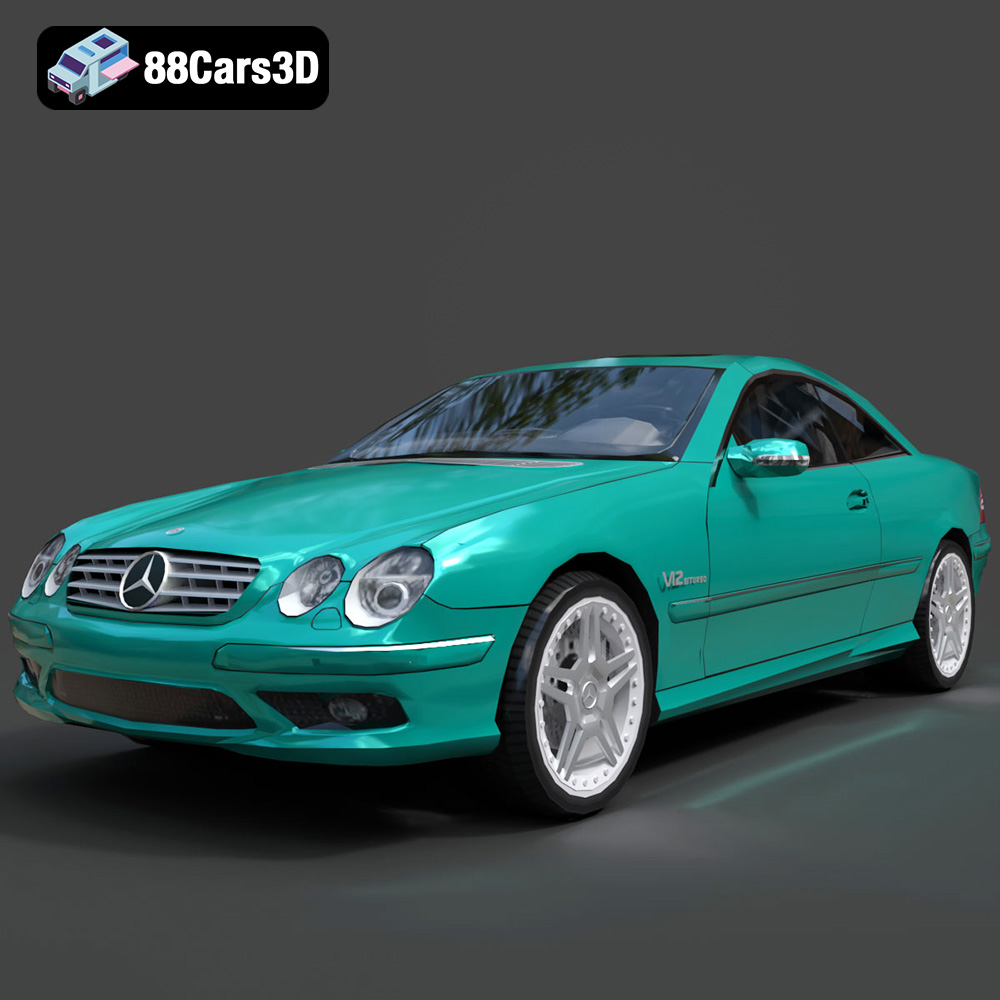
Download the Mercedes-Benz CL65 C215 AMG 3D Model featuring clean geometry, realistic detailing, and a fully modeled interior. Includes .blend, .fbx, .obj, .glb, .stl, .ply, .unreal, and .max formats for rendering, simulation, and game development.
Price: $9.99
Texture: Yes
Material: Yes
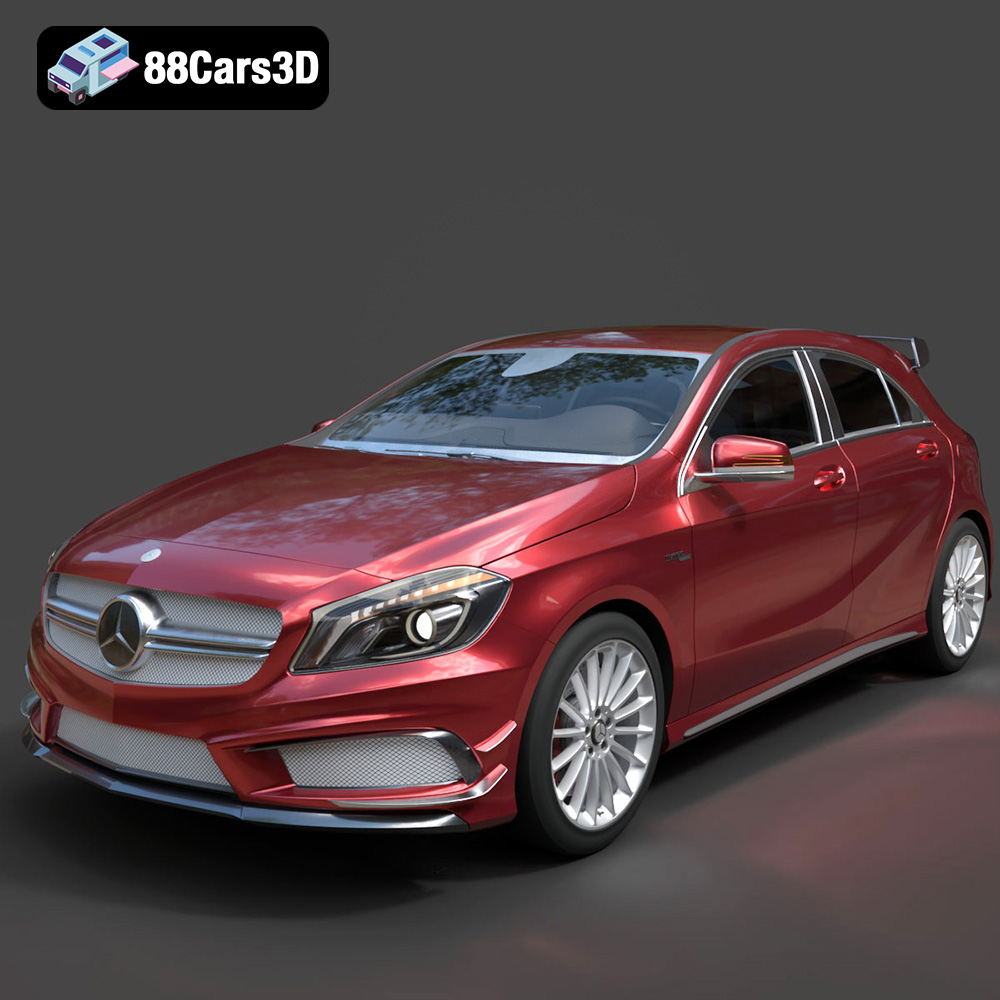
Download the Mercedes-Benz A45 2021 3D Model featuring clean geometry, realistic detailing, and a fully modeled interior. Includes .blend, .fbx, .obj, .glb, .stl, .ply, .unreal, and .max formats for rendering, simulation, and game development.
Price: $9.99
Texture: Yes
Material: Yes
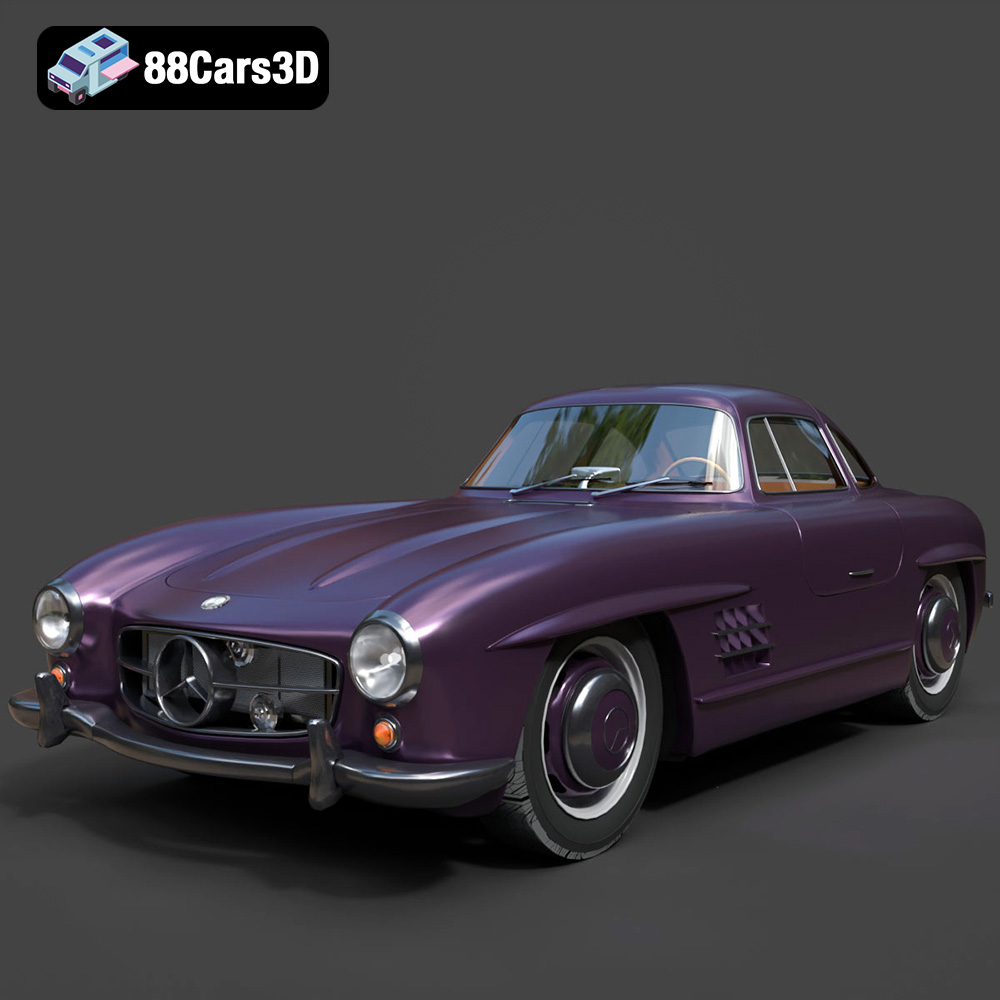
Download the Mercedes-Benz 300SL 1955 3D Model featuring clean geometry, realistic detailing, and a fully modeled interior. Includes .blend, .fbx, .obj, .glb, .stl, .ply, .unreal, and .max formats for rendering, simulation, and game development.
Price: $9.99
Texture: Yes
Material: Yes
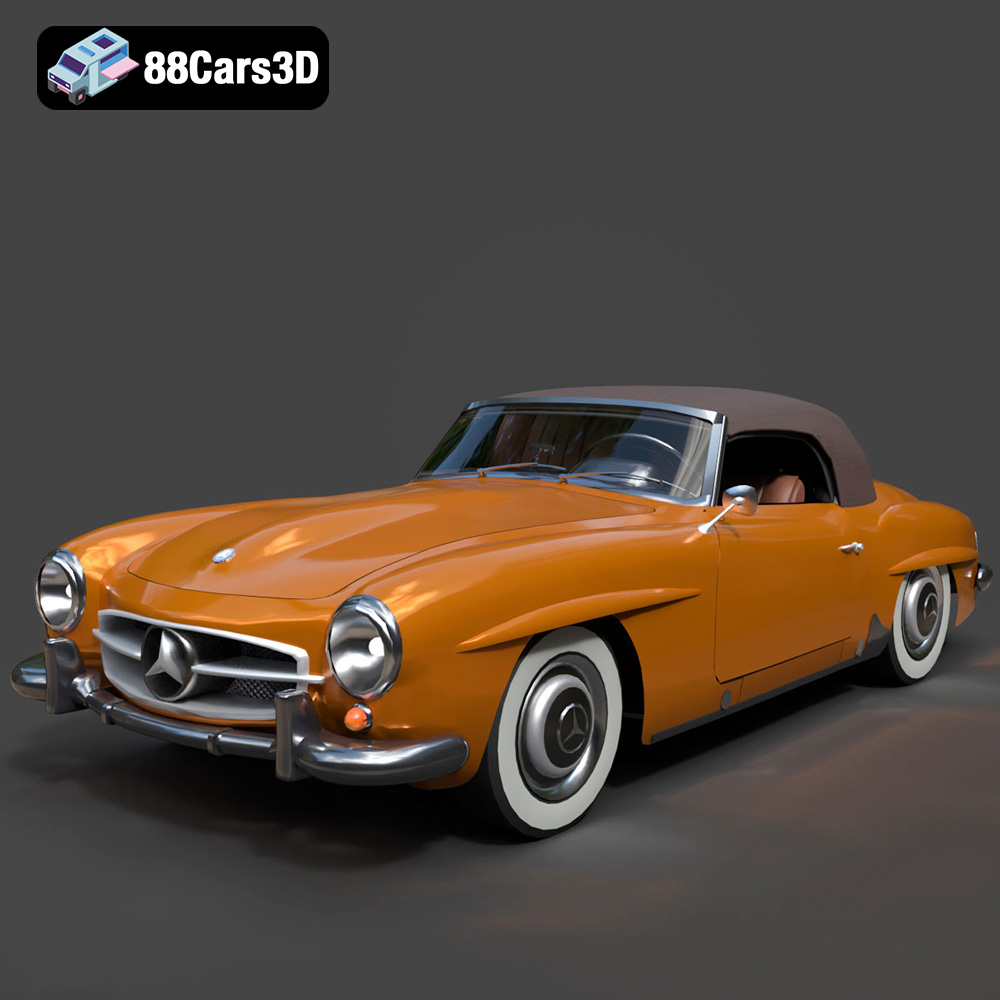
Download the Mercedes-Benz 190SL 1955 3D Model featuring clean geometry, realistic detailing, and a fully modeled interior. Includes .blend, .fbx, .obj, .glb, .stl, .ply, .unreal, and .max formats for rendering, simulation, and game development.
Price: $9.99

