Get 20% OFF All Premium 3D & STL Models!

Gazing at a freshly detailed supercar, you notice it’s not just one color. It’s a dance of light across multiple layers. You see the deep base color, the shimmer of tiny metallic particles, and a glossy, liquid-like top layer that reflects the world with perfect clarity. Recreating this complex interaction of light is one of the biggest challenges in digital automotive rendering. A standard PBR material, while powerful, simply can’t capture this layered depth on its own.
A simple “glossy red” material will look flat, like plastic. It lacks the subtle, angle-dependent reflections and the microscopic sparkle that tricks our eyes into believing what we’re seeing is real. The secret lies not in a single texture, but in building a shader that mimics the physical layers of real-world car paint. It’s about faking depth where there is none.
In this comprehensive guide, we’ll dive deep into the Unreal Engine material graph to construct a photorealistic, multi-layered car paint shader from scratch. We will move beyond the basic PBR workflow and build each component step-by-step: the rich base coat, the shimmering metallic flakes, and the all-important clear coat material, complete with advanced effects like the Fresnel effect and subtle surface imperfections. Let’s build a shader that truly shines.
Before we can build our material in Unreal Engine, we must first understand what we’re trying to replicate. Real automotive paint is a sophisticated multi-layer system, and each layer plays a distinct role in the final look.
A standard PBR material in UE5 tries to simulate all of this with just a few inputs: Base Color, Metallic, Roughness, and Normal. This is insufficient because it treats the surface as a single, uniform layer. We can’t have a rough, sparkling base with a perfectly smooth, reflective layer on top using this default setup. To achieve realism, we must build these layers virtually inside the Material Editor.
Let’s open Unreal Engine and start building. The first step is to create a new material and configure it to support the advanced features we’ll need. This foundational layer will serve as our pigment.
Right-click in the Content Browser, select Material, and give it a name like “M_CarPaint_Master”. Double-click to open the Unreal Engine material graph.
At this stage, you have a basic metallic material. It looks okay, but it lacks the signature sparkle and deep gloss of real car paint. Now, let’s add the magic.
The metallic flakes are what give automotive paint its dazzling depth. We will simulate this effect not by adding geometry, but by manipulating the surface normals at a micro level. We’ll create a procedural normal map that adds high-frequency detail, making it look like tiny flakes are catching the light.
We need a source for our flakes. A simple noise texture works perfectly for this.
The black-and-white output of the Voronoi node is just a heightmap. We need to convert it into a normal map that Unreal Engine can understand.
Now, take the output of the FlattenNormal node and plug it into the “Normal” input on your main material node. You should immediately see a fine, sparkling detail appear on your model’s surface. This is the core of our metallic flakes effect.
This is the layer that sells the entire effect. The clear coat material is a transparent, highly reflective layer that sits on top of everything else we’ve built. Our earlier step of setting the Shading Model to “Clear Coat” makes this possible.
You’ll now see two new inputs on your material node: “Clear Coat” and “Clear Coat Roughness”.
Here’s a pro tip for ultimate realism. In the real world, reflections on non-metallic surfaces are more visible at grazing angles. This is the Fresnel effect. A surface viewed head-on might show weak reflections, but the same surface viewed from a sharp angle will look almost like a mirror.
We can use this principle to make our clear coat appear deeper and more realistic.
This setup means the clear coat effect will be strong (1.0) at the edges of the model and slightly less intense (0.5) on the surfaces facing the camera directly. This subtle change adds a remarkable amount of perceived depth and realism to your automotive rendering projects.
If you look very closely at the reflection on a real car, you’ll notice it isn’t a perfect, flawless mirror. The surface of the clear coat has a very subtle, bumpy texture, a bit like the skin of an orange. This imperfection is known as the “orange peel effect,” and adding it to our shader is the final touch of hyperrealism.
We will simulate this by feeding a subtle, large-scale noise pattern into a special normal input that only affects the clear coat layer.
Take the output of this chain and plug it into the “Clear Coat Bottom Normal” input on the main material node. This special input applies the normal map *underneath* the clear coat, distorting the way it reflects the base layer and the environment without affecting the smoothness of the top-most surface. The result is a subtle, realistic warping in the reflections, which perfectly mimics the orange peel effect.
We’ve successfully deconstructed the complex layers of real car paint and rebuilt them within the Unreal Engine material graph. By starting with a solid color foundation, layering on a procedural normal map for metallic flakes, and finishing with a physically accurate clear coat material driven by a powerful Fresnel effect, we’ve created a shader that goes far beyond the capabilities of the default PBR system.
Adding advanced details like the orange peel effect is the final step that separates good work from truly photorealistic automotive rendering. The beauty of this master material is its flexibility. By creating Material Instances from this setup, you can now adjust every parameter—from the base color to flake intensity and clear coat roughness—to create an infinite variety of paint types, from glossy candy apple red to satin-finish frozen grey, all without ever recompiling the shader.
Now it’s your turn. Take these techniques and apply them to your own projects. For the best results, a high-quality, well-unwrapped vehicle model is essential. If you’re looking for professional, production-ready car models to test your new shader on, be sure to check out the extensive library at 88cars3d.com. Experiment, refine, and watch your automotive renders achieve a new level of realism.

Texture: Yes
Material: Yes
Download the Mercedes-Benz SL500 AMG (R129) 3D Model featuring clean geometry, realistic detailing, and a fully modeled interior. Includes .blend, .fbx, .obj, .glb, .stl, .ply, .unreal, and .max formats for rendering, simulation, and game development.
Price: $9.99

Texture: Yes
Material: Yes
Download the Mercedes-Benz S-Class W221 2005 3D Model featuring clean geometry, realistic detailing, and a fully modeled interior. Includes .blend, .fbx, .obj, .glb, .stl, .ply, .unreal, and .max formats for rendering, simulation, and game development.
Price: $9.99

Texture: Yes
Material: Yes
Download the Mercedes-Benz E-Class W212 2009 3D Model featuring clean geometry, realistic detailing, and a fully modeled interior. Includes .blend, .fbx, .obj, .glb, .stl, .ply, .unreal, and .max formats for rendering, simulation, and game development.
Price: $9.99

Texture: Yes
Material: Yes
Download the Mercedes-Benz SLK 350 2005 3D Model featuring clean geometry, realistic detailing, and a fully modeled interior. Includes .blend, .fbx, .obj, .glb, .stl, .ply, .unreal, and .max formats for rendering, simulation, and game development.
Price: $9.99
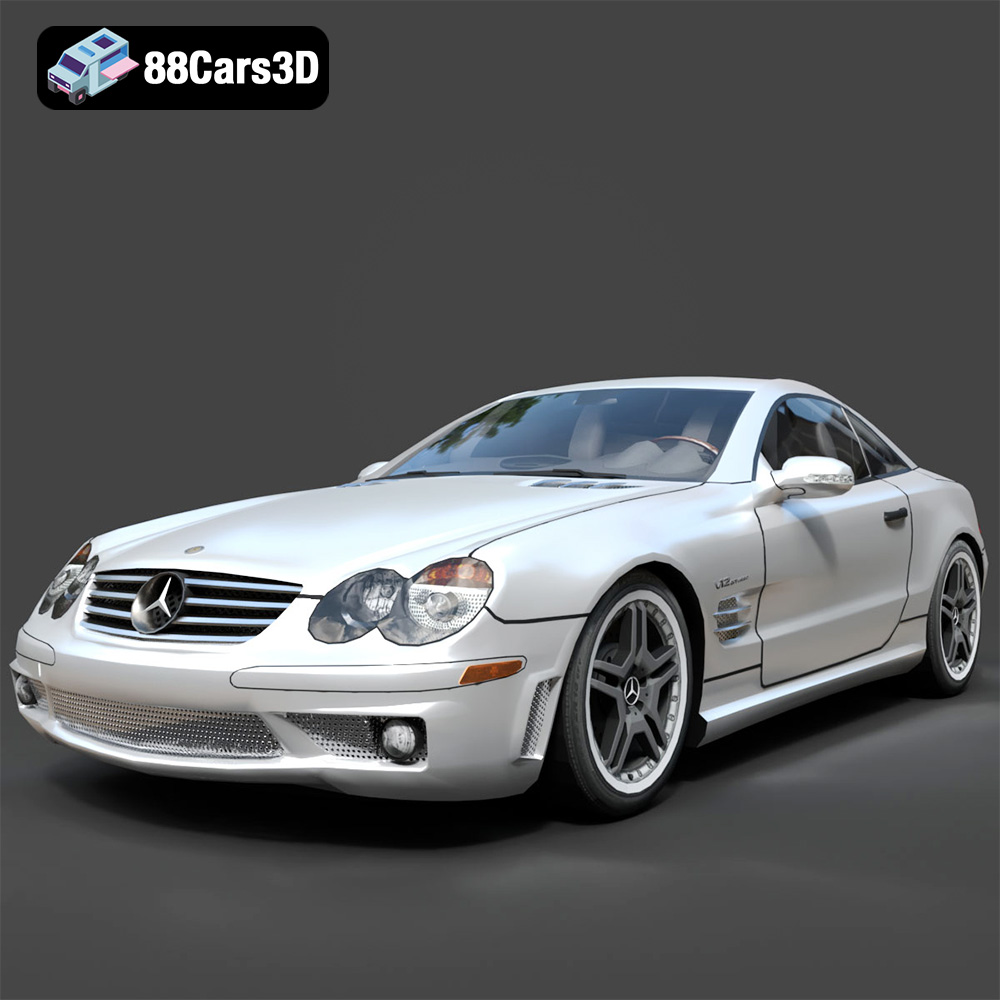
Texture: Yes
Material: Yes
Download the Mercedes-Benz SL 65 AMG 3D Model featuring clean geometry, realistic detailing, and a fully modeled interior. Includes .blend, .fbx, .obj, .glb, .stl, .ply, .unreal, and .max formats for rendering, simulation, and game development.
Price: $9.99
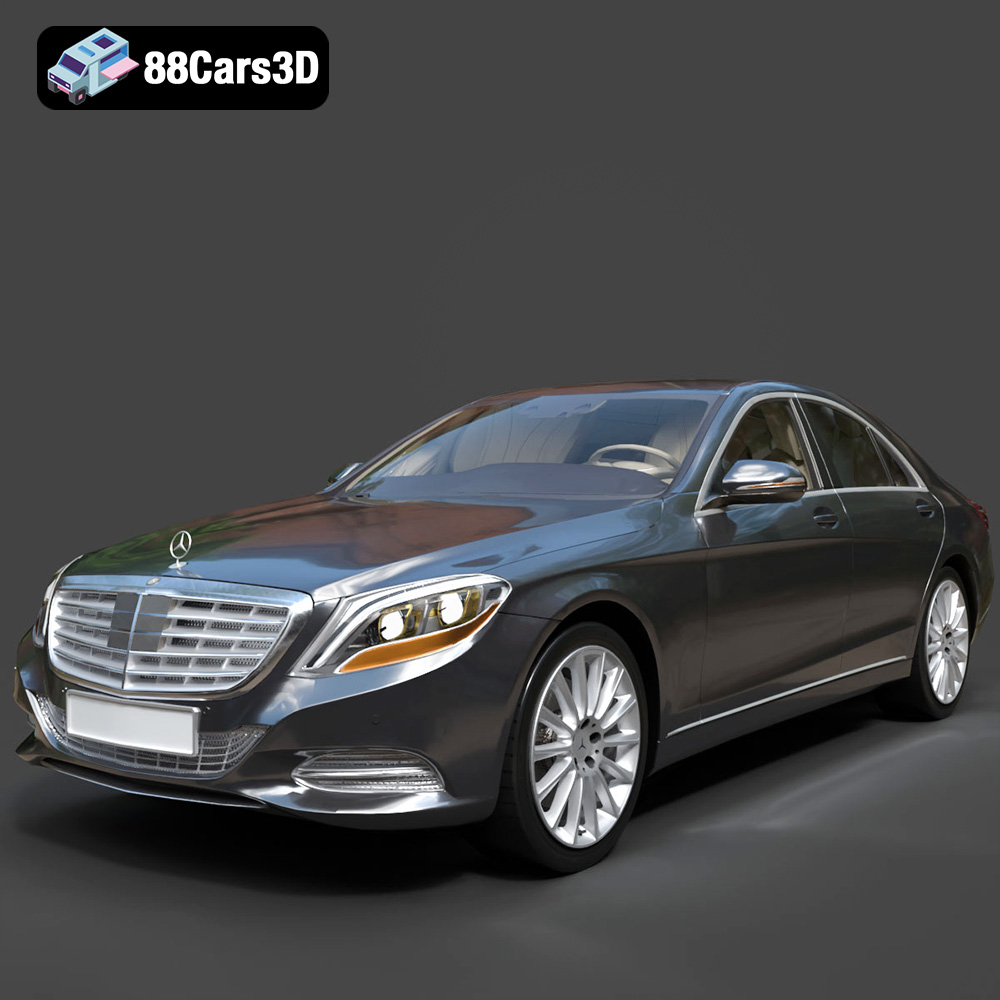
Texture: Yes
Material: Yes
Download the Mercedes-Benz S500 3D Model featuring clean geometry, realistic detailing, and a fully modeled interior. Includes .blend, .fbx, .obj, .glb, .stl, .ply, .unreal, and .max formats for rendering, simulation, and game development.
Price: $9.99
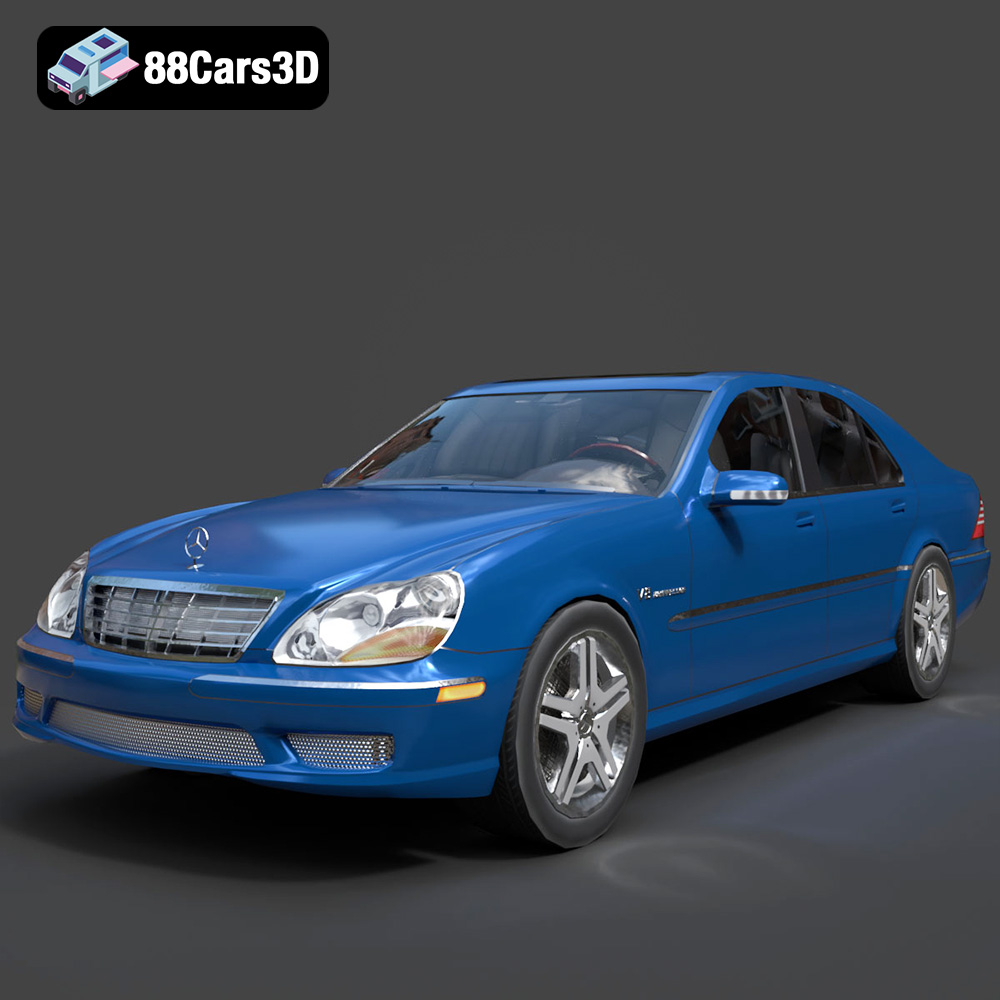
Texture: Yes
Material: Yes
Download the Mercedes-Benz S55 W220 AMG 1999 3D Model featuring clean geometry, realistic detailing, and a fully modeled interior. Includes .blend, .fbx, .obj, .glb, .stl, .ply, .unreal, and .max formats for rendering, simulation, and game development.
Price: $9.99
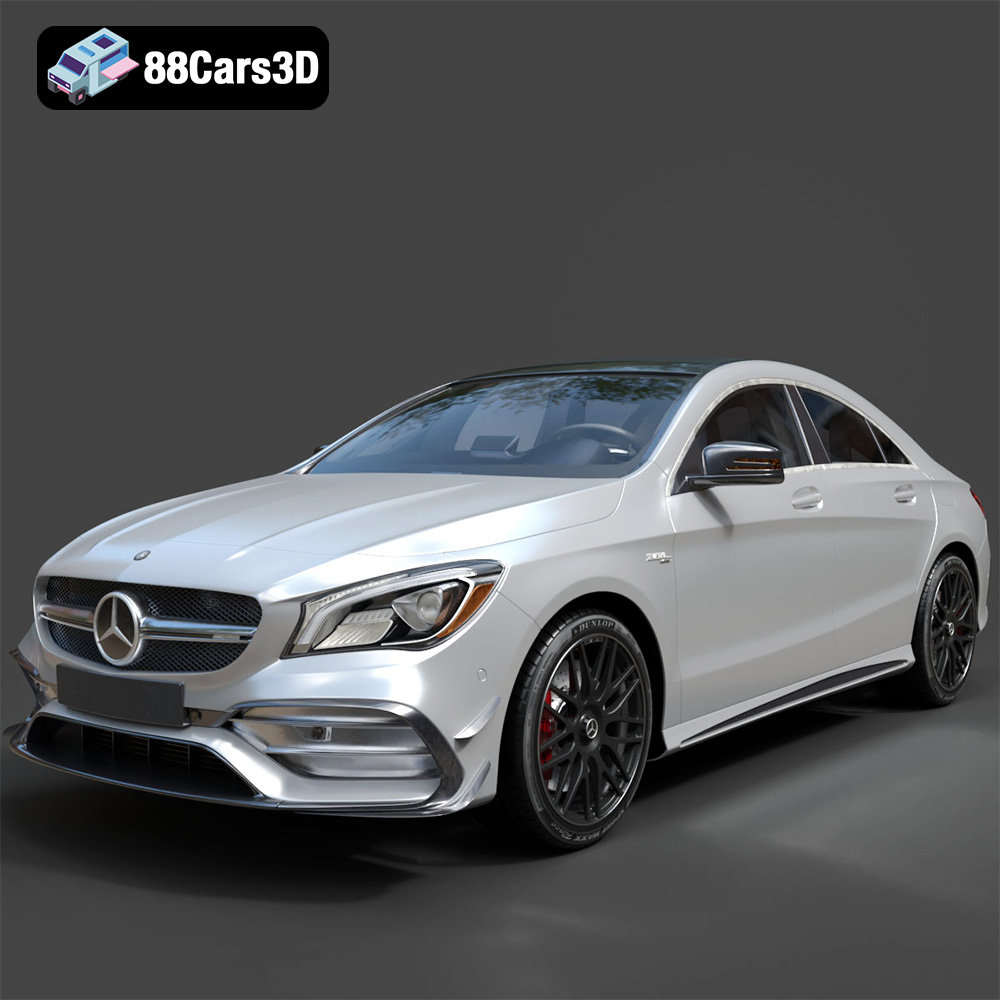
Texture: Yes
Material: Yes
Download the Mercedes-Benz CLA45 AMG 2017 3D Model featuring clean geometry, realistic detailing, and a fully modeled interior. Includes .blend, .fbx, .obj, .glb, .stl, .ply, .unreal, and .max formats for rendering, simulation, and game development.
Price: $29.99
Texture: Yes
Material: Yes
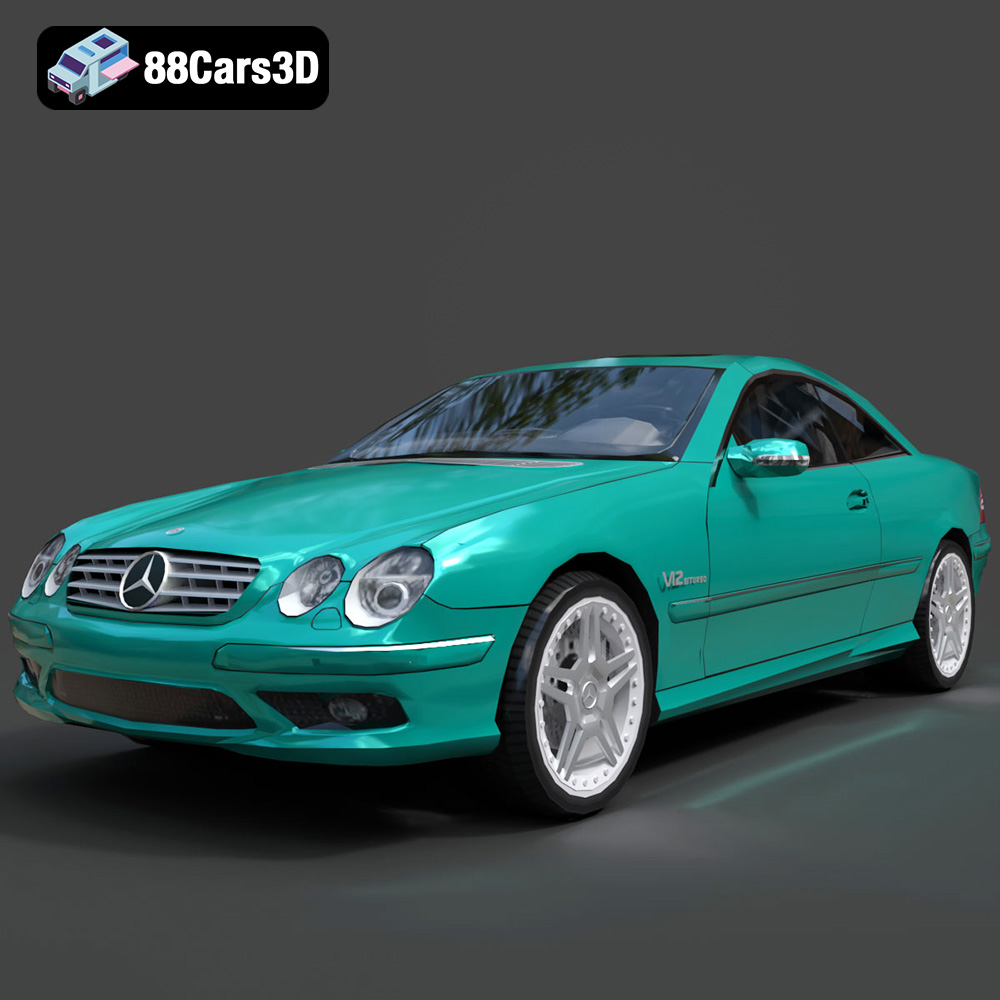
Download the Mercedes-Benz CL65 C215 AMG 3D Model featuring clean geometry, realistic detailing, and a fully modeled interior. Includes .blend, .fbx, .obj, .glb, .stl, .ply, .unreal, and .max formats for rendering, simulation, and game development.
Price: $9.99
Texture: Yes
Material: Yes
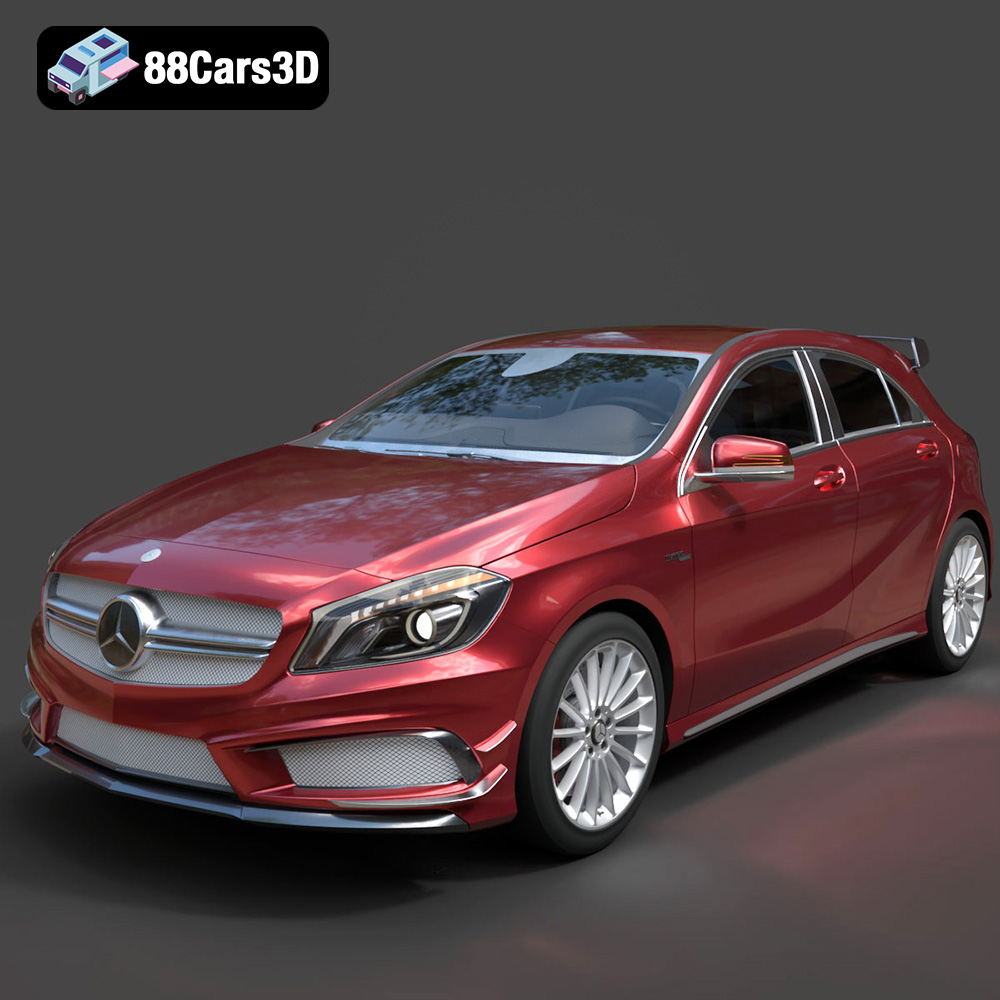
Download the Mercedes-Benz A45 2021 3D Model featuring clean geometry, realistic detailing, and a fully modeled interior. Includes .blend, .fbx, .obj, .glb, .stl, .ply, .unreal, and .max formats for rendering, simulation, and game development.
Price: $9.99

