Get 20% OFF All Premium 3D & STL Models!

The allure of photorealism in automotive visualization is undeniable. From captivating cinematic renders to immersive interactive experiences, the pursuit of absolute visual fidelity drives artists and developers alike. Modern engines like Unreal Engine 5 have blurred the lines between CGI and reality, offering unprecedented graphical capabilities. However, this power comes with a challenge: the “Photorealism Paradox.”
How do you maintain the breathtaking detail of a showroom-quality automotive model while ensuring smooth, real-time performance within a demanding game engine? This isn’t just a concern for game developers; it’s a critical balancing act for 3D artists and automotive designers striving to create stunning interactive showcases, virtual configurators, or high-end marketing materials. The core problem lies in the inherent conflict between raw polygon counts, intricate material setups, and the need for fluid framerates.
Many high-fidelity automotive assets are initially designed for offline rendering, where computation time is virtually limitless. Transplanting these detailed models directly into a real-time environment like Unreal Engine 5 without proper optimization is a recipe for performance disaster. This article will delve into the essential strategies and advanced techniques required for meticulous Unreal Engine 5 optimization, allowing you to transform your most detailed automotive creations into performant, photorealistic vehicle models that truly shine in real-time applications.
Traditional high-detail automotive models, often originating from CAD software or high-polygon sculpting, are engineered for precision and visual accuracy, not real-time efficiency. These models can boast millions of polygons, intricate assemblies, and unoptimized material groups, making them incredibly demanding on a GPU and CPU. When imported directly into Unreal Engine 5, such models can lead to crippling framerate drops, long loading times, and a generally poor user experience.
The core challenge is the “high-poly hurdle”: the sheer volume of data that needs to be processed and rendered every frame. Each polygon, each vertex, and each material instruction contributes to the computational load. Without targeted Unreal Engine 5 optimization, even the most powerful hardware can struggle to render a single unoptimized car model, let alone an entire scene with multiple vehicles and environmental elements. This is particularly true for high-fidelity automotive assets where every curve, seam, and detail is meticulously crafted.
The goal is to intelligently reduce this computational burden without visibly compromising the aesthetic quality of the model. This requires a deep understanding of mesh optimization, material efficiency, and Unreal Engine 5’s unique rendering pipeline. It’s about finding that sweet spot where visual excellence meets seamless real-time rendering performance.
The most fundamental step in optimizing any 3D model for a real-time engine is managing its polygon count. Raw polygon reduction, however, must be approached strategically to preserve the model’s visual integrity. This involves a combination of mesh decimation and careful retopology.
Mesh decimation is the process of reducing the number of polygons in a mesh while attempting to maintain its overall shape and detail. It’s a crucial technique for preparing high-fidelity automotive assets for real-time environments. Simple decimation can quickly destroy critical hard edges and smooth curves, so an intelligent approach is vital.
Modern decimation algorithms prioritize preserving geometric detail by analyzing curvature, surface error, and silhouette. Tools like ZBrush’s Decimation Master, Maya’s Reduce, or Blender’s Decimate modifier offer various parameters to control the reduction process. For automotive models, it’s essential to protect sharp edges, wheel wells, and distinctive body lines. Focus on areas that contribute less to the visual silhouette from common viewing angles for more aggressive reduction.
When applying mesh decimation techniques, always work from a high-resolution source and progressively reduce the poly count. It’s often beneficial to decimate different parts of the car (e.g., body, interior, wheels) independently to achieve optimal results tailored to their specific visual requirements and importance. This ensures that essential details for photorealistic vehicle models remain intact.
While decimation is excellent for quick poly count reduction, retopology offers a more controlled and often superior solution for creating clean, animation-ready meshes. Retopology involves rebuilding a new, lower-polygon mesh over the top of a high-polygon source model. This new mesh typically uses a quad-based topology, which is ideal for deformation, UV mapping, and generating clean normal maps.
For complex automotive surfaces, manual or semi-automatic retopology can yield exceptionally clean and efficient geometry. Tools like TopoGun, Maya’s Quad Draw, or Blender’s Retopology tools allow artists to meticulously construct a new mesh that adheres to the original’s form while drastically reducing its polygon count. This process creates a “game-ready” mesh that can then be used to bake high-detail normal maps from the original high-poly source, capturing all the intricate surface details without the performance overhead.
Retopology is particularly beneficial for parts that require animation (like doors or wheels), as a clean, edge-flow-optimized mesh will deform much more predictably. It’s a more time-consuming process than decimation but often results in a higher-quality, more versatile asset that perfectly balances fidelity and real-time rendering performance.
Even with intelligent mesh optimization, a single optimized model might still be too complex for a scene with many instances or a camera far from the object. This is where Level of Detail (LOD) comes into play. LODs are simplified versions of a mesh that are swapped in and out based on the camera’s distance from the object, significantly improving real-time rendering performance without a noticeable drop in visual quality.
There are two primary approaches to LOD generation: manual and automated. Manual LOD creation involves an artist creating each simplified mesh version by hand. This offers maximum control over silhouette preservation and detail retention at different distances, which is crucial for photorealistic vehicle models where every angle matters. However, it’s a very time-intensive process, especially for complex automotive assets.
Automated LOD tools, such as Unreal Engine’s built-in LOD generation or external solutions like Simplygon, can significantly speed up the process. These tools automatically decimate the mesh multiple times, creating several LOD levels. While convenient, automated solutions require careful oversight and tweaking to ensure critical details are not lost and that the transitions between LODs are seamless. For the best results with high-fidelity automotive assets, a hybrid approach often works best: manually optimize LOD0 (the highest detail) and then use automated tools for subsequent, more aggressively decimated LODs, followed by manual cleanup.
Unreal Engine 5 provides robust tools for managing LODs. Once your different LOD meshes are prepared (either manually or automatically generated), you can import them into UE5. For a static mesh, simply open the Static Mesh Editor, navigate to the LODs section, and add your prepared LOD meshes. UE5 will automatically detect and allow you to configure the screen size thresholds at which each LOD is swapped in.
Careful configuration of these screen size settings is crucial. If an LOD swaps too early, the detail reduction will be noticeable. If it swaps too late, you won’t gain the performance benefits. Experiment with different settings to find the optimal balance for your specific project and target hardware. Ensure that material IDs are consistent across all LODs to avoid texture popping. Proper LOD generation ensures that distant cars use a fraction of the polygons of close-up vehicles, drastically improving overall scene performance.
Even with perfectly optimized geometry, poor material and texture management can cripple performance and undermine visual fidelity. In Unreal Engine 5, a streamlined approach to PBR (Physically Based Rendering) materials and efficient texture utilization is paramount for stunning photorealistic vehicle models.
A consistent and accurate PBR texturing workflow is the backbone of realism. PBR ensures that your materials react to light in a physically plausible way, making your automotive models look believable under any lighting condition. Key PBR maps include:
Texture resolution optimization is also critical. Not every part of a car needs 4K or 8K textures. Crucial areas like the car body, wheels, and interior dashboard elements might warrant higher resolutions, while less visible parts can use 1K or 2K. Use a checkerboard texture temporarily during development to assess texture density and identify areas that need more or less resolution. This careful balance contributes significantly to Unreal Engine 5 optimization.
Clean and efficient UV unwrapping for game engines is non-negotiable. Poor UVs lead to distorted textures, wasted texture space, and potential issues with lightmap generation. For automotive models, prioritize continuous UV islands for large surfaces like the car body to minimize seams. Ensure that UV islands are appropriately scaled relative to their screen real estate—important, visible parts should occupy more UV space than hidden ones.
Overlapping UVs are generally discouraged for game engines as they cause artifacts with lightmaps and baked ambient occlusion. If UDIMs (a UV tiling system) are used, be mindful of their potential performance impact in real-time, as they can increase draw calls. A more common approach for automotive models in game engines is to pack all UV islands into a single 0-1 UV space, or use multiple UV sets for different material groups or specific texture requirements (e.g., one set for diffuse/normal, another for lightmaps).
To further enhance real-time rendering performance, two powerful techniques are texture atlasing and material instancing.
Unreal Engine 5 introduces revolutionary features that significantly alter how we approach optimization and visual quality. Understanding and correctly utilizing these tools is key to achieving cinematic-grade photorealistic vehicle models with optimal real-time rendering performance.
Nanite is Unreal Engine 5’s virtualized micropolygon geometry system, designed to handle incredibly dense meshes with minimal performance impact. For static high-fidelity automotive assets, Nanite can be a genuine game-changer. It allows artists to import models with millions of polygons directly, eliminating the need for traditional LOD generation for static meshes, as Nanite automatically streams and renders only the necessary detail at screen resolution.
For car bodies, engine components, and detailed interior elements that don’t deform, Nanite offers unparalleled visual fidelity. However, it’s important to note its current limitations: Nanite does not yet support skeletal animation or skinned meshes, which means dynamic elements like suspension, opening doors, or character-driven interactions on a car model will still require traditional optimized meshes and LODs. Furthermore, while Nanite reduces polygon overhead, it can still incur a cost in material complexity and memory, so material optimization remains critical. Thoughtful application of Nanite to static parts can free up significant performance resources for dynamic elements, contributing to overall Unreal Engine 5 optimization.
Lumen is UE5’s fully dynamic global illumination and reflections system, providing incredibly realistic indirect lighting and reflections in real-time. For automotive visualization, Lumen is transformative, as car paint, chrome, glass, and other reflective surfaces are paramount to realism. Lumen accurately simulates how light bounces off these complex surfaces, creating believable metallic sheens, deep reflections, and nuanced shadows without needing baked lightmaps.
While Lumen offers stunning visuals, it does have a performance cost. Optimizing Lumen involves adjusting settings such as Final Gather quality, Global Illumination Samples, and Reflection Quality in the Post Process Volume. Balancing these settings with other performance demands is crucial. For specific, highly reflective surfaces like car paint, supplementing Lumen with Screen Space Reflections (SSR) or even Ray-Traced Reflections (RTR) (if targeting high-end hardware) can further enhance the visual impact, creating truly captivating photorealistic vehicle models.
The journey from a CAD or DCC (Digital Content Creation) application to Unreal Engine 5 is streamlined with tools like Datasmith. Datasmith is designed to import complex scene data, including geometry, hierarchies, materials, and metadata, while maintaining precision. This is particularly valuable for professional high-fidelity automotive assets originating from CAD software, ensuring that their accuracy is preserved.
When preparing assets for import, ensure that your mesh scaling is consistent and that pivot points are correctly set for interactive elements (e.g., door hinges, wheel axles). Organize your scene heirarchy logically in your DCC application to simplify management within UE5. Once imported, leverage UE5’s built-in tools for lightmap UV generation, collision setup, and further LOD refinement to maximize performance.
Beyond the core techniques, several advanced strategies can push your Unreal Engine 5 optimization efforts further, ensuring that your photorealistic vehicle models run flawlessly even in complex scenarios.
For scenes featuring multiple identical objects or numerous small repeating details on a car, instancing is incredibly efficient. Static Mesh Instancing allows the GPU to render many copies of the same mesh using a single draw call, drastically reducing overhead. For example, if your car model has many identical bolts, grilles, or even multiple instances of the same wheel, instancing them will yield significant performance gains.
Hierarchical Instanced Static Meshes (HISMs) take this a step further by grouping instances into clusters, allowing the engine to cull entire groups that are not visible. Blueprints in Unreal Engine 5 are also invaluable for creating modular and optimized automotive assets. You can use Blueprints to assemble car components, implement interactive features (like opening doors or turning wheels), and manage variations of a vehicle, all while instantiating static meshes for efficiency.
Every actor in Unreal Engine needs a collision mesh for physics interactions. Using the high-resolution render mesh for collision is incredibly inefficient. Instead, create simplified custom collision meshes. For a car, this typically involves a handful of simple primitive shapes (boxes, capsules) or a convex hull that closely approximates the vehicle’s form without unnecessary polygon detail. UE5 can generate these automatically, but manual creation often leads to better results for automotive models.
For more complex physics simulations, such as a vehicle’s suspension or deformable parts, you’ll need to set up Physics Assets. These consist of a collection of rigid bodies and constraints that drive the physical behavior. Optimizing physics assets involves using as few bodies and constraints as necessary to achieve the desired effect, reducing the computational load on the CPU.
Optimization is an iterative process, not a one-time task. Unreal Engine 5 offers powerful profiling tools to identify performance bottlenecks. Commands like Stat GPU, Stat RHI, and Stat Engine provide real-time information about GPU and CPU utilization, draw calls, and frame times. The GPU Visualizer offers a detailed breakdown of rendering passes, helping you pinpoint exactly where your scene is struggling.
The Session Frontend allows for more in-depth analysis over time. Regularly profile your scene as you add new high-fidelity automotive assets or implement new features. Identify the biggest performance culprits and prioritize your optimization efforts accordingly. Continuous monitoring and adjustment are key to maintaining excellent real-time rendering performance throughout your project’s lifecycle.
For artists seeking a head start with meticulously crafted, optimized high-fidelity automotive assets, explore the extensive library at 88cars3d.com. Our models are designed with performance and visual excellence in mind, providing a solid foundation for your UE5 projects. You’ll find a wide array of options, perfect for your next cinematic render or interactive experience.
The “Photorealism Paradox” in Unreal Engine 5 is a challenge, but certainly not an insurmountable one. Achieving breathtaking photorealistic vehicle models with seamless real-time rendering performance is a testament to both artistic skill and technical acumen. By strategically employing intelligent mesh optimization, dynamic LOD generation, efficient PBR texturing workflow, and leveraging Unreal Engine 5’s advanced features like Nanite and Lumen, artists and developers can unlock the full potential of their automotive visualizations.
Remember that Unreal Engine 5 optimization is an ongoing process. It requires a commitment to understanding how your assets impact performance, from the initial mesh decimation techniques and careful UV unwrapping for game engines to the final profiling and iteration steps. The reward is an unparalleled visual experience that captivates audiences and delivers on the promise of truly next-generation real-time graphics.
Whether you’re building an automotive configurator, a cutting-edge racing game, or a virtual showroom, the principles outlined here will guide you toward creating assets that are as efficient as they are stunning. For a solid foundation to jumpstart your projects, offering high-quality, pre-optimized models, visit 88cars3d.com. The future of automotive visualization thrives on this delicate balance, where every detail is rendered beautifully, and every frame runs smoothly.

Texture: Yes
Material: Yes
Download the Suzuki SX4-002 3D Model featuring clean geometry, realistic detailing, and a fully modeled interior. Includes .blend, .fbx, .obj, .glb, .stl, .ply, .unreal, and .max formats for rendering, simulation, and game development.
Price: $10

Texture: Yes
Material: Yes
Download the Tesla Model S 2024 3D Model featuring clean geometry, realistic detailing, and a fully modeled interior. Includes .blend, .fbx, .obj, .glb, .stl, .ply, .unreal, and .max formats for rendering, simulation, and game development.
Price: $10

Texture: Yes
Material: Yes
Download the Subaru Impreza WRX STi-002 3D Model featuring clean geometry, realistic detailing, and a fully modeled interior. Includes .blend, .fbx, .obj, .glb, .stl, .ply, .unreal, and .max formats for rendering, simulation, and game development.
Price: $10

Texture: Yes
Material: Yes
Download the Subaru Impreza WRX STi Sedan 3D Model featuring clean geometry, realistic detailing, and a fully modeled interior. Includes .blend, .fbx, .obj, .glb, .stl, .ply, .unreal, and .max formats for rendering, simulation, and game development.
Price: $10

Texture: Yes
Material: Yes
Download the Subaru Legacy 2009 3D Model featuring clean geometry, realistic detailing, and a fully modeled interior. Includes .blend, .fbx, .obj, .glb, .stl, .ply, .unreal, and .max formats for rendering, simulation, and game development.
Price: $10

Texture: Yes
Material: Yes
Download the Suzuki Swift 2024 3D Model featuring clean geometry, realistic detailing, and a fully modeled interior. Includes .blend, .fbx, .obj, .glb, .stl, .ply, .unreal, and .max formats for rendering, simulation, and game development.
Price: $10

Texture: Yes
Material: Yes
Download the Suzuki Liana Sedan 2004 3D Model featuring clean geometry, realistic detailing, and a fully modeled interior. Includes .blend, .fbx, .obj, .glb, .stl, .ply, .unreal, and .max formats for rendering, simulation, and game development.
Price: $10

Texture: Yes
Material: Yes
Download the Subaru Outback 2024 3D Model featuring clean geometry, realistic detailing, and a fully modeled interior. Includes .blend, .fbx, .obj, .glb, .stl, .ply, .unreal, and .max formats for rendering, simulation, and game development.
Price: $10

Texture: Yes
Material: Yes
Download the Subaru Legacy 2003 3D Model featuring clean geometry, realistic detailing, and a fully modeled interior. Includes .blend, .fbx, .obj, .glb, .stl, .ply, .unreal, and .max formats for rendering, simulation, and game development.
Price: $10

Texture: Yes
Material: Yes
Download the Subaru Legacy Touring Wagon 3D Model featuring clean geometry, realistic detailing, and a fully modeled interior. Includes .blend, .fbx, .obj, .glb, .stl, .ply, .unreal, and .max formats for rendering, simulation, and game development.
Price: $10

Texture: Yes
Material: Yes
Download the Toyota Mark II (X100) 3D Model featuring clean geometry, realistic detailing, and a fully modeled interior. Includes .blend, .fbx, .obj, .glb, .stl, .ply, .unreal, and .max formats for rendering, simulation, and game development.
Price: $10

Texture: Yes
Material: Yes
Download the Toyota Corona 1985 3D Model featuring clean geometry, realistic detailing, and a fully modeled interior. Includes .blend, .fbx, .obj, .glb, .stl, .ply, .unreal, and .max formats for rendering, simulation, and game development.
Price: $10

Texture: Yes
Material: Yes
Download the Toyota Mark II X81 1990 3D Model featuring clean geometry, realistic detailing, and a fully modeled interior. Includes .blend, .fbx, .obj, .glb, .stl, .ply, .unreal, and .max formats for rendering, simulation, and game development.
Price: $10

Texture: Yes
Material: Yes
Download the Toyota iQ EV 2012 3D Model featuring clean geometry, realistic detailing, and a fully modeled interior. Includes .blend, .fbx, .obj, .glb, .stl, .ply, .unreal, and .max formats for rendering, simulation, and game development.
Price: $10

Texture: Yes
Material: Yes
Download the Toyota Aygo 2013 3D Model featuring clean geometry, realistic detailing, and a fully modeled interior. Includes .blend, .fbx, .obj, .glb, .stl, .ply, .unreal, and .max formats for rendering, simulation, and game development.
Price: $10

Texture: Yes
Material: Yes
Download the Toyota Crown S180 2005 3D Model featuring clean geometry, realistic detailing, and a fully modeled interior. Includes .blend, .fbx, .obj, .glb, .stl, .ply, .unreal, and .max formats for rendering, simulation, and game development.
Price: $10

Texture: Yes
Material: Yes
Download the Toyota Celica 2004 3D Model featuring clean geometry, realistic detailing, and a fully modeled interior. Includes .blend, .fbx, .obj, .glb, .stl, .ply, .unreal, and .max formats for rendering, simulation, and game development.
Price: $10

Texture: Yes
Material: Yes
Download the Toyota Corolla AE100 1992 3D Model featuring clean geometry, realistic detailing, and a fully modeled interior. Includes .blend, .fbx, .obj, .glb, .stl, .ply, .unreal, and .max formats for rendering, simulation, and game development.
Price: $10

Texture: Yes
Material: Yes
Download the Toyota Mark II X110 2000 3D Model featuring clean geometry, realistic detailing, and a fully modeled interior. Includes .blend, .fbx, .obj, .glb, .stl, .ply, .unreal, and .max formats for rendering, simulation, and game development.
Price: $10

Texture: Yes
Material: Yes
Download the Toyota Corolla 2020 3D Model featuring clean geometry, realistic detailing, and a fully modeled interior. Includes .blend, .fbx, .obj, .glb, .stl, .ply, .unreal, and .max formats for rendering, simulation, and game development.
Price: $10

Texture: Yes
Material: Yes
Download the Toyota Yaris 2020 3D Model featuring clean geometry, realistic detailing, and a fully modeled interior. Includes .blend, .fbx, .obj, .glb, .stl, .ply, .unreal, and .max formats for rendering, simulation, and game development.
Price: $9.9

Texture: Yes
Material: Yes
Download the Volkswagen Beetle 2012 3D Model featuring clean geometry, realistic detailing, and a fully modeled interior. Includes .blend, .fbx, .obj, .glb, .stl, .ply, .unreal, and .max formats for rendering, simulation, and game development.
Price: $9.9

Texture: Yes
Material: Yes
Download the Toyota Matrix 2005 3D Model featuring clean geometry, realistic detailing, and a fully modeled interior. Includes .blend, .fbx, .obj, .glb, .stl, .ply, .unreal, and .max formats for rendering, simulation, and game development.
Price: $9.9

Texture: Yes
Material: Yes
Download the Toyota Yaris Sedan 3D Model featuring clean geometry, realistic detailing, and a fully modeled interior. Includes .blend, .fbx, .obj, .glb, .stl, .ply, .unreal, and .max formats for rendering, simulation, and game development.
Price: $9.9

Texture: Yes
Material: Yes
Download the Volkswagen Golf R-004 2024 3D Model featuring clean geometry, realistic detailing, and a fully modeled interior. Includes .blend, .fbx, .obj, .glb, .stl, .ply, .unreal, and .max formats for rendering, simulation, and game development.
Price: $9.9

Texture: Yes
Material: Yes
Download the Volkswagen Golf 5 Door 2010 3D Model featuring clean geometry, realistic detailing, and a fully modeled interior. Includes .blend, .fbx, .obj, .glb, .stl, .ply, .unreal, and .max formats for rendering, simulation, and game development.
Price: $9.9

Texture: Yes
Material: Yes
Download the Toyota Premio 2010 3D Model featuring clean geometry, realistic detailing, and a fully modeled interior. Includes .blend, .fbx, .obj, .glb, .stl, .ply, .unreal, and .max formats for rendering, simulation, and game development.
Price: $9.9

Texture: Yes
Material: Yes
Download the Toyota Opa 2000 3D Model featuring clean geometry, realistic detailing, and a fully modeled interior. Includes .blend, .fbx, .obj, .glb, .stl, .ply, .unreal, and .max formats for rendering, simulation, and game development.
Price: $9.9

Texture: Yes
Material: Yes
Download the Volkswagen Polo 5 Door 2010 3D Model featuring clean geometry, realistic detailing, and a fully modeled interior. Includes .blend, .fbx, .obj, .glb, .stl, .ply, .unreal, and .max formats for rendering, simulation, and game development.
Price: $9.9

Texture: Yes
Material: Yes
Download the Toyota Prius 2024 3D Model featuring clean geometry, realistic detailing, and a fully modeled interior. Includes .blend, .fbx, .obj, .glb, .stl, .ply, .unreal, and .max formats for rendering, simulation, and game development.
Price: $9.9

Texture: Yes
Material: Yes
Download the Toyota Yaris 1999 3D Model featuring clean geometry, realistic detailing, and a fully modeled interior. Includes .blend, .fbx, .obj, .glb, .stl, .ply, .unreal, and .max formats for rendering, simulation, and game development.
Price: $9.9

Texture: Yes
Material: Yes
Download the Toyota Supra 2020 3D Model featuring clean geometry, realistic detailing, and a fully modeled interior. Includes .blend, .fbx, .obj, .glb, .stl, .ply, .unreal, and .max formats for rendering, simulation, and game development.
Price: $9.9

Texture: Yes
Material: Yes
Download the Volkswagen New Beetle 2000 3D Model featuring clean geometry, realistic detailing, and a fully modeled interior. Includes .blend, .fbx, .obj, .glb, .stl, .ply, .unreal, and .max formats for rendering, simulation, and game development.
Price: $14.99

Texture: Yes
Material: Yes
Download the Volkswagen Jetta 2005 3D Model featuring clean geometry, realistic detailing, and a fully modeled interior. Includes .blend, .fbx, .obj, .glb, .stl, .ply, .unreal, and .max formats for rendering, simulation, and game development.
Price: $18.99

Texture: Yes
Material: Yes
Download the Volkswagen Golf 3-Door 3D Model featuring clean geometry, realistic detailing, and a fully modeled interior. Includes .blend, .fbx, .obj, .glb, .stl, .ply, .unreal, and .max formats for rendering, simulation, and game development.
Price: $14.99

Texture: Yes
Material: Yes
Download the Volvo V70 2005 3D Model featuring clean geometry, realistic detailing, and a fully modeled interior. Includes .blend, .fbx, .obj, .glb, .stl, .ply, .unreal, and .max formats for rendering, simulation, and game development.
Price: $14.99

Texture: Yes
Material: Yes
Download the Volkswagen Bora 2004 3D Model featuring clean geometry, realistic detailing, and a fully modeled interior. Includes .blend, .fbx, .obj, .glb, .stl, .ply, .unreal, and .max formats for rendering, simulation, and game development.
Price: $14.99

Texture: Yes
Material: Yes
Download the Volkswagen Lupo 3D Model featuring clean geometry, realistic detailing, and a fully modeled interior. Includes .blend, .fbx, .obj, .glb, .stl, .ply, .unreal, and .max formats for rendering, simulation, and game development.
Price: $19.99

Texture: Yes
Material: Yes
Download the Volkswagen Passat B5 2000 3D Model featuring clean geometry, realistic detailing, and a fully modeled interior. Includes .blend, .fbx, .obj, .glb, .stl, .ply, .unreal, and .max formats for rendering, simulation, and game development.
Price: $19.99

Texture: Yes
Material: Yes
Download the Volkswagen Passat CC 3D Model featuring clean geometry, realistic detailing, and a fully modeled interior. Includes .blend, .fbx, .obj, .glb, .stl, .ply, .unreal, and .max formats for rendering, simulation, and game development.
Price: $19.99

Texture: Yes
Material: Yes
Download the Volkswagen Golf V 2006 3D Model featuring clean geometry, realistic detailing, and a fully modeled interior. Includes .blend, .fbx, .obj, .glb, .stl, .ply, .unreal, and .max formats for rendering, simulation, and game development.
Price: $19.99

Texture: Yes
Material: Yes
Download the Volvo S60 R-Design 3D Model featuring clean geometry, realistic detailing, and a fully modeled interior. Includes .blend, .fbx, .obj, .glb, .stl, .ply, .unreal, and .max formats for rendering, simulation, and game development.
Price: $19.99

Texture: Yes
Material: Yes
Download the Volkswagen Passat 2025 3D Model featuring clean geometry, realistic detailing, and a fully modeled interior. Includes .blend, .fbx, .obj, .glb, .stl, .ply, .unreal, and .max formats for rendering, simulation, and game development.
Price: $25.99

Texture: Yes
Material: Yes
Download the Volkswagen Passat Variant B6 2005 3D Model featuring clean geometry, realistic detailing, and a fully modeled interior. Includes .blend, .fbx, .obj, .glb, .stl, .ply, .unreal, and .max formats for rendering, simulation, and game development.
Price: $25.99

Texture: Yes
Material: Yes
Download the Volkswagen Phaeton W12 2004 3D Model featuring clean geometry, realistic detailing, and a fully modeled interior. Includes .blend, .fbx, .obj, .glb, .stl, .ply, .unreal, and .max formats for rendering, simulation, and game development.
Price: $25.99

Texture: Yes
Material: Yes
Download the Volkswagen Scirocco 2015 3D Model featuring clean geometry, realistic detailing, and a fully modeled interior. Includes .blend, .fbx, .obj, .glb, .stl, .ply, .unreal, and .max formats for rendering, simulation, and game development.
Price: $25.99

Texture: Yes
Material: Yes
Download the Volvo S60 2024 3D Model featuring clean geometry, realistic detailing, and a fully modeled interior. Includes .blend, .fbx, .obj, .glb, .stl, .ply, .unreal, and .max formats for rendering, simulation, and game development.
Price: $25.99

Texture: Yes
Material: Yes
Download the Volkswagen Polo 3D Model featuring clean geometry, realistic detailing, and a fully modeled interior. Includes .blend, .fbx, .obj, .glb, .stl, .ply, .unreal, and .max formats for rendering, simulation, and game development.
Price: $25.99

Texture: Yes
Material: Yes
Download the Volkswagen Golf 5-Doors 3D Model featuring clean geometry, realistic detailing, and a fully modeled interior. Includes .blend, .fbx, .obj, .glb, .stl, .ply, .unreal, and .max formats for rendering, simulation, and game development.
Price: $25.99

Texture: Yes
Material: Yes
Download the Volvo C70 T5 2000 3D Model featuring clean geometry, realistic detailing, and a fully modeled interior. Includes .blend, .fbx, .obj, .glb, .stl, .ply, .unreal, and .max formats for rendering, simulation, and game development.
Price: $23.99

Texture: Yes
Material: Yes
Download the Volvo S40 Sedan 2004 3D Model featuring clean geometry, realistic detailing, and a fully modeled interior. Includes .blend, .fbx, .obj, .glb, .stl, .ply, .unreal, and .max formats for rendering, simulation, and game development.
Price: $23.99

Texture: Yes
Material: Yes
Download the Volvo C30 BEV 2012 3D Model featuring clean geometry, realistic detailing, and a fully modeled interior. Includes .blend, .fbx, .obj, .glb, .stl, .ply, .unreal, and .max formats for rendering, simulation, and game development.
Price: $23.99

Texture: Yes
Material: Yes
Download the Volvo C70 1998 3D Model featuring clean geometry, realistic detailing, and a fully modeled interior. Includes .blend, .fbx, .obj, .glb, .stl, .ply, .unreal, and .max formats for rendering, simulation, and game development.
Price: $23.99

Texture: Yes
Material: Yes
Download the Mazda B-Series 3D Model featuring clean geometry, realistic detailing, and a fully modeled interior. Includes .blend, .fbx, .obj, .glb, .stl, .ply, .unreal, and .max formats for rendering, simulation, and game development.
Price: $23.99

Texture: Yes
Material: Yes
Download the Mercsedes Benz Z3-006 3D Model featuring clean geometry, realistic detailing, and a fully modeled interior. Includes .blend, .fbx, .obj, .glb, .stl, .ply, .unreal, and .max formats for rendering, simulation, and game development.
Price: $23.99

Texture: Yes
Material: Yes
Download the Mazda RX-7 3D Model featuring clean geometry, realistic detailing, and a fully modeled interior. Includes .blend, .fbx, .obj, .glb, .stl, .ply, .unreal, and .max formats for rendering, simulation, and game development.
Price: $23.99

Texture: Yes
Material: Yes
Download the Volvo VCC-003 3D Model featuring clean geometry, realistic detailing, and a fully modeled interior. Includes .blend, .fbx, .obj, .glb, .stl, .ply, .unreal, and .max formats for rendering, simulation, and game development.
Price: $23.99

Texture: Yes
Material: Yes
Download the Mercedes-Benz SLR McLaren 2005 3D Model featuring clean geometry, realistic detailing, and a fully modeled interior. Includes .blend, .fbx, .obj, .glb, .stl, .ply, .unreal, and .max formats for rendering, simulation, and game development.
Price: $23.99

Texture: Yes
Material: Yes
Download the GAZ 3110 Pickup 3D Model featuring clean geometry, realistic detailing, and a fully modeled interior. Includes .blend, .fbx, .obj, .glb, .stl, .ply, .unreal, and .max formats for rendering, simulation, and game development.
Price: $23.99

Texture: Yes
Material: Yes
Download the Mazda 626 GF 1997 3D Model featuring clean geometry, realistic detailing, and a fully modeled interior. Includes .blend, .fbx, .obj, .glb, .stl, .ply, .unreal, and .max formats for rendering, simulation, and game development.
Price: $23.99

Texture: Yes
Material: Yes
Download the Volvo S80 2011 3D Model featuring clean geometry, realistic detailing, and a fully modeled interior. Includes .blend, .fbx, .obj, .glb, .stl, .ply, .unreal, and .max formats for rendering, simulation, and game development.
Price: $23.99

Texture: Yes
Material: Yes
Download the Volkswagen Touran restyle-006 3D Model featuring clean geometry, realistic detailing, and a fully modeled interior. Includes .blend, .fbx, .obj, .glb, .stl, .ply, .unreal, and .max formats for rendering, simulation, and game development.
Price: $23.99

Texture: Yes
Material: Yes
Download the Skoda Octavia Scout 3D Model featuring clean geometry, realistic detailing, and a fully modeled interior. Includes .blend, .fbx, .obj, .glb, .stl, .ply, .unreal, and .max formats for rendering, simulation, and game development.
Price: $23.99

Texture: Yes
Material: Yes
Download the Volkswagen Golf V 2006 3D Model featuring clean geometry, realistic detailing, and a fully modeled interior. Includes .blend, .fbx, .obj, .glb, .stl, .ply, .unreal, and .max formats for rendering, simulation, and game development.
Price: $23.99

Texture: Yes
Material: Yes
Download the Mazda CX-7 3D Model featuring clean geometry, realistic detailing, and a fully modeled interior. Includes .blend, .fbx, .obj, .glb, .stl, .ply, .unreal, and .max formats for rendering, simulation, and game development.
Price: $23.99

Texture: Yes
Material: Yes
Download the Mazda Familia 3D Model featuring clean geometry, realistic detailing, and a fully modeled interior. Includes .blend, .fbx, .obj, .glb, .stl, .ply, .unreal, and .max formats for rendering, simulation, and game development.
Price: $23.99

Texture: Yes
Material: Yes
Download the GAS 21 3D Model featuring clean geometry, realistic detailing, and a fully modeled interior. Includes .blend, .fbx, .obj, .glb, .stl, .ply, .unreal, and .max formats for rendering, simulation, and game development.
Price: $23.99

Texture: Yes
Material: Yes
Download the Mercedes-Benz SL500 AMG (R129) 3D Model featuring clean geometry, realistic detailing, and a fully modeled interior. Includes .blend, .fbx, .obj, .glb, .stl, .ply, .unreal, and .max formats for rendering, simulation, and game development.
Price: $23.99

Texture: Yes
Material: Yes
Download the Mercedes-Benz S-Class W221 2005 3D Model featuring clean geometry, realistic detailing, and a fully modeled interior. Includes .blend, .fbx, .obj, .glb, .stl, .ply, .unreal, and .max formats for rendering, simulation, and game development.
Price: $23.99

Texture: Yes
Material: Yes
Download the Mercedes-Benz E-Class W212 2009 3D Model featuring clean geometry, realistic detailing, and a fully modeled interior. Includes .blend, .fbx, .obj, .glb, .stl, .ply, .unreal, and .max formats for rendering, simulation, and game development.
Price: $23.99

Texture: Yes
Material: Yes
Download the Mercedes-Benz E-class Estate S212 2009 3D Model featuring clean geometry, realistic detailing, and a fully modeled interior. Includes .blend, .fbx, .obj, .glb, .stl, .ply, .unreal, and .max formats for rendering, simulation, and game development.
Price: $23.99

Texture: Yes
Material: Yes
Download the Mercedes-Benz 190 W201 3D Model featuring clean geometry, realistic detailing, and a fully modeled interior. Includes .blend, .fbx, .obj, .glb, .stl, .ply, .unreal, and .max formats for rendering, simulation, and game development.
Price: $23.99

Texture: Yes
Material: Yes
Download the Mercedes-Benz C230 SportCoupé 2005 3D Model featuring clean geometry, realistic detailing, and a fully modeled interior. Includes .blend, .fbx, .obj, .glb, .stl, .ply, .unreal, and .max formats for rendering, simulation, and game development.
Price: $23.99

Texture: Yes
Material: Yes
Download the Mercedes-Benz SLK 3D Model featuring clean geometry, realistic detailing, and a fully modeled interior. Includes .blend, .fbx, .obj, .glb, .stl, .ply, .unreal, and .max formats for rendering, simulation, and game development.
Price: $23.99

Texture: Yes
Material: Yes
Download the Mercedes 600 SEC W140 1992 3D Model featuring clean geometry, realistic detailing, and a fully modeled interior. Includes .blend, .fbx, .obj, .glb, .stl, .ply, .unreal, and .max formats for rendering, simulation, and game development.
Price: $23.99

Texture: Yes
Material: Yes
Download the Mercedes S-Class 2010 3D Model featuring clean geometry, realistic detailing, and a fully modeled interior. Includes .blend, .fbx, .obj, .glb, .stl, .ply, .unreal, and .max formats for rendering, simulation, and game development.
Price: $23.99

Texture: Yes
Material: Yes
Download the McLaren MP4-12C-001 3D Model featuring clean geometry, realistic detailing, and a fully modeled interior. Includes .blend, .fbx, .obj, .glb, .stl, .ply, .unreal, and .max formats for rendering, simulation, and game development.
Price: $23.99

Texture: Yes
Material: Yes
Download the Mercedes-Benz SLK 350 2005 3D Model featuring clean geometry, realistic detailing, and a fully modeled interior. Includes .blend, .fbx, .obj, .glb, .stl, .ply, .unreal, and .max formats for rendering, simulation, and game development.
Price: $23.99

Texture: Yes
Material: Yes
Download the Mercedes-Benz SL 65 AMG 3D Model featuring clean geometry, realistic detailing, and a fully modeled interior. Includes .blend, .fbx, .obj, .glb, .stl, .ply, .unreal, and .max formats for rendering, simulation, and game development.
Price: $23.99

Texture: Yes
Material: Yes
Download the Mercedes-Benz S500 3D Model featuring clean geometry, realistic detailing, and a fully modeled interior. Includes .blend, .fbx, .obj, .glb, .stl, .ply, .unreal, and .max formats for rendering, simulation, and game development.
Price: $23.99

Texture: Yes
Material: Yes
Download the Mercedes-Benz S55 W220 AMG 1999 3D Model featuring clean geometry, realistic detailing, and a fully modeled interior. Includes .blend, .fbx, .obj, .glb, .stl, .ply, .unreal, and .max formats for rendering, simulation, and game development.
Price: $23.99

Texture: Yes
Material: Yes
Download the Mercedes-Benz CLA45 AMG 2017 3D Model featuring clean geometry, realistic detailing, and a fully modeled interior. Includes .blend, .fbx, .obj, .glb, .stl, .ply, .unreal, and .max formats for rendering, simulation, and game development.
Price: $38.99

Texture: Yes
Material: Yes
Download the Mercedes-Benz CL65 C215 AMG 3D Model featuring clean geometry, realistic detailing, and a fully modeled interior. Includes .blend, .fbx, .obj, .glb, .stl, .ply, .unreal, and .max formats for rendering, simulation, and game development.
Price: $23.99

Texture: Yes
Material: Yes
Download the Mercedes-Benz A45 2021 3D Model featuring clean geometry, realistic detailing, and a fully modeled interior. Includes .blend, .fbx, .obj, .glb, .stl, .ply, .unreal, and .max formats for rendering, simulation, and game development.
Price: $23.99

Texture: Yes
Material: Yes
Download the Mercedes-Benz 300SL 1955 3D Model featuring clean geometry, realistic detailing, and a fully modeled interior. Includes .blend, .fbx, .obj, .glb, .stl, .ply, .unreal, and .max formats for rendering, simulation, and game development.
Price: $23.99

Texture: Yes
Material: Yes
Download the Mercedes-Benz 190SL 1955 3D Model featuring clean geometry, realistic detailing, and a fully modeled interior. Includes .blend, .fbx, .obj, .glb, .stl, .ply, .unreal, and .max formats for rendering, simulation, and game development.
Price: $23.99
Texture: Yes
Material: Yes
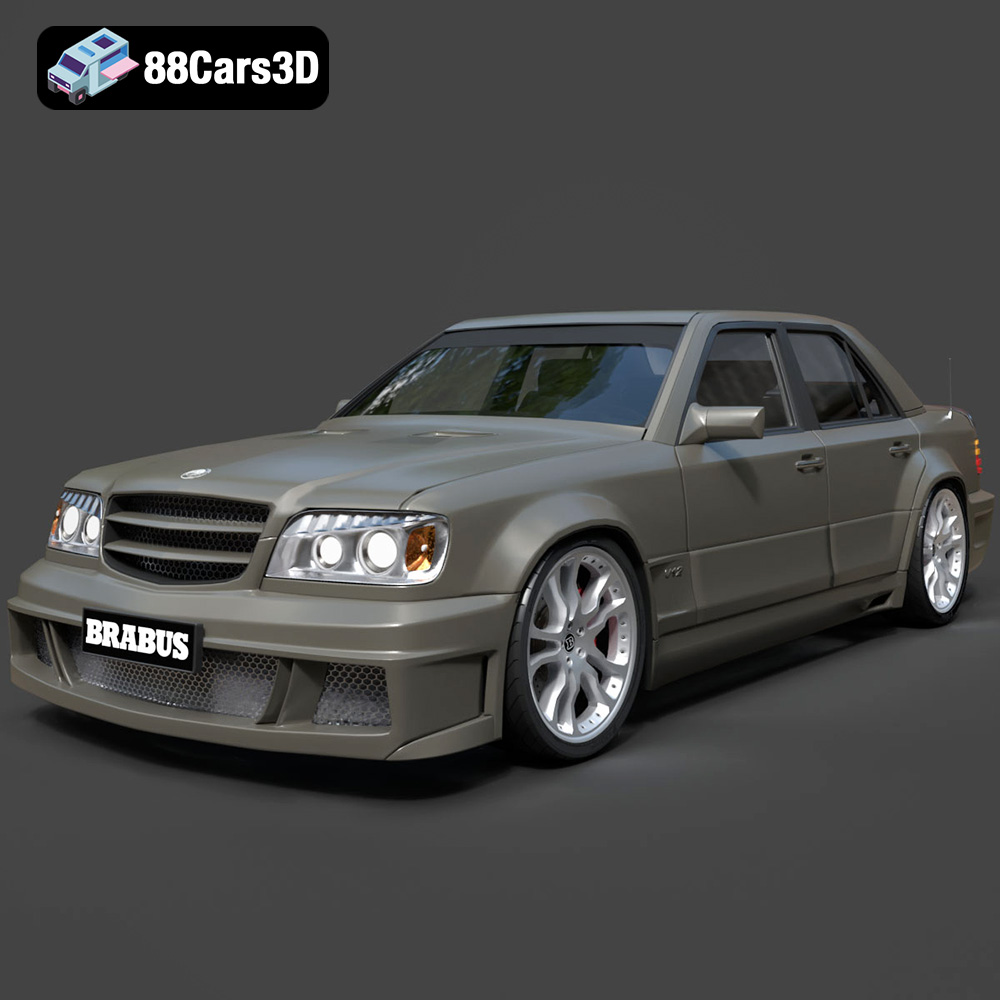
Download the Mercedes-Benz W124 Brabus V12 3D Model featuring clean geometry, realistic detailing, and a fully modeled interior. Includes .blend, .fbx, .obj, .glb, .stl, .ply, .unreal, and .max formats for rendering, simulation, and game development.
Price: $23.99
Texture: Yes
Material: Yes
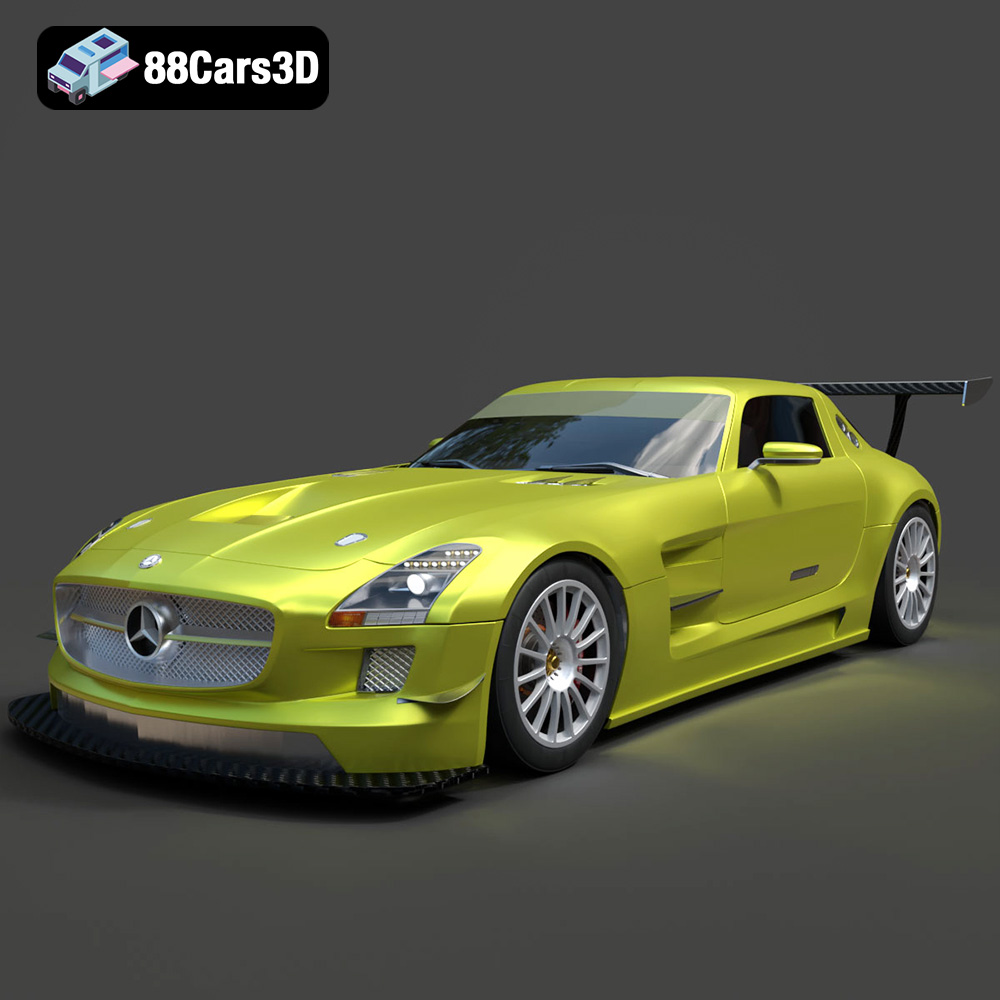
Download the Mercedes-Benz SLS AMG GT3-002 3D Model featuring clean geometry, realistic detailing, and a fully modeled interior. Includes .blend, .fbx, .obj, .glb, .stl, .ply, .unreal, and .max formats for rendering, simulation, and game development.
Price: $38.99

Texture: Yes
Material: Yes
Download the Mercedes-Benz C-Class-001 3D Model featuring clean geometry, realistic detailing, and a fully modeled interior. Includes .blend, .fbx, .obj, .glb, .stl, .ply, .unreal, and .max formats for rendering, simulation, and game development.
Price: $38.99
Texture: Yes
Material: Yes
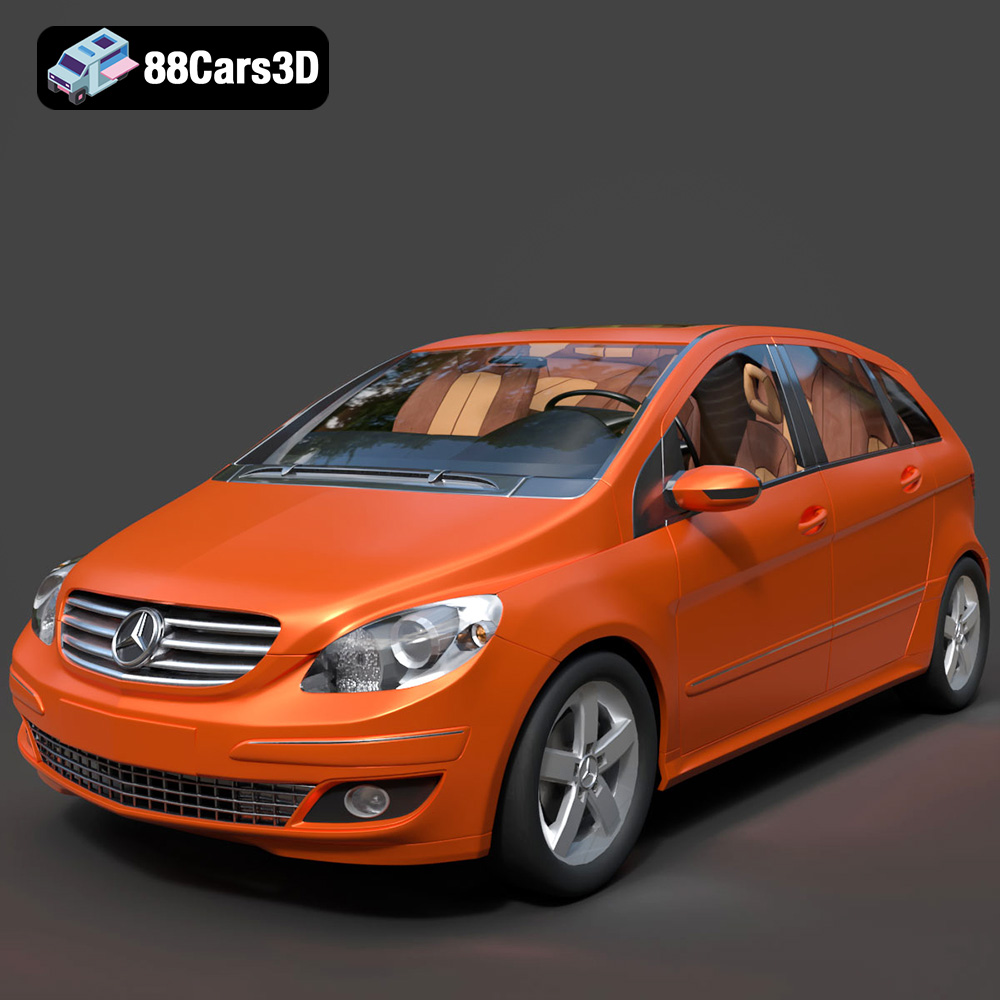
Download the Mercedes-Benz B-Klasse 2023 3D Model featuring clean geometry, realistic detailing, and a fully modeled interior. Includes .blend, .fbx, .obj, .glb, .stl, .ply, .unreal, and .max formats for rendering, simulation, and game development.
Price: $38.99
Texture: Yes
Material: Yes
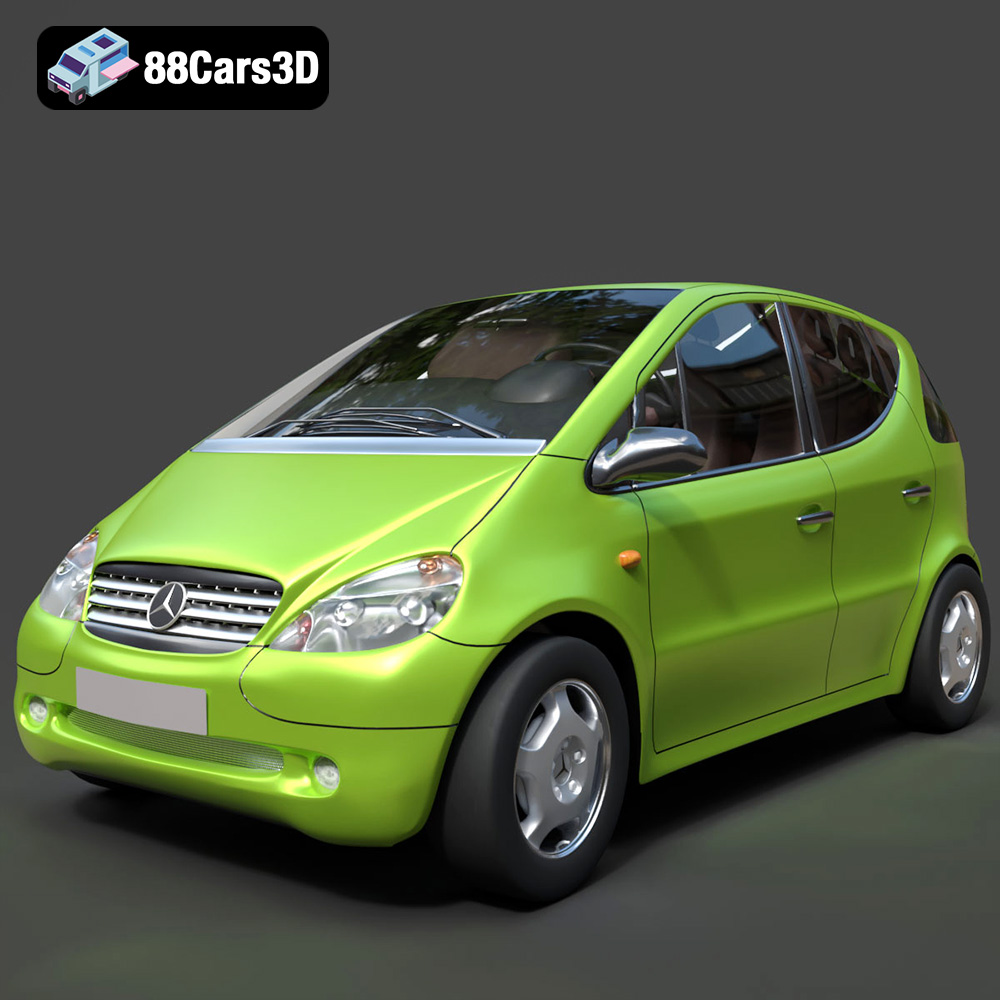
Download the Mercedes-Benz A-Klasse W168 3D Model featuring clean geometry, realistic detailing, and a fully modeled interior. Includes .blend, .fbx, .obj, .glb, .stl, .ply, .unreal, and .max formats for rendering, simulation, and game development.
Price: $38.99
Texture: Yes
Material: Yes
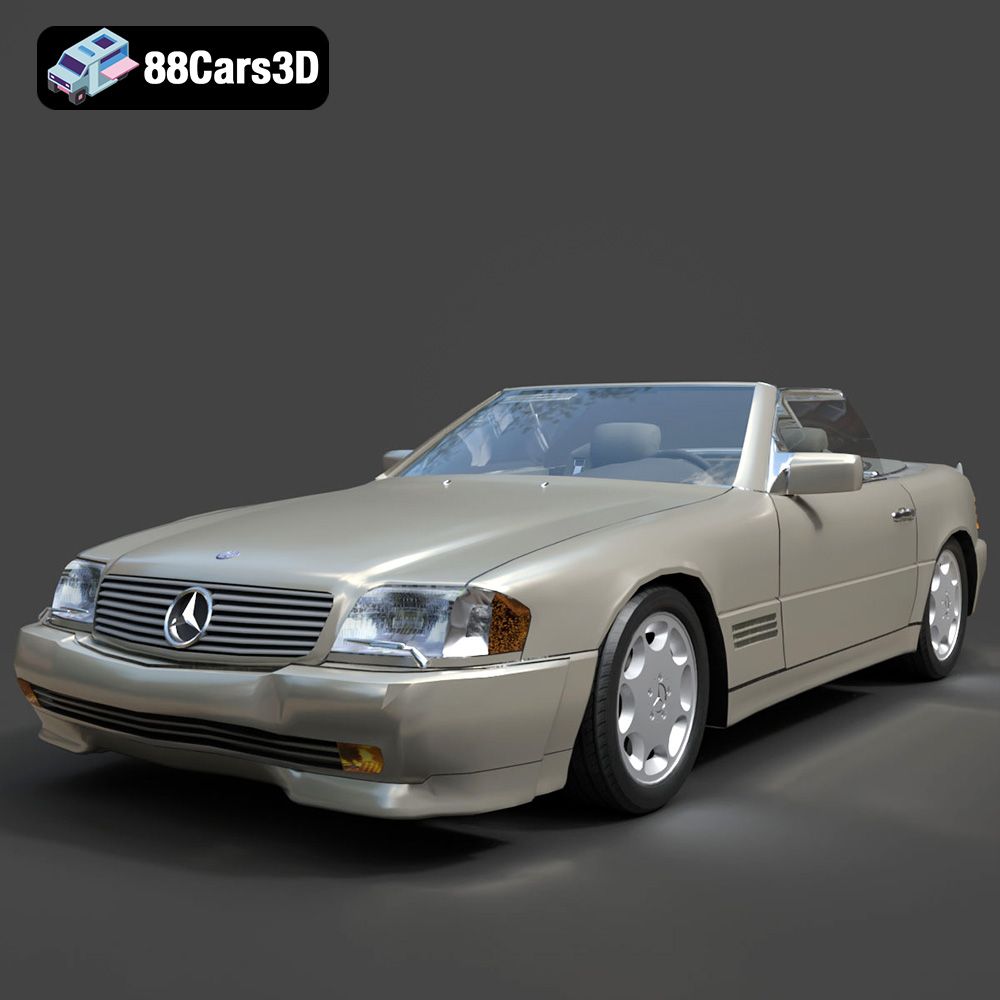
Download the Mercedes-Benz 500SL 2000 3D Model featuring clean geometry, realistic detailing, and a fully modeled interior. Includes .blend, .fbx, .obj, .glb, .stl, .ply, .unreal, and .max formats for rendering, simulation, and game development.
Price: $38.99
Texture: Yes
Material: Yes
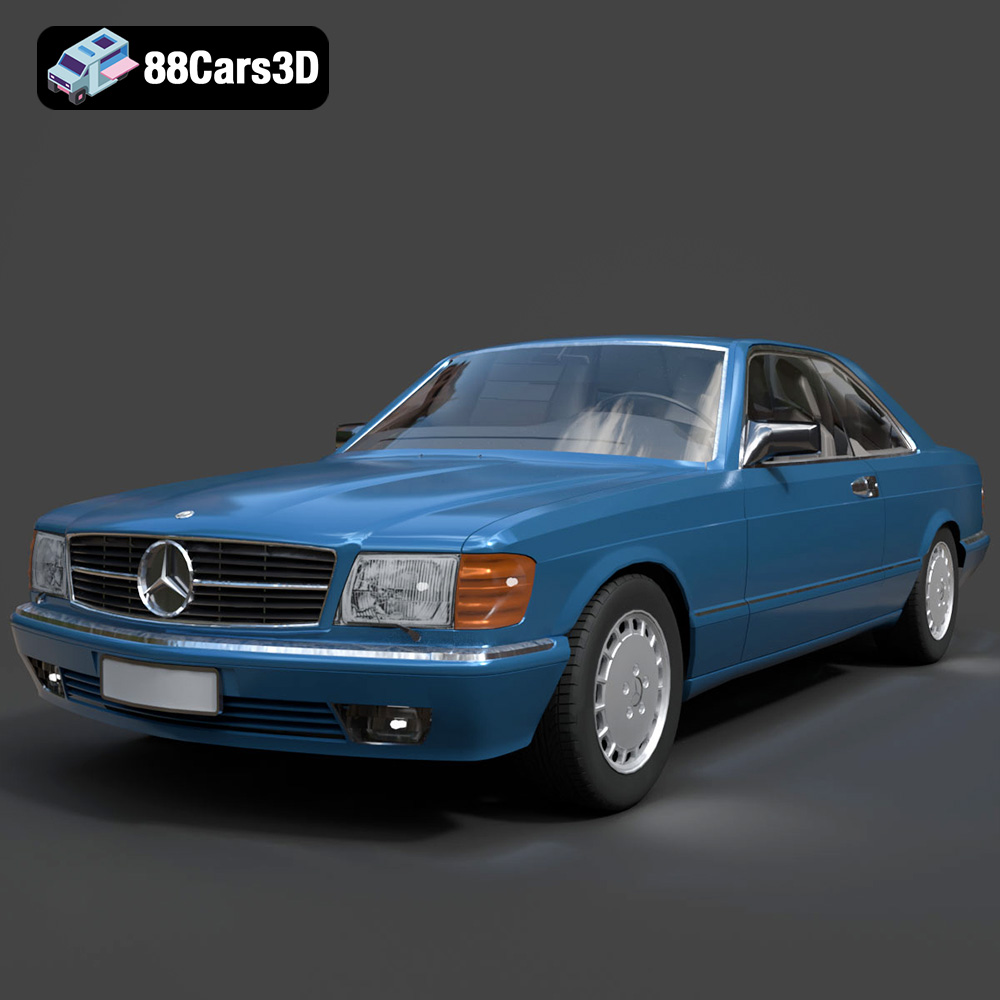
Download the Mercedes-Benz 500SEC 3D Model featuring clean geometry, realistic detailing, and a fully modeled interior. Includes .blend, .fbx, .obj, .glb, .stl, .ply, .unreal, and .max formats for rendering, simulation, and game development.
Price: $38.99
Texture: Yes
Material: Yes
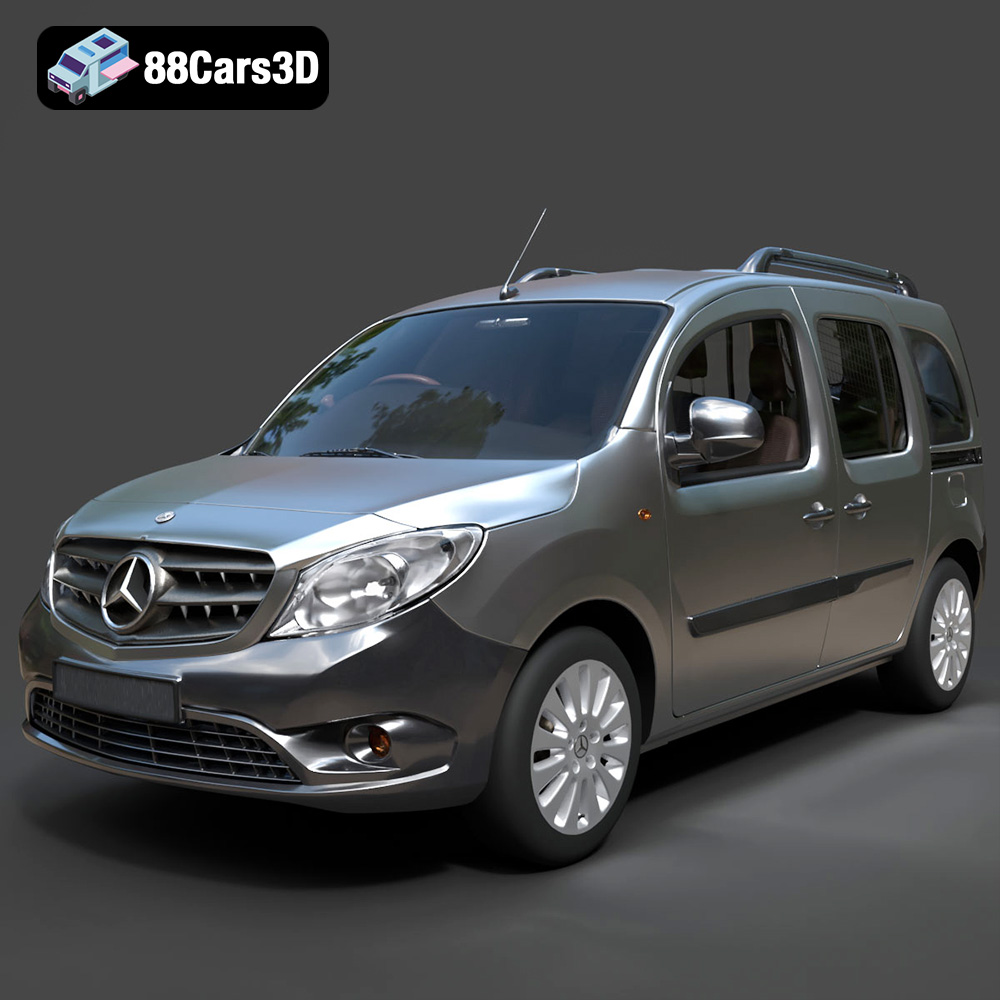
Download the Mercedes-Benz Citan 2025 3D Model featuring clean geometry, realistic detailing, and a fully modeled interior. Includes .blend, .fbx, .obj, .glb, .stl, .ply, .unreal, and .max formats for rendering, simulation, and game development.
Price: $38.99
Texture: Yes
Material: Yes
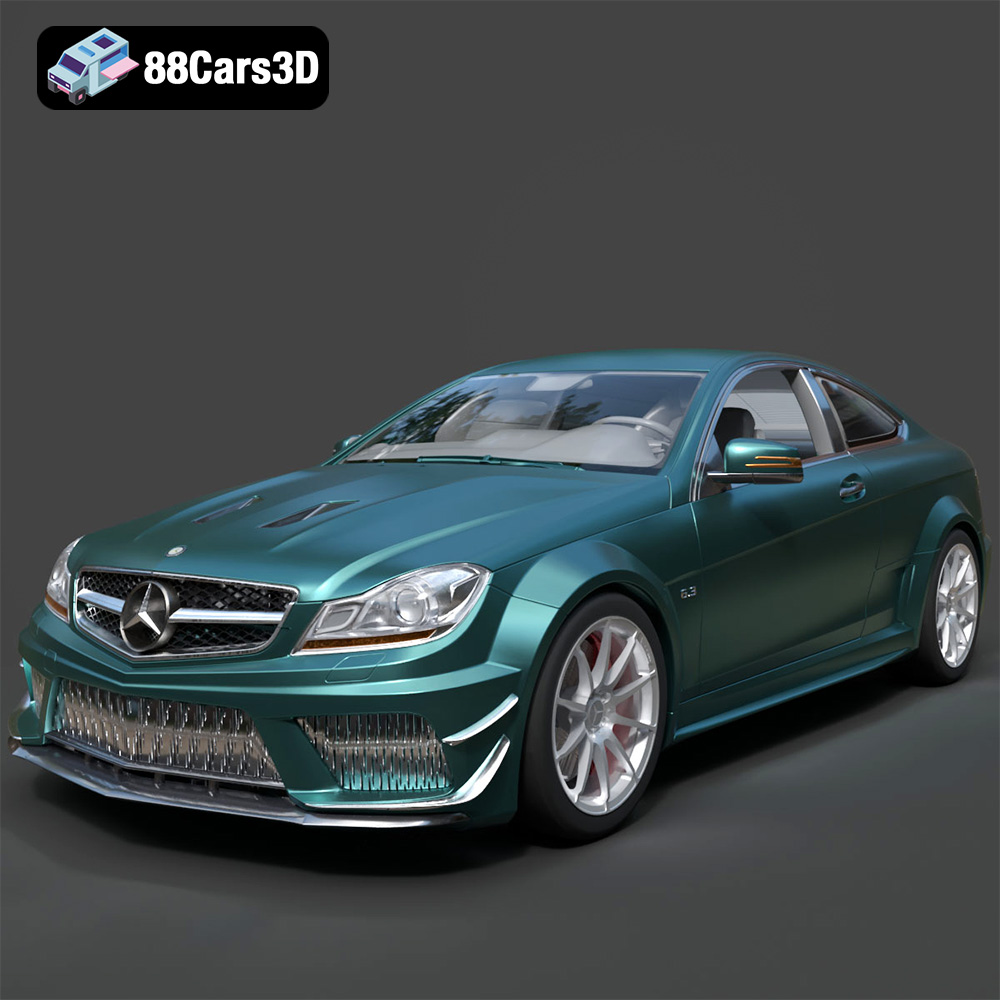
Download the Mercedes-Benz C63 AMG 2012 3D Model featuring clean geometry, realistic detailing, and a fully modeled interior. Includes .blend, .fbx, .obj, .glb, .stl, .ply, .unreal, and .max formats for rendering, simulation, and game development.
Price: $38.99
Texture: Yes
Material: Yes
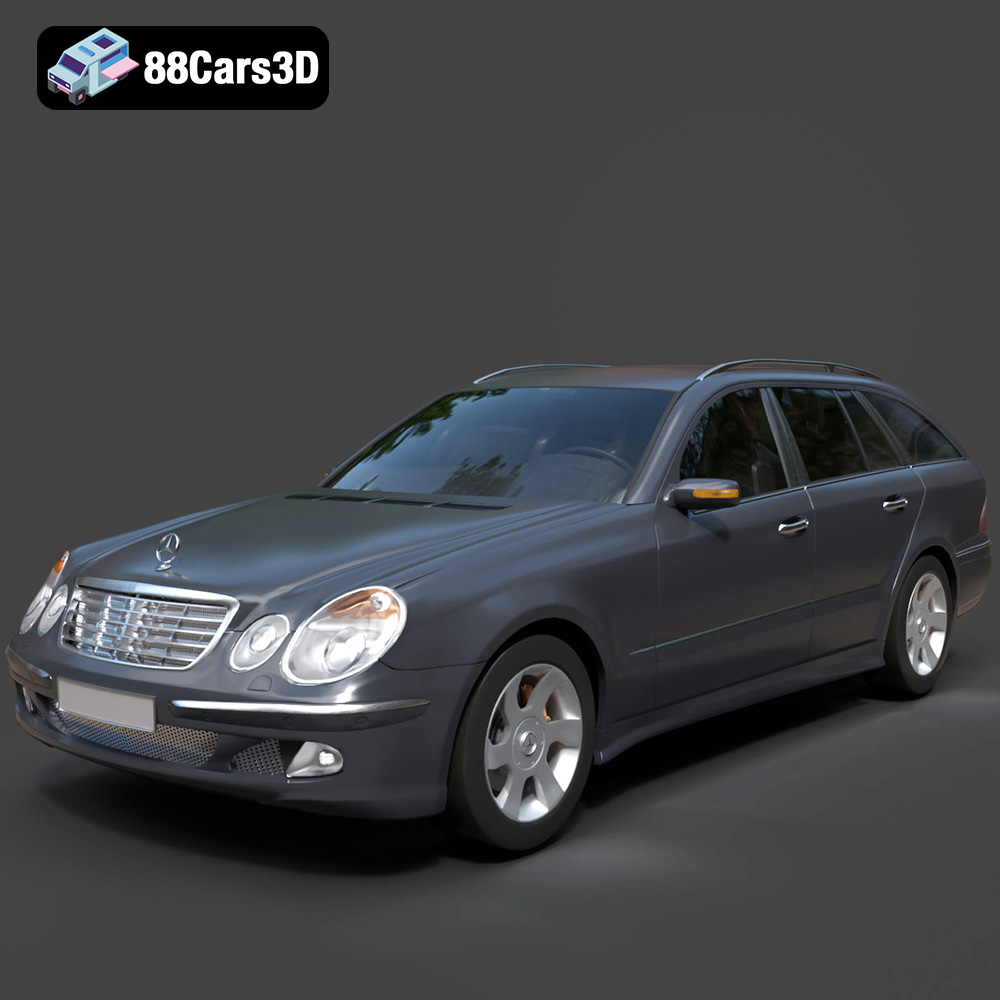
Download the Mercedes-Benz E-Class S211 3D Model featuring clean geometry, realistic detailing, and a fully modeled interior. Includes .blend, .fbx, .obj, .glb, .stl, .ply, .unreal, and .max formats for rendering, simulation, and game development.
Price: $38.99
Texture: Yes
Material: Yes
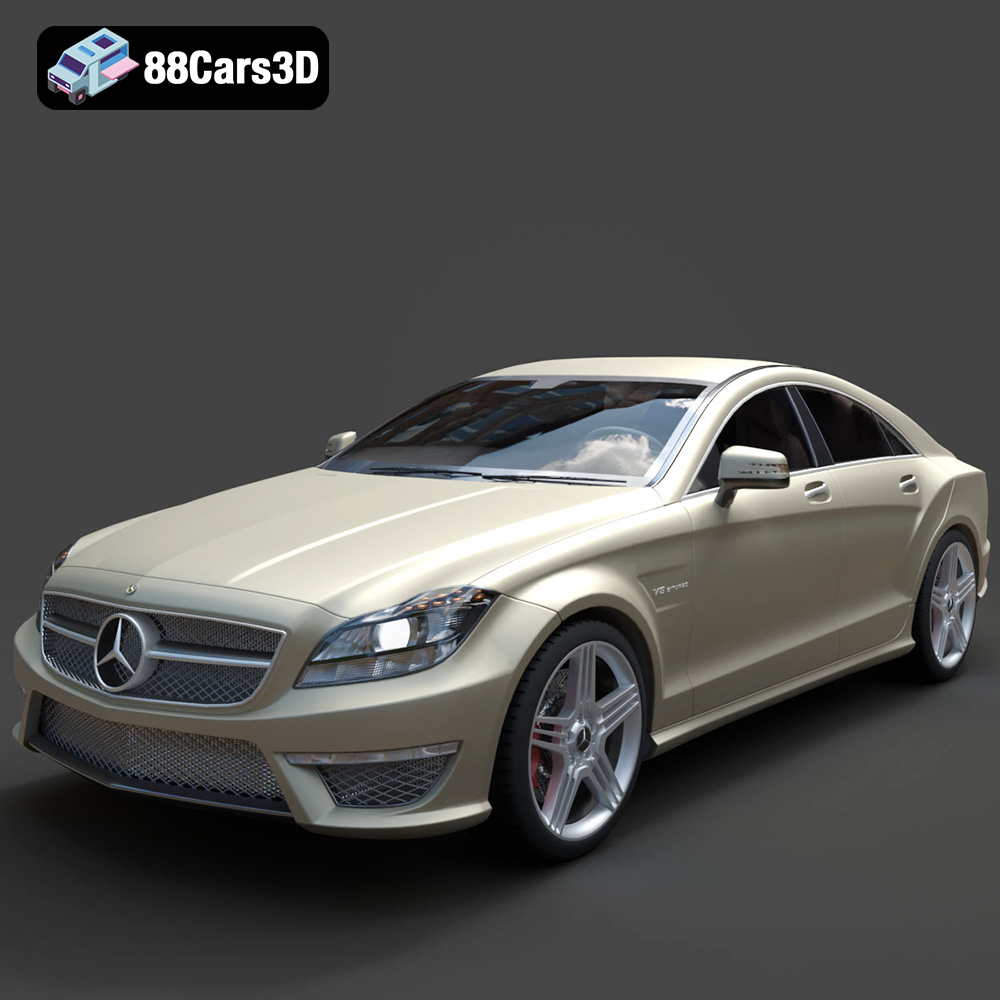
Download the Mercedes-Benz CLS63 AMG (C218) 2014 3D Model featuring clean geometry, realistic detailing, and a fully modeled interior. Includes .blend, .fbx, .obj, .glb, .stl, .ply, .unreal, and .max formats for rendering, simulation, and game development.
Price: $38.99
Texture: Yes
Material: Yes
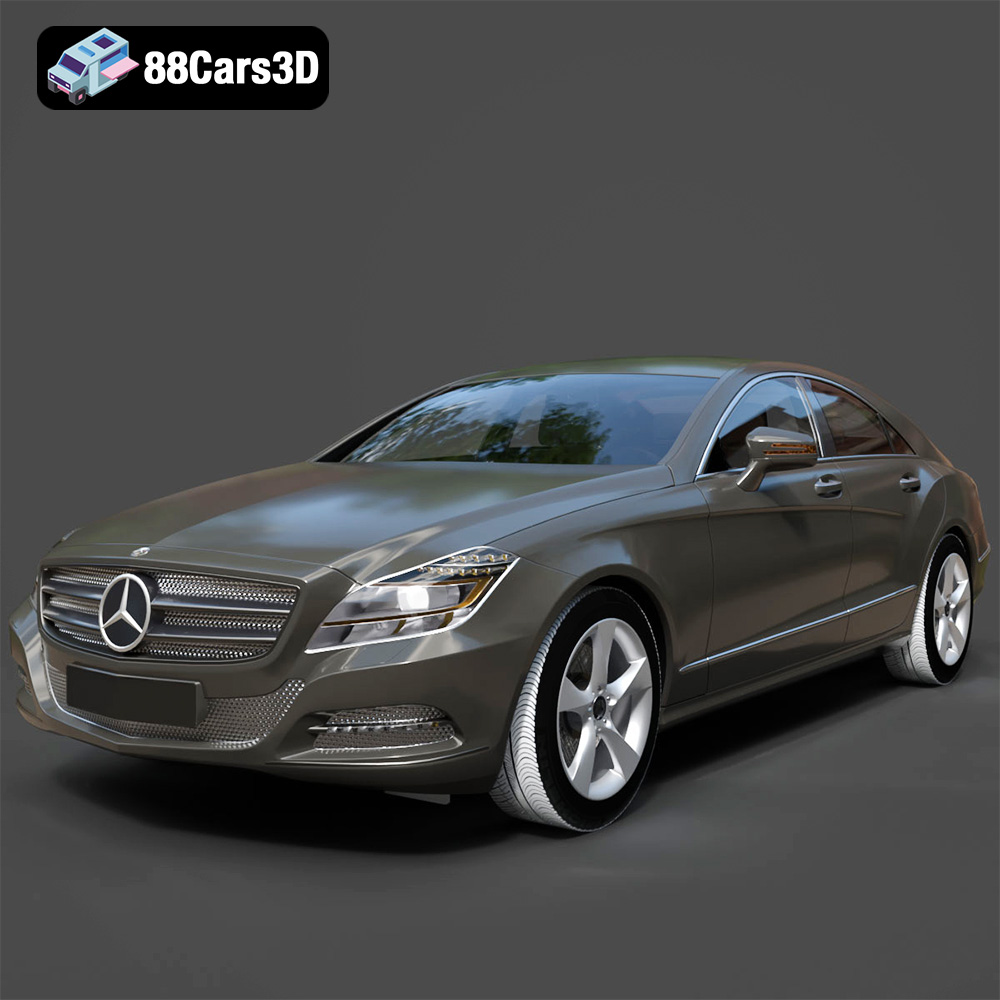
Download the Mercedes-Benz CLS-Klasse 3D Model featuring clean geometry, realistic detailing, and a fully modeled interior. Includes .blend, .fbx, .obj, .glb, .stl, .ply, .unreal, and .max formats for rendering, simulation, and game development.
Price: $38.99
Texture: Yes
Material: Yes
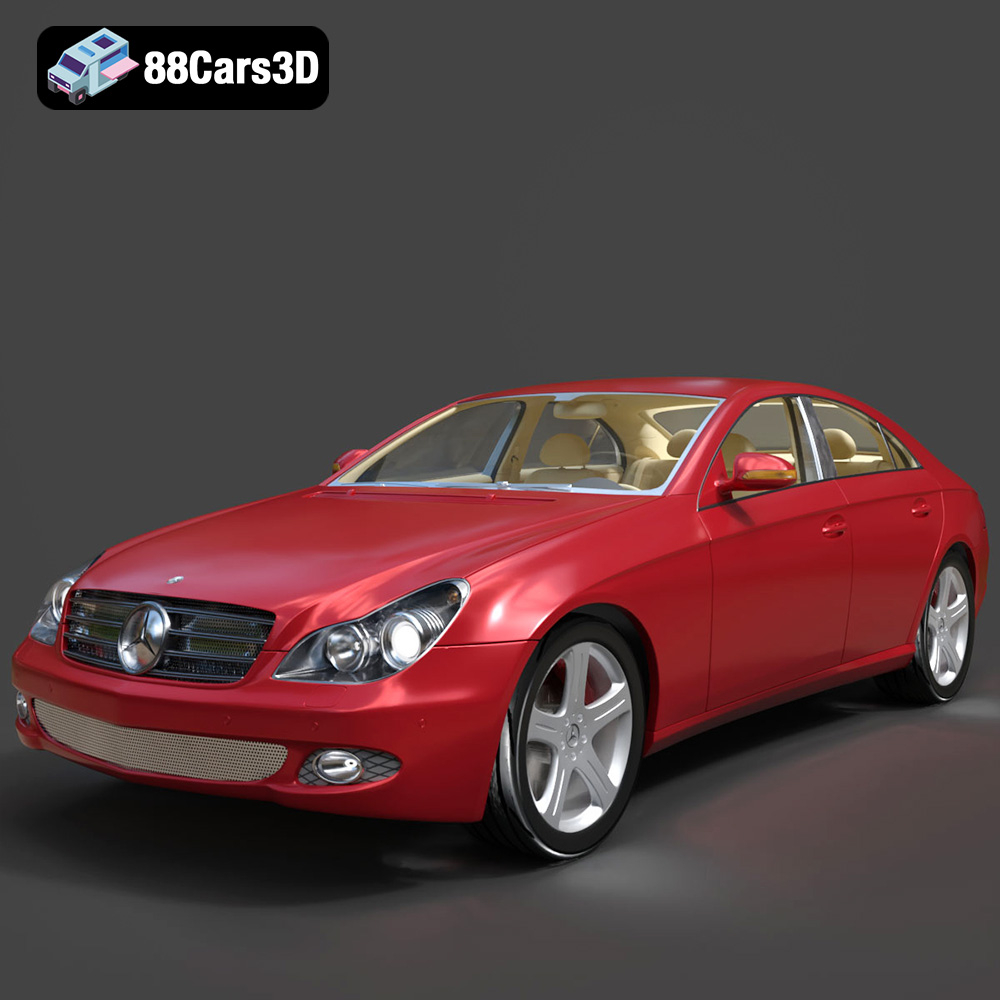
Download the Mercedes-Benz CLS 500 3D Model featuring clean geometry, realistic detailing, and a fully modeled interior. Includes .blend, .fbx, .obj, .glb, .stl, .ply, .unreal, and .max formats for rendering, simulation, and game development.
Price: $38.99

Texture: Yes
Material: Yes
Download the Mercedes-Benz CL-Klasse 2001 3D Model featuring clean geometry, realistic detailing, and a fully modeled interior. Includes .blend, .fbx, .obj, .glb, .stl, .ply, .unreal, and .max formats for rendering, simulation, and game development.
Price: $38.99

