Get 20% OFF All Premium 3D & STL Models!

The dream of achieving movie-quality visuals in real-time applications has long captivated 3D artists, game developers, and automotive designers alike. For high-fidelity automotive models, this ambition often encounters a significant hurdle: balancing exquisite detail with the demanding performance requirements of real-time engines. Traditionally, the gap between offline render quality and real-time interactive experiences felt insurmountable.
However, with the advent of Unreal Engine 5, particularly its groundbreaking technologies like Nanite and Lumen, the impossible is becoming not just possible, but increasingly accessible. This guide dives deep into the art and science of Unreal Engine 5 optimization, specifically tailored for sophisticated automotive 3D modeling. Our goal is to equip you with the strategies needed to transform your meticulously crafted vehicles into truly stunning, performant real-time photorealism experiences.
High-end automotive models, whether sourced from CAD data or sculpted in DCC software, are typically built for static, high-resolution renders. They often feature millions of polygons, intricate material layering, and fine surface details that are computationally intensive. Directly importing such models into a real-time engine without significant preparation is a recipe for disaster, leading to crippling frame rates and a frustrating user experience.
The core challenge lies in retaining the visual fidelity that makes these vehicles so appealing, while simultaneously optimizing every aspect for fluidity and responsiveness. Achieving true real-time photorealism for these complex assets requires a multi-faceted approach. It involves careful consideration of polygon budgets, efficient texture management, smart material setups, and leveraging Unreal Engine 5’s unique capabilities for Unreal Engine 5 optimization.
This isn’t merely about cutting corners; it’s about intelligent compromise and strategic deployment of resources. Our journey begins long before the model even touches the Unreal Editor, ensuring that every asset is born with performance in mind.
The foundation of any successful Unreal Engine 5 optimization project lies in meticulous preparation within your Digital Content Creation (DCC) software. Treating your models as game-ready assets from the outset saves countless hours later in the pipeline. This proactive approach ensures that your automotive 3D modeling efforts translate seamlessly into a real-time environment.
Optimal topology is crucial for both deformation and performance. While Unreal Engine 5’s Nanite system has revolutionized polygon budgets, traditional mesh reduction techniques remain relevant, especially for components that won’t be Nanite-enabled (e.g., transparent parts, deformable meshes) or for specific LOD generation strategies. Start by ensuring your base mesh has clean quad topology where possible, free of non-manifold geometry or excessive triangles.
For areas where high detail is needed but polycount must be managed, techniques like decimation (often found in sculpting software) or manual retopology are invaluable. Aim for a sensible polygon budget per component, understanding that a modern vehicle can still be extremely complex. Consider which parts truly need subdivision and which can rely on normal maps for detail. This forethought is key to creating efficient game-ready assets.
Clean, non-overlapping UVs are paramount for high-quality textures and efficient rendering. Ensure every part of your automotive 3D model has appropriately sized UV islands with consistent texel density across the asset. This prevents blurry textures on large surfaces and pixelation on small details.
For improved draw call performance, consider using texture atlasing where multiple smaller textures are combined into one larger texture. This is especially beneficial for interior components, engine parts, or small details that share similar material properties. By grouping textures into atlases, you reduce the number of material calls the engine has to make, which is a significant aspect of overall Unreal Engine 5 optimization. Properly mapped UVs are the canvas upon which your PBR materials will truly shine.
Physically Based Rendering (PBR) is the cornerstone of achieving real-time photorealism. It ensures that your materials react to light in a consistent, physically accurate way. Before exporting, ensure your materials in DCC software are set up with PBR principles in mind: Albedo (Base Color), Normal, Roughness, Metallic, and Ambient Occlusion are the fundamental maps.
Export these maps in appropriate formats (e.g., PNG for Albedo/Normal, single-channel EXR for Roughness/Metallic/AO for better compression and storage efficiency in UE5). Avoid embedding unnecessary data. Understanding how these maps interact with light is critical for realistic car paint, glass, rubber, and chrome. Establishing a robust PBR workflow from the beginning ensures your models are poised for excellence when they enter Unreal Engine 5.
Bringing complex automotive models into Unreal Engine 5 demands a robust and intelligent pipeline. While FBX remains a viable option for simpler assets, the Datasmith workflow stands out as the superior method for high-fidelity vehicles, especially those originating from CAD or with intricate hierarchical structures. Datasmith not only preserves scene hierarchy, metadata, and material assignments but also offers powerful re-import capabilities, streamlining iterative design processes.
For automotive designers and engineers working with CAD software like SolidWorks, Catia, or Rhino, Datasmith is an absolute game-changer. It intelligently triangulates CAD surfaces, allowing you to control tessellation quality and maintain sharp edges without manual retopology. This is invaluable for preserving the precise engineering details of a vehicle, directly contributing to real-time photorealism.
When preparing CAD data, ensure your assemblies are logically structured. Group components (e.g., body panels, interior, wheels) to make selection and material assignment easier within Unreal Engine. Datasmith respects these groupings, making post-import management much more efficient. Whether your source is raw CAD or meticulously crafted models from resources like 88cars3d.com, the Datasmith importer provides an unparalleled level of control and fidelity during the import process.
Upon import via Datasmith, immediately validate your assets within Unreal Engine. Check for correct scale, orientation, and material assignments. Utilize Unreal’s built-in tools like the Mesh Editor to inspect normals, clean up any stray vertices, or merge small objects if appropriate. Ensure that the pivot points of moving parts (like doors or wheels) are correctly set, as Datasmith usually imports them based on the source data.
Materials imported through Datasmith often serve as a good starting point but will require further refinement. Convert them into Material Instances (discussed later) for easier adjustment and Unreal Engine 5 optimization. This initial setup phase is critical to identifying and resolving potential issues early, laying a solid foundation for the advanced optimization and rendering stages.
Once your automotive 3D model is in Unreal Engine, the real work of Unreal Engine 5 optimization begins. This section covers core strategies to ensure your high-fidelity vehicle runs smoothly while maintaining its stunning visual quality. These techniques are paramount for achieving true real-time photorealism, especially for demanding game-ready assets.
Nanite is arguably Unreal Engine 5’s most revolutionary feature for high-poly assets. It allows for the direct import of cinematic-quality meshes with millions of polygons, handling automatic culling and stream-in-detail based on camera distance. For the main body, interior, and other opaque, highly detailed parts of an automotive 3D modeling project, enabling Nanite is often the first and most impactful step.
However, Nanite is not a universal solution. Transparent meshes (glass, headlights), deformable meshes (tires, suspension that moves significantly), and meshes with complex material effects (clear coat layers that rely on specific rendering paths) are generally not compatible with Nanite. For these components, traditional LOD generation remains essential. Create multiple levels of detail, reducing polygon count significantly for distant views. Unreal Engine’s built-in LOD tools or external DCC software can facilitate this. Combining Nanite for the core opaque model with traditional LODs for incompatible parts creates a highly optimized and visually stunning vehicle. High-quality models, such as those found on 88cars3d.com, often come pre-optimized or with readily adjustable LODs, streamlining this process.
Materials are incredibly important for real-time photorealism, but overly complex shaders can quickly tank performance. Use the “Shader Complexity” viewmode (Alt+8) in Unreal Engine to identify expensive materials. Simplify node networks where possible, replace complex mathematical operations with cheaper alternatives if the visual difference is negligible, and avoid excessive texture lookups.
Crucially, leverage Material Instances. Once you’ve created a master material for, say, car paint, create instances of it for different colors or finishes (metallic, matte, pearlescent). This allows you to modify parameters like base color, roughness, or metallic values without compiling a new shader for each variation. Material instances dramatically reduce shader compilation times and memory footprint, making them a cornerstone of effective Unreal Engine 5 optimization for PBR materials.
Rendering what the camera can’t see is a waste of resources. Unreal Engine 5 employs several culling techniques. Distance culling automatically stops rendering objects beyond a certain range. View frustum culling removes objects outside the camera’s view. More advanced methods include occlusion culling, where objects hidden behind other opaque objects are not rendered.
For large environments containing multiple automotive models, consider Hierarchical LODs (HLODs). HLODs group clusters of meshes and replace them with a single, simplified mesh at a distance, reducing draw calls and geometry processing. Properly configured, these culling methods contribute significantly to maintaining high frame rates and are fundamental for game-ready assets in complex scenes.
Optimization ensures your vehicle runs smoothly, but it’s effective lighting, realistic reflections, and artful post-processing that truly elevate your automotive 3D modeling to the realm of real-time photorealism. Unreal Engine 5 provides an incredible suite of tools to craft stunning visual experiences.
Lumen, Unreal Engine 5’s new dynamic Global Illumination (GI) and Reflection system, is a game-changer for realistic lighting. It accurately simulates how light bounces off surfaces, creating soft indirect lighting and realistic color bleeding. For automotive models, Lumen ensures that the car paint reacts naturally to its environment, with subtle bounces of color and light playing across its surfaces.
Lumen also handles reflections, but for highly reflective materials like polished car paint or chrome, supplementing Lumen’s software-rendered reflections with Screen Space Reflections (SSR) or even Ray Traced Reflections (RTR) (if targeting high-end hardware) can provide an extra layer of crispness and accuracy. Balancing these systems is key to achieving optimal visual quality without sacrificing too much performance, always keeping Unreal Engine 5 optimization in mind.
Beyond Lumen, strategic placement of lights dramatically enhances the visual appeal of your vehicles. Use High Dynamic Range Image (HDRI) backdrops for realistic environmental lighting and reflections. These not only provide believable ambient light but also serve as accurate reflection sources, crucial for metallic surfaces.
Supplement with carefully placed rectangular or spot lights to create specific highlights, define contours, and add dramatic flair. Think like a automotive photographer: use rim lights to separate the vehicle from the background, and softboxes (rect lights) to reveal the curvature of body panels. For internal lights or headlights, leverage emissive materials, ensuring they interact correctly with Lumen to illuminate the surrounding environment naturally.
The final layer of visual polish comes from the Post-Process Volume. This is where you can fine-tune exposure, color grading, contrast, and add effects like bloom, depth of field, vignette, and chromatic aberration. For real-time photorealism, a subtle application of these effects often yields the best results. A touch of bloom can make headlights glow, while a shallow depth of field can draw the viewer’s eye to specific details.
Experiment with color grading to establish a mood or match a specific aesthetic. Remember, the goal is to enhance realism and visual impact, not to distract. Less is often more when it comes to post-processing, ensuring your carefully optimized automotive models truly shine.
Having painstakingly optimized your automotive 3D modeling and perfected its rendering, the next step is to present it in the most compelling way possible. Unreal Engine 5 offers powerful cinematic tools that allow you to create stunning showcases, animations, and interactive experiences that highlight every detail of your vehicle.
The Sequencer is Unreal Engine’s robust non-linear editor, allowing you to choreograph cinematic camera movements, animate vehicle components (like doors opening or wheels turning), and control lighting changes over time. Setting up cinematic cameras with realistic focal lengths and aperture settings is essential for achieving a professional, photographic look.
Experiment with traditional automotive photography techniques: low angles to emphasize power, wide shots to show context, and close-ups to reveal intricate details. Animate dynamic camera paths – sweeping fly-throughs, orbiting shots, or tracking movements – to showcase the form and features of your game-ready assets. These cinematic flourishes make your vehicle come alive and captivate your audience.
Even after extensive Unreal Engine 5 optimization, continuous performance monitoring is crucial, especially when integrating your vehicle into larger projects. Unreal Engine provides powerful profiling tools like Stat GPU, Stat RHI, and the Profiler to identify bottlenecks. These tools can pinpoint issues related to draw calls, shader complexity, texture memory, or specific rendering passes.
Regularly test your project on target hardware to ensure consistent performance. This iterative process of testing, identifying performance drains, and making targeted optimizations will guarantee that your automotive 3D model runs smoothly and maintains its visual integrity across various real-time applications, whether it’s a configurator, a virtual showroom, or a game.
Mastering Unreal Engine 5 optimization for high-end automotive 3D modeling is a journey that spans from meticulous pre-engine preparation to advanced in-engine techniques. We’ve explored the critical role of clean topology, efficient UVs, and PBR materials setup in creating robust game-ready assets. The Datasmith workflow stands out as an invaluable ally for importing complex data, while the dynamic duo of LOD generation and Nanite revolutionized how we handle geometry.
Beyond raw performance, achieving true real-time photorealism hinges on mastering Unreal Engine 5’s powerful lighting systems like Lumen, combined with strategic reflection techniques and artful post-processing. The culmination of these efforts, presented through cinematic tools, allows you to transform static renders into breathtaking, interactive experiences. It’s a blend of technical precision and artistic vision, continually refined through profiling and debugging.
The journey to real-time photorealism for automotive models is challenging but immensely rewarding. By diligently applying these strategies, you can unlock the full potential of your vehicles within Unreal Engine 5. Ready to accelerate your projects? Explore the vast collection of high-quality, pre-optimized automotive models and game-ready assets available at 88cars3d.com to kickstart your journey into real-time photorealism and bring your visions to life with unparalleled detail and performance.

Texture: Yes
Material: Yes
Download the Suzuki SX4-002 3D Model featuring clean geometry, realistic detailing, and a fully modeled interior. Includes .blend, .fbx, .obj, .glb, .stl, .ply, .unreal, and .max formats for rendering, simulation, and game development.
Price: $10

Texture: Yes
Material: Yes
Download the Tesla Model S 2024 3D Model featuring clean geometry, realistic detailing, and a fully modeled interior. Includes .blend, .fbx, .obj, .glb, .stl, .ply, .unreal, and .max formats for rendering, simulation, and game development.
Price: $10

Texture: Yes
Material: Yes
Download the Subaru Impreza WRX STi-002 3D Model featuring clean geometry, realistic detailing, and a fully modeled interior. Includes .blend, .fbx, .obj, .glb, .stl, .ply, .unreal, and .max formats for rendering, simulation, and game development.
Price: $10

Texture: Yes
Material: Yes
Download the Subaru Impreza WRX STi Sedan 3D Model featuring clean geometry, realistic detailing, and a fully modeled interior. Includes .blend, .fbx, .obj, .glb, .stl, .ply, .unreal, and .max formats for rendering, simulation, and game development.
Price: $10

Texture: Yes
Material: Yes
Download the Subaru Legacy 2009 3D Model featuring clean geometry, realistic detailing, and a fully modeled interior. Includes .blend, .fbx, .obj, .glb, .stl, .ply, .unreal, and .max formats for rendering, simulation, and game development.
Price: $10

Texture: Yes
Material: Yes
Download the Suzuki Swift 2024 3D Model featuring clean geometry, realistic detailing, and a fully modeled interior. Includes .blend, .fbx, .obj, .glb, .stl, .ply, .unreal, and .max formats for rendering, simulation, and game development.
Price: $10

Texture: Yes
Material: Yes
Download the Suzuki Liana Sedan 2004 3D Model featuring clean geometry, realistic detailing, and a fully modeled interior. Includes .blend, .fbx, .obj, .glb, .stl, .ply, .unreal, and .max formats for rendering, simulation, and game development.
Price: $10

Texture: Yes
Material: Yes
Download the Subaru Outback 2024 3D Model featuring clean geometry, realistic detailing, and a fully modeled interior. Includes .blend, .fbx, .obj, .glb, .stl, .ply, .unreal, and .max formats for rendering, simulation, and game development.
Price: $10

Texture: Yes
Material: Yes
Download the Subaru Legacy 2003 3D Model featuring clean geometry, realistic detailing, and a fully modeled interior. Includes .blend, .fbx, .obj, .glb, .stl, .ply, .unreal, and .max formats for rendering, simulation, and game development.
Price: $10

Texture: Yes
Material: Yes
Download the Subaru Legacy Touring Wagon 3D Model featuring clean geometry, realistic detailing, and a fully modeled interior. Includes .blend, .fbx, .obj, .glb, .stl, .ply, .unreal, and .max formats for rendering, simulation, and game development.
Price: $10

Texture: Yes
Material: Yes
Download the Toyota Mark II (X100) 3D Model featuring clean geometry, realistic detailing, and a fully modeled interior. Includes .blend, .fbx, .obj, .glb, .stl, .ply, .unreal, and .max formats for rendering, simulation, and game development.
Price: $10

Texture: Yes
Material: Yes
Download the Toyota Corona 1985 3D Model featuring clean geometry, realistic detailing, and a fully modeled interior. Includes .blend, .fbx, .obj, .glb, .stl, .ply, .unreal, and .max formats for rendering, simulation, and game development.
Price: $10

Texture: Yes
Material: Yes
Download the Toyota Mark II X81 1990 3D Model featuring clean geometry, realistic detailing, and a fully modeled interior. Includes .blend, .fbx, .obj, .glb, .stl, .ply, .unreal, and .max formats for rendering, simulation, and game development.
Price: $10

Texture: Yes
Material: Yes
Download the Toyota iQ EV 2012 3D Model featuring clean geometry, realistic detailing, and a fully modeled interior. Includes .blend, .fbx, .obj, .glb, .stl, .ply, .unreal, and .max formats for rendering, simulation, and game development.
Price: $10

Texture: Yes
Material: Yes
Download the Toyota Aygo 2013 3D Model featuring clean geometry, realistic detailing, and a fully modeled interior. Includes .blend, .fbx, .obj, .glb, .stl, .ply, .unreal, and .max formats for rendering, simulation, and game development.
Price: $10

Texture: Yes
Material: Yes
Download the Toyota Crown S180 2005 3D Model featuring clean geometry, realistic detailing, and a fully modeled interior. Includes .blend, .fbx, .obj, .glb, .stl, .ply, .unreal, and .max formats for rendering, simulation, and game development.
Price: $10

Texture: Yes
Material: Yes
Download the Toyota Celica 2004 3D Model featuring clean geometry, realistic detailing, and a fully modeled interior. Includes .blend, .fbx, .obj, .glb, .stl, .ply, .unreal, and .max formats for rendering, simulation, and game development.
Price: $10

Texture: Yes
Material: Yes
Download the Toyota Corolla AE100 1992 3D Model featuring clean geometry, realistic detailing, and a fully modeled interior. Includes .blend, .fbx, .obj, .glb, .stl, .ply, .unreal, and .max formats for rendering, simulation, and game development.
Price: $10

Texture: Yes
Material: Yes
Download the Toyota Mark II X110 2000 3D Model featuring clean geometry, realistic detailing, and a fully modeled interior. Includes .blend, .fbx, .obj, .glb, .stl, .ply, .unreal, and .max formats for rendering, simulation, and game development.
Price: $10

Texture: Yes
Material: Yes
Download the Toyota Corolla 2020 3D Model featuring clean geometry, realistic detailing, and a fully modeled interior. Includes .blend, .fbx, .obj, .glb, .stl, .ply, .unreal, and .max formats for rendering, simulation, and game development.
Price: $10

Texture: Yes
Material: Yes
Download the Toyota Yaris 2020 3D Model featuring clean geometry, realistic detailing, and a fully modeled interior. Includes .blend, .fbx, .obj, .glb, .stl, .ply, .unreal, and .max formats for rendering, simulation, and game development.
Price: $9.9

Texture: Yes
Material: Yes
Download the Volkswagen Beetle 2012 3D Model featuring clean geometry, realistic detailing, and a fully modeled interior. Includes .blend, .fbx, .obj, .glb, .stl, .ply, .unreal, and .max formats for rendering, simulation, and game development.
Price: $9.9

Texture: Yes
Material: Yes
Download the Toyota Matrix 2005 3D Model featuring clean geometry, realistic detailing, and a fully modeled interior. Includes .blend, .fbx, .obj, .glb, .stl, .ply, .unreal, and .max formats for rendering, simulation, and game development.
Price: $9.9

Texture: Yes
Material: Yes
Download the Toyota Yaris Sedan 3D Model featuring clean geometry, realistic detailing, and a fully modeled interior. Includes .blend, .fbx, .obj, .glb, .stl, .ply, .unreal, and .max formats for rendering, simulation, and game development.
Price: $9.9

Texture: Yes
Material: Yes
Download the Volkswagen Golf R-004 2024 3D Model featuring clean geometry, realistic detailing, and a fully modeled interior. Includes .blend, .fbx, .obj, .glb, .stl, .ply, .unreal, and .max formats for rendering, simulation, and game development.
Price: $9.9

Texture: Yes
Material: Yes
Download the Volkswagen Golf 5 Door 2010 3D Model featuring clean geometry, realistic detailing, and a fully modeled interior. Includes .blend, .fbx, .obj, .glb, .stl, .ply, .unreal, and .max formats for rendering, simulation, and game development.
Price: $9.9

Texture: Yes
Material: Yes
Download the Toyota Premio 2010 3D Model featuring clean geometry, realistic detailing, and a fully modeled interior. Includes .blend, .fbx, .obj, .glb, .stl, .ply, .unreal, and .max formats for rendering, simulation, and game development.
Price: $9.9

Texture: Yes
Material: Yes
Download the Toyota Opa 2000 3D Model featuring clean geometry, realistic detailing, and a fully modeled interior. Includes .blend, .fbx, .obj, .glb, .stl, .ply, .unreal, and .max formats for rendering, simulation, and game development.
Price: $9.9

Texture: Yes
Material: Yes
Download the Volkswagen Polo 5 Door 2010 3D Model featuring clean geometry, realistic detailing, and a fully modeled interior. Includes .blend, .fbx, .obj, .glb, .stl, .ply, .unreal, and .max formats for rendering, simulation, and game development.
Price: $9.9

Texture: Yes
Material: Yes
Download the Toyota Prius 2024 3D Model featuring clean geometry, realistic detailing, and a fully modeled interior. Includes .blend, .fbx, .obj, .glb, .stl, .ply, .unreal, and .max formats for rendering, simulation, and game development.
Price: $9.9

Texture: Yes
Material: Yes
Download the Toyota Yaris 1999 3D Model featuring clean geometry, realistic detailing, and a fully modeled interior. Includes .blend, .fbx, .obj, .glb, .stl, .ply, .unreal, and .max formats for rendering, simulation, and game development.
Price: $9.9

Texture: Yes
Material: Yes
Download the Toyota Supra 2020 3D Model featuring clean geometry, realistic detailing, and a fully modeled interior. Includes .blend, .fbx, .obj, .glb, .stl, .ply, .unreal, and .max formats for rendering, simulation, and game development.
Price: $9.9

Texture: Yes
Material: Yes
Download the Volkswagen New Beetle 2000 3D Model featuring clean geometry, realistic detailing, and a fully modeled interior. Includes .blend, .fbx, .obj, .glb, .stl, .ply, .unreal, and .max formats for rendering, simulation, and game development.
Price: $14.99

Texture: Yes
Material: Yes
Download the Volkswagen Jetta 2005 3D Model featuring clean geometry, realistic detailing, and a fully modeled interior. Includes .blend, .fbx, .obj, .glb, .stl, .ply, .unreal, and .max formats for rendering, simulation, and game development.
Price: $18.99

Texture: Yes
Material: Yes
Download the Volkswagen Golf 3-Door 3D Model featuring clean geometry, realistic detailing, and a fully modeled interior. Includes .blend, .fbx, .obj, .glb, .stl, .ply, .unreal, and .max formats for rendering, simulation, and game development.
Price: $14.99

Texture: Yes
Material: Yes
Download the Volvo V70 2005 3D Model featuring clean geometry, realistic detailing, and a fully modeled interior. Includes .blend, .fbx, .obj, .glb, .stl, .ply, .unreal, and .max formats for rendering, simulation, and game development.
Price: $14.99

Texture: Yes
Material: Yes
Download the Volkswagen Bora 2004 3D Model featuring clean geometry, realistic detailing, and a fully modeled interior. Includes .blend, .fbx, .obj, .glb, .stl, .ply, .unreal, and .max formats for rendering, simulation, and game development.
Price: $14.99

Texture: Yes
Material: Yes
Download the Volkswagen Lupo 3D Model featuring clean geometry, realistic detailing, and a fully modeled interior. Includes .blend, .fbx, .obj, .glb, .stl, .ply, .unreal, and .max formats for rendering, simulation, and game development.
Price: $19.99

Texture: Yes
Material: Yes
Download the Volkswagen Passat B5 2000 3D Model featuring clean geometry, realistic detailing, and a fully modeled interior. Includes .blend, .fbx, .obj, .glb, .stl, .ply, .unreal, and .max formats for rendering, simulation, and game development.
Price: $19.99

Texture: Yes
Material: Yes
Download the Volkswagen Passat CC 3D Model featuring clean geometry, realistic detailing, and a fully modeled interior. Includes .blend, .fbx, .obj, .glb, .stl, .ply, .unreal, and .max formats for rendering, simulation, and game development.
Price: $19.99

Texture: Yes
Material: Yes
Download the Volkswagen Golf V 2006 3D Model featuring clean geometry, realistic detailing, and a fully modeled interior. Includes .blend, .fbx, .obj, .glb, .stl, .ply, .unreal, and .max formats for rendering, simulation, and game development.
Price: $19.99

Texture: Yes
Material: Yes
Download the Volvo S60 R-Design 3D Model featuring clean geometry, realistic detailing, and a fully modeled interior. Includes .blend, .fbx, .obj, .glb, .stl, .ply, .unreal, and .max formats for rendering, simulation, and game development.
Price: $19.99

Texture: Yes
Material: Yes
Download the Volkswagen Passat 2025 3D Model featuring clean geometry, realistic detailing, and a fully modeled interior. Includes .blend, .fbx, .obj, .glb, .stl, .ply, .unreal, and .max formats for rendering, simulation, and game development.
Price: $25.99

Texture: Yes
Material: Yes
Download the Volkswagen Passat Variant B6 2005 3D Model featuring clean geometry, realistic detailing, and a fully modeled interior. Includes .blend, .fbx, .obj, .glb, .stl, .ply, .unreal, and .max formats for rendering, simulation, and game development.
Price: $25.99

Texture: Yes
Material: Yes
Download the Volkswagen Phaeton W12 2004 3D Model featuring clean geometry, realistic detailing, and a fully modeled interior. Includes .blend, .fbx, .obj, .glb, .stl, .ply, .unreal, and .max formats for rendering, simulation, and game development.
Price: $25.99

Texture: Yes
Material: Yes
Download the Volkswagen Scirocco 2015 3D Model featuring clean geometry, realistic detailing, and a fully modeled interior. Includes .blend, .fbx, .obj, .glb, .stl, .ply, .unreal, and .max formats for rendering, simulation, and game development.
Price: $25.99

Texture: Yes
Material: Yes
Download the Volvo S60 2024 3D Model featuring clean geometry, realistic detailing, and a fully modeled interior. Includes .blend, .fbx, .obj, .glb, .stl, .ply, .unreal, and .max formats for rendering, simulation, and game development.
Price: $25.99

Texture: Yes
Material: Yes
Download the Volkswagen Polo 3D Model featuring clean geometry, realistic detailing, and a fully modeled interior. Includes .blend, .fbx, .obj, .glb, .stl, .ply, .unreal, and .max formats for rendering, simulation, and game development.
Price: $25.99

Texture: Yes
Material: Yes
Download the Volkswagen Golf 5-Doors 3D Model featuring clean geometry, realistic detailing, and a fully modeled interior. Includes .blend, .fbx, .obj, .glb, .stl, .ply, .unreal, and .max formats for rendering, simulation, and game development.
Price: $25.99

Texture: Yes
Material: Yes
Download the Volvo C70 T5 2000 3D Model featuring clean geometry, realistic detailing, and a fully modeled interior. Includes .blend, .fbx, .obj, .glb, .stl, .ply, .unreal, and .max formats for rendering, simulation, and game development.
Price: $23.99

Texture: Yes
Material: Yes
Download the Volvo S40 Sedan 2004 3D Model featuring clean geometry, realistic detailing, and a fully modeled interior. Includes .blend, .fbx, .obj, .glb, .stl, .ply, .unreal, and .max formats for rendering, simulation, and game development.
Price: $23.99

Texture: Yes
Material: Yes
Download the Volvo C30 BEV 2012 3D Model featuring clean geometry, realistic detailing, and a fully modeled interior. Includes .blend, .fbx, .obj, .glb, .stl, .ply, .unreal, and .max formats for rendering, simulation, and game development.
Price: $23.99

Texture: Yes
Material: Yes
Download the Volvo C70 1998 3D Model featuring clean geometry, realistic detailing, and a fully modeled interior. Includes .blend, .fbx, .obj, .glb, .stl, .ply, .unreal, and .max formats for rendering, simulation, and game development.
Price: $23.99

Texture: Yes
Material: Yes
Download the Mazda B-Series 3D Model featuring clean geometry, realistic detailing, and a fully modeled interior. Includes .blend, .fbx, .obj, .glb, .stl, .ply, .unreal, and .max formats for rendering, simulation, and game development.
Price: $23.99

Texture: Yes
Material: Yes
Download the Mercsedes Benz Z3-006 3D Model featuring clean geometry, realistic detailing, and a fully modeled interior. Includes .blend, .fbx, .obj, .glb, .stl, .ply, .unreal, and .max formats for rendering, simulation, and game development.
Price: $23.99

Texture: Yes
Material: Yes
Download the Mazda RX-7 3D Model featuring clean geometry, realistic detailing, and a fully modeled interior. Includes .blend, .fbx, .obj, .glb, .stl, .ply, .unreal, and .max formats for rendering, simulation, and game development.
Price: $23.99

Texture: Yes
Material: Yes
Download the Volvo VCC-003 3D Model featuring clean geometry, realistic detailing, and a fully modeled interior. Includes .blend, .fbx, .obj, .glb, .stl, .ply, .unreal, and .max formats for rendering, simulation, and game development.
Price: $23.99

Texture: Yes
Material: Yes
Download the Mercedes-Benz SLR McLaren 2005 3D Model featuring clean geometry, realistic detailing, and a fully modeled interior. Includes .blend, .fbx, .obj, .glb, .stl, .ply, .unreal, and .max formats for rendering, simulation, and game development.
Price: $23.99

Texture: Yes
Material: Yes
Download the GAZ 3110 Pickup 3D Model featuring clean geometry, realistic detailing, and a fully modeled interior. Includes .blend, .fbx, .obj, .glb, .stl, .ply, .unreal, and .max formats for rendering, simulation, and game development.
Price: $23.99

Texture: Yes
Material: Yes
Download the Mazda 626 GF 1997 3D Model featuring clean geometry, realistic detailing, and a fully modeled interior. Includes .blend, .fbx, .obj, .glb, .stl, .ply, .unreal, and .max formats for rendering, simulation, and game development.
Price: $23.99

Texture: Yes
Material: Yes
Download the Volvo S80 2011 3D Model featuring clean geometry, realistic detailing, and a fully modeled interior. Includes .blend, .fbx, .obj, .glb, .stl, .ply, .unreal, and .max formats for rendering, simulation, and game development.
Price: $23.99

Texture: Yes
Material: Yes
Download the Volkswagen Touran restyle-006 3D Model featuring clean geometry, realistic detailing, and a fully modeled interior. Includes .blend, .fbx, .obj, .glb, .stl, .ply, .unreal, and .max formats for rendering, simulation, and game development.
Price: $23.99

Texture: Yes
Material: Yes
Download the Skoda Octavia Scout 3D Model featuring clean geometry, realistic detailing, and a fully modeled interior. Includes .blend, .fbx, .obj, .glb, .stl, .ply, .unreal, and .max formats for rendering, simulation, and game development.
Price: $23.99

Texture: Yes
Material: Yes
Download the Volkswagen Golf V 2006 3D Model featuring clean geometry, realistic detailing, and a fully modeled interior. Includes .blend, .fbx, .obj, .glb, .stl, .ply, .unreal, and .max formats for rendering, simulation, and game development.
Price: $23.99

Texture: Yes
Material: Yes
Download the Mazda CX-7 3D Model featuring clean geometry, realistic detailing, and a fully modeled interior. Includes .blend, .fbx, .obj, .glb, .stl, .ply, .unreal, and .max formats for rendering, simulation, and game development.
Price: $23.99

Texture: Yes
Material: Yes
Download the Mazda Familia 3D Model featuring clean geometry, realistic detailing, and a fully modeled interior. Includes .blend, .fbx, .obj, .glb, .stl, .ply, .unreal, and .max formats for rendering, simulation, and game development.
Price: $23.99

Texture: Yes
Material: Yes
Download the GAS 21 3D Model featuring clean geometry, realistic detailing, and a fully modeled interior. Includes .blend, .fbx, .obj, .glb, .stl, .ply, .unreal, and .max formats for rendering, simulation, and game development.
Price: $23.99

Texture: Yes
Material: Yes
Download the Mercedes-Benz SL500 AMG (R129) 3D Model featuring clean geometry, realistic detailing, and a fully modeled interior. Includes .blend, .fbx, .obj, .glb, .stl, .ply, .unreal, and .max formats for rendering, simulation, and game development.
Price: $23.99

Texture: Yes
Material: Yes
Download the Mercedes-Benz S-Class W221 2005 3D Model featuring clean geometry, realistic detailing, and a fully modeled interior. Includes .blend, .fbx, .obj, .glb, .stl, .ply, .unreal, and .max formats for rendering, simulation, and game development.
Price: $23.99

Texture: Yes
Material: Yes
Download the Mercedes-Benz E-Class W212 2009 3D Model featuring clean geometry, realistic detailing, and a fully modeled interior. Includes .blend, .fbx, .obj, .glb, .stl, .ply, .unreal, and .max formats for rendering, simulation, and game development.
Price: $23.99

Texture: Yes
Material: Yes
Download the Mercedes-Benz E-class Estate S212 2009 3D Model featuring clean geometry, realistic detailing, and a fully modeled interior. Includes .blend, .fbx, .obj, .glb, .stl, .ply, .unreal, and .max formats for rendering, simulation, and game development.
Price: $23.99

Texture: Yes
Material: Yes
Download the Mercedes-Benz 190 W201 3D Model featuring clean geometry, realistic detailing, and a fully modeled interior. Includes .blend, .fbx, .obj, .glb, .stl, .ply, .unreal, and .max formats for rendering, simulation, and game development.
Price: $23.99

Texture: Yes
Material: Yes
Download the Mercedes-Benz C230 SportCoupé 2005 3D Model featuring clean geometry, realistic detailing, and a fully modeled interior. Includes .blend, .fbx, .obj, .glb, .stl, .ply, .unreal, and .max formats for rendering, simulation, and game development.
Price: $23.99

Texture: Yes
Material: Yes
Download the Mercedes-Benz SLK 3D Model featuring clean geometry, realistic detailing, and a fully modeled interior. Includes .blend, .fbx, .obj, .glb, .stl, .ply, .unreal, and .max formats for rendering, simulation, and game development.
Price: $23.99

Texture: Yes
Material: Yes
Download the Mercedes 600 SEC W140 1992 3D Model featuring clean geometry, realistic detailing, and a fully modeled interior. Includes .blend, .fbx, .obj, .glb, .stl, .ply, .unreal, and .max formats for rendering, simulation, and game development.
Price: $23.99

Texture: Yes
Material: Yes
Download the Mercedes S-Class 2010 3D Model featuring clean geometry, realistic detailing, and a fully modeled interior. Includes .blend, .fbx, .obj, .glb, .stl, .ply, .unreal, and .max formats for rendering, simulation, and game development.
Price: $23.99

Texture: Yes
Material: Yes
Download the McLaren MP4-12C-001 3D Model featuring clean geometry, realistic detailing, and a fully modeled interior. Includes .blend, .fbx, .obj, .glb, .stl, .ply, .unreal, and .max formats for rendering, simulation, and game development.
Price: $23.99

Texture: Yes
Material: Yes
Download the Mercedes-Benz SLK 350 2005 3D Model featuring clean geometry, realistic detailing, and a fully modeled interior. Includes .blend, .fbx, .obj, .glb, .stl, .ply, .unreal, and .max formats for rendering, simulation, and game development.
Price: $23.99

Texture: Yes
Material: Yes
Download the Mercedes-Benz SL 65 AMG 3D Model featuring clean geometry, realistic detailing, and a fully modeled interior. Includes .blend, .fbx, .obj, .glb, .stl, .ply, .unreal, and .max formats for rendering, simulation, and game development.
Price: $23.99

Texture: Yes
Material: Yes
Download the Mercedes-Benz S500 3D Model featuring clean geometry, realistic detailing, and a fully modeled interior. Includes .blend, .fbx, .obj, .glb, .stl, .ply, .unreal, and .max formats for rendering, simulation, and game development.
Price: $23.99

Texture: Yes
Material: Yes
Download the Mercedes-Benz S55 W220 AMG 1999 3D Model featuring clean geometry, realistic detailing, and a fully modeled interior. Includes .blend, .fbx, .obj, .glb, .stl, .ply, .unreal, and .max formats for rendering, simulation, and game development.
Price: $23.99

Texture: Yes
Material: Yes
Download the Mercedes-Benz CLA45 AMG 2017 3D Model featuring clean geometry, realistic detailing, and a fully modeled interior. Includes .blend, .fbx, .obj, .glb, .stl, .ply, .unreal, and .max formats for rendering, simulation, and game development.
Price: $38.99

Texture: Yes
Material: Yes
Download the Mercedes-Benz CL65 C215 AMG 3D Model featuring clean geometry, realistic detailing, and a fully modeled interior. Includes .blend, .fbx, .obj, .glb, .stl, .ply, .unreal, and .max formats for rendering, simulation, and game development.
Price: $23.99

Texture: Yes
Material: Yes
Download the Mercedes-Benz A45 2021 3D Model featuring clean geometry, realistic detailing, and a fully modeled interior. Includes .blend, .fbx, .obj, .glb, .stl, .ply, .unreal, and .max formats for rendering, simulation, and game development.
Price: $23.99

Texture: Yes
Material: Yes
Download the Mercedes-Benz 300SL 1955 3D Model featuring clean geometry, realistic detailing, and a fully modeled interior. Includes .blend, .fbx, .obj, .glb, .stl, .ply, .unreal, and .max formats for rendering, simulation, and game development.
Price: $23.99

Texture: Yes
Material: Yes
Download the Mercedes-Benz 190SL 1955 3D Model featuring clean geometry, realistic detailing, and a fully modeled interior. Includes .blend, .fbx, .obj, .glb, .stl, .ply, .unreal, and .max formats for rendering, simulation, and game development.
Price: $23.99
Texture: Yes
Material: Yes
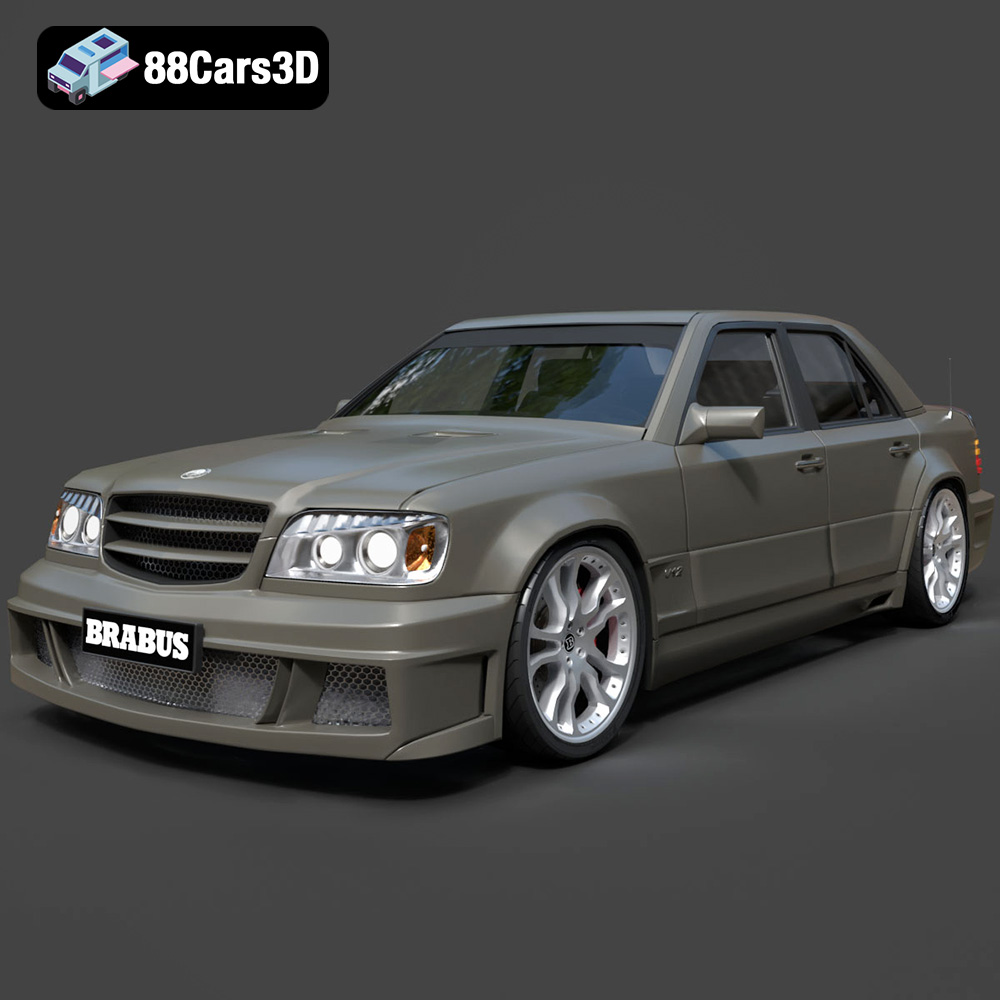
Download the Mercedes-Benz W124 Brabus V12 3D Model featuring clean geometry, realistic detailing, and a fully modeled interior. Includes .blend, .fbx, .obj, .glb, .stl, .ply, .unreal, and .max formats for rendering, simulation, and game development.
Price: $23.99
Texture: Yes
Material: Yes
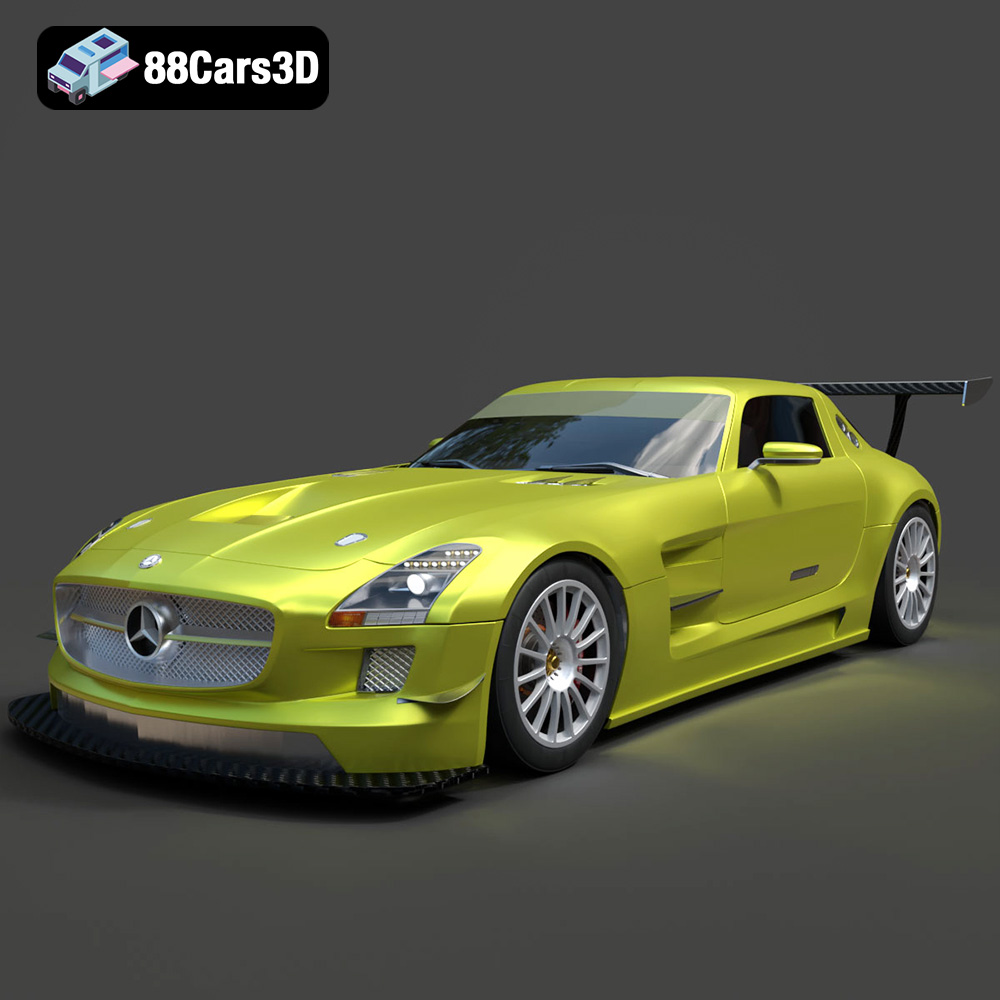
Download the Mercedes-Benz SLS AMG GT3-002 3D Model featuring clean geometry, realistic detailing, and a fully modeled interior. Includes .blend, .fbx, .obj, .glb, .stl, .ply, .unreal, and .max formats for rendering, simulation, and game development.
Price: $38.99

Texture: Yes
Material: Yes
Download the Mercedes-Benz C-Class-001 3D Model featuring clean geometry, realistic detailing, and a fully modeled interior. Includes .blend, .fbx, .obj, .glb, .stl, .ply, .unreal, and .max formats for rendering, simulation, and game development.
Price: $38.99
Texture: Yes
Material: Yes
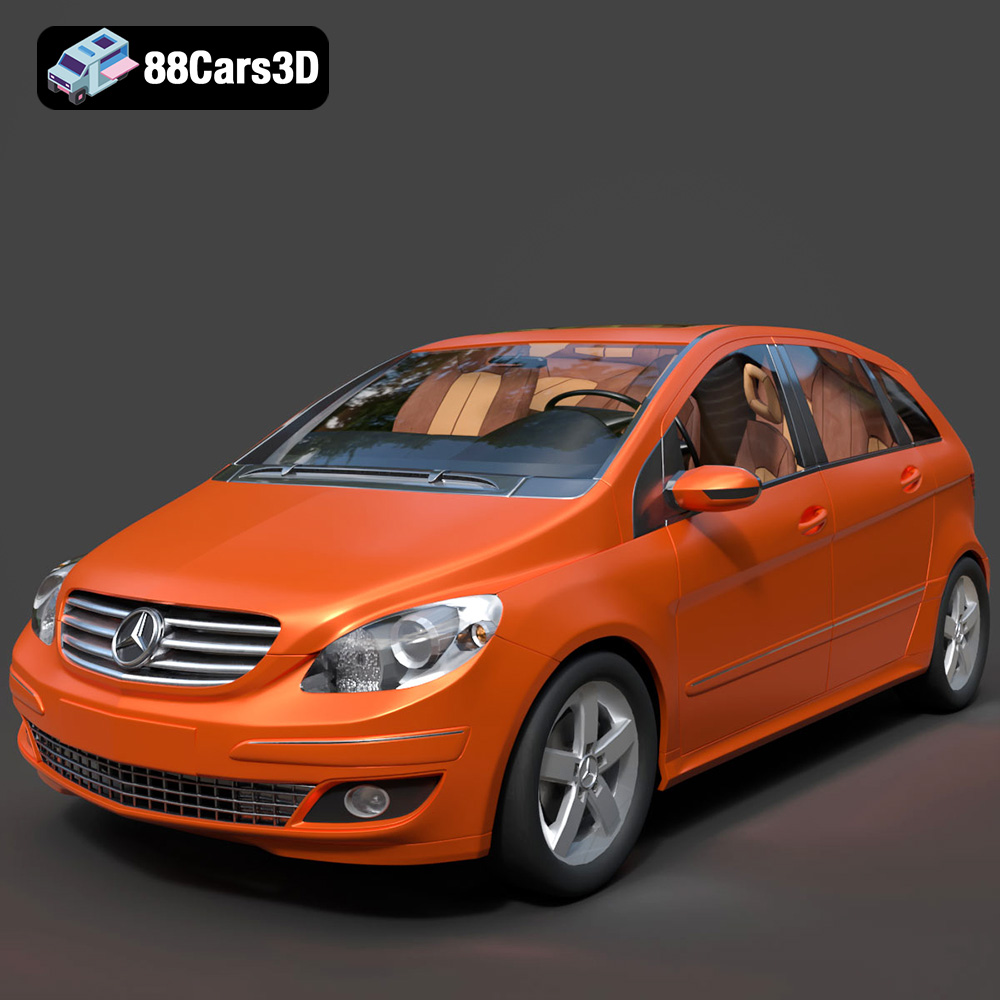
Download the Mercedes-Benz B-Klasse 2023 3D Model featuring clean geometry, realistic detailing, and a fully modeled interior. Includes .blend, .fbx, .obj, .glb, .stl, .ply, .unreal, and .max formats for rendering, simulation, and game development.
Price: $38.99
Texture: Yes
Material: Yes
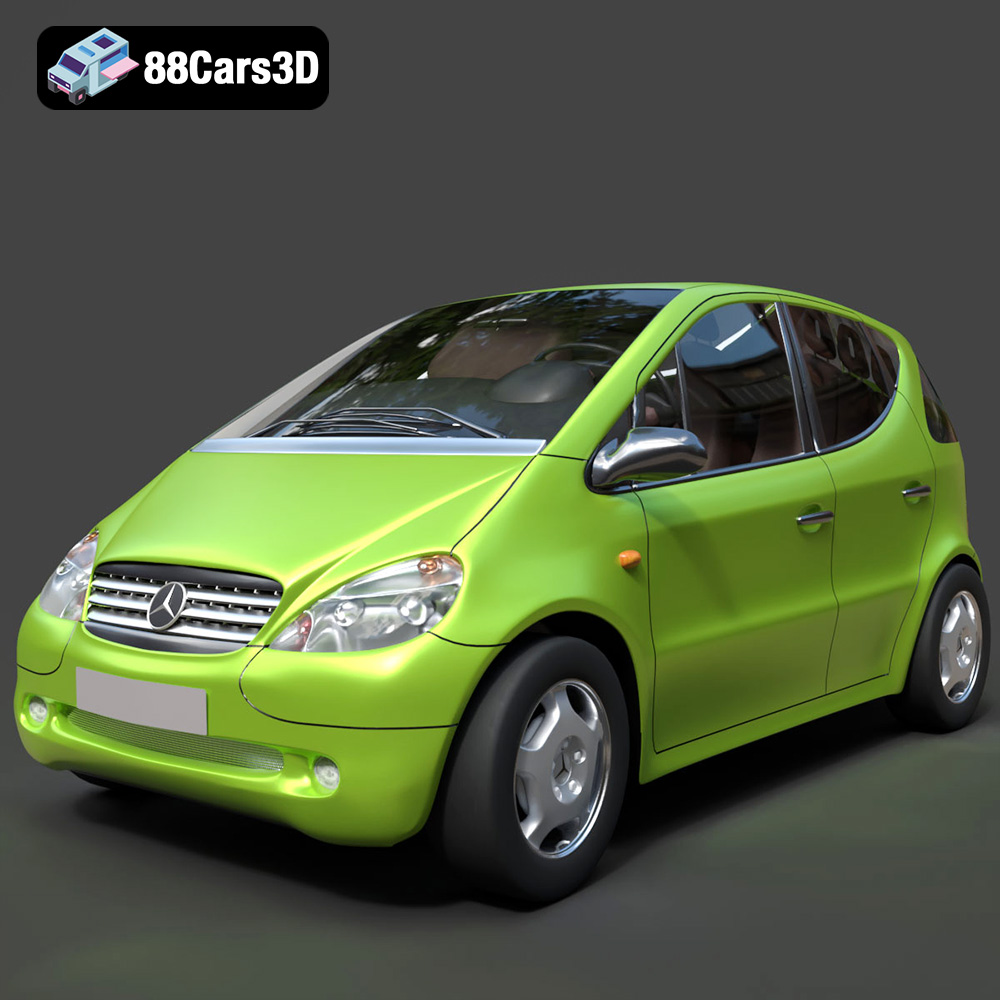
Download the Mercedes-Benz A-Klasse W168 3D Model featuring clean geometry, realistic detailing, and a fully modeled interior. Includes .blend, .fbx, .obj, .glb, .stl, .ply, .unreal, and .max formats for rendering, simulation, and game development.
Price: $38.99
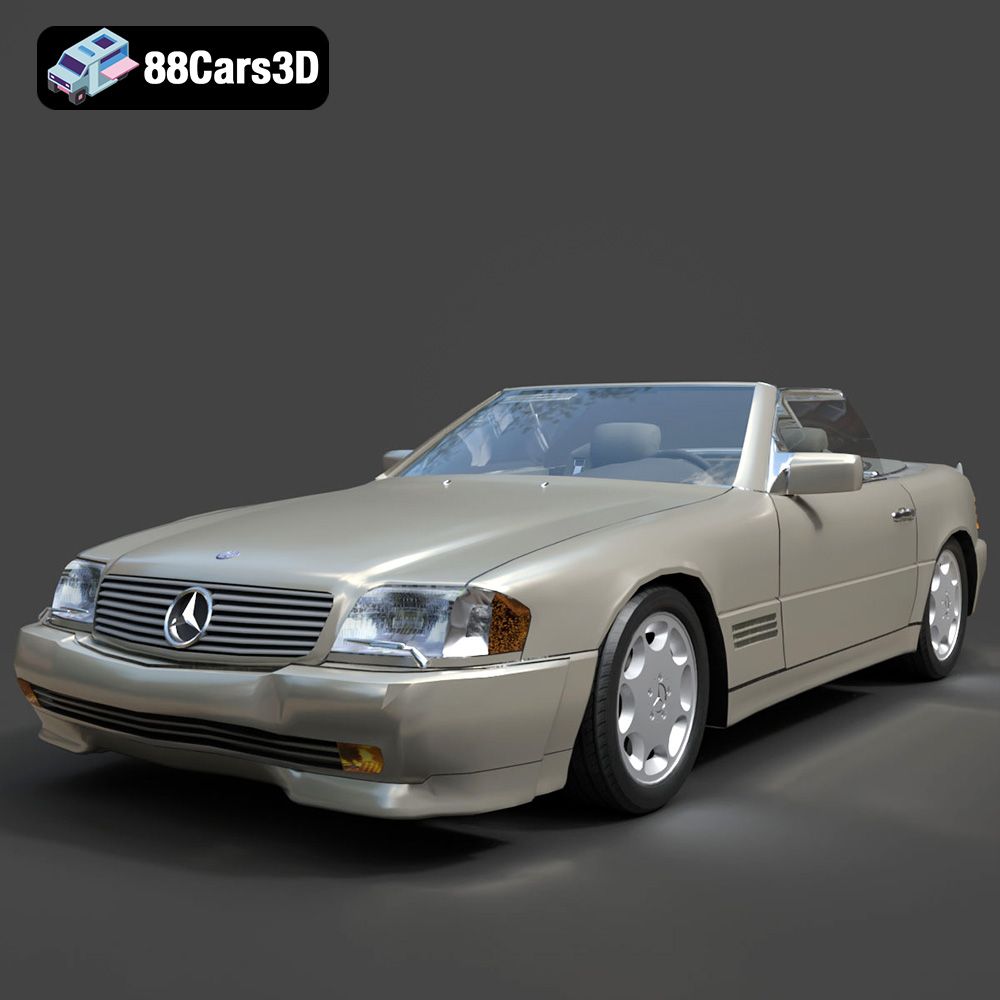
Texture: Yes
Material: Yes
Download the Mercedes-Benz 500SL 2000 3D Model featuring clean geometry, realistic detailing, and a fully modeled interior. Includes .blend, .fbx, .obj, .glb, .stl, .ply, .unreal, and .max formats for rendering, simulation, and game development.
Price: $38.99
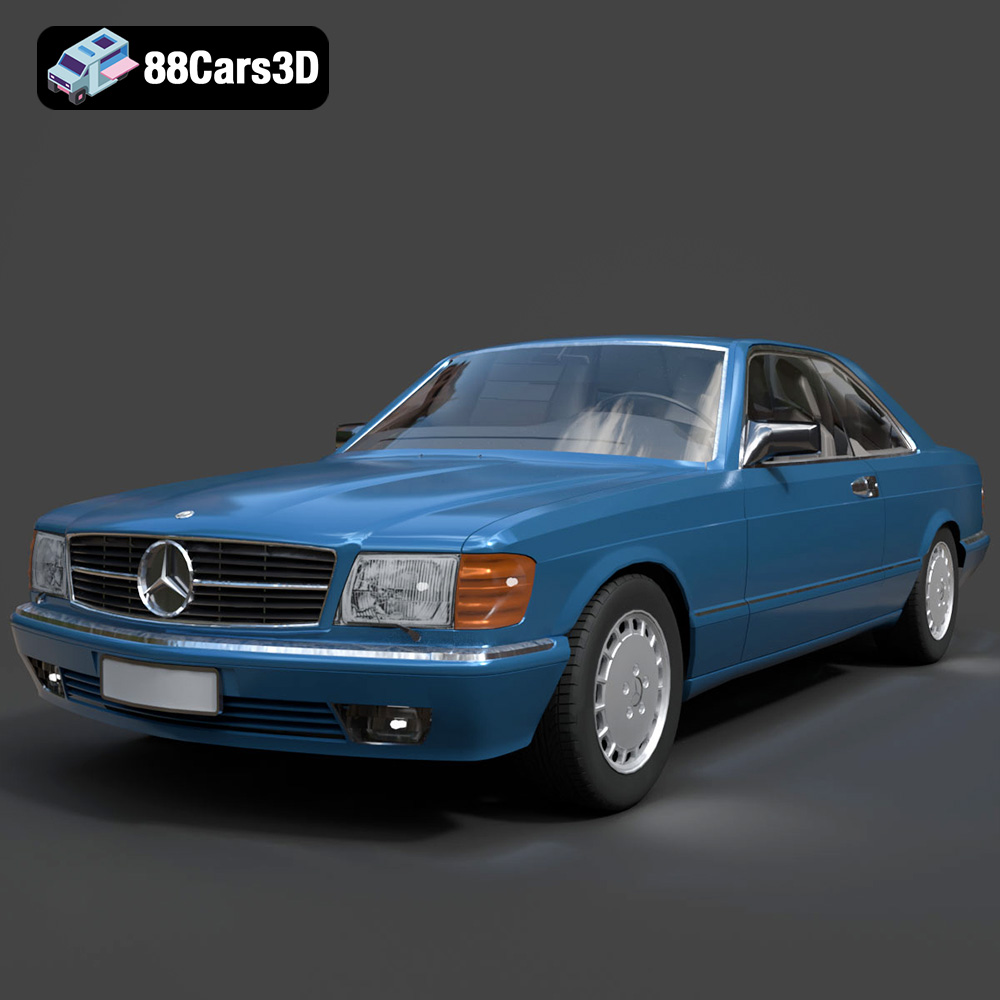
Texture: Yes
Material: Yes
Download the Mercedes-Benz 500SEC 3D Model featuring clean geometry, realistic detailing, and a fully modeled interior. Includes .blend, .fbx, .obj, .glb, .stl, .ply, .unreal, and .max formats for rendering, simulation, and game development.
Price: $38.99
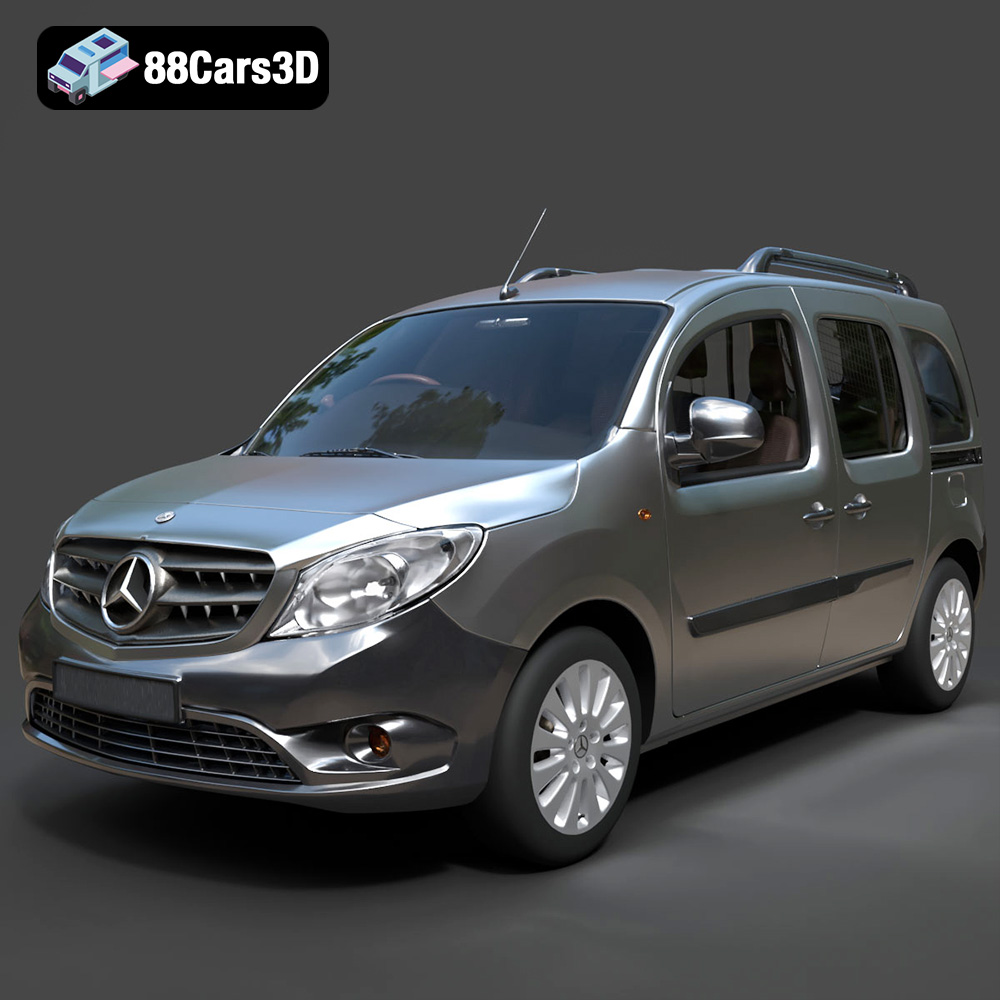
Texture: Yes
Material: Yes
Download the Mercedes-Benz Citan 2025 3D Model featuring clean geometry, realistic detailing, and a fully modeled interior. Includes .blend, .fbx, .obj, .glb, .stl, .ply, .unreal, and .max formats for rendering, simulation, and game development.
Price: $38.99
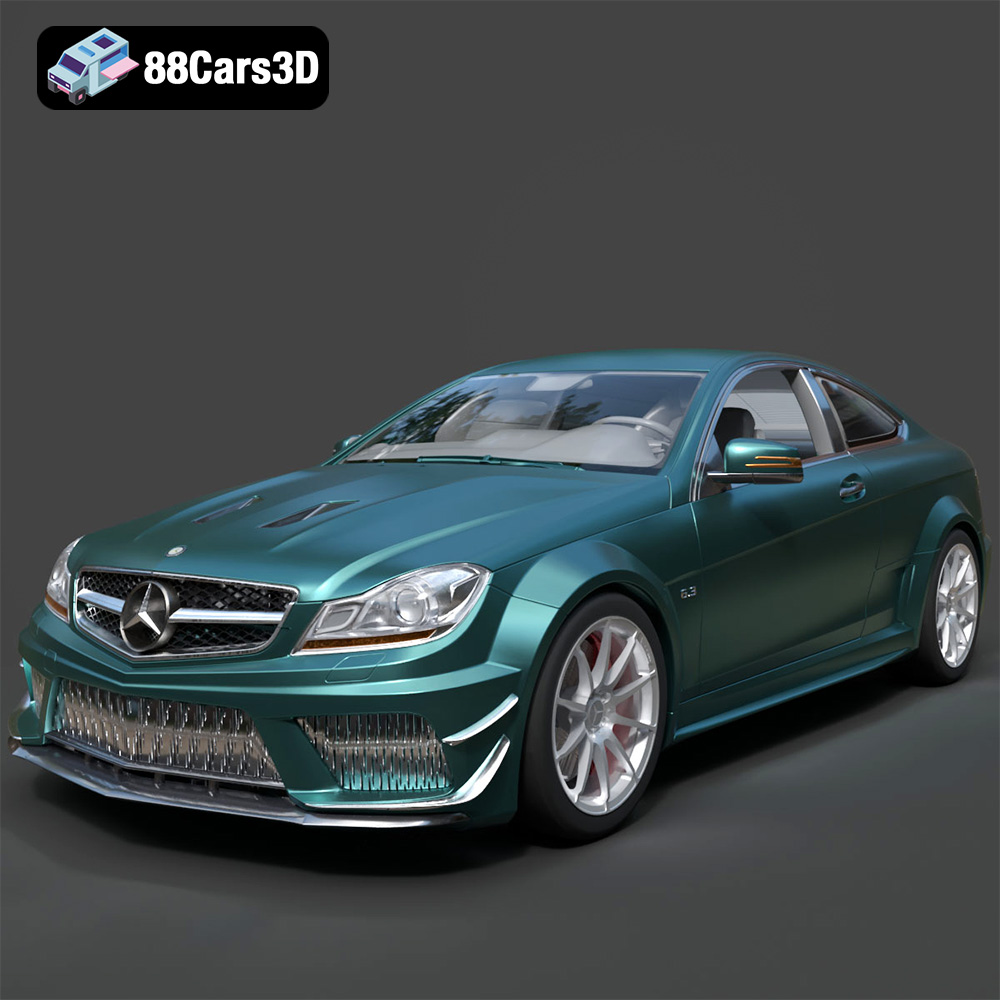
Texture: Yes
Material: Yes
Download the Mercedes-Benz C63 AMG 2012 3D Model featuring clean geometry, realistic detailing, and a fully modeled interior. Includes .blend, .fbx, .obj, .glb, .stl, .ply, .unreal, and .max formats for rendering, simulation, and game development.
Price: $38.99
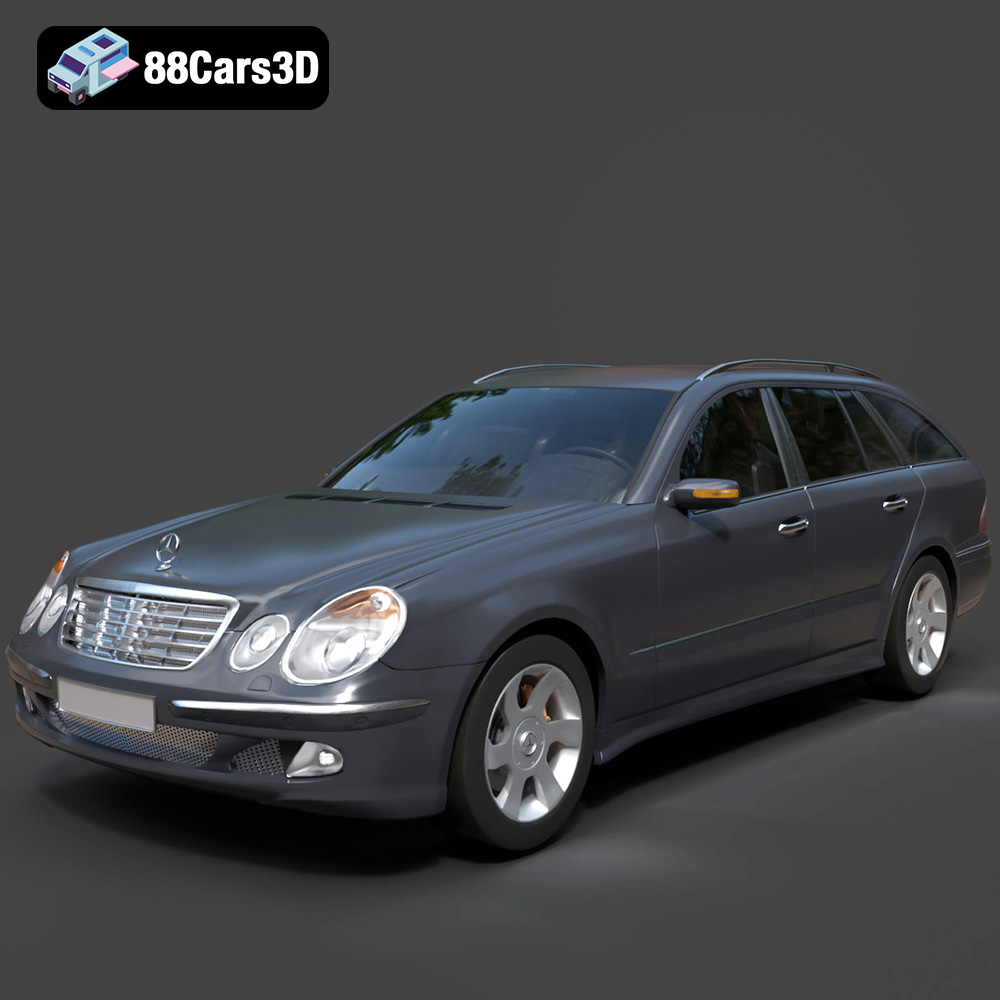
Texture: Yes
Material: Yes
Download the Mercedes-Benz E-Class S211 3D Model featuring clean geometry, realistic detailing, and a fully modeled interior. Includes .blend, .fbx, .obj, .glb, .stl, .ply, .unreal, and .max formats for rendering, simulation, and game development.
Price: $38.99
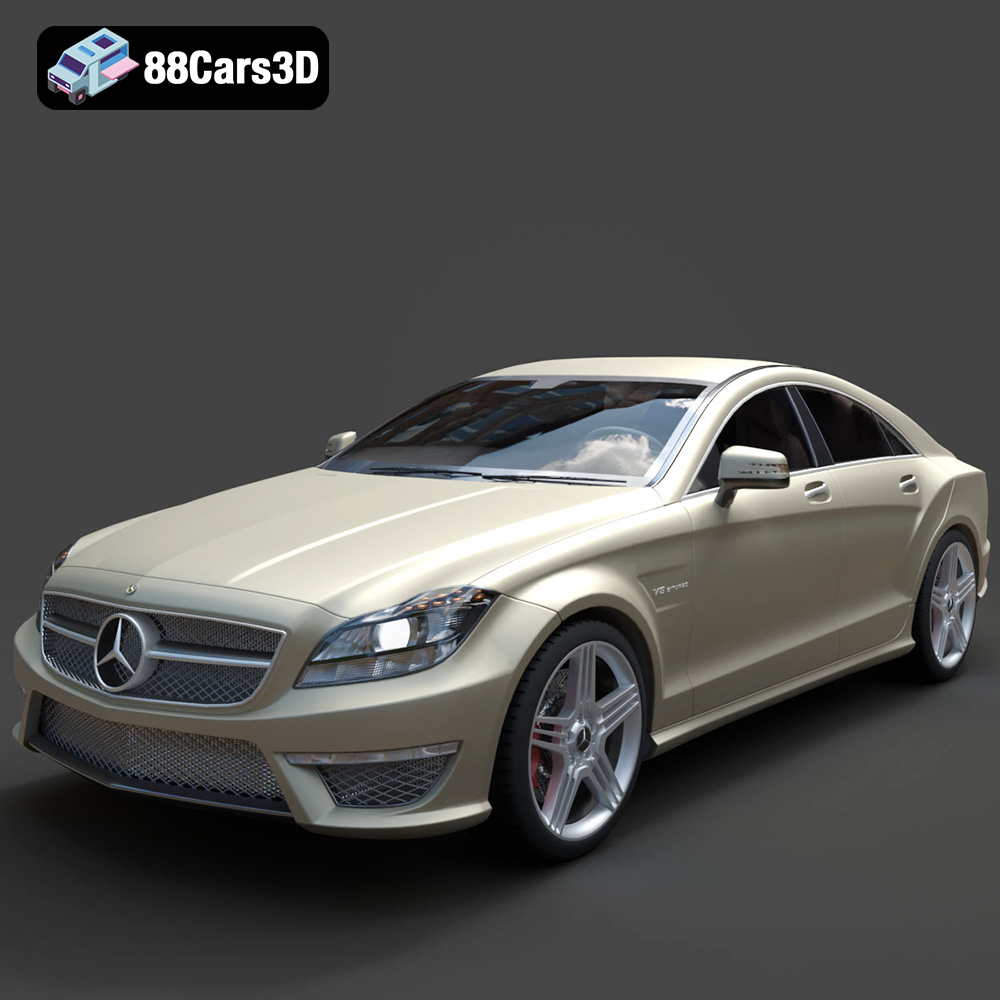
Texture: Yes
Material: Yes
Download the Mercedes-Benz CLS63 AMG (C218) 2014 3D Model featuring clean geometry, realistic detailing, and a fully modeled interior. Includes .blend, .fbx, .obj, .glb, .stl, .ply, .unreal, and .max formats for rendering, simulation, and game development.
Price: $38.99
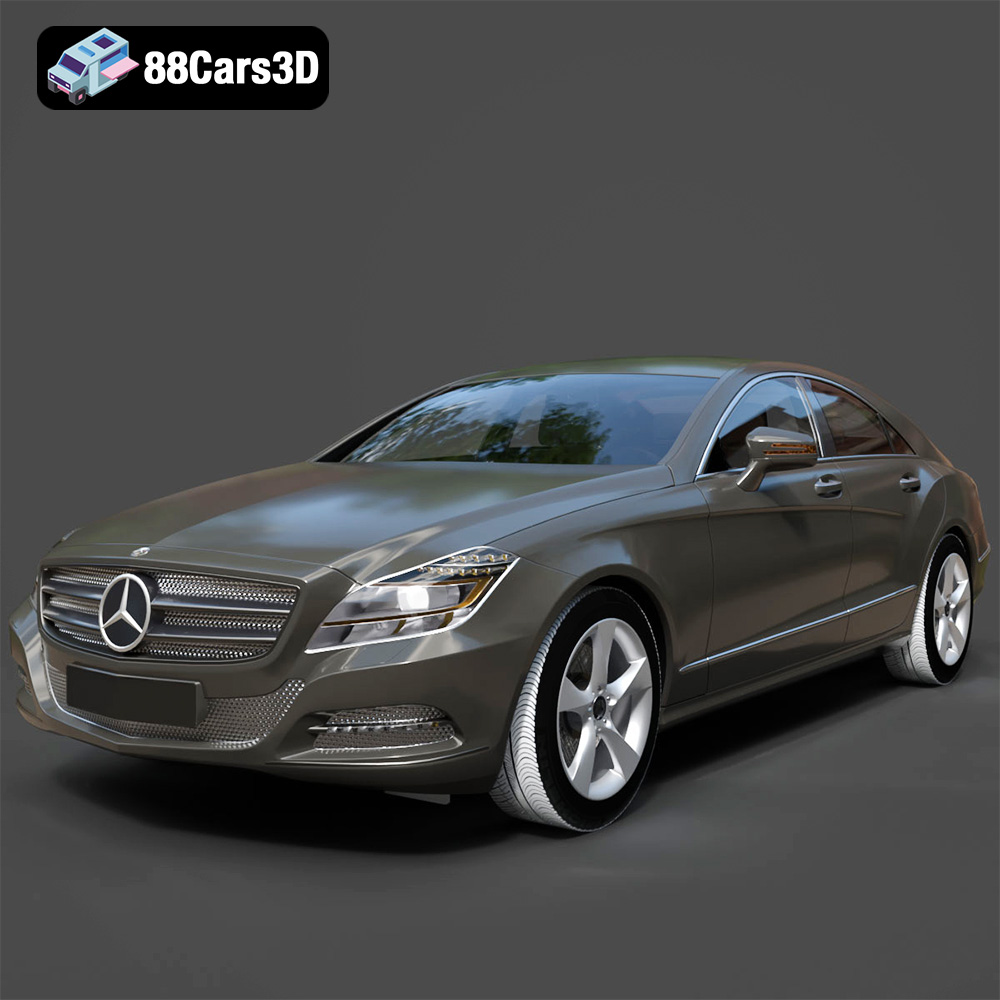
Texture: Yes
Material: Yes
Download the Mercedes-Benz CLS-Klasse 3D Model featuring clean geometry, realistic detailing, and a fully modeled interior. Includes .blend, .fbx, .obj, .glb, .stl, .ply, .unreal, and .max formats for rendering, simulation, and game development.
Price: $38.99
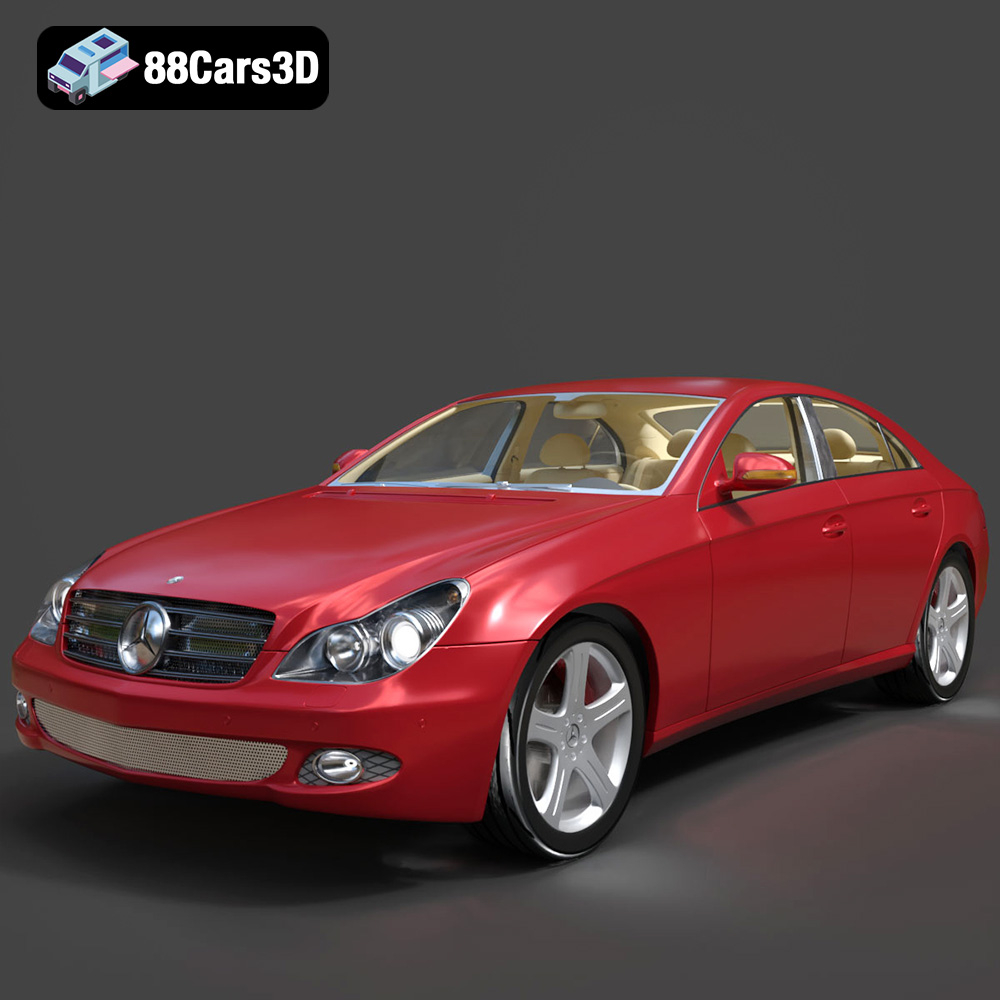
Texture: Yes
Material: Yes
Download the Mercedes-Benz CLS 500 3D Model featuring clean geometry, realistic detailing, and a fully modeled interior. Includes .blend, .fbx, .obj, .glb, .stl, .ply, .unreal, and .max formats for rendering, simulation, and game development.
Price: $38.99

Texture: Yes
Material: Yes
Download the Mercedes-Benz CL-Klasse 2001 3D Model featuring clean geometry, realistic detailing, and a fully modeled interior. Includes .blend, .fbx, .obj, .glb, .stl, .ply, .unreal, and .max formats for rendering, simulation, and game development.
Price: $38.99

