Get 20% OFF All Premium 3D & STL Models!

The quest for photorealistic automotive visuals in real-time applications has long been a holy grail for 3D artists, game developers, and automotive designers alike. With the advent of Unreal Engine 5, tools like Nanite and Lumen have brought us closer than ever to cinematic quality rendering that runs smoothly on modern hardware. However, integrating high-fidelity automotive models, often originating from complex CAD software, into a real-time engine like UE5 presents a unique set of challenges. Raw CAD data is rarely optimized for the constraints of real-time rendering, leading to potential performance bottlenecks and visual fidelity compromises.
This article dives deep into the intricate process of Unreal Engine 5 optimization for high-end automotive models. We’ll explore how to bridge the gap between design-centric CAD data and game-engine readiness, ensuring your vehicles look stunning without sacrificing crucial real-time rendering performance. By mastering the techniques discussed here, you can transform intricate designs into interactive experiences, making your projects stand out. For those seeking a head start with meticulously crafted assets, 88cars3d.com offers a vast library of high-quality automotive models, perfectly suited for further optimization in Unreal Engine 5.
Automotive CAD data, typically generated in software like CATIA, SolidWorks, or Rhino, is engineered for precision, manufacturing, and technical accuracy. These models are often composed of NURBS (Non-Uniform Rational B-Splines) surfaces, which, while mathematically perfect for design, translate into extremely dense and inefficient polygonal meshes when tessellated. The initial polygon counts can soar into tens of millions or even billions for a full vehicle, complete with intricate internal components, resulting in overwhelming data loads for any real-time engine.
The inherent complexities of this original data present significant hurdles for game development and real-time visualization. Beyond the sheer polygon count, raw CAD models often lack proper UV mapping for texturing, feature non-manifold geometry, have inconsistent scaling, and come with material assignments that are not compatible with a PBR (Physically Based Rendering) workflow. Successfully transforming this data requires a systematic approach to automotive CAD data preparation, ensuring every element is tailored for the performance demands of Unreal Engine 5 without compromising the visual integrity expected of a high-end vehicle.
Maintaining visual integrity while achieving smooth frame rates is the core dilemma. An automotive model needs to look perfect up close – reflecting light accurately, showcasing intricate details, and having flawless surfaces. Yet, it must also perform efficiently in dynamic environments, with multiple vehicles, complex scenes, and interactive elements. This delicate balance is where effective optimization techniques become indispensable, allowing artists to deliver both stunning aesthetics and robust real-time rendering performance.
The journey from high-fidelity CAD to an optimized Unreal Engine 5 asset begins with meticulous pre-processing. This phase is critical for laying a solid foundation, addressing the fundamental inefficiencies of CAD data before it ever touches the engine. Proper automotive CAD data preparation at this stage can save countless hours downstream.
The first step involves importing the CAD data into a suitable 3D DCC (Digital Content Creation) application like Blender, Maya, 3ds Max, or Modo. Unreal Engine’s Datasmith plugin is an invaluable tool here, offering robust direct-import capabilities for various CAD formats, automating much of the initial tessellation and scene organization. However, even with Datasmith, manual clean-up is often necessary.
Focus on removing any non-essential internal components that will never be visible to the user. This includes engine internals if the hood doesn’t open, or chassis components if the model is only for exterior shots. Pay close attention to fixing common geometry issues such as inverted normals, duplicate vertices, and non-manifold geometry, which can cause rendering artifacts and increase mesh complexity unnecessarily. Consolidate meshes where appropriate, but also strategically separate components that will require different material types or animation (e.g., body panels, wheels, glass, interior elements).
Once the geometry is clean, the focus shifts to reducing polygon count without losing crucial visual detail. This is where mesh decimation techniques become paramount. Tools within your DCC software or specialized solutions can intelligently reduce the number of polygons while attempting to preserve the overall shape and sharp edges.
When applying decimation, prioritize different parts of the vehicle. The main body panels, which need to maintain smooth reflections, should retain higher detail. Less critical internal components or undersides can be aggressively decimated. For extremely high-poly sections that are difficult to decimate cleanly, manual or automatic retopology can be considered. Retopology involves creating a new, optimized mesh on top of the high-poly source, aiming for clean, quad-based topology that is more efficient for rendering and potentially for deformation if the model is rigged.
The goal is to achieve a balanced polygon count that is suitable for the asset’s primary intended use. While Nanite in UE5 can handle incredibly high polygon counts, a clean, well-optimized base mesh will always yield better results and more efficient performance, especially for elements not supported by Nanite.
Proper UV mapping is non-negotiable for high-quality texturing. Raw CAD data typically lacks usable UVs, requiring a complete unwrapping process. Clean, non-overlapping UVs are essential for baking accurate normal maps, ambient occlusion, curvature maps, and other detail maps from the original high-poly mesh onto your optimized game-ready mesh. These baked textures capture intricate details without the need for excessive polygons.
Consider using multiple UV sets for different material types or resolutions. For instance, a primary UV set might cover the main body for paint and decals, while a secondary set handles intricate details like emblems or interior fabrics. Ensure consistent texel density across visible parts of the vehicle to avoid noticeable blurring or pixelation in certain areas. Efficient UV packing, where UV islands are arranged to maximize space within the 0-1 UV coordinate range, also helps in reducing texture memory usage and improving rendering performance by allowing more detail per texture sheet.
Unreal Engine 5 introduces revolutionary features that significantly alter the approach to asset optimization. Nanite, in particular, is a game-changer for high-fidelity static meshes, fundamentally reshaping the Unreal Engine 5 optimization pipeline.
Nanite is UE5’s virtualized micro-polygon geometry system. It allows for the direct import of extremely high-polygon meshes – often millions or even billions of triangles – without the traditional performance hit. Nanite intelligently streams and renders only the necessary detail for a given view, automatically handling LODs and culling, making it incredibly efficient for complex static geometry. For automotive models, this means you can often import your meticulously detailed, pre-processed meshes (even after some initial decimation, still very high-poly by traditional standards) directly into Unreal Engine 5 with Nanite enabled.
Enabling Nanite for a static mesh is straightforward: simply select the mesh in the Content Browser, right-click, and choose “Enable Nanite.” The engine will then process the mesh. The advantages are immense: significantly reduced draw calls, automatic and seamless level of detail transitions, and the ability to maintain incredibly high visual fidelity even for close-up shots. This is particularly beneficial for the primary body panels, intricate engine details (if exposed), and detailed chassis components that don’t need to be animated. High-quality base meshes, like those available on 88cars3d.com, are ideal candidates for the Nanite workflow for vehicles, as their inherent detail can be fully leveraged without manual LOD creation.
However, Nanite does have limitations: it currently doesn’t support skeletal meshes (animated parts), transparent materials with per-pixel depth sorting, or certain types of mesh deformation. This means elements like wheels (which often rotate), interiors with transparent glass, or soft body physics for tires cannot be Nanite meshes directly. To work around this, break down your vehicle into components: the main body can be Nanite, while wheels, glass, and animated doors remain traditional static meshes or skeletal meshes, requiring traditional LODs.
For components of your automotive model that cannot leverage Nanite – typically skeletal meshes like wheels, animated doors, or transparent elements like glass and headlights – traditional LOD generation remains a crucial optimization technique. LODs (Levels of Detail) are simplified versions of a mesh that are swapped in at increasing distances from the camera, reducing the polygon count of objects that appear smaller on screen.
Unreal Engine 5 offers built-in tools for generating LODs automatically, or you can import pre-made LODs from your DCC software. For an automotive model, you might typically create 3-5 LODs per component:
Carefully set the screen size thresholds for each LOD transition to ensure smooth visual swapping without pop-in. For skeletal meshes, ensure that the LODs maintain proper rigging and skinning. For glass, consider simplified geometry and materials for distant LODs, perhaps even swapping to an opaque or less complex shader to save on overdraw and transparency sorting costs. The combination of Nanite for static, opaque elements and carefully crafted traditional LODs for dynamic or transparent parts ensures optimal real-time rendering performance across the entire vehicle.
Beyond geometry, materials and textures play an equally vital role in visual fidelity and performance. Achieving photorealism in Unreal Engine 5 demands a deep understanding of PBR (Physically Based Rendering) principles, coupled with smart PBR material optimization.
Unreal Engine 5’s rendering pipeline is built around PBR, which simulates how light interacts with surfaces in the real world. This requires specific texture maps that define a material’s properties:
Each of these maps contributes to the realism. Consistent texel density across your textures ensures that resolution is evenly distributed, preventing areas from looking blurry or overly sharp. Proper PBR material creation is foundational to achieving the high-end look expected from automotive models.
Texture resolution is a common area for optimization. While higher resolution textures (e.g., 4K, 8K) provide incredible detail, they also consume significant memory. Strike a balance: use higher resolutions for prominently visible areas (e.g., main body paint, tire sidewalls) and lower resolutions for less critical or distant parts. Ensure all textures are powers of two (e.g., 512×512, 1024×1024, 2048×2048) for optimal mipmap generation and GPU performance.
Unreal Engine offers robust texture compression options (e.g., DXT1, DXT5, BC7) that can drastically reduce texture memory footprint without significant visual degradation. Experiment with these settings to find the best balance. For materials with many similar textures, consider creating master materials and then using material instances for variations (e.g., different paint colors, wheel finishes). This reduces shader compilation time and allows for easier adjustments, adhering to game asset pipeline best practices.
Beyond texture resolution and compression, the complexity of the material itself impacts real-time rendering performance. Reduce the number of complex shader instructions where possible. For instance, if a detail can be baked into a normal map rather than computed procedurally in the shader, opt for baking. Use simpler, less computationally intensive materials for distant LODs of your automotive model.
Decal workflows are excellent for adding intricate details like badges, grime, scratches, or racing stripes without modifying the base mesh or its primary textures. This modular approach is highly efficient. Transparent materials, such as glass, are notoriously expensive to render due to overdraw and sorting issues. Optimize glass by keeping its geometry simple, avoiding excessive layers of transparency, and considering simpler shaders for distant LODs. Techniques like using frosted glass for interior elements that don’t require perfect clarity can also save performance. Always profile your materials to identify and address bottlenecks.
Bringing an optimized automotive model into a larger project requires adherence to established game asset pipeline best practices. A well-organized and systematic approach ensures smooth integration, scalability, and ease of collaboration within a development team.
Consistency is key in any large-scale project. Establish clear naming conventions for all your assets: meshes, textures, materials, blueprints, and animations. For example, a mesh might be named `SM_Car_Body_01`, its material `M_Car_Paint_Blue`, and its textures `T_Car_Paint_Albedo`, `T_Car_Paint_Normal`. This makes assets easy to find, understand, and manage, particularly when working with a team or maintaining a large library like those found on 88cars3d.com.
Similarly, organize your project’s Content Browser with a logical folder structure (e.g., `Content/Vehicles/Car_Model_X/Meshes`, `Content/Vehicles/Car_Model_X/Materials`, `Content/Vehicles/Car_Model_X/Textures`). This prevents clutter and ensures that assets are always where they’re expected to be.
In Unreal Engine 5, Blueprints are essential for assembling complex assets like vehicles. Instead of importing a single, monolithic mesh, it’s often better to import individual components (body, wheels, doors, interior parts, glass) as separate static meshes (or skeletal meshes for animated parts). These components can then be assembled within a Blueprint Actor. This modular approach allows for:
Within the Blueprint, you can also set up physics assets for accurate vehicle handling, add light components for headlights and taillights, and integrate interactive elements. This comprehensive assembly ensures your automotive model functions correctly and efficiently within the game or visualization environment.
Optimization is an iterative process, and continuous profiling is vital to ensure optimal real-time rendering performance. Unreal Engine 5 provides powerful profiling tools:
stat fps, stat unit, stat rhi, and stat gpu in the console to get real-time performance metrics for CPU, GPU, and rendering overhead.stat gpu, this tool provides a detailed breakdown of GPU frame time, showing exactly which passes and elements are consuming the most resources. This helps pinpoint bottlenecks related to materials, lighting, or overdraw.Regularly benchmark your automotive models on target hardware to ensure they meet performance requirements. Identify areas of high draw calls, expensive materials, or excessive polygon counts, and revisit your optimization steps as needed. The goal is to achieve a balance where visual fidelity is maintained without compromising the smooth, interactive experience.
Mastering the integration and optimization of high-end automotive models in Unreal Engine 5 is a complex yet immensely rewarding endeavor. It demands a blend of artistic judgment, technical proficiency, and a systematic approach to asset management. From the initial stages of automotive CAD data preparation and intelligent mesh decimation techniques, through to leveraging UE5’s advanced features like the Nanite workflow for vehicles and meticulous LOD generation, every step contributes to the final polished product.
Achieving truly photorealistic results while maintaining stellar real-time rendering performance is no longer just a dream. With a keen eye on PBR material optimization, efficient texturing, and diligent application of game asset pipeline best practices, you can transform static designs into vibrant, interactive experiences. The journey requires patience and iteration, but the power of Unreal Engine 5, combined with these optimization strategies, makes it an achievable goal for any serious 3D artist or developer.
Ready to jumpstart your projects with premium assets? Explore the extensive collection of high-quality, pre-optimized automotive models available at 88cars3d.com. Our models provide an excellent foundation for your Unreal Engine 5 projects, allowing you to focus on the advanced optimizations and creative implementation that bring your visions to life.

Texture: Yes
Material: Yes
Download the Suzuki SX4-002 3D Model featuring clean geometry, realistic detailing, and a fully modeled interior. Includes .blend, .fbx, .obj, .glb, .stl, .ply, .unreal, and .max formats for rendering, simulation, and game development.
Price: $10

Texture: Yes
Material: Yes
Download the Tesla Model S 2024 3D Model featuring clean geometry, realistic detailing, and a fully modeled interior. Includes .blend, .fbx, .obj, .glb, .stl, .ply, .unreal, and .max formats for rendering, simulation, and game development.
Price: $10

Texture: Yes
Material: Yes
Download the Subaru Impreza WRX STi-002 3D Model featuring clean geometry, realistic detailing, and a fully modeled interior. Includes .blend, .fbx, .obj, .glb, .stl, .ply, .unreal, and .max formats for rendering, simulation, and game development.
Price: $10

Texture: Yes
Material: Yes
Download the Subaru Impreza WRX STi Sedan 3D Model featuring clean geometry, realistic detailing, and a fully modeled interior. Includes .blend, .fbx, .obj, .glb, .stl, .ply, .unreal, and .max formats for rendering, simulation, and game development.
Price: $10

Texture: Yes
Material: Yes
Download the Subaru Legacy 2009 3D Model featuring clean geometry, realistic detailing, and a fully modeled interior. Includes .blend, .fbx, .obj, .glb, .stl, .ply, .unreal, and .max formats for rendering, simulation, and game development.
Price: $10

Texture: Yes
Material: Yes
Download the Suzuki Swift 2024 3D Model featuring clean geometry, realistic detailing, and a fully modeled interior. Includes .blend, .fbx, .obj, .glb, .stl, .ply, .unreal, and .max formats for rendering, simulation, and game development.
Price: $10

Texture: Yes
Material: Yes
Download the Suzuki Liana Sedan 2004 3D Model featuring clean geometry, realistic detailing, and a fully modeled interior. Includes .blend, .fbx, .obj, .glb, .stl, .ply, .unreal, and .max formats for rendering, simulation, and game development.
Price: $10

Texture: Yes
Material: Yes
Download the Subaru Outback 2024 3D Model featuring clean geometry, realistic detailing, and a fully modeled interior. Includes .blend, .fbx, .obj, .glb, .stl, .ply, .unreal, and .max formats for rendering, simulation, and game development.
Price: $10

Texture: Yes
Material: Yes
Download the Subaru Legacy 2003 3D Model featuring clean geometry, realistic detailing, and a fully modeled interior. Includes .blend, .fbx, .obj, .glb, .stl, .ply, .unreal, and .max formats for rendering, simulation, and game development.
Price: $10

Texture: Yes
Material: Yes
Download the Subaru Legacy Touring Wagon 3D Model featuring clean geometry, realistic detailing, and a fully modeled interior. Includes .blend, .fbx, .obj, .glb, .stl, .ply, .unreal, and .max formats for rendering, simulation, and game development.
Price: $10

Texture: Yes
Material: Yes
Download the Toyota Mark II (X100) 3D Model featuring clean geometry, realistic detailing, and a fully modeled interior. Includes .blend, .fbx, .obj, .glb, .stl, .ply, .unreal, and .max formats for rendering, simulation, and game development.
Price: $10

Texture: Yes
Material: Yes
Download the Toyota Corona 1985 3D Model featuring clean geometry, realistic detailing, and a fully modeled interior. Includes .blend, .fbx, .obj, .glb, .stl, .ply, .unreal, and .max formats for rendering, simulation, and game development.
Price: $10

Texture: Yes
Material: Yes
Download the Toyota Mark II X81 1990 3D Model featuring clean geometry, realistic detailing, and a fully modeled interior. Includes .blend, .fbx, .obj, .glb, .stl, .ply, .unreal, and .max formats for rendering, simulation, and game development.
Price: $10

Texture: Yes
Material: Yes
Download the Toyota iQ EV 2012 3D Model featuring clean geometry, realistic detailing, and a fully modeled interior. Includes .blend, .fbx, .obj, .glb, .stl, .ply, .unreal, and .max formats for rendering, simulation, and game development.
Price: $10

Texture: Yes
Material: Yes
Download the Toyota Aygo 2013 3D Model featuring clean geometry, realistic detailing, and a fully modeled interior. Includes .blend, .fbx, .obj, .glb, .stl, .ply, .unreal, and .max formats for rendering, simulation, and game development.
Price: $10

Texture: Yes
Material: Yes
Download the Toyota Crown S180 2005 3D Model featuring clean geometry, realistic detailing, and a fully modeled interior. Includes .blend, .fbx, .obj, .glb, .stl, .ply, .unreal, and .max formats for rendering, simulation, and game development.
Price: $10

Texture: Yes
Material: Yes
Download the Toyota Celica 2004 3D Model featuring clean geometry, realistic detailing, and a fully modeled interior. Includes .blend, .fbx, .obj, .glb, .stl, .ply, .unreal, and .max formats for rendering, simulation, and game development.
Price: $10

Texture: Yes
Material: Yes
Download the Toyota Corolla AE100 1992 3D Model featuring clean geometry, realistic detailing, and a fully modeled interior. Includes .blend, .fbx, .obj, .glb, .stl, .ply, .unreal, and .max formats for rendering, simulation, and game development.
Price: $10

Texture: Yes
Material: Yes
Download the Toyota Mark II X110 2000 3D Model featuring clean geometry, realistic detailing, and a fully modeled interior. Includes .blend, .fbx, .obj, .glb, .stl, .ply, .unreal, and .max formats for rendering, simulation, and game development.
Price: $10

Texture: Yes
Material: Yes
Download the Toyota Corolla 2020 3D Model featuring clean geometry, realistic detailing, and a fully modeled interior. Includes .blend, .fbx, .obj, .glb, .stl, .ply, .unreal, and .max formats for rendering, simulation, and game development.
Price: $10

Texture: Yes
Material: Yes
Download the Toyota Yaris 2020 3D Model featuring clean geometry, realistic detailing, and a fully modeled interior. Includes .blend, .fbx, .obj, .glb, .stl, .ply, .unreal, and .max formats for rendering, simulation, and game development.
Price: $9.9

Texture: Yes
Material: Yes
Download the Volkswagen Beetle 2012 3D Model featuring clean geometry, realistic detailing, and a fully modeled interior. Includes .blend, .fbx, .obj, .glb, .stl, .ply, .unreal, and .max formats for rendering, simulation, and game development.
Price: $9.9

Texture: Yes
Material: Yes
Download the Toyota Matrix 2005 3D Model featuring clean geometry, realistic detailing, and a fully modeled interior. Includes .blend, .fbx, .obj, .glb, .stl, .ply, .unreal, and .max formats for rendering, simulation, and game development.
Price: $9.9

Texture: Yes
Material: Yes
Download the Toyota Yaris Sedan 3D Model featuring clean geometry, realistic detailing, and a fully modeled interior. Includes .blend, .fbx, .obj, .glb, .stl, .ply, .unreal, and .max formats for rendering, simulation, and game development.
Price: $9.9

Texture: Yes
Material: Yes
Download the Volkswagen Golf R-004 2024 3D Model featuring clean geometry, realistic detailing, and a fully modeled interior. Includes .blend, .fbx, .obj, .glb, .stl, .ply, .unreal, and .max formats for rendering, simulation, and game development.
Price: $9.9

Texture: Yes
Material: Yes
Download the Volkswagen Golf 5 Door 2010 3D Model featuring clean geometry, realistic detailing, and a fully modeled interior. Includes .blend, .fbx, .obj, .glb, .stl, .ply, .unreal, and .max formats for rendering, simulation, and game development.
Price: $9.9

Texture: Yes
Material: Yes
Download the Toyota Premio 2010 3D Model featuring clean geometry, realistic detailing, and a fully modeled interior. Includes .blend, .fbx, .obj, .glb, .stl, .ply, .unreal, and .max formats for rendering, simulation, and game development.
Price: $9.9

Texture: Yes
Material: Yes
Download the Toyota Opa 2000 3D Model featuring clean geometry, realistic detailing, and a fully modeled interior. Includes .blend, .fbx, .obj, .glb, .stl, .ply, .unreal, and .max formats for rendering, simulation, and game development.
Price: $9.9

Texture: Yes
Material: Yes
Download the Volkswagen Polo 5 Door 2010 3D Model featuring clean geometry, realistic detailing, and a fully modeled interior. Includes .blend, .fbx, .obj, .glb, .stl, .ply, .unreal, and .max formats for rendering, simulation, and game development.
Price: $9.9

Texture: Yes
Material: Yes
Download the Toyota Prius 2024 3D Model featuring clean geometry, realistic detailing, and a fully modeled interior. Includes .blend, .fbx, .obj, .glb, .stl, .ply, .unreal, and .max formats for rendering, simulation, and game development.
Price: $9.9

Texture: Yes
Material: Yes
Download the Toyota Yaris 1999 3D Model featuring clean geometry, realistic detailing, and a fully modeled interior. Includes .blend, .fbx, .obj, .glb, .stl, .ply, .unreal, and .max formats for rendering, simulation, and game development.
Price: $9.9

Texture: Yes
Material: Yes
Download the Toyota Supra 2020 3D Model featuring clean geometry, realistic detailing, and a fully modeled interior. Includes .blend, .fbx, .obj, .glb, .stl, .ply, .unreal, and .max formats for rendering, simulation, and game development.
Price: $9.9

Texture: Yes
Material: Yes
Download the Volkswagen New Beetle 2000 3D Model featuring clean geometry, realistic detailing, and a fully modeled interior. Includes .blend, .fbx, .obj, .glb, .stl, .ply, .unreal, and .max formats for rendering, simulation, and game development.
Price: $14.99

Texture: Yes
Material: Yes
Download the Volkswagen Jetta 2005 3D Model featuring clean geometry, realistic detailing, and a fully modeled interior. Includes .blend, .fbx, .obj, .glb, .stl, .ply, .unreal, and .max formats for rendering, simulation, and game development.
Price: $18.99

Texture: Yes
Material: Yes
Download the Volkswagen Golf 3-Door 3D Model featuring clean geometry, realistic detailing, and a fully modeled interior. Includes .blend, .fbx, .obj, .glb, .stl, .ply, .unreal, and .max formats for rendering, simulation, and game development.
Price: $14.99

Texture: Yes
Material: Yes
Download the Volvo V70 2005 3D Model featuring clean geometry, realistic detailing, and a fully modeled interior. Includes .blend, .fbx, .obj, .glb, .stl, .ply, .unreal, and .max formats for rendering, simulation, and game development.
Price: $14.99

Texture: Yes
Material: Yes
Download the Volkswagen Bora 2004 3D Model featuring clean geometry, realistic detailing, and a fully modeled interior. Includes .blend, .fbx, .obj, .glb, .stl, .ply, .unreal, and .max formats for rendering, simulation, and game development.
Price: $14.99

Texture: Yes
Material: Yes
Download the Volkswagen Lupo 3D Model featuring clean geometry, realistic detailing, and a fully modeled interior. Includes .blend, .fbx, .obj, .glb, .stl, .ply, .unreal, and .max formats for rendering, simulation, and game development.
Price: $19.99

Texture: Yes
Material: Yes
Download the Volkswagen Passat B5 2000 3D Model featuring clean geometry, realistic detailing, and a fully modeled interior. Includes .blend, .fbx, .obj, .glb, .stl, .ply, .unreal, and .max formats for rendering, simulation, and game development.
Price: $19.99

Texture: Yes
Material: Yes
Download the Volkswagen Passat CC 3D Model featuring clean geometry, realistic detailing, and a fully modeled interior. Includes .blend, .fbx, .obj, .glb, .stl, .ply, .unreal, and .max formats for rendering, simulation, and game development.
Price: $19.99

Texture: Yes
Material: Yes
Download the Volkswagen Golf V 2006 3D Model featuring clean geometry, realistic detailing, and a fully modeled interior. Includes .blend, .fbx, .obj, .glb, .stl, .ply, .unreal, and .max formats for rendering, simulation, and game development.
Price: $19.99

Texture: Yes
Material: Yes
Download the Volvo S60 R-Design 3D Model featuring clean geometry, realistic detailing, and a fully modeled interior. Includes .blend, .fbx, .obj, .glb, .stl, .ply, .unreal, and .max formats for rendering, simulation, and game development.
Price: $19.99

Texture: Yes
Material: Yes
Download the Volkswagen Passat 2025 3D Model featuring clean geometry, realistic detailing, and a fully modeled interior. Includes .blend, .fbx, .obj, .glb, .stl, .ply, .unreal, and .max formats for rendering, simulation, and game development.
Price: $25.99

Texture: Yes
Material: Yes
Download the Volkswagen Passat Variant B6 2005 3D Model featuring clean geometry, realistic detailing, and a fully modeled interior. Includes .blend, .fbx, .obj, .glb, .stl, .ply, .unreal, and .max formats for rendering, simulation, and game development.
Price: $25.99

Texture: Yes
Material: Yes
Download the Volkswagen Phaeton W12 2004 3D Model featuring clean geometry, realistic detailing, and a fully modeled interior. Includes .blend, .fbx, .obj, .glb, .stl, .ply, .unreal, and .max formats for rendering, simulation, and game development.
Price: $25.99

Texture: Yes
Material: Yes
Download the Volkswagen Scirocco 2015 3D Model featuring clean geometry, realistic detailing, and a fully modeled interior. Includes .blend, .fbx, .obj, .glb, .stl, .ply, .unreal, and .max formats for rendering, simulation, and game development.
Price: $25.99

Texture: Yes
Material: Yes
Download the Volvo S60 2024 3D Model featuring clean geometry, realistic detailing, and a fully modeled interior. Includes .blend, .fbx, .obj, .glb, .stl, .ply, .unreal, and .max formats for rendering, simulation, and game development.
Price: $25.99

Texture: Yes
Material: Yes
Download the Volkswagen Polo 3D Model featuring clean geometry, realistic detailing, and a fully modeled interior. Includes .blend, .fbx, .obj, .glb, .stl, .ply, .unreal, and .max formats for rendering, simulation, and game development.
Price: $25.99

Texture: Yes
Material: Yes
Download the Volkswagen Golf 5-Doors 3D Model featuring clean geometry, realistic detailing, and a fully modeled interior. Includes .blend, .fbx, .obj, .glb, .stl, .ply, .unreal, and .max formats for rendering, simulation, and game development.
Price: $25.99

Texture: Yes
Material: Yes
Download the Volvo C70 T5 2000 3D Model featuring clean geometry, realistic detailing, and a fully modeled interior. Includes .blend, .fbx, .obj, .glb, .stl, .ply, .unreal, and .max formats for rendering, simulation, and game development.
Price: $23.99

Texture: Yes
Material: Yes
Download the Volvo S40 Sedan 2004 3D Model featuring clean geometry, realistic detailing, and a fully modeled interior. Includes .blend, .fbx, .obj, .glb, .stl, .ply, .unreal, and .max formats for rendering, simulation, and game development.
Price: $23.99

Texture: Yes
Material: Yes
Download the Volvo C30 BEV 2012 3D Model featuring clean geometry, realistic detailing, and a fully modeled interior. Includes .blend, .fbx, .obj, .glb, .stl, .ply, .unreal, and .max formats for rendering, simulation, and game development.
Price: $23.99

Texture: Yes
Material: Yes
Download the Volvo C70 1998 3D Model featuring clean geometry, realistic detailing, and a fully modeled interior. Includes .blend, .fbx, .obj, .glb, .stl, .ply, .unreal, and .max formats for rendering, simulation, and game development.
Price: $23.99

Texture: Yes
Material: Yes
Download the Mazda B-Series 3D Model featuring clean geometry, realistic detailing, and a fully modeled interior. Includes .blend, .fbx, .obj, .glb, .stl, .ply, .unreal, and .max formats for rendering, simulation, and game development.
Price: $23.99

Texture: Yes
Material: Yes
Download the Mercsedes Benz Z3-006 3D Model featuring clean geometry, realistic detailing, and a fully modeled interior. Includes .blend, .fbx, .obj, .glb, .stl, .ply, .unreal, and .max formats for rendering, simulation, and game development.
Price: $23.99

Texture: Yes
Material: Yes
Download the Mazda RX-7 3D Model featuring clean geometry, realistic detailing, and a fully modeled interior. Includes .blend, .fbx, .obj, .glb, .stl, .ply, .unreal, and .max formats for rendering, simulation, and game development.
Price: $23.99

Texture: Yes
Material: Yes
Download the Volvo VCC-003 3D Model featuring clean geometry, realistic detailing, and a fully modeled interior. Includes .blend, .fbx, .obj, .glb, .stl, .ply, .unreal, and .max formats for rendering, simulation, and game development.
Price: $23.99

Texture: Yes
Material: Yes
Download the Mercedes-Benz SLR McLaren 2005 3D Model featuring clean geometry, realistic detailing, and a fully modeled interior. Includes .blend, .fbx, .obj, .glb, .stl, .ply, .unreal, and .max formats for rendering, simulation, and game development.
Price: $23.99

Texture: Yes
Material: Yes
Download the GAZ 3110 Pickup 3D Model featuring clean geometry, realistic detailing, and a fully modeled interior. Includes .blend, .fbx, .obj, .glb, .stl, .ply, .unreal, and .max formats for rendering, simulation, and game development.
Price: $23.99

Texture: Yes
Material: Yes
Download the Mazda 626 GF 1997 3D Model featuring clean geometry, realistic detailing, and a fully modeled interior. Includes .blend, .fbx, .obj, .glb, .stl, .ply, .unreal, and .max formats for rendering, simulation, and game development.
Price: $23.99

Texture: Yes
Material: Yes
Download the Volvo S80 2011 3D Model featuring clean geometry, realistic detailing, and a fully modeled interior. Includes .blend, .fbx, .obj, .glb, .stl, .ply, .unreal, and .max formats for rendering, simulation, and game development.
Price: $23.99

Texture: Yes
Material: Yes
Download the Volkswagen Touran restyle-006 3D Model featuring clean geometry, realistic detailing, and a fully modeled interior. Includes .blend, .fbx, .obj, .glb, .stl, .ply, .unreal, and .max formats for rendering, simulation, and game development.
Price: $23.99

Texture: Yes
Material: Yes
Download the Skoda Octavia Scout 3D Model featuring clean geometry, realistic detailing, and a fully modeled interior. Includes .blend, .fbx, .obj, .glb, .stl, .ply, .unreal, and .max formats for rendering, simulation, and game development.
Price: $23.99

Texture: Yes
Material: Yes
Download the Volkswagen Golf V 2006 3D Model featuring clean geometry, realistic detailing, and a fully modeled interior. Includes .blend, .fbx, .obj, .glb, .stl, .ply, .unreal, and .max formats for rendering, simulation, and game development.
Price: $23.99

Texture: Yes
Material: Yes
Download the Mazda CX-7 3D Model featuring clean geometry, realistic detailing, and a fully modeled interior. Includes .blend, .fbx, .obj, .glb, .stl, .ply, .unreal, and .max formats for rendering, simulation, and game development.
Price: $23.99

Texture: Yes
Material: Yes
Download the Mazda Familia 3D Model featuring clean geometry, realistic detailing, and a fully modeled interior. Includes .blend, .fbx, .obj, .glb, .stl, .ply, .unreal, and .max formats for rendering, simulation, and game development.
Price: $23.99

Texture: Yes
Material: Yes
Download the GAS 21 3D Model featuring clean geometry, realistic detailing, and a fully modeled interior. Includes .blend, .fbx, .obj, .glb, .stl, .ply, .unreal, and .max formats for rendering, simulation, and game development.
Price: $23.99

Texture: Yes
Material: Yes
Download the Mercedes-Benz SL500 AMG (R129) 3D Model featuring clean geometry, realistic detailing, and a fully modeled interior. Includes .blend, .fbx, .obj, .glb, .stl, .ply, .unreal, and .max formats for rendering, simulation, and game development.
Price: $23.99

Texture: Yes
Material: Yes
Download the Mercedes-Benz S-Class W221 2005 3D Model featuring clean geometry, realistic detailing, and a fully modeled interior. Includes .blend, .fbx, .obj, .glb, .stl, .ply, .unreal, and .max formats for rendering, simulation, and game development.
Price: $23.99

Texture: Yes
Material: Yes
Download the Mercedes-Benz E-Class W212 2009 3D Model featuring clean geometry, realistic detailing, and a fully modeled interior. Includes .blend, .fbx, .obj, .glb, .stl, .ply, .unreal, and .max formats for rendering, simulation, and game development.
Price: $23.99

Texture: Yes
Material: Yes
Download the Mercedes-Benz E-class Estate S212 2009 3D Model featuring clean geometry, realistic detailing, and a fully modeled interior. Includes .blend, .fbx, .obj, .glb, .stl, .ply, .unreal, and .max formats for rendering, simulation, and game development.
Price: $23.99

Texture: Yes
Material: Yes
Download the Mercedes-Benz 190 W201 3D Model featuring clean geometry, realistic detailing, and a fully modeled interior. Includes .blend, .fbx, .obj, .glb, .stl, .ply, .unreal, and .max formats for rendering, simulation, and game development.
Price: $23.99

Texture: Yes
Material: Yes
Download the Mercedes-Benz C230 SportCoupé 2005 3D Model featuring clean geometry, realistic detailing, and a fully modeled interior. Includes .blend, .fbx, .obj, .glb, .stl, .ply, .unreal, and .max formats for rendering, simulation, and game development.
Price: $23.99

Texture: Yes
Material: Yes
Download the Mercedes-Benz SLK 3D Model featuring clean geometry, realistic detailing, and a fully modeled interior. Includes .blend, .fbx, .obj, .glb, .stl, .ply, .unreal, and .max formats for rendering, simulation, and game development.
Price: $23.99

Texture: Yes
Material: Yes
Download the Mercedes 600 SEC W140 1992 3D Model featuring clean geometry, realistic detailing, and a fully modeled interior. Includes .blend, .fbx, .obj, .glb, .stl, .ply, .unreal, and .max formats for rendering, simulation, and game development.
Price: $23.99

Texture: Yes
Material: Yes
Download the Mercedes S-Class 2010 3D Model featuring clean geometry, realistic detailing, and a fully modeled interior. Includes .blend, .fbx, .obj, .glb, .stl, .ply, .unreal, and .max formats for rendering, simulation, and game development.
Price: $23.99

Texture: Yes
Material: Yes
Download the McLaren MP4-12C-001 3D Model featuring clean geometry, realistic detailing, and a fully modeled interior. Includes .blend, .fbx, .obj, .glb, .stl, .ply, .unreal, and .max formats for rendering, simulation, and game development.
Price: $23.99

Texture: Yes
Material: Yes
Download the Mercedes-Benz SLK 350 2005 3D Model featuring clean geometry, realistic detailing, and a fully modeled interior. Includes .blend, .fbx, .obj, .glb, .stl, .ply, .unreal, and .max formats for rendering, simulation, and game development.
Price: $23.99

Texture: Yes
Material: Yes
Download the Mercedes-Benz SL 65 AMG 3D Model featuring clean geometry, realistic detailing, and a fully modeled interior. Includes .blend, .fbx, .obj, .glb, .stl, .ply, .unreal, and .max formats for rendering, simulation, and game development.
Price: $23.99

Texture: Yes
Material: Yes
Download the Mercedes-Benz S500 3D Model featuring clean geometry, realistic detailing, and a fully modeled interior. Includes .blend, .fbx, .obj, .glb, .stl, .ply, .unreal, and .max formats for rendering, simulation, and game development.
Price: $23.99

Texture: Yes
Material: Yes
Download the Mercedes-Benz S55 W220 AMG 1999 3D Model featuring clean geometry, realistic detailing, and a fully modeled interior. Includes .blend, .fbx, .obj, .glb, .stl, .ply, .unreal, and .max formats for rendering, simulation, and game development.
Price: $23.99

Texture: Yes
Material: Yes
Download the Mercedes-Benz CLA45 AMG 2017 3D Model featuring clean geometry, realistic detailing, and a fully modeled interior. Includes .blend, .fbx, .obj, .glb, .stl, .ply, .unreal, and .max formats for rendering, simulation, and game development.
Price: $38.99

Texture: Yes
Material: Yes
Download the Mercedes-Benz CL65 C215 AMG 3D Model featuring clean geometry, realistic detailing, and a fully modeled interior. Includes .blend, .fbx, .obj, .glb, .stl, .ply, .unreal, and .max formats for rendering, simulation, and game development.
Price: $23.99

Texture: Yes
Material: Yes
Download the Mercedes-Benz A45 2021 3D Model featuring clean geometry, realistic detailing, and a fully modeled interior. Includes .blend, .fbx, .obj, .glb, .stl, .ply, .unreal, and .max formats for rendering, simulation, and game development.
Price: $23.99

Texture: Yes
Material: Yes
Download the Mercedes-Benz 300SL 1955 3D Model featuring clean geometry, realistic detailing, and a fully modeled interior. Includes .blend, .fbx, .obj, .glb, .stl, .ply, .unreal, and .max formats for rendering, simulation, and game development.
Price: $23.99

Texture: Yes
Material: Yes
Download the Mercedes-Benz 190SL 1955 3D Model featuring clean geometry, realistic detailing, and a fully modeled interior. Includes .blend, .fbx, .obj, .glb, .stl, .ply, .unreal, and .max formats for rendering, simulation, and game development.
Price: $23.99
Texture: Yes
Material: Yes
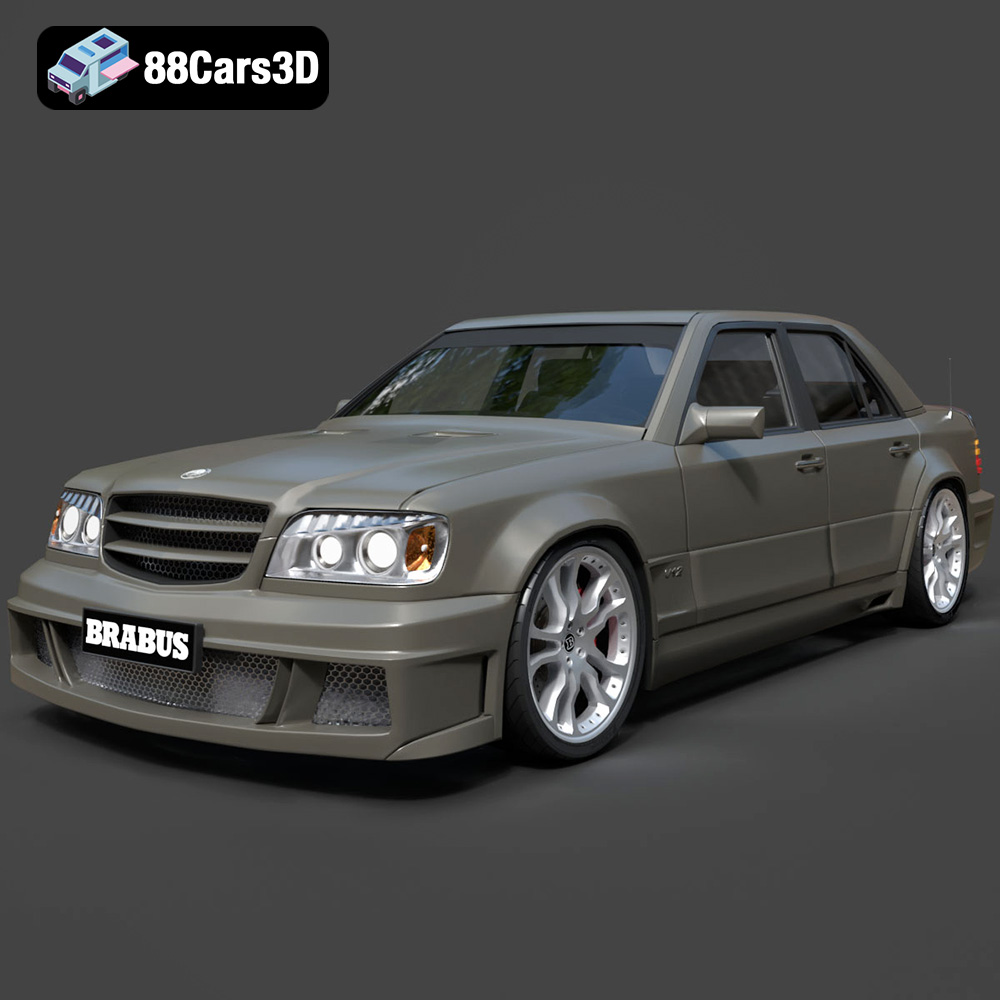
Download the Mercedes-Benz W124 Brabus V12 3D Model featuring clean geometry, realistic detailing, and a fully modeled interior. Includes .blend, .fbx, .obj, .glb, .stl, .ply, .unreal, and .max formats for rendering, simulation, and game development.
Price: $23.99
Texture: Yes
Material: Yes
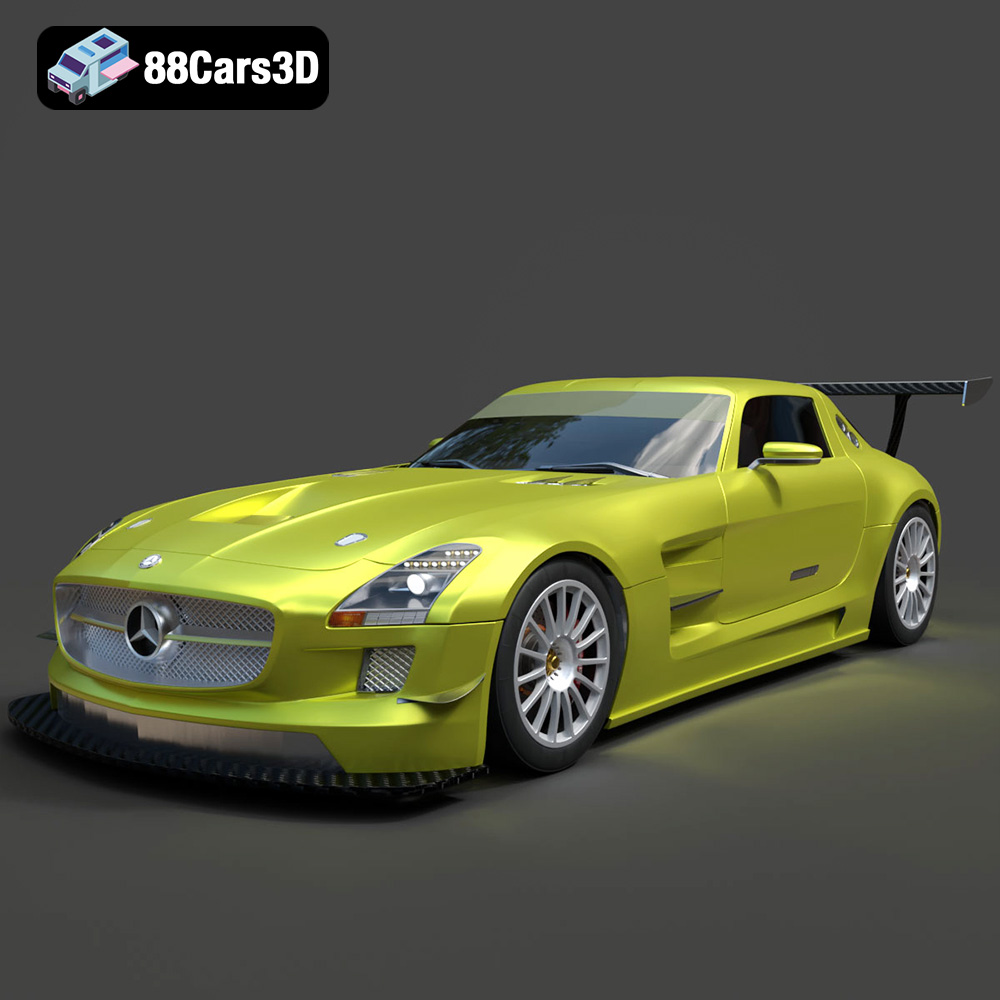
Download the Mercedes-Benz SLS AMG GT3-002 3D Model featuring clean geometry, realistic detailing, and a fully modeled interior. Includes .blend, .fbx, .obj, .glb, .stl, .ply, .unreal, and .max formats for rendering, simulation, and game development.
Price: $38.99

Texture: Yes
Material: Yes
Download the Mercedes-Benz C-Class-001 3D Model featuring clean geometry, realistic detailing, and a fully modeled interior. Includes .blend, .fbx, .obj, .glb, .stl, .ply, .unreal, and .max formats for rendering, simulation, and game development.
Price: $38.99
Texture: Yes
Material: Yes
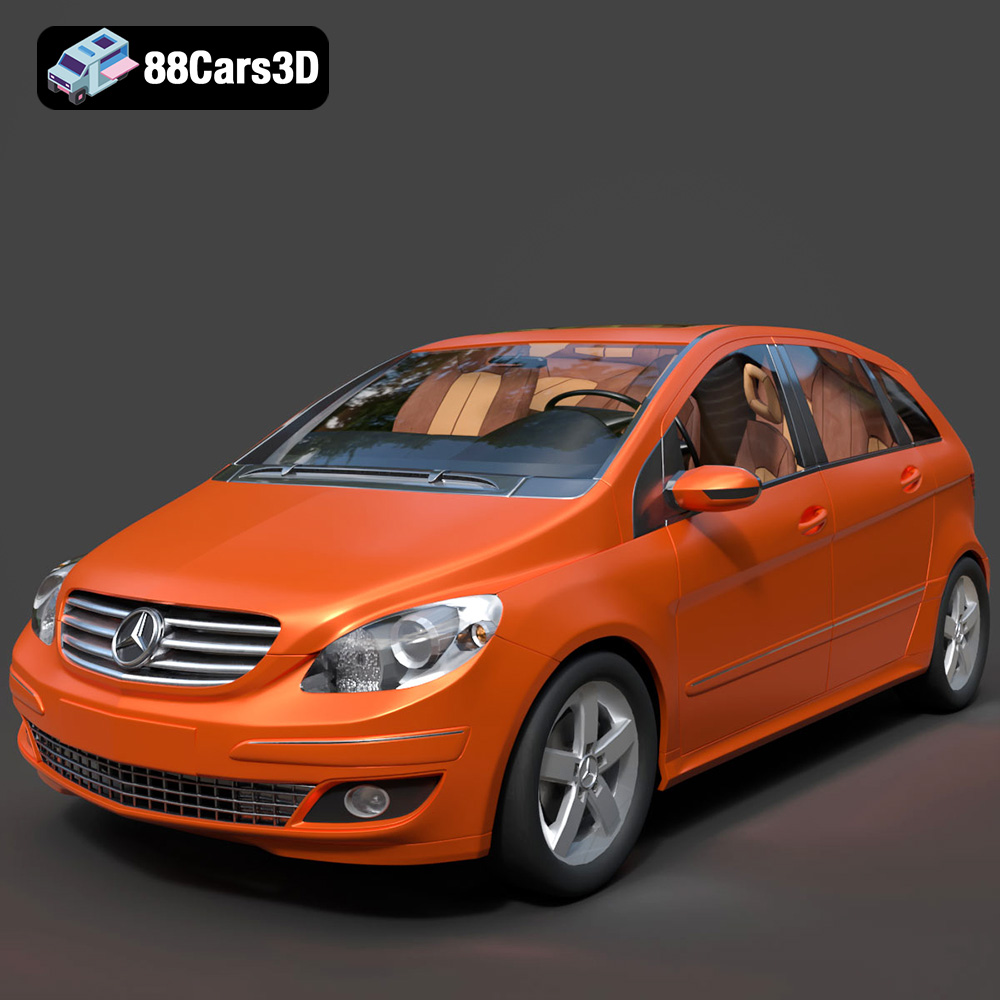
Download the Mercedes-Benz B-Klasse 2023 3D Model featuring clean geometry, realistic detailing, and a fully modeled interior. Includes .blend, .fbx, .obj, .glb, .stl, .ply, .unreal, and .max formats for rendering, simulation, and game development.
Price: $38.99
Texture: Yes
Material: Yes
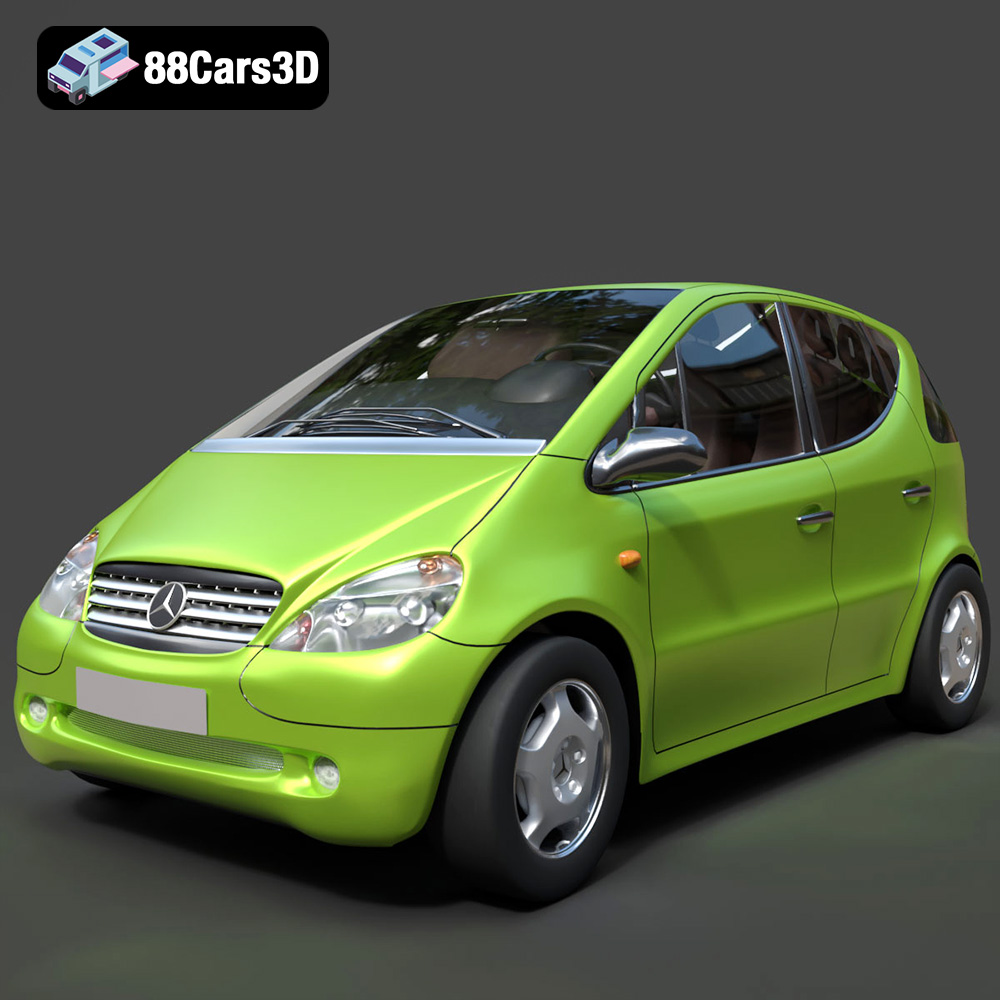
Download the Mercedes-Benz A-Klasse W168 3D Model featuring clean geometry, realistic detailing, and a fully modeled interior. Includes .blend, .fbx, .obj, .glb, .stl, .ply, .unreal, and .max formats for rendering, simulation, and game development.
Price: $38.99
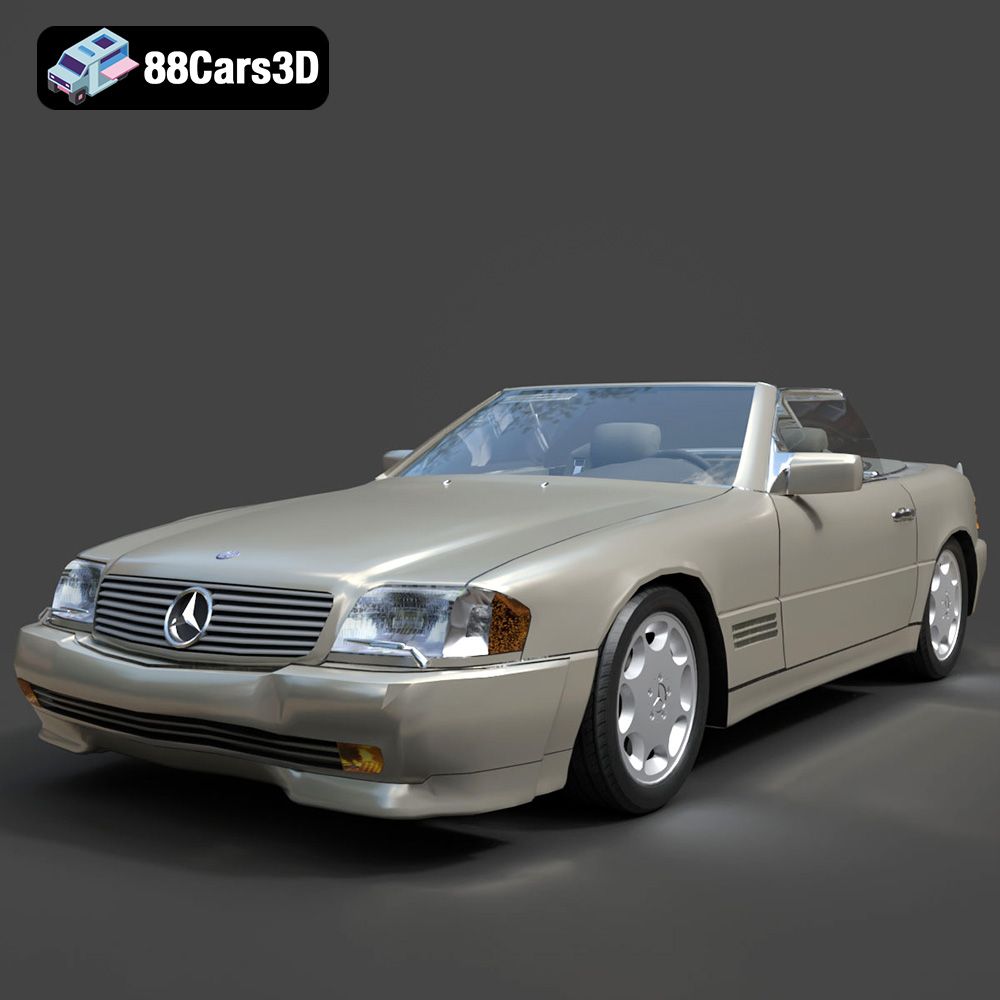
Texture: Yes
Material: Yes
Download the Mercedes-Benz 500SL 2000 3D Model featuring clean geometry, realistic detailing, and a fully modeled interior. Includes .blend, .fbx, .obj, .glb, .stl, .ply, .unreal, and .max formats for rendering, simulation, and game development.
Price: $38.99
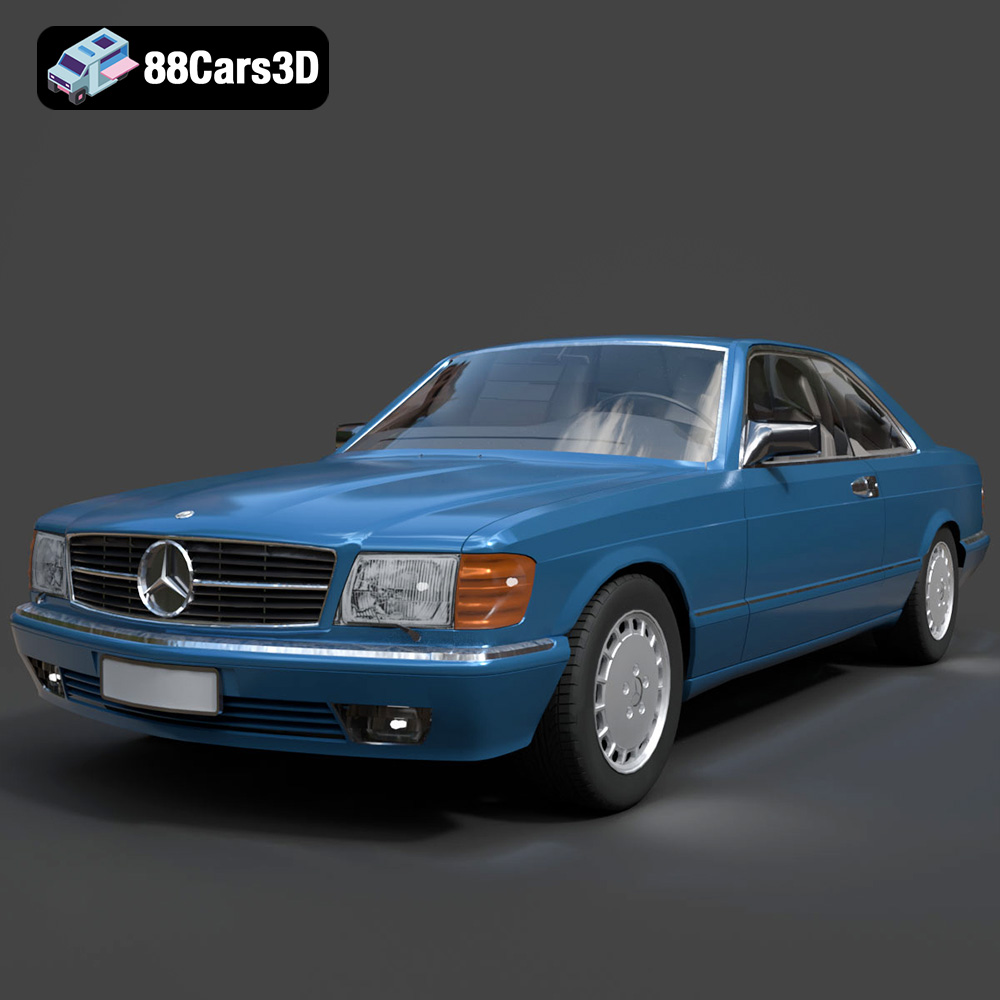
Texture: Yes
Material: Yes
Download the Mercedes-Benz 500SEC 3D Model featuring clean geometry, realistic detailing, and a fully modeled interior. Includes .blend, .fbx, .obj, .glb, .stl, .ply, .unreal, and .max formats for rendering, simulation, and game development.
Price: $38.99
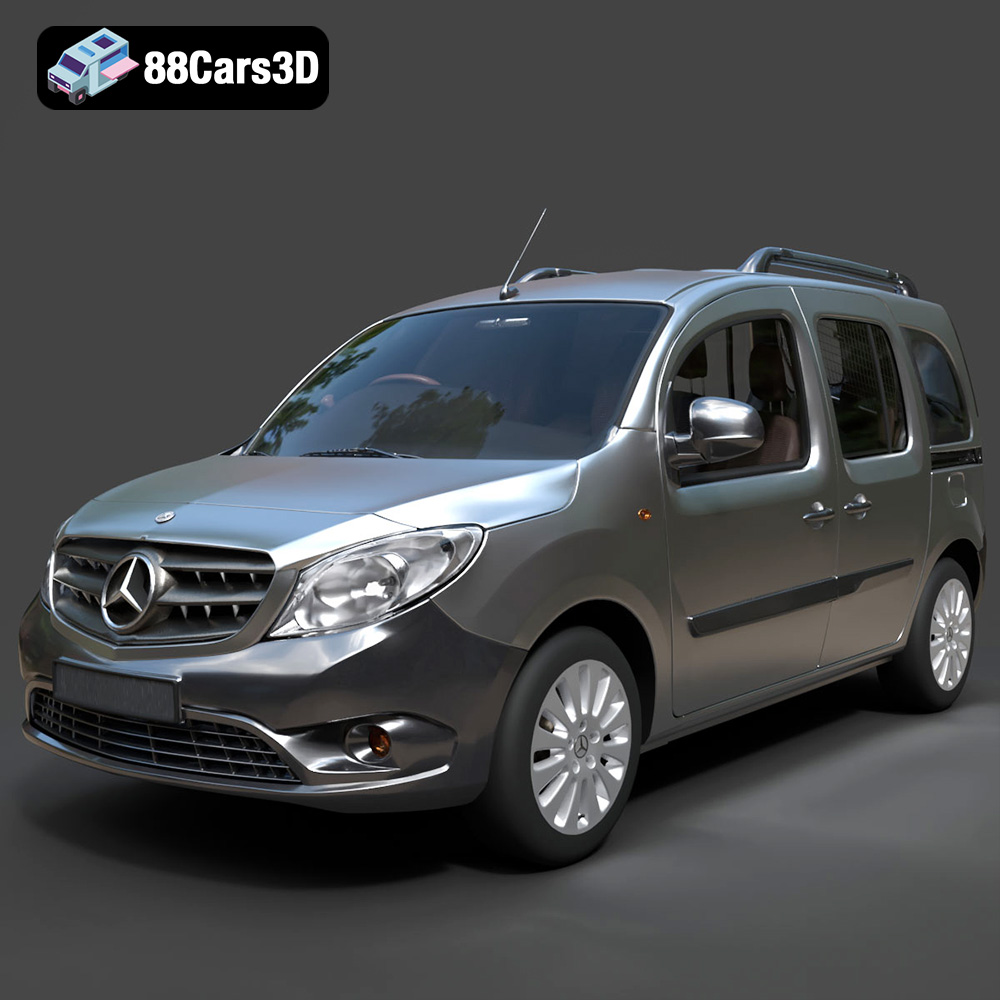
Texture: Yes
Material: Yes
Download the Mercedes-Benz Citan 2025 3D Model featuring clean geometry, realistic detailing, and a fully modeled interior. Includes .blend, .fbx, .obj, .glb, .stl, .ply, .unreal, and .max formats for rendering, simulation, and game development.
Price: $38.99
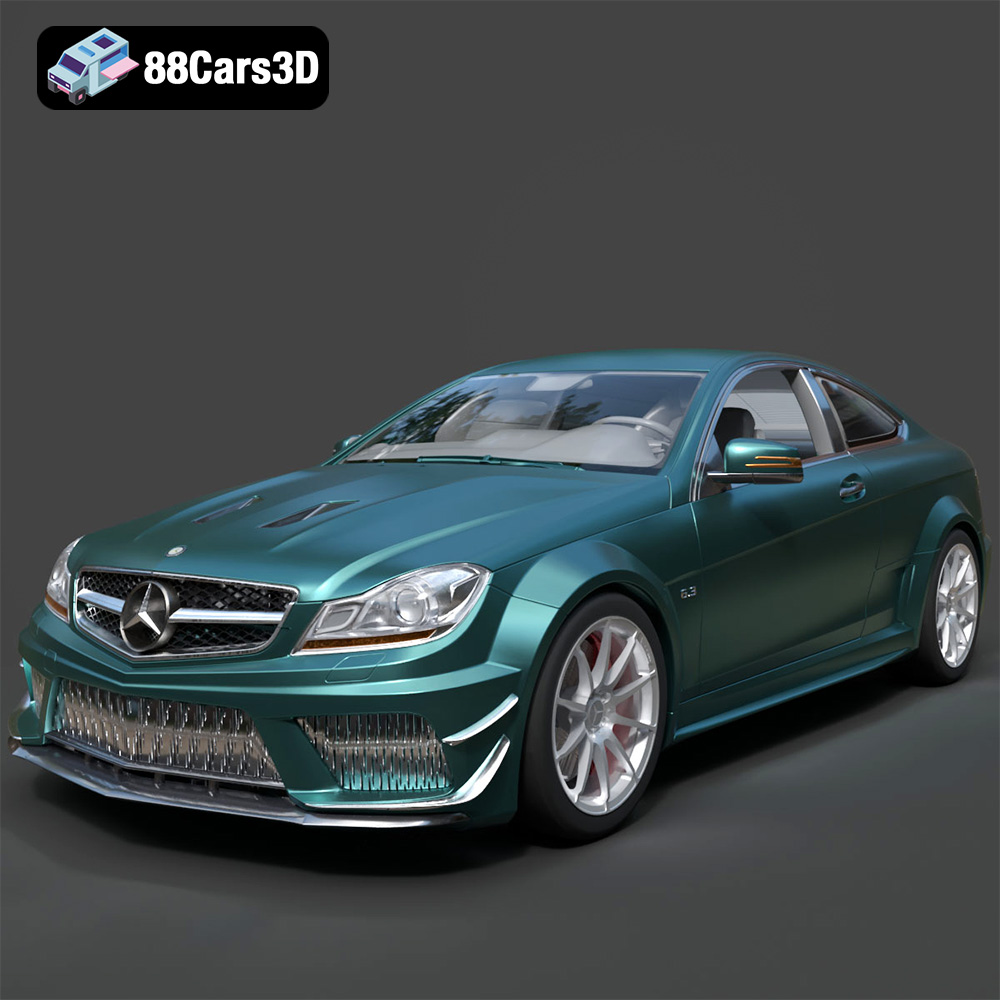
Texture: Yes
Material: Yes
Download the Mercedes-Benz C63 AMG 2012 3D Model featuring clean geometry, realistic detailing, and a fully modeled interior. Includes .blend, .fbx, .obj, .glb, .stl, .ply, .unreal, and .max formats for rendering, simulation, and game development.
Price: $38.99
Texture: Yes
Material: Yes
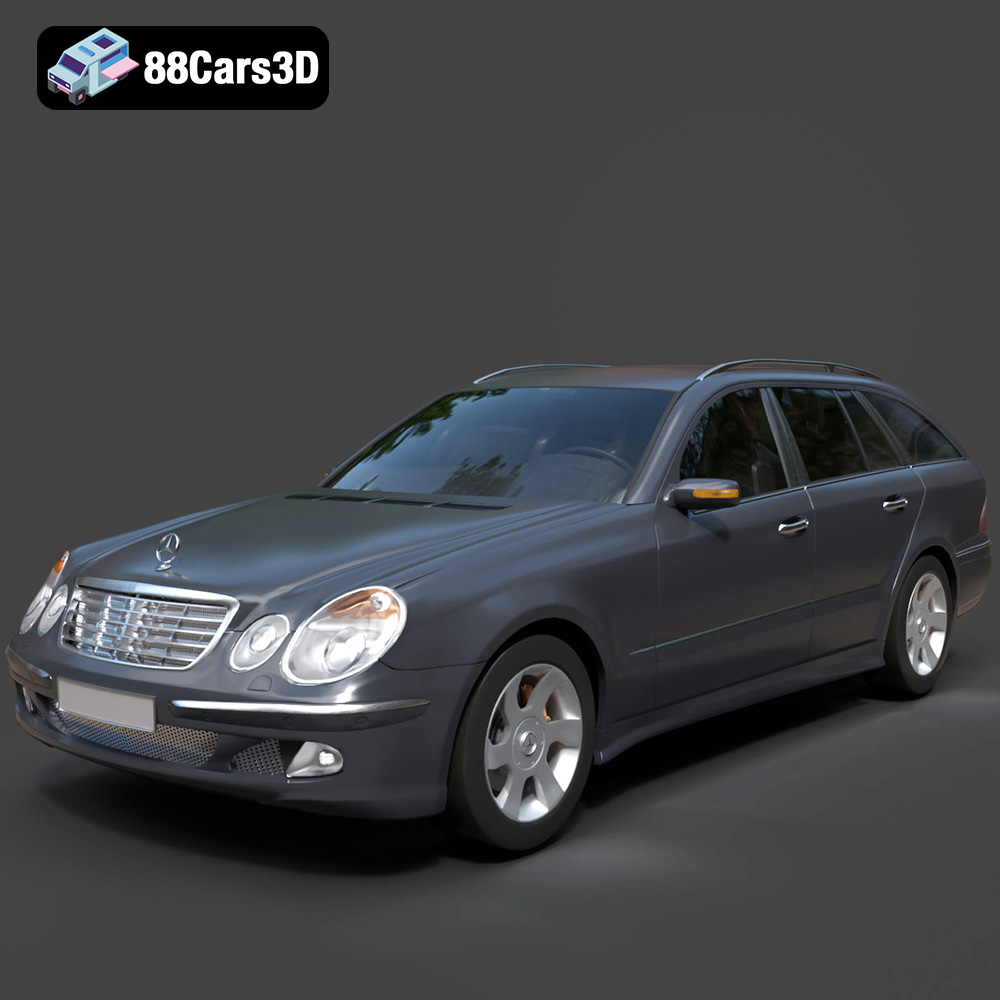
Download the Mercedes-Benz E-Class S211 3D Model featuring clean geometry, realistic detailing, and a fully modeled interior. Includes .blend, .fbx, .obj, .glb, .stl, .ply, .unreal, and .max formats for rendering, simulation, and game development.
Price: $38.99
Texture: Yes
Material: Yes
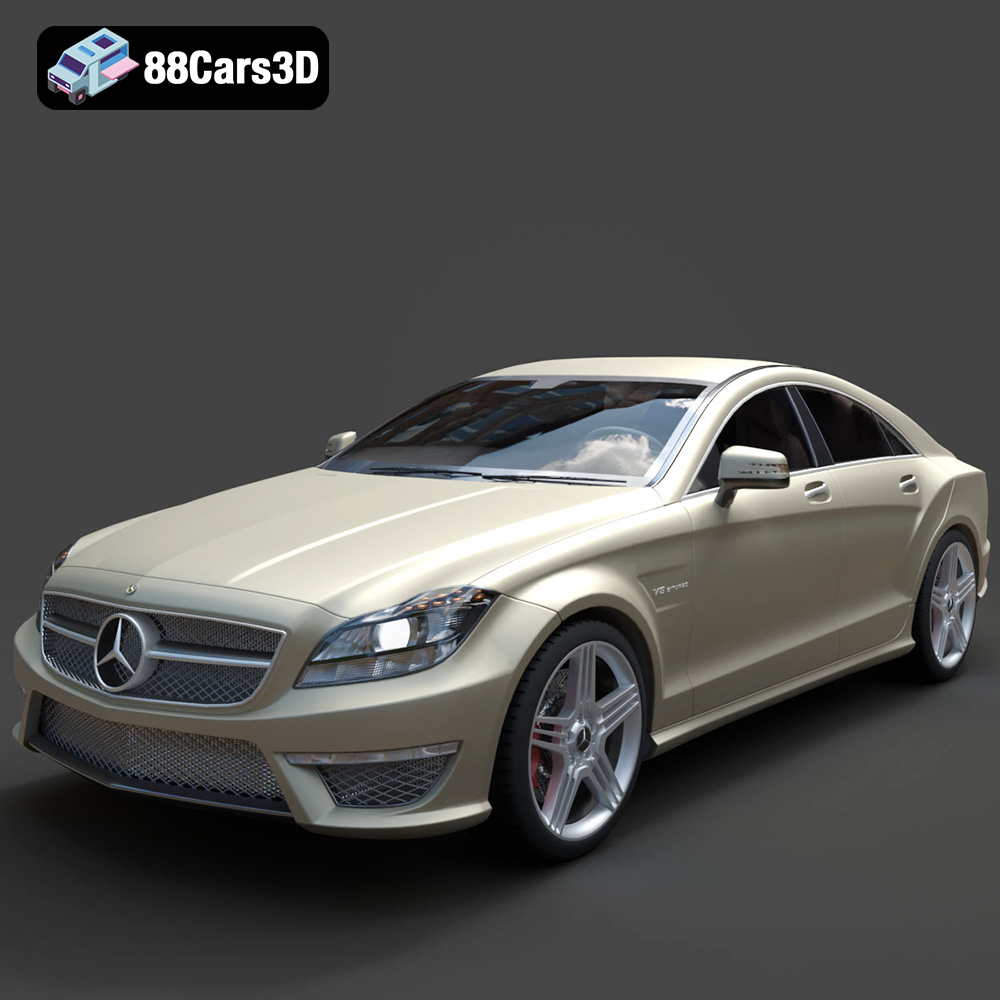
Download the Mercedes-Benz CLS63 AMG (C218) 2014 3D Model featuring clean geometry, realistic detailing, and a fully modeled interior. Includes .blend, .fbx, .obj, .glb, .stl, .ply, .unreal, and .max formats for rendering, simulation, and game development.
Price: $38.99
Texture: Yes
Material: Yes
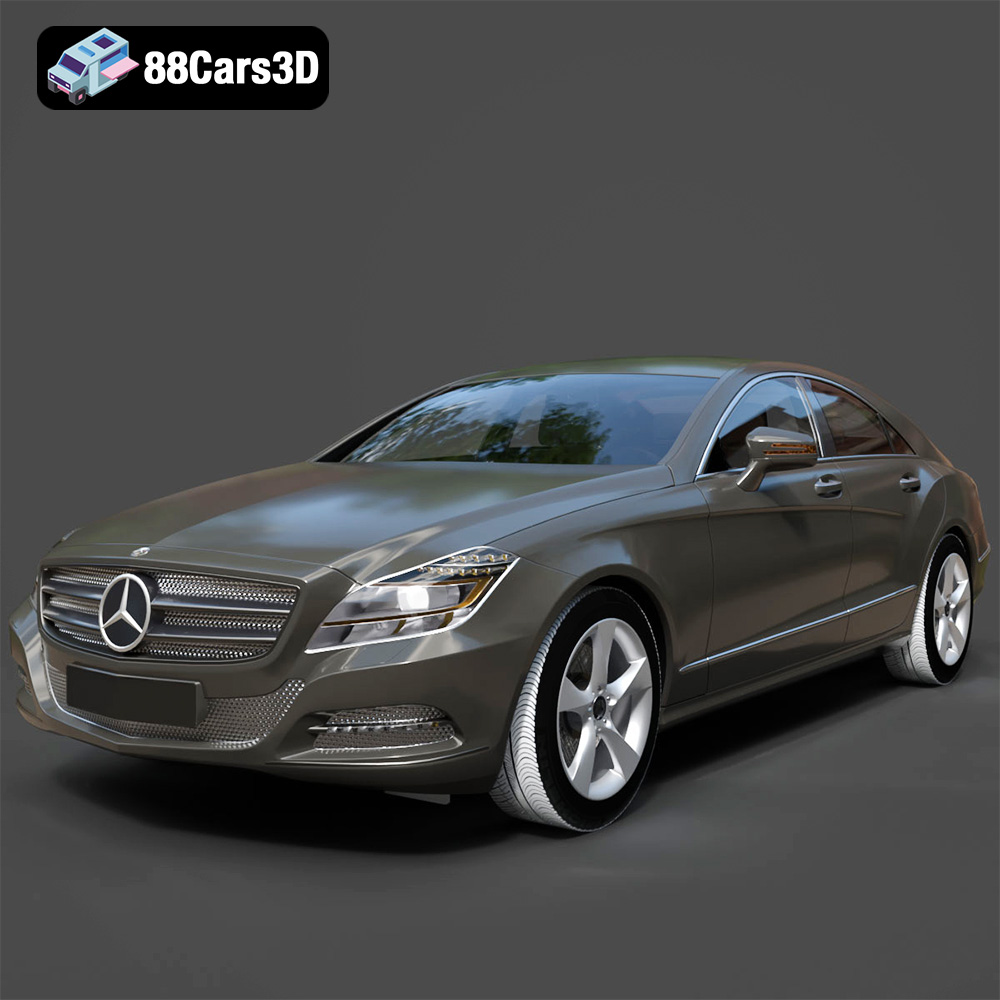
Download the Mercedes-Benz CLS-Klasse 3D Model featuring clean geometry, realistic detailing, and a fully modeled interior. Includes .blend, .fbx, .obj, .glb, .stl, .ply, .unreal, and .max formats for rendering, simulation, and game development.
Price: $38.99
Texture: Yes
Material: Yes
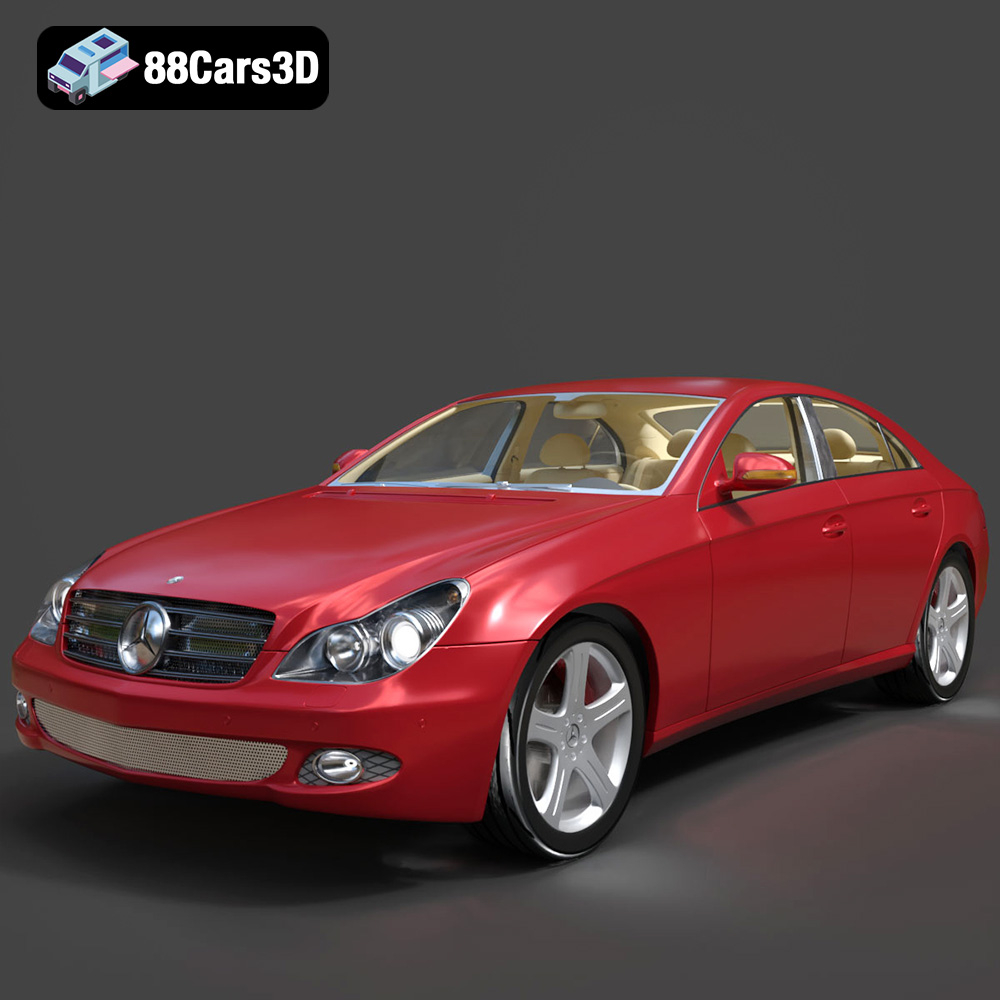
Download the Mercedes-Benz CLS 500 3D Model featuring clean geometry, realistic detailing, and a fully modeled interior. Includes .blend, .fbx, .obj, .glb, .stl, .ply, .unreal, and .max formats for rendering, simulation, and game development.
Price: $38.99

Texture: Yes
Material: Yes
Download the Mercedes-Benz CL-Klasse 2001 3D Model featuring clean geometry, realistic detailing, and a fully modeled interior. Includes .blend, .fbx, .obj, .glb, .stl, .ply, .unreal, and .max formats for rendering, simulation, and game development.
Price: $38.99

