Get 20% OFF All Premium 3D & STL Models!

The quest for photorealism in digital automotive visualization has always pushed the boundaries of technology. From static renders to interactive experiences, capturing the intricate beauty of a vehicle, from its sleek curves to the nuanced interplay of light on its paint, demands exceptional tools and expertise. Historically, achieving this level of fidelity often meant lengthy offline renders, but with the advent of **Unreal Engine 5**, the landscape has dramatically shifted.
**Unreal Engine 5** empowers artists and designers to create stunning, interactive automotive experiences in real-time, blurring the line between virtual and reality. Leveraging groundbreaking technologies like Lumen and Nanite, it offers an unprecedented opportunity to move beyond static showroom images into dynamic, living visualizations. This comprehensive guide will deep dive into the technical strategies required to master photorealistic automotive rendering within Unreal Engine 5, transforming your vehicle models into breathtaking digital masterpieces.
The foundation of any photorealistic rendering project is a high-quality 3D model. Automotive models, in particular, demand extreme precision and detail, often comprising millions of polygons. While this level of detail is crucial for visual fidelity, it historically posed significant performance challenges in game engines. Unreal Engine 5’s Nanite technology fundamentally changes this paradigm.
Before importing, ensure your model is clean and optimized. This includes proper scaling, centered pivots, and a logical hierarchy for individual components like body panels, wheels, and interior elements. For source models, such as those found on 88cars3d.com, ensuring clean topology and separated material IDs will streamline the import process significantly.
* **UV Mapping:** Even with Nanite, UV maps are essential for material application, particularly for textures that require specific projection, like tire treads or decals. Ensure non-overlapping UVs for lightmapping if static lighting is ever considered, and for general texture accuracy.
* **Material IDs:** Assign unique material IDs to different parts of your model (e.g., body, glass, tires, headlights). This makes it much easier to apply different **PBR materials** within Unreal Engine.
* **File Format:** FBX is the recommended format for importing models into Unreal Engine, ensuring proper transfer of meshes, materials, and UVs.
Nanite is Unreal Engine 5’s virtualized geometry system, designed to handle immense polygon counts with incredible efficiency. It streams and renders only the necessary detail, regardless of the original mesh complexity, making it perfect for high-fidelity automotive assets.
* **Enabling Nanite:** Upon importing your FBX file, simply right-click on the static mesh in the Content Browser, go to Nanite, and click “Enable Nanite.” You can also enable it in the Static Mesh Editor.
* **Benefits for Automotive:** Nanite eliminates the need for manual LOD (Level of Detail) creation for most static meshes, allowing you to import CAD-level detail directly. This is revolutionary for **vehicle visualization**, as it maintains perfect silhouette and micro-detail even from extreme close-ups, making every curve and panel line razor-sharp.
* **Considerations:** While Nanite is powerful, certain meshes, like animated parts or those requiring specific mesh deformation, may still benefit from traditional static meshes or skeletal meshes. Interior components or engine parts, however, are prime candidates for Nanite.
The materials applied to an automotive model are paramount to achieving photorealism. A vehicle’s surfaces, especially its paintwork, exhibit complex optical properties that require sophisticated shader setups. **PBR materials** (Physically Based Rendering) are the cornerstone of this realism in Unreal Engine 5.
PBR workflow focuses on accurately simulating how light interacts with surfaces based on real-world physical properties. For automotive rendering, key PBR parameters include:
* **Base Color:** This defines the diffuse color of the surface. For metals, it represents the color of the reflected light.
* **Metallic:** A binary (0 or 1) or grayscale value indicating whether a material is metallic (1) or dielectric/non-metallic (0). Automotive paints are complex, often having metallic flakes within a clear coat, requiring nuanced handling.
* **Roughness:** Controls the microsurface imperfections, determining how sharp or blurry reflections appear. A low roughness value (near 0) results in mirror-like reflections, while a high value (near 1) scatters light, leading to a duller appearance.
* **Specular:** Primarily used for non-metallic surfaces to control the intensity of reflections. For metallic surfaces, the Base Color typically handles specular intensity.
* **Normal Map:** Adds surface detail without increasing polygon count, crucial for subtle panel gaps or texture.
An authentic **automotive paint shader** is a multi-layered masterpiece. It typically consists of a base color coat, metallic flakes embedded within, and a highly reflective clear coat.
* **Base Coat Color:** Start with a standard PBR material. The Base Color will be the primary hue of your paint.
* **Metallic Flakes:** This is where the magic happens.
* **Micro Normal Map:** Use a tiling normal map with very fine, chaotic details to simulate the individual facets of metallic flakes. Blend this with the main surface normal.
* **Anisotropy:** Real-world metallic flakes often exhibit anisotropic reflections, where reflections appear stretched in a particular direction. While Unreal Engine’s standard material doesn’t have a direct anisotropy input, you can simulate it with custom shader logic using a second normal map or by subtly distorting reflections in the clear coat.
* **Randomness:** Varying the roughness of the metallic flakes based on a grunge texture can add organic imperfection.
* **Flake Density & Size:** These can be controlled by parameters exposed in your material instance, allowing designers to tweak the appearance without recompiling the shader.
* **Clear Coat Layer:** This is perhaps the most critical component for a convincing automotive finish.
* **Clear Coat Input:** Unreal Engine’s default material provides a “Clear Coat” input. Set its strength to 1.
* **Clear Coat Roughness:** This should generally be very low (e.g., 0.01-0.05) to simulate the highly polished, glossy surface of the clear coat. Varying this with a very subtle grunge texture can introduce micro-scratches or dust for added realism.
* **Clear Coat Normal:** This input allows you to apply separate normal map details for the clear coat, ideal for simulating orange peel effect or subtle surface imperfections unique to the top layer.
* **IOR (Index of Refraction):** While not a direct input, the clear coat’s reflective properties are physically based, and its Fresnel effect (how reflections change with viewing angle) is crucial. Ensure your material setup properly calculates this for the clear coat.
Beyond paint, realistic glass, tires, and other materials contribute significantly to overall realism.
* **Glass Material:**
* **Translucency:** Use the “Translucent” blend mode.
* **Refraction:** The “Refraction” input (often driven by a material parameter or a simple constant) is key. Values around 1.3-1.5 are common for automotive glass.
* **Roughness:** A very low roughness (0.01-0.05) is typical for clean glass, but can be increased for dirty or frosted effects.
* **Tint:** Control the color of the glass through the Base Color or a separate tint parameter.
* **Reflections:** Ensure the material allows for clear reflections, as these are critical for selling the realism of glass.
* **Tires:** Utilize high-resolution normal maps for tread patterns and sidewall details. The material should have a low metallic value and a moderate roughness to represent rubber. Varying roughness with grunge textures can simulate wear.
* **Plastics and Carbon Fiber:** Apply appropriate PBR values. Carbon fiber, in particular, benefits from intricate normal maps and often an anisotropic clear coat effect, similar to metallic paint, to capture its woven texture and unique sheen.
Lighting is the ultimate sculptor of realism. Unreal Engine 5’s **Lumen GI** and robust **HDRI lighting** capabilities offer unprecedented tools for creating dynamic, physically accurate illumination that brings automotive scenes to life.
Lumen is Unreal Engine 5’s new fully dynamic global illumination and reflections system, providing highly realistic indirect lighting in real-time. This eliminates the need for baking lightmaps, allowing for iterative design and instant feedback, which is invaluable for **vehicle visualization**.
* **Enabling Lumen:** Ensure Lumen is enabled in your project settings (Edit > Project Settings > Rendering > Global Illumination and Reflections). Set “Global Illumination Method” and “Reflection Method” to Lumen.
* **Lumen’s Impact on Automotive:** Lumen accurately simulates how light bounces off surfaces, illuminating hidden areas and creating soft, natural shadows. This is critical for vehicles, where intricate cavities, wheel wells, and interior spaces often rely heavily on indirect light for realism. The subtle color bleeding from the environment onto the car’s paintwork is also flawlessly handled.
* **Optimization for Automotive:** While Lumen is efficient, large, complex scenes can still benefit from optimization.
* **Lumen Scene Details:** Adjust the `r.Lumen.DiffuseTracing.MaxConeCount` and `r.Lumen.Reflections.MaxConeCount` console variables for performance vs. quality.
* **Material Properties:** Ensure your **PBR materials** have correct Emissive, Base Color, and Roughness values, as Lumen relies on these for accurate light bounce calculations. Highly emissive materials will act as light sources within the scene.
* **Distance Fields:** Lumen relies on Signed Distance Fields for geometry representation. Ensure your geometry is suitable; dense, overlapping meshes can sometimes cause artifacts, though Nanite mitigates many of these issues.
High Dynamic Range Image (HDRI) lighting is essential for grounding your vehicle in a realistic environment, providing both ambient light and, crucially, accurate reflections.
* **Implementing HDRI:**
* **Sky Light:** In Unreal Engine, an HDRI is typically applied to a Sky Light. Create a Sky Light actor in your scene.
* **Cubemap:** Set the “Source Type” of the Sky Light to “SLS Captured Scene” and load your HDRI cubemap texture into the “Cubemap” slot. Good quality HDRIs, offering varying lighting conditions, are readily available online.
* **Intensity and Rotation:** Adjust the Sky Light’s intensity to match your desired exposure. Rotate the cubemap to orient the light source (e.g., the sun in the HDRI) in your scene, impacting both direct lighting and reflections.
* **Synergy with Lumen:** Lumen works in tandem with the Sky Light. The Sky Light provides direct sky lighting and reflections, while Lumen handles the bounced indirect lighting within the scene, creating a cohesive and realistic lighting solution. This combination is key for achieving truly **real-time rendering** with photographic quality.
* **Controlling Reflections:** For a **photorealistic automotive rendering**, reflections are paramount. The HDRI provides an accurate environmental reflection. Combine this with Screen Space Reflections (SSR) for close-up details and Lumen’s own reflection capabilities for a comprehensive reflective surface. Ensuring your automotive paint shader has correct roughness and metallic values will dictate how these reflections are displayed.
Beyond HDRI, specific light sources are vital for accentuating details and creating dramatic effects.
* **Directional Light:** Represents the sun. Align its rotation with the sun in your HDRI for consistency. Use a high intensity and ensure “Cast Shadow” is enabled.
* **Rect Lights/Area Lights:** Ideal for studio setups or simulating softbox lighting. Their size and shape directly influence the softness and spread of light, crucial for highlighting body lines.
* **Spot Lights:** Can be used for targeted illumination, like headlights or specific detail spotlights.
* **Exposure:** Proper exposure settings in your Post Process Volume are essential to balance the intensity of all light sources, preventing blown-out highlights or overly dark shadows.
Achieving render-quality visuals isn’t just about models and lighting; it’s also about how the scene is framed and presented. Cinematic camera settings and a robust post-processing pipeline are critical for transforming raw **real-time rendering** into polished, photorealistic imagery.
Just like a real-world photographer, you need to think about focal length, aperture, and composition to make your vehicle stand out.
* **Focal Length:**
* **Telephoto (e.g., 85mm-200mm):** Ideal for isolating the vehicle, compressing backgrounds, and minimizing perspective distortion, creating a flattering look for automotive body lines.
* **Standard (e.g., 35mm-50mm):** Provides a natural field of view, good for balanced shots showing the car in its environment.
* **Wide (e.g., 18mm-24mm):** Can create dramatic, dynamic shots but beware of extreme distortion, especially on rounded surfaces.
* **Aperture (F-Stop) and Depth of Field (DOF):**
* A low F-stop value (e.g., f/1.4-f/2.8) creates a shallow DOF, blurring the background and foreground to draw attention to the vehicle. This is a common technique in automotive photography.
* Ensure your focus distance is precisely on the car to keep it sharp while artfully blurring elements around it.
* **Motion Blur:** For dynamic shots or animated sequences, per-object motion blur adds realism, simulating the blurring effect of speed. Use it sparingly and with careful settings to avoid excessive smearing.
* **Composition:** Apply fundamental photography rules like the rule of thirds, leading lines, and negative space to create compelling and balanced shots. Consider how the vehicle interacts with its environment for optimal **vehicle visualization**.
The Post Process Volume is your final opportunity to elevate the visual fidelity of your scene, adding cinematic flair and correcting any visual discrepancies.
* **Color Grading:** This is where you set the mood and overall aesthetic.
* **Exposure:** Fine-tune the overall brightness of your scene.
* **White Balance:** Adjust the color temperature to achieve a neutral white or a specific warm/cool tone.
* **Global, Midtones, Shadows, Highlights:** Use Lift/Gamma/Gain or individual color wheels to subtly adjust color balance and contrast across different luminance ranges.
* **Saturation/Contrast:** Control the vibrancy of colors and the difference between light and dark areas.
* **Bloom:** Simulates light bleeding around bright areas. Use it subtly to enhance glowing elements like headlights or bright reflections on chrome. Excessive bloom can make scenes look washed out.
* **Ambient Occlusion (AO):** Adds contact shadows where surfaces meet, enhancing depth and realism. Unreal Engine offers Screen Space Ambient Occlusion (SSAO) and also leverages Lumen’s more accurate GI-based AO.
* **Lens Flares:** Can add a cinematic touch when a bright light source (like the sun) is directly in view. Use sparingly for effect.
* **Vignette:** A subtle darkening of the image corners can draw the viewer’s eye towards the center, enhancing focus on the vehicle.
* **Sharpness:** A slight increase in sharpness can give the final image a crisper, more defined look, especially beneficial for showcasing the intricate details of a high-resolution automotive model.
* **Chromatic Aberration:** Replicates the lens distortion where colors separate at high contrast edges. Use very subtly, if at all, to avoid an amateurish look.
While **Unreal Engine 5** offers incredible power, maintaining optimal performance is crucial, especially when working with high-fidelity automotive assets and striving for **real-time rendering**. Efficient workflows ensure smooth iterations and ultimately, better results.
Even with Nanite and Lumen, resource management is key, particularly for interactive experiences or when targeting specific hardware.
* **Nanite Management:** While Nanite handles geometric complexity, ensure your source models from resources like 88cars3d.com are well-constructed. Avoid unnecessary geometry that doesn’t contribute to visual fidelity, as even Nanite has a processing cost. For very high polygon counts (tens of millions per object), consider decimation in your DCC tool before import for non-critical parts if performance becomes an issue.
* **Lumen Settings:** Adjust Lumen’s quality and performance settings in the Project Settings and Post Process Volume. Lower-quality settings might be acceptable for distant elements or less critical views, while higher settings are reserved for hero shots.
* **Software Ray Tracing Mode:** “Detail Tracing” is higher quality but more expensive; “Global Tracing” is faster.
* **Max Trace Distance:** Control how far Lumen rays will trace.
* **Scene Lighting Quality:** Adjusts the resolution of Lumen’s calculations.
* **Material Complexity:** Keep material graphs as optimized as possible. Complex calculations, especially in the pixel shader, can significantly impact performance. Use instanced materials to efficiently manage variations of your **automotive paint shader** and other **PBR materials**.
* **Texture Resolution:** While high-resolution textures are desirable, ensure they are appropriately sized for their visual impact. Textures on small, distant objects can often be lower resolution. Unreal Engine’s texture streaming helps, but judicious use is still beneficial.
* **Shadow Quality:** Dynamic shadows are expensive. Optimize shadow settings for Directional Lights (Cascaded Shadow Maps), Spot Lights, and Point Lights. Reduce shadow resolution or distance for less critical lights.
A structured approach to your project will save time and headaches.
* **Content Organization:** Maintain a clean and logical folder structure within your Unreal Engine project. Separate folders for models, materials, textures, blueprints, and levels make navigation and collaboration much easier.
* **Material Instances:** Always create Material Instances from your master materials. This allows you to easily tweak parameters like paint color, roughness, or flake size without recompiling the base shader, speeding up iteration dramatically. This is vital for fine-tuning your **automotive paint shader** for a specific look.
* **Blueprints for Modularity:** Package your vehicle and its components into a Blueprint. This allows you to easily reuse the asset across different scenes, add interactive elements (e.g., opening doors, turning wheels), and apply global changes efficiently.
* **Version Control:** Use a version control system (like Perforce or Git LFS) to track changes to your project, allowing for safe experimentation and collaboration.
* **Profiling Tools:** Utilize Unreal Engine’s built-in profilers (e.g., Stat Unit, Stat GPU, Stat RHI) to identify performance bottlenecks. This data is invaluable for pinpointing exactly where your scene is consuming the most resources and guiding your optimization efforts.
The combination of **Nanite optimization**, **Lumen GI**, and a meticulous approach to **PBR materials** makes **Unreal Engine 5** an unparalleled platform for achieving stunning **photorealistic automotive rendering** in real-time. By mastering these techniques, you can move beyond static images to create truly interactive and immersive **vehicle visualization** experiences.
The journey to achieving photorealistic automotive rendering in **Unreal Engine 5** is a testament to both artistic skill and technical mastery. We’ve explored the critical steps, from the initial optimization of high-detail models using **Nanite optimization**, to crafting intricate **automotive paint shader** systems with **PBR materials**, and finally, illuminating the scene with the dynamic power of **Lumen GI** and **HDRI lighting**. The ultimate finesse comes from cinematic camera work and meticulous post-processing, which together transform a raw scene into a render-quality masterpiece that truly shines in **real-time rendering**.
The tools available within Unreal Engine 5 empower artists, designers, and developers to push the boundaries of **vehicle visualization**, delivering experiences that were once confined to pre-rendered animations. Whether you’re creating next-generation games, interactive product configurators, or cutting-edge marketing materials, the path to unparalleled realism is clearer than ever. Start experimenting with these techniques today, and for high-quality, pre-optimized automotive models to kickstart your projects, be sure to explore the extensive collection available at 88cars3d.com. Embrace the future of real-time photorealism and bring your automotive visions to life!

Texture: Yes
Material: Yes
Download the Skoda Octavia A7 2017 3D Model featuring clean geometry, realistic detailing, and a fully modeled interior. Includes .blend, .fbx, .obj, .glb, .stl, .ply, .unreal, and .max formats for rendering, simulation, and game development.
Price: $10

Texture: Yes
Material: Yes
Download the Suzuki SX4-002 3D Model featuring clean geometry, realistic detailing, and a fully modeled interior. Includes .blend, .fbx, .obj, .glb, .stl, .ply, .unreal, and .max formats for rendering, simulation, and game development.
Price: $10

Texture: Yes
Material: Yes
Download the Tesla Model S 2024 3D Model featuring clean geometry, realistic detailing, and a fully modeled interior. Includes .blend, .fbx, .obj, .glb, .stl, .ply, .unreal, and .max formats for rendering, simulation, and game development.
Price: $10

Texture: Yes
Material: Yes
Download the Subaru Impreza WRX STi-002 3D Model featuring clean geometry, realistic detailing, and a fully modeled interior. Includes .blend, .fbx, .obj, .glb, .stl, .ply, .unreal, and .max formats for rendering, simulation, and game development.
Price: $10

Texture: Yes
Material: Yes
Download the Subaru Impreza WRX STi Sedan 3D Model featuring clean geometry, realistic detailing, and a fully modeled interior. Includes .blend, .fbx, .obj, .glb, .stl, .ply, .unreal, and .max formats for rendering, simulation, and game development.
Price: $10

Texture: Yes
Material: Yes
Download the Subaru Legacy 2009 3D Model featuring clean geometry, realistic detailing, and a fully modeled interior. Includes .blend, .fbx, .obj, .glb, .stl, .ply, .unreal, and .max formats for rendering, simulation, and game development.
Price: $10

Texture: Yes
Material: Yes
Download the Suzuki Swift 2024 3D Model featuring clean geometry, realistic detailing, and a fully modeled interior. Includes .blend, .fbx, .obj, .glb, .stl, .ply, .unreal, and .max formats for rendering, simulation, and game development.
Price: $10

Texture: Yes
Material: Yes
Download the Suzuki Liana Sedan 2004 3D Model featuring clean geometry, realistic detailing, and a fully modeled interior. Includes .blend, .fbx, .obj, .glb, .stl, .ply, .unreal, and .max formats for rendering, simulation, and game development.
Price: $10

Texture: Yes
Material: Yes
Download the Subaru Outback 2024 3D Model featuring clean geometry, realistic detailing, and a fully modeled interior. Includes .blend, .fbx, .obj, .glb, .stl, .ply, .unreal, and .max formats for rendering, simulation, and game development.
Price: $10

Texture: Yes
Material: Yes
Download the Subaru Legacy 2003 3D Model featuring clean geometry, realistic detailing, and a fully modeled interior. Includes .blend, .fbx, .obj, .glb, .stl, .ply, .unreal, and .max formats for rendering, simulation, and game development.
Price: $10

Texture: Yes
Material: Yes
Download the Subaru Legacy Touring Wagon 3D Model featuring clean geometry, realistic detailing, and a fully modeled interior. Includes .blend, .fbx, .obj, .glb, .stl, .ply, .unreal, and .max formats for rendering, simulation, and game development.
Price: $10

Texture: Yes
Material: Yes
Download the Toyota Mark II (X100) 3D Model featuring clean geometry, realistic detailing, and a fully modeled interior. Includes .blend, .fbx, .obj, .glb, .stl, .ply, .unreal, and .max formats for rendering, simulation, and game development.
Price: $10

Texture: Yes
Material: Yes
Download the Toyota Corona 1985 3D Model featuring clean geometry, realistic detailing, and a fully modeled interior. Includes .blend, .fbx, .obj, .glb, .stl, .ply, .unreal, and .max formats for rendering, simulation, and game development.
Price: $10

Texture: Yes
Material: Yes
Download the Toyota Mark II X81 1990 3D Model featuring clean geometry, realistic detailing, and a fully modeled interior. Includes .blend, .fbx, .obj, .glb, .stl, .ply, .unreal, and .max formats for rendering, simulation, and game development.
Price: $10

Texture: Yes
Material: Yes
Download the Toyota iQ EV 2012 3D Model featuring clean geometry, realistic detailing, and a fully modeled interior. Includes .blend, .fbx, .obj, .glb, .stl, .ply, .unreal, and .max formats for rendering, simulation, and game development.
Price: $10

Texture: Yes
Material: Yes
Download the Toyota Aygo 2013 3D Model featuring clean geometry, realistic detailing, and a fully modeled interior. Includes .blend, .fbx, .obj, .glb, .stl, .ply, .unreal, and .max formats for rendering, simulation, and game development.
Price: $10

Texture: Yes
Material: Yes
Download the Toyota Crown S180 2005 3D Model featuring clean geometry, realistic detailing, and a fully modeled interior. Includes .blend, .fbx, .obj, .glb, .stl, .ply, .unreal, and .max formats for rendering, simulation, and game development.
Price: $10

Texture: Yes
Material: Yes
Download the Toyota Celica 2004 3D Model featuring clean geometry, realistic detailing, and a fully modeled interior. Includes .blend, .fbx, .obj, .glb, .stl, .ply, .unreal, and .max formats for rendering, simulation, and game development.
Price: $10

Texture: Yes
Material: Yes
Download the Toyota Corolla AE100 1992 3D Model featuring clean geometry, realistic detailing, and a fully modeled interior. Includes .blend, .fbx, .obj, .glb, .stl, .ply, .unreal, and .max formats for rendering, simulation, and game development.
Price: $10

Texture: Yes
Material: Yes
Download the Toyota Mark II X110 2000 3D Model featuring clean geometry, realistic detailing, and a fully modeled interior. Includes .blend, .fbx, .obj, .glb, .stl, .ply, .unreal, and .max formats for rendering, simulation, and game development.
Price: $10

Texture: Yes
Material: Yes
Download the Toyota Corolla 2020 3D Model featuring clean geometry, realistic detailing, and a fully modeled interior. Includes .blend, .fbx, .obj, .glb, .stl, .ply, .unreal, and .max formats for rendering, simulation, and game development.
Price: $10

Texture: Yes
Material: Yes
Download the Toyota Yaris 2020 3D Model featuring clean geometry, realistic detailing, and a fully modeled interior. Includes .blend, .fbx, .obj, .glb, .stl, .ply, .unreal, and .max formats for rendering, simulation, and game development.
Price: $9.9

Texture: Yes
Material: Yes
Download the Volkswagen Beetle 2012 3D Model featuring clean geometry, realistic detailing, and a fully modeled interior. Includes .blend, .fbx, .obj, .glb, .stl, .ply, .unreal, and .max formats for rendering, simulation, and game development.
Price: $9.9

Texture: Yes
Material: Yes
Download the Toyota Matrix 2005 3D Model featuring clean geometry, realistic detailing, and a fully modeled interior. Includes .blend, .fbx, .obj, .glb, .stl, .ply, .unreal, and .max formats for rendering, simulation, and game development.
Price: $9.9

Texture: Yes
Material: Yes
Download the Toyota Yaris Sedan 3D Model featuring clean geometry, realistic detailing, and a fully modeled interior. Includes .blend, .fbx, .obj, .glb, .stl, .ply, .unreal, and .max formats for rendering, simulation, and game development.
Price: $9.9

Texture: Yes
Material: Yes
Download the Volkswagen Golf R-004 2024 3D Model featuring clean geometry, realistic detailing, and a fully modeled interior. Includes .blend, .fbx, .obj, .glb, .stl, .ply, .unreal, and .max formats for rendering, simulation, and game development.
Price: $9.9

Texture: Yes
Material: Yes
Download the Volkswagen Golf 5 Door 2010 3D Model featuring clean geometry, realistic detailing, and a fully modeled interior. Includes .blend, .fbx, .obj, .glb, .stl, .ply, .unreal, and .max formats for rendering, simulation, and game development.
Price: $9.9

Texture: Yes
Material: Yes
Download the Toyota Premio 2010 3D Model featuring clean geometry, realistic detailing, and a fully modeled interior. Includes .blend, .fbx, .obj, .glb, .stl, .ply, .unreal, and .max formats for rendering, simulation, and game development.
Price: $9.9

Texture: Yes
Material: Yes
Download the Toyota Opa 2000 3D Model featuring clean geometry, realistic detailing, and a fully modeled interior. Includes .blend, .fbx, .obj, .glb, .stl, .ply, .unreal, and .max formats for rendering, simulation, and game development.
Price: $9.9

Texture: Yes
Material: Yes
Download the Volkswagen Polo 5 Door 2010 3D Model featuring clean geometry, realistic detailing, and a fully modeled interior. Includes .blend, .fbx, .obj, .glb, .stl, .ply, .unreal, and .max formats for rendering, simulation, and game development.
Price: $9.9

Texture: Yes
Material: Yes
Download the Toyota Prius 2024 3D Model featuring clean geometry, realistic detailing, and a fully modeled interior. Includes .blend, .fbx, .obj, .glb, .stl, .ply, .unreal, and .max formats for rendering, simulation, and game development.
Price: $9.9

Texture: Yes
Material: Yes
Download the Toyota Yaris 1999 3D Model featuring clean geometry, realistic detailing, and a fully modeled interior. Includes .blend, .fbx, .obj, .glb, .stl, .ply, .unreal, and .max formats for rendering, simulation, and game development.
Price: $9.9

Texture: Yes
Material: Yes
Download the Toyota Supra 2020 3D Model featuring clean geometry, realistic detailing, and a fully modeled interior. Includes .blend, .fbx, .obj, .glb, .stl, .ply, .unreal, and .max formats for rendering, simulation, and game development.
Price: $9.9

Texture: Yes
Material: Yes
Download the Volkswagen New Beetle 2000 3D Model featuring clean geometry, realistic detailing, and a fully modeled interior. Includes .blend, .fbx, .obj, .glb, .stl, .ply, .unreal, and .max formats for rendering, simulation, and game development.
Price: $14.99

Texture: Yes
Material: Yes
Download the Volkswagen Jetta 2005 3D Model featuring clean geometry, realistic detailing, and a fully modeled interior. Includes .blend, .fbx, .obj, .glb, .stl, .ply, .unreal, and .max formats for rendering, simulation, and game development.
Price: $18.99

Texture: Yes
Material: Yes
Download the Volkswagen Golf 3-Door 3D Model featuring clean geometry, realistic detailing, and a fully modeled interior. Includes .blend, .fbx, .obj, .glb, .stl, .ply, .unreal, and .max formats for rendering, simulation, and game development.
Price: $14.99

Texture: Yes
Material: Yes
Download the Volvo V70 2005 3D Model featuring clean geometry, realistic detailing, and a fully modeled interior. Includes .blend, .fbx, .obj, .glb, .stl, .ply, .unreal, and .max formats for rendering, simulation, and game development.
Price: $14.99

Texture: Yes
Material: Yes
Download the Volkswagen Bora 2004 3D Model featuring clean geometry, realistic detailing, and a fully modeled interior. Includes .blend, .fbx, .obj, .glb, .stl, .ply, .unreal, and .max formats for rendering, simulation, and game development.
Price: $14.99

Texture: Yes
Material: Yes
Download the Volkswagen Lupo 3D Model featuring clean geometry, realistic detailing, and a fully modeled interior. Includes .blend, .fbx, .obj, .glb, .stl, .ply, .unreal, and .max formats for rendering, simulation, and game development.
Price: $19.99

Texture: Yes
Material: Yes
Download the Volkswagen Passat B5 2000 3D Model featuring clean geometry, realistic detailing, and a fully modeled interior. Includes .blend, .fbx, .obj, .glb, .stl, .ply, .unreal, and .max formats for rendering, simulation, and game development.
Price: $19.99

Texture: Yes
Material: Yes
Download the Volkswagen Passat CC 3D Model featuring clean geometry, realistic detailing, and a fully modeled interior. Includes .blend, .fbx, .obj, .glb, .stl, .ply, .unreal, and .max formats for rendering, simulation, and game development.
Price: $19.99

Texture: Yes
Material: Yes
Download the Volkswagen Golf V 2006 3D Model featuring clean geometry, realistic detailing, and a fully modeled interior. Includes .blend, .fbx, .obj, .glb, .stl, .ply, .unreal, and .max formats for rendering, simulation, and game development.
Price: $19.99

Texture: Yes
Material: Yes
Download the Volvo S60 R-Design 3D Model featuring clean geometry, realistic detailing, and a fully modeled interior. Includes .blend, .fbx, .obj, .glb, .stl, .ply, .unreal, and .max formats for rendering, simulation, and game development.
Price: $19.99

Texture: Yes
Material: Yes
Download the Volkswagen Passat 2025 3D Model featuring clean geometry, realistic detailing, and a fully modeled interior. Includes .blend, .fbx, .obj, .glb, .stl, .ply, .unreal, and .max formats for rendering, simulation, and game development.
Price: $25.99

Texture: Yes
Material: Yes
Download the Volkswagen Passat Variant B6 2005 3D Model featuring clean geometry, realistic detailing, and a fully modeled interior. Includes .blend, .fbx, .obj, .glb, .stl, .ply, .unreal, and .max formats for rendering, simulation, and game development.
Price: $25.99

Texture: Yes
Material: Yes
Download the Volkswagen Phaeton W12 2004 3D Model featuring clean geometry, realistic detailing, and a fully modeled interior. Includes .blend, .fbx, .obj, .glb, .stl, .ply, .unreal, and .max formats for rendering, simulation, and game development.
Price: $25.99

Texture: Yes
Material: Yes
Download the Volkswagen Scirocco 2015 3D Model featuring clean geometry, realistic detailing, and a fully modeled interior. Includes .blend, .fbx, .obj, .glb, .stl, .ply, .unreal, and .max formats for rendering, simulation, and game development.
Price: $25.99

Texture: Yes
Material: Yes
Download the Volvo S60 2024 3D Model featuring clean geometry, realistic detailing, and a fully modeled interior. Includes .blend, .fbx, .obj, .glb, .stl, .ply, .unreal, and .max formats for rendering, simulation, and game development.
Price: $25.99

Texture: Yes
Material: Yes
Download the Volkswagen Polo 3D Model featuring clean geometry, realistic detailing, and a fully modeled interior. Includes .blend, .fbx, .obj, .glb, .stl, .ply, .unreal, and .max formats for rendering, simulation, and game development.
Price: $25.99

Texture: Yes
Material: Yes
Download the Volkswagen Golf 5-Doors 3D Model featuring clean geometry, realistic detailing, and a fully modeled interior. Includes .blend, .fbx, .obj, .glb, .stl, .ply, .unreal, and .max formats for rendering, simulation, and game development.
Price: $25.99

Texture: Yes
Material: Yes
Download the Volvo C70 T5 2000 3D Model featuring clean geometry, realistic detailing, and a fully modeled interior. Includes .blend, .fbx, .obj, .glb, .stl, .ply, .unreal, and .max formats for rendering, simulation, and game development.
Price: $23.99

Texture: Yes
Material: Yes
Download the Volvo S40 Sedan 2004 3D Model featuring clean geometry, realistic detailing, and a fully modeled interior. Includes .blend, .fbx, .obj, .glb, .stl, .ply, .unreal, and .max formats for rendering, simulation, and game development.
Price: $23.99

Texture: Yes
Material: Yes
Download the Volvo C30 BEV 2012 3D Model featuring clean geometry, realistic detailing, and a fully modeled interior. Includes .blend, .fbx, .obj, .glb, .stl, .ply, .unreal, and .max formats for rendering, simulation, and game development.
Price: $23.99

Texture: Yes
Material: Yes
Download the Volvo C70 1998 3D Model featuring clean geometry, realistic detailing, and a fully modeled interior. Includes .blend, .fbx, .obj, .glb, .stl, .ply, .unreal, and .max formats for rendering, simulation, and game development.
Price: $23.99

Texture: Yes
Material: Yes
Download the Mazda B-Series 3D Model featuring clean geometry, realistic detailing, and a fully modeled interior. Includes .blend, .fbx, .obj, .glb, .stl, .ply, .unreal, and .max formats for rendering, simulation, and game development.
Price: $23.99

Texture: Yes
Material: Yes
Download the Mercsedes Benz Z3-006 3D Model featuring clean geometry, realistic detailing, and a fully modeled interior. Includes .blend, .fbx, .obj, .glb, .stl, .ply, .unreal, and .max formats for rendering, simulation, and game development.
Price: $23.99

Texture: Yes
Material: Yes
Download the Mazda RX-7 3D Model featuring clean geometry, realistic detailing, and a fully modeled interior. Includes .blend, .fbx, .obj, .glb, .stl, .ply, .unreal, and .max formats for rendering, simulation, and game development.
Price: $23.99

Texture: Yes
Material: Yes
Download the Volvo VCC-003 3D Model featuring clean geometry, realistic detailing, and a fully modeled interior. Includes .blend, .fbx, .obj, .glb, .stl, .ply, .unreal, and .max formats for rendering, simulation, and game development.
Price: $23.99

Texture: Yes
Material: Yes
Download the Mercedes-Benz SLR McLaren 2005 3D Model featuring clean geometry, realistic detailing, and a fully modeled interior. Includes .blend, .fbx, .obj, .glb, .stl, .ply, .unreal, and .max formats for rendering, simulation, and game development.
Price: $23.99

Texture: Yes
Material: Yes
Download the GAZ 3110 Pickup 3D Model featuring clean geometry, realistic detailing, and a fully modeled interior. Includes .blend, .fbx, .obj, .glb, .stl, .ply, .unreal, and .max formats for rendering, simulation, and game development.
Price: $23.99

Texture: Yes
Material: Yes
Download the Mazda 626 GF 1997 3D Model featuring clean geometry, realistic detailing, and a fully modeled interior. Includes .blend, .fbx, .obj, .glb, .stl, .ply, .unreal, and .max formats for rendering, simulation, and game development.
Price: $23.99

Texture: Yes
Material: Yes
Download the Volvo S80 2011 3D Model featuring clean geometry, realistic detailing, and a fully modeled interior. Includes .blend, .fbx, .obj, .glb, .stl, .ply, .unreal, and .max formats for rendering, simulation, and game development.
Price: $23.99

Texture: Yes
Material: Yes
Download the Volkswagen Touran restyle-006 3D Model featuring clean geometry, realistic detailing, and a fully modeled interior. Includes .blend, .fbx, .obj, .glb, .stl, .ply, .unreal, and .max formats for rendering, simulation, and game development.
Price: $23.99

Texture: Yes
Material: Yes
Download the Skoda Octavia Scout 3D Model featuring clean geometry, realistic detailing, and a fully modeled interior. Includes .blend, .fbx, .obj, .glb, .stl, .ply, .unreal, and .max formats for rendering, simulation, and game development.
Price: $23.99

Texture: Yes
Material: Yes
Download the Volkswagen Golf V 2006 3D Model featuring clean geometry, realistic detailing, and a fully modeled interior. Includes .blend, .fbx, .obj, .glb, .stl, .ply, .unreal, and .max formats for rendering, simulation, and game development.
Price: $23.99

Texture: Yes
Material: Yes
Download the Mazda CX-7 3D Model featuring clean geometry, realistic detailing, and a fully modeled interior. Includes .blend, .fbx, .obj, .glb, .stl, .ply, .unreal, and .max formats for rendering, simulation, and game development.
Price: $23.99

Texture: Yes
Material: Yes
Download the Mazda Familia 3D Model featuring clean geometry, realistic detailing, and a fully modeled interior. Includes .blend, .fbx, .obj, .glb, .stl, .ply, .unreal, and .max formats for rendering, simulation, and game development.
Price: $23.99

Texture: Yes
Material: Yes
Download the GAS 21 3D Model featuring clean geometry, realistic detailing, and a fully modeled interior. Includes .blend, .fbx, .obj, .glb, .stl, .ply, .unreal, and .max formats for rendering, simulation, and game development.
Price: $23.99

Texture: Yes
Material: Yes
Download the Mercedes-Benz SL500 AMG (R129) 3D Model featuring clean geometry, realistic detailing, and a fully modeled interior. Includes .blend, .fbx, .obj, .glb, .stl, .ply, .unreal, and .max formats for rendering, simulation, and game development.
Price: $23.99

Texture: Yes
Material: Yes
Download the Mercedes-Benz S-Class W221 2005 3D Model featuring clean geometry, realistic detailing, and a fully modeled interior. Includes .blend, .fbx, .obj, .glb, .stl, .ply, .unreal, and .max formats for rendering, simulation, and game development.
Price: $23.99

Texture: Yes
Material: Yes
Download the Mercedes-Benz E-Class W212 2009 3D Model featuring clean geometry, realistic detailing, and a fully modeled interior. Includes .blend, .fbx, .obj, .glb, .stl, .ply, .unreal, and .max formats for rendering, simulation, and game development.
Price: $23.99

Texture: Yes
Material: Yes
Download the Mercedes-Benz E-class Estate S212 2009 3D Model featuring clean geometry, realistic detailing, and a fully modeled interior. Includes .blend, .fbx, .obj, .glb, .stl, .ply, .unreal, and .max formats for rendering, simulation, and game development.
Price: $23.99

Texture: Yes
Material: Yes
Download the Mercedes-Benz 190 W201 3D Model featuring clean geometry, realistic detailing, and a fully modeled interior. Includes .blend, .fbx, .obj, .glb, .stl, .ply, .unreal, and .max formats for rendering, simulation, and game development.
Price: $23.99

Texture: Yes
Material: Yes
Download the Mercedes-Benz C230 SportCoupé 2005 3D Model featuring clean geometry, realistic detailing, and a fully modeled interior. Includes .blend, .fbx, .obj, .glb, .stl, .ply, .unreal, and .max formats for rendering, simulation, and game development.
Price: $23.99

Texture: Yes
Material: Yes
Download the Mercedes-Benz SLK 3D Model featuring clean geometry, realistic detailing, and a fully modeled interior. Includes .blend, .fbx, .obj, .glb, .stl, .ply, .unreal, and .max formats for rendering, simulation, and game development.
Price: $23.99

Texture: Yes
Material: Yes
Download the Mercedes 600 SEC W140 1992 3D Model featuring clean geometry, realistic detailing, and a fully modeled interior. Includes .blend, .fbx, .obj, .glb, .stl, .ply, .unreal, and .max formats for rendering, simulation, and game development.
Price: $23.99

Texture: Yes
Material: Yes
Download the Mercedes S-Class 2010 3D Model featuring clean geometry, realistic detailing, and a fully modeled interior. Includes .blend, .fbx, .obj, .glb, .stl, .ply, .unreal, and .max formats for rendering, simulation, and game development.
Price: $23.99

Texture: Yes
Material: Yes
Download the McLaren MP4-12C-001 3D Model featuring clean geometry, realistic detailing, and a fully modeled interior. Includes .blend, .fbx, .obj, .glb, .stl, .ply, .unreal, and .max formats for rendering, simulation, and game development.
Price: $23.99

Texture: Yes
Material: Yes
Download the Mercedes-Benz SLK 350 2005 3D Model featuring clean geometry, realistic detailing, and a fully modeled interior. Includes .blend, .fbx, .obj, .glb, .stl, .ply, .unreal, and .max formats for rendering, simulation, and game development.
Price: $23.99

Texture: Yes
Material: Yes
Download the Mercedes-Benz SL 65 AMG 3D Model featuring clean geometry, realistic detailing, and a fully modeled interior. Includes .blend, .fbx, .obj, .glb, .stl, .ply, .unreal, and .max formats for rendering, simulation, and game development.
Price: $23.99

Texture: Yes
Material: Yes
Download the Mercedes-Benz S500 3D Model featuring clean geometry, realistic detailing, and a fully modeled interior. Includes .blend, .fbx, .obj, .glb, .stl, .ply, .unreal, and .max formats for rendering, simulation, and game development.
Price: $23.99

Texture: Yes
Material: Yes
Download the Mercedes-Benz S55 W220 AMG 1999 3D Model featuring clean geometry, realistic detailing, and a fully modeled interior. Includes .blend, .fbx, .obj, .glb, .stl, .ply, .unreal, and .max formats for rendering, simulation, and game development.
Price: $23.99

Texture: Yes
Material: Yes
Download the Mercedes-Benz CLA45 AMG 2017 3D Model featuring clean geometry, realistic detailing, and a fully modeled interior. Includes .blend, .fbx, .obj, .glb, .stl, .ply, .unreal, and .max formats for rendering, simulation, and game development.
Price: $38.99

Texture: Yes
Material: Yes
Download the Mercedes-Benz CL65 C215 AMG 3D Model featuring clean geometry, realistic detailing, and a fully modeled interior. Includes .blend, .fbx, .obj, .glb, .stl, .ply, .unreal, and .max formats for rendering, simulation, and game development.
Price: $23.99

Texture: Yes
Material: Yes
Download the Mercedes-Benz A45 2021 3D Model featuring clean geometry, realistic detailing, and a fully modeled interior. Includes .blend, .fbx, .obj, .glb, .stl, .ply, .unreal, and .max formats for rendering, simulation, and game development.
Price: $23.99

Texture: Yes
Material: Yes
Download the Mercedes-Benz 300SL 1955 3D Model featuring clean geometry, realistic detailing, and a fully modeled interior. Includes .blend, .fbx, .obj, .glb, .stl, .ply, .unreal, and .max formats for rendering, simulation, and game development.
Price: $23.99
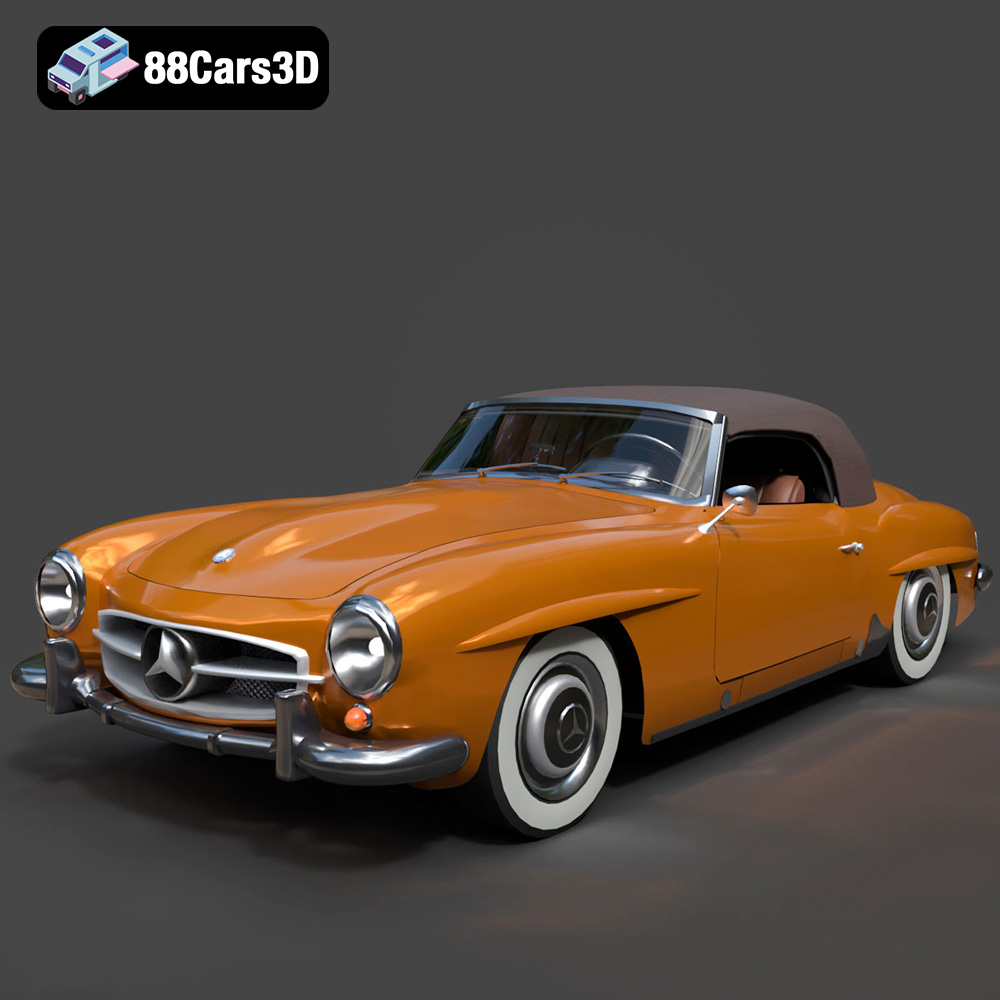
Texture: Yes
Material: Yes
Download the Mercedes-Benz 190SL 1955 3D Model featuring clean geometry, realistic detailing, and a fully modeled interior. Includes .blend, .fbx, .obj, .glb, .stl, .ply, .unreal, and .max formats for rendering, simulation, and game development.
Price: $23.99
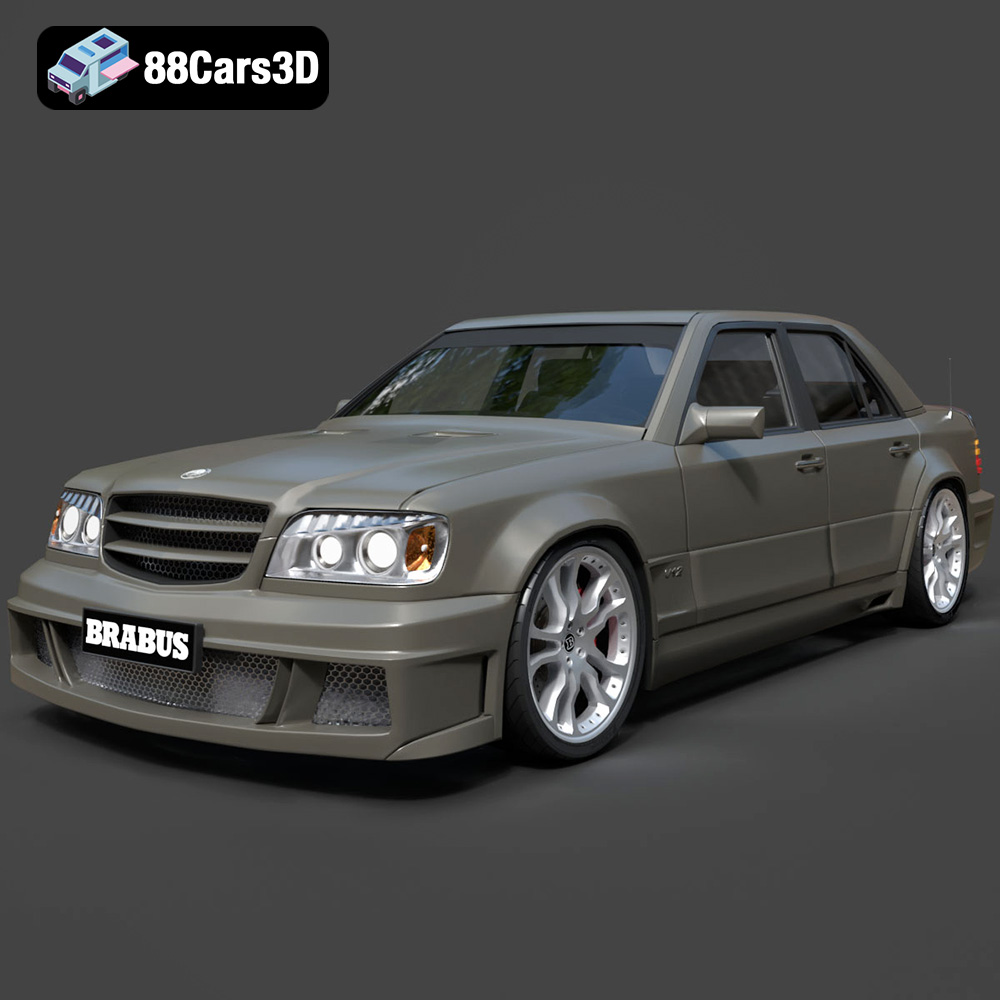
Texture: Yes
Material: Yes
Download the Mercedes-Benz W124 Brabus V12 3D Model featuring clean geometry, realistic detailing, and a fully modeled interior. Includes .blend, .fbx, .obj, .glb, .stl, .ply, .unreal, and .max formats for rendering, simulation, and game development.
Price: $23.99
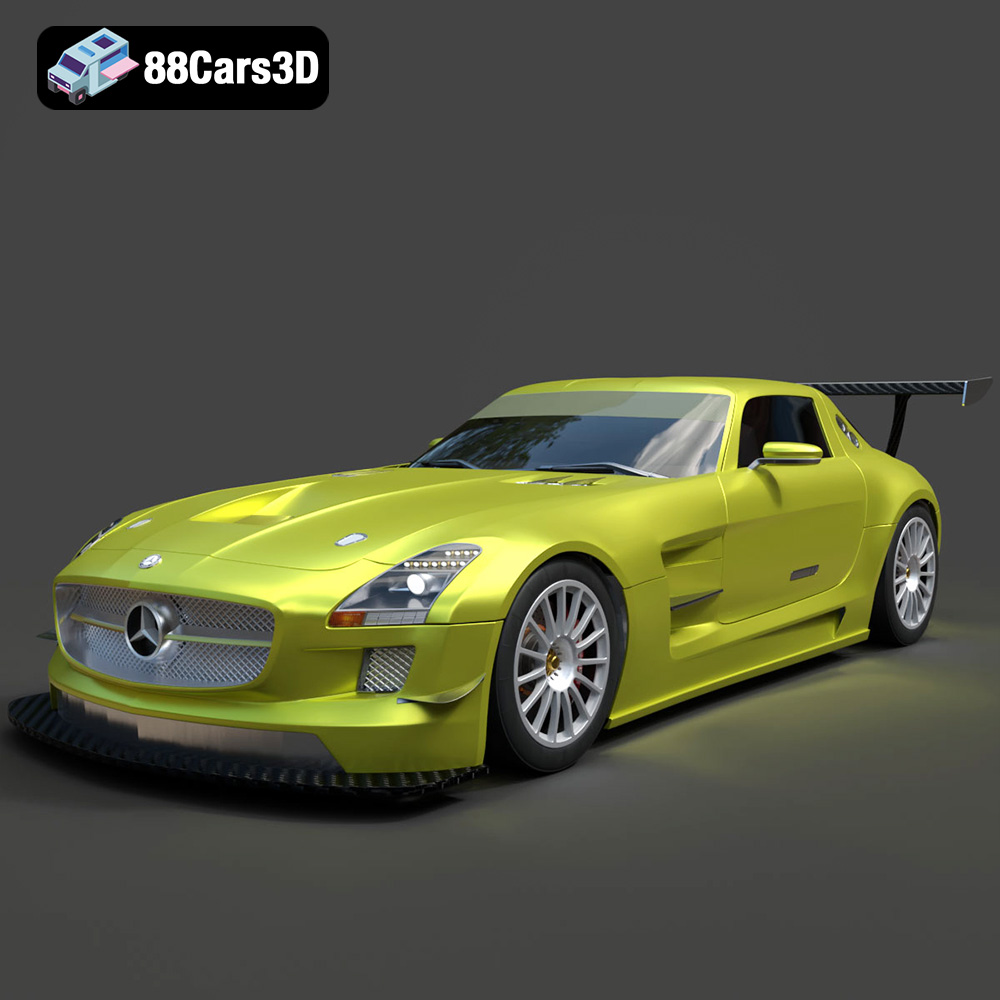
Texture: Yes
Material: Yes
Download the Mercedes-Benz SLS AMG GT3-002 3D Model featuring clean geometry, realistic detailing, and a fully modeled interior. Includes .blend, .fbx, .obj, .glb, .stl, .ply, .unreal, and .max formats for rendering, simulation, and game development.
Price: $38.99

Texture: Yes
Material: Yes
Download the Mercedes-Benz C-Class-001 3D Model featuring clean geometry, realistic detailing, and a fully modeled interior. Includes .blend, .fbx, .obj, .glb, .stl, .ply, .unreal, and .max formats for rendering, simulation, and game development.
Price: $38.99
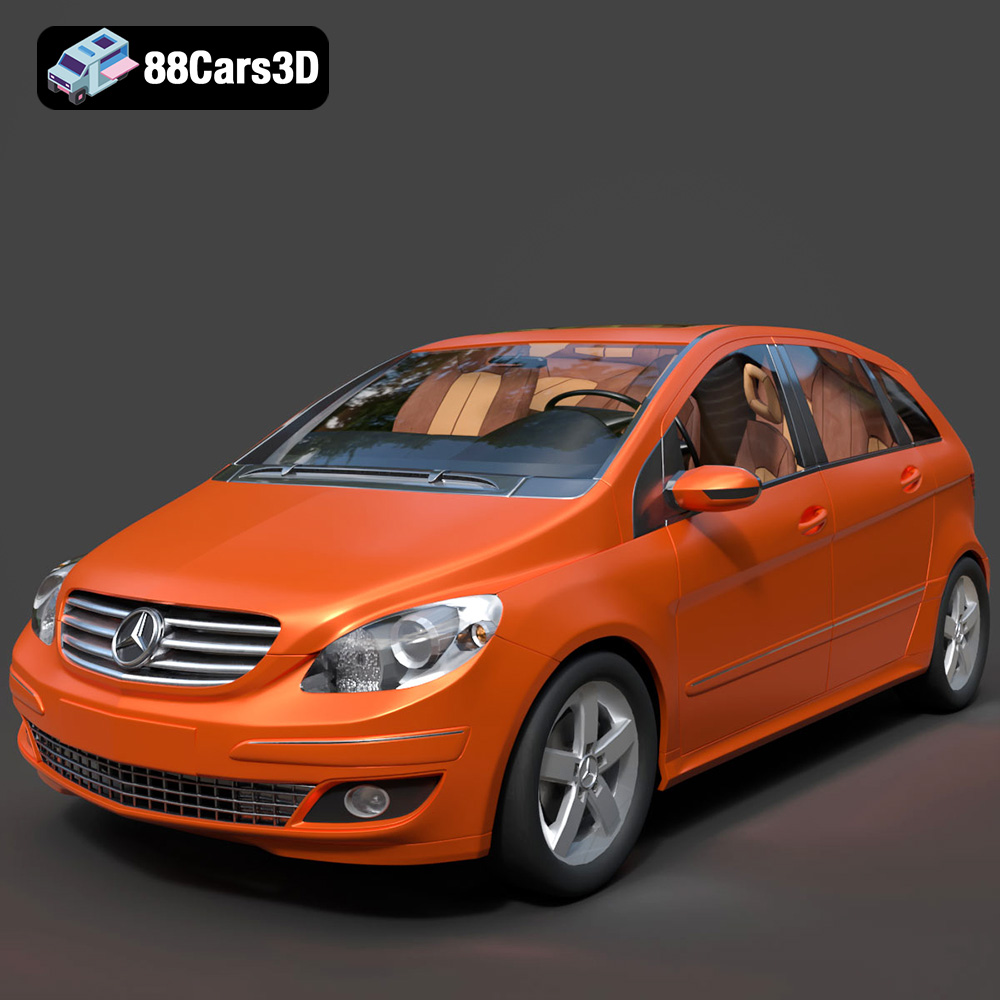
Texture: Yes
Material: Yes
Download the Mercedes-Benz B-Klasse 2023 3D Model featuring clean geometry, realistic detailing, and a fully modeled interior. Includes .blend, .fbx, .obj, .glb, .stl, .ply, .unreal, and .max formats for rendering, simulation, and game development.
Price: $38.99
Texture: Yes
Material: Yes
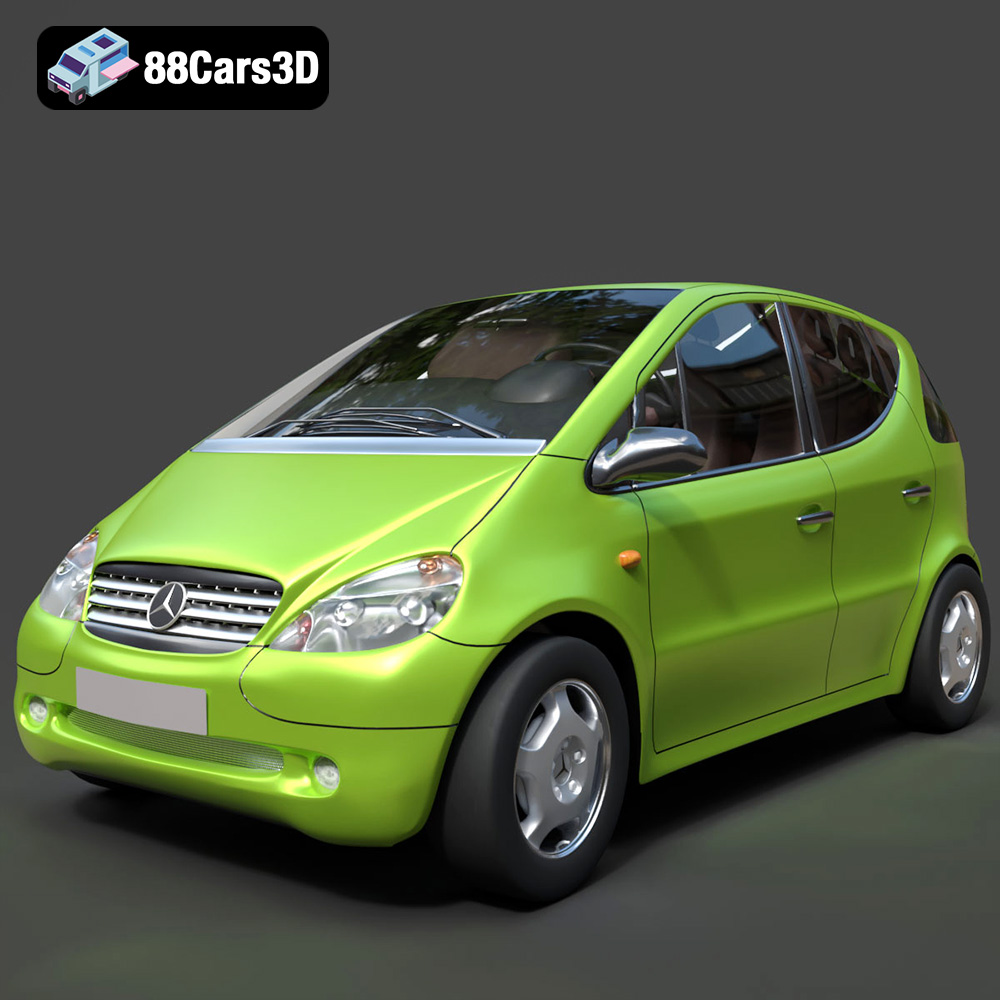
Download the Mercedes-Benz A-Klasse W168 3D Model featuring clean geometry, realistic detailing, and a fully modeled interior. Includes .blend, .fbx, .obj, .glb, .stl, .ply, .unreal, and .max formats for rendering, simulation, and game development.
Price: $38.99
Texture: Yes
Material: Yes
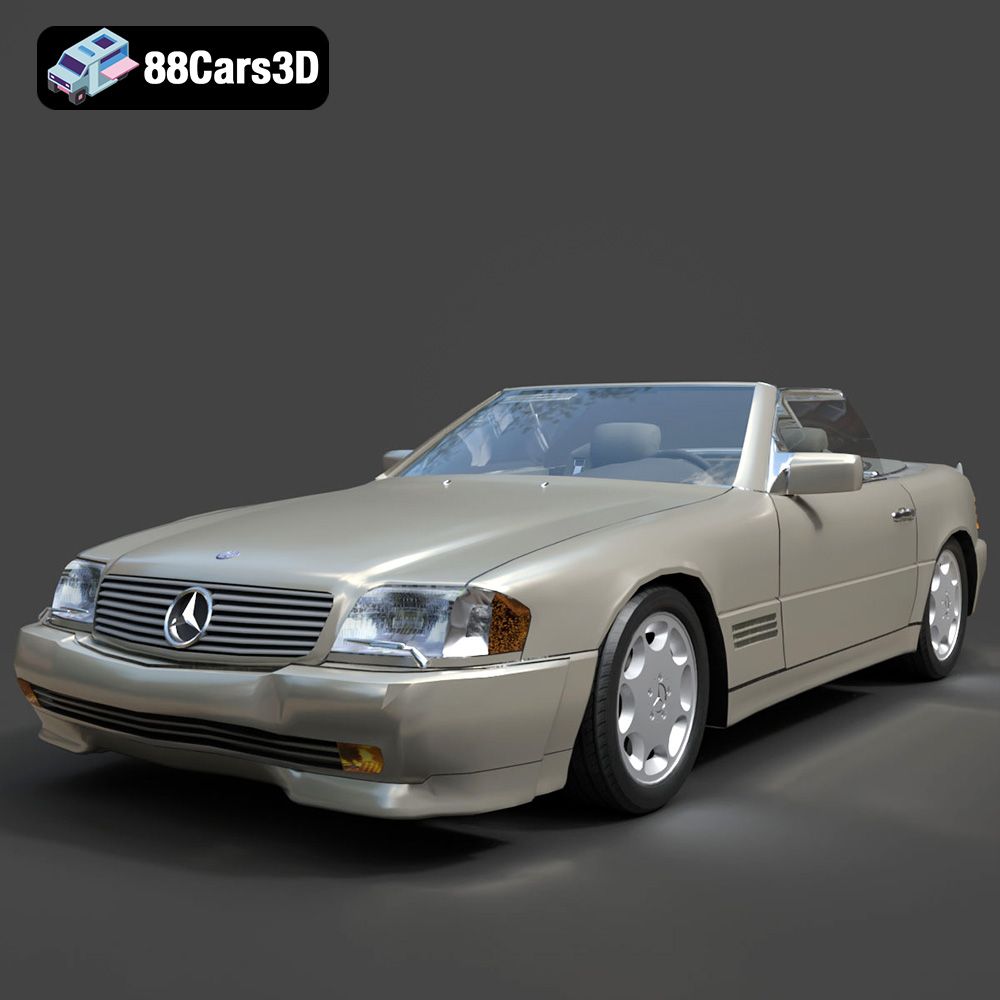
Download the Mercedes-Benz 500SL 2000 3D Model featuring clean geometry, realistic detailing, and a fully modeled interior. Includes .blend, .fbx, .obj, .glb, .stl, .ply, .unreal, and .max formats for rendering, simulation, and game development.
Price: $38.99
Texture: Yes
Material: Yes
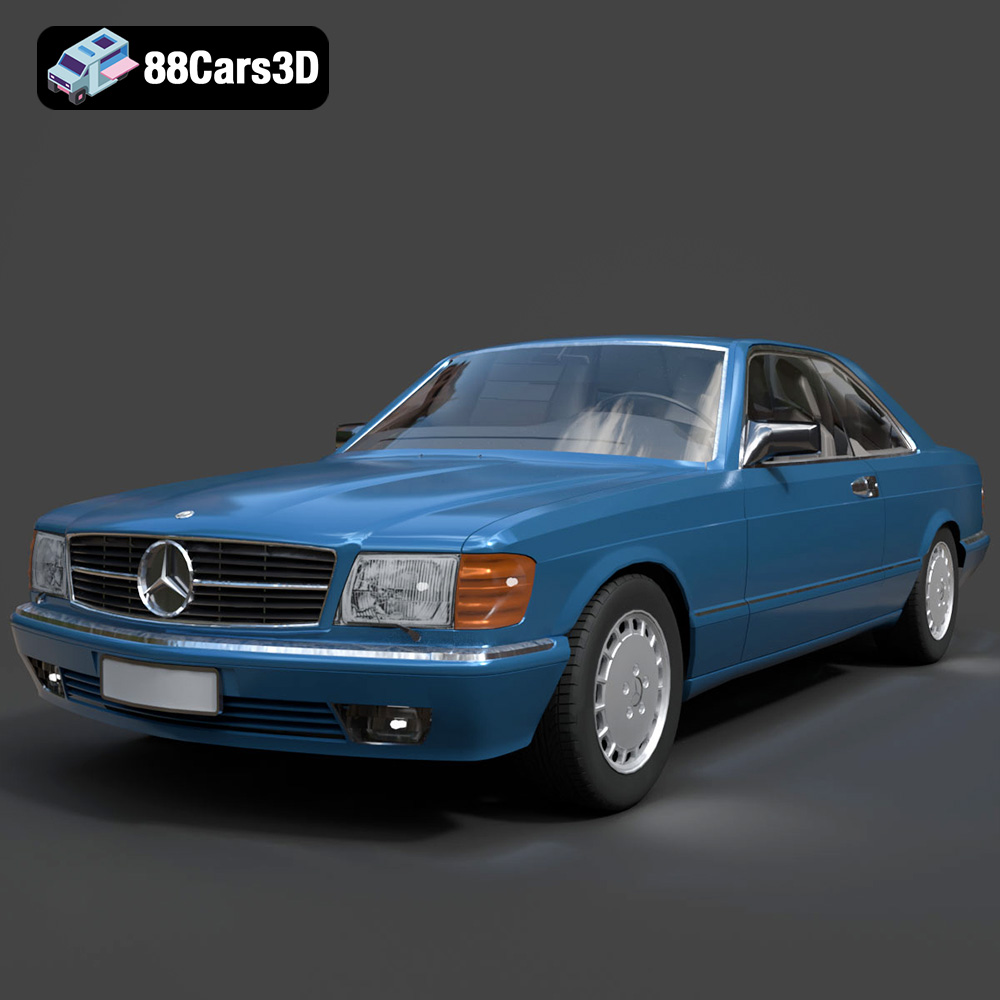
Download the Mercedes-Benz 500SEC 3D Model featuring clean geometry, realistic detailing, and a fully modeled interior. Includes .blend, .fbx, .obj, .glb, .stl, .ply, .unreal, and .max formats for rendering, simulation, and game development.
Price: $38.99
Texture: Yes
Material: Yes
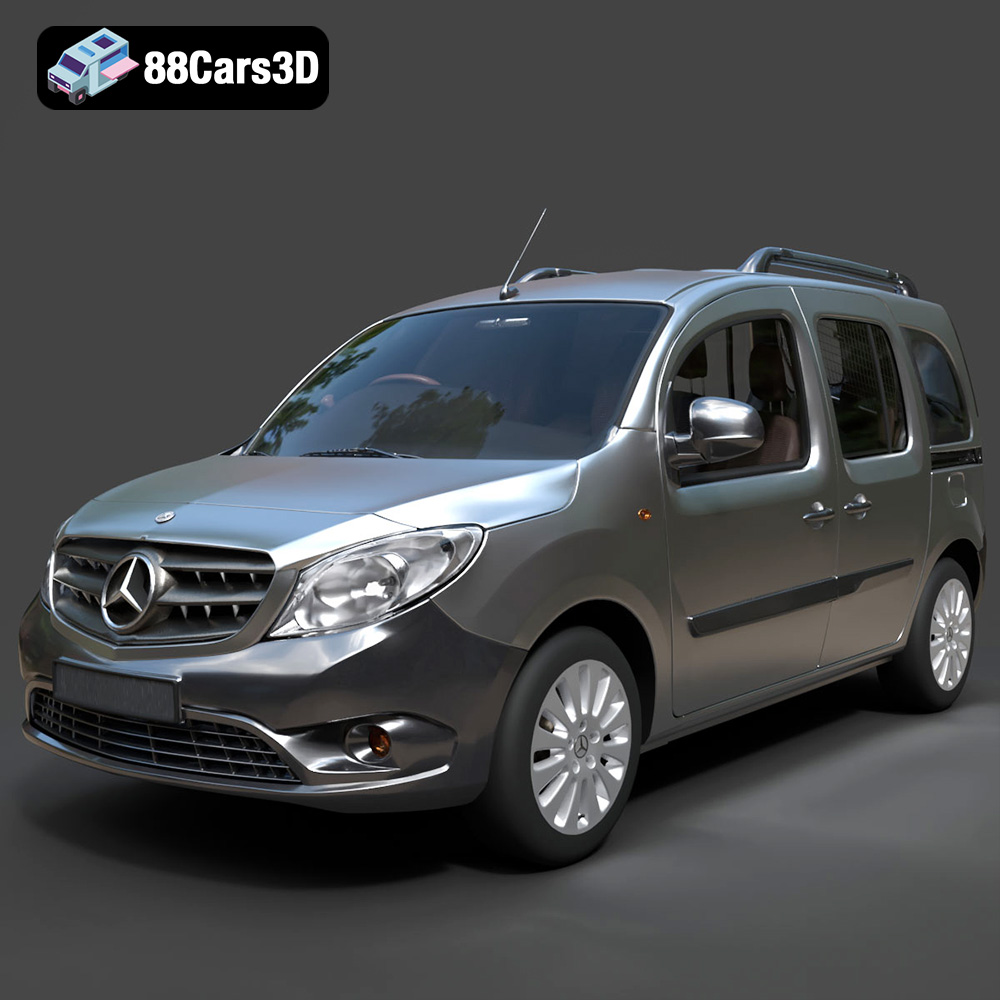
Download the Mercedes-Benz Citan 2025 3D Model featuring clean geometry, realistic detailing, and a fully modeled interior. Includes .blend, .fbx, .obj, .glb, .stl, .ply, .unreal, and .max formats for rendering, simulation, and game development.
Price: $38.99
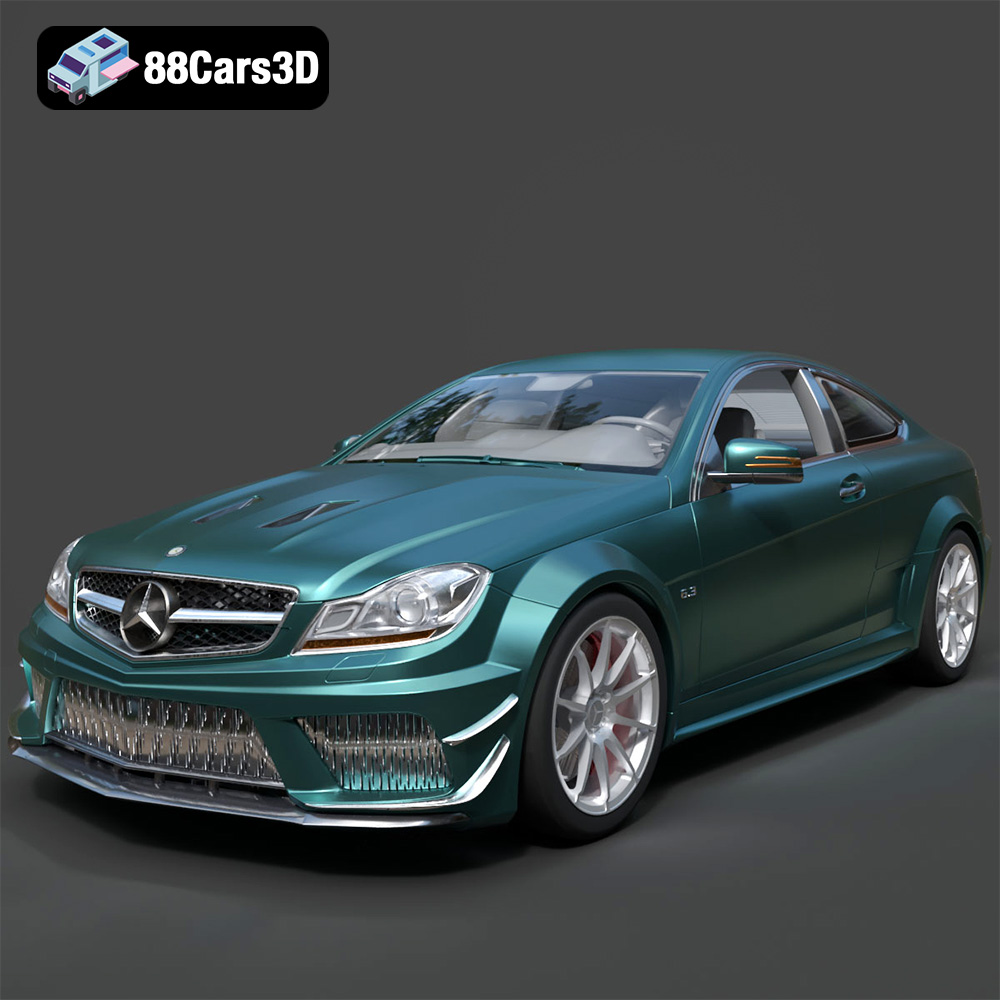
Texture: Yes
Material: Yes
Download the Mercedes-Benz C63 AMG 2012 3D Model featuring clean geometry, realistic detailing, and a fully modeled interior. Includes .blend, .fbx, .obj, .glb, .stl, .ply, .unreal, and .max formats for rendering, simulation, and game development.
Price: $38.99
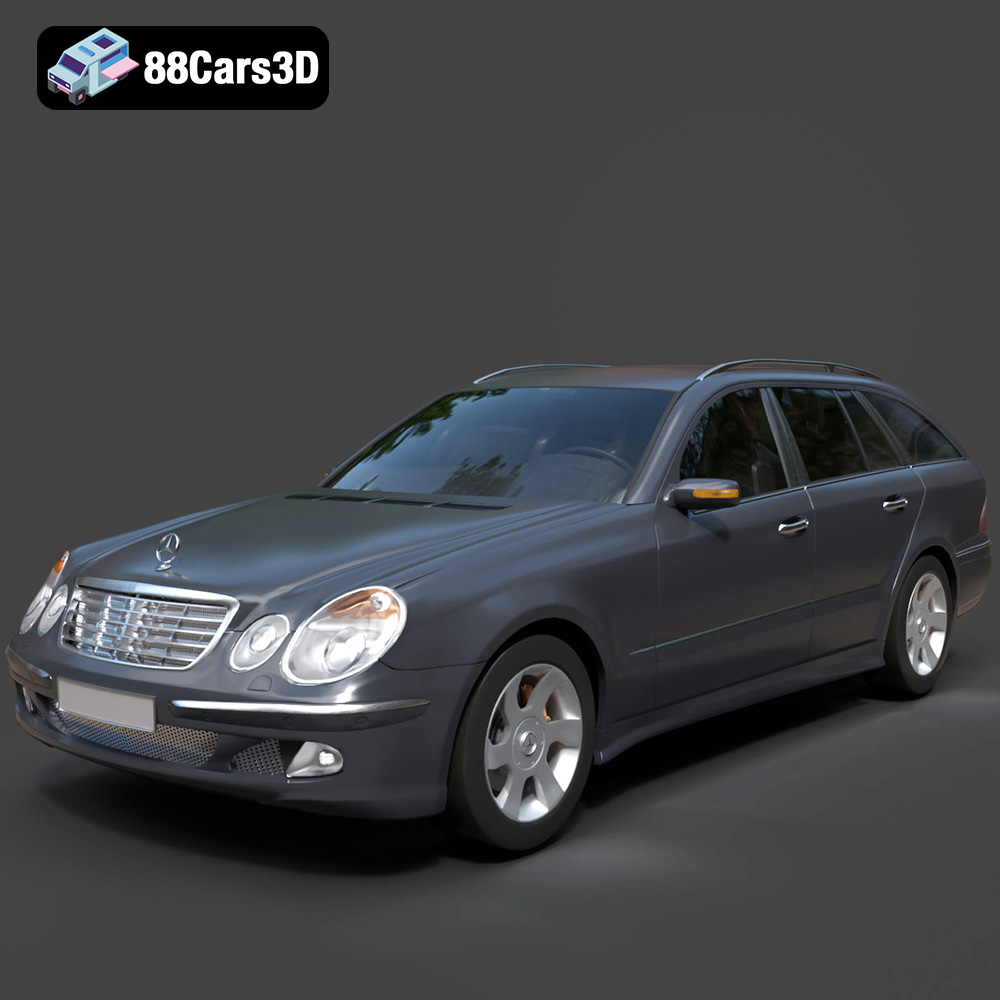
Texture: Yes
Material: Yes
Download the Mercedes-Benz E-Class S211 3D Model featuring clean geometry, realistic detailing, and a fully modeled interior. Includes .blend, .fbx, .obj, .glb, .stl, .ply, .unreal, and .max formats for rendering, simulation, and game development.
Price: $38.99
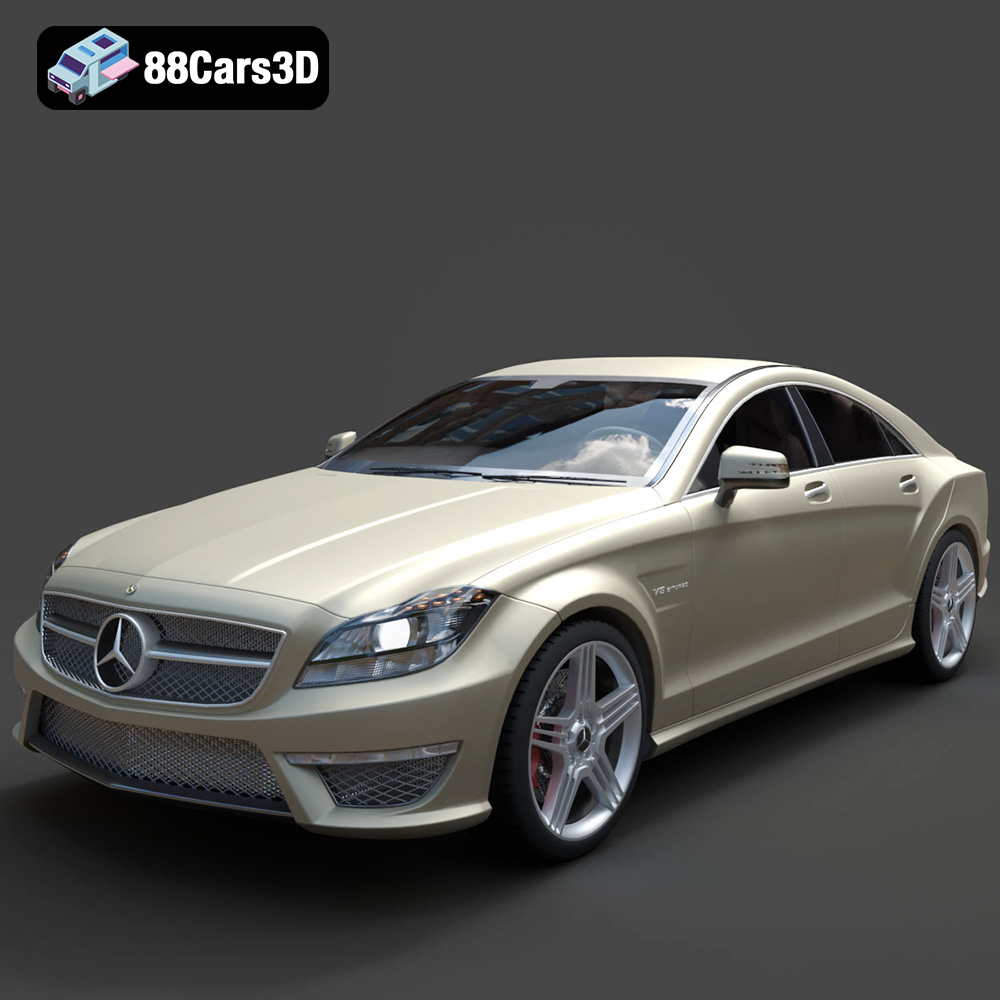
Texture: Yes
Material: Yes
Download the Mercedes-Benz CLS63 AMG (C218) 2014 3D Model featuring clean geometry, realistic detailing, and a fully modeled interior. Includes .blend, .fbx, .obj, .glb, .stl, .ply, .unreal, and .max formats for rendering, simulation, and game development.
Price: $38.99
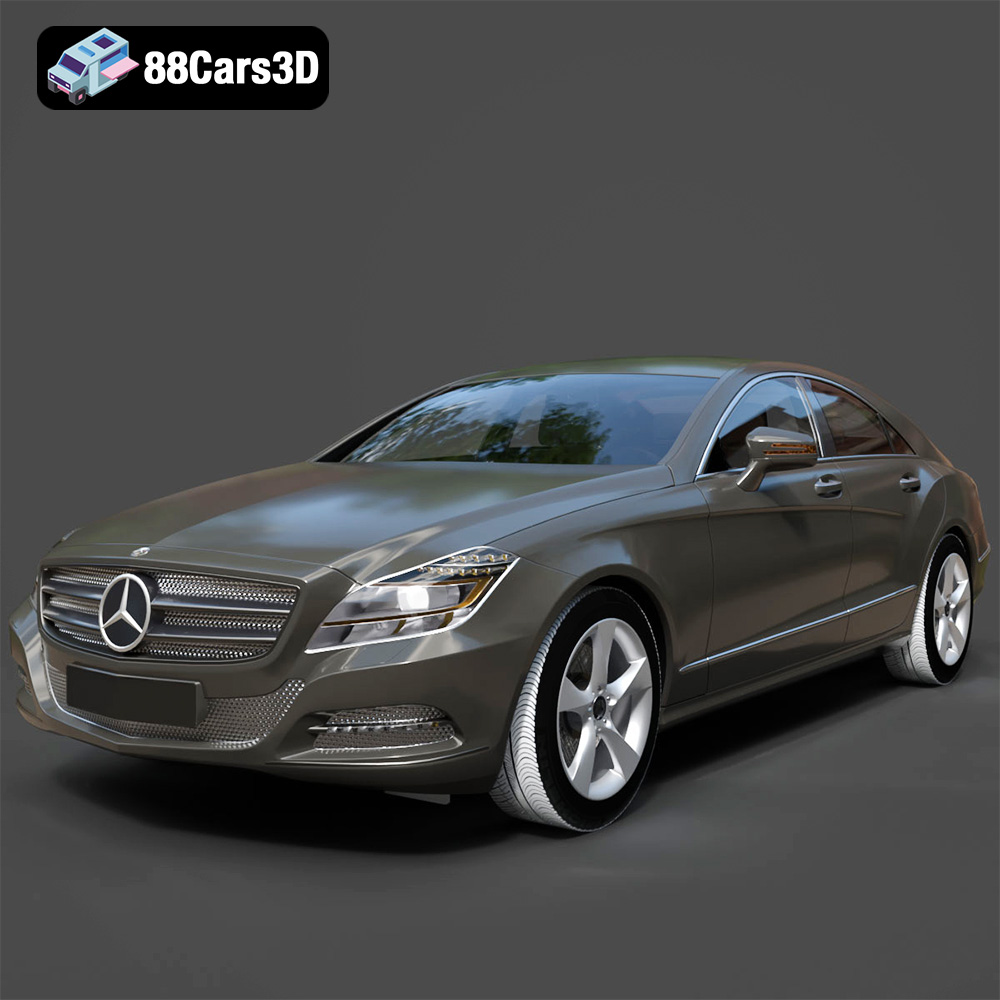
Texture: Yes
Material: Yes
Download the Mercedes-Benz CLS-Klasse 3D Model featuring clean geometry, realistic detailing, and a fully modeled interior. Includes .blend, .fbx, .obj, .glb, .stl, .ply, .unreal, and .max formats for rendering, simulation, and game development.
Price: $38.99
Texture: Yes
Material: Yes
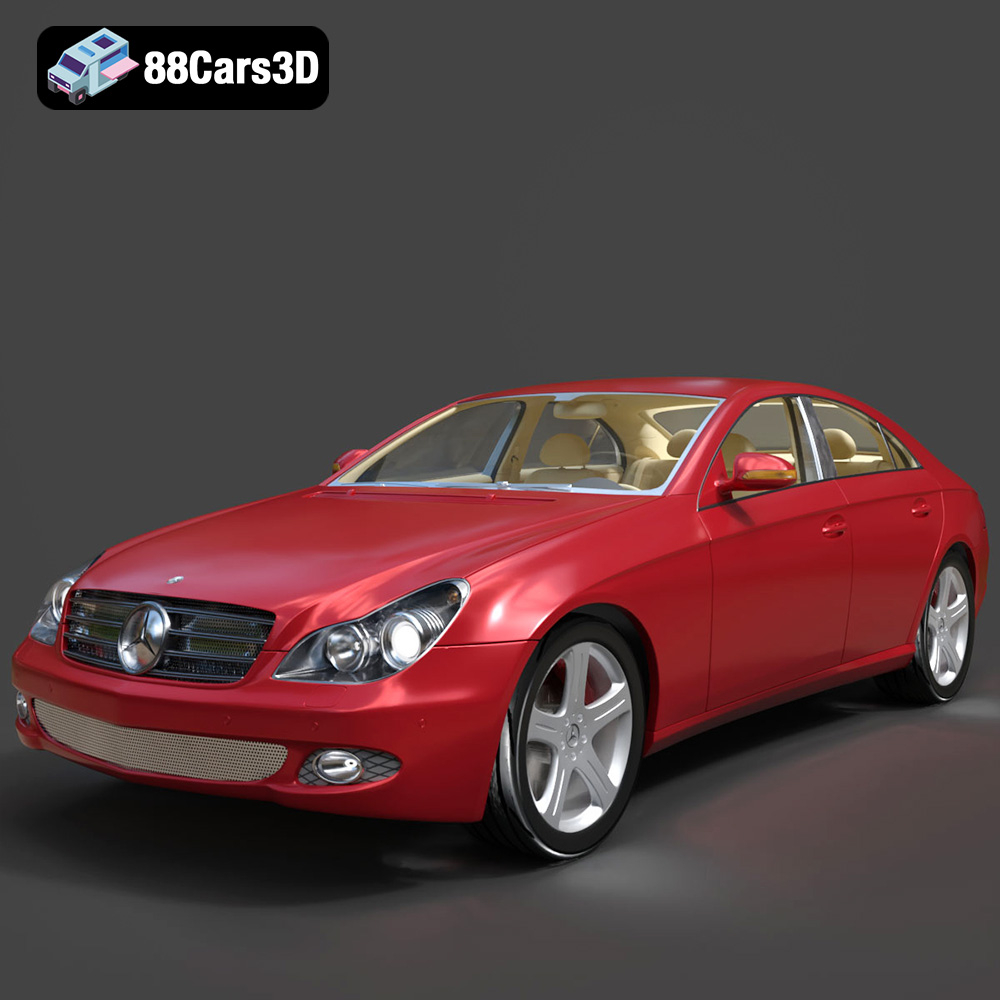
Download the Mercedes-Benz CLS 500 3D Model featuring clean geometry, realistic detailing, and a fully modeled interior. Includes .blend, .fbx, .obj, .glb, .stl, .ply, .unreal, and .max formats for rendering, simulation, and game development.
Price: $38.99

