Get 20% OFF All Premium 3D & STL Models!

The gleam of a perfectly rendered automotive finish can elevate a 3D model from good to breathtaking. Achieving that elusive photorealism, however, goes far beyond simply applying a shiny material. It demands a deep understanding of the real-world physics of light interaction with complex, multi-layered surfaces. For 3D artists, game developers, and automotive designers, mastering the art of creating a truly convincing PBR automotive paint shader is a pinnacle skill. This comprehensive guide will take you through the scientific principles and technical workflows required to craft car paint that shines with unparalleled authenticity, whether for high-end cinematic renders or optimized real-time experiences.
Before we can digitally replicate automotive paint, we must understand its real-world composition. Automotive finishes are not monolithic; they are a sophisticated stack of distinct layers, each contributing to the final appearance and durability. Understanding these components is the bedrock for building a physically accurate multi-layered car paint shader.
The journey begins with the primer, which provides adhesion and corrosion protection to the vehicle’s body. On top of this lies the base coat, which is responsible for the primary color of the vehicle. This layer can be a solid color, or it can incorporate special effect pigments like metallic flakes or pearl particles.
* Solid Base Coat: These paints achieve their color through finely ground pigments. Light largely interacts by being absorbed and diffusely reflected, giving a uniform color appearance.
* Metallic Base Coat: Tiny aluminum or mica flakes are suspended in the base coat. These flakes are planar and reflective, scattering light in a way that creates a shimmering, directional glint, a phenomenon critical for metallic flake realism.
* Pearl Base Coat: Similar to metallic, but uses transparent mica or ceramic flakes coated with titanium dioxide or other metal oxides. These flakes reflect and refract light, creating iridescent, color-shifting effects depending on the viewing angle.
The most crucial layer for a car’s aesthetic appeal is the clear coat. This transparent, highly durable layer is applied over the base coat and is responsible for the deep gloss, optical depth, and protection against UV radiation and abrasions. It’s essentially a very smooth, highly reflective varnish.
When light hits the clear coat, a significant portion is reflected directly off its surface, creating the sharp, mirror-like clear coat reflections we associate with car paint. The remaining light passes through the clear coat, interacts with the base coat and its flakes, and then passes back through the clear coat to our eyes. This layered interaction is what makes a multi-layered car paint shader so complex and rewarding to master.
Building a physically based rendering (PBR) automotive paint shader requires a modular approach, mimicking the real-world layers. Each layer contributes its own set of PBR parameters – albedo, metallic, roughness, IOR – to create a cohesive whole.
The base coat forms the underlying color. Its primary parameters include:
* Albedo/Diffuse Color: This sets the primary color of the paint. For metallic and pearl paints, this color will be heavily influenced by the flakes.
* Metallic (for Flakes): While the base coat itself might not be metallic, the presence of metallic or pearl flakes means its reflective properties are crucial. In a PBR workflow, a metallic value close to 1 would indicate a highly reflective, metallic surface (like the flakes themselves), while a value closer to 0 is dielectric.
* Roughness/Glossiness: This controls how sharply or diffusely light reflects from the base coat underneath the clear coat. Generally, the base coat has a relatively low roughness value, but the clear coat will dominate the final specular appearance.
The clear coat is a separate, transparent dielectric layer. Its properties are paramount for achieving convincing clear coat reflections.
* Refractive Index (IOR): This determines how much light bends when passing through the clear coat and how strong the Fresnel reflections are. For most clear coats, an IOR of around 1.4-1.5 is appropriate.
* Roughness/Glossiness: This is the most critical parameter for the clear coat’s appearance. A very low roughness value (high gloss) will produce sharp, mirror-like reflections, while a higher roughness will result in a more diffused, satin finish. This value often varies across the surface due to imperfections, which we’ll discuss later.
* Absorption/Color: While typically clear, a subtle absorption or tint can be introduced, especially if simulating a very thick clear coat or specific clear coat types.
The combination of these layers and their individual PBR parameters allows us to construct a robust and physically plausible multi-layered car paint shader, ready to receive the intricate details of flakes and imperfections.
The subtle sparkle and shifting hues of metallic and pearl paints are what often captivate the eye. Achieving truly convincing metallic flake realism is one of the most challenging, yet rewarding, aspects of automotive paint shaders. It requires careful consideration of flake distribution, orientation, size, color, and how they interact with light.
Metallic flakes are essentially tiny, highly reflective mirrors suspended in the base coat. Their appearance is governed by several factors:
* Orientation: Flakes rarely lie perfectly flat. They are randomly oriented, creating a multitude of micro-facets that catch and scatter light in various directions. This random orientation is key to the characteristic shimmer.
* Size and Density: The size of the flakes (coarse vs. fine) and their density (how many per unit area) directly impact the intensity and scale of the sparkle. Larger, denser flakes produce a more pronounced, almost glitter-like effect, while finer flakes result in a smoother, more uniform metallic sheen.
* Color: While often silver (aluminum), flakes can also be tinted or made of different materials (e.g., copper, gold-effect pigments) to influence the overall paint color. Pearl flakes, in particular, exhibit iridescent color shifts due to thin-film interference.
There are several approaches to simulate flakes, ranging from simple to highly complex:
1. Procedural Noise: A basic method involves using a high-frequency noise texture to drive very subtle specular highlights or normal map perturbations within the base coat. This offers a rudimentary metallic effect but lacks true physical flake behavior.
2. Micro-Normal Maps: A more advanced technique uses a detailed normal map specifically designed to represent the aggregated surface irregularities caused by flakes. This can simulate the fine scattering and directionality, but still might not capture individual glints.
3. Dedicated Flake Layers/Shaders: Many advanced renderers offer specific parameters or even dedicated flake layers within their multi-layered car paint shader systems. These allow artists to control flake density, size, color, and even normal distribution.
4. Custom Flake Generation: For ultimate control, some artists procedurally generate flake patterns using noise functions, then convert them into high-resolution normal maps or even geometry instances for extreme close-ups. These maps are then blended into the base coat’s normal and roughness channels.
Crucially, the interaction of light with these flakes often exhibits anisotropic material properties. While individual flakes might be isotropic (reflecting light equally in all directions), the collective effect of numerous flakes with a slight directional bias (e.g., from paint application) can lead to a subtle anisotropy in the reflection, especially visible under direct light sources. Some high-end shaders allow you to introduce a subtle level of anisotropy to the flake layer to enhance this effect, making the paint feel even more dynamic.
Offline renderers like V-Ray, Arnold, and Redshift offer robust toolsets for creating highly detailed and physically accurate automotive finishes. We’ll focus on V-Ray as an excellent example of how to leverage a powerful renderer for exquisite results, especially for V-Ray car paint.
V-Ray often provides a specialized `VRayCarPaintMtl` or similar material preset, designed specifically to handle the complexities of multi-layered car paint shader effects. This material typically consolidates many of the parameters we’ve discussed into an intuitive interface:
* Base Material: Here, you’ll define the base color (diffuse) and its roughness. This represents the primary pigment layer.
* Flake Layer: This is where the magic of metallic flake realism comes alive.
* Flake Color: Sets the color of the individual flakes.
* Flake Count/Density: Controls how many flakes are visible.
* Flake Scale/Size: Adjusts the size of the flakes.
* Flake Glossiness/Roughness: Determines how sharp or blurry the individual flake reflections are.
* Flake Orientation: Allows for subtle variations in flake directionality, contributing to anisotropic material properties, though often handled automatically to simulate random scattering.
* Clear Coat Layer: This is a separate specular layer, providing the clear coat reflections.
* Clear Coat IOR: Typically set between 1.4-1.5 for a realistic car clear coat.
* Clear Coat Glossiness/Roughness: This defines the smoothness of the top layer, crucial for sharp reflections. Lower values mean higher gloss.
* Clear Coat Bump/Normal Map: Essential for adding subtle surface imperfections like orange peel or micro-scratches without altering the geometry.
If a dedicated `VRayCarPaintMtl` isn’t used, you can build a multi-layered shader using blend materials, layering a clear coat material (e.g., a `VRayMtl` with high reflections and low roughness) over your base paint material, using Fresnel falloff for the blend. Regardless of the method, the core principles of layer separation and PBR accuracy remain constant. Remember, a fantastic shader needs a great model to showcase it, and resources like 88cars3d.com offer high-quality, detailed vehicle models perfect for testing these advanced materials.
The pursuit of photorealism isn’t just about perfect reflections; it’s about believable imperfections. A pristine, unblemished car paint shader often looks artificial because real-world surfaces are rarely flawless. Integrating subtle surface imperfections, dust, and micro-scratches is crucial for achieving hyper-realism without compromising the PBR accuracy of your clear coat reflections.
Different imperfections affect the paint surface in unique ways:
* Micro-Scratches & Swirl Marks: These are fine lines on the clear coat, often circular from washing, that scatter light in specific directions. They subtly break up reflections and can introduce a visible, directional sheen. Swirl marks, in particular, can exhibit strong anisotropic material properties, making reflections stretch along the direction of the scratch.
* Orange Peel: This refers to the slightly bumpy, textured surface of paint, resembling an orange peel, caused by the painting process. It subtly diffuses reflections and prevents a perfectly mirror-like surface.
* Dust and Smudges: Particulate matter or oily residues on the surface will locally increase roughness, absorb some light, and break up reflections.
* Water Spots: Dried mineral deposits from water will leave faint, diffuse marks that disrupt the clear coat’s smoothness.
The key to integrating imperfections realistically is to use texture maps to drive variations in your shader parameters, primarily roughness and normal maps.
1. Roughness Maps: These are your primary tool. Paint imperfections often manifest as localized increases in roughness. A subtle grayscale texture with varying levels of noise, scratches, and smudges can be used to control the clear coat’s roughness, making some areas duller or scattering reflections more diffusely.
2. Normal/Bump Maps: For physical imperfections like orange peel or deeper scratches, a normal map can accurately describe the surface relief. This will bend incoming light and distort reflections realistically. Remember to keep the intensity subtle; micro-details rarely require displacement.
3. Anisotropy Maps: To capture the directional nature of swirl marks, an anisotropy map can be used. This texture would define the direction of the “brushing” effect, allowing reflections to stretch along these lines.
4. Layered Blending: Combine multiple imperfection maps using blend modes. For example, a base orange peel roughness map, overlaid with a subtle scratch roughness map, and finally a dust mask for specific areas. This builds complexity realistically.
5. Procedural Textures: For subtle dust or faint swirl patterns, procedural noise functions can be incredibly efficient and offer infinite variations without tiling issues.
Remember to keep the effects subtle. Overdoing imperfections can quickly make the car look dirty or poorly maintained, rather than adding realism. The goal is to suggest a history and interaction with the environment without distracting from the overall beauty of the PBR automotive paint.
Translating the intricate detail of an offline renderer’s multi-layered car paint shader into a real-time game engine like Unreal Engine presents unique challenges. The goal is to achieve visually consistent results while adhering to strict performance budgets required for real-time vehicle rendering.
Real-time engines prioritize speed. Complex shader graphs, multiple layers of transparency, and high-resolution textures can quickly become performance bottlenecks. The key is intelligent simplification and optimization without sacrificing too much visual quality.
Unreal Engine’s material editor is node-based and highly flexible. Here’s how to adapt your PBR automotive paint knowledge for real-time:
1. Simplified Clear Coat: Unreal Engine’s standard PBR material model includes a clear coat input. This is your starting point. Connect a suitable IOR (e.g., 1.5) and drive its roughness with a texture map.
2. Layer Blending: For metallic flakes, you can often blend a base color with a separate metallic flake layer using material functions or custom expressions. A common technique is to use a texture or procedural noise to define flake patterns, then use this to drive localized metallic and roughness values within the base material. You can simulate metallic flake realism by combining a normal map for micro-facets with a specific metallic and roughness texture derived from your flake pattern.
3. Anisotropy Simulation: True anisotropy can be performance-heavy in real-time. Unreal Engine offers options like the `Anisotropy` input in some shading models, which you can drive with a direction map. For more subtle effects, specially crafted normal maps can simulate anisotropic reflections by stretching highlights.
4. Texture Optimization:
* Channel Packing: Combine grayscale maps (Roughness, Metallic, Ambient Occlusion) into a single RGB texture to save memory and texture fetches.
* Texture Resolution: Use appropriate resolutions. High-resolution textures are necessary for close-ups, but lower LODs should use smaller maps.
* Instancing: Create Material Instances from your master car paint material. This allows artists to quickly tweak parameters (color, flake density, roughness values) without recompiling shaders, offering flexibility and performance benefits.
5. Shader Complexity: Keep your shader instruction count low. Simplify math operations, avoid unnecessary texture lookups, and use conditional nodes to optimize branches of the shader that aren’t always active.
6. Environmental Reflections: Real-time rendering heavily relies on Reflection Captures, Planar Reflections, and Screen Space Reflections (SSR) for clear coat reflections. Ensure your environment probes are well-placed and cover the vehicle for accurate real-time reflections.
When sourcing models for real-time projects, consider those that are already optimized. 88cars3d.com offers a range of high-quality, game-ready 3D models of cars that are perfect for applying and testing your sophisticated Unreal Engine car materials without having to start from scratch on the mesh side. Their attention to detail in mesh optimization complements advanced shader work for superior real-time vehicle rendering.
Mastering physically accurate automotive paint shaders is a journey that bridges the gap between scientific principles and artistic vision. By dissecting the real-world layers of paint, understanding how light interacts with base coats and clear coats, and meticulously crafting the subtleties of metallic flake realism, you can elevate your 3D vehicle renders to photorealistic heights. From the detailed PBR automotive paint setup in offline renderers like V-Ray car paint to the optimized yet visually stunning Unreal Engine car materials for real-time vehicle rendering, the principles of multi-layered car paint shader creation remain consistent.
Remember that true photorealism lies not only in perfect reflections but also in the delicate balance of controlled imperfections and anisotropic material properties that tell a story. Experiment, observe real-world cars, and leverage the power of your chosen tools. If you’re looking for exceptional vehicle models to apply these advanced techniques, explore the high-quality assets available at 88cars3d.com and bring your automotive visualizations to life with unparalleled shine.

Texture: Yes
Material: Yes
Download the Subaru Impreza Sport Wagon 3D Model featuring clean geometry, realistic detailing, and a fully modeled interior. Includes .blend, .fbx, .obj, .glb, .stl, .ply, .unreal, and .max formats for rendering, simulation, and game development.
Price: $10

Texture: Yes
Material: Yes
Download the Skoda Octavia A7 2017 3D Model featuring clean geometry, realistic detailing, and a fully modeled interior. Includes .blend, .fbx, .obj, .glb, .stl, .ply, .unreal, and .max formats for rendering, simulation, and game development.
Price: $10

Texture: Yes
Material: Yes
Download the Suzuki SX4-002 3D Model featuring clean geometry, realistic detailing, and a fully modeled interior. Includes .blend, .fbx, .obj, .glb, .stl, .ply, .unreal, and .max formats for rendering, simulation, and game development.
Price: $10

Texture: Yes
Material: Yes
Download the Tesla Model S 2024 3D Model featuring clean geometry, realistic detailing, and a fully modeled interior. Includes .blend, .fbx, .obj, .glb, .stl, .ply, .unreal, and .max formats for rendering, simulation, and game development.
Price: $10

Texture: Yes
Material: Yes
Download the Subaru Impreza WRX STi-002 3D Model featuring clean geometry, realistic detailing, and a fully modeled interior. Includes .blend, .fbx, .obj, .glb, .stl, .ply, .unreal, and .max formats for rendering, simulation, and game development.
Price: $10

Texture: Yes
Material: Yes
Download the Subaru Impreza WRX STi Sedan 3D Model featuring clean geometry, realistic detailing, and a fully modeled interior. Includes .blend, .fbx, .obj, .glb, .stl, .ply, .unreal, and .max formats for rendering, simulation, and game development.
Price: $10

Texture: Yes
Material: Yes
Download the Subaru Legacy 2009 3D Model featuring clean geometry, realistic detailing, and a fully modeled interior. Includes .blend, .fbx, .obj, .glb, .stl, .ply, .unreal, and .max formats for rendering, simulation, and game development.
Price: $10

Texture: Yes
Material: Yes
Download the Suzuki Swift 2024 3D Model featuring clean geometry, realistic detailing, and a fully modeled interior. Includes .blend, .fbx, .obj, .glb, .stl, .ply, .unreal, and .max formats for rendering, simulation, and game development.
Price: $10

Texture: Yes
Material: Yes
Download the Suzuki Liana Sedan 2004 3D Model featuring clean geometry, realistic detailing, and a fully modeled interior. Includes .blend, .fbx, .obj, .glb, .stl, .ply, .unreal, and .max formats for rendering, simulation, and game development.
Price: $10

Texture: Yes
Material: Yes
Download the Subaru Outback 2024 3D Model featuring clean geometry, realistic detailing, and a fully modeled interior. Includes .blend, .fbx, .obj, .glb, .stl, .ply, .unreal, and .max formats for rendering, simulation, and game development.
Price: $10

Texture: Yes
Material: Yes
Download the Subaru Legacy 2003 3D Model featuring clean geometry, realistic detailing, and a fully modeled interior. Includes .blend, .fbx, .obj, .glb, .stl, .ply, .unreal, and .max formats for rendering, simulation, and game development.
Price: $10

Texture: Yes
Material: Yes
Download the Subaru Legacy Touring Wagon 3D Model featuring clean geometry, realistic detailing, and a fully modeled interior. Includes .blend, .fbx, .obj, .glb, .stl, .ply, .unreal, and .max formats for rendering, simulation, and game development.
Price: $10

Texture: Yes
Material: Yes
Download the Toyota Mark II (X100) 3D Model featuring clean geometry, realistic detailing, and a fully modeled interior. Includes .blend, .fbx, .obj, .glb, .stl, .ply, .unreal, and .max formats for rendering, simulation, and game development.
Price: $10

Texture: Yes
Material: Yes
Download the Toyota Corona 1985 3D Model featuring clean geometry, realistic detailing, and a fully modeled interior. Includes .blend, .fbx, .obj, .glb, .stl, .ply, .unreal, and .max formats for rendering, simulation, and game development.
Price: $10

Texture: Yes
Material: Yes
Download the Toyota Mark II X81 1990 3D Model featuring clean geometry, realistic detailing, and a fully modeled interior. Includes .blend, .fbx, .obj, .glb, .stl, .ply, .unreal, and .max formats for rendering, simulation, and game development.
Price: $10

Texture: Yes
Material: Yes
Download the Toyota iQ EV 2012 3D Model featuring clean geometry, realistic detailing, and a fully modeled interior. Includes .blend, .fbx, .obj, .glb, .stl, .ply, .unreal, and .max formats for rendering, simulation, and game development.
Price: $10

Texture: Yes
Material: Yes
Download the Toyota Aygo 2013 3D Model featuring clean geometry, realistic detailing, and a fully modeled interior. Includes .blend, .fbx, .obj, .glb, .stl, .ply, .unreal, and .max formats for rendering, simulation, and game development.
Price: $10

Texture: Yes
Material: Yes
Download the Toyota Crown S180 2005 3D Model featuring clean geometry, realistic detailing, and a fully modeled interior. Includes .blend, .fbx, .obj, .glb, .stl, .ply, .unreal, and .max formats for rendering, simulation, and game development.
Price: $10

Texture: Yes
Material: Yes
Download the Toyota Celica 2004 3D Model featuring clean geometry, realistic detailing, and a fully modeled interior. Includes .blend, .fbx, .obj, .glb, .stl, .ply, .unreal, and .max formats for rendering, simulation, and game development.
Price: $10

Texture: Yes
Material: Yes
Download the Toyota Corolla AE100 1992 3D Model featuring clean geometry, realistic detailing, and a fully modeled interior. Includes .blend, .fbx, .obj, .glb, .stl, .ply, .unreal, and .max formats for rendering, simulation, and game development.
Price: $10

Texture: Yes
Material: Yes
Download the Toyota Mark II X110 2000 3D Model featuring clean geometry, realistic detailing, and a fully modeled interior. Includes .blend, .fbx, .obj, .glb, .stl, .ply, .unreal, and .max formats for rendering, simulation, and game development.
Price: $10

Texture: Yes
Material: Yes
Download the Toyota Corolla 2020 3D Model featuring clean geometry, realistic detailing, and a fully modeled interior. Includes .blend, .fbx, .obj, .glb, .stl, .ply, .unreal, and .max formats for rendering, simulation, and game development.
Price: $10

Texture: Yes
Material: Yes
Download the Toyota Yaris 2020 3D Model featuring clean geometry, realistic detailing, and a fully modeled interior. Includes .blend, .fbx, .obj, .glb, .stl, .ply, .unreal, and .max formats for rendering, simulation, and game development.
Price: $9.9

Texture: Yes
Material: Yes
Download the Volkswagen Beetle 2012 3D Model featuring clean geometry, realistic detailing, and a fully modeled interior. Includes .blend, .fbx, .obj, .glb, .stl, .ply, .unreal, and .max formats for rendering, simulation, and game development.
Price: $9.9

Texture: Yes
Material: Yes
Download the Toyota Matrix 2005 3D Model featuring clean geometry, realistic detailing, and a fully modeled interior. Includes .blend, .fbx, .obj, .glb, .stl, .ply, .unreal, and .max formats for rendering, simulation, and game development.
Price: $9.9

Texture: Yes
Material: Yes
Download the Toyota Yaris Sedan 3D Model featuring clean geometry, realistic detailing, and a fully modeled interior. Includes .blend, .fbx, .obj, .glb, .stl, .ply, .unreal, and .max formats for rendering, simulation, and game development.
Price: $9.9

Texture: Yes
Material: Yes
Download the Volkswagen Golf R-004 2024 3D Model featuring clean geometry, realistic detailing, and a fully modeled interior. Includes .blend, .fbx, .obj, .glb, .stl, .ply, .unreal, and .max formats for rendering, simulation, and game development.
Price: $9.9

Texture: Yes
Material: Yes
Download the Volkswagen Golf 5 Door 2010 3D Model featuring clean geometry, realistic detailing, and a fully modeled interior. Includes .blend, .fbx, .obj, .glb, .stl, .ply, .unreal, and .max formats for rendering, simulation, and game development.
Price: $9.9

Texture: Yes
Material: Yes
Download the Toyota Premio 2010 3D Model featuring clean geometry, realistic detailing, and a fully modeled interior. Includes .blend, .fbx, .obj, .glb, .stl, .ply, .unreal, and .max formats for rendering, simulation, and game development.
Price: $9.9

Texture: Yes
Material: Yes
Download the Toyota Opa 2000 3D Model featuring clean geometry, realistic detailing, and a fully modeled interior. Includes .blend, .fbx, .obj, .glb, .stl, .ply, .unreal, and .max formats for rendering, simulation, and game development.
Price: $9.9

Texture: Yes
Material: Yes
Download the Volkswagen Polo 5 Door 2010 3D Model featuring clean geometry, realistic detailing, and a fully modeled interior. Includes .blend, .fbx, .obj, .glb, .stl, .ply, .unreal, and .max formats for rendering, simulation, and game development.
Price: $9.9

Texture: Yes
Material: Yes
Download the Toyota Prius 2024 3D Model featuring clean geometry, realistic detailing, and a fully modeled interior. Includes .blend, .fbx, .obj, .glb, .stl, .ply, .unreal, and .max formats for rendering, simulation, and game development.
Price: $9.9

Texture: Yes
Material: Yes
Download the Toyota Yaris 1999 3D Model featuring clean geometry, realistic detailing, and a fully modeled interior. Includes .blend, .fbx, .obj, .glb, .stl, .ply, .unreal, and .max formats for rendering, simulation, and game development.
Price: $9.9

Texture: Yes
Material: Yes
Download the Toyota Supra 2020 3D Model featuring clean geometry, realistic detailing, and a fully modeled interior. Includes .blend, .fbx, .obj, .glb, .stl, .ply, .unreal, and .max formats for rendering, simulation, and game development.
Price: $9.9

Texture: Yes
Material: Yes
Download the Volkswagen New Beetle 2000 3D Model featuring clean geometry, realistic detailing, and a fully modeled interior. Includes .blend, .fbx, .obj, .glb, .stl, .ply, .unreal, and .max formats for rendering, simulation, and game development.
Price: $14.99

Texture: Yes
Material: Yes
Download the Volkswagen Jetta 2005 3D Model featuring clean geometry, realistic detailing, and a fully modeled interior. Includes .blend, .fbx, .obj, .glb, .stl, .ply, .unreal, and .max formats for rendering, simulation, and game development.
Price: $18.99

Texture: Yes
Material: Yes
Download the Volkswagen Golf 3-Door 3D Model featuring clean geometry, realistic detailing, and a fully modeled interior. Includes .blend, .fbx, .obj, .glb, .stl, .ply, .unreal, and .max formats for rendering, simulation, and game development.
Price: $14.99

Texture: Yes
Material: Yes
Download the Volvo V70 2005 3D Model featuring clean geometry, realistic detailing, and a fully modeled interior. Includes .blend, .fbx, .obj, .glb, .stl, .ply, .unreal, and .max formats for rendering, simulation, and game development.
Price: $14.99

Texture: Yes
Material: Yes
Download the Volkswagen Bora 2004 3D Model featuring clean geometry, realistic detailing, and a fully modeled interior. Includes .blend, .fbx, .obj, .glb, .stl, .ply, .unreal, and .max formats for rendering, simulation, and game development.
Price: $14.99

Texture: Yes
Material: Yes
Download the Volkswagen Lupo 3D Model featuring clean geometry, realistic detailing, and a fully modeled interior. Includes .blend, .fbx, .obj, .glb, .stl, .ply, .unreal, and .max formats for rendering, simulation, and game development.
Price: $19.99

Texture: Yes
Material: Yes
Download the Volkswagen Passat B5 2000 3D Model featuring clean geometry, realistic detailing, and a fully modeled interior. Includes .blend, .fbx, .obj, .glb, .stl, .ply, .unreal, and .max formats for rendering, simulation, and game development.
Price: $19.99

Texture: Yes
Material: Yes
Download the Volkswagen Passat CC 3D Model featuring clean geometry, realistic detailing, and a fully modeled interior. Includes .blend, .fbx, .obj, .glb, .stl, .ply, .unreal, and .max formats for rendering, simulation, and game development.
Price: $19.99

Texture: Yes
Material: Yes
Download the Volkswagen Golf V 2006 3D Model featuring clean geometry, realistic detailing, and a fully modeled interior. Includes .blend, .fbx, .obj, .glb, .stl, .ply, .unreal, and .max formats for rendering, simulation, and game development.
Price: $19.99

Texture: Yes
Material: Yes
Download the Volvo S60 R-Design 3D Model featuring clean geometry, realistic detailing, and a fully modeled interior. Includes .blend, .fbx, .obj, .glb, .stl, .ply, .unreal, and .max formats for rendering, simulation, and game development.
Price: $19.99

Texture: Yes
Material: Yes
Download the Volkswagen Passat 2025 3D Model featuring clean geometry, realistic detailing, and a fully modeled interior. Includes .blend, .fbx, .obj, .glb, .stl, .ply, .unreal, and .max formats for rendering, simulation, and game development.
Price: $25.99

Texture: Yes
Material: Yes
Download the Volkswagen Passat Variant B6 2005 3D Model featuring clean geometry, realistic detailing, and a fully modeled interior. Includes .blend, .fbx, .obj, .glb, .stl, .ply, .unreal, and .max formats for rendering, simulation, and game development.
Price: $25.99

Texture: Yes
Material: Yes
Download the Volkswagen Phaeton W12 2004 3D Model featuring clean geometry, realistic detailing, and a fully modeled interior. Includes .blend, .fbx, .obj, .glb, .stl, .ply, .unreal, and .max formats for rendering, simulation, and game development.
Price: $25.99

Texture: Yes
Material: Yes
Download the Volkswagen Scirocco 2015 3D Model featuring clean geometry, realistic detailing, and a fully modeled interior. Includes .blend, .fbx, .obj, .glb, .stl, .ply, .unreal, and .max formats for rendering, simulation, and game development.
Price: $25.99

Texture: Yes
Material: Yes
Download the Volvo S60 2024 3D Model featuring clean geometry, realistic detailing, and a fully modeled interior. Includes .blend, .fbx, .obj, .glb, .stl, .ply, .unreal, and .max formats for rendering, simulation, and game development.
Price: $25.99

Texture: Yes
Material: Yes
Download the Volkswagen Polo 3D Model featuring clean geometry, realistic detailing, and a fully modeled interior. Includes .blend, .fbx, .obj, .glb, .stl, .ply, .unreal, and .max formats for rendering, simulation, and game development.
Price: $25.99

Texture: Yes
Material: Yes
Download the Volkswagen Golf 5-Doors 3D Model featuring clean geometry, realistic detailing, and a fully modeled interior. Includes .blend, .fbx, .obj, .glb, .stl, .ply, .unreal, and .max formats for rendering, simulation, and game development.
Price: $25.99

Texture: Yes
Material: Yes
Download the Volvo C70 T5 2000 3D Model featuring clean geometry, realistic detailing, and a fully modeled interior. Includes .blend, .fbx, .obj, .glb, .stl, .ply, .unreal, and .max formats for rendering, simulation, and game development.
Price: $23.99

Texture: Yes
Material: Yes
Download the Volvo S40 Sedan 2004 3D Model featuring clean geometry, realistic detailing, and a fully modeled interior. Includes .blend, .fbx, .obj, .glb, .stl, .ply, .unreal, and .max formats for rendering, simulation, and game development.
Price: $23.99

Texture: Yes
Material: Yes
Download the Volvo C30 BEV 2012 3D Model featuring clean geometry, realistic detailing, and a fully modeled interior. Includes .blend, .fbx, .obj, .glb, .stl, .ply, .unreal, and .max formats for rendering, simulation, and game development.
Price: $23.99

Texture: Yes
Material: Yes
Download the Volvo C70 1998 3D Model featuring clean geometry, realistic detailing, and a fully modeled interior. Includes .blend, .fbx, .obj, .glb, .stl, .ply, .unreal, and .max formats for rendering, simulation, and game development.
Price: $23.99

Texture: Yes
Material: Yes
Download the Mazda B-Series 3D Model featuring clean geometry, realistic detailing, and a fully modeled interior. Includes .blend, .fbx, .obj, .glb, .stl, .ply, .unreal, and .max formats for rendering, simulation, and game development.
Price: $23.99

Texture: Yes
Material: Yes
Download the Mercsedes Benz Z3-006 3D Model featuring clean geometry, realistic detailing, and a fully modeled interior. Includes .blend, .fbx, .obj, .glb, .stl, .ply, .unreal, and .max formats for rendering, simulation, and game development.
Price: $23.99

Texture: Yes
Material: Yes
Download the Mazda RX-7 3D Model featuring clean geometry, realistic detailing, and a fully modeled interior. Includes .blend, .fbx, .obj, .glb, .stl, .ply, .unreal, and .max formats for rendering, simulation, and game development.
Price: $23.99

Texture: Yes
Material: Yes
Download the Volvo VCC-003 3D Model featuring clean geometry, realistic detailing, and a fully modeled interior. Includes .blend, .fbx, .obj, .glb, .stl, .ply, .unreal, and .max formats for rendering, simulation, and game development.
Price: $23.99

Texture: Yes
Material: Yes
Download the Mercedes-Benz SLR McLaren 2005 3D Model featuring clean geometry, realistic detailing, and a fully modeled interior. Includes .blend, .fbx, .obj, .glb, .stl, .ply, .unreal, and .max formats for rendering, simulation, and game development.
Price: $23.99

Texture: Yes
Material: Yes
Download the GAZ 3110 Pickup 3D Model featuring clean geometry, realistic detailing, and a fully modeled interior. Includes .blend, .fbx, .obj, .glb, .stl, .ply, .unreal, and .max formats for rendering, simulation, and game development.
Price: $23.99

Texture: Yes
Material: Yes
Download the Mazda 626 GF 1997 3D Model featuring clean geometry, realistic detailing, and a fully modeled interior. Includes .blend, .fbx, .obj, .glb, .stl, .ply, .unreal, and .max formats for rendering, simulation, and game development.
Price: $23.99

Texture: Yes
Material: Yes
Download the Volvo S80 2011 3D Model featuring clean geometry, realistic detailing, and a fully modeled interior. Includes .blend, .fbx, .obj, .glb, .stl, .ply, .unreal, and .max formats for rendering, simulation, and game development.
Price: $23.99

Texture: Yes
Material: Yes
Download the Volkswagen Touran restyle-006 3D Model featuring clean geometry, realistic detailing, and a fully modeled interior. Includes .blend, .fbx, .obj, .glb, .stl, .ply, .unreal, and .max formats for rendering, simulation, and game development.
Price: $23.99

Texture: Yes
Material: Yes
Download the Skoda Octavia Scout 3D Model featuring clean geometry, realistic detailing, and a fully modeled interior. Includes .blend, .fbx, .obj, .glb, .stl, .ply, .unreal, and .max formats for rendering, simulation, and game development.
Price: $23.99

Texture: Yes
Material: Yes
Download the Volkswagen Golf V 2006 3D Model featuring clean geometry, realistic detailing, and a fully modeled interior. Includes .blend, .fbx, .obj, .glb, .stl, .ply, .unreal, and .max formats for rendering, simulation, and game development.
Price: $23.99

Texture: Yes
Material: Yes
Download the Mazda CX-7 3D Model featuring clean geometry, realistic detailing, and a fully modeled interior. Includes .blend, .fbx, .obj, .glb, .stl, .ply, .unreal, and .max formats for rendering, simulation, and game development.
Price: $23.99

Texture: Yes
Material: Yes
Download the Mazda Familia 3D Model featuring clean geometry, realistic detailing, and a fully modeled interior. Includes .blend, .fbx, .obj, .glb, .stl, .ply, .unreal, and .max formats for rendering, simulation, and game development.
Price: $23.99

Texture: Yes
Material: Yes
Download the GAS 21 3D Model featuring clean geometry, realistic detailing, and a fully modeled interior. Includes .blend, .fbx, .obj, .glb, .stl, .ply, .unreal, and .max formats for rendering, simulation, and game development.
Price: $23.99

Texture: Yes
Material: Yes
Download the Mercedes-Benz SL500 AMG (R129) 3D Model featuring clean geometry, realistic detailing, and a fully modeled interior. Includes .blend, .fbx, .obj, .glb, .stl, .ply, .unreal, and .max formats for rendering, simulation, and game development.
Price: $23.99

Texture: Yes
Material: Yes
Download the Mercedes-Benz S-Class W221 2005 3D Model featuring clean geometry, realistic detailing, and a fully modeled interior. Includes .blend, .fbx, .obj, .glb, .stl, .ply, .unreal, and .max formats for rendering, simulation, and game development.
Price: $23.99

Texture: Yes
Material: Yes
Download the Mercedes-Benz E-Class W212 2009 3D Model featuring clean geometry, realistic detailing, and a fully modeled interior. Includes .blend, .fbx, .obj, .glb, .stl, .ply, .unreal, and .max formats for rendering, simulation, and game development.
Price: $23.99

Texture: Yes
Material: Yes
Download the Mercedes-Benz E-class Estate S212 2009 3D Model featuring clean geometry, realistic detailing, and a fully modeled interior. Includes .blend, .fbx, .obj, .glb, .stl, .ply, .unreal, and .max formats for rendering, simulation, and game development.
Price: $23.99

Texture: Yes
Material: Yes
Download the Mercedes-Benz 190 W201 3D Model featuring clean geometry, realistic detailing, and a fully modeled interior. Includes .blend, .fbx, .obj, .glb, .stl, .ply, .unreal, and .max formats for rendering, simulation, and game development.
Price: $23.99

Texture: Yes
Material: Yes
Download the Mercedes-Benz C230 SportCoupé 2005 3D Model featuring clean geometry, realistic detailing, and a fully modeled interior. Includes .blend, .fbx, .obj, .glb, .stl, .ply, .unreal, and .max formats for rendering, simulation, and game development.
Price: $23.99

Texture: Yes
Material: Yes
Download the Mercedes-Benz SLK 3D Model featuring clean geometry, realistic detailing, and a fully modeled interior. Includes .blend, .fbx, .obj, .glb, .stl, .ply, .unreal, and .max formats for rendering, simulation, and game development.
Price: $23.99

Texture: Yes
Material: Yes
Download the Mercedes 600 SEC W140 1992 3D Model featuring clean geometry, realistic detailing, and a fully modeled interior. Includes .blend, .fbx, .obj, .glb, .stl, .ply, .unreal, and .max formats for rendering, simulation, and game development.
Price: $23.99

Texture: Yes
Material: Yes
Download the Mercedes S-Class 2010 3D Model featuring clean geometry, realistic detailing, and a fully modeled interior. Includes .blend, .fbx, .obj, .glb, .stl, .ply, .unreal, and .max formats for rendering, simulation, and game development.
Price: $23.99

Texture: Yes
Material: Yes
Download the McLaren MP4-12C-001 3D Model featuring clean geometry, realistic detailing, and a fully modeled interior. Includes .blend, .fbx, .obj, .glb, .stl, .ply, .unreal, and .max formats for rendering, simulation, and game development.
Price: $23.99

Texture: Yes
Material: Yes
Download the Mercedes-Benz SLK 350 2005 3D Model featuring clean geometry, realistic detailing, and a fully modeled interior. Includes .blend, .fbx, .obj, .glb, .stl, .ply, .unreal, and .max formats for rendering, simulation, and game development.
Price: $23.99

Texture: Yes
Material: Yes
Download the Mercedes-Benz SL 65 AMG 3D Model featuring clean geometry, realistic detailing, and a fully modeled interior. Includes .blend, .fbx, .obj, .glb, .stl, .ply, .unreal, and .max formats for rendering, simulation, and game development.
Price: $23.99

Texture: Yes
Material: Yes
Download the Mercedes-Benz S500 3D Model featuring clean geometry, realistic detailing, and a fully modeled interior. Includes .blend, .fbx, .obj, .glb, .stl, .ply, .unreal, and .max formats for rendering, simulation, and game development.
Price: $23.99
Texture: Yes
Material: Yes
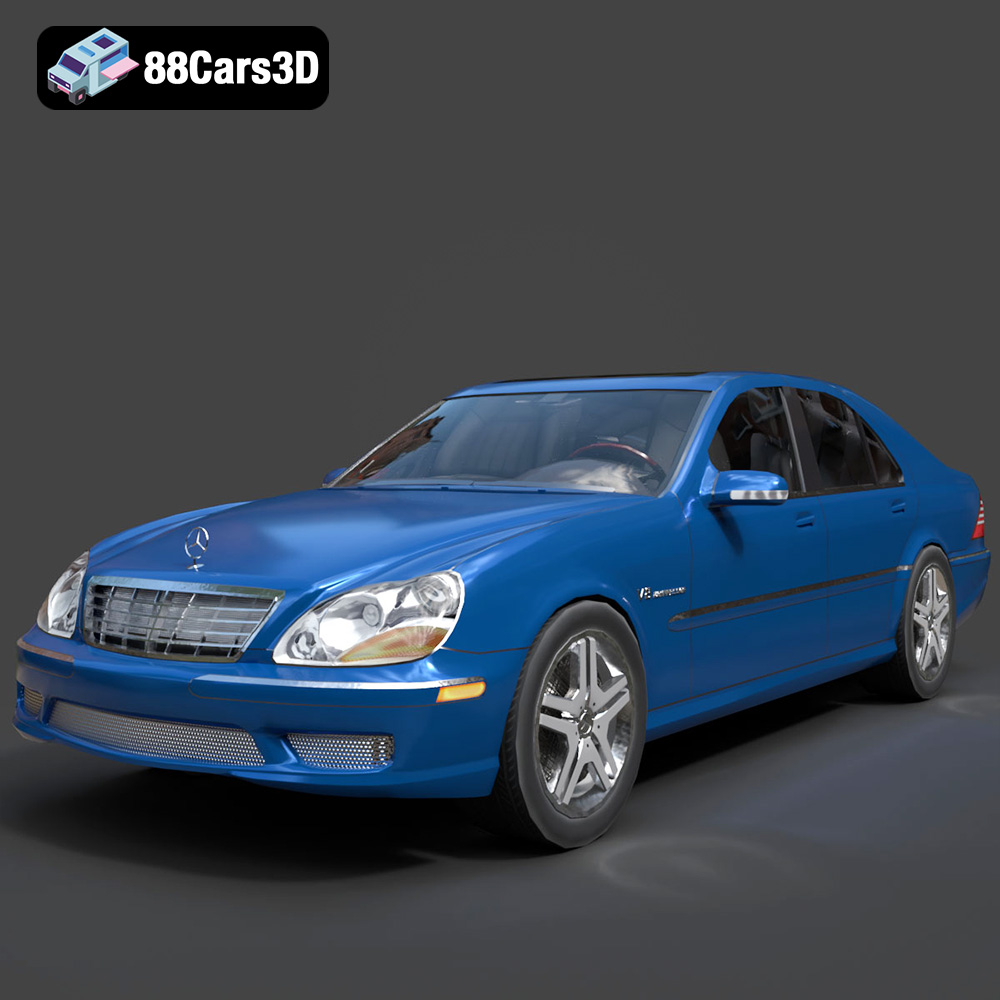
Download the Mercedes-Benz S55 W220 AMG 1999 3D Model featuring clean geometry, realistic detailing, and a fully modeled interior. Includes .blend, .fbx, .obj, .glb, .stl, .ply, .unreal, and .max formats for rendering, simulation, and game development.
Price: $23.99
Texture: Yes
Material: Yes
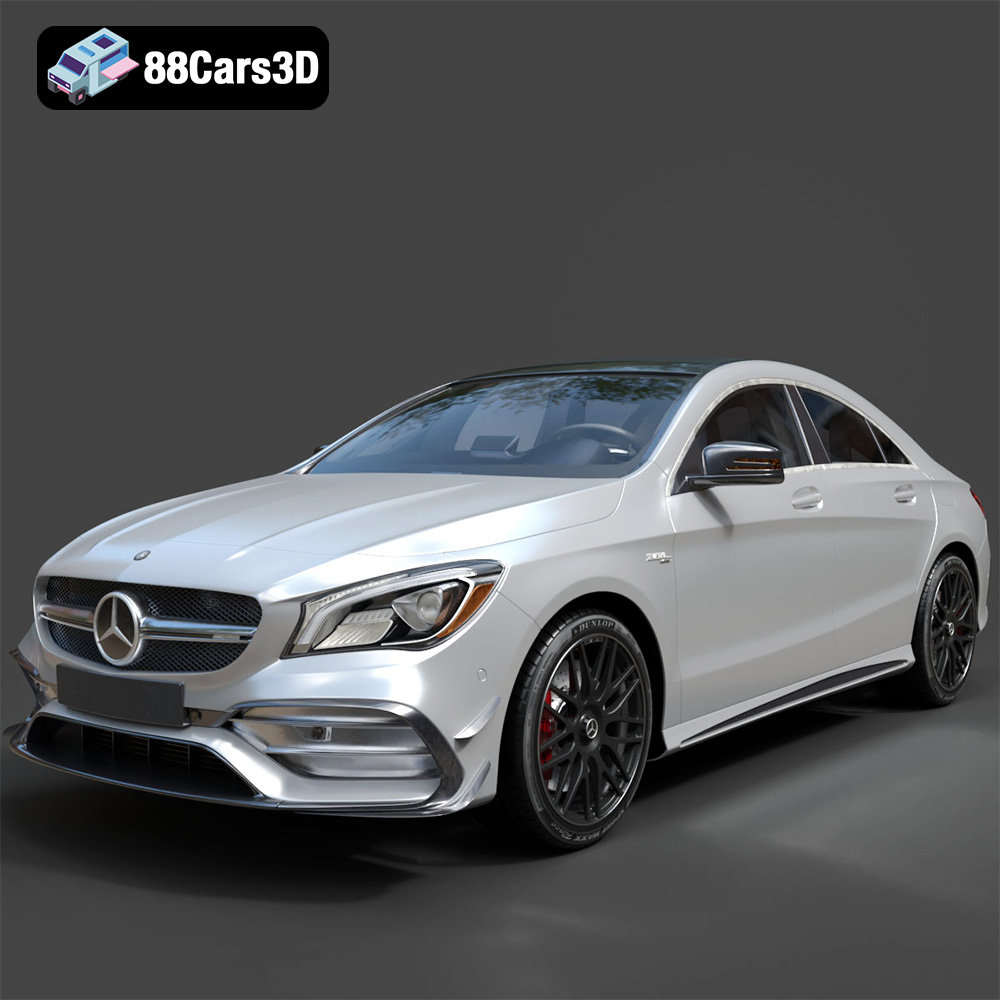
Download the Mercedes-Benz CLA45 AMG 2017 3D Model featuring clean geometry, realistic detailing, and a fully modeled interior. Includes .blend, .fbx, .obj, .glb, .stl, .ply, .unreal, and .max formats for rendering, simulation, and game development.
Price: $38.99
Texture: Yes
Material: Yes
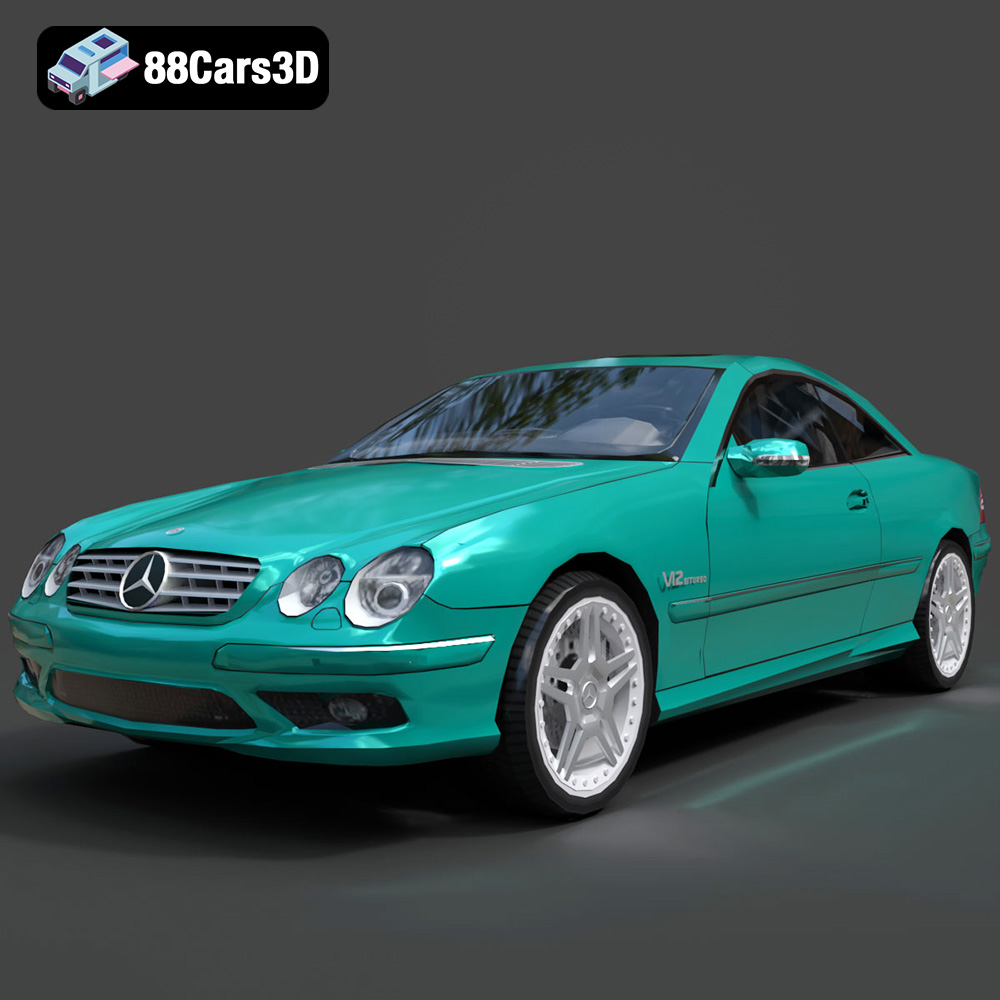
Download the Mercedes-Benz CL65 C215 AMG 3D Model featuring clean geometry, realistic detailing, and a fully modeled interior. Includes .blend, .fbx, .obj, .glb, .stl, .ply, .unreal, and .max formats for rendering, simulation, and game development.
Price: $23.99
Texture: Yes
Material: Yes
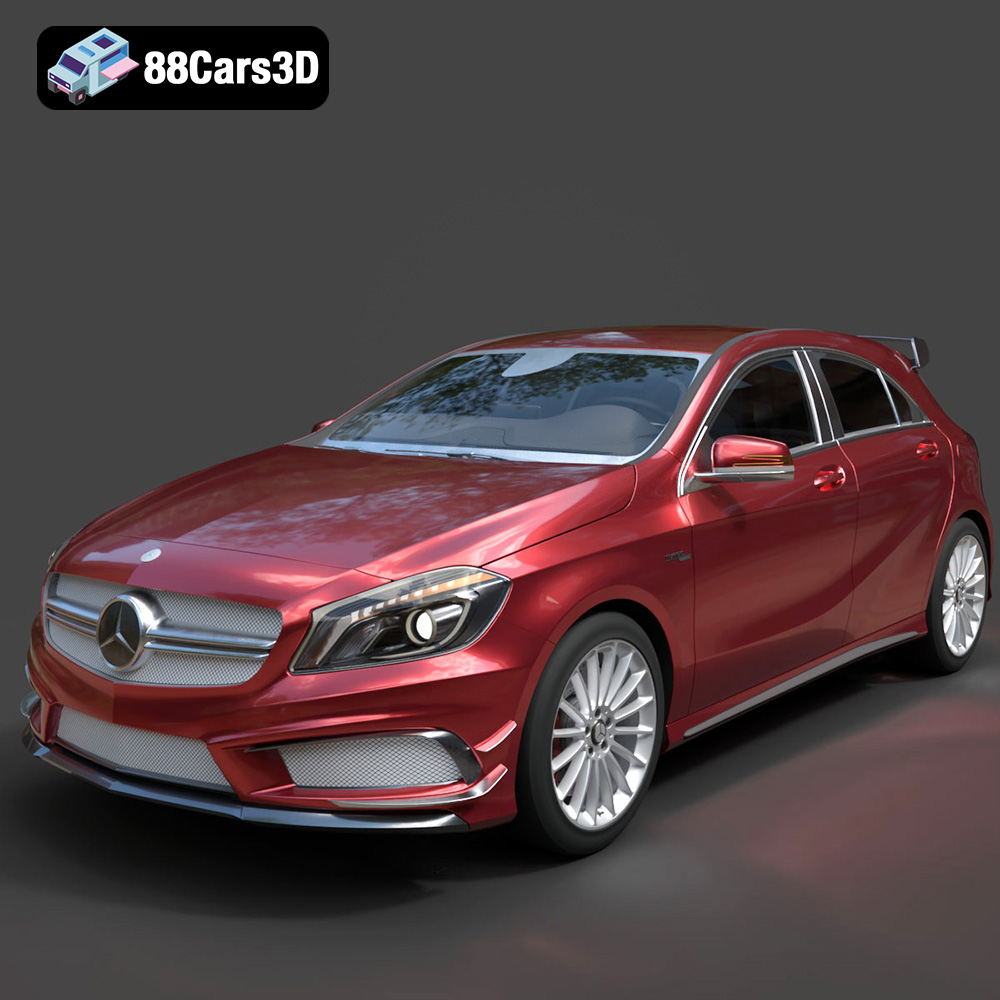
Download the Mercedes-Benz A45 2021 3D Model featuring clean geometry, realistic detailing, and a fully modeled interior. Includes .blend, .fbx, .obj, .glb, .stl, .ply, .unreal, and .max formats for rendering, simulation, and game development.
Price: $23.99
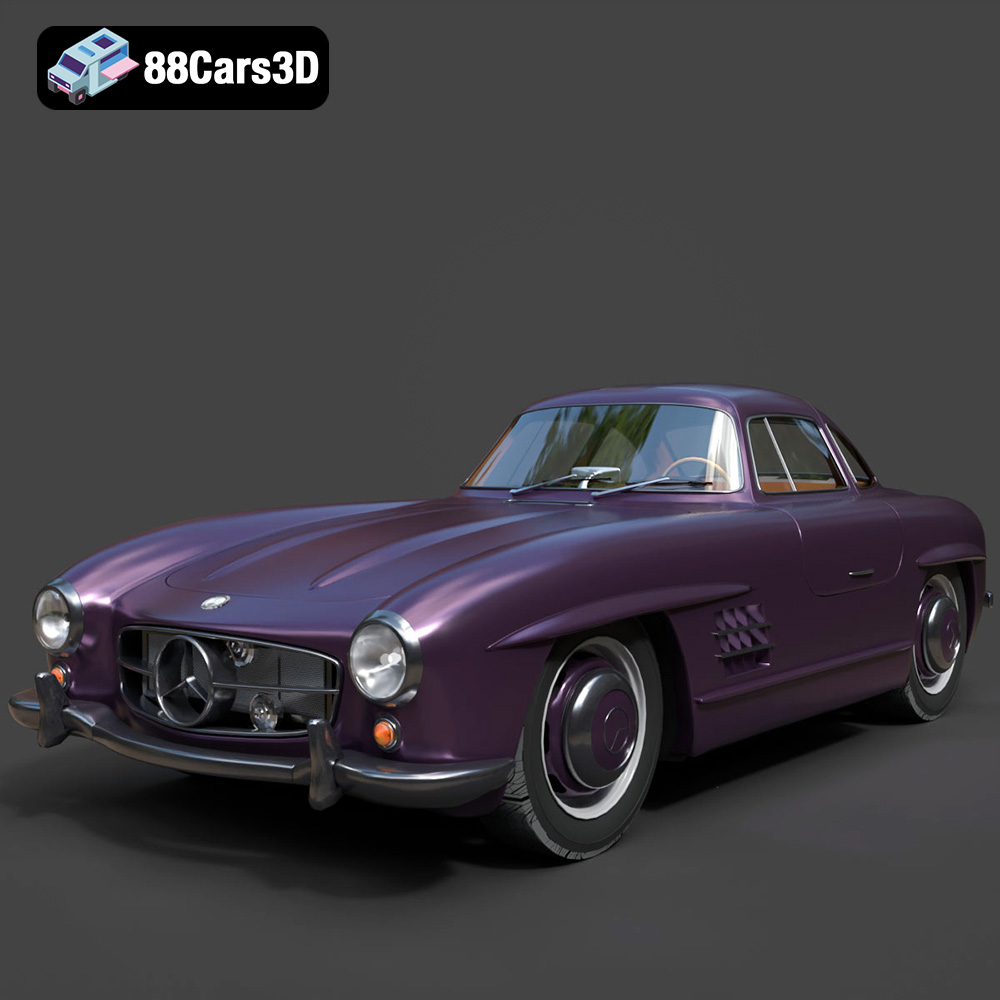
Texture: Yes
Material: Yes
Download the Mercedes-Benz 300SL 1955 3D Model featuring clean geometry, realistic detailing, and a fully modeled interior. Includes .blend, .fbx, .obj, .glb, .stl, .ply, .unreal, and .max formats for rendering, simulation, and game development.
Price: $23.99
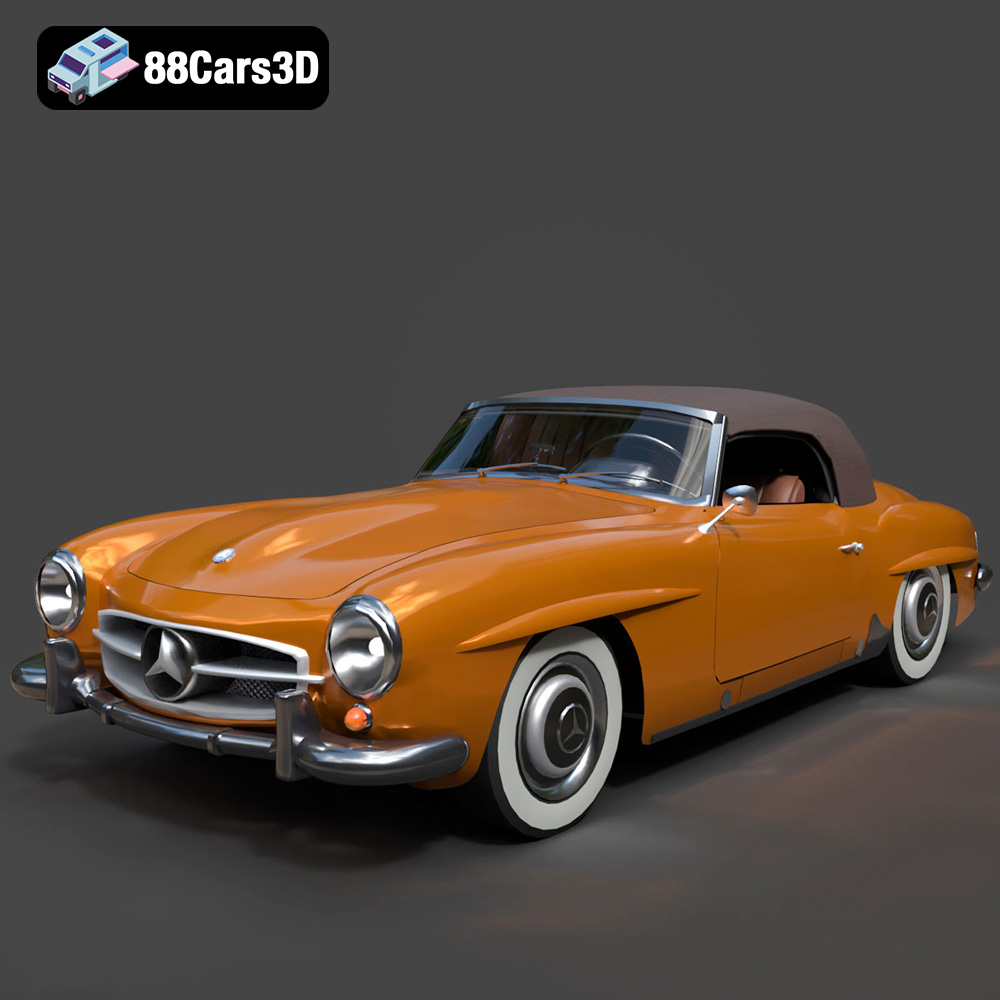
Texture: Yes
Material: Yes
Download the Mercedes-Benz 190SL 1955 3D Model featuring clean geometry, realistic detailing, and a fully modeled interior. Includes .blend, .fbx, .obj, .glb, .stl, .ply, .unreal, and .max formats for rendering, simulation, and game development.
Price: $23.99
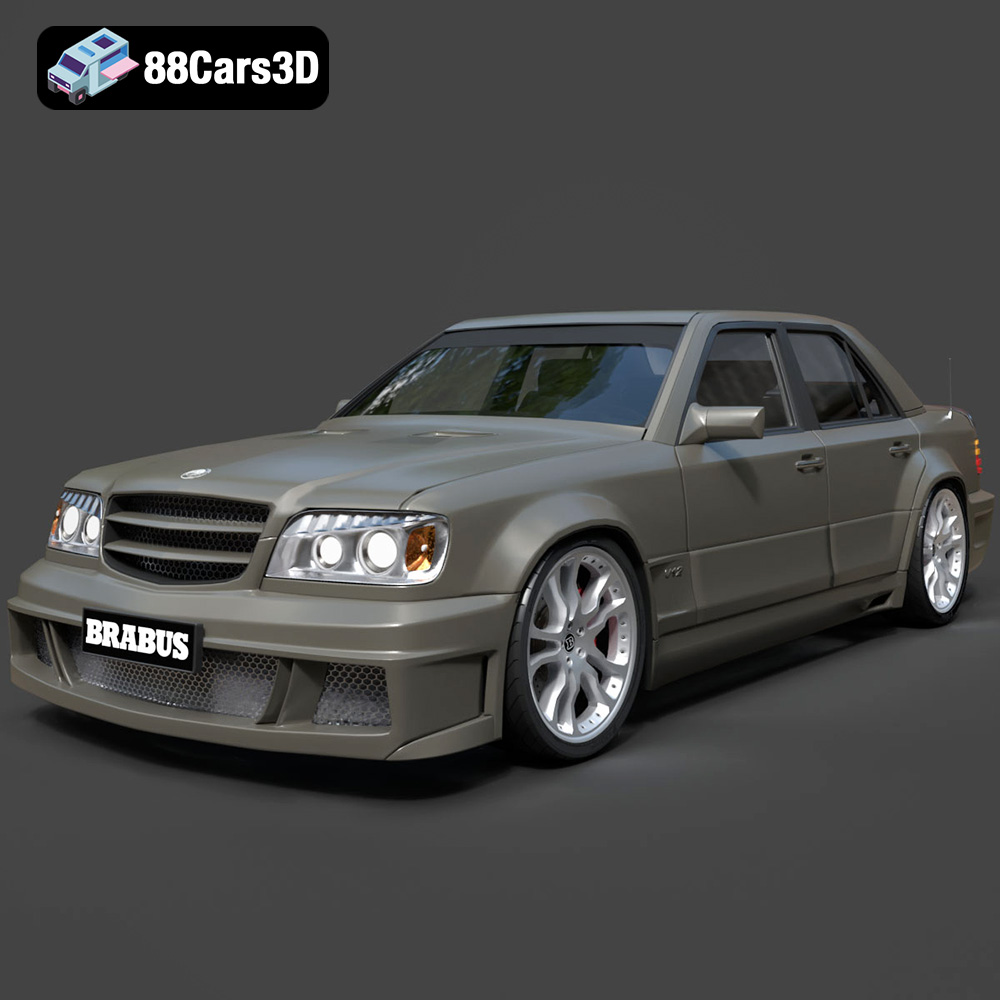
Texture: Yes
Material: Yes
Download the Mercedes-Benz W124 Brabus V12 3D Model featuring clean geometry, realistic detailing, and a fully modeled interior. Includes .blend, .fbx, .obj, .glb, .stl, .ply, .unreal, and .max formats for rendering, simulation, and game development.
Price: $23.99
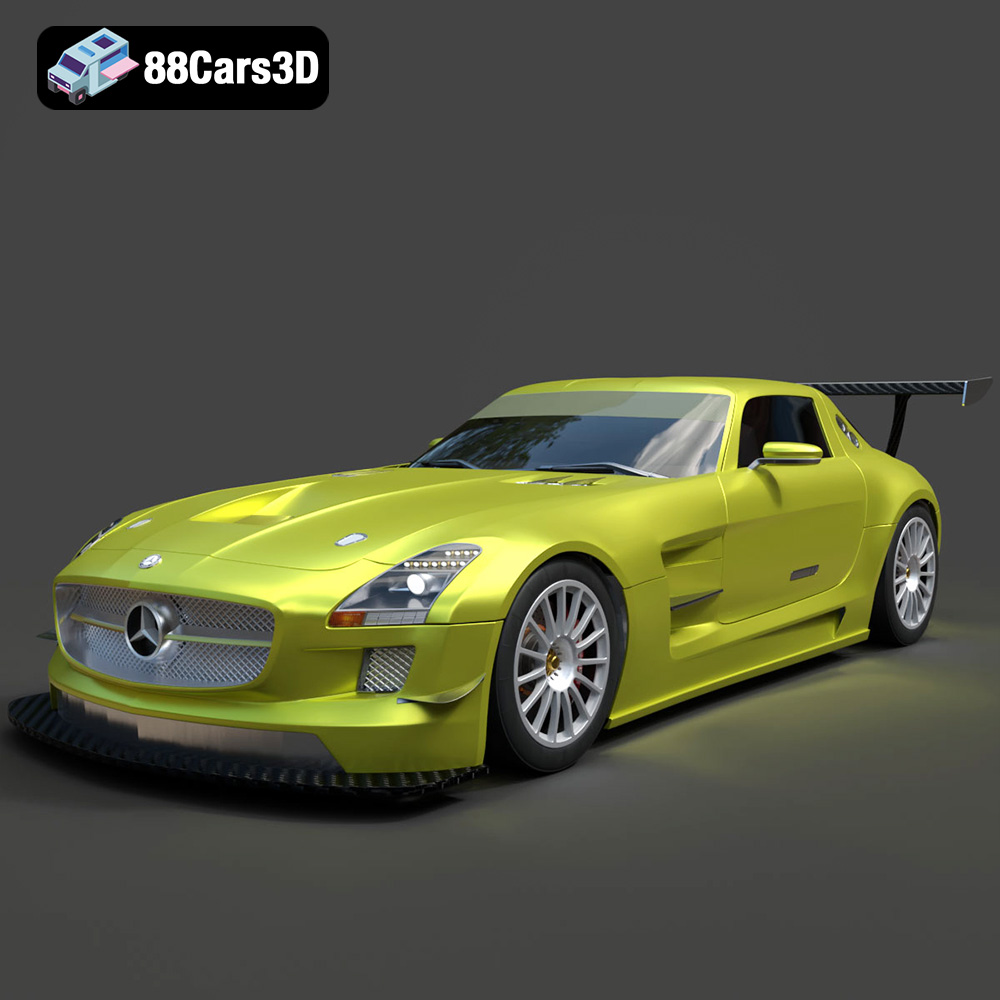
Texture: Yes
Material: Yes
Download the Mercedes-Benz SLS AMG GT3-002 3D Model featuring clean geometry, realistic detailing, and a fully modeled interior. Includes .blend, .fbx, .obj, .glb, .stl, .ply, .unreal, and .max formats for rendering, simulation, and game development.
Price: $38.99

Texture: Yes
Material: Yes
Download the Mercedes-Benz C-Class-001 3D Model featuring clean geometry, realistic detailing, and a fully modeled interior. Includes .blend, .fbx, .obj, .glb, .stl, .ply, .unreal, and .max formats for rendering, simulation, and game development.
Price: $38.99
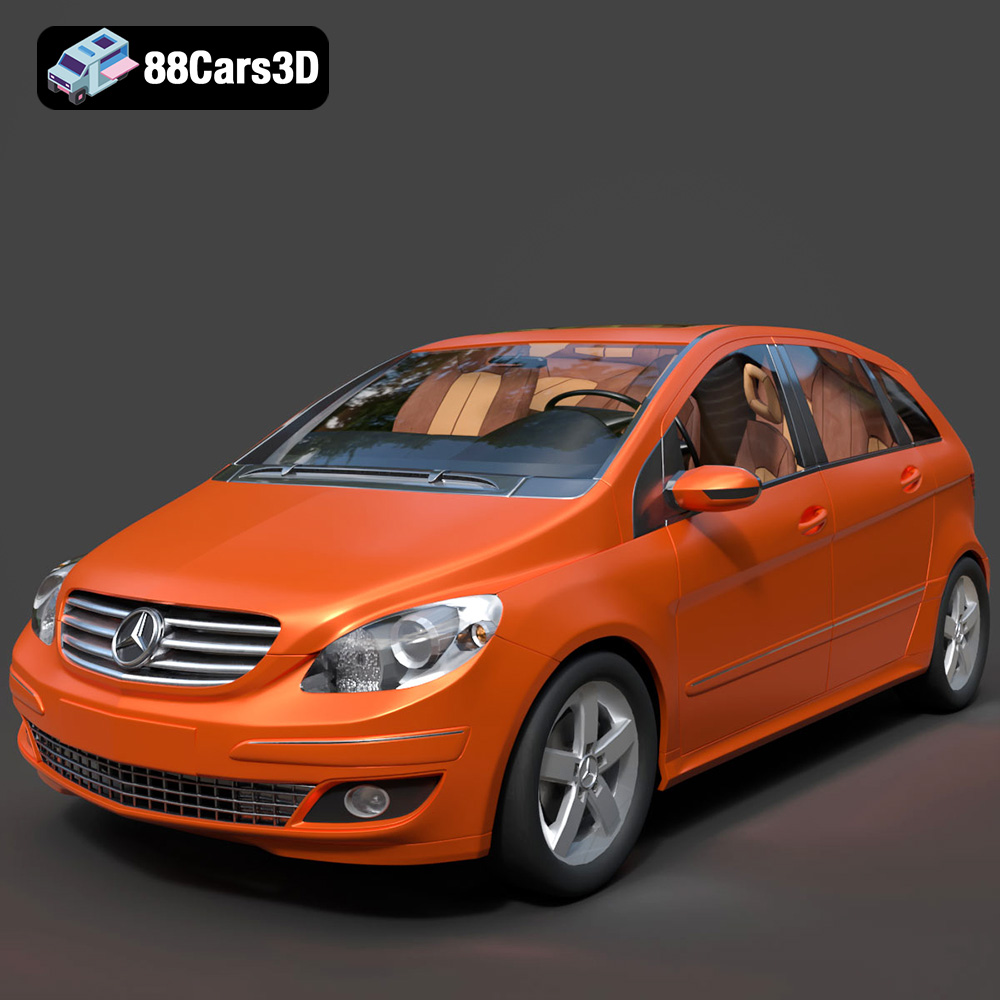
Texture: Yes
Material: Yes
Download the Mercedes-Benz B-Klasse 2023 3D Model featuring clean geometry, realistic detailing, and a fully modeled interior. Includes .blend, .fbx, .obj, .glb, .stl, .ply, .unreal, and .max formats for rendering, simulation, and game development.
Price: $38.99
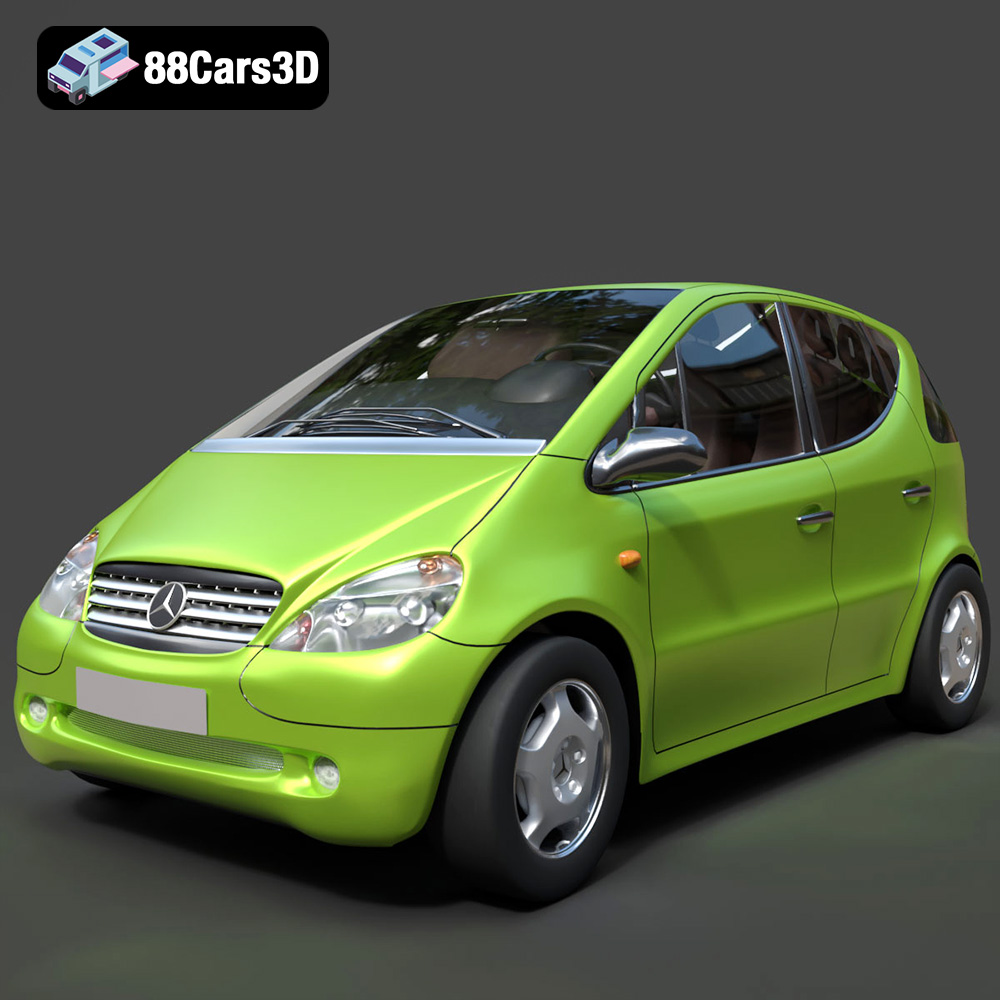
Texture: Yes
Material: Yes
Download the Mercedes-Benz A-Klasse W168 3D Model featuring clean geometry, realistic detailing, and a fully modeled interior. Includes .blend, .fbx, .obj, .glb, .stl, .ply, .unreal, and .max formats for rendering, simulation, and game development.
Price: $38.99
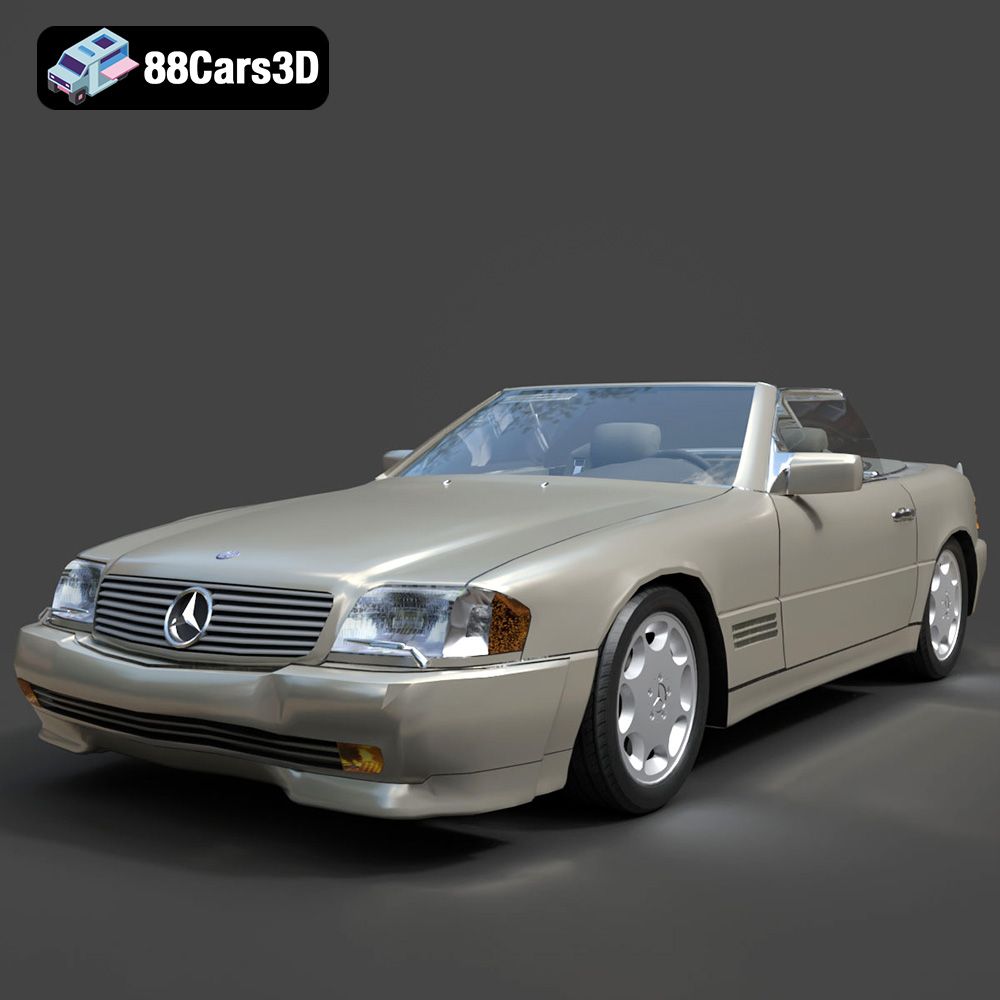
Texture: Yes
Material: Yes
Download the Mercedes-Benz 500SL 2000 3D Model featuring clean geometry, realistic detailing, and a fully modeled interior. Includes .blend, .fbx, .obj, .glb, .stl, .ply, .unreal, and .max formats for rendering, simulation, and game development.
Price: $38.99
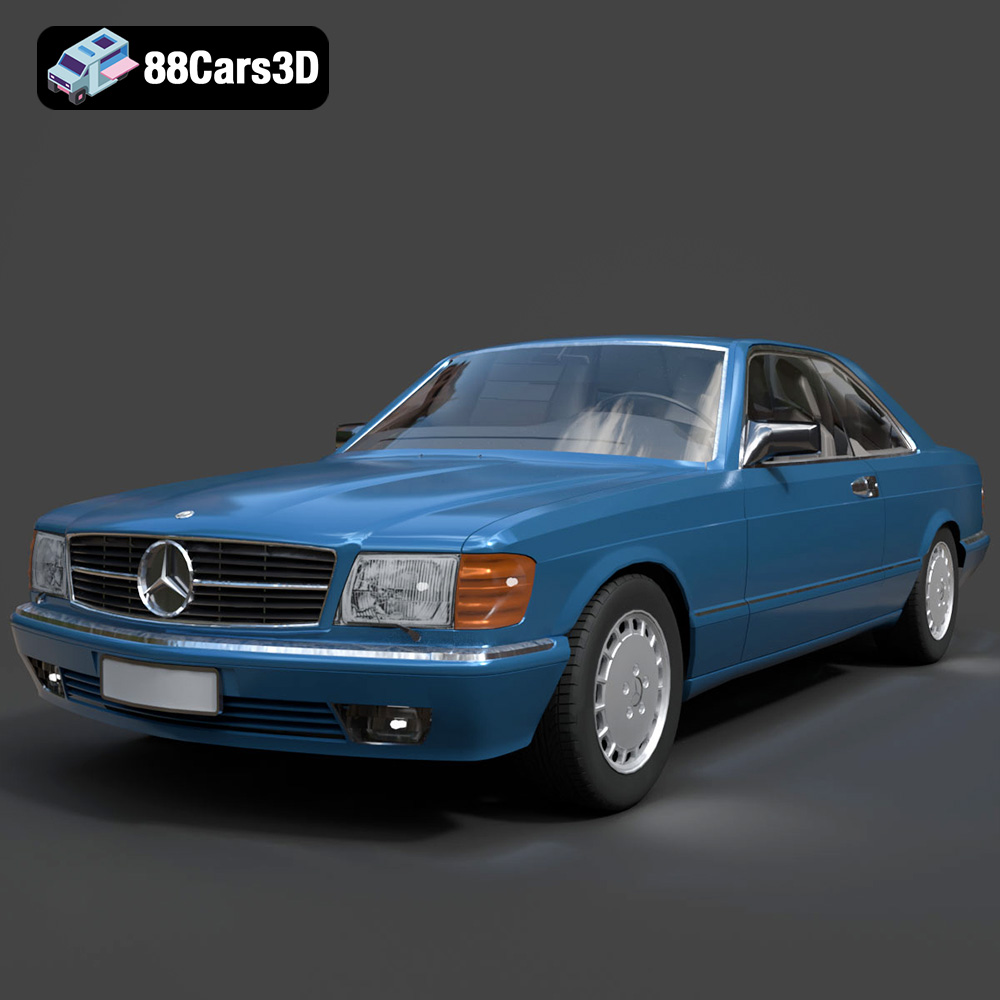
Texture: Yes
Material: Yes
Download the Mercedes-Benz 500SEC 3D Model featuring clean geometry, realistic detailing, and a fully modeled interior. Includes .blend, .fbx, .obj, .glb, .stl, .ply, .unreal, and .max formats for rendering, simulation, and game development.
Price: $38.99
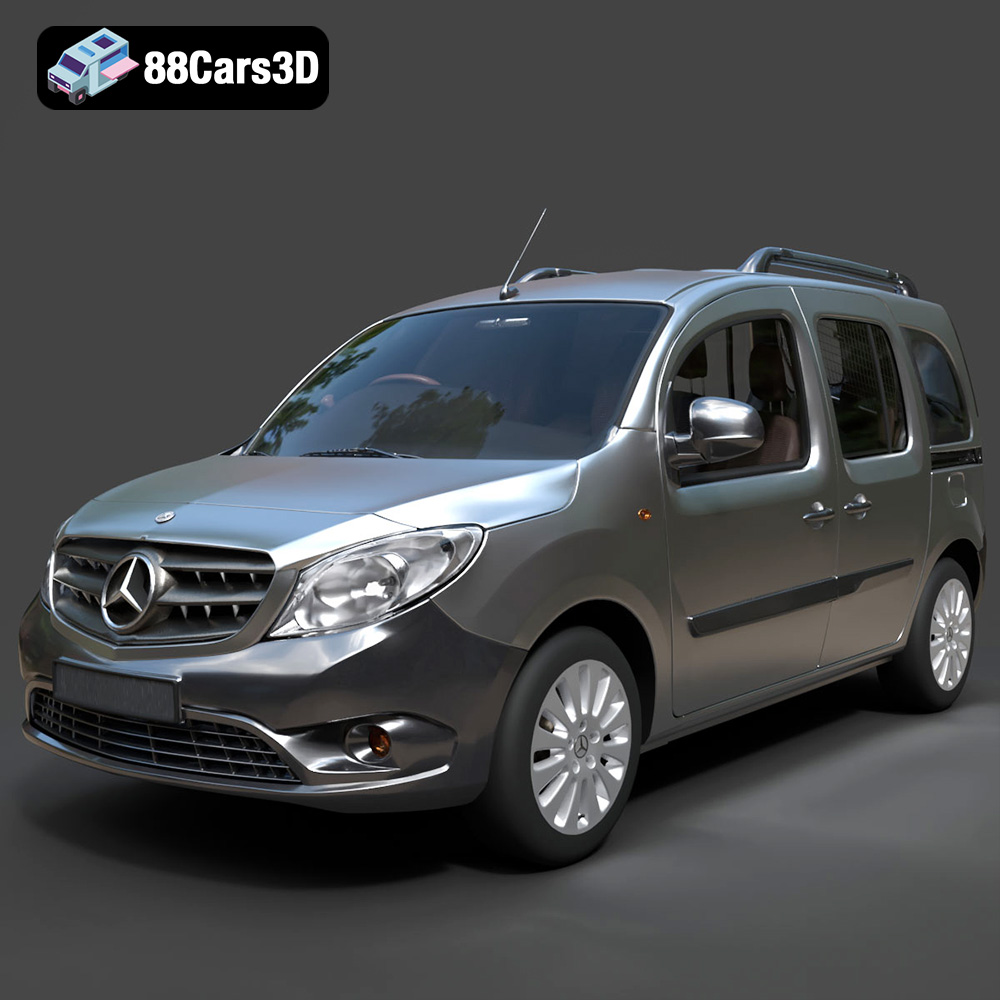
Texture: Yes
Material: Yes
Download the Mercedes-Benz Citan 2025 3D Model featuring clean geometry, realistic detailing, and a fully modeled interior. Includes .blend, .fbx, .obj, .glb, .stl, .ply, .unreal, and .max formats for rendering, simulation, and game development.
Price: $38.99
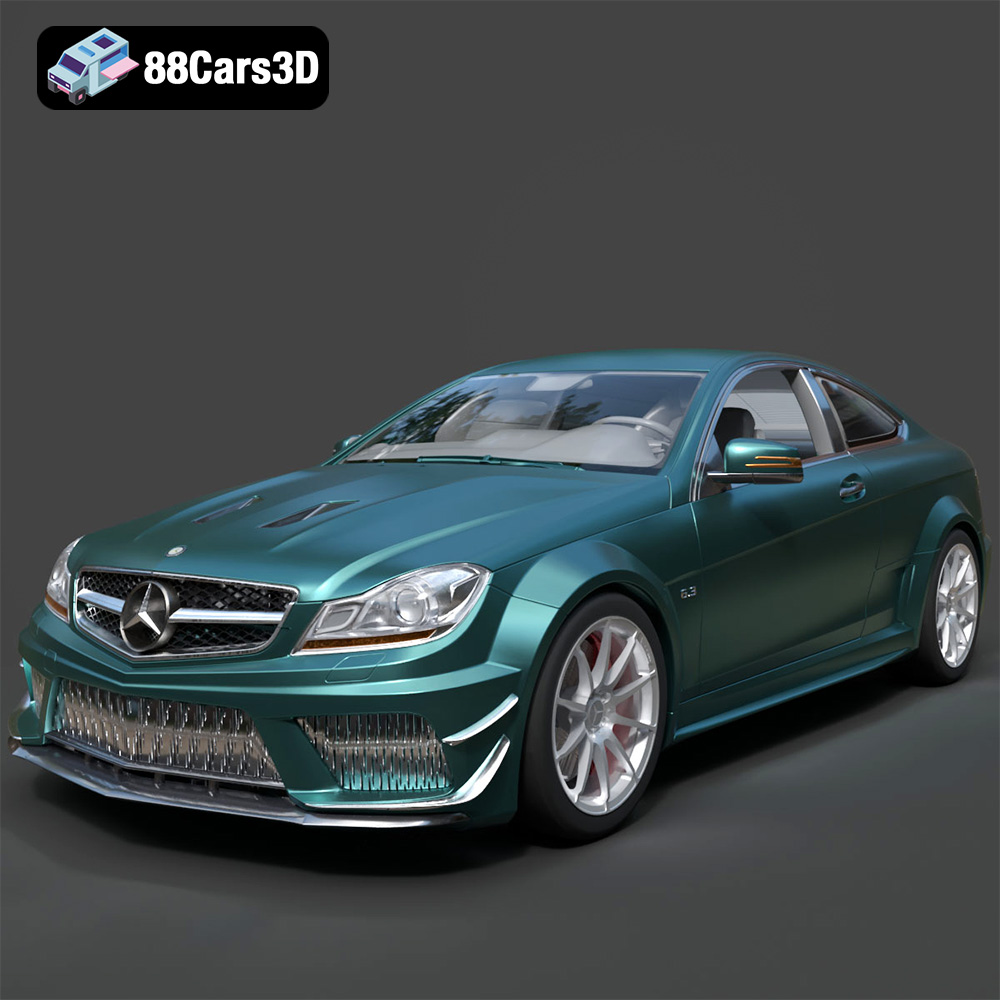
Texture: Yes
Material: Yes
Download the Mercedes-Benz C63 AMG 2012 3D Model featuring clean geometry, realistic detailing, and a fully modeled interior. Includes .blend, .fbx, .obj, .glb, .stl, .ply, .unreal, and .max formats for rendering, simulation, and game development.
Price: $38.99
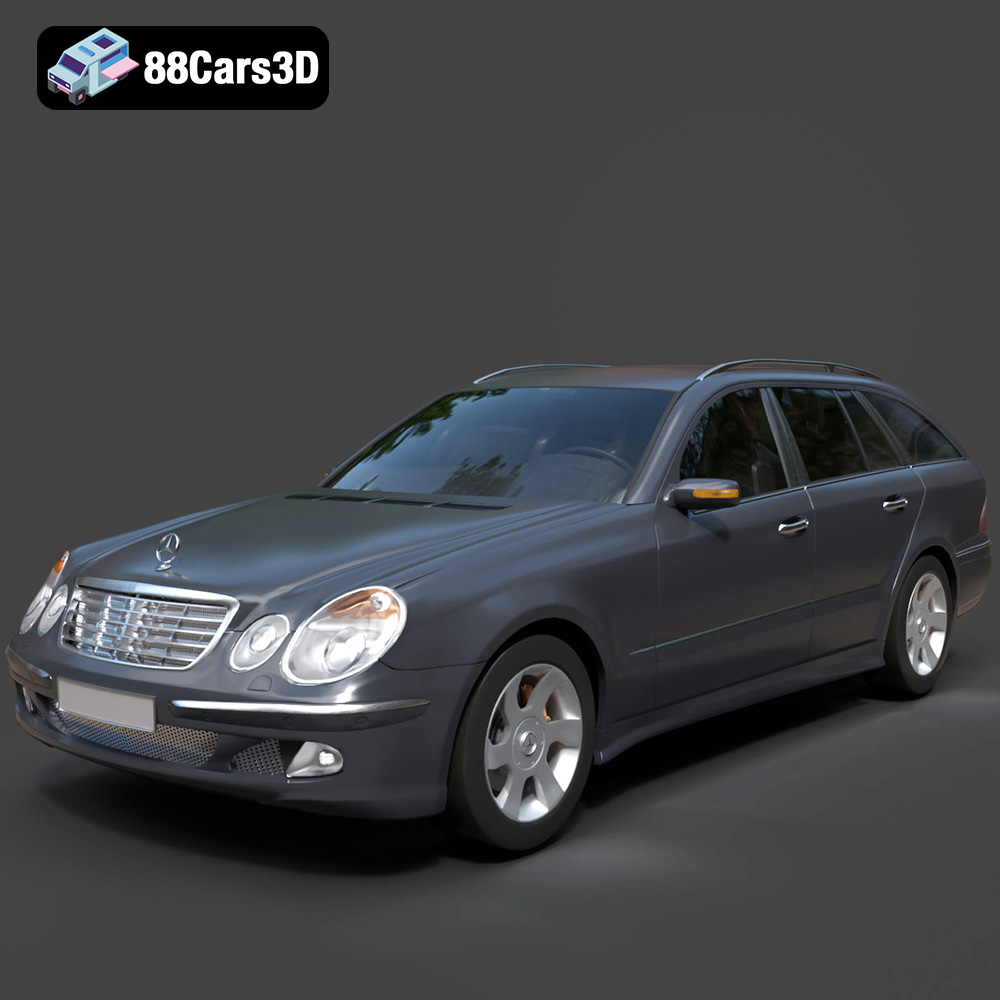
Texture: Yes
Material: Yes
Download the Mercedes-Benz E-Class S211 3D Model featuring clean geometry, realistic detailing, and a fully modeled interior. Includes .blend, .fbx, .obj, .glb, .stl, .ply, .unreal, and .max formats for rendering, simulation, and game development.
Price: $38.99
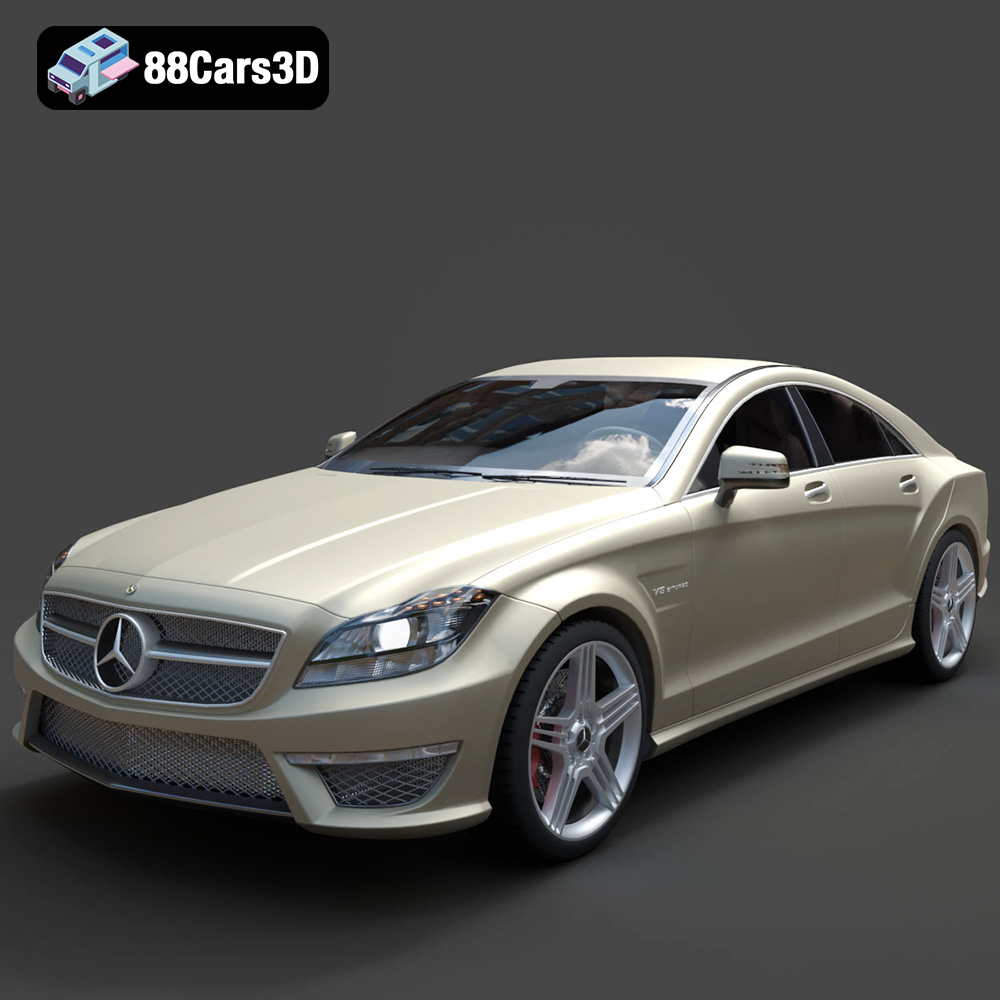
Texture: Yes
Material: Yes
Download the Mercedes-Benz CLS63 AMG (C218) 2014 3D Model featuring clean geometry, realistic detailing, and a fully modeled interior. Includes .blend, .fbx, .obj, .glb, .stl, .ply, .unreal, and .max formats for rendering, simulation, and game development.
Price: $38.99
Texture: Yes
Material: Yes
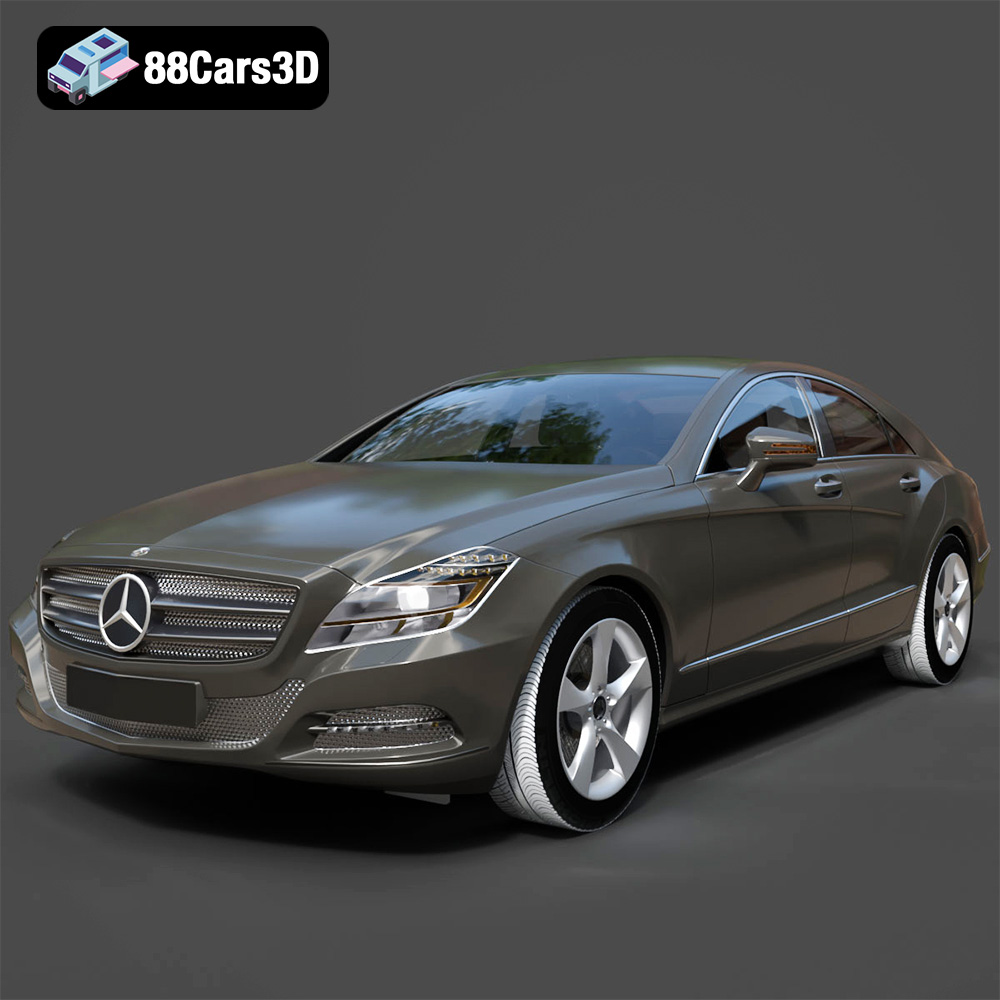
Download the Mercedes-Benz CLS-Klasse 3D Model featuring clean geometry, realistic detailing, and a fully modeled interior. Includes .blend, .fbx, .obj, .glb, .stl, .ply, .unreal, and .max formats for rendering, simulation, and game development.
Price: $38.99

