Get 20% OFF All Premium 3D & STL Models!

The quest for photorealism in digital automotive visualization has long been a pursuit of artists and designers alike. From static renders that once took hours, if not days, to compute, we’ve now entered an era where breathtakingly realistic vehicle scenes can be generated and interacted with in real-time. This revolution is largely thanks to advancements in game engines, and at the forefront stands Unreal Engine 5.
Unreal Engine 5 has fundamentally changed the landscape of digital content creation, offering tools that bridge the gap between high-fidelity offline rendering and interactive real-time experiences. For anyone involved in automotive design, marketing, game development, or virtual production, mastering its capabilities is no longer an option but a necessity. This comprehensive guide will take you through the essential steps to achieve unparalleled Unreal Engine 5 automotive rendering, pushing the boundaries of what’s possible with real-time photorealism.
Unreal Engine 5 represents a monumental leap forward, particularly for industries demanding visual fidelity without compromising performance. Its innovative core technologies unlock possibilities that were once confined to the realm of pre-rendered cinematics. For automotive visualization, this means designers can iterate faster, marketers can create interactive configurators, and game developers can craft truly immersive driving experiences.
Achieving stunning real-time photorealism in automotive projects requires a deep understanding of UE5’s rendering pipeline. The engine’s architecture is designed to handle complex scenes with millions of polygons and intricate lighting setups, making it the ideal platform for showcasing high-detail vehicles. The ability to visualize intricate designs in a dynamic, real-time environment empowers creators to make informed decisions and present their work with unprecedented clarity.
Two of Unreal Engine 5’s most transformative features are Lumen and Nanite. Lumen is a fully dynamic global illumination and reflections system that creates incredibly realistic lighting scenarios without the need for baked lightmaps. For automotive scenes, this is crucial, as vehicles often move through diverse environments, requiring lighting that adapts instantly and accurately. Lumen ensures that light bounces and interacts with surfaces naturally, from the subtle reflections on a car’s metallic paint to the ambient occlusion in intricate interior details.
Nanite, on the other hand, is a virtualized micro-polygon geometry system that allows artists to import film-quality source assets – consisting of millions or even billions of polygons – directly into UE5 without any noticeable loss in detail or performance degradation. This is a game-changer for the high-poly car models workflow. Automotive CAD data, which is typically extremely dense, can now be directly utilized, eliminating the need for laborious manual retopology and LOD (Level of Detail) creation. Nanite optimization ensures that every curve, seam, and emblem on your vehicle model remains perfectly rendered, regardless of camera distance or polygon count.
While Lumen handles global illumination and reflections dynamically, Unreal Engine 5 also fully supports hardware-accelerated Ray Tracing. This offers an even higher level of visual fidelity for specific elements like reflections, shadows, and ambient occlusion, especially beneficial for cinematic renders or dedicated showcase scenes. Combining Lumen’s real-time adaptability with the precision of Ray Tracing allows artists to achieve truly exceptional results in their Unreal Engine 5 automotive rendering projects. It provides a level of accuracy in light interaction that can elevate a scene from realistic to virtually indistinguishable from reality.
The foundation of any breathtaking automotive render is a high-quality 3D model. When working with vehicles, these models are often incredibly complex, originating from CAD data or meticulously crafted in modeling software. Unreal Engine 5, with Nanite, has simplified the high-poly car models workflow significantly, but preparation is still key to success.
Finding excellent starting points for your automotive projects is crucial. Websites like 88cars3d.com offer a wide selection of premium, high-fidelity car models, often optimized for various rendering pipelines. Starting with a well-structured model saves immense time and effort, allowing you to focus on the artistic aspects of rendering rather than foundational modeling challenges.
Many automotive projects begin with CAD (Computer-Aided Design) data, which is incredibly precise but often unsuitable for real-time engines directly due to its NURBS-based geometry and colossal polygon counts. While Nanite handles high poly counts, converting NURBS to meshes and cleaning up the topology is still a vital first step. Tools like Datasmith play a crucial role here, facilitating the import of CAD formats (like SolidWorks, Catia, or Alias) into Unreal Engine, automatically tessellating surfaces and retaining material assignments.
Before importing, ensure your CAD data is appropriately segmented. Different parts of the vehicle (body, interior, wheels, glass) should ideally be separate objects or grouped logically. This allows for easier material assignments, animation, and interaction within UE5. A clean, well-organized mesh, even if high-poly, will always yield better results and offer more flexibility.
Once your high-poly mesh is prepared, importing it as a Nanite mesh is straightforward. When you import a static mesh into Unreal Engine 5, you’ll have the option to enable Nanite. This converts the mesh into a virtualized geometry format, allowing the engine to stream only the necessary detail to the screen, irrespective of the original polygon count. This is how Nanite optimization allows for unprecedented detail on complex surfaces, such as intricate grilles, brake calipers, or detailed engine components, all rendered efficiently.
For automotive assets, Nanite is especially powerful because it preserves all the subtle curvatures and sharp edges that define a vehicle’s aesthetic. You no longer need to compromise on geometric detail for performance, ensuring your renders maintain that hyper-realistic edge. Remember to consider Nanite for all static, high-detail parts of your vehicle model.
Not all parts of a car are static. Wheels spin, doors open, suspensions articulate. For these dynamic elements, you’ll often need to use skeletal meshes. A skeletal mesh is rigged with a skeleton that allows for animation and physics simulation. This is critical for creating game-ready vehicle assets that can be driven and interacted with authentically. Each wheel, for instance, would be a separate skeletal mesh attached to a main vehicle skeleton, enabling realistic rotation and suspension movement.
Creating physics assets for your vehicle is another crucial step. These simplified collision meshes allow the vehicle to interact realistically with its environment, preventing performance heavy calculations on the high-poly visual mesh. Proper setup of physics assets ensures that your car not only looks good but also handles and behaves convincingly within a game or simulation environment.
The realism of an automotive render often hinges on the quality of its materials, especially the car paint. Automotive paint is notoriously complex, with multiple layers contributing to its unique appearance. Achieving a convincing car paint material setup in Unreal Engine 5 requires a deep understanding of PBR (Physically Based Rendering) principles and material graph manipulation.
A car’s materials – from the highly reflective body paint to the nuanced textures of the interior – are what truly bring the model to life. Unreal Engine 5’s powerful material editor provides all the tools needed to replicate these complex surfaces with stunning accuracy, crucial for achieving true real-time photorealism.
A sophisticated car paint shader typically involves multiple layers: a base color, a metallic flake layer, and a clear coat. Start with a standard PBR material, setting your base color and adjusting the metallic and roughness values to represent the underlying metallic layer. The magic often happens with the clear coat. This can be simulated by using a second specular lobe or by layering materials. A common technique involves a “Coat” input or by using a custom shader that simulates reflections on top of the base paint, complete with subtle orange peel imperfections.
For metallic flakes, you can utilize a subtle normal map or a procedural noise texture to simulate tiny metallic particles embedded within the paint, scattering light at different angles. Adjusting the tint of the clear coat and the flakes can add further depth and realism. Experiment with roughness maps for subtle variations, mimicking dust or minor imperfections that contribute to a convincing look rather than a perfectly clean, sterile finish.
Automotive glass is more than just transparent; it reflects, refracts, and often has subtle tints. For windshields, windows, and headlights, use a translucent material. Key parameters to tweak include `Refraction`, `Roughness`, and `Specular` values. Enabling `Screen Space Reflections` and, if desired, `Ray Traced Reflections` for the glass material will drastically improve its realism. Subtle normal maps can introduce imperfections or wiper blade streaks, further enhancing the authenticity.
For headlights and taillights, consider using emissive materials for the light sources within, coupled with carefully crafted glass covers that refract light and cast convincing reflections. Using a separate, simpler mesh for inner reflections can also prevent artifacts and improve performance for complex light clusters.
Beyond paint and glass, a car is composed of numerous other materials, each requiring meticulous attention. Chrome and brushed aluminum require high metallic values and low roughness, often with specific anisotropic reflections for brushed finishes. Plastics, depending on their type, will have varying degrees of roughness and specular reflectivity. Interior materials like leather, fabric, and soft-touch plastics benefit greatly from detailed normal maps and subtle variations in roughness to convey their tactile qualities.
Rubber, for tires and seals, should have a low metallic value, high roughness, and often a displacement or normal map to simulate tread patterns or granular textures. Websites like 88cars3d.com can be invaluable resources, not just for the base vehicle models, but also for inspiration and pre-made material setups that you can adapt and learn from.
Lighting is paramount in automotive rendering; it defines shape, highlights form, and evokes mood. Unreal Engine 5 provides an incredibly robust and flexible lighting system, allowing artists to create environments that perfectly complement their vehicle designs. The goal is to achieve dynamic, photorealistic scenes that showcase the vehicle in its best light.
Mastering lighting in UE5 is about understanding the interplay between various light sources, global illumination, and reflections. For Unreal Engine 5 automotive rendering, the environment is just as important as the vehicle itself in creating a believable scene.
Lumen is your primary tool for achieving realistic indirect lighting and reflections in real-time. Simply placing directional, sky, and skylight actors will immediately leverage Lumen to calculate realistic light bounces. For automotive scenes, this means light from the sky and sun will reflect and bounce off the ground, illuminating the underside of the car and filling shadowed areas with soft, natural light. This dynamic behavior is crucial for interactive configurators or changing time-of-day scenarios.
Experiment with the intensity and color temperature of your light sources. A warmer sun for a sunset scene, or cooler ambient light for an overcast day, will dramatically alter the vehicle’s appearance. Lumen’s real-time feedback allows for rapid iteration, enabling you to fine-tune your lighting until it perfectly captures the desired atmosphere, without long render times. Proper use of Lumen global illumination is key to achieving that convincing sense of presence.
High Dynamic Range Images (HDRIs) are an excellent way to quickly establish a realistic lighting and reflection environment. By using an HDRI as a Sky Light source, you can instantly bathe your scene in highly accurate, real-world lighting and reflections, complete with nuanced color and intensity variations. This is particularly effective for showcasing vehicles in diverse natural or urban settings. Many artists start with an HDRI and then augment it with custom placed lights.
For more control, especially in studio or highly stylized scenes, a custom lighting setup might be preferred. This involves strategically placing directional lights (for sun/key light), spot lights (for accenting details), and rectangular lights (for softbox-style studio illumination). Remember to consider three-point lighting principles: a key light, fill light, and back light. Each light should serve a purpose in shaping the car’s form and highlighting its design features. Combining HDRI environments with custom lights often yields the most balanced and artistic results.
Don’t neglect the interior and engine bay. These areas often require dedicated lighting to reveal their intricate details. Small, strategically placed point lights or spotlights can illuminate dashboards, seats, and engine components. For interior lighting, consider the car’s built-in lights, such as dome lights or ambient strips, using emissive materials or small point lights. For under-the-hood shots, practical lights can highlight the mechanical complexities, adding another layer of realism to your Unreal Engine 5 automotive rendering.
Once your models, materials, and lighting are in place, the final polish comes from advanced rendering techniques and post-processing. These steps are crucial for transforming a realistic scene into a cinematic masterpiece, perfect for marketing, visualization, or even virtual production automotive applications.
These techniques move beyond the foundational setup, focusing on how the final image is perceived through the “camera lens.” They add depth, atmosphere, and visual appeal, often emulating the characteristics of real-world photography and cinematography.
Unreal Engine 5’s Post Process Volume is an indispensable tool for achieving a polished, filmic look. Here, you can adjust settings like:
Thoughtful use of post-processing can elevate your render from good to outstanding, giving it that professional, high-end feel often seen in automotive advertisements.
Just like a real photographer, your choice of camera settings and composition dramatically impacts the final image. Use a Cine Camera Actor in UE5, which offers controls familiar to photographers: focal length, aperture (for depth of field), and sensor size. A longer focal length (e.g., 85mm-135mm) is often favored for automotive photography as it compresses perspective beautifully, making cars look sleek and powerful.
Compositional rules like the rule of thirds, leading lines, and negative space are just as relevant in a virtual environment. Experiment with different camera angles – low angles can emphasize power, while eye-level shots offer a more relatable perspective. Good composition ensures your vehicle is presented effectively and artistically.
For dynamic shots, especially in a virtual production context or for cinematic renders, motion blur is essential. Unreal Engine 5 offers per-pixel motion blur, which accurately blurs moving objects based on their velocity. This adds a sense of speed and dynamism to your vehicle, making it feel alive even in a still image (if combined with appropriate camera movement) or during animation.
Depth of Field (DOF) is another powerful cinematic tool. By selectively blurring parts of the image that are not in focus, you can draw the viewer’s eye directly to the vehicle or a specific detail. A shallow DOF with a beautifully blurred background can make your car pop, isolating it from its environment and adding a premium feel. Use the Cine Camera Actor’s focal distance and f-stop settings to control the amount and quality of the blur.
The beauty of mastering Unreal Engine 5 automotive rendering is its versatility. The same techniques and assets used for high-fidelity visualizations can be adapted for a wide array of interactive experiences, paving the way for game-ready vehicle assets and groundbreaking applications in virtual production automotive.
Unreal Engine 5 empowers creators to move beyond static images, turning detailed vehicle models into dynamic, interactive components for games, simulations, and immersive cinematic productions.
While Nanite handles high poly counts, traditional LODs and optimized meshes are still important for specific use cases, especially if your assets are destined for lower-spec platforms or highly complex game environments where non-Nanite geometry is preferred or required for certain interactions. For game-ready vehicle assets, you’ll need to consider:
Working with high-quality models from resources like 88cars3d.com can often give you a head start, as many are designed with game development in mind, featuring clean topology and efficient material IDs.
Virtual production is revolutionizing filmmaking, allowing directors to shoot live actors against dynamic virtual backgrounds in real-time. Automotive assets play a massive role here, enabling virtual car commercials, driving sequences, and interactive set pieces. Imagine shooting an actor “driving” a virtual car on a real soundstage, with the Unreal Engine 5 environment updating around them in real-time on LED walls. This integration of physical and virtual elements is where virtual production automotive truly shines.
High-fidelity vehicle models, combined with UE5’s real-time capabilities, allow for unprecedented creative freedom and iteration during pre-visualization and even final pixel production. Directors can change car colors, environments, and lighting on the fly, making production workflows incredibly efficient and flexible.
The journey doesn’t end with a stunning render. Unreal Engine 5 allows you to transform your automotive visions into interactive experiences. This could be:
The possibilities are virtually limitless, extending the value of your meticulously crafted vehicle assets far beyond traditional rendering.
Unreal Engine 5 has ushered in an exciting new era for automotive visualization. Its powerful features like Nanite and Lumen, combined with advanced rendering techniques, make achieving professional-grade Unreal Engine 5 automotive rendering more accessible than ever before. From importing complex CAD data and perfecting your car paint material setup to harnessing Lumen global illumination and crafting game-ready vehicle assets, the journey to real-time photorealism is both challenging and incredibly rewarding.
By diligently applying the techniques outlined in this guide, you can create automotive visuals that not only look spectacular but also provide unparalleled flexibility for diverse applications, from marketing and design iteration to cutting-edge virtual production automotive. The future of automotive rendering is interactive, immersive, and truly photorealistic. Embrace the power of Unreal Engine 5 and unleash your creative potential.
Ready to start creating your next automotive masterpiece? Visit 88cars3d.com to explore a vast collection of high-quality, production-ready car models that can serve as the perfect foundation for your Unreal Engine 5 projects.

Texture: Yes
Material: Yes
Download the Subaru Impreza Sport Wagon 3D Model featuring clean geometry, realistic detailing, and a fully modeled interior. Includes .blend, .fbx, .obj, .glb, .stl, .ply, .unreal, and .max formats for rendering, simulation, and game development.
Price: $10

Texture: Yes
Material: Yes
Download the Skoda Octavia A7 2017 3D Model featuring clean geometry, realistic detailing, and a fully modeled interior. Includes .blend, .fbx, .obj, .glb, .stl, .ply, .unreal, and .max formats for rendering, simulation, and game development.
Price: $10

Texture: Yes
Material: Yes
Download the Suzuki SX4-002 3D Model featuring clean geometry, realistic detailing, and a fully modeled interior. Includes .blend, .fbx, .obj, .glb, .stl, .ply, .unreal, and .max formats for rendering, simulation, and game development.
Price: $10

Texture: Yes
Material: Yes
Download the Tesla Model S 2024 3D Model featuring clean geometry, realistic detailing, and a fully modeled interior. Includes .blend, .fbx, .obj, .glb, .stl, .ply, .unreal, and .max formats for rendering, simulation, and game development.
Price: $10

Texture: Yes
Material: Yes
Download the Subaru Impreza WRX STi-002 3D Model featuring clean geometry, realistic detailing, and a fully modeled interior. Includes .blend, .fbx, .obj, .glb, .stl, .ply, .unreal, and .max formats for rendering, simulation, and game development.
Price: $10

Texture: Yes
Material: Yes
Download the Subaru Impreza WRX STi Sedan 3D Model featuring clean geometry, realistic detailing, and a fully modeled interior. Includes .blend, .fbx, .obj, .glb, .stl, .ply, .unreal, and .max formats for rendering, simulation, and game development.
Price: $10

Texture: Yes
Material: Yes
Download the Subaru Legacy 2009 3D Model featuring clean geometry, realistic detailing, and a fully modeled interior. Includes .blend, .fbx, .obj, .glb, .stl, .ply, .unreal, and .max formats for rendering, simulation, and game development.
Price: $10

Texture: Yes
Material: Yes
Download the Suzuki Swift 2024 3D Model featuring clean geometry, realistic detailing, and a fully modeled interior. Includes .blend, .fbx, .obj, .glb, .stl, .ply, .unreal, and .max formats for rendering, simulation, and game development.
Price: $10

Texture: Yes
Material: Yes
Download the Suzuki Liana Sedan 2004 3D Model featuring clean geometry, realistic detailing, and a fully modeled interior. Includes .blend, .fbx, .obj, .glb, .stl, .ply, .unreal, and .max formats for rendering, simulation, and game development.
Price: $10

Texture: Yes
Material: Yes
Download the Subaru Outback 2024 3D Model featuring clean geometry, realistic detailing, and a fully modeled interior. Includes .blend, .fbx, .obj, .glb, .stl, .ply, .unreal, and .max formats for rendering, simulation, and game development.
Price: $10

Texture: Yes
Material: Yes
Download the Subaru Legacy 2003 3D Model featuring clean geometry, realistic detailing, and a fully modeled interior. Includes .blend, .fbx, .obj, .glb, .stl, .ply, .unreal, and .max formats for rendering, simulation, and game development.
Price: $10

Texture: Yes
Material: Yes
Download the Subaru Legacy Touring Wagon 3D Model featuring clean geometry, realistic detailing, and a fully modeled interior. Includes .blend, .fbx, .obj, .glb, .stl, .ply, .unreal, and .max formats for rendering, simulation, and game development.
Price: $10

Texture: Yes
Material: Yes
Download the Toyota Mark II (X100) 3D Model featuring clean geometry, realistic detailing, and a fully modeled interior. Includes .blend, .fbx, .obj, .glb, .stl, .ply, .unreal, and .max formats for rendering, simulation, and game development.
Price: $10

Texture: Yes
Material: Yes
Download the Toyota Corona 1985 3D Model featuring clean geometry, realistic detailing, and a fully modeled interior. Includes .blend, .fbx, .obj, .glb, .stl, .ply, .unreal, and .max formats for rendering, simulation, and game development.
Price: $10

Texture: Yes
Material: Yes
Download the Toyota Mark II X81 1990 3D Model featuring clean geometry, realistic detailing, and a fully modeled interior. Includes .blend, .fbx, .obj, .glb, .stl, .ply, .unreal, and .max formats for rendering, simulation, and game development.
Price: $10

Texture: Yes
Material: Yes
Download the Toyota iQ EV 2012 3D Model featuring clean geometry, realistic detailing, and a fully modeled interior. Includes .blend, .fbx, .obj, .glb, .stl, .ply, .unreal, and .max formats for rendering, simulation, and game development.
Price: $10

Texture: Yes
Material: Yes
Download the Toyota Aygo 2013 3D Model featuring clean geometry, realistic detailing, and a fully modeled interior. Includes .blend, .fbx, .obj, .glb, .stl, .ply, .unreal, and .max formats for rendering, simulation, and game development.
Price: $10

Texture: Yes
Material: Yes
Download the Toyota Crown S180 2005 3D Model featuring clean geometry, realistic detailing, and a fully modeled interior. Includes .blend, .fbx, .obj, .glb, .stl, .ply, .unreal, and .max formats for rendering, simulation, and game development.
Price: $10

Texture: Yes
Material: Yes
Download the Toyota Celica 2004 3D Model featuring clean geometry, realistic detailing, and a fully modeled interior. Includes .blend, .fbx, .obj, .glb, .stl, .ply, .unreal, and .max formats for rendering, simulation, and game development.
Price: $10

Texture: Yes
Material: Yes
Download the Toyota Corolla AE100 1992 3D Model featuring clean geometry, realistic detailing, and a fully modeled interior. Includes .blend, .fbx, .obj, .glb, .stl, .ply, .unreal, and .max formats for rendering, simulation, and game development.
Price: $10

Texture: Yes
Material: Yes
Download the Toyota Mark II X110 2000 3D Model featuring clean geometry, realistic detailing, and a fully modeled interior. Includes .blend, .fbx, .obj, .glb, .stl, .ply, .unreal, and .max formats for rendering, simulation, and game development.
Price: $10

Texture: Yes
Material: Yes
Download the Toyota Corolla 2020 3D Model featuring clean geometry, realistic detailing, and a fully modeled interior. Includes .blend, .fbx, .obj, .glb, .stl, .ply, .unreal, and .max formats for rendering, simulation, and game development.
Price: $10

Texture: Yes
Material: Yes
Download the Toyota Yaris 2020 3D Model featuring clean geometry, realistic detailing, and a fully modeled interior. Includes .blend, .fbx, .obj, .glb, .stl, .ply, .unreal, and .max formats for rendering, simulation, and game development.
Price: $9.9

Texture: Yes
Material: Yes
Download the Volkswagen Beetle 2012 3D Model featuring clean geometry, realistic detailing, and a fully modeled interior. Includes .blend, .fbx, .obj, .glb, .stl, .ply, .unreal, and .max formats for rendering, simulation, and game development.
Price: $9.9

Texture: Yes
Material: Yes
Download the Toyota Matrix 2005 3D Model featuring clean geometry, realistic detailing, and a fully modeled interior. Includes .blend, .fbx, .obj, .glb, .stl, .ply, .unreal, and .max formats for rendering, simulation, and game development.
Price: $9.9

Texture: Yes
Material: Yes
Download the Toyota Yaris Sedan 3D Model featuring clean geometry, realistic detailing, and a fully modeled interior. Includes .blend, .fbx, .obj, .glb, .stl, .ply, .unreal, and .max formats for rendering, simulation, and game development.
Price: $9.9

Texture: Yes
Material: Yes
Download the Volkswagen Golf R-004 2024 3D Model featuring clean geometry, realistic detailing, and a fully modeled interior. Includes .blend, .fbx, .obj, .glb, .stl, .ply, .unreal, and .max formats for rendering, simulation, and game development.
Price: $9.9

Texture: Yes
Material: Yes
Download the Volkswagen Golf 5 Door 2010 3D Model featuring clean geometry, realistic detailing, and a fully modeled interior. Includes .blend, .fbx, .obj, .glb, .stl, .ply, .unreal, and .max formats for rendering, simulation, and game development.
Price: $9.9

Texture: Yes
Material: Yes
Download the Toyota Premio 2010 3D Model featuring clean geometry, realistic detailing, and a fully modeled interior. Includes .blend, .fbx, .obj, .glb, .stl, .ply, .unreal, and .max formats for rendering, simulation, and game development.
Price: $9.9

Texture: Yes
Material: Yes
Download the Toyota Opa 2000 3D Model featuring clean geometry, realistic detailing, and a fully modeled interior. Includes .blend, .fbx, .obj, .glb, .stl, .ply, .unreal, and .max formats for rendering, simulation, and game development.
Price: $9.9

Texture: Yes
Material: Yes
Download the Volkswagen Polo 5 Door 2010 3D Model featuring clean geometry, realistic detailing, and a fully modeled interior. Includes .blend, .fbx, .obj, .glb, .stl, .ply, .unreal, and .max formats for rendering, simulation, and game development.
Price: $9.9

Texture: Yes
Material: Yes
Download the Toyota Prius 2024 3D Model featuring clean geometry, realistic detailing, and a fully modeled interior. Includes .blend, .fbx, .obj, .glb, .stl, .ply, .unreal, and .max formats for rendering, simulation, and game development.
Price: $9.9

Texture: Yes
Material: Yes
Download the Toyota Yaris 1999 3D Model featuring clean geometry, realistic detailing, and a fully modeled interior. Includes .blend, .fbx, .obj, .glb, .stl, .ply, .unreal, and .max formats for rendering, simulation, and game development.
Price: $9.9

Texture: Yes
Material: Yes
Download the Toyota Supra 2020 3D Model featuring clean geometry, realistic detailing, and a fully modeled interior. Includes .blend, .fbx, .obj, .glb, .stl, .ply, .unreal, and .max formats for rendering, simulation, and game development.
Price: $9.9

Texture: Yes
Material: Yes
Download the Volkswagen New Beetle 2000 3D Model featuring clean geometry, realistic detailing, and a fully modeled interior. Includes .blend, .fbx, .obj, .glb, .stl, .ply, .unreal, and .max formats for rendering, simulation, and game development.
Price: $14.99

Texture: Yes
Material: Yes
Download the Volkswagen Jetta 2005 3D Model featuring clean geometry, realistic detailing, and a fully modeled interior. Includes .blend, .fbx, .obj, .glb, .stl, .ply, .unreal, and .max formats for rendering, simulation, and game development.
Price: $18.99

Texture: Yes
Material: Yes
Download the Volkswagen Golf 3-Door 3D Model featuring clean geometry, realistic detailing, and a fully modeled interior. Includes .blend, .fbx, .obj, .glb, .stl, .ply, .unreal, and .max formats for rendering, simulation, and game development.
Price: $14.99

Texture: Yes
Material: Yes
Download the Volvo V70 2005 3D Model featuring clean geometry, realistic detailing, and a fully modeled interior. Includes .blend, .fbx, .obj, .glb, .stl, .ply, .unreal, and .max formats for rendering, simulation, and game development.
Price: $14.99

Texture: Yes
Material: Yes
Download the Volkswagen Bora 2004 3D Model featuring clean geometry, realistic detailing, and a fully modeled interior. Includes .blend, .fbx, .obj, .glb, .stl, .ply, .unreal, and .max formats for rendering, simulation, and game development.
Price: $14.99

Texture: Yes
Material: Yes
Download the Volkswagen Lupo 3D Model featuring clean geometry, realistic detailing, and a fully modeled interior. Includes .blend, .fbx, .obj, .glb, .stl, .ply, .unreal, and .max formats for rendering, simulation, and game development.
Price: $19.99

Texture: Yes
Material: Yes
Download the Volkswagen Passat B5 2000 3D Model featuring clean geometry, realistic detailing, and a fully modeled interior. Includes .blend, .fbx, .obj, .glb, .stl, .ply, .unreal, and .max formats for rendering, simulation, and game development.
Price: $19.99

Texture: Yes
Material: Yes
Download the Volkswagen Passat CC 3D Model featuring clean geometry, realistic detailing, and a fully modeled interior. Includes .blend, .fbx, .obj, .glb, .stl, .ply, .unreal, and .max formats for rendering, simulation, and game development.
Price: $19.99

Texture: Yes
Material: Yes
Download the Volkswagen Golf V 2006 3D Model featuring clean geometry, realistic detailing, and a fully modeled interior. Includes .blend, .fbx, .obj, .glb, .stl, .ply, .unreal, and .max formats for rendering, simulation, and game development.
Price: $19.99

Texture: Yes
Material: Yes
Download the Volvo S60 R-Design 3D Model featuring clean geometry, realistic detailing, and a fully modeled interior. Includes .blend, .fbx, .obj, .glb, .stl, .ply, .unreal, and .max formats for rendering, simulation, and game development.
Price: $19.99

Texture: Yes
Material: Yes
Download the Volkswagen Passat 2025 3D Model featuring clean geometry, realistic detailing, and a fully modeled interior. Includes .blend, .fbx, .obj, .glb, .stl, .ply, .unreal, and .max formats for rendering, simulation, and game development.
Price: $25.99

Texture: Yes
Material: Yes
Download the Volkswagen Passat Variant B6 2005 3D Model featuring clean geometry, realistic detailing, and a fully modeled interior. Includes .blend, .fbx, .obj, .glb, .stl, .ply, .unreal, and .max formats for rendering, simulation, and game development.
Price: $25.99

Texture: Yes
Material: Yes
Download the Volkswagen Phaeton W12 2004 3D Model featuring clean geometry, realistic detailing, and a fully modeled interior. Includes .blend, .fbx, .obj, .glb, .stl, .ply, .unreal, and .max formats for rendering, simulation, and game development.
Price: $25.99

Texture: Yes
Material: Yes
Download the Volkswagen Scirocco 2015 3D Model featuring clean geometry, realistic detailing, and a fully modeled interior. Includes .blend, .fbx, .obj, .glb, .stl, .ply, .unreal, and .max formats for rendering, simulation, and game development.
Price: $25.99

Texture: Yes
Material: Yes
Download the Volvo S60 2024 3D Model featuring clean geometry, realistic detailing, and a fully modeled interior. Includes .blend, .fbx, .obj, .glb, .stl, .ply, .unreal, and .max formats for rendering, simulation, and game development.
Price: $25.99

Texture: Yes
Material: Yes
Download the Volkswagen Polo 3D Model featuring clean geometry, realistic detailing, and a fully modeled interior. Includes .blend, .fbx, .obj, .glb, .stl, .ply, .unreal, and .max formats for rendering, simulation, and game development.
Price: $25.99

Texture: Yes
Material: Yes
Download the Volkswagen Golf 5-Doors 3D Model featuring clean geometry, realistic detailing, and a fully modeled interior. Includes .blend, .fbx, .obj, .glb, .stl, .ply, .unreal, and .max formats for rendering, simulation, and game development.
Price: $25.99

Texture: Yes
Material: Yes
Download the Volvo C70 T5 2000 3D Model featuring clean geometry, realistic detailing, and a fully modeled interior. Includes .blend, .fbx, .obj, .glb, .stl, .ply, .unreal, and .max formats for rendering, simulation, and game development.
Price: $23.99

Texture: Yes
Material: Yes
Download the Volvo S40 Sedan 2004 3D Model featuring clean geometry, realistic detailing, and a fully modeled interior. Includes .blend, .fbx, .obj, .glb, .stl, .ply, .unreal, and .max formats for rendering, simulation, and game development.
Price: $23.99

Texture: Yes
Material: Yes
Download the Volvo C30 BEV 2012 3D Model featuring clean geometry, realistic detailing, and a fully modeled interior. Includes .blend, .fbx, .obj, .glb, .stl, .ply, .unreal, and .max formats for rendering, simulation, and game development.
Price: $23.99

Texture: Yes
Material: Yes
Download the Volvo C70 1998 3D Model featuring clean geometry, realistic detailing, and a fully modeled interior. Includes .blend, .fbx, .obj, .glb, .stl, .ply, .unreal, and .max formats for rendering, simulation, and game development.
Price: $23.99

Texture: Yes
Material: Yes
Download the Mazda B-Series 3D Model featuring clean geometry, realistic detailing, and a fully modeled interior. Includes .blend, .fbx, .obj, .glb, .stl, .ply, .unreal, and .max formats for rendering, simulation, and game development.
Price: $23.99

Texture: Yes
Material: Yes
Download the Mercsedes Benz Z3-006 3D Model featuring clean geometry, realistic detailing, and a fully modeled interior. Includes .blend, .fbx, .obj, .glb, .stl, .ply, .unreal, and .max formats for rendering, simulation, and game development.
Price: $23.99

Texture: Yes
Material: Yes
Download the Mazda RX-7 3D Model featuring clean geometry, realistic detailing, and a fully modeled interior. Includes .blend, .fbx, .obj, .glb, .stl, .ply, .unreal, and .max formats for rendering, simulation, and game development.
Price: $23.99

Texture: Yes
Material: Yes
Download the Volvo VCC-003 3D Model featuring clean geometry, realistic detailing, and a fully modeled interior. Includes .blend, .fbx, .obj, .glb, .stl, .ply, .unreal, and .max formats for rendering, simulation, and game development.
Price: $23.99

Texture: Yes
Material: Yes
Download the Mercedes-Benz SLR McLaren 2005 3D Model featuring clean geometry, realistic detailing, and a fully modeled interior. Includes .blend, .fbx, .obj, .glb, .stl, .ply, .unreal, and .max formats for rendering, simulation, and game development.
Price: $23.99

Texture: Yes
Material: Yes
Download the GAZ 3110 Pickup 3D Model featuring clean geometry, realistic detailing, and a fully modeled interior. Includes .blend, .fbx, .obj, .glb, .stl, .ply, .unreal, and .max formats for rendering, simulation, and game development.
Price: $23.99

Texture: Yes
Material: Yes
Download the Mazda 626 GF 1997 3D Model featuring clean geometry, realistic detailing, and a fully modeled interior. Includes .blend, .fbx, .obj, .glb, .stl, .ply, .unreal, and .max formats for rendering, simulation, and game development.
Price: $23.99

Texture: Yes
Material: Yes
Download the Volvo S80 2011 3D Model featuring clean geometry, realistic detailing, and a fully modeled interior. Includes .blend, .fbx, .obj, .glb, .stl, .ply, .unreal, and .max formats for rendering, simulation, and game development.
Price: $23.99

Texture: Yes
Material: Yes
Download the Volkswagen Touran restyle-006 3D Model featuring clean geometry, realistic detailing, and a fully modeled interior. Includes .blend, .fbx, .obj, .glb, .stl, .ply, .unreal, and .max formats for rendering, simulation, and game development.
Price: $23.99

Texture: Yes
Material: Yes
Download the Skoda Octavia Scout 3D Model featuring clean geometry, realistic detailing, and a fully modeled interior. Includes .blend, .fbx, .obj, .glb, .stl, .ply, .unreal, and .max formats for rendering, simulation, and game development.
Price: $23.99

Texture: Yes
Material: Yes
Download the Volkswagen Golf V 2006 3D Model featuring clean geometry, realistic detailing, and a fully modeled interior. Includes .blend, .fbx, .obj, .glb, .stl, .ply, .unreal, and .max formats for rendering, simulation, and game development.
Price: $23.99

Texture: Yes
Material: Yes
Download the Mazda CX-7 3D Model featuring clean geometry, realistic detailing, and a fully modeled interior. Includes .blend, .fbx, .obj, .glb, .stl, .ply, .unreal, and .max formats for rendering, simulation, and game development.
Price: $23.99

Texture: Yes
Material: Yes
Download the Mazda Familia 3D Model featuring clean geometry, realistic detailing, and a fully modeled interior. Includes .blend, .fbx, .obj, .glb, .stl, .ply, .unreal, and .max formats for rendering, simulation, and game development.
Price: $23.99

Texture: Yes
Material: Yes
Download the GAS 21 3D Model featuring clean geometry, realistic detailing, and a fully modeled interior. Includes .blend, .fbx, .obj, .glb, .stl, .ply, .unreal, and .max formats for rendering, simulation, and game development.
Price: $23.99

Texture: Yes
Material: Yes
Download the Mercedes-Benz SL500 AMG (R129) 3D Model featuring clean geometry, realistic detailing, and a fully modeled interior. Includes .blend, .fbx, .obj, .glb, .stl, .ply, .unreal, and .max formats for rendering, simulation, and game development.
Price: $23.99

Texture: Yes
Material: Yes
Download the Mercedes-Benz S-Class W221 2005 3D Model featuring clean geometry, realistic detailing, and a fully modeled interior. Includes .blend, .fbx, .obj, .glb, .stl, .ply, .unreal, and .max formats for rendering, simulation, and game development.
Price: $23.99

Texture: Yes
Material: Yes
Download the Mercedes-Benz E-Class W212 2009 3D Model featuring clean geometry, realistic detailing, and a fully modeled interior. Includes .blend, .fbx, .obj, .glb, .stl, .ply, .unreal, and .max formats for rendering, simulation, and game development.
Price: $23.99

Texture: Yes
Material: Yes
Download the Mercedes-Benz E-class Estate S212 2009 3D Model featuring clean geometry, realistic detailing, and a fully modeled interior. Includes .blend, .fbx, .obj, .glb, .stl, .ply, .unreal, and .max formats for rendering, simulation, and game development.
Price: $23.99

Texture: Yes
Material: Yes
Download the Mercedes-Benz 190 W201 3D Model featuring clean geometry, realistic detailing, and a fully modeled interior. Includes .blend, .fbx, .obj, .glb, .stl, .ply, .unreal, and .max formats for rendering, simulation, and game development.
Price: $23.99

Texture: Yes
Material: Yes
Download the Mercedes-Benz C230 SportCoupé 2005 3D Model featuring clean geometry, realistic detailing, and a fully modeled interior. Includes .blend, .fbx, .obj, .glb, .stl, .ply, .unreal, and .max formats for rendering, simulation, and game development.
Price: $23.99

Texture: Yes
Material: Yes
Download the Mercedes-Benz SLK 3D Model featuring clean geometry, realistic detailing, and a fully modeled interior. Includes .blend, .fbx, .obj, .glb, .stl, .ply, .unreal, and .max formats for rendering, simulation, and game development.
Price: $23.99

Texture: Yes
Material: Yes
Download the Mercedes 600 SEC W140 1992 3D Model featuring clean geometry, realistic detailing, and a fully modeled interior. Includes .blend, .fbx, .obj, .glb, .stl, .ply, .unreal, and .max formats for rendering, simulation, and game development.
Price: $23.99

Texture: Yes
Material: Yes
Download the Mercedes S-Class 2010 3D Model featuring clean geometry, realistic detailing, and a fully modeled interior. Includes .blend, .fbx, .obj, .glb, .stl, .ply, .unreal, and .max formats for rendering, simulation, and game development.
Price: $23.99

Texture: Yes
Material: Yes
Download the McLaren MP4-12C-001 3D Model featuring clean geometry, realistic detailing, and a fully modeled interior. Includes .blend, .fbx, .obj, .glb, .stl, .ply, .unreal, and .max formats for rendering, simulation, and game development.
Price: $23.99

Texture: Yes
Material: Yes
Download the Mercedes-Benz SLK 350 2005 3D Model featuring clean geometry, realistic detailing, and a fully modeled interior. Includes .blend, .fbx, .obj, .glb, .stl, .ply, .unreal, and .max formats for rendering, simulation, and game development.
Price: $23.99
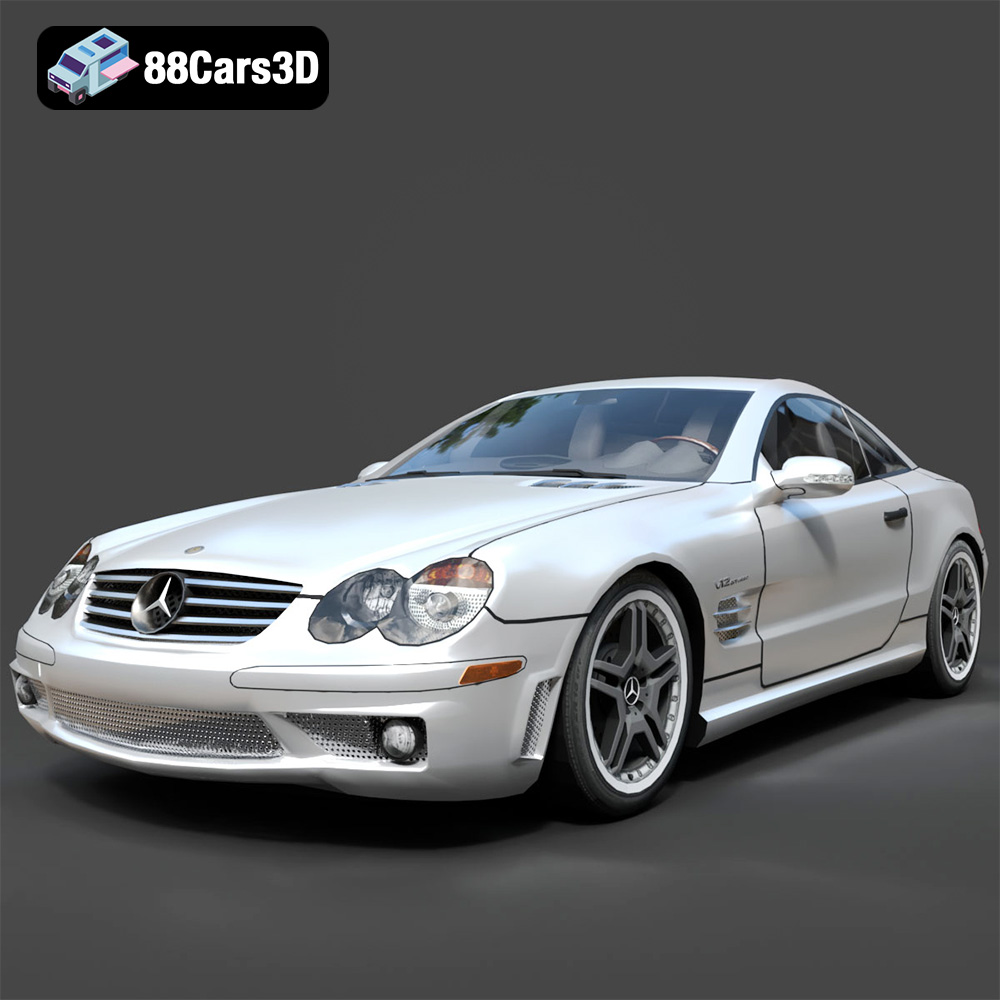
Texture: Yes
Material: Yes
Download the Mercedes-Benz SL 65 AMG 3D Model featuring clean geometry, realistic detailing, and a fully modeled interior. Includes .blend, .fbx, .obj, .glb, .stl, .ply, .unreal, and .max formats for rendering, simulation, and game development.
Price: $23.99
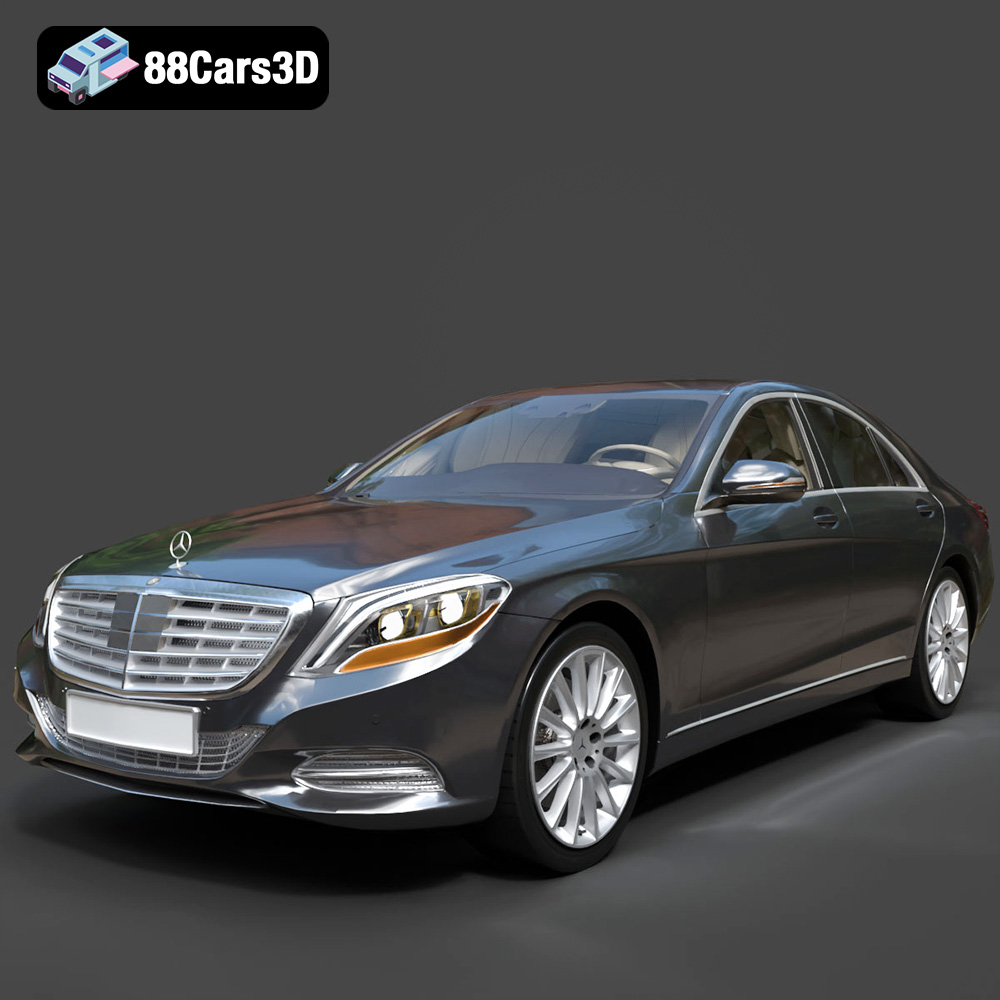
Texture: Yes
Material: Yes
Download the Mercedes-Benz S500 3D Model featuring clean geometry, realistic detailing, and a fully modeled interior. Includes .blend, .fbx, .obj, .glb, .stl, .ply, .unreal, and .max formats for rendering, simulation, and game development.
Price: $23.99
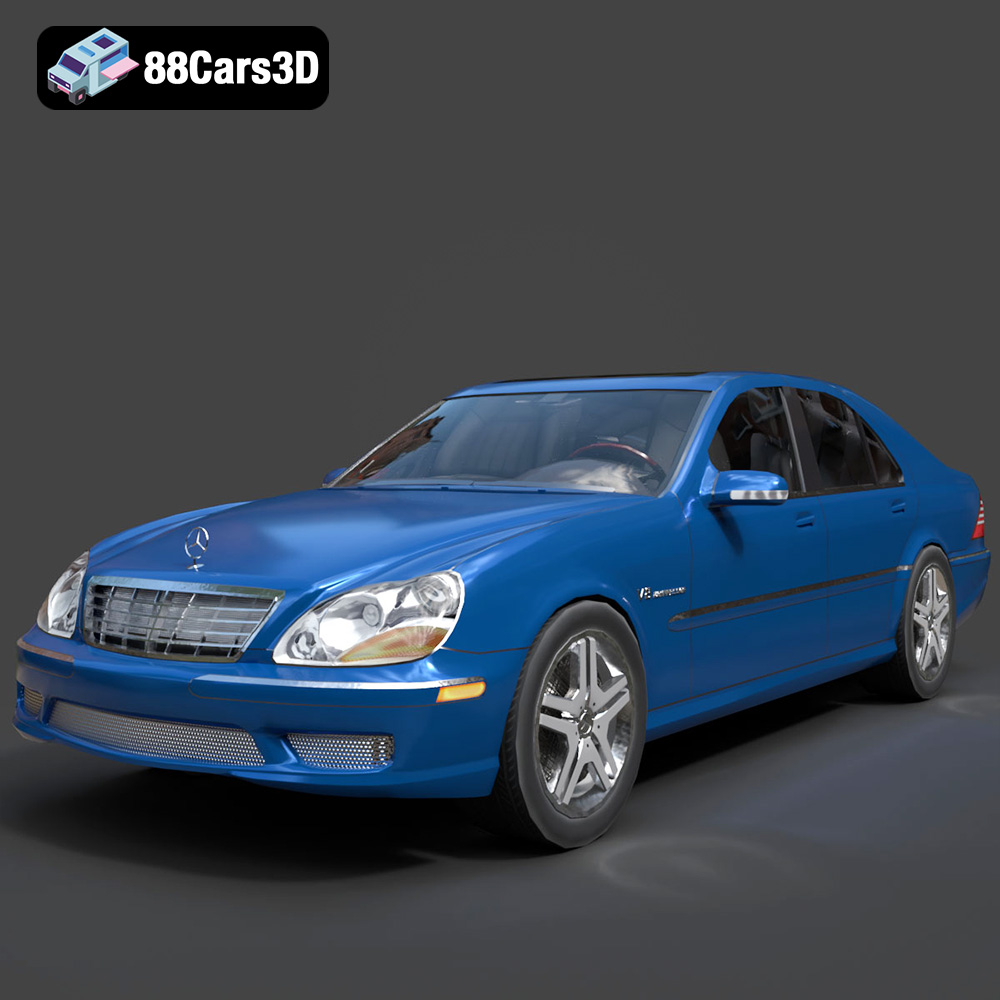
Texture: Yes
Material: Yes
Download the Mercedes-Benz S55 W220 AMG 1999 3D Model featuring clean geometry, realistic detailing, and a fully modeled interior. Includes .blend, .fbx, .obj, .glb, .stl, .ply, .unreal, and .max formats for rendering, simulation, and game development.
Price: $23.99
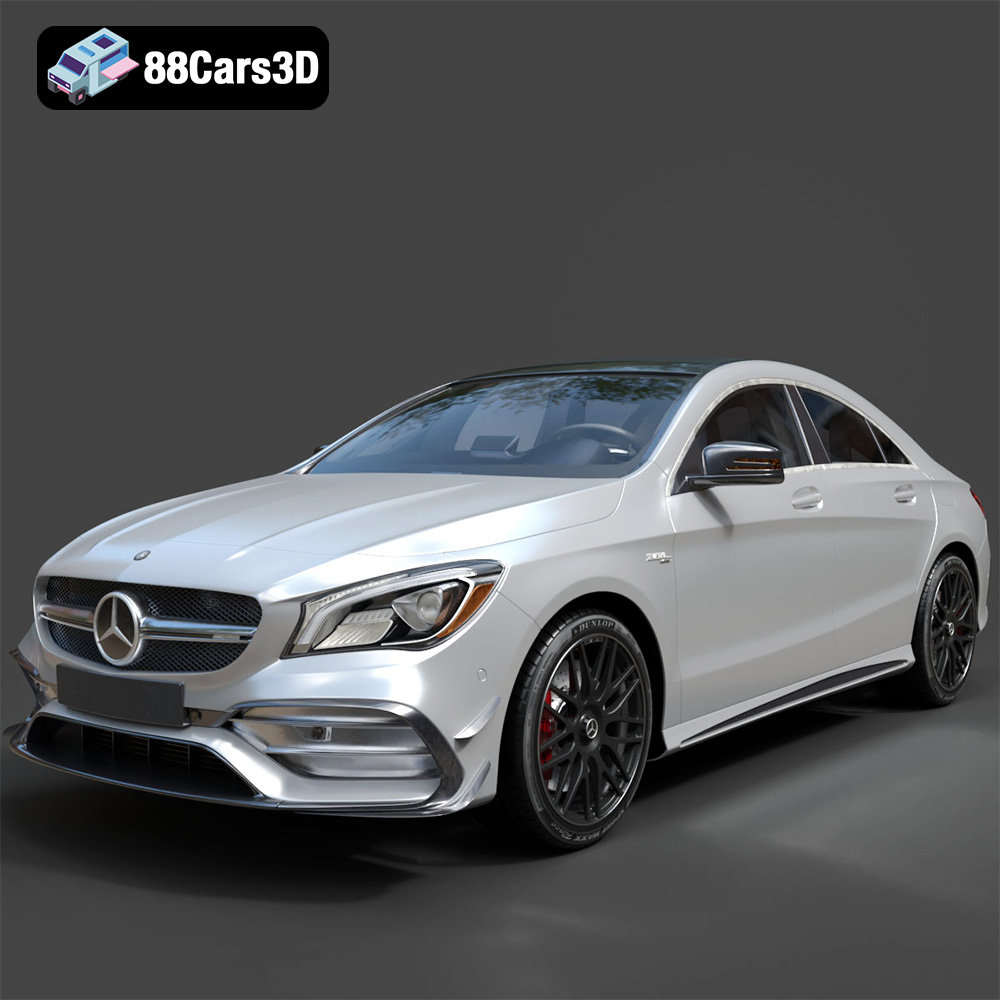
Texture: Yes
Material: Yes
Download the Mercedes-Benz CLA45 AMG 2017 3D Model featuring clean geometry, realistic detailing, and a fully modeled interior. Includes .blend, .fbx, .obj, .glb, .stl, .ply, .unreal, and .max formats for rendering, simulation, and game development.
Price: $38.99
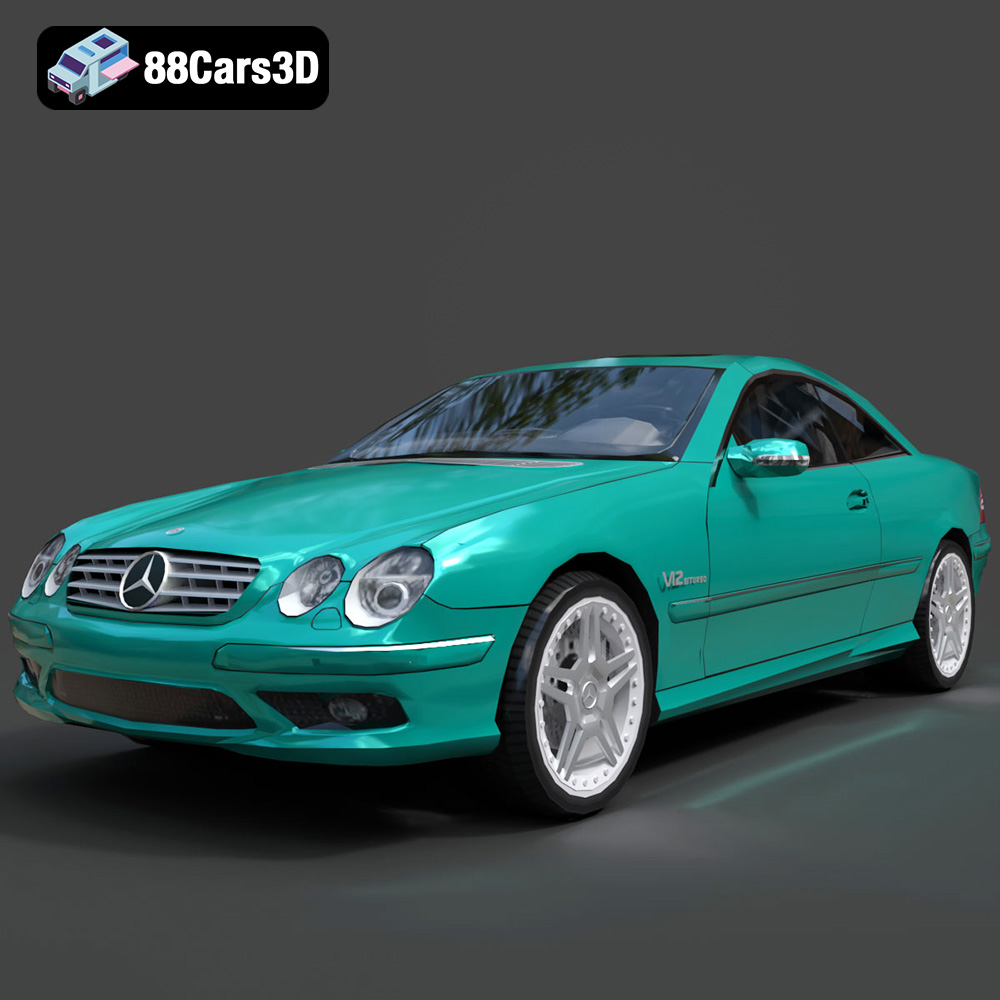
Texture: Yes
Material: Yes
Download the Mercedes-Benz CL65 C215 AMG 3D Model featuring clean geometry, realistic detailing, and a fully modeled interior. Includes .blend, .fbx, .obj, .glb, .stl, .ply, .unreal, and .max formats for rendering, simulation, and game development.
Price: $23.99
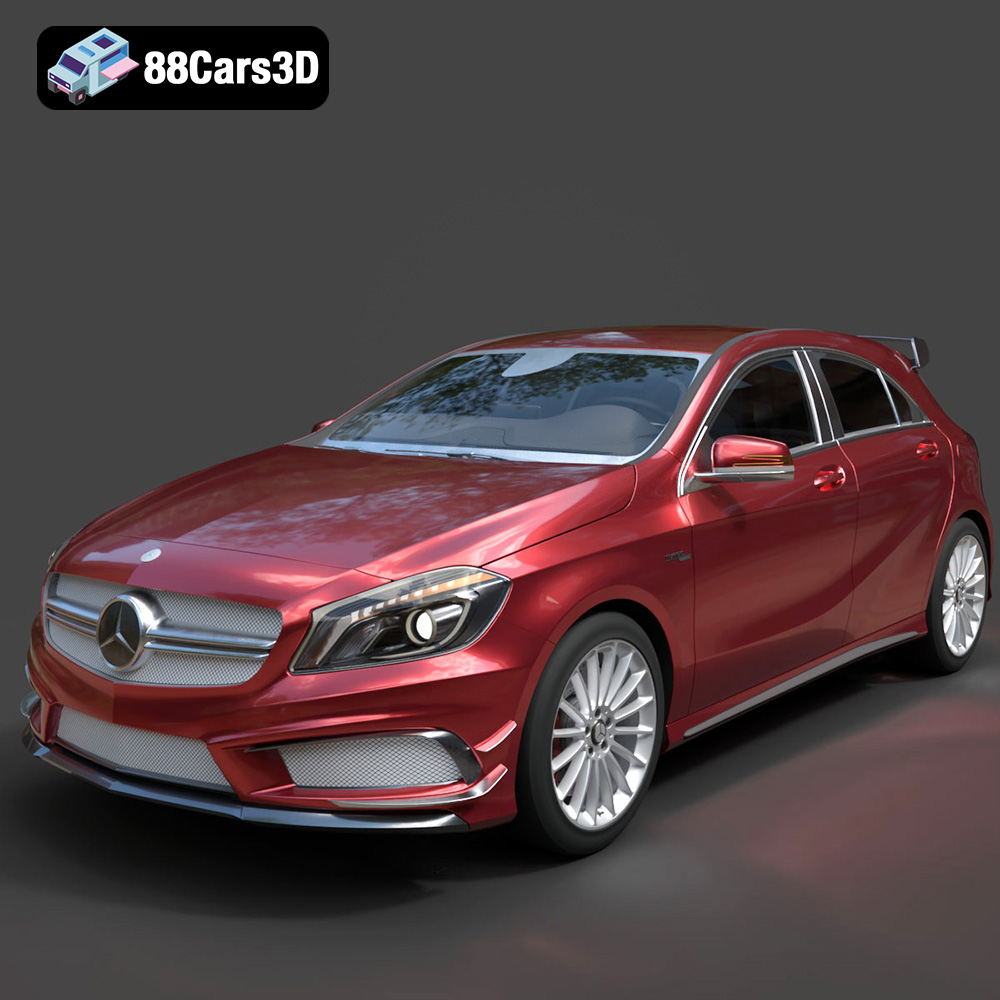
Texture: Yes
Material: Yes
Download the Mercedes-Benz A45 2021 3D Model featuring clean geometry, realistic detailing, and a fully modeled interior. Includes .blend, .fbx, .obj, .glb, .stl, .ply, .unreal, and .max formats for rendering, simulation, and game development.
Price: $23.99
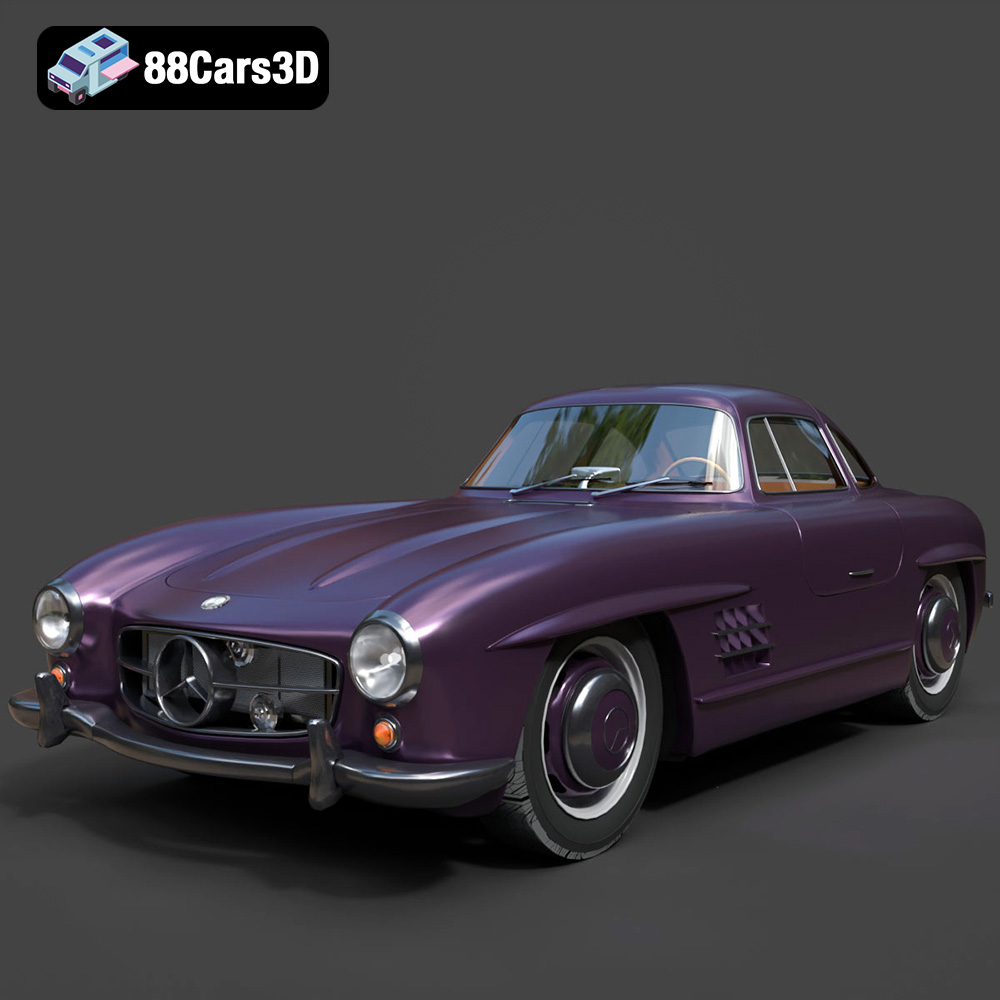
Texture: Yes
Material: Yes
Download the Mercedes-Benz 300SL 1955 3D Model featuring clean geometry, realistic detailing, and a fully modeled interior. Includes .blend, .fbx, .obj, .glb, .stl, .ply, .unreal, and .max formats for rendering, simulation, and game development.
Price: $23.99
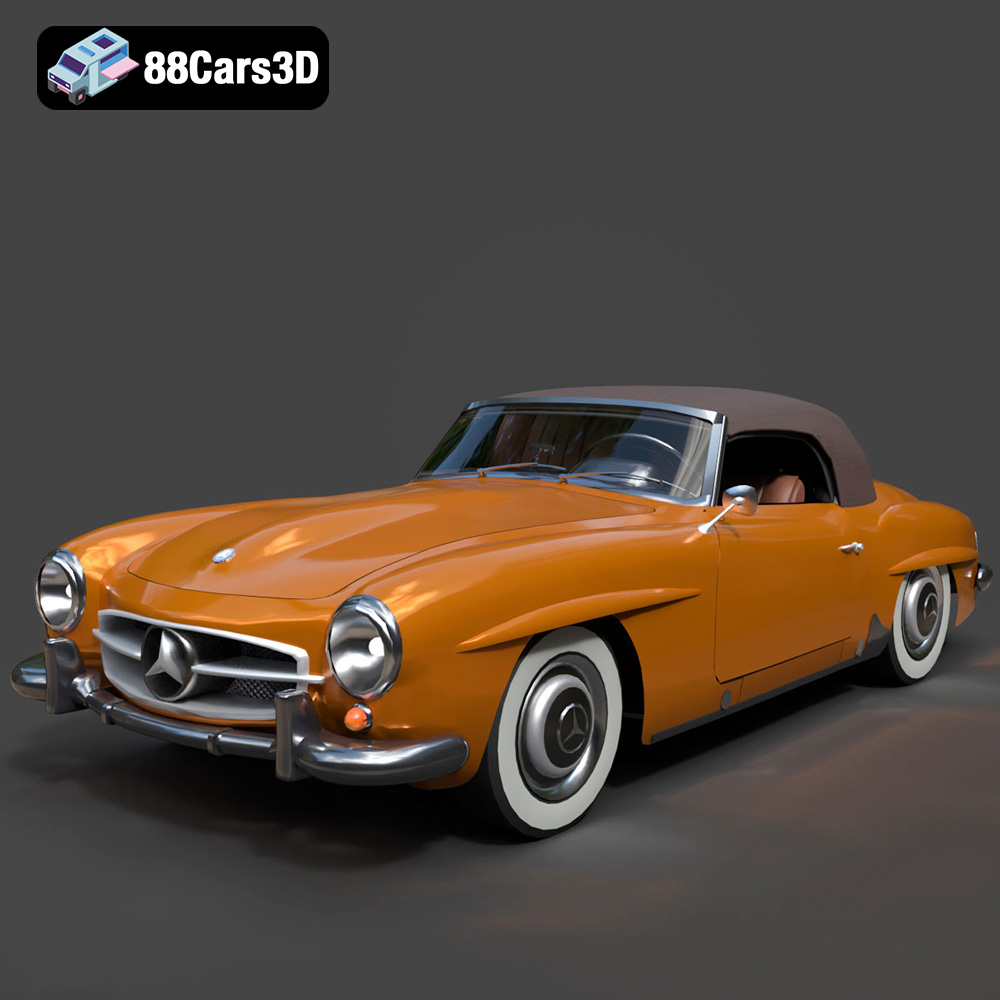
Texture: Yes
Material: Yes
Download the Mercedes-Benz 190SL 1955 3D Model featuring clean geometry, realistic detailing, and a fully modeled interior. Includes .blend, .fbx, .obj, .glb, .stl, .ply, .unreal, and .max formats for rendering, simulation, and game development.
Price: $23.99
Texture: Yes
Material: Yes
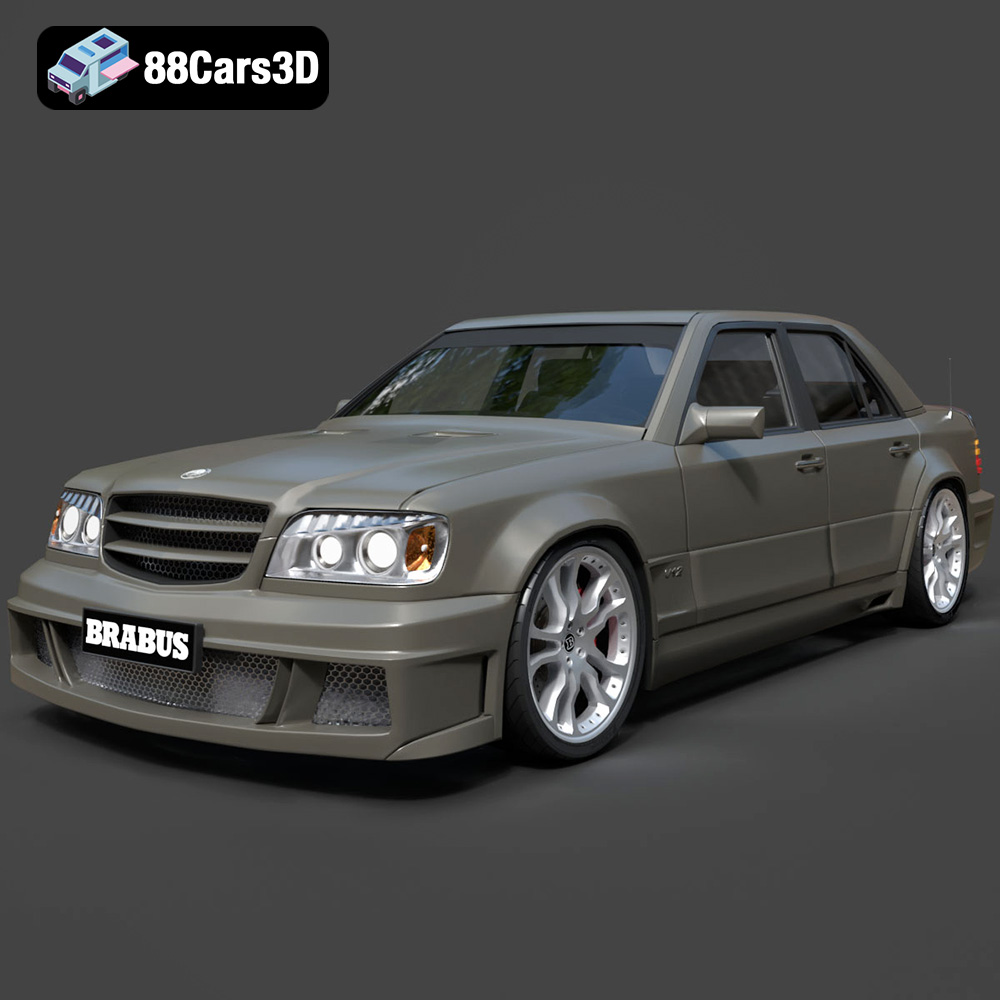
Download the Mercedes-Benz W124 Brabus V12 3D Model featuring clean geometry, realistic detailing, and a fully modeled interior. Includes .blend, .fbx, .obj, .glb, .stl, .ply, .unreal, and .max formats for rendering, simulation, and game development.
Price: $23.99
Texture: Yes
Material: Yes
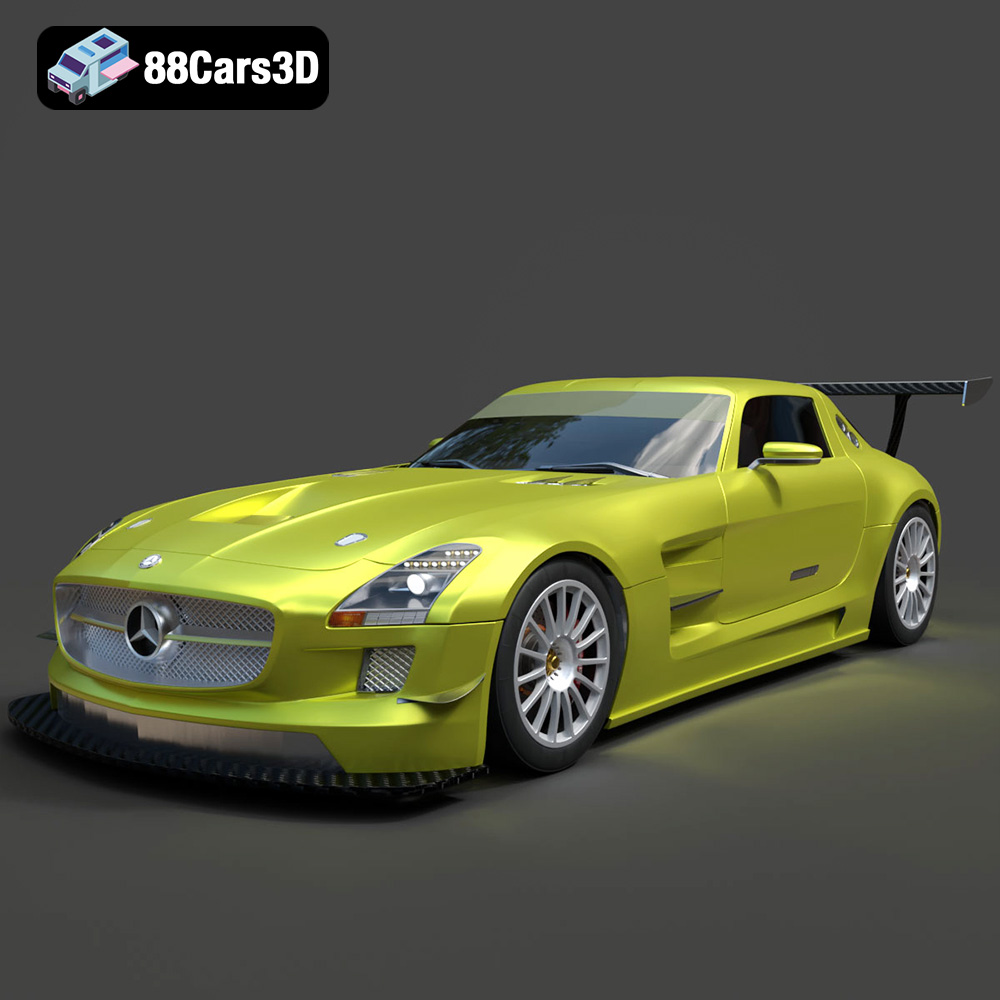
Download the Mercedes-Benz SLS AMG GT3-002 3D Model featuring clean geometry, realistic detailing, and a fully modeled interior. Includes .blend, .fbx, .obj, .glb, .stl, .ply, .unreal, and .max formats for rendering, simulation, and game development.
Price: $38.99

Texture: Yes
Material: Yes
Download the Mercedes-Benz C-Class-001 3D Model featuring clean geometry, realistic detailing, and a fully modeled interior. Includes .blend, .fbx, .obj, .glb, .stl, .ply, .unreal, and .max formats for rendering, simulation, and game development.
Price: $38.99
Texture: Yes
Material: Yes
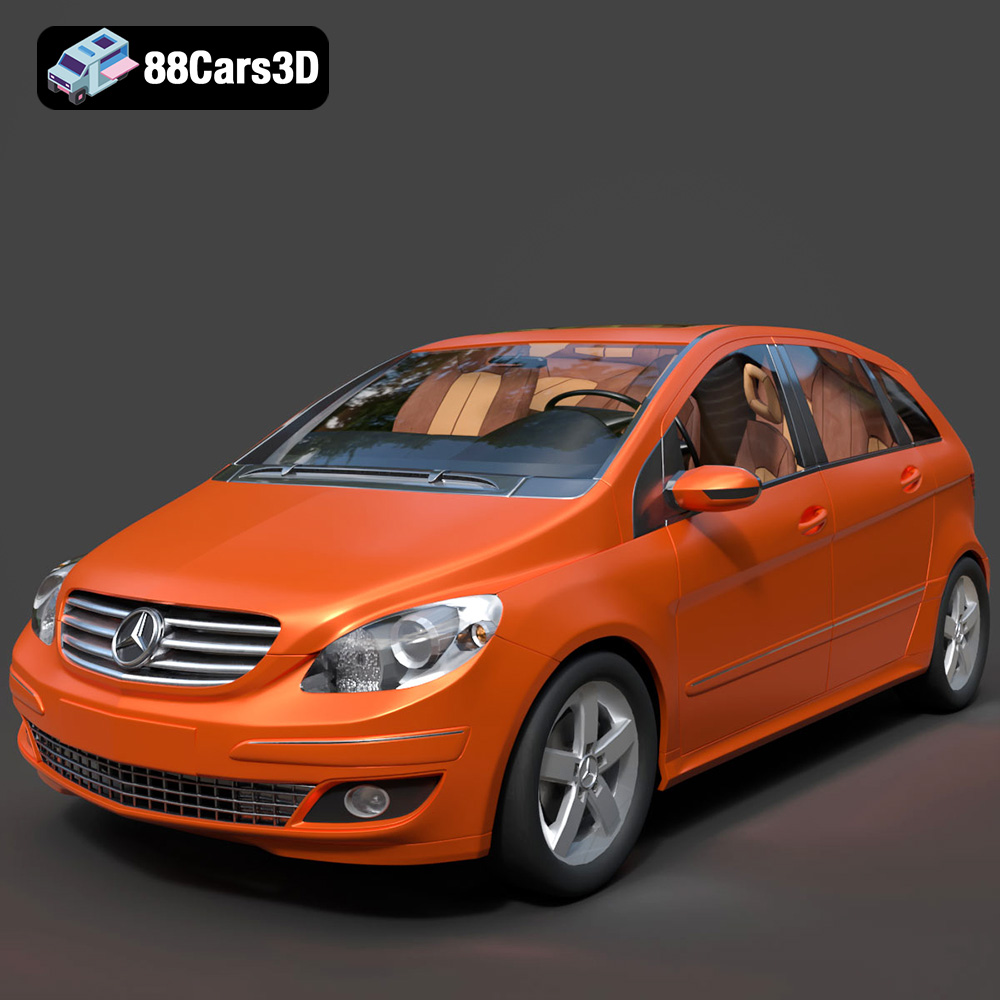
Download the Mercedes-Benz B-Klasse 2023 3D Model featuring clean geometry, realistic detailing, and a fully modeled interior. Includes .blend, .fbx, .obj, .glb, .stl, .ply, .unreal, and .max formats for rendering, simulation, and game development.
Price: $38.99
Texture: Yes
Material: Yes
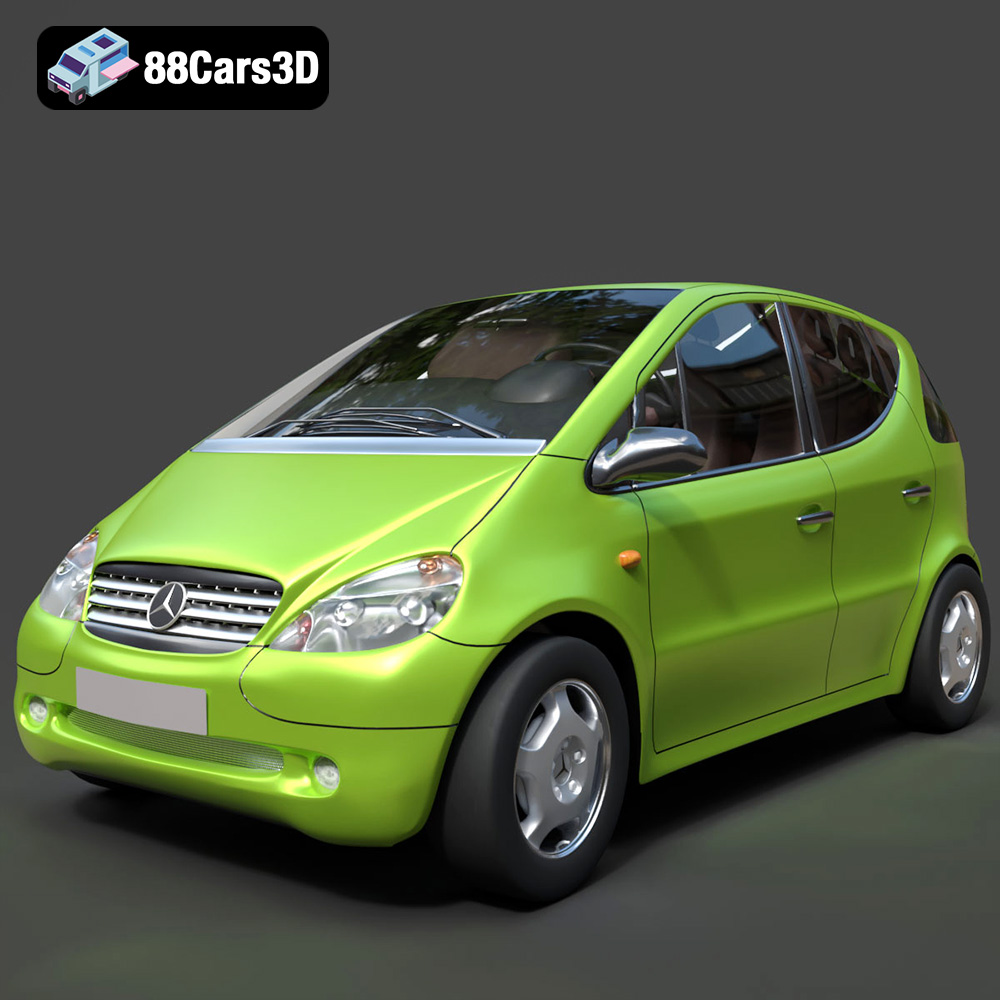
Download the Mercedes-Benz A-Klasse W168 3D Model featuring clean geometry, realistic detailing, and a fully modeled interior. Includes .blend, .fbx, .obj, .glb, .stl, .ply, .unreal, and .max formats for rendering, simulation, and game development.
Price: $38.99
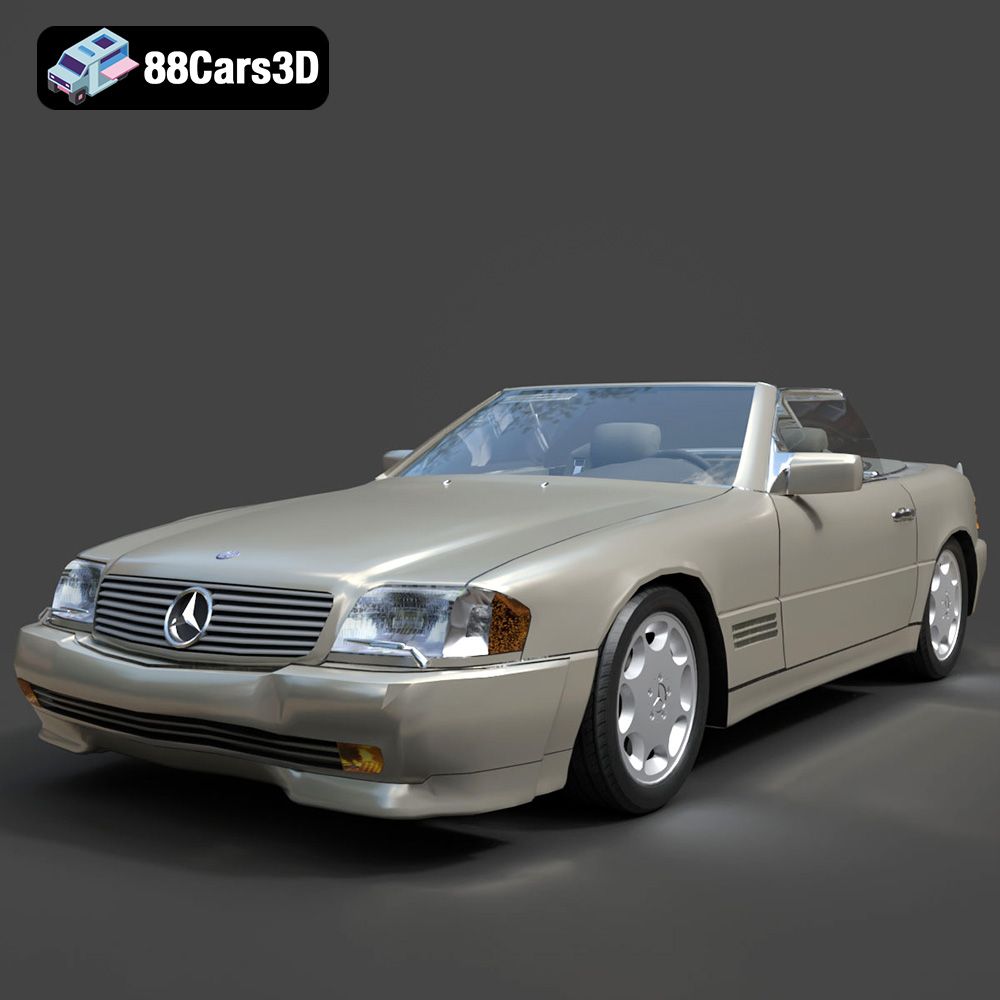
Texture: Yes
Material: Yes
Download the Mercedes-Benz 500SL 2000 3D Model featuring clean geometry, realistic detailing, and a fully modeled interior. Includes .blend, .fbx, .obj, .glb, .stl, .ply, .unreal, and .max formats for rendering, simulation, and game development.
Price: $38.99
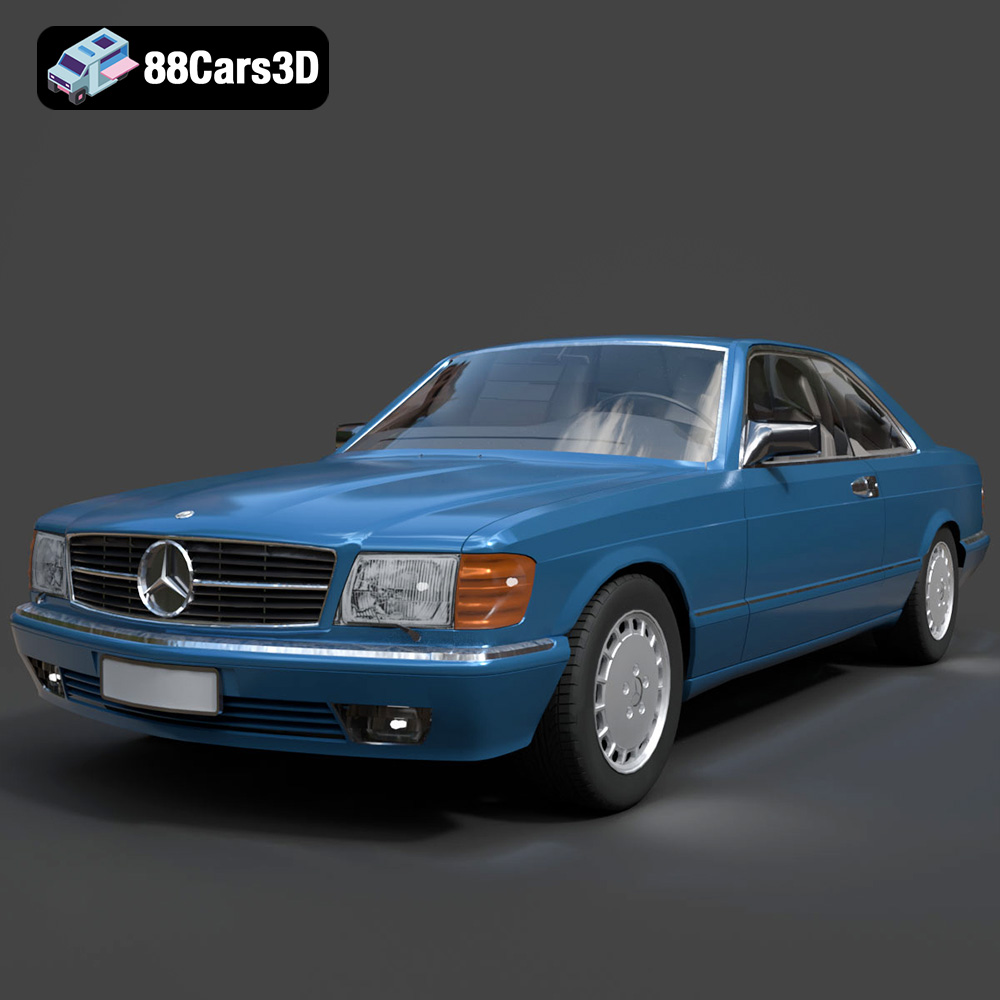
Texture: Yes
Material: Yes
Download the Mercedes-Benz 500SEC 3D Model featuring clean geometry, realistic detailing, and a fully modeled interior. Includes .blend, .fbx, .obj, .glb, .stl, .ply, .unreal, and .max formats for rendering, simulation, and game development.
Price: $38.99
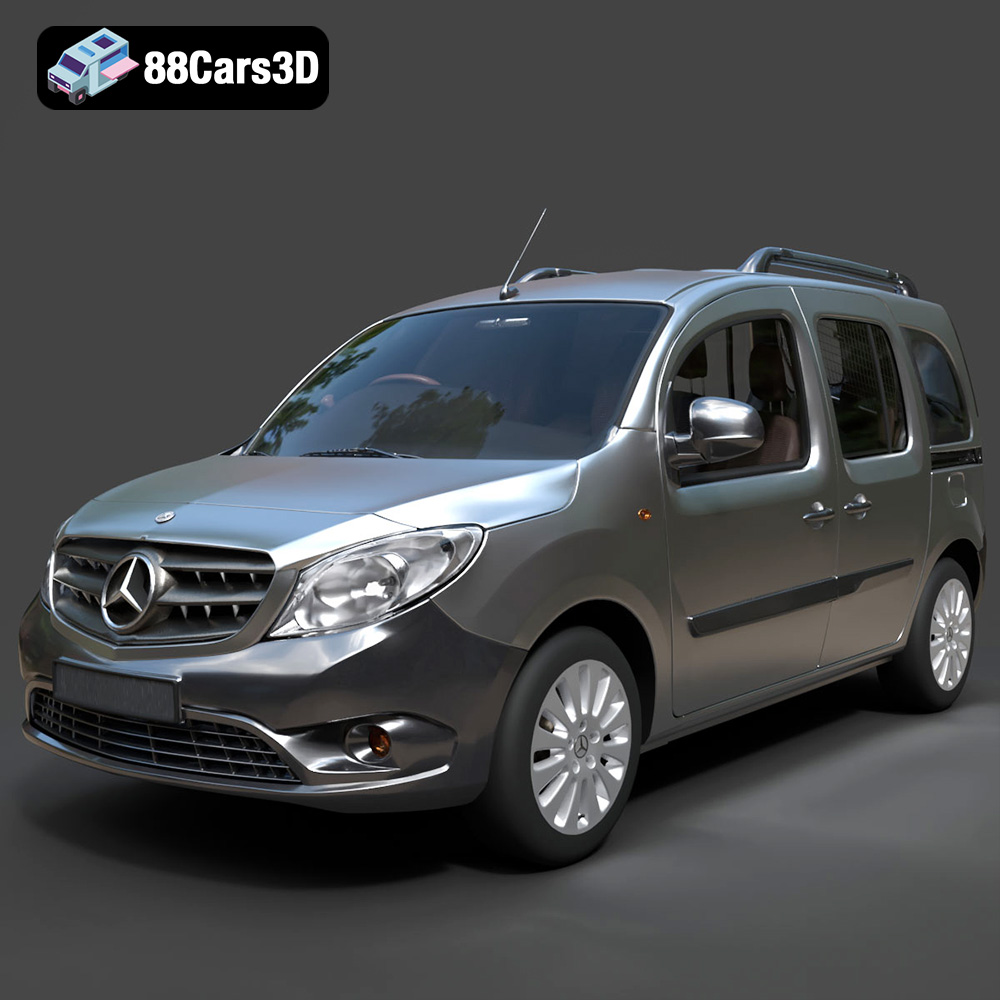
Texture: Yes
Material: Yes
Download the Mercedes-Benz Citan 2025 3D Model featuring clean geometry, realistic detailing, and a fully modeled interior. Includes .blend, .fbx, .obj, .glb, .stl, .ply, .unreal, and .max formats for rendering, simulation, and game development.
Price: $38.99
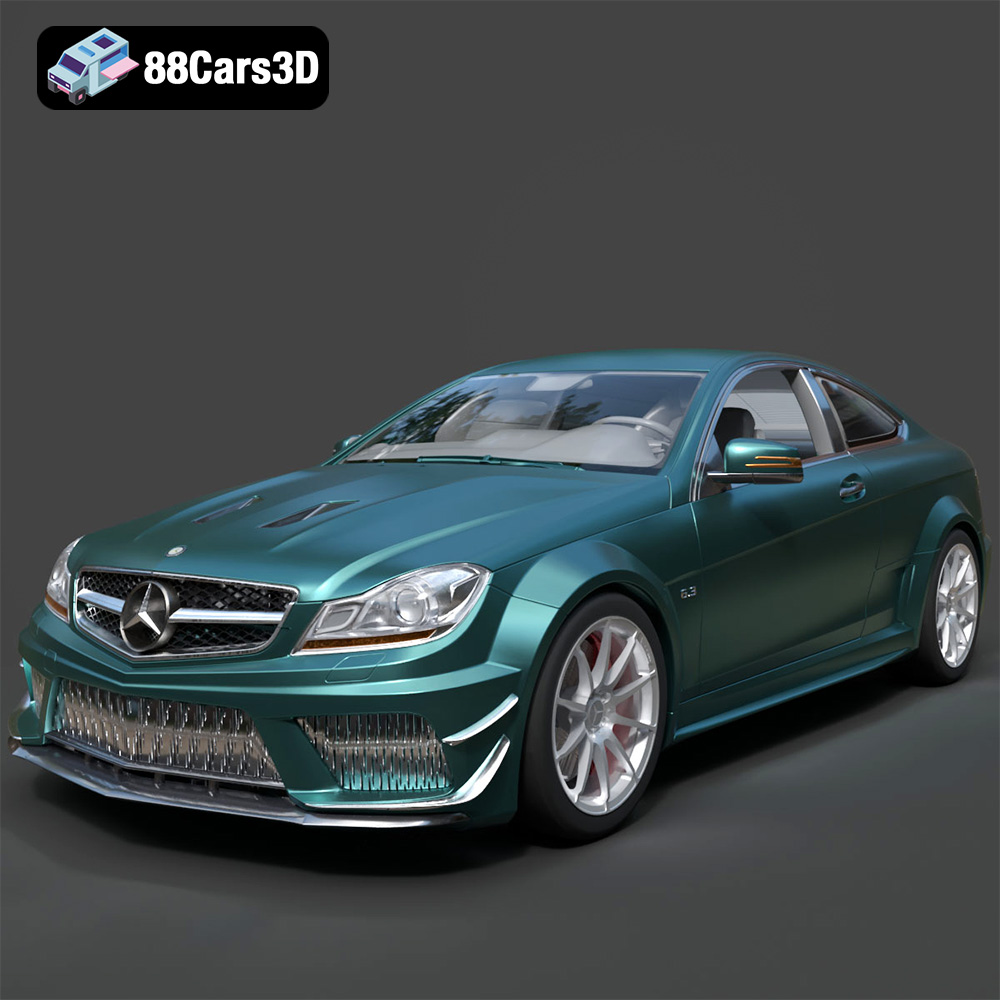
Texture: Yes
Material: Yes
Download the Mercedes-Benz C63 AMG 2012 3D Model featuring clean geometry, realistic detailing, and a fully modeled interior. Includes .blend, .fbx, .obj, .glb, .stl, .ply, .unreal, and .max formats for rendering, simulation, and game development.
Price: $38.99
Texture: Yes
Material: Yes
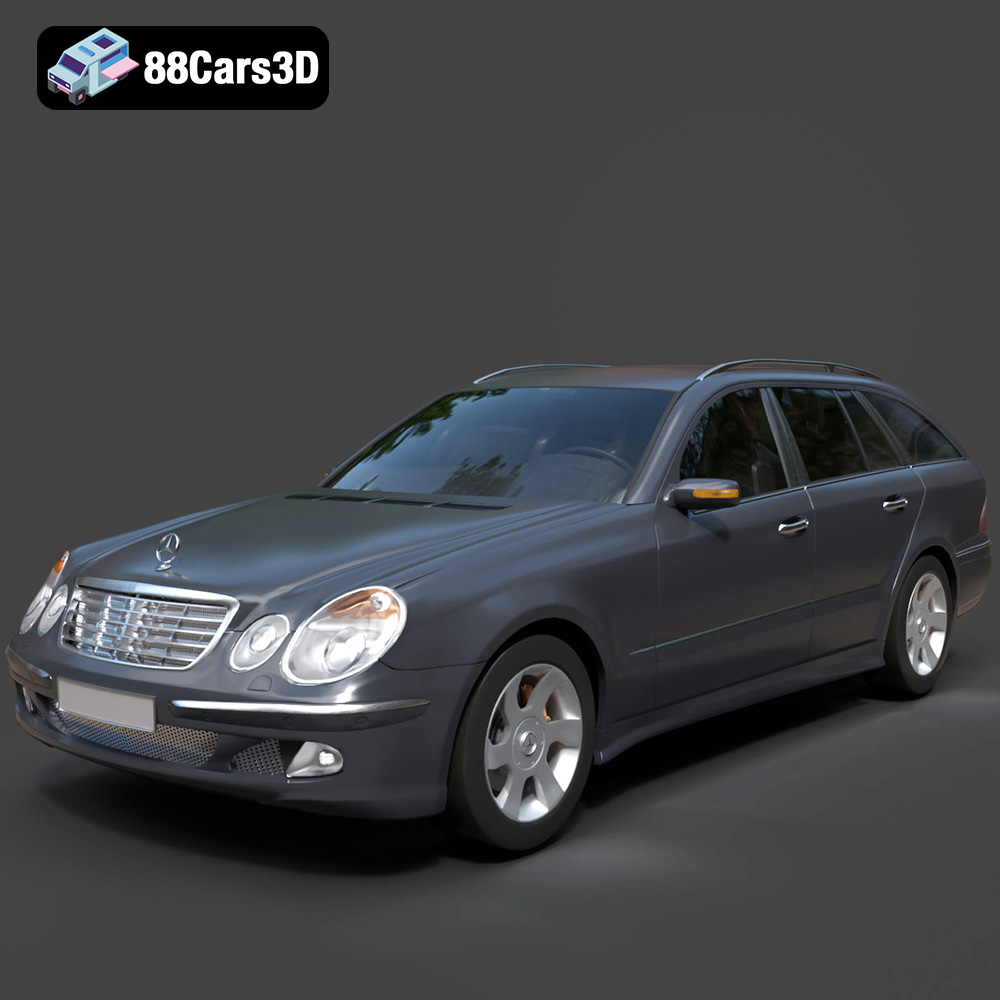
Download the Mercedes-Benz E-Class S211 3D Model featuring clean geometry, realistic detailing, and a fully modeled interior. Includes .blend, .fbx, .obj, .glb, .stl, .ply, .unreal, and .max formats for rendering, simulation, and game development.
Price: $38.99
Texture: Yes
Material: Yes
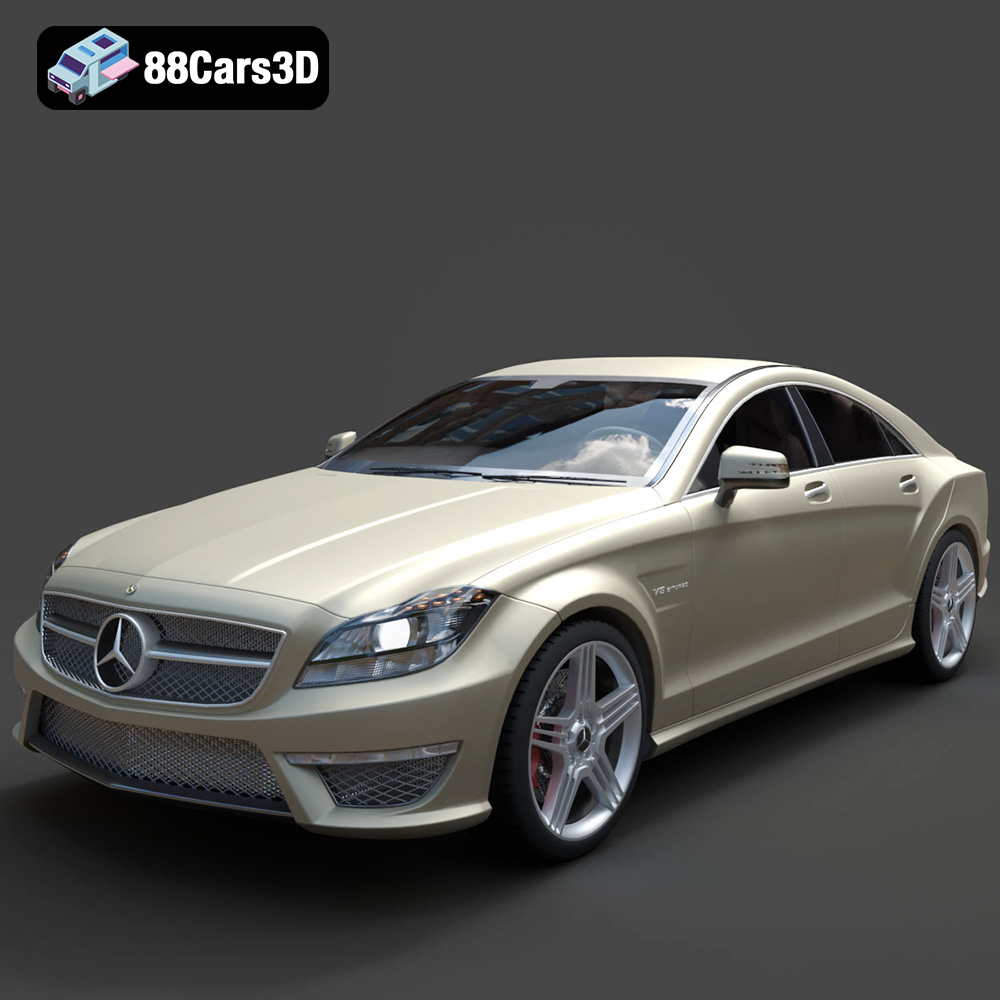
Download the Mercedes-Benz CLS63 AMG (C218) 2014 3D Model featuring clean geometry, realistic detailing, and a fully modeled interior. Includes .blend, .fbx, .obj, .glb, .stl, .ply, .unreal, and .max formats for rendering, simulation, and game development.
Price: $38.99
Texture: Yes
Material: Yes
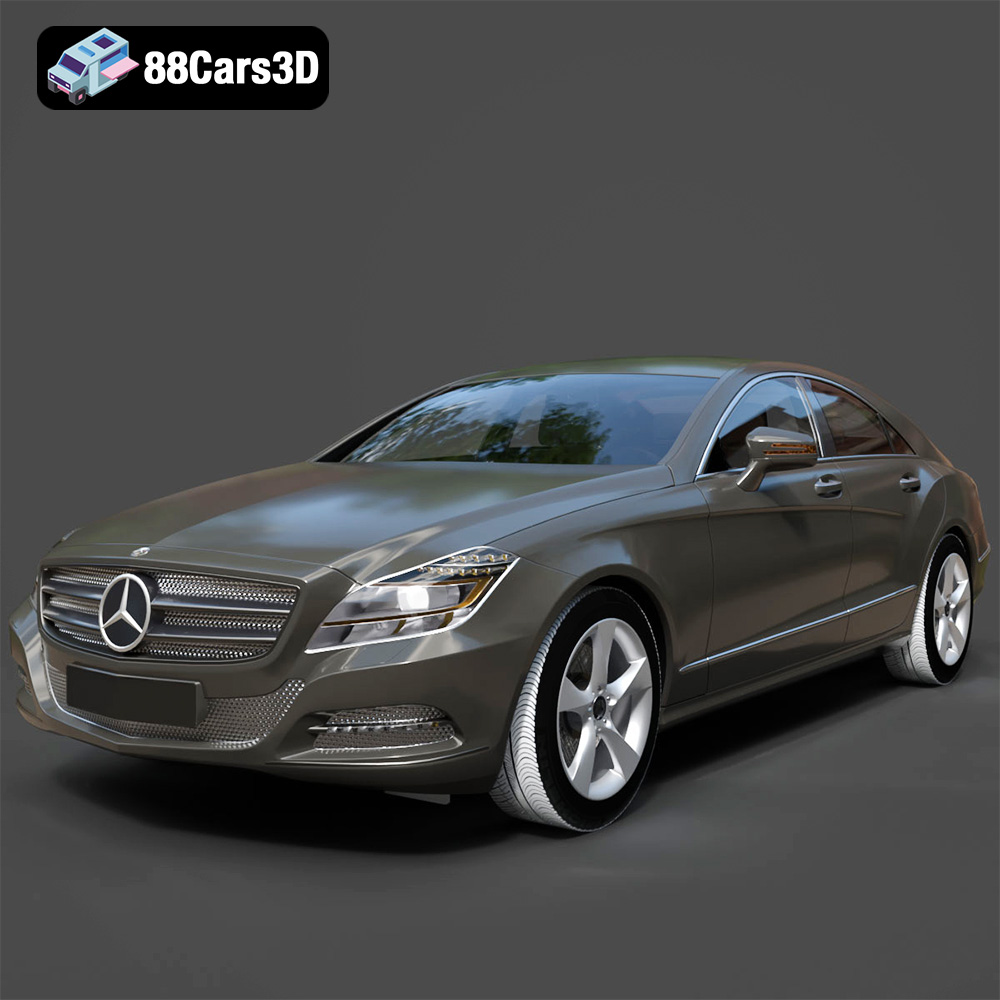
Download the Mercedes-Benz CLS-Klasse 3D Model featuring clean geometry, realistic detailing, and a fully modeled interior. Includes .blend, .fbx, .obj, .glb, .stl, .ply, .unreal, and .max formats for rendering, simulation, and game development.
Price: $38.99

