Get 20% OFF All Premium 3D & STL Models!

The automotive industry is in a constant race for innovation, not just in vehicle design and performance, but also in how these marvels are presented to the world. For 3D artists, designers, and game developers, the demand for hyper-realistic automotive visuals in real-time applications has never been higher. Yet, bridging the gap between intricate, high-detail studio renders and playable, performant experiences in a game engine often feels like an insurmountable challenge.
Historically, achieving true photorealism for vehicles in a real-time environment meant significant compromises. Artists had to painstakingly reduce polygon counts, simplify materials, and bake complex lighting, often sacrificing visual fidelity for the sake of frame rate. Today, Unreal Engine 5 changes that narrative entirely, offering a robust suite of tools that empower professionals to create stunning, performant Unreal Engine 5 automotive models optimized for a new generation of real-time applications. This guide will walk you through the essential techniques and technologies to master photorealistic rendering in UE5 for your automotive projects.
For years, the pinnacle of automotive visualization resided in offline renderers. Software like V-Ray, Corona, or Arnold could produce breathtakingly realistic images, but at the cost of hours, or even days, of rendering time per frame. The sheer complexity of a modern vehicle – its intricate geometry, highly reflective surfaces, nuanced material properties, and dynamic lighting – presented a monumental hurdle for real-time engines.
Traditional real-time pipelines required extensive mesh optimization, aggressive LOD (Level of Detail) creation, and material simplification. Car paint, with its multi-layered clear coat and metallic flakes, was particularly challenging to replicate convincingly without an enormous performance hit. The arrival of Unreal Engine 5 has fundamentally altered this landscape, offering a powerful platform that blurs the lines between offline and real-time rendering, making true photorealistic rendering UE5 an achievable goal for automotive models.
Unreal Engine 5 isn’t just an iteration; it’s a revolution in real-time graphics. Its core technologies are specifically designed to tackle the very challenges that plague high-fidelity asset integration. For automotive artists, understanding and leveraging these features is paramount to achieving unparalleled visual fidelity and performance.
At the heart of UE5’s capability to handle cinematic-quality assets lies Nanite virtualized geometry. This groundbreaking technology allows artists to import incredibly high-polygon meshes – models with millions or even billions of triangles – directly into the engine without traditional performance penalties. Nanite intelligently streams and processes only the necessary detail in real-time, based on the camera’s distance and screen space.
For automotive models, Nanite is a game-changer. It eliminates the tedious and often destructive process of traditional mesh decimation and manual LOD creation for static mesh components. You can import your CAD data or highly detailed sculpted models, confident that Nanite will manage the complexity, allowing you to maintain intricate details like badge lettering, panel gaps, and interior stitching. This significantly streamlines the pipeline for high-poly optimization techniques, letting artists focus on detail rather than technical constraints.
Accurate lighting is arguably the single most important factor in achieving photorealistic rendering UE5. Lumen, Unreal Engine 5’s fully dynamic global illumination and reflections system, brings unprecedented realism to real-time environments. Unlike baked lighting solutions, Lumen adapts instantly to changes in light sources, geometry, and materials, allowing for incredibly dynamic scenes.
For automotive visualization, Lumen means your vehicle models will interact with their environment in a physically accurate way. Light will bounce realistically off reflective car paint, illuminate the interior with natural soft bounces, and react dynamically to opening doors or changing time of day. This dynamic nature is crucial for creating convincing showrooms, configurators, or driving simulations, ensuring consistent and believable indirect lighting for your real-time vehicle rendering.
While Lumen handles global illumination, Unreal Engine 5 also supports hardware-accelerated Ray Tracing, pushing visual quality even further. Ray Tracing in UE5 can be selectively enabled for specific effects, providing pixel-perfect reflections, accurate soft shadows, and precise ambient occlusion. For the highly reflective surfaces of an automotive model, ray-traced reflections are indispensable.
The combination of Lumen and Ray Tracing provides a robust lighting solution that mimics real-world physics, rendering stunning visual detail on automotive finishes. The crispness of reflections on polished chrome, the intricate interplay of light and shadow in a detailed wheel well, and the depth of refraction through vehicle glass are all elevated to new heights. While performance-intensive, strategic use of ray tracing can elevate your photorealistic rendering UE5 to cinematic levels.
Beyond geometry and lighting, the materials define how light interacts with your automotive model, ultimately dictating its realism. Physically Based Rendering (PBR) materials are fundamental in UE5, and mastering their creation is essential for achieving truly convincing results, especially for complex surfaces like car paint and glass.
PBR materials are designed to simulate real-world material properties based on physical principles. For PBR materials automotive UE5, you’ll primarily work with maps like Base Color (Albedo), Metallic, Roughness, Normal, and Ambient Occlusion. The key is to ensure these maps accurately represent the real-world material’s characteristics.
For instance, a metallic paint would have a high Metallic value (close to 1), with its color defined by the Base Color. The Roughness map dictates how reflective or diffuse the surface is, crucial for differentiating between a glossy clear coat and a matte finish. Accurate normal maps are vital for conveying fine surface details without adding excessive geometry, capturing everything from subtle panel lines to fabric textures within the interior.
Car paint is one of the most challenging materials to reproduce realistically. A standard PBR setup often isn’t enough to capture its multi-layered complexity. In UE5, you can create advanced car paint shaders using layered materials or material functions.
A typical car paint setup involves a base metallic layer (the colored flakes) and a clear coat layer. The clear coat material should have its own set of reflection properties (high metallic, low roughness) and refraction. You can blend these layers using lerp nodes and various mask textures. Adding procedural flake patterns and adjusting parameters for flake size, density, and anisotropy can further enhance realism. For glass, proper refraction is key. Using an accurate IOR (Index of Refraction) and applying subtle roughness variations can create convincing windshields, windows, and headlights.
Even with Nanite, efficient texture management remains crucial. High-resolution textures are necessary for detail, but too many individual textures can increase draw calls and memory usage. Texture atlasing involves combining multiple smaller textures into a single, larger texture map, which can reduce draw calls and improve rendering performance. This is particularly useful for smaller, less prominent details on a vehicle, like interior buttons or small trim pieces.
When creating textures, always aim for consistency in resolution and consider using software like Substance Painter for generating PBR maps. Ensure your UV layouts are clean and organized, minimizing wasted space and preventing texture stretching. Baking high-quality normal and ambient occlusion maps from your high-poly source model onto a game-ready mesh (if not using Nanite for everything) is a standard practice that maintains visual detail with less computational cost.
While Nanite handles geometry brilliantly, not every part of your automotive model will benefit from it, or some platforms might not fully support it. Animating parts (like wheels, doors, or suspensions) still require traditional mesh optimization. Furthermore, even with Nanite, intelligent asset creation and general engine optimization strategies are crucial for maintaining target frame rates and memory footprints.
Despite Nanite’s capabilities, traditional LODs still have their place. For skeletal meshes (like animated doors, steering wheels, or suspension components), or for objects that are part of a blueprint interaction, manual LODs are essential. These allow the engine to swap out higher-detail meshes for lower-detail versions as the camera moves further away, significantly reducing rendering overhead.
For an automotive model, you might create 3-4 LODs for complex parts: LOD0 for close-up detail, LOD1 for medium distance, LOD2 for far distance, and LOD3 as a billboard or completely removed. Tools within your DCC software (like Maya, 3ds Max, Blender) or Unreal Engine itself can automate much of this process, but manual refinement often yields the best results for critical assets.
Even if Nanite manages polygons, clean mesh topology is always good practice. It ensures better UV mapping, easier manipulation, and fewer potential issues down the line. Remove any hidden or unnecessary geometry (e.g., duplicate faces, geometry inside other objects that will never be seen). Optimizing edge loops, especially in areas of high curvature, can improve the visual quality of normal maps and reflections.
Ensure your vehicle model has a solid, watertight mesh where necessary. This is especially important for parts that might receive dynamic shadows or physics interactions. A well-organized mesh from your modeling software makes the entire process of texturing, rigging, and importing into UE5 much smoother. High-quality automotive game assets often start with pristine base geometry.
Draw calls are a significant performance bottleneck. Every unique object, material, or texture contributes to draw calls. Instancing allows the engine to render multiple copies of the same mesh (e.g., all four wheels, bolts, small interior components) with a single draw call. This can lead to massive performance improvements.
Wherever possible, group similar static meshes and consider using UE5’s Hierarchical Instanced Static Mesh (HISM) components. For your automotive models, identify repetitive elements like tire treads, headlight bulbs, or interior trim buttons, and convert them to instanced meshes. This smart use of resources is a core high-poly optimization technique that pays dividends.
Once your meticulously crafted vehicle model is in UE5 with stunning PBR materials, the final touch comes down to lighting and post-processing. These elements can dramatically elevate your scene from good to truly cinematic, achieving the ultimate photorealistic rendering UE5 look.
The foundation of realistic exterior lighting often begins with a High Dynamic Range Image (HDRI). An HDRI captures real-world lighting information, providing rich, natural ambient light and reflections. Import a high-quality automotive-appropriate HDRI into UE5, connect it to a Sky Light, and ensure it’s set to “Cubemap.” This will instantly bathe your car in natural light.
Supplement your HDRI with a Sky Atmosphere component for realistic sky and sun simulation, or a simple Sky Sphere mesh if you prefer. Pay close attention to the overall exposure of your scene and ensure the white balance is natural. Adjusting the Sky Light intensity and the HDRI rotation can dramatically change the mood and impact of your render.
While global illumination provides a solid base, accent and fill lights are crucial for highlighting specific details and shaping the vehicle’s form. Use Rect Lights to simulate softbox studio lighting, creating beautiful reflections along the body panels. Spot Lights can be used to emphasize badges, wheel details, or specific design features.
Experiment with light temperatures and intensities to create contrast and depth. For interior shots, use small Point Lights or Spot Lights to simulate dome lights, dashboard illumination, or practical lights. Think like a photographer: how would you light this car in a real-world studio or on location? These techniques are vital for real-time vehicle rendering in a professional context.
The Post-Process Volume is your final opportunity to fine-tune the look of your render. Here, you can control a vast array of visual effects that contribute to photorealistic rendering UE5. Key settings include:
Mastering these post-processing effects can transform a good render into an exceptional one, giving your automotive models that polished, ready-for-showcase appearance.
An efficient workflow is the backbone of any professional 3D project. Moving your meticulously modeled automotive asset from your Digital Content Creation (DCC) software (like Maya, 3ds Max, Blender, or Fusion 360) into Unreal Engine 5 requires careful planning and adherence to best practices.
Before exporting, ensure your model is clean and ready. Check for proper scale (Unreal Engine uses centimeters), correct pivot points for interactive elements (e.g., doors, wheels), and consistent mesh orientation (normals facing outwards). Group relevant parts logically within your DCC software and use clear naming conventions – this will save you immense headaches later in UE5.
The FBX format is the most common export method for static and skeletal meshes. When exporting, ensure you include smoothing groups, tangent and binormal data, and embed media if your textures are ready. For complex CAD data or large scenes, USD (Universal Scene Description) is becoming an increasingly powerful option, offering a robust framework for asset exchange and collaboration, especially for high-detail automotive game assets.
Once in UE5, establish a clear project structure. Create dedicated folders for your automotive models, textures, materials, and blueprints. When importing, review the FBX import settings carefully. For Nanite-ready meshes, ensure “Build Nanite” is checked. Assign default materials during import to get a quick visual feedback, then swap them out for your custom PBR materials.
For modular vehicles, you’ll likely assemble various components (body, wheels, interior, engine) within a Blueprint. This allows you to create interactive vehicle blueprints, manage material variations, and integrate advanced features like custom physics or animation sequences. Blueprints are incredibly powerful for creating dynamic and configurable automotive assets.
Developing high-quality automotive models is an iterative process. Integrate version control (like Perforce or Git LFS) into your workflow to track changes, revert to previous versions, and facilitate team collaboration. Unreal Engine’s Live Link plugins can also provide real-time connections between your DCC software and the engine, allowing for rapid iteration on models and animations.
Communication within a team is key. Standardize asset naming, material parameters, and scene setup. By having a streamlined pipeline and robust collaboration tools, you can ensure that your Unreal Engine 5 automotive projects move efficiently from concept to final photorealistic render, whether for games, configurators, or virtual production.
The journey to creating photorealistic automotive models optimized for real-time in Unreal Engine 5 is both challenging and incredibly rewarding. By embracing UE5’s revolutionary technologies like Nanite and Lumen, mastering the nuances of PBR material creation, applying smart optimization techniques, and refining your lighting and post-processing, you can achieve visual fidelity that was once the exclusive domain of offline renderers.
Unreal Engine 5 empowers artists and developers to push the boundaries of real-time vehicle rendering, delivering stunning experiences for games, virtual showrooms, training simulations, and cinematic presentations. Whether you’re aiming for a high-fidelity car configurator or the next generation of racing titles, the tools are now at your fingertips. To kickstart your projects with top-tier assets, consider exploring the vast library of high-quality automotive game assets and models available at 88cars3d.com. Start experimenting today and transform your vision into a real-time masterpiece!

Texture: Yes
Material: Yes
Download the Subaru Impreza Sport Wagon 3D Model featuring clean geometry, realistic detailing, and a fully modeled interior. Includes .blend, .fbx, .obj, .glb, .stl, .ply, .unreal, and .max formats for rendering, simulation, and game development.
Price: $10

Texture: Yes
Material: Yes
Download the Skoda Octavia A7 2017 3D Model featuring clean geometry, realistic detailing, and a fully modeled interior. Includes .blend, .fbx, .obj, .glb, .stl, .ply, .unreal, and .max formats for rendering, simulation, and game development.
Price: $10

Texture: Yes
Material: Yes
Download the Suzuki SX4-002 3D Model featuring clean geometry, realistic detailing, and a fully modeled interior. Includes .blend, .fbx, .obj, .glb, .stl, .ply, .unreal, and .max formats for rendering, simulation, and game development.
Price: $10

Texture: Yes
Material: Yes
Download the Tesla Model S 2024 3D Model featuring clean geometry, realistic detailing, and a fully modeled interior. Includes .blend, .fbx, .obj, .glb, .stl, .ply, .unreal, and .max formats for rendering, simulation, and game development.
Price: $10

Texture: Yes
Material: Yes
Download the Subaru Impreza WRX STi-002 3D Model featuring clean geometry, realistic detailing, and a fully modeled interior. Includes .blend, .fbx, .obj, .glb, .stl, .ply, .unreal, and .max formats for rendering, simulation, and game development.
Price: $10

Texture: Yes
Material: Yes
Download the Subaru Impreza WRX STi Sedan 3D Model featuring clean geometry, realistic detailing, and a fully modeled interior. Includes .blend, .fbx, .obj, .glb, .stl, .ply, .unreal, and .max formats for rendering, simulation, and game development.
Price: $10

Texture: Yes
Material: Yes
Download the Subaru Legacy 2009 3D Model featuring clean geometry, realistic detailing, and a fully modeled interior. Includes .blend, .fbx, .obj, .glb, .stl, .ply, .unreal, and .max formats for rendering, simulation, and game development.
Price: $10

Texture: Yes
Material: Yes
Download the Suzuki Swift 2024 3D Model featuring clean geometry, realistic detailing, and a fully modeled interior. Includes .blend, .fbx, .obj, .glb, .stl, .ply, .unreal, and .max formats for rendering, simulation, and game development.
Price: $10

Texture: Yes
Material: Yes
Download the Suzuki Liana Sedan 2004 3D Model featuring clean geometry, realistic detailing, and a fully modeled interior. Includes .blend, .fbx, .obj, .glb, .stl, .ply, .unreal, and .max formats for rendering, simulation, and game development.
Price: $10

Texture: Yes
Material: Yes
Download the Subaru Outback 2024 3D Model featuring clean geometry, realistic detailing, and a fully modeled interior. Includes .blend, .fbx, .obj, .glb, .stl, .ply, .unreal, and .max formats for rendering, simulation, and game development.
Price: $10

Texture: Yes
Material: Yes
Download the Subaru Legacy 2003 3D Model featuring clean geometry, realistic detailing, and a fully modeled interior. Includes .blend, .fbx, .obj, .glb, .stl, .ply, .unreal, and .max formats for rendering, simulation, and game development.
Price: $10

Texture: Yes
Material: Yes
Download the Subaru Legacy Touring Wagon 3D Model featuring clean geometry, realistic detailing, and a fully modeled interior. Includes .blend, .fbx, .obj, .glb, .stl, .ply, .unreal, and .max formats for rendering, simulation, and game development.
Price: $10

Texture: Yes
Material: Yes
Download the Toyota Mark II (X100) 3D Model featuring clean geometry, realistic detailing, and a fully modeled interior. Includes .blend, .fbx, .obj, .glb, .stl, .ply, .unreal, and .max formats for rendering, simulation, and game development.
Price: $10

Texture: Yes
Material: Yes
Download the Toyota Corona 1985 3D Model featuring clean geometry, realistic detailing, and a fully modeled interior. Includes .blend, .fbx, .obj, .glb, .stl, .ply, .unreal, and .max formats for rendering, simulation, and game development.
Price: $10

Texture: Yes
Material: Yes
Download the Toyota Mark II X81 1990 3D Model featuring clean geometry, realistic detailing, and a fully modeled interior. Includes .blend, .fbx, .obj, .glb, .stl, .ply, .unreal, and .max formats for rendering, simulation, and game development.
Price: $10

Texture: Yes
Material: Yes
Download the Toyota iQ EV 2012 3D Model featuring clean geometry, realistic detailing, and a fully modeled interior. Includes .blend, .fbx, .obj, .glb, .stl, .ply, .unreal, and .max formats for rendering, simulation, and game development.
Price: $10

Texture: Yes
Material: Yes
Download the Toyota Aygo 2013 3D Model featuring clean geometry, realistic detailing, and a fully modeled interior. Includes .blend, .fbx, .obj, .glb, .stl, .ply, .unreal, and .max formats for rendering, simulation, and game development.
Price: $10

Texture: Yes
Material: Yes
Download the Toyota Crown S180 2005 3D Model featuring clean geometry, realistic detailing, and a fully modeled interior. Includes .blend, .fbx, .obj, .glb, .stl, .ply, .unreal, and .max formats for rendering, simulation, and game development.
Price: $10

Texture: Yes
Material: Yes
Download the Toyota Celica 2004 3D Model featuring clean geometry, realistic detailing, and a fully modeled interior. Includes .blend, .fbx, .obj, .glb, .stl, .ply, .unreal, and .max formats for rendering, simulation, and game development.
Price: $10

Texture: Yes
Material: Yes
Download the Toyota Corolla AE100 1992 3D Model featuring clean geometry, realistic detailing, and a fully modeled interior. Includes .blend, .fbx, .obj, .glb, .stl, .ply, .unreal, and .max formats for rendering, simulation, and game development.
Price: $10

Texture: Yes
Material: Yes
Download the Toyota Mark II X110 2000 3D Model featuring clean geometry, realistic detailing, and a fully modeled interior. Includes .blend, .fbx, .obj, .glb, .stl, .ply, .unreal, and .max formats for rendering, simulation, and game development.
Price: $10

Texture: Yes
Material: Yes
Download the Toyota Corolla 2020 3D Model featuring clean geometry, realistic detailing, and a fully modeled interior. Includes .blend, .fbx, .obj, .glb, .stl, .ply, .unreal, and .max formats for rendering, simulation, and game development.
Price: $10

Texture: Yes
Material: Yes
Download the Toyota Yaris 2020 3D Model featuring clean geometry, realistic detailing, and a fully modeled interior. Includes .blend, .fbx, .obj, .glb, .stl, .ply, .unreal, and .max formats for rendering, simulation, and game development.
Price: $9.9

Texture: Yes
Material: Yes
Download the Volkswagen Beetle 2012 3D Model featuring clean geometry, realistic detailing, and a fully modeled interior. Includes .blend, .fbx, .obj, .glb, .stl, .ply, .unreal, and .max formats for rendering, simulation, and game development.
Price: $9.9

Texture: Yes
Material: Yes
Download the Toyota Matrix 2005 3D Model featuring clean geometry, realistic detailing, and a fully modeled interior. Includes .blend, .fbx, .obj, .glb, .stl, .ply, .unreal, and .max formats for rendering, simulation, and game development.
Price: $9.9

Texture: Yes
Material: Yes
Download the Toyota Yaris Sedan 3D Model featuring clean geometry, realistic detailing, and a fully modeled interior. Includes .blend, .fbx, .obj, .glb, .stl, .ply, .unreal, and .max formats for rendering, simulation, and game development.
Price: $9.9

Texture: Yes
Material: Yes
Download the Volkswagen Golf R-004 2024 3D Model featuring clean geometry, realistic detailing, and a fully modeled interior. Includes .blend, .fbx, .obj, .glb, .stl, .ply, .unreal, and .max formats for rendering, simulation, and game development.
Price: $9.9

Texture: Yes
Material: Yes
Download the Volkswagen Golf 5 Door 2010 3D Model featuring clean geometry, realistic detailing, and a fully modeled interior. Includes .blend, .fbx, .obj, .glb, .stl, .ply, .unreal, and .max formats for rendering, simulation, and game development.
Price: $9.9

Texture: Yes
Material: Yes
Download the Toyota Premio 2010 3D Model featuring clean geometry, realistic detailing, and a fully modeled interior. Includes .blend, .fbx, .obj, .glb, .stl, .ply, .unreal, and .max formats for rendering, simulation, and game development.
Price: $9.9

Texture: Yes
Material: Yes
Download the Toyota Opa 2000 3D Model featuring clean geometry, realistic detailing, and a fully modeled interior. Includes .blend, .fbx, .obj, .glb, .stl, .ply, .unreal, and .max formats for rendering, simulation, and game development.
Price: $9.9

Texture: Yes
Material: Yes
Download the Volkswagen Polo 5 Door 2010 3D Model featuring clean geometry, realistic detailing, and a fully modeled interior. Includes .blend, .fbx, .obj, .glb, .stl, .ply, .unreal, and .max formats for rendering, simulation, and game development.
Price: $9.9

Texture: Yes
Material: Yes
Download the Toyota Prius 2024 3D Model featuring clean geometry, realistic detailing, and a fully modeled interior. Includes .blend, .fbx, .obj, .glb, .stl, .ply, .unreal, and .max formats for rendering, simulation, and game development.
Price: $9.9

Texture: Yes
Material: Yes
Download the Toyota Yaris 1999 3D Model featuring clean geometry, realistic detailing, and a fully modeled interior. Includes .blend, .fbx, .obj, .glb, .stl, .ply, .unreal, and .max formats for rendering, simulation, and game development.
Price: $9.9

Texture: Yes
Material: Yes
Download the Toyota Supra 2020 3D Model featuring clean geometry, realistic detailing, and a fully modeled interior. Includes .blend, .fbx, .obj, .glb, .stl, .ply, .unreal, and .max formats for rendering, simulation, and game development.
Price: $9.9

Texture: Yes
Material: Yes
Download the Volkswagen New Beetle 2000 3D Model featuring clean geometry, realistic detailing, and a fully modeled interior. Includes .blend, .fbx, .obj, .glb, .stl, .ply, .unreal, and .max formats for rendering, simulation, and game development.
Price: $14.99

Texture: Yes
Material: Yes
Download the Volkswagen Jetta 2005 3D Model featuring clean geometry, realistic detailing, and a fully modeled interior. Includes .blend, .fbx, .obj, .glb, .stl, .ply, .unreal, and .max formats for rendering, simulation, and game development.
Price: $18.99

Texture: Yes
Material: Yes
Download the Volkswagen Golf 3-Door 3D Model featuring clean geometry, realistic detailing, and a fully modeled interior. Includes .blend, .fbx, .obj, .glb, .stl, .ply, .unreal, and .max formats for rendering, simulation, and game development.
Price: $14.99

Texture: Yes
Material: Yes
Download the Volvo V70 2005 3D Model featuring clean geometry, realistic detailing, and a fully modeled interior. Includes .blend, .fbx, .obj, .glb, .stl, .ply, .unreal, and .max formats for rendering, simulation, and game development.
Price: $14.99

Texture: Yes
Material: Yes
Download the Volkswagen Bora 2004 3D Model featuring clean geometry, realistic detailing, and a fully modeled interior. Includes .blend, .fbx, .obj, .glb, .stl, .ply, .unreal, and .max formats for rendering, simulation, and game development.
Price: $14.99

Texture: Yes
Material: Yes
Download the Volkswagen Lupo 3D Model featuring clean geometry, realistic detailing, and a fully modeled interior. Includes .blend, .fbx, .obj, .glb, .stl, .ply, .unreal, and .max formats for rendering, simulation, and game development.
Price: $19.99

Texture: Yes
Material: Yes
Download the Volkswagen Passat B5 2000 3D Model featuring clean geometry, realistic detailing, and a fully modeled interior. Includes .blend, .fbx, .obj, .glb, .stl, .ply, .unreal, and .max formats for rendering, simulation, and game development.
Price: $19.99

Texture: Yes
Material: Yes
Download the Volkswagen Passat CC 3D Model featuring clean geometry, realistic detailing, and a fully modeled interior. Includes .blend, .fbx, .obj, .glb, .stl, .ply, .unreal, and .max formats for rendering, simulation, and game development.
Price: $19.99

Texture: Yes
Material: Yes
Download the Volkswagen Golf V 2006 3D Model featuring clean geometry, realistic detailing, and a fully modeled interior. Includes .blend, .fbx, .obj, .glb, .stl, .ply, .unreal, and .max formats for rendering, simulation, and game development.
Price: $19.99

Texture: Yes
Material: Yes
Download the Volvo S60 R-Design 3D Model featuring clean geometry, realistic detailing, and a fully modeled interior. Includes .blend, .fbx, .obj, .glb, .stl, .ply, .unreal, and .max formats for rendering, simulation, and game development.
Price: $19.99

Texture: Yes
Material: Yes
Download the Volkswagen Passat 2025 3D Model featuring clean geometry, realistic detailing, and a fully modeled interior. Includes .blend, .fbx, .obj, .glb, .stl, .ply, .unreal, and .max formats for rendering, simulation, and game development.
Price: $25.99

Texture: Yes
Material: Yes
Download the Volkswagen Passat Variant B6 2005 3D Model featuring clean geometry, realistic detailing, and a fully modeled interior. Includes .blend, .fbx, .obj, .glb, .stl, .ply, .unreal, and .max formats for rendering, simulation, and game development.
Price: $25.99

Texture: Yes
Material: Yes
Download the Volkswagen Phaeton W12 2004 3D Model featuring clean geometry, realistic detailing, and a fully modeled interior. Includes .blend, .fbx, .obj, .glb, .stl, .ply, .unreal, and .max formats for rendering, simulation, and game development.
Price: $25.99

Texture: Yes
Material: Yes
Download the Volkswagen Scirocco 2015 3D Model featuring clean geometry, realistic detailing, and a fully modeled interior. Includes .blend, .fbx, .obj, .glb, .stl, .ply, .unreal, and .max formats for rendering, simulation, and game development.
Price: $25.99

Texture: Yes
Material: Yes
Download the Volvo S60 2024 3D Model featuring clean geometry, realistic detailing, and a fully modeled interior. Includes .blend, .fbx, .obj, .glb, .stl, .ply, .unreal, and .max formats for rendering, simulation, and game development.
Price: $25.99

Texture: Yes
Material: Yes
Download the Volkswagen Polo 3D Model featuring clean geometry, realistic detailing, and a fully modeled interior. Includes .blend, .fbx, .obj, .glb, .stl, .ply, .unreal, and .max formats for rendering, simulation, and game development.
Price: $25.99

Texture: Yes
Material: Yes
Download the Volkswagen Golf 5-Doors 3D Model featuring clean geometry, realistic detailing, and a fully modeled interior. Includes .blend, .fbx, .obj, .glb, .stl, .ply, .unreal, and .max formats for rendering, simulation, and game development.
Price: $25.99

Texture: Yes
Material: Yes
Download the Volvo C70 T5 2000 3D Model featuring clean geometry, realistic detailing, and a fully modeled interior. Includes .blend, .fbx, .obj, .glb, .stl, .ply, .unreal, and .max formats for rendering, simulation, and game development.
Price: $23.99

Texture: Yes
Material: Yes
Download the Volvo S40 Sedan 2004 3D Model featuring clean geometry, realistic detailing, and a fully modeled interior. Includes .blend, .fbx, .obj, .glb, .stl, .ply, .unreal, and .max formats for rendering, simulation, and game development.
Price: $23.99

Texture: Yes
Material: Yes
Download the Volvo C30 BEV 2012 3D Model featuring clean geometry, realistic detailing, and a fully modeled interior. Includes .blend, .fbx, .obj, .glb, .stl, .ply, .unreal, and .max formats for rendering, simulation, and game development.
Price: $23.99

Texture: Yes
Material: Yes
Download the Volvo C70 1998 3D Model featuring clean geometry, realistic detailing, and a fully modeled interior. Includes .blend, .fbx, .obj, .glb, .stl, .ply, .unreal, and .max formats for rendering, simulation, and game development.
Price: $23.99

Texture: Yes
Material: Yes
Download the Mazda B-Series 3D Model featuring clean geometry, realistic detailing, and a fully modeled interior. Includes .blend, .fbx, .obj, .glb, .stl, .ply, .unreal, and .max formats for rendering, simulation, and game development.
Price: $23.99

Texture: Yes
Material: Yes
Download the Mercsedes Benz Z3-006 3D Model featuring clean geometry, realistic detailing, and a fully modeled interior. Includes .blend, .fbx, .obj, .glb, .stl, .ply, .unreal, and .max formats for rendering, simulation, and game development.
Price: $23.99

Texture: Yes
Material: Yes
Download the Mazda RX-7 3D Model featuring clean geometry, realistic detailing, and a fully modeled interior. Includes .blend, .fbx, .obj, .glb, .stl, .ply, .unreal, and .max formats for rendering, simulation, and game development.
Price: $23.99

Texture: Yes
Material: Yes
Download the Volvo VCC-003 3D Model featuring clean geometry, realistic detailing, and a fully modeled interior. Includes .blend, .fbx, .obj, .glb, .stl, .ply, .unreal, and .max formats for rendering, simulation, and game development.
Price: $23.99

Texture: Yes
Material: Yes
Download the Mercedes-Benz SLR McLaren 2005 3D Model featuring clean geometry, realistic detailing, and a fully modeled interior. Includes .blend, .fbx, .obj, .glb, .stl, .ply, .unreal, and .max formats for rendering, simulation, and game development.
Price: $23.99

Texture: Yes
Material: Yes
Download the GAZ 3110 Pickup 3D Model featuring clean geometry, realistic detailing, and a fully modeled interior. Includes .blend, .fbx, .obj, .glb, .stl, .ply, .unreal, and .max formats for rendering, simulation, and game development.
Price: $23.99

Texture: Yes
Material: Yes
Download the Mazda 626 GF 1997 3D Model featuring clean geometry, realistic detailing, and a fully modeled interior. Includes .blend, .fbx, .obj, .glb, .stl, .ply, .unreal, and .max formats for rendering, simulation, and game development.
Price: $23.99

Texture: Yes
Material: Yes
Download the Volvo S80 2011 3D Model featuring clean geometry, realistic detailing, and a fully modeled interior. Includes .blend, .fbx, .obj, .glb, .stl, .ply, .unreal, and .max formats for rendering, simulation, and game development.
Price: $23.99

Texture: Yes
Material: Yes
Download the Volkswagen Touran restyle-006 3D Model featuring clean geometry, realistic detailing, and a fully modeled interior. Includes .blend, .fbx, .obj, .glb, .stl, .ply, .unreal, and .max formats for rendering, simulation, and game development.
Price: $23.99

Texture: Yes
Material: Yes
Download the Skoda Octavia Scout 3D Model featuring clean geometry, realistic detailing, and a fully modeled interior. Includes .blend, .fbx, .obj, .glb, .stl, .ply, .unreal, and .max formats for rendering, simulation, and game development.
Price: $23.99

Texture: Yes
Material: Yes
Download the Volkswagen Golf V 2006 3D Model featuring clean geometry, realistic detailing, and a fully modeled interior. Includes .blend, .fbx, .obj, .glb, .stl, .ply, .unreal, and .max formats for rendering, simulation, and game development.
Price: $23.99

Texture: Yes
Material: Yes
Download the Mazda CX-7 3D Model featuring clean geometry, realistic detailing, and a fully modeled interior. Includes .blend, .fbx, .obj, .glb, .stl, .ply, .unreal, and .max formats for rendering, simulation, and game development.
Price: $23.99

Texture: Yes
Material: Yes
Download the Mazda Familia 3D Model featuring clean geometry, realistic detailing, and a fully modeled interior. Includes .blend, .fbx, .obj, .glb, .stl, .ply, .unreal, and .max formats for rendering, simulation, and game development.
Price: $23.99

Texture: Yes
Material: Yes
Download the GAS 21 3D Model featuring clean geometry, realistic detailing, and a fully modeled interior. Includes .blend, .fbx, .obj, .glb, .stl, .ply, .unreal, and .max formats for rendering, simulation, and game development.
Price: $23.99

Texture: Yes
Material: Yes
Download the Mercedes-Benz SL500 AMG (R129) 3D Model featuring clean geometry, realistic detailing, and a fully modeled interior. Includes .blend, .fbx, .obj, .glb, .stl, .ply, .unreal, and .max formats for rendering, simulation, and game development.
Price: $23.99

Texture: Yes
Material: Yes
Download the Mercedes-Benz S-Class W221 2005 3D Model featuring clean geometry, realistic detailing, and a fully modeled interior. Includes .blend, .fbx, .obj, .glb, .stl, .ply, .unreal, and .max formats for rendering, simulation, and game development.
Price: $23.99

Texture: Yes
Material: Yes
Download the Mercedes-Benz E-Class W212 2009 3D Model featuring clean geometry, realistic detailing, and a fully modeled interior. Includes .blend, .fbx, .obj, .glb, .stl, .ply, .unreal, and .max formats for rendering, simulation, and game development.
Price: $23.99

Texture: Yes
Material: Yes
Download the Mercedes-Benz E-class Estate S212 2009 3D Model featuring clean geometry, realistic detailing, and a fully modeled interior. Includes .blend, .fbx, .obj, .glb, .stl, .ply, .unreal, and .max formats for rendering, simulation, and game development.
Price: $23.99

Texture: Yes
Material: Yes
Download the Mercedes-Benz 190 W201 3D Model featuring clean geometry, realistic detailing, and a fully modeled interior. Includes .blend, .fbx, .obj, .glb, .stl, .ply, .unreal, and .max formats for rendering, simulation, and game development.
Price: $23.99

Texture: Yes
Material: Yes
Download the Mercedes-Benz C230 SportCoupé 2005 3D Model featuring clean geometry, realistic detailing, and a fully modeled interior. Includes .blend, .fbx, .obj, .glb, .stl, .ply, .unreal, and .max formats for rendering, simulation, and game development.
Price: $23.99

Texture: Yes
Material: Yes
Download the Mercedes-Benz SLK 3D Model featuring clean geometry, realistic detailing, and a fully modeled interior. Includes .blend, .fbx, .obj, .glb, .stl, .ply, .unreal, and .max formats for rendering, simulation, and game development.
Price: $23.99

Texture: Yes
Material: Yes
Download the Mercedes 600 SEC W140 1992 3D Model featuring clean geometry, realistic detailing, and a fully modeled interior. Includes .blend, .fbx, .obj, .glb, .stl, .ply, .unreal, and .max formats for rendering, simulation, and game development.
Price: $23.99

Texture: Yes
Material: Yes
Download the Mercedes S-Class 2010 3D Model featuring clean geometry, realistic detailing, and a fully modeled interior. Includes .blend, .fbx, .obj, .glb, .stl, .ply, .unreal, and .max formats for rendering, simulation, and game development.
Price: $23.99
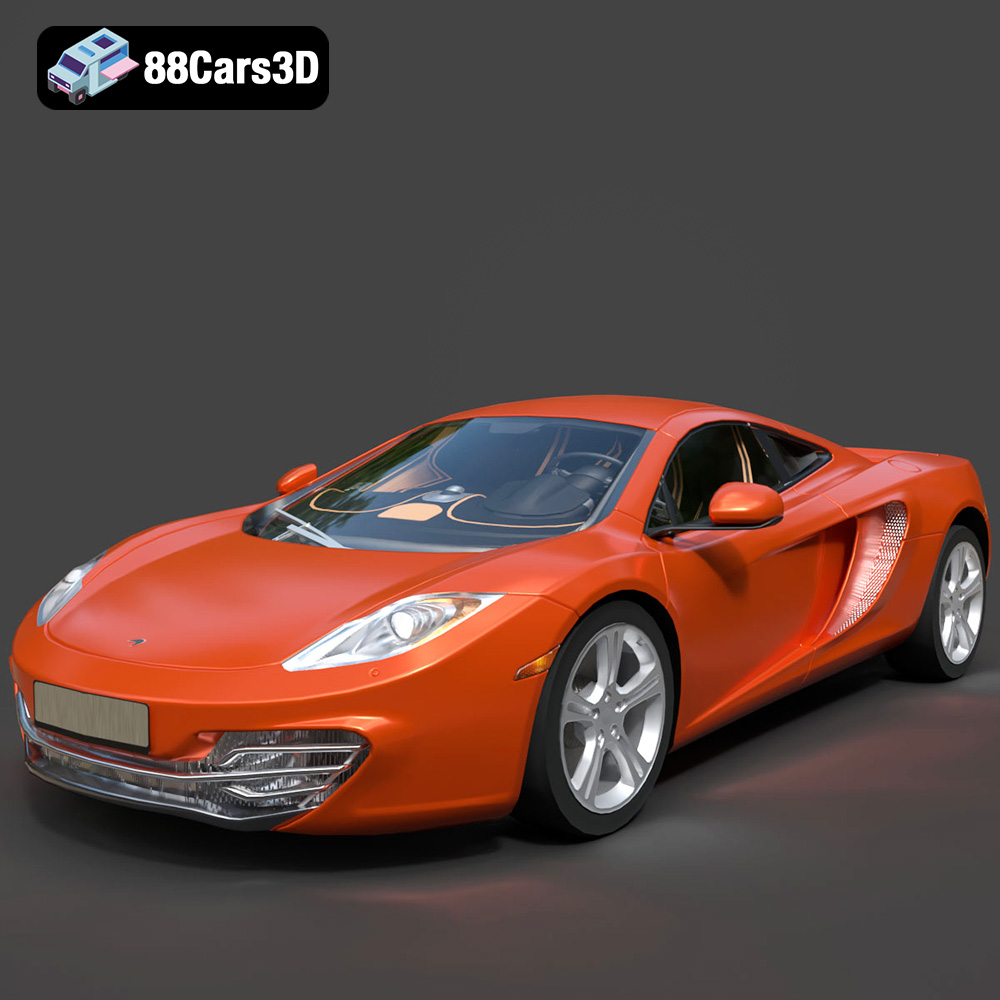
Texture: Yes
Material: Yes
Download the McLaren MP4-12C-001 3D Model featuring clean geometry, realistic detailing, and a fully modeled interior. Includes .blend, .fbx, .obj, .glb, .stl, .ply, .unreal, and .max formats for rendering, simulation, and game development.
Price: $23.99

Texture: Yes
Material: Yes
Download the Mercedes-Benz SLK 350 2005 3D Model featuring clean geometry, realistic detailing, and a fully modeled interior. Includes .blend, .fbx, .obj, .glb, .stl, .ply, .unreal, and .max formats for rendering, simulation, and game development.
Price: $23.99
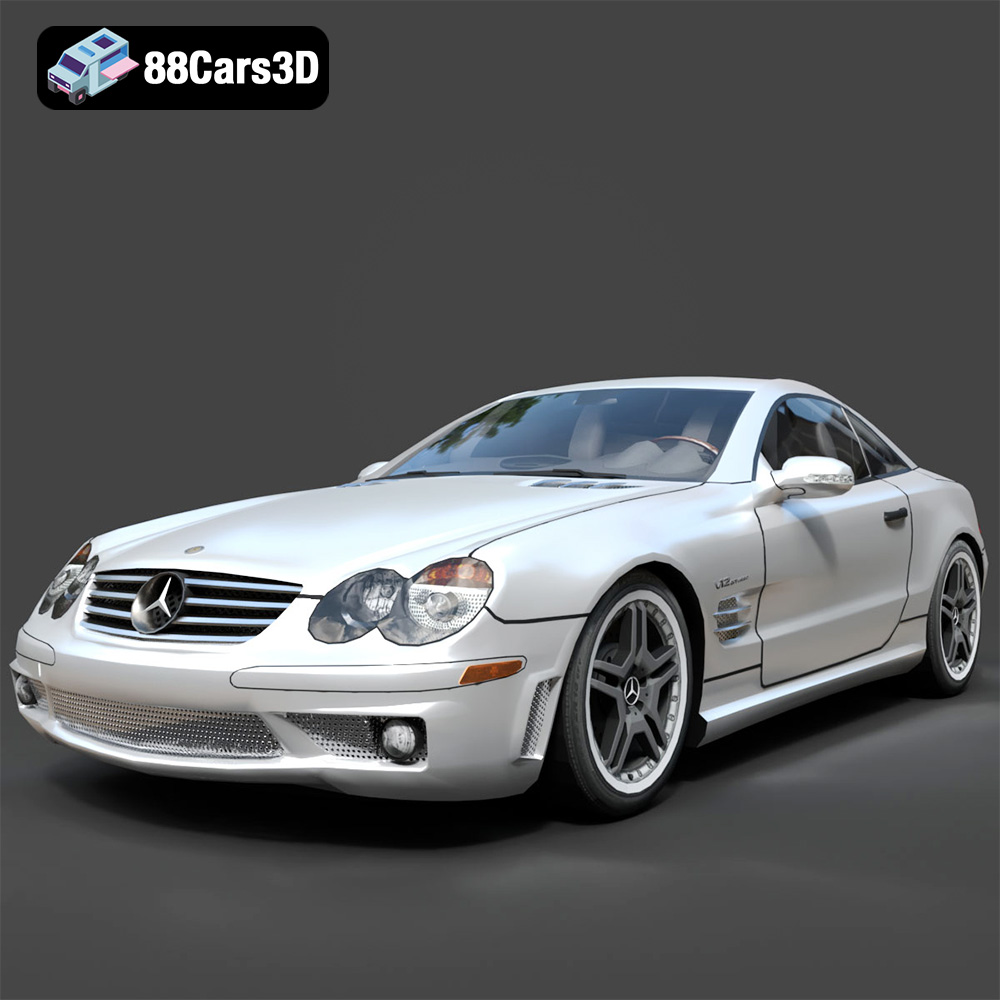
Texture: Yes
Material: Yes
Download the Mercedes-Benz SL 65 AMG 3D Model featuring clean geometry, realistic detailing, and a fully modeled interior. Includes .blend, .fbx, .obj, .glb, .stl, .ply, .unreal, and .max formats for rendering, simulation, and game development.
Price: $23.99
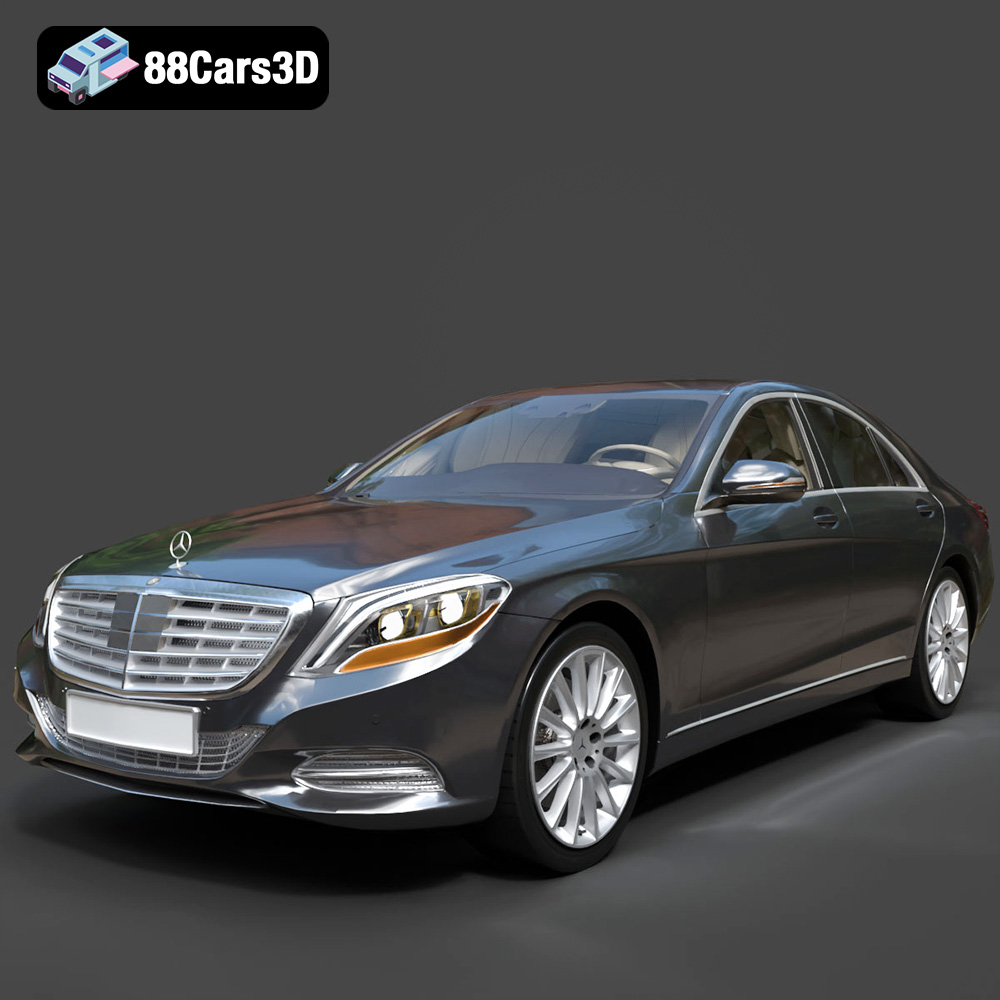
Texture: Yes
Material: Yes
Download the Mercedes-Benz S500 3D Model featuring clean geometry, realistic detailing, and a fully modeled interior. Includes .blend, .fbx, .obj, .glb, .stl, .ply, .unreal, and .max formats for rendering, simulation, and game development.
Price: $23.99
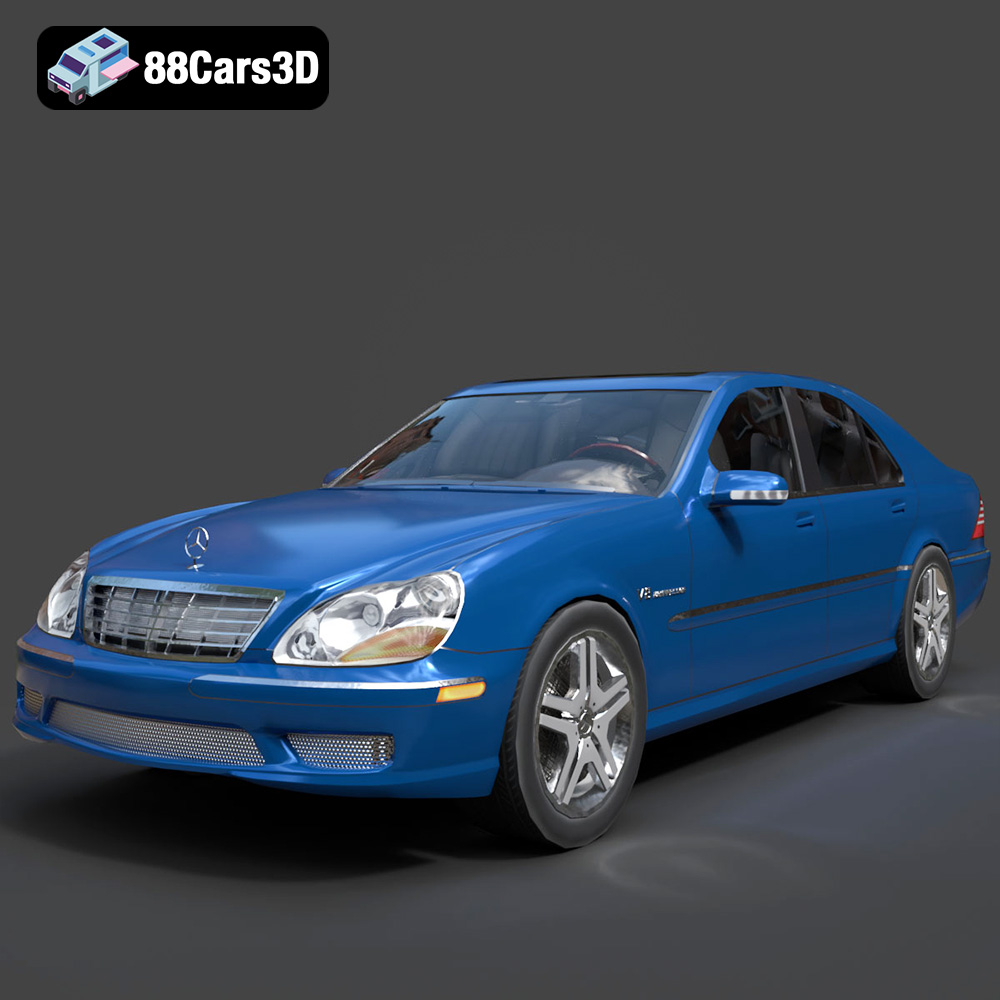
Texture: Yes
Material: Yes
Download the Mercedes-Benz S55 W220 AMG 1999 3D Model featuring clean geometry, realistic detailing, and a fully modeled interior. Includes .blend, .fbx, .obj, .glb, .stl, .ply, .unreal, and .max formats for rendering, simulation, and game development.
Price: $23.99
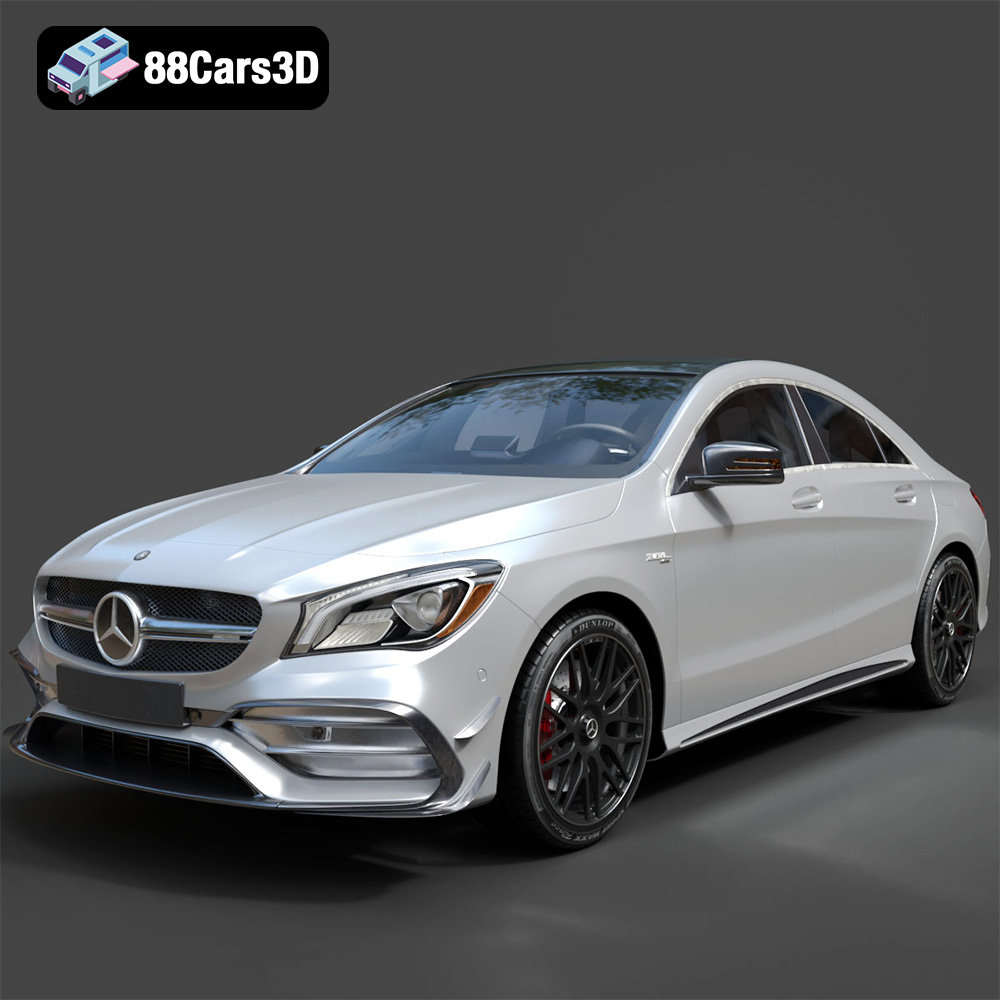
Texture: Yes
Material: Yes
Download the Mercedes-Benz CLA45 AMG 2017 3D Model featuring clean geometry, realistic detailing, and a fully modeled interior. Includes .blend, .fbx, .obj, .glb, .stl, .ply, .unreal, and .max formats for rendering, simulation, and game development.
Price: $38.99
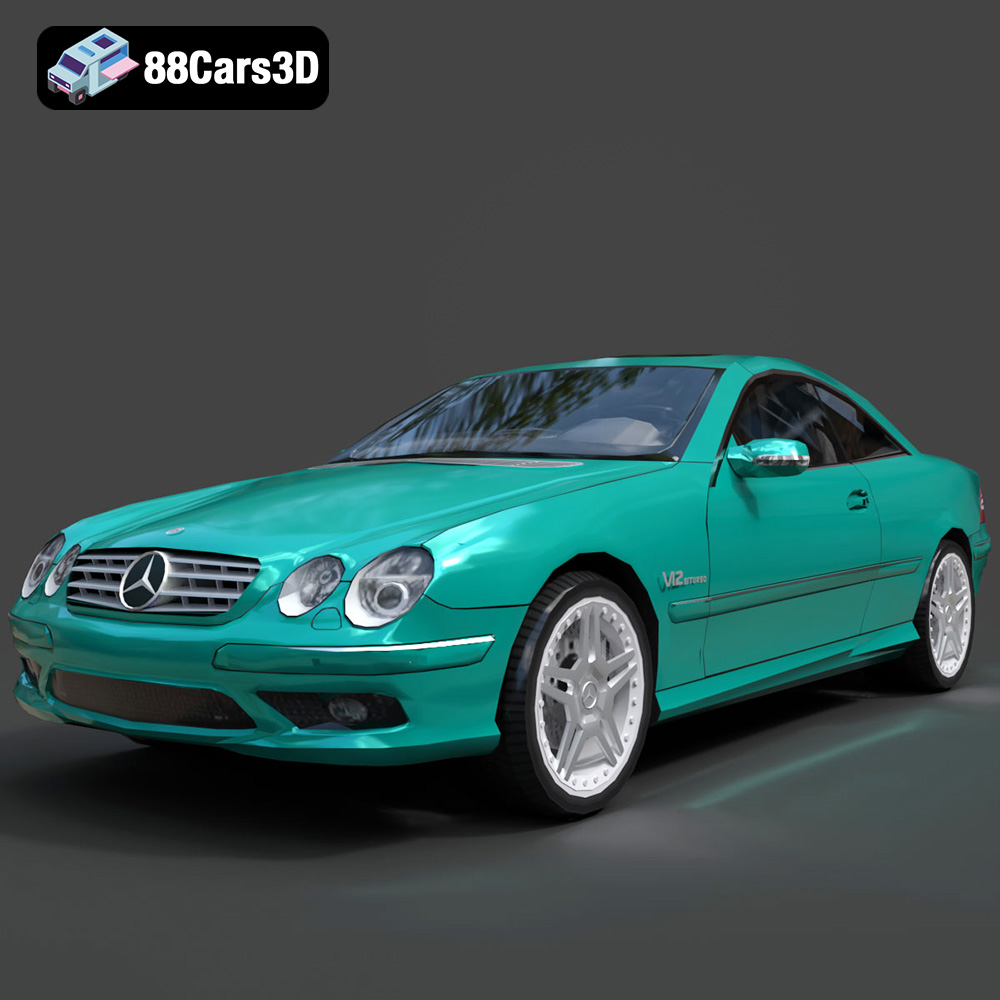
Texture: Yes
Material: Yes
Download the Mercedes-Benz CL65 C215 AMG 3D Model featuring clean geometry, realistic detailing, and a fully modeled interior. Includes .blend, .fbx, .obj, .glb, .stl, .ply, .unreal, and .max formats for rendering, simulation, and game development.
Price: $23.99
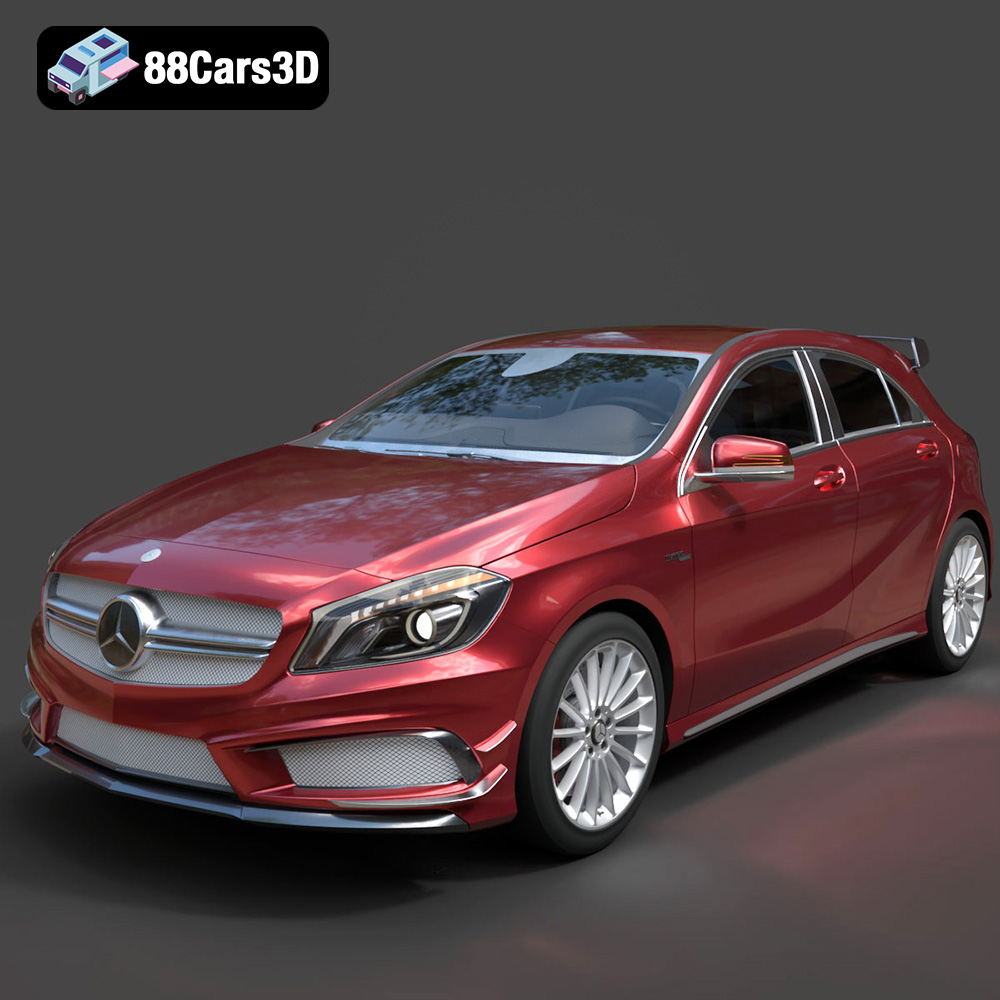
Texture: Yes
Material: Yes
Download the Mercedes-Benz A45 2021 3D Model featuring clean geometry, realistic detailing, and a fully modeled interior. Includes .blend, .fbx, .obj, .glb, .stl, .ply, .unreal, and .max formats for rendering, simulation, and game development.
Price: $23.99
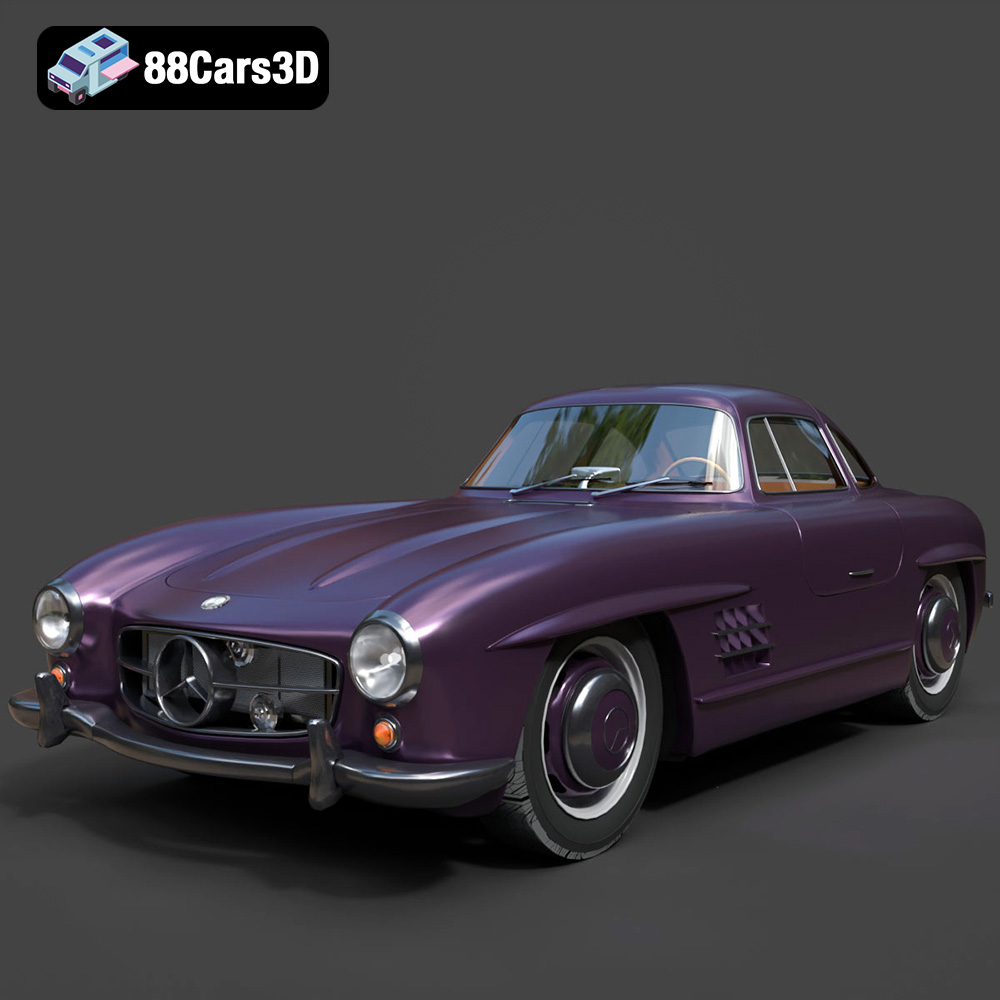
Texture: Yes
Material: Yes
Download the Mercedes-Benz 300SL 1955 3D Model featuring clean geometry, realistic detailing, and a fully modeled interior. Includes .blend, .fbx, .obj, .glb, .stl, .ply, .unreal, and .max formats for rendering, simulation, and game development.
Price: $23.99
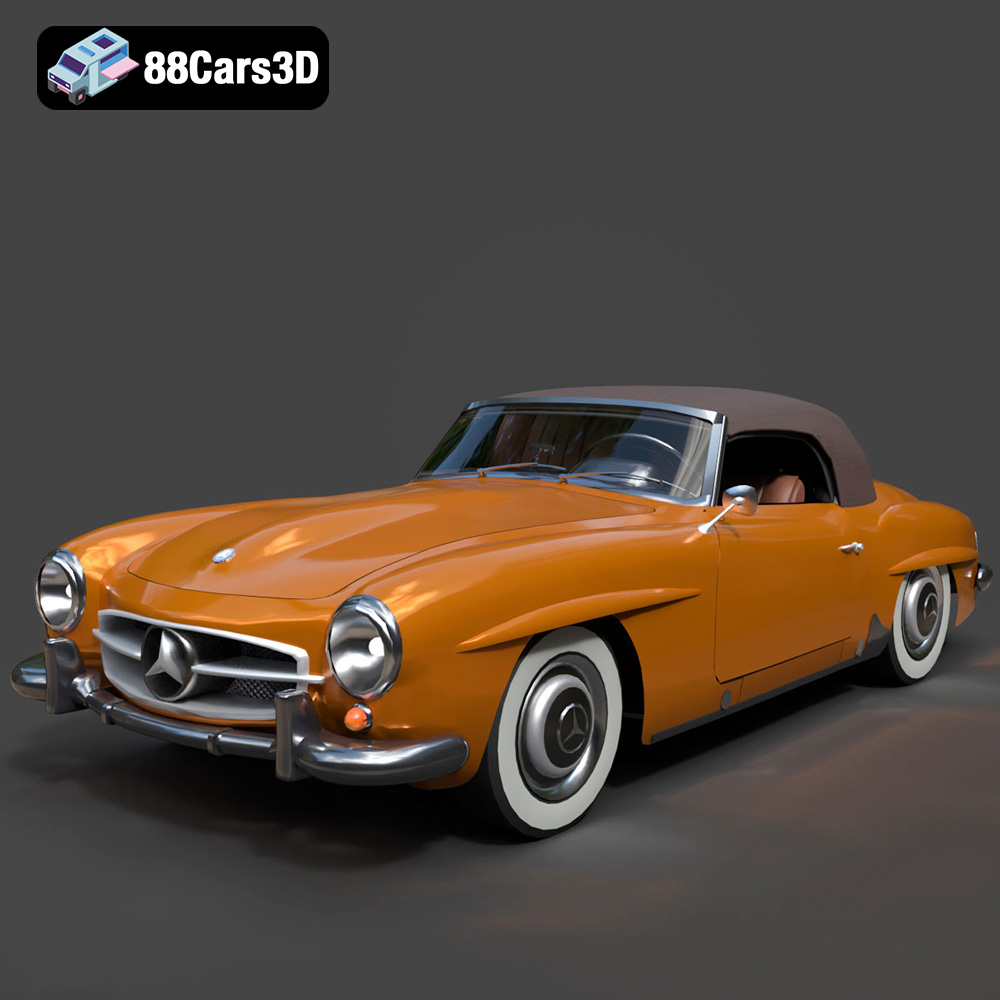
Texture: Yes
Material: Yes
Download the Mercedes-Benz 190SL 1955 3D Model featuring clean geometry, realistic detailing, and a fully modeled interior. Includes .blend, .fbx, .obj, .glb, .stl, .ply, .unreal, and .max formats for rendering, simulation, and game development.
Price: $23.99
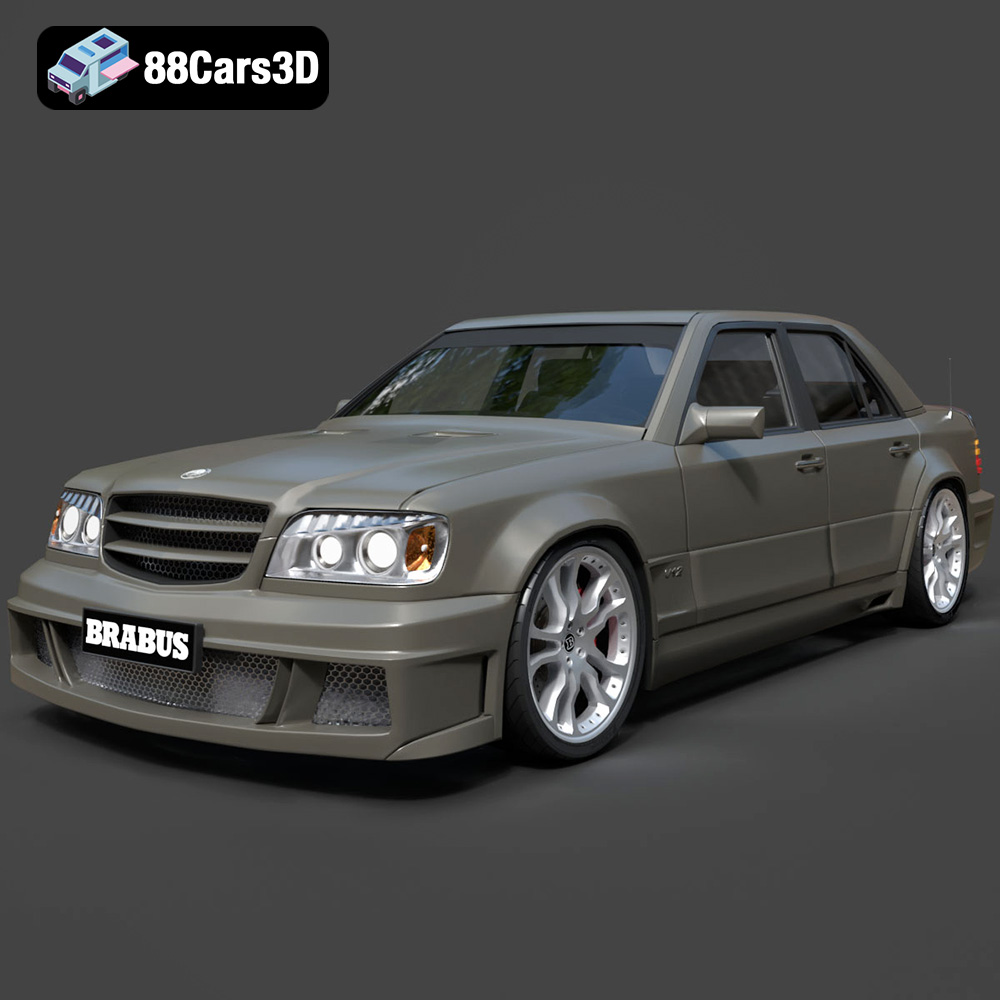
Texture: Yes
Material: Yes
Download the Mercedes-Benz W124 Brabus V12 3D Model featuring clean geometry, realistic detailing, and a fully modeled interior. Includes .blend, .fbx, .obj, .glb, .stl, .ply, .unreal, and .max formats for rendering, simulation, and game development.
Price: $23.99
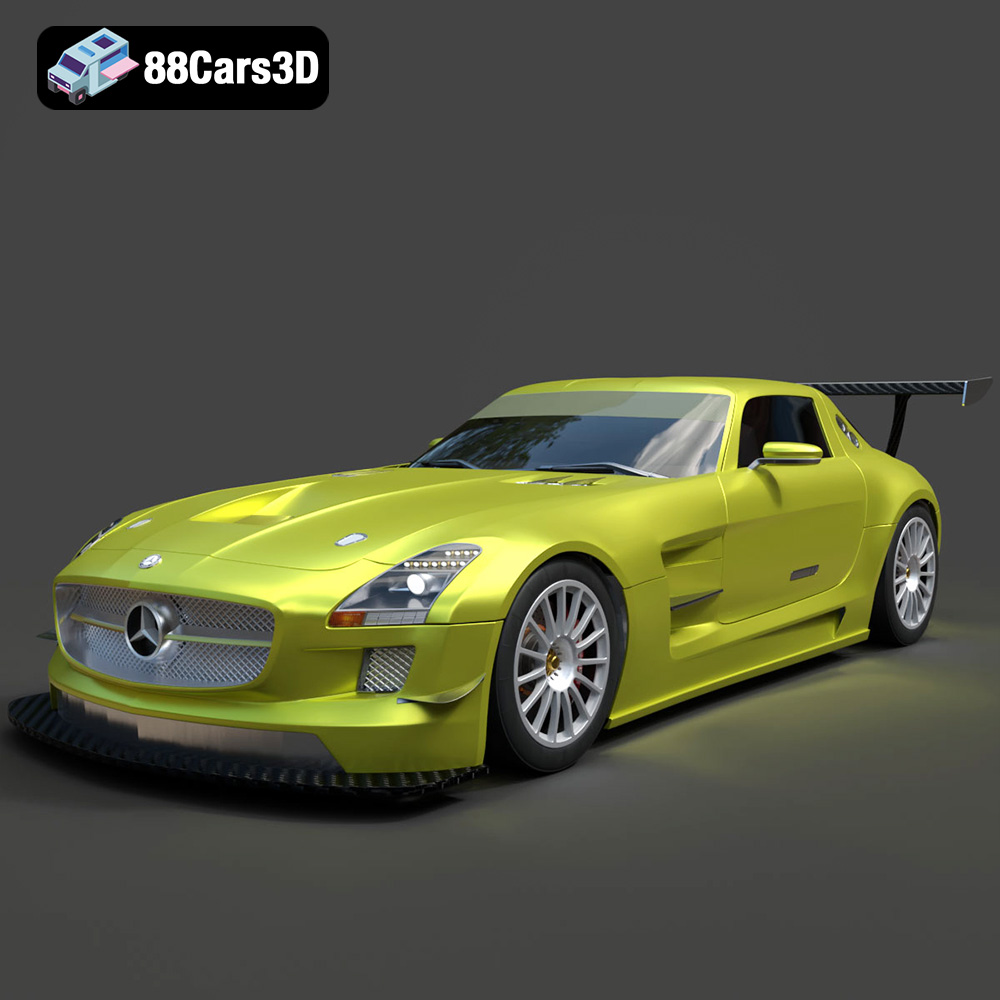
Texture: Yes
Material: Yes
Download the Mercedes-Benz SLS AMG GT3-002 3D Model featuring clean geometry, realistic detailing, and a fully modeled interior. Includes .blend, .fbx, .obj, .glb, .stl, .ply, .unreal, and .max formats for rendering, simulation, and game development.
Price: $38.99

Texture: Yes
Material: Yes
Download the Mercedes-Benz C-Class-001 3D Model featuring clean geometry, realistic detailing, and a fully modeled interior. Includes .blend, .fbx, .obj, .glb, .stl, .ply, .unreal, and .max formats for rendering, simulation, and game development.
Price: $38.99
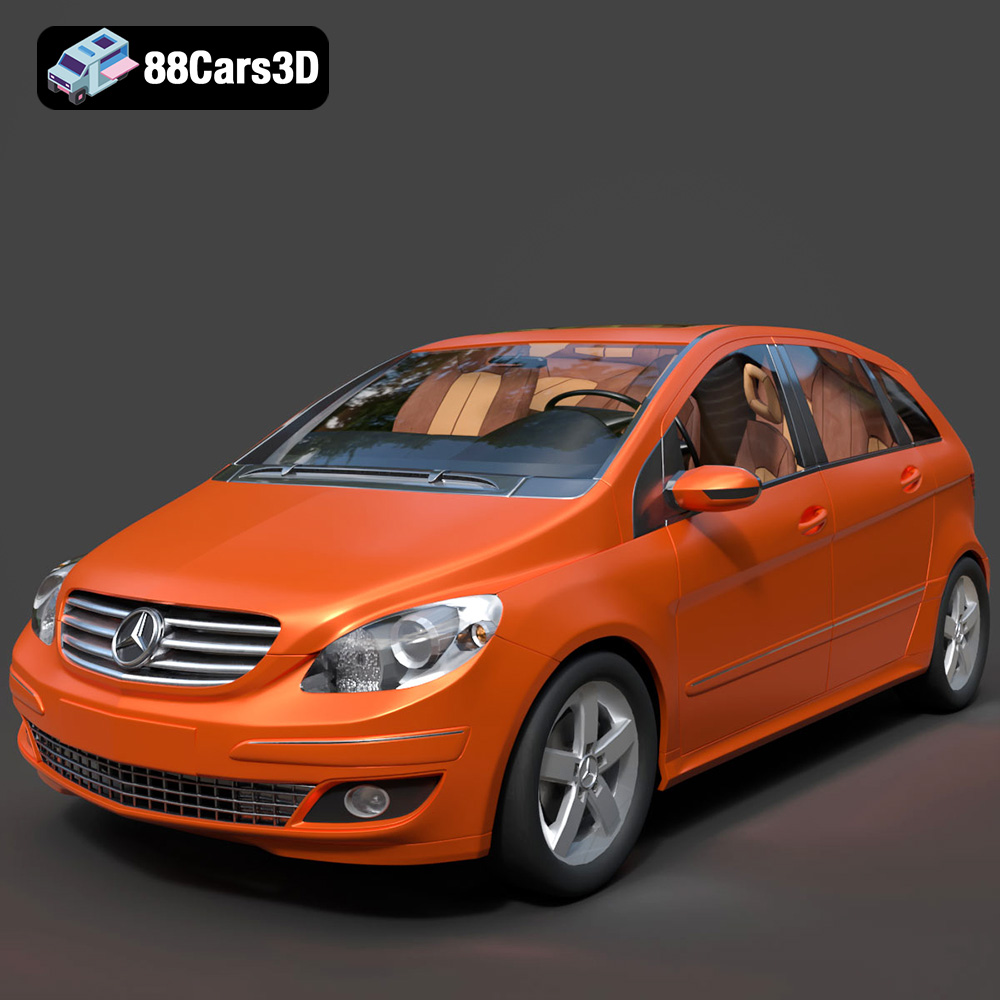
Texture: Yes
Material: Yes
Download the Mercedes-Benz B-Klasse 2023 3D Model featuring clean geometry, realistic detailing, and a fully modeled interior. Includes .blend, .fbx, .obj, .glb, .stl, .ply, .unreal, and .max formats for rendering, simulation, and game development.
Price: $38.99
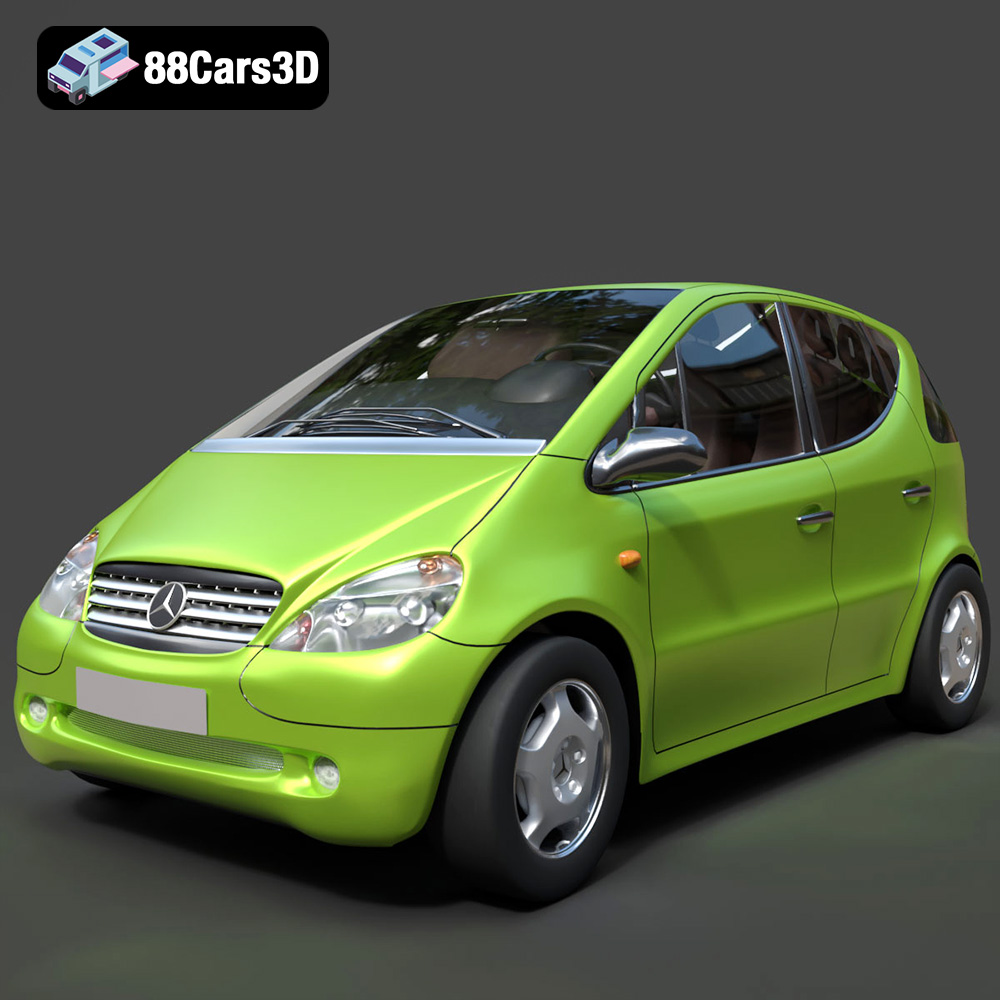
Texture: Yes
Material: Yes
Download the Mercedes-Benz A-Klasse W168 3D Model featuring clean geometry, realistic detailing, and a fully modeled interior. Includes .blend, .fbx, .obj, .glb, .stl, .ply, .unreal, and .max formats for rendering, simulation, and game development.
Price: $38.99
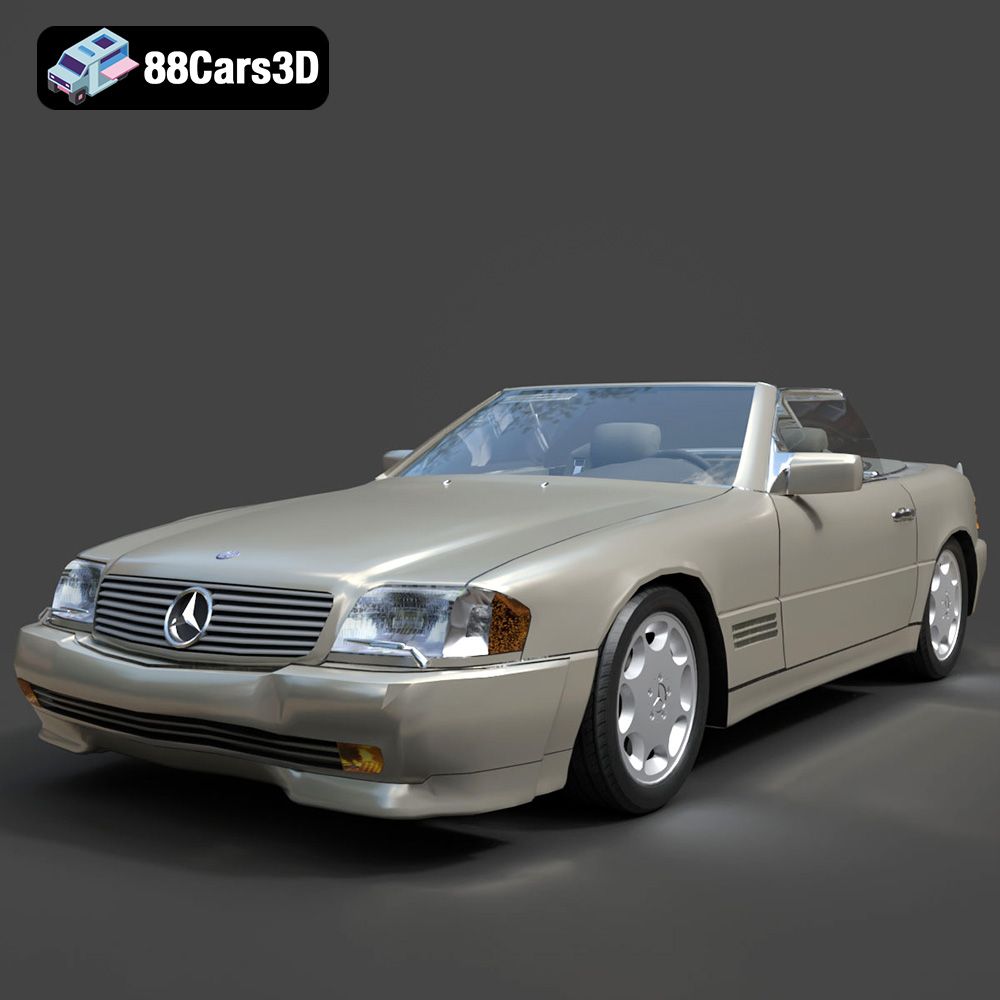
Texture: Yes
Material: Yes
Download the Mercedes-Benz 500SL 2000 3D Model featuring clean geometry, realistic detailing, and a fully modeled interior. Includes .blend, .fbx, .obj, .glb, .stl, .ply, .unreal, and .max formats for rendering, simulation, and game development.
Price: $38.99
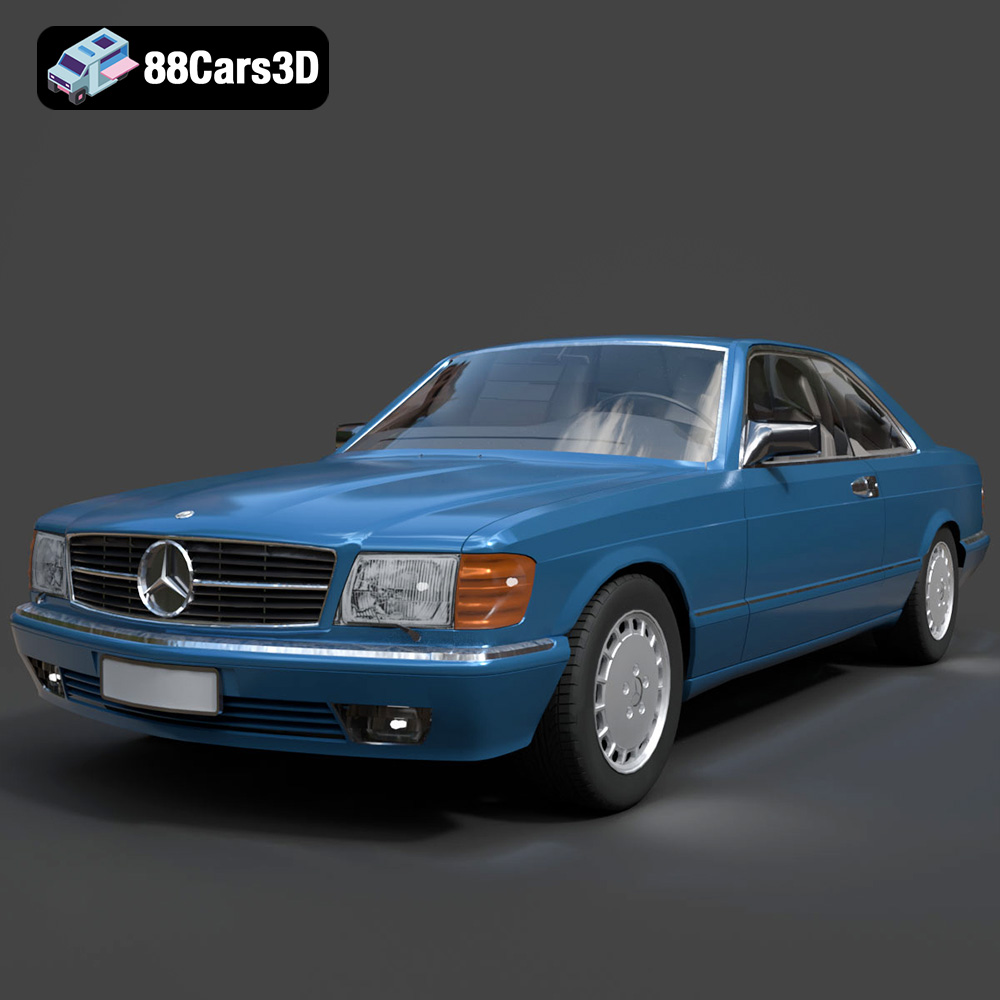
Texture: Yes
Material: Yes
Download the Mercedes-Benz 500SEC 3D Model featuring clean geometry, realistic detailing, and a fully modeled interior. Includes .blend, .fbx, .obj, .glb, .stl, .ply, .unreal, and .max formats for rendering, simulation, and game development.
Price: $38.99
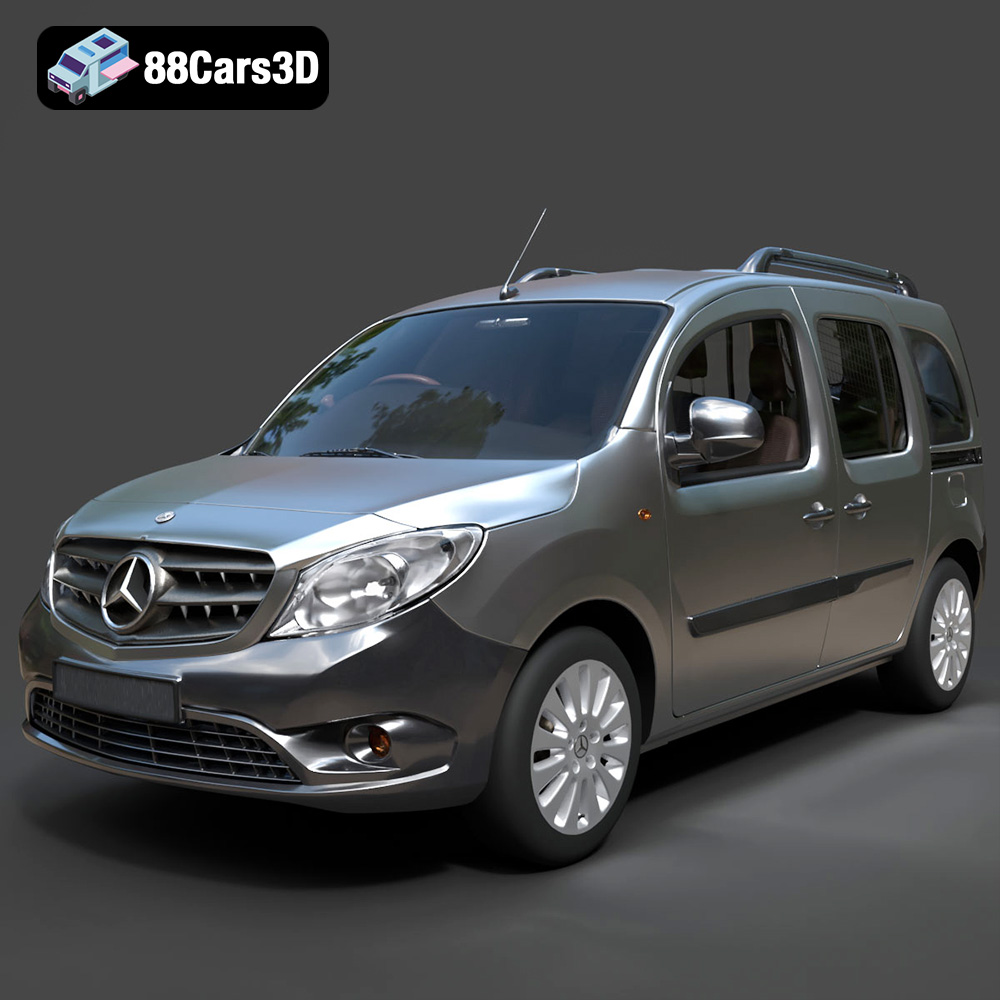
Texture: Yes
Material: Yes
Download the Mercedes-Benz Citan 2025 3D Model featuring clean geometry, realistic detailing, and a fully modeled interior. Includes .blend, .fbx, .obj, .glb, .stl, .ply, .unreal, and .max formats for rendering, simulation, and game development.
Price: $38.99
Texture: Yes
Material: Yes
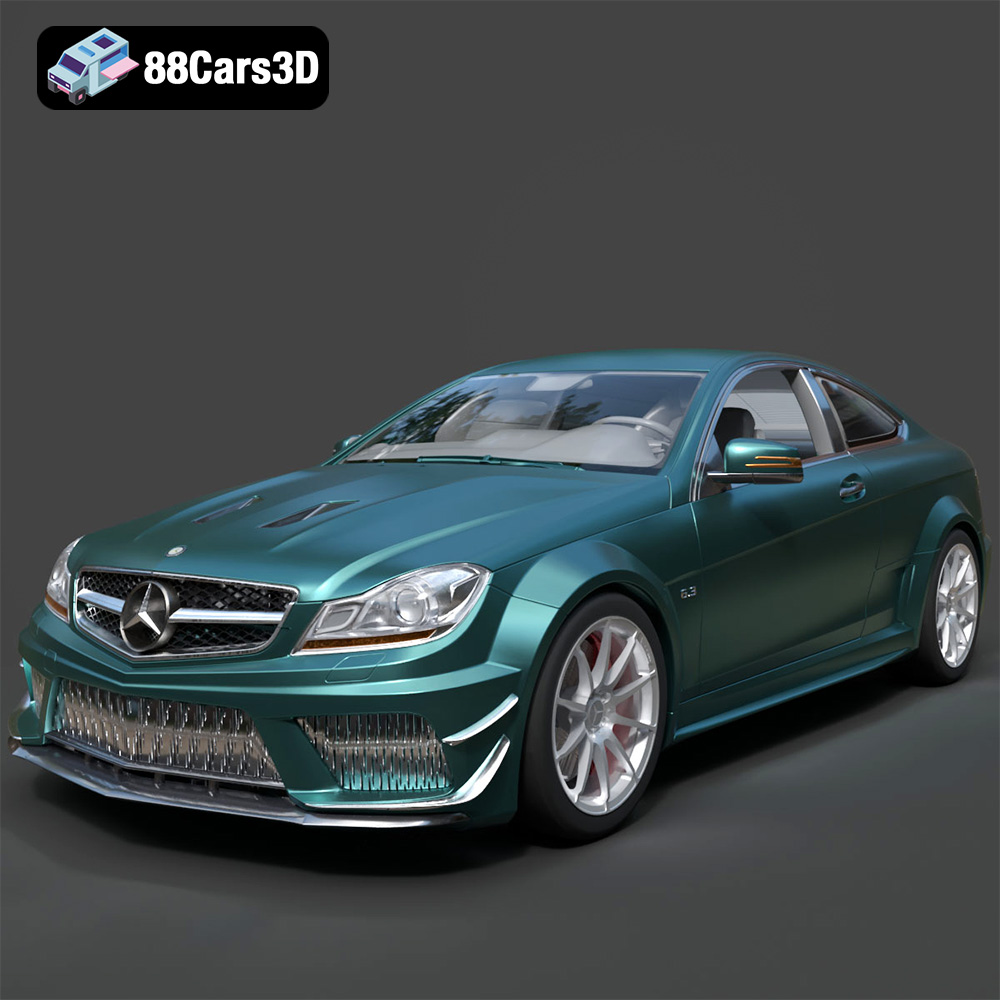
Download the Mercedes-Benz C63 AMG 2012 3D Model featuring clean geometry, realistic detailing, and a fully modeled interior. Includes .blend, .fbx, .obj, .glb, .stl, .ply, .unreal, and .max formats for rendering, simulation, and game development.
Price: $38.99
Texture: Yes
Material: Yes
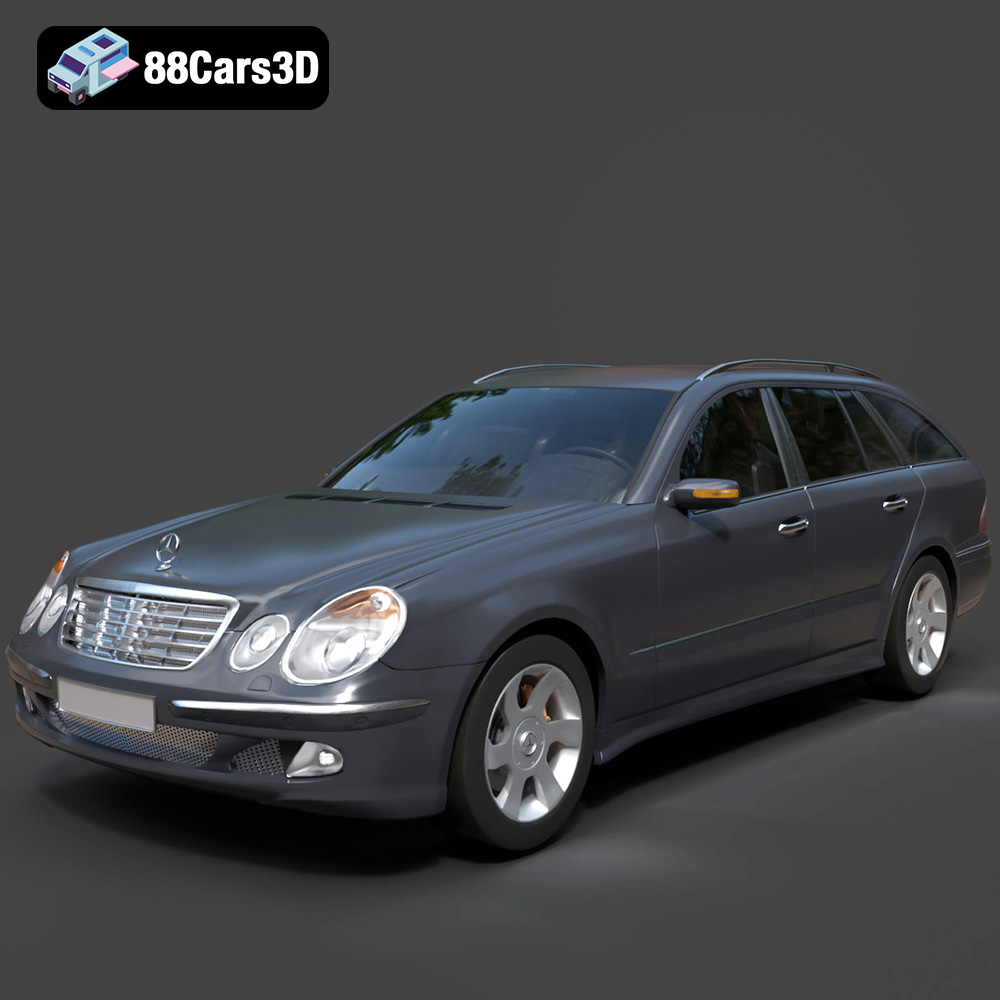
Download the Mercedes-Benz E-Class S211 3D Model featuring clean geometry, realistic detailing, and a fully modeled interior. Includes .blend, .fbx, .obj, .glb, .stl, .ply, .unreal, and .max formats for rendering, simulation, and game development.
Price: $38.99
Texture: Yes
Material: Yes
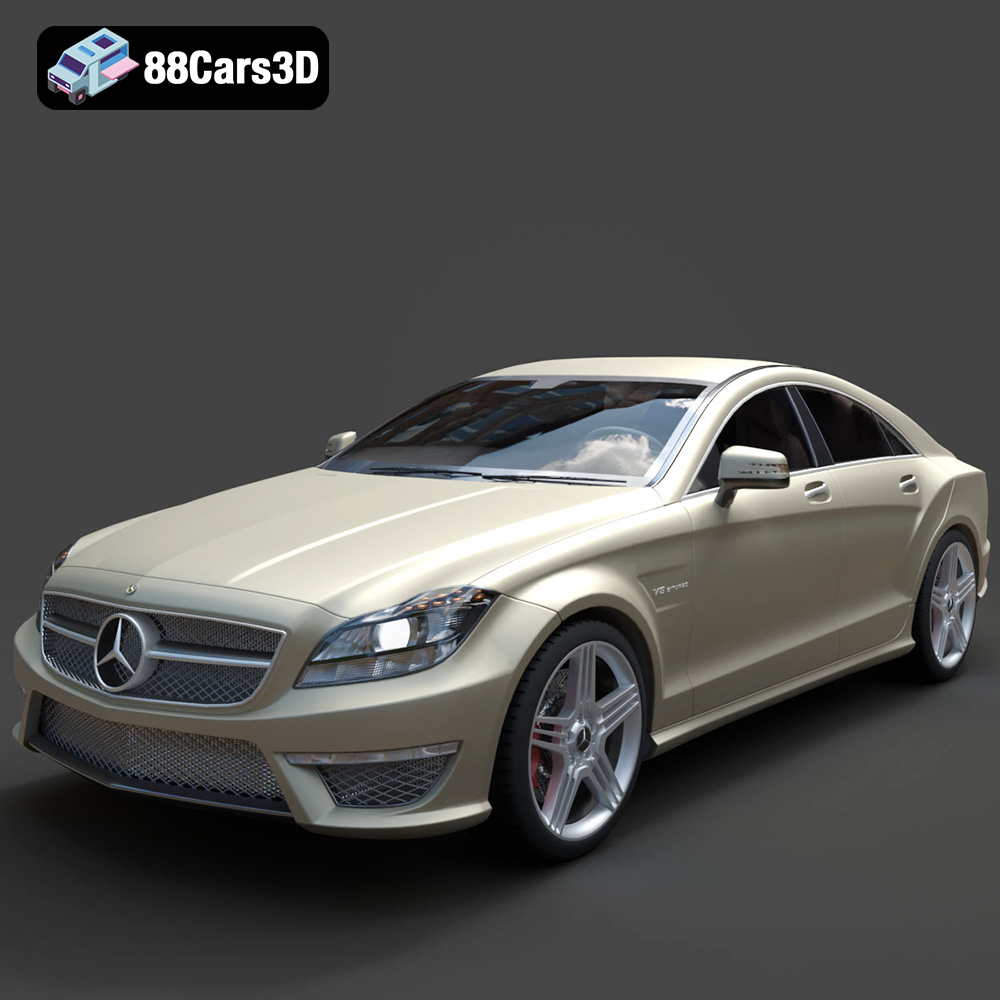
Download the Mercedes-Benz CLS63 AMG (C218) 2014 3D Model featuring clean geometry, realistic detailing, and a fully modeled interior. Includes .blend, .fbx, .obj, .glb, .stl, .ply, .unreal, and .max formats for rendering, simulation, and game development.
Price: $38.99
Texture: Yes
Material: Yes
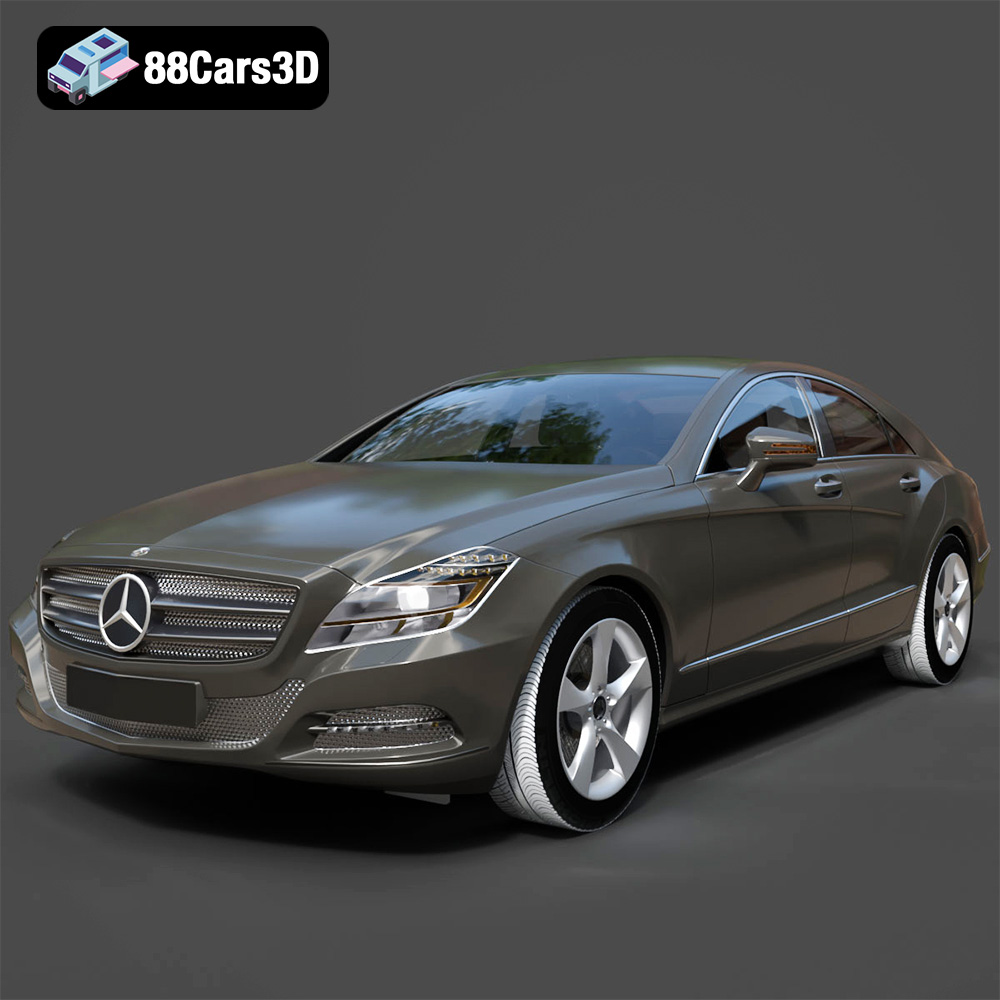
Download the Mercedes-Benz CLS-Klasse 3D Model featuring clean geometry, realistic detailing, and a fully modeled interior. Includes .blend, .fbx, .obj, .glb, .stl, .ply, .unreal, and .max formats for rendering, simulation, and game development.
Price: $38.99

