Get 20% OFF All Premium 3D & STL Models!

Few elements contribute as profoundly to the visual appeal of a digital vehicle as pristine, dynamic reflections. From the subtle glint of a polished fender to the dramatic interplay of environment and bodywork, reflections are the silent storytellers of a car’s journey, condition, and its place within a scene. Achieving cinematic quality reflections, however, transcends mere aesthetic preference; it’s a deep dive into the art and science of light, material physics, and computational rendering.
Whether you’re crafting a stunning visualization for an automotive design studio, developing a cutting-edge racing game, or producing a high-fidelity animation, mastering reflections is paramount. It’s about bringing inanimate objects to life, giving them a sense of presence and realism that captivates the viewer. But how do we achieve this elusive perfection across the diverse demands of both real-time game engines and high-fidelity offline renderers?
This comprehensive guide will unravel the complexities of generating breathtaking car reflections. We’ll explore the fundamental principles that govern how light bounces off automotive surfaces, delve into advanced offline rendering techniques, and navigate the exciting frontier of real-time implementation, including the transformative power of ray tracing. Prepare to elevate your automotive rendering pipeline to new cinematic heights.
At the heart of any photorealistic rendering lies physically based rendering (PBR). This methodology isn’t just a trend; it’s a scientifically accurate approach that simulates how light interacts with surfaces, making it indispensable for achieving convincing car reflections. Understanding PBR is the foundation for creating realistic photorealistic car materials.
The Fresnel effect is a critical optical phenomenon that dictates how the reflectivity of a surface changes based on the viewing angle. Simply put, surfaces become more reflective at grazing angles (when you look at them almost edge-on) and less reflective when viewed head-on. This effect is incredibly pronounced on car surfaces, from the clear coat of the paint to the glass of the windshield, and is intrinsically built into PBR materials.
Ignoring or misrepresenting the Fresnel effect can instantly break the illusion of realism, making surfaces appear flat or unnatural. Modern PBR shaders automatically handle Fresnel based on the material’s properties, saving artists from manual approximation and ensuring a physically accurate response to light.
These three properties are fundamental to defining the look and feel of a car’s surface. Roughness, often represented by a grayscale map, dictates how spread out or sharp reflections appear. A perfectly smooth surface (low roughness) yields crisp, mirror-like reflections, while a rougher surface scatters light more, resulting in blurry, diffuse reflections.
Specularity refers to the intensity and color of reflections. In PBR, this is often driven by the ‘metallic’ property for metals or the ‘F0’ value (reflectance at normal incidence) for dielectrics. The specular workflow in PBR focuses on accurately representing these interactions.
Anisotropy is a more advanced property, crucial for surfaces like brushed metal or carbon fiber, where reflections stretch and distort along a specific direction due to microscopic grooves or fibers. This effect is common on various car trims and elements, adding another layer of realism to the photorealistic car materials.
Car paint is a complex, multi-layered material. It typically consists of a base coat (which provides the primary color and often metallic flakes), followed by a clear coat (a transparent, highly reflective layer that gives the paint its depth and gloss). A robust PBR car paint shader needs to accurately simulate this layering.
The clear coat, being a dielectric material, exhibits its own Fresnel effect and roughness, which often dominates the overall reflection. Underneath this, the base coat’s properties, including its metallic flakes (which often require specific shading models for sparkle and glint), interact with light that penetrates the clear coat, creating the rich, deep appearance characteristic of automotive finishes.
The metallic workflow is a common PBR approach where materials are categorized as either metallic or dielectric. Metals (like chrome, polished aluminum, or the metallic flakes in car paint) reflect light with their base color, and their reflections tend to be very strong and often colored. Dielectrics (like plastic, glass, rubber, and the clear coat itself) reflect light without color, typically appearing white or gray in their reflections, and absorb the rest.
This distinction is crucial for accurately portraying the diverse materials found on a car, from the sleek chrome trim to the matte rubber of the tires. Understanding and correctly implementing the metallic workflow is fundamental to achieving photorealistic car materials across the entire vehicle.
Even the most perfectly crafted PBR materials will fall flat without compelling lighting. For offline rendering, the precision and artistic control over lighting setups are unparalleled, allowing for truly cinematic results. This is a critical step in the automotive rendering pipeline.
High Dynamic Range Imagery (HDRI) is the cornerstone of realistic image-based lighting. An HDRI environment lighting map captures the full range of light intensities from a real-world location, including both direct sunlight and ambient bounce light. When used as an environment map in a renderer, it provides incredibly accurate global illumination and, crucially, environmental reflections.
Selecting the right HDRI is an art in itself. A studio HDRI will offer controlled, soft lighting ideal for showcasing details, while an outdoor HDRI will immerse the car in a realistic, natural setting. Experiment with various HDRIs to find the perfect mood and reflection characteristics for your scene. Remember to rotate and adjust its intensity to match your artistic vision.
While HDRIs provide excellent ambient and environmental reflections, physical lights (area lights, spot lights, point lights) offer precise control over highlights, shadows, and mood. For cinematic car renders, these lights are typically used to emphasize specific contours, create dramatic reflections, or simulate a studio setup.
Consider the ‘three-point lighting’ principle, but adapt it for automotive forms: a key light for primary illumination, a fill light to soften shadows, and a rim light to define the car’s silhouette and add sparkling edge reflections. Position these lights to accentuate the car’s design lines and create pleasing specular highlights along its curves.
Many professional car renders are done in controlled studio environments. This often involves large softboxes, diffused light sources, and bounce cards to create clean, flattering reflections that highlight the car’s form without distraction. In 3D, this means using large area lights or emissive mesh lights to simulate these physical studio elements.
Employing curved backdrops or cycloramas can further enhance the studio look, preventing harsh background breaks and providing a continuous surface for reflections. Pay close attention to how these large, soft light sources create elongated, elegant reflections across the car’s body panels.
For ultimate control in complex scenes, many offline renderers offer light linking (or light groups). This feature allows you to specify which lights affect which objects. For instance, you might want a particular light to only cast reflections on the car’s body but not illuminate the background, or vice versa.
Conversely, light exclusion allows you to prevent certain lights from affecting specific objects. This level of granular control is invaluable for fine-tuning reflections and illumination, ensuring that every element of your scene contributes precisely to the desired aesthetic without compromise.
Beyond the general principles of PBR, crafting the specific materials for a car requires meticulous attention to detail. This is where the true artistry meets the technical execution in the automotive rendering pipeline.
As discussed, car paint is a layered material. In an offline renderer, you’ll often construct this using a layered shader system or by carefully blending material nodes. The base layer will typically be a metallic PBR material, giving the primary color and metallic flake response. The flakes themselves can be simulated using various techniques, from procedural noise to anisotropic shaders or specialized flake shaders provided by the renderer.
On top of this, a clear coat layer is added. This is a dielectric material with its own roughness, index of refraction (IOR), and Fresnel effect. The clear coat’s roughness value is critical for determining how glossy or slightly orange-peeled the paint appears. The interplay between these two layers, along with accurate normals and displacement for subtle surface imperfections, forms the backbone of a convincing PBR car paint shader.
While paint is often the star, other materials demand equal attention.
Each of these components contributes to the overall photorealistic car materials.
The success of your reflections heavily relies on the quality and accuracy of your roughness maps. These maps dictate where reflections are sharp and where they are diffused. Hand-painting or procedurally generating detailed roughness maps for different parts of the car – like areas that receive more wear, subtle dust accumulation, or varying levels of polish – is crucial for realism. The specular workflow in PBR is fundamentally about accurately controlling these reflections.
It’s not just about a single roughness value; consider layering roughness maps, blending them to represent dust on top of a clean surface, or simulating water droplets. Every detail in these maps enhances the believability of how light interacts with the car.
Offline renderers offer a plethora of settings that impact reflection quality and render time.
Balancing these settings for quality and render time is a key part of the automotive rendering pipeline.
Bringing cinematic reflection quality into real-time environments, like game engines, presents a unique set of challenges and innovative solutions. The goal is to achieve visual fidelity comparable to offline renders while maintaining interactive frame rates. This is where game engine optimization truly shines.
Reflection probes are a cornerstone of real-time reflections. These spherical cameras capture the environment from a specific point in space, generating cubemaps that are then applied to nearby objects. They provide efficient, pre-rendered reflections that work well for static environments and objects.
For dynamic objects like cars, multiple probes can be strategically placed along a path or in key areas of a scene. Blending between these probes helps to create a more dynamic reflection as the car moves. However, standard reflection probes don’t capture screen-space details or handle dynamic objects within the reflection accurately, leading to potential inaccuracies.
Screen-Space Reflections (SSR) is a technique that generates reflections based on what’s visible on the screen. It can capture dynamic objects and fine details that reflection probes miss. SSR is excellent for immediate, local reflections on surfaces like wet roads or shiny car paint, and it’s relatively inexpensive computationally.
However, SSR has significant limitations: it can only reflect what’s currently rendered on the screen. Objects outside the camera’s view, or behind other geometry, will not appear in SSR reflections, leading to ‘missing’ reflections or artifacts at screen edges. Despite these drawbacks, SSR remains a vital component in many real-time rendering pipelines, often used in conjunction with other techniques.
The advent of real-time ray tracing has revolutionized real-time reflections. Ray tracing directly simulates the path of light rays, allowing for truly accurate, physically correct reflections, refractions, and global illumination that capture off-screen information and dynamic objects with unparalleled precision.
Engines like Unreal Engine and Unity now offer robust real-time ray tracing implementations. For cars, this means reflections that perfectly mirror the environment, including other cars, characters, and dynamic scene elements, without the artifacts of SSR or the static nature of reflection probes. While still computationally intensive, advancements in GPU technology and optimization techniques are making real-time ray tracing increasingly viable for cinematic-quality automotive experiences.
Integrating real-time ray tracing into your automotive rendering pipeline elevates the visual fidelity dramatically, offering reflections that were once exclusive to offline renders.
Achieving cinematic reflections in real-time requires smart game engine optimization.
These optimizations are crucial for maintaining smooth frame rates, especially when utilizing advanced features like real-time ray tracing.
Pushing beyond the basics, certain advanced techniques can refine your car reflections, adding layers of subtle realism that truly distinguish your work.
For reflection probes, parallax correction helps to make cubemap reflections appear more accurate by adjusting their projection based on the camera’s position relative to the probe. This reduces the ‘flat’ appearance of cubemap reflections. Blending multiple reflection probes smoothly as the camera or car moves through different zones further enhances the dynamic quality of reflections, minimizing sudden pop-ins or abrupt changes.
A perfectly clean car can sometimes look unnatural. Integrating decals for logos, license plates, or racing stripes, and applying wear and tear through texture maps, can add immense character. Dust, smudges, scratches, and water spots, particularly on the clear coat and glass, will break up uniform reflections, adding realism and a narrative quality. These imperfections directly influence the roughness and normal maps, subtly altering how light reflects.
Volumetric lighting and atmospheric effects, such as fog, haze, or god rays, can profoundly impact how reflections appear. Light scattered through volumes can soften reflections, introduce atmospheric perspective, and add a sense of depth and mood to the scene. Even subtle dust motes catching light can create captivating interactions with a car’s reflective surfaces.
Even with a solid understanding of theory and techniques, artists frequently encounter hurdles when striving for perfect reflections. Knowing how to diagnose and solve these issues is crucial for maintaining the quality of your automotive rendering pipeline.
Noisy reflections, especially in areas of subtle roughness or indirect light, are a common problem.
Ensure your lighting setup isn’t too extreme, as very bright lights can exacerbate noise.
Metallic car paint with flakes can be challenging. If flakes appear too uniform, too large, or sparkle unnaturally, it breaks realism.
Experiment with different flake rendering approaches specific to your renderer or game engine.
Sometimes, a car looks great in one scene but appears off in another. This often stems from environmental discrepancies.
A consistent lighting and reflection setup is vital for believability.
Incorrect UV mapping or material scaling can lead to stretched, blurry, or improperly tiled reflections.
High-quality base models, like those available on 88cars3d.com, often come with meticulously prepared UVs, saving significant setup time.
Mastering cinematic car reflections is an ongoing journey that blends technical proficiency with artistic vision. From understanding the physics of light with PBR materials to orchestrating intricate lighting setups with HDRI environment lighting, and finally, navigating the performance demands of real-time ray tracing and game engine optimization, every step is crucial.
Whether you’re finessing a PBR car paint shader for an offline masterpiece or optimizing reflection probes for a real-time experience, the principles remain the same: accurate material properties, thoughtful lighting, and continuous iteration. The automotive rendering pipeline is dynamic, always evolving with new tools and techniques, making it an exciting field for innovation.
We encourage you to experiment, learn from references, and constantly push the boundaries of what’s possible. For those looking to jumpstart their projects with high-quality base models, explore the vast selection of professionally crafted 3D car models available at 88cars3d.com. Start with excellence, and let your creativity shine through in every reflection.

Texture: Yes
Material: Yes
Download the Subaru Impreza Sport Wagon 3D Model featuring clean geometry, realistic detailing, and a fully modeled interior. Includes .blend, .fbx, .obj, .glb, .stl, .ply, .unreal, and .max formats for rendering, simulation, and game development.
Price: $10

Texture: Yes
Material: Yes
Download the Skoda Octavia A7 2017 3D Model featuring clean geometry, realistic detailing, and a fully modeled interior. Includes .blend, .fbx, .obj, .glb, .stl, .ply, .unreal, and .max formats for rendering, simulation, and game development.
Price: $10

Texture: Yes
Material: Yes
Download the Suzuki SX4-002 3D Model featuring clean geometry, realistic detailing, and a fully modeled interior. Includes .blend, .fbx, .obj, .glb, .stl, .ply, .unreal, and .max formats for rendering, simulation, and game development.
Price: $10

Texture: Yes
Material: Yes
Download the Tesla Model S 2024 3D Model featuring clean geometry, realistic detailing, and a fully modeled interior. Includes .blend, .fbx, .obj, .glb, .stl, .ply, .unreal, and .max formats for rendering, simulation, and game development.
Price: $10

Texture: Yes
Material: Yes
Download the Subaru Impreza WRX STi-002 3D Model featuring clean geometry, realistic detailing, and a fully modeled interior. Includes .blend, .fbx, .obj, .glb, .stl, .ply, .unreal, and .max formats for rendering, simulation, and game development.
Price: $10

Texture: Yes
Material: Yes
Download the Subaru Impreza WRX STi Sedan 3D Model featuring clean geometry, realistic detailing, and a fully modeled interior. Includes .blend, .fbx, .obj, .glb, .stl, .ply, .unreal, and .max formats for rendering, simulation, and game development.
Price: $10

Texture: Yes
Material: Yes
Download the Subaru Legacy 2009 3D Model featuring clean geometry, realistic detailing, and a fully modeled interior. Includes .blend, .fbx, .obj, .glb, .stl, .ply, .unreal, and .max formats for rendering, simulation, and game development.
Price: $10

Texture: Yes
Material: Yes
Download the Suzuki Swift 2024 3D Model featuring clean geometry, realistic detailing, and a fully modeled interior. Includes .blend, .fbx, .obj, .glb, .stl, .ply, .unreal, and .max formats for rendering, simulation, and game development.
Price: $10

Texture: Yes
Material: Yes
Download the Suzuki Liana Sedan 2004 3D Model featuring clean geometry, realistic detailing, and a fully modeled interior. Includes .blend, .fbx, .obj, .glb, .stl, .ply, .unreal, and .max formats for rendering, simulation, and game development.
Price: $10

Texture: Yes
Material: Yes
Download the Subaru Outback 2024 3D Model featuring clean geometry, realistic detailing, and a fully modeled interior. Includes .blend, .fbx, .obj, .glb, .stl, .ply, .unreal, and .max formats for rendering, simulation, and game development.
Price: $10

Texture: Yes
Material: Yes
Download the Subaru Legacy 2003 3D Model featuring clean geometry, realistic detailing, and a fully modeled interior. Includes .blend, .fbx, .obj, .glb, .stl, .ply, .unreal, and .max formats for rendering, simulation, and game development.
Price: $10

Texture: Yes
Material: Yes
Download the Subaru Legacy Touring Wagon 3D Model featuring clean geometry, realistic detailing, and a fully modeled interior. Includes .blend, .fbx, .obj, .glb, .stl, .ply, .unreal, and .max formats for rendering, simulation, and game development.
Price: $10

Texture: Yes
Material: Yes
Download the Toyota Mark II (X100) 3D Model featuring clean geometry, realistic detailing, and a fully modeled interior. Includes .blend, .fbx, .obj, .glb, .stl, .ply, .unreal, and .max formats for rendering, simulation, and game development.
Price: $10

Texture: Yes
Material: Yes
Download the Toyota Corona 1985 3D Model featuring clean geometry, realistic detailing, and a fully modeled interior. Includes .blend, .fbx, .obj, .glb, .stl, .ply, .unreal, and .max formats for rendering, simulation, and game development.
Price: $10

Texture: Yes
Material: Yes
Download the Toyota Mark II X81 1990 3D Model featuring clean geometry, realistic detailing, and a fully modeled interior. Includes .blend, .fbx, .obj, .glb, .stl, .ply, .unreal, and .max formats for rendering, simulation, and game development.
Price: $10

Texture: Yes
Material: Yes
Download the Toyota iQ EV 2012 3D Model featuring clean geometry, realistic detailing, and a fully modeled interior. Includes .blend, .fbx, .obj, .glb, .stl, .ply, .unreal, and .max formats for rendering, simulation, and game development.
Price: $10

Texture: Yes
Material: Yes
Download the Toyota Aygo 2013 3D Model featuring clean geometry, realistic detailing, and a fully modeled interior. Includes .blend, .fbx, .obj, .glb, .stl, .ply, .unreal, and .max formats for rendering, simulation, and game development.
Price: $10

Texture: Yes
Material: Yes
Download the Toyota Crown S180 2005 3D Model featuring clean geometry, realistic detailing, and a fully modeled interior. Includes .blend, .fbx, .obj, .glb, .stl, .ply, .unreal, and .max formats for rendering, simulation, and game development.
Price: $10

Texture: Yes
Material: Yes
Download the Toyota Celica 2004 3D Model featuring clean geometry, realistic detailing, and a fully modeled interior. Includes .blend, .fbx, .obj, .glb, .stl, .ply, .unreal, and .max formats for rendering, simulation, and game development.
Price: $10

Texture: Yes
Material: Yes
Download the Toyota Corolla AE100 1992 3D Model featuring clean geometry, realistic detailing, and a fully modeled interior. Includes .blend, .fbx, .obj, .glb, .stl, .ply, .unreal, and .max formats for rendering, simulation, and game development.
Price: $10

Texture: Yes
Material: Yes
Download the Toyota Mark II X110 2000 3D Model featuring clean geometry, realistic detailing, and a fully modeled interior. Includes .blend, .fbx, .obj, .glb, .stl, .ply, .unreal, and .max formats for rendering, simulation, and game development.
Price: $10

Texture: Yes
Material: Yes
Download the Toyota Corolla 2020 3D Model featuring clean geometry, realistic detailing, and a fully modeled interior. Includes .blend, .fbx, .obj, .glb, .stl, .ply, .unreal, and .max formats for rendering, simulation, and game development.
Price: $10

Texture: Yes
Material: Yes
Download the Toyota Yaris 2020 3D Model featuring clean geometry, realistic detailing, and a fully modeled interior. Includes .blend, .fbx, .obj, .glb, .stl, .ply, .unreal, and .max formats for rendering, simulation, and game development.
Price: $9.9

Texture: Yes
Material: Yes
Download the Volkswagen Beetle 2012 3D Model featuring clean geometry, realistic detailing, and a fully modeled interior. Includes .blend, .fbx, .obj, .glb, .stl, .ply, .unreal, and .max formats for rendering, simulation, and game development.
Price: $9.9

Texture: Yes
Material: Yes
Download the Toyota Matrix 2005 3D Model featuring clean geometry, realistic detailing, and a fully modeled interior. Includes .blend, .fbx, .obj, .glb, .stl, .ply, .unreal, and .max formats for rendering, simulation, and game development.
Price: $9.9

Texture: Yes
Material: Yes
Download the Toyota Yaris Sedan 3D Model featuring clean geometry, realistic detailing, and a fully modeled interior. Includes .blend, .fbx, .obj, .glb, .stl, .ply, .unreal, and .max formats for rendering, simulation, and game development.
Price: $9.9

Texture: Yes
Material: Yes
Download the Volkswagen Golf R-004 2024 3D Model featuring clean geometry, realistic detailing, and a fully modeled interior. Includes .blend, .fbx, .obj, .glb, .stl, .ply, .unreal, and .max formats for rendering, simulation, and game development.
Price: $9.9

Texture: Yes
Material: Yes
Download the Volkswagen Golf 5 Door 2010 3D Model featuring clean geometry, realistic detailing, and a fully modeled interior. Includes .blend, .fbx, .obj, .glb, .stl, .ply, .unreal, and .max formats for rendering, simulation, and game development.
Price: $9.9

Texture: Yes
Material: Yes
Download the Toyota Premio 2010 3D Model featuring clean geometry, realistic detailing, and a fully modeled interior. Includes .blend, .fbx, .obj, .glb, .stl, .ply, .unreal, and .max formats for rendering, simulation, and game development.
Price: $9.9

Texture: Yes
Material: Yes
Download the Toyota Opa 2000 3D Model featuring clean geometry, realistic detailing, and a fully modeled interior. Includes .blend, .fbx, .obj, .glb, .stl, .ply, .unreal, and .max formats for rendering, simulation, and game development.
Price: $9.9

Texture: Yes
Material: Yes
Download the Volkswagen Polo 5 Door 2010 3D Model featuring clean geometry, realistic detailing, and a fully modeled interior. Includes .blend, .fbx, .obj, .glb, .stl, .ply, .unreal, and .max formats for rendering, simulation, and game development.
Price: $9.9

Texture: Yes
Material: Yes
Download the Toyota Prius 2024 3D Model featuring clean geometry, realistic detailing, and a fully modeled interior. Includes .blend, .fbx, .obj, .glb, .stl, .ply, .unreal, and .max formats for rendering, simulation, and game development.
Price: $9.9

Texture: Yes
Material: Yes
Download the Toyota Yaris 1999 3D Model featuring clean geometry, realistic detailing, and a fully modeled interior. Includes .blend, .fbx, .obj, .glb, .stl, .ply, .unreal, and .max formats for rendering, simulation, and game development.
Price: $9.9

Texture: Yes
Material: Yes
Download the Toyota Supra 2020 3D Model featuring clean geometry, realistic detailing, and a fully modeled interior. Includes .blend, .fbx, .obj, .glb, .stl, .ply, .unreal, and .max formats for rendering, simulation, and game development.
Price: $9.9

Texture: Yes
Material: Yes
Download the Volkswagen New Beetle 2000 3D Model featuring clean geometry, realistic detailing, and a fully modeled interior. Includes .blend, .fbx, .obj, .glb, .stl, .ply, .unreal, and .max formats for rendering, simulation, and game development.
Price: $14.99

Texture: Yes
Material: Yes
Download the Volkswagen Jetta 2005 3D Model featuring clean geometry, realistic detailing, and a fully modeled interior. Includes .blend, .fbx, .obj, .glb, .stl, .ply, .unreal, and .max formats for rendering, simulation, and game development.
Price: $18.99

Texture: Yes
Material: Yes
Download the Volkswagen Golf 3-Door 3D Model featuring clean geometry, realistic detailing, and a fully modeled interior. Includes .blend, .fbx, .obj, .glb, .stl, .ply, .unreal, and .max formats for rendering, simulation, and game development.
Price: $14.99

Texture: Yes
Material: Yes
Download the Volvo V70 2005 3D Model featuring clean geometry, realistic detailing, and a fully modeled interior. Includes .blend, .fbx, .obj, .glb, .stl, .ply, .unreal, and .max formats for rendering, simulation, and game development.
Price: $14.99

Texture: Yes
Material: Yes
Download the Volkswagen Bora 2004 3D Model featuring clean geometry, realistic detailing, and a fully modeled interior. Includes .blend, .fbx, .obj, .glb, .stl, .ply, .unreal, and .max formats for rendering, simulation, and game development.
Price: $14.99

Texture: Yes
Material: Yes
Download the Volkswagen Lupo 3D Model featuring clean geometry, realistic detailing, and a fully modeled interior. Includes .blend, .fbx, .obj, .glb, .stl, .ply, .unreal, and .max formats for rendering, simulation, and game development.
Price: $19.99

Texture: Yes
Material: Yes
Download the Volkswagen Passat B5 2000 3D Model featuring clean geometry, realistic detailing, and a fully modeled interior. Includes .blend, .fbx, .obj, .glb, .stl, .ply, .unreal, and .max formats for rendering, simulation, and game development.
Price: $19.99

Texture: Yes
Material: Yes
Download the Volkswagen Passat CC 3D Model featuring clean geometry, realistic detailing, and a fully modeled interior. Includes .blend, .fbx, .obj, .glb, .stl, .ply, .unreal, and .max formats for rendering, simulation, and game development.
Price: $19.99

Texture: Yes
Material: Yes
Download the Volkswagen Golf V 2006 3D Model featuring clean geometry, realistic detailing, and a fully modeled interior. Includes .blend, .fbx, .obj, .glb, .stl, .ply, .unreal, and .max formats for rendering, simulation, and game development.
Price: $19.99

Texture: Yes
Material: Yes
Download the Volvo S60 R-Design 3D Model featuring clean geometry, realistic detailing, and a fully modeled interior. Includes .blend, .fbx, .obj, .glb, .stl, .ply, .unreal, and .max formats for rendering, simulation, and game development.
Price: $19.99

Texture: Yes
Material: Yes
Download the Volkswagen Passat 2025 3D Model featuring clean geometry, realistic detailing, and a fully modeled interior. Includes .blend, .fbx, .obj, .glb, .stl, .ply, .unreal, and .max formats for rendering, simulation, and game development.
Price: $25.99

Texture: Yes
Material: Yes
Download the Volkswagen Passat Variant B6 2005 3D Model featuring clean geometry, realistic detailing, and a fully modeled interior. Includes .blend, .fbx, .obj, .glb, .stl, .ply, .unreal, and .max formats for rendering, simulation, and game development.
Price: $25.99

Texture: Yes
Material: Yes
Download the Volkswagen Phaeton W12 2004 3D Model featuring clean geometry, realistic detailing, and a fully modeled interior. Includes .blend, .fbx, .obj, .glb, .stl, .ply, .unreal, and .max formats for rendering, simulation, and game development.
Price: $25.99

Texture: Yes
Material: Yes
Download the Volkswagen Scirocco 2015 3D Model featuring clean geometry, realistic detailing, and a fully modeled interior. Includes .blend, .fbx, .obj, .glb, .stl, .ply, .unreal, and .max formats for rendering, simulation, and game development.
Price: $25.99

Texture: Yes
Material: Yes
Download the Volvo S60 2024 3D Model featuring clean geometry, realistic detailing, and a fully modeled interior. Includes .blend, .fbx, .obj, .glb, .stl, .ply, .unreal, and .max formats for rendering, simulation, and game development.
Price: $25.99

Texture: Yes
Material: Yes
Download the Volkswagen Polo 3D Model featuring clean geometry, realistic detailing, and a fully modeled interior. Includes .blend, .fbx, .obj, .glb, .stl, .ply, .unreal, and .max formats for rendering, simulation, and game development.
Price: $25.99

Texture: Yes
Material: Yes
Download the Volkswagen Golf 5-Doors 3D Model featuring clean geometry, realistic detailing, and a fully modeled interior. Includes .blend, .fbx, .obj, .glb, .stl, .ply, .unreal, and .max formats for rendering, simulation, and game development.
Price: $25.99

Texture: Yes
Material: Yes
Download the Volvo C70 T5 2000 3D Model featuring clean geometry, realistic detailing, and a fully modeled interior. Includes .blend, .fbx, .obj, .glb, .stl, .ply, .unreal, and .max formats for rendering, simulation, and game development.
Price: $23.99

Texture: Yes
Material: Yes
Download the Volvo S40 Sedan 2004 3D Model featuring clean geometry, realistic detailing, and a fully modeled interior. Includes .blend, .fbx, .obj, .glb, .stl, .ply, .unreal, and .max formats for rendering, simulation, and game development.
Price: $23.99

Texture: Yes
Material: Yes
Download the Volvo C30 BEV 2012 3D Model featuring clean geometry, realistic detailing, and a fully modeled interior. Includes .blend, .fbx, .obj, .glb, .stl, .ply, .unreal, and .max formats for rendering, simulation, and game development.
Price: $23.99

Texture: Yes
Material: Yes
Download the Volvo C70 1998 3D Model featuring clean geometry, realistic detailing, and a fully modeled interior. Includes .blend, .fbx, .obj, .glb, .stl, .ply, .unreal, and .max formats for rendering, simulation, and game development.
Price: $23.99

Texture: Yes
Material: Yes
Download the Mazda B-Series 3D Model featuring clean geometry, realistic detailing, and a fully modeled interior. Includes .blend, .fbx, .obj, .glb, .stl, .ply, .unreal, and .max formats for rendering, simulation, and game development.
Price: $23.99

Texture: Yes
Material: Yes
Download the Mercsedes Benz Z3-006 3D Model featuring clean geometry, realistic detailing, and a fully modeled interior. Includes .blend, .fbx, .obj, .glb, .stl, .ply, .unreal, and .max formats for rendering, simulation, and game development.
Price: $23.99

Texture: Yes
Material: Yes
Download the Mazda RX-7 3D Model featuring clean geometry, realistic detailing, and a fully modeled interior. Includes .blend, .fbx, .obj, .glb, .stl, .ply, .unreal, and .max formats for rendering, simulation, and game development.
Price: $23.99

Texture: Yes
Material: Yes
Download the Volvo VCC-003 3D Model featuring clean geometry, realistic detailing, and a fully modeled interior. Includes .blend, .fbx, .obj, .glb, .stl, .ply, .unreal, and .max formats for rendering, simulation, and game development.
Price: $23.99

Texture: Yes
Material: Yes
Download the Mercedes-Benz SLR McLaren 2005 3D Model featuring clean geometry, realistic detailing, and a fully modeled interior. Includes .blend, .fbx, .obj, .glb, .stl, .ply, .unreal, and .max formats for rendering, simulation, and game development.
Price: $23.99

Texture: Yes
Material: Yes
Download the GAZ 3110 Pickup 3D Model featuring clean geometry, realistic detailing, and a fully modeled interior. Includes .blend, .fbx, .obj, .glb, .stl, .ply, .unreal, and .max formats for rendering, simulation, and game development.
Price: $23.99

Texture: Yes
Material: Yes
Download the Mazda 626 GF 1997 3D Model featuring clean geometry, realistic detailing, and a fully modeled interior. Includes .blend, .fbx, .obj, .glb, .stl, .ply, .unreal, and .max formats for rendering, simulation, and game development.
Price: $23.99

Texture: Yes
Material: Yes
Download the Volvo S80 2011 3D Model featuring clean geometry, realistic detailing, and a fully modeled interior. Includes .blend, .fbx, .obj, .glb, .stl, .ply, .unreal, and .max formats for rendering, simulation, and game development.
Price: $23.99

Texture: Yes
Material: Yes
Download the Volkswagen Touran restyle-006 3D Model featuring clean geometry, realistic detailing, and a fully modeled interior. Includes .blend, .fbx, .obj, .glb, .stl, .ply, .unreal, and .max formats for rendering, simulation, and game development.
Price: $23.99

Texture: Yes
Material: Yes
Download the Skoda Octavia Scout 3D Model featuring clean geometry, realistic detailing, and a fully modeled interior. Includes .blend, .fbx, .obj, .glb, .stl, .ply, .unreal, and .max formats for rendering, simulation, and game development.
Price: $23.99

Texture: Yes
Material: Yes
Download the Volkswagen Golf V 2006 3D Model featuring clean geometry, realistic detailing, and a fully modeled interior. Includes .blend, .fbx, .obj, .glb, .stl, .ply, .unreal, and .max formats for rendering, simulation, and game development.
Price: $23.99

Texture: Yes
Material: Yes
Download the Mazda CX-7 3D Model featuring clean geometry, realistic detailing, and a fully modeled interior. Includes .blend, .fbx, .obj, .glb, .stl, .ply, .unreal, and .max formats for rendering, simulation, and game development.
Price: $23.99

Texture: Yes
Material: Yes
Download the Mazda Familia 3D Model featuring clean geometry, realistic detailing, and a fully modeled interior. Includes .blend, .fbx, .obj, .glb, .stl, .ply, .unreal, and .max formats for rendering, simulation, and game development.
Price: $23.99

Texture: Yes
Material: Yes
Download the GAS 21 3D Model featuring clean geometry, realistic detailing, and a fully modeled interior. Includes .blend, .fbx, .obj, .glb, .stl, .ply, .unreal, and .max formats for rendering, simulation, and game development.
Price: $23.99

Texture: Yes
Material: Yes
Download the Mercedes-Benz SL500 AMG (R129) 3D Model featuring clean geometry, realistic detailing, and a fully modeled interior. Includes .blend, .fbx, .obj, .glb, .stl, .ply, .unreal, and .max formats for rendering, simulation, and game development.
Price: $23.99

Texture: Yes
Material: Yes
Download the Mercedes-Benz S-Class W221 2005 3D Model featuring clean geometry, realistic detailing, and a fully modeled interior. Includes .blend, .fbx, .obj, .glb, .stl, .ply, .unreal, and .max formats for rendering, simulation, and game development.
Price: $23.99

Texture: Yes
Material: Yes
Download the Mercedes-Benz E-Class W212 2009 3D Model featuring clean geometry, realistic detailing, and a fully modeled interior. Includes .blend, .fbx, .obj, .glb, .stl, .ply, .unreal, and .max formats for rendering, simulation, and game development.
Price: $23.99

Texture: Yes
Material: Yes
Download the Mercedes-Benz E-class Estate S212 2009 3D Model featuring clean geometry, realistic detailing, and a fully modeled interior. Includes .blend, .fbx, .obj, .glb, .stl, .ply, .unreal, and .max formats for rendering, simulation, and game development.
Price: $23.99

Texture: Yes
Material: Yes
Download the Mercedes-Benz 190 W201 3D Model featuring clean geometry, realistic detailing, and a fully modeled interior. Includes .blend, .fbx, .obj, .glb, .stl, .ply, .unreal, and .max formats for rendering, simulation, and game development.
Price: $23.99

Texture: Yes
Material: Yes
Download the Mercedes-Benz C230 SportCoupé 2005 3D Model featuring clean geometry, realistic detailing, and a fully modeled interior. Includes .blend, .fbx, .obj, .glb, .stl, .ply, .unreal, and .max formats for rendering, simulation, and game development.
Price: $23.99

Texture: Yes
Material: Yes
Download the Mercedes-Benz SLK 3D Model featuring clean geometry, realistic detailing, and a fully modeled interior. Includes .blend, .fbx, .obj, .glb, .stl, .ply, .unreal, and .max formats for rendering, simulation, and game development.
Price: $23.99

Texture: Yes
Material: Yes
Download the Mercedes 600 SEC W140 1992 3D Model featuring clean geometry, realistic detailing, and a fully modeled interior. Includes .blend, .fbx, .obj, .glb, .stl, .ply, .unreal, and .max formats for rendering, simulation, and game development.
Price: $23.99

Texture: Yes
Material: Yes
Download the Mercedes S-Class 2010 3D Model featuring clean geometry, realistic detailing, and a fully modeled interior. Includes .blend, .fbx, .obj, .glb, .stl, .ply, .unreal, and .max formats for rendering, simulation, and game development.
Price: $23.99

Texture: Yes
Material: Yes
Download the McLaren MP4-12C-001 3D Model featuring clean geometry, realistic detailing, and a fully modeled interior. Includes .blend, .fbx, .obj, .glb, .stl, .ply, .unreal, and .max formats for rendering, simulation, and game development.
Price: $23.99

Texture: Yes
Material: Yes
Download the Mercedes-Benz SLK 350 2005 3D Model featuring clean geometry, realistic detailing, and a fully modeled interior. Includes .blend, .fbx, .obj, .glb, .stl, .ply, .unreal, and .max formats for rendering, simulation, and game development.
Price: $23.99

Texture: Yes
Material: Yes
Download the Mercedes-Benz SL 65 AMG 3D Model featuring clean geometry, realistic detailing, and a fully modeled interior. Includes .blend, .fbx, .obj, .glb, .stl, .ply, .unreal, and .max formats for rendering, simulation, and game development.
Price: $23.99

Texture: Yes
Material: Yes
Download the Mercedes-Benz S500 3D Model featuring clean geometry, realistic detailing, and a fully modeled interior. Includes .blend, .fbx, .obj, .glb, .stl, .ply, .unreal, and .max formats for rendering, simulation, and game development.
Price: $23.99

Texture: Yes
Material: Yes
Download the Mercedes-Benz S55 W220 AMG 1999 3D Model featuring clean geometry, realistic detailing, and a fully modeled interior. Includes .blend, .fbx, .obj, .glb, .stl, .ply, .unreal, and .max formats for rendering, simulation, and game development.
Price: $23.99

Texture: Yes
Material: Yes
Download the Mercedes-Benz CLA45 AMG 2017 3D Model featuring clean geometry, realistic detailing, and a fully modeled interior. Includes .blend, .fbx, .obj, .glb, .stl, .ply, .unreal, and .max formats for rendering, simulation, and game development.
Price: $38.99

Texture: Yes
Material: Yes
Download the Mercedes-Benz CL65 C215 AMG 3D Model featuring clean geometry, realistic detailing, and a fully modeled interior. Includes .blend, .fbx, .obj, .glb, .stl, .ply, .unreal, and .max formats for rendering, simulation, and game development.
Price: $23.99

Texture: Yes
Material: Yes
Download the Mercedes-Benz A45 2021 3D Model featuring clean geometry, realistic detailing, and a fully modeled interior. Includes .blend, .fbx, .obj, .glb, .stl, .ply, .unreal, and .max formats for rendering, simulation, and game development.
Price: $23.99

Texture: Yes
Material: Yes
Download the Mercedes-Benz 300SL 1955 3D Model featuring clean geometry, realistic detailing, and a fully modeled interior. Includes .blend, .fbx, .obj, .glb, .stl, .ply, .unreal, and .max formats for rendering, simulation, and game development.
Price: $23.99

Texture: Yes
Material: Yes
Download the Mercedes-Benz 190SL 1955 3D Model featuring clean geometry, realistic detailing, and a fully modeled interior. Includes .blend, .fbx, .obj, .glb, .stl, .ply, .unreal, and .max formats for rendering, simulation, and game development.
Price: $23.99
Texture: Yes
Material: Yes
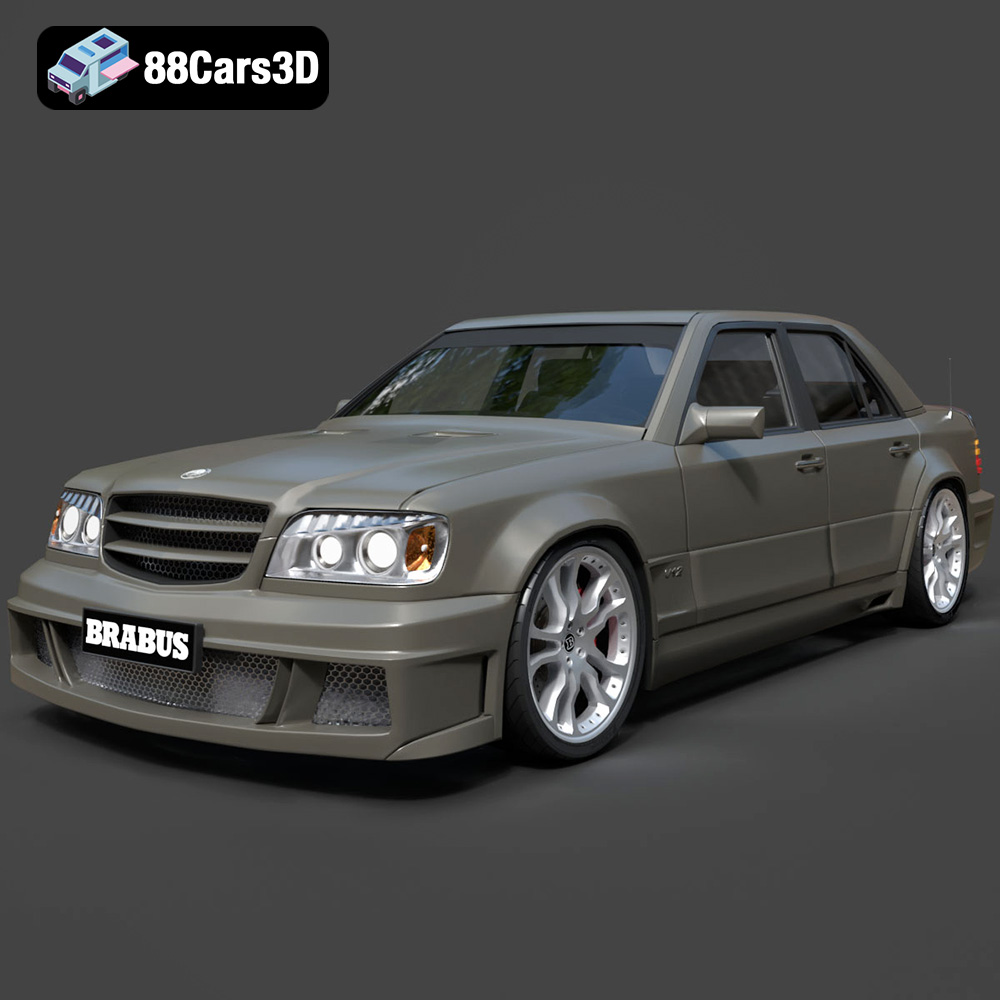
Download the Mercedes-Benz W124 Brabus V12 3D Model featuring clean geometry, realistic detailing, and a fully modeled interior. Includes .blend, .fbx, .obj, .glb, .stl, .ply, .unreal, and .max formats for rendering, simulation, and game development.
Price: $23.99
Texture: Yes
Material: Yes
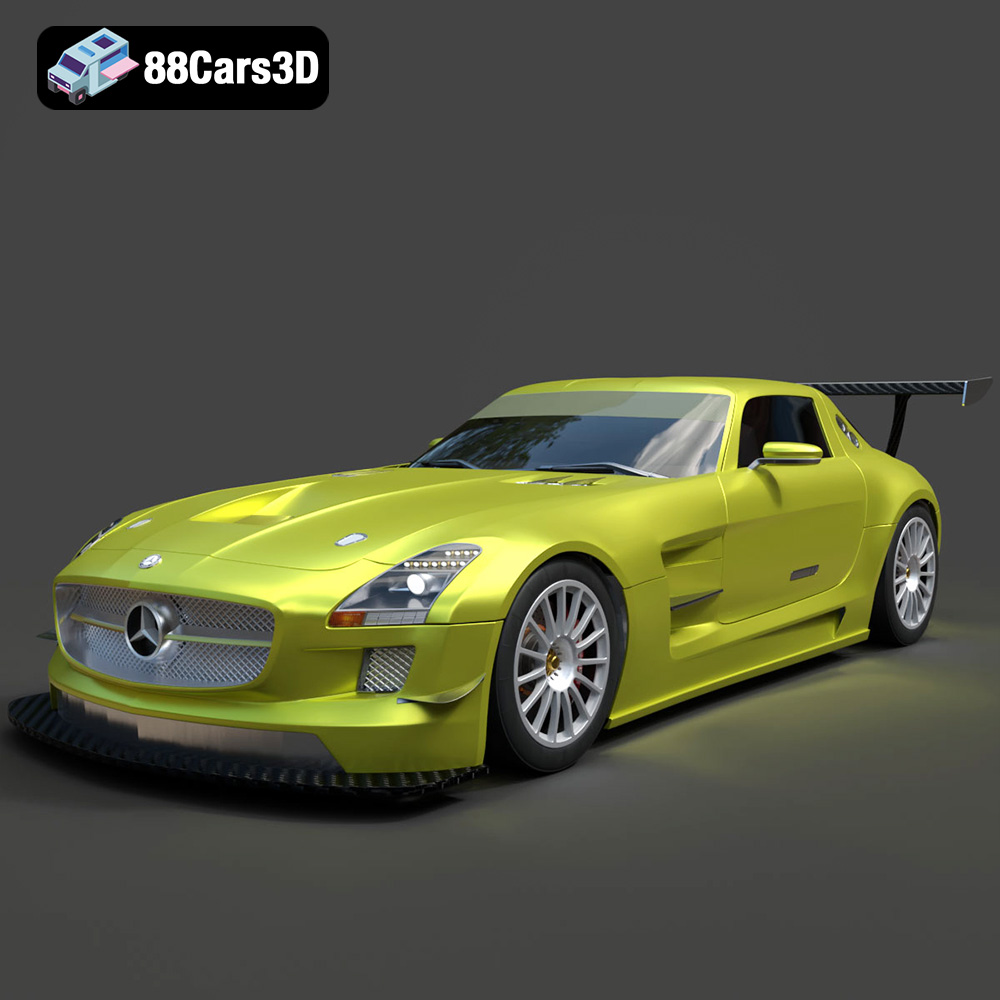
Download the Mercedes-Benz SLS AMG GT3-002 3D Model featuring clean geometry, realistic detailing, and a fully modeled interior. Includes .blend, .fbx, .obj, .glb, .stl, .ply, .unreal, and .max formats for rendering, simulation, and game development.
Price: $38.99

Texture: Yes
Material: Yes
Download the Mercedes-Benz C-Class-001 3D Model featuring clean geometry, realistic detailing, and a fully modeled interior. Includes .blend, .fbx, .obj, .glb, .stl, .ply, .unreal, and .max formats for rendering, simulation, and game development.
Price: $38.99
Texture: Yes
Material: Yes
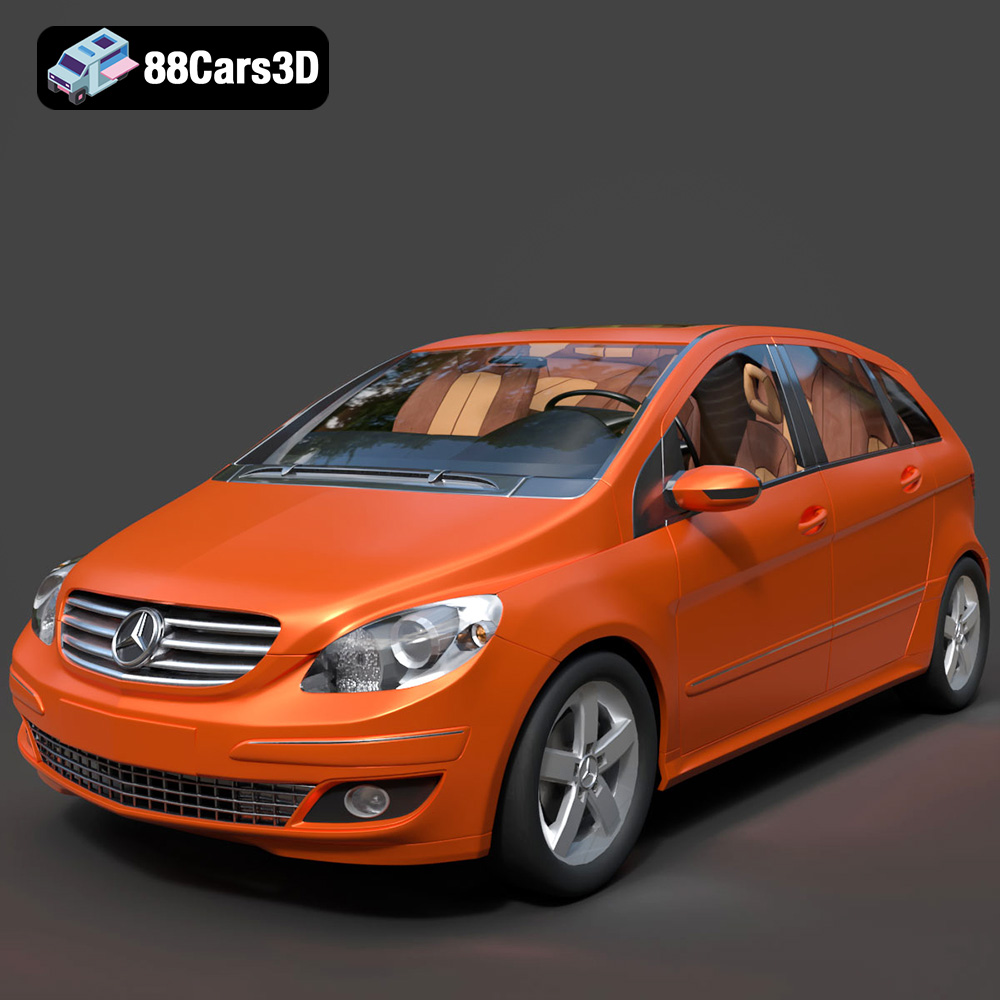
Download the Mercedes-Benz B-Klasse 2023 3D Model featuring clean geometry, realistic detailing, and a fully modeled interior. Includes .blend, .fbx, .obj, .glb, .stl, .ply, .unreal, and .max formats for rendering, simulation, and game development.
Price: $38.99
Texture: Yes
Material: Yes
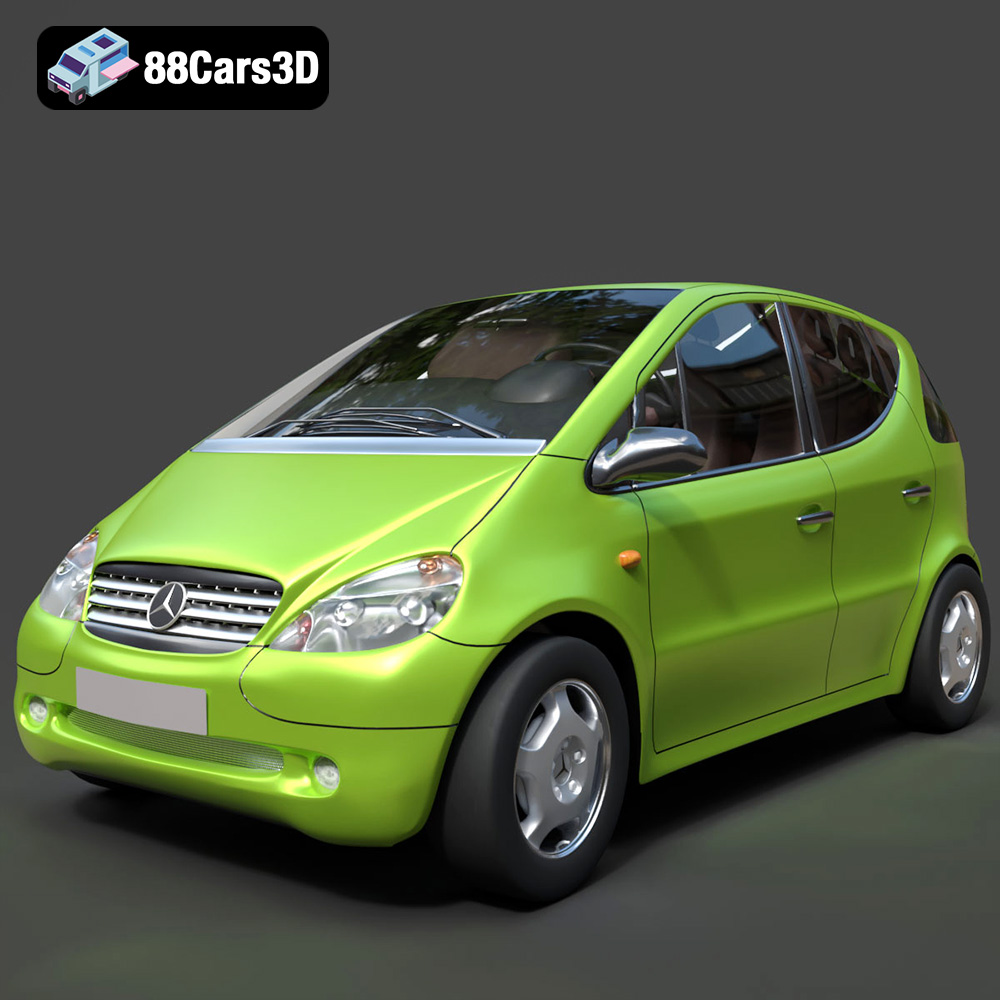
Download the Mercedes-Benz A-Klasse W168 3D Model featuring clean geometry, realistic detailing, and a fully modeled interior. Includes .blend, .fbx, .obj, .glb, .stl, .ply, .unreal, and .max formats for rendering, simulation, and game development.
Price: $38.99
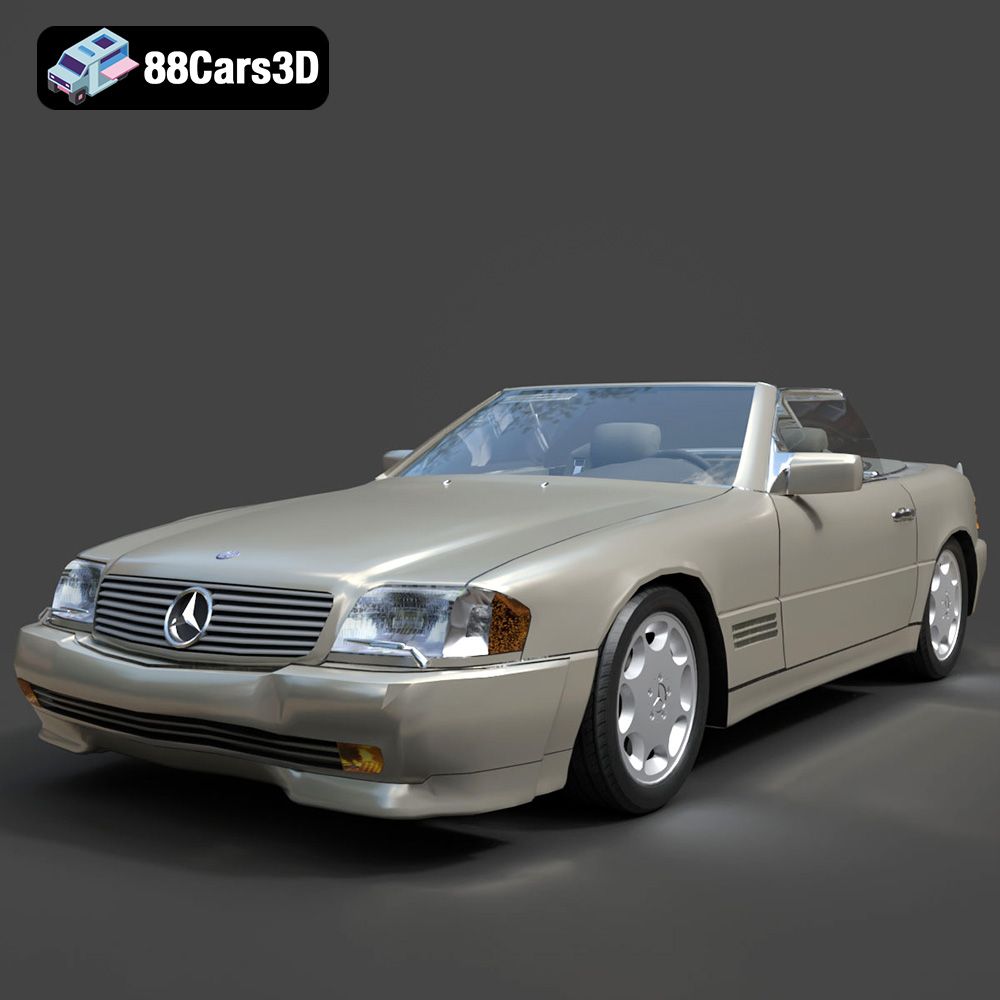
Texture: Yes
Material: Yes
Download the Mercedes-Benz 500SL 2000 3D Model featuring clean geometry, realistic detailing, and a fully modeled interior. Includes .blend, .fbx, .obj, .glb, .stl, .ply, .unreal, and .max formats for rendering, simulation, and game development.
Price: $38.99
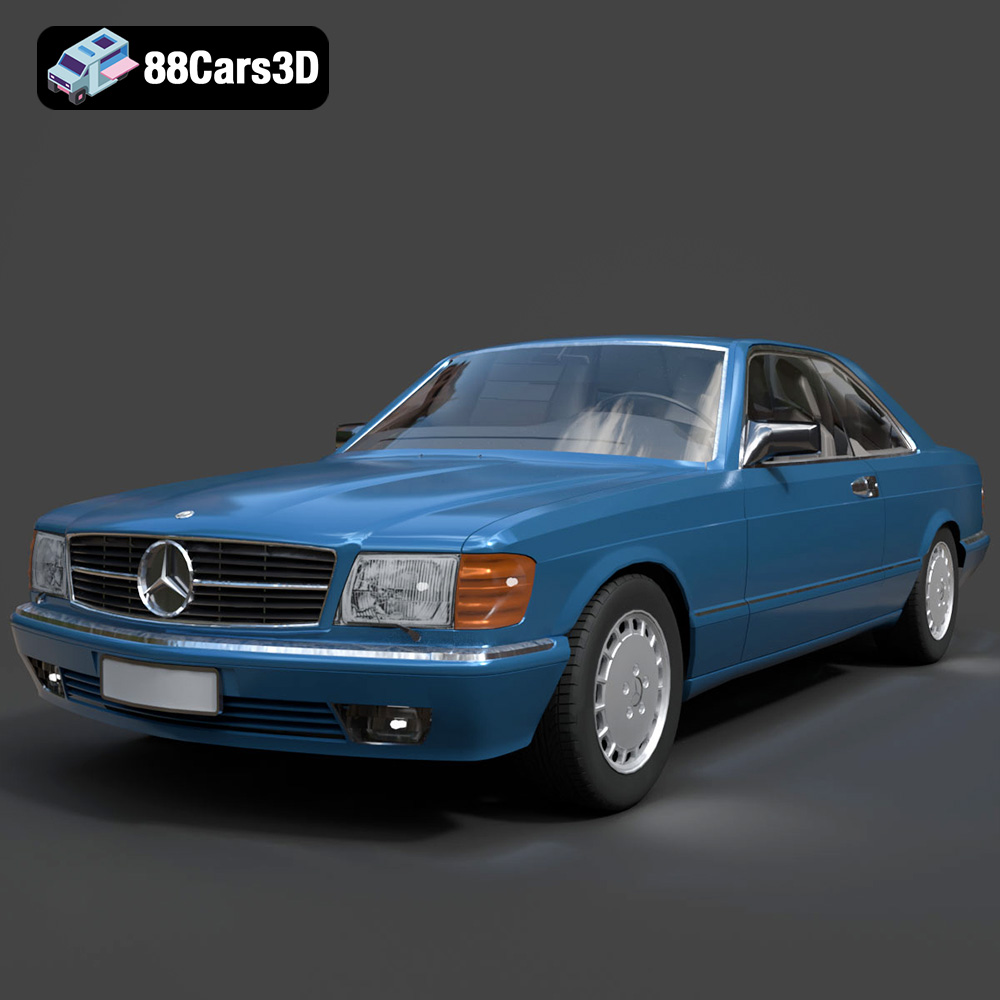
Texture: Yes
Material: Yes
Download the Mercedes-Benz 500SEC 3D Model featuring clean geometry, realistic detailing, and a fully modeled interior. Includes .blend, .fbx, .obj, .glb, .stl, .ply, .unreal, and .max formats for rendering, simulation, and game development.
Price: $38.99
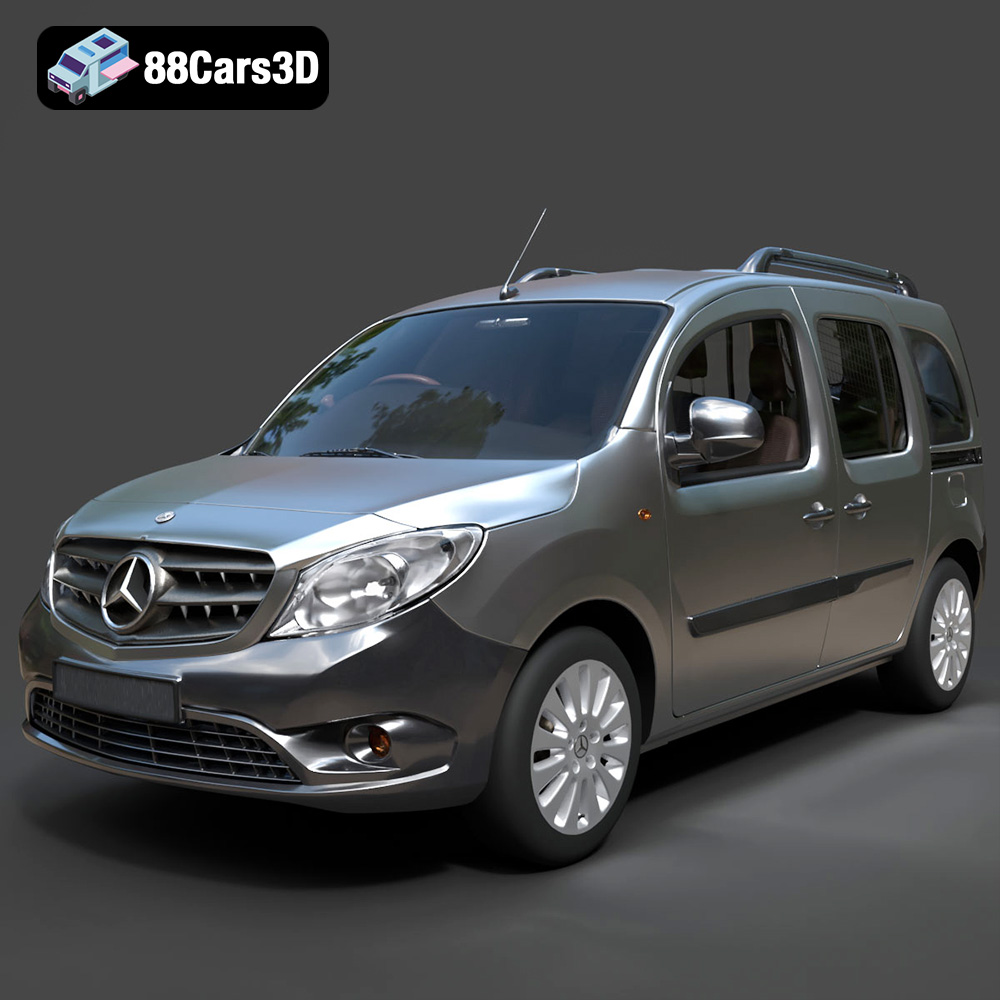
Texture: Yes
Material: Yes
Download the Mercedes-Benz Citan 2025 3D Model featuring clean geometry, realistic detailing, and a fully modeled interior. Includes .blend, .fbx, .obj, .glb, .stl, .ply, .unreal, and .max formats for rendering, simulation, and game development.
Price: $38.99
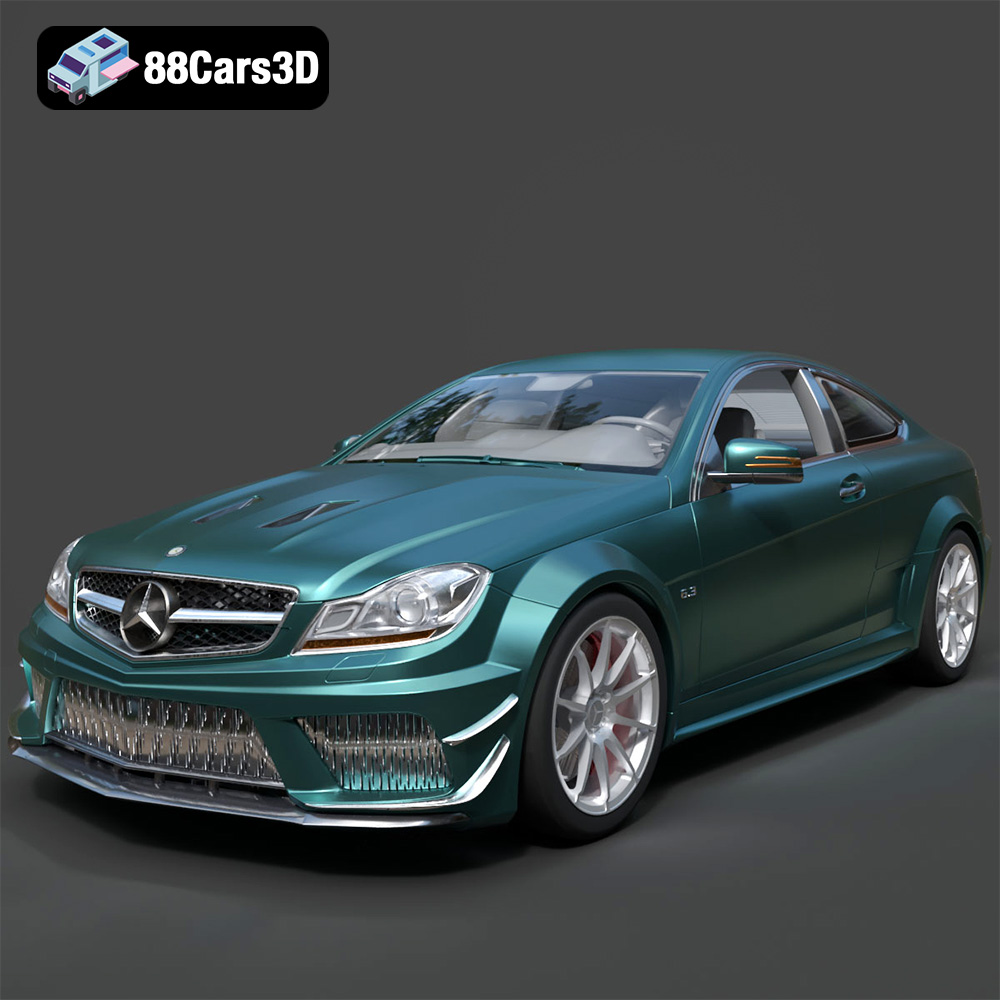
Texture: Yes
Material: Yes
Download the Mercedes-Benz C63 AMG 2012 3D Model featuring clean geometry, realistic detailing, and a fully modeled interior. Includes .blend, .fbx, .obj, .glb, .stl, .ply, .unreal, and .max formats for rendering, simulation, and game development.
Price: $38.99
Texture: Yes
Material: Yes
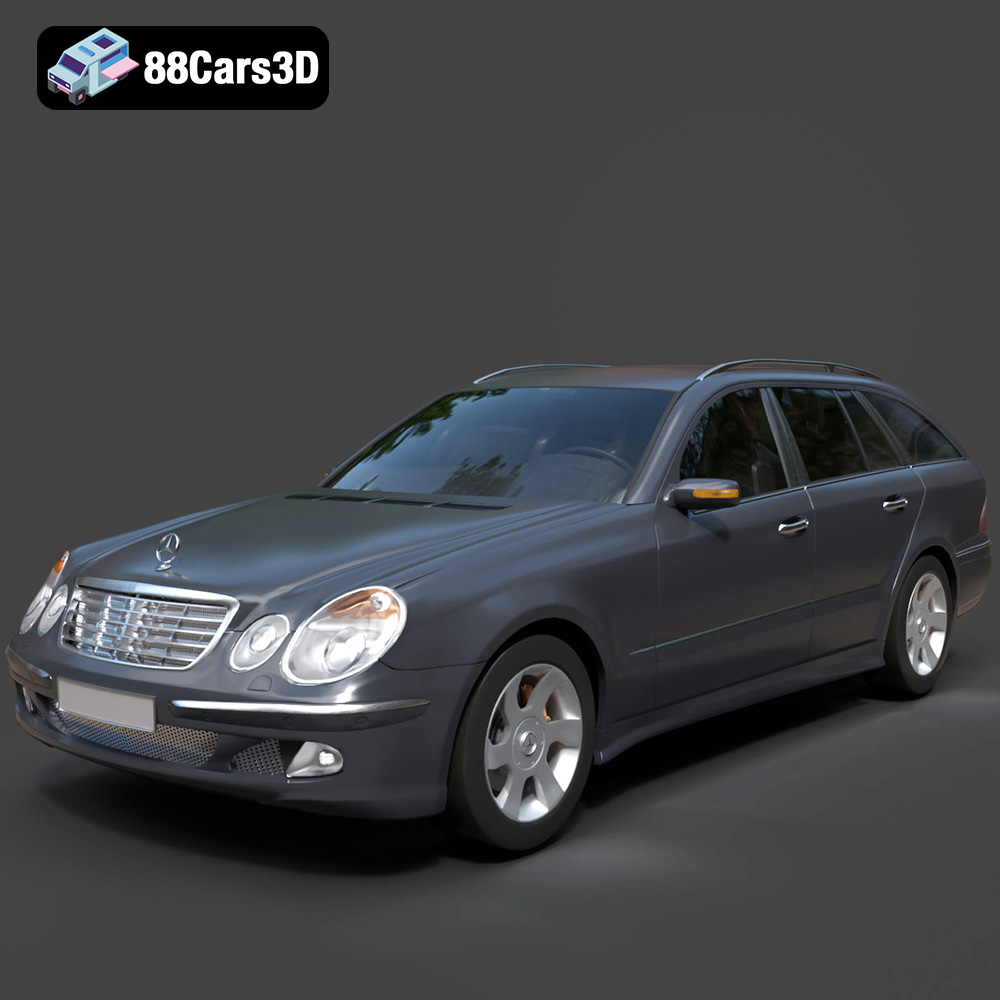
Download the Mercedes-Benz E-Class S211 3D Model featuring clean geometry, realistic detailing, and a fully modeled interior. Includes .blend, .fbx, .obj, .glb, .stl, .ply, .unreal, and .max formats for rendering, simulation, and game development.
Price: $38.99
Texture: Yes
Material: Yes
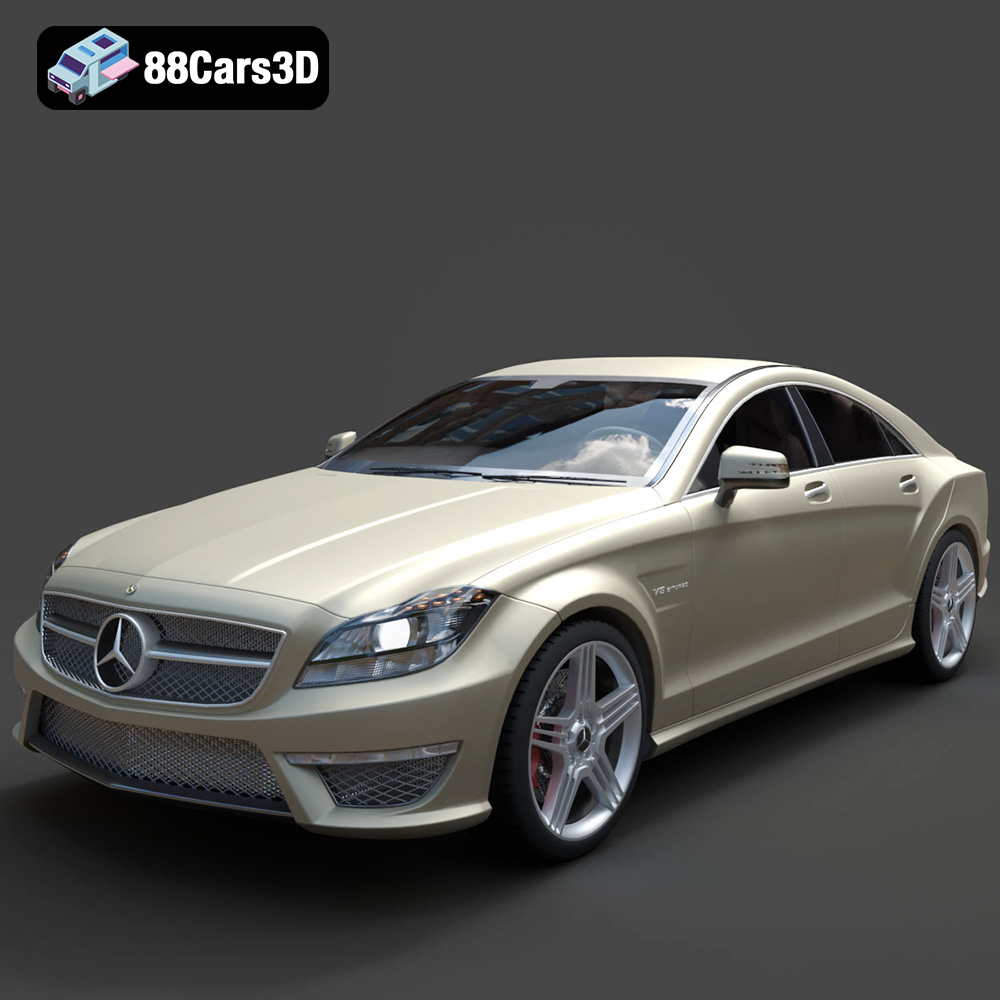
Download the Mercedes-Benz CLS63 AMG (C218) 2014 3D Model featuring clean geometry, realistic detailing, and a fully modeled interior. Includes .blend, .fbx, .obj, .glb, .stl, .ply, .unreal, and .max formats for rendering, simulation, and game development.
Price: $38.99
Texture: Yes
Material: Yes
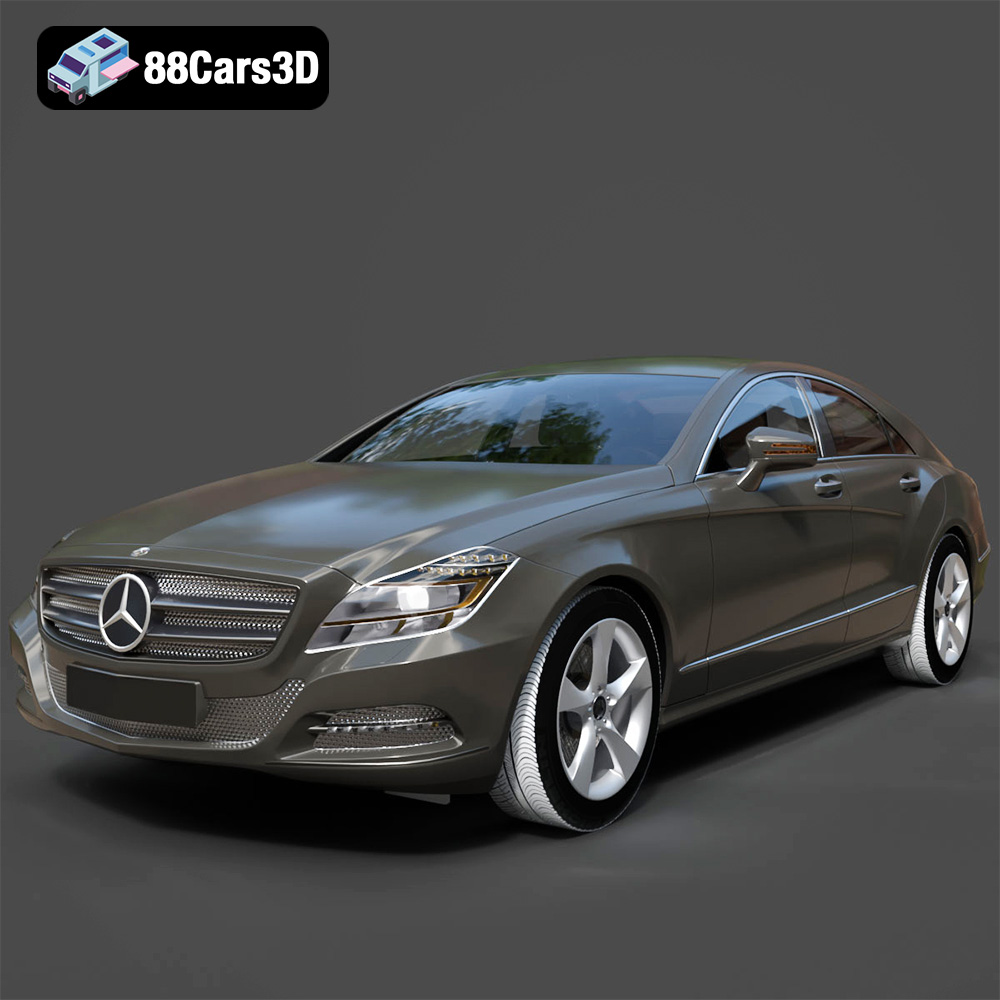
Download the Mercedes-Benz CLS-Klasse 3D Model featuring clean geometry, realistic detailing, and a fully modeled interior. Includes .blend, .fbx, .obj, .glb, .stl, .ply, .unreal, and .max formats for rendering, simulation, and game development.
Price: $38.99

