Get 20% OFF All Premium 3D & STL Models!

The pursuit of ultimate realism in digital automotive representation has long been a holy grail for artists and engineers alike. From sleek concept car showcases to adrenaline-pumping game sequences, the demand for visuals that blur the line between virtual and reality is constantly escalating. Traditional rendering pipelines often involved lengthy bake times and iterative adjustments, a process that, while delivering stunning results, was inherently slow and costly.
Enter Unreal Engine 5. With its groundbreaking suite of tools, UE5 has emerged as a game-changer, offering unprecedented opportunities for photorealistic automotive rendering in real-time. This isn’t just about faster workflows; it’s about unlocking new creative freedoms, enabling dynamic configurators, immersive marketing experiences, and high-fidelity simulations that were previously unimaginable. Mastering UE5 for automotive visualization means understanding its core strengths and how to meticulously apply them to bring digital vehicles to life.
Before diving into Unreal Engine’s magic, the quality of your source geometry is paramount. Photorealistic results begin with meticulously crafted high-poly vehicle assets. Whether you’re working with CAD data, scanned models, or models built from scratch, the preparation phase is critical for achieving optimal visual fidelity and performance within UE5.
Many automotive projects start with CAD data, often in formats like STEP or IGES. These models contain immense detail but require careful tessellation and conversion into polygon meshes suitable for real-time engines. Tools like Datasmith for Unreal Engine are invaluable here, streamlining the import process and maintaining asset hierarchy, material assignments, and metadata.
For artists and studios seeking production-ready, highly optimized models, resources like 88cars3d.com offer an extensive library of premium 3D car models. These assets are often pre-prepared for real-time workflows, saving significant time on the initial data cleanup and optimization phases, allowing you to jump straight into advanced rendering techniques.
Even with high-quality imports, some cleanup is usually necessary. This includes:
While Nanite can handle incredibly dense meshes, a well-structured model with good topology remains beneficial for UV mapping, animation, and situations where Nanite isn’t applied.
One of Unreal Engine 5’s most revolutionary features is Nanite. This virtualized geometry system completely redefines how we think about poly counts and mesh complexity, making it a cornerstone for high-fidelity UE5 automotive visualization.
Nanite is not simply a LOD system; it’s a new approach to rendering highly detailed geometry. Instead of traditional Level of Detail (LOD) groups, Nanite renders source meshes as a dense cloud of micropolygons. It intelligently streams and renders only the necessary detail based on screen space, pixel resolution, and camera distance. This means you can import cinematic-quality assets with millions or even billions of triangles directly into your scene without performance degradation.
For automotive artists, Nanite offers several profound advantages:
Enabling Nanite for your automotive assets is straightforward:
While Nanite is incredibly powerful, it’s generally best suited for opaque, static geometry. Transparent elements like windows, highly complex animated parts, or instances with custom vertex shaders may still require traditional mesh pipelines.
Visualizing a car goes beyond just its shape; it’s about how light interacts with its exquisite surfaces. Lumen, Unreal Engine 5’s dynamic global illumination and reflections system, is indispensable for achieving photorealistic real-time car rendering.
Lumen provides realistic indirect lighting with unprecedented speed. Instead of relying on pre-baked lightmaps or simplified ambient occlusion, Lumen dynamically calculates how light bounces around a scene, illuminating previously shadowed areas with soft, natural light. This means:
Equally critical for automotive visuals are accurate reflections. Car paint, chrome, and glass are highly reflective, and imperfections in reflections immediately break realism. Lumen offers superior reflections compared to traditional screen-space reflections or simple cubemaps:
To optimize Lumen for stunning automotive visuals:
Lumen, combined with Nanite, provides an unmatched foundation for realistic UE5 automotive visualization, allowing artists to create truly immersive and believable environments for their vehicles.
The visual impact of a photorealistic car relies heavily on its materials. Flawless car paint, believable glass, and textured tires are all achieved through a robust PBR material setup. Physically Based Rendering (PBR) ensures that materials react to light in a predictable and realistic manner, mimicking real-world physics.
The fundamental PBR channels are critical for automotive materials:
Automotive paint is notoriously complex, often featuring multiple layers. A sophisticated car paint material in UE5 typically involves:
Achieving realistic imperfections like subtle dust, fingerprints, or micro-scratches on the clear coat using additional normal and roughness maps can significantly enhance realism. Many studios use complex material functions to encapsulate these behaviors, allowing for easy iteration across different car models.
Car windows, headlights, and taillight covers require careful attention. Transparency, refraction, and reflections are key:
Tires are often dark and matte, requiring careful roughness mapping to show variations in wear and texture. Interior materials like leather, fabric, and plastic need their own unique PBR maps to convey specific tactile and visual properties. For instance, leather will have distinct normal and roughness patterns to simulate its grain, while dashboard plastics might have subtle specularity variations.
Even with perfect models and materials, poor lighting can ruin the illusion of reality. Mastering lighting in Unreal Engine 5 is essential for elevating UE5 automotive visualization to a cinematic level. This involves a combination of direct lights, environmental lighting, and atmospheric effects.
Beyond direct lights, a convincing atmosphere grounds the vehicle within its environment.
For cinematic showcases or product configurators, thoughtful light rigging is paramount. Consider:
Constant experimentation with light intensity, color temperature, and position is key to finding the perfect balance that highlights the design and craftsmanship of the vehicle. Tools like the Lumen Scene visualization mode are invaluable for debugging and understanding light propagation.
The final touch in achieving “Beyond Reality” visuals often comes in the post-processing stage. These effects, applied to the rendered image, can significantly enhance the mood, atmosphere, and overall perceived quality, transforming raw renders into polished, cinematic masterpieces suitable for VFX automotive models and high-end marketing.
All these effects are managed primarily through a Post Process Volume in your UE5 scene. This volume allows you to control a vast array of visual parameters, applied globally or locally, enabling fine-tuned adjustments.
By carefully balancing these post-processing effects, artists can dramatically enhance the emotional impact and visual fidelity of their automotive renders, pushing them truly “Beyond Reality.”
While UE5’s features like Nanite and Lumen drastically improve rendering capabilities, optimization remains crucial, especially for interactive experiences, automotive game development, and detailed VFX automotive models where real-time performance is paramount. Achieving photorealistic results at a smooth frame rate requires a thoughtful approach to asset management and engine settings.
As discussed, Nanite is a massive optimization for geometry. However:
Lumen provides incredible global illumination and reflections but comes with a performance cost. Consider these optimizations:
Each object rendered generates a “draw call” to the GPU. Too many draw calls can bottleneck performance. Strategies include:
The environment around the car also contributes to performance:
UE5 provides powerful tools to identify performance bottlenecks:
By diligently applying these optimization techniques alongside UE5’s cutting-edge features, you can ensure your photorealistic automotive visualizations run smoothly, whether for a cinematic sequence, a real-time configurator, or a high-performance game.
The journey to mastering photorealistic automotive rendering in Unreal Engine 5 is one of precision, artistic vision, and a deep understanding of cutting-edge technology. From meticulously preparing high-poly vehicle assets to harnessing the revolutionary power of Nanite virtualized geometry, artists now have the tools to push visual fidelity beyond previous limits.
Lumen global illumination and reflections breathe life into every surface, while an advanced PBR material setup ensures every glint of paint and texture of rubber is perfectly replicated. Coupled with intricate lighting, atmospheric effects, and the final polish of post-processing, the resulting UE5 automotive visualization can be indistinguishable from reality.
Whether for high-stakes VFX automotive models, immersive configurators, or dynamic automotive game development, UE5 offers an unparalleled real-time pipeline. The ability to iterate quickly, achieve stunning visuals, and maintain optimal performance for real-time car rendering fundamentally changes what’s possible in the digital automotive space.
Are you ready to elevate your automotive projects? Start by sourcing production-ready, high-quality models that are built to leverage UE5’s power. Explore the comprehensive library at 88cars3d.com to find the perfect foundation for your next masterpiece. Then, dive into Unreal Engine 5, experiment with these techniques, and unleash your creative potential to craft digital automotive experiences that truly go “Beyond Reality.”
The pursuit of ultimate realism in digital automotive representation has long been a holy grail for artists and engineers alike. From sleek concept car showcases to adrenaline-pumping game sequences, the demand for visuals that blur the line between virtual and reality is constantly escalating. Traditional rendering pipelines often involved lengthy bake times and iterative adjustments, a process that, while delivering stunning results, was inherently slow and costly.
Enter Unreal Engine 5. With its groundbreaking suite of tools, UE5 has emerged as a game-changer, offering unprecedented opportunities for photorealistic automotive rendering in real-time. This isn’t just about faster workflows; it’s about unlocking new creative freedoms, enabling dynamic configurators, immersive marketing experiences, and high-fidelity simulations that were previously unimaginable. Mastering UE5 for automotive visualization means understanding its core strengths and how to meticulously apply them to bring digital vehicles to life.
Before diving into Unreal Engine’s magic, the quality of your source geometry is paramount. Photorealistic results begin with meticulously crafted high-poly vehicle assets. Whether you’re working with CAD data, scanned models, or models built from scratch, the preparation phase is critical for achieving optimal visual fidelity and performance within UE5.
Many automotive projects start with CAD data, often in formats like STEP or IGES. These models contain immense detail but require careful tessellation and conversion into polygon meshes suitable for real-time engines. Tools like Datasmith for Unreal Engine are invaluable here, streamlining the import process and maintaining asset hierarchy, material assignments, and metadata.
For artists and studios seeking production-ready, highly optimized models, resources like 88cars3d.com offer an extensive library of premium 3D car models. These assets are often pre-prepared for real-time workflows, saving significant time on the initial data cleanup and optimization phases, allowing you to jump straight into advanced rendering techniques.
Even with high-quality imports, some cleanup is usually necessary. This includes:
While Nanite can handle incredibly dense meshes, a well-structured model with good topology remains beneficial for UV mapping, animation, and situations where Nanite isn’t applied.
One of Unreal Engine 5’s most revolutionary features is Nanite. This virtualized geometry system completely redefines how we think about poly counts and mesh complexity, making it a cornerstone for high-fidelity UE5 automotive visualization.
Nanite is not simply a LOD system; it’s a new approach to rendering highly detailed geometry. Instead of traditional Level of Detail (LOD) groups, Nanite renders source meshes as a dense cloud of micropolygons. It intelligently streams and renders only the necessary detail based on screen space, pixel resolution, and camera distance. This means you can import cinematic-quality assets with millions or even billions of triangles directly into your scene without performance degradation.
For automotive artists, Nanite offers several profound advantages:
Enabling Nanite for your automotive assets is straightforward:
While Nanite is incredibly powerful, it’s generally best suited for opaque, static geometry. Transparent elements like windows, highly complex animated parts, or instances with custom vertex shaders may still require traditional mesh pipelines.
Visualizing a car goes beyond just its shape; it’s about how light interacts with its exquisite surfaces. Lumen, Unreal Engine 5’s dynamic global illumination and reflections system, is indispensable for achieving photorealistic real-time car rendering.
Lumen provides realistic indirect lighting with unprecedented speed. Instead of relying on pre-baked lightmaps or simplified ambient occlusion, Lumen dynamically calculates how light bounces around a scene, illuminating previously shadowed areas with soft, natural light. This means:
Equally critical for automotive visuals are accurate reflections. Car paint, chrome, and glass are highly reflective, and imperfections in reflections immediately break realism. Lumen offers superior reflections compared to traditional screen-space reflections or simple cubemaps:
To optimize Lumen for stunning automotive visuals:
Lumen, combined with Nanite, provides an unmatched foundation for realistic UE5 automotive visualization, allowing artists to create truly immersive and believable environments for their vehicles.
The visual impact of a photorealistic car relies heavily on its materials. Flawless car paint, believable glass, and textured tires are all achieved through a robust PBR material setup. Physically Based Rendering (PBR) ensures that materials react to light in a predictable and realistic manner, mimicking real-world physics.
The fundamental PBR channels are critical for automotive materials:
Automotive paint is notoriously complex, often featuring multiple layers. A sophisticated car paint material in UE5 typically involves:
Achieving realistic imperfections like subtle dust, fingerprints, or micro-scratches on the clear coat using additional normal and roughness maps can significantly enhance realism. Many studios use complex material functions to encapsulate these behaviors, allowing for easy iteration across different car models.
Car windows, headlights, and taillight covers require careful attention. Transparency, refraction, and reflections are key:
Tires are often dark and matte, requiring careful roughness mapping to show variations in wear and texture. Interior materials like leather, fabric, and plastic need their own unique PBR maps to convey specific tactile and visual properties. For instance, leather will have distinct normal and roughness patterns to simulate its grain, while dashboard plastics might have subtle specularity variations.
Even with perfect models and materials, poor lighting can ruin the illusion of reality. Mastering lighting in Unreal Engine 5 is essential for elevating UE5 automotive visualization to a cinematic level. This involves a combination of direct lights, environmental lighting, and atmospheric effects.
Beyond direct lights, a convincing atmosphere grounds the vehicle within its environment.
For cinematic showcases or product configurators, thoughtful light rigging is paramount. Consider:
Constant experimentation with light intensity, color temperature, and position is key to finding the perfect balance that highlights the design and craftsmanship of the vehicle. Tools like the Lumen Scene visualization mode are invaluable for debugging and understanding light propagation.
The final touch in achieving “Beyond Reality” visuals often comes in the post-processing stage. These effects, applied to the rendered image, can significantly enhance the mood, atmosphere, and overall perceived quality, transforming raw renders into polished, cinematic masterpieces suitable for VFX automotive models and high-end marketing.
All these effects are managed primarily through a Post Process Volume in your UE5 scene. This volume allows you to control a vast array of visual parameters, applied globally or locally, enabling fine-tuned adjustments.
By carefully balancing these post-processing effects, artists can dramatically enhance the emotional impact and visual fidelity of their automotive renders, pushing them truly “Beyond Reality.”
While UE5’s features like Nanite and Lumen drastically improve rendering capabilities, optimization remains crucial, especially for interactive experiences, automotive game development, and detailed VFX automotive models where real-time performance is paramount. Achieving photorealistic results at a smooth frame rate requires a thoughtful approach to asset management and engine settings.
As discussed, Nanite is a massive optimization for geometry. However:
Lumen provides incredible global illumination and reflections but comes with a performance cost. Consider these optimizations:
Each object rendered generates a “draw call” to the GPU. Too many draw calls can bottleneck performance. Strategies include:
The environment around the car also contributes to performance:
UE5 provides powerful tools to identify performance bottlenecks:
By diligently applying these optimization techniques alongside UE5’s cutting-edge features, you can ensure your photorealistic automotive visualizations run smoothly, whether for a cinematic sequence, a real-time configurator, or a high-performance game.
The journey to mastering photorealistic automotive rendering in Unreal Engine 5 is one of precision, artistic vision, and a deep understanding of cutting-edge technology. From meticulously preparing high-poly vehicle assets to harnessing the revolutionary power of Nanite virtualized geometry, artists now have the tools to push visual fidelity beyond previous limits.
Lumen global illumination and reflections breathe life into every surface, while an advanced PBR material setup ensures every glint of paint and texture of rubber is perfectly replicated. Coupled with intricate lighting, atmospheric effects, and the final polish of post-processing, the resulting UE5 automotive visualization can be indistinguishable from reality.
Whether for high-stakes VFX automotive models, immersive configurators, or dynamic automotive game development, UE5 offers an unparalleled real-time pipeline. The ability to iterate quickly, achieve stunning visuals, and maintain optimal performance for real-time car rendering fundamentally changes what’s possible in the digital automotive space.
Are you ready to elevate your automotive projects? Start by sourcing production-ready, high-quality models that are built to leverage UE5’s power. Explore the comprehensive library at 88cars3d.com to find the perfect foundation for your next masterpiece. Then, dive into Unreal Engine 5, experiment with these techniques, and unleash your creative potential to craft digital automotive experiences that truly go “Beyond Reality.”

Texture: Yes
Material: Yes
Download the Subaru Impreza Sport Wagon 3D Model featuring clean geometry, realistic detailing, and a fully modeled interior. Includes .blend, .fbx, .obj, .glb, .stl, .ply, .unreal, and .max formats for rendering, simulation, and game development.
Price: $10

Texture: Yes
Material: Yes
Download the Skoda Octavia A7 2017 3D Model featuring clean geometry, realistic detailing, and a fully modeled interior. Includes .blend, .fbx, .obj, .glb, .stl, .ply, .unreal, and .max formats for rendering, simulation, and game development.
Price: $10

Texture: Yes
Material: Yes
Download the Suzuki SX4-002 3D Model featuring clean geometry, realistic detailing, and a fully modeled interior. Includes .blend, .fbx, .obj, .glb, .stl, .ply, .unreal, and .max formats for rendering, simulation, and game development.
Price: $10

Texture: Yes
Material: Yes
Download the Tesla Model S 2024 3D Model featuring clean geometry, realistic detailing, and a fully modeled interior. Includes .blend, .fbx, .obj, .glb, .stl, .ply, .unreal, and .max formats for rendering, simulation, and game development.
Price: $10

Texture: Yes
Material: Yes
Download the Subaru Impreza WRX STi-002 3D Model featuring clean geometry, realistic detailing, and a fully modeled interior. Includes .blend, .fbx, .obj, .glb, .stl, .ply, .unreal, and .max formats for rendering, simulation, and game development.
Price: $10

Texture: Yes
Material: Yes
Download the Subaru Impreza WRX STi Sedan 3D Model featuring clean geometry, realistic detailing, and a fully modeled interior. Includes .blend, .fbx, .obj, .glb, .stl, .ply, .unreal, and .max formats for rendering, simulation, and game development.
Price: $10

Texture: Yes
Material: Yes
Download the Subaru Legacy 2009 3D Model featuring clean geometry, realistic detailing, and a fully modeled interior. Includes .blend, .fbx, .obj, .glb, .stl, .ply, .unreal, and .max formats for rendering, simulation, and game development.
Price: $10

Texture: Yes
Material: Yes
Download the Suzuki Swift 2024 3D Model featuring clean geometry, realistic detailing, and a fully modeled interior. Includes .blend, .fbx, .obj, .glb, .stl, .ply, .unreal, and .max formats for rendering, simulation, and game development.
Price: $10

Texture: Yes
Material: Yes
Download the Suzuki Liana Sedan 2004 3D Model featuring clean geometry, realistic detailing, and a fully modeled interior. Includes .blend, .fbx, .obj, .glb, .stl, .ply, .unreal, and .max formats for rendering, simulation, and game development.
Price: $10

Texture: Yes
Material: Yes
Download the Subaru Outback 2024 3D Model featuring clean geometry, realistic detailing, and a fully modeled interior. Includes .blend, .fbx, .obj, .glb, .stl, .ply, .unreal, and .max formats for rendering, simulation, and game development.
Price: $10

Texture: Yes
Material: Yes
Download the Subaru Legacy 2003 3D Model featuring clean geometry, realistic detailing, and a fully modeled interior. Includes .blend, .fbx, .obj, .glb, .stl, .ply, .unreal, and .max formats for rendering, simulation, and game development.
Price: $10

Texture: Yes
Material: Yes
Download the Subaru Legacy Touring Wagon 3D Model featuring clean geometry, realistic detailing, and a fully modeled interior. Includes .blend, .fbx, .obj, .glb, .stl, .ply, .unreal, and .max formats for rendering, simulation, and game development.
Price: $10

Texture: Yes
Material: Yes
Download the Toyota Mark II (X100) 3D Model featuring clean geometry, realistic detailing, and a fully modeled interior. Includes .blend, .fbx, .obj, .glb, .stl, .ply, .unreal, and .max formats for rendering, simulation, and game development.
Price: $10

Texture: Yes
Material: Yes
Download the Toyota Corona 1985 3D Model featuring clean geometry, realistic detailing, and a fully modeled interior. Includes .blend, .fbx, .obj, .glb, .stl, .ply, .unreal, and .max formats for rendering, simulation, and game development.
Price: $10

Texture: Yes
Material: Yes
Download the Toyota Mark II X81 1990 3D Model featuring clean geometry, realistic detailing, and a fully modeled interior. Includes .blend, .fbx, .obj, .glb, .stl, .ply, .unreal, and .max formats for rendering, simulation, and game development.
Price: $10

Texture: Yes
Material: Yes
Download the Toyota iQ EV 2012 3D Model featuring clean geometry, realistic detailing, and a fully modeled interior. Includes .blend, .fbx, .obj, .glb, .stl, .ply, .unreal, and .max formats for rendering, simulation, and game development.
Price: $10

Texture: Yes
Material: Yes
Download the Toyota Aygo 2013 3D Model featuring clean geometry, realistic detailing, and a fully modeled interior. Includes .blend, .fbx, .obj, .glb, .stl, .ply, .unreal, and .max formats for rendering, simulation, and game development.
Price: $10

Texture: Yes
Material: Yes
Download the Toyota Crown S180 2005 3D Model featuring clean geometry, realistic detailing, and a fully modeled interior. Includes .blend, .fbx, .obj, .glb, .stl, .ply, .unreal, and .max formats for rendering, simulation, and game development.
Price: $10

Texture: Yes
Material: Yes
Download the Toyota Celica 2004 3D Model featuring clean geometry, realistic detailing, and a fully modeled interior. Includes .blend, .fbx, .obj, .glb, .stl, .ply, .unreal, and .max formats for rendering, simulation, and game development.
Price: $10

Texture: Yes
Material: Yes
Download the Toyota Corolla AE100 1992 3D Model featuring clean geometry, realistic detailing, and a fully modeled interior. Includes .blend, .fbx, .obj, .glb, .stl, .ply, .unreal, and .max formats for rendering, simulation, and game development.
Price: $10

Texture: Yes
Material: Yes
Download the Toyota Mark II X110 2000 3D Model featuring clean geometry, realistic detailing, and a fully modeled interior. Includes .blend, .fbx, .obj, .glb, .stl, .ply, .unreal, and .max formats for rendering, simulation, and game development.
Price: $10

Texture: Yes
Material: Yes
Download the Toyota Corolla 2020 3D Model featuring clean geometry, realistic detailing, and a fully modeled interior. Includes .blend, .fbx, .obj, .glb, .stl, .ply, .unreal, and .max formats for rendering, simulation, and game development.
Price: $10

Texture: Yes
Material: Yes
Download the Toyota Yaris 2020 3D Model featuring clean geometry, realistic detailing, and a fully modeled interior. Includes .blend, .fbx, .obj, .glb, .stl, .ply, .unreal, and .max formats for rendering, simulation, and game development.
Price: $9.9

Texture: Yes
Material: Yes
Download the Volkswagen Beetle 2012 3D Model featuring clean geometry, realistic detailing, and a fully modeled interior. Includes .blend, .fbx, .obj, .glb, .stl, .ply, .unreal, and .max formats for rendering, simulation, and game development.
Price: $9.9

Texture: Yes
Material: Yes
Download the Toyota Matrix 2005 3D Model featuring clean geometry, realistic detailing, and a fully modeled interior. Includes .blend, .fbx, .obj, .glb, .stl, .ply, .unreal, and .max formats for rendering, simulation, and game development.
Price: $9.9

Texture: Yes
Material: Yes
Download the Toyota Yaris Sedan 3D Model featuring clean geometry, realistic detailing, and a fully modeled interior. Includes .blend, .fbx, .obj, .glb, .stl, .ply, .unreal, and .max formats for rendering, simulation, and game development.
Price: $9.9

Texture: Yes
Material: Yes
Download the Volkswagen Golf R-004 2024 3D Model featuring clean geometry, realistic detailing, and a fully modeled interior. Includes .blend, .fbx, .obj, .glb, .stl, .ply, .unreal, and .max formats for rendering, simulation, and game development.
Price: $9.9

Texture: Yes
Material: Yes
Download the Volkswagen Golf 5 Door 2010 3D Model featuring clean geometry, realistic detailing, and a fully modeled interior. Includes .blend, .fbx, .obj, .glb, .stl, .ply, .unreal, and .max formats for rendering, simulation, and game development.
Price: $9.9

Texture: Yes
Material: Yes
Download the Toyota Premio 2010 3D Model featuring clean geometry, realistic detailing, and a fully modeled interior. Includes .blend, .fbx, .obj, .glb, .stl, .ply, .unreal, and .max formats for rendering, simulation, and game development.
Price: $9.9

Texture: Yes
Material: Yes
Download the Toyota Opa 2000 3D Model featuring clean geometry, realistic detailing, and a fully modeled interior. Includes .blend, .fbx, .obj, .glb, .stl, .ply, .unreal, and .max formats for rendering, simulation, and game development.
Price: $9.9

Texture: Yes
Material: Yes
Download the Volkswagen Polo 5 Door 2010 3D Model featuring clean geometry, realistic detailing, and a fully modeled interior. Includes .blend, .fbx, .obj, .glb, .stl, .ply, .unreal, and .max formats for rendering, simulation, and game development.
Price: $9.9

Texture: Yes
Material: Yes
Download the Toyota Prius 2024 3D Model featuring clean geometry, realistic detailing, and a fully modeled interior. Includes .blend, .fbx, .obj, .glb, .stl, .ply, .unreal, and .max formats for rendering, simulation, and game development.
Price: $9.9

Texture: Yes
Material: Yes
Download the Toyota Yaris 1999 3D Model featuring clean geometry, realistic detailing, and a fully modeled interior. Includes .blend, .fbx, .obj, .glb, .stl, .ply, .unreal, and .max formats for rendering, simulation, and game development.
Price: $9.9

Texture: Yes
Material: Yes
Download the Toyota Supra 2020 3D Model featuring clean geometry, realistic detailing, and a fully modeled interior. Includes .blend, .fbx, .obj, .glb, .stl, .ply, .unreal, and .max formats for rendering, simulation, and game development.
Price: $9.9

Texture: Yes
Material: Yes
Download the Volkswagen New Beetle 2000 3D Model featuring clean geometry, realistic detailing, and a fully modeled interior. Includes .blend, .fbx, .obj, .glb, .stl, .ply, .unreal, and .max formats for rendering, simulation, and game development.
Price: $14.99

Texture: Yes
Material: Yes
Download the Volkswagen Jetta 2005 3D Model featuring clean geometry, realistic detailing, and a fully modeled interior. Includes .blend, .fbx, .obj, .glb, .stl, .ply, .unreal, and .max formats for rendering, simulation, and game development.
Price: $18.99

Texture: Yes
Material: Yes
Download the Volkswagen Golf 3-Door 3D Model featuring clean geometry, realistic detailing, and a fully modeled interior. Includes .blend, .fbx, .obj, .glb, .stl, .ply, .unreal, and .max formats for rendering, simulation, and game development.
Price: $14.99

Texture: Yes
Material: Yes
Download the Volvo V70 2005 3D Model featuring clean geometry, realistic detailing, and a fully modeled interior. Includes .blend, .fbx, .obj, .glb, .stl, .ply, .unreal, and .max formats for rendering, simulation, and game development.
Price: $14.99

Texture: Yes
Material: Yes
Download the Volkswagen Bora 2004 3D Model featuring clean geometry, realistic detailing, and a fully modeled interior. Includes .blend, .fbx, .obj, .glb, .stl, .ply, .unreal, and .max formats for rendering, simulation, and game development.
Price: $14.99

Texture: Yes
Material: Yes
Download the Volkswagen Lupo 3D Model featuring clean geometry, realistic detailing, and a fully modeled interior. Includes .blend, .fbx, .obj, .glb, .stl, .ply, .unreal, and .max formats for rendering, simulation, and game development.
Price: $19.99

Texture: Yes
Material: Yes
Download the Volkswagen Passat B5 2000 3D Model featuring clean geometry, realistic detailing, and a fully modeled interior. Includes .blend, .fbx, .obj, .glb, .stl, .ply, .unreal, and .max formats for rendering, simulation, and game development.
Price: $19.99

Texture: Yes
Material: Yes
Download the Volkswagen Passat CC 3D Model featuring clean geometry, realistic detailing, and a fully modeled interior. Includes .blend, .fbx, .obj, .glb, .stl, .ply, .unreal, and .max formats for rendering, simulation, and game development.
Price: $19.99

Texture: Yes
Material: Yes
Download the Volkswagen Golf V 2006 3D Model featuring clean geometry, realistic detailing, and a fully modeled interior. Includes .blend, .fbx, .obj, .glb, .stl, .ply, .unreal, and .max formats for rendering, simulation, and game development.
Price: $19.99

Texture: Yes
Material: Yes
Download the Volvo S60 R-Design 3D Model featuring clean geometry, realistic detailing, and a fully modeled interior. Includes .blend, .fbx, .obj, .glb, .stl, .ply, .unreal, and .max formats for rendering, simulation, and game development.
Price: $19.99

Texture: Yes
Material: Yes
Download the Volkswagen Passat 2025 3D Model featuring clean geometry, realistic detailing, and a fully modeled interior. Includes .blend, .fbx, .obj, .glb, .stl, .ply, .unreal, and .max formats for rendering, simulation, and game development.
Price: $25.99

Texture: Yes
Material: Yes
Download the Volkswagen Passat Variant B6 2005 3D Model featuring clean geometry, realistic detailing, and a fully modeled interior. Includes .blend, .fbx, .obj, .glb, .stl, .ply, .unreal, and .max formats for rendering, simulation, and game development.
Price: $25.99

Texture: Yes
Material: Yes
Download the Volkswagen Phaeton W12 2004 3D Model featuring clean geometry, realistic detailing, and a fully modeled interior. Includes .blend, .fbx, .obj, .glb, .stl, .ply, .unreal, and .max formats for rendering, simulation, and game development.
Price: $25.99

Texture: Yes
Material: Yes
Download the Volkswagen Scirocco 2015 3D Model featuring clean geometry, realistic detailing, and a fully modeled interior. Includes .blend, .fbx, .obj, .glb, .stl, .ply, .unreal, and .max formats for rendering, simulation, and game development.
Price: $25.99

Texture: Yes
Material: Yes
Download the Volvo S60 2024 3D Model featuring clean geometry, realistic detailing, and a fully modeled interior. Includes .blend, .fbx, .obj, .glb, .stl, .ply, .unreal, and .max formats for rendering, simulation, and game development.
Price: $25.99

Texture: Yes
Material: Yes
Download the Volkswagen Polo 3D Model featuring clean geometry, realistic detailing, and a fully modeled interior. Includes .blend, .fbx, .obj, .glb, .stl, .ply, .unreal, and .max formats for rendering, simulation, and game development.
Price: $25.99

Texture: Yes
Material: Yes
Download the Volkswagen Golf 5-Doors 3D Model featuring clean geometry, realistic detailing, and a fully modeled interior. Includes .blend, .fbx, .obj, .glb, .stl, .ply, .unreal, and .max formats for rendering, simulation, and game development.
Price: $25.99

Texture: Yes
Material: Yes
Download the Volvo C70 T5 2000 3D Model featuring clean geometry, realistic detailing, and a fully modeled interior. Includes .blend, .fbx, .obj, .glb, .stl, .ply, .unreal, and .max formats for rendering, simulation, and game development.
Price: $23.99

Texture: Yes
Material: Yes
Download the Volvo S40 Sedan 2004 3D Model featuring clean geometry, realistic detailing, and a fully modeled interior. Includes .blend, .fbx, .obj, .glb, .stl, .ply, .unreal, and .max formats for rendering, simulation, and game development.
Price: $23.99

Texture: Yes
Material: Yes
Download the Volvo C30 BEV 2012 3D Model featuring clean geometry, realistic detailing, and a fully modeled interior. Includes .blend, .fbx, .obj, .glb, .stl, .ply, .unreal, and .max formats for rendering, simulation, and game development.
Price: $23.99

Texture: Yes
Material: Yes
Download the Volvo C70 1998 3D Model featuring clean geometry, realistic detailing, and a fully modeled interior. Includes .blend, .fbx, .obj, .glb, .stl, .ply, .unreal, and .max formats for rendering, simulation, and game development.
Price: $23.99

Texture: Yes
Material: Yes
Download the Mazda B-Series 3D Model featuring clean geometry, realistic detailing, and a fully modeled interior. Includes .blend, .fbx, .obj, .glb, .stl, .ply, .unreal, and .max formats for rendering, simulation, and game development.
Price: $23.99

Texture: Yes
Material: Yes
Download the Mercsedes Benz Z3-006 3D Model featuring clean geometry, realistic detailing, and a fully modeled interior. Includes .blend, .fbx, .obj, .glb, .stl, .ply, .unreal, and .max formats for rendering, simulation, and game development.
Price: $23.99

Texture: Yes
Material: Yes
Download the Mazda RX-7 3D Model featuring clean geometry, realistic detailing, and a fully modeled interior. Includes .blend, .fbx, .obj, .glb, .stl, .ply, .unreal, and .max formats for rendering, simulation, and game development.
Price: $23.99

Texture: Yes
Material: Yes
Download the Volvo VCC-003 3D Model featuring clean geometry, realistic detailing, and a fully modeled interior. Includes .blend, .fbx, .obj, .glb, .stl, .ply, .unreal, and .max formats for rendering, simulation, and game development.
Price: $23.99

Texture: Yes
Material: Yes
Download the Mercedes-Benz SLR McLaren 2005 3D Model featuring clean geometry, realistic detailing, and a fully modeled interior. Includes .blend, .fbx, .obj, .glb, .stl, .ply, .unreal, and .max formats for rendering, simulation, and game development.
Price: $23.99

Texture: Yes
Material: Yes
Download the GAZ 3110 Pickup 3D Model featuring clean geometry, realistic detailing, and a fully modeled interior. Includes .blend, .fbx, .obj, .glb, .stl, .ply, .unreal, and .max formats for rendering, simulation, and game development.
Price: $23.99

Texture: Yes
Material: Yes
Download the Mazda 626 GF 1997 3D Model featuring clean geometry, realistic detailing, and a fully modeled interior. Includes .blend, .fbx, .obj, .glb, .stl, .ply, .unreal, and .max formats for rendering, simulation, and game development.
Price: $23.99

Texture: Yes
Material: Yes
Download the Volvo S80 2011 3D Model featuring clean geometry, realistic detailing, and a fully modeled interior. Includes .blend, .fbx, .obj, .glb, .stl, .ply, .unreal, and .max formats for rendering, simulation, and game development.
Price: $23.99

Texture: Yes
Material: Yes
Download the Volkswagen Touran restyle-006 3D Model featuring clean geometry, realistic detailing, and a fully modeled interior. Includes .blend, .fbx, .obj, .glb, .stl, .ply, .unreal, and .max formats for rendering, simulation, and game development.
Price: $23.99

Texture: Yes
Material: Yes
Download the Skoda Octavia Scout 3D Model featuring clean geometry, realistic detailing, and a fully modeled interior. Includes .blend, .fbx, .obj, .glb, .stl, .ply, .unreal, and .max formats for rendering, simulation, and game development.
Price: $23.99

Texture: Yes
Material: Yes
Download the Volkswagen Golf V 2006 3D Model featuring clean geometry, realistic detailing, and a fully modeled interior. Includes .blend, .fbx, .obj, .glb, .stl, .ply, .unreal, and .max formats for rendering, simulation, and game development.
Price: $23.99

Texture: Yes
Material: Yes
Download the Mazda CX-7 3D Model featuring clean geometry, realistic detailing, and a fully modeled interior. Includes .blend, .fbx, .obj, .glb, .stl, .ply, .unreal, and .max formats for rendering, simulation, and game development.
Price: $23.99

Texture: Yes
Material: Yes
Download the Mazda Familia 3D Model featuring clean geometry, realistic detailing, and a fully modeled interior. Includes .blend, .fbx, .obj, .glb, .stl, .ply, .unreal, and .max formats for rendering, simulation, and game development.
Price: $23.99

Texture: Yes
Material: Yes
Download the GAS 21 3D Model featuring clean geometry, realistic detailing, and a fully modeled interior. Includes .blend, .fbx, .obj, .glb, .stl, .ply, .unreal, and .max formats for rendering, simulation, and game development.
Price: $23.99

Texture: Yes
Material: Yes
Download the Mercedes-Benz SL500 AMG (R129) 3D Model featuring clean geometry, realistic detailing, and a fully modeled interior. Includes .blend, .fbx, .obj, .glb, .stl, .ply, .unreal, and .max formats for rendering, simulation, and game development.
Price: $23.99

Texture: Yes
Material: Yes
Download the Mercedes-Benz S-Class W221 2005 3D Model featuring clean geometry, realistic detailing, and a fully modeled interior. Includes .blend, .fbx, .obj, .glb, .stl, .ply, .unreal, and .max formats for rendering, simulation, and game development.
Price: $23.99

Texture: Yes
Material: Yes
Download the Mercedes-Benz E-Class W212 2009 3D Model featuring clean geometry, realistic detailing, and a fully modeled interior. Includes .blend, .fbx, .obj, .glb, .stl, .ply, .unreal, and .max formats for rendering, simulation, and game development.
Price: $23.99

Texture: Yes
Material: Yes
Download the Mercedes-Benz E-class Estate S212 2009 3D Model featuring clean geometry, realistic detailing, and a fully modeled interior. Includes .blend, .fbx, .obj, .glb, .stl, .ply, .unreal, and .max formats for rendering, simulation, and game development.
Price: $23.99

Texture: Yes
Material: Yes
Download the Mercedes-Benz 190 W201 3D Model featuring clean geometry, realistic detailing, and a fully modeled interior. Includes .blend, .fbx, .obj, .glb, .stl, .ply, .unreal, and .max formats for rendering, simulation, and game development.
Price: $23.99

Texture: Yes
Material: Yes
Download the Mercedes-Benz C230 SportCoupé 2005 3D Model featuring clean geometry, realistic detailing, and a fully modeled interior. Includes .blend, .fbx, .obj, .glb, .stl, .ply, .unreal, and .max formats for rendering, simulation, and game development.
Price: $23.99

Texture: Yes
Material: Yes
Download the Mercedes-Benz SLK 3D Model featuring clean geometry, realistic detailing, and a fully modeled interior. Includes .blend, .fbx, .obj, .glb, .stl, .ply, .unreal, and .max formats for rendering, simulation, and game development.
Price: $23.99

Texture: Yes
Material: Yes
Download the Mercedes 600 SEC W140 1992 3D Model featuring clean geometry, realistic detailing, and a fully modeled interior. Includes .blend, .fbx, .obj, .glb, .stl, .ply, .unreal, and .max formats for rendering, simulation, and game development.
Price: $23.99

Texture: Yes
Material: Yes
Download the Mercedes S-Class 2010 3D Model featuring clean geometry, realistic detailing, and a fully modeled interior. Includes .blend, .fbx, .obj, .glb, .stl, .ply, .unreal, and .max formats for rendering, simulation, and game development.
Price: $23.99

Texture: Yes
Material: Yes
Download the McLaren MP4-12C-001 3D Model featuring clean geometry, realistic detailing, and a fully modeled interior. Includes .blend, .fbx, .obj, .glb, .stl, .ply, .unreal, and .max formats for rendering, simulation, and game development.
Price: $23.99

Texture: Yes
Material: Yes
Download the Mercedes-Benz SLK 350 2005 3D Model featuring clean geometry, realistic detailing, and a fully modeled interior. Includes .blend, .fbx, .obj, .glb, .stl, .ply, .unreal, and .max formats for rendering, simulation, and game development.
Price: $23.99

Texture: Yes
Material: Yes
Download the Mercedes-Benz SL 65 AMG 3D Model featuring clean geometry, realistic detailing, and a fully modeled interior. Includes .blend, .fbx, .obj, .glb, .stl, .ply, .unreal, and .max formats for rendering, simulation, and game development.
Price: $23.99

Texture: Yes
Material: Yes
Download the Mercedes-Benz S500 3D Model featuring clean geometry, realistic detailing, and a fully modeled interior. Includes .blend, .fbx, .obj, .glb, .stl, .ply, .unreal, and .max formats for rendering, simulation, and game development.
Price: $23.99

Texture: Yes
Material: Yes
Download the Mercedes-Benz S55 W220 AMG 1999 3D Model featuring clean geometry, realistic detailing, and a fully modeled interior. Includes .blend, .fbx, .obj, .glb, .stl, .ply, .unreal, and .max formats for rendering, simulation, and game development.
Price: $23.99

Texture: Yes
Material: Yes
Download the Mercedes-Benz CLA45 AMG 2017 3D Model featuring clean geometry, realistic detailing, and a fully modeled interior. Includes .blend, .fbx, .obj, .glb, .stl, .ply, .unreal, and .max formats for rendering, simulation, and game development.
Price: $38.99

Texture: Yes
Material: Yes
Download the Mercedes-Benz CL65 C215 AMG 3D Model featuring clean geometry, realistic detailing, and a fully modeled interior. Includes .blend, .fbx, .obj, .glb, .stl, .ply, .unreal, and .max formats for rendering, simulation, and game development.
Price: $23.99

Texture: Yes
Material: Yes
Download the Mercedes-Benz A45 2021 3D Model featuring clean geometry, realistic detailing, and a fully modeled interior. Includes .blend, .fbx, .obj, .glb, .stl, .ply, .unreal, and .max formats for rendering, simulation, and game development.
Price: $23.99

Texture: Yes
Material: Yes
Download the Mercedes-Benz 300SL 1955 3D Model featuring clean geometry, realistic detailing, and a fully modeled interior. Includes .blend, .fbx, .obj, .glb, .stl, .ply, .unreal, and .max formats for rendering, simulation, and game development.
Price: $23.99

Texture: Yes
Material: Yes
Download the Mercedes-Benz 190SL 1955 3D Model featuring clean geometry, realistic detailing, and a fully modeled interior. Includes .blend, .fbx, .obj, .glb, .stl, .ply, .unreal, and .max formats for rendering, simulation, and game development.
Price: $23.99

Texture: Yes
Material: Yes
Download the Mercedes-Benz W124 Brabus V12 3D Model featuring clean geometry, realistic detailing, and a fully modeled interior. Includes .blend, .fbx, .obj, .glb, .stl, .ply, .unreal, and .max formats for rendering, simulation, and game development.
Price: $23.99
Texture: Yes
Material: Yes
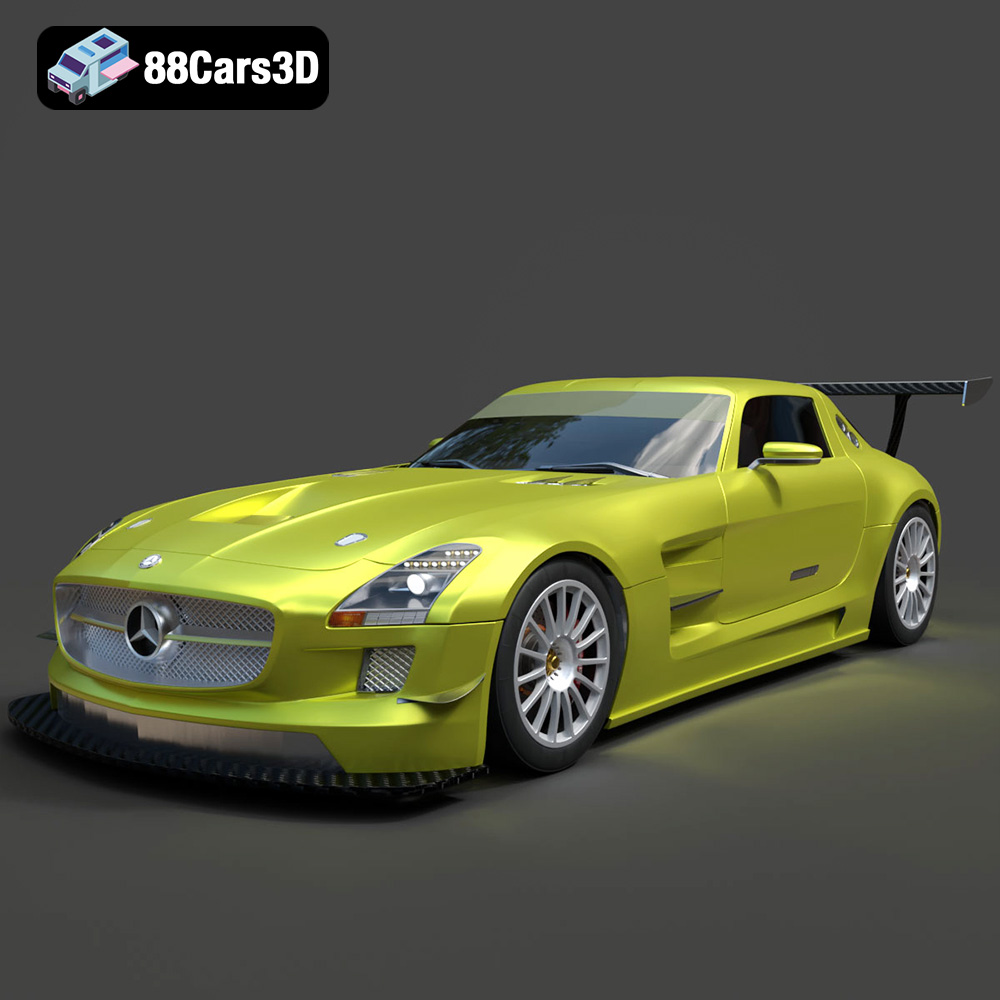
Download the Mercedes-Benz SLS AMG GT3-002 3D Model featuring clean geometry, realistic detailing, and a fully modeled interior. Includes .blend, .fbx, .obj, .glb, .stl, .ply, .unreal, and .max formats for rendering, simulation, and game development.
Price: $38.99

Texture: Yes
Material: Yes
Download the Mercedes-Benz C-Class-001 3D Model featuring clean geometry, realistic detailing, and a fully modeled interior. Includes .blend, .fbx, .obj, .glb, .stl, .ply, .unreal, and .max formats for rendering, simulation, and game development.
Price: $38.99
Texture: Yes
Material: Yes
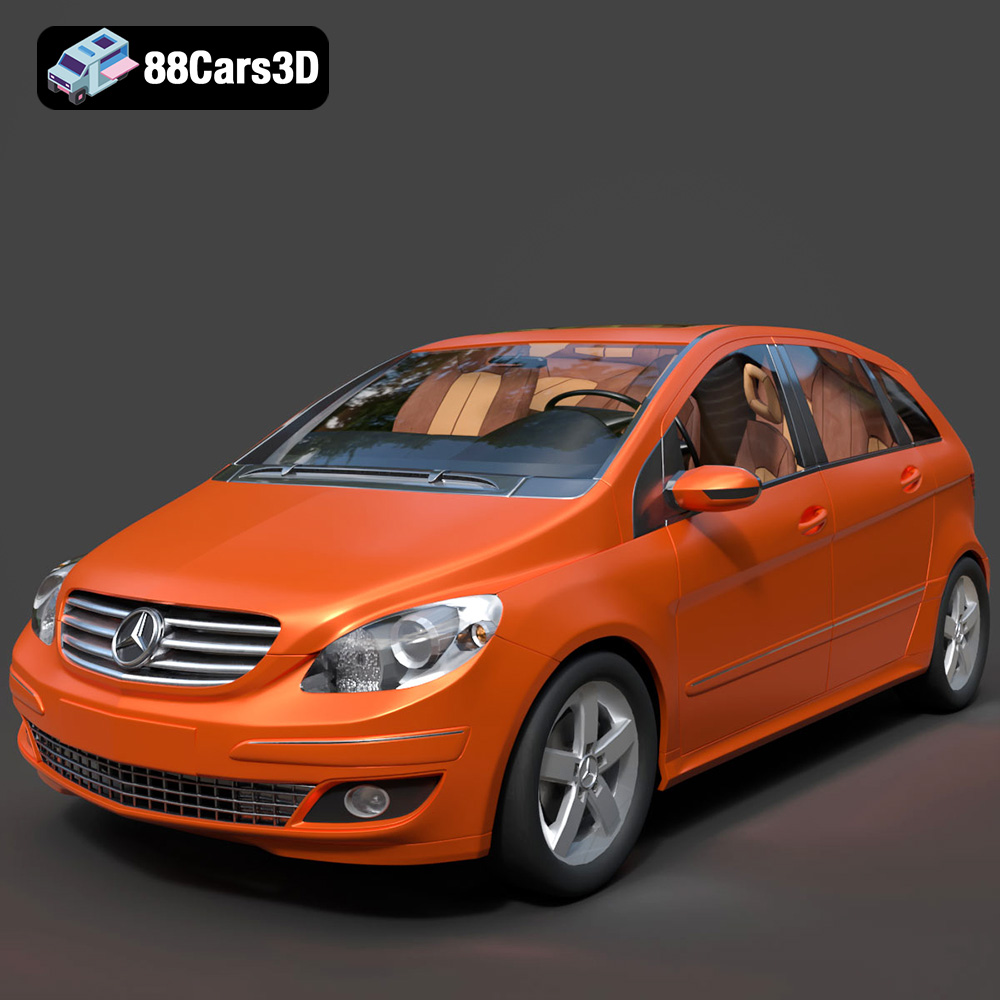
Download the Mercedes-Benz B-Klasse 2023 3D Model featuring clean geometry, realistic detailing, and a fully modeled interior. Includes .blend, .fbx, .obj, .glb, .stl, .ply, .unreal, and .max formats for rendering, simulation, and game development.
Price: $38.99
Texture: Yes
Material: Yes
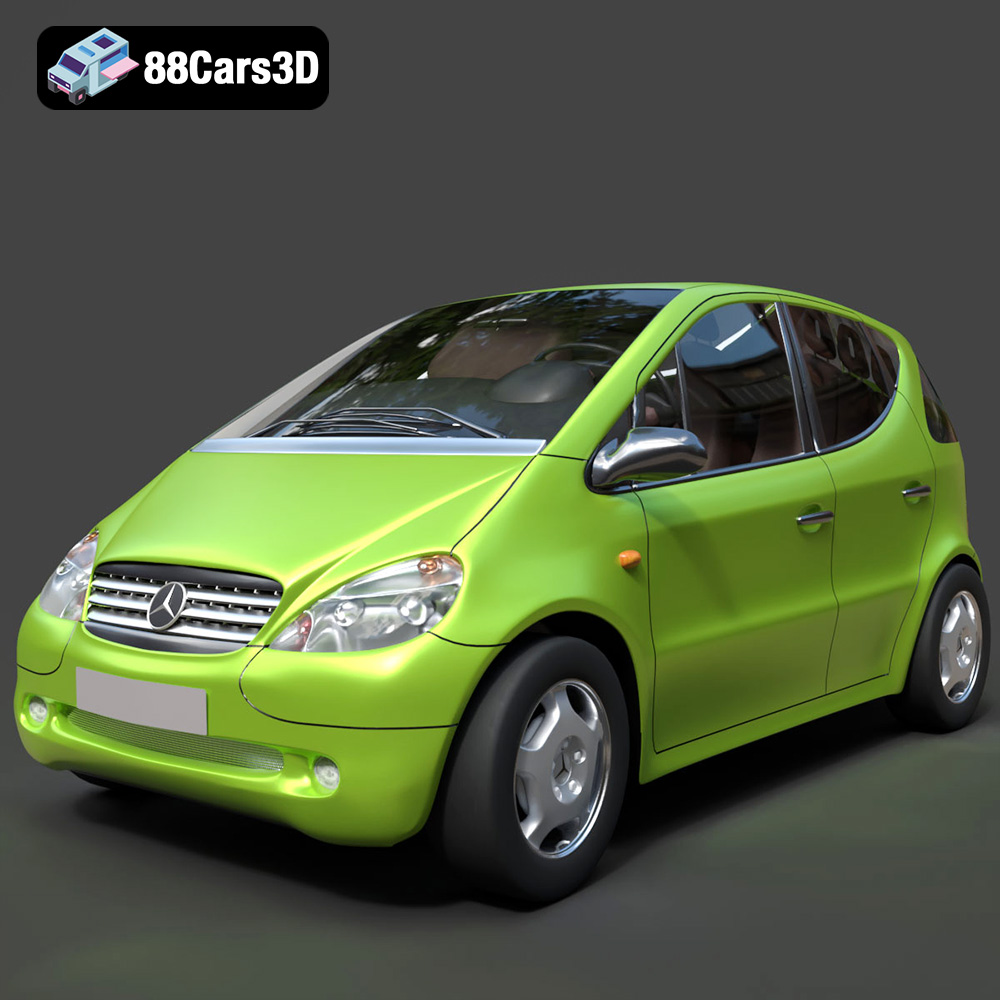
Download the Mercedes-Benz A-Klasse W168 3D Model featuring clean geometry, realistic detailing, and a fully modeled interior. Includes .blend, .fbx, .obj, .glb, .stl, .ply, .unreal, and .max formats for rendering, simulation, and game development.
Price: $38.99
Texture: Yes
Material: Yes
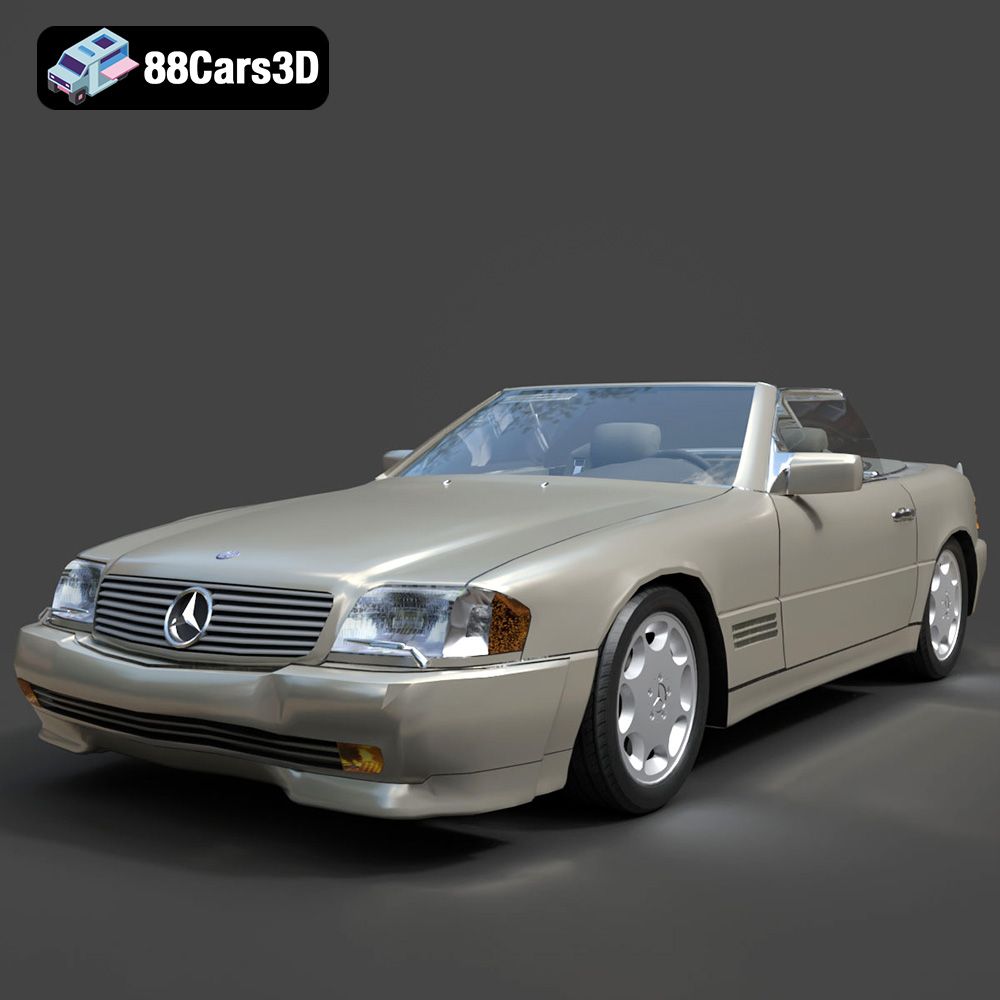
Download the Mercedes-Benz 500SL 2000 3D Model featuring clean geometry, realistic detailing, and a fully modeled interior. Includes .blend, .fbx, .obj, .glb, .stl, .ply, .unreal, and .max formats for rendering, simulation, and game development.
Price: $38.99
Texture: Yes
Material: Yes
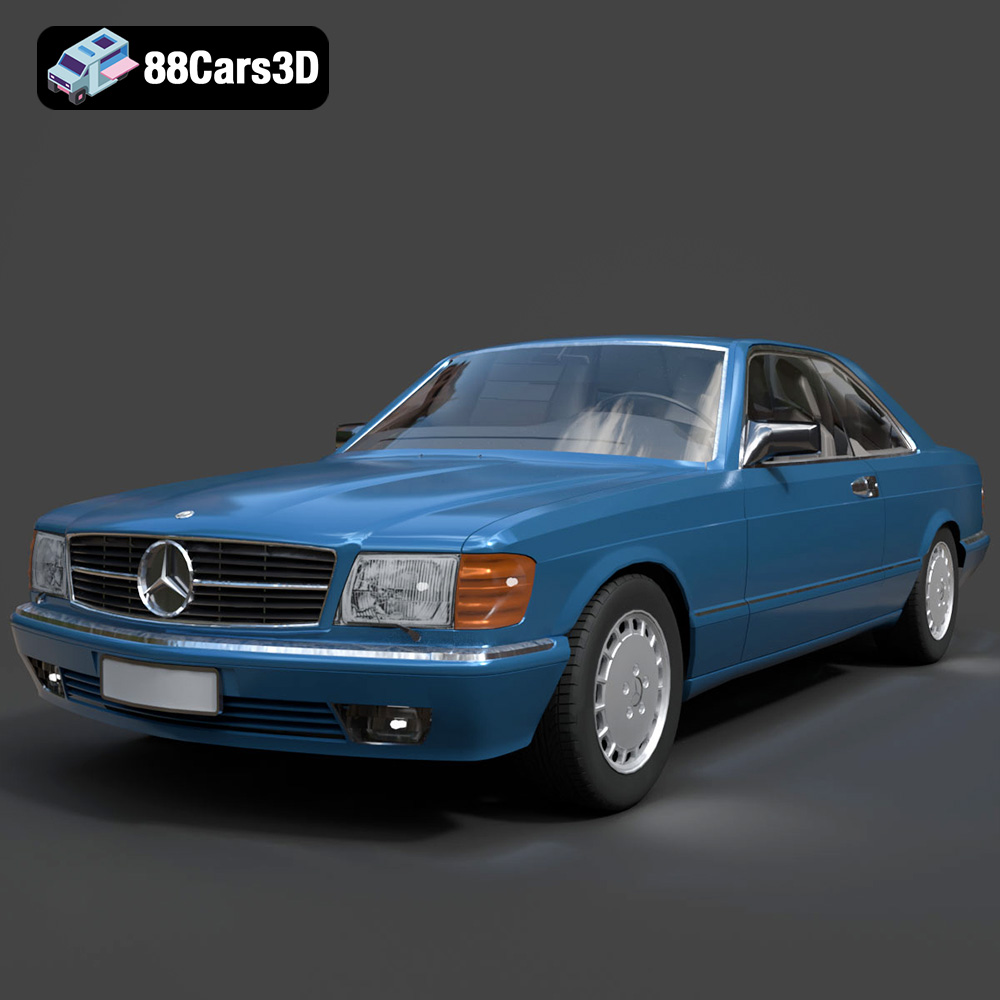
Download the Mercedes-Benz 500SEC 3D Model featuring clean geometry, realistic detailing, and a fully modeled interior. Includes .blend, .fbx, .obj, .glb, .stl, .ply, .unreal, and .max formats for rendering, simulation, and game development.
Price: $38.99
Texture: Yes
Material: Yes
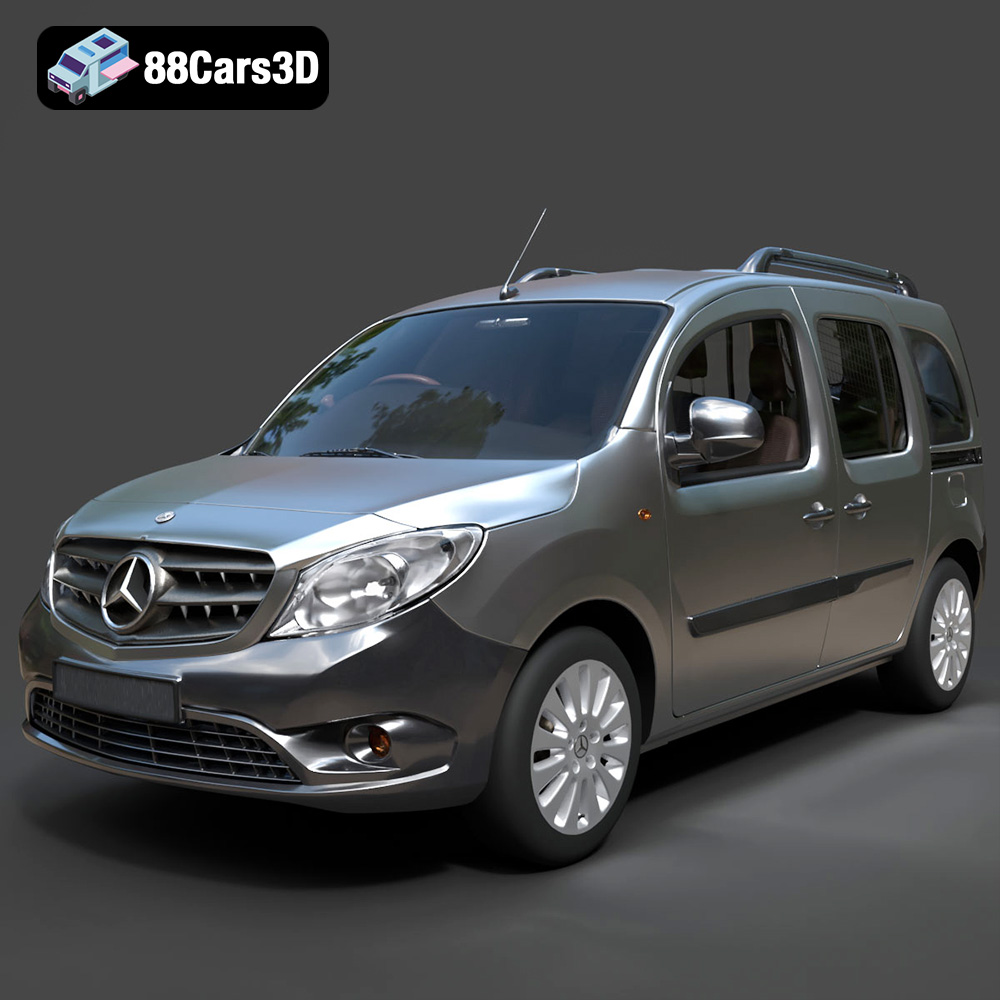
Download the Mercedes-Benz Citan 2025 3D Model featuring clean geometry, realistic detailing, and a fully modeled interior. Includes .blend, .fbx, .obj, .glb, .stl, .ply, .unreal, and .max formats for rendering, simulation, and game development.
Price: $38.99
Texture: Yes
Material: Yes
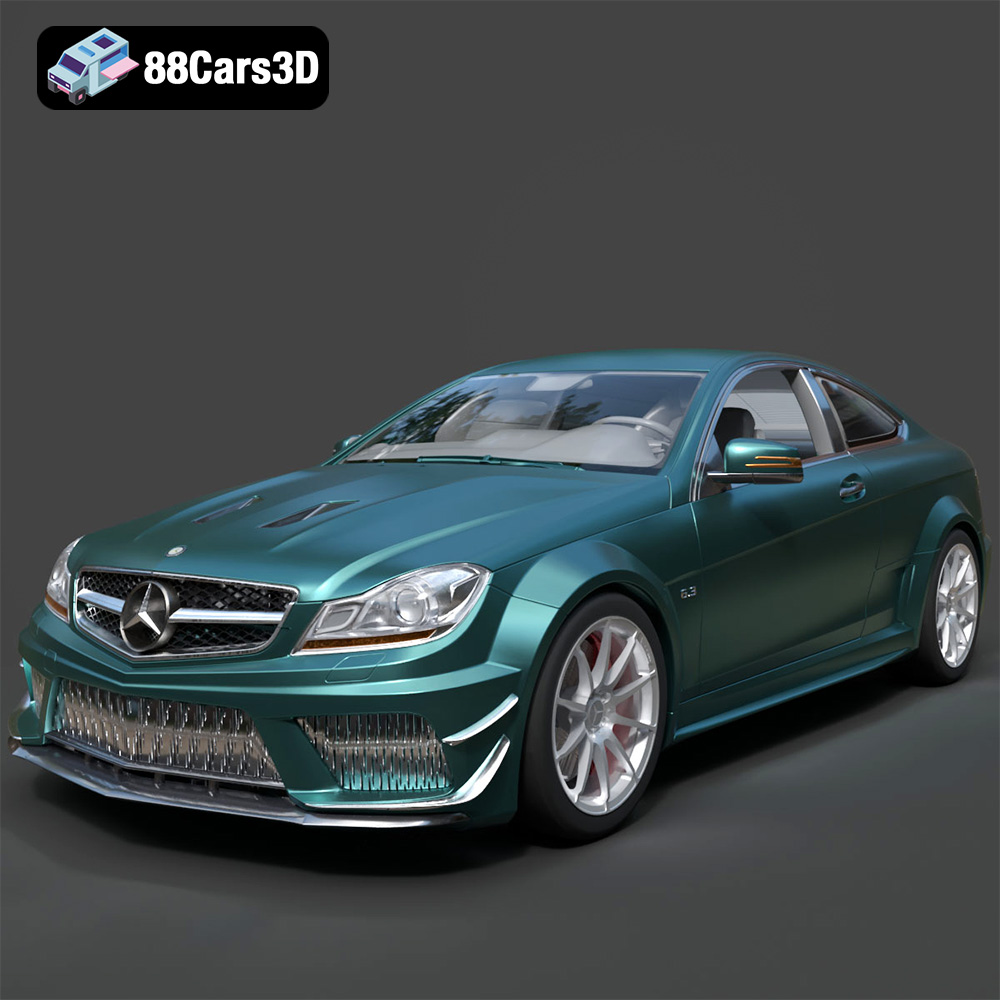
Download the Mercedes-Benz C63 AMG 2012 3D Model featuring clean geometry, realistic detailing, and a fully modeled interior. Includes .blend, .fbx, .obj, .glb, .stl, .ply, .unreal, and .max formats for rendering, simulation, and game development.
Price: $38.99
Texture: Yes
Material: Yes
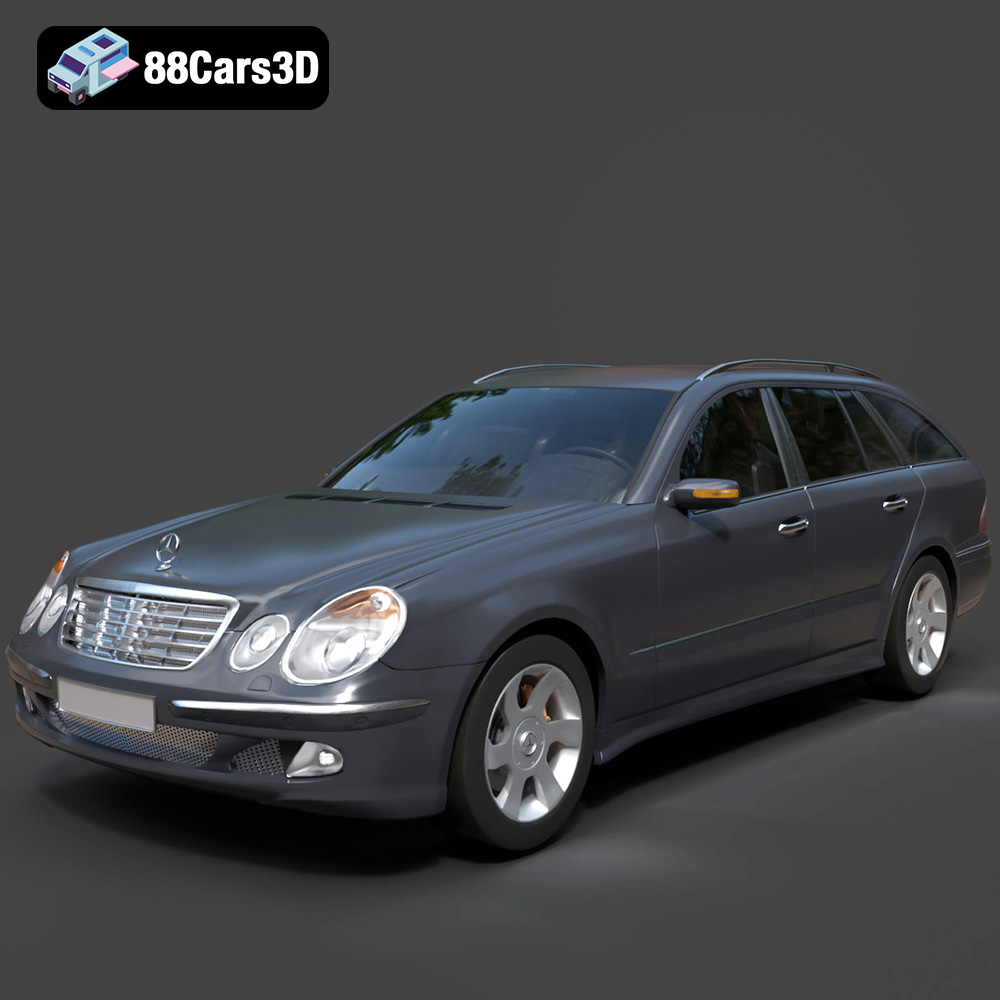
Download the Mercedes-Benz E-Class S211 3D Model featuring clean geometry, realistic detailing, and a fully modeled interior. Includes .blend, .fbx, .obj, .glb, .stl, .ply, .unreal, and .max formats for rendering, simulation, and game development.
Price: $38.99
Texture: Yes
Material: Yes
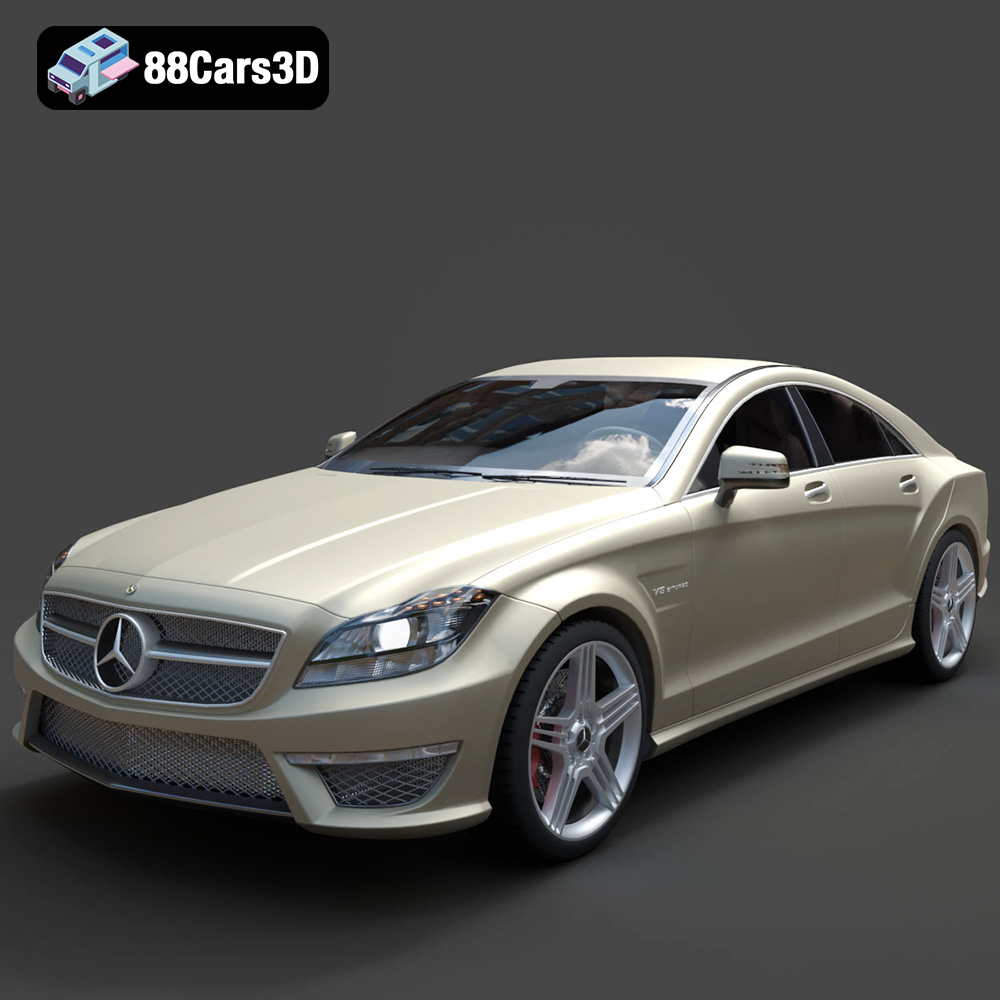
Download the Mercedes-Benz CLS63 AMG (C218) 2014 3D Model featuring clean geometry, realistic detailing, and a fully modeled interior. Includes .blend, .fbx, .obj, .glb, .stl, .ply, .unreal, and .max formats for rendering, simulation, and game development.
Price: $38.99
Texture: Yes
Material: Yes
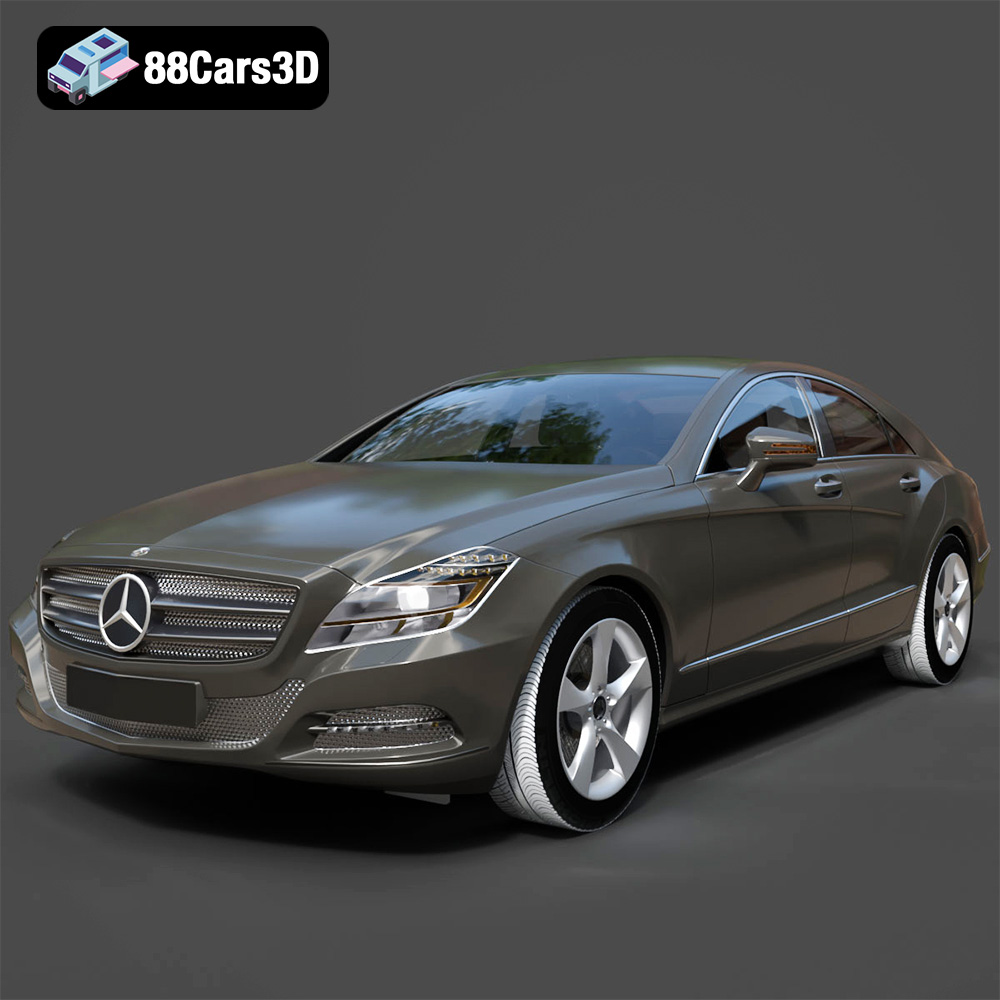
Download the Mercedes-Benz CLS-Klasse 3D Model featuring clean geometry, realistic detailing, and a fully modeled interior. Includes .blend, .fbx, .obj, .glb, .stl, .ply, .unreal, and .max formats for rendering, simulation, and game development.
Price: $38.99

