Get 50% OFF All Premium 3D & STL Models!

“`html
In the world of digital creation, few objects are as universally captivating and technically demanding as the automobile. A well-executed 3D car model is a testament to an artist’s skill, a symphony of precise engineering and aesthetic beauty. These complex assets are not just digital sculptures; they are versatile tools used across a vast spectrum of industries, from blockbuster films and AAA video games to cutting-edge architectural visualization and immersive AR/VR experiences. However, transforming a raw 3D mesh into a photorealistic render or an optimized game asset is a multifaceted journey that requires a deep understanding of modeling, texturing, rendering, and optimization principles. This guide will navigate you through that entire workflow, providing the technical knowledge to elevate your automotive projects from good to breathtaking.
We will dissect the entire lifecycle of a professional 3D car model. We’ll start by establishing a solid foundation, exploring the critical importance of clean topology and meticulous edge flow. From there, we’ll delve into the intricate art of UV mapping for complex automotive surfaces, ensuring your textures apply flawlessly. We’ll then craft hyper-realistic PBR materials, from multi-layered car paint to textured rubber and gleaming chrome. Finally, we’ll guide you through distinct pipelines for creating stunning automotive rendering for your portfolio and optimizing high-polygon models into efficient, real-time assets for game engines and interactive applications. Whether you are a 3D artist aiming for photorealism, a game developer building the next great racing simulator, or a designer exploring new frontiers in 3D printing, this comprehensive guide will equip you with the skills to master the art of the 3D automobile.
Before a single texture is applied or a render is initiated, the success of any 3D automotive project hinges on the quality of the underlying model. The mesh is the skeleton upon which every subsequent step is built, and its integrity determines the final result’s fidelity and usability. Whether you are modeling a car from scratch or sourcing one from a professional marketplace like 88cars3d.com, understanding the anatomy of a superior model is paramount. These models are characterized by their meticulous attention to detail, clean geometry, and logical structure, which provides the flexibility needed for diverse applications, from cinematic close-ups to real-time performance.
Topology refers to the arrangement of vertices, edges, and polygons that form the mesh. For automotive models, good topology is non-negotiable. It should consist primarily of quadrangles (quads), as they subdivide cleanly and deform predictably, which is essential for smooth surfaces and animation. Triangles (tris) are acceptable in moderation, especially on flat, non-deforming surfaces, but should be avoided in areas of high curvature. Ngons (polygons with more than four sides) are generally problematic and should be eliminated, as they can cause artifacts in shading, texturing, and subdivision.
Edge flow is equally critical. It is the directional logic of the polygon layout, which should follow the natural contours and feature lines of the vehicle. Proper edge flow defines the car’s shape, captures sharp body panel seams, and allows light to interact with the surface realistically. For instance, edge loops should tightly follow the curves of wheel arches, the sharp crease of a shoulder line, and the perimeter of headlights. This ensures that when subdivision modifiers (like TurboSmooth in 3ds Max or Subdivision Surface in Blender) are applied, the model retains its crisp, defined shape without pinching or distortion.
The required polygon count, or poly count, varies dramatically depending on the model’s intended use.
A professional model, such as those found on 88cars3d.com, is often provided in a high-poly format that can be optimized down, giving the artist maximum flexibility.
If the 3D mesh is the skeleton, then UV mapping is the skin. It is the crucial process of translating the 3D surface of the car model into a 2D representation, known as a UV map or UV layout. This 2D map dictates how textures—such as paint, decals, dirt, or scratches—are applied to the model. For a complex object like a car, with its blend of large, smooth panels and intricate mechanical parts, a strategic and clean UV unwrap is essential for achieving professional-grade results. Poor UV mapping leads to distorted textures, visible seams, and inconsistent resolution, undermining the realism of the final render or game asset.
Automotive models rarely lend themselves to simple, one-click unwrapping solutions. A combination of techniques is almost always required.
Texel density refers to the resolution of the texture applied to a model’s surface area. For a realistic result, the texel density should be consistent across the entire vehicle. This means that a square inch on the car’s door should have roughly the same number of pixels dedicated to it as a square inch on the bumper. UV unwrapping tools provide visual feedback (often a checkerboard pattern) to help artists achieve uniform density. Inconsistent density can be jarring, making some parts of the car look crisp and high-resolution while others appear blurry and low-quality.
For hero models requiring exceptionally high-resolution textures, a single UV map is often insufficient. This is where the UDIM (U-Dimension) workflow comes in. UDIM allows an artist to use multiple texture maps for a single model, each occupying a different tile in UV space. For a car, you might have one UDIM tile for the main body, another for the interior, one for the wheels, and another for the undercarriage. This approach allows for massive texture resolutions (e.g., multiple 4K or 8K maps) without being constrained by a single texture file, enabling incredible levels of detail for cinematic close-ups.
With a perfectly unwrapped model, the next stage is to breathe life into it with realistic materials. The modern standard for this is the Physically-Based Rendering (PBR) workflow, which aims to simulate how light interacts with materials in the real world. A car is a fantastic subject for PBR material creation due to its diverse range of surfaces: glossy clear-coated paint, matte rubber, rough plastic, transparent glass, and reflective chrome. Creating these materials convincingly is an art that blends technical understanding with a keen observational eye.
Modern car paint is not a simple, single-color material. It’s a complex multi-layered system, and replicating it requires a sophisticated shader network.
In Blender, for instance, the Principled BSDF node offers powerful controls for this. You can set the `Base Color`, increase the `Metallic` value to 1.0 for a metallic base, and then use the `Clearcoat` and `Clearcoat Roughness` sliders to add that final glossy layer. For fine-tuning, the official Blender 4.4 documentation at https://docs.blender.org/manual/en/4.4/ provides in-depth explanations of each parameter, which is an invaluable resource for mastering these complex shaders.
Beyond the paint, a car’s other materials are crucial for selling the realism.
Creating a photorealistic automotive rendering is akin to a professional car photo shoot. It’s not enough to have a great model and materials; the lighting, environment, and camera work must all come together to create a compelling and believable image. Modern path-tracing render engines like Corona, V-Ray, and Blender’s Cycles excel at this, simulating the physics of light to produce stunningly realistic results. The workflow involves carefully balancing a high-dynamic-range environment with direct light sources to sculpt the car’s form and highlight its design features.
The foundation of realistic lighting is Image-Based Lighting (IBL) using a High Dynamic Range Image (HDRI). An HDRI is a 360-degree panoramic image that contains a vast range of light intensity data, far beyond a standard photograph. When used as an environment map, it casts realistic, nuanced light and reflections onto the 3D car model from all directions.
Your virtual camera should be treated like a real DSLR.
The raw render is rarely the final image. Post-processing in applications like Adobe Photoshop or DaVinci Resolve is where the image is polished. By rendering out different passes (Render Elements in V-Ray/Corona, or AOVs in Cycles), you gain immense control. Common passes include reflections, specular, ambient occlusion (AO), and a clown pass (material or object ID). The AO pass can be multiplied over the beauty pass to add contact shadows and enhance detail. The reflection pass can be subtly brightened to make the car pop. Color grading, adding lens flares, vignetting, and sharpening are the final touches that transform a great render into a stunning piece of art.
Transitioning a 3D car model from a high-poly asset for rendering to a real-time game asset is a process of careful compromise and technical ingenuity. In a game engine like Unity or Unreal Engine, every polygon, material, and texture impacts performance. The goal is to preserve as much visual fidelity as possible while ensuring the game runs at a smooth and stable frame rate, typically 30 or 60 frames per second (FPS). This optimization workflow is a distinct skill set, crucial for any artist looking to work in game development.
A player doesn’t need to see a million-polygon car when it’s a tiny speck on the horizon. This is the principle behind Levels of Detail (LODs). A single car asset is comprised of multiple versions of the mesh, each with a progressively lower polygon count.
The game engine automatically switches between these LODs based on the car’s distance from the camera, drastically reducing the rendering load.
In game engines, a “draw call” is a command sent from the CPU to the GPU to draw an object on the screen. Each separate material on a model typically results in a separate draw call. A high number of draw calls can bottleneck the CPU and severely impact performance. To combat this, artists strive to reduce the material count.
This is where texture atlasing comes in. Instead of having separate texture maps for the headlights, taillights, grille, and badges, the UVs for all these small parts are arranged into a single UV layout, and they all share one material and one set of texture maps (base color, normal, roughness, etc.). This significantly reduces the number of draw calls for the vehicle. For example, a whole car might be optimized to use only a few materials: one for the car paint, one for the main interior, one for glass, and one atlas material for all the detailed “trim” parts.
How do you retain the look of small bolts, vents, and panel seams on a low-poly model? The answer is baking. A normal map is an image texture that tells the game engine how to shade the surface of a low-poly model as if it had the details of its high-poly counterpart. The process involves creating both a high-poly and a low-poly version of the car. In a baking application like Marmoset Toolbag or Substance Painter, the software projects the surface detail from the high-poly mesh onto the UVs of the low-poly mesh, generating a normal map. This texture effectively “fakes” the complex lighting and shadow information of the detailed geometry, creating the illusion of high fidelity on a performance-friendly model.
Beyond traditional rendering and gaming, 3D car models are increasingly being used in emerging technologies like Augmented Reality (AR), Virtual Reality (VR), and 3D printing. Each of these applications has a unique set of technical requirements and optimization challenges. Preparing a model for these platforms requires a specific workflow to ensure compatibility, performance, and a successful final output. From real-time mobile visualization to physical prototyping, understanding these pipelines opens up new creative and commercial possibilities.
For AR and VR applications, performance is absolutely critical. These experiences run on a wide range of hardware, from powerful PC-tethered headsets to standalone devices and smartphones. The optimization principles are similar to game development but often even more stringent.
Converting a model for AR involves exporting it as a GLB or USDZ with PBR materials already configured. Services and tools are available to automate this conversion, making it easier to deploy 3D car configurators and viewers on websites and mobile apps.
Preparing a 3D car model for 3D printing is a completely different challenge. The focus shifts from visual appearance to physical feasibility. The goal is to produce a clean, error-free mesh that a 3D printer can interpret and build layer by layer.
The journey of a 3D car model from a raw mesh to a finished product is a masterclass in the breadth and depth of digital artistry. As we have explored, every stage of the process—from establishing a flawless topological foundation to navigating the specific demands of rendering, game development, AR/VR, and 3D printing—requires a unique combination of technical skill and creative vision. The quality of your final output, whether it’s a breathtaking automotive rendering or a hyper-optimized game asset, is directly linked to the care and precision invested at each step. A meticulously crafted model with clean UVs and well-structured materials is not just an asset; it is a versatile foundation that can be adapted to any creative challenge you encounter.
The key takeaway is to always begin with the end in mind. Understand your target platform’s constraints and requirements before you begin the optimization or texturing process. By mastering the principles of mesh integrity, strategic UV mapping, PBR material creation, and platform-specific optimization, you unlock the full potential of your automotive models. Whether you choose to build your models from the ground up or start with a professionally crafted asset from a marketplace, the techniques outlined in this guide provide a robust framework for success. Now, it’s time to apply this knowledge, experiment with these workflows, and start creating stunning 3D automotive experiences that push the boundaries of realism and performance.
“`
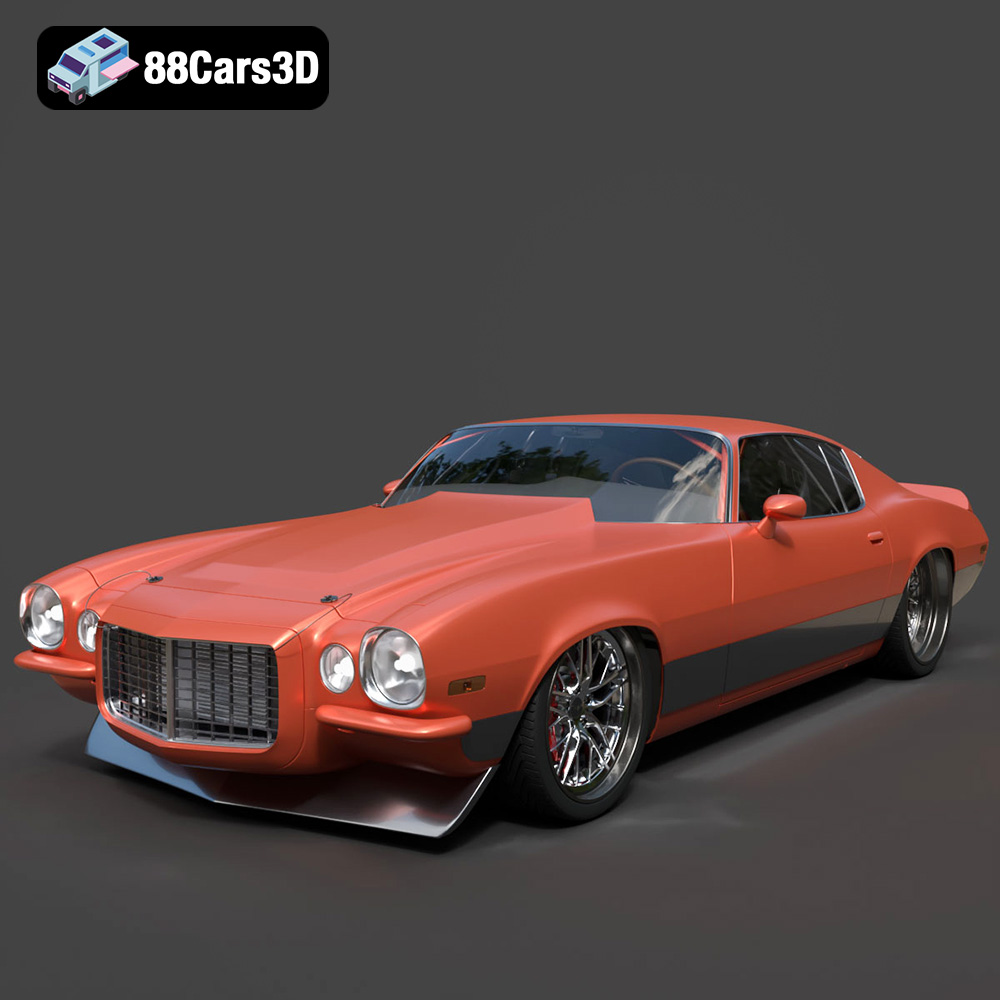
Texture: Yes
Material: Yes
Download the Chevrolet Camaro 1970 3D Model featuring clean geometry, realistic detailing, and a fully modeled interior. Includes .blend, .fbx, .obj, .glb, .stl, .ply, .unreal, and .max formats for rendering, simulation, and game development.
Price: $10
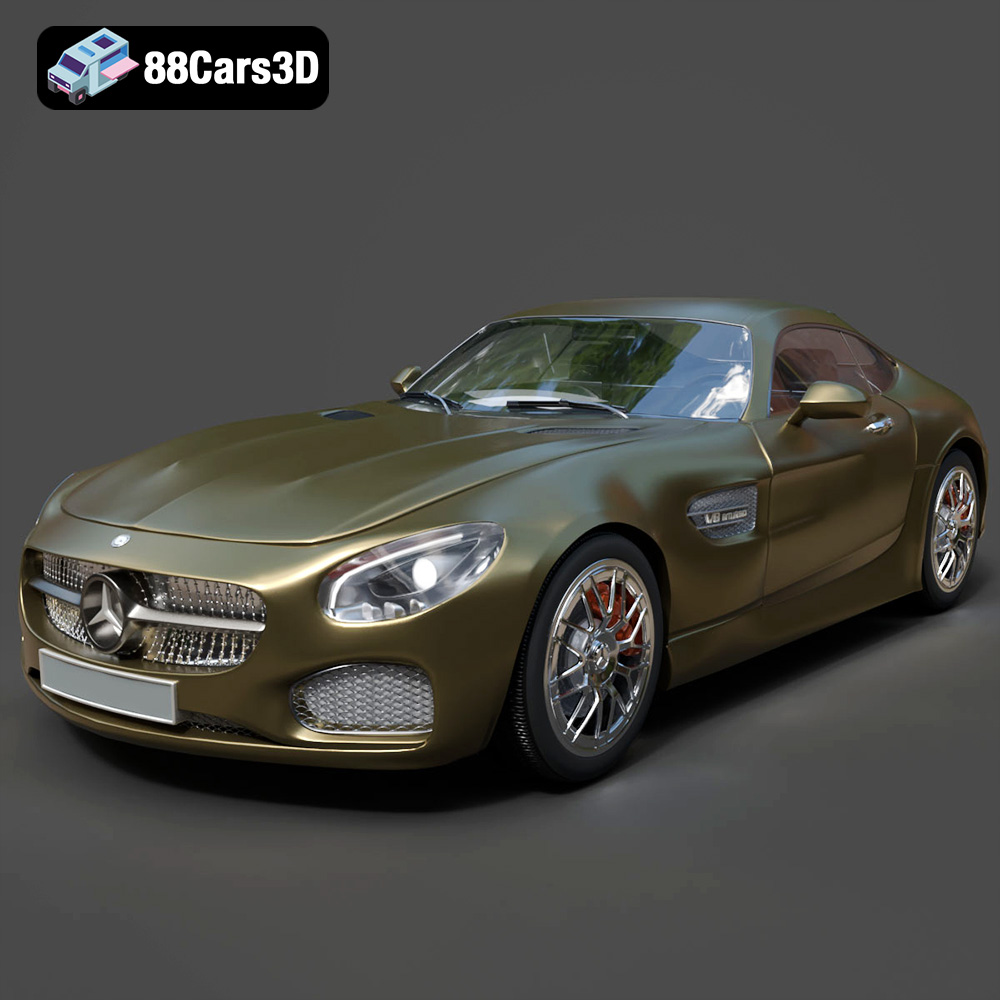
Texture: Yes
Material: Yes
Download the Mercedes-AMG GT 2015 3D Model featuring clean geometry, realistic detailing, and a fully modeled interior. Includes .blend, .fbx, .obj, .glb, .stl, .ply, .unreal, and .max formats for rendering, simulation, and game development.
Price: $88.99
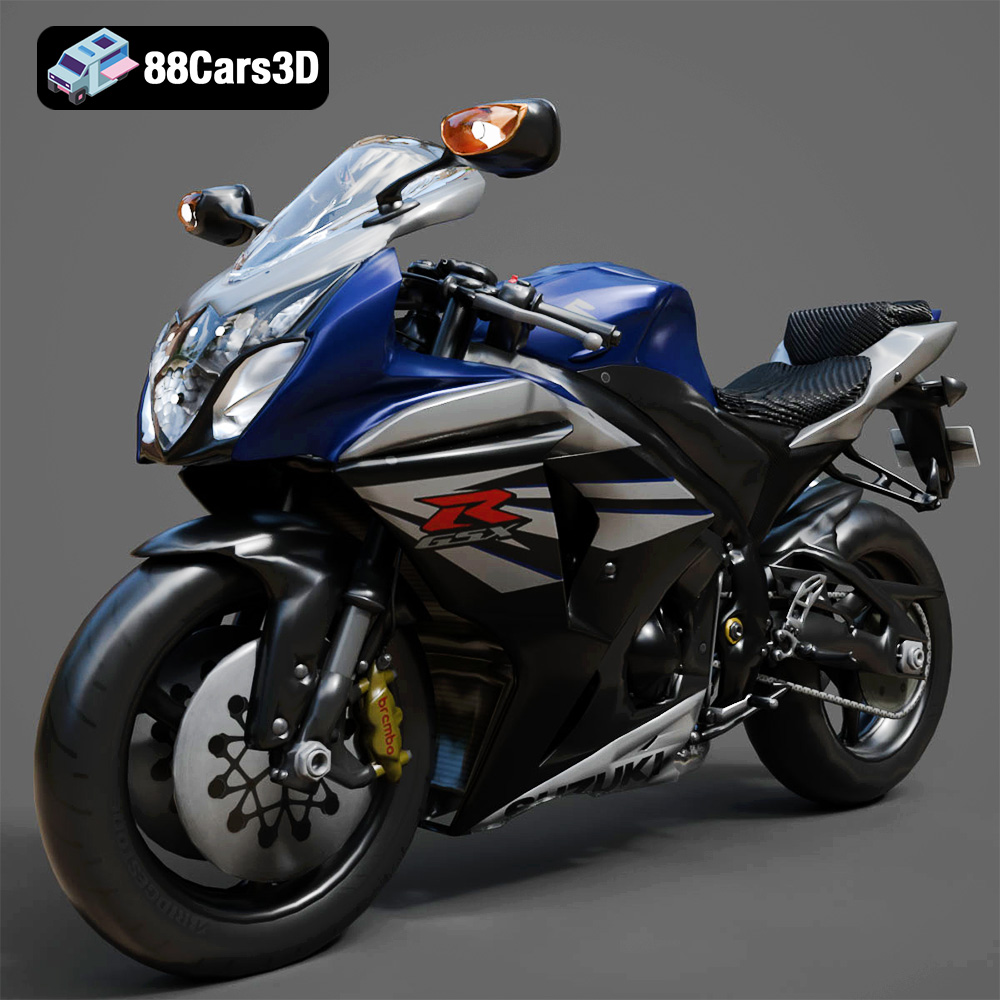
Texture: Yes
Material: Yes
Download the Suzuki GSX-R 1000 3D Model featuring clean geometry, realistic detailing, and a fully modeled interior. Includes .blend, .fbx, .obj, .glb, .stl, .ply, .unreal, and .max formats for rendering, simulation, and game development.
Price: $10
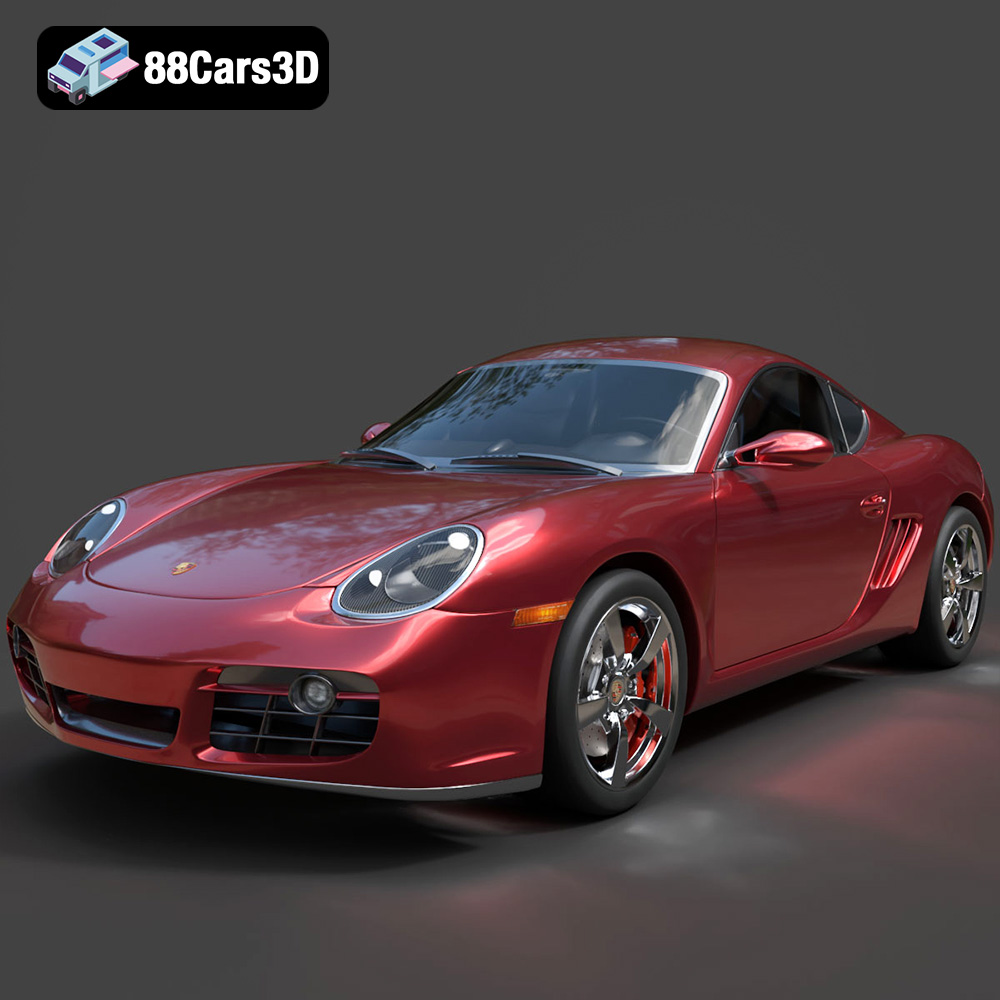
Texture: Yes
Material: Yes
Download the Porsche Cayman S 2024 3D Model featuring clean geometry, realistic detailing, and a fully modeled interior. Includes .blend, .fbx, .obj, .glb, .stl, .ply, .unreal, and .max formats for rendering, simulation, and game development.
Price: $10
Texture: Yes
Material: Yes
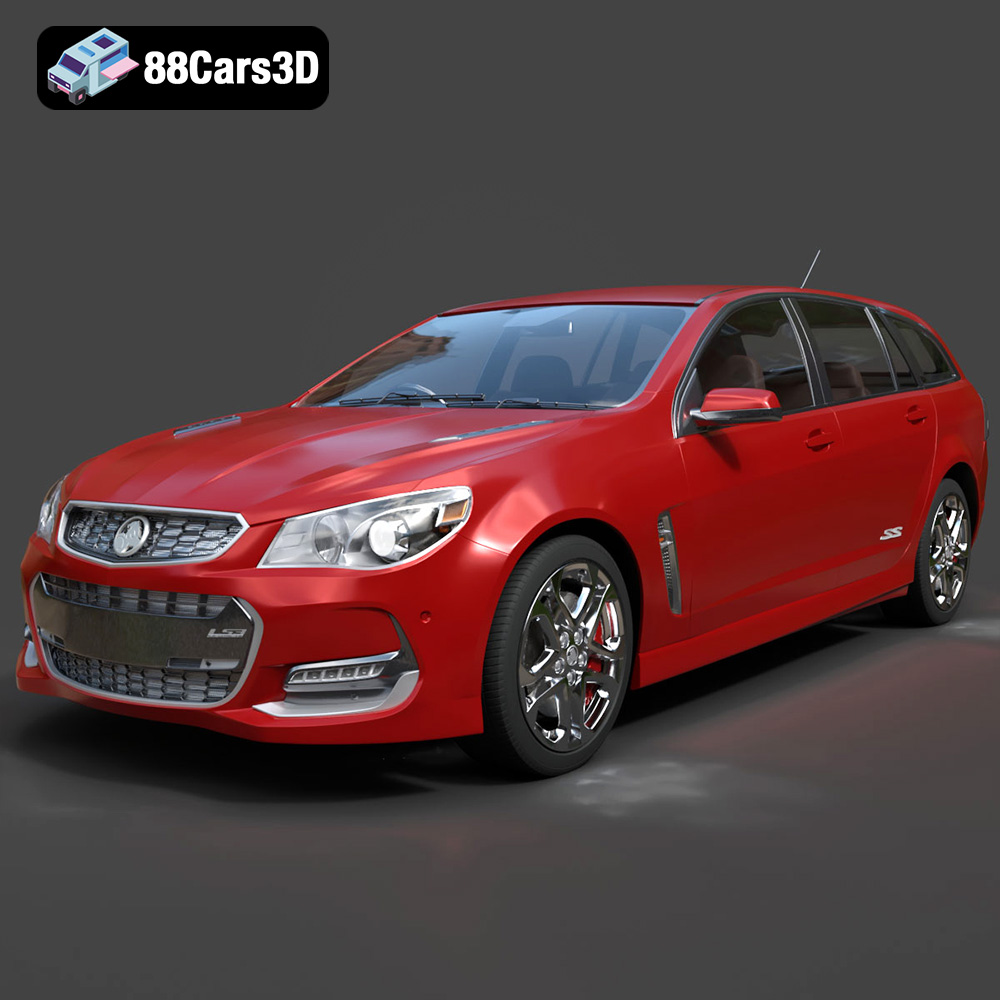
Download the Holden Commodore Sportwagon 2017 3D Model featuring clean geometry, realistic detailing, and a fully modeled interior. Includes .blend, .fbx, .obj, .glb, .stl, .ply, .unreal, and .max formats for rendering, simulation, and game development.
Price: $10

**Meta Description:**
Texture: Yes
Material: Yes
Download the Toyota Crown Majesta 2009 3D Model with luxury detailing, clean topology, and a fully modeled interior. Available in .blend, .fbx, .obj, .glb, .stl, .ply, .unreal, and .max formats for rendering, simulation, and game development.
Price: $4.99

**Meta Description:**
Texture: Yes
Material: Yes
Download the Toyota AE86 Levin 1983 1987 3D Model featuring realistic exterior and interior detailing. Includes .blend, .fbx, .obj, .glb, .stl, .ply, .unreal, and .max formats for rendering, simulation, and game development.
Price: $9.99

Texture: Yes
Material: Yes
Download the Toyota Mark 2 2001 3D Model featuring clean geometry, realistic detailing, and a fully modeled interior. Includes .blend, .fbx, .obj, .glb, .stl, .ply, .unreal, and .max formats for rendering, simulation, and game development.
Price: $4.99

Texture: Yes
Material: Yes
Download the Toyota Celica 2000 3D Model featuring clean geometry, realistic detailing, and a fully modeled interior. Includes .blend, .fbx, .obj, .glb, .stl, .ply, .unreal, and .max formats for rendering, simulation, and game development.
Price: $4.99

Download the Toyota Camry US 2012 3D Model featuring clean geometry, realistic detailing, and a fully modeled interior. Includes .blend, .fbx, .obj, .glb, .stl, .ply, .unreal, and .max formats for rendering, simulation, and game development.
Price: $4.99

