Get 50% OFF All Premium 3D & STL Models!

“`html
The world of 3D printing has revolutionized model making, particularly for automotive enthusiasts. Imagine holding a perfectly scaled replica of your dream car, meticulously crafted layer by layer. This is the power of 3D printing with STL files. This comprehensive guide will delve into the intricate process of 3D printing car models, covering everything from STL file preparation to advanced post-processing techniques. We’ll explore best practices for both FDM and resin printing, demystify slicing parameters, and equip you with the knowledge to achieve stunning results. Whether you’re a seasoned maker or just starting your 3D printing journey, this article will provide valuable insights and practical tips to elevate your automotive model printing endeavors.
In this guide, we will cover:
The foundation of any successful 3D print lies in the quality of the STL file. STL, or Stereolithography, is a file format that represents a 3D object’s surface geometry as a collection of triangles. The density and arrangement of these triangles, known as the mesh topology, directly impact the print’s resolution and accuracy. Before you even think about 3D printer settings, you need a solid STL file.
An STL file essentially contains a list of triangular facets, each defined by three vertices (coordinates) and a normal vector (direction perpendicular to the triangle’s surface). A higher number of triangles results in a smoother surface but also increases file size and processing time. When downloading models from marketplaces such as 88cars3d.com, ensure that the STL files are optimized for 3D printing, with a balance between detail and file size. Models optimized for 3D printing will have manifold (watertight) meshes and appropriate triangle density in key areas.
A “manifold” mesh is crucial for successful 3D printing. A manifold mesh is a closed surface without any holes, self-intersections, or non-adjacent faces. Non-manifold meshes can cause slicing errors, unexpected voids in your print, or even complete print failures. Software like Meshmixer, Netfabb, and Blender offer tools to detect and repair these mesh issues. Typical issues include:
Always run your STL files through a mesh repair tool before slicing to ensure a clean and error-free print. This step is especially critical for complex automotive models with intricate details. This can be done directly in slicers like PrusaSlicer as well.
The level of detail in an STL file is directly related to the number of triangles used to represent the object’s surface. High-resolution models capture intricate details but require more processing power and can lead to longer print times. Low-resolution models, on the other hand, are faster to print but may lack fine details. Striking the right balance depends on the specific model, the desired print quality, and the capabilities of your 3D printer. For car models, pay close attention to details like grilles, headlights, and body lines, ensuring that they are adequately represented in the STL file. Using adaptive mesh refinement techniques within software like Blender allows you to have higher detail in these areas.
Once you have a clean and optimized STL file, the next step is to configure your 3D printer settings correctly. The optimal settings will vary depending on the type of 3D printer (FDM or resin), the material being used, and the specific model being printed. Careful calibration and parameter selection are essential for achieving high-quality results.
For FDM (Fused Deposition Modeling) printing, several key parameters influence the final print quality. These include:
Resin printing, also known as SLA or DLP, offers higher resolution and finer details compared to FDM printing. Key parameters for resin printing include:
Choosing the right material is crucial for achieving the desired properties in your 3D printed car model. PLA (Polylactic Acid) is a biodegradable thermoplastic that is easy to print and offers good detail. PETG (Polyethylene Terephthalate Glycol) is stronger and more heat-resistant than PLA. ABS (Acrylonitrile Butadiene Styrene) is a durable and impact-resistant plastic, but it requires a heated enclosure to prevent warping. Resin offers the highest resolution and is ideal for intricate details, but it can be brittle and requires post-curing. For prototyping, PLA is a great choice. For end-use parts that require heat resistance (like engine bay components), PETG or ABS are preferable. Resin is typically used for display models requiring exceptional detail.
Support structures are often necessary when 3D printing objects with overhangs or complex geometries, like many printable car models. These supports provide a temporary scaffolding to prevent sagging or collapse during the printing process. Generating effective supports and removing them cleanly are crucial for achieving a successful print.
Most slicing software offers automatic support generation, which can quickly create supports based on the model’s geometry. However, automatic supports may not always be optimal, and manual adjustments are often necessary. Manual support placement allows you to strategically position supports in areas where they are most needed, while minimizing their impact on the visible surfaces of the model. Software like Meshmixer provides powerful tools for adding and customizing supports. PrusaSlicer and Cura also allow for advanced support painting and customized support settings.
Different types of support structures are available, each with its own advantages and disadvantages. Common types include:
The best type of support depends on the specific model and the material being used. Tree supports are generally preferred for FDM printing of car models due to their ease of removal and minimal impact on surface finish. For resin printing, thinner, more delicate supports are often used to minimize scarring.
Removing supports cleanly is essential for preserving the aesthetic appeal of your 3D printed car model. Here are a few tips:
Slicing is the process of converting a 3D model into a series of layers that the 3D printer can understand. The slicing software takes the STL file and generates a G-code file, which contains the instructions for the printer to move the nozzle, extrude material, and build the object layer by layer. Optimizing slicing parameters is crucial for achieving optimal print quality and minimizing defects.
Layer height is one of the most important slicing parameters. Lower layer heights result in smoother surfaces and finer details, but increase print time. Higher layer heights are faster but produce more visible layer lines. For car models, a layer height of 0.1mm to 0.2mm is a good compromise between print quality and print time for FDM printing. For resin printing, layer heights of 0.025mm to 0.05mm are common for achieving exceptional detail.
Infill patterns and density affect the strength, weight, and print time of the model. Common infill patterns include:
For decorative car models, a low infill density (15-20%) is usually sufficient. For functional parts or models that need to withstand stress, a higher infill density (50-100%) may be necessary.
Print speed affects the print quality and print time. Slower print speeds generally result in better adhesion and smoother surfaces, but increase print time. Faster print speeds can lead to poor adhesion and defects. The optimal print speed depends on the material being used and the capabilities of your printer. A good starting point is 40-60mm/s for FDM printing. Temperature settings must be appropriate for the material being used. Consult the material manufacturer’s recommendations for optimal temperature ranges.
Post-processing is the final stage in the 3D printing process, where you refine and enhance the printed object to achieve the desired aesthetic and functional properties. Post-processing techniques can include support removal, sanding, filling, painting, and assembly.
Sanding is used to remove layer lines and imperfections from the surface of the 3D printed object. Start with coarse sandpaper (e.g., 220 grit) to remove larger imperfections, and then gradually move to finer sandpaper (e.g., 400 grit, 600 grit, 800 grit) to achieve a smooth surface. Wet sanding can help to reduce dust and improve the smoothness of the finish. For resin prints, sanding can be more delicate due to the material’s brittleness.
Filling is used to fill in gaps, holes, and imperfections in the surface of the 3D printed object. Body filler or epoxy putty can be used to fill larger gaps, while spot putty can be used to fill smaller imperfections. After filling, sand the surface smooth and apply a primer to prepare it for painting. Primer helps the paint adhere to the surface and provides a uniform base color.
Painting is used to add color and detail to the 3D printed object. Use high-quality paints that are designed for plastic models. Apply multiple thin coats of paint, allowing each coat to dry completely before applying the next. Clear coat can be applied to protect the paint and add a glossy or matte finish. Consider using an airbrush for a smoother, more professional finish. Automotive-grade paints and clear coats can be used for a truly realistic finish.
Platforms like 88cars3d.com offer print-ready STL files designed for optimal results with these post-processing techniques. By carefully selecting your STL files and materials, the time and effort spent in post-processing can be significantly reduced.
Even with the best settings and preparation, 3D printing can sometimes present challenges. Understanding common printing issues and their solutions is crucial for achieving successful prints.
Warping occurs when the corners of the 3D printed object lift off the build plate during printing. This is often caused by uneven cooling or insufficient bed adhesion. To prevent warping, ensure that the build plate is level and clean. Use a heated bed and apply a bed adhesion agent, such as glue stick or hairspray. Enclosing the printer can also help to maintain a consistent temperature and prevent warping, especially when printing with ABS.
Stringing occurs when the 3D printer extrudes material while moving between different parts of the model, leaving thin strands of plastic behind. Blobs are small clumps of plastic that accumulate on the surface of the print. To prevent stringing and blobs, reduce the nozzle temperature, increase retraction settings, and adjust travel speed. Ensure that the filament is dry, as moisture can contribute to these issues.
Layer shifting occurs when the 3D printer’s axes shift during printing, resulting in misaligned layers. This can be caused by loose belts, stepper motor issues, or excessive vibrations. To prevent layer shifting, tighten the belts, lubricate the moving parts, and ensure that the printer is placed on a stable surface. Check the stepper motor drivers for proper current settings.
Under-extrusion occurs when the 3D printer does not extrude enough material, resulting in thin or weak layers. Over-extrusion occurs when the 3D printer extrudes too much material, resulting in blobs or rough surfaces. To correct under-extrusion, increase the flow rate or nozzle temperature. To correct over-extrusion, decrease the flow rate or nozzle temperature. Calibrate the extruder’s E-steps to ensure accurate material flow.
Mastering 3D printing for automotive models requires a combination of technical knowledge, careful preparation, and a willingness to experiment. By understanding STL file structure, optimizing printer settings, generating effective supports, and applying appropriate post-processing techniques, you can achieve stunning results and create highly detailed replicas of your favorite cars. Remember to start with high-quality STL files, like those found at 88cars3d.com, and don’t be afraid to experiment with different settings and materials to find what works best for your printer and your project.
Key takeaways from this guide:
Take the next step: Download a high-quality STL file of your dream car, apply the techniques learned in this guide, and embark on your 3D printing journey. Happy printing!
“`

Texture: Yes
Material: Yes
Download the Chevrolet Camaro 1970 3D Model featuring clean geometry, realistic detailing, and a fully modeled interior. Includes .blend, .fbx, .obj, .glb, .stl, .ply, .unreal, and .max formats for rendering, simulation, and game development.
Price: $10

Texture: Yes
Material: Yes
Download the Mercedes-AMG GT 2015 3D Model featuring clean geometry, realistic detailing, and a fully modeled interior. Includes .blend, .fbx, .obj, .glb, .stl, .ply, .unreal, and .max formats for rendering, simulation, and game development.
Price: $88.99
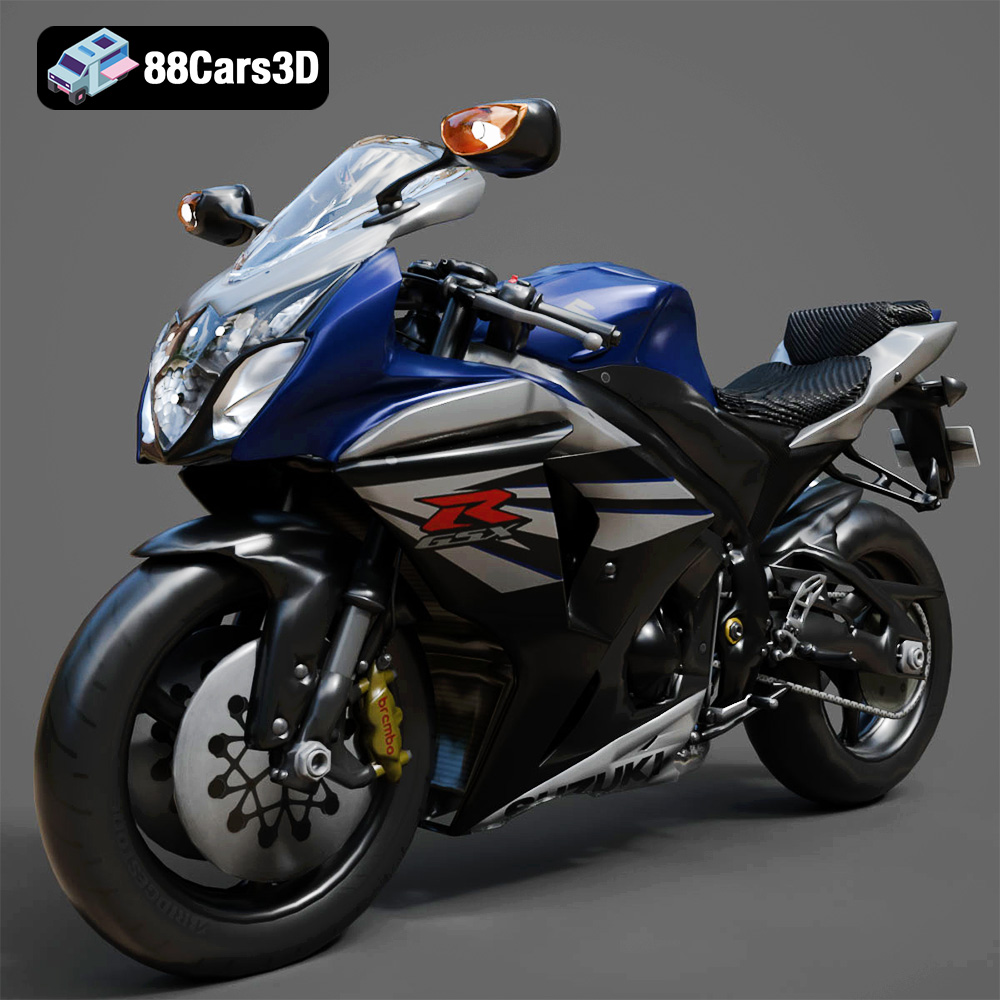
Texture: Yes
Material: Yes
Download the Suzuki GSX-R 1000 3D Model featuring clean geometry, realistic detailing, and a fully modeled interior. Includes .blend, .fbx, .obj, .glb, .stl, .ply, .unreal, and .max formats for rendering, simulation, and game development.
Price: $10
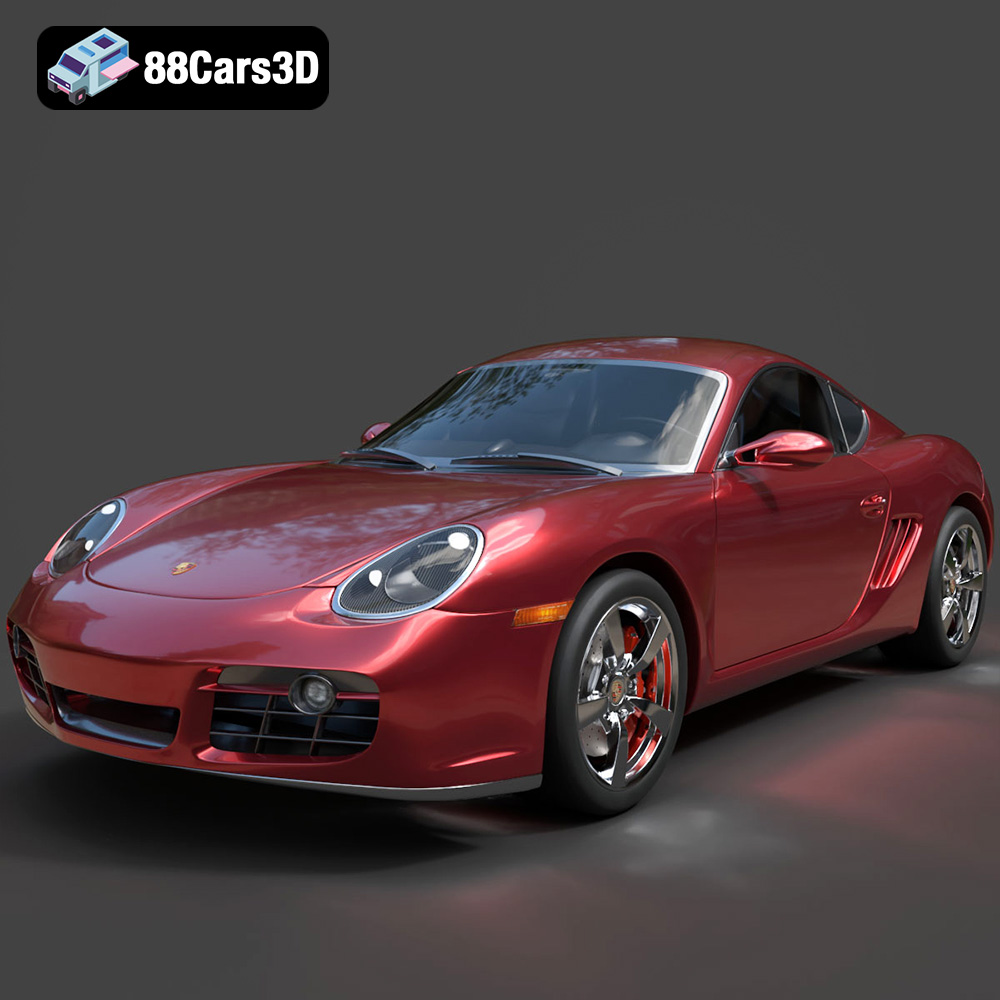
Texture: Yes
Material: Yes
Download the Porsche Cayman S 2024 3D Model featuring clean geometry, realistic detailing, and a fully modeled interior. Includes .blend, .fbx, .obj, .glb, .stl, .ply, .unreal, and .max formats for rendering, simulation, and game development.
Price: $10

Texture: Yes
Material: Yes
Download the Holden Commodore Sportwagon 2017 3D Model featuring clean geometry, realistic detailing, and a fully modeled interior. Includes .blend, .fbx, .obj, .glb, .stl, .ply, .unreal, and .max formats for rendering, simulation, and game development.
Price: $10

**Meta Description:**
Texture: Yes
Material: Yes
Download the Toyota Crown Majesta 2009 3D Model with luxury detailing, clean topology, and a fully modeled interior. Available in .blend, .fbx, .obj, .glb, .stl, .ply, .unreal, and .max formats for rendering, simulation, and game development.
Price: $4.99

**Meta Description:**
Texture: Yes
Material: Yes
Download the Toyota AE86 Levin 1983 1987 3D Model featuring realistic exterior and interior detailing. Includes .blend, .fbx, .obj, .glb, .stl, .ply, .unreal, and .max formats for rendering, simulation, and game development.
Price: $9.99

Texture: Yes
Material: Yes
Download the Toyota Mark 2 2001 3D Model featuring clean geometry, realistic detailing, and a fully modeled interior. Includes .blend, .fbx, .obj, .glb, .stl, .ply, .unreal, and .max formats for rendering, simulation, and game development.
Price: $4.99

Texture: Yes
Material: Yes
Download the Toyota Celica 2000 3D Model featuring clean geometry, realistic detailing, and a fully modeled interior. Includes .blend, .fbx, .obj, .glb, .stl, .ply, .unreal, and .max formats for rendering, simulation, and game development.
Price: $4.99

Download the Toyota Camry US 2012 3D Model featuring clean geometry, realistic detailing, and a fully modeled interior. Includes .blend, .fbx, .obj, .glb, .stl, .ply, .unreal, and .max formats for rendering, simulation, and game development.
Price: $4.99

