Get 50% OFF All Premium 3D & STL Models!

“`html
The world of 3D printing has revolutionized model making, allowing enthusiasts and professionals alike to create intricate and detailed car models with remarkable precision. Whether you’re a seasoned 3D printing veteran or just starting your journey, understanding the nuances of STL files, slicing parameters, and printer settings is crucial for achieving stunning results. This comprehensive guide will delve into the technical aspects of 3D printing car models, covering everything from preparing your STL files to optimizing your print settings and mastering post-processing techniques. We’ll explore the intricacies of FDM and resin printing, discuss best practices for support generation, and equip you with the knowledge to troubleshoot common printing issues. Get ready to transform your digital designs into tangible masterpieces!
The STL (stereolithography) file format is the backbone of 3D printing, representing the surface geometry of a 3D object as a collection of triangles. The quality of your STL file directly impacts the final print quality, making it essential to understand its structure and potential pitfalls. When downloading models from marketplaces such as 88cars3d.com, you can be sure of a high-quality STL file to begin with.
An STL file essentially describes the surface of a 3D model using a mesh of interconnected triangles. Each triangle is defined by its three vertices, each with x, y, and z coordinates, and a normal vector that indicates the triangle’s orientation. The density of these triangles determines the level of detail in the model; more triangles result in a smoother surface but also a larger file size. Ensuring proper mesh topology is critical for successful printing. Non-manifold geometry (e.g., edges shared by more than two triangles, self-intersecting faces) can cause slicing errors and print failures. Use mesh analysis tools in software like Meshmixer or Netfabb to identify and repair these issues before slicing. A good rule of thumb is to aim for a balance between detail and file size, optimizing the triangle density to capture the essential features of the car model without overloading your 3D printer’s processing capabilities. This is particularly true with more complex curves and intricate bodywork.
While STL is the most common format for 3D printing, other file formats like OBJ and FBX offer advantages in certain situations. OBJ files can store color and texture information, making them suitable for multi-color or textured prints. FBX is a more versatile format that can contain animation data and other advanced features, often used in professional 3D modeling workflows. However, these formats may require additional processing to convert them into printable STL files. When printing car models, STL’s simplicity and widespread compatibility often make it the preferred choice, especially for single-color prints where geometric accuracy is paramount. If you need to add color or textures, explore converting your model to OBJ or FBX after preparing the base geometry in STL format.
Slicing is the process of converting your 3D model into a series of thin layers that your 3D printer can understand. The slicing software (e.g., Cura, PrusaSlicer) translates the STL file into G-code, which contains instructions for the printer’s movements, temperature settings, and material extrusion. Optimizing slicing parameters is essential for achieving the desired print quality, strength, and speed.
Layer height is one of the most critical slicing parameters, determining the thickness of each printed layer. A smaller layer height results in a smoother surface finish and finer details but also increases the print time significantly. Conversely, a larger layer height allows for faster printing but sacrifices surface quality. For car models, a layer height of 0.1mm to 0.2mm is often a good compromise between detail and speed. For highly detailed areas like grilles or emblems, consider using adaptive layer height settings, which automatically adjust the layer height based on the complexity of the geometry. For instance, Cura’s adaptive layers can dramatically improve overall quality without massively increasing print time. Experiment with different layer heights to find the sweet spot for your specific printer and material. As an example, on an Ender 3 printer, a 0.12mm layer height gives exceptional details, particularly with calibrated extrusion settings.
Infill refers to the internal structure of your 3D printed object. The infill pattern and density influence the strength, weight, and printing time of the model. For car models, which often require a balance between structural integrity and aesthetics, a rectilinear or gyroid infill pattern at a density of 15-25% is usually sufficient. Concentric infill can be used for aesthetic external areas where a pleasing pattern is desired. Consider increasing the infill density for parts that experience significant stress or require greater rigidity, such as axles or suspension components. For purely aesthetic pieces, the infill can be lowered to save printing time and material. The choice of infill pattern depends on the specific requirements of the model; rectilinear offers good strength in orthogonal directions, while gyroid provides more isotropic strength. Experiment with different infill settings to find the optimal balance for your needs. For hollowed shells, a minimum infill density of 5% will prevent collapse during printing.
Support structures are essential for printing overhanging features and complex geometries. However, they can also be a source of frustration if not properly generated and removed. Understanding different support types and techniques is crucial for achieving clean and accurate prints.
FDM (Fused Deposition Modeling) and resin printing require different support strategies. FDM printing typically uses break-away support structures, which are attached to the model with weak connection points. Resin printing, on the other hand, often utilizes more delicate support structures that are cured along with the model. When printing car models with FDM, consider using tree-like supports, which minimize the contact area with the model and are easier to remove. For resin printing, strategically place supports to minimize their impact on the surface finish. Lightly supported areas will require careful post-processing to avoid damaging the model’s surface. Avoid placing supports on visible surfaces whenever possible. Use support blockers within your slicing software to prevent supports from generating in undesirable areas. Pre-supported STL files, such as those found on platforms like 88cars3d.com, often come with optimized supports designed for specific printing orientations.
The key to successful support removal is to minimize the contact area between the supports and the model and to use appropriate removal techniques. For FDM prints, use a sharp knife or pliers to carefully break away the supports, working slowly and methodically. For resin prints, soak the model in warm water for a few minutes to soften the supports before removing them. Use a hobby knife or flush cutters to carefully detach the supports, being mindful not to scratch or damage the surface of the model. After removing the supports, use sandpaper or files to smooth any remaining imperfections. Consider using dissolvable support materials, such as PVA for PLA or HIPS for ABS, to eliminate the need for manual support removal altogether. PVA is soluble in water, whereas HIPS is soluble in limonene, allowing support to dissolve away without risk of damaging the car model surface.
The choice of material significantly impacts the strength, flexibility, and appearance of your 3D printed car model. Understanding the properties of different filaments and resins is essential for selecting the right material for your specific needs.
PLA (Polylactic Acid), PETG (Polyethylene Terephthalate Glycol), and ABS (Acrylonitrile Butadiene Styrene) are three of the most common filaments for FDM printing. PLA is a biodegradable thermoplastic that is easy to print and offers good dimensional accuracy, making it ideal for beginners. PETG is a more durable and heat-resistant alternative to PLA, suitable for parts that require greater strength and flexibility. ABS is a strong and impact-resistant plastic commonly used in automotive applications, but it requires higher printing temperatures and a heated bed to prevent warping. For car models, PLA is often a good choice for purely aesthetic parts, while PETG or ABS may be preferred for functional components that need to withstand stress. PLA is also a good option when printing for children, as it is non-toxic. When selecting ABS, consider the enclosure requirements of the printer, as fumes can be harmful without proper ventilation. Some blends of these materials may also be used.
Resin printing offers exceptional detail and smooth surface finish, making it ideal for intricate car models. Standard resins are suitable for general-purpose printing, while tough resins offer increased strength and impact resistance. Flexible resins allow for the creation of rubber-like parts that can withstand bending and deformation. When printing car models with resin, consider using a tough resin for parts that are prone to breakage, such as mirrors or antennas. Standard resins are well-suited for the main body and other components that do not require high impact resistance. Flexible resins can be used for tires or other flexible parts. When working with resins, ensure proper ventilation and wear gloves to protect your skin. Post-curing is essential to fully harden the resin and improve its mechanical properties. UV light can also affect the color and structural integrity of some resins, so consider paints or protective coatings.
Maintaining a properly calibrated 3D printer is crucial for achieving accurate and consistent results. Regular maintenance and calibration procedures will help prevent printing errors and ensure that your car models meet your expectations.
Bed leveling is the process of ensuring that the print bed is perfectly level, which is essential for proper first-layer adhesion. An uneven bed can cause warping, poor adhesion, and print failures. Most 3D printers come with manual or automatic bed leveling systems. For manual bed leveling, use a piece of paper or feeler gauge to adjust the bed screws until the nozzle is just barely touching the bed at each corner. Automatic bed leveling systems use sensors to map the bed’s surface and compensate for any unevenness. Proper bed adhesion is also crucial for preventing warping and ensuring that the print stays firmly attached to the bed. Use a bed adhesive, such as glue stick or hairspray, to improve adhesion. Consider using a brim or raft to increase the surface area of the first layer and further enhance adhesion. The temperature of the bed is also critical. For PLA, 60 degrees Celsius is typical. For ABS, upwards of 100 degrees Celsius may be required.
A clogged nozzle can cause printing errors and even damage your 3D printer. Regular nozzle maintenance is essential for preventing clogs and ensuring smooth filament extrusion. Use a nozzle cleaning kit to remove any debris or filament buildup from the nozzle. Consider performing a cold pull to remove stubborn clogs. Store your filament in a dry, airtight container to prevent moisture absorption, which can lead to printing problems. Replace your nozzle periodically, especially if you notice a decline in print quality. The correct retraction settings are also important, and vary from printer to printer. These settings determine how much filament is pulled back to avoid stringing during movements. Too much retraction will cause jams, too little will cause stringing.
Post-processing techniques can enhance the appearance and durability of your 3D printed car model. From sanding and painting to assembly and detailing, these techniques can transform a raw print into a polished masterpiece.
Sanding is essential for smoothing the surface of your 3D printed model and removing any layer lines or imperfections. Start with coarse sandpaper (e.g., 220 grit) and gradually move to finer grits (e.g., 400, 600, 800 grit) to achieve a smooth finish. Apply a primer to the model to create a uniform surface for painting. Use a spray primer or brush-on primer, depending on your preference. After the primer has dried, apply multiple thin coats of paint, allowing each coat to dry completely before applying the next. Use acrylic paints or enamel paints, depending on the desired finish. Consider using an airbrush for a more even and professional-looking paint job. Clear coating after painting will protect the model and prevent UV damage. Automotive paints can be used to mimic the finish of real-world cars.
Many car models consist of multiple parts that need to be assembled. Use glue or screws to attach the parts together. Consider using magnets for detachable parts, such as doors or hoods. Add detailing to your car model using decals, paint markers, or photo-etched parts. Apply a clear coat to protect the decals and paint. Weathering techniques, such as dry brushing or washes, can add realism to your car model. Consider creating a display base for your car model to showcase your work. Some professional model builders use epoxy resin to create realistic water effects for dioramas.
3D printing car models is a rewarding but technically demanding hobby. By understanding the intricacies of STL files, slicing parameters, material selection, and post-processing techniques, you can achieve stunning results and create highly detailed replicas of your favorite vehicles. Remember to experiment with different settings, learn from your mistakes, and continuously refine your workflow. Platforms like 88cars3d.com offer print-ready STL files and a wealth of resources to help you on your journey. So, dive in, explore the possibilities, and unleash your creativity! Start with simpler models to get comfortable with the process, then gradually move towards more complex designs. Don’t be afraid to experiment with different materials and techniques to find what works best for you. With dedication and patience, you’ll be creating museum-quality car models in no time.
“`
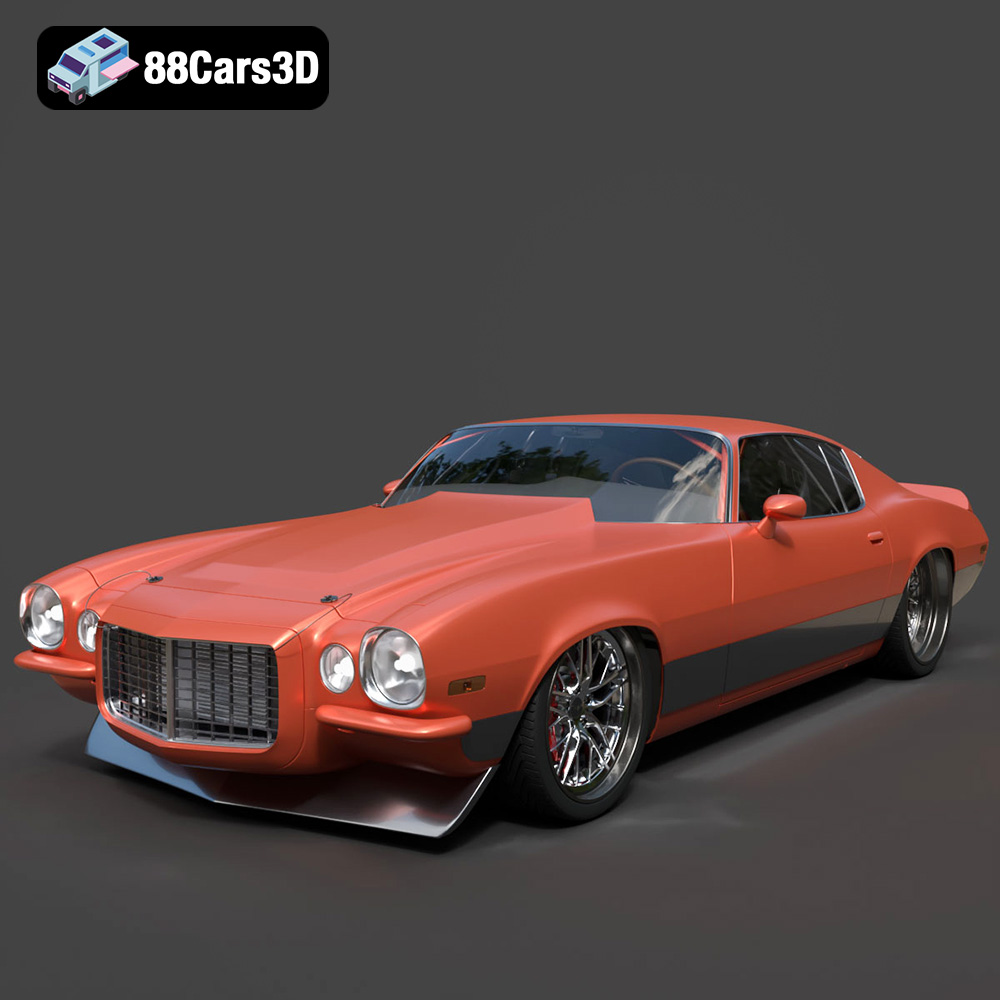
Texture: Yes
Material: Yes
Download the Chevrolet Camaro 1970 3D Model featuring clean geometry, realistic detailing, and a fully modeled interior. Includes .blend, .fbx, .obj, .glb, .stl, .ply, .unreal, and .max formats for rendering, simulation, and game development.
Price: $10
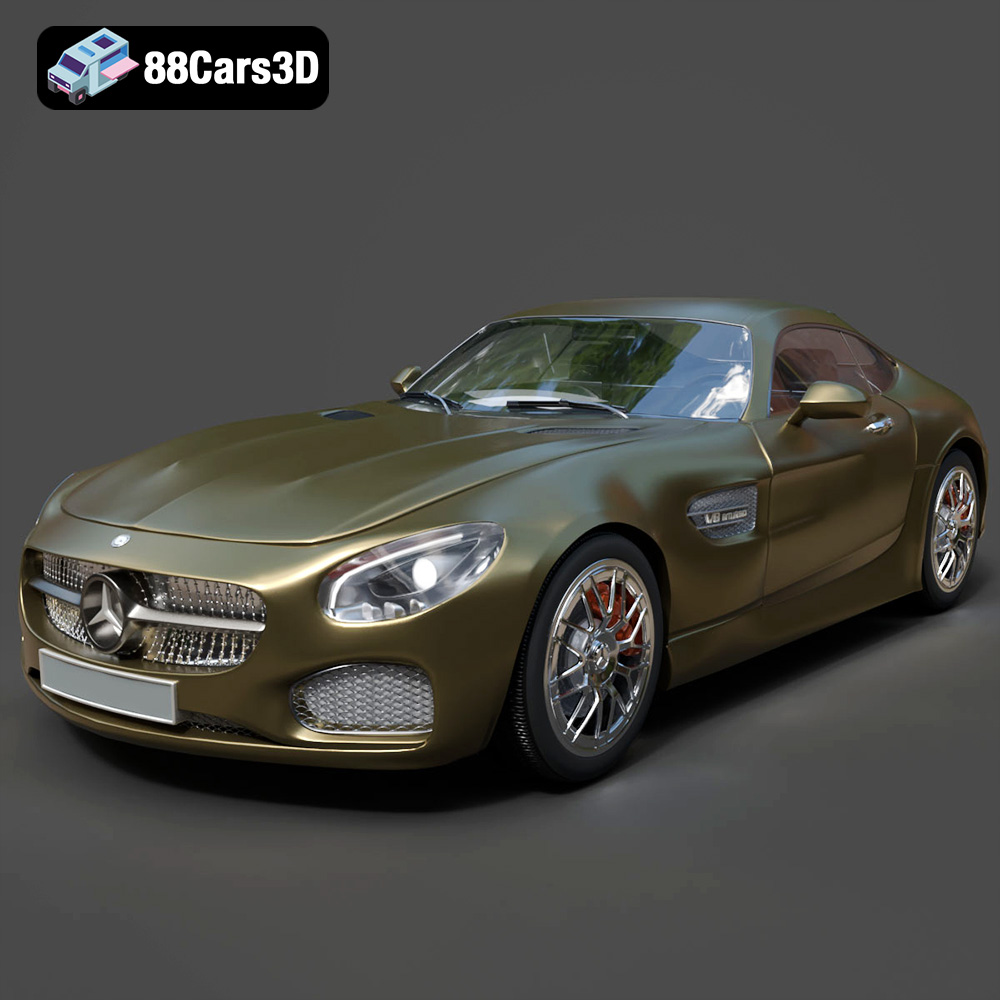
Texture: Yes
Material: Yes
Download the Mercedes-AMG GT 2015 3D Model featuring clean geometry, realistic detailing, and a fully modeled interior. Includes .blend, .fbx, .obj, .glb, .stl, .ply, .unreal, and .max formats for rendering, simulation, and game development.
Price: $88.99
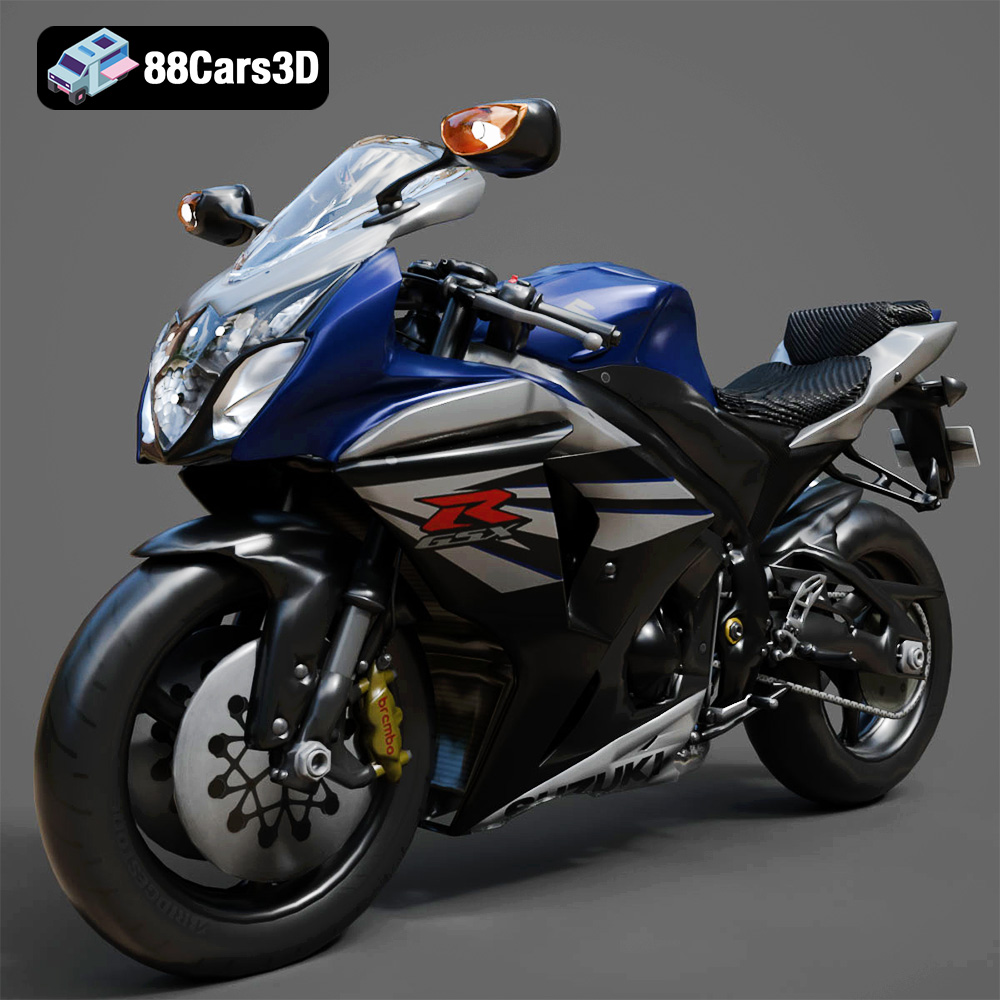
Texture: Yes
Material: Yes
Download the Suzuki GSX-R 1000 3D Model featuring clean geometry, realistic detailing, and a fully modeled interior. Includes .blend, .fbx, .obj, .glb, .stl, .ply, .unreal, and .max formats for rendering, simulation, and game development.
Price: $10
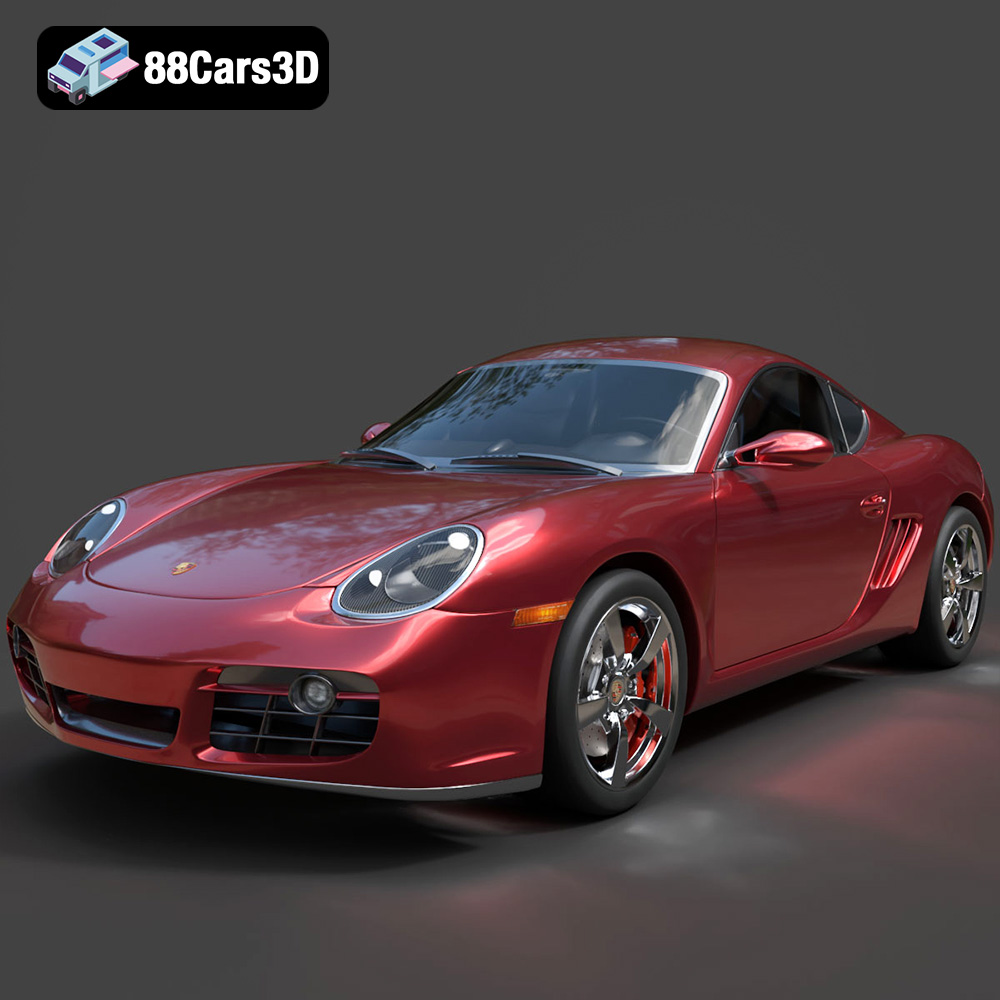
Texture: Yes
Material: Yes
Download the Porsche Cayman S 2024 3D Model featuring clean geometry, realistic detailing, and a fully modeled interior. Includes .blend, .fbx, .obj, .glb, .stl, .ply, .unreal, and .max formats for rendering, simulation, and game development.
Price: $10

Texture: Yes
Material: Yes
Download the Holden Commodore Sportwagon 2017 3D Model featuring clean geometry, realistic detailing, and a fully modeled interior. Includes .blend, .fbx, .obj, .glb, .stl, .ply, .unreal, and .max formats for rendering, simulation, and game development.
Price: $10

**Meta Description:**
Texture: Yes
Material: Yes
Download the Toyota Crown Majesta 2009 3D Model with luxury detailing, clean topology, and a fully modeled interior. Available in .blend, .fbx, .obj, .glb, .stl, .ply, .unreal, and .max formats for rendering, simulation, and game development.
Price: $4.99

**Meta Description:**
Texture: Yes
Material: Yes
Download the Toyota AE86 Levin 1983 1987 3D Model featuring realistic exterior and interior detailing. Includes .blend, .fbx, .obj, .glb, .stl, .ply, .unreal, and .max formats for rendering, simulation, and game development.
Price: $9.99

Texture: Yes
Material: Yes
Download the Toyota Mark 2 2001 3D Model featuring clean geometry, realistic detailing, and a fully modeled interior. Includes .blend, .fbx, .obj, .glb, .stl, .ply, .unreal, and .max formats for rendering, simulation, and game development.
Price: $4.99

Texture: Yes
Material: Yes
Download the Toyota Celica 2000 3D Model featuring clean geometry, realistic detailing, and a fully modeled interior. Includes .blend, .fbx, .obj, .glb, .stl, .ply, .unreal, and .max formats for rendering, simulation, and game development.
Price: $4.99

Download the Toyota Camry US 2012 3D Model featuring clean geometry, realistic detailing, and a fully modeled interior. Includes .blend, .fbx, .obj, .glb, .stl, .ply, .unreal, and .max formats for rendering, simulation, and game development.
Price: $4.99

