Get 50% OFF All Premium 3D & STL Models!

The gleam of a perfectly rendered car paint in a real-time environment is more than just aesthetically pleasing; it’s a testament to advanced material artistry and sophisticated rendering techniques. Achieving this level of photorealism, especially for the intricate surfaces of an automobile, is one of the most demanding challenges in 3D visualization. From the subtle dance of light across a metallic finish to the pristine reflection of a clear coat, every detail contributes to the overall immersion.
Unreal Engine 5 offers an incredibly powerful suite of tools for pushing the boundaries of real-time rendering. This guide will delve deep into the art and science of creating stunning car paint in UE5, focusing on a robust automotive material setup. We’ll explore the underlying physics, construct a comprehensive PBR shader graph, optimize lighting, and ensure your magnificent creations run smoothly for game development or high-end visualization. Prepare to master the complex interplay of light and surface that defines true photorealism.
Before we can digitally replicate car paint, it’s crucial to understand its real-world composition. Automotive finishes are not a single layer; they are a sophisticated stack of materials, each contributing uniquely to the final appearance. This layered structure is the key to developing an effective layered material workflow in Unreal Engine 5.
At its core, car paint typically consists of three primary layers over a primer:
Translating these physical properties into a Physically Based Rendering (PBR) pipeline requires a nuanced approach. Each layer influences parameters like Albedo (base color), Metallic, Roughness, and Normal. Our goal is to craft a UE5 material that mimics these interactions accurately, especially the way light penetrates and reflects from each layer.
Building a versatile and photorealistic car paint material in Unreal Engine 5 means creating a robust master material, often leveraging a modular layered material workflow. This allows for scalability and easy customization across different vehicle models. Our approach will focus on creating a sophisticated PBR shader graph that accounts for each critical layer.
The base coat sets the primary color of your vehicle. In our automotive material setup, this will be the foundational layer of our material graph. For a non-metallic base, the Metallic input typically remains at 0, indicating a dielectric surface. The Albedo will be driven by a color parameter, allowing artists to easily change the car’s hue. Roughness here will represent the underlying surface texture before the clear coat is applied, usually quite low if the base is smooth.
It’s important to consider how color values translate. Using sRGB color pickers is standard, but sometimes converting to linear color space within the material can offer more precise control over saturation and brightness, especially when dealing with complex lighting.
The metallic flake layer is paramount for achieving realistic automotive paint, particularly for “metallic” or “pearl” finishes. These microscopic flakes scatter light in distinct ways, producing the characteristic shimmer and sparkle. Replicating this in a PBR shader graph can be achieved through several techniques:
The intensity and size of these flakes are typically controlled via material parameters, giving artists granular control over the final look. Ensure the flakes are subtle; an overly aggressive flake layer can quickly break realism.
The clear coat effect is arguably the most crucial component for a shiny car paint. It’s a transparent, highly reflective layer that sits on top of all other paint layers. Unreal Engine 5 provides dedicated inputs for clear coat properties, simplifying its implementation.
When working with UE5’s clear coat model, you’ll utilize:
The clear coat naturally uses a Fresnel effect, meaning reflections are stronger at glancing angles. While UE5 handles the base Fresnel for the clear coat, understanding this principle is vital. The Index of Refraction (IOR) for car paint clear coat is typically around 1.5, which UE5’s default clear coat model should approximate. For additional realism, consider blending multiple clear coat layers or introducing slight variations in roughness across the surface to mimic natural wear.
Beyond the primary layers, adding subtle normal map details is essential for grounding your car paint in reality. No surface is perfectly smooth. Micro-scratches, dust specks, and the slight “orange peel” texture (a common artifact in automotive paint application) can be simulated using layered normal maps.
In your PBR shader graph, you can blend these imperfection normal maps on top of any flake-generated normals or base normals. Use blend nodes like “BlendAngleCorrectedNormals” for accurate results. Parameters for intensity and tiling will allow you to control the subtlety and scale of these imperfections, making the surface feel lived-in and real, even on high-quality models from 88cars3d.com.
To keep your automotive material setup manageable and efficient, especially with complex layers like metallic flakes and clear coats, a robust layered material workflow is indispensable. This often involves creating Material Functions for reusable logic blocks.
For example, you could have a Material Function for the metallic flake generation, another for the clear coat parameters, and then combine them in a master material. This modularity not only cleans up your shader graph but also improves performance by allowing UE5 to compile common nodes once. Instancing your master material for each car allows for rapid iteration on colors, flake sizes, and clear coat roughness without recompiling the core shader logic, which is crucial for art direction and iteration speed.
Even the most meticulously crafted car paint material will fall flat without appropriate lighting. For truly photorealistic results, especially with complex reflections, a thoughtful approach to lighting and environment setup is critical. Unreal Engine 5’s powerful rendering features, including Lumen and Ray Tracing, are instrumental here.
HDR environment maps are the backbone of realistic reflections and indirect lighting in automotive rendering. An HDRI (High Dynamic Range Image) captures the full spectrum of light information from a real-world location, allowing your car paint to accurately reflect its surroundings. This is far more realistic than relying solely on direct lights.
In UE5, you’ll typically use a Sky Light to project your HDRI onto the scene. Ensure the Sky Light’s source type is set to “Specified Cubemap” and assign your HDRI. Adjusting its intensity and rotation can dramatically change the mood and how reflections behave on your vehicle’s surfaces. For studio renders, use studio-based HDRIs with softboxes; for outdoor scenes, choose an HDRI matching your desired location and time of day. This will allow the clear coat effect and metallic flake layer to pick up realistic environmental cues.
Lumen, Unreal Engine 5’s real-time global illumination and reflections system, is a game-changer for automotive visualization. It calculates how light bounces around your scene, creating incredibly realistic indirect lighting and soft shadows. For car paint, Lumen ensures that the vehicle’s color is subtly influenced by its environment, and that reflections from other parts of the car or nearby objects are accurately rendered.
While Lumen can handle reflections, especially for indirect bounces, its primary strength lies in global illumination. For the sharpest, most accurate reflections, particularly for the mirror-like clear coat effect, you’ll want to combine Lumen with Ray Tracing.
For the pinnacle of visual fidelity in automotive rendering, enabling ray tracing reflections in Unreal Engine 5 is non-negotiable. Ray tracing directly simulates the path of light rays, resulting in physically accurate reflections, refractions, and shadows that traditional screen-space reflections simply cannot match.
To enable ray tracing, activate it in your Project Settings under “Rendering.” Then, within your Post Process Volume, adjust the Ray Tracing Reflections settings. You can control the number of bounces, samples per pixel, and maximum roughnessthat still receives ray-traced reflections. For automotive clear coats, where reflections are paramount, pushing these settings higher will yield stunning, crystal-clear results that precisely capture the environment and other objects in the scene.
Be mindful that ray tracing is computationally intensive. While modern GPUs handle it well, finding the right balance between quality and performance is key, especially for real-time applications. However, for high-end cinematic renders or architectural visualization, the visual payoff is immense.
While HDRIs provide ambient lighting and reflections, direct lights are essential for emphasizing the form of the vehicle and creating dramatic highlights. Use Directional Lights to simulate the sun or a primary key light, defining major shadows and specular highlights on the car body. Spot Lights or Rect Lights can be strategically placed to create elegant reflections, known as “specular streaks” or “light wipes,” that highlight the curvature of the bodywork and accentuate the clear coat effect.
Experiment with light intensity, color temperature, and angle to sculpt the vehicle’s contours and make the car paint truly pop. A common technique is to use large, soft area lights to create pleasing, diffused reflections across the broad surfaces of the car, mimicking professional studio lighting setups.
Creating photorealistic car paint is only half the battle; ensuring it performs efficiently in a real-time environment is equally critical. Whether for a game, a configurator, or interactive visualization, real-time rendering optimization techniques are paramount to maintain visual fidelity without crippling frame rates.
The complexity of your PBR shader graph directly translates to instruction count, which impacts GPU performance. A highly layered material with intricate metallic flake and clear coat logic can quickly become expensive. Here’s how to optimize:
Textures are a significant memory and performance overhead. Optimize them without compromising visual quality:
Just as meshes have LODs, you can implement material LODs or simplified material instances for objects far from the camera. For example, a car far in the distance might use a simplified version of your car paint shader that omits the advanced metallic flake layer or complex clear coat calculations, relying on a basic PBR material instead. This can be controlled through “Material Quality Level” nodes in your shader or by swapping material instances via Blueprint based on distance.
While material complexity is key, the underlying geometry of your automotive asset also plays a role in performance. A high polygon count can indirectly affect material performance, as more vertices mean more calculations for normals, tangents, and UVs. Furthermore, excessive geometry can impact memory and CPU performance for things like physics, animation, and culling.
Ensuring your base model is optimized with appropriate LODs is crucial. Starting with well-constructed, production-ready models, such as those available on 88cars3d.com, provides a strong foundation for both visual fidelity and optimal performance in Unreal Engine 5.
Beyond the core components, a few advanced techniques can further elevate your car paint realism and give you more artistic control over the final presentation.
No car remains factory-fresh forever. Adding subtle wear and tear – dust, dirt, scratches, and swirl marks – dramatically enhances realism. This can be achieved procedurally within your PBR shader graph using various noise textures and masks.
For example, you can blend in a dirt layer with increased roughness and a desaturated color, masked by curvature or ambient occlusion maps to simulate dirt accumulation in crevices. Scratches can be applied via a normal map blend and a masked reduction in clear coat roughness. Using vertex colors or custom UV channels can also guide the placement of these effects, allowing for precise control over where wear appears.
While UE5’s default PBR and clear coat models are excellent, sometimes specific artistic visions or very unique material types might benefit from custom shading. This is an advanced topic involving writing custom pixel shaders, but for most automotive applications, sticking to the engine’s built-in models with a well-crafted layered material workflow is sufficient and more performant.
However, you can achieve complex blends using the “BlendMaterialAttributes” node. This allows you to combine two complete sets of material attributes, perfect for intricate transitions between clean paint and heavily damaged areas, or combining paint with carbon fiber or other distinct materials on a single mesh.
The final touch for any photorealistic render comes from post-processing. While not directly part of the car paint material, these effects significantly enhance its appearance:
Careful application of these effects, usually managed in a Post Process Volume, can elevate your automotive renders from great to truly breathtaking.
Mastering Unreal Engine 5 car paint is a journey that combines a deep understanding of real-world physics with advanced shader graph techniques. By embracing a layered material workflow, meticulously crafting your PBR shader graph to account for the base coat, metallic flake layer, and the crucial clear coat effect, you lay the foundation for unparalleled photorealism. Coupled with intelligent lighting using HDR environment maps and the power of ray tracing reflections, your automotive assets will truly shine.
Remember that performance is key, especially for interactive experiences. Employing robust real-time rendering optimization strategies ensures your visually stunning creations run smoothly across various platforms. The ability to balance visual fidelity with efficiency is what separates good artists from great technical artists.
The journey to photorealistic car paint in UE5 is one of continuous learning and experimentation. Don’t be afraid to push the boundaries of what’s possible. For those looking to jumpstart their automotive projects with high-quality, pre-optimized 3D models, explore the extensive collection available at 88cars3d.com. Starting with a solid foundation allows you to focus your expertise on mastering these advanced material and lighting techniques. What kind of stunning automotive visualizations will you create next?
“`
The gleam of a perfectly rendered car paint in a real-time environment is more than just aesthetically pleasing; it’s a testament to advanced material artistry and sophisticated rendering techniques. Achieving this level of photorealism, especially for the intricate surfaces of an automobile, is one of the most demanding challenges in 3D visualization. From the subtle dance of light across a metallic finish to the pristine reflection of a clear coat, every detail contributes to the overall immersion.
Unreal Engine 5 offers an incredibly powerful suite of tools for pushing the boundaries of real-time rendering. This guide will delve deep into the art and science of creating stunning car paint in UE5, focusing on a robust automotive material setup. We’ll explore the underlying physics, construct a comprehensive PBR shader graph, optimize lighting, and ensure your magnificent creations run smoothly for game development or high-end visualization. Prepare to master the complex interplay of light and surface that defines true photorealism.
Before we can digitally replicate car paint, it’s crucial to understand its real-world composition. Automotive finishes are not a single layer; they are a sophisticated stack of materials, each contributing uniquely to the final appearance. This layered structure is the key to developing an effective layered material workflow in Unreal Engine 5.
At its core, car paint typically consists of three primary layers over a primer:
Translating these physical properties into a Physically Based Rendering (PBR) pipeline requires a nuanced approach. Each layer influences parameters like Albedo (base color), Metallic, Roughness, and Normal. Our goal is to craft a UE5 material that mimics these interactions accurately, especially the way light penetrates and reflects from each layer.
Building a versatile and photorealistic car paint material in Unreal Engine 5 means creating a robust master material, often leveraging a modular layered material workflow. This allows for scalability and easy customization across different vehicle models. Our approach will focus on creating a sophisticated PBR shader graph that accounts for each critical layer.
The base coat sets the primary color of your vehicle. In our automotive material setup, this will be the foundational layer of our material graph. For a non-metallic base, the Metallic input typically remains at 0, indicating a dielectric surface. The Albedo will be driven by a color parameter, allowing artists to easily change the car’s hue. Roughness here will represent the underlying surface texture before the clear coat is applied, usually quite low if the base is smooth.
It’s important to consider how color values translate. Using sRGB color pickers is standard, but sometimes converting to linear color space within the material can offer more precise control over saturation and brightness, especially when dealing with complex lighting.
The metallic flake layer is paramount for achieving realistic automotive paint, particularly for “metallic” or “pearl” finishes. These microscopic flakes scatter light in distinct ways, producing the characteristic shimmer and sparkle. Replicating this in a PBR shader graph can be achieved through several techniques:
The intensity and size of these flakes are typically controlled via material parameters, giving artists granular control over the final look. Ensure the flakes are subtle; an overly aggressive flake layer can quickly break realism.
The clear coat effect is arguably the most crucial component for a shiny car paint. It’s a transparent, highly reflective layer that sits on top of all other paint layers. Unreal Engine 5 provides dedicated inputs for clear coat properties, simplifying its implementation.
When working with UE5’s clear coat model, you’ll utilize:
The clear coat naturally uses a Fresnel effect, meaning reflections are stronger at glancing angles. While UE5 handles the base Fresnel for the clear coat, understanding this principle is vital. The Index of Refraction (IOR) for car paint clear coat is typically around 1.5, which UE5’s default clear coat model should approximate. For additional realism, consider blending multiple clear coat layers or introducing slight variations in roughness across the surface to mimic natural wear.
Beyond the primary layers, adding subtle normal map details is essential for grounding your car paint in reality. No surface is perfectly smooth. Micro-scratches, dust specks, and the slight “orange peel” texture (a common artifact in automotive paint application) can be simulated using layered normal maps.
In your PBR shader graph, you can blend these imperfection normal maps on top of any flake-generated normals or base normals. Use blend nodes like “BlendAngleCorrectedNormals” for accurate results. Parameters for intensity and tiling will allow you to control the subtlety and scale of these imperfections, making the surface feel lived-in and real, even on high-quality models from 88cars3d.com.
To keep your automotive material setup manageable and efficient, especially with complex layers like metallic flakes and clear coats, a robust layered material workflow is indispensable. This often involves creating Material Functions for reusable logic blocks.
For example, you could have a Material Function for the metallic flake generation, another for the clear coat parameters, and then combine them in a master material. This modularity not only cleans up your shader graph but also improves performance by allowing UE5 to compile common nodes once. Instancing your master material for each car allows for rapid iteration on colors, flake sizes, and clear coat roughness without recompiling the core shader logic, which is crucial for art direction and iteration speed.
Even the most meticulously crafted car paint material will fall flat without appropriate lighting. For truly photorealistic results, especially with complex reflections, a thoughtful approach to lighting and environment setup is critical. Unreal Engine 5’s powerful rendering features, including Lumen and Ray Tracing, are instrumental here.
HDR environment maps are the backbone of realistic reflections and indirect lighting in automotive rendering. An HDRI (High Dynamic Range Image) captures the full spectrum of light information from a real-world location, allowing your car paint to accurately reflect its surroundings. This is far more realistic than relying solely on direct lights.
In UE5, you’ll typically use a Sky Light to project your HDRI onto the scene. Ensure the Sky Light’s source type is set to “Specified Cubemap” and assign your HDRI. Adjusting its intensity and rotation can dramatically change the mood and how reflections behave on your vehicle’s surfaces. For studio renders, use studio-based HDRIs with softboxes; for outdoor scenes, choose an HDRI matching your desired location and time of day. This will allow the clear coat effect and metallic flake layer to pick up realistic environmental cues.
Lumen, Unreal Engine 5’s real-time global illumination and reflections system, is a game-changer for automotive visualization. It calculates how light bounces around your scene, creating incredibly realistic indirect lighting and soft shadows. For car paint, Lumen ensures that the vehicle’s color is subtly influenced by its environment, and that reflections from other parts of the car or nearby objects are accurately rendered.
While Lumen can handle reflections, especially for indirect bounces, its primary strength lies in global illumination. For the sharpest, most accurate reflections, particularly for the mirror-like clear coat effect, you’ll want to combine Lumen with Ray Tracing.
For the pinnacle of visual fidelity in automotive rendering, enabling ray tracing reflections in Unreal Engine 5 is non-negotiable. Ray tracing directly simulates the path of light rays, resulting in physically accurate reflections, refractions, and shadows that traditional screen-space reflections simply cannot match.
To enable ray tracing, activate it in your Project Settings under “Rendering.” Then, within your Post Process Volume, adjust the Ray Tracing Reflections settings. You can control the number of bounces, samples per pixel, and maximum roughnessthat still receives ray-traced reflections. For automotive clear coats, where reflections are paramount, pushing these settings higher will yield stunning, crystal-clear results that precisely capture the environment and other objects in the scene.
Be mindful that ray tracing is computationally intensive. While modern GPUs handle it well, finding the right balance between quality and performance is key, especially for real-time applications. However, for high-end cinematic renders or architectural visualization, the visual payoff is immense.
While HDRIs provide ambient lighting and reflections, direct lights are essential for emphasizing the form of the vehicle and creating dramatic highlights. Use Directional Lights to simulate the sun or a primary key light, defining major shadows and specular highlights on the car body. Spot Lights or Rect Lights can be strategically placed to create elegant reflections, known as “specular streaks” or “light wipes,” that highlight the curvature of the bodywork and accentuate the clear coat effect.
Experiment with light intensity, color temperature, and angle to sculpt the vehicle’s contours and make the car paint truly pop. A common technique is to use large, soft area lights to create pleasing, diffused reflections across the broad surfaces of the car, mimicking professional studio lighting setups.
Creating photorealistic car paint is only half the battle; ensuring it performs efficiently in a real-time environment is equally critical. Whether for a game, a configurator, or interactive visualization, real-time rendering optimization techniques are paramount to maintain visual fidelity without crippling frame rates.
The complexity of your PBR shader graph directly translates to instruction count, which impacts GPU performance. A highly layered material with intricate metallic flake and clear coat logic can quickly become expensive. Here’s how to optimize:
Textures are a significant memory and performance overhead. Optimize them without compromising visual quality:
Just as meshes have LODs, you can implement material LODs or simplified material instances for objects far from the camera. For example, a car far in the distance might use a simplified version of your car paint shader that omits the advanced metallic flake layer or complex clear coat calculations, relying on a basic PBR material instead. This can be controlled through “Material Quality Level” nodes in your shader or by swapping material instances via Blueprint based on distance.
While material complexity is key, the underlying geometry of your automotive asset also plays a role in performance. A high polygon count can indirectly affect material performance, as more vertices mean more calculations for normals, tangents, and UVs. Furthermore, excessive geometry can impact memory and CPU performance for things like physics, animation, and culling.
Ensuring your base model is optimized with appropriate LODs is crucial. Starting with well-constructed, production-ready models, such as those available on 88cars3d.com, provides a strong foundation for both visual fidelity and optimal performance in Unreal Engine 5.
Beyond the core components, a few advanced techniques can further elevate your car paint realism and give you more artistic control over the final presentation.
No car remains factory-fresh forever. Adding subtle wear and tear – dust, dirt, scratches, and swirl marks – dramatically enhances realism. This can be achieved procedurally within your PBR shader graph using various noise textures and masks.
For example, you can blend in a dirt layer with increased roughness and a desaturated color, masked by curvature or ambient occlusion maps to simulate dirt accumulation in crevices. Scratches can be applied via a normal map blend and a masked reduction in clear coat roughness. Using vertex colors or custom UV channels can also guide the placement of these effects, allowing for precise control over where wear appears.
While UE5’s default PBR and clear coat models are excellent, sometimes specific artistic visions or very unique material types might benefit from custom shading. This is an advanced topic involving writing custom pixel shaders, but for most automotive applications, sticking to the engine’s built-in models with a well-crafted layered material workflow is sufficient and more performant.
However, you can achieve complex blends using the “BlendMaterialAttributes” node. This allows you to combine two complete sets of material attributes, perfect for intricate transitions between clean paint and heavily damaged areas, or combining paint with carbon fiber or other distinct materials on a single mesh.
The final touch for any photorealistic render comes from post-processing. While not directly part of the car paint material, these effects significantly enhance its appearance:
Careful application of these effects, usually managed in a Post Process Volume, can elevate your automotive renders from great to truly breathtaking.
Mastering Unreal Engine 5 car paint is a journey that combines a deep understanding of real-world physics with advanced shader graph techniques. By embracing a layered material workflow, meticulously crafting your PBR shader graph to account for the base coat, metallic flake layer, and the crucial clear coat effect, you lay the foundation for unparalleled photorealism. Coupled with intelligent lighting using HDR environment maps and the power of ray tracing reflections, your automotive assets will truly shine.
Remember that performance is key, especially for interactive experiences. Employing robust real-time rendering optimization strategies ensures your visually stunning creations run smoothly across various platforms. The ability to balance visual fidelity with efficiency is what separates good artists from great technical artists.
The journey to photorealistic car paint in UE5 is one of continuous learning and experimentation. Don’t be afraid to push the boundaries of what’s possible. For those looking to jumpstart their automotive projects with high-quality, pre-optimized 3D models, explore the extensive collection available at 88cars3d.com. Starting with a solid foundation allows you to focus your expertise on mastering these advanced material and lighting techniques. What kind of stunning automotive visualizations will you create next?
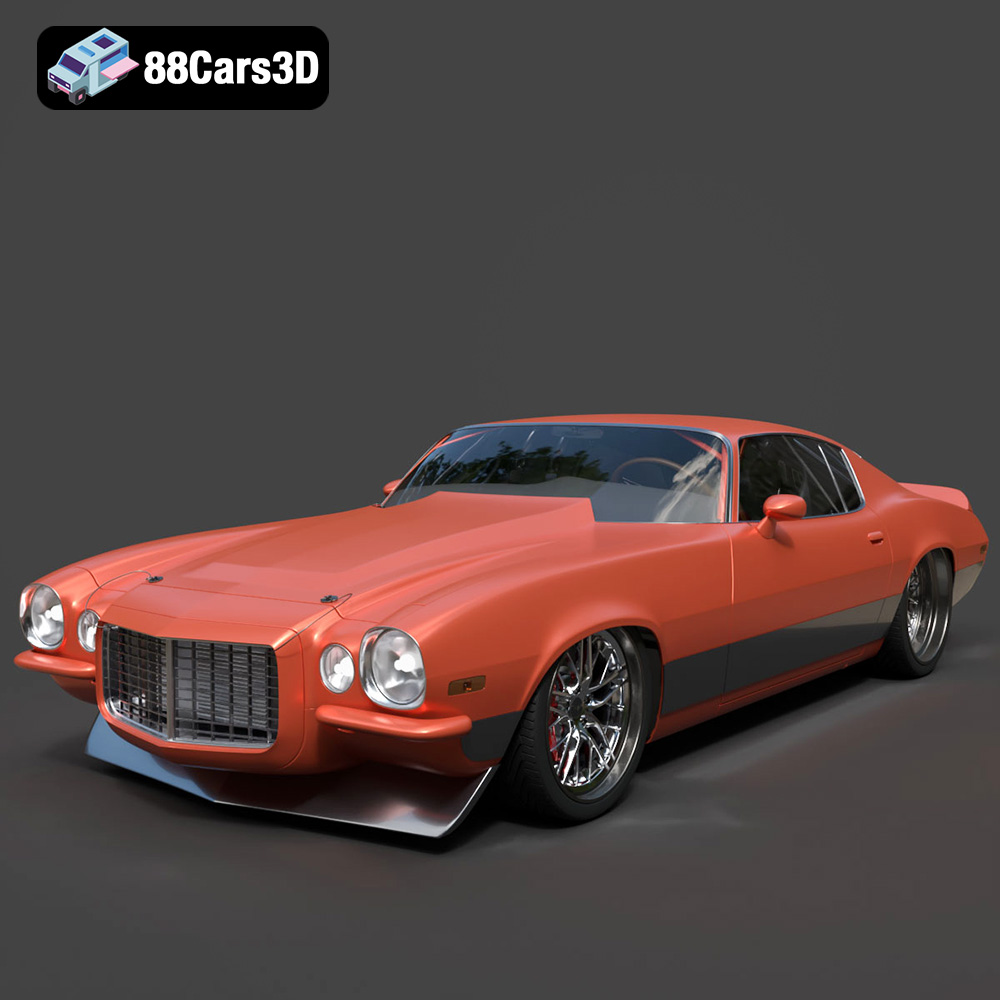
Texture: Yes
Material: Yes
Download the Chevrolet Camaro 1970 3D Model featuring clean geometry, realistic detailing, and a fully modeled interior. Includes .blend, .fbx, .obj, .glb, .stl, .ply, .unreal, and .max formats for rendering, simulation, and game development.
Price: $10
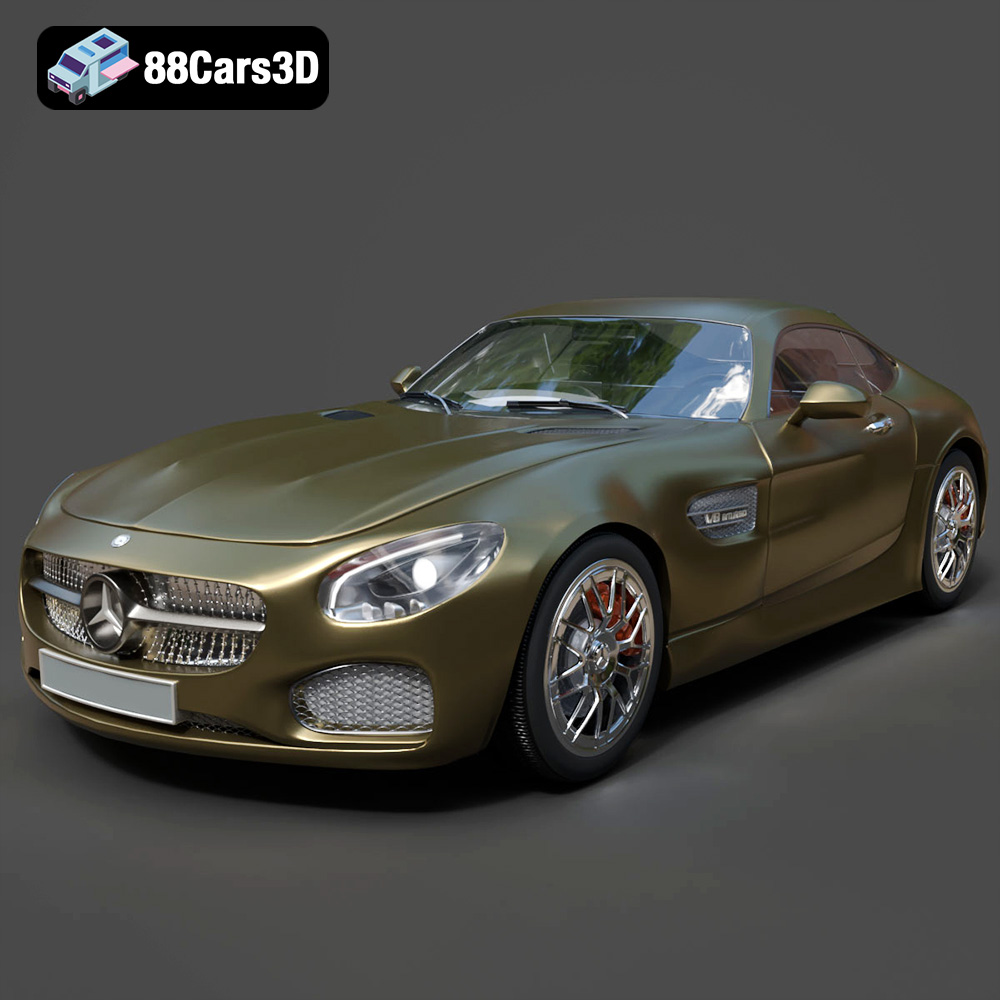
Texture: Yes
Material: Yes
Download the Mercedes-AMG GT 2015 3D Model featuring clean geometry, realistic detailing, and a fully modeled interior. Includes .blend, .fbx, .obj, .glb, .stl, .ply, .unreal, and .max formats for rendering, simulation, and game development.
Price: $88.99
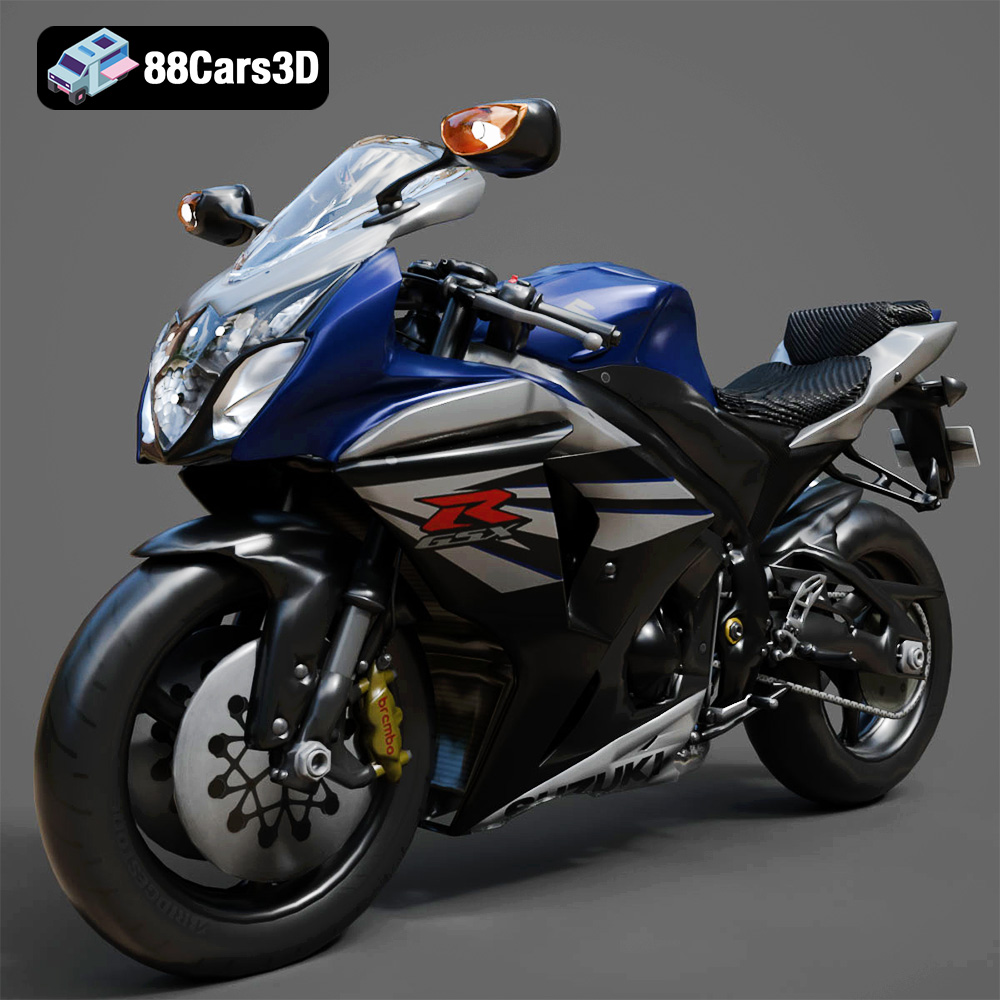
Texture: Yes
Material: Yes
Download the Suzuki GSX-R 1000 3D Model featuring clean geometry, realistic detailing, and a fully modeled interior. Includes .blend, .fbx, .obj, .glb, .stl, .ply, .unreal, and .max formats for rendering, simulation, and game development.
Price: $10
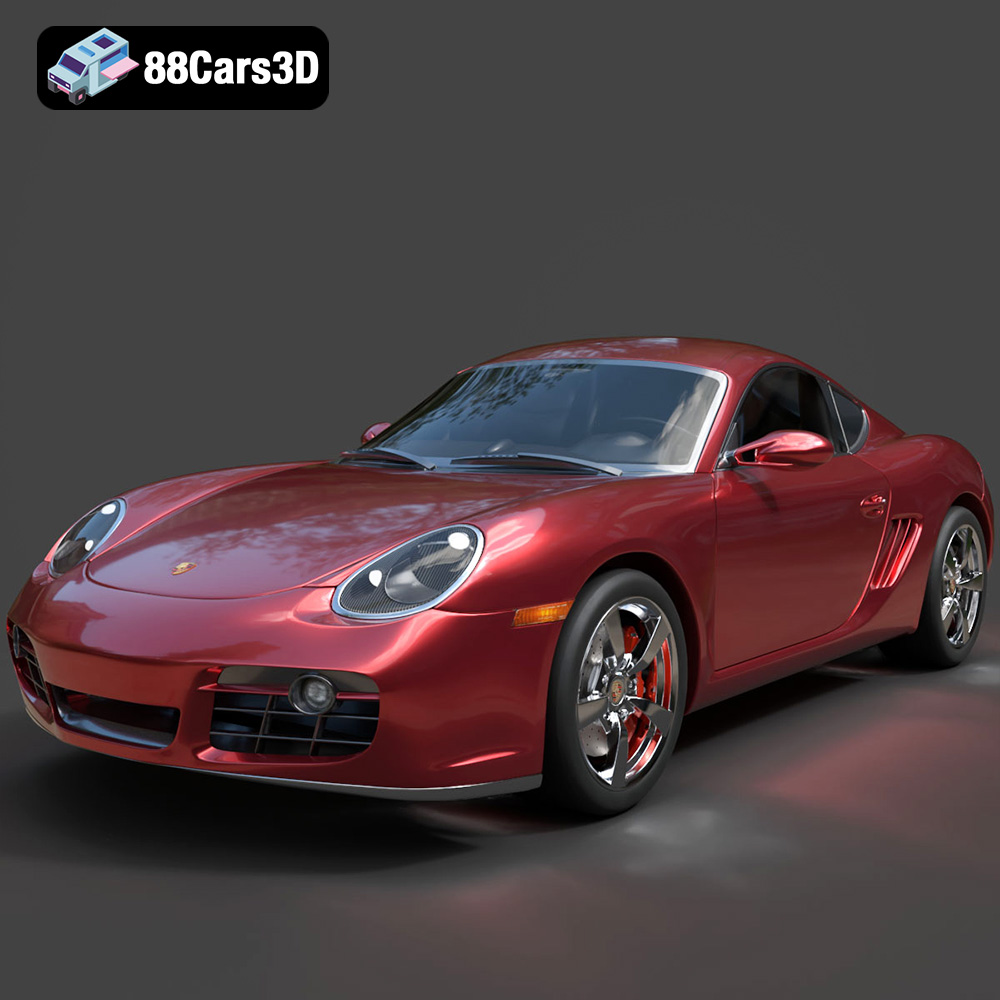
Texture: Yes
Material: Yes
Download the Porsche Cayman S 2024 3D Model featuring clean geometry, realistic detailing, and a fully modeled interior. Includes .blend, .fbx, .obj, .glb, .stl, .ply, .unreal, and .max formats for rendering, simulation, and game development.
Price: $10
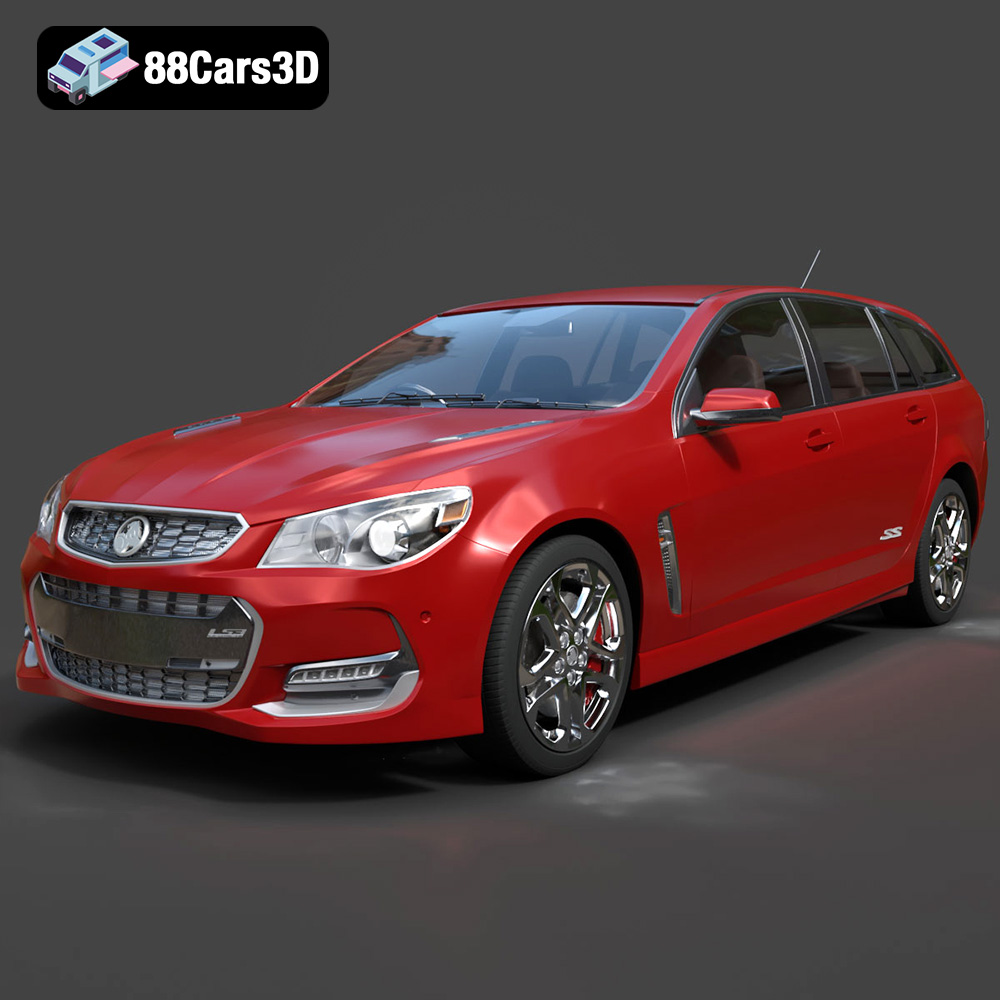
Texture: Yes
Material: Yes
Download the Holden Commodore Sportwagon 2017 3D Model featuring clean geometry, realistic detailing, and a fully modeled interior. Includes .blend, .fbx, .obj, .glb, .stl, .ply, .unreal, and .max formats for rendering, simulation, and game development.
Price: $10

**Meta Description:**
Texture: Yes
Material: Yes
Download the Toyota Crown Majesta 2009 3D Model with luxury detailing, clean topology, and a fully modeled interior. Available in .blend, .fbx, .obj, .glb, .stl, .ply, .unreal, and .max formats for rendering, simulation, and game development.
Price: $4.99

**Meta Description:**
Texture: Yes
Material: Yes
Download the Toyota AE86 Levin 1983 1987 3D Model featuring realistic exterior and interior detailing. Includes .blend, .fbx, .obj, .glb, .stl, .ply, .unreal, and .max formats for rendering, simulation, and game development.
Price: $9.99

Texture: Yes
Material: Yes
Download the Toyota Mark 2 2001 3D Model featuring clean geometry, realistic detailing, and a fully modeled interior. Includes .blend, .fbx, .obj, .glb, .stl, .ply, .unreal, and .max formats for rendering, simulation, and game development.
Price: $4.99

Texture: Yes
Material: Yes
Download the Toyota Celica 2000 3D Model featuring clean geometry, realistic detailing, and a fully modeled interior. Includes .blend, .fbx, .obj, .glb, .stl, .ply, .unreal, and .max formats for rendering, simulation, and game development.
Price: $4.99

Download the Toyota Camry US 2012 3D Model featuring clean geometry, realistic detailing, and a fully modeled interior. Includes .blend, .fbx, .obj, .glb, .stl, .ply, .unreal, and .max formats for rendering, simulation, and game development.
Price: $4.99

Texture: Yes
Material: Yes
Download the Toyota GT 86 2013 3D Model featuring clean geometry, realistic detailing, and a fully modeled interior. Includes .blend, .fbx, .obj, .glb, .stl, .ply, .unreal, and .max formats for rendering, simulation, and game development.
Price: $4.99

Texture: Yes
Material: Yes
Download the Toyota Mark X 2010 3D Model featuring clean geometry, realistic detailing, and a fully modeled interior. Includes .blend, .fbx, .obj, .glb, .stl, .ply, .unreal, and .max formats for rendering, simulation, and game development.
Price: $4.99

Texture: Yes
Material: Yes
Download the Toyota Allion 2008 3D Model featuring clean geometry, realistic detailing, and a fully modeled interior. Includes .blend, .fbx, .obj, .glb, .stl, .ply, .unreal, and .max formats for rendering, simulation, and game development.
Price: $4.99

Texture: Yes
Material: Yes
Download the Toyota Avensis 2005 3D Model featuring clean geometry, realistic detailing, and a fully modeled interior. Includes .blend, .fbx, .obj, .glb, .stl, .ply, .unreal, and .max formats for rendering, simulation, and game development.
Price: $4.99

Texture: Yes
Material: Yes
Download the Toyota Camry Solara 2006 3D Model featuring clean geometry, realistic detailing, and a fully modeled interior. Includes .blend, .fbx, .obj, .glb, .stl, .ply, .unreal, and .max formats for rendering, simulation, and game development.
Price: $4.99

Texture: Yes
Material: Yes
Download the Skoda Superb 2009 3D Model featuring clean geometry, realistic detailing, and a fully modeled interior. Includes .blend, .fbx, .obj, .glb, .stl, .ply, .unreal, and .max formats for rendering, simulation, and game development.
Price: $4.99

Texture: Yes
Material: Yes
Download the Skoda Superb 2006 3D Model featuring clean geometry, realistic detailing, and a fully modeled interior. Includes .blend, .fbx, .obj, .glb, .stl, .ply, .unreal, and .max formats for rendering, simulation, and game development.
Price: $4.99

Texture: Yes
Material: Yes
Download the Ford Mustang Shelby Super Snake Concept 2018 3D Model featuring clean geometry, realistic detailing, and a fully modeled interior. Includes .blend, .fbx, .obj, .glb, .stl, .ply, .unreal, and .max formats for rendering, simulation, and game development.
Price: $4.99

Texture: Yes
Material: Yes
Download the Porsche Cayenne Turbo 2018 3D Model featuring clean geometry, realistic detailing, and a fully modeled interior. Includes .blend, .fbx, .obj, .glb, .stl, .ply, .unreal, and .max formats for rendering, simulation, and game development.
Price: $4.99

Texture: Yes
Material: Yes
Download the Chevrolet Lacetti Sedan 2004 3D Model featuring clean geometry, realistic detailing, and a fully modeled interior. Includes .blend, .fbx, .obj, .glb, .stl, .ply, .unreal, and .max formats for rendering, simulation, and game development.
Price: $4.99

Texture: Yes
Material: Yes
Download the Skoda Rapid 2013 3D Model featuring clean geometry, realistic detailing, and a fully modeled interior. Includes .blend, .fbx, .obj, .glb, .stl, .ply, .unreal, and .max formats for rendering, simulation, and game development.
Price: $4.99

Texture: Yes
Material: Yes
Download the Skoda Octavia A5-007 3D Model featuring clean geometry, realistic detailing, and a fully modeled interior. Includes .blend, .fbx, .obj, .glb, .stl, .ply, .unreal, and .max formats for rendering, simulation, and game development.
Price: $4.99

Texture: Yes
Material: Yes
Download the Skoda Fabia 2023 3D Model featuring clean geometry, realistic detailing, and a fully modeled interior. Includes .blend, .fbx, .obj, .glb, .stl, .ply, .unreal, and .max formats for rendering, simulation, and game development.
Price: $4.99

Texture: Yes
Material: Yes
Download the Skoda Fabia 2007 3D Model featuring clean geometry, realistic detailing, and a fully modeled interior. Includes .blend, .fbx, .obj, .glb, .stl, .ply, .unreal, and .max formats for rendering, simulation, and game development.
Price: $4.99

Texture: Yes
Material: Yes
Download the Honda VFR 1200 F 2015 3D Model featuring clean geometry, realistic detailing, and a fully modeled interior. Includes .blend, .fbx, .obj, .glb, .stl, .ply, .unreal, and .max formats for rendering, simulation, and game development.
Price: $4.99

Texture: Yes
Material: Yes
Download the Subaru BRZ 2025 3D Model featuring clean geometry, realistic detailing, and a fully modeled interior. Includes .blend, .fbx, .obj, .glb, .stl, .ply, .unreal, and .max formats for rendering, simulation, and game development.
Price: $4.99

Texture: Yes
Material: Yes
Download the SsangYong Rodius 2007 3D Model featuring clean geometry, realistic detailing, and a fully modeled interior. Includes .blend, .fbx, .obj, .glb, .stl, .ply, .unreal, and .max formats for rendering, simulation, and game development.
Price: $4.99

Texture: Yes
Material: Yes
Download the Subaru Impreza 1992 3D Model featuring clean geometry, realistic detailing, and a fully modeled interior. Includes .blend, .fbx, .obj, .glb, .stl, .ply, .unreal, and .max formats for rendering, simulation, and game development.
Price: $4.99

Texture: Yes
Material: Yes
Download the Subaru Impreza 2005 3D Model featuring clean geometry, realistic detailing, and a fully modeled interior. Includes .blend, .fbx, .obj, .glb, .stl, .ply, .unreal, and .max formats for rendering, simulation, and game development.
Price: $4.99

Texture: Yes
Material: Yes
Download the Spyker C8-007 2004 3D Model featuring clean geometry, realistic detailing, and a fully modeled interior. Includes .blend, .fbx, .obj, .glb, .stl, .ply, .unreal, and .max formats for rendering, simulation, and game development.
Price: $4.99

Texture: Yes
Material: Yes
Download the Smart Roadster 2003 3D Model featuring clean geometry, realistic detailing, and a fully modeled interior. Includes .blend, .fbx, .obj, .glb, .stl, .ply, .unreal, and .max formats for rendering, simulation, and game development.
Price: $4.99

Texture: Yes
Material: Yes
Download the Skoda Roomster 2007 3D Model featuring clean geometry, realistic detailing, and a fully modeled interior. Includes .blend, .fbx, .obj, .glb, .stl, .ply, .unreal, and .max formats for rendering, simulation, and game development.
Price: $4.99

Texture: Yes
Material: Yes
Download the Subaru Impreza Sport Wagon 3D Model featuring clean geometry, realistic detailing, and a fully modeled interior. Includes .blend, .fbx, .obj, .glb, .stl, .ply, .unreal, and .max formats for rendering, simulation, and game development.
Price: $4.99

Texture: Yes
Material: Yes
Download the Skoda Octavia A7 2017 3D Model featuring clean geometry, realistic detailing, and a fully modeled interior. Includes .blend, .fbx, .obj, .glb, .stl, .ply, .unreal, and .max formats for rendering, simulation, and game development.
Price: $4.99

Texture: Yes
Material: Yes
Download the Suzuki SX4-002 3D Model featuring clean geometry, realistic detailing, and a fully modeled interior. Includes .blend, .fbx, .obj, .glb, .stl, .ply, .unreal, and .max formats for rendering, simulation, and game development.
Price: $4.99

Texture: Yes
Material: Yes
Download the Tesla Model S 2024 3D Model featuring clean geometry, realistic detailing, and a fully modeled interior. Includes .blend, .fbx, .obj, .glb, .stl, .ply, .unreal, and .max formats for rendering, simulation, and game development.
Price: $4.99

Texture: Yes
Material: Yes
Download the Subaru Impreza WRX STi-002 3D Model featuring clean geometry, realistic detailing, and a fully modeled interior. Includes .blend, .fbx, .obj, .glb, .stl, .ply, .unreal, and .max formats for rendering, simulation, and game development.
Price: $4.99

Texture: Yes
Material: Yes
Download the Subaru Impreza WRX STi Sedan 3D Model featuring clean geometry, realistic detailing, and a fully modeled interior. Includes .blend, .fbx, .obj, .glb, .stl, .ply, .unreal, and .max formats for rendering, simulation, and game development.
Price: $4.99

Texture: Yes
Material: Yes
Download the Subaru Legacy 2009 3D Model featuring clean geometry, realistic detailing, and a fully modeled interior. Includes .blend, .fbx, .obj, .glb, .stl, .ply, .unreal, and .max formats for rendering, simulation, and game development.
Price: $4.99

Texture: Yes
Material: Yes
Download the Suzuki Swift 2024 3D Model featuring clean geometry, realistic detailing, and a fully modeled interior. Includes .blend, .fbx, .obj, .glb, .stl, .ply, .unreal, and .max formats for rendering, simulation, and game development.
Price: $4.99

Texture: Yes
Material: Yes
Download the Suzuki Liana Sedan 2004 3D Model featuring clean geometry, realistic detailing, and a fully modeled interior. Includes .blend, .fbx, .obj, .glb, .stl, .ply, .unreal, and .max formats for rendering, simulation, and game development.
Price: $4.99

Texture: Yes
Material: Yes
Download the Subaru Outback 2024 3D Model featuring clean geometry, realistic detailing, and a fully modeled interior. Includes .blend, .fbx, .obj, .glb, .stl, .ply, .unreal, and .max formats for rendering, simulation, and game development.
Price: $4.99

Texture: Yes
Material: Yes
Download the Subaru Legacy 2003 3D Model featuring clean geometry, realistic detailing, and a fully modeled interior. Includes .blend, .fbx, .obj, .glb, .stl, .ply, .unreal, and .max formats for rendering, simulation, and game development.
Price: $4.99

Texture: Yes
Material: Yes
Download the Subaru Legacy Touring Wagon 3D Model featuring clean geometry, realistic detailing, and a fully modeled interior. Includes .blend, .fbx, .obj, .glb, .stl, .ply, .unreal, and .max formats for rendering, simulation, and game development.
Price: $4.99

Texture: Yes
Material: Yes
Download the Toyota Mark II (X100) 3D Model featuring clean geometry, realistic detailing, and a fully modeled interior. Includes .blend, .fbx, .obj, .glb, .stl, .ply, .unreal, and .max formats for rendering, simulation, and game development.
Price: $4.99

Texture: Yes
Material: Yes
Download the Toyota Corona 1985 3D Model featuring clean geometry, realistic detailing, and a fully modeled interior. Includes .blend, .fbx, .obj, .glb, .stl, .ply, .unreal, and .max formats for rendering, simulation, and game development.
Price: $4.99

Texture: Yes
Material: Yes
Download the Toyota Mark II X81 1990 3D Model featuring clean geometry, realistic detailing, and a fully modeled interior. Includes .blend, .fbx, .obj, .glb, .stl, .ply, .unreal, and .max formats for rendering, simulation, and game development.
Price: $4.99

Texture: Yes
Material: Yes
Download the Toyota iQ EV 2012 3D Model featuring clean geometry, realistic detailing, and a fully modeled interior. Includes .blend, .fbx, .obj, .glb, .stl, .ply, .unreal, and .max formats for rendering, simulation, and game development.
Price: $4.99

Texture: Yes
Material: Yes
Download the Toyota Aygo 2013 3D Model featuring clean geometry, realistic detailing, and a fully modeled interior. Includes .blend, .fbx, .obj, .glb, .stl, .ply, .unreal, and .max formats for rendering, simulation, and game development.
Price: $4.99

Texture: Yes
Material: Yes
Download the Toyota Crown S180 2005 3D Model featuring clean geometry, realistic detailing, and a fully modeled interior. Includes .blend, .fbx, .obj, .glb, .stl, .ply, .unreal, and .max formats for rendering, simulation, and game development.
Price: $4.99

Texture: Yes
Material: Yes
Download the Toyota Celica 2004 3D Model featuring clean geometry, realistic detailing, and a fully modeled interior. Includes .blend, .fbx, .obj, .glb, .stl, .ply, .unreal, and .max formats for rendering, simulation, and game development.
Price: $4.99

Texture: Yes
Material: Yes
Download the Toyota Corolla AE100 1992 3D Model featuring clean geometry, realistic detailing, and a fully modeled interior. Includes .blend, .fbx, .obj, .glb, .stl, .ply, .unreal, and .max formats for rendering, simulation, and game development.
Price: $4.99

Texture: Yes
Material: Yes
Download the Toyota Mark II X110 2000 3D Model featuring clean geometry, realistic detailing, and a fully modeled interior. Includes .blend, .fbx, .obj, .glb, .stl, .ply, .unreal, and .max formats for rendering, simulation, and game development.
Price: $4.99

Texture: Yes
Material: Yes
Download the Toyota Corolla 2020 3D Model featuring clean geometry, realistic detailing, and a fully modeled interior. Includes .blend, .fbx, .obj, .glb, .stl, .ply, .unreal, and .max formats for rendering, simulation, and game development.
Price: $4.99

Texture: Yes
Material: Yes
Download the Toyota Yaris 2020 3D Model featuring clean geometry, realistic detailing, and a fully modeled interior. Includes .blend, .fbx, .obj, .glb, .stl, .ply, .unreal, and .max formats for rendering, simulation, and game development.
Price: $4.99

Texture: Yes
Material: Yes
Download the Volkswagen Beetle 2012 3D Model featuring clean geometry, realistic detailing, and a fully modeled interior. Includes .blend, .fbx, .obj, .glb, .stl, .ply, .unreal, and .max formats for rendering, simulation, and game development.
Price: $4.99

Texture: Yes
Material: Yes
Download the Toyota Matrix 2005 3D Model featuring clean geometry, realistic detailing, and a fully modeled interior. Includes .blend, .fbx, .obj, .glb, .stl, .ply, .unreal, and .max formats for rendering, simulation, and game development.
Price: $4.99

Texture: Yes
Material: Yes
Download the Toyota Yaris Sedan 3D Model featuring clean geometry, realistic detailing, and a fully modeled interior. Includes .blend, .fbx, .obj, .glb, .stl, .ply, .unreal, and .max formats for rendering, simulation, and game development.
Price: $4.99

Texture: Yes
Material: Yes
Download the Volkswagen Golf R-004 2024 3D Model featuring clean geometry, realistic detailing, and a fully modeled interior. Includes .blend, .fbx, .obj, .glb, .stl, .ply, .unreal, and .max formats for rendering, simulation, and game development.
Price: $4.99

Texture: Yes
Material: Yes
Download the Volkswagen Golf 5 Door 2010 3D Model featuring clean geometry, realistic detailing, and a fully modeled interior. Includes .blend, .fbx, .obj, .glb, .stl, .ply, .unreal, and .max formats for rendering, simulation, and game development.
Price: $4.99

Texture: Yes
Material: Yes
Download the Toyota Premio 2010 3D Model featuring clean geometry, realistic detailing, and a fully modeled interior. Includes .blend, .fbx, .obj, .glb, .stl, .ply, .unreal, and .max formats for rendering, simulation, and game development.
Price: $4.99

Texture: Yes
Material: Yes
Download the Toyota Opa 2000 3D Model featuring clean geometry, realistic detailing, and a fully modeled interior. Includes .blend, .fbx, .obj, .glb, .stl, .ply, .unreal, and .max formats for rendering, simulation, and game development.
Price: $4.99

Texture: Yes
Material: Yes
Download the Volkswagen Polo 5 Door 2010 3D Model featuring clean geometry, realistic detailing, and a fully modeled interior. Includes .blend, .fbx, .obj, .glb, .stl, .ply, .unreal, and .max formats for rendering, simulation, and game development.
Price: $4.99

Texture: Yes
Material: Yes
Download the Toyota Prius 2024 3D Model featuring clean geometry, realistic detailing, and a fully modeled interior. Includes .blend, .fbx, .obj, .glb, .stl, .ply, .unreal, and .max formats for rendering, simulation, and game development.
Price: $4.99

Texture: Yes
Material: Yes
Download the Toyota Yaris 1999 3D Model featuring clean geometry, realistic detailing, and a fully modeled interior. Includes .blend, .fbx, .obj, .glb, .stl, .ply, .unreal, and .max formats for rendering, simulation, and game development.
Price: $4.99

Texture: Yes
Material: Yes
Download the Toyota Supra 2020 3D Model featuring clean geometry, realistic detailing, and a fully modeled interior. Includes .blend, .fbx, .obj, .glb, .stl, .ply, .unreal, and .max formats for rendering, simulation, and game development.
Price: $4.99

Texture: Yes
Material: Yes
Download the Volkswagen New Beetle 2000 3D Model featuring clean geometry, realistic detailing, and a fully modeled interior. Includes .blend, .fbx, .obj, .glb, .stl, .ply, .unreal, and .max formats for rendering, simulation, and game development.
Price: $14.99

Texture: Yes
Material: Yes
Download the Volkswagen Jetta 2005 3D Model featuring clean geometry, realistic detailing, and a fully modeled interior. Includes .blend, .fbx, .obj, .glb, .stl, .ply, .unreal, and .max formats for rendering, simulation, and game development.
Price: $4.99

Texture: Yes
Material: Yes
Download the Volkswagen Golf 3-Door 3D Model featuring clean geometry, realistic detailing, and a fully modeled interior. Includes .blend, .fbx, .obj, .glb, .stl, .ply, .unreal, and .max formats for rendering, simulation, and game development.
Price: $14.99

Texture: Yes
Material: Yes
Download the Volvo V70 2005 3D Model featuring clean geometry, realistic detailing, and a fully modeled interior. Includes .blend, .fbx, .obj, .glb, .stl, .ply, .unreal, and .max formats for rendering, simulation, and game development.
Price: $14.99

Texture: Yes
Material: Yes
Download the Volkswagen Bora 2004 3D Model featuring clean geometry, realistic detailing, and a fully modeled interior. Includes .blend, .fbx, .obj, .glb, .stl, .ply, .unreal, and .max formats for rendering, simulation, and game development.
Price: $14.99

Texture: Yes
Material: Yes
Download the Volkswagen Lupo 3D Model featuring clean geometry, realistic detailing, and a fully modeled interior. Includes .blend, .fbx, .obj, .glb, .stl, .ply, .unreal, and .max formats for rendering, simulation, and game development.
Price: $5.99

Texture: Yes
Material: Yes
Download the Volkswagen Passat B5 2000 3D Model featuring clean geometry, realistic detailing, and a fully modeled interior. Includes .blend, .fbx, .obj, .glb, .stl, .ply, .unreal, and .max formats for rendering, simulation, and game development.
Price: $5.99

Texture: Yes
Material: Yes
Download the Volkswagen Passat CC 3D Model featuring clean geometry, realistic detailing, and a fully modeled interior. Includes .blend, .fbx, .obj, .glb, .stl, .ply, .unreal, and .max formats for rendering, simulation, and game development.
Price: $5.99

Texture: Yes
Material: Yes
Download the Volkswagen Golf V 2006 3D Model featuring clean geometry, realistic detailing, and a fully modeled interior. Includes .blend, .fbx, .obj, .glb, .stl, .ply, .unreal, and .max formats for rendering, simulation, and game development.
Price: $5.99

Texture: Yes
Material: Yes
Download the Volvo S60 R-Design 3D Model featuring clean geometry, realistic detailing, and a fully modeled interior. Includes .blend, .fbx, .obj, .glb, .stl, .ply, .unreal, and .max formats for rendering, simulation, and game development.
Price: $5.99

Texture: Yes
Material: Yes
Download the Volkswagen Passat 2025 3D Model featuring clean geometry, realistic detailing, and a fully modeled interior. Includes .blend, .fbx, .obj, .glb, .stl, .ply, .unreal, and .max formats for rendering, simulation, and game development.
Price: $5.99

Texture: Yes
Material: Yes
Download the Volkswagen Passat Variant B6 2005 3D Model featuring clean geometry, realistic detailing, and a fully modeled interior. Includes .blend, .fbx, .obj, .glb, .stl, .ply, .unreal, and .max formats for rendering, simulation, and game development.
Price: $5.99

Texture: Yes
Material: Yes
Download the Volkswagen Phaeton W12 2004 3D Model featuring clean geometry, realistic detailing, and a fully modeled interior. Includes .blend, .fbx, .obj, .glb, .stl, .ply, .unreal, and .max formats for rendering, simulation, and game development.
Price: $5.99

Texture: Yes
Material: Yes
Download the Volkswagen Scirocco 2015 3D Model featuring clean geometry, realistic detailing, and a fully modeled interior. Includes .blend, .fbx, .obj, .glb, .stl, .ply, .unreal, and .max formats for rendering, simulation, and game development.
Price: $5.99

Texture: Yes
Material: Yes
Download the Volvo S60 2024 3D Model featuring clean geometry, realistic detailing, and a fully modeled interior. Includes .blend, .fbx, .obj, .glb, .stl, .ply, .unreal, and .max formats for rendering, simulation, and game development.
Price: $5.99

Texture: Yes
Material: Yes
Download the Volkswagen Polo 3D Model featuring clean geometry, realistic detailing, and a fully modeled interior. Includes .blend, .fbx, .obj, .glb, .stl, .ply, .unreal, and .max formats for rendering, simulation, and game development.
Price: $5.99

Texture: Yes
Material: Yes
Download the Volkswagen Golf 5-Doors 3D Model featuring clean geometry, realistic detailing, and a fully modeled interior. Includes .blend, .fbx, .obj, .glb, .stl, .ply, .unreal, and .max formats for rendering, simulation, and game development.
Price: $5.99

Texture: Yes
Material: Yes
Download the Volvo C70 T5 2000 3D Model featuring clean geometry, realistic detailing, and a fully modeled interior. Includes .blend, .fbx, .obj, .glb, .stl, .ply, .unreal, and .max formats for rendering, simulation, and game development.
Price: $5.99

Texture: Yes
Material: Yes
Download the Volvo S40 Sedan 2004 3D Model featuring clean geometry, realistic detailing, and a fully modeled interior. Includes .blend, .fbx, .obj, .glb, .stl, .ply, .unreal, and .max formats for rendering, simulation, and game development.
Price: $5.99

Texture: Yes
Material: Yes
Download the Volvo C30 BEV 2012 3D Model featuring clean geometry, realistic detailing, and a fully modeled interior. Includes .blend, .fbx, .obj, .glb, .stl, .ply, .unreal, and .max formats for rendering, simulation, and game development.
Price: $5.99

Texture: Yes
Material: Yes
Download the Volvo C70 1998 3D Model featuring clean geometry, realistic detailing, and a fully modeled interior. Includes .blend, .fbx, .obj, .glb, .stl, .ply, .unreal, and .max formats for rendering, simulation, and game development.
Price: $5.99

Texture: Yes
Material: Yes
Download the Mazda B-Series 3D Model featuring clean geometry, realistic detailing, and a fully modeled interior. Includes .blend, .fbx, .obj, .glb, .stl, .ply, .unreal, and .max formats for rendering, simulation, and game development.
Price: $5.99

Texture: Yes
Material: Yes
Download the Mercsedes Benz Z3-006 3D Model featuring clean geometry, realistic detailing, and a fully modeled interior. Includes .blend, .fbx, .obj, .glb, .stl, .ply, .unreal, and .max formats for rendering, simulation, and game development.
Price: $5.99

Texture: Yes
Material: Yes
Download the Mazda RX-7 3D Model featuring clean geometry, realistic detailing, and a fully modeled interior. Includes .blend, .fbx, .obj, .glb, .stl, .ply, .unreal, and .max formats for rendering, simulation, and game development.
Price: $5.99

Texture: Yes
Material: Yes
Download the Volvo VCC-003 3D Model featuring clean geometry, realistic detailing, and a fully modeled interior. Includes .blend, .fbx, .obj, .glb, .stl, .ply, .unreal, and .max formats for rendering, simulation, and game development.
Price: $5.99

Texture: Yes
Material: Yes
Download the Mercedes-Benz SLR McLaren 2005 3D Model featuring clean geometry, realistic detailing, and a fully modeled interior. Includes .blend, .fbx, .obj, .glb, .stl, .ply, .unreal, and .max formats for rendering, simulation, and game development.
Price: $5.99

Texture: Yes
Material: Yes
Download the GAZ 3110 Pickup 3D Model featuring clean geometry, realistic detailing, and a fully modeled interior. Includes .blend, .fbx, .obj, .glb, .stl, .ply, .unreal, and .max formats for rendering, simulation, and game development.
Price: $5.99

Texture: Yes
Material: Yes
Download the Mazda 626 GF 1997 3D Model featuring clean geometry, realistic detailing, and a fully modeled interior. Includes .blend, .fbx, .obj, .glb, .stl, .ply, .unreal, and .max formats for rendering, simulation, and game development.
Price: $5.99

Texture: Yes
Material: Yes
Download the Volvo S80 2011 3D Model featuring clean geometry, realistic detailing, and a fully modeled interior. Includes .blend, .fbx, .obj, .glb, .stl, .ply, .unreal, and .max formats for rendering, simulation, and game development.
Price: $5.99

Texture: Yes
Material: Yes
Download the Volkswagen Touran restyle-006 3D Model featuring clean geometry, realistic detailing, and a fully modeled interior. Includes .blend, .fbx, .obj, .glb, .stl, .ply, .unreal, and .max formats for rendering, simulation, and game development.
Price: $5.99

Texture: Yes
Material: Yes
Download the Skoda Octavia Scout 3D Model featuring clean geometry, realistic detailing, and a fully modeled interior. Includes .blend, .fbx, .obj, .glb, .stl, .ply, .unreal, and .max formats for rendering, simulation, and game development.
Price: $5.99

Texture: Yes
Material: Yes
Download the Volkswagen Golf V 2006 3D Model featuring clean geometry, realistic detailing, and a fully modeled interior. Includes .blend, .fbx, .obj, .glb, .stl, .ply, .unreal, and .max formats for rendering, simulation, and game development.
Price: $5.99

Texture: Yes
Material: Yes
Download the Mazda CX-7 3D Model featuring clean geometry, realistic detailing, and a fully modeled interior. Includes .blend, .fbx, .obj, .glb, .stl, .ply, .unreal, and .max formats for rendering, simulation, and game development.
Price: $5.99

Texture: Yes
Material: Yes
Download the Mazda Familia 3D Model featuring clean geometry, realistic detailing, and a fully modeled interior. Includes .blend, .fbx, .obj, .glb, .stl, .ply, .unreal, and .max formats for rendering, simulation, and game development.
Price: $5.99

