Get 50% OFF All Premium 3D & STL Models!

“`html
3D printing has revolutionized the world of model making, especially for automotive enthusiasts. The ability to create intricate and highly detailed car models from the comfort of your home is now a reality. However, achieving professional-quality results requires a deep understanding of the 3D printing process, from selecting the right STL files to mastering slicing techniques and post-processing methods. This comprehensive guide will walk you through every stage of the process, equipping you with the knowledge and skills to bring your dream car models to life. We’ll explore file preparation, printer settings, material choices, and troubleshooting techniques, ensuring you get the best possible outcome. Whether you’re a seasoned 3D printing veteran or a complete beginner, this article offers valuable insights and actionable advice to elevate your model-making game. Platforms like 88cars3d.com offer print-ready STL files that significantly simplify the process, allowing you to focus on the printing and finishing stages. Let’s dive in!
The STL (stereolithography) file format is the cornerstone of 3D printing. It represents the surface geometry of a 3D object using a collection of triangles. The quality of the STL file directly impacts the final print quality, so understanding its structure is crucial.
An STL file essentially contains a list of triangles, where each triangle is defined by its three vertices (coordinates in 3D space) and a normal vector (a vector perpendicular to the surface of the triangle). The higher the number of triangles, the smoother and more detailed the model will appear. However, a very high triangle count can also lead to larger file sizes and increased processing time during slicing. For car models, finding a balance between detail and file size is essential. A well-optimized STL file will have a sufficient number of triangles to capture the curves and details of the car without being unnecessarily large.
A crucial aspect of STL files is the concept of “manifold” geometry. A manifold mesh is one where every edge of every triangle is shared by exactly two triangles (except for the edges on the boundary of the object). Non-manifold geometries, on the other hand, contain errors such as holes, overlapping faces, or edges shared by more than two triangles. These errors can cause significant problems during slicing and printing. Common issues arising from non-manifold meshes include:
Before printing, always inspect your STL files for non-manifold errors and repair them using software like Meshmixer, Netfabb, or Blender. These programs can automatically detect and fix common mesh issues, ensuring a successful print.
Slicing is the process of converting a 3D model into a series of layers that the 3D printer can understand. The slicer software takes the STL file and generates G-code, a language that instructs the printer on how to move and extrude material. The settings you choose in the slicer software have a profound impact on the final print quality, especially for intricate car models.
Layer height is the thickness of each individual layer of the print. A lower layer height results in smoother surfaces and finer details but significantly increases print time. Conversely, a higher layer height reduces print time but sacrifices surface quality. For car models, a layer height of 0.1mm to 0.2mm is generally recommended for FDM printing. For resin printing, layer heights can be even lower, typically ranging from 0.025mm to 0.05mm, resulting in exceptionally detailed prints.
The relationship between layer height and print time is roughly linear: halving the layer height doubles the print time. Therefore, it’s crucial to find a balance that meets your desired level of detail without making the print excessively long. Consider prioritizing lower layer heights for the visible surfaces of the car model and potentially using a slightly higher layer height for internal structures or areas that won’t be as visible.
Infill is the internal structure of the 3D printed model. It provides strength and support to the outer walls. The infill pattern and density affect the model’s weight, strength, and material usage. For car models, a moderate infill density (15-25%) is typically sufficient for most parts. More complex and fragile parts, such as thin spoilers or intricate grilles, may benefit from a higher infill density (up to 40%) to improve their structural integrity.
Common infill patterns include:
Experiment with different infill patterns and densities to find the optimal balance for your specific car model and printing needs. For purely aesthetic models, a lower infill density can save significant amounts of material and printing time.
Support structures are temporary structures that are printed to support overhanging parts of the model. Without supports, these overhanging areas would collapse during printing. Generating and removing supports correctly is crucial for achieving a clean and accurate final print, especially for complex car models with intricate details.
There are several types of support structures available in most slicer software, each with its own advantages and disadvantages:
The choice of support type depends on the geometry of the car model. For simple overhangs, linear supports may suffice. For more complex shapes, tree supports or hybrid supports are often a better choice. Experiment with different support types to find the one that works best for your specific model. When downloading models from marketplaces such as 88cars3d.com, check if pre-supported versions are available, as this can significantly simplify the printing process.
Removing support structures can be a delicate process. Improper removal can damage the model’s surface. Here are some tips for removing supports cleanly:
After removing the supports, you may need to do some post-processing, such as sanding or filling, to smooth out any imperfections on the surface of the model.
The choice of material has a significant impact on the final appearance, strength, and durability of your 3D printed car model. Different materials have different properties, making them suitable for different applications.
For FDM (Fused Deposition Modeling) printing, the most common materials are PLA, PETG, and ABS:
Consider the intended use of the car model when choosing a material. For purely aesthetic models that will be displayed indoors, PLA is a good choice. For models that need to be more durable or heat-resistant, PETG or ABS are better options.
For resin printing (SLA, DLP, and LCD), a variety of resins are available, each with its own unique properties:
Resin printing offers exceptional detail and surface finish, making it ideal for intricate car models. However, resin prints are often more brittle than FDM prints and may require additional post-processing, such as curing and cleaning.
Post-processing is the final stage of the 3D printing process. It involves cleaning, sanding, painting, and assembling the printed parts to create a finished car model.
Sanding is essential for removing layer lines and smoothing out the surface of the printed model. Start with coarse sandpaper (e.g., 220 grit) to remove the most prominent imperfections, then gradually move to finer grits (e.g., 400, 600, 800, and 1000 grit) to achieve a smooth finish. Wet sanding (using water with the sandpaper) can help to prevent the sandpaper from clogging and produce a smoother result.
After sanding, clean the model thoroughly to remove any dust or debris. You can use a tack cloth or compressed air to remove loose particles.
Painting is what truly brings your 3D printed car model to life. Use high-quality acrylic paints designed for model making. Apply thin, even coats of paint to avoid drips and runs. Masking tape can be used to create sharp lines and separate different colors.
Consider using an airbrush for a smoother and more professional finish. An airbrush allows you to apply paint in very thin layers, resulting in a more even and consistent color.
After painting, apply a clear coat to protect the paint and add a glossy or matte finish. Decals can be added to further enhance the realism of the model.
Even with careful planning and preparation, 3D printing can sometimes present challenges. Understanding common issues and how to troubleshoot them is essential for achieving successful prints.
Warping occurs when the printed model starts to lift off the build plate during printing. This is often caused by uneven cooling or poor bed adhesion. To prevent warping:
Stringing and blobs are caused by excessive material oozing from the nozzle during non-printing movements. To reduce stringing and blobs:
Mastering 3D printing for car models requires a blend of technical knowledge, careful planning, and hands-on experimentation. From understanding STL file structure and mesh topology to optimizing slicing parameters, choosing the right materials, and mastering post-processing techniques, each stage of the process plays a crucial role in achieving professional-quality results. Remember to troubleshoot common printing issues and continuously refine your techniques based on your experiences. By following the guidelines and tips outlined in this comprehensive guide, you’ll be well-equipped to bring your dream car models to life with stunning detail and accuracy. Start by exploring the vast collection of high-quality STL files available on platforms like 88cars3d.com, and embark on your 3D printing journey today! Don’t be afraid to experiment with different settings and materials to find what works best for your printer and your desired outcome. The world of 3D printed car models is vast and exciting – enjoy the ride!
“`
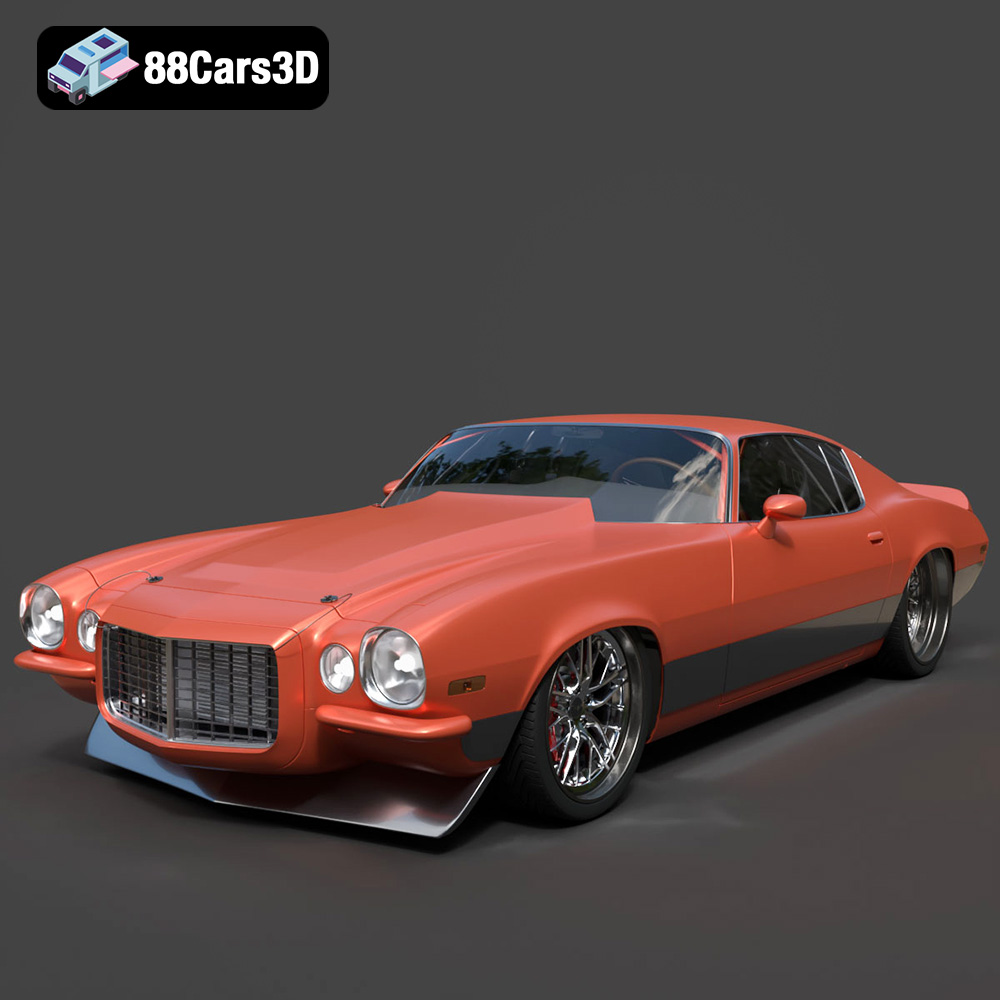
Texture: Yes
Material: Yes
Download the Chevrolet Camaro 1970 3D Model featuring clean geometry, realistic detailing, and a fully modeled interior. Includes .blend, .fbx, .obj, .glb, .stl, .ply, .unreal, and .max formats for rendering, simulation, and game development.
Price: $10
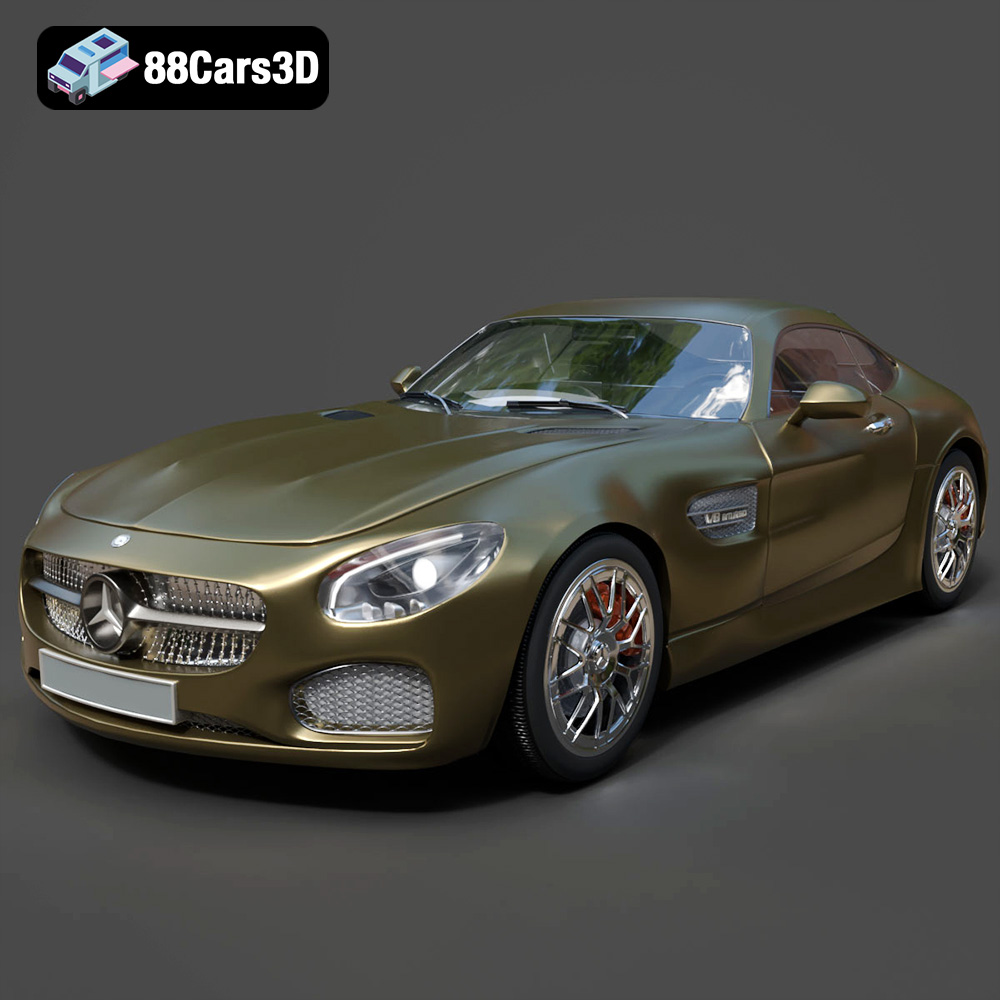
Texture: Yes
Material: Yes
Download the Mercedes-AMG GT 2015 3D Model featuring clean geometry, realistic detailing, and a fully modeled interior. Includes .blend, .fbx, .obj, .glb, .stl, .ply, .unreal, and .max formats for rendering, simulation, and game development.
Price: $88.99
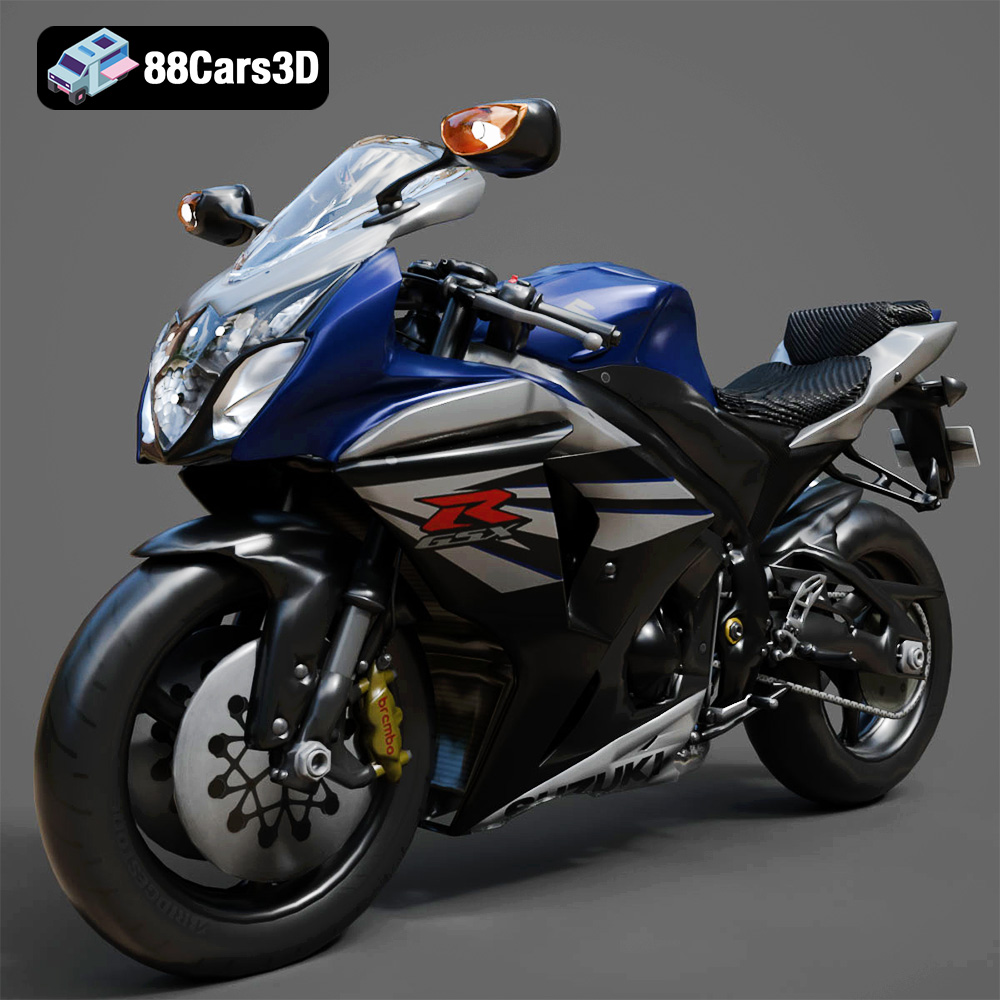
Texture: Yes
Material: Yes
Download the Suzuki GSX-R 1000 3D Model featuring clean geometry, realistic detailing, and a fully modeled interior. Includes .blend, .fbx, .obj, .glb, .stl, .ply, .unreal, and .max formats for rendering, simulation, and game development.
Price: $10
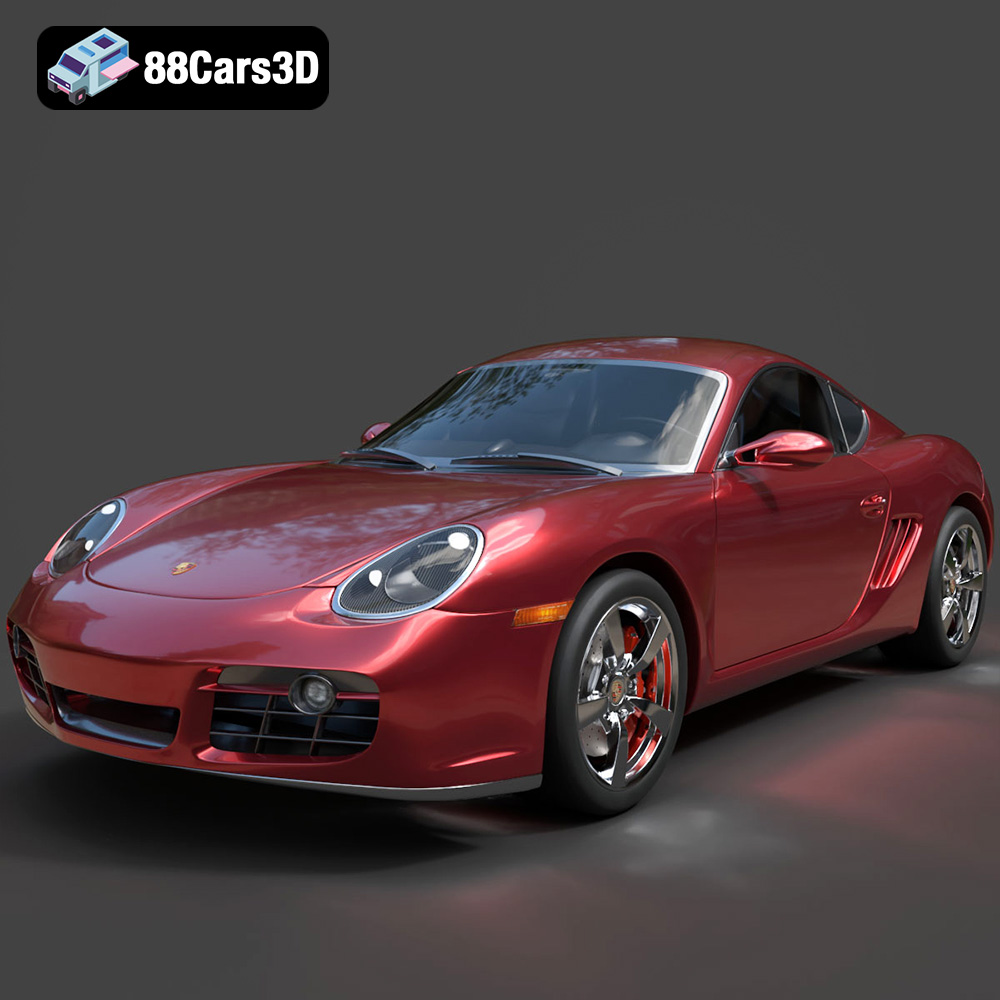
Texture: Yes
Material: Yes
Download the Porsche Cayman S 2024 3D Model featuring clean geometry, realistic detailing, and a fully modeled interior. Includes .blend, .fbx, .obj, .glb, .stl, .ply, .unreal, and .max formats for rendering, simulation, and game development.
Price: $10
Texture: Yes
Material: Yes
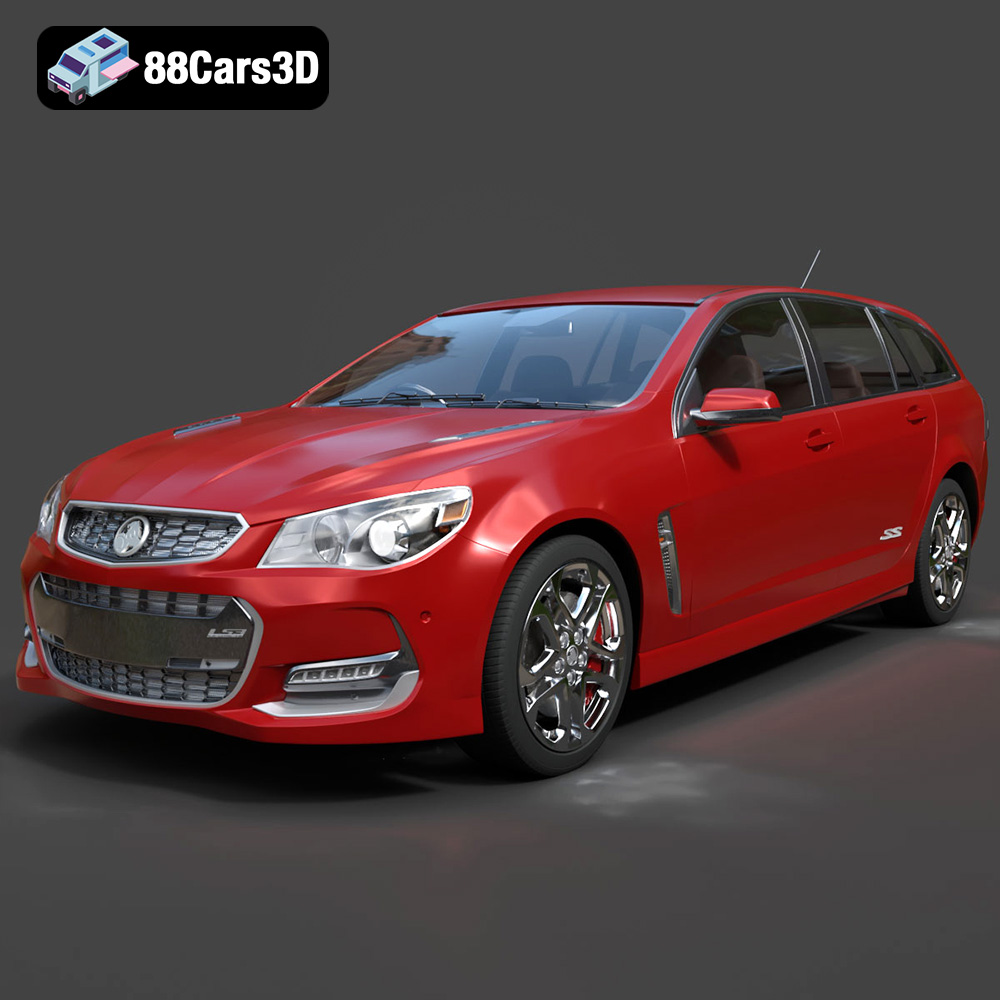
Download the Holden Commodore Sportwagon 2017 3D Model featuring clean geometry, realistic detailing, and a fully modeled interior. Includes .blend, .fbx, .obj, .glb, .stl, .ply, .unreal, and .max formats for rendering, simulation, and game development.
Price: $10

**Meta Description:**
Texture: Yes
Material: Yes
Download the Toyota Crown Majesta 2009 3D Model with luxury detailing, clean topology, and a fully modeled interior. Available in .blend, .fbx, .obj, .glb, .stl, .ply, .unreal, and .max formats for rendering, simulation, and game development.
Price: $4.99

**Meta Description:**
Texture: Yes
Material: Yes
Download the Toyota AE86 Levin 1983 1987 3D Model featuring realistic exterior and interior detailing. Includes .blend, .fbx, .obj, .glb, .stl, .ply, .unreal, and .max formats for rendering, simulation, and game development.
Price: $9.99

Texture: Yes
Material: Yes
Download the Toyota Mark 2 2001 3D Model featuring clean geometry, realistic detailing, and a fully modeled interior. Includes .blend, .fbx, .obj, .glb, .stl, .ply, .unreal, and .max formats for rendering, simulation, and game development.
Price: $4.99

Texture: Yes
Material: Yes
Download the Toyota Celica 2000 3D Model featuring clean geometry, realistic detailing, and a fully modeled interior. Includes .blend, .fbx, .obj, .glb, .stl, .ply, .unreal, and .max formats for rendering, simulation, and game development.
Price: $4.99

Download the Toyota Camry US 2012 3D Model featuring clean geometry, realistic detailing, and a fully modeled interior. Includes .blend, .fbx, .obj, .glb, .stl, .ply, .unreal, and .max formats for rendering, simulation, and game development.
Price: $4.99

