Get 50% OFF All Premium 3D & STL Models!

“`html
The allure of owning a meticulously crafted car model is undeniable. Thanks to 3D printing, this dream is now within reach for enthusiasts, hobbyists, and even engineers. But achieving that showroom-worthy finish requires more than just hitting the “print” button. It demands a deep understanding of STL files, 3D printer settings, slicing techniques, and post-processing methods. This comprehensive guide will take you on a journey from selecting the right STL file to showcasing a flawlessly printed car model, covering essential techniques for both FDM and resin printing. Whether you’re a seasoned maker or a curious beginner, this guide equips you with the knowledge to transform digital designs into tangible masterpieces.
STL (Stereolithography) files are the cornerstone of 3D printing. They represent the surface geometry of a 3D object using a mesh of triangles. The quality of an STL file directly impacts the final print. Understanding its structure is vital for successful 3D printing, especially when dealing with the intricate details of car models. Platforms like 88cars3d.com offer print-ready STL files specifically designed for optimal results.
The mesh density, or the number of triangles used to represent the surface, significantly affects the model’s smoothness and detail. A higher polygon count results in a smoother surface but also increases file size and processing time. For car models, areas like curves and edges require a higher density to avoid a faceted appearance. For instance, a typical car model for 3D printing might have between 500,000 to 2 million polygons. However, balance is key; excessive polygon counts can strain your 3D printer’s processing power and lead to slicing errors.
STL files come in two formats: ASCII and Binary. ASCII files are human-readable but larger in size, making them less efficient for storing complex models. Binary STL files are more compact and process faster, which is crucial for large and detailed car models. When downloading models from marketplaces such as 88cars3d.com, prioritize Binary STL files for improved performance. Before printing, always inspect the STL file for errors using software like MeshLab or Netfabb Basic. Common issues include holes, non-manifold edges, and inverted normals, all of which can lead to printing failures.
Slicing software is the bridge between the STL file and your 3D printer. It converts the 3D model into a series of 2D layers that the printer can understand and build upon. Proper slicing parameters are essential for achieving optimal print quality, especially for car models with complex geometries. Popular slicing software options include Cura, PrusaSlicer, Simplify3D, and Chitubox (for resin printing).
Layer height is one of the most critical slicing parameters. It determines the thickness of each printed layer. Lower layer heights (e.g., 0.1mm or 100 microns) result in finer details and smoother surfaces but increase print time significantly. Higher layer heights (e.g., 0.2mm or 200 microns) print faster but sacrifice surface finish. For car models, a layer height between 0.08mm and 0.12mm often provides a good balance between print quality and speed. Consider adaptive layer height settings in your slicer, where the layer height adjusts automatically based on the complexity of the geometry. For instance, areas with curves might use a lower layer height for smoother results.
Infill refers to the internal structure of the 3D print. It provides strength and support to the model. Infill density, expressed as a percentage, determines how much material fills the interior. For car models that prioritize aesthetics over structural integrity, a lower infill density (e.g., 10-15%) is sufficient. For models that need to withstand stress or function as prototypes, a higher infill density (e.g., 25-50%) is recommended. Common infill patterns include rectilinear, grid, triangles, and gyroid. The gyroid pattern offers excellent strength-to-weight ratio and is often favored for functional parts. Consider using different infill densities for different parts of the model to optimize print time and material usage.
Support structures are essential for printing overhangs and complex geometries that would otherwise collapse during printing. They provide a temporary scaffolding that supports the model until it is fully formed. Choosing the right support type and placement is crucial for achieving a clean and accurate print, especially for intricate car models.
Manual support placement offers greater control over support generation than automatic algorithms. Focus on supporting areas with significant overhangs, such as spoilers, mirrors, and underbodies. Minimize support contact points on visible surfaces to reduce the need for extensive post-processing. Consider using tree supports, which are more efficient and leave fewer marks than traditional linear supports. Optimize support density and angle to provide adequate support without excessive material usage. For instance, a support overhang angle of 45 degrees is generally a good starting point.
Removing support structures can be challenging and may require specialized tools. Start by carefully breaking away the bulk of the support material. Use pliers, tweezers, or a deburring tool to remove smaller remnants. For delicate areas, consider using a heat gun or hot water to soften the support material before removal. Experiment with different support interface layers to ease removal. A support interface layer with a larger gap between the support and the model can significantly reduce the risk of damaging the printed part during removal. For soluble support materials (e.g., PVA), simply dissolve the supports in water after printing.
The choice of material significantly impacts the final appearance, strength, and durability of your 3D printed car model. FDM printing typically uses filaments like PLA, ABS, and PETG, while resin printing utilizes various types of photopolymer resins. Each material has its own set of properties, advantages, and disadvantages.
PLA (Polylactic Acid) is a biodegradable thermoplastic known for its ease of printing and low warping. It’s a great choice for beginners and aesthetically focused models. ABS (Acrylonitrile Butadiene Styrene) is stronger and more heat-resistant than PLA, making it suitable for functional parts. However, it requires a heated bed and proper ventilation due to fumes emitted during printing. PETG (Polyethylene Terephthalate Glycol-modified) combines the best of both worlds: it’s relatively easy to print, strong, and heat-resistant. It also has good layer adhesion, resulting in durable prints. For car models, PLA is often preferred for display models, while ABS or PETG are better choices for models that need to withstand handling or potential impact.
Resin printing offers superior detail and surface finish compared to FDM printing. SLA (Stereolithography), DLP (Digital Light Processing), and LCD (Liquid Crystal Display) are the three main types of resin printing. Each uses a different method to cure liquid resin into solid layers. Standard resins are affordable and versatile, while tough resins offer increased impact resistance. Flexible resins are ideal for creating parts that need to bend or flex. For car models, standard resins are often used for detailed display models, while tough resins are preferred for functional prototypes or parts that need to withstand stress. When working with resin, always wear gloves and eye protection, and ensure proper ventilation.
Post-processing is the final stage in transforming a 3D printed car model into a work of art. It involves removing imperfections, smoothing surfaces, and adding finishing touches to achieve a showroom-worthy appearance.
Sanding is essential for removing layer lines and imperfections from 3D printed surfaces. Start with coarse sandpaper (e.g., 220 grit) and gradually work your way up to finer grits (e.g., 400, 600, 800, 1000 grit). Wet sanding helps to reduce dust and achieve a smoother finish. For resin prints, consider using a rotary tool with polishing attachments to achieve a glass-like finish. Be patient and methodical, and avoid applying too much pressure, which can damage the model.
Priming provides a smooth and uniform surface for painting. Apply multiple thin coats of primer, allowing each coat to dry completely before applying the next. Sand the primed surface with fine-grit sandpaper to remove any imperfections. Use high-quality acrylic or enamel paints for the final finish. Apply thin, even coats and allow each coat to dry thoroughly. Consider using an airbrush for a more professional-looking finish. Add details such as decals, trim, and weathering effects to enhance the realism of your car model. Clear coating protects the paint and adds a glossy shine. Apply multiple thin coats of clear coat, allowing each coat to dry completely before applying the next.
3D printing can be a rewarding experience, but it’s not without its challenges. Common issues include warping, bed adhesion problems, stringing, and elephant’s foot. Understanding these issues and knowing how to address them is crucial for successful printing.
Warping occurs when the corners of a 3D print lift off the print bed due to uneven cooling. To prevent warping, ensure that your print bed is properly leveled and heated. Use a bed adhesion aid such as hairspray, glue stick, or blue painter’s tape. Enclose the printer in an enclosure to maintain a consistent temperature. For ABS and other warp-prone materials, consider using a raft or brim to increase the contact area with the print bed. Increase the initial layer temperature to improve adhesion. Clean the print bed with isopropyl alcohol to remove any grease or residue.
Stringing occurs when the printer extrudes filament while moving between different parts of the model, leaving thin strands of plastic. Blobs are small accumulations of plastic that can form on the surface of the print. To prevent stringing, reduce the printing temperature, increase retraction distance and speed, and enable travel moves. Ensure that your filament is dry, as moisture can contribute to stringing. To prevent blobs, fine-tune the extrusion multiplier and adjust the coasting settings in your slicer. Reduce the print speed for complex areas. Make sure the nozzle is clean and free of debris.
3D printing car models is a fascinating blend of technology and artistry. By understanding the intricacies of STL files, mastering slicing techniques, selecting the right materials, and employing effective post-processing methods, you can transform digital designs into stunning physical objects. Remember to experiment with different settings and techniques to find what works best for your printer and desired aesthetic. With practice and patience, you’ll be well on your way to creating a collection of exquisitely detailed 3D printed car models. Start exploring platforms like 88cars3d.com for high-quality STL files, and embark on your 3D printing journey today! Don’t be afraid to experiment with different materials and techniques to achieve your desired result. Happy printing!
“`

Texture: Yes
Material: Yes
Download the Chevrolet Camaro 1970 3D Model featuring clean geometry, realistic detailing, and a fully modeled interior. Includes .blend, .fbx, .obj, .glb, .stl, .ply, .unreal, and .max formats for rendering, simulation, and game development.
Price: $10

Texture: Yes
Material: Yes
Download the Mercedes-AMG GT 2015 3D Model featuring clean geometry, realistic detailing, and a fully modeled interior. Includes .blend, .fbx, .obj, .glb, .stl, .ply, .unreal, and .max formats for rendering, simulation, and game development.
Price: $88.99
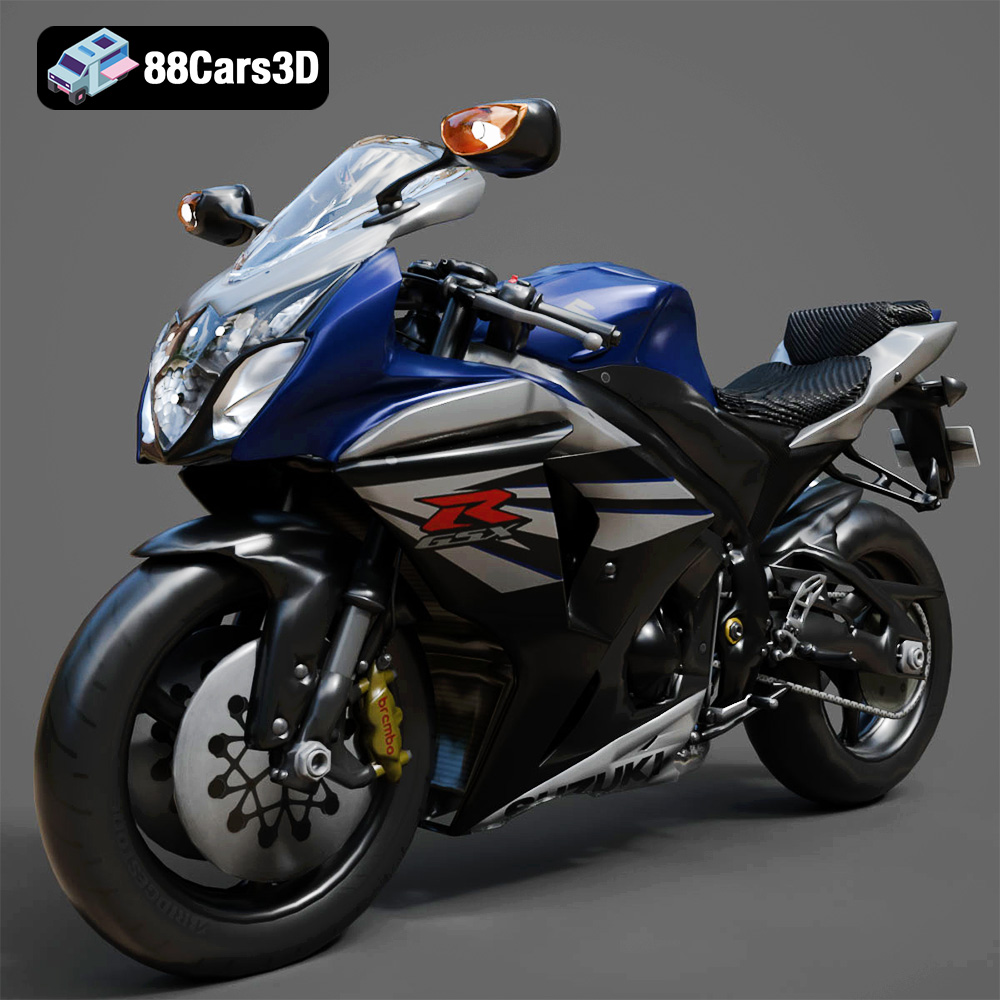
Texture: Yes
Material: Yes
Download the Suzuki GSX-R 1000 3D Model featuring clean geometry, realistic detailing, and a fully modeled interior. Includes .blend, .fbx, .obj, .glb, .stl, .ply, .unreal, and .max formats for rendering, simulation, and game development.
Price: $10
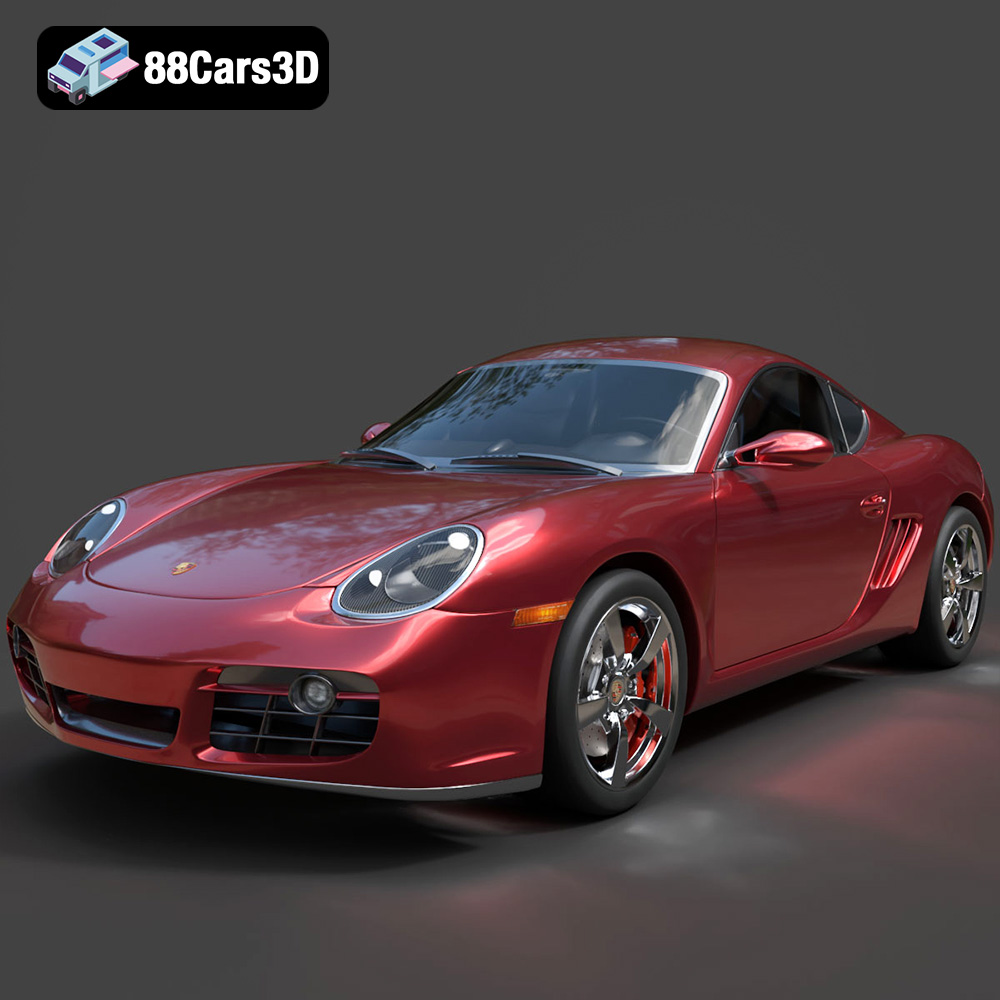
Texture: Yes
Material: Yes
Download the Porsche Cayman S 2024 3D Model featuring clean geometry, realistic detailing, and a fully modeled interior. Includes .blend, .fbx, .obj, .glb, .stl, .ply, .unreal, and .max formats for rendering, simulation, and game development.
Price: $10

Texture: Yes
Material: Yes
Download the Holden Commodore Sportwagon 2017 3D Model featuring clean geometry, realistic detailing, and a fully modeled interior. Includes .blend, .fbx, .obj, .glb, .stl, .ply, .unreal, and .max formats for rendering, simulation, and game development.
Price: $10
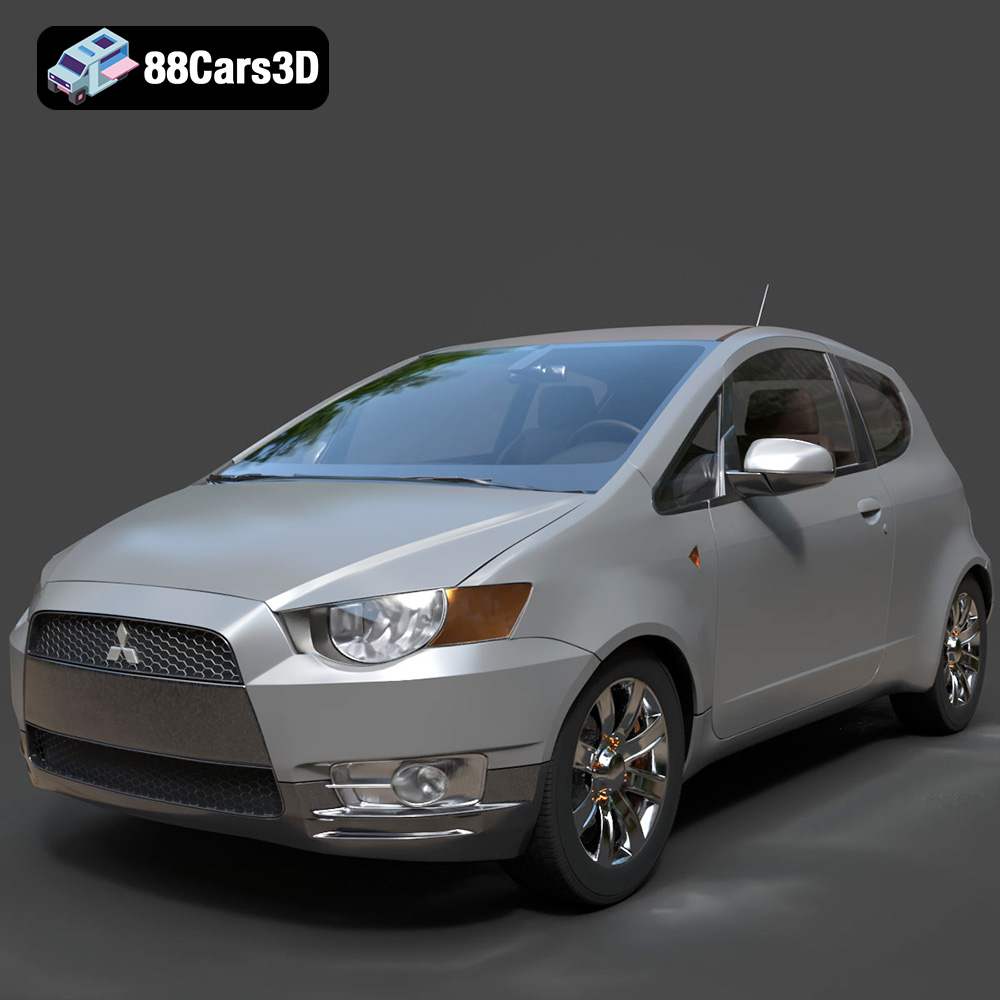
Texture: Yes
Material: Yes
Download the Mitsubishi Colt 3 Door 2008 3D Model featuring clean geometry, realistic detailing, and a fully modeled interior. Includes .blend, .fbx, .obj, .glb, .stl, .ply, .unreal, and .max formats for rendering, simulation, and game development.
Price: $10
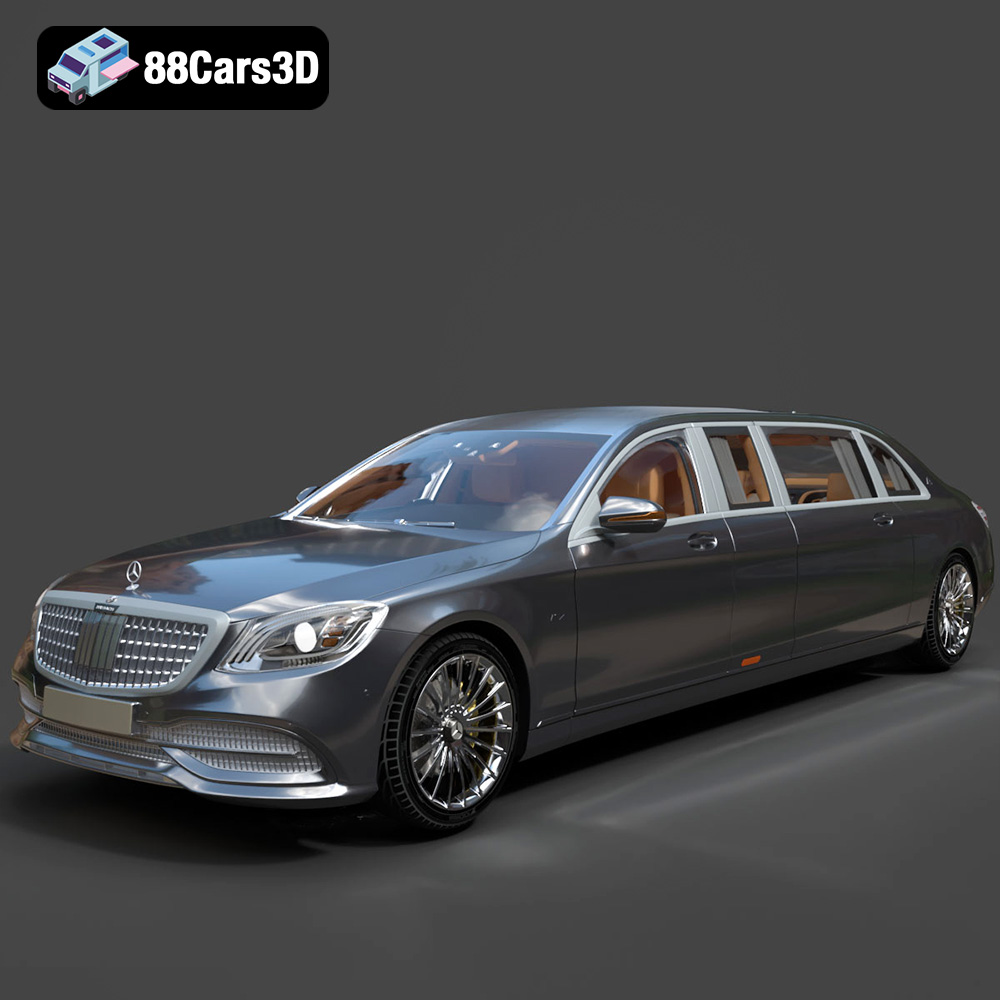
Texture: Yes
Material: Yes
Download the Mercedes-Benz S650 Pullman 3D Model featuring clean geometry, realistic detailing, and a fully modeled interior. Includes .blend, .fbx, .obj, .glb, .stl, .ply, .unreal, and .max formats for rendering, simulation, and game development.
Price: $10

**Meta Description:**
Texture: Yes
Material: Yes
Download the Toyota Crown Majesta 2009 3D Model with luxury detailing, clean topology, and a fully modeled interior. Available in .blend, .fbx, .obj, .glb, .stl, .ply, .unreal, and .max formats for rendering, simulation, and game development.
Price: $4.99

**Meta Description:**
Texture: Yes
Material: Yes
Download the Toyota AE86 Levin 1983 1987 3D Model featuring realistic exterior and interior detailing. Includes .blend, .fbx, .obj, .glb, .stl, .ply, .unreal, and .max formats for rendering, simulation, and game development.
Price: $9.99

Texture: Yes
Material: Yes
Download the Toyota Mark 2 2001 3D Model featuring clean geometry, realistic detailing, and a fully modeled interior. Includes .blend, .fbx, .obj, .glb, .stl, .ply, .unreal, and .max formats for rendering, simulation, and game development.
Price: $4.99

