Get 50% OFF All Premium 3D & STL Models!

“`html
There is an undeniable allure to a perfectly rendered automobile. The way light dances across flawless clear coat, the intricate details of a headlight assembly, the subtle texture of leather on the steering wheel—these are the elements that bridge the gap between a 3D model and a photograph. For 3D artists, automotive designers, and visualization professionals, achieving this level of photorealism is the ultimate goal. It’s a craft that blends technical precision with artistic vision, transforming digital assets into compelling, emotionally resonant imagery. Whether you’re creating a stunning marketing shot for a new vehicle, developing assets for a high-fidelity racing game, or simply honing your personal portfolio, the principles of automotive photorealism are universal.
This comprehensive guide will walk you through the entire professional workflow, from the foundational 3D model to the final polished image. We will deconstruct the complex process into manageable, in-depth sections, covering the critical aspects of topology, the nuances of UV mapping for complex surfaces, the science and art of PBR material creation, and the sophisticated techniques of lighting and rendering. You’ll learn not just the “how” but the “why” behind each decision, with software-specific tips for industry-standard tools like 3ds Max, Blender, Corona, and V-Ray. Prepare to elevate your automotive renders from good to breathtakingly real.
Before a single material is applied or a light is placed, the journey to photorealism begins with the 3D model itself. The quality of your base geometry is the bedrock upon which every subsequent step is built. A flawed or poorly constructed model will fight you at every turn, revealing its imperfections through distorted reflections, incorrect shading, and an overall lack of believability. A great model, however, becomes an invisible partner, its quality so inherent that it allows the materials and lighting to shine. This is why professionals often source their assets from specialized marketplaces like 88cars3d.com, which provide meticulously crafted models that are production-ready, saving countless hours and ensuring a world-class foundation.
Topology, the structure and flow of polygons across a model’s surface, is paramount in automotive rendering. Unlike organic models, cars are defined by large, smooth surfaces, sharp character lines, and precise panel gaps. Clean, quad-based topology is non-negotiable. Quads (four-sided polygons) subdivide predictably and handle deformation smoothly, which is critical for maintaining surface continuity. Triangles and N-gons (polygons with more than four sides) can introduce pinching, shading artifacts, and unpredictable reflections, especially on curved body panels like fenders and hoods. The key is to ensure your edge loops follow the natural curvature and defining lines of the vehicle. This proper edge flow guides light and reflections realistically, creating the smooth, liquid highlights that are characteristic of high-quality car paint.
The required level of detail, and therefore the polygon count, is dictated by the model’s intended use.
Regardless of the target polycount, the core principles of clean topology and proper edge flow remain essential for achieving a believable result.
UV mapping is the critical, and often challenging, process of translating a 3D model’s surface onto a 2D plane so that textures can be applied correctly. For automotive models, with their mix of large, flowing panels and intricate mechanical parts, a strategic UV workflow is essential for achieving professional results. Poorly planned UVs can lead to visible seams, texture stretching and distortion, and difficulty in the texturing phase. A well-executed UV map is an invisible framework that ensures every decal, carbon fiber weave, and leather grain appears crisp and correct from any angle.
The first rule of UV mapping a car is to place seams where they would naturally occur on the real vehicle. The edges of doors, hoods, bumpers, and panel gaps are perfect locations to hide UV seams. This approach minimizes visual disruption and makes the texturing process more intuitive. For large, continuous surfaces like a roof or a hood, the goal is to unwrap them into a single, large UV island with minimal distortion. Tools within 3ds Max, Blender, or Maya like “Peel” or “Unfold” are excellent for relaxing these large shells.
A step-by-step approach for a car body panel:
Texel density refers to the resolution of your texture map relative to the size of the 3D surface it’s applied to. For photorealistic results, it’s crucial to maintain a consistent texel density across the entire vehicle. This means a small part like a side mirror should have a comparable texture resolution to a large part like a door, relative to its size in the final render. Tools like Texel Density checkers in RizomUV or built-in add-ons for Blender can help automate this.
For hero assets that require extreme detail, a single 4K or 8K texture map is often insufficient. This is where UDIM (U-Dimension) workflows come in. UDIM allows you to spread your UVs across multiple texture sets, or “tiles.” You could assign the main body panels to one UDIM tile, the interior to another, the wheels and brakes to a third, and so on. This enables you to use multiple 4K or 8K maps on a single object, achieving incredible close-up fidelity without being constrained by a single texture’s resolution.
With a solid model and clean UVs, the next step is to breathe life into the vehicle with realistic materials. The modern standard for this is the Physically-Based Rendering (PBR) workflow, which simulates how light interacts with materials in the real world. By using a set of standardized texture maps (like Albedo, Roughness, and Metallic), PBR ensures that your materials will look correct and consistent under any lighting condition. This physical accuracy is the key to creating truly believable car renders.
Modern car paint is a complex, multi-layered material, and recreating it requires a layered shader approach. Simply applying a single glossy color will look flat and artificial. A professional car paint material consists of at least three distinct layers:
Beyond the paint, the other materials are just as important for selling the illusion of reality.
A perfectly modeled and textured car will fall completely flat in a poor lighting environment. Lighting is what reveals form, defines shape, and creates the mood of the final image. In automotive rendering, the environment is just as much a part of the lighting as the direct light sources, as the car’s reflective surface will mirror its surroundings. The goal is to create lighting that is both realistic and aesthetically pleasing, highlighting the vehicle’s design features without creating distracting hotspots or underexposed areas.
The fastest and most effective way to achieve realistic lighting and reflections is with Image-Based Lighting (IBL) using a High Dynamic Range Image (HDRI). An HDRI is a 360-degree panoramic image that contains a massive range of light intensity data, far beyond a standard photograph. When used as an environment map in a 3D scene, it projects this light data onto your model, creating incredibly nuanced and true-to-life lighting and reflections. A sunny outdoor HDRI will produce sharp, hard shadows and bright reflections, while an overcast or studio HDRI will create soft, diffuse lighting. The key is to choose an HDRI that matches the desired mood and provides interesting reflections to showcase the car’s surfaces.
For classic studio shots, you have more control by building a lighting setup from scratch. This typically involves a combination of a seamless backdrop (a “cyc” or cyclorama) and a traditional 3-point lighting setup.
In addition to these, automotive specialists often use long, thin “strip lights” positioned above the car to create long, elegant highlight lines that trace the contours of the hood, roof, and trunk, further emphasizing the car’s design language.
The interaction between the car and the ground is critical for anchoring the vehicle in the scene. The car must cast believable contact shadows where the tires meet the surface. Many renderers offer a “shadow catcher” material or object type that can be applied to a ground plane. This makes the plane itself invisible to the camera but allows it to receive shadows from the model, making it incredibly easy to composite the rendered car onto a photographic backplate later. Ensuring your ground plane has a material that can receive these shadows properly (whether it’s a simple matte shader or one with reflections for a wet asphalt look) is a small detail that makes a huge difference in the final output’s realism.
The rendering stage is where all the preceding work—modeling, texturing, and lighting—converges to create the final image. This is a computationally intensive process where the render engine simulates the physics of light bouncing around the scene. Choosing the right engine and understanding its core settings is crucial for balancing visual quality with render time. Modern path-tracing engines like Corona, V-Ray, and Blender’s Cycles are the industry standard for photorealism, each offering a powerful suite of tools for achieving stunning results.
While all modern path tracers can produce photorealistic images, they have different strengths and workflows.
High-quality assets, like the 3D car models available on marketplaces, typically come in multiple formats, ensuring compatibility with all major render engines.
Regardless of the engine, a few key settings are universal for achieving high-quality results.
The raw output from the render engine is rarely the final image. Post-processing is the last, crucial step where you can elevate a good render to a great one. This is where you perform color grading, enhance details, add atmospheric and lens effects, and apply the final touches of artistic flair. Using compositing software like Adobe Photoshop, After Effects, or Blackmagic Fusion, you can use the render passes (AOVs) you generated to subtly tweak and perfect every aspect of the image with a high degree of control and non-destructive editing.
Working with render passes is the cornerstone of a professional post-production workflow. Here’s how some common passes are used:
Once you’ve layered your passes, the final step is to apply adjustments that affect the overall image.
Creating photorealistic automotive renders is a deeply rewarding challenge that sits at the intersection of technical skill and artistic sensibility. As we’ve explored, achieving that coveted level of realism is not about a single button-press or a magic plugin; it’s the culmination of a meticulous, multi-stage process. It begins with an immaculately prepared 3D car model with clean topology, is built upon with precise UV mapping, brought to life with physically-accurate PBR materials, placed within a compelling lighting environment, and finally, rendered and polished to perfection through powerful software and a keen artistic eye.
Each step in this workflow—from managing polygon counts to layering shaders and compositing render passes—is a pillar supporting the final result. By understanding the “why” behind each technique, you gain the power to not only follow a process but to adapt, troubleshoot, and make creative decisions that elevate your work. The journey to mastery is one of continuous practice and refinement. We encourage you to take these principles and apply them to your own projects. Start with a high-quality asset from a resource like 88cars3d.com to ensure you have a professional foundation, and then experiment. Try different lighting setups, build complex materials from scratch, and push your post-processing skills. With dedication and attention to detail, you can transform your 3D scenes into stunning automotive portraits that are indistinguishable from reality.
“`
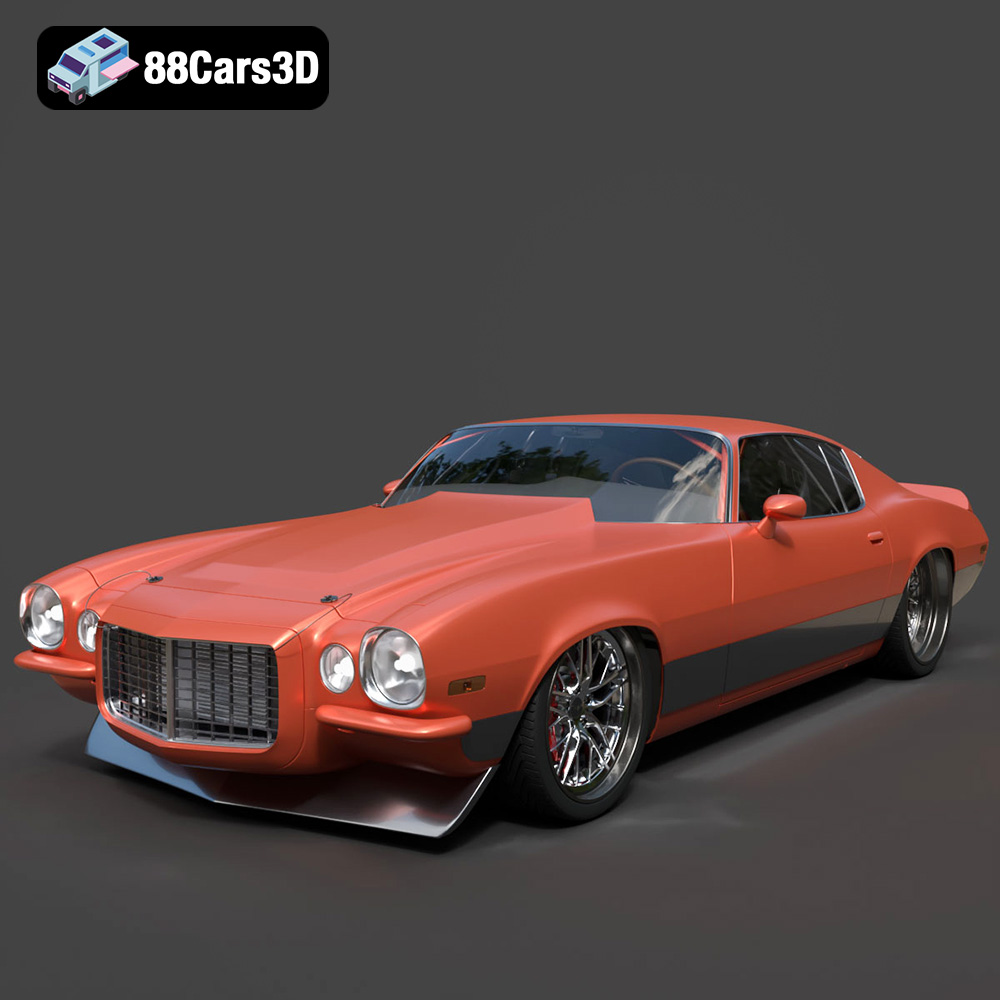
Texture: Yes
Material: Yes
Download the Chevrolet Camaro 1970 3D Model featuring clean geometry, realistic detailing, and a fully modeled interior. Includes .blend, .fbx, .obj, .glb, .stl, .ply, .unreal, and .max formats for rendering, simulation, and game development.
Price: $10
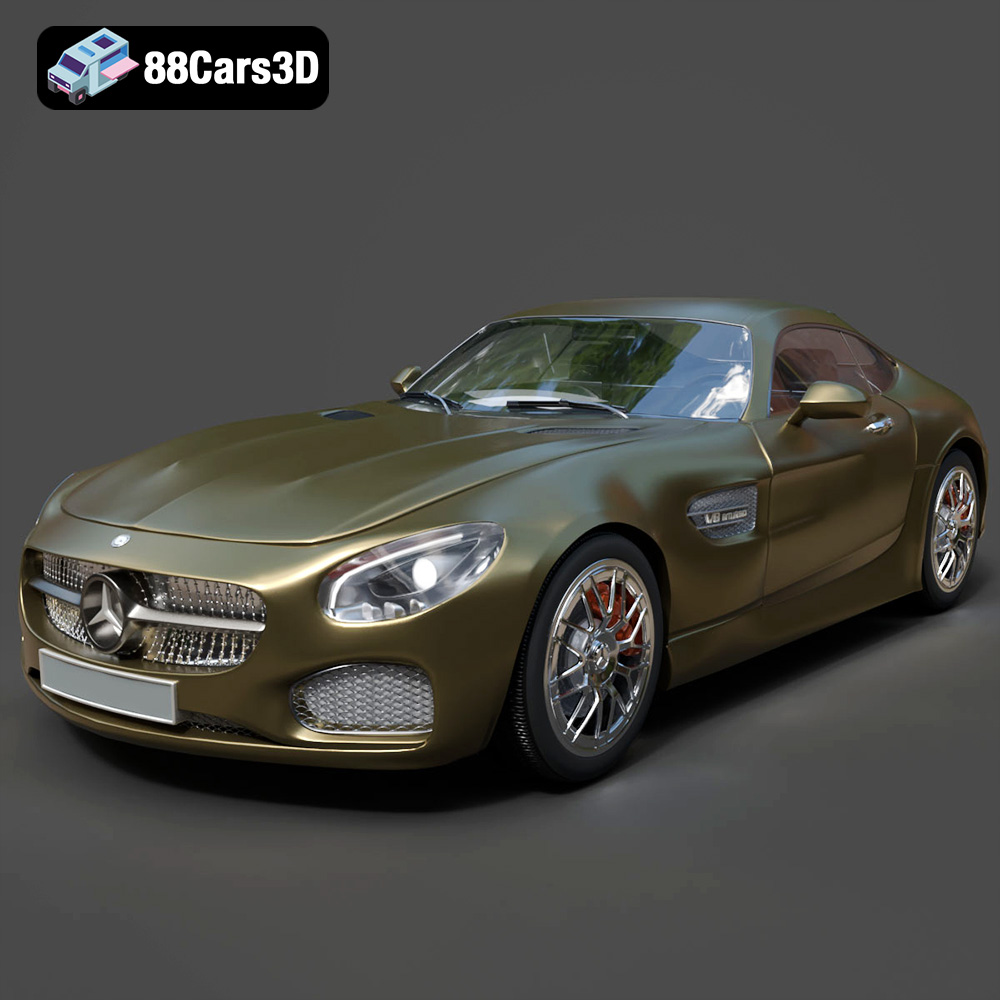
Texture: Yes
Material: Yes
Download the Mercedes-AMG GT 2015 3D Model featuring clean geometry, realistic detailing, and a fully modeled interior. Includes .blend, .fbx, .obj, .glb, .stl, .ply, .unreal, and .max formats for rendering, simulation, and game development.
Price: $88.99
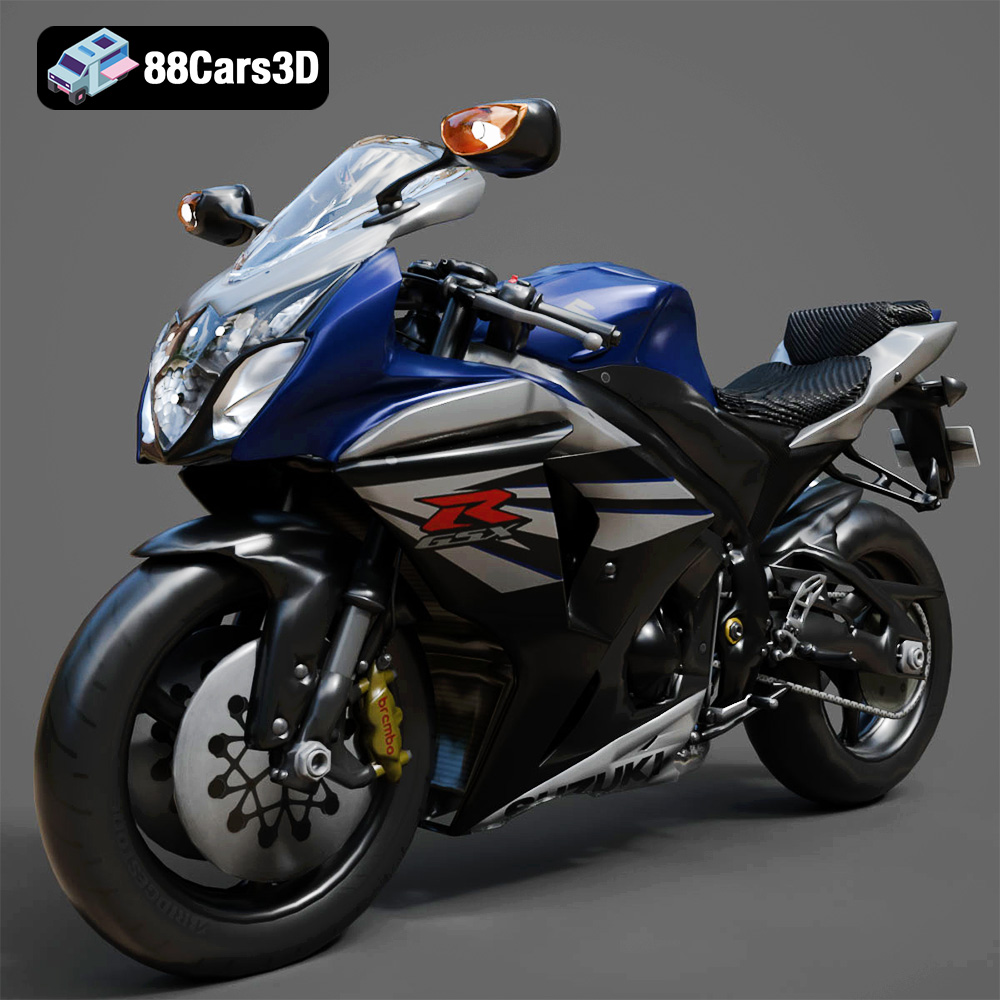
Texture: Yes
Material: Yes
Download the Suzuki GSX-R 1000 3D Model featuring clean geometry, realistic detailing, and a fully modeled interior. Includes .blend, .fbx, .obj, .glb, .stl, .ply, .unreal, and .max formats for rendering, simulation, and game development.
Price: $10
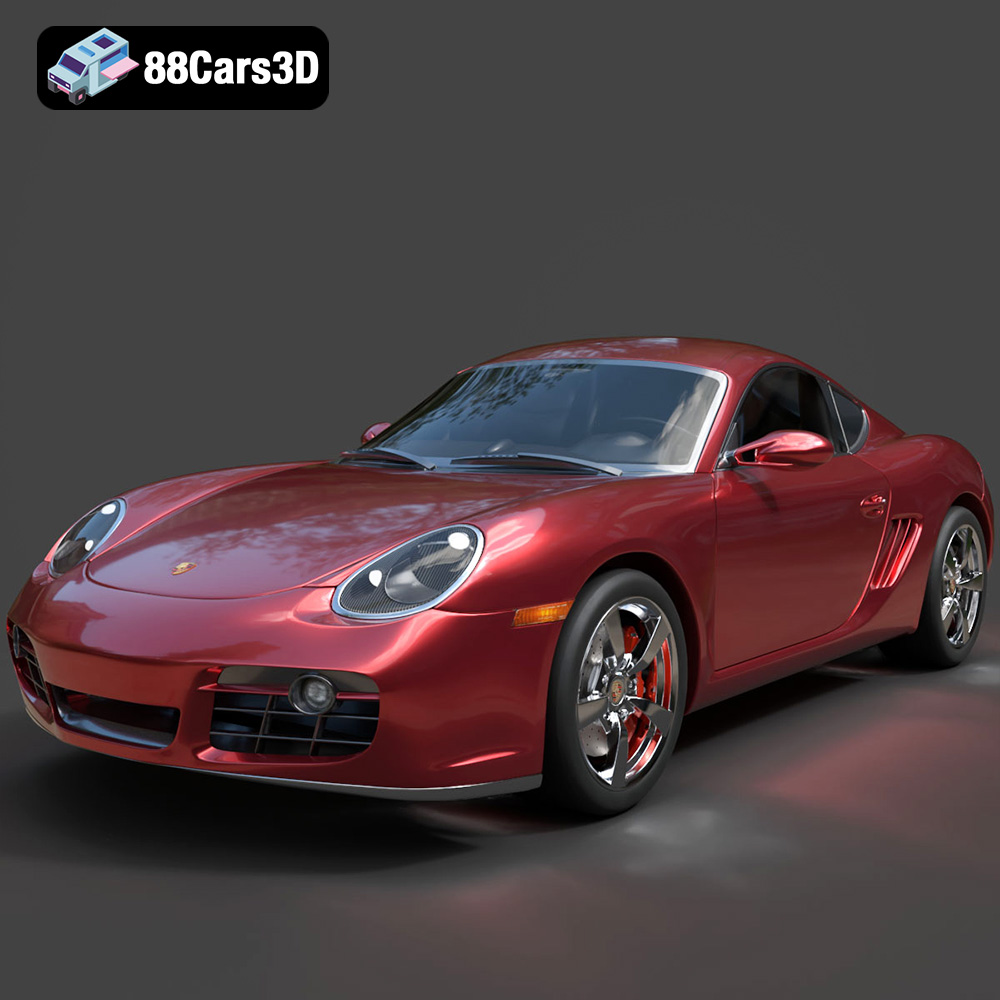
Texture: Yes
Material: Yes
Download the Porsche Cayman S 2024 3D Model featuring clean geometry, realistic detailing, and a fully modeled interior. Includes .blend, .fbx, .obj, .glb, .stl, .ply, .unreal, and .max formats for rendering, simulation, and game development.
Price: $10
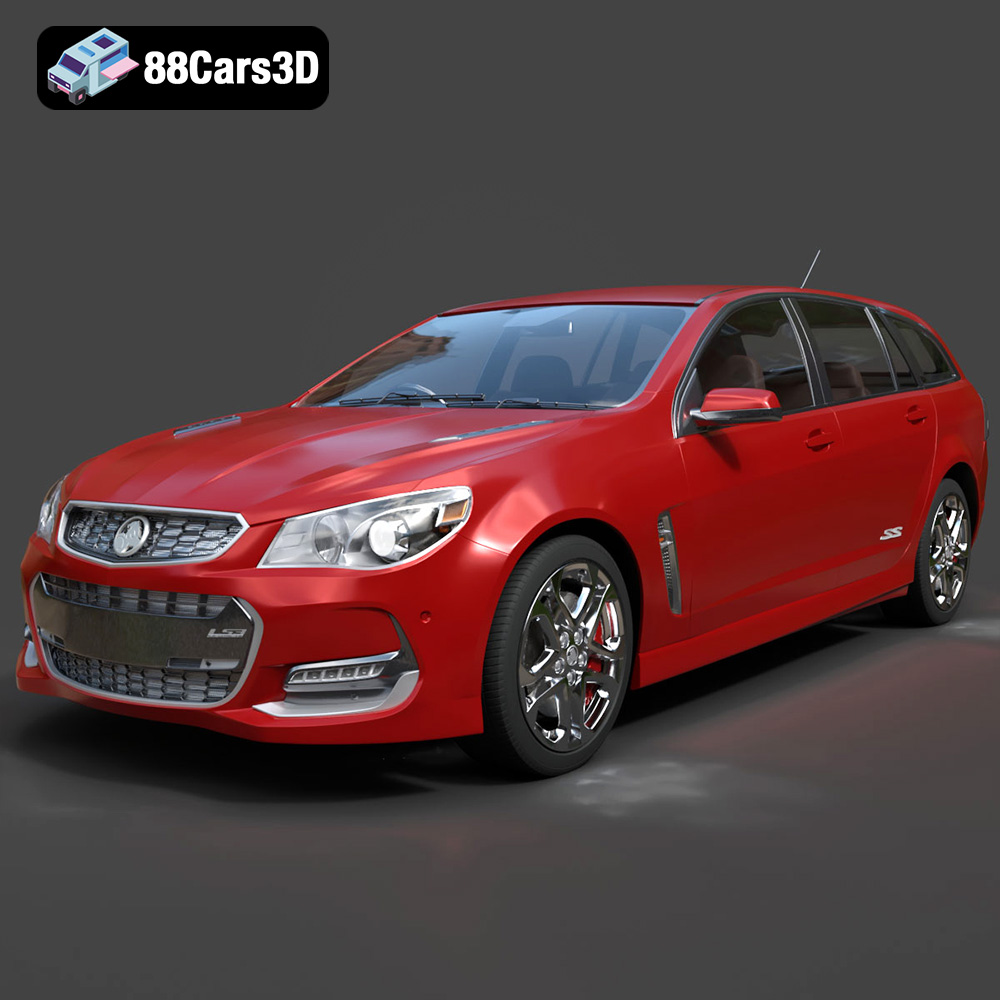
Texture: Yes
Material: Yes
Download the Holden Commodore Sportwagon 2017 3D Model featuring clean geometry, realistic detailing, and a fully modeled interior. Includes .blend, .fbx, .obj, .glb, .stl, .ply, .unreal, and .max formats for rendering, simulation, and game development.
Price: $10
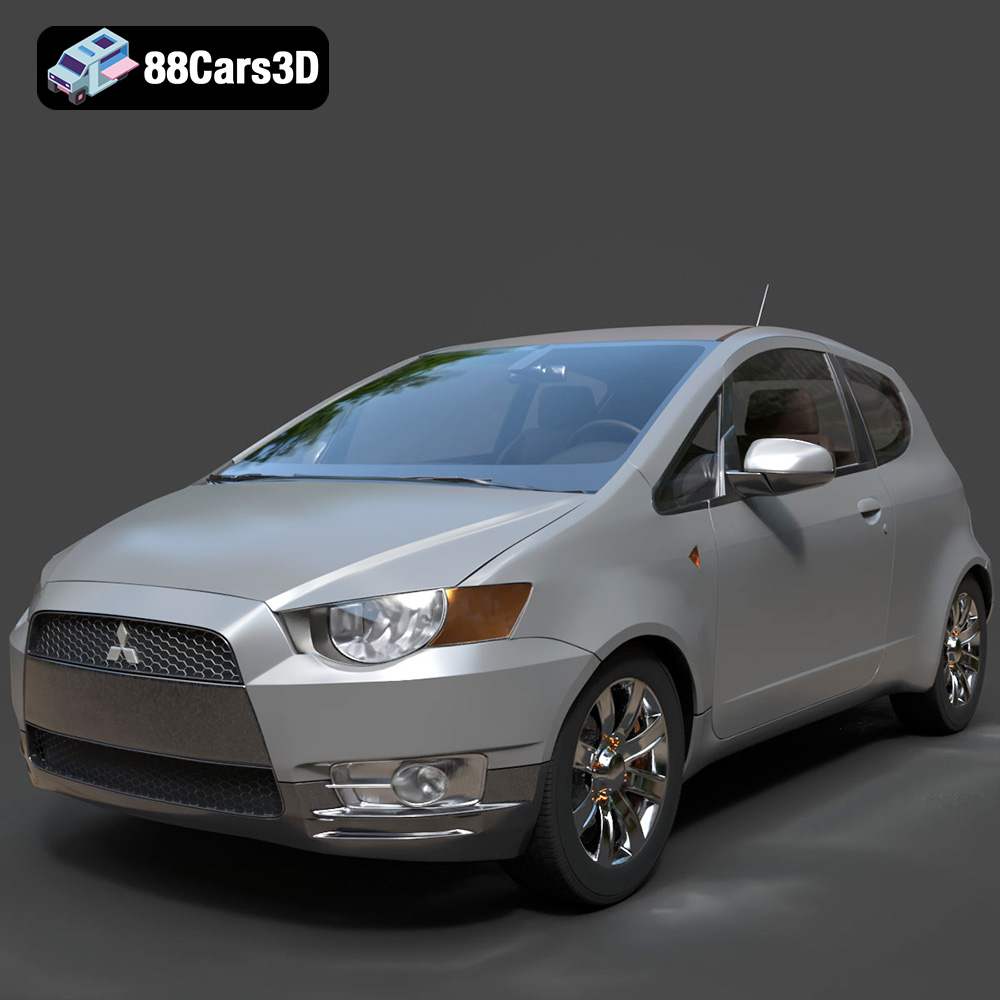
Texture: Yes
Material: Yes
Download the Mitsubishi Colt 3 Door 2008 3D Model featuring clean geometry, realistic detailing, and a fully modeled interior. Includes .blend, .fbx, .obj, .glb, .stl, .ply, .unreal, and .max formats for rendering, simulation, and game development.
Price: $10
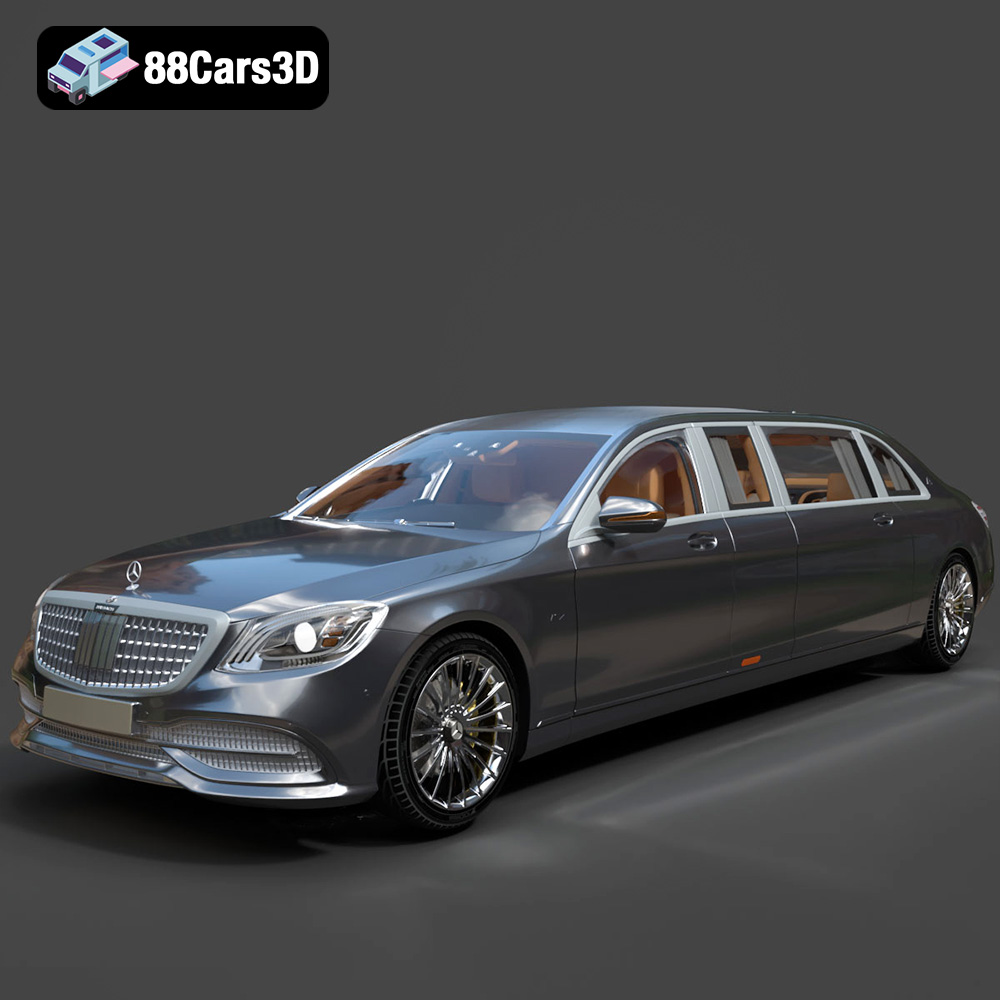
Texture: Yes
Material: Yes
Download the Mercedes-Benz S650 Pullman 3D Model featuring clean geometry, realistic detailing, and a fully modeled interior. Includes .blend, .fbx, .obj, .glb, .stl, .ply, .unreal, and .max formats for rendering, simulation, and game development.
Price: $10

**Meta Description:**
Texture: Yes
Material: Yes
Download the Toyota Crown Majesta 2009 3D Model with luxury detailing, clean topology, and a fully modeled interior. Available in .blend, .fbx, .obj, .glb, .stl, .ply, .unreal, and .max formats for rendering, simulation, and game development.
Price: $4.99

**Meta Description:**
Texture: Yes
Material: Yes
Download the Toyota AE86 Levin 1983 1987 3D Model featuring realistic exterior and interior detailing. Includes .blend, .fbx, .obj, .glb, .stl, .ply, .unreal, and .max formats for rendering, simulation, and game development.
Price: $9.99

Texture: Yes
Material: Yes
Download the Toyota Mark 2 2001 3D Model featuring clean geometry, realistic detailing, and a fully modeled interior. Includes .blend, .fbx, .obj, .glb, .stl, .ply, .unreal, and .max formats for rendering, simulation, and game development.
Price: $4.99

