Get 50% OFF All Premium 3D & STL Models!

“`html
The world of automotive visualization has been revolutionized by real-time rendering. Gone are the days of waiting hours, or even days, for a single photorealistic frame. With Unreal Engine 5, automotive brands, filmmakers, and game developers can now create stunning, interactive, and dynamic experiences with unparalleled speed and fidelity. From interactive car configurators on a dealership website to hyper-realistic virtual showrooms in VR, the possibilities are limitless. However, harnessing this power requires a deep understanding of the engine’s workflow, from asset preparation to final rendering.
This comprehensive guide will walk you through the entire pipeline of bringing a high-quality 3D car model into Unreal Engine 5 and transforming it into a photorealistic, interactive masterpiece. We will cover everything from initial project setup and optimal import settings to mastering PBR materials, leveraging the power of Lumen and Nanite, and building interactive features with Blueprint. Whether you’re an experienced 3D artist new to Unreal or a seasoned developer looking to perfect your automotive workflow, you’ll gain actionable insights and professional techniques to elevate your projects. By the end, you’ll be equipped to turn static models into breathtaking real-time automotive visualizations.
Before you import your first 3D car model, a properly configured Unreal Engine project and a well-prepared asset are foundational to success. Skipping this stage can lead to performance issues, visual artifacts, and workflow headaches down the line. A few minutes of setup can save you hours of troubleshooting.
For high-end automotive visualization, you need to enable the engine’s most powerful rendering features. When creating a new project, the Games > Blank template is a great starting point, but you’ll want to make some key adjustments in the Project Settings (Edit > Project Settings):
These settings establish a high-fidelity rendering environment perfect for showcasing the intricate details of a 3D car model. For more advanced setups, exploring the official Unreal Engine documentation provides a wealth of information on fine-tuning these rendering parameters.
The quality of your final render is directly tied to the quality of the source asset. While Unreal Engine can handle incredibly dense geometry, a clean and organized model is always superior. When sourcing automotive assets from marketplaces such as 88cars3d.com, you’ll find that much of this preparation is already done, but it’s crucial to understand the requirements:
Once your project is configured and your asset is prepared, the next step is to bring it into the engine. Unreal Engine offers a robust import pipeline, and choosing the right settings is key to maintaining quality while ensuring optimal performance for real-time rendering.
The two most common file formats for this workflow are FBX and USD (Universal Scene Description). While FBX has been the industry standard for years, USD is gaining massive traction, especially in complex visualization and virtual production pipelines.
For most standard car visualizations, a well-exported FBX is perfectly sufficient. The key is to ensure your export settings in your 3D modeling software (e.g., Blender, 3ds Max) are set to preserve smoothing groups, tangents, and the object hierarchy.
When you drag your model into the Content Drawer, the FBX Import Options window appears. Here are the crucial settings for an automotive model:
Unreal Engine 5’s Nanite virtualized geometry system is a game-changer for automotive visualization. Traditionally, artists had to create multiple Levels of Detail (LODs) for a high-poly model to maintain real-time frame rates. Nanite effectively automates this, allowing you to import and render models with millions of polygons without significant performance loss. To enable it, simply right-click your imported static meshes, go to Nanite, and click “Enable.” This is perfect for “hero” assets like a car, allowing you to use film-quality models directly in your real-time application.
A great model is nothing without great materials. The physically-based rendering (PBR) workflow in Unreal Engine’s Material Editor is what brings your car to life. Automotive materials like metallic car paint, glass, and chrome have unique properties that require a specific setup.
Creating a versatile master car paint material is one of the most important steps. This single material can then be instanced to create endless color variations. The key to a realistic car paint shader is layering, primarily using the Clear Coat shading model in the Material Editor.
Beyond the paint, other materials are critical for a convincing result. Here are some quick setups:
Lighting is what sells the realism of your scene. It defines the mood, highlights the car’s form, and creates believable reflections on its surfaces. Unreal Engine 5’s Lumen system provides a powerful and intuitive way to achieve dynamic, photorealistic lighting in real time.
Lumen calculates global illumination (GI) and reflections on the fly, meaning light bounces realistically around the scene without requiring pre-computation (light baking). This is ideal for automotive visualization, where you might want to open a car door and see the light spill into the interior instantly.
Perfect reflections are the soul of automotive rendering. Lumen handles reflections well, but you can enhance them further.
Static renders are impressive, but the true power of real-time rendering lies in interactivity. With Unreal Engine’s Blueprint visual scripting system, you can create engaging experiences like automotive configurators or interactive product showcases without writing a single line of code.
One of the most common interactive features is a color switcher. Here’s a basic Blueprint workflow:
This simple setup forms the basis of a powerful configurator. You can expand it to swap wheel styles, interior trims, or even trigger animations.
Beyond material swapping, Blueprint can control object movement and camera behavior.
Using these Blueprint techniques, you can transform a static scene into an engaging, explorable automotive visualization.
While modern hardware and engine features like Nanite and Lumen are incredibly powerful, optimization remains a critical skill, especially when targeting a wide range of devices or developing for AR/VR platforms.
Before you can optimize, you need to know where the performance bottlenecks are. Unreal Engine provides powerful built-in profiling tools:
Once you’ve identified bottlenecks, you can start applying optimization techniques:
We’ve journeyed through the entire pipeline of creating a stunning automotive visualization in Unreal Engine 5. We began by establishing a solid foundation with proper project setup and asset preparation. We then navigated the import process, leveraging the power of Nanite for high-fidelity models. We meticulously crafted photorealistic PBR materials for car paint, glass, and chrome, and brought our scene to life with the dynamic lighting of Lumen. Finally, we made our creation interactive using Blueprint and learned critical optimization techniques to ensure smooth real-time performance.
The synergy between high-quality assets and a powerful real-time engine like Unreal Engine 5 is undeniable. The foundation of any great automotive visualization is a meticulously crafted 3D model, and a well-built asset will make every subsequent step in this guide more effective and rewarding. Exploring the professional-grade 3D car models available from platforms like 88cars3d.com provides the perfect, high-quality starting point for your projects.
Now it’s your turn to apply these techniques. Start a new project, import a detailed car model, and begin experimenting. Push the boundaries of realism with your materials and lighting, and challenge yourself to create a unique interactive experience. The world of real-time rendering is constantly evolving, and by mastering this workflow, you are positioning yourself at its cutting edge.
“`
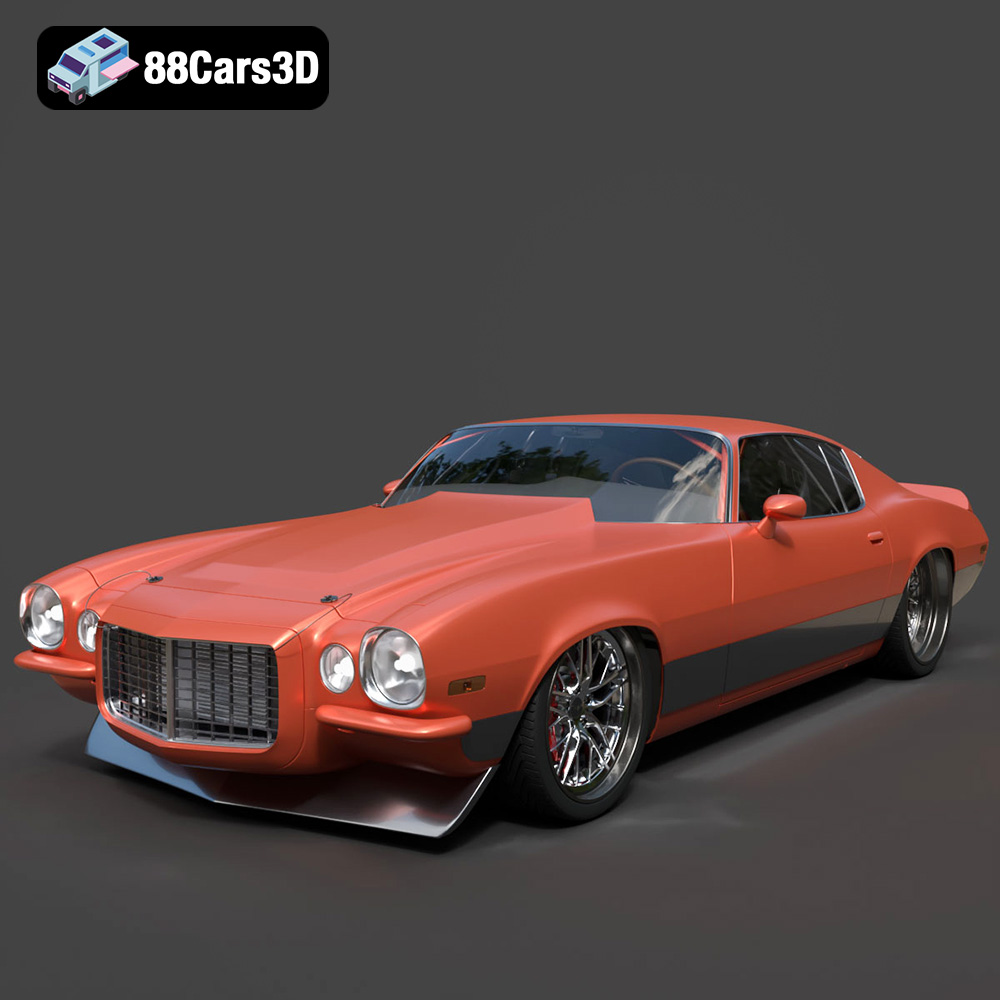
Texture: Yes
Material: Yes
Download the Chevrolet Camaro 1970 3D Model featuring clean geometry, realistic detailing, and a fully modeled interior. Includes .blend, .fbx, .obj, .glb, .stl, .ply, .unreal, and .max formats for rendering, simulation, and game development.
Price: $10
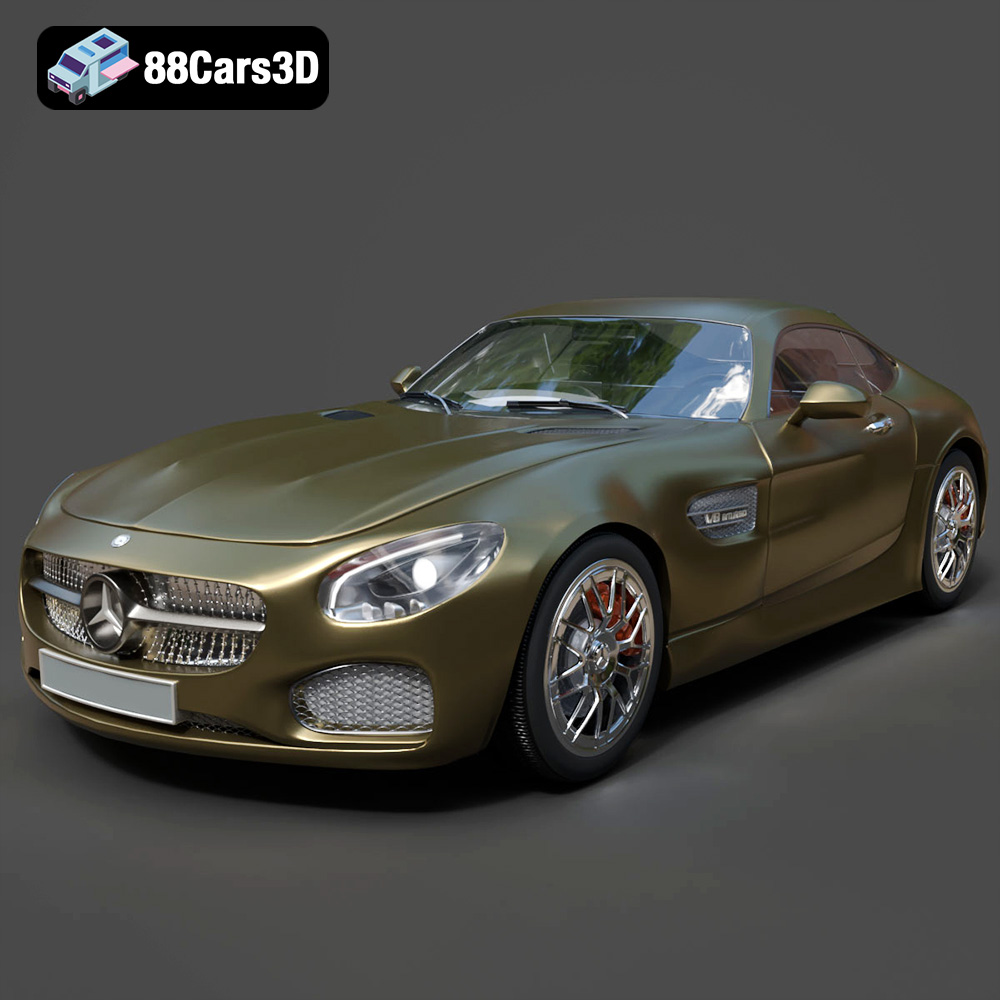
Texture: Yes
Material: Yes
Download the Mercedes-AMG GT 2015 3D Model featuring clean geometry, realistic detailing, and a fully modeled interior. Includes .blend, .fbx, .obj, .glb, .stl, .ply, .unreal, and .max formats for rendering, simulation, and game development.
Price: $88.99
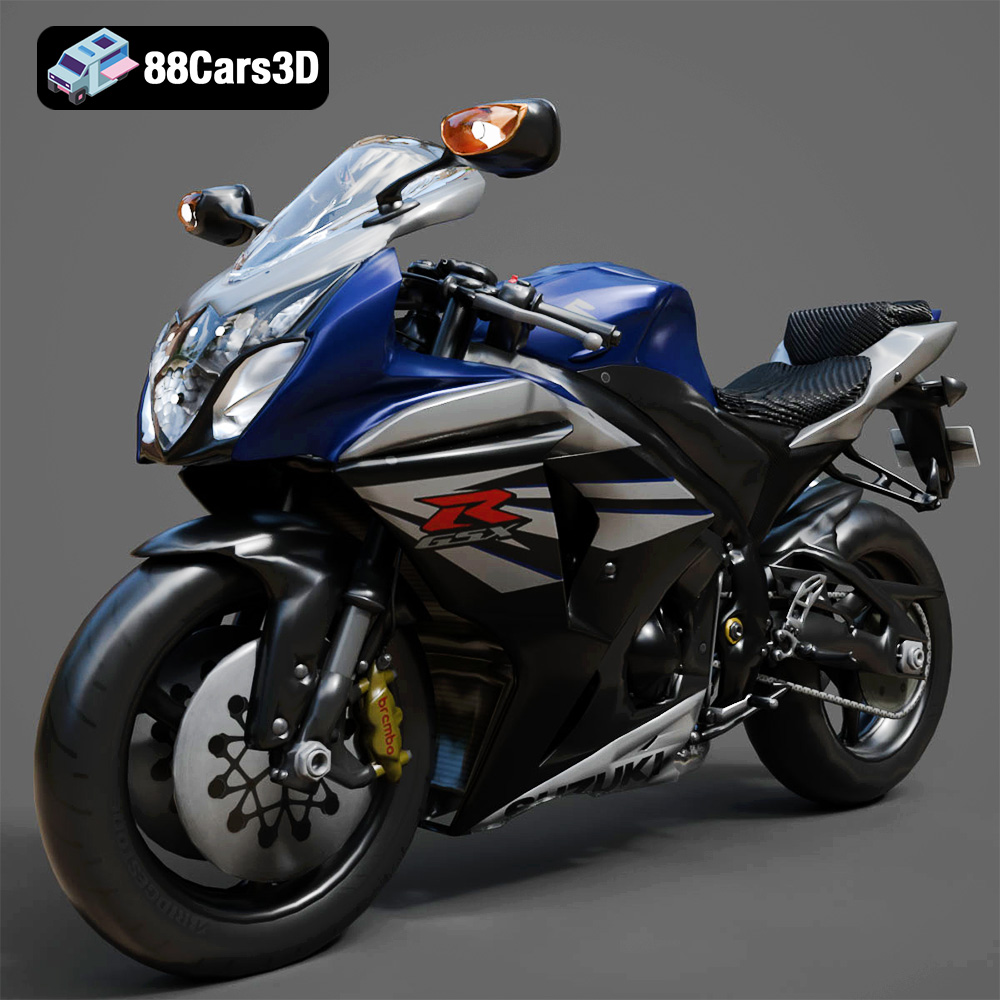
Texture: Yes
Material: Yes
Download the Suzuki GSX-R 1000 3D Model featuring clean geometry, realistic detailing, and a fully modeled interior. Includes .blend, .fbx, .obj, .glb, .stl, .ply, .unreal, and .max formats for rendering, simulation, and game development.
Price: $10
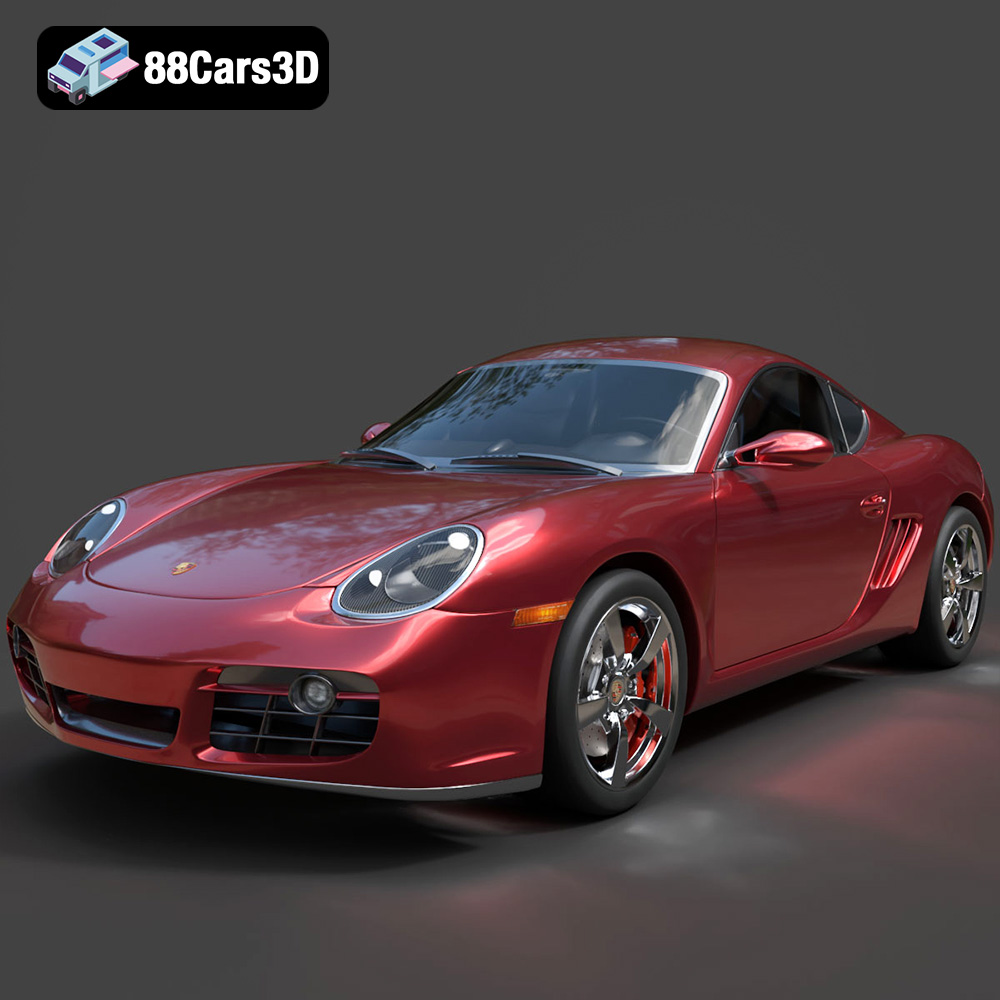
Texture: Yes
Material: Yes
Download the Porsche Cayman S 2024 3D Model featuring clean geometry, realistic detailing, and a fully modeled interior. Includes .blend, .fbx, .obj, .glb, .stl, .ply, .unreal, and .max formats for rendering, simulation, and game development.
Price: $10
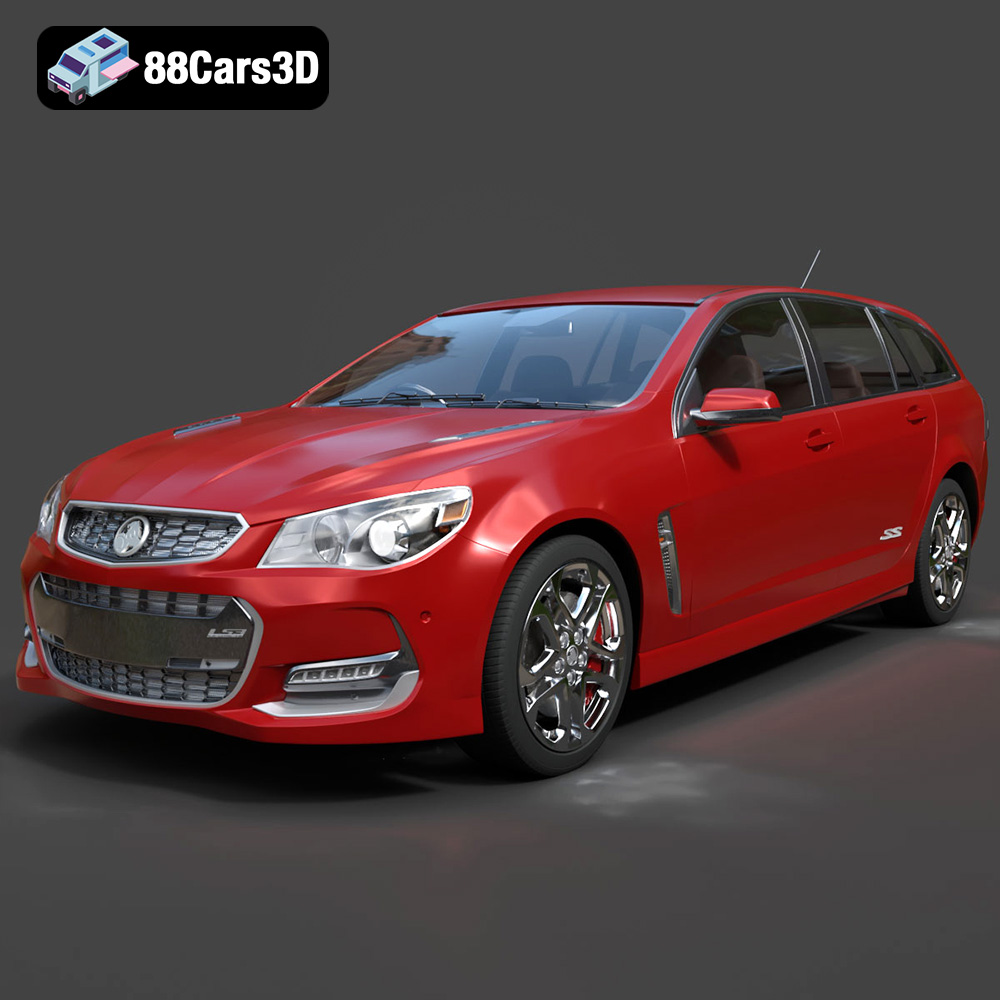
Texture: Yes
Material: Yes
Download the Holden Commodore Sportwagon 2017 3D Model featuring clean geometry, realistic detailing, and a fully modeled interior. Includes .blend, .fbx, .obj, .glb, .stl, .ply, .unreal, and .max formats for rendering, simulation, and game development.
Price: $10
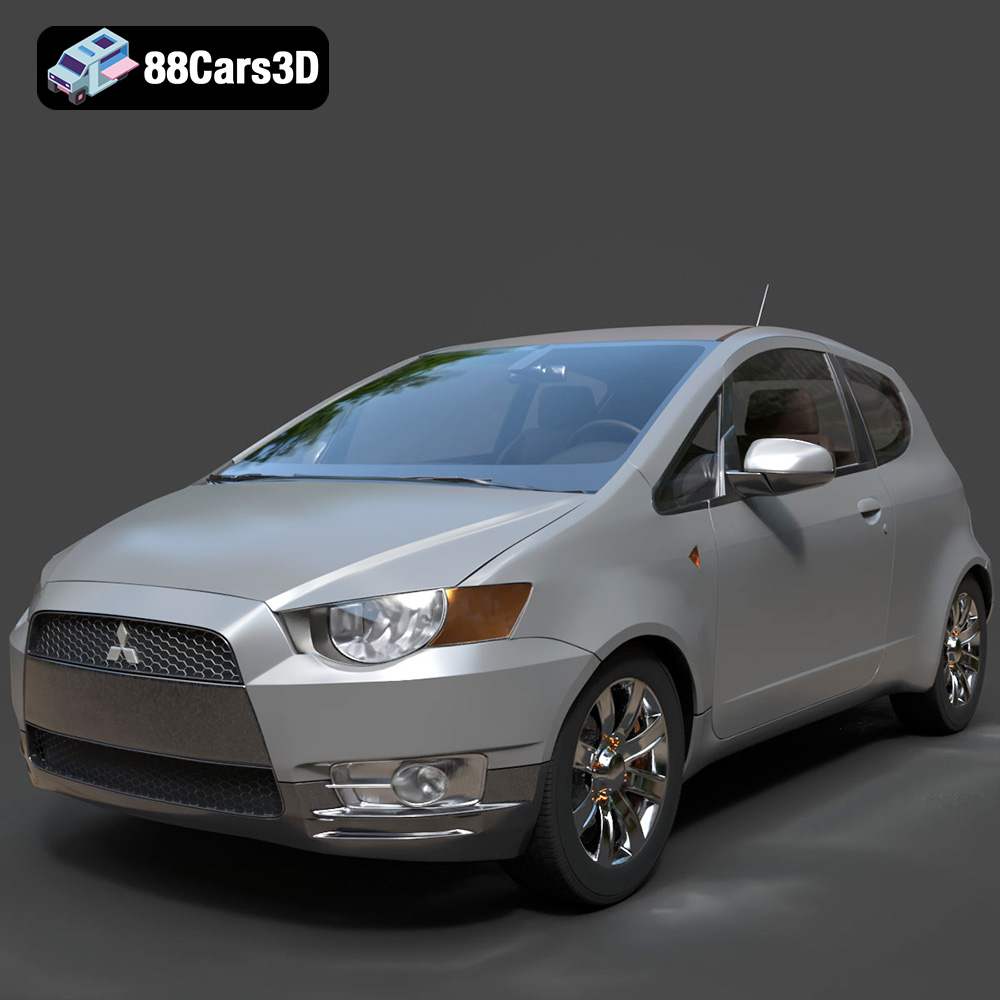
Texture: Yes
Material: Yes
Download the Mitsubishi Colt 3 Door 2008 3D Model featuring clean geometry, realistic detailing, and a fully modeled interior. Includes .blend, .fbx, .obj, .glb, .stl, .ply, .unreal, and .max formats for rendering, simulation, and game development.
Price: $10
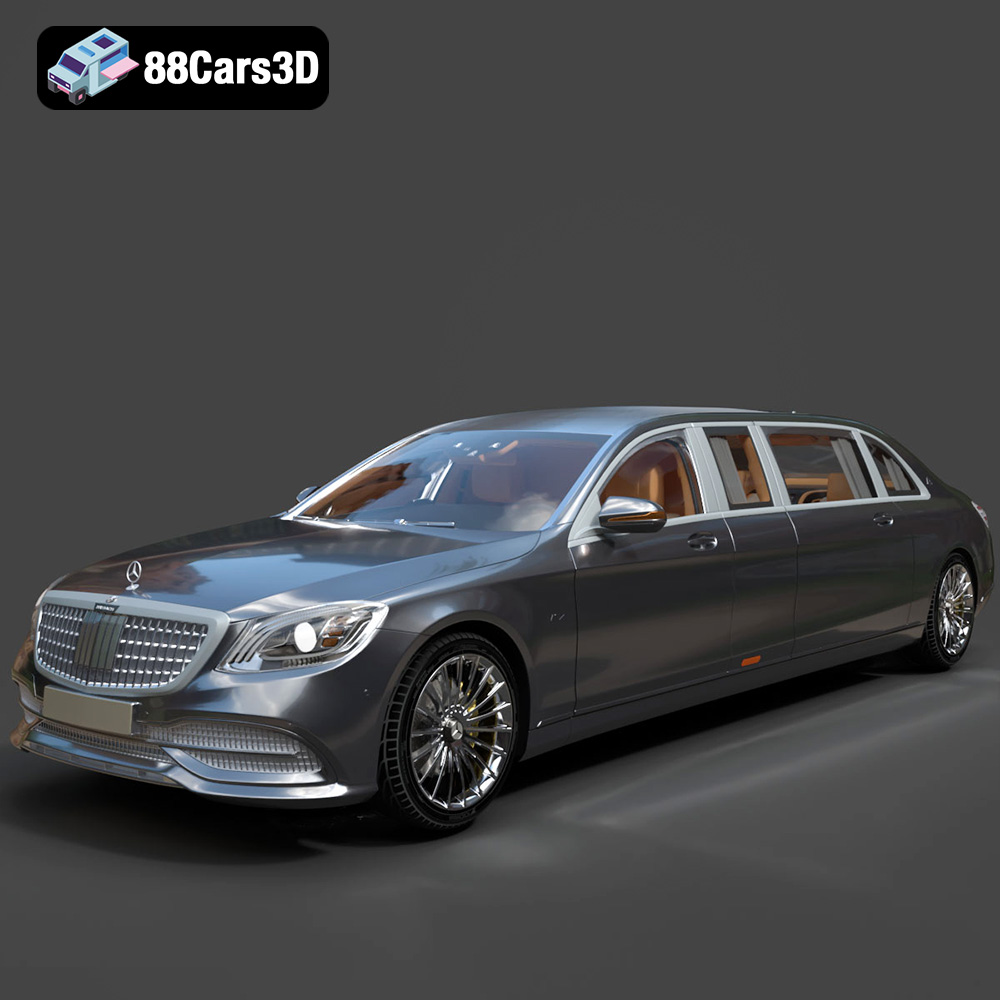
Texture: Yes
Material: Yes
Download the Mercedes-Benz S650 Pullman 3D Model featuring clean geometry, realistic detailing, and a fully modeled interior. Includes .blend, .fbx, .obj, .glb, .stl, .ply, .unreal, and .max formats for rendering, simulation, and game development.
Price: $10

**Meta Description:**
Texture: Yes
Material: Yes
Download the Toyota Crown Majesta 2009 3D Model with luxury detailing, clean topology, and a fully modeled interior. Available in .blend, .fbx, .obj, .glb, .stl, .ply, .unreal, and .max formats for rendering, simulation, and game development.
Price: $4.99

**Meta Description:**
Texture: Yes
Material: Yes
Download the Toyota AE86 Levin 1983 1987 3D Model featuring realistic exterior and interior detailing. Includes .blend, .fbx, .obj, .glb, .stl, .ply, .unreal, and .max formats for rendering, simulation, and game development.
Price: $9.99

Texture: Yes
Material: Yes
Download the Toyota Mark 2 2001 3D Model featuring clean geometry, realistic detailing, and a fully modeled interior. Includes .blend, .fbx, .obj, .glb, .stl, .ply, .unreal, and .max formats for rendering, simulation, and game development.
Price: $4.99

