Get 50% OFF All Premium 3D & STL Models!

“`html
The world of 3D printing has revolutionized how we create, prototype, and even collect. For automotive enthusiasts, this technology opens up a universe of possibilities, allowing you to bring your dream cars to life in miniature form. However, achieving stunning, high-quality 3D printed car models requires more than just a 3D printer. It demands a deep understanding of STL files, meticulous slicing techniques, and optimized printer settings. This comprehensive guide will equip you with the knowledge and skills necessary to navigate the intricacies of 3D printing car models, from selecting the right STL file to perfecting your post-processing techniques. We’ll cover everything from basic concepts to advanced strategies, ensuring you can consistently produce breathtaking replicas of your favorite automobiles. Get ready to delve into the technical details and elevate your 3D printing game!
The STL (Stereolithography) file format is the industry standard for 3D printing. It represents the surface geometry of a 3D object using a mesh of triangles. A well-constructed STL file is crucial for a successful print. Issues like non-manifold geometry, holes, or intersecting faces can lead to print failures or artifacts in the final model. Therefore, understanding the structure and potential pitfalls of STL files is paramount.
An STL file essentially consists of a list of triangles, each defined by three vertices and a normal vector indicating the triangle’s orientation. The density of the triangular mesh directly impacts the resolution of the printed model. A higher density (more triangles) results in a smoother surface, but also increases file size and processing time. When downloading models from marketplaces such as 88cars3d.com, you’ll notice that models are available in low, medium, and high polygon counts. For car models, a higher polygon count is usually preferred to capture the complex curves and details of the vehicle. However, it’s crucial to balance detail with practicality, considering your printer’s capabilities and the intended use of the model.
Even seemingly perfect STL files can contain errors that hinder the printing process. Common issues include:
To identify and fix these issues, you’ll need mesh repair software like Meshmixer, Netfabb, or even the repair tools built into some slicers (e.g., PrusaSlicer). These tools can automatically detect and correct many common errors. For instance, Meshmixer’s “Make Solid” function can often resolve non-manifold geometry and fill small holes. Netfabb offers more advanced repair capabilities, including manual mesh editing for complex issues. Before slicing any STL file, always run it through a mesh repair tool to ensure its integrity.
Slicing is the process of converting a 3D model (STL file) into a series of 2D layers that the 3D printer can understand and execute. The slicer software takes the STL file and generates G-code, the language that controls the printer’s movements and extrusion. The slicing parameters you choose have a significant impact on the print quality, strength, and printing time. Understanding these parameters and how they interact is essential for achieving optimal results when 3D printing car models.
Layer height is arguably the most critical slicing parameter. It determines the thickness of each layer of the printed model. A smaller layer height results in a smoother surface finish and finer detail, but also increases printing time significantly. For car models, especially those with intricate details, a layer height between 0.1mm and 0.2mm is generally recommended for FDM printing. For resin printing, layer heights can be even smaller, often ranging from 0.025mm to 0.05mm, allowing for exceptional detail. For example, if printing a model of a classic car with chrome trim, using a smaller layer height will better capture the shine and smooth curves of the trim.
Infill refers to the internal structure of the 3D printed model. It’s expressed as a percentage, with 0% being hollow and 100% being completely solid. While a higher infill percentage increases the model’s strength and weight, it also consumes more material and increases printing time. For car models, an infill density of 15-25% is typically sufficient for structural integrity, especially if the model is primarily for display purposes.
Several infill patterns are available in most slicers, including:
The choice of infill pattern depends on the desired strength and aesthetic appeal of the model. For car models, a gyroid or honeycomb infill can provide a good balance of strength and weight.
Support structures are temporary scaffolding that 3D printers create to support overhangs and bridges in a model. Overhangs are portions of the model that extend beyond the layer below, and without support, they would simply collapse during printing. Generating and strategically placing support structures is crucial for successfully printing complex car models with features like spoilers, side mirrors, and intricate grills.
Most slicer software offers automatic support generation, which analyzes the model and automatically places supports where needed. However, manually adjusting the support placement is often necessary to optimize print quality and minimize material waste.
When generating supports, consider the following:
For intricate car models, consider using a combination of automatic and manual support placement. Start with automatic support generation and then manually add or remove supports as needed to optimize the printing process. Experimentation is key to finding the best support settings for your specific printer and model.
Removing support structures can be a delicate process, especially for intricate car models. The goal is to remove the supports cleanly without damaging the model’s surface. Here are some tips for successful support removal:
For models printed with dissolvable support material (e.g., HIPS with ABS), simply submerge the model in the appropriate solvent (e.g., limonene for HIPS) to dissolve the supports.
The choice of material and printer settings significantly impacts the final result when 3D printing car models. Different materials offer varying levels of strength, flexibility, and detail. Understanding the properties of each material and how to adjust printer settings accordingly is crucial for achieving optimal print quality.
FDM (Fused Deposition Modeling) and resin printing are the two most common 3D printing technologies. FDM printing uses thermoplastic filaments, such as PLA, PETG, and ABS, while resin printing uses liquid photopolymers that are cured by UV light. FDM printing is generally more affordable and suitable for larger models, while resin printing offers higher resolution and finer detail, making it ideal for smaller, intricate car models. Platforms like 88cars3d.com offer print-ready STL files that often indicate whether they’re optimized for FDM or resin printing.
Each material requires specific printer settings to achieve optimal results. For example, PLA is a relatively easy-to-print material that requires a nozzle temperature of around 200-220°C and a bed temperature of 60°C. ABS, on the other hand, requires higher temperatures (230-250°C nozzle and 80-110°C bed) and an enclosed build chamber to prevent warping. PETG offers a good balance of strength and flexibility and can be printed at around 230-250°C nozzle and 70-80°C bed.
Here’s a table summarizing recommended settings for common 3D printing materials:
| Material | Nozzle Temperature (°C) | Bed Temperature (°C) | Print Speed (mm/s) |
|---|---|---|---|
| PLA | 200-220 | 60 | 40-60 |
| PETG | 230-250 | 70-80 | 40-60 |
| ABS | 230-250 | 80-110 | 40-50 |
| Resin (General Purpose) | N/A | N/A | Dependent on resin and printer |
Resin printing requires careful calibration of exposure time, lift speed, and other parameters specific to the resin and printer being used. Always consult the resin manufacturer’s recommendations and perform test prints to optimize the settings.
Post-processing is the final stage of 3D printing, involving techniques like sanding, painting, and assembly to refine the printed model and achieve a professional finish. Even with optimized printing parameters, some post-processing is often necessary to remove imperfections, smooth surfaces, and add color and detail.
Sanding is used to remove layer lines and other imperfections from the surface of the 3D printed model. Start with coarse-grit sandpaper (e.g., 220 grit) to remove larger imperfections, and then gradually move to finer-grit sandpaper (e.g., 400, 600, 800 grit) to smooth the surface. Wet sanding can help to reduce dust and create a smoother finish. For hard-to-reach areas, use small sanding tools or flexible sanding sticks. Chemical smoothing, using solvents like acetone (for ABS) or ethyl acetate (for PLA), can also be used to reduce layer lines, but requires careful handling and ventilation. Always test the solvent on a small, inconspicuous area first to ensure it doesn’t damage the model.
Painting is used to add color and detail to the 3D printed car model. Use acrylic paints or enamel paints specifically designed for models. Apply multiple thin coats of paint, allowing each coat to dry completely before applying the next. Use masking tape to create clean lines and protect areas that you don’t want to paint. Detailing can be done using fine-tipped brushes, paint markers, or even airbrushing techniques. Consider using weathering techniques, such as dry brushing or washes, to add realism and create a sense of age and wear.
Even with careful planning and optimized settings, 3D printing can sometimes be challenging. Here are some common issues and their solutions:
Warping occurs when the corners of the print lift off the build plate, especially with materials like ABS. Poor bed adhesion is often the culprit. Solutions include:
Stringing occurs when the printer extrudes filament while moving between different parts of the print, leaving thin strands of plastic. Blobs are excess plastic deposits on the surface of the print. Solutions include:
Mastering the art of 3D printing car models is a journey that requires patience, experimentation, and a willingness to learn. By understanding the intricacies of STL files, slicing parameters, support structures, material selection, and post-processing techniques, you can consistently produce stunning replicas of your favorite automobiles. Remember to start with high-quality STL files, like those available at 88cars3d.com, and to meticulously optimize your printer settings for the chosen material. Don’t be afraid to experiment with different settings and techniques to find what works best for your printer and your specific model. The world of 3D printing is constantly evolving, so stay curious, keep learning, and most importantly, have fun creating!
“`
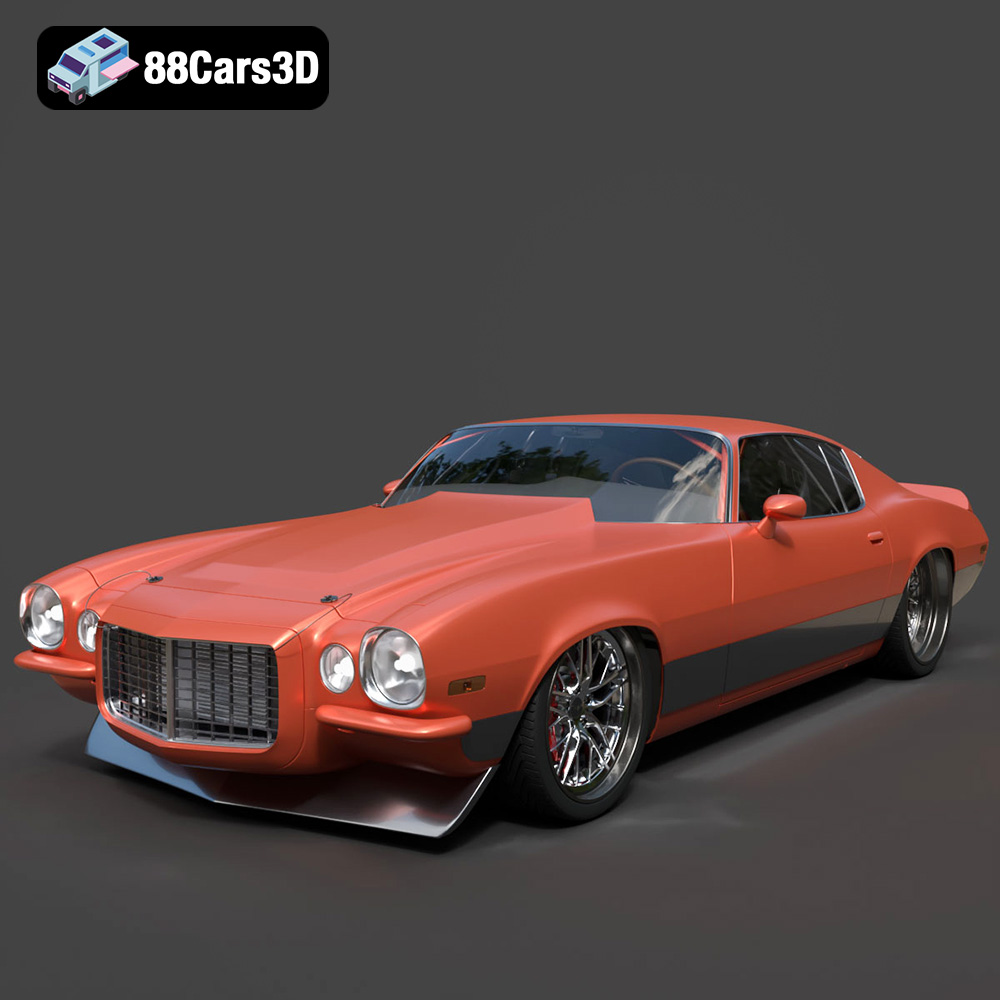
Texture: Yes
Material: Yes
Download the Chevrolet Camaro 1970 3D Model featuring clean geometry, realistic detailing, and a fully modeled interior. Includes .blend, .fbx, .obj, .glb, .stl, .ply, .unreal, and .max formats for rendering, simulation, and game development.
Price: $10
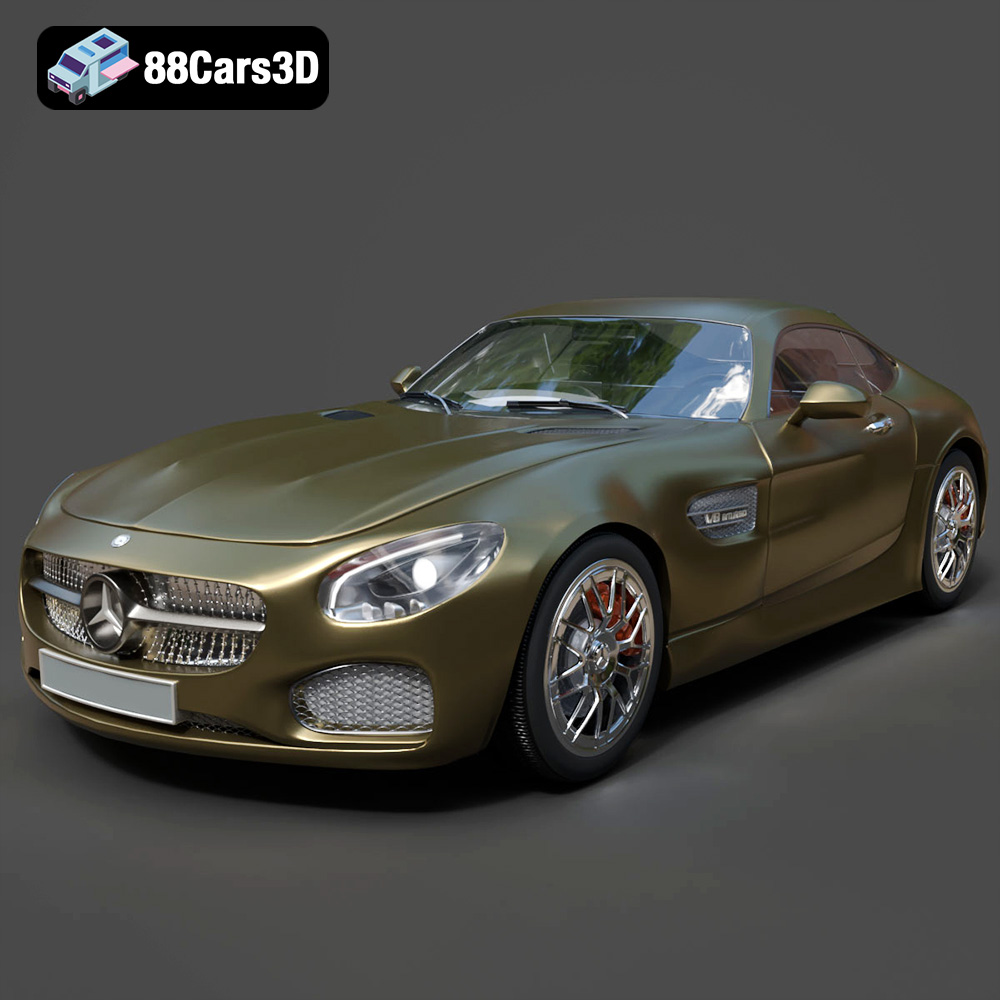
Texture: Yes
Material: Yes
Download the Mercedes-AMG GT 2015 3D Model featuring clean geometry, realistic detailing, and a fully modeled interior. Includes .blend, .fbx, .obj, .glb, .stl, .ply, .unreal, and .max formats for rendering, simulation, and game development.
Price: $88.99
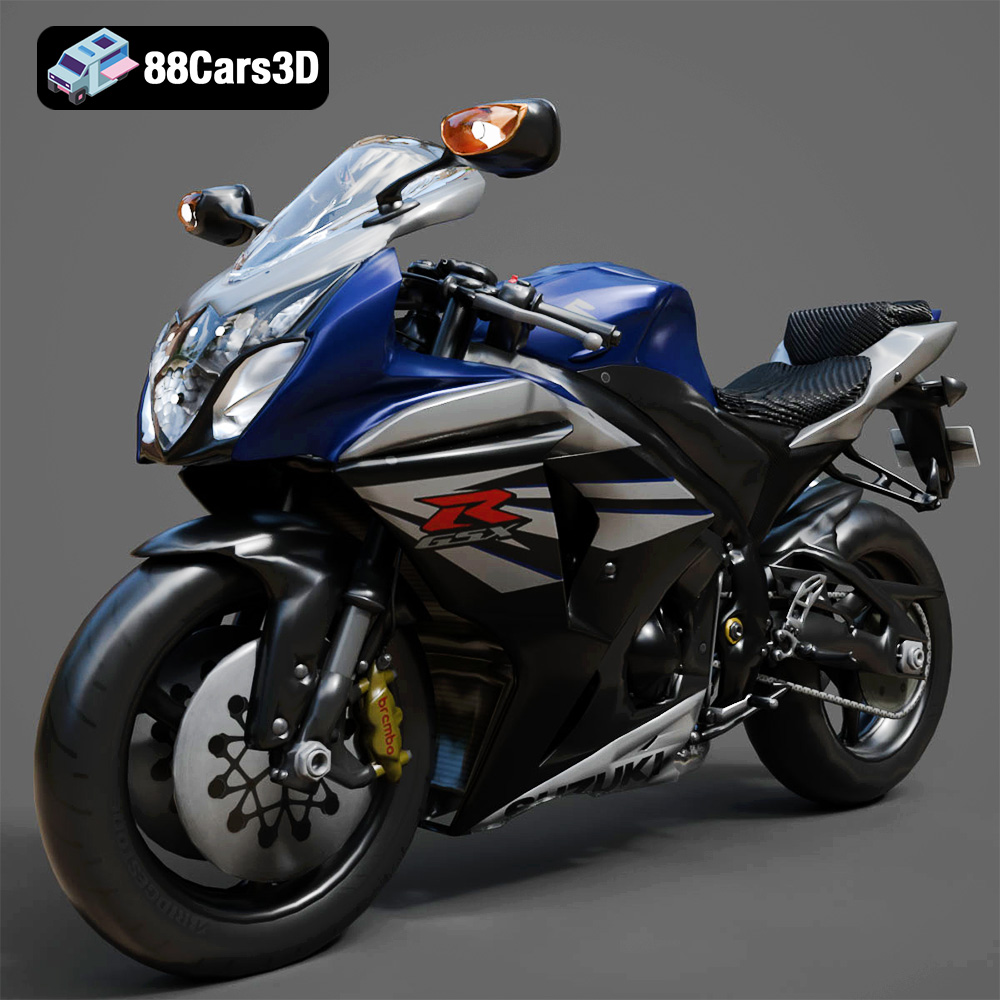
Texture: Yes
Material: Yes
Download the Suzuki GSX-R 1000 3D Model featuring clean geometry, realistic detailing, and a fully modeled interior. Includes .blend, .fbx, .obj, .glb, .stl, .ply, .unreal, and .max formats for rendering, simulation, and game development.
Price: $10
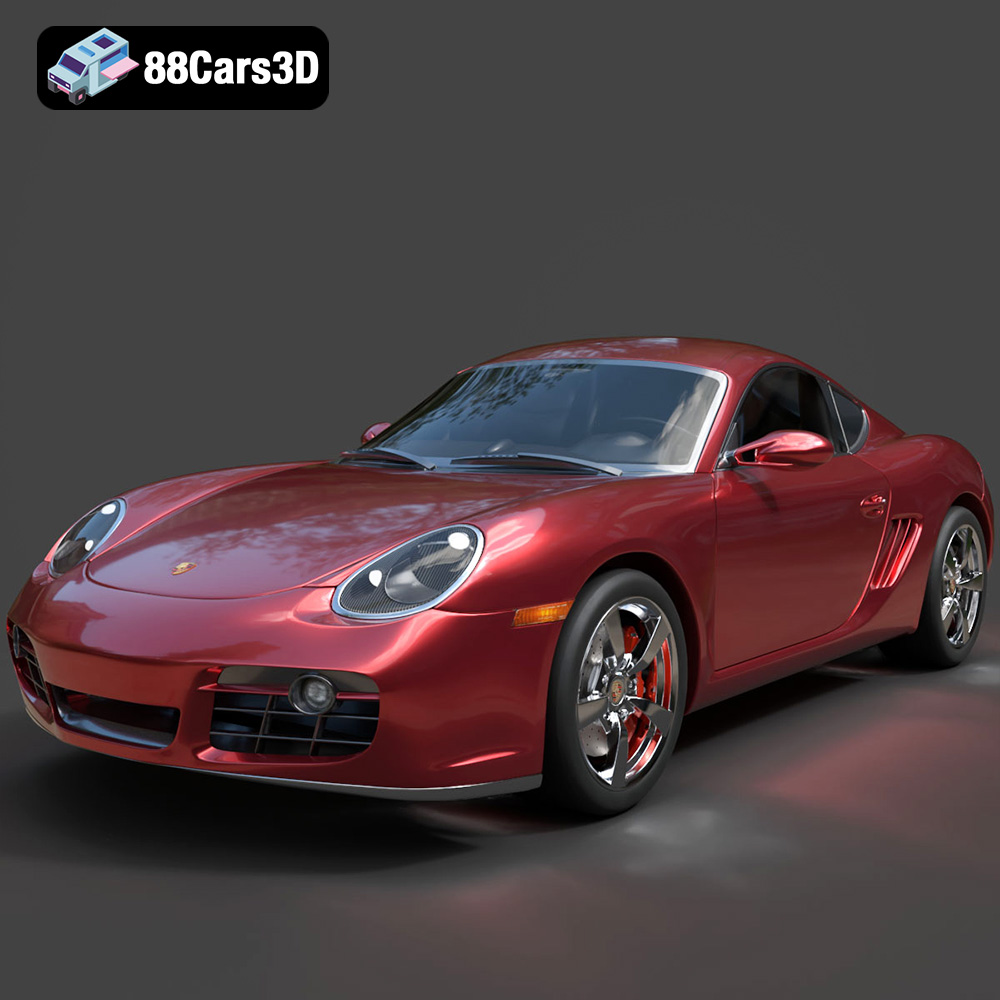
Texture: Yes
Material: Yes
Download the Porsche Cayman S 2024 3D Model featuring clean geometry, realistic detailing, and a fully modeled interior. Includes .blend, .fbx, .obj, .glb, .stl, .ply, .unreal, and .max formats for rendering, simulation, and game development.
Price: $10
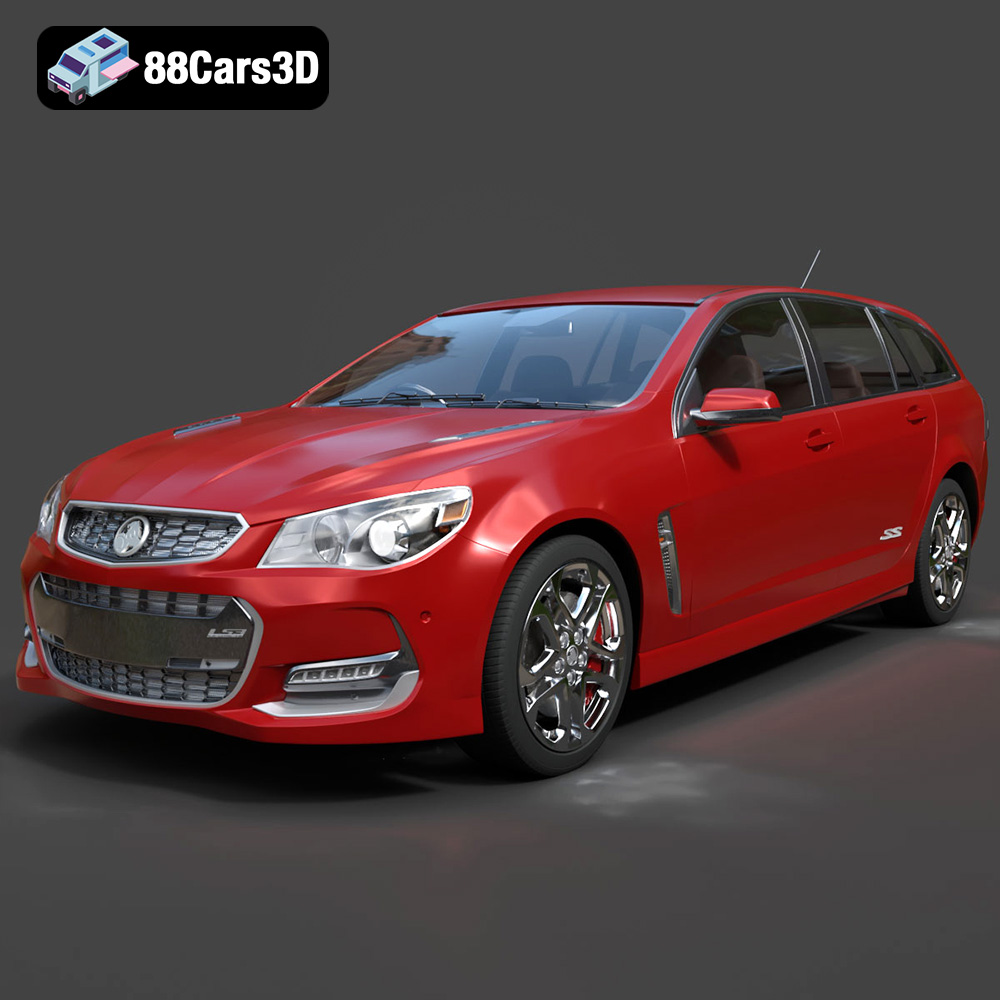
Texture: Yes
Material: Yes
Download the Holden Commodore Sportwagon 2017 3D Model featuring clean geometry, realistic detailing, and a fully modeled interior. Includes .blend, .fbx, .obj, .glb, .stl, .ply, .unreal, and .max formats for rendering, simulation, and game development.
Price: $10
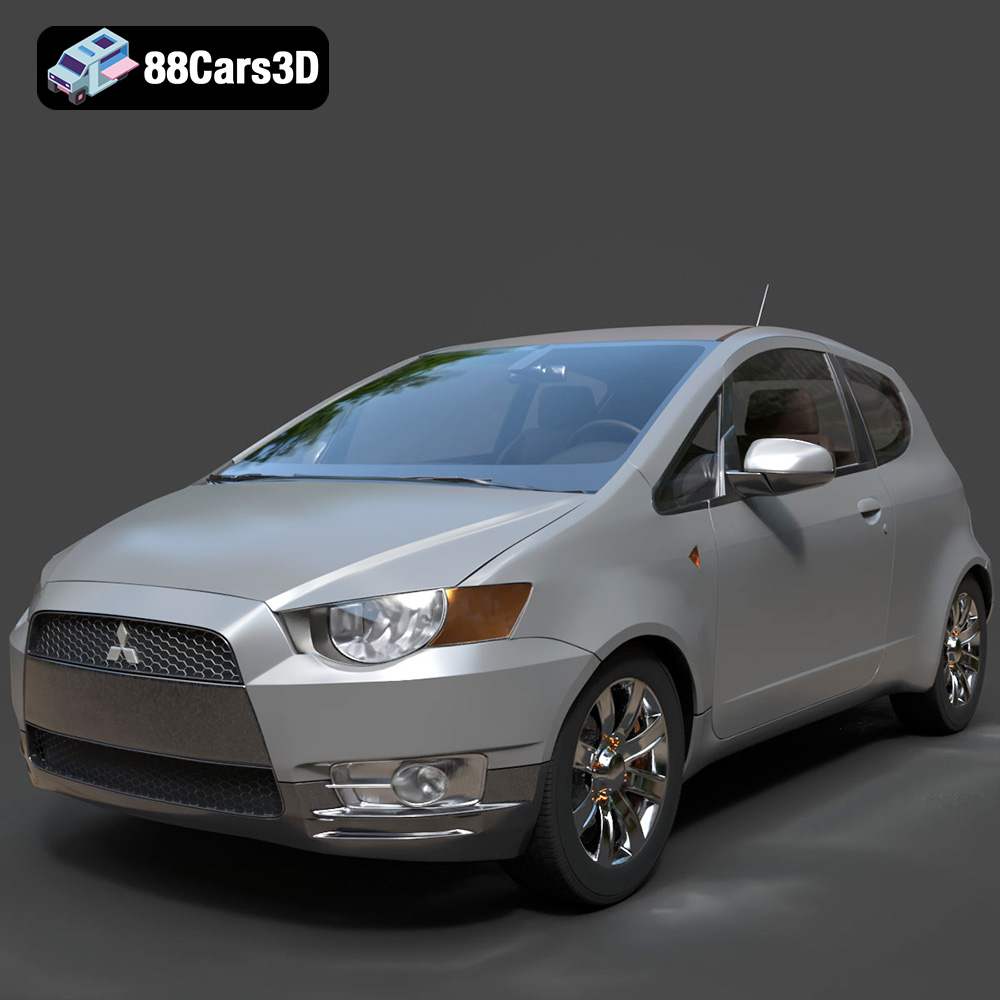
Texture: Yes
Material: Yes
Download the Mitsubishi Colt 3 Door 2008 3D Model featuring clean geometry, realistic detailing, and a fully modeled interior. Includes .blend, .fbx, .obj, .glb, .stl, .ply, .unreal, and .max formats for rendering, simulation, and game development.
Price: $10
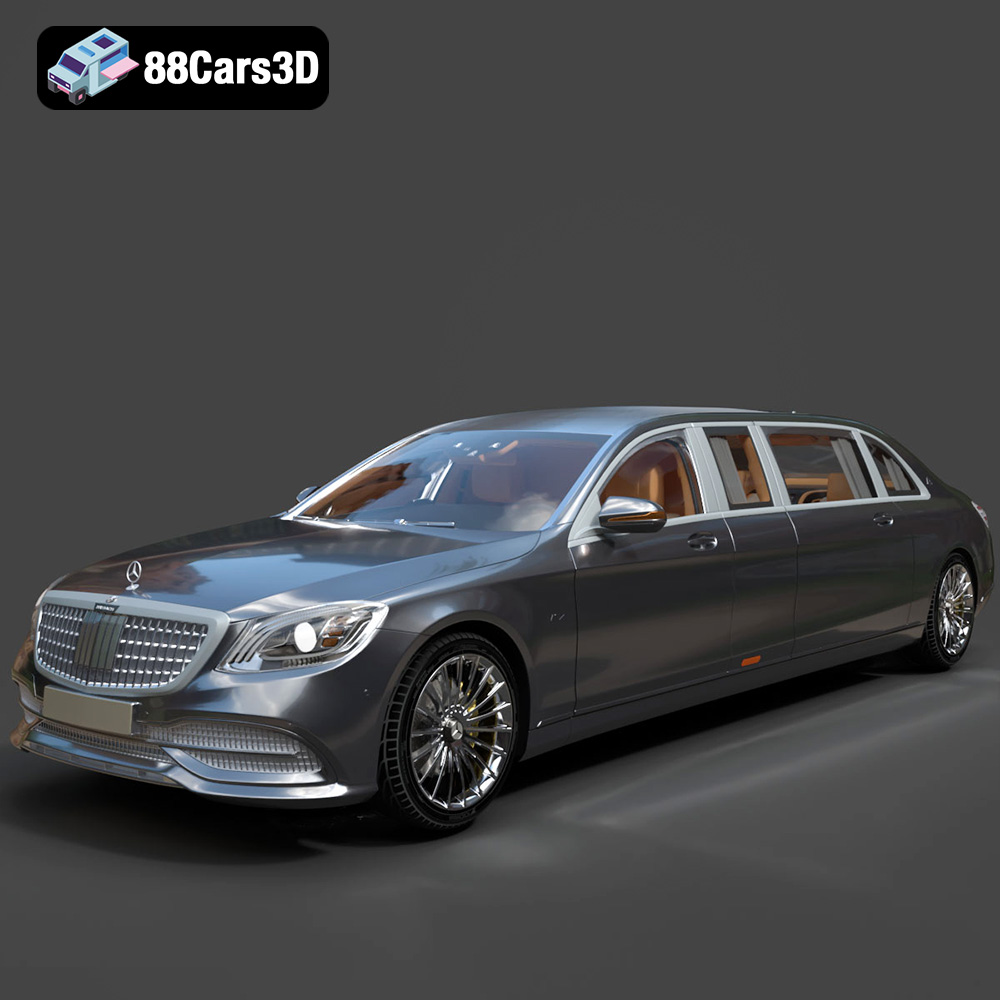
Texture: Yes
Material: Yes
Download the Mercedes-Benz S650 Pullman 3D Model featuring clean geometry, realistic detailing, and a fully modeled interior. Includes .blend, .fbx, .obj, .glb, .stl, .ply, .unreal, and .max formats for rendering, simulation, and game development.
Price: $10

**Meta Description:**
Texture: Yes
Material: Yes
Download the Toyota Crown Majesta 2009 3D Model with luxury detailing, clean topology, and a fully modeled interior. Available in .blend, .fbx, .obj, .glb, .stl, .ply, .unreal, and .max formats for rendering, simulation, and game development.
Price: $4.99

**Meta Description:**
Texture: Yes
Material: Yes
Download the Toyota AE86 Levin 1983 1987 3D Model featuring realistic exterior and interior detailing. Includes .blend, .fbx, .obj, .glb, .stl, .ply, .unreal, and .max formats for rendering, simulation, and game development.
Price: $9.99

Texture: Yes
Material: Yes
Download the Toyota Mark 2 2001 3D Model featuring clean geometry, realistic detailing, and a fully modeled interior. Includes .blend, .fbx, .obj, .glb, .stl, .ply, .unreal, and .max formats for rendering, simulation, and game development.
Price: $4.99

