Get 50% OFF All Premium 3D & STL Models!

“`html
The world of 3D printing offers unparalleled opportunities for hobbyists, engineers, and automotive enthusiasts alike. The ability to bring detailed, three-dimensional models to life from digital designs is nothing short of revolutionary. At the heart of this process lies the STL file, the ubiquitous format that serves as the blueprint for your 3D printer. But simply having an STL file isn’t enough. Mastering the intricacies of STL file preparation, 3D printer settings, slicing techniques, and post-processing is crucial to achieving stunning, accurate replicas of your favorite cars. In this comprehensive guide, we’ll delve into the essential aspects of 3D printing car models, from understanding STL file structure to optimizing your printer settings for the best possible results. We’ll explore techniques applicable to both FDM and resin printers, ensuring you have the knowledge to tackle any project, regardless of your chosen technology. Platforms like 88cars3d.com offer print-ready STL files specifically designed for automotive models, significantly simplifying the process.
This guide will cover:
The STL (Stereolithography) file format is the cornerstone of 3D printing. It represents the surface geometry of a 3D object as a collection of triangles. Understanding its structure is vital for troubleshooting potential printing issues and optimizing your models for the best possible results. STL files essentially define the outer shell of your 3D model; the more triangles, the smoother and more detailed the surface will be. However, an excessive number of triangles can lead to larger file sizes and increased processing time during slicing.
The quality of the mesh topology directly impacts the printability of your model. A “manifold” mesh is essential – this means that every edge of every triangle must be shared by exactly two triangles, forming a closed and watertight surface. Non-manifold edges, holes, and self-intersections are common problems that can lead to print failures. Software like Meshmixer, Netfabb, and even some slicers can automatically detect and repair these issues. Before printing, always run a mesh analysis and repair tool to ensure your STL file is watertight and error-free. A good rule of thumb is to aim for a mesh density that captures the necessary details without being overly complex, balancing file size and surface smoothness.
Several free and paid mesh viewers allow you to inspect the internal structure of an STL file. Programs like MeshLab and online viewers can reveal potential problems that might not be immediately obvious. Look for flipped normals (triangles facing the wrong way), gaps in the mesh, and overlapping surfaces. These tools often provide basic repair functions as well. It’s beneficial to zoom in on critical areas of your car model, such as intricate grilles or detailed panel lines, to ensure the mesh resolution is sufficient and free from defects. When downloading models from marketplaces such as 88cars3d.com, you can usually trust that the files are pre-validated, but it’s always wise to double-check.
Slicing is the process of converting a 3D model (STL file) into a series of instructions that your 3D printer can understand. These instructions dictate the printer’s movements, material extrusion, and other critical parameters. The slicer software takes the 3D model and divides it into thin horizontal layers, generating a G-code file that contains the exact coordinates and commands for the printer. Understanding the key slicing parameters is crucial to achieving high-quality prints.
Layer height is one of the most fundamental slicing parameters. It determines the thickness of each printed layer. Smaller layer heights (e.g., 0.1mm or 0.05mm) result in smoother surfaces and finer details, but they also significantly increase print time. Larger layer heights (e.g., 0.2mm or 0.3mm) print faster but sacrifice surface quality. For car models, a layer height of 0.1mm to 0.15mm is a good starting point for FDM printing. For resin printing, layer heights are typically much smaller, often in the range of 0.025mm to 0.05mm, allowing for incredible detail. Experiment with different layer heights to find the optimal balance between print time and surface finish for your specific printer and model.
Infill refers to the internal structure of a 3D printed object. It provides strength and rigidity while minimizing material usage. Infill density is expressed as a percentage, with 0% being completely hollow and 100% being solid. For car models, an infill density of 15% to 25% is typically sufficient for most parts. Consider increasing the infill density for parts that will be subjected to stress, such as axles or chassis components. The infill pattern also plays a role. Common patterns include rectilinear, honeycomb, and gyroid. Gyroid infill offers excellent strength-to-weight ratio and is often a good choice for structural components. For purely aesthetic parts, a rectilinear or concentric infill pattern might be sufficient.
Support structures are temporary scaffolding used to support overhanging features during 3D printing. Without supports, gravity would cause these features to collapse during the printing process. Proper support generation and removal are essential for achieving clean and accurate prints of complex car models, which often have intricate overhangs and intricate details.
Most slicer software offers automatic support generation, which analyzes the model and automatically places supports where needed. However, automatic supports are not always optimal. They can sometimes be placed in areas that are difficult to remove or that leave unsightly marks on the finished print. Manual support generation gives you more control over the placement and type of supports used. This allows you to minimize the impact of supports on the surface finish and ensure that they are easily removable. Software like Meshmixer allows for detailed manual support editing, giving you precise control over support placement and thickness.
Different types of support structures are available, each with its own advantages and disadvantages. Tree supports, for example, are efficient in terms of material usage and can be easier to remove than linear supports. Support density also affects removability. Denser supports provide more robust support but can be more difficult to remove and may leave more noticeable marks. Experiment with different support types and densities to find the optimal settings for your specific model and printer. Interfaces between the support and the model can also be adjusted in most slicers. Creating a larger gap between the support and model can make removal easier but may compromise support strength for very steep overhangs.
Print orientation refers to the way a 3D model is positioned on the print bed. It significantly impacts print time, surface quality, support requirements, and overall print success. Bed adhesion, the ability of the first layer to stick firmly to the print bed, is equally crucial. Poor bed adhesion can lead to warping, detachment, and ultimately, a failed print. Careful attention to print orientation and bed adhesion is essential for successful 3D printing of car models.
Consider the orientation of your model to maximize its strength in critical areas. For example, if a car model has a long, thin roof, orienting it vertically might make it more prone to cracking along the layer lines. Orienting it horizontally, with the roof parallel to the print bed, would distribute the stress more evenly. Also, consider the aesthetic impact of print orientation. Surfaces that are parallel to the print bed will generally have a smoother finish than those that are printed at an angle and require supports. Experiment with different orientations to find the best balance between strength, aesthetics, and support requirements.
Proper bed adhesion is critical for preventing warping and ensuring a successful print. Several techniques can be used to improve bed adhesion. These include using a heated bed, applying an adhesive such as glue stick or hairspray, and using a raft or brim. A raft is a thick layer of material printed underneath the model, providing a larger surface area for adhesion. A brim is a single-layer outline printed around the base of the model. The optimal bed temperature depends on the material being used. PLA typically requires a bed temperature of 60-70°C, while ABS requires a higher temperature of 100-110°C. Experiment with different bed temperatures and adhesion techniques to find what works best for your printer and material. Cleanliness of the print bed is also key. Wipe down the build plate with isopropyl alcohol before each print to remove any oils or residue.
The choice of material significantly impacts the final appearance, strength, and durability of your 3D printed car model. Common materials include PLA, PETG, ABS, and various resins. Each material has its own unique properties and printing requirements. Proper printer calibration is equally important. Ensuring that your printer is accurately extruding material, moving along the correct axes, and maintaining the correct temperature is essential for achieving consistent and reliable results.
PLA (Polylactic Acid) is a biodegradable thermoplastic that is easy to print and produces good surface quality. It is a good choice for purely aesthetic car models. PETG (Polyethylene Terephthalate Glycol) is a more durable and heat-resistant material than PLA. It is a good choice for car models that will be subjected to stress or exposed to heat. ABS (Acrylonitrile Butadiene Styrene) is a strong and durable thermoplastic that is commonly used in automotive applications. However, it is more difficult to print than PLA and PETG and requires a heated enclosure to prevent warping. Resin printing offers the highest level of detail and accuracy, making it ideal for intricate car models. However, resin prints are typically more brittle than FDM prints and require post-processing steps such as washing and curing.
Regular printer calibration and maintenance are essential for ensuring accurate and reliable results. This includes calibrating the extruder, leveling the print bed, and cleaning the nozzle. Extruder calibration ensures that the printer is extruding the correct amount of material. Bed leveling ensures that the print bed is perfectly flat, which is essential for good bed adhesion. Nozzle cleaning prevents clogs and ensures smooth extrusion. Regularly check and tighten belts, lubricate moving parts, and update your printer’s firmware to keep it running smoothly. A well-maintained and calibrated printer will produce higher-quality prints and reduce the risk of print failures.
Post-processing is the set of techniques used to refine and enhance the appearance of a 3D printed object after it has been removed from the printer. For car models, post-processing can transform a raw print into a stunning showpiece. Common post-processing techniques include support removal, sanding, filling, priming, painting, and clear coating. The specific techniques used will depend on the material, the desired finish, and the level of detail required.
Sanding is used to remove layer lines and other imperfections from the surface of the print. Start with a coarse grit sandpaper (e.g., 220 grit) and gradually move to finer grits (e.g., 400 grit, 600 grit, 800 grit). Filling is used to fill in any remaining imperfections, such as small holes or gaps. A variety of fillers are available, including epoxy putties and acrylic fillers. Priming provides a smooth, even surface for painting. Use a high-quality primer that is compatible with the material being used. Apply multiple thin coats of primer, sanding lightly between coats. Patience and attention to detail are key to achieving a smooth and flawless surface.
Painting is used to add color and detail to the car model. Use high-quality acrylic paints or automotive paints for the best results. Apply multiple thin coats of paint, allowing each coat to dry completely before applying the next. Use masking tape to create clean lines and prevent overspray. Clear coating provides a protective layer over the paint and adds a glossy finish. Use a clear coat that is compatible with the paint being used. Apply multiple thin coats of clear coat, allowing each coat to dry completely before applying the next. Wet sanding with very fine grit sandpaper (e.g., 2000 grit) between clear coat layers can further enhance the gloss and smoothness. Following these steps will result in a professional-looking finish that enhances the realism and beauty of your 3D printed car model.
Mastering the art of 3D printing car models is a journey that combines technical skill with creative passion. By understanding the nuances of STL files, optimizing your 3D printer settings, employing effective slicing techniques, and mastering post-processing methods, you can transform digital designs into tangible works of art. Remember to pay close attention to material selection, printer calibration, and bed adhesion, as these factors significantly impact the final result. Don’t be afraid to experiment and iterate, learning from both successes and failures. The world of 3D printing is constantly evolving, so stay curious, explore new techniques, and share your knowledge with the community. And remember, resources like 88cars3d.com are available to provide you with high-quality STL files and inspiration for your next project. Now, go forth and bring your automotive dreams to life, one layer at a time!
“`

Texture: Yes
Material: Yes
Download the Chevrolet Camaro 1970 3D Model featuring clean geometry, realistic detailing, and a fully modeled interior. Includes .blend, .fbx, .obj, .glb, .stl, .ply, .unreal, and .max formats for rendering, simulation, and game development.
Price: $10

Texture: Yes
Material: Yes
Download the Mercedes-AMG GT 2015 3D Model featuring clean geometry, realistic detailing, and a fully modeled interior. Includes .blend, .fbx, .obj, .glb, .stl, .ply, .unreal, and .max formats for rendering, simulation, and game development.
Price: $88.99

Texture: Yes
Material: Yes
Download the Suzuki GSX-R 1000 3D Model featuring clean geometry, realistic detailing, and a fully modeled interior. Includes .blend, .fbx, .obj, .glb, .stl, .ply, .unreal, and .max formats for rendering, simulation, and game development.
Price: $10

Texture: Yes
Material: Yes
Download the Porsche Cayman S 2024 3D Model featuring clean geometry, realistic detailing, and a fully modeled interior. Includes .blend, .fbx, .obj, .glb, .stl, .ply, .unreal, and .max formats for rendering, simulation, and game development.
Price: $10

Texture: Yes
Material: Yes
Download the Holden Commodore Sportwagon 2017 3D Model featuring clean geometry, realistic detailing, and a fully modeled interior. Includes .blend, .fbx, .obj, .glb, .stl, .ply, .unreal, and .max formats for rendering, simulation, and game development.
Price: $10
Texture: Yes
Material: Yes
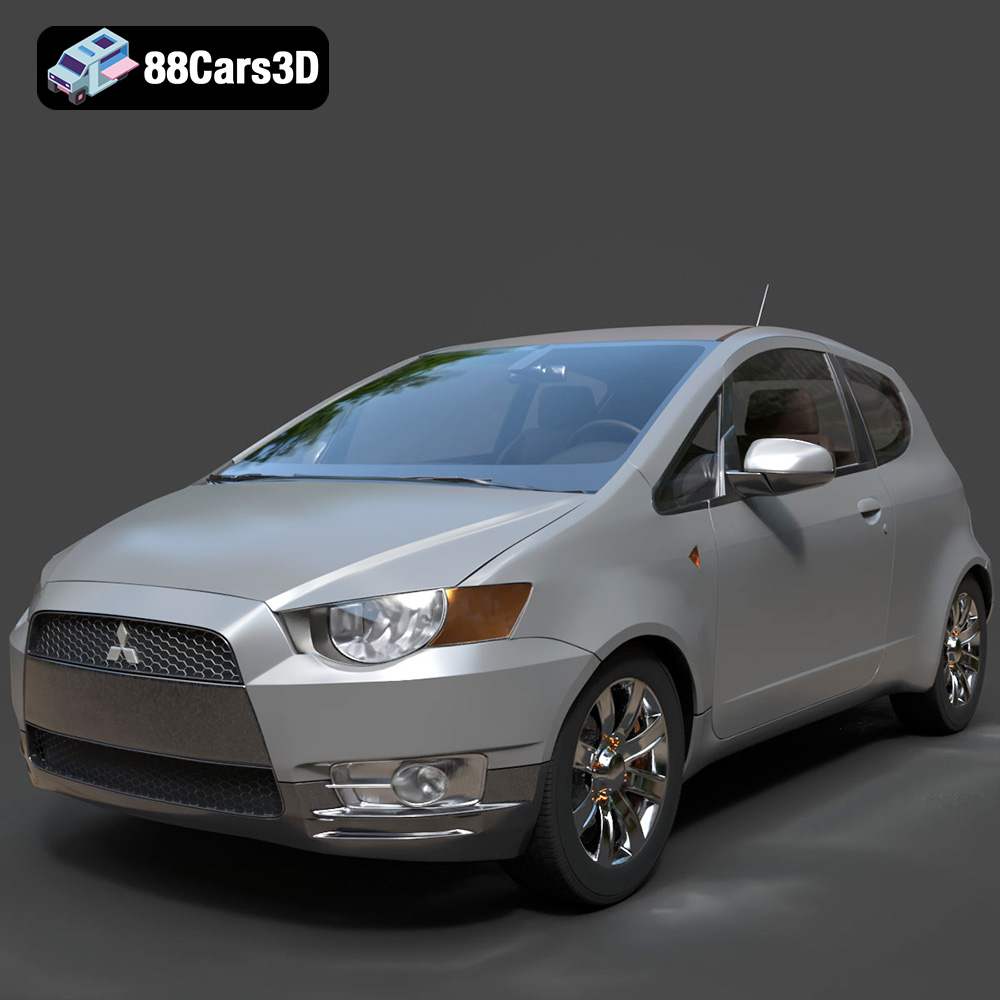
Download the Mitsubishi Colt 3 Door 2008 3D Model featuring clean geometry, realistic detailing, and a fully modeled interior. Includes .blend, .fbx, .obj, .glb, .stl, .ply, .unreal, and .max formats for rendering, simulation, and game development.
Price: $10
Texture: Yes
Material: Yes
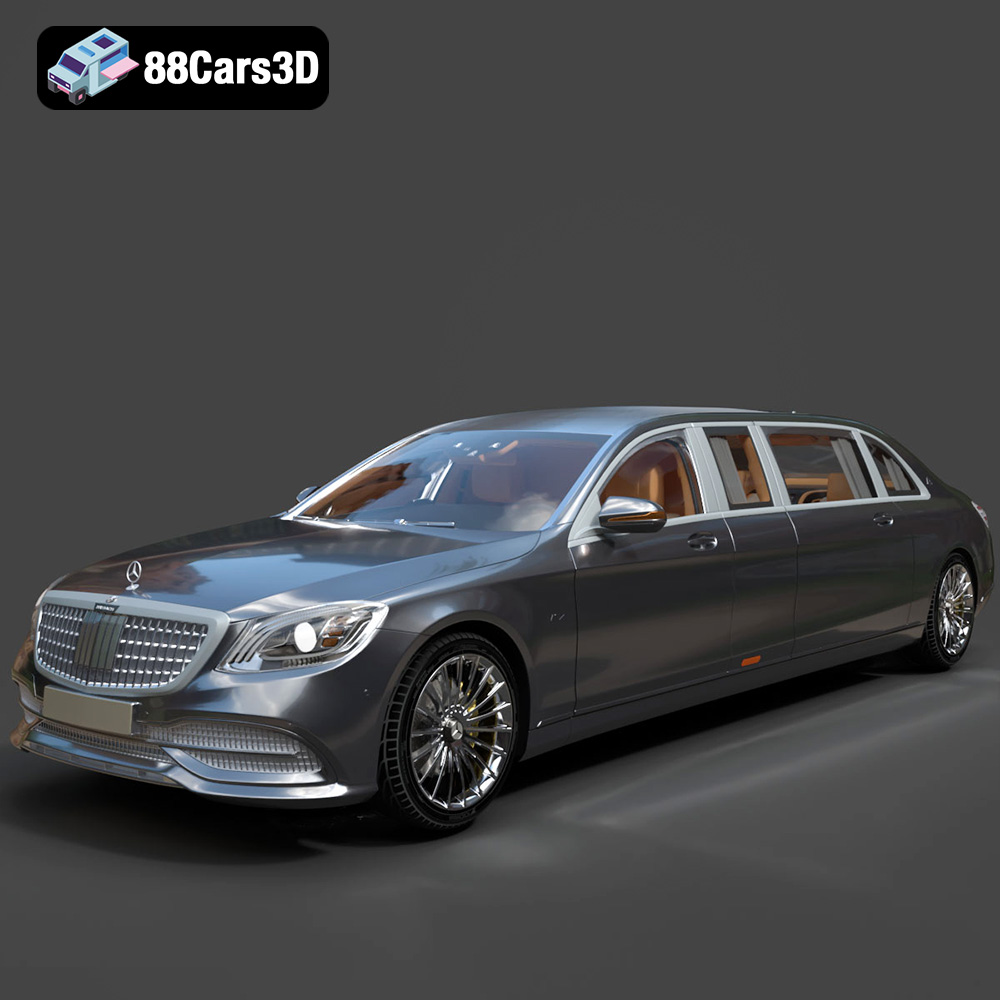
Download the Mercedes-Benz S650 Pullman 3D Model featuring clean geometry, realistic detailing, and a fully modeled interior. Includes .blend, .fbx, .obj, .glb, .stl, .ply, .unreal, and .max formats for rendering, simulation, and game development.
Price: $10
Texture: Yes
Material: Yes
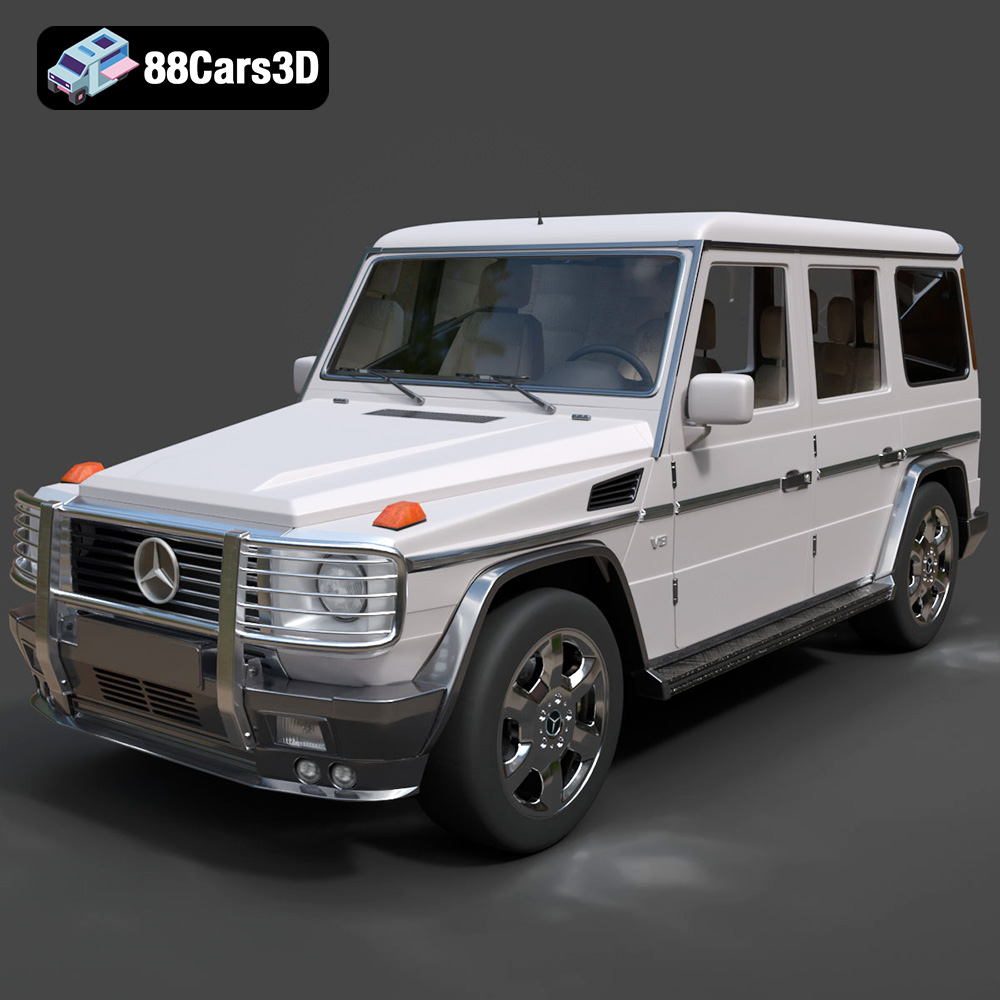
Download the Mercedes G-Class SUV 2024 3D Model featuring clean geometry, realistic detailing, and a fully modeled interior. Includes .blend, .fbx, .obj, .glb, .stl, .ply, .unreal, and .max formats for rendering, simulation, and game development.
Price: $10

**Meta Description:**
Texture: Yes
Material: Yes
Download the Toyota Crown Majesta 2009 3D Model with luxury detailing, clean topology, and a fully modeled interior. Available in .blend, .fbx, .obj, .glb, .stl, .ply, .unreal, and .max formats for rendering, simulation, and game development.
Price: $4.99

**Meta Description:**
Texture: Yes
Material: Yes
Download the Toyota AE86 Levin 1983 1987 3D Model featuring realistic exterior and interior detailing. Includes .blend, .fbx, .obj, .glb, .stl, .ply, .unreal, and .max formats for rendering, simulation, and game development.
Price: $9.99

