Get 50% OFF All Premium 3D & STL Models!

“`html
The allure of replicating your favorite car in miniature form is a powerful draw for many 3D printing enthusiasts. Whether you’re a seasoned maker or just starting your journey, the process of transforming a digital STL file into a tangible, detailed car model can be incredibly rewarding. This comprehensive guide will delve into the intricacies of 3D printing car models, covering everything from file preparation and optimal printer settings to post-processing techniques and troubleshooting common issues. We’ll explore both FDM (Fused Deposition Modeling) and resin printing methods, highlighting their strengths and weaknesses for this specific application. By the end of this article, you’ll have the knowledge and skills to consistently produce stunning 3D printed car models.
The foundation of any successful 3D print lies in the quality of the STL file. STL, or Stereolithography, is a file format that represents a 3D object as a collection of triangles. The density and arrangement of these triangles directly impact the smoothness and accuracy of the final print. A poorly designed or corrupted STL file can lead to a range of issues, from visible facets and jagged edges to printing errors and structural weaknesses. Platforms like 88cars3d.com offer print-ready STL files optimized for 3D printing, saving you significant time and effort in the preparation process.
The term “mesh topology” refers to the structure and connectivity of the triangles that make up the STL file. A well-formed mesh has consistent triangle sizes and avoids overlapping or intersecting triangles. High-resolution models have a greater density of triangles, resulting in smoother curves and finer details but also larger file sizes and increased processing time. Lower-resolution models print faster but may exhibit noticeable faceting. Finding the right balance is crucial for optimizing both print quality and efficiency. For car models, areas like the curves of the fenders and the details of the grille require higher resolution than flat surfaces.
Before sending an STL file to your 3D printer, it’s essential to check it for errors. Common issues include non-manifold geometry (e.g., edges that are not connected to two triangles), holes in the mesh, and self-intersections. Several software tools are available for repairing STL files, including Meshmixer, Netfabb, and online services like MakePrintable. These tools can automatically identify and fix many common errors, ensuring a successful print. A typical workflow involves importing the STL file into the repair software, running an analysis to identify errors, and then applying automatic or manual repair techniques to resolve the issues. Remember that even small imperfections in the STL file can be magnified during the printing process, leading to visible defects in the final model.
The slicer software acts as the bridge between your STL file and your 3D printer. It converts the 3D model into a series of instructions that the printer can understand, controlling parameters such as layer height, print speed, temperature, and support structures. Optimizing these settings is critical for achieving the desired level of detail, strength, and surface finish in your 3D printed car model. Different slicers, like Cura and PrusaSlicer, offer varying degrees of control and customization, catering to different user preferences and printer capabilities.
Layer height is a fundamental parameter that directly affects print quality and print time. A smaller layer height results in smoother surfaces and finer details, but it also significantly increases the print time. A larger layer height allows for faster printing, but it may compromise the surface finish, especially on curved surfaces. A good starting point for car models is a layer height of 0.1mm to 0.2mm for FDM printing, and 0.025mm to 0.05mm for resin printing. Print speed also influences both print time and quality. Slower speeds generally produce better results, particularly for intricate details and overhangs. A typical print speed for FDM printing of car models is 40-60 mm/s.
Infill density determines the amount of material used inside the model. A higher infill density increases the strength and weight of the print, while a lower infill density saves material and reduces print time. For car models, a moderate infill density of 15-25% is usually sufficient, providing a good balance between strength and efficiency. The infill pattern also affects the structural properties of the print. Common infill patterns include grid, honeycomb, and gyroid. Gyroid infill offers excellent strength-to-weight ratio and is a good choice for parts that need to withstand stress. For purely aesthetic models, a lower infill percentage and a simpler pattern like “lines” can be used to minimize print time and material consumption.
Support structures are temporary scaffolding that helps to support overhanging features and prevent them from collapsing during printing. They are essential for printing complex geometries, especially for car models with intricate details like spoilers, mirrors, and wheel arches. Generating effective support structures and removing them cleanly without damaging the model is a critical skill in 3D printing. The choice of support material and the support pattern can significantly impact the ease of removal and the surface finish of the supported areas.
There are several types of support structures available in most slicer software, including tree supports, linear supports, and hybrid supports. Tree supports are particularly useful for car models because they minimize the contact area with the model, making them easier to remove and reducing the risk of damage. Linear supports are simpler to generate but may leave more noticeable marks on the surface. Hybrid supports combine the advantages of both tree and linear supports, offering a balance between support strength and ease of removal. The optimal choice depends on the specific geometry of the car model and the material being used.
Removing support structures cleanly requires patience and the right tools. Start by gently breaking away the bulk of the support material using pliers or cutters. For more delicate areas, use a sharp knife or scraper to carefully remove the remaining support material. It’s important to work slowly and avoid applying excessive force, which can damage the model. For resin prints, soaking the model in warm water can help to soften the support structures and make them easier to remove. Some advanced filaments, such as those with breakaway support properties, are designed to simplify this process significantly.
The choice of material significantly impacts the appearance, strength, and durability of your 3D printed car model. Each material has its own unique properties and printing requirements, making it suitable for different applications. For FDM printing, common materials include PLA, PETG, and ABS. For resin printing, a variety of resins are available, each with its own specific characteristics.
PLA (Polylactic Acid) is a biodegradable thermoplastic that is easy to print and produces excellent surface finish. It’s a good choice for beginners and for models that don’t require high strength or heat resistance. PETG (Polyethylene Terephthalate Glycol-modified) is stronger and more durable than PLA, and it has better heat resistance. It’s a good all-around material for car models that need to withstand some wear and tear. ABS (Acrylonitrile Butadiene Styrene) is a strong and heat-resistant plastic that is commonly used in automotive parts. However, it’s more difficult to print than PLA and PETG, as it requires a heated bed and an enclosed printer to prevent warping.
* PLA: Easy to print, good surface finish, low strength. Bed temp: 60C, Nozzle temp: 200C.
* PETG: Stronger than PLA, good heat resistance. Bed temp: 70C, Nozzle temp: 230C.
* ABS: High strength, high heat resistance, prone to warping. Bed temp: 100C, Nozzle temp: 240C.
Resin printing offers significantly higher resolution and detail than FDM printing, making it ideal for intricate car models. However, resin prints are typically more brittle than FDM prints and require post-processing steps such as washing and curing. There are many types of resins available, including standard resins, tough resins, and flexible resins. Standard resins are suitable for general-purpose printing, while tough resins offer increased impact resistance. Flexible resins are useful for parts that need to bend or flex. Resin printing typically involves lower layer heights (0.025 – 0.05mm) and longer exposure times per layer compared to FDM printing. Safety precautions are also crucial when working with resins, as they can be irritants.
Post-processing is the final stage in the 3D printing process, where you refine the appearance and functionality of your car model. It involves techniques such as sanding, painting, and assembly, which can transform a raw 3D print into a polished and professional-looking product. The specific post-processing steps required will depend on the material used, the desired level of detail, and the intended use of the model.
Sanding is used to remove layer lines and imperfections from the surface of the print. Start with a coarse grit sandpaper (e.g., 220 grit) to remove the larger imperfections, and then gradually move to finer grits (e.g., 400 grit, 600 grit, 800 grit) to smooth the surface. Wet sanding can help to reduce dust and improve the surface finish. For resin prints, sanding is often less necessary due to the higher resolution, but it can still be used to remove small imperfections. When sanding, always wear a mask to protect yourself from dust particles.
Painting is used to add color and detail to the car model. Start by applying a primer to create a smooth and uniform surface for the paint to adhere to. Then, apply several thin coats of paint, allowing each coat to dry completely before applying the next. Acrylic paints are a good choice for 3D printed models, as they are easy to apply and come in a wide range of colors. After painting, you can apply a clear coat to protect the paint and add a glossy finish. Consider using stencils or masking tape to create more complex paint schemes and details. When downloading models from marketplaces such as 88cars3d.com, you can often find color schemes to accurately replicate real-world vehicles.
Even with careful planning and optimal settings, 3D printing can sometimes present challenges. Common issues include warping, bed adhesion problems, stringing, and layer separation. Understanding the causes of these problems and knowing how to troubleshoot them is essential for consistently producing high-quality car models. Regular printer maintenance and proper filament storage are also crucial for preventing many of these issues.
Warping occurs when the corners of the print lift up from the build plate due to uneven cooling. This is more common with materials like ABS, which have a high thermal expansion coefficient. To prevent warping, ensure that the build plate is properly leveled and heated. Applying a layer of adhesive, such as glue stick or hairspray, can also improve bed adhesion. Enclosing the printer can help to maintain a more consistent temperature and reduce warping. If warping persists, try increasing the bed temperature or adding a brim or raft to the print.
Stringing occurs when small strands of filament are left behind as the print head moves between different parts of the model. This is often caused by excessive retraction distance or temperature. To reduce stringing, try decreasing the nozzle temperature, increasing the retraction distance, or increasing the travel speed. Layer separation occurs when the layers of the print do not adhere properly to each other, resulting in a weak and fragile print. This can be caused by insufficient nozzle temperature, poor bed adhesion, or a clogged nozzle. To prevent layer separation, ensure that the nozzle temperature is set correctly, that the bed is properly leveled and heated, and that the nozzle is clean and free of obstructions. Properly drying your filament can also help prevent layer separation caused by moisture absorption.
3D printing car models is a fascinating blend of technology, artistry, and precision. By understanding the nuances of STL files, mastering slicer settings, and employing effective post-processing techniques, you can transform digital designs into stunning physical replicas. Whether you’re using FDM or resin printing, the key is to experiment, learn from your mistakes, and continuously refine your process. Don’t be afraid to try different materials, settings, and techniques to achieve the desired results. Remember that the quality of the STL file is paramount, and platforms like 88cars3d.com can provide you with a solid foundation for your 3D printing journey. With dedication and practice, you can unlock the full potential of 3D printing and create a collection of car models that you’ll be proud to display.
Next Steps:
“`

Texture: Yes
Material: Yes
Download the Chevrolet Camaro 1970 3D Model featuring clean geometry, realistic detailing, and a fully modeled interior. Includes .blend, .fbx, .obj, .glb, .stl, .ply, .unreal, and .max formats for rendering, simulation, and game development.
Price: $10

Texture: Yes
Material: Yes
Download the Mercedes-AMG GT 2015 3D Model featuring clean geometry, realistic detailing, and a fully modeled interior. Includes .blend, .fbx, .obj, .glb, .stl, .ply, .unreal, and .max formats for rendering, simulation, and game development.
Price: $88.99

Texture: Yes
Material: Yes
Download the Suzuki GSX-R 1000 3D Model featuring clean geometry, realistic detailing, and a fully modeled interior. Includes .blend, .fbx, .obj, .glb, .stl, .ply, .unreal, and .max formats for rendering, simulation, and game development.
Price: $10

Texture: Yes
Material: Yes
Download the Porsche Cayman S 2024 3D Model featuring clean geometry, realistic detailing, and a fully modeled interior. Includes .blend, .fbx, .obj, .glb, .stl, .ply, .unreal, and .max formats for rendering, simulation, and game development.
Price: $10

Texture: Yes
Material: Yes
Download the Holden Commodore Sportwagon 2017 3D Model featuring clean geometry, realistic detailing, and a fully modeled interior. Includes .blend, .fbx, .obj, .glb, .stl, .ply, .unreal, and .max formats for rendering, simulation, and game development.
Price: $10
Texture: Yes
Material: Yes
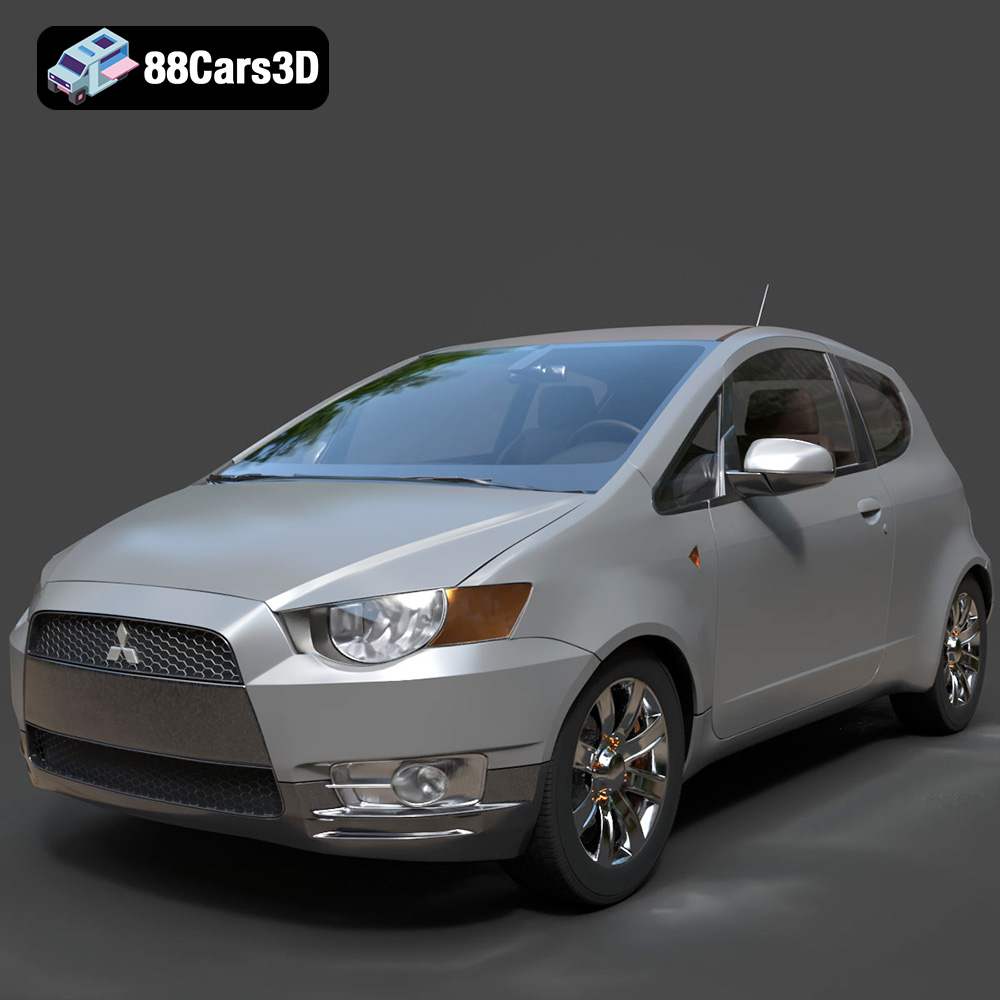
Download the Mitsubishi Colt 3 Door 2008 3D Model featuring clean geometry, realistic detailing, and a fully modeled interior. Includes .blend, .fbx, .obj, .glb, .stl, .ply, .unreal, and .max formats for rendering, simulation, and game development.
Price: $10
Texture: Yes
Material: Yes
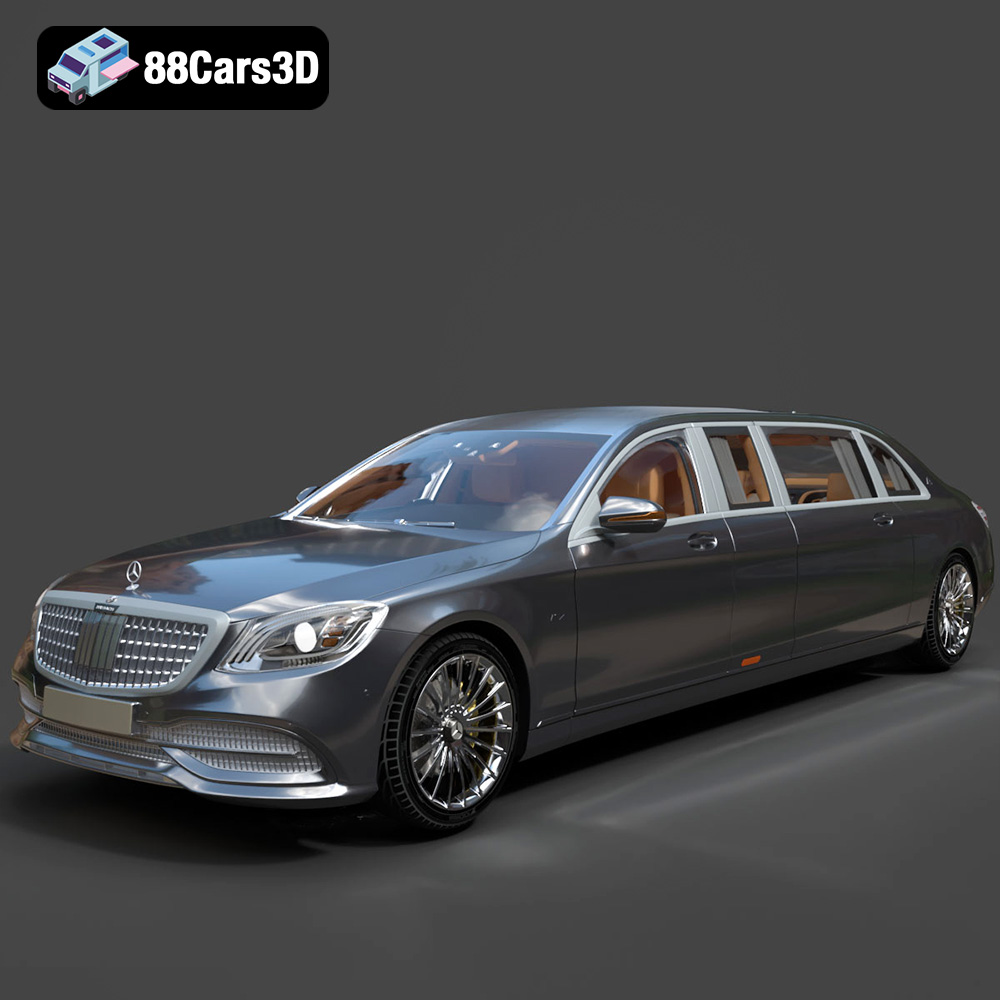
Download the Mercedes-Benz S650 Pullman 3D Model featuring clean geometry, realistic detailing, and a fully modeled interior. Includes .blend, .fbx, .obj, .glb, .stl, .ply, .unreal, and .max formats for rendering, simulation, and game development.
Price: $10
Texture: Yes
Material: Yes
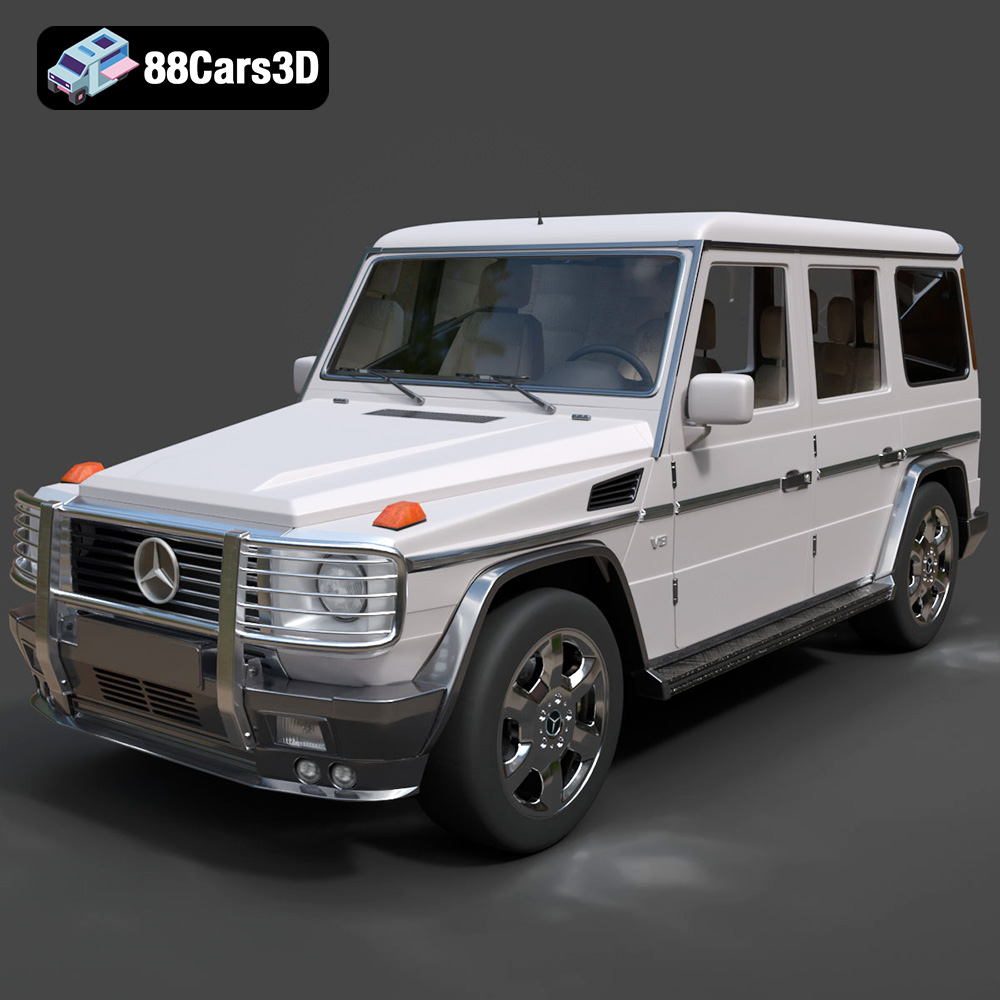
Download the Mercedes G-Class SUV 2024 3D Model featuring clean geometry, realistic detailing, and a fully modeled interior. Includes .blend, .fbx, .obj, .glb, .stl, .ply, .unreal, and .max formats for rendering, simulation, and game development.
Price: $10

Texture: Yes
Material: Yes
Download the Volvo XC90 R-Design 2015 3D Model featuring clean geometry, realistic detailing, and a fully modeled interior. Includes .blend, .fbx, .obj, .glb, .stl, .ply, .unreal, and .max formats for rendering, simulation, and game development.
Price: $10

**Meta Description:**
Texture: Yes
Material: Yes
Download the Toyota Crown Majesta 2009 3D Model with luxury detailing, clean topology, and a fully modeled interior. Available in .blend, .fbx, .obj, .glb, .stl, .ply, .unreal, and .max formats for rendering, simulation, and game development.
Price: $4.99

