Get 50% OFF All Premium 3D & STL Models!

The world of automotive visualization is undergoing a seismic shift. For decades, designers and marketers relied on time-consuming offline rendering to produce photorealistic images and videos. Today, the raw power of real-time rendering engines like Unreal Engine 5 has shattered that paradigm, opening the door to dynamic, interactive, and incredibly immersive experiences. From virtual showrooms and online configurators to virtual production for commercials, Unreal Engine is revolutionizing how we create, present, and interact with automotive designs. This isn’t just about making things faster; it’s about creating a new level of engagement and realism that was previously unimaginable in a real-time environment.
This comprehensive guide will walk you through the entire professional workflow of creating stunning automotive visualizations in Unreal Engine 5. We will start with the fundamentals of project setup and importing high-quality 3D car models. From there, we’ll dive deep into Unreal’s groundbreaking features, exploring how to leverage Nanite for unprecedented geometric detail and Lumen for breathtakingly realistic dynamic lighting. You will learn to craft convincing PBR materials, build interactive elements like a car paint configurator using Blueprint, and finally, direct and render cinematic sequences using Sequencer. By the end of this article, you will have a robust technical roadmap to transform a static 3D model into a polished, interactive, and photorealistic masterpiece.
A successful automotive visualization project begins long before you import your first model. Establishing a solid foundation with the correct project settings and preparing your assets meticulously is crucial for a smooth and efficient workflow. This initial phase ensures that Unreal Engine is configured optimally for high-fidelity rendering and that your 3D assets are ready to perform at their best.
When creating a new project in Unreal Engine, you are presented with several templates. While a “Blank” or “Games” template can work, the specialized templates are pre-configured with useful plugins and settings for specific use cases:
For most automotive projects, starting with the AEC template is recommended. You can always enable or disable specific plugins later via the Edit > Plugins menu.
The final quality of your render is directly proportional to the quality of your source model. A poorly constructed model will cause endless headaches with shading, lighting, and performance. When sourcing automotive assets from marketplaces such as 88cars3d.com, look for these key characteristics:
–UV Unwrapping: All parts must have non-overlapping UVs for proper texture application.
–Real-World Scale: The model should be built to its actual real-world dimensions to ensure physically accurate lighting and physics simulations.
Starting with a pre-optimized, high-quality model saves countless hours of cleanup and preparation, allowing you to focus on the creative aspects of lighting and rendering.
Unreal Engine offers robust import pipelines. The two most common formats for 3D car models are FBX and USD.
For most users, importing a well-structured FBX file is the most direct path. Ensure your import settings preserve the model’s hierarchy and material slots for maximum control inside the engine.
One of the most transformative features in Unreal Engine 5 is Nanite, its virtualized micropolygon geometry system. Nanite effectively eliminates the constraints of polygon budgets and the tedious process of creating manual Level of Detail (LOD) meshes. For automotive visualization, this means you can use film-quality, high-polygon models directly in the engine and maintain real-time performance.
Traditionally, 3D models in games and real-time applications use a series of pre-made LODs—lower-polygon versions of the model that are swapped in as the object moves further from the camera. Nanite replaces this system. It intelligently analyzes the 3D model and breaks it down into clusters of triangles. In real-time, it streams and renders only the clusters necessary to represent the object’s detail at a pixel-perfect level for its current screen size. This means a 10-million-polygon car body will render with the same performance cost as a 50,000-polygon version when viewed from a distance, but will reveal its full, intricate detail up close without any perceptible “popping” between LOD levels. It’s a game-changer for rendering complex, hard-surface objects like vehicles.
Applying Nanite to your imported car model is remarkably straightforward:
For a car model, it’s best practice to apply Nanite to high-polygon, static components like the main body, chassis, rims, and detailed interior parts. Components that need to be animated via Blueprint or rigged to a skeleton (like wheels for a physics-based vehicle) should typically remain as standard Static Meshes, as Nanite meshes have some limitations regarding certain types of deformation.
While Nanite is incredibly powerful, it’s not a magic bullet for all scenarios. It’s primarily designed for rigid, opaque meshes. Key limitations to be aware of include:
You can use Unreal’s built-in visualization tools to audit Nanite’s performance. In the Level Viewport, go to View Modes > Nanite Visualization > Clusters to see how Nanite is grouping and rendering your model’s geometry. This is an essential tool for debugging and understanding how Nanite operates under the hood.
A stunning model can be let down by subpar materials. Unreal Engine’s Material Editor is an incredibly powerful node-based system for creating physically-based materials that realistically simulate how light interacts with surfaces. Mastering this tool is essential for achieving photorealism in automotive visualization.
Physically Based Rendering (PBR) aims to simulate materials based on real-world physics. Instead of using arbitrary values, you control properties that have a physical counterpart:
Using a consistent PBR workflow ensures your materials will look correct and believable under any lighting condition.
Automotive paint is one of the most complex materials to replicate. It’s a multi-layered surface with a base coat, metallic flakes, and a glossy clear coat. Here’s a simplified approach to building one in Unreal Engine:
By using parameters for color and roughness, you can create a single master material that can be instanced to create an entire library of car paint colors without duplicating logic.
The same PBR principles apply to all other parts of the vehicle. High-quality assets, like those found on 88cars3d.com, often come with a complete set of PBR textures ready for use.
Lighting is what breathes life into a scene. Unreal Engine 5’s Lumen system is a revolutionary fully dynamic Global Illumination (GI) and reflections solution. It provides immediate, high-quality lighting feedback, eliminating the need for slow, static light baking and enabling you to iterate on your lighting design in real time.
In simple terms, Global Illumination is the simulation of indirect lighting—how light bounces from one surface onto another. Lumen achieves this in real time by tracing rays against a simplified representation of the scene. It provides realistic soft shadowing, color bleeding, and infinite light bounces. Crucially, Lumen’s reflections are also integrated into the system, allowing for accurate reflections of off-screen objects and indirect lighting in reflective surfaces—a vital component for rendering realistic car paint and chrome.
A classic studio lighting setup is perfect for showcasing an automobile. The goal is to use lights to define the car’s complex curves and surfaces.
Experiment with the intensity, color, and size of each light. The beauty of Lumen is that you see the final result instantly as you move lights around.
Lumen is highly scalable. You can control its quality and performance primarily through a Post Process Volume. Key settings include:
–Reflections > Method: Set to Lumen. The `Quality` setting here has a significant impact on reflection clarity.
–Lumen Global Illumination > Software Ray Tracing Mode: Can be set to `Detail Tracing` (higher quality) or `Global Tracing` (higher performance).
For the highest possible quality, if your GPU supports it, you can enable Hardware Ray Tracing in the Project Settings. This allows Lumen to use dedicated ray tracing hardware for more accurate results, especially for reflections. For a deep dive into all available settings, the official Unreal Engine documentation provides exhaustive technical references.
Modern automotive visualization is often more than just a static image; it’s an interactive experience. Unreal Engine’s Blueprint Visual Scripting system empowers artists and designers to create complex interactivity without writing a single line of C++ code. It’s a node-based system that is perfect for building features like car configurators, animated doors, or interactive camera systems.
Think of a Blueprint as a container for components and logic. An “Actor” Blueprint can be placed in your level (like your car). Inside its Event Graph, you can create networks of nodes that respond to events (like a button click or player input) and execute actions (like changing a material or playing an animation). It’s a visual way of programming that is highly intuitive for visual thinkers.
Let’s outline the steps to create a simple UI that allows a user to change the car’s paint color:
This same principle can be extended to swap wheels, change interior trim, or toggle headlights, forming the basis of a complete automotive configurator.
Blueprint’s Timelines are perfect for creating simple, smooth animations. To make a car door open:
Once your car model is looking perfect, you’ll often need to create high-quality video output for marketing materials or portfolio pieces. Unreal Engine’s Sequencer is a full-featured, non-linear cinematic editing tool that lets you choreograph and render complex scenes with precise control over cameras, objects, materials, and more.
To get started, you first need to create a Level Sequence asset. From the main toolbar, click the clapperboard icon and choose “Add Level Sequence.” This creates the asset and opens the Sequencer editor at the bottom of the screen. Sequencer’s interface is similar to video editing software, with a timeline on the right and a track list on the left where you can add the actors you want to animate.
The core of Sequencer is keyframing. You can animate almost any property of an actor.
While you can render a video directly from Sequencer, the professional workflow is to use the Movie Render Queue (MRQ). This is a powerful, deferred rendering system that offers far superior quality and control.
To use it, click the “Render” clapperboard icon in the Sequencer window and select Movie Render Queue. In the MRQ window, you can add settings to your render job:
We have journeyed through the complete pipeline of creating world-class automotive visualization in Unreal Engine 5. We’ve seen how a project’s success starts with a meticulously crafted 3D car model, and how that model can be brought to life with the incredible power of Nanite for geometry and Lumen for lighting. We’ve demystified the art of creating believable PBR materials, unlocked the potential for user interaction with Blueprint, and directed a final cinematic piece with Sequencer and the Movie Render Queue. The line between real-time rendering and offline photorealism has never been blurrier.
The tools are more powerful and accessible than ever before, empowering individual artists and large studios alike to produce content that was once the exclusive domain of specialized rendering farms. The key is to combine technical knowledge with artistic vision. As you embark on your own projects, we encourage you to experiment, push the boundaries of these tools, and explore the creative possibilities. Starting with a professional-grade asset from a dedicated marketplace like 88cars3d.com can significantly accelerate your workflow, allowing you to bypass tedious preparation and dive straight into the creative heart of your project—crafting an experience that truly showcases the beauty and power of automotive design.

Texture: Yes
Material: Yes
Download the Chevrolet Camaro 1970 3D Model featuring clean geometry, realistic detailing, and a fully modeled interior. Includes .blend, .fbx, .obj, .glb, .stl, .ply, .unreal, and .max formats for rendering, simulation, and game development.
Price: $10

Texture: Yes
Material: Yes
Download the Mercedes-AMG GT 2015 3D Model featuring clean geometry, realistic detailing, and a fully modeled interior. Includes .blend, .fbx, .obj, .glb, .stl, .ply, .unreal, and .max formats for rendering, simulation, and game development.
Price: $88.99

Texture: Yes
Material: Yes
Download the Suzuki GSX-R 1000 3D Model featuring clean geometry, realistic detailing, and a fully modeled interior. Includes .blend, .fbx, .obj, .glb, .stl, .ply, .unreal, and .max formats for rendering, simulation, and game development.
Price: $10

Texture: Yes
Material: Yes
Download the Porsche Cayman S 2024 3D Model featuring clean geometry, realistic detailing, and a fully modeled interior. Includes .blend, .fbx, .obj, .glb, .stl, .ply, .unreal, and .max formats for rendering, simulation, and game development.
Price: $10

Texture: Yes
Material: Yes
Download the Holden Commodore Sportwagon 2017 3D Model featuring clean geometry, realistic detailing, and a fully modeled interior. Includes .blend, .fbx, .obj, .glb, .stl, .ply, .unreal, and .max formats for rendering, simulation, and game development.
Price: $10
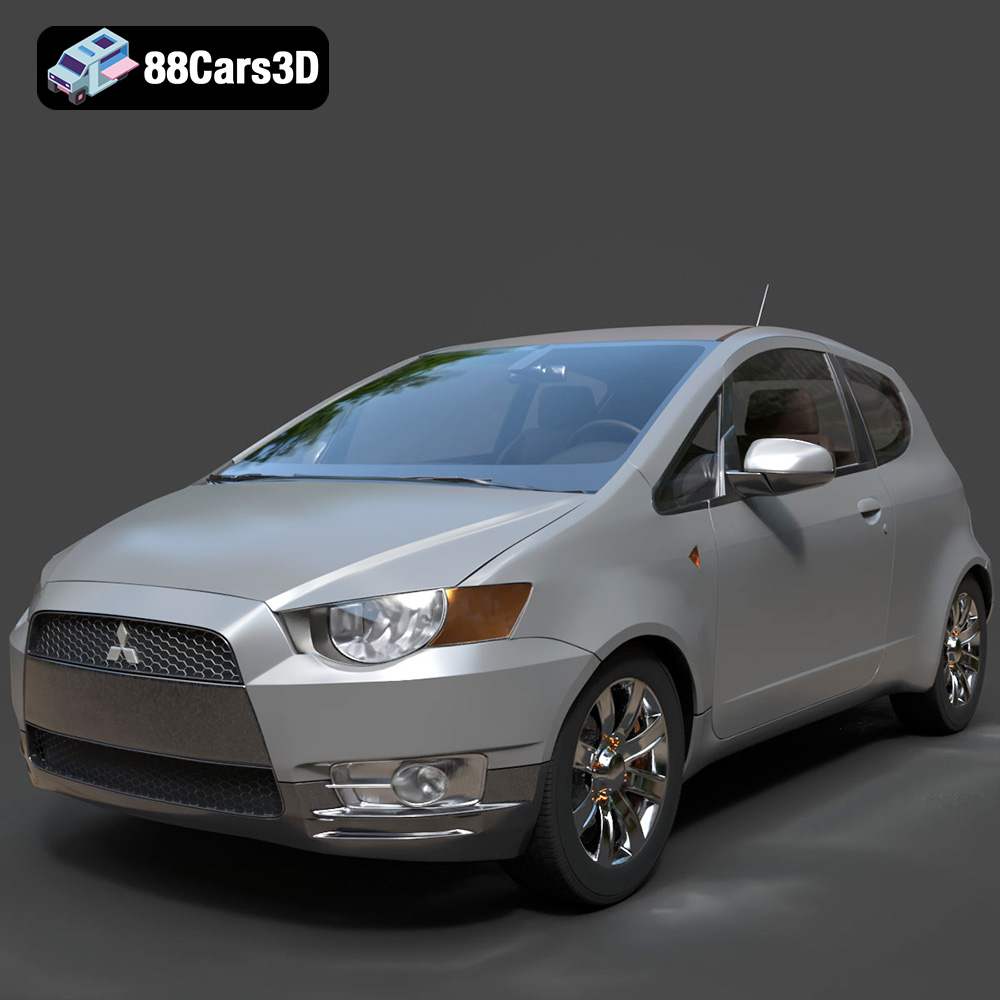
Texture: Yes
Material: Yes
Download the Mitsubishi Colt 3 Door 2008 3D Model featuring clean geometry, realistic detailing, and a fully modeled interior. Includes .blend, .fbx, .obj, .glb, .stl, .ply, .unreal, and .max formats for rendering, simulation, and game development.
Price: $10
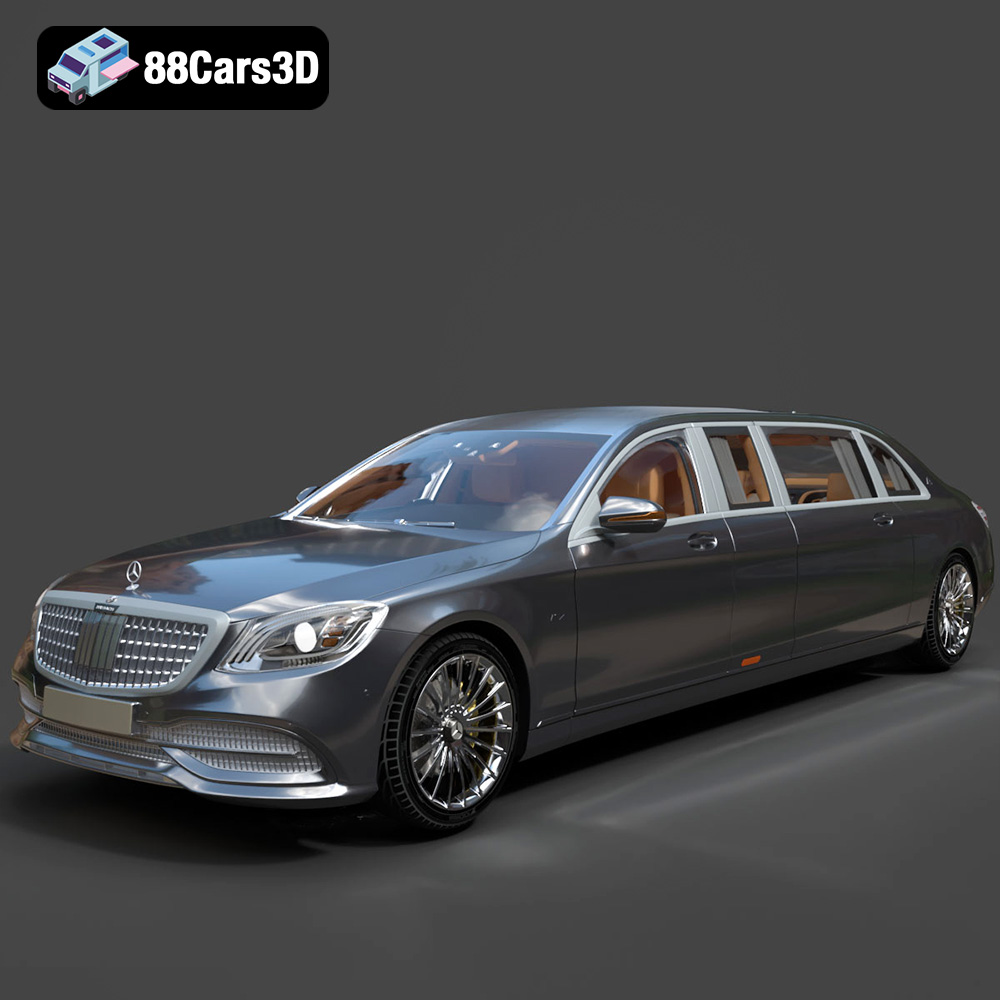
Texture: Yes
Material: Yes
Download the Mercedes-Benz S650 Pullman 3D Model featuring clean geometry, realistic detailing, and a fully modeled interior. Includes .blend, .fbx, .obj, .glb, .stl, .ply, .unreal, and .max formats for rendering, simulation, and game development.
Price: $10
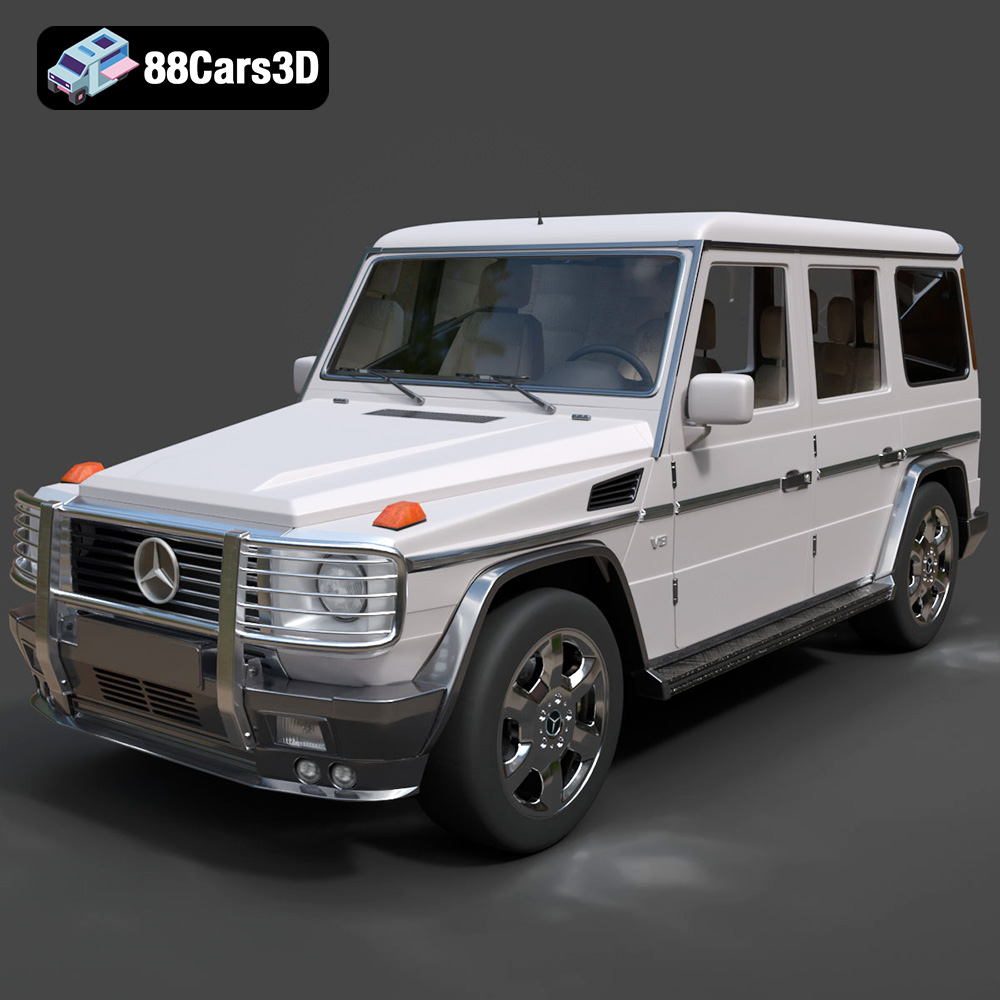
Texture: Yes
Material: Yes
Download the Mercedes G-Class SUV 2024 3D Model featuring clean geometry, realistic detailing, and a fully modeled interior. Includes .blend, .fbx, .obj, .glb, .stl, .ply, .unreal, and .max formats for rendering, simulation, and game development.
Price: $10
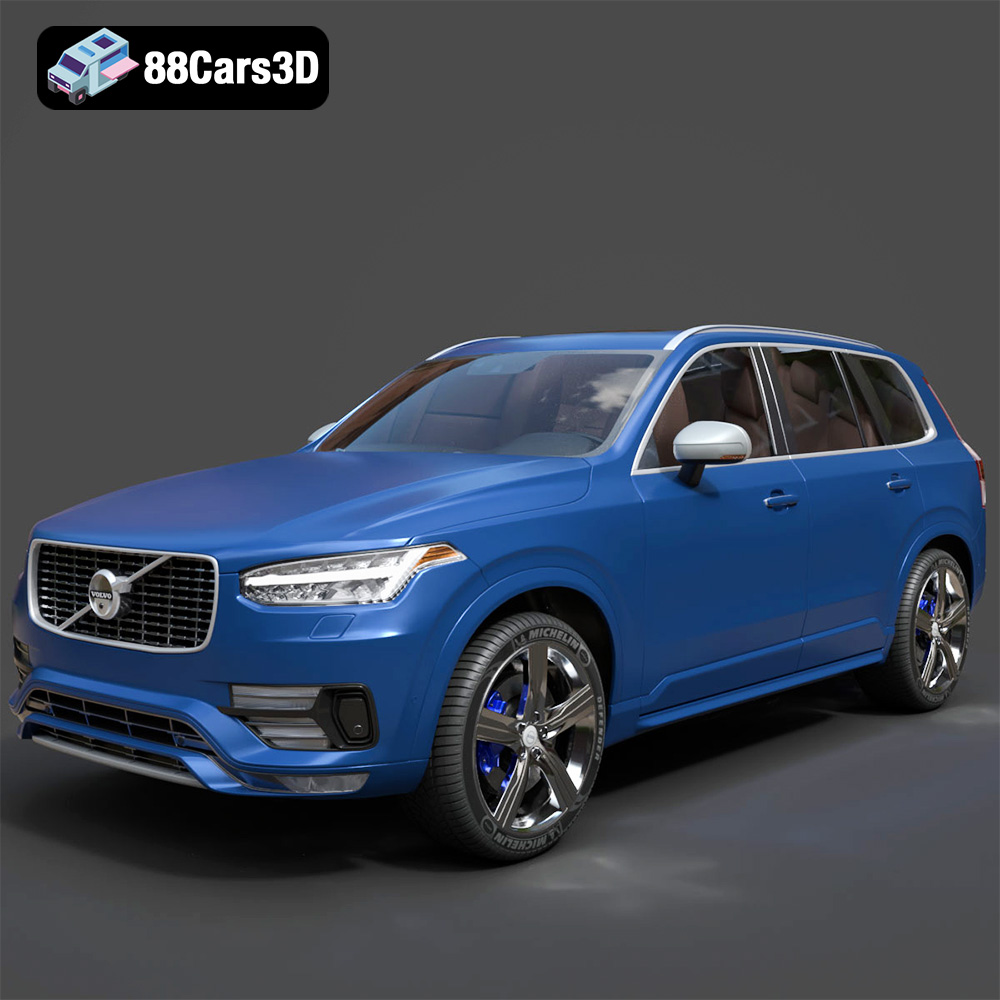
Texture: Yes
Material: Yes
Download the Volvo XC90 R-Design 2015 3D Model featuring clean geometry, realistic detailing, and a fully modeled interior. Includes .blend, .fbx, .obj, .glb, .stl, .ply, .unreal, and .max formats for rendering, simulation, and game development.
Price: $10

**Meta Description:**
Texture: Yes
Material: Yes
Download the Toyota Crown Majesta 2009 3D Model with luxury detailing, clean topology, and a fully modeled interior. Available in .blend, .fbx, .obj, .glb, .stl, .ply, .unreal, and .max formats for rendering, simulation, and game development.
Price: $4.99

