Get 50% OFF All Premium 3D & STL Models!

“`html
The allure of owning a miniature replica of your favorite car, meticulously crafted through the magic of 3D printing, is undeniable. Whether you’re a seasoned maker, a passionate automotive enthusiast, or just starting your journey into the world of additive manufacturing, this guide will equip you with the knowledge and techniques to bring stunning 3D printed car models to life. We’ll delve into the intricacies of STL files, explore crucial 3D printer settings, master the art of slicing, and navigate the nuances of support structures and post-processing. Get ready to transform digital designs into tangible masterpieces, ready to grace your shelf or become a cherished gift. This comprehensive guide covers everything from initial file preparation to achieving a professional finish on your 3D printed car model.
The Standard Tessellation Language (STL) file format is the cornerstone of 3D printing. It represents the surface geometry of a 3D object using a collection of triangles. For 3D printing car models, a well-constructed STL file is paramount for achieving a smooth, accurate, and structurally sound print. Understanding the nuances of STL files will significantly improve your print quality and reduce potential issues.
The mesh topology refers to the arrangement and connectivity of the triangles that form the STL file. A higher resolution STL file contains more triangles, resulting in a smoother and more detailed surface. However, a file with excessive triangles can become computationally demanding and lead to longer slicing times and increased file sizes. Finding the optimal balance between detail and performance is crucial. Many platforms like 88cars3d.com offer print-ready STL files optimized for quality and performance.
A manifold mesh is a closed, watertight surface, essential for successful 3D printing. Non-manifold meshes contain errors such as holes, intersecting faces, or reversed normals, which can confuse the slicer and lead to printing failures. Before printing, it’s crucial to repair any mesh errors. Netfabb Basic is a free and powerful tool for automatically repairing STL files. Simply import the STL file and run the automatic repair function to fix common mesh issues.
Slicing is the process of converting a 3D model into a series of 2D layers that the 3D printer can understand. The slicing software (e.g., Cura, PrusaSlicer) generates the toolpath that the printer will follow to deposit material layer by layer. The choice of slicing parameters significantly impacts the final print quality, strength, and printing time.
Layer height is the thickness of each individual layer. A smaller layer height results in a smoother surface finish and finer details but increases the printing time. A larger layer height prints faster but sacrifices surface quality. For car models, a layer height between 0.1mm and 0.2mm is often a good compromise between speed and quality. Experiment with different layer heights to find the optimal setting for your specific model and printer.
Infill is the internal structure of the 3D printed part. It provides strength and support while minimizing material usage. The infill pattern and density affect the overall strength, weight, and printing time. Common infill patterns include grid, honeycomb, gyroid, and triangle. For car models, a gyroid infill provides excellent strength in all directions with minimal material. A density between 15% and 25% is typically sufficient for most car models. Consider increasing the infill density for areas that require greater strength, such as the wheel axles or mounting points.
Support structures are temporary structures that provide support for overhanging features during printing. They prevent the model from collapsing or deforming during the printing process. Generating and removing supports is a critical aspect of 3D printing car models, particularly those with complex geometries and intricate details.
There are several types of support structures, including linear supports, tree supports, and raft supports. Linear supports are simple vertical structures that provide support for overhanging areas. Tree supports are more complex, branching structures that use less material and are easier to remove. Raft supports are a base layer that improves bed adhesion and provides a stable foundation for the print. When downloading models from marketplaces such as 88cars3d.com, you might find pre-supported models, which can save time and ensure optimal support placement.
Removing supports can be a delicate process, as it can potentially damage the model. Use sharp tools, such as flush cutters or X-Acto knives, to carefully remove the supports. For models printed with soluble support materials (e.g., PVA), the supports can be dissolved in water. Take your time and work carefully to avoid damaging the model’s surface. Consider using a heat gun to soften the supports before removal, making them easier to detach.
The choice of material and printer settings significantly impacts the final print quality, strength, and appearance of your 3D printed car model. Selecting the right material and configuring the printer settings correctly are essential for achieving optimal results.
Fused Deposition Modeling (FDM) and resin printing (SLA/DLP) are the two most common 3D printing technologies. FDM printing uses filaments of thermoplastic materials, such as PLA, PETG, and ABS. Resin printing uses liquid resins that are cured by light. FDM printing is generally more affordable and versatile, while resin printing offers higher resolution and finer details, making it ideal for intricate car models. For larger models, FDM is often preferred due to build volume constraints in resin printers.
Each material has unique properties and requires specific printer settings. PLA is a biodegradable and easy-to-print material, making it ideal for beginners. PETG is stronger and more durable than PLA, making it suitable for functional parts. ABS is a strong and heat-resistant material, but it requires a heated bed and enclosure to prevent warping. Resin printing requires specific resin types and exposure times. Consult the manufacturer’s recommendations for the optimal printer settings for each material. Typical FDM settings for PLA include a nozzle temperature of 200-220°C and a bed temperature of 60°C. PETG typically prints at 230-250°C with a bed temperature of 70-80°C. ABS requires higher temperatures, typically 230-260°C with a bed temperature of 90-110°C and an enclosure.
Post-processing is the finishing stage of 3D printing, where you refine the printed part to achieve a desired look and feel. Post-processing techniques can significantly enhance the appearance and durability of your 3D printed car model.
Sanding is a crucial step for smoothing the surface of 3D printed parts. Start with coarse sandpaper (e.g., 220 grit) to remove any major imperfections, then gradually move to finer grits (e.g., 400, 600, 800 grit) to achieve a smooth finish. Wet sanding can help to reduce dust and improve the surface quality. For resin prints, isopropyl alcohol (IPA) is used to clean uncured resin before further post-processing.
Painting can add color and realism to your 3D printed car model. Use acrylic paints or spray paints designed for plastics. Apply a primer coat to improve adhesion and create a uniform surface. Apply multiple thin coats of paint, allowing each coat to dry completely before applying the next. Consider using masking tape to create clean lines and protect areas that you don’t want to paint. After painting, apply a clear coat to protect the paint and add a glossy or matte finish.
Even with careful planning and preparation, 3D printing can sometimes present challenges. Understanding common printing issues and how to troubleshoot them is essential for a successful outcome. Here’s how to solve some common problems you may encounter.
Warping occurs when the printed part detaches from the build plate due to uneven cooling. Ensure that your build plate is clean and level. Use a bed adhesion aid, such as a glue stick or hairspray. Increase the bed temperature to improve adhesion. For ABS, use an enclosure to maintain a consistent temperature and prevent warping.
Stringing occurs when the printer extrudes material while moving between different parts of the model. Blobs are excess material that accumulates on the surface of the print. Reduce the printing temperature and retraction distance. Increase the travel speed to minimize the time spent moving between parts. Ensure that your filament is dry.
Mastering the art of 3D printing car models requires a combination of technical knowledge, careful preparation, and a dash of creativity. From understanding STL files and optimizing slicing parameters to selecting the right materials and mastering post-processing techniques, each step plays a crucial role in the final outcome. By following the guidelines and tips outlined in this comprehensive guide, you’ll be well-equipped to transform digital designs into stunning 3D printed car models that you can proudly display or share with fellow enthusiasts. Don’t be afraid to experiment with different settings and techniques to find what works best for your specific printer and model. Platforms like 88cars3d.com offer a fantastic starting point with high-quality, optimized STL files ready to be brought to life. Now it’s time to fire up your 3D printer and embark on your journey to creating breathtaking 3D printed car models. Happy printing!
“`
Texture: Yes
Material: Yes
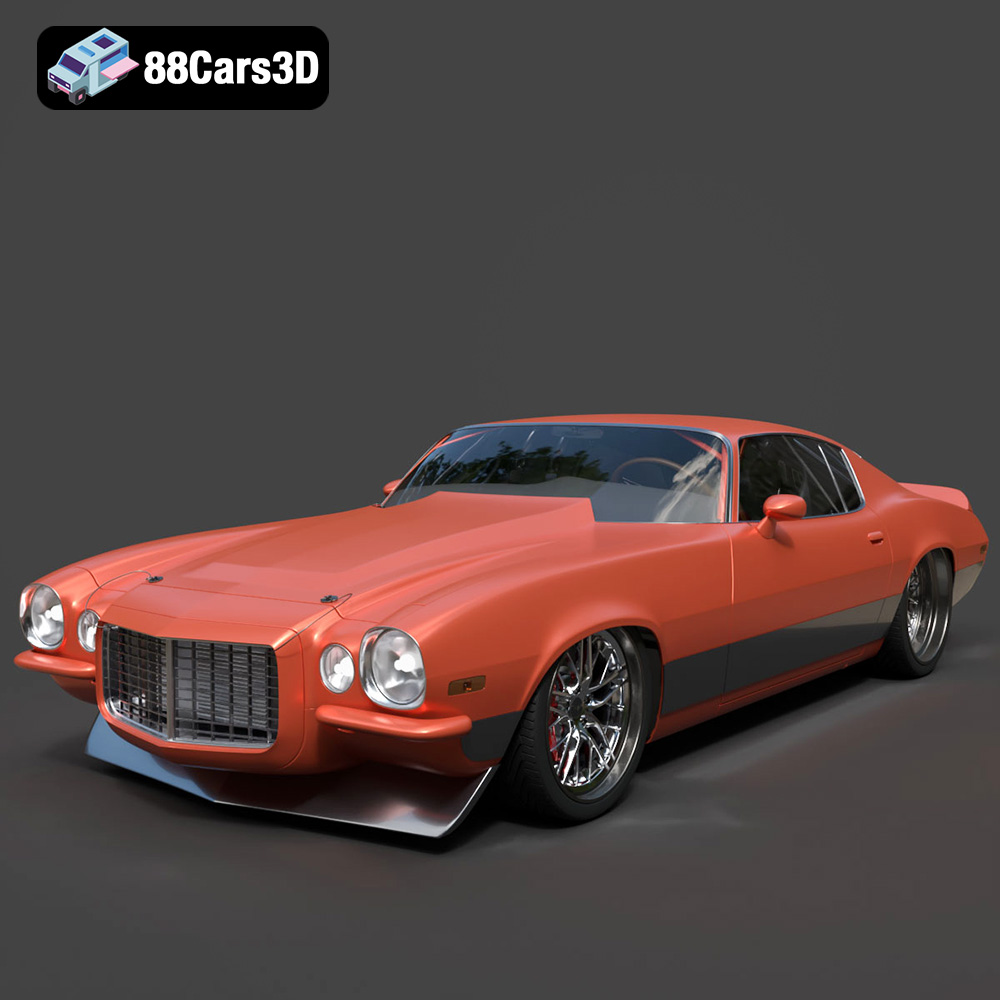
Download the Chevrolet Camaro 1970 3D Model featuring clean geometry, realistic detailing, and a fully modeled interior. Includes .blend, .fbx, .obj, .glb, .stl, .ply, .unreal, and .max formats for rendering, simulation, and game development.
Price: $10
Texture: Yes
Material: Yes
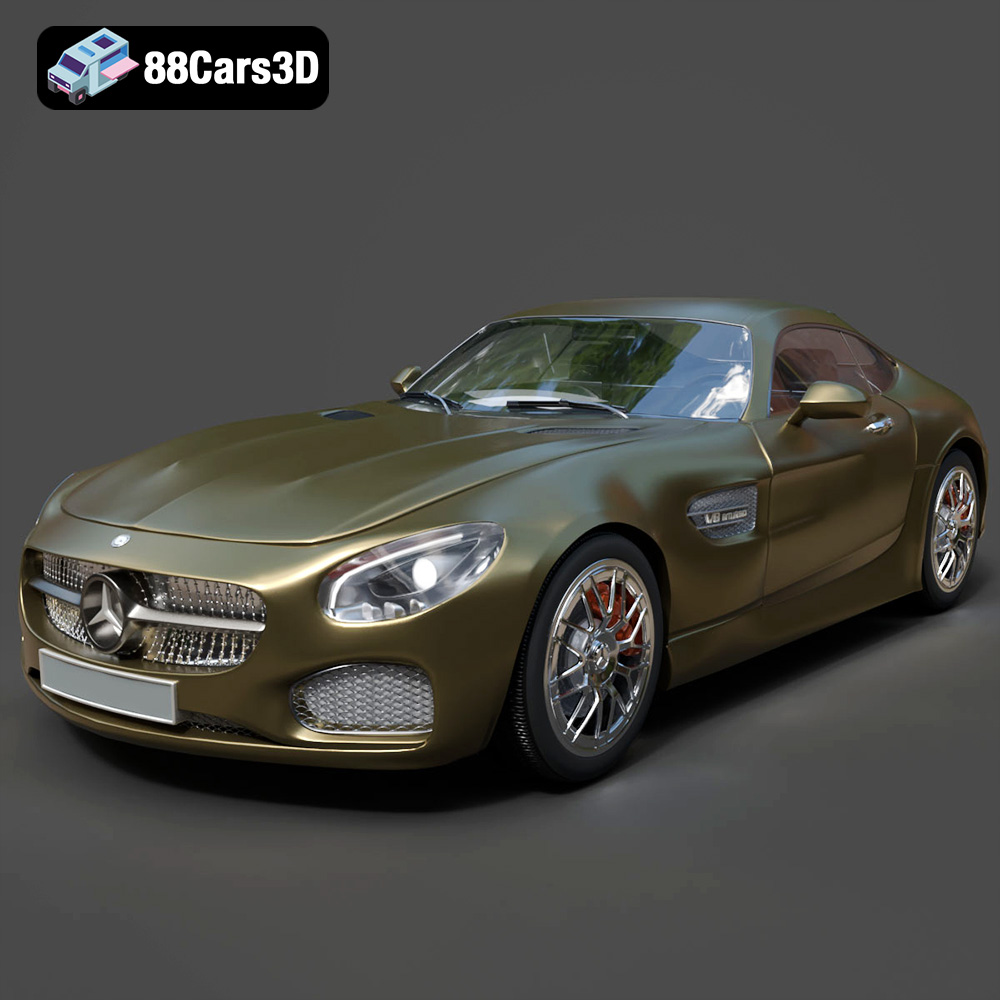
Download the Mercedes-AMG GT 2015 3D Model featuring clean geometry, realistic detailing, and a fully modeled interior. Includes .blend, .fbx, .obj, .glb, .stl, .ply, .unreal, and .max formats for rendering, simulation, and game development.
Price: $88.99
Texture: Yes
Material: Yes
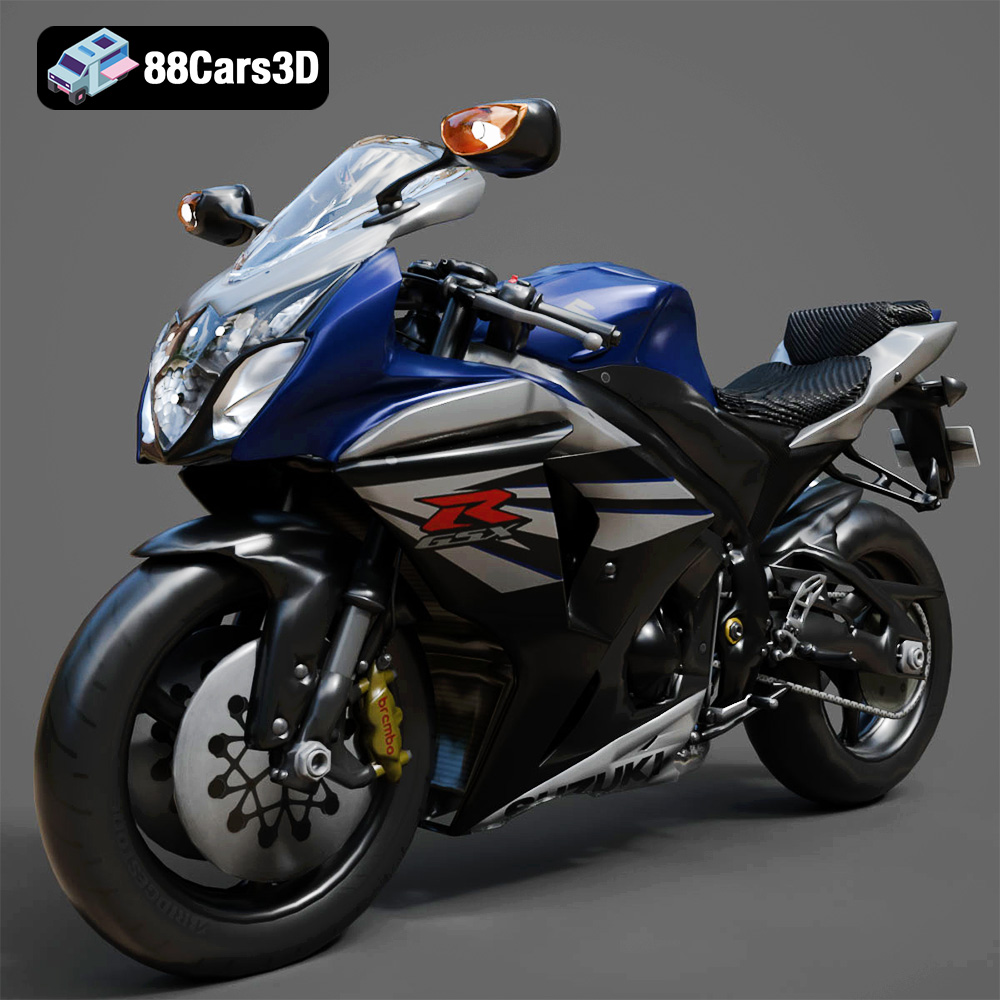
Download the Suzuki GSX-R 1000 3D Model featuring clean geometry, realistic detailing, and a fully modeled interior. Includes .blend, .fbx, .obj, .glb, .stl, .ply, .unreal, and .max formats for rendering, simulation, and game development.
Price: $10
Texture: Yes
Material: Yes
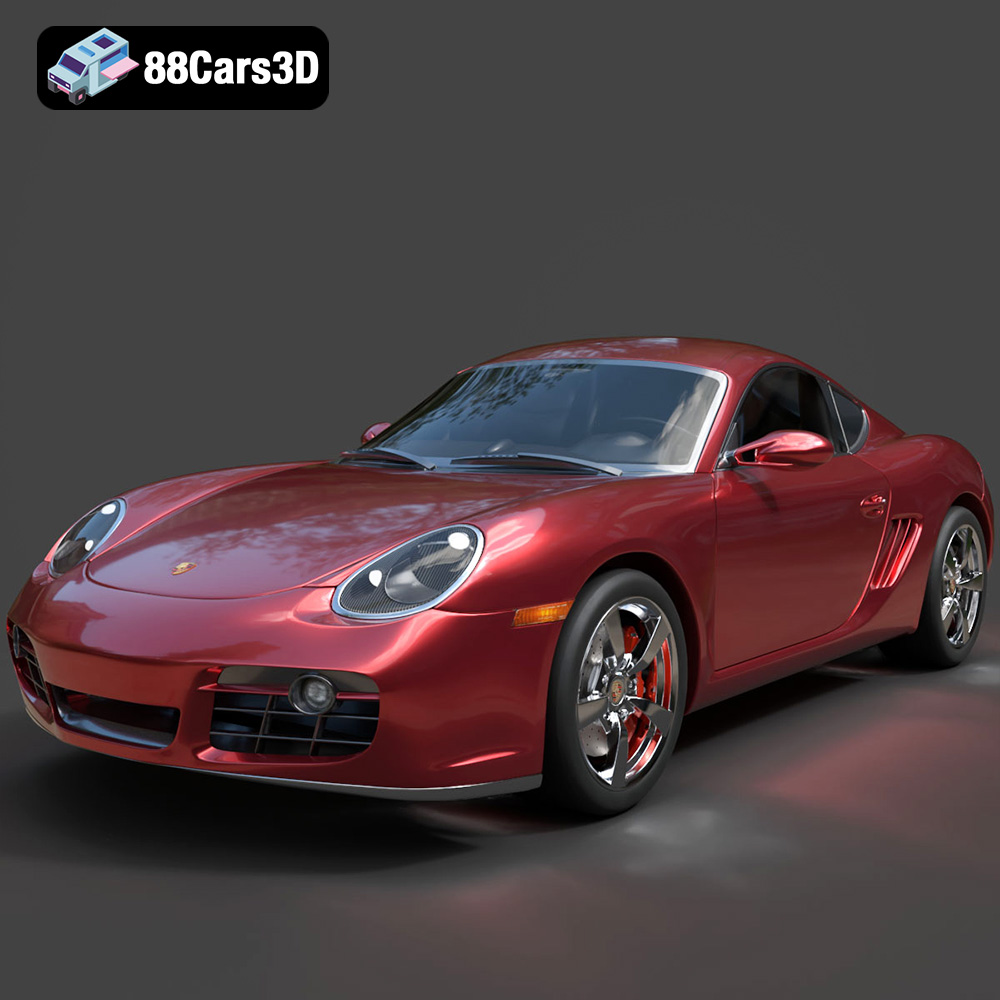
Download the Porsche Cayman S 2024 3D Model featuring clean geometry, realistic detailing, and a fully modeled interior. Includes .blend, .fbx, .obj, .glb, .stl, .ply, .unreal, and .max formats for rendering, simulation, and game development.
Price: $10
Texture: Yes
Material: Yes
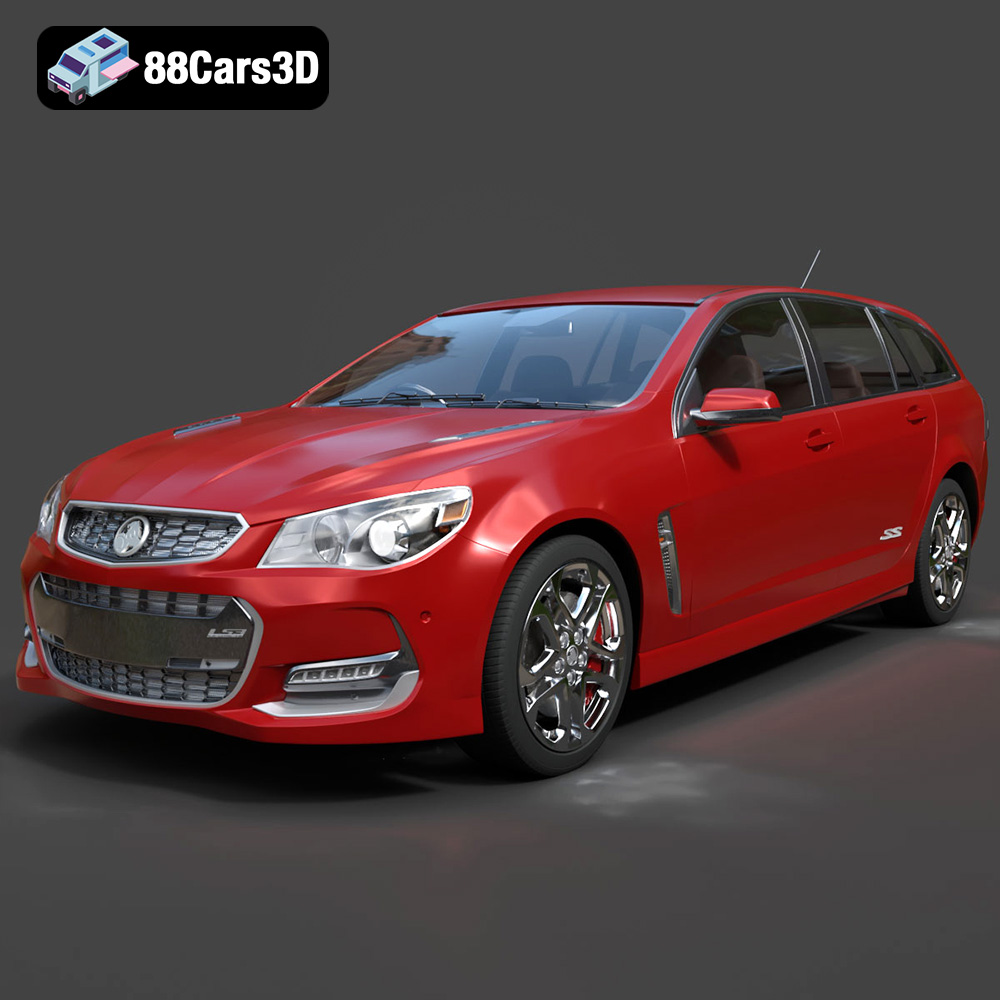
Download the Holden Commodore Sportwagon 2017 3D Model featuring clean geometry, realistic detailing, and a fully modeled interior. Includes .blend, .fbx, .obj, .glb, .stl, .ply, .unreal, and .max formats for rendering, simulation, and game development.
Price: $10
Texture: Yes
Material: Yes
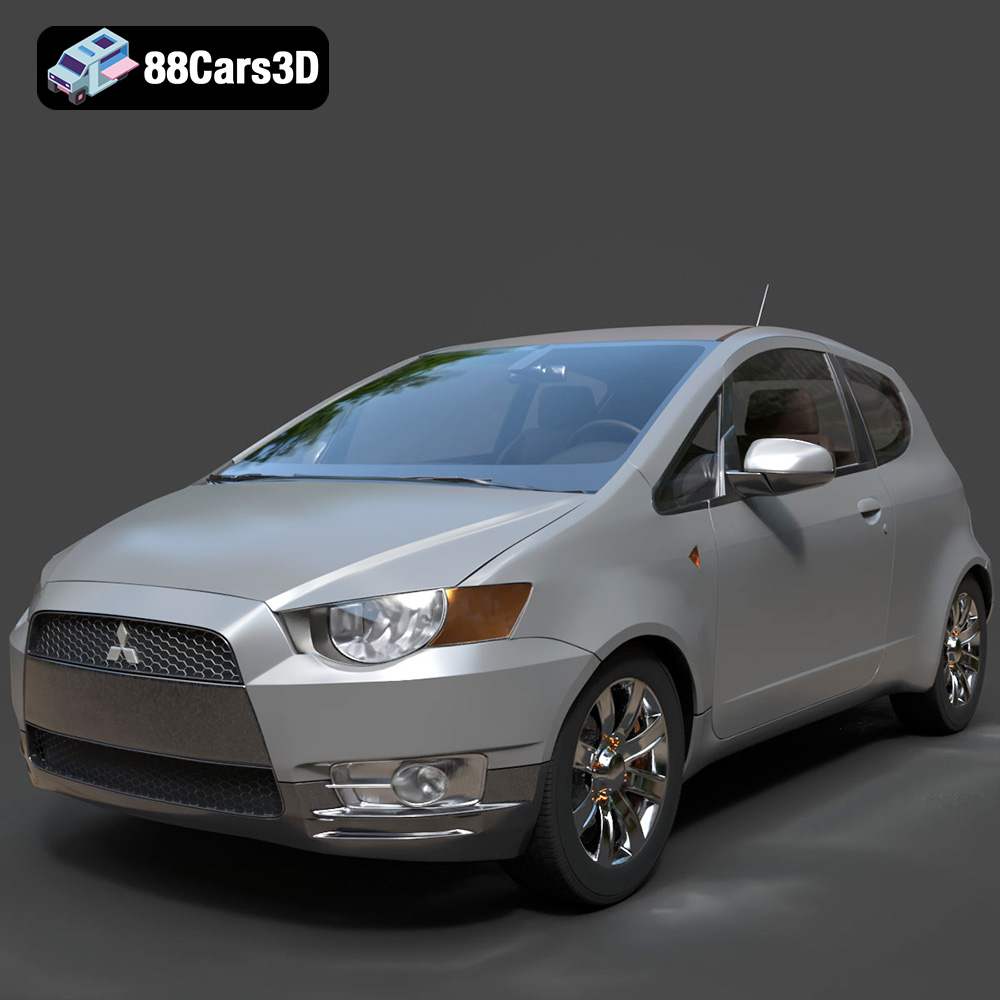
Download the Mitsubishi Colt 3 Door 2008 3D Model featuring clean geometry, realistic detailing, and a fully modeled interior. Includes .blend, .fbx, .obj, .glb, .stl, .ply, .unreal, and .max formats for rendering, simulation, and game development.
Price: $10
Texture: Yes
Material: Yes
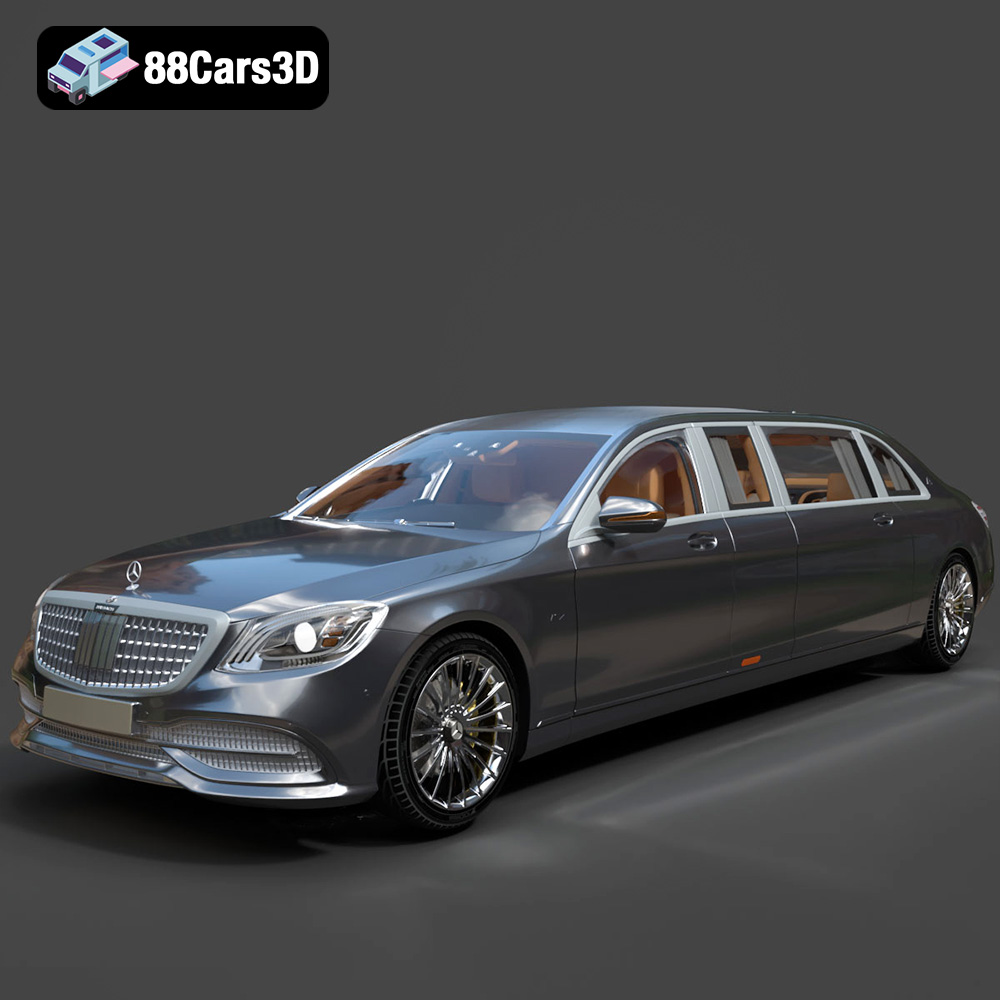
Download the Mercedes-Benz S650 Pullman 3D Model featuring clean geometry, realistic detailing, and a fully modeled interior. Includes .blend, .fbx, .obj, .glb, .stl, .ply, .unreal, and .max formats for rendering, simulation, and game development.
Price: $10
Texture: Yes
Material: Yes
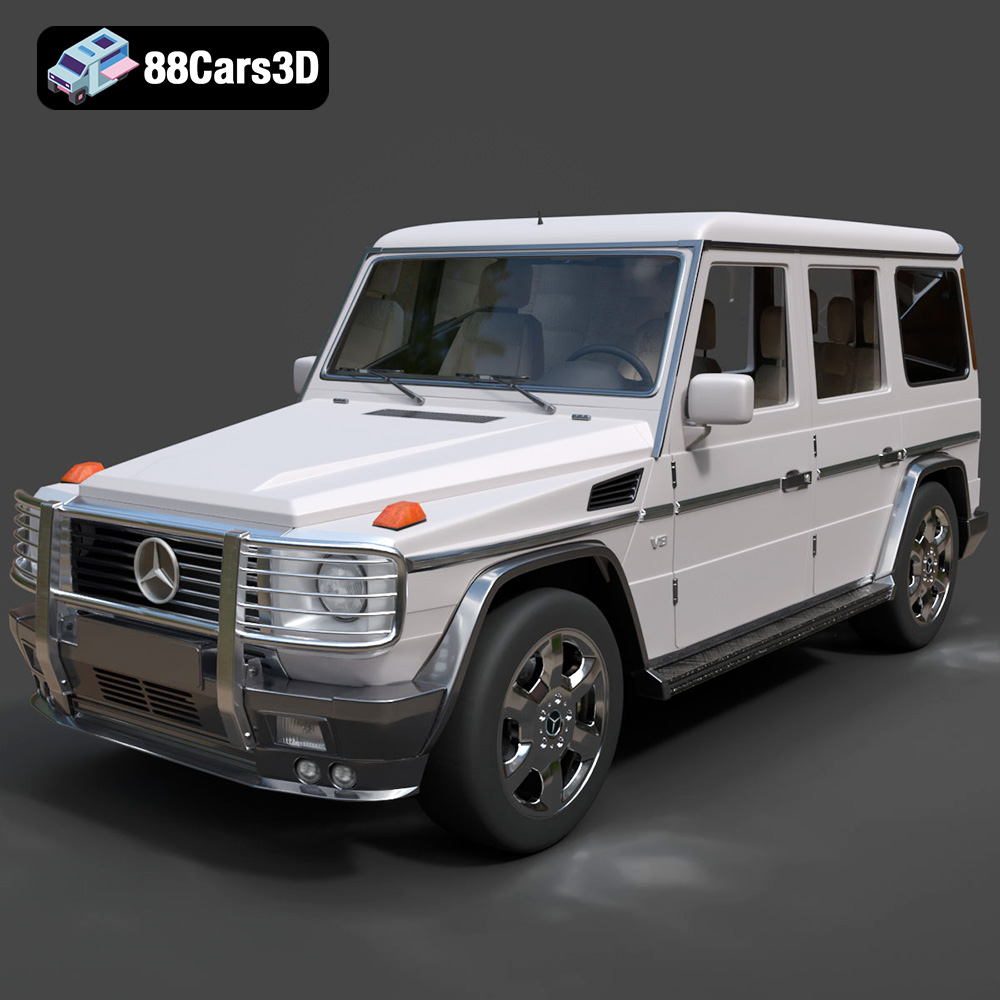
Download the Mercedes G-Class SUV 2024 3D Model featuring clean geometry, realistic detailing, and a fully modeled interior. Includes .blend, .fbx, .obj, .glb, .stl, .ply, .unreal, and .max formats for rendering, simulation, and game development.
Price: $10

Texture: Yes
Material: Yes
Download the Volvo XC90 R-Design 2015 3D Model featuring clean geometry, realistic detailing, and a fully modeled interior. Includes .blend, .fbx, .obj, .glb, .stl, .ply, .unreal, and .max formats for rendering, simulation, and game development.
Price: $10

**Meta Description:**
Texture: Yes
Material: Yes
Download the Toyota Crown Majesta 2009 3D Model with luxury detailing, clean topology, and a fully modeled interior. Available in .blend, .fbx, .obj, .glb, .stl, .ply, .unreal, and .max formats for rendering, simulation, and game development.
Price: $4.99

