Get 50% OFF All Premium 3D & STL Models!

The world of automotive visualization has been revolutionized by real-time rendering. Gone are the days of waiting hours, or even days, for a single photorealistic image to emerge from an offline renderer. Today, Unreal Engine 5 empowers artists, designers, and developers to create stunning, interactive, and fully dynamic automotive experiences that were once the exclusive domain of blockbuster films. With the power of features like Nanite and Lumen, achieving cinematic quality in real-time is not just possible; it’s the new standard. This guide is your roadmap to transforming a high-quality 3D car model into a breathtaking, interactive digital masterpiece. We will navigate the entire workflow, from initial project setup and model optimization to crafting complex PBR materials, lighting a scene with dynamic global illumination, and adding interactivity with Blueprint. Whether you’re creating a virtual showroom, a high-octane cinematic, or a next-generation car configurator, the principles and techniques covered here will provide the foundation you need to excel in the competitive field of automotive visualization.
A successful project begins with a solid foundation. Before you even think about importing a 3D model, configuring your Unreal Engine project correctly is paramount. This initial setup ensures you have access to the necessary tools, performance capabilities, and a logical structure that will save you countless hours down the line. A clean, well-organized project is not just a matter of good housekeeping; it’s a professional practice that facilitates collaboration, debugging, and scalability, especially in complex automotive visualization scenarios.
When creating a new project in Unreal Engine, the template you choose sets the stage for your entire workflow. For most automotive visualization tasks, starting with the Film, Video, & Live Events > Virtual Production template is an excellent choice. This template pre-configures the engine with settings optimized for high-fidelity rendering and cinematic output. Alternatively, the Games > Blank template with “Starter Content” disabled provides a clean slate. Regardless of your choice, there are a few critical project settings to verify:
These settings, found under Edit > Project Settings > Engine > Rendering, are the cornerstone of a modern, high-fidelity Unreal Engine project.
Unreal Engine’s functionality can be vastly expanded through plugins. For automotive visualization, a few are indispensable. Navigate to Edit > Plugins and ensure the following are enabled:
A disciplined folder structure is non-negotiable. It keeps your project organized and easy to navigate. A common and effective structure within your ‘Content’ folder for an automotive project looks like this:
/Content
    /Automotive
        /Models
            /Vehicle_Name
                /Geometries
                /Materials
                /Textures
        /Blueprints
        /Cinematics
        /Environments
        /HDRI
        /Materials_Shared
This approach isolates the core vehicle assets, separates them from the environment, and provides dedicated folders for logic (Blueprints) and cinematic sequences. This organization pays dividends as your project grows in complexity.
The heart of any automotive visualization is the vehicle itself. The quality of your final render is directly tied to the quality of the 3D car model you begin with. This section focuses on bringing your automotive asset into Unreal Engine and preparing it for real-time rendering. When sourcing assets, marketplaces such as 88cars3d.com provide production-ready models that often feature clean topology and proper UV mapping, which are crucial for a smooth workflow.
Unreal Engine supports a variety of file formats, but FBX and USD (Universal Scene Description) are the industry standards for asset interchange. When exporting your model from a DCC (Digital Content Creation) application like Blender, 3ds Max, or Maya, ensure you use the following settings:
Upon importing into Unreal, a dialog box will appear. A key option is ‘Combine Meshes’. For a car model, you should generally leave this unchecked. This imports the car as multiple separate Static Meshes (e.g., body, wheels, windows, calipers), which is essential for applying different materials and creating interactive elements later.
Nanite is arguably the most significant feature in Unreal Engine 5 for high-fidelity visualization. It’s a virtualized micropolygon geometry system that allows you to render models with millions or even billions of polygons in real-time without the traditional performance costs of polygon count and draw calls. This means you can use your film-quality, high-poly source models directly in the engine, largely eliminating the need for manual LOD (Level of Detail) creation for the main vehicle body.
To enable Nanite on an imported Static Mesh:
It’s important to note that Nanite works best on rigid, opaque geometry. It is not currently suitable for transparent objects like glass or deformable meshes. Therefore, you should enable Nanite for the car body, wheels, and interior, but leave it disabled for the window panes and any elements that might require skeletal animation.
A perfect model is nothing without convincing materials. Unreal Engine’s physically-based rendering (PBR) workflow, managed through the powerful Material Editor, is where your digital car truly comes to life. Creating realistic materials for automotive surfaces—from the complex multi-layered car paint to the subtle imperfections on a tire’s sidewall—is an art form that blends technical understanding with artistic observation. All high-quality game assets rely on a deep understanding of PBR principles.
A realistic car paint material is more than just a color. It’s a layered shader that simulates a base coat, metallic flakes, and a clear coat finish. You can create this effect in the Unreal Material Editor using a ‘Clear Coat’ shading model.
A common advanced technique involves adding a “flake layer” using a normal map with a fine, tiling noise texture, which is only blended into the material’s normal channel under the clear coat. This creates the subtle glittering effect seen on real metallic paints.
Beyond the paint, other materials complete the illusion:
Using Material Instances is a crucial optimization. Create one master material for each type (e.g., M_CarPaint, M_Glass) and then create Material Instances from them. This allows you to change parameters like color and roughness without recompiling the entire shader, saving significant time and improving performance.
Lighting is the element that breathes emotion and realism into a scene. With Unreal Engine 5’s Lumen, dynamic global illumination and reflections are calculated in real-time, providing instant feedback and incredible visual fidelity. This system simulates how light bounces from one surface to another, creating soft, realistic shadows and indirect lighting that ground the vehicle in its environment.
The fastest way to achieve realistic outdoor or studio lighting is with the HDRI Backdrop actor. Drag one into your scene, and assign a high-quality HDRI texture (ideally 8K or higher for sharp reflections) to its ‘Cubemap’ slot. This actor automatically creates a Skylight that uses the HDRI for ambient light and attempts to find the brightest spot (like the sun) to generate a Directional Light.
Lumen works seamlessly with this setup. Any light cast from the HDRI will bounce realistically off the ground and illuminate the underside of the car. The car’s reflections will accurately show the surrounding environment, and as you move the vehicle or the lights, all lighting and reflections update instantly. This is a monumental leap from older baked lighting workflows and is essential for modern real-time rendering.
While an HDRI provides a great base, professional scenes require additional, artistic lighting. Use local lights to accentuate the car’s design lines and features:
Finally, the Post Process Volume is where you perform your “digital color grading.” Within its details panel, you can adjust Bloom for a soft glow on highlights, Exposure to brighten or darken the overall scene, and Color Grading controls (like Contrast, Saturation, and Gamma) to achieve a specific cinematic mood.
Static renders are impressive, but interactive experiences are engaging. Unreal Engine’s Blueprint visual scripting system allows artists and designers to create complex interactive logic without writing a single line of code. For automotive visualization, its most powerful application is in building real-time car configurators.
The core concept involves creating a Blueprint Actor that controls the car. You can create one by right-clicking in the Content Browser and selecting ‘Blueprint Class’, then choosing ‘Actor’. Inside the Blueprint Editor, you can add your car’s static meshes as components, preserving their hierarchy.
The logic is built in the ‘Event Graph’. Events (like a button press or the game starting) trigger a sequence of actions (Nodes). A simple example is changing the car’s color:
Now, whenever the ‘ChangePaintToRed’ event is called, the car’s paint will instantly change.
To trigger these Blueprint events, you need a user interface (UI). Unreal’s UMG (Unreal Motion Graphics) is a UI designer that works with Blueprints. You can design a UI with buttons for different colors, wheel options, or camera angles. Each button’s ‘OnClicked’ event in its Blueprint graph can then call the corresponding custom event in your main car Blueprint, creating a fully functional configurator.
Even with powerful hardware and technologies like Nanite, optimization is key to ensuring a smooth experience, especially for interactive applications or VR. The final step is to polish your project and render out high-quality media using Unreal’s cinematic tools.
Unreal Engine has built-in tools to diagnose performance issues. Use the console command `stat gpu` to see a detailed breakdown of what is most expensive for your graphics card. Common bottlenecks include overly complex materials, too many dynamic lights, or heavy translucency.
For creating videos and animated sequences, Sequencer is Unreal Engine’s multi-track, non-linear cinematic editor. You can add your car Blueprint and environment actors to a Level Sequence and keyframe their properties over time. Animate the car’s position, add camera movements with a Cine Camera Actor (which provides real-world camera settings like focal length and aperture), and even trigger material changes or light animations. Once your cinematic is complete, you can render it out as a high-quality image sequence or video file directly from the Sequencer interface.
For print media or marketing materials, you’ll need ultra-high-resolution still images. The ‘High-Resolution Screenshot’ tool (accessed via the `~` key to open the console) allows you to capture the viewport at a resolution far beyond your screen’s native resolution. A command like `HighResShot 7680×4320` will render a pristine 8K image, capturing every detail of your meticulously crafted vehicle and scene.
We’ve traveled the full pipeline: from an empty project to a fully-lit, interactive, and optimized automotive scene. The power of Unreal Engine 5, especially with features like Nanite and Lumen, has fundamentally lowered the barrier to achieving photorealism in real-time. By starting with a well-structured project, leveraging high-quality 3D car models, and mastering the arts of material creation and cinematic lighting, you can produce visualizations that rival traditional offline renders in quality but exceed them in speed and interactivity.
The key takeaways are clear: a disciplined workflow is essential, understanding the technology is empowering, and artistic vision is what ties it all together. The journey doesn’t end here. The next step is to apply these principles to your own projects. Grab a production-quality asset from a marketplace like 88cars3d.com and challenge yourself to build a stunning car configurator or a dynamic cinematic shot. For those looking to dive even deeper into the engine’s capabilities, the official Unreal Engine documentation at https://dev.epicgames.com/community/unreal-engine/learning is an invaluable resource. The world of real-time automotive visualization is vast and exciting, and you now have the map to explore it.

Texture: Yes
Material: Yes
Download the Chevrolet Camaro 1970 3D Model featuring clean geometry, realistic detailing, and a fully modeled interior. Includes .blend, .fbx, .obj, .glb, .stl, .ply, .unreal, and .max formats for rendering, simulation, and game development.
Price: $10

Texture: Yes
Material: Yes
Download the Mercedes-AMG GT 2015 3D Model featuring clean geometry, realistic detailing, and a fully modeled interior. Includes .blend, .fbx, .obj, .glb, .stl, .ply, .unreal, and .max formats for rendering, simulation, and game development.
Price: $88.99

Texture: Yes
Material: Yes
Download the Suzuki GSX-R 1000 3D Model featuring clean geometry, realistic detailing, and a fully modeled interior. Includes .blend, .fbx, .obj, .glb, .stl, .ply, .unreal, and .max formats for rendering, simulation, and game development.
Price: $10

Texture: Yes
Material: Yes
Download the Porsche Cayman S 2024 3D Model featuring clean geometry, realistic detailing, and a fully modeled interior. Includes .blend, .fbx, .obj, .glb, .stl, .ply, .unreal, and .max formats for rendering, simulation, and game development.
Price: $10

Texture: Yes
Material: Yes
Download the Holden Commodore Sportwagon 2017 3D Model featuring clean geometry, realistic detailing, and a fully modeled interior. Includes .blend, .fbx, .obj, .glb, .stl, .ply, .unreal, and .max formats for rendering, simulation, and game development.
Price: $10

Texture: Yes
Material: Yes
Download the Mitsubishi Colt 3 Door 2008 3D Model featuring clean geometry, realistic detailing, and a fully modeled interior. Includes .blend, .fbx, .obj, .glb, .stl, .ply, .unreal, and .max formats for rendering, simulation, and game development.
Price: $10

Texture: Yes
Material: Yes
Download the Mercedes-Benz S650 Pullman 3D Model featuring clean geometry, realistic detailing, and a fully modeled interior. Includes .blend, .fbx, .obj, .glb, .stl, .ply, .unreal, and .max formats for rendering, simulation, and game development.
Price: $10

Texture: Yes
Material: Yes
Download the Mercedes G-Class SUV 2024 3D Model featuring clean geometry, realistic detailing, and a fully modeled interior. Includes .blend, .fbx, .obj, .glb, .stl, .ply, .unreal, and .max formats for rendering, simulation, and game development.
Price: $10
Texture: Yes
Material: Yes
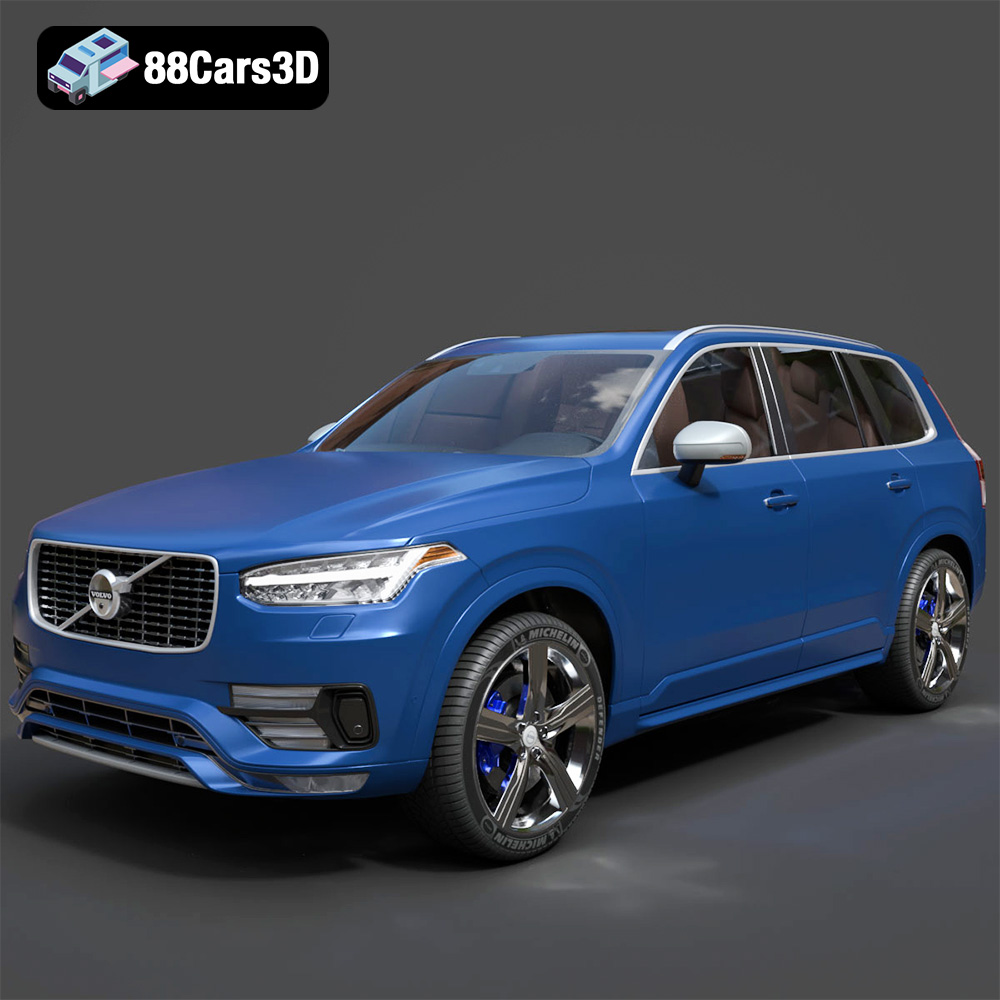
Download the Volvo XC90 R-Design 2015 3D Model featuring clean geometry, realistic detailing, and a fully modeled interior. Includes .blend, .fbx, .obj, .glb, .stl, .ply, .unreal, and .max formats for rendering, simulation, and game development.
Price: $10

**Meta Description:**
Texture: Yes
Material: Yes
Download the Toyota Crown Majesta 2009 3D Model with luxury detailing, clean topology, and a fully modeled interior. Available in .blend, .fbx, .obj, .glb, .stl, .ply, .unreal, and .max formats for rendering, simulation, and game development.
Price: $4.99

