Get 50% OFF All Premium 3D & STL Models!

“`html
The allure of miniature automotive masterpieces, meticulously recreated through the magic of 3D printing, is undeniable. Whether you’re a seasoned 3D printing veteran or a curious newcomer, the journey from a digital STL file to a tangible car model can be both rewarding and challenging. This comprehensive guide will equip you with the technical knowledge and practical skills needed to navigate the intricacies of 3D printing car models, covering everything from file preparation and optimal printer settings to post-processing techniques for achieving flawless finishes. We’ll delve into the nuances of STL file structure, slicing parameters, support generation, material selection, and troubleshooting common printing issues. Prepare to unlock the full potential of your 3D printer and bring your dream car collection to life, one perfectly printed model at a time.
The foundation of any successful 3D print lies in the quality and structure of the STL (Stereolithography) file. This file format represents a 3D object as a collection of interconnected triangles, forming a mesh that defines the model’s surface. Understanding the nuances of STL files and mesh topology is crucial for optimizing print quality and minimizing potential issues.
An STL file essentially contains a list of triangles, each defined by three vertices (coordinates) and a normal vector indicating the triangle’s orientation. The resolution of the STL file, meaning the number of triangles used to represent the model, directly impacts the print quality. A higher resolution STL file will result in a smoother surface and more detailed features, but it will also increase the file size and processing time. Platforms like 88cars3d.com ensure their models are optimized for both detail and printability. It’s a balancing act: too low a resolution and you lose detail; too high and your slicer might struggle. A good rule of thumb is to aim for a resolution where individual triangles are not visibly apparent when the model is viewed closely in your slicing software. Many slicers have built-in tools to simplify the mesh if it’s overly dense.
A crucial aspect of a printable STL file is that it must be “manifold,” meaning it must represent a closed, watertight surface. Non-manifold geometry, such as holes, self-intersections, or disconnected faces, can cause significant problems during slicing and printing. These errors can lead to incomplete prints, unexpected voids, or even printer crashes. Many 3D modeling programs (Blender, 3ds Max) and dedicated mesh repair tools (Netfabb, Meshmixer) can automatically detect and fix non-manifold geometry. Features like “Make Manifold” or “Close Holes” are invaluable for preparing STL files for 3D printing.
Slicing is the process of converting the 3D model in the STL file into a series of 2D layers that the 3D printer can understand and build upon. The slicing software (e.g., Cura, PrusaSlicer, Simplify3D) allows you to control various parameters that significantly impact the print quality, strength, and speed. Mastering these parameters is key to achieving optimal results when printing car models.
Layer height is the thickness of each individual layer printed by the 3D printer. A smaller layer height results in a smoother surface finish and finer details, but it also increases the print time. For car models, a layer height between 0.1mm and 0.2mm is generally recommended for FDM printing. Resin printing can achieve even finer layer heights, down to 0.025mm or even lower, resulting in exceptional detail. Experimentation is key, but remember the trade-off: halving the layer height roughly doubles the print time. For example, printing a detailed grille on a car model benefits significantly from a 0.1mm layer height, while less visible areas like the chassis can be printed at 0.2mm to save time.
Infill refers to the internal structure of the 3D printed object. The infill density, expressed as a percentage, determines how much material is used inside the model. A higher infill density increases the strength and weight of the model but also increases the print time and material consumption. For car models intended for display, an infill density of 15-25% is often sufficient. Functional parts that need to withstand stress may require higher infill densities (50% or more). The infill pattern also affects the strength and weight of the model. Common infill patterns include grid, honeycomb, gyroid, and triangle. Gyroid infill offers excellent strength-to-weight ratio and is a good choice for structural components.
Support structures are temporary scaffolding that provides support for overhanging features and bridges during the 3D printing process. They are essential for printing complex car models with intricate details and significant overhangs. However, generating and removing supports can be challenging, and improper support settings can lead to poor print quality or damage to the model.
There are various types of support structures available in slicing software, including tree supports, linear supports, and grid supports. Tree supports are generally preferred for car models as they use less material and are easier to remove, especially in areas with delicate details. Linear supports are more rigid and are suitable for supporting large, flat overhangs. Grid supports provide the strongest support but can be difficult to remove and may leave marks on the model’s surface.
Careful placement of support structures is crucial for ensuring that all overhanging features are adequately supported while minimizing the impact on the model’s surface finish. Pay close attention to areas such as wheel arches, spoilers, and intricate body details. Adjust support settings such as support density, overhang angle, and support interface to optimize support strength and removability. A support interface is a thin layer of material printed between the support structure and the model, which helps to improve adhesion and prevent damage during support removal. When downloading models from marketplaces such as 88cars3d.com, consider if pre-supported models are available to save significant time and effort.
The choice of material and the corresponding printer settings play a crucial role in the success of your 3D printed car model. Different materials offer different properties, such as strength, flexibility, and temperature resistance. Understanding these properties and selecting the appropriate material for your specific needs is essential for achieving optimal results.
For FDM (Fused Deposition Modeling) printing, the most common materials are PLA (Polylactic Acid), PETG (Polyethylene Terephthalate Glycol), and ABS (Acrylonitrile Butadiene Styrene). PLA is a biodegradable thermoplastic that is easy to print and offers good detail resolution. It’s a great choice for display models. PETG is more durable and heat-resistant than PLA, making it suitable for functional parts or models that may be exposed to higher temperatures. ABS is a strong and heat-resistant thermoplastic but requires a heated bed and enclosure to prevent warping. The choice depends on the purpose of the model. PLA is excellent for static display pieces, while PETG might be better for models intended for outdoor use.
For resin printing (SLA/DLP/LCD), a variety of resins are available, including standard resins, tough resins, and flexible resins. Standard resins offer excellent detail resolution and are suitable for display models. Tough resins are more durable and impact-resistant, making them ideal for functional parts. Flexible resins offer elasticity and are suitable for tires or other components that require flexibility. Resin printing generally achieves much higher detail than FDM, but requires more post-processing. For car models, the fine details achievable with resin are highly desirable.
Post-processing is the final stage of the 3D printing process and involves a series of techniques used to improve the appearance and functionality of the printed model. For car models, post-processing is essential for achieving a smooth, professional finish that rivals commercially manufactured models. Common post-processing techniques include sanding, painting, and assembly.
Sanding is used to remove layer lines and other imperfections from the surface of the 3D printed model. Start with coarse sandpaper (e.g., 220 grit) to remove large imperfections and gradually move to finer grits (e.g., 400, 600, 800 grit) to achieve a smooth surface. Wet sanding can help to reduce dust and improve the surface finish. Proper surface preparation is crucial for ensuring that the paint adheres properly and achieves a smooth, even finish. Applying a primer after sanding is highly recommended to fill in any remaining imperfections and provide a uniform surface for painting.
Painting is used to add color and detail to the 3D printed car model. Use high-quality acrylic or enamel paints specifically designed for plastic models. Apply thin, even coats of paint using an airbrush or spray can. Allow each coat of paint to dry completely before applying the next coat. Masking tape can be used to create clean lines and intricate designs. After painting, consider applying a clear coat to protect the paint and add a glossy or matte finish. Detailing techniques such as panel lining and weathering can further enhance the realism of the model. Access to high-quality STL files from sources such as 88cars3d.com make this post-processing stage even more impactful as the starting point is a highly detailed model.
Even with careful planning and preparation, 3D printing can be prone to errors and unexpected issues. Recognizing and troubleshooting common problems is crucial for ensuring successful prints and minimizing wasted time and materials. Here are some common issues encountered when printing car models and how to address them.
Warping occurs when the printed object detaches from the print bed during printing due to uneven cooling or poor bed adhesion. This is particularly common with ABS and other materials that are prone to shrinking. To prevent warping, ensure that the print bed is properly leveled and heated. Use a bed adhesive such as hairspray, glue stick, or painter’s tape to improve bed adhesion. Enclosing the printer can also help to maintain a consistent temperature and prevent warping. Increasing the brim size in your slicer can also help.
Stringing occurs when thin strands of filament are left behind as the print head moves between different parts of the model. Blobs are small accumulations of excess material on the surface of the print. Both issues are often caused by incorrect temperature settings, retraction settings, or travel speed settings. Reduce the printing temperature, increase the retraction distance and speed, and optimize the travel speed to minimize stringing and blobs. Check that your filament is dry. Wet filament can cause these issues.
Layer shifting occurs when the printed layers are misaligned, resulting in a stepped or jagged appearance. This can be caused by loose belts, excessive print speed, or mechanical issues with the printer. Ensure that all belts are properly tensioned and lubricated. Reduce the print speed and check for any mechanical issues that may be causing the layer shifting. Regularly maintain your printer to prevent these issues.
From meticulous STL file preparation to skillful post-processing, mastering the art of 3D printing car models requires a blend of technical knowledge, practical experience, and a dash of patience. By understanding the intricacies of mesh topology, optimizing slicing parameters, strategically generating support structures, carefully selecting materials, and diligently troubleshooting common issues, you can unlock the full potential of your 3D printer and create stunning, museum-worthy automotive replicas. The key is to experiment, iterate, and continuously refine your workflow. Start with simpler models and gradually tackle more complex projects. Remember that every failed print is a learning opportunity. Embrace the challenge, and soon you’ll be crafting miniature masterpieces that will impress even the most discerning automotive enthusiasts. Explore platforms like 88cars3d.com for a wide selection of high-quality STL files to fuel your passion. Now, go forth and print!
“`

Texture: Yes
Material: Yes
Download the Chevrolet Camaro 1970 3D Model featuring clean geometry, realistic detailing, and a fully modeled interior. Includes .blend, .fbx, .obj, .glb, .stl, .ply, .unreal, and .max formats for rendering, simulation, and game development.
Price: $10

Texture: Yes
Material: Yes
Download the Mercedes-AMG GT 2015 3D Model featuring clean geometry, realistic detailing, and a fully modeled interior. Includes .blend, .fbx, .obj, .glb, .stl, .ply, .unreal, and .max formats for rendering, simulation, and game development.
Price: $88.99

Texture: Yes
Material: Yes
Download the Suzuki GSX-R 1000 3D Model featuring clean geometry, realistic detailing, and a fully modeled interior. Includes .blend, .fbx, .obj, .glb, .stl, .ply, .unreal, and .max formats for rendering, simulation, and game development.
Price: $10

Texture: Yes
Material: Yes
Download the Porsche Cayman S 2024 3D Model featuring clean geometry, realistic detailing, and a fully modeled interior. Includes .blend, .fbx, .obj, .glb, .stl, .ply, .unreal, and .max formats for rendering, simulation, and game development.
Price: $10

Texture: Yes
Material: Yes
Download the Holden Commodore Sportwagon 2017 3D Model featuring clean geometry, realistic detailing, and a fully modeled interior. Includes .blend, .fbx, .obj, .glb, .stl, .ply, .unreal, and .max formats for rendering, simulation, and game development.
Price: $10
Texture: Yes
Material: Yes
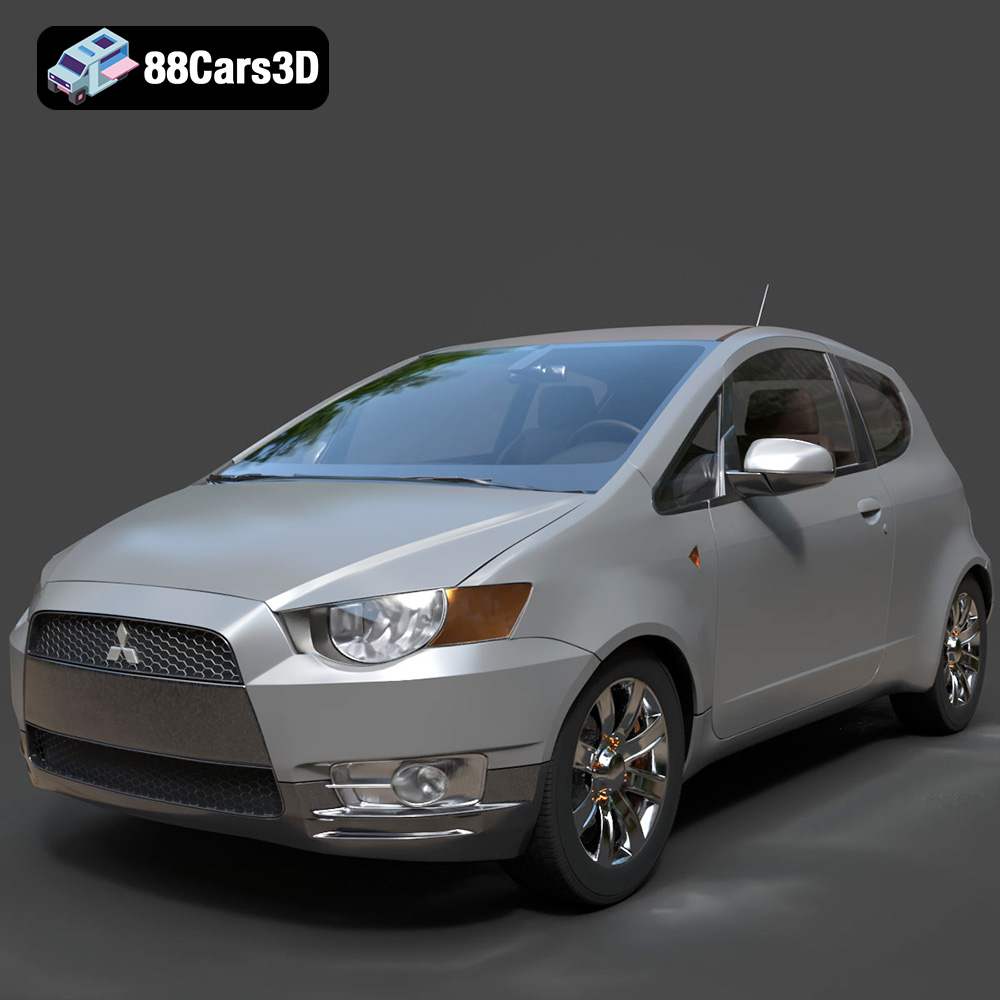
Download the Mitsubishi Colt 3 Door 2008 3D Model featuring clean geometry, realistic detailing, and a fully modeled interior. Includes .blend, .fbx, .obj, .glb, .stl, .ply, .unreal, and .max formats for rendering, simulation, and game development.
Price: $10
Texture: Yes
Material: Yes
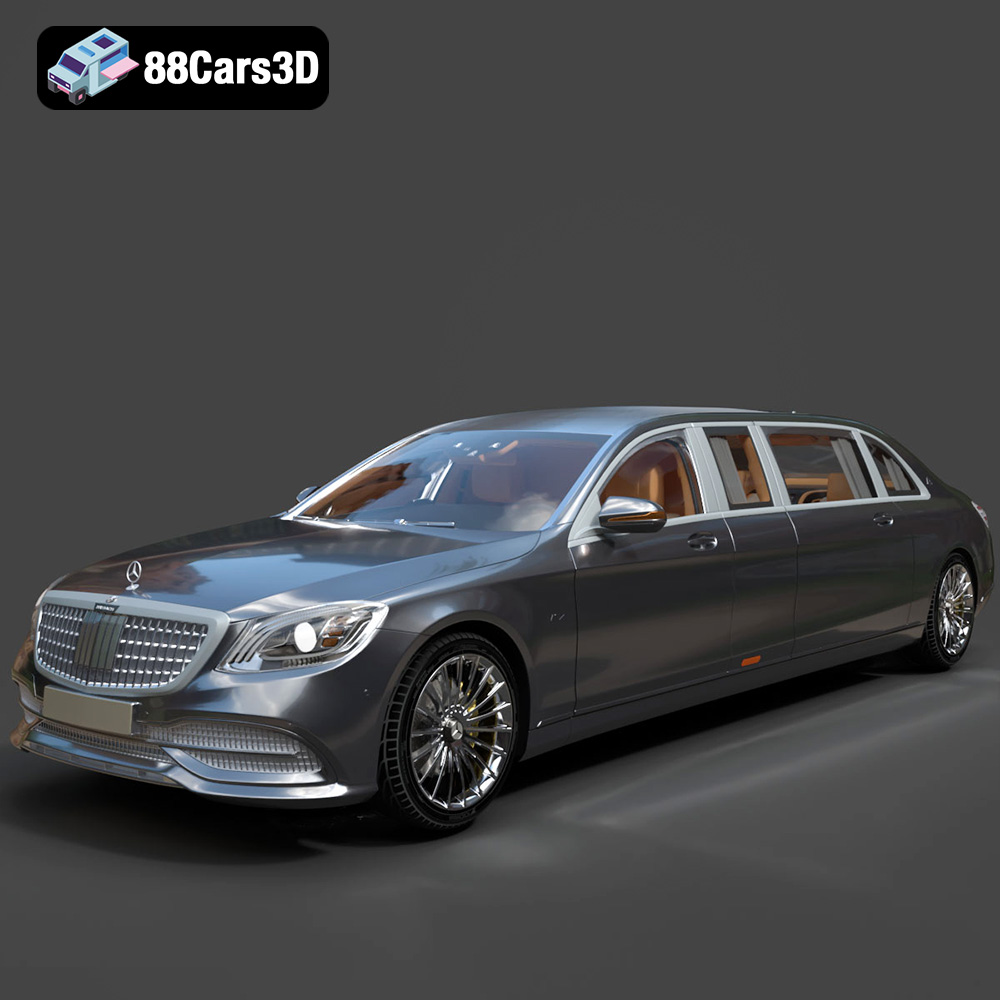
Download the Mercedes-Benz S650 Pullman 3D Model featuring clean geometry, realistic detailing, and a fully modeled interior. Includes .blend, .fbx, .obj, .glb, .stl, .ply, .unreal, and .max formats for rendering, simulation, and game development.
Price: $10
Texture: Yes
Material: Yes
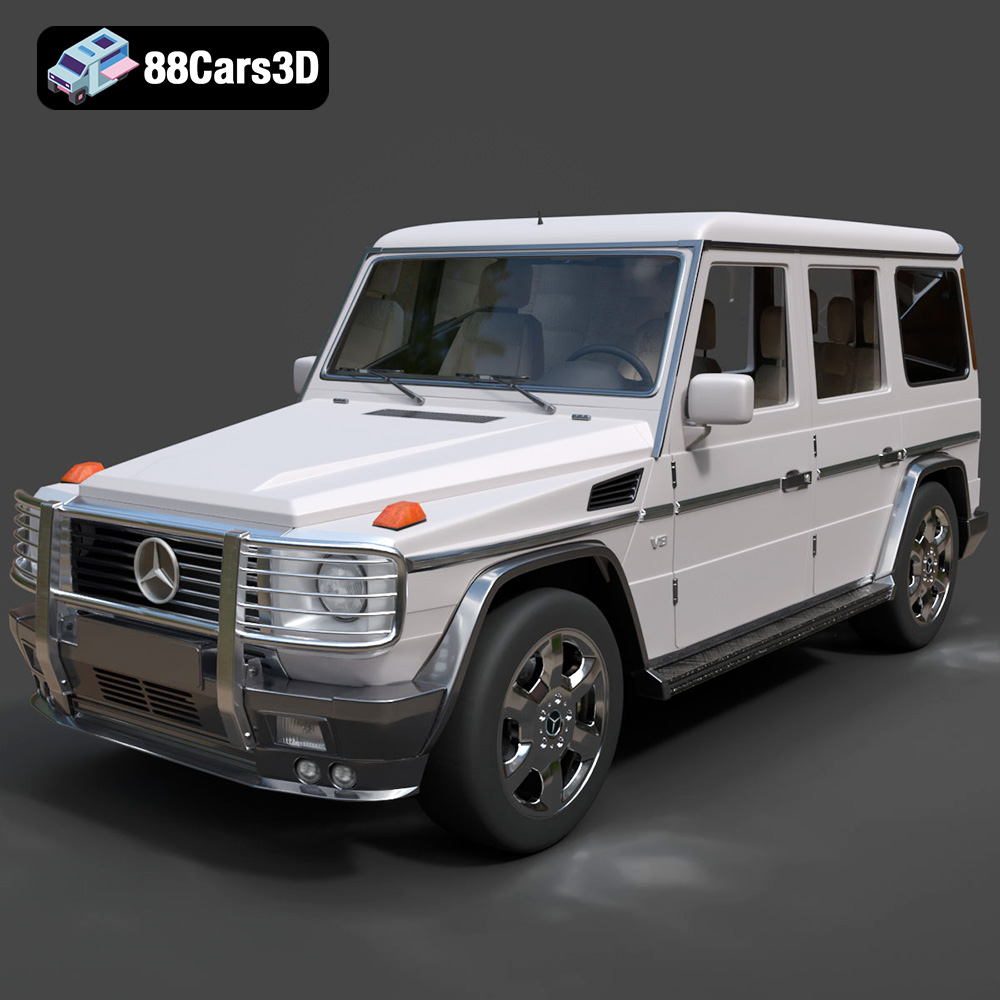
Download the Mercedes G-Class SUV 2024 3D Model featuring clean geometry, realistic detailing, and a fully modeled interior. Includes .blend, .fbx, .obj, .glb, .stl, .ply, .unreal, and .max formats for rendering, simulation, and game development.
Price: $10

Texture: Yes
Material: Yes
Download the Volvo XC90 R-Design 2015 3D Model featuring clean geometry, realistic detailing, and a fully modeled interior. Includes .blend, .fbx, .obj, .glb, .stl, .ply, .unreal, and .max formats for rendering, simulation, and game development.
Price: $10

**Meta Description:**
Texture: Yes
Material: Yes
Download the Toyota Crown Majesta 2009 3D Model with luxury detailing, clean topology, and a fully modeled interior. Available in .blend, .fbx, .obj, .glb, .stl, .ply, .unreal, and .max formats for rendering, simulation, and game development.
Price: $4.99

