Get 50% OFF All Premium 3D & STL Models!

“`html
The world of 3D printing offers incredible opportunities for hobbyists, engineers, and automotive enthusiasts alike. The ability to bring intricate designs to life, especially detailed car models, is now within reach thanks to advancements in 3D printing technology and the availability of high-quality STL files. However, achieving truly stunning results requires a deep understanding of the entire process, from initial file preparation to final post-processing. This comprehensive guide will take you through each step, providing the technical knowledge and practical tips necessary to master the art of 3D printing car models. You’ll learn about STL file structure, optimal 3D printer settings, advanced slicing techniques, support structure strategies, and post-processing methods to transform raw prints into museum-worthy replicas.
The foundation of any successful 3D print lies in the quality of the STL file. STL (stereolithography) is the standard file format for 3D printing, representing a 3D object as a collection of triangles. A well-designed STL file ensures a smooth, accurate print. When downloading models from marketplaces such as 88cars3d.com, you can expect high-quality, print-ready STL files. However, understanding the underlying structure is still crucial.
Mesh density refers to the number of triangles used to represent the object’s surface. Higher density means more triangles, resulting in a smoother, more detailed model. However, it also increases file size and processing time. Finding the right balance is key. For car models, particularly those with curved surfaces, a higher mesh density is generally preferred for the body, while simpler parts like wheels can use a lower density. A good starting point is to aim for an average triangle size of around 0.5mm to 1mm, adjusting based on the complexity of the specific area.
A “manifold” mesh is a closed, watertight surface. This is essential for 3D printing because the slicer needs to define a clear inside and outside. Non-manifold geometry, such as holes or overlapping faces, can cause printing errors. Software like Meshmixer, Netfabb, and even online services like MakePrintable can be used to repair these issues. These tools can automatically detect and fix common problems, such as:
It’s best practice to always run your STL file through a repair tool before slicing.
Slicing is the process of converting the 3D model into a series of 2D layers that the 3D printer can understand. The slicing software dictates how the printer will deposit material, and the settings you choose dramatically affect the final print quality, strength, and printing time. Popular slicers include Cura, PrusaSlicer, Simplify3D, and IdeaMaker. Each offers a range of adjustable parameters.
Layer height is arguably the most critical setting. It determines the thickness of each layer and directly impacts the print’s resolution. Lower layer heights (e.g., 0.08mm – 0.12mm) result in smoother surfaces and finer details but significantly increase printing time. Higher layer heights (e.g., 0.2mm – 0.3mm) are faster but produce more visible layer lines. For car models, especially those with intricate curves and details, a layer height of 0.1mm to 0.15mm is a good starting point for FDM printing, while resin printing can achieve even finer details with layer heights as low as 0.025mm.
Infill refers to the internal structure of the printed object. Infill density, expressed as a percentage, determines how much material fills the interior. Higher infill percentages increase strength and weight but also consume more material and increase print time. For car models, a moderate infill density of 15-25% is usually sufficient, unless structural integrity is paramount. Common infill patterns include:
Experiment with different patterns to find the best balance for your specific model and requirements.
Support structures are temporary scaffolding that supports overhanging features during printing. Without them, gravity would cause these features to collapse. Generating effective support structures and removing them cleanly is a crucial aspect of 3D printing car models.
There are several types of support structures, each with its strengths and weaknesses:
Tree supports are often preferred for car models because they tend to leave fewer marks on the finished surface. In slicers like Cura and PrusaSlicer, you can customize support settings, such as support density, overhang angle, and support placement. The overhang angle determines at what angle support structures are generated. A lower angle (e.g., 45 degrees) will result in more supports, while a higher angle (e.g., 60 degrees) will generate fewer.
Removing support structures cleanly is an art in itself. The goal is to remove the supports without damaging the printed model. Here are some tips:
Carefully trim away the supports, working slowly and patiently. After removing the bulk of the supports, use sandpaper to smooth any remaining imperfections.
Print orientation is the angle at which the model is placed on the print bed. It significantly impacts print quality, support requirements, and bed adhesion. Proper bed adhesion ensures that the first layer sticks firmly to the print bed, preventing warping or detachment during printing.
The ideal print orientation minimizes the need for supports and maximizes surface quality. For car models, consider these strategies:
For example, printing a car body on its side might reduce support requirements, but it could also result in visible layer lines on the roof and hood. Experiment with different orientations to find the optimal balance.
Poor bed adhesion is a common problem, especially with larger prints. Here are some techniques to improve it:
For PLA, a bed temperature of 60°C is usually sufficient. ABS requires a higher temperature, around 100-110°C. Experiment with different settings to find what works best for your printer and material.
The choice of material and the printer’s calibration are critical for achieving accurate and reliable 3D prints. Different materials have different properties, such as strength, flexibility, and temperature resistance. Proper calibration ensures that the printer accurately extrudes material and moves along the X, Y, and Z axes.
Common 3D printing materials include:
For car models, PLA is a good starting point for beginners. PETG offers improved strength and heat resistance. If you require very high detail and smooth surfaces, resin printing is the best option. Platforms like 88cars3d.com offer models well-suited to resin printing for incredible detail.
A well-calibrated printer is essential for accurate prints. Here are some key calibration steps:
Refer to your printer’s manual or online resources for detailed instructions on how to perform these calibrations. Regular calibration will ensure consistent and accurate prints.
Post-processing is the final stage of the 3D printing process. It involves refining the printed part to achieve the desired appearance and functionality. Common post-processing techniques include sanding, painting, and assembly.
Sanding removes layer lines and imperfections from the printed surface. Start with coarse sandpaper (e.g., 150 grit) and gradually move to finer grits (e.g., 400, 600, 800 grit). Wet sanding can help to reduce dust and improve the smoothness of the surface. For resin prints, sanding is often followed by polishing with a polishing compound.
Painting adds color and protection to the printed part. Use primer to create a smooth, even surface for the paint. Apply multiple thin coats of paint, allowing each coat to dry completely before applying the next. Use masking tape to create sharp lines and details. After painting, apply a clear coat to protect the paint and add a glossy or matte finish.
Many car models consist of multiple parts that need to be assembled. Use glue or screws to join the parts together. Add small details, such as decals, lights, and mirrors, to enhance the realism of the model. Consider using specialized tools, such as tweezers and magnifying glasses, to handle small parts.
Mastering the 3D printing of car models requires a blend of technical knowledge, practical skills, and patience. By understanding the intricacies of STL files, slicing parameters, support structures, print orientation, material selection, and post-processing techniques, you can transform raw prints into stunning replicas. Remember to experiment with different settings and materials to find what works best for your printer and your specific needs. The resources available on platforms like 88cars3d.com, combined with the knowledge gained from this guide, will empower you to create exceptional 3D printed car models. Now, take your newfound knowledge, select your favorite car model STL file, and start printing!
“`

Texture: Yes
Material: Yes
Download the Mercedes S-Class 2024 3D Model featuring clean geometry, realistic detailing, and a fully modeled interior. Includes .blend, .fbx, .obj, .glb, .stl, .ply, .unreal, and .max formats for rendering, simulation, and game development.
Price: $10

Texture: Yes
Material: Yes
Download the Chevrolet Camaro 1970 3D Model featuring clean geometry, realistic detailing, and a fully modeled interior. Includes .blend, .fbx, .obj, .glb, .stl, .ply, .unreal, and .max formats for rendering, simulation, and game development.
Price: $10

Texture: Yes
Material: Yes
Download the Mercedes-AMG GT 2015 3D Model featuring clean geometry, realistic detailing, and a fully modeled interior. Includes .blend, .fbx, .obj, .glb, .stl, .ply, .unreal, and .max formats for rendering, simulation, and game development.
Price: $88.99
Texture: Yes
Material: Yes
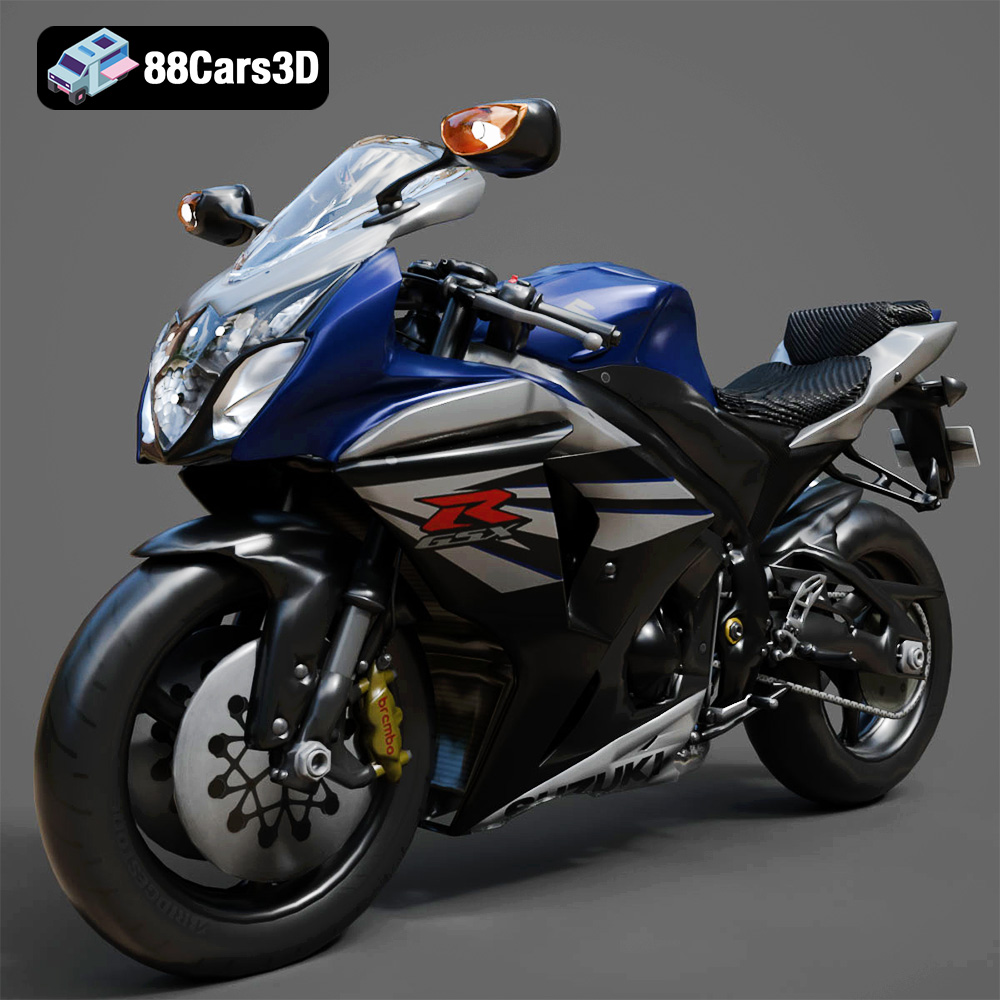
Download the Suzuki GSX-R 1000 3D Model featuring clean geometry, realistic detailing, and a fully modeled interior. Includes .blend, .fbx, .obj, .glb, .stl, .ply, .unreal, and .max formats for rendering, simulation, and game development.
Price: $10
Texture: Yes
Material: Yes
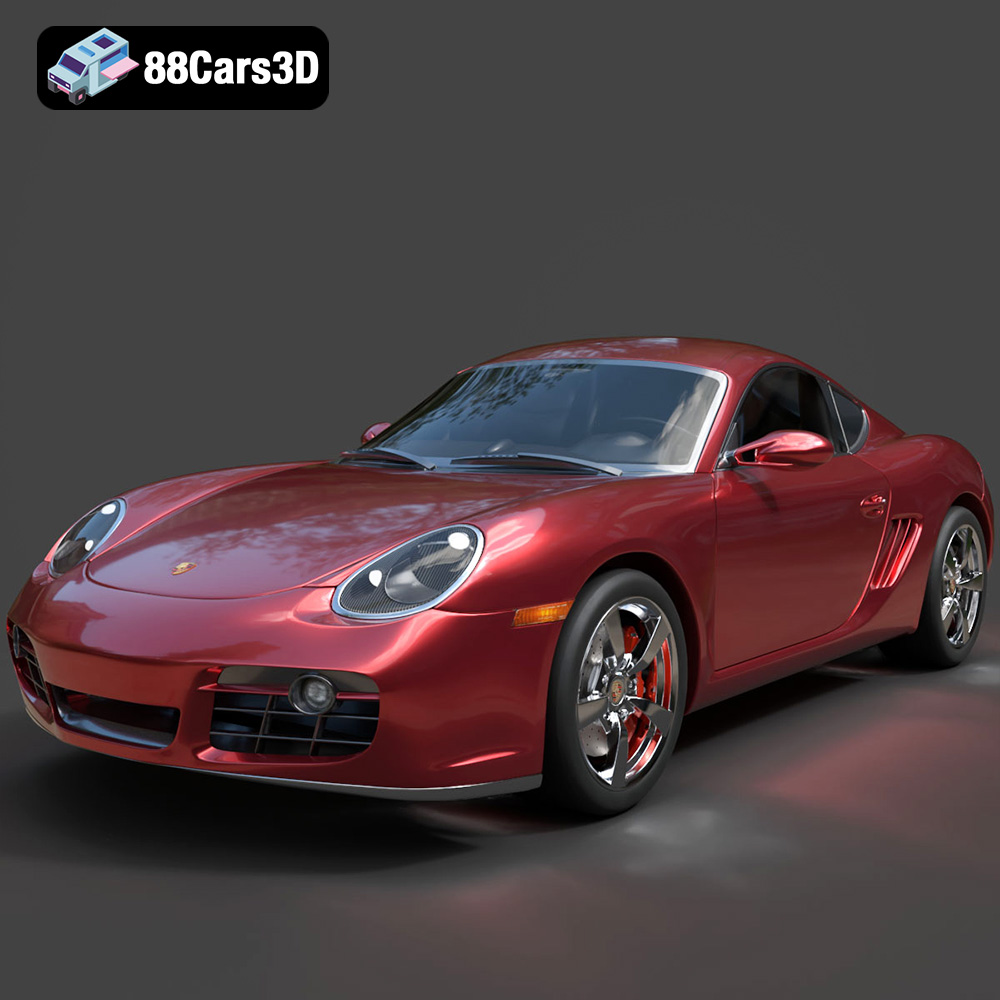
Download the Porsche Cayman S 2024 3D Model featuring clean geometry, realistic detailing, and a fully modeled interior. Includes .blend, .fbx, .obj, .glb, .stl, .ply, .unreal, and .max formats for rendering, simulation, and game development.
Price: $10

Texture: Yes
Material: Yes
Download the Holden Commodore Sportwagon 2017 3D Model featuring clean geometry, realistic detailing, and a fully modeled interior. Includes .blend, .fbx, .obj, .glb, .stl, .ply, .unreal, and .max formats for rendering, simulation, and game development.
Price: $10
Texture: Yes
Material: Yes
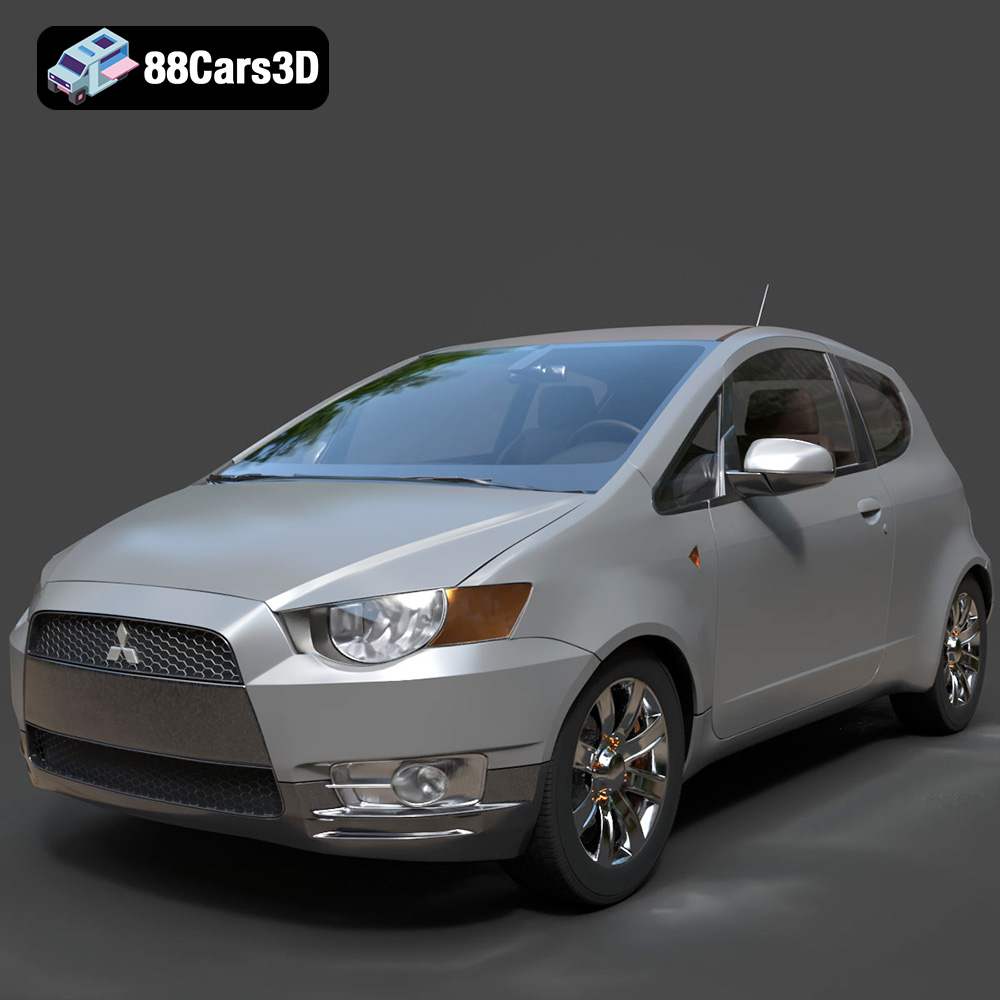
Download the Mitsubishi Colt 3 Door 2008 3D Model featuring clean geometry, realistic detailing, and a fully modeled interior. Includes .blend, .fbx, .obj, .glb, .stl, .ply, .unreal, and .max formats for rendering, simulation, and game development.
Price: $10
Texture: Yes
Material: Yes
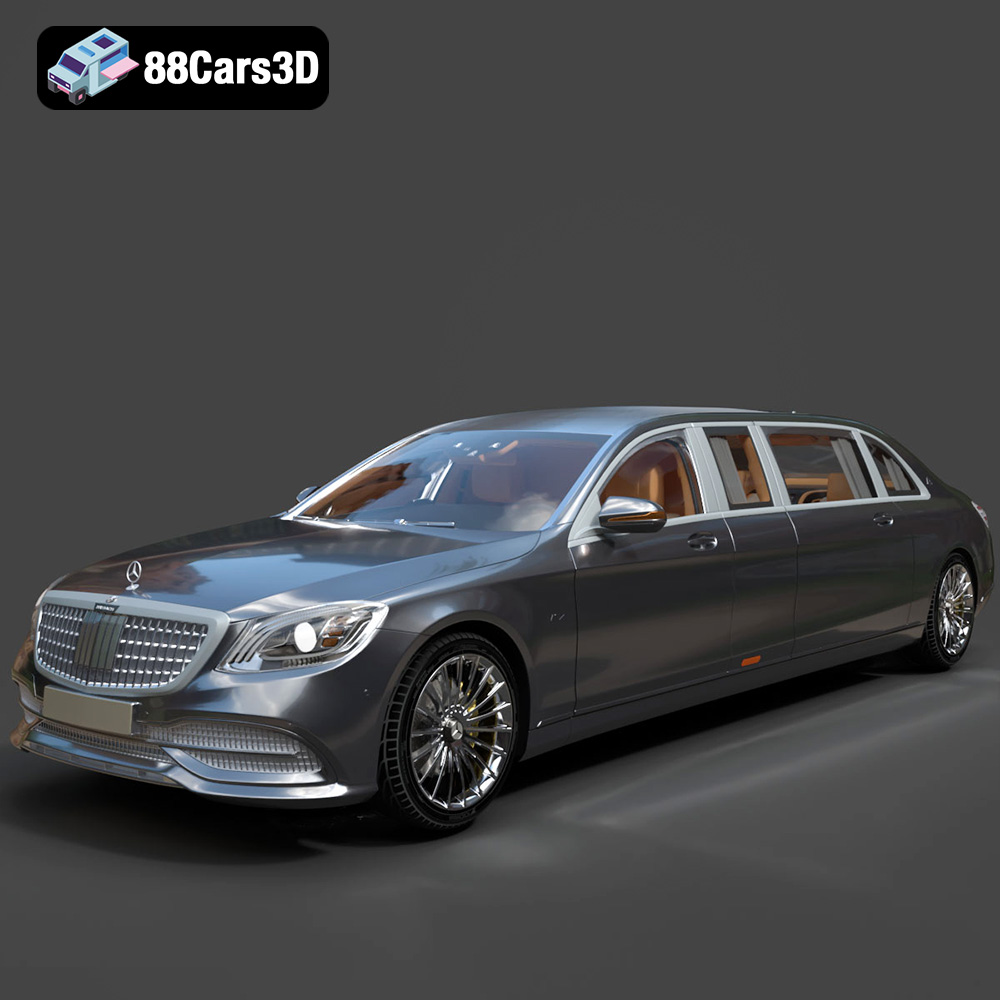
Download the Mercedes-Benz S650 Pullman 3D Model featuring clean geometry, realistic detailing, and a fully modeled interior. Includes .blend, .fbx, .obj, .glb, .stl, .ply, .unreal, and .max formats for rendering, simulation, and game development.
Price: $95.99
Texture: Yes
Material: Yes
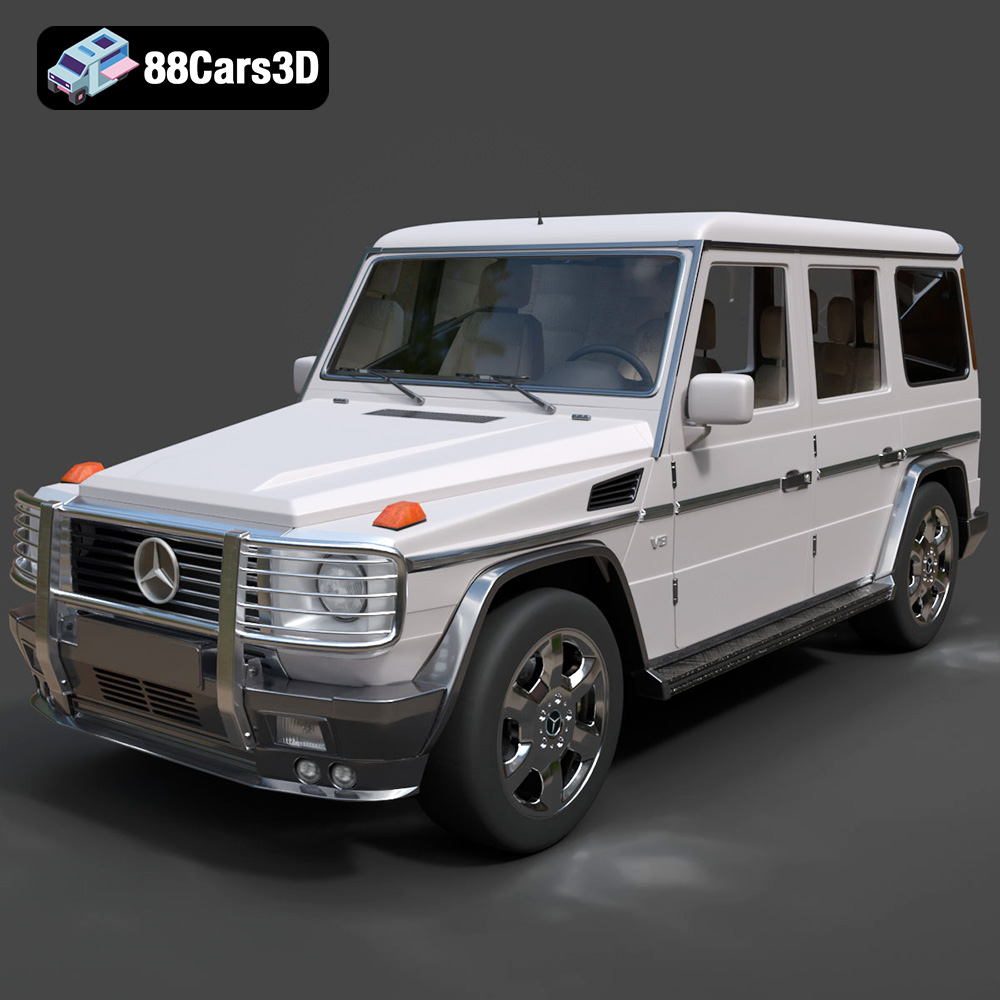
Download the Mercedes G-Class SUV 2024 3D Model featuring clean geometry, realistic detailing, and a fully modeled interior. Includes .blend, .fbx, .obj, .glb, .stl, .ply, .unreal, and .max formats for rendering, simulation, and game development.
Price: $10

Texture: Yes
Material: Yes
Download the Volvo XC90 R-Design 2015 3D Model featuring clean geometry, realistic detailing, and a fully modeled interior. Includes .blend, .fbx, .obj, .glb, .stl, .ply, .unreal, and .max formats for rendering, simulation, and game development.
Price: $10

