Get 50% OFF All Premium 3D & STL Models!

“`html
3D printing has revolutionized the world of model making, offering enthusiasts and professionals alike the ability to create intricate and detailed replicas of their favorite cars. Whether you’re a hobbyist, an engineer prototyping a new design, or simply an automotive fan looking to own a miniature version of a classic, understanding the nuances of 3D printing is crucial for achieving stunning results. This comprehensive guide will walk you through the essential steps of preparing STL files, optimizing printer settings, mastering slicing techniques, and tackling common challenges in 3D printing car models. We’ll delve into the specifics of both FDM and resin printing, explore the importance of support structures, and provide actionable tips to elevate your 3D printing game.
From understanding the intricacies of STL file formats to perfecting your post-processing techniques, this guide aims to equip you with the knowledge and skills necessary to create high-quality, impressive 3D printed car models. Let’s dive in!
At the heart of 3D printing lies the STL (Stereolithography) file format. This widely adopted format represents the surface geometry of a 3D object as a collection of triangles. A good understanding of STL files is critical for successful 3D printing, especially when dealing with complex models like cars. A poorly constructed STL file can lead to print failures, artifacts, and a final product that doesn’t meet your expectations.
The mesh topology of an STL file refers to how the triangles are arranged to form the surface of the model. A dense mesh, with a higher number of smaller triangles, generally results in a smoother surface and greater detail. However, a very dense mesh can also increase file size and processing time during slicing. Conversely, a sparse mesh can lead to a faceted appearance, especially on curved surfaces. Finding the right balance between detail and efficiency is key. When downloading models from marketplaces such as 88cars3d.com, you can usually find information about the mesh density and level of detail.
A manifold mesh is one that is watertight and has a clear inside and outside. Non-manifold geometry, on the other hand, contains errors such as holes, intersecting faces, or edges that are shared by more than two faces. These errors can cause significant problems during slicing and printing. Before printing any STL file, it’s essential to check for and repair any non-manifold geometry. Software like Meshmixer and Netfabb can be used to identify and automatically fix these issues. For example, Netfabb offers sophisticated tools to analyze and repair STL files, ensuring they are suitable for printing.
Slicing software is the crucial intermediary between your STL file and your 3D printer. This software takes the 3D model and divides it into thin, horizontal layers, generating a G-code file that instructs the printer on how to deposit material layer by layer. The choice of slicing software and the settings you use can significantly impact the quality, strength, and printing time of your car model.
Several parameters within your slicing software have a direct impact on the final print. Layer height, for instance, determines the thickness of each layer. Lower layer heights (e.g., 0.1mm) result in smoother surfaces and finer details but increase printing time. Higher layer heights (e.g., 0.2mm) print faster but may sacrifice surface quality. Infill density controls the amount of material used inside the model. Higher infill densities increase strength but also increase material consumption and printing time. Print speed affects both print time and quality. Printing too fast can lead to layer adhesion issues and warping, while printing too slowly can prolong the process unnecessarily. Temperature settings for the nozzle and bed are also critical, as they influence material flow and adhesion.
Cura and PrusaSlicer are two popular and powerful slicing software options. Cura offers a user-friendly interface and a wide range of customizable settings. It’s particularly well-suited for FDM printing and provides excellent support generation capabilities. PrusaSlicer, developed by Prusa Research, is known for its advanced features such as variable layer height and adaptive infill. This allows you to optimize print quality in specific areas of the model while minimizing overall print time. For example, you could use a lower layer height for the car’s body to achieve a smoother finish and a higher layer height for the internal supports to speed up the printing process. Both software programs are excellent choices for preparing your STL files for 3D printing car models.
Two primary 3D printing technologies are commonly used for creating car models: Fused Deposition Modeling (FDM) and Stereolithography (SLA), often referred to as resin printing. Each technology has its strengths and weaknesses, making them suitable for different applications and desired outcomes.
FDM printing involves extruding a thermoplastic filament through a heated nozzle and depositing it layer by layer onto a build platform. FDM printers are generally more affordable than resin printers and can print with a wider range of materials, including PLA, PETG, and ABS. PLA is a popular choice for beginners due to its ease of use and biodegradability. PETG offers improved strength and heat resistance compared to PLA. ABS is known for its durability but requires higher printing temperatures and a heated bed to prevent warping. When printing car models with FDM, consider using a smaller nozzle size (e.g., 0.4mm or 0.25mm) and lower layer heights to achieve finer details. Properly calibrating your printer and ensuring good bed adhesion are also crucial for success.
Resin printing, on the other hand, uses a liquid resin that is cured by a UV light source. Resin printers are capable of producing incredibly detailed prints with smooth surfaces, making them ideal for intricate car models with complex geometries. Resin printing offers higher resolution and accuracy compared to FDM printing. However, resin printers are typically more expensive, and the available materials are more limited. Resins also require careful handling and post-processing, including washing and curing. When printing car models with resin, pay close attention to exposure times and support structures. Overexposure can lead to excessive curing and loss of detail, while underexposure can result in weak or incomplete prints. Platforms like 88cars3d.com offer print-ready STL files optimized for both FDM and resin printing, which can save you valuable time and effort.
Support structures are temporary scaffolding used to support overhanging features and bridges during the 3D printing process. Without proper support, these features would collapse or warp, resulting in a failed print. Generating and effectively removing support structures is a critical aspect of 3D printing, especially when dealing with complex car models.
There are two main types of support structures: tree supports and linear supports. Tree supports, also known as branching supports, resemble the branches of a tree and are often more efficient in terms of material usage and ease of removal. Linear supports, on the other hand, are straight columns that provide direct support to overhanging features. The choice between tree and linear supports depends on the geometry of the model and the specific areas that require support. For car models with intricate curves and complex overhangs, tree supports may be the better option. For simpler overhangs, linear supports can be sufficient.
The placement of support structures is crucial for both print quality and ease of removal. Ideally, supports should be placed in areas that are easily accessible and minimize the impact on the visible surfaces of the model. When generating supports in your slicing software, consider adjusting the support density, support angle, and support interface settings. Lower support densities can reduce material usage and make removal easier, while higher support densities provide more robust support for challenging overhangs. The support interface setting controls the contact area between the support structure and the model. A smaller interface area can make removal easier but may also compromise the stability of the support. After printing, carefully remove the support structures using pliers, knives, or other specialized tools. Take your time and avoid applying excessive force, as this can damage the model. Post-processing techniques, such as sanding and filling, can be used to smooth out any remaining marks or imperfections.
Even with careful planning and optimization, 3D printing can sometimes be challenging. Common issues such as warping, poor bed adhesion, and layer shifting can derail your printing efforts and result in a failed print. Understanding the causes of these problems and knowing how to address them is essential for achieving consistent and reliable results.
Warping occurs when the corners or edges of a print lift off the build platform due to uneven cooling and thermal contraction. This is particularly common when printing with materials like ABS, which have a high thermal expansion coefficient. To prevent warping, ensure that your build platform is properly leveled and heated. Applying an adhesive such as glue stick, hairspray, or painter’s tape to the build platform can also improve bed adhesion. Enclosing the printer in a chamber can help to maintain a more consistent temperature and reduce warping. If you continue to experience warping problems, try increasing the bed temperature or using a brim or raft to provide a larger contact area with the build platform. A brim adds a single-layer outline around the base of the model, while a raft creates a multi-layer platform underneath the model.
Layer shifting occurs when the print head or build platform suddenly shifts position during printing, resulting in misaligned layers. This can be caused by loose belts, stepper motor issues, or obstructions in the printer’s path. To prevent layer shifting, regularly check and tighten the belts on your printer. Ensure that the stepper motors are properly calibrated and functioning correctly. Make sure that there are no obstructions, such as tangled filament or debris, that could interfere with the movement of the print head or build platform. If you are using a slicer that supports it, try enabling “Z-hop” which raises the nozzle slightly when traveling between non-printing moves to avoid collisions with the print. Additionally, reduce the print speed, as excessive speeds can put stress on the printer’s components and increase the likelihood of layer shifting. In some cases, layer shifting can be caused by a corrupted G-code file. Try reslicing the model or using a different slicing software to see if that resolves the issue.
Once your car model is printed, post-processing techniques are essential for achieving a professional and polished finish. These techniques can include removing support structures, sanding, filling, priming, painting, and assembly. The specific post-processing steps required will depend on the material used, the desired level of detail, and the overall aesthetic you are aiming for.
Sanding is used to smooth out the surface of the print and remove any layer lines or imperfections. Start with a coarse grit sandpaper (e.g., 220 grit) and gradually move to finer grits (e.g., 400, 600, 800 grit) to achieve a smooth finish. For larger gaps or imperfections, use a filler such as putty or epoxy. Apply the filler to the affected area and allow it to dry completely before sanding it smooth. Priming is an important step that helps to create a uniform surface for painting and improves paint adhesion. Apply a thin, even coat of primer to the entire model and allow it to dry completely before sanding lightly with a fine-grit sandpaper.
Painting is the final step in the post-processing process and allows you to add color, detail, and realism to your car model. Use high-quality acrylic or enamel paints and apply them in thin, even coats. Consider using an airbrush for a smoother and more professional finish. Masking tape can be used to create clean lines and separate different color areas. After painting, apply a clear coat to protect the paint and add a glossy or matte finish. If your car model consists of multiple parts, carefully assemble them using glue or other suitable adhesives. Ensure that all parts are properly aligned and securely attached. With practice and attention to detail, you can transform your 3D printed car model into a stunning masterpiece. Remember that patience is key; take your time and don’t rush the process.
Mastering 3D printing for car models requires a comprehensive understanding of STL files, slicing software, printer settings, support structures, and post-processing techniques. By carefully preparing your STL files, optimizing your slicing parameters, selecting the right printing technology, and mastering support generation and removal, you can achieve stunning results and create high-quality, impressive 3D printed car models. Don’t be afraid to experiment with different materials, settings, and techniques to find what works best for your specific printer and model. Remember to address common issues such as warping, bed adhesion, and layer shifting promptly to avoid print failures. Ultimately, with the right knowledge, skills, and patience, you can unlock the full potential of 3D printing and bring your automotive dreams to life. Platforms like 88cars3d.com offer a wide selection of high-quality, print-ready STL files, making it easier than ever to start your 3D printing journey. Now, go forth and create something amazing!
“`

Texture: Yes
Material: Yes
Download the Mercedes S-Class 2024 3D Model featuring clean geometry, realistic detailing, and a fully modeled interior. Includes .blend, .fbx, .obj, .glb, .stl, .ply, .unreal, and .max formats for rendering, simulation, and game development.
Price: $10

Texture: Yes
Material: Yes
Download the Chevrolet Camaro 1970 3D Model featuring clean geometry, realistic detailing, and a fully modeled interior. Includes .blend, .fbx, .obj, .glb, .stl, .ply, .unreal, and .max formats for rendering, simulation, and game development.
Price: $10

Texture: Yes
Material: Yes
Download the Mercedes-AMG GT 2015 3D Model featuring clean geometry, realistic detailing, and a fully modeled interior. Includes .blend, .fbx, .obj, .glb, .stl, .ply, .unreal, and .max formats for rendering, simulation, and game development.
Price: $88.99

Texture: Yes
Material: Yes
Download the Suzuki GSX-R 1000 3D Model featuring clean geometry, realistic detailing, and a fully modeled interior. Includes .blend, .fbx, .obj, .glb, .stl, .ply, .unreal, and .max formats for rendering, simulation, and game development.
Price: $10

Texture: Yes
Material: Yes
Download the Porsche Cayman S 2024 3D Model featuring clean geometry, realistic detailing, and a fully modeled interior. Includes .blend, .fbx, .obj, .glb, .stl, .ply, .unreal, and .max formats for rendering, simulation, and game development.
Price: $10

Texture: Yes
Material: Yes
Download the Holden Commodore Sportwagon 2017 3D Model featuring clean geometry, realistic detailing, and a fully modeled interior. Includes .blend, .fbx, .obj, .glb, .stl, .ply, .unreal, and .max formats for rendering, simulation, and game development.
Price: $10
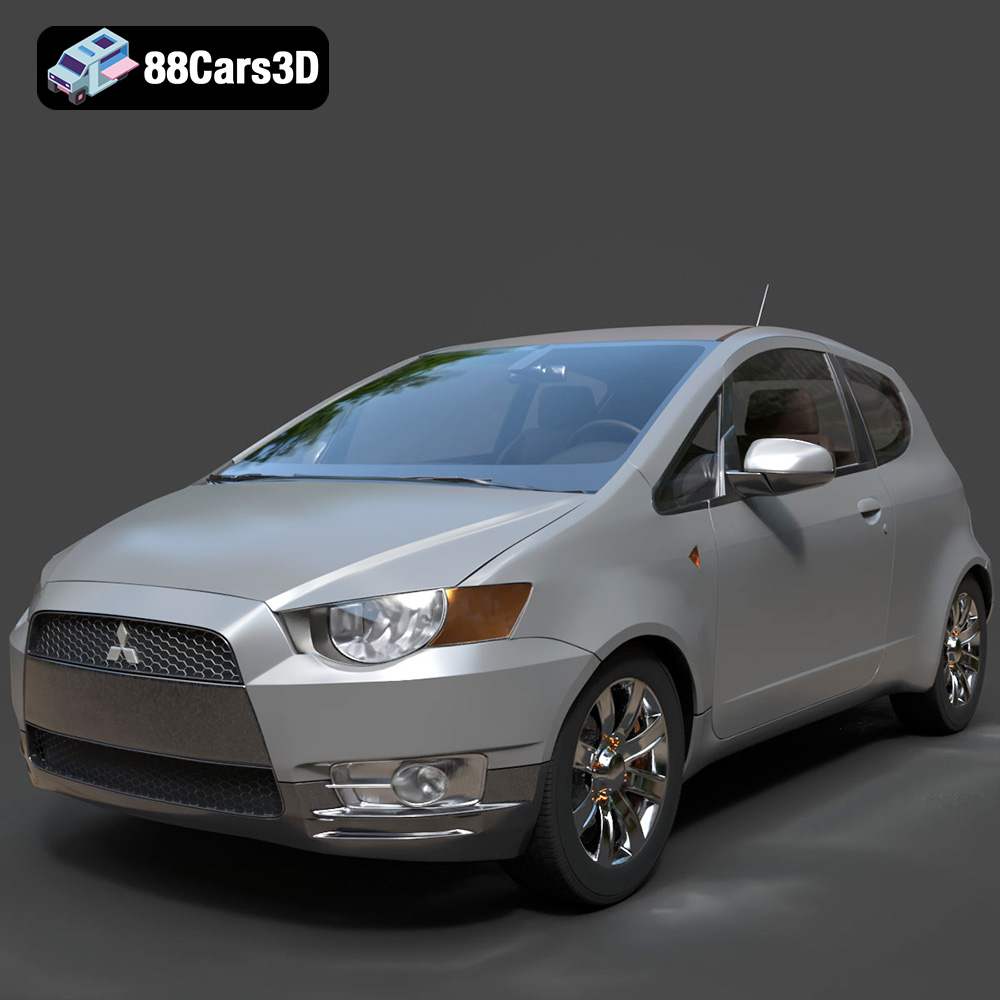
Texture: Yes
Material: Yes
Download the Mitsubishi Colt 3 Door 2008 3D Model featuring clean geometry, realistic detailing, and a fully modeled interior. Includes .blend, .fbx, .obj, .glb, .stl, .ply, .unreal, and .max formats for rendering, simulation, and game development.
Price: $10
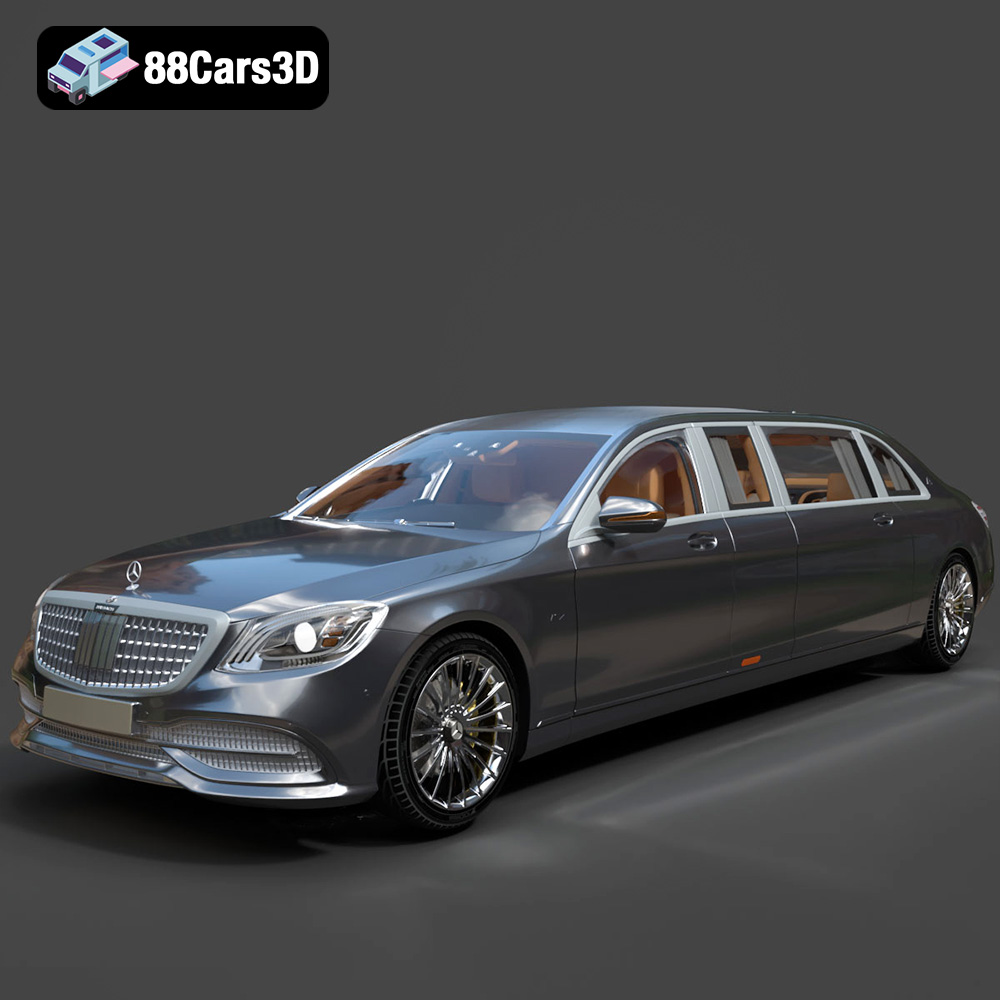
Texture: Yes
Material: Yes
Download the Mercedes-Benz S650 Pullman 3D Model featuring clean geometry, realistic detailing, and a fully modeled interior. Includes .blend, .fbx, .obj, .glb, .stl, .ply, .unreal, and .max formats for rendering, simulation, and game development.
Price: $95.99
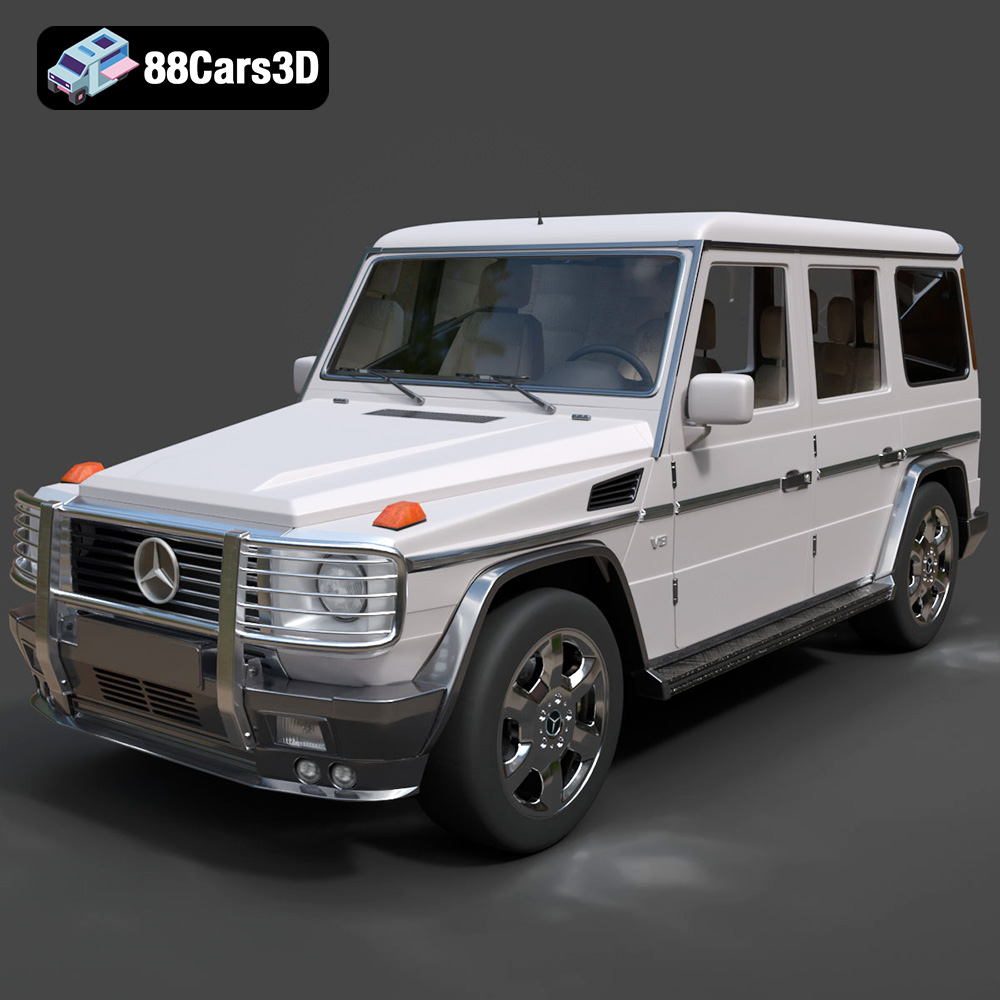
Texture: Yes
Material: Yes
Download the Mercedes G-Class SUV 2024 3D Model featuring clean geometry, realistic detailing, and a fully modeled interior. Includes .blend, .fbx, .obj, .glb, .stl, .ply, .unreal, and .max formats for rendering, simulation, and game development.
Price: $10

Texture: Yes
Material: Yes
Download the Volvo XC90 R-Design 2015 3D Model featuring clean geometry, realistic detailing, and a fully modeled interior. Includes .blend, .fbx, .obj, .glb, .stl, .ply, .unreal, and .max formats for rendering, simulation, and game development.
Price: $10

