Get 50% OFF All Premium 3D & STL Models!

The pursuit of photorealistic rendering in real-time environments has long been the holy grail for 3D artists and game developers. Nowhere is this challenge more pronounced than with Unreal Engine 5 car models. Cars, with their intricate surfaces, complex reflections, and often custom paint finishes, demand an unparalleled level of visual fidelity. While high-fidelity source models are readily available, perhaps from CAD data or meticulously crafted in DCC software, the real art lies in transforming these into performance-optimized, visually stunning assets that truly shine in Unreal Engine 5.
This journey isn’t just about throwing polygons at the screen; it’s about a strategic blend of meticulous preparation, leveraging UE5’s cutting-edge features, and a deep understanding of game asset optimization. From the initial mesh cleanup to the final cinematic post-processing, every step in the automotive visualization pipeline contributes to the ultimate goal: achieving cinematic quality cars that run smoothly in demanding interactive experiences. This guide will walk you through the essential techniques and workflows to bring your Unreal Engine 5 car models to life with breathtaking realism.
Before any asset touches Unreal Engine 5, its foundation must be rock solid. The quality of your raw 3D model dictates the potential for photorealistic rendering. This preparatory phase is critical, laying the groundwork for efficient game asset optimization and flawless integration.
A well-structured mesh is paramount. Ideally, your car model should consist primarily of quads (four-sided polygons), as these deform predictably and are easier to work with. While triangles are inevitable in certain areas, strive to minimize them and avoid n-gons (polygons with more than four sides). Focus on maintaining a clean edge flow that follows the contours of the car, which is crucial for smooth subdivisions and accurate normal map baking.
It’s also essential to eliminate any unnecessary geometry. This includes hidden faces or internal structures that will never be visible to the camera, as they only add to the polycount without contributing to visual quality. Removing non-manifold edges, isolated vertices, and redundant mesh data helps reduce file size and improve engine performance. If you’re starting with CAD data, be prepared for a significant cleanup process, often involving retopology, to convert the dense, often triangulated surfaces into game-ready meshes. For those looking for a head start, resources like 88cars3d.com offer high-quality, pre-optimized base models that serve as excellent starting points for your projects.
UV unwrapping is the bridge between your 3D model and its 2D textures. Proper UVs are non-negotiable for high-quality PBR materials. Ensure that all UV islands are non-overlapping to prevent texture artifacts and allow for accurate lightmap baking. Strive for consistent texel density across the entire model, meaning that each polygon occupies a similar amount of space on the UV map, preventing stretched or blurry textures.
Consider using multiple UV sets for different purposes. One set can be dedicated to your primary albedo, normal, and roughness maps, optimized for minimal distortion. A second UV set can be used exclusively for lightmaps, ensuring even lighting distribution. For specific details like decals or ambient occlusion masks, additional UV sets might prove beneficial. Strategically placing UV seams in less visible areas, such as along natural breaks in the geometry or hidden edges, will minimize their visual impact, ensuring a seamless texture application.
The visual realism of your Unreal Engine 5 car models heavily relies on the quality and accuracy of their PBR materials. Physically Based Rendering aims to simulate how light interacts with surfaces in the real world, producing far more convincing results than older rendering techniques.
Unreal Engine 5 primarily uses the Metallic-Roughness workflow. This means you’ll typically be working with Albedo (Base Color), Normal, Roughness, Metallic, and Ambient Occlusion maps. The Metallic map distinguishes between dielectric (non-metallic) and metallic surfaces; a value of 0 is dielectric, and 1 is metallic. The Roughness map defines how smooth or rough a surface is, directly impacting how specular reflections appear – a rough surface scatters light more broadly, appearing dull, while a smooth surface creates sharp, clear reflections.
Understanding real-world material properties is key. Car paint, for instance, often involves complex layered materials, but at its core, it’s a dielectric with a clear coat. Chrome is a metallic surface with very low roughness. Glass is dielectric with specific transparency and refraction properties. Rubber is a dielectric with a relatively high roughness. Adhering to physically accurate values for these properties is critical for achieving photorealistic rendering.
Texture resolution is a balance between visual fidelity and performance. For hero assets like the main car body, 4K or even 8K textures might be justified to capture fine details. However, smaller, less visible components can often use lower resolutions. A crucial step for detailed models is baking. This process transfers high-detail geometry (from a high-poly sculpt or CAD model) onto your optimized game mesh, creating normal maps that simulate surface detail without increasing polygon count. Ambient occlusion maps, which simulate contact shadows, are also vital for adding depth.
Tools like Substance Painter are invaluable for creating sophisticated PBR materials. They allow you to paint directly on your 3D model, leverage smart materials, and generate all necessary texture maps automatically. Consider adding subtle wear, dirt, and dust layers to break up pristine surfaces and enhance realism. Finally, be mindful of texture compression in Unreal Engine 5. While it reduces memory footprint, excessive compression can degrade quality. Use appropriate compression settings (e.g., BC7 for high quality, DXT1/5 for less critical maps) to maintain visual integrity while optimizing for game asset optimization.
Unreal Engine 5 introduces groundbreaking technologies that fundamentally change how we approach photorealistic rendering, especially for highly detailed assets like cars. Leveraging these features is key to achieving cinematic quality without crippling performance.
Nanite is arguably UE5’s most transformative feature. It’s a virtualized micro-polygon geometry system that allows you to import and render incredibly high-polygon meshes – think millions or even billions of triangles – without manual LOD strategies. For Unreal Engine 5 car models, this is a game-changer. You can directly import a detailed CAD model or a high-poly sculpt of a car, including its intricate interior, engine bay, and undercarriage, and Nanite will intelligently stream and render only the necessary micro-polygons based on screen space. This means extreme detail is maintained up close, while distant objects automatically simplify, all handled by the engine.
The benefits are immense: artists can focus on detail rather than polygon budgets, and complex meshes that would have been impossible to run in real-time before are now feasible. However, Nanite does have limitations. It primarily works with static meshes. Dynamic objects, skeletal meshes (like a character driving the car), and objects with complex translucency or non-standard material setups might still require traditional optimization or specific workarounds. Nonetheless, for the core car body and many of its static components, Nanite vastly simplifies the game asset optimization process.
Beyond geometry, lighting is paramount for photorealistic rendering. Unreal Engine 5’s Lumen global illumination and reflections system provides real-time, dynamic lighting that reacts realistically to changes in the environment. For car models, Lumen ensures that the reflections on the paintwork are accurate, capturing the nuances of the surrounding scene and creating believable bounce light. This drastically improves the visual quality of metallic and reflective surfaces, which are abundant on a car.
Complementing Lumen are Virtual Shadow Maps (VSMs). VSMs provide incredibly high-resolution, detailed shadows that are performant across vast, complex scenes. For Unreal Engine 5 car models, VSMs mean crisp, realistic shadows cast by fine details like grilles, badges, and panel gaps. Both Lumen and VSMs require proper configuration within UE5 to balance visual fidelity with performance, but their impact on achieving a truly cinematic look is undeniable. Experiment with settings like Lumen’s Final Gather quality and VSM’s shadow resolution to find the sweet spot for your project.
While Nanite handles a significant portion of geometric optimization for static meshes, there are still crucial game asset optimization strategies to employ, especially for dynamic elements and components that don’t fully leverage Nanite.
For skeletal meshes, animated parts (like opening doors or spinning wheels if they are separate animated meshes), or any geometry that cannot utilize Nanite, traditional LOD strategies remain essential. Level of Detail (LOD) involves creating multiple versions of an asset, each with progressively fewer polygons, that swap out based on the camera’s distance. UE5 offers robust tools for setting up LODs, including automatic generation, though manual tweaking often yields better results.
For a car, this might mean a highly detailed LOD0 for close-ups, a medium-detail LOD1 for typical gameplay distances, and a low-poly LOD2 or a simple proxy mesh for extreme distances. Properly configured LODs ensure that distant objects don’t waste precious rendering resources, while close-up objects retain their visual integrity. This is a fundamental aspect of maintaining smooth performance in a detailed environment, even with Nanite in play for static elements.
Collision meshes, which define how your car interacts with the environment and other objects, don’t need to be as complex as the visual mesh. Using highly simplified collision geometry, such as a series of convex hull shapes or basic box primitives, can significantly reduce physics calculation overhead. Unreal Engine 5 allows you to generate these automatically or create custom simplified meshes for precise control. For example, a single convex hull for the main body and smaller convex hulls for wheels often suffice. For more advanced physics, like realistic car handling, dedicated physics assets can be created and tuned, but ensure their complexity is justified by the gameplay requirements.
Translucent materials, such as car windows, headlights, and tail lights, are notoriously expensive to render due to their complex sorting and overdraw issues. Minimize their use where possible, opting for masked materials (alpha cutout) for things like grilles or emblems if they don’t require actual transparency. For glass, optimize the material complexity; avoid excessively complex shaders with multiple refraction passes if a simpler opaque or masked material can achieve a similar visual effect from a distance. Consider using a single-layer clear coat shader on glass if true volumetric refraction isn’t critical, as this is far more performant. Reducing the number of layers and instructions in your translucent shaders is a key part of game asset optimization.
Bringing your meticulously prepared car model into Unreal Engine 5 and making it shine involves a streamlined automotive visualization pipeline, covering import, material setup, and detailed scene dressing.
Exporting from your Digital Content Creation (DCC) software (e.g., Blender, Maya, 3ds Max) typically involves the FBX format. Ensure your export settings are correct: check scale (Unreal Engine 5 uses centimeters by default), ensure proper forward and up axes, and embed media if your textures are ready. When importing into UE5, pay attention to options like “Combine Meshes” (usually off for modular cars), “Import Materials,” and “Import Textures.” For CAD data, Unreal Engine’s Datasmith plugin is invaluable, providing a robust workflow for converting and importing complex CAD assemblies while preserving metadata and hierarchies.
Once imported, immediately set up a basic scene. Import an HDRI (High Dynamic Range Image) environment for realistic ambient lighting and reflections, especially for cars. Place an initial directional light to simulate the sun. This early setup allows you to evaluate your model and materials under realistic lighting conditions from the outset.
Car paint is one of the most critical elements for achieving photorealistic rendering. It’s often a complex layered material. In Unreal Engine 5, this can be achieved using a custom material network. A common approach involves a metallic base layer (for the colored flakes), topped with a clear coat dielectric layer. The clear coat material should have low roughness for sharp reflections and a slight normal map to simulate the subtle ‘orange peel’ effect often seen on real car paint.
Advanced car paint shaders can include:
Experiment with roughness maps that vary slightly across the surface to prevent a ‘too perfect’ look, enhancing the believability of your Unreal Engine 5 car models.
Decals are incredibly useful for adding fine details without modifying the base mesh textures, making them ideal for logos, racing stripes, dirt, scratches, or even subtle grime. Unreal Engine 5’s decal system projects textures onto any surface, providing flexibility and efficiency. For repetitive small details, such as bolts, nuts, or fine grille patterns, use instanced static meshes. Instancing allows you to place multiple copies of the same mesh throughout your scene while only incurring the draw call cost of one mesh, significantly boosting performance. This is a smart real-time rendering technique for high-detail areas without heavy optimization costs.
The final step in achieving cinematic photorealistic rendering is polishing your scene with post-processing effects and fine-tuning your camera and rendering settings.
Post-processing volumes in Unreal Engine 5 allow you to apply a wide range of effects that dramatically enhance the visual appeal of your scene. Key effects to consider for Unreal Engine 5 car models include:
Applying these effects judiciously can elevate your visuals from merely good to truly cinematic, playing a vital role in the overall automotive visualization pipeline.
Just as in traditional filmmaking, the camera plays a pivotal role. Unreal Engine 5’s Cine Camera Actor provides controls that mimic real-world cameras, including focal length, aperture (for depth of field), and film back settings. Experiment with different focal lengths to capture the grandeur or intimacy of your car models. A wider lens might emphasize speed and environment, while a telephoto lens can create dramatic, compressed shots.
For animated sequences or turntable renders, the Sequencer tool is indispensable. It allows you to animate camera movements, lights, and even material parameters over time. Use smooth camera paths, dynamic cuts, and varying depths of field to highlight different aspects of your car. These real-time rendering techniques, combined with post-processing, are what transform a static model into an engaging visual narrative.
The final, and ongoing, step in the process is performance profiling. Achieving photorealistic rendering in real-time always involves a balance between visual quality and performance. Unreal Engine 5 provides powerful profiling tools (e.g., ‘stat gpu’, ‘stat rhi’, ‘stat engine’ commands in the console) to identify bottlenecks in your scene. Monitor frame rates, draw calls, and memory usage. If performance drops, revisit your game asset optimization strategies: simplify materials, reduce texture resolutions where possible, adjust LODs, or scale back demanding post-processing effects. This iterative process of optimizing, profiling, and refining is key to delivering a smooth and visually stunning experience.
Achieving cinematic photorealistic rendering for Unreal Engine 5 car models is a journey that demands expertise at every stage, from meticulous 3D asset preparation to leveraging Unreal Engine 5’s most advanced real-time rendering techniques. It’s a dance between technical precision and artistic vision, where PBR materials, Nanite workflow, and smart LOD strategies converge to create stunning visuals.
By understanding and implementing these comprehensive workflows, you can bridge the gap between high-fidelity source models and performance-optimized, breathtaking game assets. The automotive visualization pipeline is constantly evolving, but the core principles of clean geometry, accurate materials, and intelligent optimization remain timeless. Continue to experiment, learn, and push the boundaries of what’s possible. For those looking to kickstart their projects with top-tier assets, remember that resources like 88cars3d.com offer high-quality 3D car models ready to be optimized and integrated into your next Unreal Engine 5 masterpiece. Dive in, and start crafting your own photorealistic automotive experiences today!

Texture: Yes
Material: Yes
Download the Mercedes S-Class 2024 3D Model featuring clean geometry, realistic detailing, and a fully modeled interior. Includes .blend, .fbx, .obj, .glb, .stl, .ply, .unreal, and .max formats for rendering, simulation, and game development.
Price: $10
Texture: Yes
Material: Yes
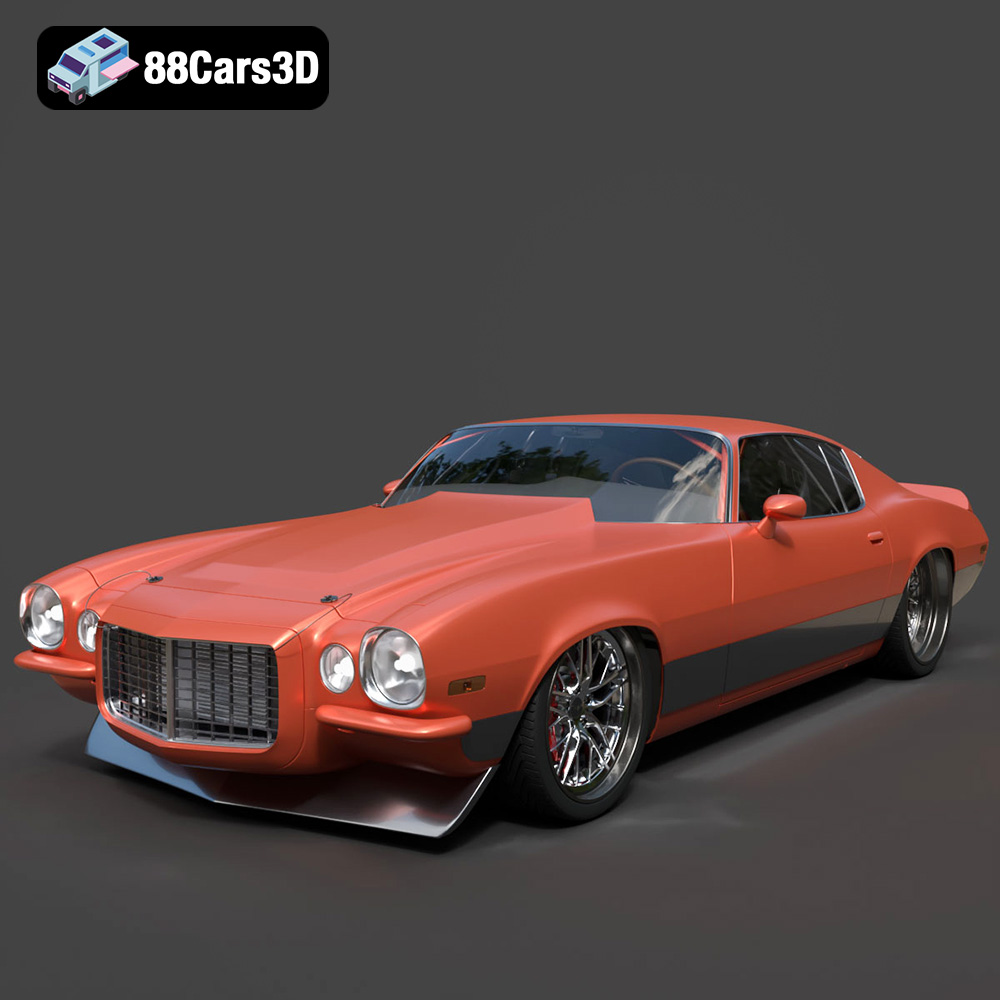
Download the Chevrolet Camaro 1970 3D Model featuring clean geometry, realistic detailing, and a fully modeled interior. Includes .blend, .fbx, .obj, .glb, .stl, .ply, .unreal, and .max formats for rendering, simulation, and game development.
Price: $10
Texture: Yes
Material: Yes
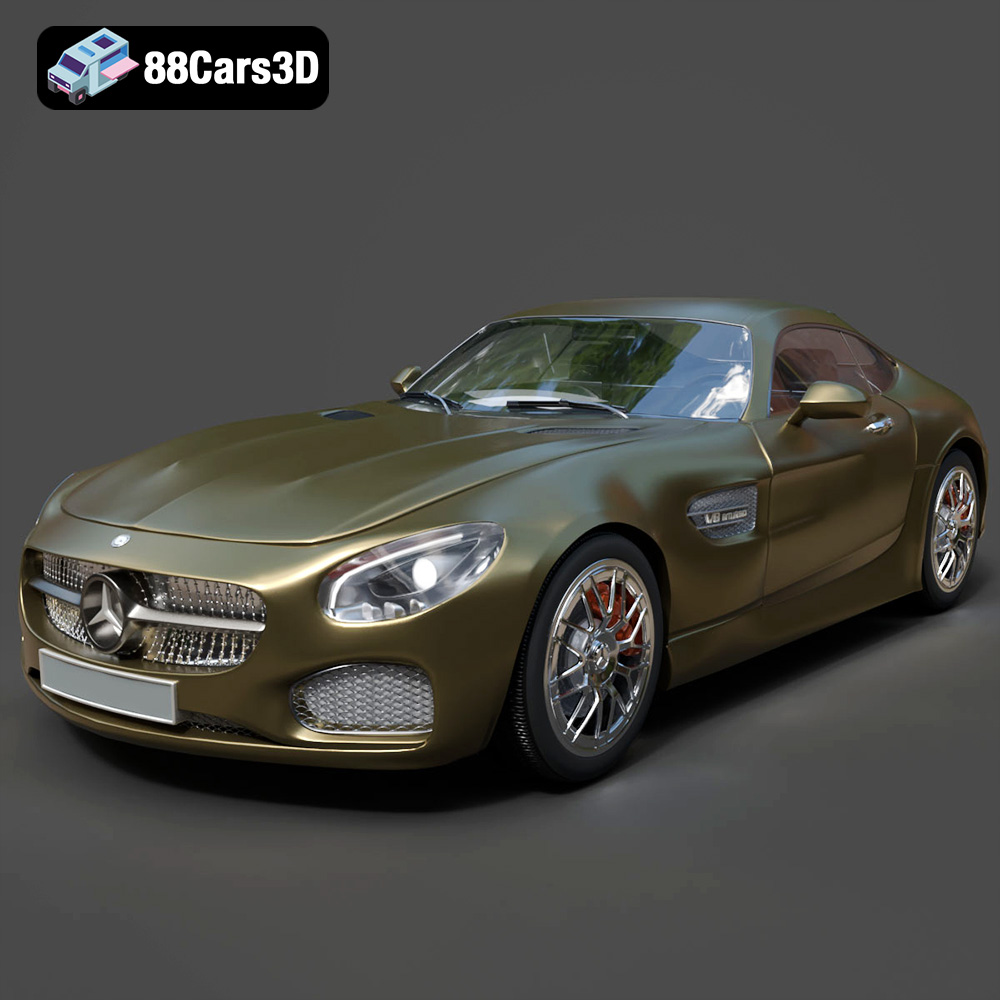
Download the Mercedes-AMG GT 2015 3D Model featuring clean geometry, realistic detailing, and a fully modeled interior. Includes .blend, .fbx, .obj, .glb, .stl, .ply, .unreal, and .max formats for rendering, simulation, and game development.
Price: $88.99
Texture: Yes
Material: Yes
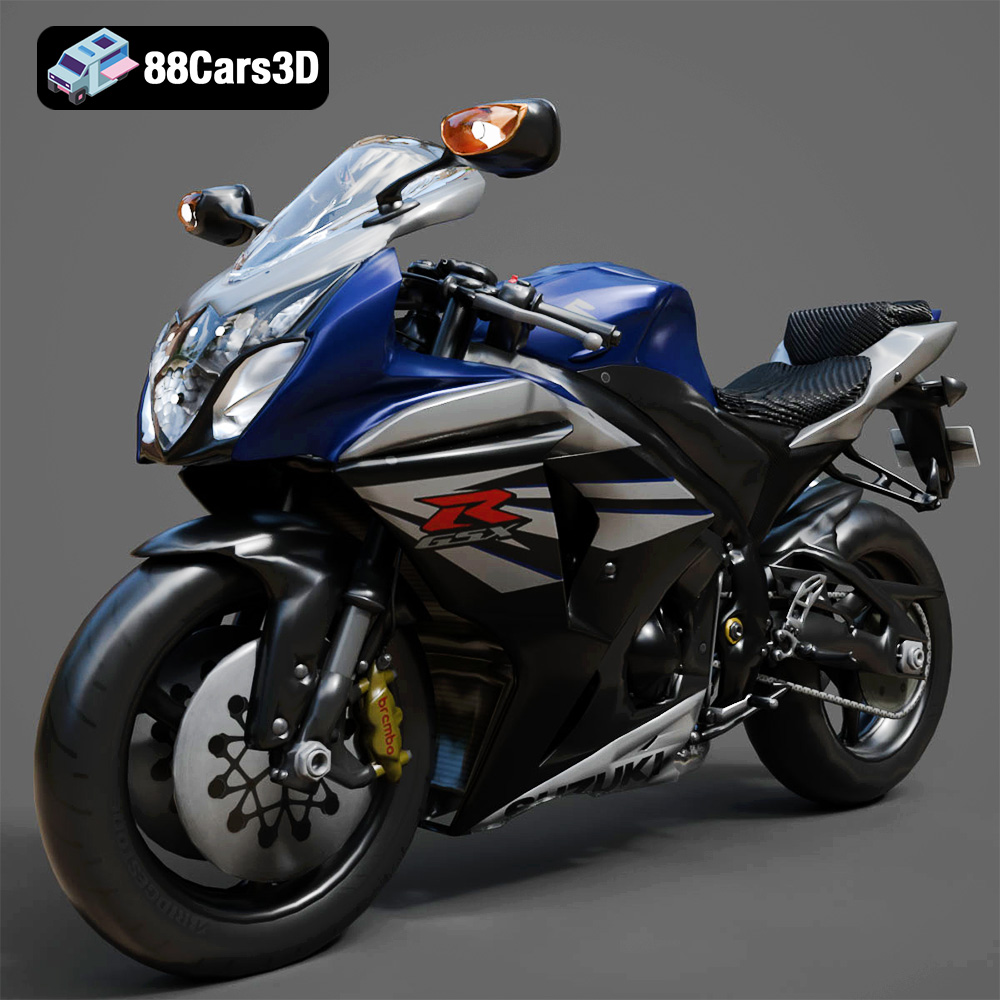
Download the Suzuki GSX-R 1000 3D Model featuring clean geometry, realistic detailing, and a fully modeled interior. Includes .blend, .fbx, .obj, .glb, .stl, .ply, .unreal, and .max formats for rendering, simulation, and game development.
Price: $10
Texture: Yes
Material: Yes
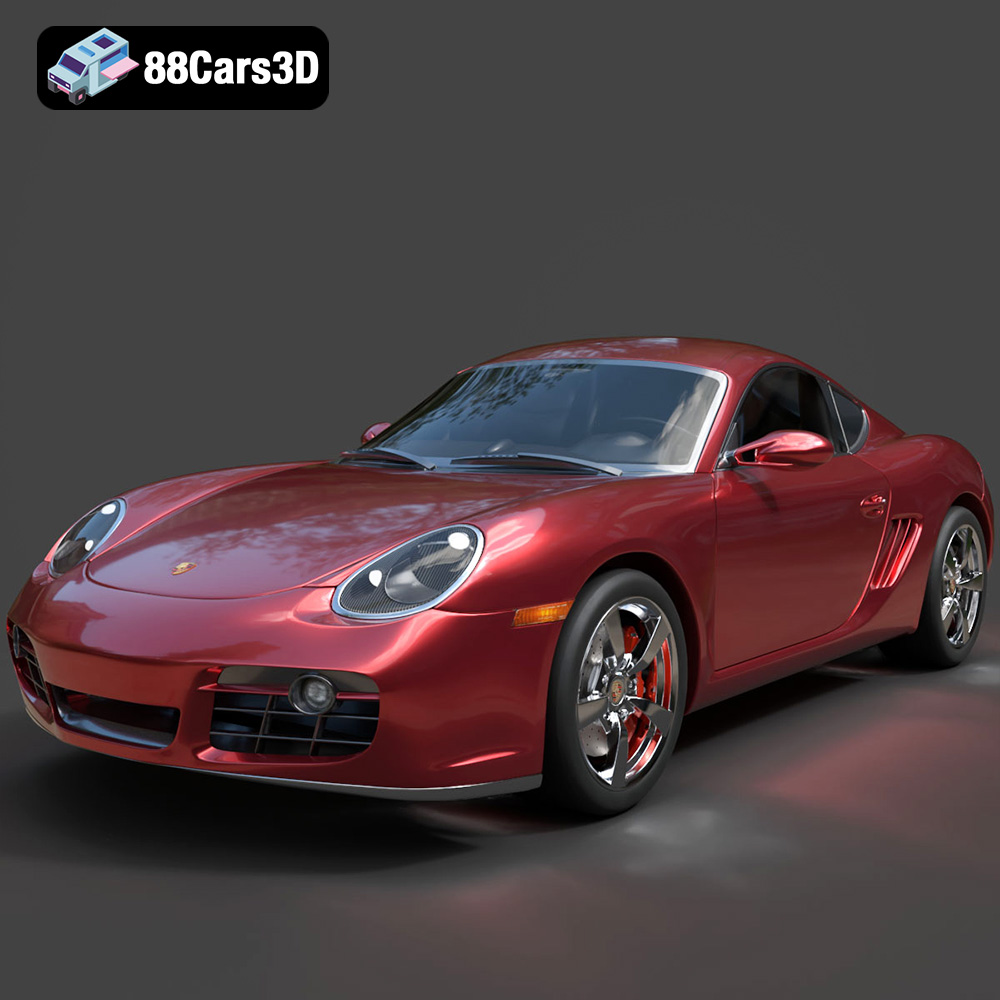
Download the Porsche Cayman S 2024 3D Model featuring clean geometry, realistic detailing, and a fully modeled interior. Includes .blend, .fbx, .obj, .glb, .stl, .ply, .unreal, and .max formats for rendering, simulation, and game development.
Price: $10
Texture: Yes
Material: Yes
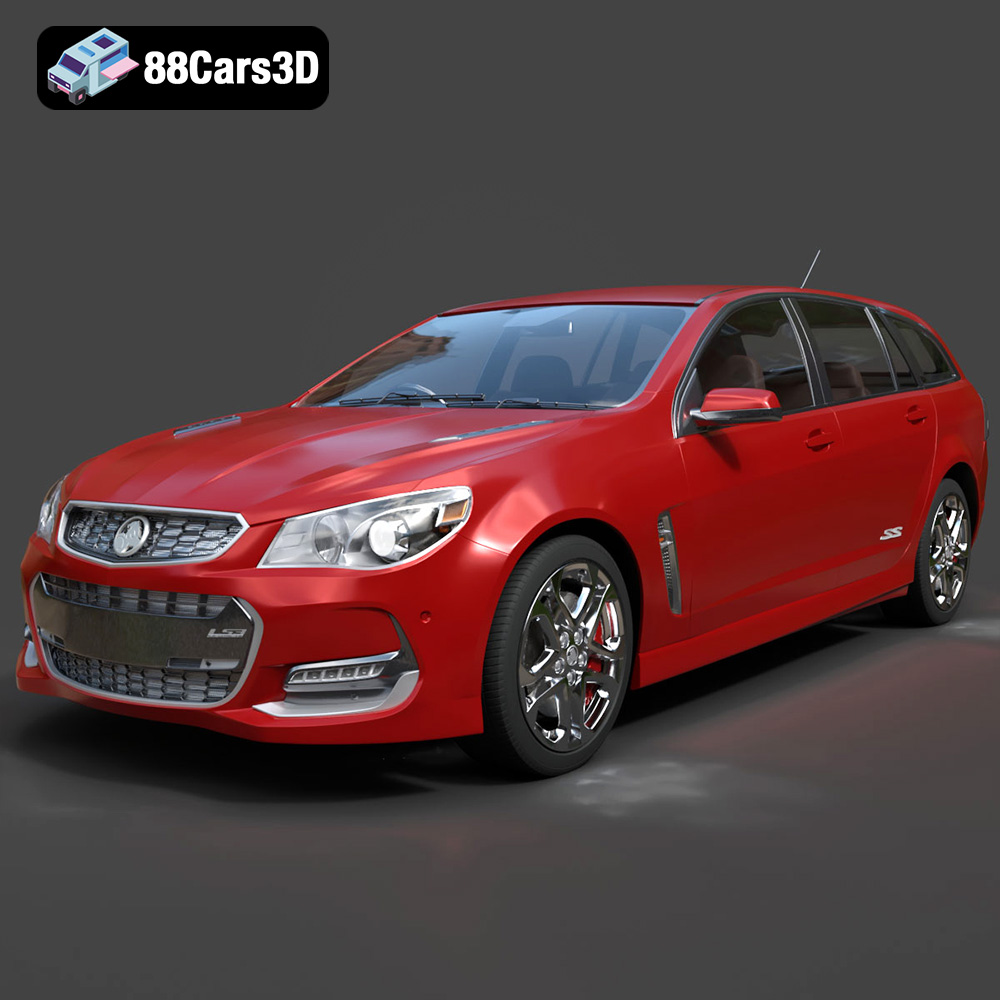
Download the Holden Commodore Sportwagon 2017 3D Model featuring clean geometry, realistic detailing, and a fully modeled interior. Includes .blend, .fbx, .obj, .glb, .stl, .ply, .unreal, and .max formats for rendering, simulation, and game development.
Price: $10
Texture: Yes
Material: Yes
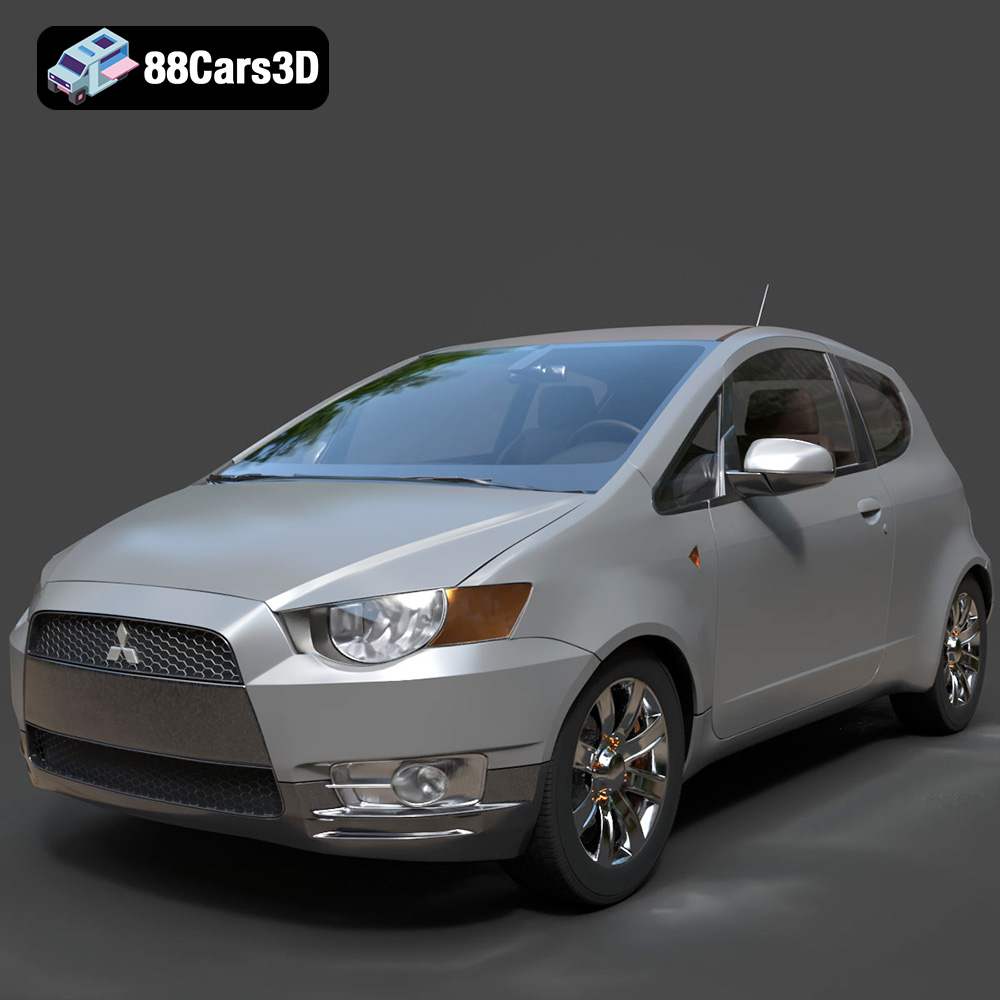
Download the Mitsubishi Colt 3 Door 2008 3D Model featuring clean geometry, realistic detailing, and a fully modeled interior. Includes .blend, .fbx, .obj, .glb, .stl, .ply, .unreal, and .max formats for rendering, simulation, and game development.
Price: $10
Texture: Yes
Material: Yes
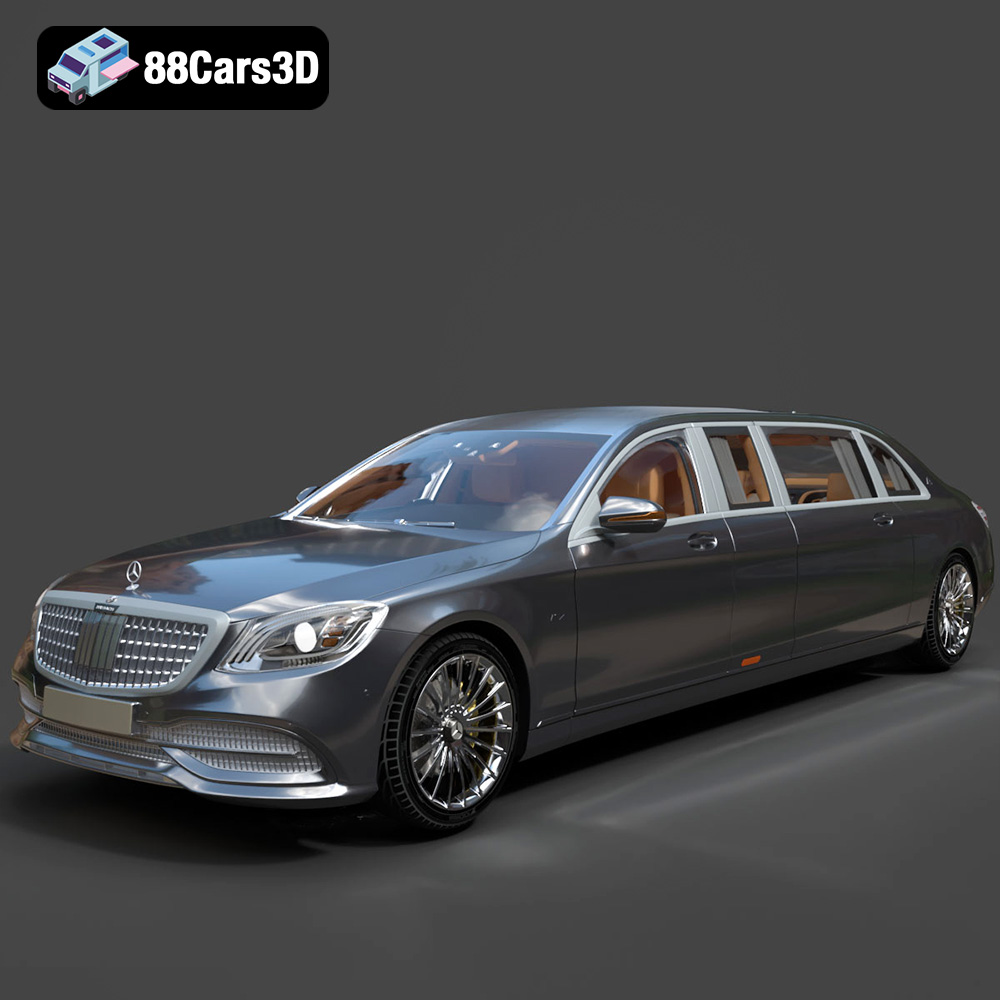
Download the Mercedes-Benz S650 Pullman 3D Model featuring clean geometry, realistic detailing, and a fully modeled interior. Includes .blend, .fbx, .obj, .glb, .stl, .ply, .unreal, and .max formats for rendering, simulation, and game development.
Price: $95.99
Texture: Yes
Material: Yes
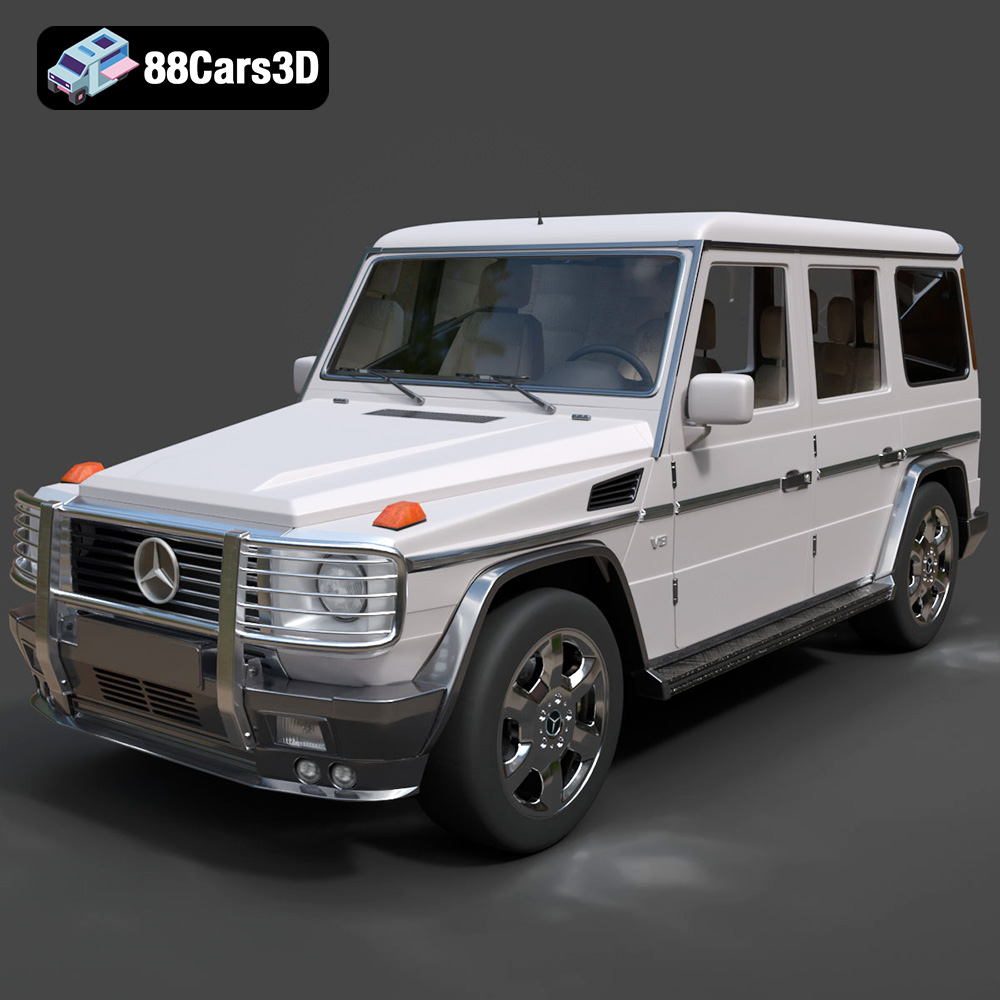
Download the Mercedes G-Class SUV 2024 3D Model featuring clean geometry, realistic detailing, and a fully modeled interior. Includes .blend, .fbx, .obj, .glb, .stl, .ply, .unreal, and .max formats for rendering, simulation, and game development.
Price: $10
Texture: Yes
Material: Yes
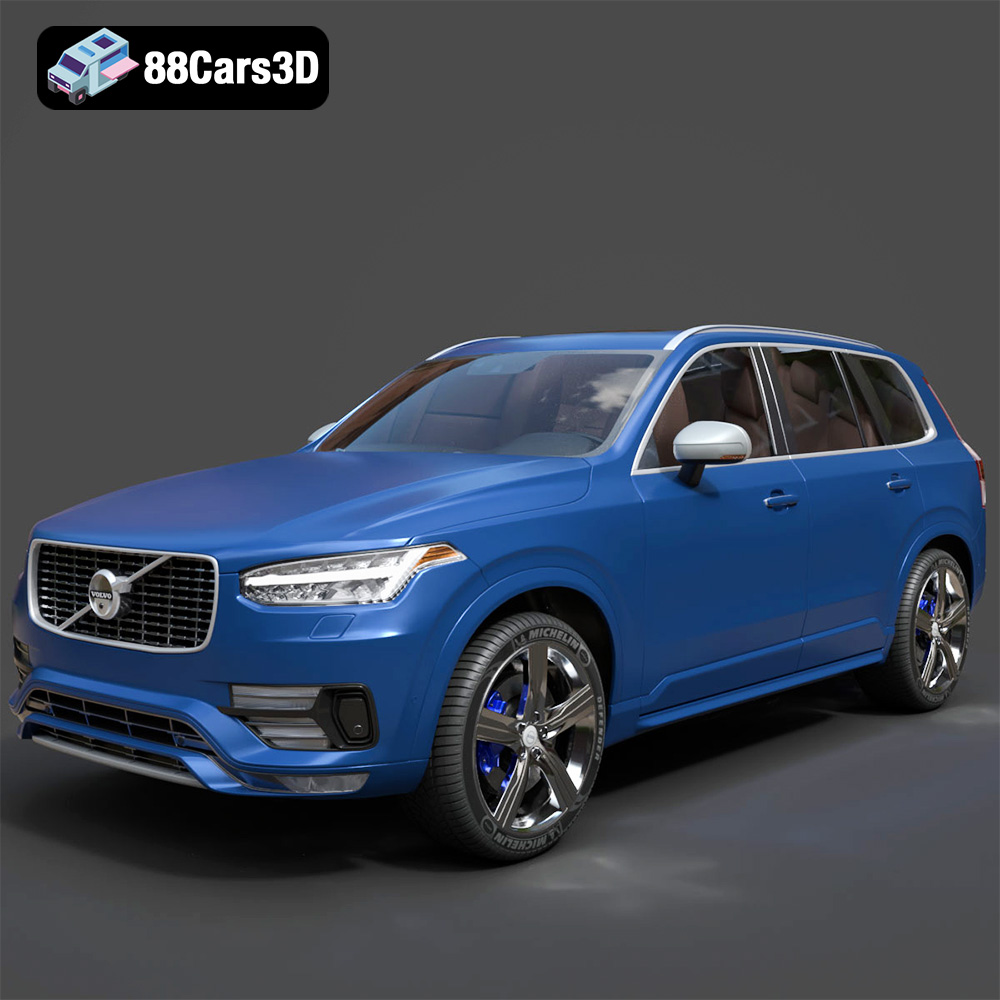
Download the Volvo XC90 R-Design 2015 3D Model featuring clean geometry, realistic detailing, and a fully modeled interior. Includes .blend, .fbx, .obj, .glb, .stl, .ply, .unreal, and .max formats for rendering, simulation, and game development.
Price: $10

**Meta Description:**
Texture: Yes
Material: Yes
Download the Toyota Crown Majesta 2009 3D Model with luxury detailing, clean topology, and a fully modeled interior. Available in .blend, .fbx, .obj, .glb, .stl, .ply, .unreal, and .max formats for rendering, simulation, and game development.
Price: $4.99

**Meta Description:**
Texture: Yes
Material: Yes
Download the Toyota AE86 Levin 1983 1987 3D Model featuring realistic exterior and interior detailing. Includes .blend, .fbx, .obj, .glb, .stl, .ply, .unreal, and .max formats for rendering, simulation, and game development.
Price: $9.99

Texture: Yes
Material: Yes
Download the Toyota Mark 2 2001 3D Model featuring clean geometry, realistic detailing, and a fully modeled interior. Includes .blend, .fbx, .obj, .glb, .stl, .ply, .unreal, and .max formats for rendering, simulation, and game development.
Price: $4.99

Texture: Yes
Material: Yes
Download the Toyota Celica 2000 3D Model featuring clean geometry, realistic detailing, and a fully modeled interior. Includes .blend, .fbx, .obj, .glb, .stl, .ply, .unreal, and .max formats for rendering, simulation, and game development.
Price: $4.99

Download the Toyota Camry US 2012 3D Model featuring clean geometry, realistic detailing, and a fully modeled interior. Includes .blend, .fbx, .obj, .glb, .stl, .ply, .unreal, and .max formats for rendering, simulation, and game development.
Price: $4.99

Texture: Yes
Material: Yes
Download the Toyota GT 86 2013 3D Model featuring clean geometry, realistic detailing, and a fully modeled interior. Includes .blend, .fbx, .obj, .glb, .stl, .ply, .unreal, and .max formats for rendering, simulation, and game development.
Price: $4.99

Texture: Yes
Material: Yes
Download the Toyota Mark X 2010 3D Model featuring clean geometry, realistic detailing, and a fully modeled interior. Includes .blend, .fbx, .obj, .glb, .stl, .ply, .unreal, and .max formats for rendering, simulation, and game development.
Price: $4.99

Texture: Yes
Material: Yes
Download the Toyota Allion 2008 3D Model featuring clean geometry, realistic detailing, and a fully modeled interior. Includes .blend, .fbx, .obj, .glb, .stl, .ply, .unreal, and .max formats for rendering, simulation, and game development.
Price: $4.99

Texture: Yes
Material: Yes
Download the Toyota Avensis 2005 3D Model featuring clean geometry, realistic detailing, and a fully modeled interior. Includes .blend, .fbx, .obj, .glb, .stl, .ply, .unreal, and .max formats for rendering, simulation, and game development.
Price: $4.99

Texture: Yes
Material: Yes
Download the Toyota Camry Solara 2006 3D Model featuring clean geometry, realistic detailing, and a fully modeled interior. Includes .blend, .fbx, .obj, .glb, .stl, .ply, .unreal, and .max formats for rendering, simulation, and game development.
Price: $4.99

Texture: Yes
Material: Yes
Download the Skoda Superb 2009 3D Model featuring clean geometry, realistic detailing, and a fully modeled interior. Includes .blend, .fbx, .obj, .glb, .stl, .ply, .unreal, and .max formats for rendering, simulation, and game development.
Price: $4.99

Texture: Yes
Material: Yes
Download the Skoda Superb 2006 3D Model featuring clean geometry, realistic detailing, and a fully modeled interior. Includes .blend, .fbx, .obj, .glb, .stl, .ply, .unreal, and .max formats for rendering, simulation, and game development.
Price: $4.99

Texture: Yes
Material: Yes
Download the Ford Mustang Shelby Super Snake Concept 2018 3D Model featuring clean geometry, realistic detailing, and a fully modeled interior. Includes .blend, .fbx, .obj, .glb, .stl, .ply, .unreal, and .max formats for rendering, simulation, and game development.
Price: $4.99

Texture: Yes
Material: Yes
Download the Porsche Cayenne Turbo 2018 3D Model featuring clean geometry, realistic detailing, and a fully modeled interior. Includes .blend, .fbx, .obj, .glb, .stl, .ply, .unreal, and .max formats for rendering, simulation, and game development.
Price: $4.99

Texture: Yes
Material: Yes
Download the Chevrolet Lacetti Sedan 2004 3D Model featuring clean geometry, realistic detailing, and a fully modeled interior. Includes .blend, .fbx, .obj, .glb, .stl, .ply, .unreal, and .max formats for rendering, simulation, and game development.
Price: $4.99

Texture: Yes
Material: Yes
Download the Skoda Rapid 2013 3D Model featuring clean geometry, realistic detailing, and a fully modeled interior. Includes .blend, .fbx, .obj, .glb, .stl, .ply, .unreal, and .max formats for rendering, simulation, and game development.
Price: $4.99

Texture: Yes
Material: Yes
Download the Skoda Octavia A5-007 3D Model featuring clean geometry, realistic detailing, and a fully modeled interior. Includes .blend, .fbx, .obj, .glb, .stl, .ply, .unreal, and .max formats for rendering, simulation, and game development.
Price: $4.99

Texture: Yes
Material: Yes
Download the Skoda Fabia 2023 3D Model featuring clean geometry, realistic detailing, and a fully modeled interior. Includes .blend, .fbx, .obj, .glb, .stl, .ply, .unreal, and .max formats for rendering, simulation, and game development.
Price: $4.99

Texture: Yes
Material: Yes
Download the Skoda Fabia 2007 3D Model featuring clean geometry, realistic detailing, and a fully modeled interior. Includes .blend, .fbx, .obj, .glb, .stl, .ply, .unreal, and .max formats for rendering, simulation, and game development.
Price: $4.99

Texture: Yes
Material: Yes
Download the Honda VFR 1200 F 2015 3D Model featuring clean geometry, realistic detailing, and a fully modeled interior. Includes .blend, .fbx, .obj, .glb, .stl, .ply, .unreal, and .max formats for rendering, simulation, and game development.
Price: $4.99

Texture: Yes
Material: Yes
Download the Subaru BRZ 2025 3D Model featuring clean geometry, realistic detailing, and a fully modeled interior. Includes .blend, .fbx, .obj, .glb, .stl, .ply, .unreal, and .max formats for rendering, simulation, and game development.
Price: $4.99

Texture: Yes
Material: Yes
Download the SsangYong Rodius 2007 3D Model featuring clean geometry, realistic detailing, and a fully modeled interior. Includes .blend, .fbx, .obj, .glb, .stl, .ply, .unreal, and .max formats for rendering, simulation, and game development.
Price: $4.99

Texture: Yes
Material: Yes
Download the Subaru Impreza 1992 3D Model featuring clean geometry, realistic detailing, and a fully modeled interior. Includes .blend, .fbx, .obj, .glb, .stl, .ply, .unreal, and .max formats for rendering, simulation, and game development.
Price: $4.99

Texture: Yes
Material: Yes
Download the Subaru Impreza 2005 3D Model featuring clean geometry, realistic detailing, and a fully modeled interior. Includes .blend, .fbx, .obj, .glb, .stl, .ply, .unreal, and .max formats for rendering, simulation, and game development.
Price: $4.99

Texture: Yes
Material: Yes
Download the Spyker C8-007 2004 3D Model featuring clean geometry, realistic detailing, and a fully modeled interior. Includes .blend, .fbx, .obj, .glb, .stl, .ply, .unreal, and .max formats for rendering, simulation, and game development.
Price: $4.99

Texture: Yes
Material: Yes
Download the Smart Roadster 2003 3D Model featuring clean geometry, realistic detailing, and a fully modeled interior. Includes .blend, .fbx, .obj, .glb, .stl, .ply, .unreal, and .max formats for rendering, simulation, and game development.
Price: $4.99

Texture: Yes
Material: Yes
Download the Skoda Roomster 2007 3D Model featuring clean geometry, realistic detailing, and a fully modeled interior. Includes .blend, .fbx, .obj, .glb, .stl, .ply, .unreal, and .max formats for rendering, simulation, and game development.
Price: $4.99

Texture: Yes
Material: Yes
Download the Subaru Impreza Sport Wagon 3D Model featuring clean geometry, realistic detailing, and a fully modeled interior. Includes .blend, .fbx, .obj, .glb, .stl, .ply, .unreal, and .max formats for rendering, simulation, and game development.
Price: $4.99

Texture: Yes
Material: Yes
Download the Skoda Octavia A7 2017 3D Model featuring clean geometry, realistic detailing, and a fully modeled interior. Includes .blend, .fbx, .obj, .glb, .stl, .ply, .unreal, and .max formats for rendering, simulation, and game development.
Price: $4.99

Texture: Yes
Material: Yes
Download the Suzuki SX4-002 3D Model featuring clean geometry, realistic detailing, and a fully modeled interior. Includes .blend, .fbx, .obj, .glb, .stl, .ply, .unreal, and .max formats for rendering, simulation, and game development.
Price: $4.99

Texture: Yes
Material: Yes
Download the Tesla Model S 2024 3D Model featuring clean geometry, realistic detailing, and a fully modeled interior. Includes .blend, .fbx, .obj, .glb, .stl, .ply, .unreal, and .max formats for rendering, simulation, and game development.
Price: $4.99

Texture: Yes
Material: Yes
Download the Subaru Impreza WRX STi-002 3D Model featuring clean geometry, realistic detailing, and a fully modeled interior. Includes .blend, .fbx, .obj, .glb, .stl, .ply, .unreal, and .max formats for rendering, simulation, and game development.
Price: $4.99

Texture: Yes
Material: Yes
Download the Subaru Impreza WRX STi Sedan 3D Model featuring clean geometry, realistic detailing, and a fully modeled interior. Includes .blend, .fbx, .obj, .glb, .stl, .ply, .unreal, and .max formats for rendering, simulation, and game development.
Price: $4.99

Texture: Yes
Material: Yes
Download the Subaru Legacy 2009 3D Model featuring clean geometry, realistic detailing, and a fully modeled interior. Includes .blend, .fbx, .obj, .glb, .stl, .ply, .unreal, and .max formats for rendering, simulation, and game development.
Price: $4.99

Texture: Yes
Material: Yes
Download the Suzuki Swift 2024 3D Model featuring clean geometry, realistic detailing, and a fully modeled interior. Includes .blend, .fbx, .obj, .glb, .stl, .ply, .unreal, and .max formats for rendering, simulation, and game development.
Price: $4.99

Texture: Yes
Material: Yes
Download the Suzuki Liana Sedan 2004 3D Model featuring clean geometry, realistic detailing, and a fully modeled interior. Includes .blend, .fbx, .obj, .glb, .stl, .ply, .unreal, and .max formats for rendering, simulation, and game development.
Price: $4.99

Texture: Yes
Material: Yes
Download the Subaru Outback 2024 3D Model featuring clean geometry, realistic detailing, and a fully modeled interior. Includes .blend, .fbx, .obj, .glb, .stl, .ply, .unreal, and .max formats for rendering, simulation, and game development.
Price: $4.99

Texture: Yes
Material: Yes
Download the Subaru Legacy 2003 3D Model featuring clean geometry, realistic detailing, and a fully modeled interior. Includes .blend, .fbx, .obj, .glb, .stl, .ply, .unreal, and .max formats for rendering, simulation, and game development.
Price: $4.99

Texture: Yes
Material: Yes
Download the Subaru Legacy Touring Wagon 3D Model featuring clean geometry, realistic detailing, and a fully modeled interior. Includes .blend, .fbx, .obj, .glb, .stl, .ply, .unreal, and .max formats for rendering, simulation, and game development.
Price: $4.99

Texture: Yes
Material: Yes
Download the Toyota Mark II (X100) 3D Model featuring clean geometry, realistic detailing, and a fully modeled interior. Includes .blend, .fbx, .obj, .glb, .stl, .ply, .unreal, and .max formats for rendering, simulation, and game development.
Price: $4.99

Texture: Yes
Material: Yes
Download the Toyota Corona 1985 3D Model featuring clean geometry, realistic detailing, and a fully modeled interior. Includes .blend, .fbx, .obj, .glb, .stl, .ply, .unreal, and .max formats for rendering, simulation, and game development.
Price: $4.99

Texture: Yes
Material: Yes
Download the Toyota Mark II X81 1990 3D Model featuring clean geometry, realistic detailing, and a fully modeled interior. Includes .blend, .fbx, .obj, .glb, .stl, .ply, .unreal, and .max formats for rendering, simulation, and game development.
Price: $4.99

Texture: Yes
Material: Yes
Download the Toyota iQ EV 2012 3D Model featuring clean geometry, realistic detailing, and a fully modeled interior. Includes .blend, .fbx, .obj, .glb, .stl, .ply, .unreal, and .max formats for rendering, simulation, and game development.
Price: $4.99

Texture: Yes
Material: Yes
Download the Toyota Aygo 2013 3D Model featuring clean geometry, realistic detailing, and a fully modeled interior. Includes .blend, .fbx, .obj, .glb, .stl, .ply, .unreal, and .max formats for rendering, simulation, and game development.
Price: $4.99

Texture: Yes
Material: Yes
Download the Toyota Crown S180 2005 3D Model featuring clean geometry, realistic detailing, and a fully modeled interior. Includes .blend, .fbx, .obj, .glb, .stl, .ply, .unreal, and .max formats for rendering, simulation, and game development.
Price: $4.99

Texture: Yes
Material: Yes
Download the Toyota Celica 2004 3D Model featuring clean geometry, realistic detailing, and a fully modeled interior. Includes .blend, .fbx, .obj, .glb, .stl, .ply, .unreal, and .max formats for rendering, simulation, and game development.
Price: $4.99

Texture: Yes
Material: Yes
Download the Toyota Corolla AE100 1992 3D Model featuring clean geometry, realistic detailing, and a fully modeled interior. Includes .blend, .fbx, .obj, .glb, .stl, .ply, .unreal, and .max formats for rendering, simulation, and game development.
Price: $4.99

Texture: Yes
Material: Yes
Download the Toyota Mark II X110 2000 3D Model featuring clean geometry, realistic detailing, and a fully modeled interior. Includes .blend, .fbx, .obj, .glb, .stl, .ply, .unreal, and .max formats for rendering, simulation, and game development.
Price: $4.99

Texture: Yes
Material: Yes
Download the Toyota Corolla 2020 3D Model featuring clean geometry, realistic detailing, and a fully modeled interior. Includes .blend, .fbx, .obj, .glb, .stl, .ply, .unreal, and .max formats for rendering, simulation, and game development.
Price: $4.99

Texture: Yes
Material: Yes
Download the Toyota Yaris 2020 3D Model featuring clean geometry, realistic detailing, and a fully modeled interior. Includes .blend, .fbx, .obj, .glb, .stl, .ply, .unreal, and .max formats for rendering, simulation, and game development.
Price: $4.99

Texture: Yes
Material: Yes
Download the Volkswagen Beetle 2012 3D Model featuring clean geometry, realistic detailing, and a fully modeled interior. Includes .blend, .fbx, .obj, .glb, .stl, .ply, .unreal, and .max formats for rendering, simulation, and game development.
Price: $4.99

Texture: Yes
Material: Yes
Download the Toyota Matrix 2005 3D Model featuring clean geometry, realistic detailing, and a fully modeled interior. Includes .blend, .fbx, .obj, .glb, .stl, .ply, .unreal, and .max formats for rendering, simulation, and game development.
Price: $4.99

Texture: Yes
Material: Yes
Download the Toyota Yaris Sedan 3D Model featuring clean geometry, realistic detailing, and a fully modeled interior. Includes .blend, .fbx, .obj, .glb, .stl, .ply, .unreal, and .max formats for rendering, simulation, and game development.
Price: $4.99

Texture: Yes
Material: Yes
Download the Volkswagen Golf R-004 2024 3D Model featuring clean geometry, realistic detailing, and a fully modeled interior. Includes .blend, .fbx, .obj, .glb, .stl, .ply, .unreal, and .max formats for rendering, simulation, and game development.
Price: $4.99

Texture: Yes
Material: Yes
Download the Volkswagen Golf 5 Door 2010 3D Model featuring clean geometry, realistic detailing, and a fully modeled interior. Includes .blend, .fbx, .obj, .glb, .stl, .ply, .unreal, and .max formats for rendering, simulation, and game development.
Price: $4.99

Texture: Yes
Material: Yes
Download the Toyota Premio 2010 3D Model featuring clean geometry, realistic detailing, and a fully modeled interior. Includes .blend, .fbx, .obj, .glb, .stl, .ply, .unreal, and .max formats for rendering, simulation, and game development.
Price: $4.99

Texture: Yes
Material: Yes
Download the Toyota Opa 2000 3D Model featuring clean geometry, realistic detailing, and a fully modeled interior. Includes .blend, .fbx, .obj, .glb, .stl, .ply, .unreal, and .max formats for rendering, simulation, and game development.
Price: $4.99

Texture: Yes
Material: Yes
Download the Volkswagen Polo 5 Door 2010 3D Model featuring clean geometry, realistic detailing, and a fully modeled interior. Includes .blend, .fbx, .obj, .glb, .stl, .ply, .unreal, and .max formats for rendering, simulation, and game development.
Price: $4.99

Texture: Yes
Material: Yes
Download the Toyota Prius 2024 3D Model featuring clean geometry, realistic detailing, and a fully modeled interior. Includes .blend, .fbx, .obj, .glb, .stl, .ply, .unreal, and .max formats for rendering, simulation, and game development.
Price: $4.99

Texture: Yes
Material: Yes
Download the Toyota Yaris 1999 3D Model featuring clean geometry, realistic detailing, and a fully modeled interior. Includes .blend, .fbx, .obj, .glb, .stl, .ply, .unreal, and .max formats for rendering, simulation, and game development.
Price: $4.99

Texture: Yes
Material: Yes
Download the Toyota Supra 2020 3D Model featuring clean geometry, realistic detailing, and a fully modeled interior. Includes .blend, .fbx, .obj, .glb, .stl, .ply, .unreal, and .max formats for rendering, simulation, and game development.
Price: $4.99

Texture: Yes
Material: Yes
Download the Volkswagen New Beetle 2000 3D Model featuring clean geometry, realistic detailing, and a fully modeled interior. Includes .blend, .fbx, .obj, .glb, .stl, .ply, .unreal, and .max formats for rendering, simulation, and game development.
Price: $14.99

Texture: Yes
Material: Yes
Download the Volkswagen Jetta 2005 3D Model featuring clean geometry, realistic detailing, and a fully modeled interior. Includes .blend, .fbx, .obj, .glb, .stl, .ply, .unreal, and .max formats for rendering, simulation, and game development.
Price: $4.99

Texture: Yes
Material: Yes
Download the Volkswagen Golf 3-Door 3D Model featuring clean geometry, realistic detailing, and a fully modeled interior. Includes .blend, .fbx, .obj, .glb, .stl, .ply, .unreal, and .max formats for rendering, simulation, and game development.
Price: $14.99

Texture: Yes
Material: Yes
Download the Volvo V70 2005 3D Model featuring clean geometry, realistic detailing, and a fully modeled interior. Includes .blend, .fbx, .obj, .glb, .stl, .ply, .unreal, and .max formats for rendering, simulation, and game development.
Price: $14.99

Texture: Yes
Material: Yes
Download the Volkswagen Bora 2004 3D Model featuring clean geometry, realistic detailing, and a fully modeled interior. Includes .blend, .fbx, .obj, .glb, .stl, .ply, .unreal, and .max formats for rendering, simulation, and game development.
Price: $14.99

Texture: Yes
Material: Yes
Download the Volkswagen Lupo 3D Model featuring clean geometry, realistic detailing, and a fully modeled interior. Includes .blend, .fbx, .obj, .glb, .stl, .ply, .unreal, and .max formats for rendering, simulation, and game development.
Price: $5.99

Texture: Yes
Material: Yes
Download the Volkswagen Passat B5 2000 3D Model featuring clean geometry, realistic detailing, and a fully modeled interior. Includes .blend, .fbx, .obj, .glb, .stl, .ply, .unreal, and .max formats for rendering, simulation, and game development.
Price: $5.99

Texture: Yes
Material: Yes
Download the Volkswagen Passat CC 3D Model featuring clean geometry, realistic detailing, and a fully modeled interior. Includes .blend, .fbx, .obj, .glb, .stl, .ply, .unreal, and .max formats for rendering, simulation, and game development.
Price: $5.99

Texture: Yes
Material: Yes
Download the Volkswagen Golf V 2006 3D Model featuring clean geometry, realistic detailing, and a fully modeled interior. Includes .blend, .fbx, .obj, .glb, .stl, .ply, .unreal, and .max formats for rendering, simulation, and game development.
Price: $5.99

Texture: Yes
Material: Yes
Download the Volvo S60 R-Design 3D Model featuring clean geometry, realistic detailing, and a fully modeled interior. Includes .blend, .fbx, .obj, .glb, .stl, .ply, .unreal, and .max formats for rendering, simulation, and game development.
Price: $5.99

Texture: Yes
Material: Yes
Download the Volkswagen Passat 2025 3D Model featuring clean geometry, realistic detailing, and a fully modeled interior. Includes .blend, .fbx, .obj, .glb, .stl, .ply, .unreal, and .max formats for rendering, simulation, and game development.
Price: $5.99

Texture: Yes
Material: Yes
Download the Volkswagen Passat Variant B6 2005 3D Model featuring clean geometry, realistic detailing, and a fully modeled interior. Includes .blend, .fbx, .obj, .glb, .stl, .ply, .unreal, and .max formats for rendering, simulation, and game development.
Price: $5.99

Texture: Yes
Material: Yes
Download the Volkswagen Phaeton W12 2004 3D Model featuring clean geometry, realistic detailing, and a fully modeled interior. Includes .blend, .fbx, .obj, .glb, .stl, .ply, .unreal, and .max formats for rendering, simulation, and game development.
Price: $5.99

Texture: Yes
Material: Yes
Download the Volkswagen Scirocco 2015 3D Model featuring clean geometry, realistic detailing, and a fully modeled interior. Includes .blend, .fbx, .obj, .glb, .stl, .ply, .unreal, and .max formats for rendering, simulation, and game development.
Price: $5.99

Texture: Yes
Material: Yes
Download the Volvo S60 2024 3D Model featuring clean geometry, realistic detailing, and a fully modeled interior. Includes .blend, .fbx, .obj, .glb, .stl, .ply, .unreal, and .max formats for rendering, simulation, and game development.
Price: $5.99

Texture: Yes
Material: Yes
Download the Volkswagen Polo 3D Model featuring clean geometry, realistic detailing, and a fully modeled interior. Includes .blend, .fbx, .obj, .glb, .stl, .ply, .unreal, and .max formats for rendering, simulation, and game development.
Price: $5.99

Texture: Yes
Material: Yes
Download the Volkswagen Golf 5-Doors 3D Model featuring clean geometry, realistic detailing, and a fully modeled interior. Includes .blend, .fbx, .obj, .glb, .stl, .ply, .unreal, and .max formats for rendering, simulation, and game development.
Price: $5.99

Texture: Yes
Material: Yes
Download the Volvo C70 T5 2000 3D Model featuring clean geometry, realistic detailing, and a fully modeled interior. Includes .blend, .fbx, .obj, .glb, .stl, .ply, .unreal, and .max formats for rendering, simulation, and game development.
Price: $5.99

Texture: Yes
Material: Yes
Download the Volvo S40 Sedan 2004 3D Model featuring clean geometry, realistic detailing, and a fully modeled interior. Includes .blend, .fbx, .obj, .glb, .stl, .ply, .unreal, and .max formats for rendering, simulation, and game development.
Price: $5.99

Texture: Yes
Material: Yes
Download the Volvo C30 BEV 2012 3D Model featuring clean geometry, realistic detailing, and a fully modeled interior. Includes .blend, .fbx, .obj, .glb, .stl, .ply, .unreal, and .max formats for rendering, simulation, and game development.
Price: $5.99

Texture: Yes
Material: Yes
Download the Volvo C70 1998 3D Model featuring clean geometry, realistic detailing, and a fully modeled interior. Includes .blend, .fbx, .obj, .glb, .stl, .ply, .unreal, and .max formats for rendering, simulation, and game development.
Price: $5.99

Texture: Yes
Material: Yes
Download the Mazda B-Series 3D Model featuring clean geometry, realistic detailing, and a fully modeled interior. Includes .blend, .fbx, .obj, .glb, .stl, .ply, .unreal, and .max formats for rendering, simulation, and game development.
Price: $5.99

Texture: Yes
Material: Yes
Download the Mercsedes Benz Z3-006 3D Model featuring clean geometry, realistic detailing, and a fully modeled interior. Includes .blend, .fbx, .obj, .glb, .stl, .ply, .unreal, and .max formats for rendering, simulation, and game development.
Price: $5.99

Texture: Yes
Material: Yes
Download the Mazda RX-7 3D Model featuring clean geometry, realistic detailing, and a fully modeled interior. Includes .blend, .fbx, .obj, .glb, .stl, .ply, .unreal, and .max formats for rendering, simulation, and game development.
Price: $5.99

Texture: Yes
Material: Yes
Download the Volvo VCC-003 3D Model featuring clean geometry, realistic detailing, and a fully modeled interior. Includes .blend, .fbx, .obj, .glb, .stl, .ply, .unreal, and .max formats for rendering, simulation, and game development.
Price: $5.99

Texture: Yes
Material: Yes
Download the Mercedes-Benz SLR McLaren 2005 3D Model featuring clean geometry, realistic detailing, and a fully modeled interior. Includes .blend, .fbx, .obj, .glb, .stl, .ply, .unreal, and .max formats for rendering, simulation, and game development.
Price: $5.99

Texture: Yes
Material: Yes
Download the GAZ 3110 Pickup 3D Model featuring clean geometry, realistic detailing, and a fully modeled interior. Includes .blend, .fbx, .obj, .glb, .stl, .ply, .unreal, and .max formats for rendering, simulation, and game development.
Price: $5.99

Texture: Yes
Material: Yes
Download the Mazda 626 GF 1997 3D Model featuring clean geometry, realistic detailing, and a fully modeled interior. Includes .blend, .fbx, .obj, .glb, .stl, .ply, .unreal, and .max formats for rendering, simulation, and game development.
Price: $5.99

Texture: Yes
Material: Yes
Download the Volvo S80 2011 3D Model featuring clean geometry, realistic detailing, and a fully modeled interior. Includes .blend, .fbx, .obj, .glb, .stl, .ply, .unreal, and .max formats for rendering, simulation, and game development.
Price: $5.99

