Get 50% OFF All Premium 3D & STL Models!

“`html
3D printing has revolutionized the world of model making, offering enthusiasts and professionals the ability to create intricate and highly detailed replicas of their favorite vehicles. However, achieving truly exceptional results requires a deep understanding of the entire process, from the initial STL file to the final post-processing steps. This comprehensive guide will walk you through every aspect of 3D printing car models, covering file preparation, slicing parameters, support structures, material selection, and advanced techniques for achieving stunning, showroom-worthy finishes. Whether you’re a seasoned 3D printing veteran or just starting your journey, this guide will provide the knowledge and skills necessary to bring your automotive dreams to life. We’ll explore everything from understanding STL file structures to optimizing your 3D printer settings for the best possible outcome, giving you the tools to create breathtaking 3D printed car models.
The STL (Stereolithography) file format is the industry standard for 3D printing. It represents the surface geometry of a 3D object as a collection of triangles. A well-prepared STL file is crucial for a successful 3D print. The quality of the STL file directly impacts the final print’s surface finish, accuracy, and overall structural integrity. Platforms like 88cars3d.com offer print-ready STL files, saving you time and effort in the preparation stage, but understanding the underlying principles is still essential for troubleshooting and optimization.
Mesh density refers to the number of triangles used to represent the 3D model. A higher mesh density results in a smoother surface but also increases file size and processing time. Finding the right balance is crucial. For car models, which often feature complex curves and intricate details, a moderate to high mesh density is generally recommended. In slicing software, you can often adjust the “surface deviation” or “angle deviation” settings, which control the level of detail preserved during tessellation. A good starting point is a surface deviation of 0.01mm and an angle deviation of 5 degrees.
A manifold mesh is a closed, watertight surface that defines a solid object. Non-manifold geometry, such as self-intersections or open edges, can cause significant problems during slicing and printing. Fortunately, many software tools are available to repair STL files. Meshmixer, Netfabb, and online services like MakePrintable can automatically detect and fix common errors. These tools employ algorithms that fill gaps, remove duplicate faces, and ensure that the mesh is fully enclosed. Before sending your STL file to the slicer, always perform a thorough check for errors and repair them accordingly. This simple step can save you hours of frustration and wasted filament.
Slicing software takes your STL file and converts it into a series of layers that your 3D printer can understand. The slicer generates G-code, which contains the specific instructions for the printer’s movements, temperature settings, and material extrusion. Mastering your slicing software is paramount to achieving optimal print quality. Cura, PrusaSlicer, Simplify3D, and other popular slicers offer a wide range of customizable parameters to fine-tune your prints.
Layer height directly affects the resolution and surface finish of your print. Smaller layer heights (e.g., 0.1mm) produce smoother surfaces but increase print time. Larger layer heights (e.g., 0.2mm) print faster but may result in noticeable layer lines. For car models, a layer height between 0.1mm and 0.15mm is a good compromise between quality and speed. Infill refers to the internal structure of the print. Higher infill percentages (e.g., 20%) increase strength and rigidity but also consume more material. For decorative car models, a lower infill percentage (e.g., 10-15%) is often sufficient. Print speed affects both print time and print quality. Slower speeds generally result in better detail and fewer errors, but they also increase print time. Experiment with different speeds to find the optimal balance for your printer and material.
Support structures are temporary scaffolds that support overhanging features during printing. Properly designed support structures are essential for preventing print failures and ensuring accurate reproduction of complex geometries. Slicing software offers various support generation options, including tree supports, linear supports, and hybrid supports. Tree supports are often preferred for car models because they minimize material usage and leave fewer marks on the finished print. Carefully consider the placement and density of support structures to ensure adequate support while minimizing post-processing effort. When downloading models from marketplaces such as 88cars3d.com, check if optimized support structures are already included.
Two primary 3D printing technologies dominate the market: Fused Deposition Modeling (FDM) and Resin printing (SLA/DLP/LCD). FDM printers melt and extrude thermoplastic filaments, while resin printers use light to cure liquid resin. Each technology has its strengths and weaknesses, making them suitable for different applications.
FDM printing is the more accessible and widely used technology. FDM printers are relatively affordable and can print with a wide range of materials, including PLA, PETG, ABS, and nylon. PLA is a popular choice for beginners due to its ease of use and biodegradability. PETG offers improved strength and heat resistance compared to PLA. ABS is known for its durability but requires a heated bed and enclosure to prevent warping. For car models, FDM printing is a good option for larger prints or functional prototypes. Consider using a nozzle size of 0.4mm for a good balance between detail and speed. Set your print temperature according to the material manufacturer’s recommendations, typically around 200-220°C for PLA and 230-250°C for PETG. Ensure proper bed adhesion by using a heated bed (60°C for PLA, 70-80°C for PETG) and applying a bed adhesive like glue stick or hairspray.
Resin printing offers superior resolution and detail compared to FDM printing. Resin printers are capable of producing incredibly smooth surfaces and intricate features, making them ideal for small, highly detailed car models. However, resin printers are generally more expensive than FDM printers, and the resins themselves can be costly and require careful handling. Additionally, resin prints require post-processing, including washing and curing. For car models, resin printing excels at reproducing fine details such as emblems, grilles, and interior components. A layer height of 0.05mm or even 0.025mm can achieve exceptional results. When working with resin, always wear gloves and eye protection to avoid skin contact. Dispose of used resin and cleaning solvents properly according to local regulations.
The material you choose has a significant impact on the appearance, durability, and functionality of your 3D printed car model. Different materials offer varying properties in terms of strength, flexibility, heat resistance, and surface finish. Understanding these differences is crucial for selecting the best material for your specific needs.
PLA (Polylactic Acid) is a biodegradable thermoplastic derived from renewable resources such as corn starch or sugarcane. It is easy to print with, requires low printing temperatures, and produces minimal odor. PLA is a great choice for beginners and for printing decorative car models that don’t require high strength or heat resistance. However, PLA is relatively brittle and can warp at temperatures above 60°C. For aesthetic prints, consider using silk or metallic PLA filaments to achieve unique visual effects. Experiment with different colors and finishes to create eye-catching car models that stand out from the crowd.
PETG (Polyethylene Terephthalate Glycol-modified) is a strong and durable thermoplastic that offers a good balance of properties. It is more flexible and impact-resistant than PLA and can withstand higher temperatures. PETG is a good choice for car models that require some degree of functionality or need to withstand moderate heat. It also has good chemical resistance, making it suitable for parts that may come into contact with cleaning fluids or lubricants. PETG can be slightly more challenging to print than PLA, requiring higher printing temperatures and careful adjustment of retraction settings to prevent stringing.
ABS (Acrylonitrile Butadiene Styrene) is a strong and heat-resistant thermoplastic that is commonly used in automotive parts and other demanding applications. ABS can withstand high temperatures and is resistant to impact and chemicals. However, ABS is prone to warping and requires a heated bed and enclosure to print successfully. It also emits strong fumes during printing, so proper ventilation is essential. ABS is a good choice for car models that need to withstand high temperatures or require high strength and durability.
Post-processing is the final stage of the 3D printing process, involving a series of steps to refine the appearance and functionality of your printed car model. This may include removing support structures, sanding, filling, priming, and painting. The level of post-processing you undertake will depend on the desired level of finish and the intended use of the model.
The first step in post-processing is to remove the support structures. Carefully detach the supports using pliers or a hobby knife, taking care not to damage the model’s surface. After removing the supports, use sandpaper to smooth out any remaining imperfections or support marks. Start with coarse grit sandpaper (e.g., 180 grit) and gradually work your way up to finer grits (e.g., 400 grit, 600 grit) to achieve a smooth surface. For hard-to-reach areas, consider using small sanding sponges or rotary tools with sanding attachments.
After sanding, you may need to fill any remaining imperfections or gaps with filler. Apply a thin layer of filler and allow it to dry completely before sanding it smooth. Once the surface is smooth and free of imperfections, apply a coat of primer. Primer helps to create a uniform surface for painting and improves adhesion. After the primer has dried, you can apply the paint. Use multiple thin coats of paint for a smooth and even finish. Allow each coat of paint to dry completely before applying the next. Consider using an airbrush for a professional-looking finish. After painting, you can apply a clear coat to protect the paint and add shine. Finally, polish the surface with a soft cloth to achieve a showroom-worthy finish.
Even with careful planning and execution, 3D printing can sometimes present challenges. Understanding common printing problems and their solutions is essential for achieving consistent and reliable results. This section covers some of the most common issues encountered when 3D printing car models and provides practical tips for troubleshooting them.
Warping occurs when the corners or edges of a print lift off the print bed during printing. This is often caused by uneven cooling or insufficient bed adhesion. To prevent warping, ensure that your print bed is clean and level. Use a heated bed and apply a bed adhesive like glue stick or hairspray. Enclosing the printer can also help to maintain a consistent temperature and prevent warping. If you are printing with ABS, an enclosure is almost mandatory. Increase the bed temperature slightly and try using a raft or brim to improve bed adhesion. A raft is a thick layer of material printed under the model, while a brim is a thin layer of material printed around the base of the model.
Stringing occurs when thin strands of filament are left between different parts of the print. Blobs are small clumps of material that accumulate on the surface of the print. Both stringing and blobs are often caused by excessive retraction or improper temperature settings. To prevent stringing, adjust the retraction distance and speed in your slicing software. Lower the printing temperature slightly and ensure that the nozzle is clean. You can also try increasing the travel speed to minimize the amount of time the nozzle spends moving between different parts of the print. For blobs, reduce the extrusion multiplier and ensure that the filament is dry. Moisture can cause filament to bubble and create blobs.
3D printing car models is a rewarding and challenging endeavor. By understanding the principles outlined in this guide, from STL file preparation to post-processing techniques, you can significantly improve the quality and appearance of your 3D printed creations. Remember to carefully select your materials, optimize your slicing parameters, and troubleshoot any issues that may arise. With practice and patience, you can create stunning and highly detailed car models that showcase your skills and passion for automotive design. Take advantage of resources like 88cars3d.com for high-quality STL files and inspiration. Start experimenting with different techniques and materials to find what works best for you and your printer. The possibilities are endless, and the only limit is your imagination. Embrace the challenge, and enjoy the journey of bringing your automotive dreams to life through the power of 3D printing.
“`

Texture: Yes
Material: Yes
Download the Mercedes S-Class 2024 3D Model featuring clean geometry, realistic detailing, and a fully modeled interior. Includes .blend, .fbx, .obj, .glb, .stl, .ply, .unreal, and .max formats for rendering, simulation, and game development.
Price: $10
Texture: Yes
Material: Yes
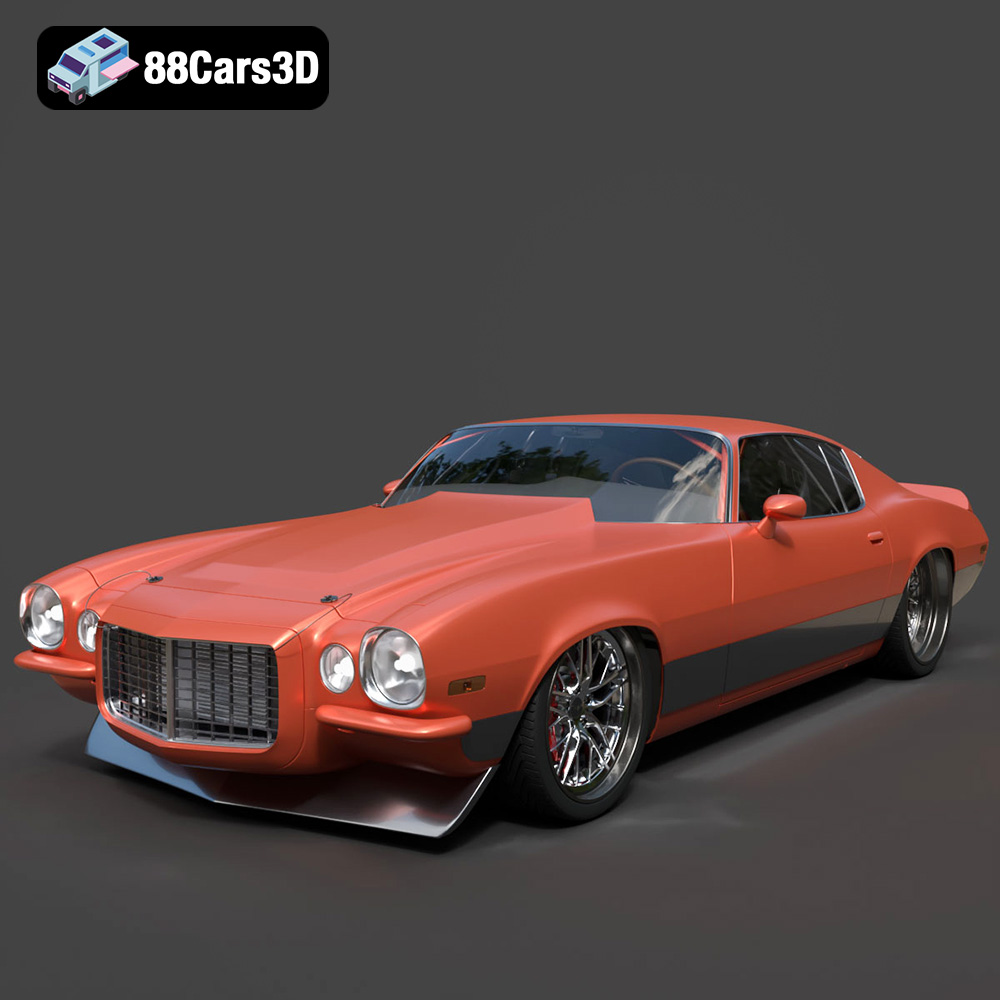
Download the Chevrolet Camaro 1970 3D Model featuring clean geometry, realistic detailing, and a fully modeled interior. Includes .blend, .fbx, .obj, .glb, .stl, .ply, .unreal, and .max formats for rendering, simulation, and game development.
Price: $10
Texture: Yes
Material: Yes
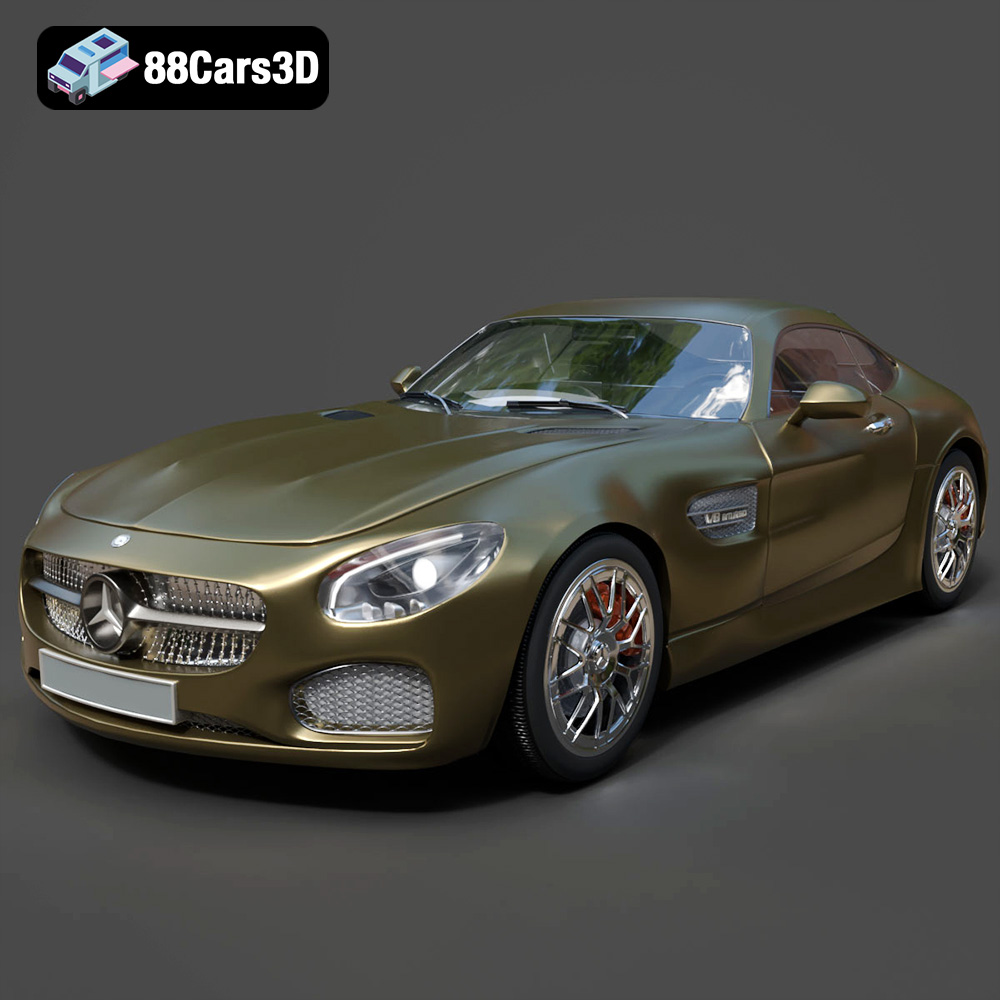
Download the Mercedes-AMG GT 2015 3D Model featuring clean geometry, realistic detailing, and a fully modeled interior. Includes .blend, .fbx, .obj, .glb, .stl, .ply, .unreal, and .max formats for rendering, simulation, and game development.
Price: $88.99
Texture: Yes
Material: Yes
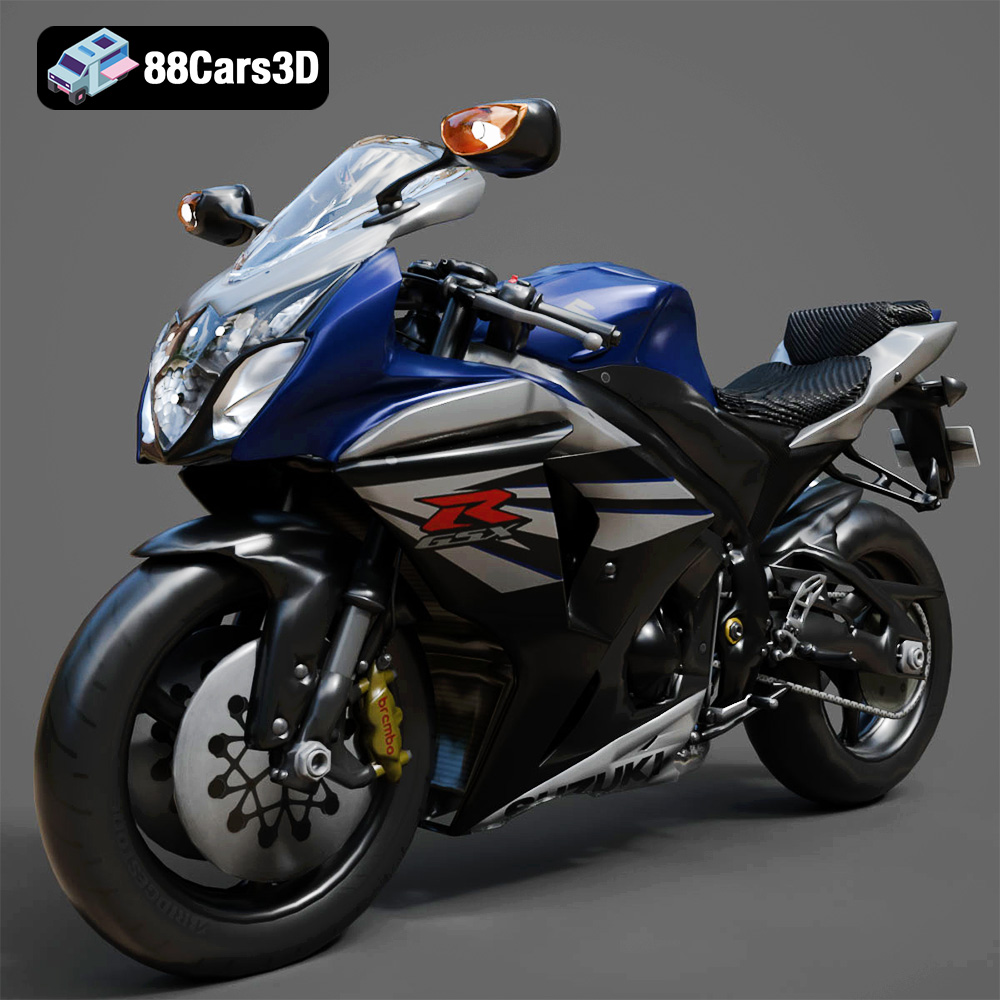
Download the Suzuki GSX-R 1000 3D Model featuring clean geometry, realistic detailing, and a fully modeled interior. Includes .blend, .fbx, .obj, .glb, .stl, .ply, .unreal, and .max formats for rendering, simulation, and game development.
Price: $10
Texture: Yes
Material: Yes
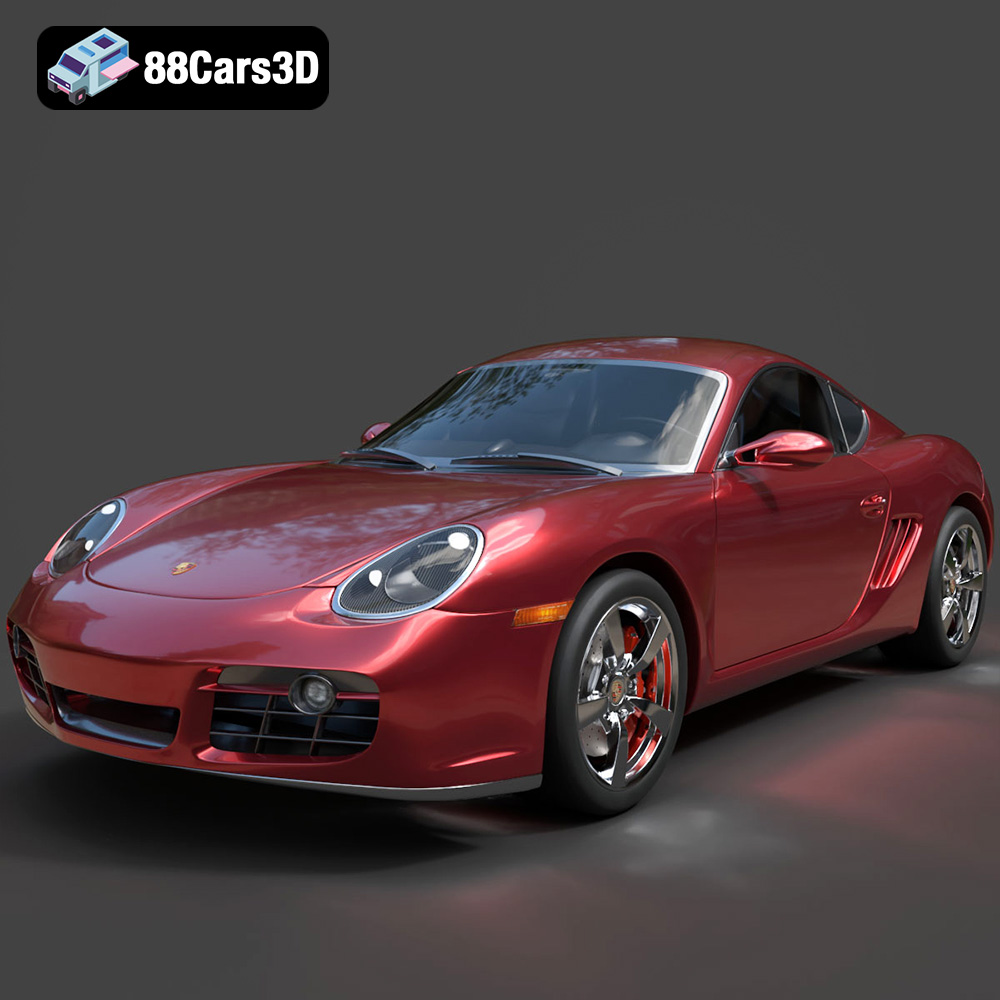
Download the Porsche Cayman S 2024 3D Model featuring clean geometry, realistic detailing, and a fully modeled interior. Includes .blend, .fbx, .obj, .glb, .stl, .ply, .unreal, and .max formats for rendering, simulation, and game development.
Price: $10

Texture: Yes
Material: Yes
Download the Holden Commodore Sportwagon 2017 3D Model featuring clean geometry, realistic detailing, and a fully modeled interior. Includes .blend, .fbx, .obj, .glb, .stl, .ply, .unreal, and .max formats for rendering, simulation, and game development.
Price: $10
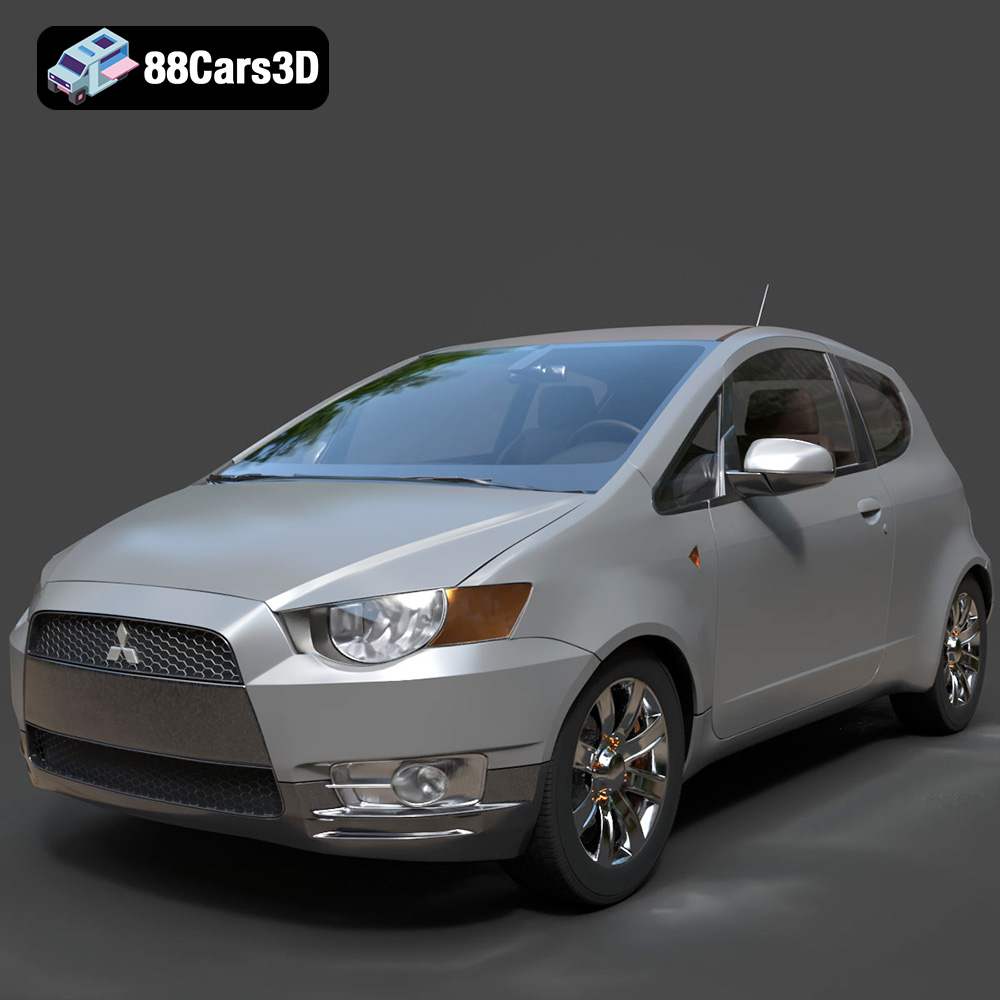
Texture: Yes
Material: Yes
Download the Mitsubishi Colt 3 Door 2008 3D Model featuring clean geometry, realistic detailing, and a fully modeled interior. Includes .blend, .fbx, .obj, .glb, .stl, .ply, .unreal, and .max formats for rendering, simulation, and game development.
Price: $10
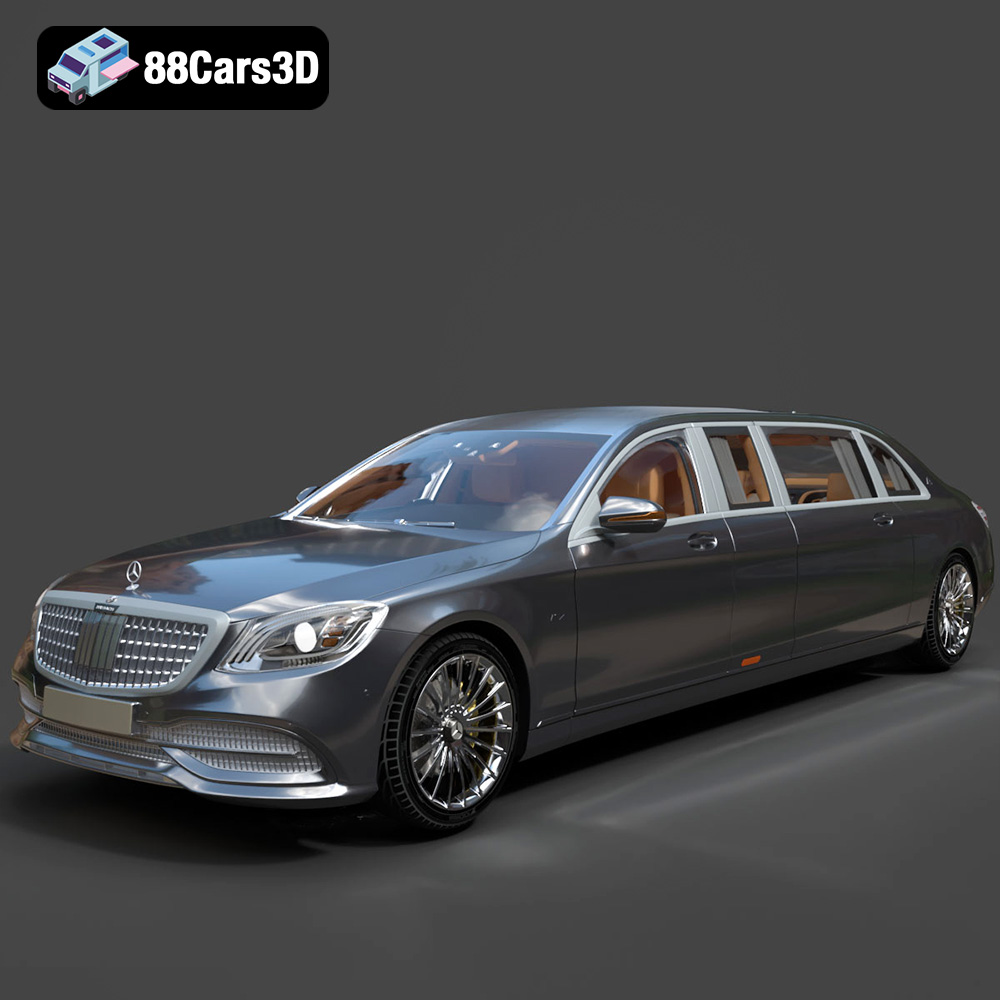
Texture: Yes
Material: Yes
Download the Mercedes-Benz S650 Pullman 3D Model featuring clean geometry, realistic detailing, and a fully modeled interior. Includes .blend, .fbx, .obj, .glb, .stl, .ply, .unreal, and .max formats for rendering, simulation, and game development.
Price: $95.99
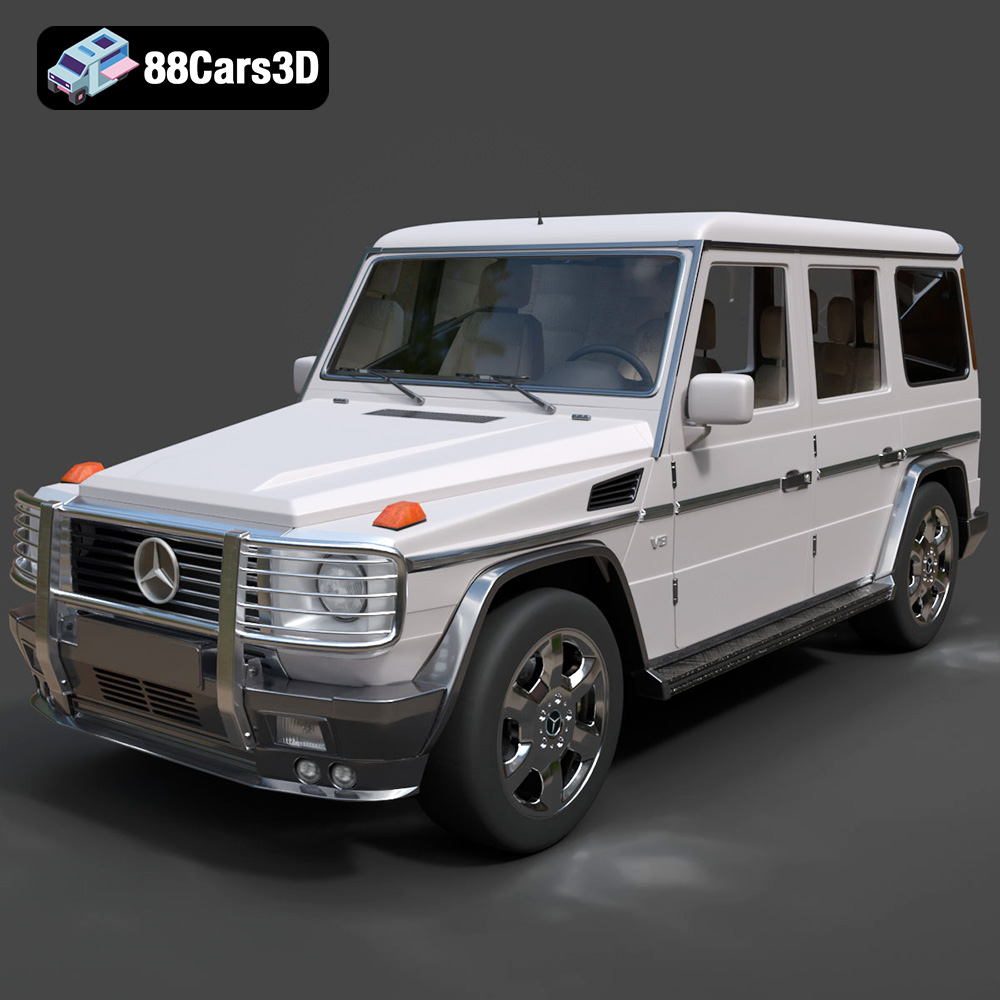
Texture: Yes
Material: Yes
Download the Mercedes G-Class SUV 2024 3D Model featuring clean geometry, realistic detailing, and a fully modeled interior. Includes .blend, .fbx, .obj, .glb, .stl, .ply, .unreal, and .max formats for rendering, simulation, and game development.
Price: $10

Texture: Yes
Material: Yes
Download the Volvo XC90 R-Design 2015 3D Model featuring clean geometry, realistic detailing, and a fully modeled interior. Includes .blend, .fbx, .obj, .glb, .stl, .ply, .unreal, and .max formats for rendering, simulation, and game development.
Price: $10

