Get 50% OFF All Premium 3D & STL Models!

“`html
3D printing has revolutionized the world of model making, especially for automotive enthusiasts. The ability to create intricate and detailed car models from digital designs is now within reach of hobbyists and professionals alike. This comprehensive guide will delve into the essential aspects of 3D printing car models, from preparing STL files to optimizing printer settings and mastering post-processing techniques. Whether you’re aiming to build a showroom-worthy replica or a functional prototype, understanding these principles is key to achieving outstanding results. We’ll cover everything from file formats and slicing software to material selection and troubleshooting common printing issues. Get ready to transform your digital designs into tangible automotive masterpieces!
3D printing offers unparalleled flexibility and precision in creating car models. Unlike traditional manufacturing methods, it allows for complex geometries and intricate details to be realized with relative ease. This opens up possibilities for creating highly accurate replicas, custom designs, and even functional prototypes for automotive engineering. Platforms like 88cars3d.com offer a wide selection of print-ready STL files specifically designed for 3D printing car models, saving you valuable time and effort in the design process.
The STL (Stereolithography) file format is the cornerstone of 3D printing. Understanding its structure and limitations is crucial for successful printing. An STL file represents a 3D object as a collection of triangles, defining the surface geometry. The quality of the STL file directly impacts the final print; therefore, proper preparation and optimization are essential.
An STL file contains a list of triangles, each defined by three vertices (coordinates) and a normal vector (direction perpendicular to the triangle’s surface). A well-formed STL file should have a “watertight” mesh, meaning that all edges are shared by exactly two triangles. Non-manifold edges (edges shared by more than two triangles) and holes in the mesh can cause printing errors. Before printing, always inspect the STL file for errors using mesh editing software like Meshmixer or Netfabb. These tools can identify and automatically fix common issues such as holes, flipped normals, and intersecting triangles.
Often, STL files, especially those converted from other formats or generated by CAD software, may contain errors that need correction. Software such as Meshmixer offers powerful tools to “Make Solid”, automatically closing gaps and repairing non-manifold edges. Netfabb provides advanced mesh analysis and repair capabilities, ensuring the STL file is print-ready. Reducing the triangle count through decimation can also improve print performance, especially for complex models. Aim for a balance between detail and file size to achieve optimal results. When downloading models from marketplaces such as 88cars3d.com, prioritize models that have been verified as print-ready to minimize the need for extensive mesh repair.
Slicing software is the bridge between your 3D model and the 3D printer. It takes the STL file and converts it into a series of instructions (G-code) that the printer can understand. The slicing process involves dividing the 3D model into horizontal layers and defining the path the printer head or laser will follow to create each layer. Slicer settings dramatically impact the final print quality, strength, and printing time. Popular slicing software options include Cura, PrusaSlicer, Simplify3D, and IdeaMaker.
Several slicing parameters directly influence the quality of your 3D printed car model. Layer height is perhaps the most critical; lower layer heights (e.g., 0.1mm) result in smoother surfaces and finer details but increase printing time. Infill percentage controls the internal density of the model; higher infill percentages provide greater strength but require more material and increase printing time. Print speed affects both print quality and time; slower speeds generally produce better quality but extend the printing process. Temperature settings, including nozzle temperature and bed temperature, are crucial for proper layer adhesion and material flow. For PLA, typical nozzle temperatures range from 200-220°C and bed temperatures from 60-70°C. For ABS, nozzle temperatures typically range from 230-250°C and bed temperatures from 80-110°C. Experiment with these settings to find the optimal balance for your specific printer and material.
Overhanging features, such as the roof or fenders of a car model, often require support structures to prevent them from collapsing during printing. Slicing software can automatically generate supports, but careful consideration must be given to their placement and type. Tree supports, for example, use less material and are easier to remove than linear supports. The support overhang angle determines when supports are generated; a smaller angle (e.g., 45 degrees) will result in more supports. After printing, supports need to be removed, which can sometimes be a delicate process. Using sharp tools, such as a hobby knife or pliers, carefully detach the supports without damaging the model. Experiment with different support settings and removal techniques to find the most effective approach for your specific model.
Fused Deposition Modeling (FDM) and Resin printing (Stereolithography or SLA) are the two most common 3D printing technologies. FDM printers use a heated nozzle to extrude thermoplastic filaments, such as PLA or ABS, layer by layer. Resin printers use a light source to cure liquid resin, creating solid layers. Each technology has its strengths and weaknesses, making them suitable for different applications.
FDM printing is often preferred for larger car models due to its lower cost and wider availability of materials. PLA is a popular choice for its ease of use and biodegradability, while ABS offers greater strength and heat resistance. However, FDM prints typically have visible layer lines, which may require post-processing to achieve a smooth surface. When printing car models with FDM, optimize the print orientation to minimize the need for supports and improve bed adhesion. A brim or raft can be used to increase the contact area between the model and the build plate, preventing warping and ensuring a successful print. Calibrating your FDM printer is crucial for consistent results. Regularly check the bed leveling, nozzle temperature, and extrusion rate to maintain print quality.
Resin printing excels at producing highly detailed and smooth car models, making it ideal for smaller-scale replicas or intricate parts. Resin printers can achieve significantly higher resolutions than FDM printers, resulting in virtually invisible layer lines. However, resin printing typically involves a smaller build volume and requires more post-processing, including washing and curing the printed parts. When using resin, proper ventilation is essential due to the fumes emitted during printing. Select a resin that is suitable for your application; some resins are designed for high strength, while others are formulated for flexibility. Support structures are also necessary for resin printing, and their placement is crucial for preventing warping and ensuring proper curing. After printing, carefully remove the supports and wash the model with isopropyl alcohol to remove any uncured resin. Finally, cure the model under UV light to fully harden the resin.
Post-processing is the final stage in the 3D printing workflow and involves refining the printed part to achieve the desired appearance and functionality. This can include removing supports, sanding, filling gaps, priming, painting, and assembling multiple parts. Proper post-processing can transform a raw 3D print into a professional-quality car model.
Sanding is used to smooth out layer lines and remove any imperfections on the surface of the 3D printed car model. Start with coarse-grit sandpaper (e.g., 220 grit) and gradually move to finer grits (e.g., 400, 600, 800 grit) to achieve a smooth finish. For larger gaps or imperfections, use a filler such as automotive body filler or epoxy putty. Apply the filler evenly and allow it to dry completely before sanding it smooth. Priming is essential for preparing the surface for painting. Apply several thin coats of primer, allowing each coat to dry before applying the next. Sand the primed surface with fine-grit sandpaper (e.g., 800 grit) to create a smooth, even base for the paint.
Painting is the final step in transforming your 3D printed car model into a work of art. Use high-quality automotive paints for the best results. Apply several thin coats of paint, allowing each coat to dry completely before applying the next. Use masking tape to create clean lines and protect areas that you don’t want to paint. After the paint has dried, apply a clear coat to protect the paint and add a glossy finish. For models with multiple parts, carefully assemble them using glue or screws. Ensure that all parts fit together properly and that the assembly is sturdy and durable. With careful attention to detail and proper post-processing techniques, you can create stunning 3D printed car models that will impress even the most discerning automotive enthusiasts.
3D printing is not without its challenges. Encountering issues during the printing process is common, but understanding the causes and solutions can help you overcome these obstacles. This section will address some of the most frequent problems encountered when 3D printing car models and provide practical troubleshooting tips.
Warping occurs when the corners of the 3D printed car model lift off the build plate during printing. This is often caused by uneven cooling and poor bed adhesion. To prevent warping, ensure that the build plate is properly leveled and clean. Use a bed adhesive, such as glue stick or hairspray, to increase the adhesion between the model and the build plate. Enclosing the printer can also help to maintain a consistent temperature and prevent warping. For materials like ABS, a heated bed is essential to prevent warping. Experiment with different bed temperatures to find the optimal setting for your material. A brim or raft can also increase the contact area between the model and the build plate, providing additional support and preventing warping.
Poor layer adhesion occurs when the layers of the 3D printed car model do not bond together properly, resulting in weak or brittle prints. This can be caused by low nozzle temperature, incorrect print speed, or insufficient cooling. To improve layer adhesion, increase the nozzle temperature and decrease the print speed. Ensure that the filament is dry and free of moisture, as moisture can cause poor layer adhesion. Adjust the cooling settings to prevent excessive cooling, which can also weaken layer adhesion. If the filament is tangled or jammed, carefully clear the nozzle and extruder. Using high-quality filament can also improve layer adhesion and overall print quality.
Mastering 3D printing for car models requires a combination of technical knowledge, practical skills, and patience. By understanding the principles of STL file preparation, slicing software, FDM and resin printing, post-processing techniques, and troubleshooting, you can create stunning 3D printed car models that capture the essence of automotive design. Remember to pay attention to detail, experiment with different settings, and continuously refine your techniques. Resources like 88cars3d.com provide excellent starting points with high-quality, print-ready models. The world of 3D printing is constantly evolving, so stay curious, keep learning, and enjoy the journey of transforming digital designs into tangible automotive masterpieces. Take the first step today by exploring available models and experimenting with the techniques outlined in this guide. Happy printing!
“`

Texture: Yes
Material: Yes
Download the Mercedes S-Class 2024 3D Model featuring clean geometry, realistic detailing, and a fully modeled interior. Includes .blend, .fbx, .obj, .glb, .stl, .ply, .unreal, and .max formats for rendering, simulation, and game development.
Price: $10
Texture: Yes
Material: Yes
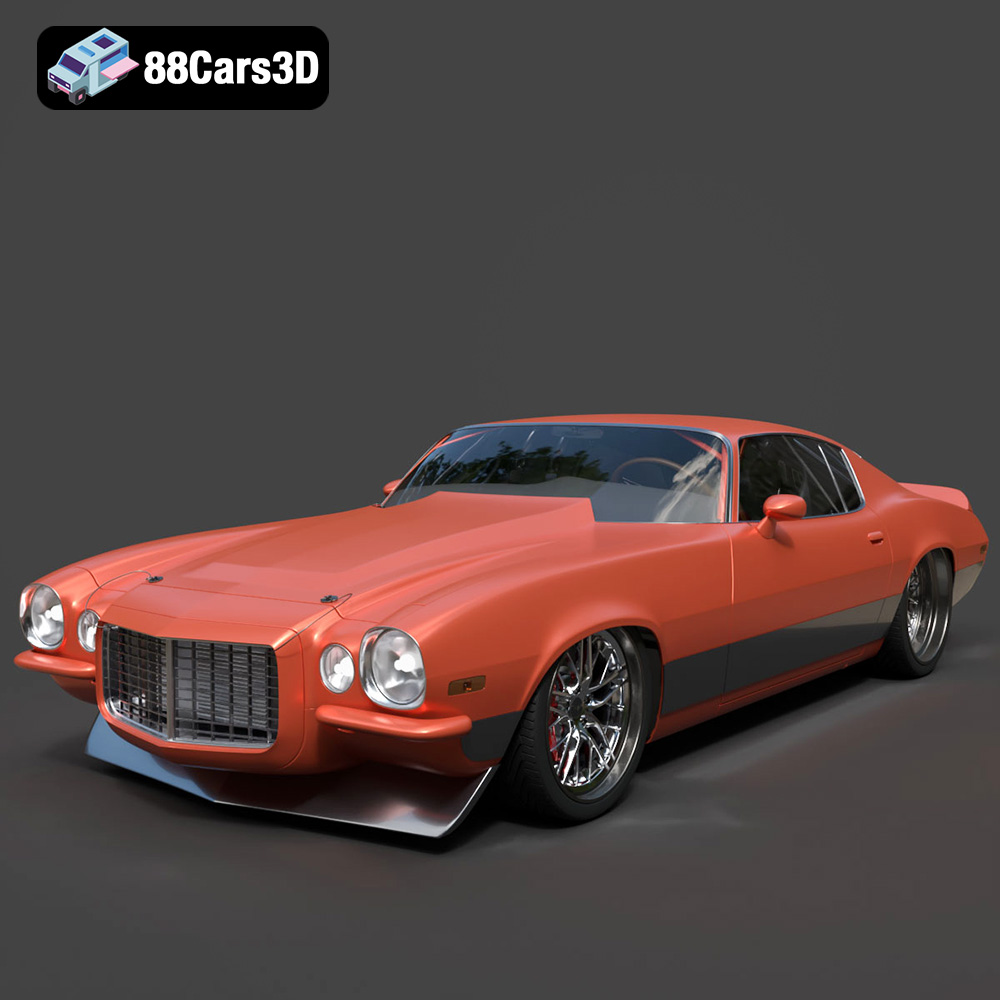
Download the Chevrolet Camaro 1970 3D Model featuring clean geometry, realistic detailing, and a fully modeled interior. Includes .blend, .fbx, .obj, .glb, .stl, .ply, .unreal, and .max formats for rendering, simulation, and game development.
Price: $10
Texture: Yes
Material: Yes
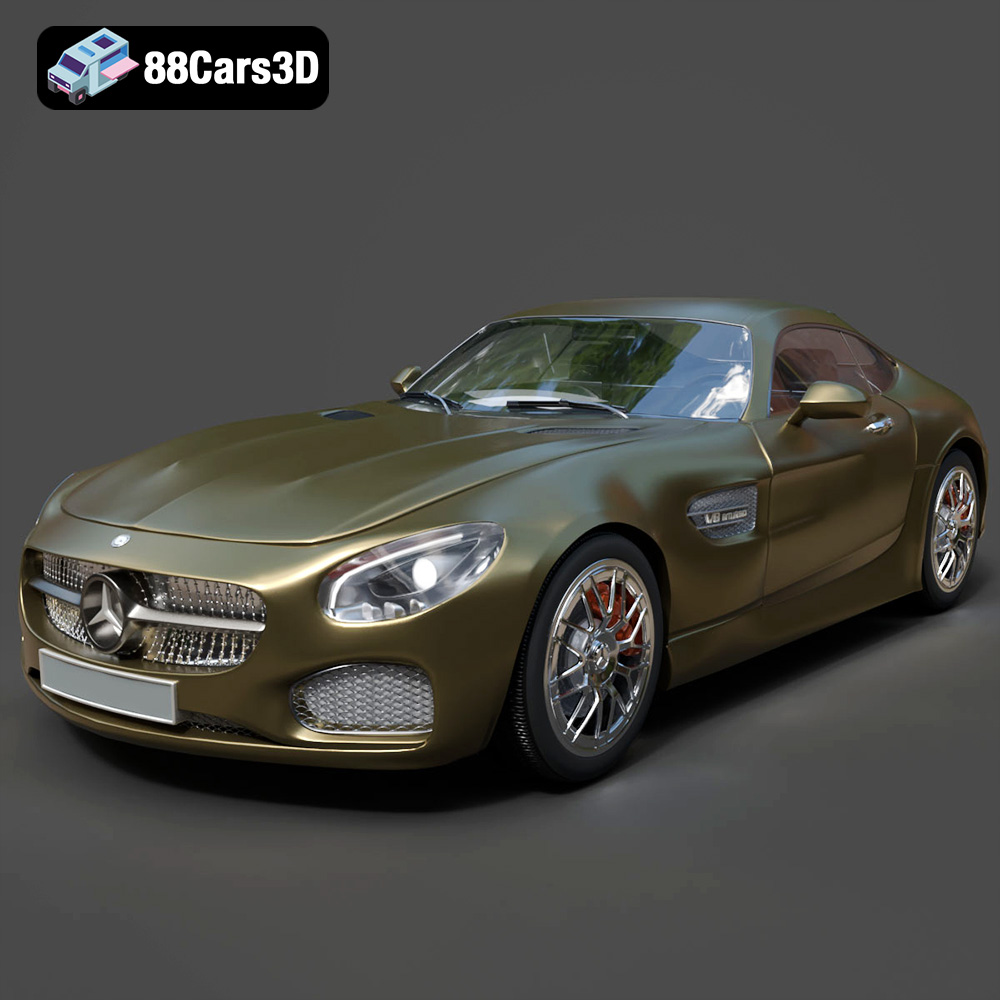
Download the Mercedes-AMG GT 2015 3D Model featuring clean geometry, realistic detailing, and a fully modeled interior. Includes .blend, .fbx, .obj, .glb, .stl, .ply, .unreal, and .max formats for rendering, simulation, and game development.
Price: $88.99
Texture: Yes
Material: Yes
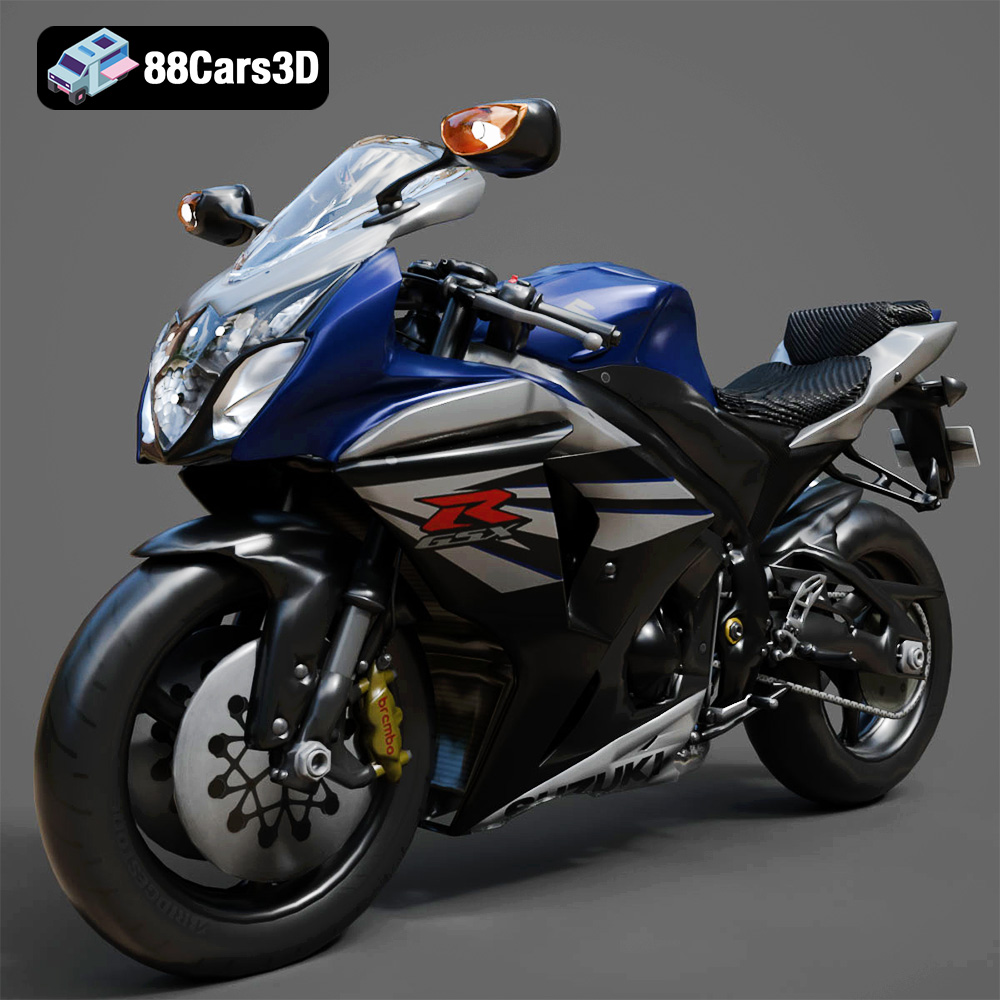
Download the Suzuki GSX-R 1000 3D Model featuring clean geometry, realistic detailing, and a fully modeled interior. Includes .blend, .fbx, .obj, .glb, .stl, .ply, .unreal, and .max formats for rendering, simulation, and game development.
Price: $10
Texture: Yes
Material: Yes
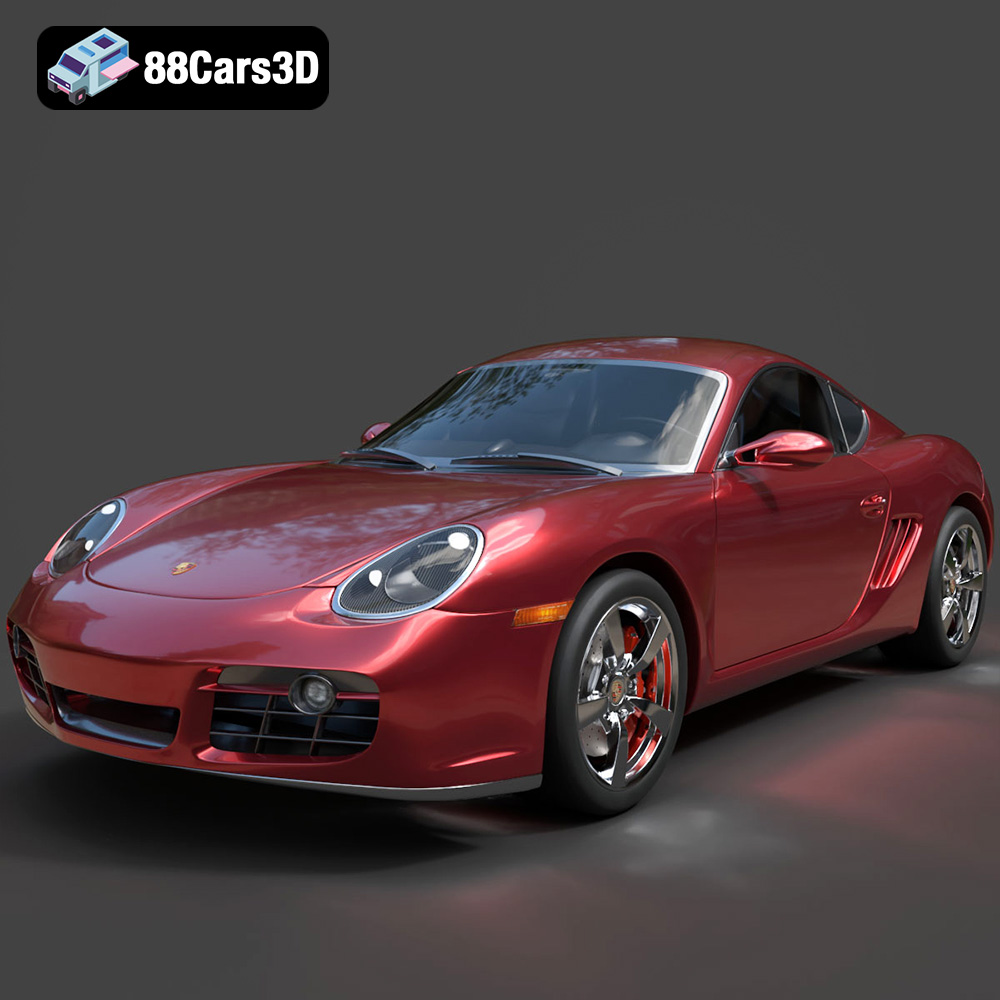
Download the Porsche Cayman S 2024 3D Model featuring clean geometry, realistic detailing, and a fully modeled interior. Includes .blend, .fbx, .obj, .glb, .stl, .ply, .unreal, and .max formats for rendering, simulation, and game development.
Price: $10
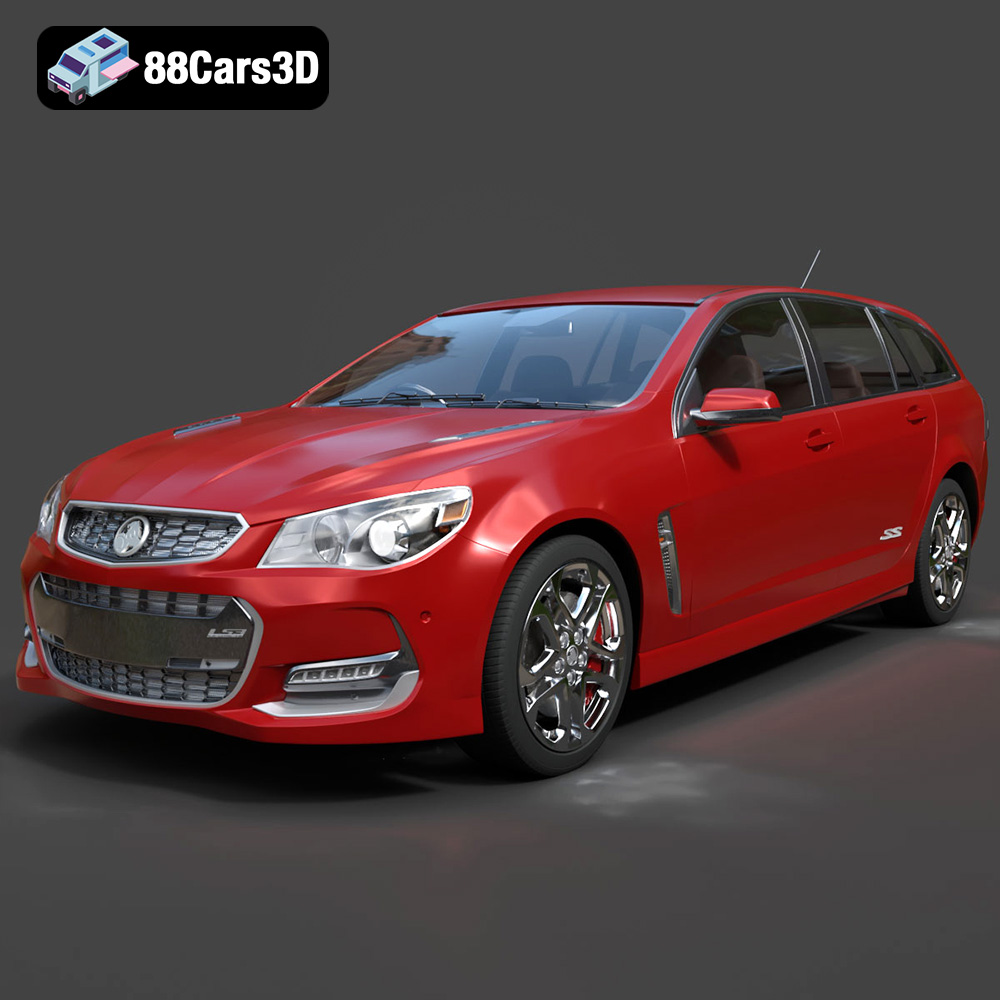
Texture: Yes
Material: Yes
Download the Holden Commodore Sportwagon 2017 3D Model featuring clean geometry, realistic detailing, and a fully modeled interior. Includes .blend, .fbx, .obj, .glb, .stl, .ply, .unreal, and .max formats for rendering, simulation, and game development.
Price: $10
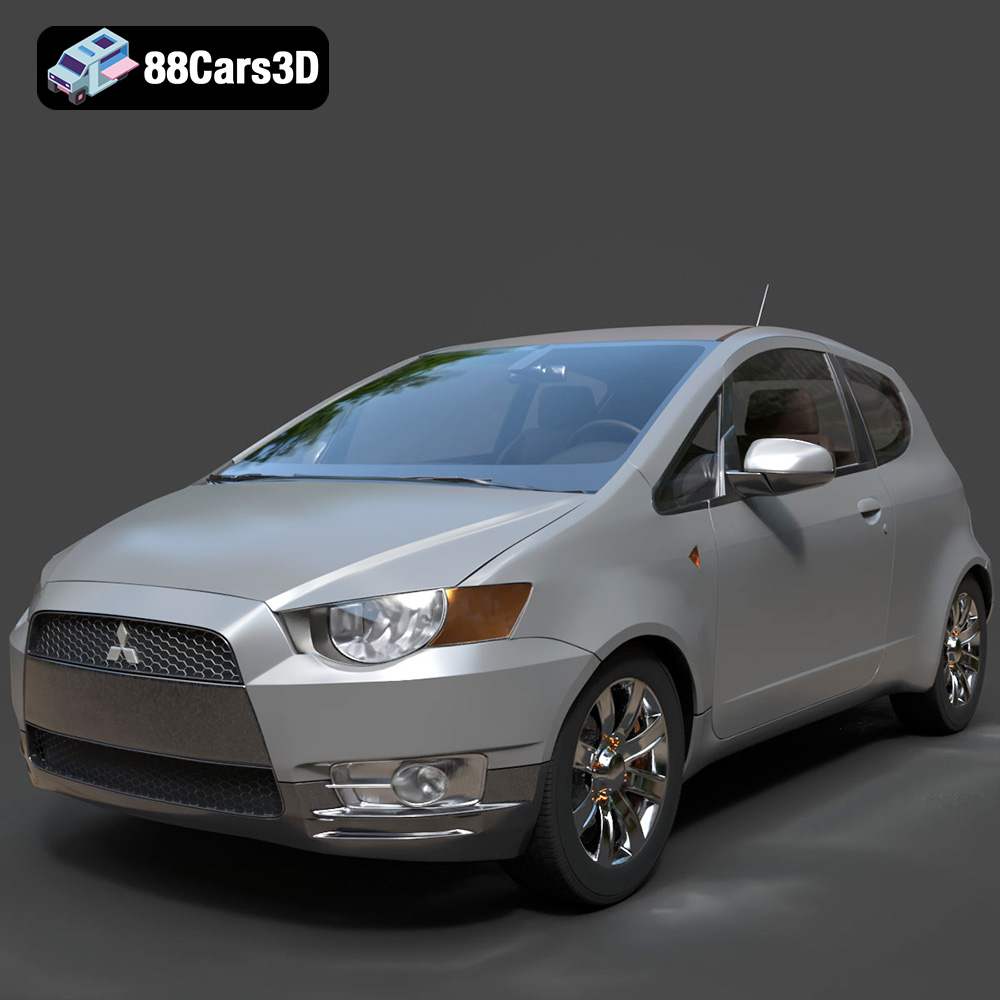
Texture: Yes
Material: Yes
Download the Mitsubishi Colt 3 Door 2008 3D Model featuring clean geometry, realistic detailing, and a fully modeled interior. Includes .blend, .fbx, .obj, .glb, .stl, .ply, .unreal, and .max formats for rendering, simulation, and game development.
Price: $10
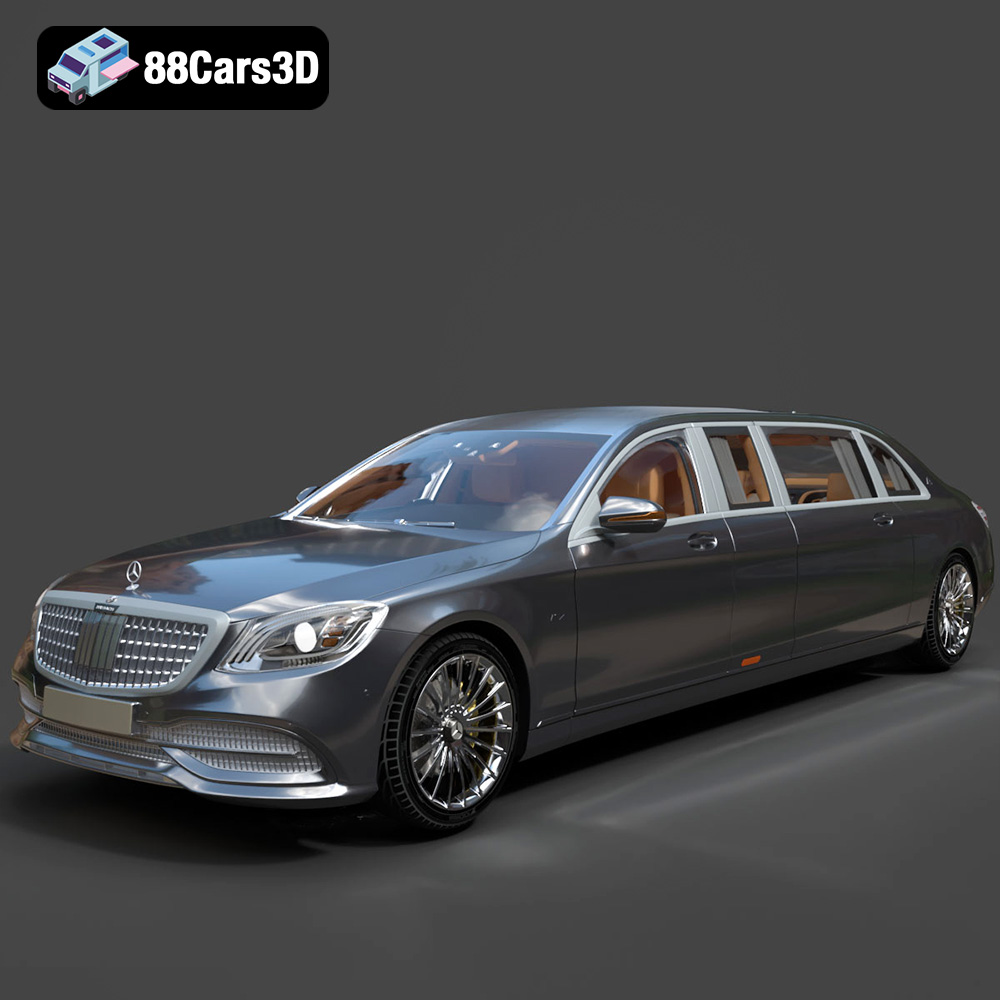
Texture: Yes
Material: Yes
Download the Mercedes-Benz S650 Pullman 3D Model featuring clean geometry, realistic detailing, and a fully modeled interior. Includes .blend, .fbx, .obj, .glb, .stl, .ply, .unreal, and .max formats for rendering, simulation, and game development.
Price: $95.99
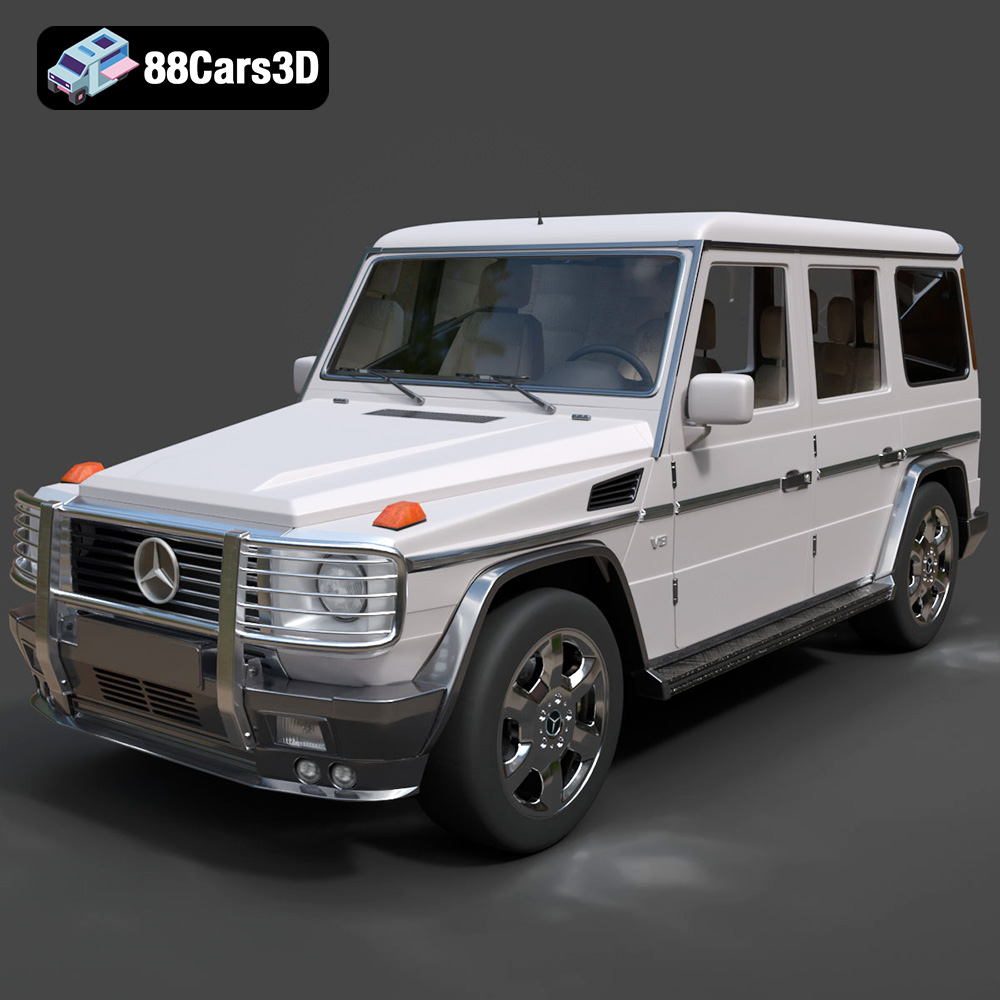
Texture: Yes
Material: Yes
Download the Mercedes G-Class SUV 2024 3D Model featuring clean geometry, realistic detailing, and a fully modeled interior. Includes .blend, .fbx, .obj, .glb, .stl, .ply, .unreal, and .max formats for rendering, simulation, and game development.
Price: $10

Texture: Yes
Material: Yes
Download the Volvo XC90 R-Design 2015 3D Model featuring clean geometry, realistic detailing, and a fully modeled interior. Includes .blend, .fbx, .obj, .glb, .stl, .ply, .unreal, and .max formats for rendering, simulation, and game development.
Price: $10

