Get 50% OFF All Premium 3D & STL Models!

“`html
There’s an undeniable magic to a photorealistic car render. It’s a fusion of engineering artistry and digital craftsmanship, where every curve, reflection, and shadow conspires to create an image indistinguishable from reality. For automotive designers, 3D artists, and visualization professionals, achieving this level of realism is the ultimate goal. However, it’s a journey fraught with technical hurdles, from complex material shaders to nuanced lighting setups. Many artists find themselves close, yet their renders lack that final, elusive spark of life, often stuck in the uncanny valley of “almost real.”
This comprehensive guide is your roadmap to bridging that gap. We will deconstruct the entire workflow, transforming the daunting task of creating a photorealistic automotive render into a clear, step-by-step process. We’ll start with the non-negotiable foundation: preparing a high-quality 3D car model. From there, we’ll dive deep into creating complex, multi-layered PBR materials for paint, glass, and rubber. You will learn the art of illumination, mastering both studio and HDRI lighting to sculpt your vehicle with light. Finally, we’ll configure our render engines for optimal quality and explore the essential post-production techniques that add the final layer of polish. By the end, you’ll have the technical knowledge and artistic strategies to create breathtaking, hyper-realistic automotive renders.
Before a single material is applied or a light is placed, the journey to photorealism begins with the 3D model itself. The quality of your geometry is the bedrock upon which every subsequent step is built. A flawed or low-quality model will fight you at every turn, causing rendering artifacts, unrealistic reflections, and endless frustration. Investing time in preparing the model is not just a preliminary step; it’s a critical investment in the final quality of your image. This phase ensures that the digital canvas you’re about to paint on is perfectly primed.
A great automotive render hinges on the precision of its surfaces. This means starting with a 3D car model that features clean, quad-based topology and meticulous attention to detail. Clean topology with consistent edge flow is paramount because it directly influences how light reflects off the surfaces. Any pinching, strange poles (vertices with more than five connecting edges), or uneven polygon distribution will manifest as wobbles and distortions in the final reflections, immediately shattering the illusion of reality. Look for models with perfectly defined panel gaps, sharp but beveled edges on cutouts, and accurately modeled details like headlights, grilles, and emblems. Sourcing models from specialized marketplaces such as 88cars3d.com can save countless hours, as they are typically built to a professional standard, ready for high-end automotive rendering.
Even the best models may require a quick health check before you proceed. The goal is to ensure the mesh is “watertight” and free of errors. Common issues include:
In 3ds Max, the “STL Check” modifier is an excellent tool for identifying many of these issues at once. Taking a few minutes to perform these checks ensures a smooth and predictable rendering process.
Working in real-world scale is not an optional step for photorealism. Render engines use physically based calculations for light falloff, depth of field, and material properties like subsurface scattering. If your scene is not scaled correctly, these calculations will be inaccurate. Before importing your model, set your 3D application’s system units to a real-world measurement, like meters or centimeters. A typical car is around 4.5 meters long. By ensuring your model adheres to this scale, you guarantee that camera focus, lighting intensity, and material shaders will behave predictably and realistically, saving you from troubleshooting strange visual artifacts later on.
With a pristine model ready, the next stage is breathing life into its surfaces through materials. Modern realism is built on the principles of Physically Based Rendering (PBR), a methodology that simulates the behavior of light in a physically plausible way. For automotive surfaces—which range from multi-layered metallic paints to textured rubbers and refractive glass—a deep understanding of PBR materials is essential. This is where you define the visual identity of the vehicle and create the tactile details that sell the illusion of a physical object.
The PBR workflow simplifies material creation by using a set of intuitive parameters that correspond to real-world material properties. The most common PBR workflow (Metallic/Roughness) uses several key texture maps:
By using these parameters, you’re not just faking a look; you’re describing the physical nature of the surface to the render engine, which then calculates the final appearance accurately.
Car paint is one of the most complex materials to replicate digitally because it’s translucent and multi-layered. A convincing car paint shader typically has three distinct layers:
A subtle “orange peel” effect—the fine, bumpy texture of a real clear coat—can be added by plugging a very subtle, large-scale noise map into the clear coat’s normal input.
Beyond the paint, the other materials are just as important for selling the render’s realism.
Lighting is not just about visibility; it’s about emotion, definition, and realism. In automotive rendering, light is a tool used to sculpt the car’s body, define its curves, and create the reflections that reveal its form. The choice of lighting can dramatically alter the mood of an image, taking it from a clean studio product shot to a dramatic scene on a winding road. Mastering both controlled studio lighting and natural environment lighting is fundamental to creating compelling and photorealistic images.
There are two primary approaches to lighting a 3D car model, each with distinct advantages:
Often, the best results come from a hybrid approach: using an HDRI for realistic ambient light and reflections, then adding a few key studio lights to add highlights and separate the car from the background.
A great starting point for studio lighting is the classic three-point setup, adapted for automotive subjects. Instead of small lights, we use large area lights (often called softboxes or strip lights) to create broad, soft reflections.
The shape and size of your lights are critical. Large, soft lights create gentle, graduating reflections, while smaller or harsher lights create sharp, defined highlights.
Using an HDRI is a powerful shortcut to realism. When selecting an HDRI, consider the following:
A technically perfect render can still fall flat if the composition is weak. The virtual camera is your eye into the digital world, and how you use it—its position, lens, and settings—dictates the story and emotion of your final image. Applying principles from real-world photography to your automotive rendering workflow will elevate your work from a simple depiction of a car to a compelling piece of art. Framing, focal length, and depth of field are powerful tools for guiding the viewer’s eye and creating a sense of scale, power, and elegance.
The focal length of your virtual camera lens has a profound impact on the final image’s perspective and the perceived proportions of the car. There is no single “correct” lens; the choice is artistic and depends on the desired effect.
Applying timeless compositional rules can dramatically improve the impact of your renders.
Depth of Field refers to the range of distance in an image that appears acceptably sharp. In photography, this is controlled by the camera’s aperture (f-stop). A shallow DoF creates a blurry background and foreground, forcing the viewer’s focus onto a specific part of the image. This is a powerful tool in 3D car models to add realism and artistic focus. Most render engines allow you to enable DoF directly in the camera settings. You simply pick a focus point (e.g., the front headlight) and set an f-stop value. A low f-stop (like f/2.8) will create a very shallow DoF, while a high f-stop (like f/11) will keep more of the scene in focus. Rendering DoF directly can increase render times, so an alternative is to render a Z-Depth pass, a grayscale image that maps distance, and use it to apply lens blur non-destructively in post-production.
This is where all your preparation in modeling, materials, and lighting comes to fruition. The render engine is the powerful calculator that simulates the physics of light to produce your final image. While modern engines like Corona, V-Ray, and Blender’s Cycles are incredibly capable out-of-the-box, dialing in specific settings can be the difference between a good result and a flawless, photorealistic one. Understanding the core parameters related to sampling, light transport, and denoising will allow you to balance render time with final quality, ensuring a crisp, clean, and believable image.
Corona Renderer is renowned for its ease of use and photorealistic output, making it a favorite for automotive visualization. For best results:
Blender’s native ray-tracing engine, Cycles, is a powerhouse for creating stunning renders. To get the most out of it for automotive scenes, focus on these settings in the Render Properties panel.
To give yourself maximum flexibility in post-production, don’t just render a final beauty image. Render out separate layers, often called AOVs (Arbitrary Output Variables) or Render Elements. These isolate different components of the final image. Under the `View Layer Properties` in Blender or the `Render Elements` tab in 3ds Max, enable the following:
The raw render from your 3D application is rarely the final image. Post-production, typically done in software like Adobe Photoshop, Affinity Photo, or Blackmagic Fusion, is the crucial last step where you refine, enhance, and perfect the render. It’s here that you can perform delicate color grading, add atmospheric effects, and composite render passes to achieve a level of polish and realism that is difficult to attain straight from the render engine. This stage is less about fixing mistakes and more about artistic enhancement, adding that final 10% that elevates the image from a technical exercise to a piece of art.
Always start with subtle, global adjustments. The first step is to open your 32-bit EXR render file. Working in 32-bit preserves the high dynamic range of your render, giving you far more latitude for adjustments without losing detail in the highlights or shadows. Begin with a tool like the Adobe Camera Raw filter.
–White Balance: Adjust the temperature and tint to correct any color cast from the lighting, ensuring that whites are pure white and the colors are true.
This is where your render passes (AOVs) become invaluable. By layering these passes over your main beauty render, you gain precise control over the image.
The final touches are about emulating the subtle imperfections and characteristics of a real camera lens and adding a cohesive mood.
Creating a truly photorealistic 3D car render is a holistic process, a meticulous dance between technical precision and artistic intuition. As we’ve journeyed through each stage, a clear principle emerges: excellence in one area amplifies the quality of the next. It begins with an immaculately prepared 3D car model, where clean geometry provides the perfect canvas. It builds with the application of sophisticated PBR materials that realistically describe every surface. The soul of the image is then sculpted with thoughtful lighting and framed with purposeful camera composition. Finally, the raw data from the render engine is polished and elevated in post-production, where the final story and mood are sealed.
Remember that photorealism isn’t just about ticking boxes; it’s about observation. Study real-world photography, notice how light interacts with different materials, and observe the subtle imperfections that make an object feel tangible. Each technique discussed here is a tool in your arsenal. The next step is to practice. Take what you have learned and apply it to your own projects. Start with a high-quality asset from a marketplace like 88cars3d.com to remove the modeling burden and allow you to focus purely on the craft of lighting, shading, and rendering. Blend these technical workflows with your creative vision, and you will be well on your way to producing automotive renders that leave viewers questioning if they are looking at a photograph or a masterpiece of digital art.
“`

Texture: Yes
Material: Yes
Download the Mercedes S-Class 2024 3D Model featuring clean geometry, realistic detailing, and a fully modeled interior. Includes .blend, .fbx, .obj, .glb, .stl, .ply, .unreal, and .max formats for rendering, simulation, and game development.
Price: $10
Texture: Yes
Material: Yes
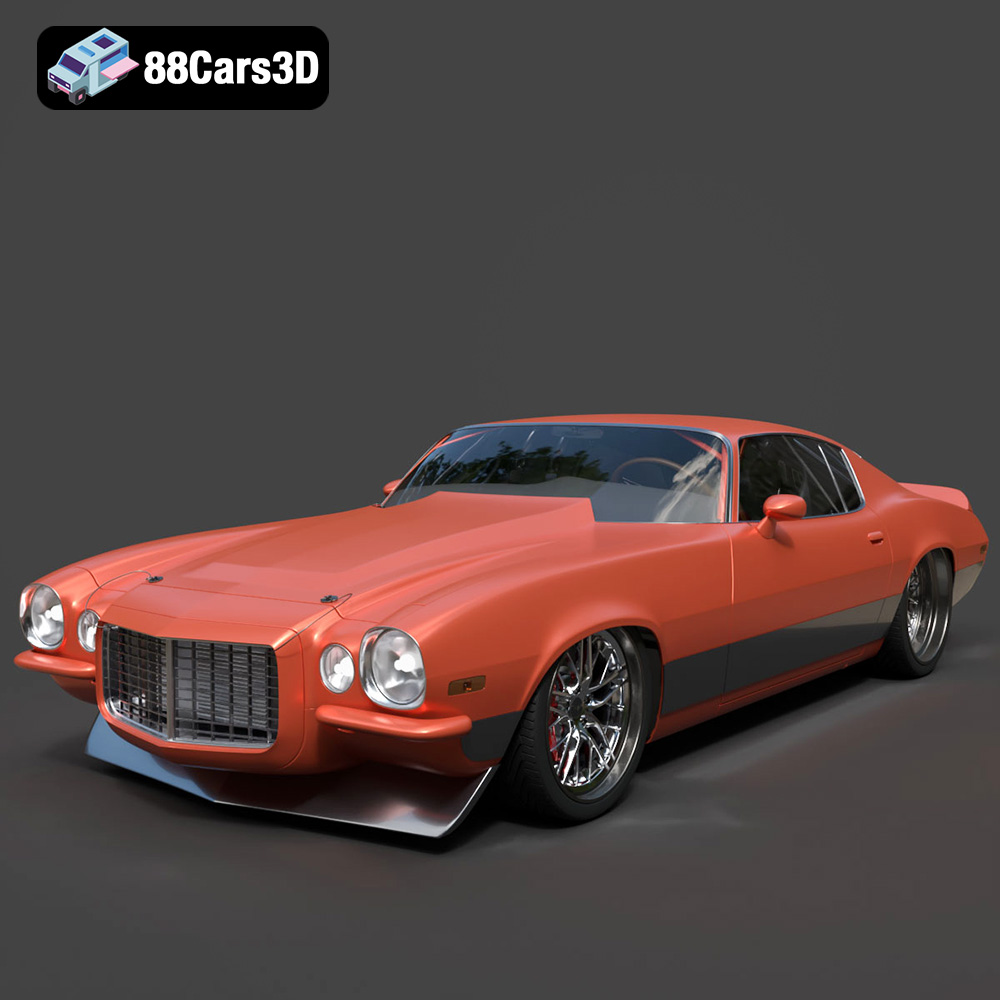
Download the Chevrolet Camaro 1970 3D Model featuring clean geometry, realistic detailing, and a fully modeled interior. Includes .blend, .fbx, .obj, .glb, .stl, .ply, .unreal, and .max formats for rendering, simulation, and game development.
Price: $10
Texture: Yes
Material: Yes
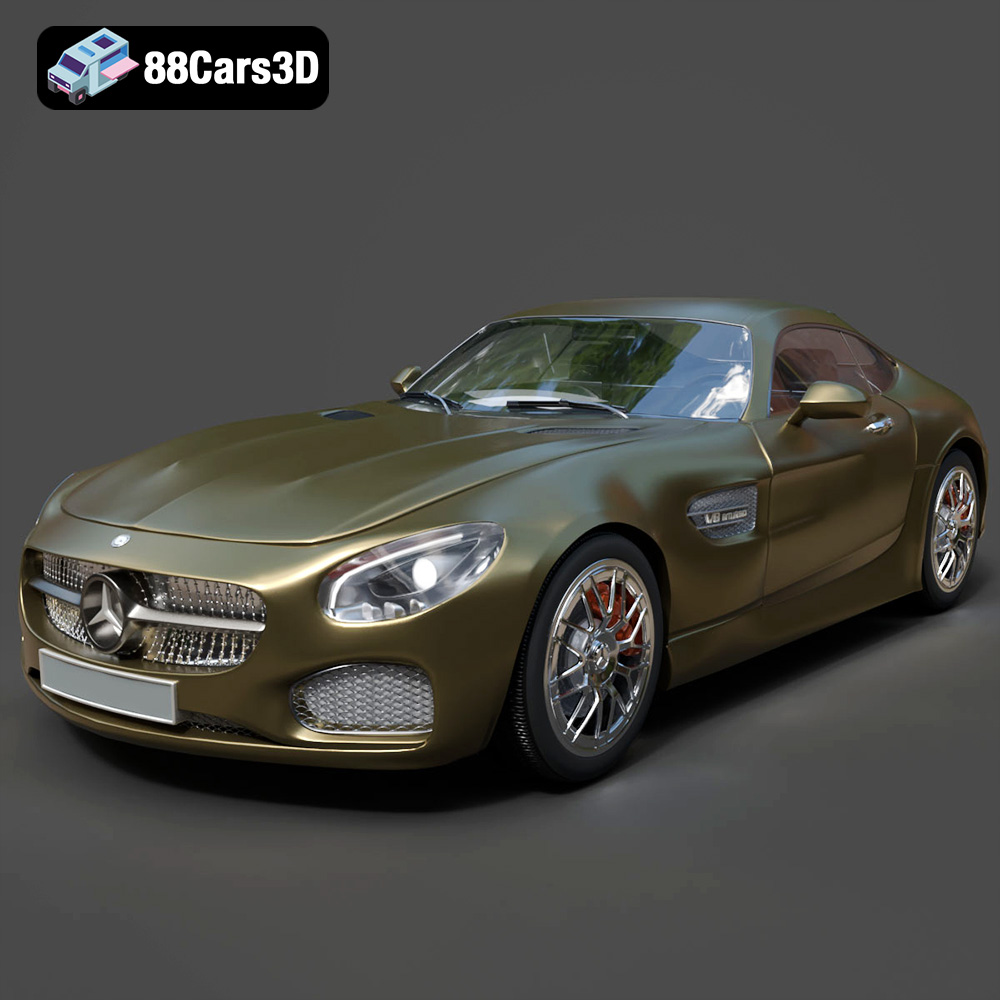
Download the Mercedes-AMG GT 2015 3D Model featuring clean geometry, realistic detailing, and a fully modeled interior. Includes .blend, .fbx, .obj, .glb, .stl, .ply, .unreal, and .max formats for rendering, simulation, and game development.
Price: $88.99
Texture: Yes
Material: Yes
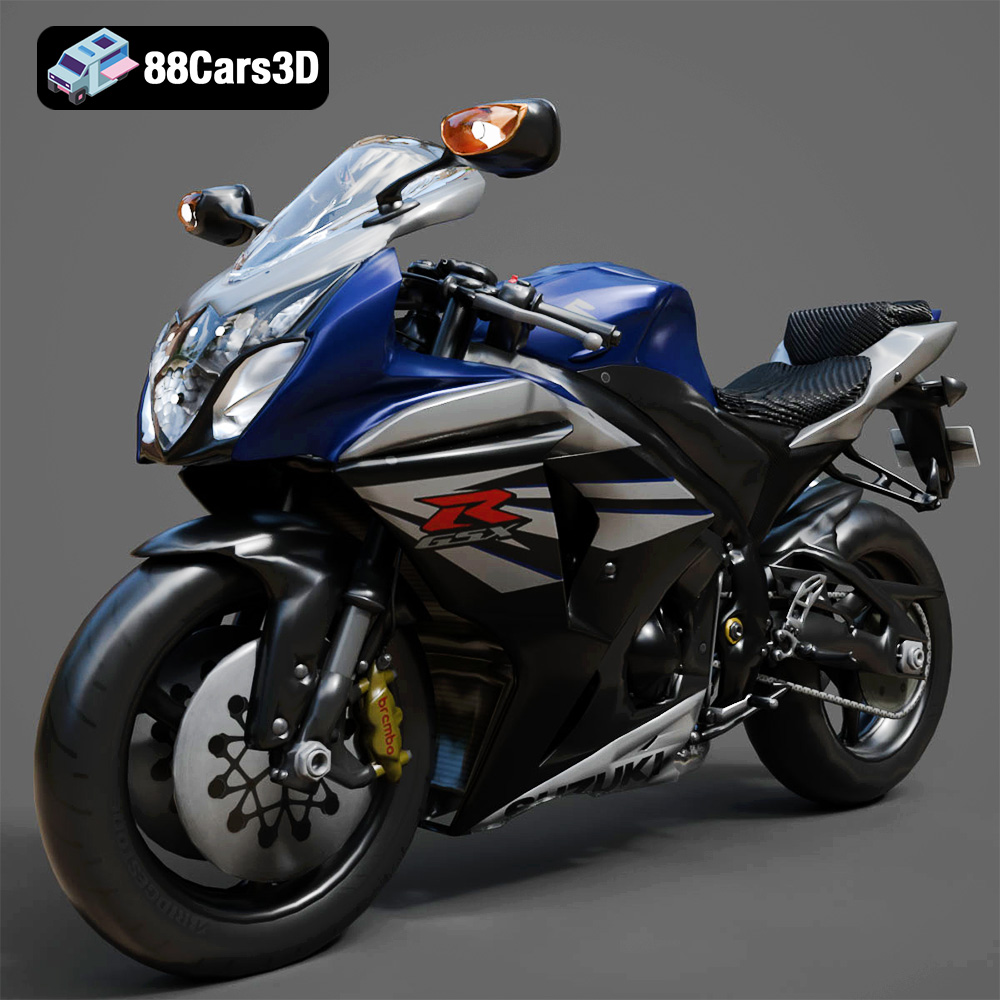
Download the Suzuki GSX-R 1000 3D Model featuring clean geometry, realistic detailing, and a fully modeled interior. Includes .blend, .fbx, .obj, .glb, .stl, .ply, .unreal, and .max formats for rendering, simulation, and game development.
Price: $10
Texture: Yes
Material: Yes
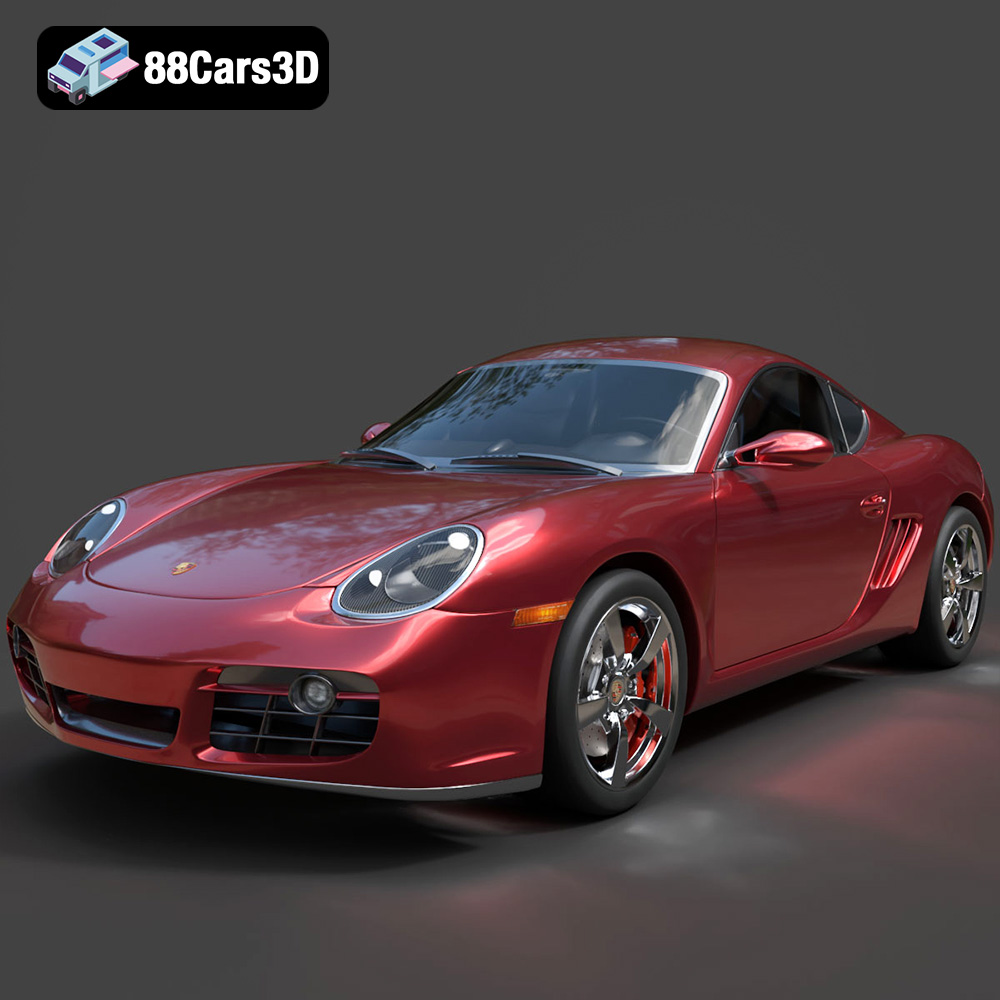
Download the Porsche Cayman S 2024 3D Model featuring clean geometry, realistic detailing, and a fully modeled interior. Includes .blend, .fbx, .obj, .glb, .stl, .ply, .unreal, and .max formats for rendering, simulation, and game development.
Price: $10
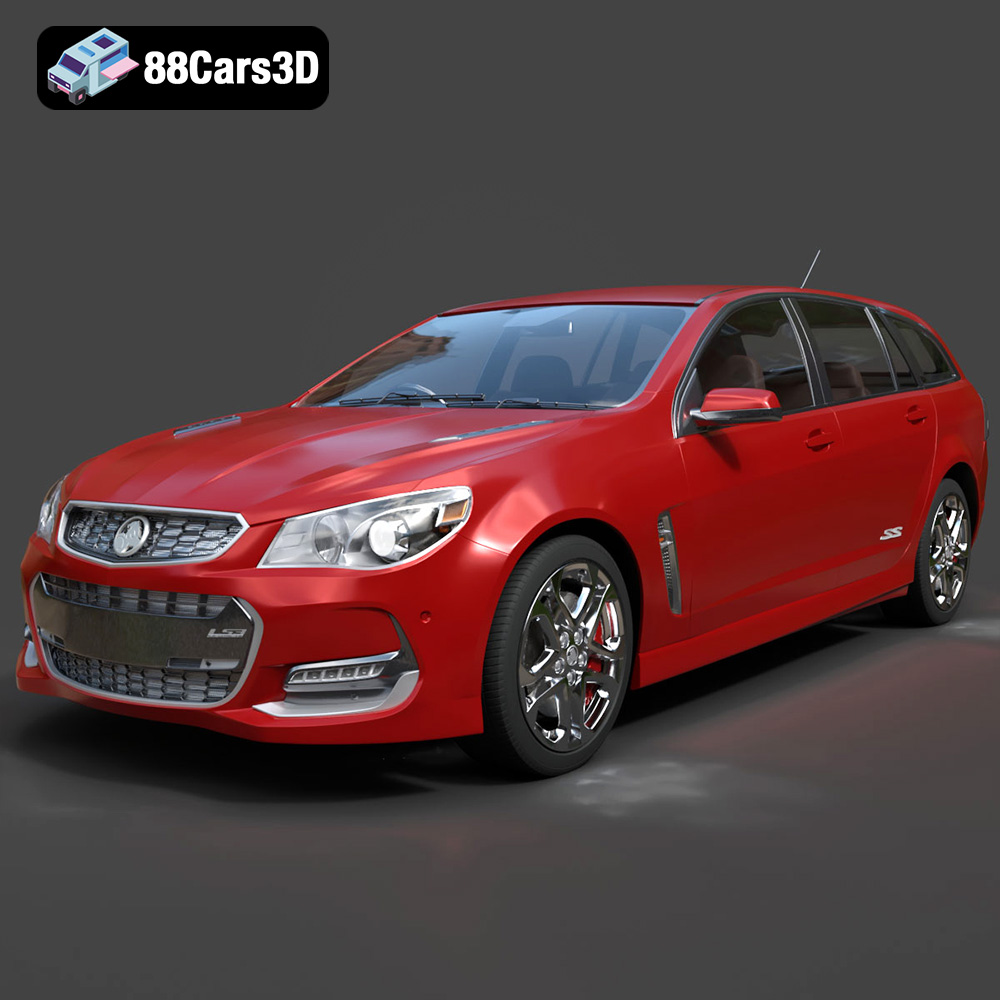
Texture: Yes
Material: Yes
Download the Holden Commodore Sportwagon 2017 3D Model featuring clean geometry, realistic detailing, and a fully modeled interior. Includes .blend, .fbx, .obj, .glb, .stl, .ply, .unreal, and .max formats for rendering, simulation, and game development.
Price: $10
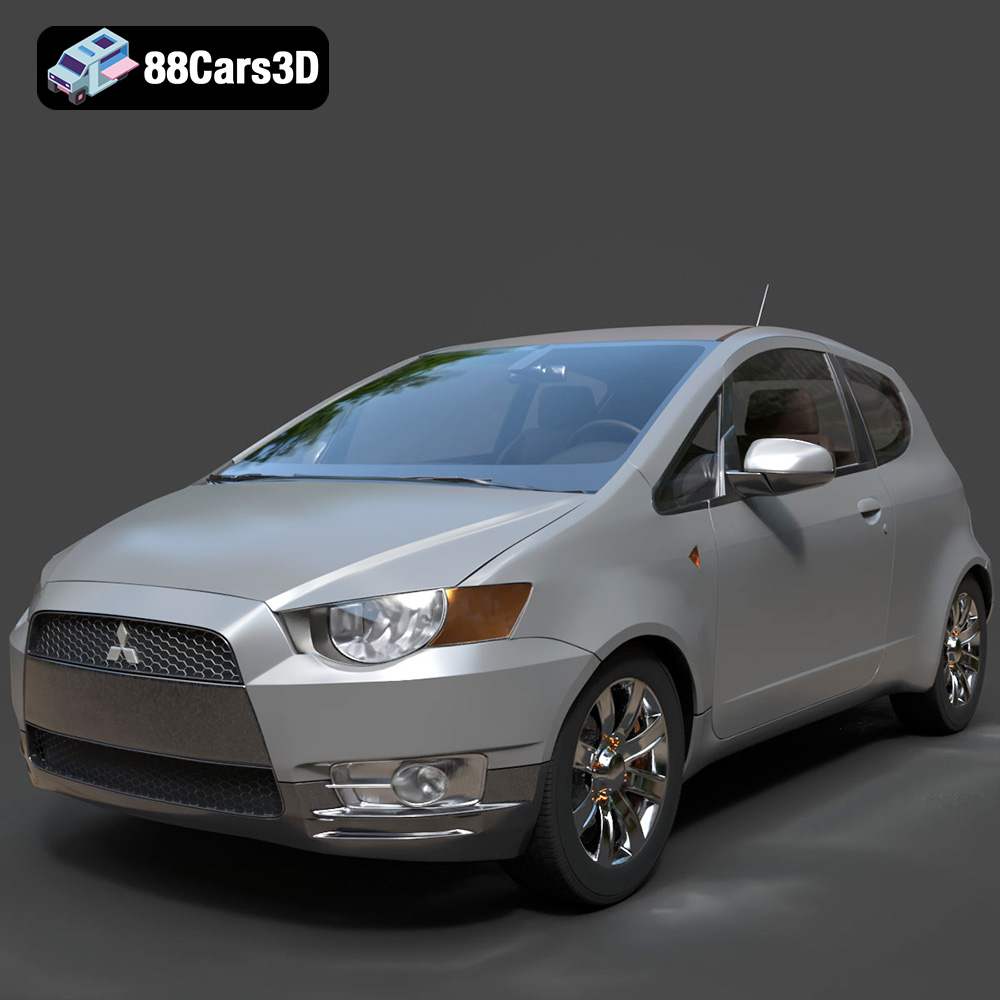
Texture: Yes
Material: Yes
Download the Mitsubishi Colt 3 Door 2008 3D Model featuring clean geometry, realistic detailing, and a fully modeled interior. Includes .blend, .fbx, .obj, .glb, .stl, .ply, .unreal, and .max formats for rendering, simulation, and game development.
Price: $10
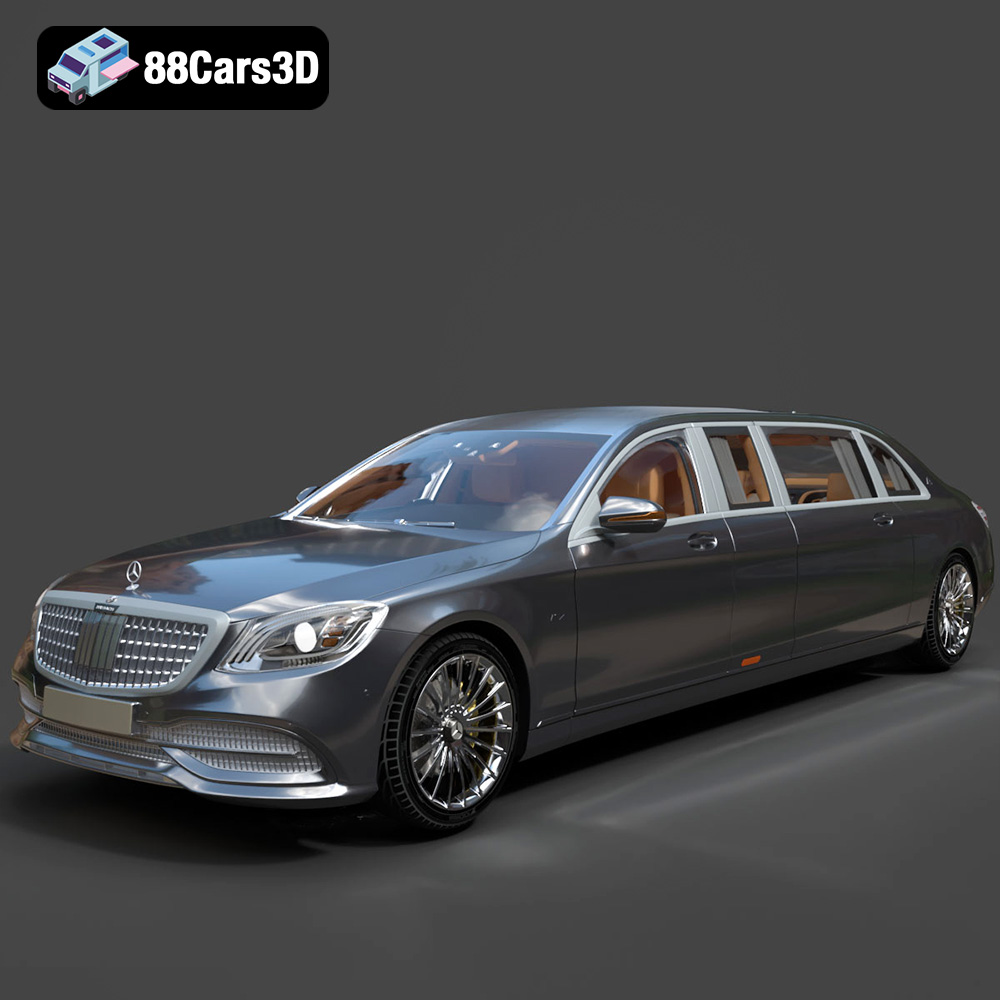
Texture: Yes
Material: Yes
Download the Mercedes-Benz S650 Pullman 3D Model featuring clean geometry, realistic detailing, and a fully modeled interior. Includes .blend, .fbx, .obj, .glb, .stl, .ply, .unreal, and .max formats for rendering, simulation, and game development.
Price: $95.99
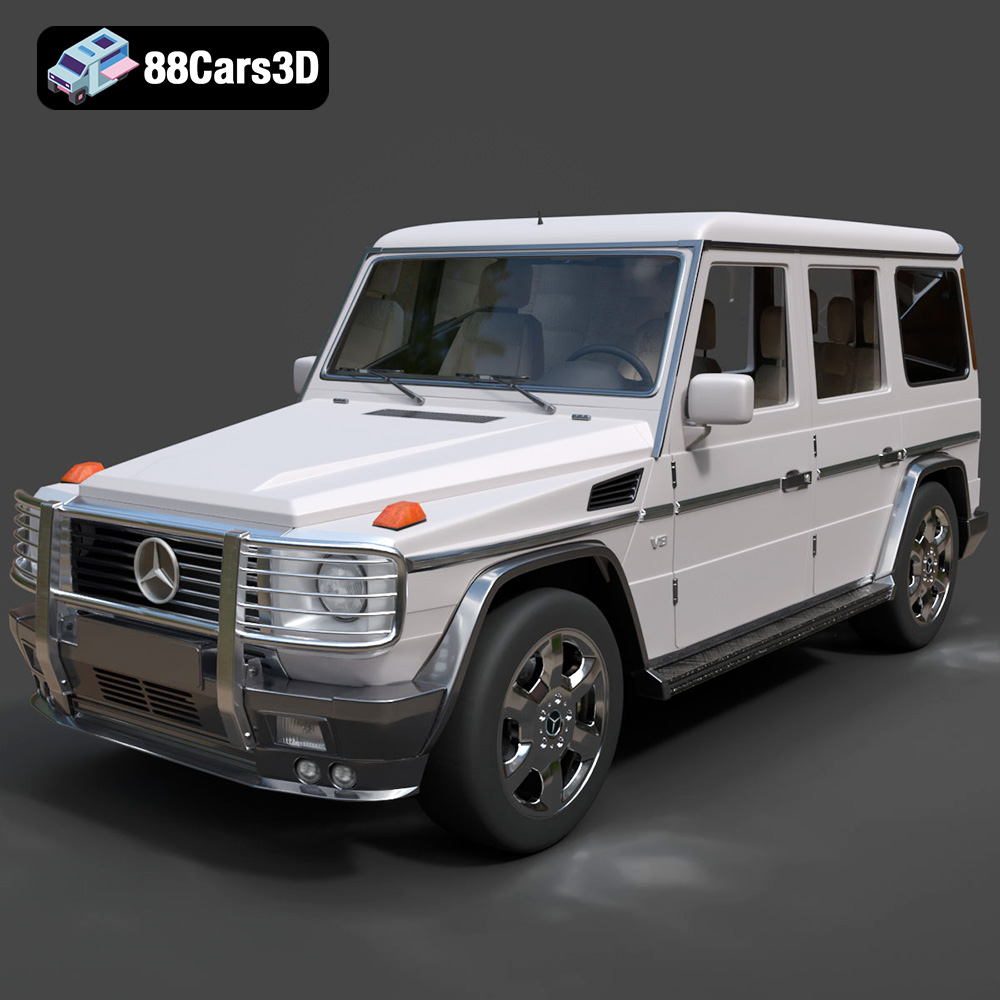
Texture: Yes
Material: Yes
Download the Mercedes G-Class SUV 2024 3D Model featuring clean geometry, realistic detailing, and a fully modeled interior. Includes .blend, .fbx, .obj, .glb, .stl, .ply, .unreal, and .max formats for rendering, simulation, and game development.
Price: $10
Texture: Yes
Material: Yes
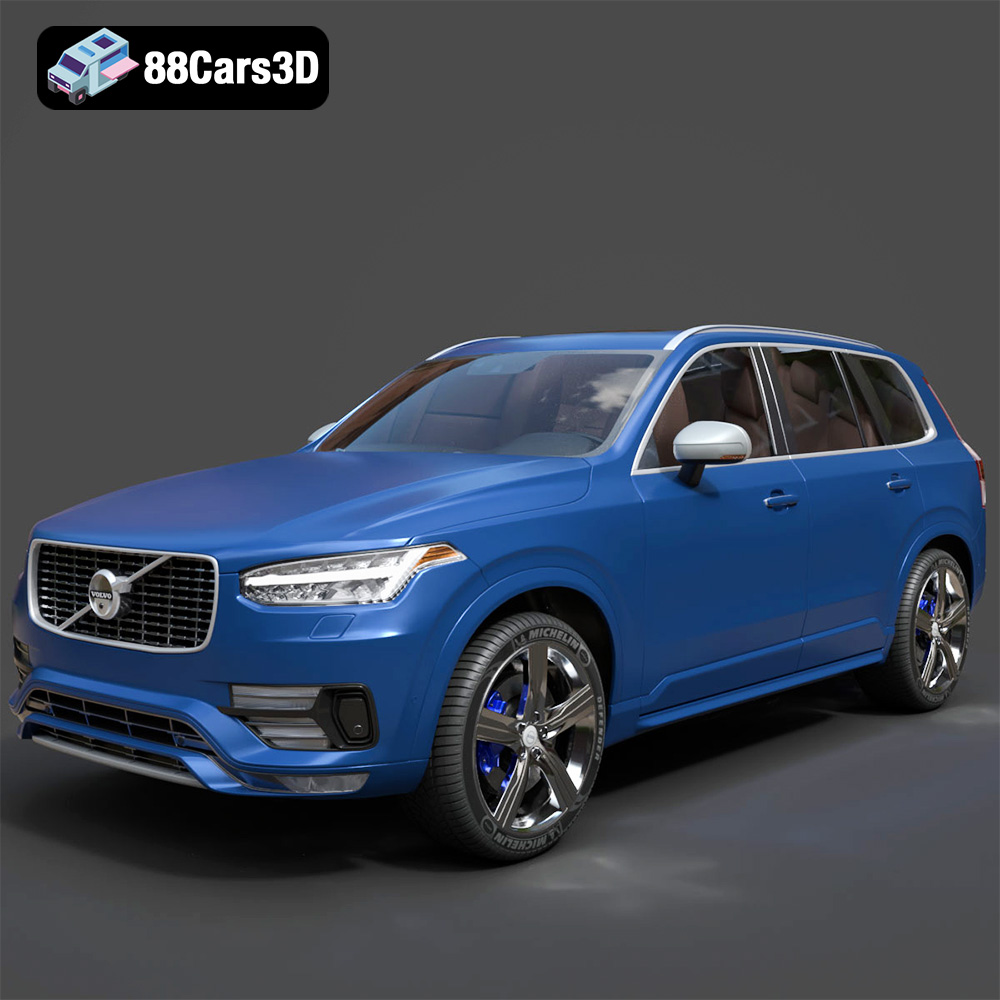
Download the Volvo XC90 R-Design 2015 3D Model featuring clean geometry, realistic detailing, and a fully modeled interior. Includes .blend, .fbx, .obj, .glb, .stl, .ply, .unreal, and .max formats for rendering, simulation, and game development.
Price: $10

