Get 50% OFF All Premium 3D & STL Models!

The pursuit of perfection in automotive visualization has long been a demanding journey. Bridging the gap between the meticulous precision of CAD data and the breathtaking realism required for cinematic renders traditionally involved complex pipelines and often, agonizingly long render times. However, with the advent of Unreal Engine 5, the landscape of automotive rendering has been revolutionized.
We’re no longer limited to static, pre-rendered images. Today, artists and designers can achieve hyper-photorealism, real-time interactivity, and cinematic quality within a single, powerful platform. This shift empowers automotive designers, marketing teams, and game developers alike to visualize vehicles with unprecedented fidelity and speed. Let’s delve into how to master this transformative process, taking your automotive renders from precise CAD models to stunning, production-ready visuals in Unreal Engine 5.
Unreal Engine 5 is not just an update; it’s a paradigm shift, particularly for Unreal Engine 5 automotive visualization. Its core architectural advancements provide an unparalleled toolkit for achieving visual fidelity that was once the exclusive domain of offline renderers. These technologies, working in concert, are the bedrock for hyper-realistic automotive renders.
Lumen is UE5’s fully dynamic global illumination and reflections system, a game-changer for lighting vehicles. Traditional real-time engines often relied on pre-baked lightmaps or simplified ambient occlusion, which limited flexibility and realism. Lumen, however, calculates bounces of light in real time, making environments incredibly lifelike.
For automotive scenes, this means your car’s paint job will accurately reflect the surrounding environment, and light will beautifully bounce off chrome and glass, illuminating shadowed areas subtly. It handles complex light interactions, from direct sunlight to intricate studio lighting setups, ensuring your vehicle always looks integrated and naturally lit within its environment. This dynamic capability is crucial for any interactive or animated scenario, providing consistent and believable illumination.
One of the biggest hurdles in automotive rendering has always been managing high-polygon CAD data. Vehicle models, especially from engineering software, are incredibly detailed, often containing millions of polygons. Importing these directly into a real-time engine traditionally meant massive performance hits or significant decimation, sacrificing crucial detail. Enter Nanite.
Nanite is UE5’s virtualized micro-polygon geometry system. It allows artists to import film-quality assets with billions of polygons directly into the engine, rendering them in real-time without manual LOD (Level of Detail) creation or significant performance penalties. For cars, this translates to perfectly smooth curves, crisp details on grilles and emblems, and intricate interior elements that retain their full geometric precision. The ability of Lumen and Nanite for cars to work in tandem is transformative, allowing for both incredibly detailed geometry and realistic lighting simultaneously.
While Lumen provides incredible real-time global illumination, sometimes the absolute highest quality for a static render or a precise animation is needed. UE5’s integrated Path Tracer offers exactly that. It’s an unbiased, physically accurate renderer that produces renders comparable to dedicated offline renderers, all within the Unreal Engine environment.
The Path Tracer is ideal for generating hero shots, high-resolution marketing materials, or benchmark comparisons where absolute fidelity is paramount. It correctly handles complex light paths, caustics, and subsurface scattering, ensuring every detail of your vehicle, from the subtle refraction of headlights to the intricate reflections on wet surfaces, is rendered with uncompromising accuracy. This capability blurs the line between traditional offline rendering and real-time automotive rendering, offering the best of both worlds.
Even with the most advanced lighting and geometry systems, a vehicle won’t look realistic without impeccable materials. PBR materials automotive applications demand an exceptional level of detail and physical accuracy. Understanding and mastering these principles is crucial for achieving truly photorealistic car rendering techniques.
Physically Based Rendering (PBR) materials are the cornerstone of modern realism. They simulate how light interacts with real-world surfaces, ensuring consistency across different lighting conditions. For automotive applications, this means accurately defining a material’s base color (albedo), metallic properties, roughness, and normal/height information.
Every component of a car – from the matte plastic trim to the polished chrome, the rubber tires to the intricate carbon fiber weaves – requires a distinct PBR setup. Pay close attention to roughness maps, as these dictate how diffuse or sharp reflections appear, profoundly impacting perceived realism. Subtle variations in roughness, even on seemingly uniform surfaces, are key to preventing a “plastic” look.
Car paint is one of the most complex materials to reproduce accurately. It’s not a single layer but a multi-faceted shader that typically involves several distinct components: a base metallic layer, a colored clear coat, and often, metallic flakes embedded within. Unreal Engine’s material editor is powerful enough to construct highly convincing car paint shaders.
Start with a metallic base color and adjust its roughness. Then, layer a clear coat material over it, defining its thickness, reflectivity, and color. For flake effects, a noise texture, often combined with a normal map, can simulate the subtle glitter of metallic particles. Parameters like flake size, density, and anisotropy (directional reflection) are crucial for capturing that iconic automotive finish. Experimentation with reflection models and fresnel curves will further enhance the authenticity of your vehicle’s paintwork, ensuring it reacts to light just like a real-world finish.
Perfectly clean, pristine renders can sometimes look sterile and artificial. Real-world cars, even showroom models, exhibit subtle imperfections. Incorporating these details through textures and material masks is essential for grounding your renders in reality. Dust, subtle scratches, water spots, and even fingerprints on glass or glossy surfaces add a layer of authenticity that elevates a render from good to exceptional.
These imperfections are typically added using secondary normal, roughness, or dirt masks, blended into the primary material. They don’t need to be overtly visible but should subtly break up perfectly uniform reflections and surfaces. The goal is to create a believable history for the vehicle, even if that history is just a few hours on a showroom floor. This attention to minute detail is a hallmark of truly professional automotive visualization.
The journey from an engineering-grade CAD model to a real-time, render-ready asset in Unreal Engine 5 can be daunting. CAD models are built for precision and manufacturing, not for polygon efficiency or texturing. Successfully transitioning requires a strategic approach to data preparation and optimization, ensuring that you can leverage high-end 3D car models without compromising performance, producing excellent game-ready car assets.
The first step is often the most critical: cleaning the CAD data. CAD models frequently contain unnecessary geometric complexity, overlapping surfaces, and non-manifold geometry that can cause issues in real-time engines. Tools like Autodesk Maya, 3ds Max, or Blender are invaluable for this cleanup phase. Focus on merging vertices, deleting hidden interior geometry, and ensuring clean, watertight meshes.
Tessellation is another key consideration. CAD surfaces are often NURBS or other parametric forms. When converted to polygons (tessellated), the density needs to be appropriate for the desired level of detail in Unreal Engine. Use a tessellation setting that provides smooth curves without excessive polygon counts in flat areas. Remember, with Nanite, you have significantly more leeway, but efficient geometry is still good practice, especially for elements that might not benefit fully from Nanite (e.g., small, instanced objects or simple planes).
Unreal Engine’s Datasmith plugin is the indispensable bridge between your CAD software and UE5. Datasmith streamlines the import process for complex scene data, including geometry, hierarchies, metadata, and even basic materials, from various sources like SolidWorks, Catia, Rhino, Revit, and 3ds Max. It’s specifically designed to handle the scale and complexity of architectural and manufacturing data, making it perfect for automotive projects.
Using Datasmith, you can bring in your entire vehicle assembly while preserving the original hierarchy, which is crucial for animating parts like doors, wheels, or suspension components. It also intelligently generates UVs and can apply basic PBR materials during import, providing a solid starting point for your material work. This direct, robust pipeline significantly reduces the manual effort traditionally associated with preparing CAD data for real-time environments.
While Nanite handles vast polygon counts for primary meshes, not every asset in your scene needs to be Nanite-enabled. For elements that are far from the camera, small details, or components with simpler geometry, traditional Levels of Detail (LODs) and decimation are still valuable. LODs allow the engine to swap out a high-resolution mesh for a lower-resolution version as the camera moves further away, saving performance.
Decimation tools (found in most 3D software or dedicated solutions like InstaLOD) can intelligently reduce polygon counts while preserving visual fidelity. For truly game-ready car assets, optimizing non-Nanite components with appropriate LODs is vital to maintain smooth frame rates across various hardware specifications. This strategic optimization ensures that while your hero vehicle boasts Nanite-driven precision, the surrounding environment and minor details also contribute to overall performance.
If you’re looking to bypass the initial CAD cleanup and optimization steps, consider starting with pre-optimized high-end 3D car models from resources like 88cars3d.com. These models are often already prepared for real-time engines, saving significant development time and effort.
Lighting is arguably the most critical component of photorealistic car rendering techniques. It defines mood, highlights form, and brings materials to life. In Unreal Engine 5, combining physically accurate light sources with dynamic global illumination offers unprecedented control to craft truly cinematic and immersive environments for your automotive renders, essential for automotive virtual production.
High Dynamic Range Image (HDRI) maps are the cornerstone of realistic image-based lighting. An HDRI captures the full range of light information from a real-world location, providing both illumination and reflections from a single source. Importing a high-quality HDRI into Unreal Engine’s Sky Light component immediately bathes your car in realistic ambient light and reflections.
Choosing the right HDRI is crucial. Consider the mood and context you want to convey: a bright outdoor studio, an overcast industrial setting, or a dramatic sunset. The color temperature, light intensity, and surrounding environment captured in the HDRI will profoundly impact the look of your vehicle. You can rotate the HDRI to find the most flattering angles for reflections and highlights on your car’s paintwork, making it a dynamic and powerful lighting tool.
While an HDRI provides a fantastic base, artificial lights are essential for refining, augmenting, and shaping your lighting setup. Unreal Engine offers a range of light types: Directional Lights (for sunlight), Point Lights (for omnidirectional sources), Spot Lights (for focused beams), and Rect Lights (for softbox-like illumination).
Use Directional Lights to simulate sun or moon positions, ensuring realistic shadows. Point and Spot Lights can be employed to add key highlights, accentuate specific details like badges or wheel designs, or create dramatic rim lighting. Rect Lights are excellent for studio setups, providing soft, even illumination similar to professional photography equipment. With Lumen active, all these lights interact realistically with your scene, bouncing light and contributing to global illumination, allowing for complex and beautiful light setups that emphasize the vehicle’s form.
A hyper-realistic car deserves an equally convincing environment. Whether it’s a sprawling city street, a minimalist studio, or a serene natural landscape, the environment plays a crucial role in grounding the vehicle and providing realistic reflections. Leveraging Nanite for environment geometry allows for incredibly detailed backdrops without compromising performance.
Consider the scale, textures, and assets that will populate your environment. Use PBR materials for all surfaces, ensuring consistent realism. Pay attention to background elements; even if out of focus, they contribute to the overall mood and provide realistic reflections on your car’s bodywork. For automotive virtual production, having a versatile and detailed environment is key to creating compelling narratives and presentations.
Once your car is lit and textured, the final stage involves polishing the image to achieve a truly production-ready look. Post-processing effects, camera settings, and color grading are critical steps that elevate a raw render into a cinematic masterpiece. These are integral to photorealistic car rendering techniques, allowing you to fine-tune the visual impact of your scene.
The Post Process Volume in Unreal Engine is your central hub for applying a wide array of visual effects to your scene. Key effects to master for automotive renders include:
Experiment with these settings incrementally, observing how each change contributes to the overall visual impact. Less is often more; subtle adjustments can have a profound effect.
Just like a professional photographer or cinematographer, understanding camera settings is paramount for cinematic renders. Unreal Engine’s Cine Camera Actor provides comprehensive controls:
These camera settings, when used effectively, can dramatically enhance the photographic quality of your renders, making them indistinguishable from real-world photography.
Color grading is the final layer of artistic control, allowing you to establish the mood, tone, and overall aesthetic of your render. Within the Post Process Volume, UE5 offers robust color grading tools, including:
Color grading can transform a neutral render into something vibrant, moody, dramatic, or sleek. It’s the stage where you imbue your technical render with artistic intent, ensuring the final image evokes the desired emotional response from your audience.
Achieving hyper-photorealism in Unreal Engine 5 is as much about smart workflow as it is about mastering individual features. By focusing on efficiency and quality from the outset, you can ensure your projects involving high-end 3D car models maintain optimal performance while delivering stunning real-time automotive rendering results.
Even with Nanite, clean geometry is paramount. Well-modeled assets not only look better but also perform better. Avoid N-gons, overlapping faces, and excessively dense meshes where they aren’t needed. While Nanite virtualizes polygons, a clean, well-structured mesh will still be more efficient for tasks like UV mapping, material assignment, and even physics simulations if your project requires them. Starting with high-quality, pre-optimized models, such as those available on 88cars3d.com, can significantly accelerate this process and guarantee a solid foundation for your visualization.
High-resolution textures are essential for realism, but they can quickly consume memory. Optimize your textures by using appropriate resolutions (e.g., 4K for hero assets, 2K for medium-distance, 1K for background), and leveraging Unreal Engine’s texture streaming and compression settings. Pack multiple grayscale textures (like roughness, metallic, and ambient occlusion) into the RGB channels of a single texture map to save on memory and draw calls. This practice, known as texture packing, is a standard optimization technique for real-time assets.
Unreal Engine’s Blueprint visual scripting system is incredibly powerful for creating interactive automotive experiences. Instead of static renders, imagine being able to open car doors, change paint colors, cycle through wheel options, or even drive the vehicle – all in real-time. Blueprints allow you to encapsulate functionality, making your car models dynamic and versatile.
You can create simple Blueprints for material switching, animating doors or trunks, or setting up camera tours. For more advanced interactions, you can even integrate vehicle physics. This capability is not just for games; it transforms automotive visualization into an immersive, interactive experience for designers and potential customers, pushing the boundaries of automotive virtual production.
The journey to hyper-photorealism is iterative. Continuously review your work, solicit feedback, and be prepared to refine your assets, lighting, and materials. What looks good in isolation might not work as well in the full scene. Test your renders in various lighting conditions and camera angles. This iterative process, combined with a deep understanding of UE5’s features, will lead to increasingly refined and realistic results.
Mastering hyper-photorealism for automotive renders in Unreal Engine 5 is a challenging yet incredibly rewarding endeavor. By understanding and effectively leveraging UE5’s groundbreaking technologies like Lumen and Nanite, meticulously crafting PBR materials and complex car paint shaders, and optimizing high-fidelity CAD data, you can achieve visual fidelity that was once considered impossible in real-time environments.
The ability to create cinematic lighting, intricate environments, and apply professional post-processing ensures your renders not only look technically perfect but also evoke emotion and tell a story. Whether you’re an automotive designer visualizing future concepts, a marketing professional creating captivating campaigns, or a game developer pushing visual boundaries, Unreal Engine 5 empowers you to bring your automotive visions to life with unparalleled realism and efficiency.
Embrace the journey, continuously refine your skills, and explore the vast capabilities of Unreal Engine 5. For those looking to kickstart their projects with pre-optimized, high-quality vehicle assets, remember that resources like 88cars3d.com offer an excellent selection of high-end 3D car models designed to drop straight into your UE5 scenes. The future of automotive visualization is here, and it’s stunningly real.

Texture: Yes
Material: Yes
Download the Mercedes S-Class 2024 3D Model featuring clean geometry, realistic detailing, and a fully modeled interior. Includes .blend, .fbx, .obj, .glb, .stl, .ply, .unreal, and .max formats for rendering, simulation, and game development.
Price: $10

Texture: Yes
Material: Yes
Download the Chevrolet Camaro 1970 3D Model featuring clean geometry, realistic detailing, and a fully modeled interior. Includes .blend, .fbx, .obj, .glb, .stl, .ply, .unreal, and .max formats for rendering, simulation, and game development.
Price: $10

Texture: Yes
Material: Yes
Download the Mercedes-AMG GT 2015 3D Model featuring clean geometry, realistic detailing, and a fully modeled interior. Includes .blend, .fbx, .obj, .glb, .stl, .ply, .unreal, and .max formats for rendering, simulation, and game development.
Price: $88.99

Texture: Yes
Material: Yes
Download the Suzuki GSX-R 1000 3D Model featuring clean geometry, realistic detailing, and a fully modeled interior. Includes .blend, .fbx, .obj, .glb, .stl, .ply, .unreal, and .max formats for rendering, simulation, and game development.
Price: $10

Texture: Yes
Material: Yes
Download the Porsche Cayman S 2024 3D Model featuring clean geometry, realistic detailing, and a fully modeled interior. Includes .blend, .fbx, .obj, .glb, .stl, .ply, .unreal, and .max formats for rendering, simulation, and game development.
Price: $10

Texture: Yes
Material: Yes
Download the Holden Commodore Sportwagon 2017 3D Model featuring clean geometry, realistic detailing, and a fully modeled interior. Includes .blend, .fbx, .obj, .glb, .stl, .ply, .unreal, and .max formats for rendering, simulation, and game development.
Price: $10

Texture: Yes
Material: Yes
Download the Mitsubishi Colt 3 Door 2008 3D Model featuring clean geometry, realistic detailing, and a fully modeled interior. Includes .blend, .fbx, .obj, .glb, .stl, .ply, .unreal, and .max formats for rendering, simulation, and game development.
Price: $10

Texture: Yes
Material: Yes
Download the Mercedes-Benz S650 Pullman 3D Model featuring clean geometry, realistic detailing, and a fully modeled interior. Includes .blend, .fbx, .obj, .glb, .stl, .ply, .unreal, and .max formats for rendering, simulation, and game development.
Price: $95.99
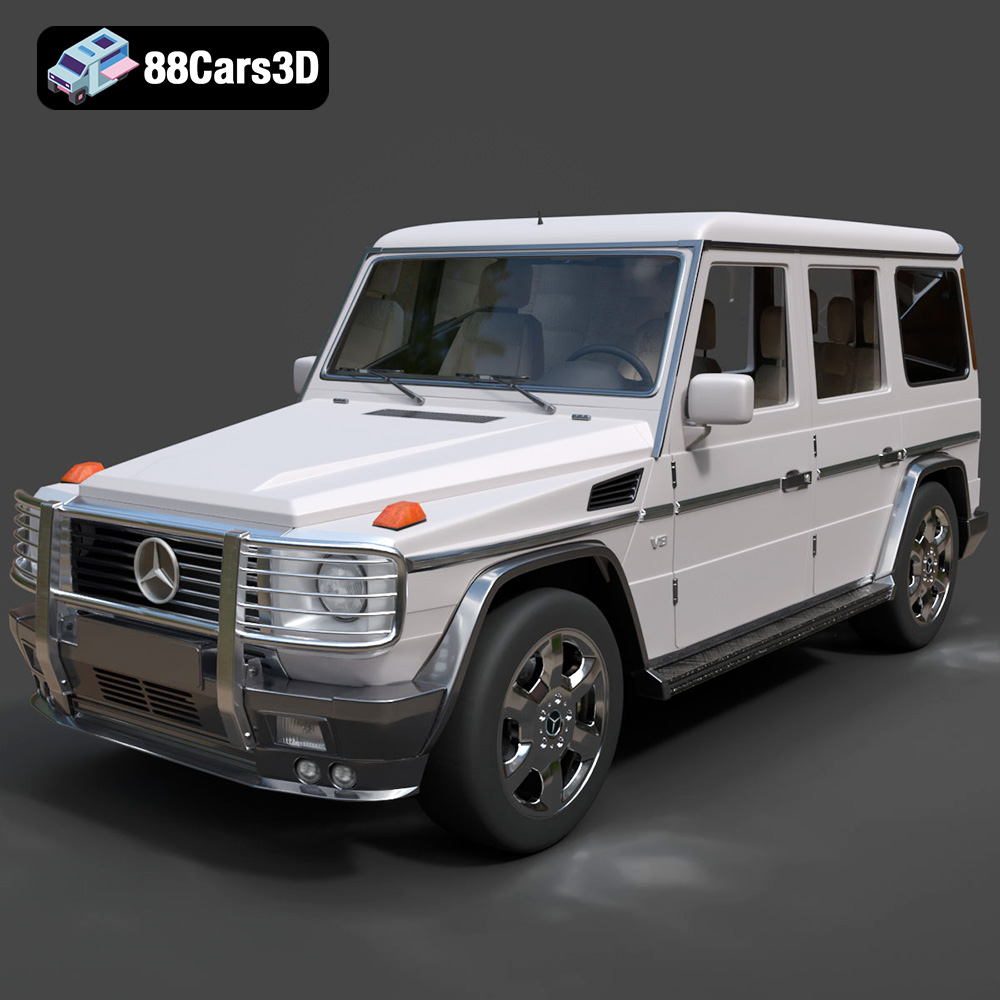
Texture: Yes
Material: Yes
Download the Mercedes G-Class SUV 2024 3D Model featuring clean geometry, realistic detailing, and a fully modeled interior. Includes .blend, .fbx, .obj, .glb, .stl, .ply, .unreal, and .max formats for rendering, simulation, and game development.
Price: $10
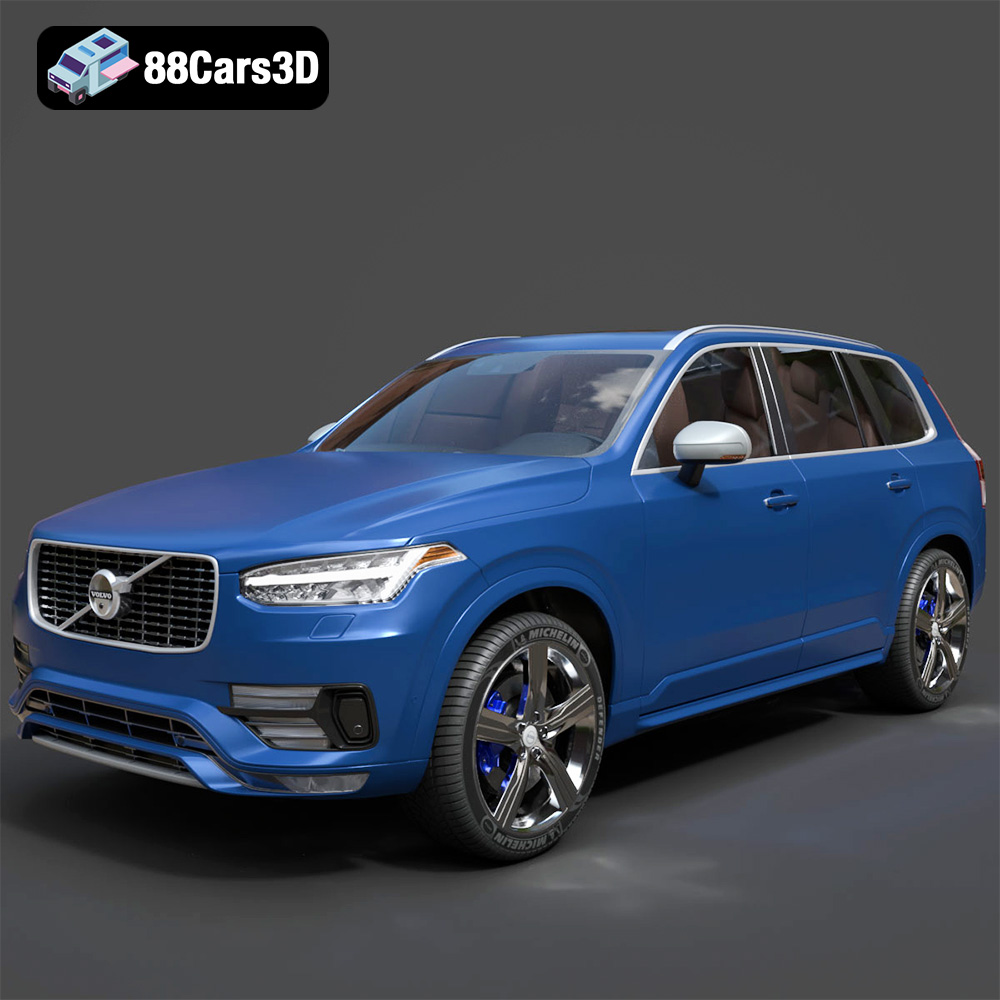
Texture: Yes
Material: Yes
Download the Volvo XC90 R-Design 2015 3D Model featuring clean geometry, realistic detailing, and a fully modeled interior. Includes .blend, .fbx, .obj, .glb, .stl, .ply, .unreal, and .max formats for rendering, simulation, and game development.
Price: $10

**Meta Description:**
Texture: Yes
Material: Yes
Download the Toyota Crown Majesta 2009 3D Model with luxury detailing, clean topology, and a fully modeled interior. Available in .blend, .fbx, .obj, .glb, .stl, .ply, .unreal, and .max formats for rendering, simulation, and game development.
Price: $4.99

**Meta Description:**
Texture: Yes
Material: Yes
Download the Toyota AE86 Levin 1983 1987 3D Model featuring realistic exterior and interior detailing. Includes .blend, .fbx, .obj, .glb, .stl, .ply, .unreal, and .max formats for rendering, simulation, and game development.
Price: $9.99

Texture: Yes
Material: Yes
Download the Toyota Mark 2 2001 3D Model featuring clean geometry, realistic detailing, and a fully modeled interior. Includes .blend, .fbx, .obj, .glb, .stl, .ply, .unreal, and .max formats for rendering, simulation, and game development.
Price: $4.99

Texture: Yes
Material: Yes
Download the Toyota Celica 2000 3D Model featuring clean geometry, realistic detailing, and a fully modeled interior. Includes .blend, .fbx, .obj, .glb, .stl, .ply, .unreal, and .max formats for rendering, simulation, and game development.
Price: $4.99

Download the Toyota Camry US 2012 3D Model featuring clean geometry, realistic detailing, and a fully modeled interior. Includes .blend, .fbx, .obj, .glb, .stl, .ply, .unreal, and .max formats for rendering, simulation, and game development.
Price: $4.99

Texture: Yes
Material: Yes
Download the Toyota GT 86 2013 3D Model featuring clean geometry, realistic detailing, and a fully modeled interior. Includes .blend, .fbx, .obj, .glb, .stl, .ply, .unreal, and .max formats for rendering, simulation, and game development.
Price: $4.99

Texture: Yes
Material: Yes
Download the Toyota Mark X 2010 3D Model featuring clean geometry, realistic detailing, and a fully modeled interior. Includes .blend, .fbx, .obj, .glb, .stl, .ply, .unreal, and .max formats for rendering, simulation, and game development.
Price: $4.99

Texture: Yes
Material: Yes
Download the Toyota Allion 2008 3D Model featuring clean geometry, realistic detailing, and a fully modeled interior. Includes .blend, .fbx, .obj, .glb, .stl, .ply, .unreal, and .max formats for rendering, simulation, and game development.
Price: $4.99

Texture: Yes
Material: Yes
Download the Toyota Avensis 2005 3D Model featuring clean geometry, realistic detailing, and a fully modeled interior. Includes .blend, .fbx, .obj, .glb, .stl, .ply, .unreal, and .max formats for rendering, simulation, and game development.
Price: $4.99

Texture: Yes
Material: Yes
Download the Toyota Camry Solara 2006 3D Model featuring clean geometry, realistic detailing, and a fully modeled interior. Includes .blend, .fbx, .obj, .glb, .stl, .ply, .unreal, and .max formats for rendering, simulation, and game development.
Price: $4.99

Texture: Yes
Material: Yes
Download the Skoda Superb 2009 3D Model featuring clean geometry, realistic detailing, and a fully modeled interior. Includes .blend, .fbx, .obj, .glb, .stl, .ply, .unreal, and .max formats for rendering, simulation, and game development.
Price: $4.99

Texture: Yes
Material: Yes
Download the Skoda Superb 2006 3D Model featuring clean geometry, realistic detailing, and a fully modeled interior. Includes .blend, .fbx, .obj, .glb, .stl, .ply, .unreal, and .max formats for rendering, simulation, and game development.
Price: $4.99

Texture: Yes
Material: Yes
Download the Ford Mustang Shelby Super Snake Concept 2018 3D Model featuring clean geometry, realistic detailing, and a fully modeled interior. Includes .blend, .fbx, .obj, .glb, .stl, .ply, .unreal, and .max formats for rendering, simulation, and game development.
Price: $4.99

Texture: Yes
Material: Yes
Download the Porsche Cayenne Turbo 2018 3D Model featuring clean geometry, realistic detailing, and a fully modeled interior. Includes .blend, .fbx, .obj, .glb, .stl, .ply, .unreal, and .max formats for rendering, simulation, and game development.
Price: $4.99

Texture: Yes
Material: Yes
Download the Chevrolet Lacetti Sedan 2004 3D Model featuring clean geometry, realistic detailing, and a fully modeled interior. Includes .blend, .fbx, .obj, .glb, .stl, .ply, .unreal, and .max formats for rendering, simulation, and game development.
Price: $4.99

Texture: Yes
Material: Yes
Download the Skoda Rapid 2013 3D Model featuring clean geometry, realistic detailing, and a fully modeled interior. Includes .blend, .fbx, .obj, .glb, .stl, .ply, .unreal, and .max formats for rendering, simulation, and game development.
Price: $4.99

Texture: Yes
Material: Yes
Download the Skoda Octavia A5-007 3D Model featuring clean geometry, realistic detailing, and a fully modeled interior. Includes .blend, .fbx, .obj, .glb, .stl, .ply, .unreal, and .max formats for rendering, simulation, and game development.
Price: $4.99

Texture: Yes
Material: Yes
Download the Skoda Fabia 2023 3D Model featuring clean geometry, realistic detailing, and a fully modeled interior. Includes .blend, .fbx, .obj, .glb, .stl, .ply, .unreal, and .max formats for rendering, simulation, and game development.
Price: $4.99

Texture: Yes
Material: Yes
Download the Skoda Fabia 2007 3D Model featuring clean geometry, realistic detailing, and a fully modeled interior. Includes .blend, .fbx, .obj, .glb, .stl, .ply, .unreal, and .max formats for rendering, simulation, and game development.
Price: $4.99

Texture: Yes
Material: Yes
Download the Honda VFR 1200 F 2015 3D Model featuring clean geometry, realistic detailing, and a fully modeled interior. Includes .blend, .fbx, .obj, .glb, .stl, .ply, .unreal, and .max formats for rendering, simulation, and game development.
Price: $4.99

Texture: Yes
Material: Yes
Download the Subaru BRZ 2025 3D Model featuring clean geometry, realistic detailing, and a fully modeled interior. Includes .blend, .fbx, .obj, .glb, .stl, .ply, .unreal, and .max formats for rendering, simulation, and game development.
Price: $4.99

Texture: Yes
Material: Yes
Download the SsangYong Rodius 2007 3D Model featuring clean geometry, realistic detailing, and a fully modeled interior. Includes .blend, .fbx, .obj, .glb, .stl, .ply, .unreal, and .max formats for rendering, simulation, and game development.
Price: $4.99

Texture: Yes
Material: Yes
Download the Subaru Impreza 1992 3D Model featuring clean geometry, realistic detailing, and a fully modeled interior. Includes .blend, .fbx, .obj, .glb, .stl, .ply, .unreal, and .max formats for rendering, simulation, and game development.
Price: $4.99

Texture: Yes
Material: Yes
Download the Subaru Impreza 2005 3D Model featuring clean geometry, realistic detailing, and a fully modeled interior. Includes .blend, .fbx, .obj, .glb, .stl, .ply, .unreal, and .max formats for rendering, simulation, and game development.
Price: $4.99

Texture: Yes
Material: Yes
Download the Spyker C8-007 2004 3D Model featuring clean geometry, realistic detailing, and a fully modeled interior. Includes .blend, .fbx, .obj, .glb, .stl, .ply, .unreal, and .max formats for rendering, simulation, and game development.
Price: $4.99

Texture: Yes
Material: Yes
Download the Smart Roadster 2003 3D Model featuring clean geometry, realistic detailing, and a fully modeled interior. Includes .blend, .fbx, .obj, .glb, .stl, .ply, .unreal, and .max formats for rendering, simulation, and game development.
Price: $4.99

Texture: Yes
Material: Yes
Download the Skoda Roomster 2007 3D Model featuring clean geometry, realistic detailing, and a fully modeled interior. Includes .blend, .fbx, .obj, .glb, .stl, .ply, .unreal, and .max formats for rendering, simulation, and game development.
Price: $4.99

Texture: Yes
Material: Yes
Download the Subaru Impreza Sport Wagon 3D Model featuring clean geometry, realistic detailing, and a fully modeled interior. Includes .blend, .fbx, .obj, .glb, .stl, .ply, .unreal, and .max formats for rendering, simulation, and game development.
Price: $4.99

Texture: Yes
Material: Yes
Download the Skoda Octavia A7 2017 3D Model featuring clean geometry, realistic detailing, and a fully modeled interior. Includes .blend, .fbx, .obj, .glb, .stl, .ply, .unreal, and .max formats for rendering, simulation, and game development.
Price: $4.99

Texture: Yes
Material: Yes
Download the Suzuki SX4-002 3D Model featuring clean geometry, realistic detailing, and a fully modeled interior. Includes .blend, .fbx, .obj, .glb, .stl, .ply, .unreal, and .max formats for rendering, simulation, and game development.
Price: $4.99

Texture: Yes
Material: Yes
Download the Tesla Model S 2024 3D Model featuring clean geometry, realistic detailing, and a fully modeled interior. Includes .blend, .fbx, .obj, .glb, .stl, .ply, .unreal, and .max formats for rendering, simulation, and game development.
Price: $4.99

Texture: Yes
Material: Yes
Download the Subaru Impreza WRX STi-002 3D Model featuring clean geometry, realistic detailing, and a fully modeled interior. Includes .blend, .fbx, .obj, .glb, .stl, .ply, .unreal, and .max formats for rendering, simulation, and game development.
Price: $4.99

Texture: Yes
Material: Yes
Download the Subaru Impreza WRX STi Sedan 3D Model featuring clean geometry, realistic detailing, and a fully modeled interior. Includes .blend, .fbx, .obj, .glb, .stl, .ply, .unreal, and .max formats for rendering, simulation, and game development.
Price: $4.99

Texture: Yes
Material: Yes
Download the Subaru Legacy 2009 3D Model featuring clean geometry, realistic detailing, and a fully modeled interior. Includes .blend, .fbx, .obj, .glb, .stl, .ply, .unreal, and .max formats for rendering, simulation, and game development.
Price: $4.99

Texture: Yes
Material: Yes
Download the Suzuki Swift 2024 3D Model featuring clean geometry, realistic detailing, and a fully modeled interior. Includes .blend, .fbx, .obj, .glb, .stl, .ply, .unreal, and .max formats for rendering, simulation, and game development.
Price: $4.99

Texture: Yes
Material: Yes
Download the Suzuki Liana Sedan 2004 3D Model featuring clean geometry, realistic detailing, and a fully modeled interior. Includes .blend, .fbx, .obj, .glb, .stl, .ply, .unreal, and .max formats for rendering, simulation, and game development.
Price: $4.99

Texture: Yes
Material: Yes
Download the Subaru Outback 2024 3D Model featuring clean geometry, realistic detailing, and a fully modeled interior. Includes .blend, .fbx, .obj, .glb, .stl, .ply, .unreal, and .max formats for rendering, simulation, and game development.
Price: $4.99

Texture: Yes
Material: Yes
Download the Subaru Legacy 2003 3D Model featuring clean geometry, realistic detailing, and a fully modeled interior. Includes .blend, .fbx, .obj, .glb, .stl, .ply, .unreal, and .max formats for rendering, simulation, and game development.
Price: $4.99

Texture: Yes
Material: Yes
Download the Subaru Legacy Touring Wagon 3D Model featuring clean geometry, realistic detailing, and a fully modeled interior. Includes .blend, .fbx, .obj, .glb, .stl, .ply, .unreal, and .max formats for rendering, simulation, and game development.
Price: $4.99

Texture: Yes
Material: Yes
Download the Toyota Mark II (X100) 3D Model featuring clean geometry, realistic detailing, and a fully modeled interior. Includes .blend, .fbx, .obj, .glb, .stl, .ply, .unreal, and .max formats for rendering, simulation, and game development.
Price: $4.99

Texture: Yes
Material: Yes
Download the Toyota Corona 1985 3D Model featuring clean geometry, realistic detailing, and a fully modeled interior. Includes .blend, .fbx, .obj, .glb, .stl, .ply, .unreal, and .max formats for rendering, simulation, and game development.
Price: $4.99

Texture: Yes
Material: Yes
Download the Toyota Mark II X81 1990 3D Model featuring clean geometry, realistic detailing, and a fully modeled interior. Includes .blend, .fbx, .obj, .glb, .stl, .ply, .unreal, and .max formats for rendering, simulation, and game development.
Price: $4.99

Texture: Yes
Material: Yes
Download the Toyota iQ EV 2012 3D Model featuring clean geometry, realistic detailing, and a fully modeled interior. Includes .blend, .fbx, .obj, .glb, .stl, .ply, .unreal, and .max formats for rendering, simulation, and game development.
Price: $4.99

Texture: Yes
Material: Yes
Download the Toyota Aygo 2013 3D Model featuring clean geometry, realistic detailing, and a fully modeled interior. Includes .blend, .fbx, .obj, .glb, .stl, .ply, .unreal, and .max formats for rendering, simulation, and game development.
Price: $4.99

Texture: Yes
Material: Yes
Download the Toyota Crown S180 2005 3D Model featuring clean geometry, realistic detailing, and a fully modeled interior. Includes .blend, .fbx, .obj, .glb, .stl, .ply, .unreal, and .max formats for rendering, simulation, and game development.
Price: $4.99

Texture: Yes
Material: Yes
Download the Toyota Celica 2004 3D Model featuring clean geometry, realistic detailing, and a fully modeled interior. Includes .blend, .fbx, .obj, .glb, .stl, .ply, .unreal, and .max formats for rendering, simulation, and game development.
Price: $4.99

Texture: Yes
Material: Yes
Download the Toyota Corolla AE100 1992 3D Model featuring clean geometry, realistic detailing, and a fully modeled interior. Includes .blend, .fbx, .obj, .glb, .stl, .ply, .unreal, and .max formats for rendering, simulation, and game development.
Price: $4.99

Texture: Yes
Material: Yes
Download the Toyota Mark II X110 2000 3D Model featuring clean geometry, realistic detailing, and a fully modeled interior. Includes .blend, .fbx, .obj, .glb, .stl, .ply, .unreal, and .max formats for rendering, simulation, and game development.
Price: $4.99

Texture: Yes
Material: Yes
Download the Toyota Corolla 2020 3D Model featuring clean geometry, realistic detailing, and a fully modeled interior. Includes .blend, .fbx, .obj, .glb, .stl, .ply, .unreal, and .max formats for rendering, simulation, and game development.
Price: $4.99

Texture: Yes
Material: Yes
Download the Toyota Yaris 2020 3D Model featuring clean geometry, realistic detailing, and a fully modeled interior. Includes .blend, .fbx, .obj, .glb, .stl, .ply, .unreal, and .max formats for rendering, simulation, and game development.
Price: $4.99

Texture: Yes
Material: Yes
Download the Volkswagen Beetle 2012 3D Model featuring clean geometry, realistic detailing, and a fully modeled interior. Includes .blend, .fbx, .obj, .glb, .stl, .ply, .unreal, and .max formats for rendering, simulation, and game development.
Price: $4.99

Texture: Yes
Material: Yes
Download the Toyota Matrix 2005 3D Model featuring clean geometry, realistic detailing, and a fully modeled interior. Includes .blend, .fbx, .obj, .glb, .stl, .ply, .unreal, and .max formats for rendering, simulation, and game development.
Price: $4.99

Texture: Yes
Material: Yes
Download the Toyota Yaris Sedan 3D Model featuring clean geometry, realistic detailing, and a fully modeled interior. Includes .blend, .fbx, .obj, .glb, .stl, .ply, .unreal, and .max formats for rendering, simulation, and game development.
Price: $4.99

Texture: Yes
Material: Yes
Download the Volkswagen Golf R-004 2024 3D Model featuring clean geometry, realistic detailing, and a fully modeled interior. Includes .blend, .fbx, .obj, .glb, .stl, .ply, .unreal, and .max formats for rendering, simulation, and game development.
Price: $4.99

Texture: Yes
Material: Yes
Download the Volkswagen Golf 5 Door 2010 3D Model featuring clean geometry, realistic detailing, and a fully modeled interior. Includes .blend, .fbx, .obj, .glb, .stl, .ply, .unreal, and .max formats for rendering, simulation, and game development.
Price: $4.99

Texture: Yes
Material: Yes
Download the Toyota Premio 2010 3D Model featuring clean geometry, realistic detailing, and a fully modeled interior. Includes .blend, .fbx, .obj, .glb, .stl, .ply, .unreal, and .max formats for rendering, simulation, and game development.
Price: $4.99

Texture: Yes
Material: Yes
Download the Toyota Opa 2000 3D Model featuring clean geometry, realistic detailing, and a fully modeled interior. Includes .blend, .fbx, .obj, .glb, .stl, .ply, .unreal, and .max formats for rendering, simulation, and game development.
Price: $4.99

Texture: Yes
Material: Yes
Download the Volkswagen Polo 5 Door 2010 3D Model featuring clean geometry, realistic detailing, and a fully modeled interior. Includes .blend, .fbx, .obj, .glb, .stl, .ply, .unreal, and .max formats for rendering, simulation, and game development.
Price: $4.99

Texture: Yes
Material: Yes
Download the Toyota Prius 2024 3D Model featuring clean geometry, realistic detailing, and a fully modeled interior. Includes .blend, .fbx, .obj, .glb, .stl, .ply, .unreal, and .max formats for rendering, simulation, and game development.
Price: $4.99

Texture: Yes
Material: Yes
Download the Toyota Yaris 1999 3D Model featuring clean geometry, realistic detailing, and a fully modeled interior. Includes .blend, .fbx, .obj, .glb, .stl, .ply, .unreal, and .max formats for rendering, simulation, and game development.
Price: $4.99

Texture: Yes
Material: Yes
Download the Toyota Supra 2020 3D Model featuring clean geometry, realistic detailing, and a fully modeled interior. Includes .blend, .fbx, .obj, .glb, .stl, .ply, .unreal, and .max formats for rendering, simulation, and game development.
Price: $4.99

Texture: Yes
Material: Yes
Download the Volkswagen New Beetle 2000 3D Model featuring clean geometry, realistic detailing, and a fully modeled interior. Includes .blend, .fbx, .obj, .glb, .stl, .ply, .unreal, and .max formats for rendering, simulation, and game development.
Price: $14.99

Texture: Yes
Material: Yes
Download the Volkswagen Jetta 2005 3D Model featuring clean geometry, realistic detailing, and a fully modeled interior. Includes .blend, .fbx, .obj, .glb, .stl, .ply, .unreal, and .max formats for rendering, simulation, and game development.
Price: $4.99

Texture: Yes
Material: Yes
Download the Volkswagen Golf 3-Door 3D Model featuring clean geometry, realistic detailing, and a fully modeled interior. Includes .blend, .fbx, .obj, .glb, .stl, .ply, .unreal, and .max formats for rendering, simulation, and game development.
Price: $14.99

Texture: Yes
Material: Yes
Download the Volvo V70 2005 3D Model featuring clean geometry, realistic detailing, and a fully modeled interior. Includes .blend, .fbx, .obj, .glb, .stl, .ply, .unreal, and .max formats for rendering, simulation, and game development.
Price: $14.99

Texture: Yes
Material: Yes
Download the Volkswagen Bora 2004 3D Model featuring clean geometry, realistic detailing, and a fully modeled interior. Includes .blend, .fbx, .obj, .glb, .stl, .ply, .unreal, and .max formats for rendering, simulation, and game development.
Price: $14.99

Texture: Yes
Material: Yes
Download the Volkswagen Lupo 3D Model featuring clean geometry, realistic detailing, and a fully modeled interior. Includes .blend, .fbx, .obj, .glb, .stl, .ply, .unreal, and .max formats for rendering, simulation, and game development.
Price: $5.99

Texture: Yes
Material: Yes
Download the Volkswagen Passat B5 2000 3D Model featuring clean geometry, realistic detailing, and a fully modeled interior. Includes .blend, .fbx, .obj, .glb, .stl, .ply, .unreal, and .max formats for rendering, simulation, and game development.
Price: $5.99

Texture: Yes
Material: Yes
Download the Volkswagen Passat CC 3D Model featuring clean geometry, realistic detailing, and a fully modeled interior. Includes .blend, .fbx, .obj, .glb, .stl, .ply, .unreal, and .max formats for rendering, simulation, and game development.
Price: $5.99

Texture: Yes
Material: Yes
Download the Volkswagen Golf V 2006 3D Model featuring clean geometry, realistic detailing, and a fully modeled interior. Includes .blend, .fbx, .obj, .glb, .stl, .ply, .unreal, and .max formats for rendering, simulation, and game development.
Price: $5.99

Texture: Yes
Material: Yes
Download the Volvo S60 R-Design 3D Model featuring clean geometry, realistic detailing, and a fully modeled interior. Includes .blend, .fbx, .obj, .glb, .stl, .ply, .unreal, and .max formats for rendering, simulation, and game development.
Price: $5.99

Texture: Yes
Material: Yes
Download the Volkswagen Passat 2025 3D Model featuring clean geometry, realistic detailing, and a fully modeled interior. Includes .blend, .fbx, .obj, .glb, .stl, .ply, .unreal, and .max formats for rendering, simulation, and game development.
Price: $5.99

Texture: Yes
Material: Yes
Download the Volkswagen Passat Variant B6 2005 3D Model featuring clean geometry, realistic detailing, and a fully modeled interior. Includes .blend, .fbx, .obj, .glb, .stl, .ply, .unreal, and .max formats for rendering, simulation, and game development.
Price: $5.99

Texture: Yes
Material: Yes
Download the Volkswagen Phaeton W12 2004 3D Model featuring clean geometry, realistic detailing, and a fully modeled interior. Includes .blend, .fbx, .obj, .glb, .stl, .ply, .unreal, and .max formats for rendering, simulation, and game development.
Price: $5.99

Texture: Yes
Material: Yes
Download the Volkswagen Scirocco 2015 3D Model featuring clean geometry, realistic detailing, and a fully modeled interior. Includes .blend, .fbx, .obj, .glb, .stl, .ply, .unreal, and .max formats for rendering, simulation, and game development.
Price: $5.99

Texture: Yes
Material: Yes
Download the Volvo S60 2024 3D Model featuring clean geometry, realistic detailing, and a fully modeled interior. Includes .blend, .fbx, .obj, .glb, .stl, .ply, .unreal, and .max formats for rendering, simulation, and game development.
Price: $5.99

Texture: Yes
Material: Yes
Download the Volkswagen Polo 3D Model featuring clean geometry, realistic detailing, and a fully modeled interior. Includes .blend, .fbx, .obj, .glb, .stl, .ply, .unreal, and .max formats for rendering, simulation, and game development.
Price: $5.99

Texture: Yes
Material: Yes
Download the Volkswagen Golf 5-Doors 3D Model featuring clean geometry, realistic detailing, and a fully modeled interior. Includes .blend, .fbx, .obj, .glb, .stl, .ply, .unreal, and .max formats for rendering, simulation, and game development.
Price: $5.99

Texture: Yes
Material: Yes
Download the Volvo C70 T5 2000 3D Model featuring clean geometry, realistic detailing, and a fully modeled interior. Includes .blend, .fbx, .obj, .glb, .stl, .ply, .unreal, and .max formats for rendering, simulation, and game development.
Price: $5.99

Texture: Yes
Material: Yes
Download the Volvo S40 Sedan 2004 3D Model featuring clean geometry, realistic detailing, and a fully modeled interior. Includes .blend, .fbx, .obj, .glb, .stl, .ply, .unreal, and .max formats for rendering, simulation, and game development.
Price: $5.99

Texture: Yes
Material: Yes
Download the Volvo C30 BEV 2012 3D Model featuring clean geometry, realistic detailing, and a fully modeled interior. Includes .blend, .fbx, .obj, .glb, .stl, .ply, .unreal, and .max formats for rendering, simulation, and game development.
Price: $5.99

Texture: Yes
Material: Yes
Download the Volvo C70 1998 3D Model featuring clean geometry, realistic detailing, and a fully modeled interior. Includes .blend, .fbx, .obj, .glb, .stl, .ply, .unreal, and .max formats for rendering, simulation, and game development.
Price: $5.99

Texture: Yes
Material: Yes
Download the Mazda B-Series 3D Model featuring clean geometry, realistic detailing, and a fully modeled interior. Includes .blend, .fbx, .obj, .glb, .stl, .ply, .unreal, and .max formats for rendering, simulation, and game development.
Price: $5.99

Texture: Yes
Material: Yes
Download the Mercsedes Benz Z3-006 3D Model featuring clean geometry, realistic detailing, and a fully modeled interior. Includes .blend, .fbx, .obj, .glb, .stl, .ply, .unreal, and .max formats for rendering, simulation, and game development.
Price: $5.99

Texture: Yes
Material: Yes
Download the Mazda RX-7 3D Model featuring clean geometry, realistic detailing, and a fully modeled interior. Includes .blend, .fbx, .obj, .glb, .stl, .ply, .unreal, and .max formats for rendering, simulation, and game development.
Price: $5.99

Texture: Yes
Material: Yes
Download the Volvo VCC-003 3D Model featuring clean geometry, realistic detailing, and a fully modeled interior. Includes .blend, .fbx, .obj, .glb, .stl, .ply, .unreal, and .max formats for rendering, simulation, and game development.
Price: $5.99

Texture: Yes
Material: Yes
Download the Mercedes-Benz SLR McLaren 2005 3D Model featuring clean geometry, realistic detailing, and a fully modeled interior. Includes .blend, .fbx, .obj, .glb, .stl, .ply, .unreal, and .max formats for rendering, simulation, and game development.
Price: $5.99

Texture: Yes
Material: Yes
Download the GAZ 3110 Pickup 3D Model featuring clean geometry, realistic detailing, and a fully modeled interior. Includes .blend, .fbx, .obj, .glb, .stl, .ply, .unreal, and .max formats for rendering, simulation, and game development.
Price: $5.99

Texture: Yes
Material: Yes
Download the Mazda 626 GF 1997 3D Model featuring clean geometry, realistic detailing, and a fully modeled interior. Includes .blend, .fbx, .obj, .glb, .stl, .ply, .unreal, and .max formats for rendering, simulation, and game development.
Price: $5.99

Texture: Yes
Material: Yes
Download the Volvo S80 2011 3D Model featuring clean geometry, realistic detailing, and a fully modeled interior. Includes .blend, .fbx, .obj, .glb, .stl, .ply, .unreal, and .max formats for rendering, simulation, and game development.
Price: $5.99

