Get 50% OFF All Premium 3D & STL Models!

“`html
The world of 3D printing has revolutionized model making, particularly in the realm of automotive design. No longer are enthusiasts limited to mass-produced kits; now, with the right knowledge and equipment, anyone can create stunningly accurate and detailed 3D printed car models. This comprehensive guide will take you through the entire process, from understanding STL files to achieving a professional, showroom-quality finish. We’ll delve into the intricacies of slicing software, explore various 3D printer settings, and examine post-processing techniques that will elevate your model-making game. Whether you’re a seasoned 3D printing veteran or just starting out, this guide will provide you with the technical knowledge and practical tips needed to bring your automotive dreams to life. We will explore optimizing your workflow when using platforms like 88cars3d.com for high-quality STL files.
STL (Stereolithography) files are the standard file format for 3D printing. They represent the surface geometry of a 3D object as a collection of triangles. The quality of an STL file directly impacts the quality of your final 3D printed model. A well-designed STL file will have clean geometry, proper wall thickness (crucial for structural integrity), and be free of errors like non-manifold edges.
The density of the triangle mesh in an STL file determines the level of detail in your printed model. Higher resolution STL files contain more triangles, resulting in smoother curves and finer details. However, higher resolution also translates to larger file sizes and longer printing times. Finding the right balance between detail and print efficiency is key. A good practice is to examine critical areas like curved surfaces and sharp edges, ensuring these areas are sufficiently detailed without over-detailing less visible sections. When downloading models from marketplaces such as 88cars3d.com, prioritize those that specify optimized mesh topologies for 3D printing, ensuring a balance between detail and printability.
Before sending your STL file to the printer, it’s crucial to inspect it for errors. Common issues include holes in the mesh, flipped normals (surfaces pointing the wrong way), and self-intersecting faces. Software like Meshmixer, Netfabb Basic, and even online services can help you identify and repair these errors. Netfabb’s automated repair features are particularly useful for fixing complex mesh problems. Meshmixer is excellent for manual editing and sculpting, allowing you to refine the model’s geometry. Ensuring your STL file is “watertight” (i.e., a closed, continuous surface) is essential for successful 3D printing. Without a watertight mesh, your slicer may generate incorrect toolpaths, leading to print failures.
Slicing software is the bridge between your 3D model and your 3D printer. It takes the STL file and divides it into thin horizontal layers, generating the G-code instructions that the printer uses to build the object layer by layer. The slicer allows you to control a vast array of printing parameters, including layer height, infill density, print speed, and support structures. Mastering your slicer is crucial for achieving optimal print quality.
Several slicing parameters are particularly important when printing car models. Layer height determines the resolution of your print; smaller layer heights result in smoother surfaces but increase print time. A good starting point for car models is 0.1mm to 0.2mm, depending on the desired level of detail. Infill density affects the strength and weight of the model. For decorative car models, a low infill density (10-20%) is often sufficient. For functional parts or models intended for display stands, a higher infill (30-50%) might be necessary. Print speed impacts both print quality and print time. Slower speeds generally produce better results, especially for intricate details and overhangs. A recommended speed for detailed car models is 30-50mm/s. Temperature settings will depend on the material you are using. PLA typically prints well at 200-220°C, while ABS requires higher temperatures (230-250°C) and a heated bed.
Different slicing software offer unique features and workflows. Cura is a popular and user-friendly slicer with a wide range of adjustable settings. PrusaSlicer is known for its advanced features, such as variable layer height and adaptive infill. Simplify3D is a powerful paid slicer with excellent support generation capabilities. In Cura, experiment with the “Adaptive Layers” setting to optimize layer height based on the model’s geometry. In PrusaSlicer, utilize the “Seam Hiding” feature to minimize the visibility of the Z-seam (the point where each layer starts and ends). Simplify3D’s customizable support structures allow for precise placement and easy removal, minimizing surface damage to the printed model.
The choice of 3D printer and material significantly impacts the final result. FDM (Fused Deposition Modeling) printers are a popular choice for hobbyists due to their affordability and ease of use. Resin printers (SLA/DLP) offer superior detail and surface finish but are more expensive and require more post-processing.
FDM printing is well-suited for larger car models and prototyping. Materials like PLA, PETG, and ABS are commonly used. PLA is easy to print and biodegradable, making it a good choice for beginners. PETG offers better strength and heat resistance. ABS is known for its durability but requires a heated bed and enclosure to prevent warping. The layer lines inherent in FDM printing can be minimized through careful calibration and post-processing. Resin printing excels at producing highly detailed car models with smooth surfaces. Resins come in a variety of formulations, including standard resins, tough resins, and flexible resins. Resin printing requires careful calibration of exposure times and supports, as well as thorough cleaning and curing of the printed parts. The cost per part is generally higher with resin printing compared to FDM printing.
Proper printer calibration is essential for achieving accurate and consistent prints. This includes leveling the print bed, calibrating the extruder (for FDM printers), and calibrating the Z-axis offset. Regular maintenance, such as cleaning the nozzle, lubricating moving parts, and replacing worn-out components, will ensure the longevity and reliability of your 3D printer. A well-maintained printer is less prone to print failures and produces higher-quality models. For FDM printers, consider upgrading to a direct drive extruder for improved filament control. For resin printers, regularly check and replace the FEP film in the resin vat to prevent print adhesion issues.
Support structures are temporary scaffolding used to support overhangs and intricate details during 3D printing. They are essential for printing complex car models with features like spoilers, mirrors, and wheel wells. Proper support generation and removal are crucial for achieving a clean and aesthetically pleasing final product.
Slicing software offers various options for generating support structures, including tree supports, linear supports, and custom supports. Tree supports are efficient for supporting complex overhangs with minimal material usage. Linear supports are suitable for simpler overhangs and vertical surfaces. Custom supports allow you to manually place supports in specific areas, providing maximum control over support placement and density. When generating supports, consider the angle of the overhangs and the type of material being used. Steeper overhangs require denser support structures. For delicate materials like flexible resins, use thinner support structures to minimize the risk of damage during removal.
Removing support structures without damaging the printed model requires patience and the right tools. Start by gently breaking away the bulk of the supports by hand. Use pliers, tweezers, or a hobby knife to carefully remove the remaining support material. For hard-to-reach areas, consider using a deburring tool or a small rotary tool with a fine sanding bit. Chemical removal methods, such as using isopropyl alcohol (IPA) for resin prints or dissolvable support materials for FDM prints, can also be effective. Dissolvable supports, like HIPS for ABS or PVA for PLA, are especially useful for intricate models with difficult-to-reach support structures. Always wear appropriate safety gear, such as gloves and eye protection, when handling chemicals or sharp tools.
Post-processing is the final step in the 3D printing process, transforming a raw print into a polished and refined model. This includes removing imperfections, smoothing surfaces, painting, and assembling multiple parts. With the right techniques, you can achieve a showroom-quality finish that rivals professionally manufactured models.
Sanding is a crucial step for removing layer lines and smoothing the surface of 3D printed models. Start with coarse-grit sandpaper (e.g., 220 grit) to remove significant imperfections. Gradually progress to finer grits (e.g., 400, 600, 800, 1000 grit) to achieve a smooth, even surface. Wet sanding (using water with the sandpaper) can help prevent clogging and produce a smoother finish. For hard-to-reach areas, use sanding sticks or small sanding sponges. Chemical smoothing, using vapors like acetone (for ABS) or ethyl acetate (for PLA), can also be effective for reducing layer lines. However, chemical smoothing requires careful control and ventilation, as the vapors can be hazardous. For resin prints, UV curing is an essential post-processing step, ensuring the resin is fully hardened and stable.
Painting adds the final touch to your 3D printed car model, bringing it to life with vibrant colors and realistic details. Start by priming the model with a spray primer to create a smooth and uniform surface for painting. Use acrylic paints or enamel paints designed for model making. Apply thin, even coats of paint, allowing each coat to dry completely before applying the next. Use masking tape to create clean lines and protect areas from overspray. For intricate details, use fine-tipped brushes or airbrushes. Once the paint is dry, apply a clear coat to protect the paint and add a glossy or matte finish. If your car model consists of multiple parts, use super glue or epoxy to assemble them. Ensure proper alignment and use clamps to hold the parts together while the adhesive dries. Remember to allow proper ventilation, especially when using spray paints or adhesives.
Even with careful planning and execution, 3D printing can sometimes encounter problems. Understanding common issues and their solutions is essential for successful model making. Some common issues include warping, bed adhesion problems, nozzle clogging, and layer shifting.
Warping occurs when the corners of the printed model lift off the print bed, especially with materials like ABS. This is caused by differential cooling and shrinkage of the material. To prevent warping, ensure the print bed is properly leveled and heated. Use a bed adhesion aid, such as glue stick, hairspray, or blue painter’s tape. Enclosing the printer in a chamber can help maintain a consistent temperature and reduce warping. Bed adhesion problems can also be caused by a dirty print bed or an incorrect Z-offset. Clean the print bed with isopropyl alcohol before each print. Adjust the Z-offset so that the nozzle is close enough to the bed to create a good first layer.
Nozzle clogging occurs when filament gets stuck inside the nozzle, preventing extrusion. This can be caused by contaminated filament, incorrect temperature settings, or a worn-out nozzle. To prevent nozzle clogging, use high-quality filament and clean the nozzle regularly. Increase the printing temperature slightly to improve filament flow. If the nozzle is severely clogged, try using a cold pull technique or replacing the nozzle. Layer shifting occurs when the printer’s axes lose their position, resulting in misaligned layers. This can be caused by loose belts, excessive print speed, or a faulty stepper motor driver. Tighten the belts and reduce the print speed. Check the stepper motor drivers for overheating or malfunction.
Creating stunning 3D printed car models is a rewarding experience that combines technical skill with artistic expression. By understanding the intricacies of STL files, mastering slicing software, choosing the right 3D printer and materials, and implementing effective post-processing techniques, you can elevate your model-making game to a professional level. Remember to troubleshoot common printing issues and continuously refine your workflow through experimentation and practice. Platforms such as 88cars3d.com provide a wealth of high-quality STL files specifically designed for 3D printing car models, saving you valuable time and effort in designing your own. So, embrace the challenge, experiment with different techniques, and unleash your creativity to bring your automotive dreams to life.
“`

Texture: Yes
Material: Yes
Download the Mercedes S-Class 2024 3D Model featuring clean geometry, realistic detailing, and a fully modeled interior. Includes .blend, .fbx, .obj, .glb, .stl, .ply, .unreal, and .max formats for rendering, simulation, and game development.
Price: $10

Texture: Yes
Material: Yes
Download the Chevrolet Camaro 1970 3D Model featuring clean geometry, realistic detailing, and a fully modeled interior. Includes .blend, .fbx, .obj, .glb, .stl, .ply, .unreal, and .max formats for rendering, simulation, and game development.
Price: $10

Texture: Yes
Material: Yes
Download the Mercedes-AMG GT 2015 3D Model featuring clean geometry, realistic detailing, and a fully modeled interior. Includes .blend, .fbx, .obj, .glb, .stl, .ply, .unreal, and .max formats for rendering, simulation, and game development.
Price: $88.99

Texture: Yes
Material: Yes
Download the Suzuki GSX-R 1000 3D Model featuring clean geometry, realistic detailing, and a fully modeled interior. Includes .blend, .fbx, .obj, .glb, .stl, .ply, .unreal, and .max formats for rendering, simulation, and game development.
Price: $10

Texture: Yes
Material: Yes
Download the Porsche Cayman S 2024 3D Model featuring clean geometry, realistic detailing, and a fully modeled interior. Includes .blend, .fbx, .obj, .glb, .stl, .ply, .unreal, and .max formats for rendering, simulation, and game development.
Price: $10

Texture: Yes
Material: Yes
Download the Holden Commodore Sportwagon 2017 3D Model featuring clean geometry, realistic detailing, and a fully modeled interior. Includes .blend, .fbx, .obj, .glb, .stl, .ply, .unreal, and .max formats for rendering, simulation, and game development.
Price: $10
Texture: Yes
Material: Yes
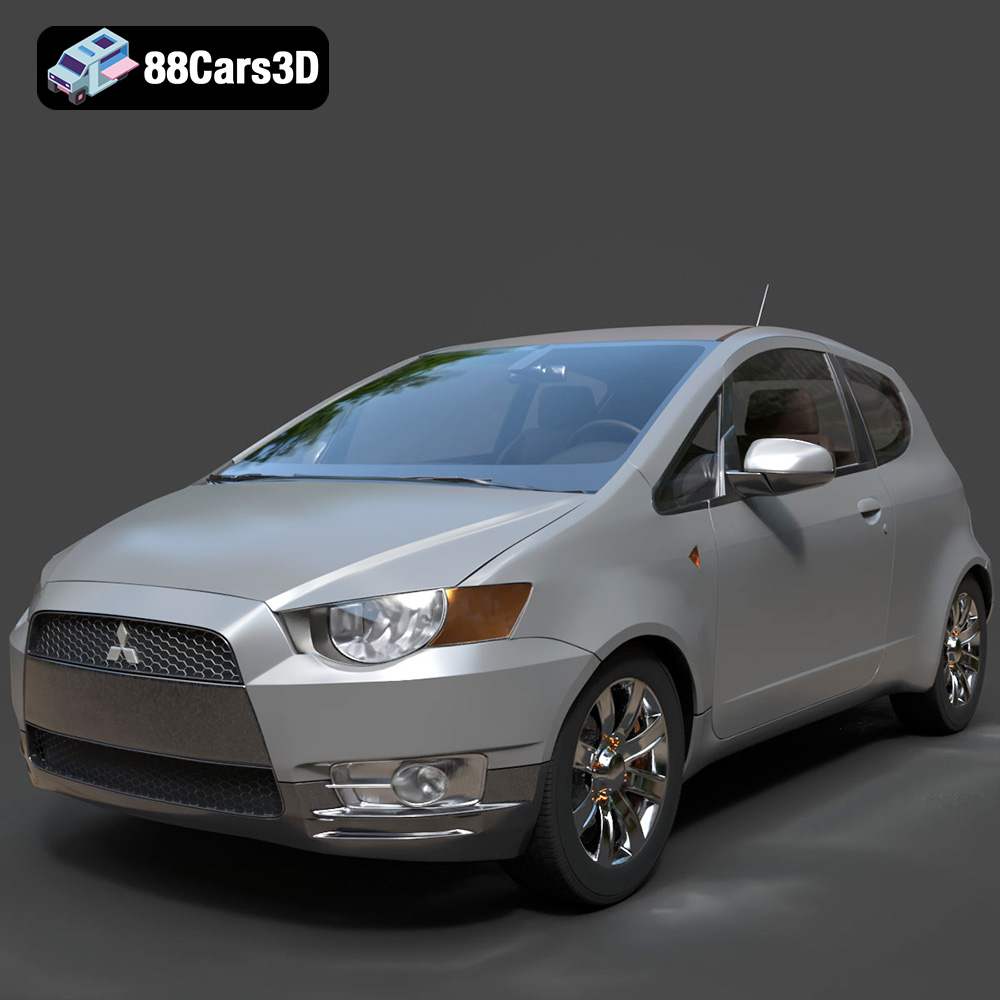
Download the Mitsubishi Colt 3 Door 2008 3D Model featuring clean geometry, realistic detailing, and a fully modeled interior. Includes .blend, .fbx, .obj, .glb, .stl, .ply, .unreal, and .max formats for rendering, simulation, and game development.
Price: $10
Texture: Yes
Material: Yes
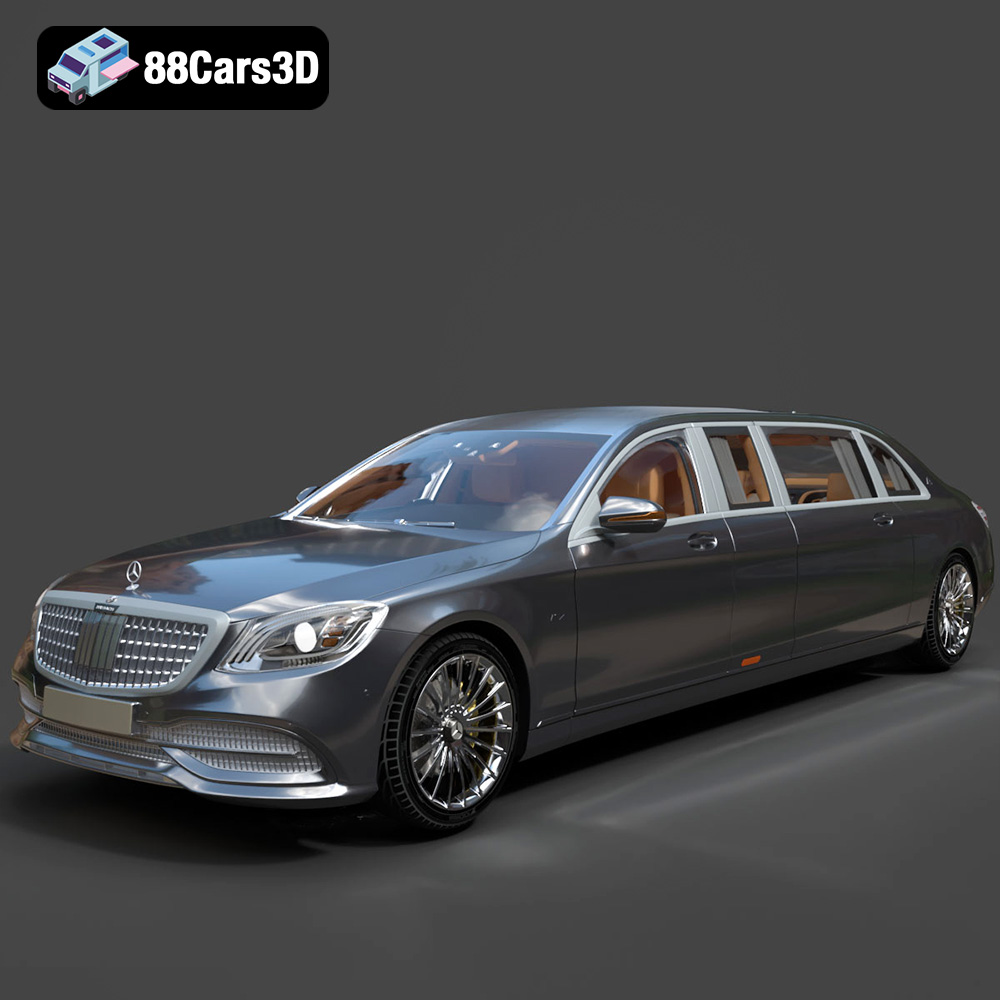
Download the Mercedes-Benz S650 Pullman 3D Model featuring clean geometry, realistic detailing, and a fully modeled interior. Includes .blend, .fbx, .obj, .glb, .stl, .ply, .unreal, and .max formats for rendering, simulation, and game development.
Price: $95.99
Texture: Yes
Material: Yes
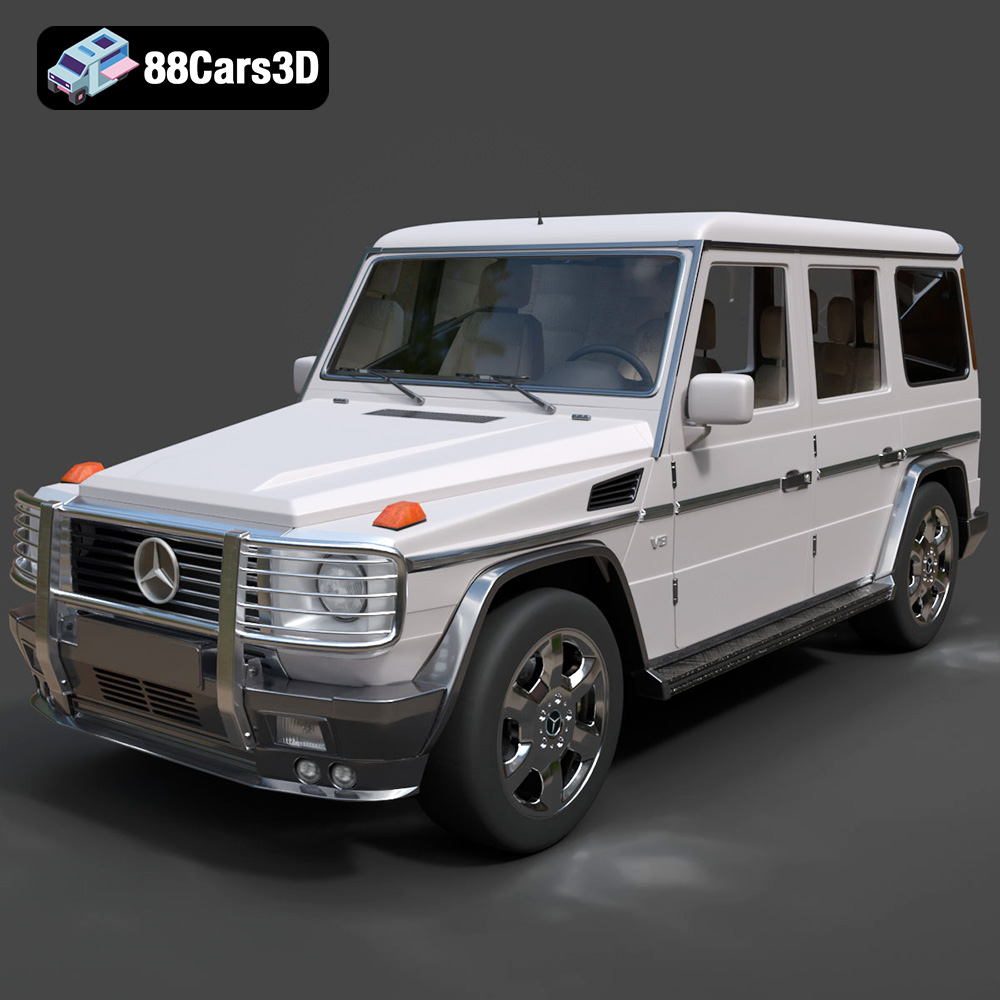
Download the Mercedes G-Class SUV 2024 3D Model featuring clean geometry, realistic detailing, and a fully modeled interior. Includes .blend, .fbx, .obj, .glb, .stl, .ply, .unreal, and .max formats for rendering, simulation, and game development.
Price: $10

Texture: Yes
Material: Yes
Download the Volvo XC90 R-Design 2015 3D Model featuring clean geometry, realistic detailing, and a fully modeled interior. Includes .blend, .fbx, .obj, .glb, .stl, .ply, .unreal, and .max formats for rendering, simulation, and game development.
Price: $10

