Get 50% OFF All Premium 3D & STL Models!

“`html
The allure of automotive design, combined with the accessibility of 3D printing, has opened exciting possibilities for hobbyists, engineers, and collectors alike. Whether you’re aiming to create a detailed replica of a classic car, prototype a new automotive component, or simply explore the art of model making, 3D printing offers an unmatched level of precision and customization. This comprehensive guide will delve into the intricacies of 3D printing automotive models, covering everything from STL file preparation and optimal printer settings to advanced slicing techniques and post-processing methods. By the end of this article, you’ll have the knowledge and skills to produce stunning, high-quality 3D-printed car models that capture the essence of automotive excellence.
We’ll cover the crucial aspects of working with STL files, the nuances of FDM and resin printing, how to optimize support structures for intricate designs, and the best practices for achieving a flawless finish. Let’s embark on this journey to unlock the full potential of 3D printing for your automotive passions.
The foundation of any successful 3D print lies in the quality of the STL (Stereolithography) file. This file format represents a 3D object as a collection of interconnected triangles, forming a mesh. The density and arrangement of these triangles directly impact the print’s resolution and overall appearance. When downloading models from marketplaces such as 88cars3d.com, it’s crucial to ensure that the STL files are properly optimized for 3D printing.
An STL file contains data about the vertices (corners) and normals (directions) of each triangle that makes up the 3D model. A “well-formed” STL file adheres to specific rules, such as all triangles being connected and forming a closed surface (watertight). Non-manifold geometry (e.g., edges shared by more than two triangles) can cause significant problems during slicing and printing. Inspecting the STL file in a mesh editor like MeshMixer or Netfabb allows you to identify and correct these issues before printing. For example, you might use MeshMixer’s “Inspect” tool to automatically detect and repair holes or flipped normals.
The number of triangles in the STL file determines its resolution. A higher triangle count results in a smoother surface but also increases the file size and processing time. For automotive models, striking a balance between detail and manageability is key. A good starting point is to aim for a triangle size that is roughly equivalent to your desired layer height. For instance, if you plan to print at a layer height of 0.1mm, ensure that the triangles in your STL file are approximately 0.1mm in size or smaller in the critical areas of the model (e.g., curved surfaces, intricate details). You can use software like Blender to control the level of detail during the STL export process, using modifiers like “Decimate” to reduce the triangle count without sacrificing essential features.
Slicing is the process of converting the 3D model (STL file) into a series of 2D layers that the 3D printer can understand and build upon. The slicer software (e.g., Cura, PrusaSlicer, Simplify3D) allows you to control various parameters that directly influence the print’s quality, strength, and appearance. Mastering these settings is essential for achieving the desired results with your 3D-printed car models.
Layer height is one of the most fundamental slicing parameters. A smaller layer height (e.g., 0.05mm – 0.1mm) results in smoother surfaces and finer details but also increases the print time significantly. Conversely, a larger layer height (e.g., 0.2mm – 0.3mm) reduces print time at the expense of surface quality. For automotive models, a layer height of 0.1mm – 0.15mm is generally recommended for a good balance between detail and speed. Consider using adaptive layer height features, available in some slicers, to automatically adjust the layer height based on the geometry of the model, allowing for finer details in curved areas and faster printing in simpler regions. As a general rule, halving the layer height will approximately double the print time.
Infill refers to the internal structure of the 3D print. It determines the strength and weight of the object. Different infill patterns (e.g., grid, honeycomb, gyroid) offer varying levels of strength and material usage. For automotive models, a rectilinear or honeycomb infill pattern with a density of 15-25% is typically sufficient for structural integrity while minimizing material consumption. For parts that require high strength, such as axles or suspension components, consider increasing the infill density to 50% or higher. The gyroid infill pattern offers excellent strength in all directions and is a good option for parts that are subjected to complex stresses.
Support structures are essential for printing overhangs and complex geometries. These structures provide a temporary base for the printer to build upon, preventing the model from collapsing during the printing process. Generating and removing supports effectively is a crucial skill for achieving clean and accurate 3D-printed car models. Platforms like 88cars3d.com offer print-ready STL files that often include pre-designed support structures, but understanding how to customize them is still important.
The type of support structures used depends on the printing technology. In FDM (Fused Deposition Modeling), support structures are typically made of the same material as the model and can be removed manually or with specialized tools. In resin printing (SLA/DLP), support structures are often thinner and more delicate and require careful removal to avoid damaging the model. For FDM, consider using tree-like supports or customizable supports in slicers like Cura or PrusaSlicer to minimize material usage and improve surface finish. For resin printing, experiment with different support tip sizes and densities to find the optimal balance between support strength and ease of removal. Angling the model in the slicer can also reduce the amount of support needed.
Several slicer settings can influence the ease and cleanliness of support removal. Adjusting the support density, support interface layers, and support Z distance (the gap between the support and the model) can significantly impact the final result. Increasing the support interface layers can improve the adhesion between the support and the model but may also make removal more difficult. Reducing the support Z distance can make removal easier but may also compromise the support’s ability to adequately support the overhang. Experiment with different settings to find the optimal combination for your specific model and material. A good starting point is a support Z distance of 0.1-0.2mm and a support density of 15-20% for FDM printing.
Choosing the right material and ensuring proper printer calibration are critical for achieving high-quality 3D-printed car models. The material properties, such as strength, flexibility, and temperature resistance, directly impact the model’s durability and functionality. Printer calibration ensures that the printer is accurately extruding and positioning the material, resulting in precise and dimensionally accurate prints.
For FDM printing, the most common materials are PLA (Polylactic Acid), PETG (Polyethylene Terephthalate Glycol), and ABS (Acrylonitrile Butadiene Styrene). PLA is a biodegradable thermoplastic that is easy to print and offers good detail but is not as strong or heat-resistant as PETG or ABS. PETG is a more durable and heat-resistant material than PLA and is a good choice for parts that require higher strength and temperature resistance. ABS is a strong and impact-resistant material that is commonly used in automotive applications but is more challenging to print than PLA or PETG due to its tendency to warp. For automotive models, PETG is often a good compromise between ease of printing and material properties. A good starting point for PETG is a nozzle temperature of 230-245°C and a bed temperature of 70-80°C.
For resin printing, a variety of resins are available, each with unique properties. Standard resins are ideal for general-purpose printing and offer good detail. Tough resins are more durable and impact-resistant, making them suitable for functional parts. Flexible resins are designed to bend and flex without breaking, allowing for the creation of parts with rubber-like properties. For automotive models, a combination of standard and tough resins may be used to achieve the desired balance of detail and durability. Follow the resin manufacturer’s recommendations for exposure times and post-processing procedures. Over-curing can make the resin brittle, while under-curing can result in weak and sticky parts.
Proper printer calibration is essential for achieving accurate and dimensionally consistent prints. Bed leveling ensures that the print bed is perfectly aligned with the nozzle, allowing for consistent first-layer adhesion. Extruder calibration ensures that the printer is extruding the correct amount of material. A poorly calibrated printer can result in warped prints, poor layer adhesion, and inaccurate dimensions. Use the printer’s built-in calibration tools or follow online tutorials to calibrate your printer regularly. For bed leveling, consider using an automatic bed leveling sensor (e.g., BLTouch) to simplify the process. For extruder calibration, print a single-wall cube and measure the wall thickness to determine the correct extrusion multiplier. Minor adjustments can make a huge difference in print quality.
Post-processing is the final stage in the 3D printing workflow and involves refining the printed object to achieve the desired appearance and functionality. This can include sanding to remove layer lines, painting to add color and detail, and assembly to combine multiple printed parts into a complete model. Mastering these techniques is essential for creating professional-looking 3D-printed car models.
Sanding is used to remove layer lines and smooth the surface of the 3D-printed object. Start with coarse-grit sandpaper (e.g., 220 grit) to remove major imperfections and then gradually move to finer-grit sandpaper (e.g., 400, 600, 800 grit) to achieve a smooth finish. Wet sanding can help to reduce dust and improve the sanding process. For hard-to-reach areas, consider using small sanding sponges or files. After sanding, use a primer to fill any remaining imperfections and create a smooth base for painting. For resin prints, isopropyl alcohol is used to wash away uncured resin, and then the model is cured under UV light.
Painting is used to add color and detail to the 3D-printed object. Use acrylic paints or spray paints designed for plastic models. Apply thin, even coats to avoid drips and runs. Masking tape can be used to create clean lines and protect areas that should not be painted. For intricate details, consider using fine-tipped brushes or airbrushing techniques. After painting, apply a clear coat to protect the paint and add a glossy or matte finish. Decals can be used to add logos, racing stripes, and other details to the model.
Assembly involves combining multiple printed parts into a complete model. Use adhesives designed for plastics, such as super glue or epoxy, to bond the parts together. Ensure that the parts are properly aligned before the adhesive sets. For moving parts, consider using small screws or pins to allow for articulation. Add finishing touches, such as clear windows, rubber tires, and chrome accents, to enhance the realism of the model. Remember to check the clearances between parts to ensure proper fit and function. Minor adjustments can be made with sanding or filing if necessary.
Even with careful preparation and optimal settings, 3D printing failures can occur. Understanding the common causes of these failures and how to troubleshoot them is essential for a successful 3D printing experience. From bed adhesion issues to warping and layer separation, being able to diagnose and resolve problems will save you time and frustration. Many models sold on 88cars3d.com are designed to minimize these common issues, but they can still occur based on your unique printer and material setup.
Poor first-layer adhesion is a common issue that can result in prints detaching from the bed during the printing process. This can be caused by an uneven bed, incorrect nozzle height, or insufficient bed temperature. Ensure that the bed is properly leveled and that the nozzle is close enough to the bed without being too close. Adjust the bed temperature to the recommended setting for the material being used. For PLA, a bed temperature of 60-70°C is typically sufficient. For PETG, a bed temperature of 70-80°C is recommended. Using a bed adhesion agent, such as hairspray or glue stick, can also improve first-layer adhesion. Another technique is to use a “brim” or “raft” in the slicer settings to increase the surface area of the first layer.
Warping and cracking can occur when the printed object cools too quickly, causing it to contract and deform. This is more common with materials like ABS that have a high coefficient of thermal expansion. To prevent warping, ensure that the print bed is heated and that the printer is enclosed to maintain a consistent temperature. Reduce the print speed and increase the bed adhesion. Using a brim or raft can also help to prevent warping. If cracking occurs, try increasing the printing temperature and reducing the cooling fan speed.
Layer separation, also known as delamination, occurs when the layers of the 3D-printed object do not properly adhere to each other. This can be caused by insufficient printing temperature, low extrusion rate, or poor layer adhesion. Increase the printing temperature to improve layer adhesion. Ensure that the extruder is properly calibrated and that the extrusion rate is sufficient. Increase the layer height slightly to improve layer adhesion. Ensure that the cooling fan is not cooling the print too aggressively.
3D printing automotive models is a rewarding and challenging endeavor that combines creativity, technical skill, and a passion for automotive design. By understanding the intricacies of STL files, mastering slicing parameters, optimizing support structures, selecting the right materials, and implementing effective post-processing techniques, you can create stunning, high-quality 3D-printed car models that capture the essence of automotive excellence. Remember to calibrate your printer regularly, troubleshoot common printing failures, and continuously experiment with different settings and techniques to refine your skills. The world of 3D printing is constantly evolving, with new materials, technologies, and techniques emerging all the time. Stay curious, keep learning, and enjoy the journey of bringing your automotive visions to life. Visit resources like 88cars3d.com to find inspiration and high-quality STL files for your next project.
“`

Texture: Yes
Material: Yes
Download the Mercedes S-Class 2024 3D Model featuring clean geometry, realistic detailing, and a fully modeled interior. Includes .blend, .fbx, .obj, .glb, .stl, .ply, .unreal, and .max formats for rendering, simulation, and game development.
Price: $10

Texture: Yes
Material: Yes
Download the Chevrolet Camaro 1970 3D Model featuring clean geometry, realistic detailing, and a fully modeled interior. Includes .blend, .fbx, .obj, .glb, .stl, .ply, .unreal, and .max formats for rendering, simulation, and game development.
Price: $10

Texture: Yes
Material: Yes
Download the Mercedes-AMG GT 2015 3D Model featuring clean geometry, realistic detailing, and a fully modeled interior. Includes .blend, .fbx, .obj, .glb, .stl, .ply, .unreal, and .max formats for rendering, simulation, and game development.
Price: $88.99

Texture: Yes
Material: Yes
Download the Suzuki GSX-R 1000 3D Model featuring clean geometry, realistic detailing, and a fully modeled interior. Includes .blend, .fbx, .obj, .glb, .stl, .ply, .unreal, and .max formats for rendering, simulation, and game development.
Price: $10

Texture: Yes
Material: Yes
Download the Porsche Cayman S 2024 3D Model featuring clean geometry, realistic detailing, and a fully modeled interior. Includes .blend, .fbx, .obj, .glb, .stl, .ply, .unreal, and .max formats for rendering, simulation, and game development.
Price: $10

Texture: Yes
Material: Yes
Download the Holden Commodore Sportwagon 2017 3D Model featuring clean geometry, realistic detailing, and a fully modeled interior. Includes .blend, .fbx, .obj, .glb, .stl, .ply, .unreal, and .max formats for rendering, simulation, and game development.
Price: $10
Texture: Yes
Material: Yes
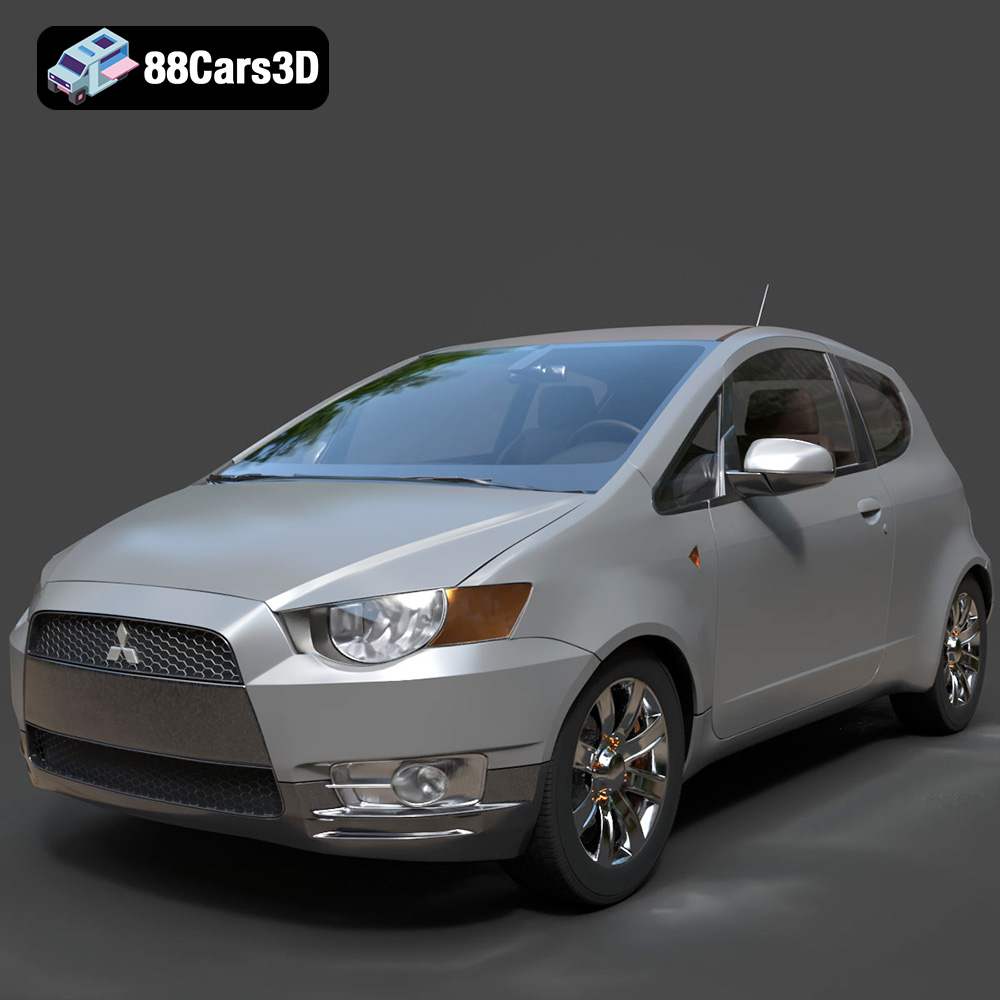
Download the Mitsubishi Colt 3 Door 2008 3D Model featuring clean geometry, realistic detailing, and a fully modeled interior. Includes .blend, .fbx, .obj, .glb, .stl, .ply, .unreal, and .max formats for rendering, simulation, and game development.
Price: $10

Texture: Yes
Material: Yes
Download the Mercedes-Benz S650 Pullman 3D Model featuring clean geometry, realistic detailing, and a fully modeled interior. Includes .blend, .fbx, .obj, .glb, .stl, .ply, .unreal, and .max formats for rendering, simulation, and game development.
Price: $95.99
Texture: Yes
Material: Yes
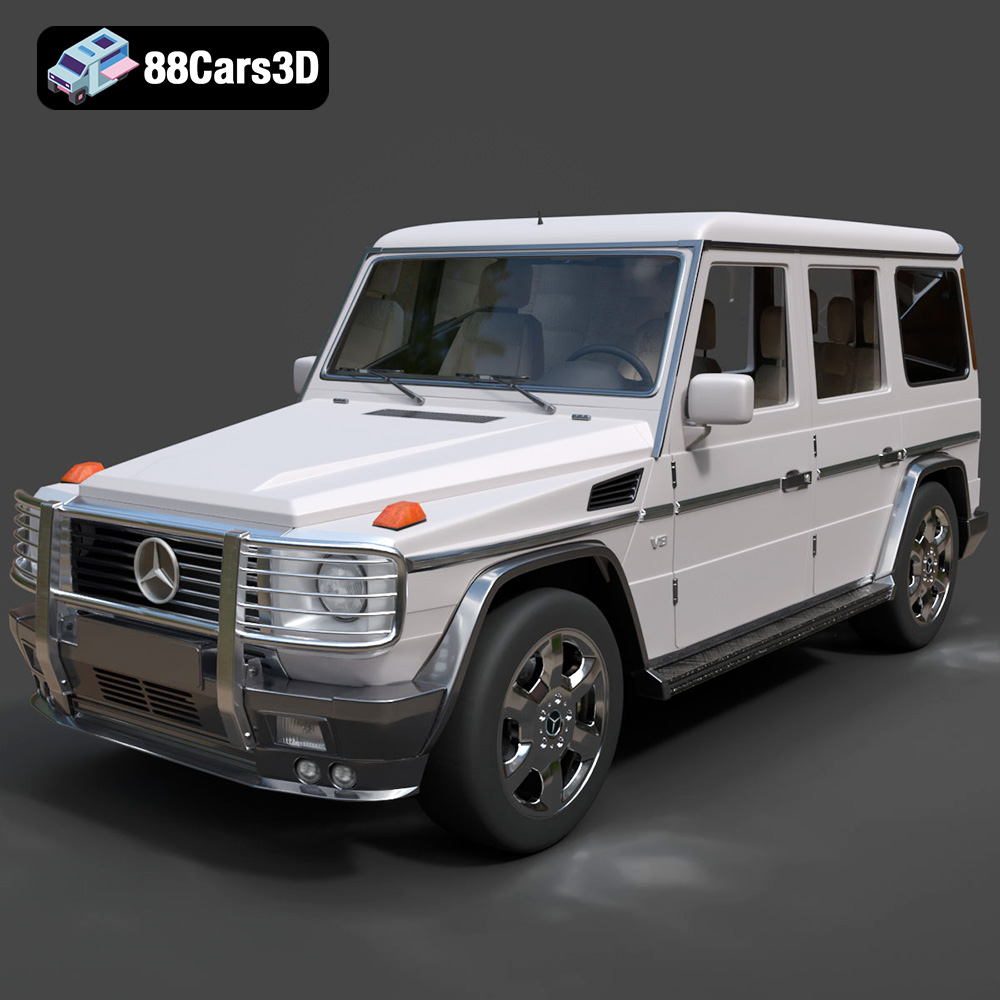
Download the Mercedes G-Class SUV 2024 3D Model featuring clean geometry, realistic detailing, and a fully modeled interior. Includes .blend, .fbx, .obj, .glb, .stl, .ply, .unreal, and .max formats for rendering, simulation, and game development.
Price: $10

Texture: Yes
Material: Yes
Download the Volvo XC90 R-Design 2015 3D Model featuring clean geometry, realistic detailing, and a fully modeled interior. Includes .blend, .fbx, .obj, .glb, .stl, .ply, .unreal, and .max formats for rendering, simulation, and game development.
Price: $10

